10 Things You (Probably) Didn’t Know About ‘Dune’

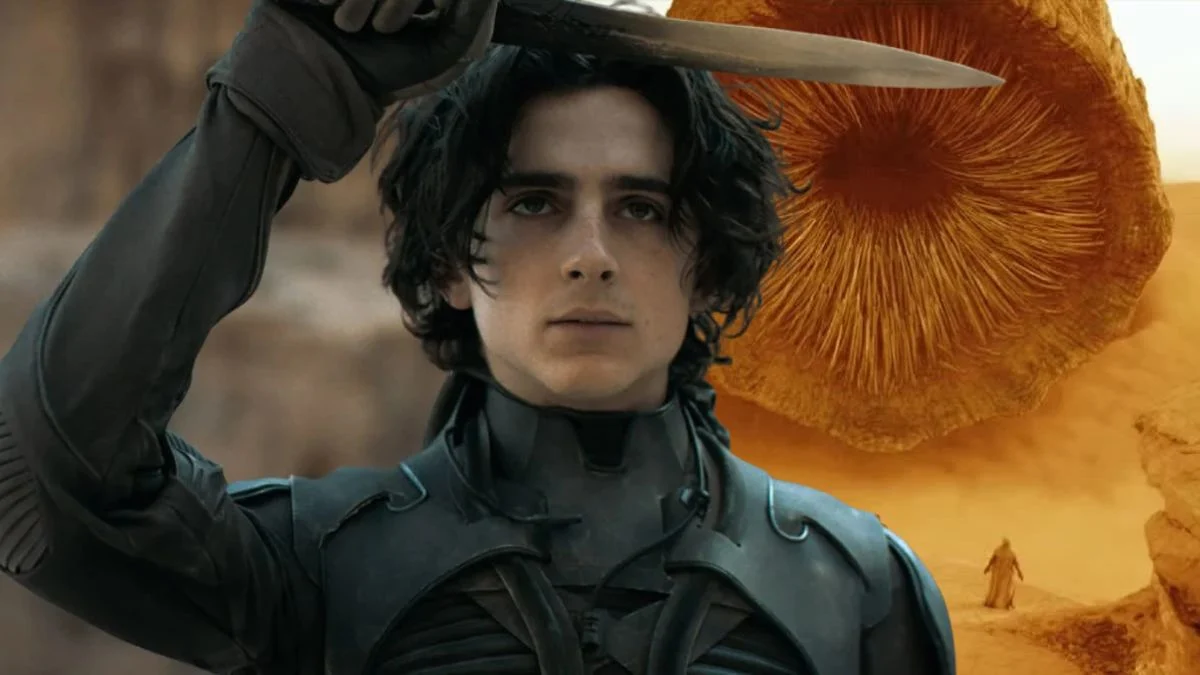

Denis Villeneuve’s ‘Dune’ set out to make Arrakis feel like a real place you could touch, hear, and navigate, and the production built almost everything around that goal. The team pushed for physical sets, real locations, and practical rigs that let actors move through heat, sand, and wind the way their characters would.
That choice shaped every department from costumes to sound. Instead of leaning on a wall of green, the movie layers hand built environments with carefully designed effects that sit close to the camera. The result is a world where props carry weight, voices cut through air that feels dry, and ships kick up sand you can almost taste.
The desert is mostly real sand under a real sun
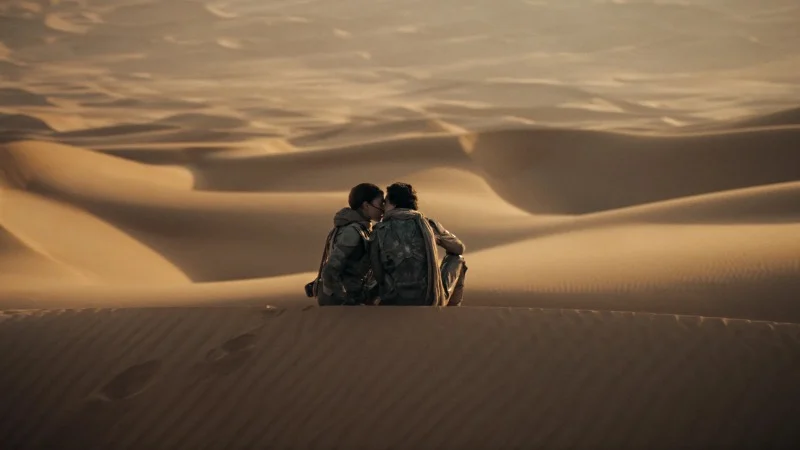
The production filmed key sequences in Wadi Rum and in the Liwa Desert, where natural rock faces and rolling dunes gave Arrakis its texture. Crews worked around intense daylight to catch the angle of the sun that makes sand glitter and shadow lines stay sharp.
Interior and city work happened on stages in Budapest, where art and construction teams built large sections of Arrakeen and deep rock tunnels. That mix of location and stage let the camera move from harsh exterior heat to cool interior stone without breaking the look.
Stillsuits were engineered for heat and movement
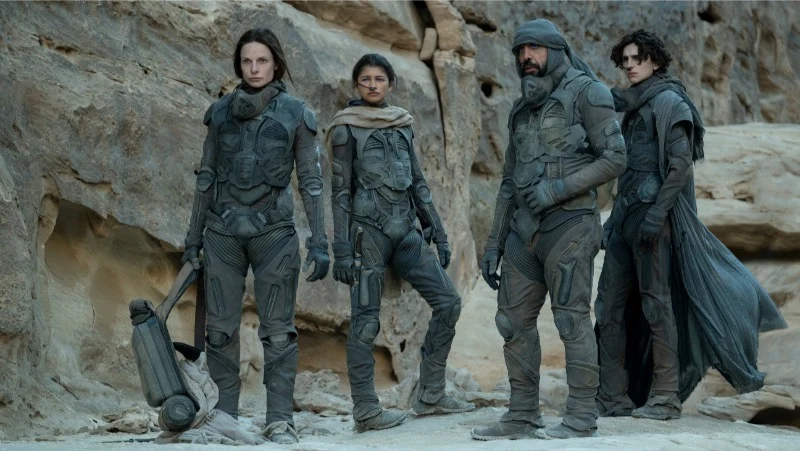
Costume designers created stillsuits as functional survival gear with layers that flex at the joints and channel sweat away from the skin. The materials were selected to breathe, shed sand, and hold their shape during long takes.
Each suit included hidden closures so actors could quickly adjust or step out between setups. Weathering teams ground fine particulates into the fabric and seams so the suits looked used from the first shot, which kept continuity tight across distant locations.
Ornithopters began with the shape of a dragonfly
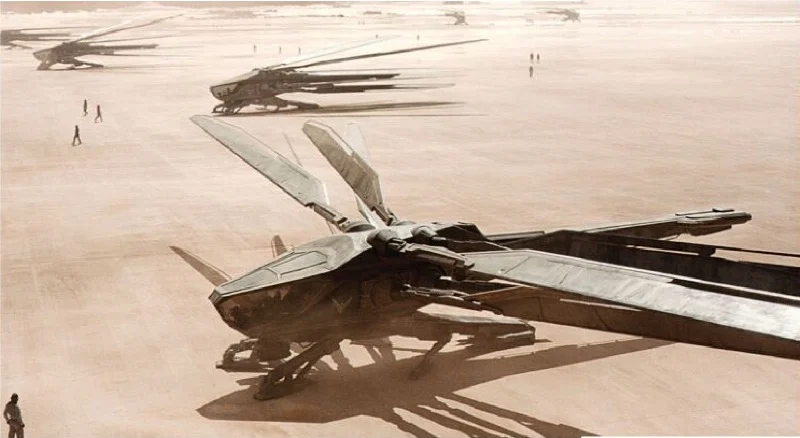
Vehicle designers studied insect wing motion to find a pattern that could be built at full scale. They settled on multiple wing pairs with a hinge path that reads as organic while remaining mechanically believable.
Full size cockpits sat on gimbals that could tilt, shake, and drop while the wings cycled. Pilots and passengers had physical controls and dashboards, so performers could throw switches and feel movement that matched what the camera saw outside the glass.
The voice that bends wills is a layered performance
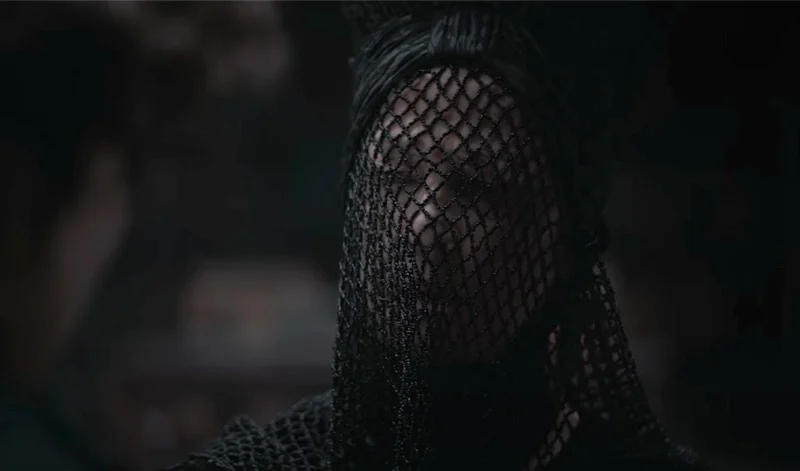
To create the Bene Gesserit Voice, the sound team recorded multiple takes at different intensities and blended them into a single command that arrives slightly ahead of natural speech. Subtle pitch and timing shifts make it feel like the words hit before the listener can resist.
Mixers placed the effect so it jumps location in the theater, which helps sell the idea that the sound bypasses normal hearing. The technique kept the moment grounded in performance while adding a sensation that is hard to pin down.
Sand moved with custom rigs and tuned blends
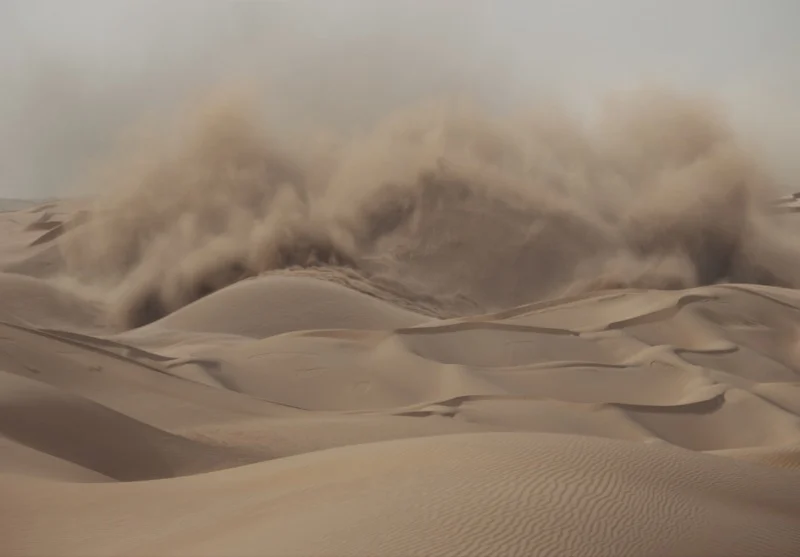
Special effects crews built rigs that push and pull sand in controlled waves, including vibrating beds that can swallow a footstep or collapse a surface on cue. Those systems let the camera watch footprints fill and dunes slide without digital handoffs in the middle of a shot.
Different sand blends were used for depth, flow, and safety. Finer mixes behaved like liquid for small cascades, while heavier grains held shape for vehicle tracks and close work around props and costumes.
Worms were designed as living geology
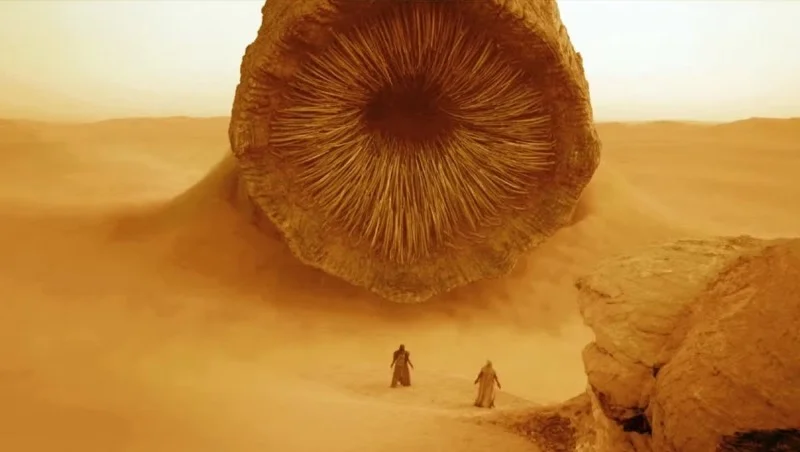
Creature and production designers treated the sandworm as part animal and part landscape. Surface texture reads like eroded stone up close, while the mouth structure patterns suggest a filter that can process entire dunes.
The sound team built the worm’s presence from low material rumbles layered with organic elements, then carved out space in the mix so footsteps and breathing fall away as a worm approaches. That contrast turns empty desert sound into a warning system on its own.
The score leans on human breath and unfamiliar timbres

Hans Zimmer centered voices and extended techniques to make music feel born of a dry world where survival depends on breath. Singers were recorded closely, then processed to stretch and roughen the edges without losing the sense of a human source.
Unusual instruments and performance methods supplied textures that do not sit neatly in a standard orchestra. Percussive elements often came from objects that evoke tools and machinery, which ties musical rhythm to labor and environment on Arrakis.
Light choices avoided easy digital shortcuts
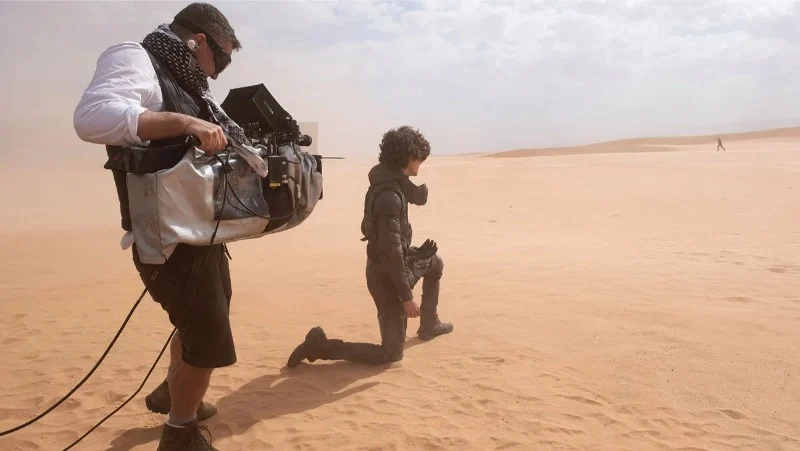
Cinematography favored natural sun for exteriors and practical fixtures for interiors, which gave sand, stone, and fabric their real response to light. Crews timed exterior days to capture backlit dust and heat shimmer, which helps sell scale without extra effects work.
On stages, large soft sources and narrow slashes of light imitated reflected glare off desert surfaces. Sets were designed with ceilings and working sconces so the lighting plan could live inside the architecture rather than float above it.
Languages and symbols were woven into on set graphics
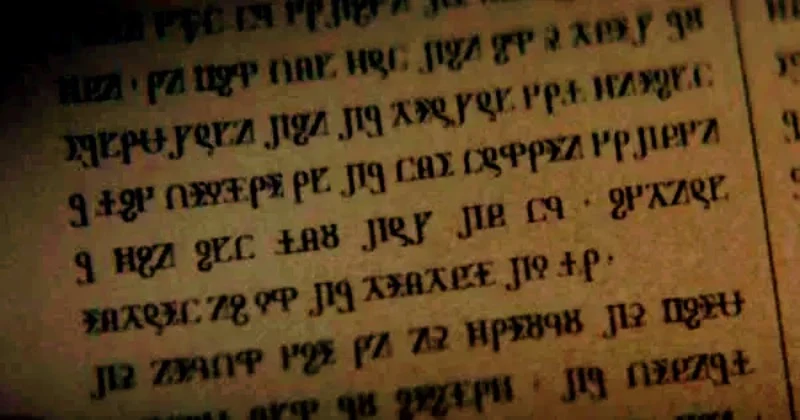
Graphic designers created signage, interfaces, and textiles with consistent alphabets and motifs for each culture. Those elements appeared on cockpit readouts, wall panels, and clothing so the world carried its own written logic in every frame.
Because those graphics were printed and built rather than added later, actors could interact with them directly. Buttons lined up with labels, readouts matched dialogue cues, and costumes carried markings that told rank or origin without extra exposition.
Caladan and Arrakeen follow a material logic
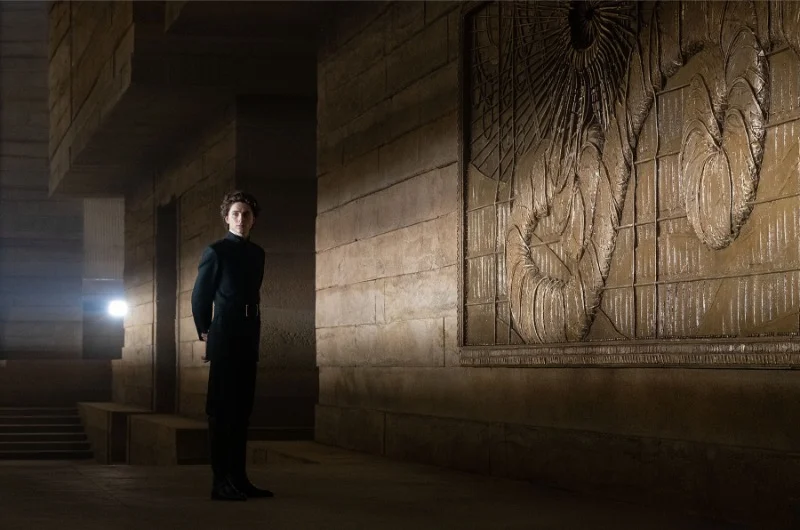
Locations and sets for House Atreides lean into water, wood, and stone that holds moisture, while Arrakeen architecture presents heavy massing and narrow openings that fight heat gain. That contrast gives the story a visual pivot when the setting changes.
Prop makers followed the same rule set. Items from Caladan show finishes that tolerate salt air and damp, while gear built for Arrakis uses textured grips and sand shedding surfaces. The approach keeps culture and climate linked at the level of everyday objects.
Share the one behind the scenes detail from ‘Dune’ that you found most surprising in the comments.