15 Worst Things Done by Anime Villains


Sometimes a great story needs a truly awful act to show what is at stake. Anime has delivered plenty of moments where villains cross lines that leave characters and viewers picking up the pieces. These are the kinds of deeds that reshape entire worlds, rewire heroes, and define series for years to come.
This list looks at specific actions and why they were so devastating inside their stories. You will see how each choice rippled through families, cities, and even nations. Studio details are mentioned where they help place a scene in its on screen history, since how a moment is animated often shapes how we remember it.
Griffith Sacrifices the Band of the Hawk
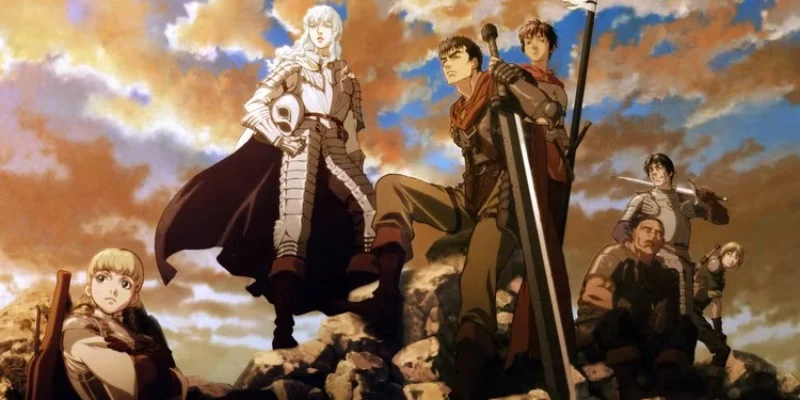
In ‘Berserk’, Griffith chooses to become Femto by offering the Band of the Hawk during the Eclipse. The decision condemns nearly every comrade who carried him through war and hardship, with the God Hand turning the battlefield into a slaughterhouse. The event locks the story’s central conflict in place and explains why Guts pursues Griffith across continents.
Viewers often reference the Eclipse as presented in the OLM television series for its unflinching depiction of the ritual and its aftermath. The sequence establishes how causality works in this world and how a single ambition can overwrite loyalty, love, and friendship.
Shou Tucker Fuses Nina and Alexander
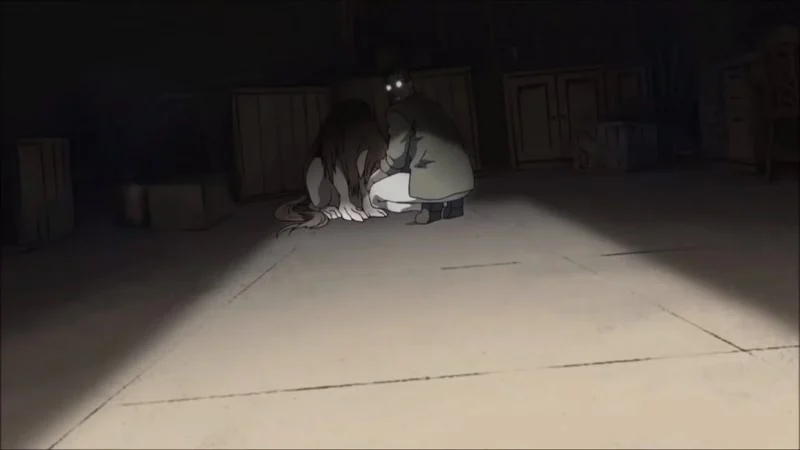
In ‘Fullmetal Alchemist: Brotherhood’, State Alchemist Shou Tucker merges his daughter and her dog to keep his license. The transmutation produces a talking chimera and exposes the ugliest edge of alchemy inside a domestic setting. Edward and Alphonse confront the result and learn what human experimentation looks like when done for status.
Bones frames the reveal in quiet rooms and short walks that build dread step by step. The scene turns a small home into the series’ moral center, then shatters it, showing how science without ethics destroys the people closest to it.
Frieza Destroys Planet Vegeta
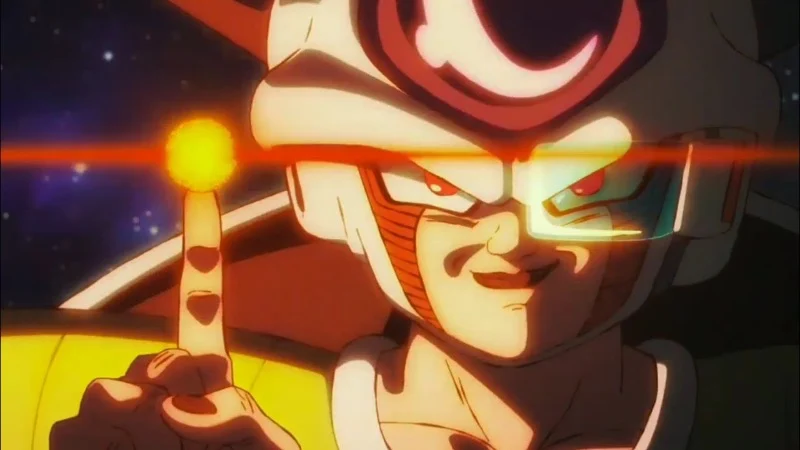
In ‘Dragon Ball Z’, Frieza eliminates the Saiyan homeworld to remove a potential threat to his rule. The destruction erases a culture and scatters survivors across space, setting the stage for Goku and Vegeta’s intertwined paths. Later actions on Namek echo the same disregard for life through mass killings and forced servitude.
Toei Animation presents these events through flashbacks and battlefield testimony that anchor character motivations for years to come. The legacy of that single order explains Vegeta’s pride, Goku’s destiny, and the empire that backed Frieza’s every whim.
Pain Levels the Hidden Leaf Village
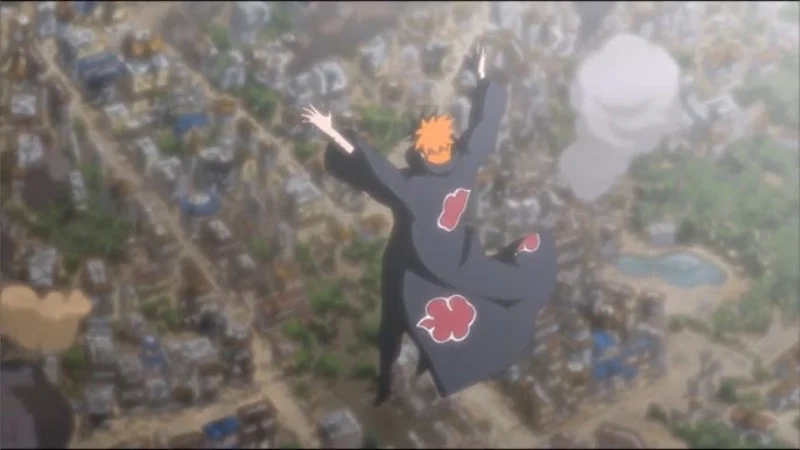
In ‘Naruto Shippuden’, Pain uses Shinra Tensei to flatten Konoha and force Naruto to reveal himself. The attack kills civilians and shinobi, wipes neighborhoods from the map, and pushes the village to the brink of collapse. It follows Pain’s earlier killing of Jiraiya, which removes Naruto’s mentor and deepens the conflict.
Studio Pierrot stages the assault with wide shots of collapsing districts and close cuts on survivors digging through rubble. The sequence clarifies the Akatsuki ideology and shows how a single technique can become a weapon of absolute coercion.
Dio Brando Steals Jonathan’s Body
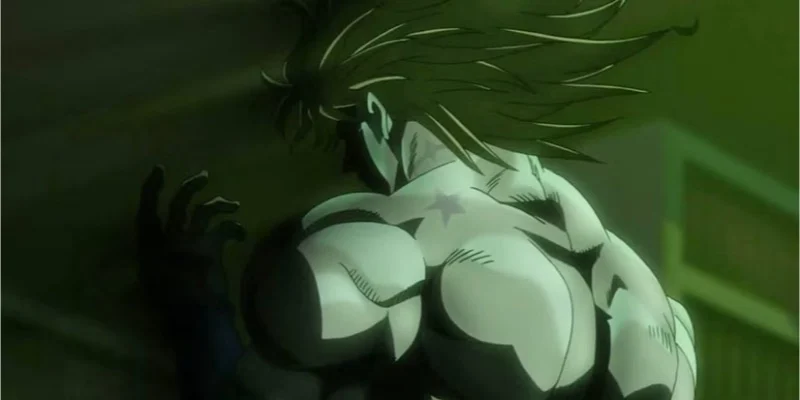
In ‘JoJo’s Bizarre Adventure’, Dio survives decapitation and later claims Jonathan Joestar’s body. The theft lets him rebuild power and terrorize a new generation, creating a family feud that spans continents. His earlier abuse of the Joestar household and spread of vampirism set the template for everything that follows.
David Production highlights Dio’s calculated cruelty through recurring motifs like stopped time and chilling entrances. Each appearance ties back to that first violation, making the body theft the linchpin for multiple parts of the saga.
Father Consumes a Nation
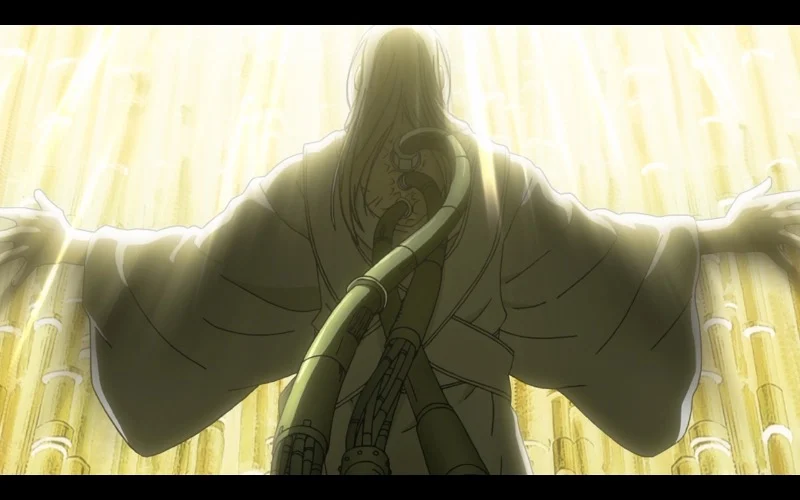
In ‘Fullmetal Alchemist: Brotherhood’, Father orchestrates a centuries long plan to transmute the entire country of Amestris. The method repeats an earlier atrocity in Xerxes, where a city vanished overnight to fuel his evolution. The design uses human lives as markers in a nationwide circle laid into roads, wars, and political boundaries.
Bones maps the conspiracy through cutaways to laboratories, battlefields, and government chambers. The structure shows how a quiet hand can bend history, and how every uprising or law served the energy needed for one impossible moment.
Sōsuke Aizen Murders Central 46
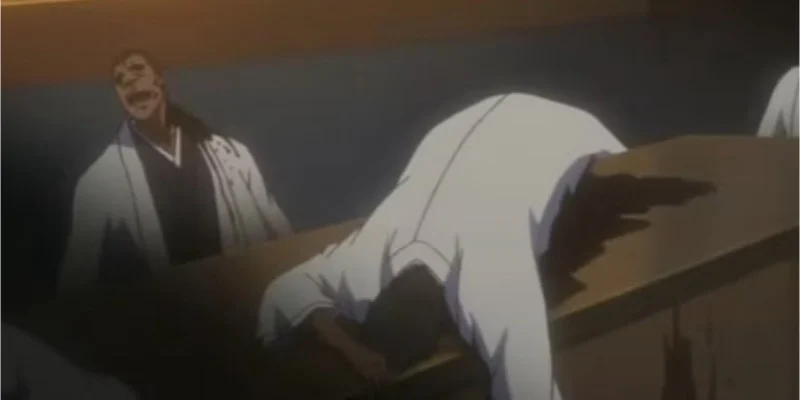
In ‘Bleach’, Aizen kills the governing body of Soul Society and hides the act to manipulate trials and executions. He engineers Rukia’s death sentence to access the Hōgyoku and pits captains against each other to clear his path. The betrayal remakes the power map and proves that knowledge can be sharper than any blade.
Studio Pierrot unveils the plot through reveals that recontextualize earlier episodes. The timeline of forged notes, fake deaths, and staged rescues explains how easily a calm voice can seize a city of soldiers.
Naraku Curses Bloodlines and Feeds on Hate
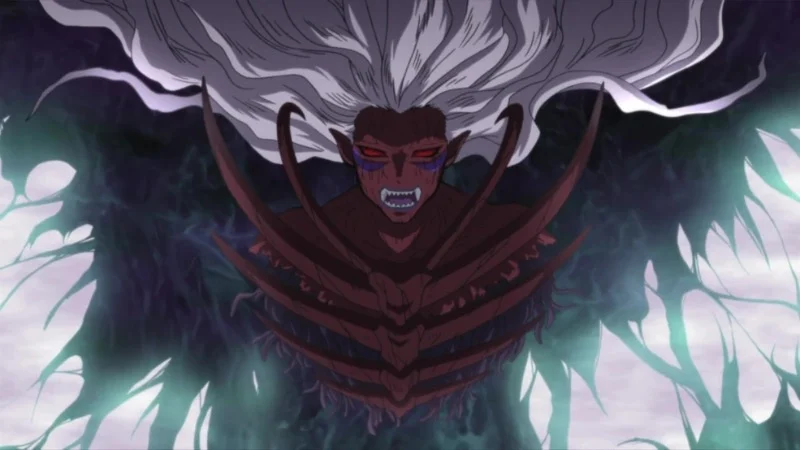
In ‘Inuyasha’, Naraku tricks Inuyasha and Kikyo into destroying their relationship, then extends the harm through a curse that dooms Miroku’s family. He manipulates demons and humans alike by planting shards and exploiting grudges, keeping allies apart while he grows stronger. The web of lies turns every victory into another step in his plan.
Sunrise threads this cruelty across fields, villages, and sacred spaces. The long pursuit shows how one manipulator can keep a generation running while he feeds on the bitterness he arranged.
Meruem’s Selection Slaughters a Nation
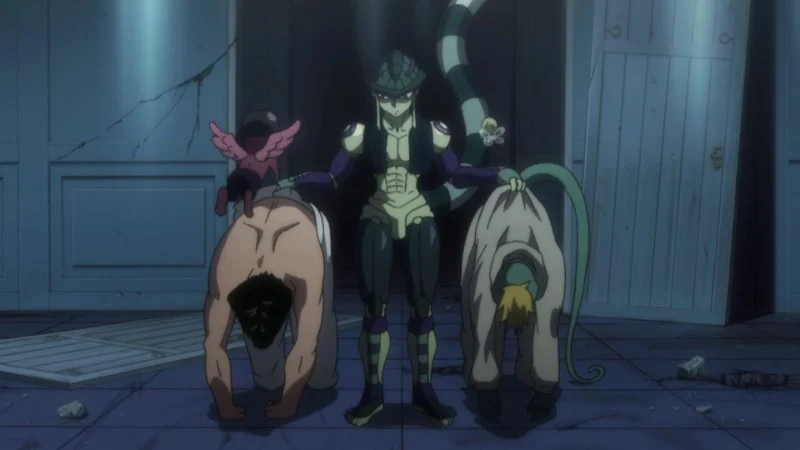
In ‘Hunter x Hunter’, the Chimera Ant King imposes a nationwide selection process that kills countless people in East Gorteau. The palace invasion and mass testing compress terror into a few days where survival becomes a lottery. Hunters are forced to infiltrate at terrible risk while civilians vanish in waves.
Madhouse presents the arc with a ticking structure that tracks parallel missions and casualties. The staging of the palace and its guards turns each hallway into a moral trial, making the selection a defining portrait of predation.
Ryomen Sukuna Turns Shibuya Into a Killing Field
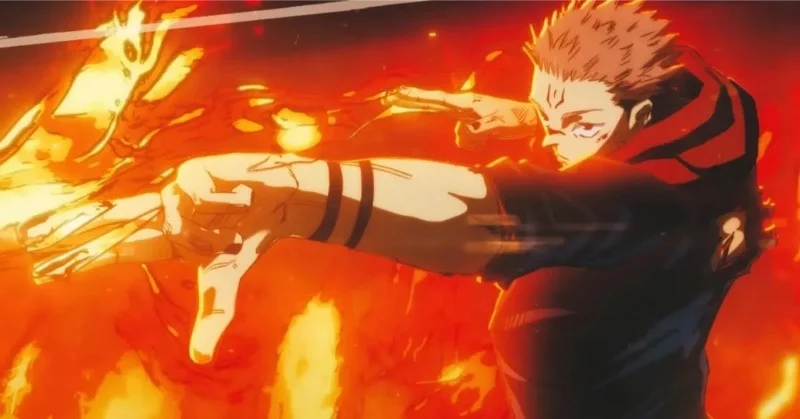
In ‘Jujutsu Kaisen’, Sukuna’s rampage during the Shibuya Incident leaves a trail of bodies and a city center in ruins. He exploits Yuji Itadori’s body to unleash techniques that obliterate everything in their path. The takeover deepens the curse user plot and pushes sorcerers into desperate choices.
MAPPA renders the chaos with shifting perspectives that show civilians, sorcerers, and curses colliding in the same streets. The aftermath explains why control of Yuji’s body matters and how a single domain can rewrite a skyline.
All For One Steals Quirks and Breaks Heroes
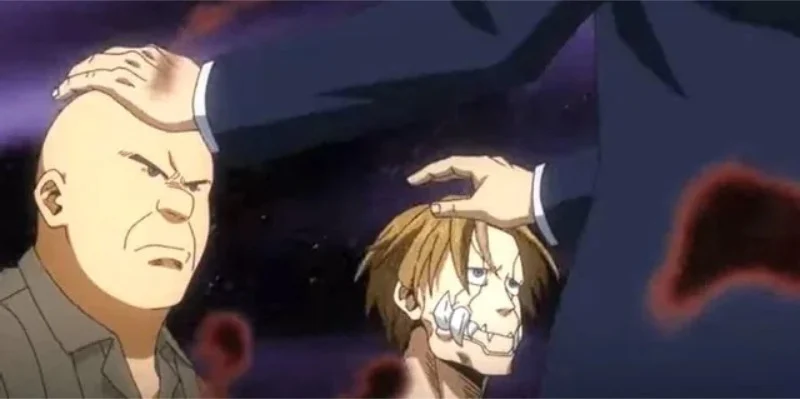
In ‘My Hero Academia’, All For One accumulates stolen Quirks to dominate rivals and shape society around fear. His battle with All Might at Kamino Ward leaves a symbol of peace injured and a neighborhood devastated. The thefts also build a second generation of followers who repeat his methods.
Bones uses crowded city blocks and televised confrontations to show the stakes for ordinary people. The scars from that fight explain shifts in public trust and why training systems scramble to adapt.
Makima Orchestrates Massacres for Control
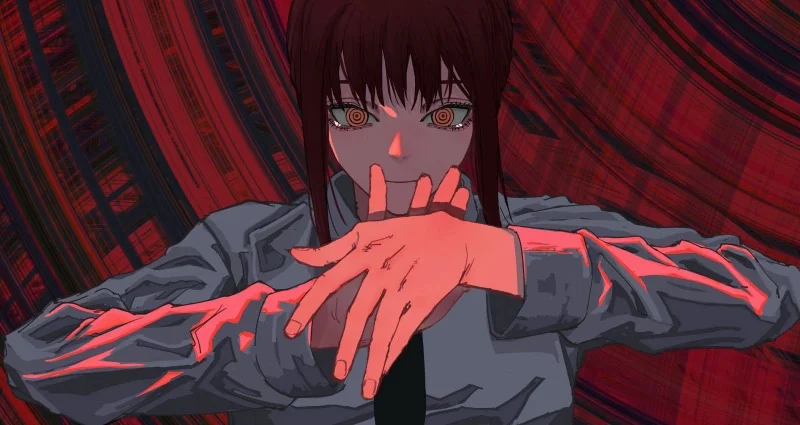
In ‘Chainsaw Man’, Makima arranges hits on Public Safety Devil Hunters and manipulates Denji through contracts and memory. Her goal is to capture the Chainsaw Devil to reorder the world around her vision. The plan costs countless lives and leaves survivors unsure which choices were theirs.
MAPPA frames Makima’s influence through quiet scenes at apartments, offices, and train platforms that explode without warning. The pattern reveals how control can feel like care until the moment it is withdrawn.
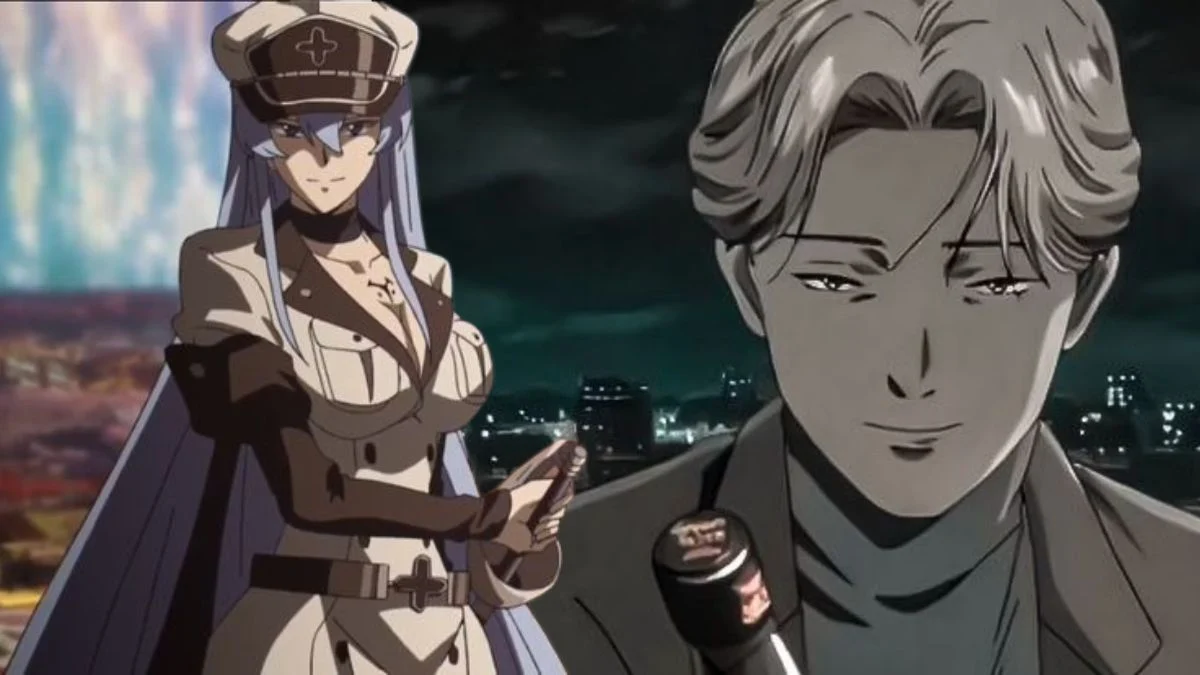
Esdeath Freezes and Conquers Without Mercy
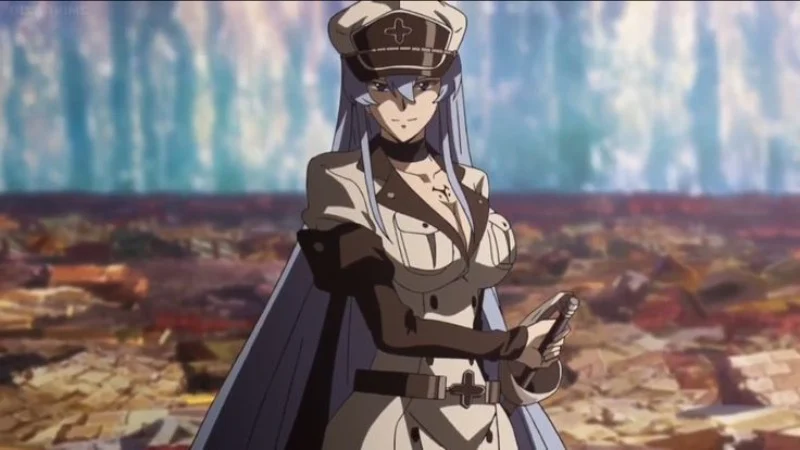
In ‘Akame ga Kill!’, General Esdeath leads campaigns that wipe out villages and rebels to prop up a corrupt capital. Her Imperial Arms lets her freeze armies in place while her tactics isolate targets and break morale. The empire’s worst policies thrive under her command.
White Fox contrasts romantic subplots with military brutality to underline the cost of her victories. Battlefields and prisons tell the same story, showing how a single commander can keep injustice alive through strategy and fear.
Johan Liebert Engineers Deaths With Words
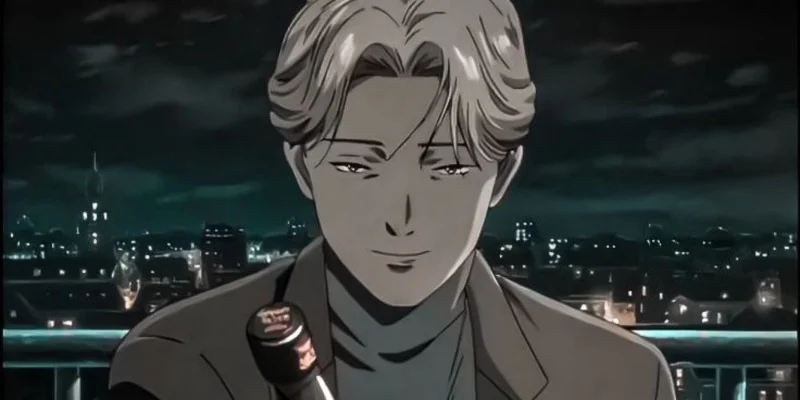
In ‘Monster’, Johan convinces people to kill or self destruct, leaving little physical evidence behind. He moves through hospitals, orphanages, and apartments, turning personal histories into triggers. The body count grows while authorities chase the wrong patterns.
Madhouse treats conversations like set pieces, letting pauses and glances do the damage. The approach demonstrates how a villain can erase towns and families using only careful stories and the right audience.
Kyubey Turns Girls Into Witches
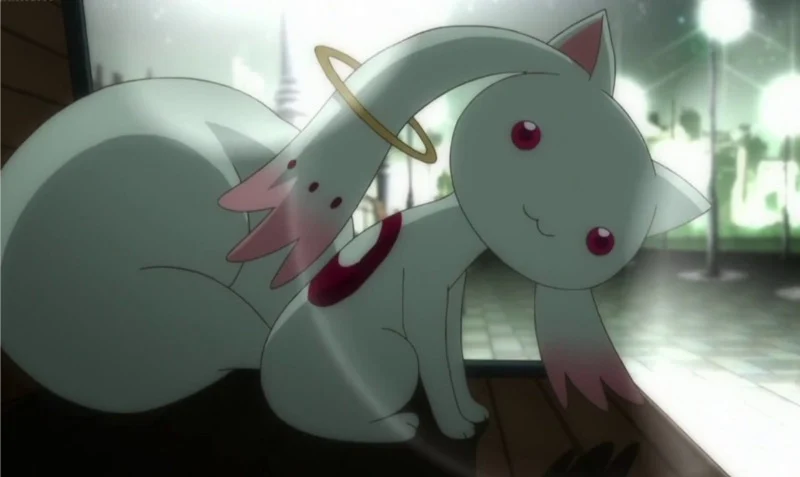
In ‘Puella Magi Madoka Magica’, Kyubey recruits teenagers into contracts that inevitably lead to their transformation into witches. The cycle powers an energy harvesting system that keeps the universe running at a terrible cost. Contracts are presented as choices without disclosing the final form of despair.
Shaft reveals the truth through layered timelines and abstract battle spaces that mirror each girl’s state of mind. The design clarifies how a neat solution to entropy becomes a quiet pipeline of tragedy hidden behind hopeful wishes.
Share which moment you think changed its series the most in the comments.