20 Fictional Characters Who Can Never Die


Some characters seem built to outlast everything around them. They regenerate, reincarnate, or operate on a level where the usual rules simply do not apply. The result is a roster of figures who just keep coming back, whether through cosmic authority, curses that lock them to the living world, or strange biology that refuses to shut down.
This list gathers characters from movies, TV, anime, and comics who are functionally unkillable in their own stories. You will see deities, monsters, and troublemakers who have survived disintegration, decapitation, or the end of the universe itself, with their publishers, networks, studios, or distributors noted in context along the way.
The Doctor
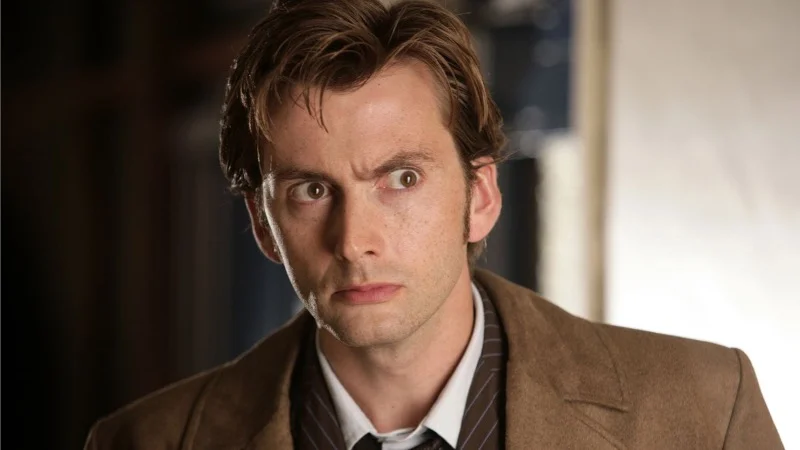
First seen on TV in ‘Doctor Who’, the Doctor is a Time Lord who survives fatal injuries by regenerating into a new body with a fresh face and personality. The process rewrites biology while preserving memories, which has allowed the Doctor to cycle through many incarnations across centuries of adventures. The character’s ship, the TARDIS, and knowledge of time travel make permanent death even less likely by enabling retreats to safer points in the timeline. The original broadcaster for the series is the BBC network.
The Doctor’s biology includes two hearts and a suite of Time Lord abilities that resist conventional harm. Even when regeneration energy seems depleted, story arcs have shown exceptions that restore it under extraordinary conditions. Spin-offs like ‘Torchwood’ and crossovers within the franchise reinforce the idea that the Doctor’s end is practically unreachable, with BBC Studios distributing the modern installments worldwide.
Deadpool

Wade Wilson gains an accelerated healing factor that reassembles organs and limbs within moments, which makes conventional lethal force ineffective. In several storylines, he survives complete bodily destruction and continues operating after injuries that would end any other superhuman. The character first appeared in print within Marvel Comics titles, and the company serves as the publisher for his ongoing stories.
A separate element that reinforces Deadpool’s survival is a curse in certain continuities that prevents him from dying at all. This narrative device explains his return from scenarios that would normally be final. Film adaptations place him in larger cinematic continuity where the character’s resilience is dramatized in live action, with theatrical distribution handled through Marvel’s associated studio partners.
Vandal Savage
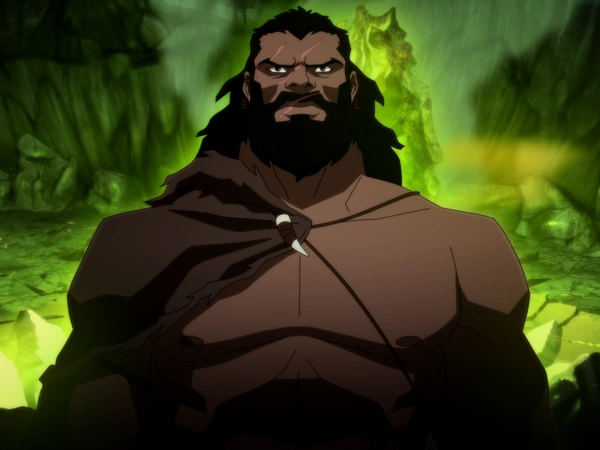
An immortal caveman transformed by a mysterious meteor, Vandal Savage retains intelligence across millennia and accumulates knowledge, wealth, and influence. His body does not age in a normal manner and rapidly recovers from harm, which lets him operate as a recurring adversary across eras. DC Comics publishes his stories, placing him into conflicts with multiple generations of heroes.
Savage’s survival is often tied to strategic planning and backups created over centuries, from hidden caches to long-term alliances. Even when seemingly destroyed, narratives reveal contingency clones or restorative processes that bring him back. Appearances in animated series and live-action TV expand his profile within properties produced and distributed under the Warner Bros. umbrella.
Death of the Endless
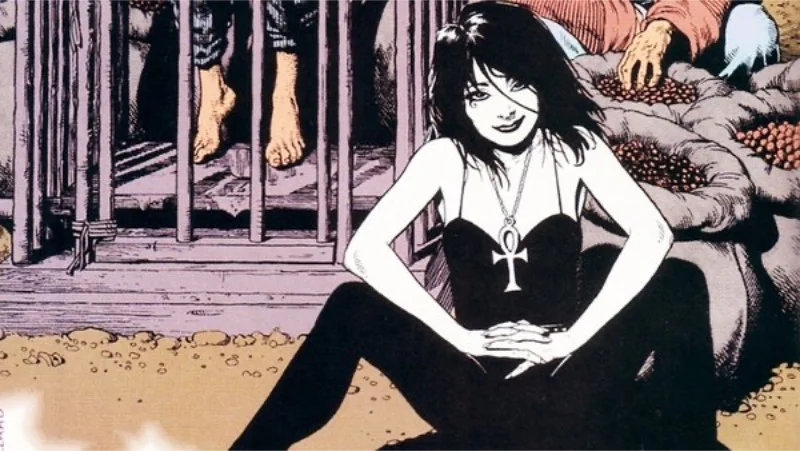
In ‘The Sandman’, Death is a personification that guides souls and witnesses every ending without being subject to it. As an Endless, she embodies a fundamental aspect of existence, which places her beyond normal threats. DC’s Vertigo imprint originally published the character, and DC continues to handle collected editions and related media.
Death’s function ensures she persists as long as there is life to conclude. Stories show her interacting with mortals and gods alike while remaining unaffected by their power. Adaptations that bring ‘The Sandman’ to screen involve production partners tied to DC and Warner Bros., which preserve the character’s role as an eternal constant.
Dream of the Endless
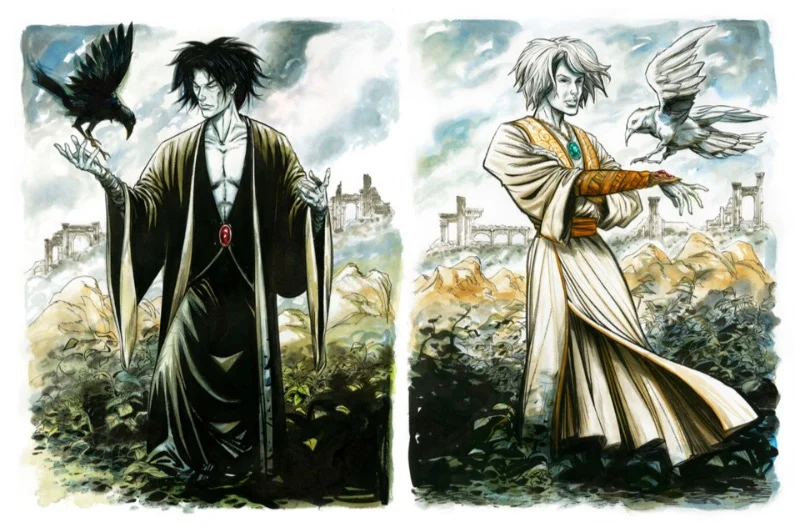
Also known as Morpheus, Dream governs the realm of stories and sleep and cannot be killed through ordinary means. When captured, he endures for decades until circumstances allow his escape, but his essence remains intact. The character’s origin is in ‘The Sandman’ comics published by DC’s Vertigo imprint, with DC responsible for ongoing publication.
Dream’s existence is anchored to the collective unconscious and the function of dreaming itself. Even when his form changes, the role persists, and the mantle of Dream can transition without ending the concept. Screen adaptations produced with DC and Warner Bros. partners keep this metaphysical framework central to the portrayal.
Alucard
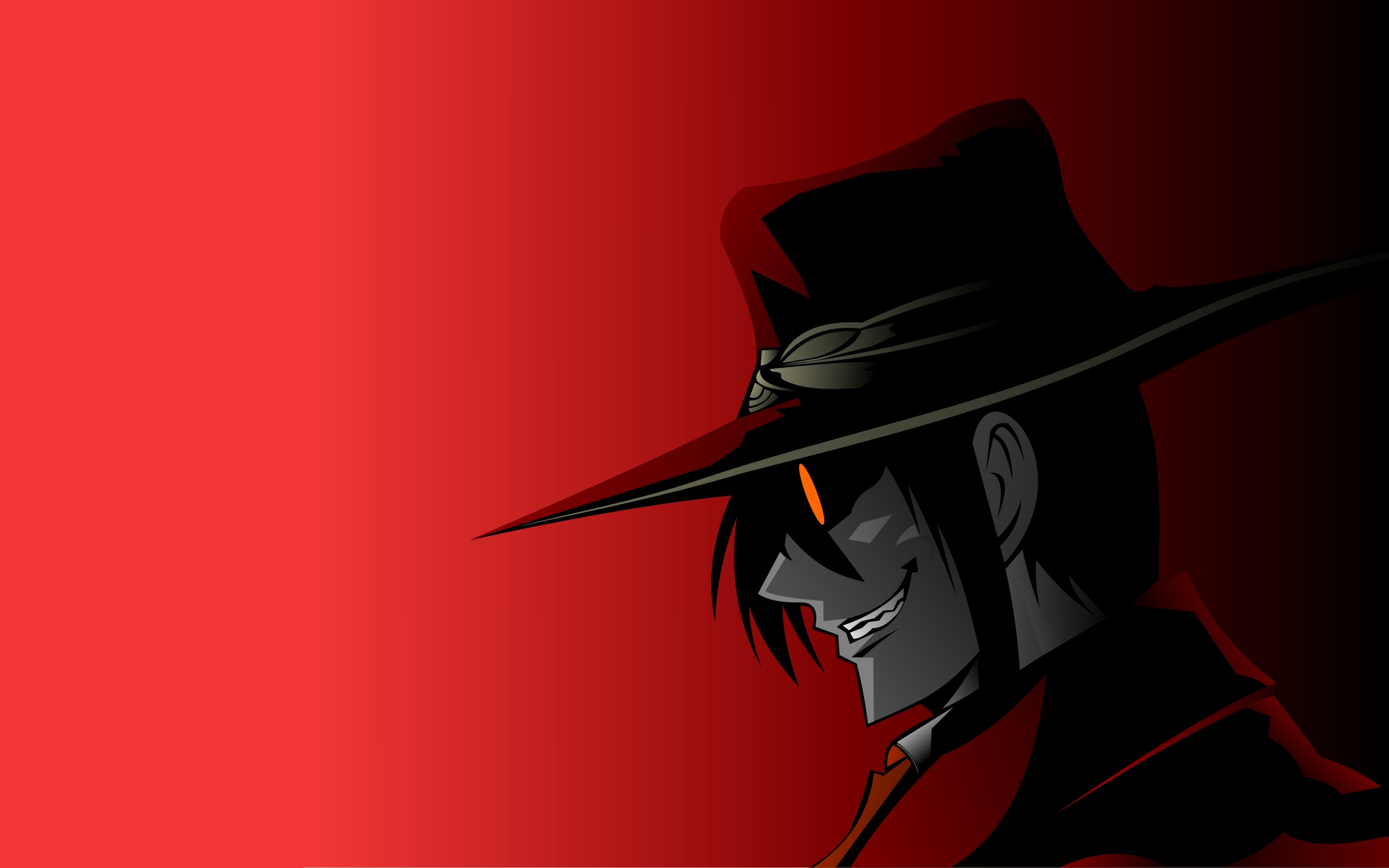
The vampire protagonist of ‘Hellsing’ survives dismemberment, holy weapons, and sunlight through a reservoir of familiars and regenerative power. He can reform from mist or shadows and continues fighting after seemingly fatal blows. The early TV adaptation was animated by Gonzo, while ‘Hellsing Ultimate’ moved to Madhouse, with releases handled by companies such as Geneon and later Funimation.
Alucard’s immortality is reinforced by complex rules involving absorbed souls that fuel his recovery. Only rare conditions threaten him for any meaningful length of time, and even those are sidestepped by abilities like intangibility and teleportation. The different anime productions maintain his status as an apex undead across formats.
Kenny McCormick

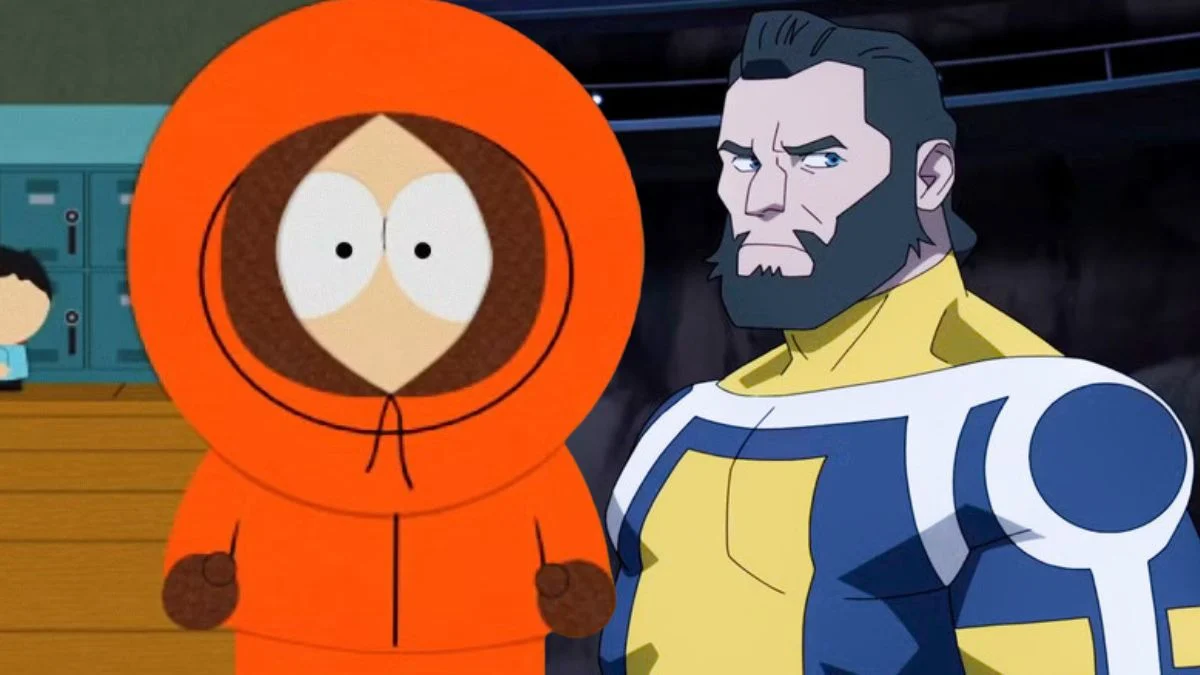
In ‘South Park’, Kenny repeatedly dies and returns without permanent consequence. Early seasons depict frequent on-screen deaths, while later seasons explain a background cause that resets him. The series airs on Comedy Central, which is the network that has broadcast the show for decades.
Kenny’s cycle is treated as a built-in mechanism of the setting. Special episodes expand on the reason for his returns, establishing continuity that supports the gag. Distribution through ViacomCBS platforms keeps the character’s unusual survival trait consistent across long runs and specials.
Jason Voorhees
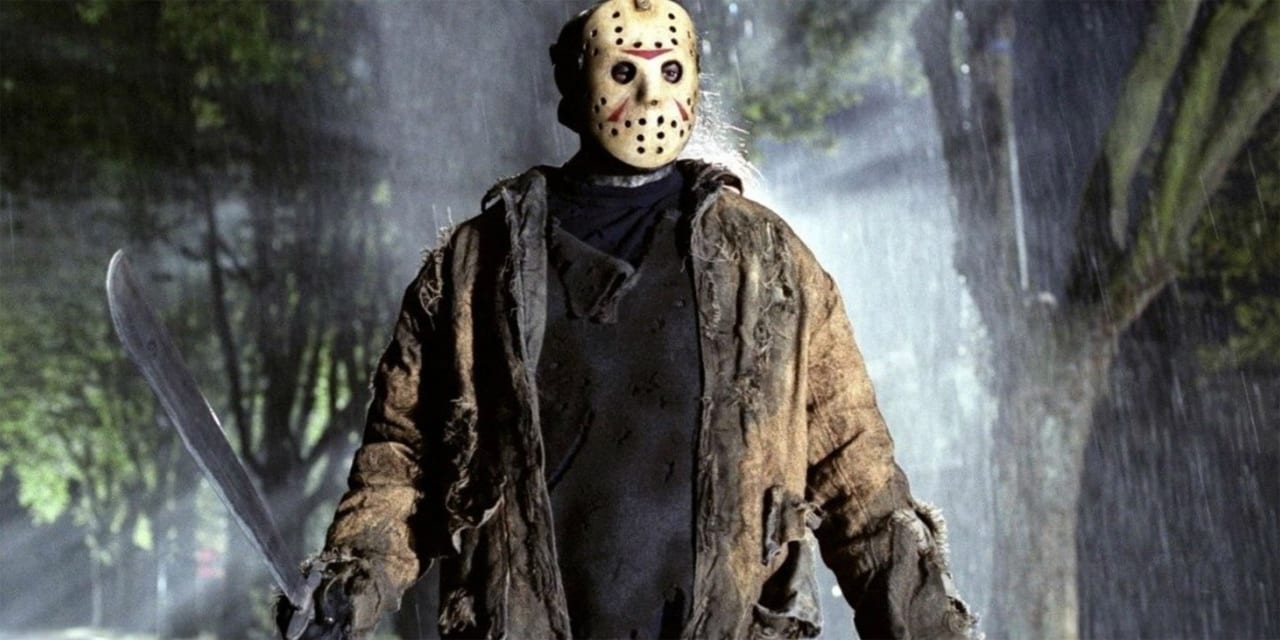
The antagonist of ‘Friday the 13th’ evolves from a mortal figure into an undead force that resists destruction. After events that should end his existence, he reappears with enhanced durability and minimal decay, making him effectively unkillable within the slasher framework. The early films in the series were distributed by Paramount Pictures before later entries moved to New Line Cinema.
Jason’s persistence is aided by narrative resets and supernatural revivals that reanimate his body. Even containment methods like chaining or cryogenic freezing only delay his return. The franchise’s shifting continuity still treats his survival as a dependable constant across theatrical releases and home video.
Ghost Rider

Ghost Rider is a host bonded to a Spirit of Vengeance, which gives an infernal body that shrugs off bullets and flames while regenerating instantly. The flaming skull and chain are manifestations of this entity, and the separation of host and spirit makes permanent death unlikely. The character’s stories are published by Marvel Comics.
The supernatural contract at the heart of Ghost Rider’s power ensures the spirit endures even if the human host is incapacitated. Different individuals have taken on the mantle without ending the entity, which reinforces the idea of an ongoing presence. Film adaptations and streaming appearances remain tied to Marvel’s distribution pathways.
Q
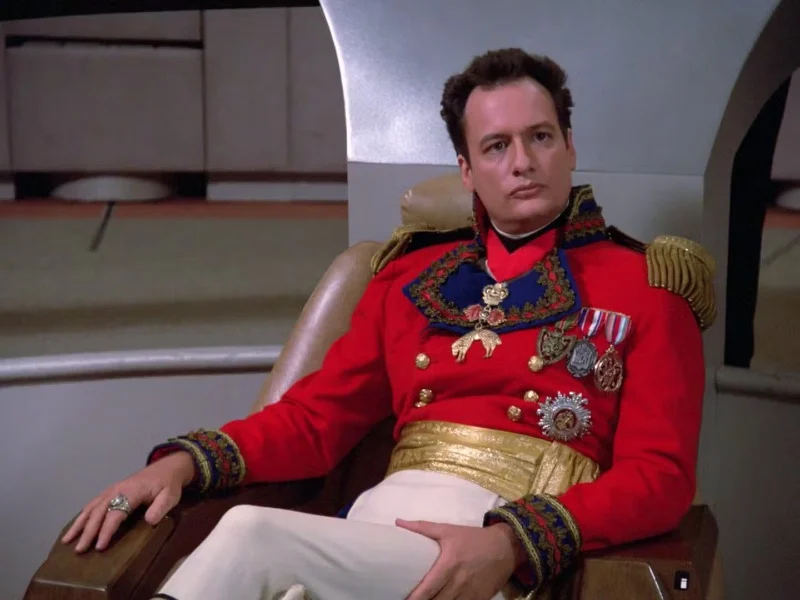
Q belongs to a continuum of beings who manipulate time and space with ease, which makes concepts like mortality irrelevant. Encounters with starship crews often end with a snap that resets events, highlighting total control over matter and energy. The character appears across ‘Star Trek’ series that have been produced under the oversight of Paramount, with CBS playing a key role in television distribution.
Q’s status within the continuum allows for non-linear appearances that ignore temporal outcomes. Even disciplinary actions from other members do not suggest permanent removal. The broader franchise’s production and release through Paramount ensure continuity of this omnipotent figure from series to series.
Hidan
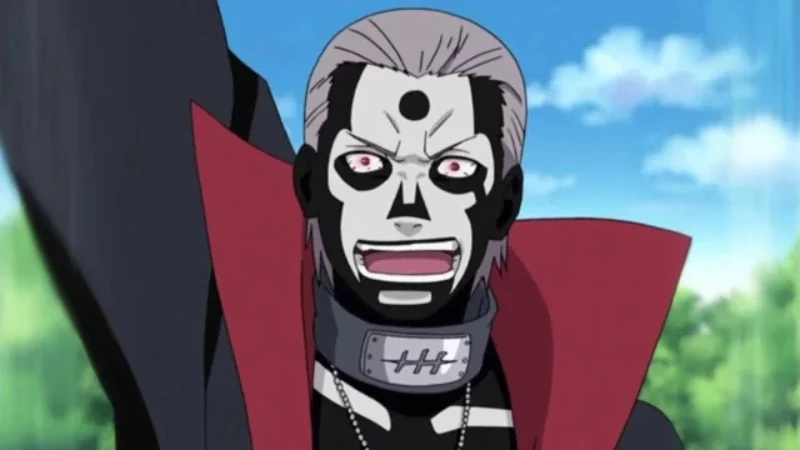
A member of the Akatsuki in ‘Naruto’, Hidan achieves immortality through a dark ritual that links him to a deity. His body remains animate after decapitation, and he continues speaking and moving when separated into pieces. The manga is published by Shueisha, and the long-running anime adaptation is produced by Studio Pierrot.
Hidan’s technique lets him create a curse seal that shares damage with a target while he endures without lasting harm. The only known way to stop him involves burial and confinement rather than killing. International distribution of the anime maintains these rules as part of his canon portrayal.
Fushi
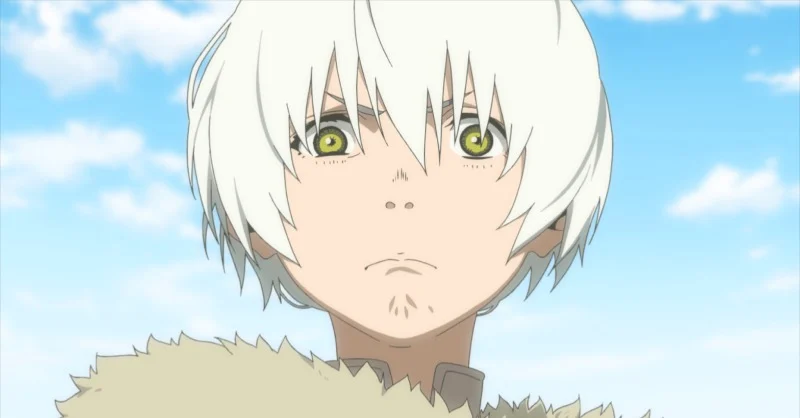
The central being in ‘To Your Eternity’, Fushi starts as an orb that learns to mimic forms and regenerate from any injury. Over time, Fushi creates bodies, senses emotions, and rebuilds matter after total destruction. The manga is published by Kodansha, while the anime’s first season was produced by Brain’s Base and later seasons by Drive.
Fushi’s immortality is linked to an external observer who set the experiment in motion, and the being’s growth adds intelligence without adding mortality. Even when enemies disrupt Fushi’s forms, the core essence survives and reconstitutes. Broadcast and streaming handled through Kodansha’s partners keep this premise intact across seasons.
The Immortal
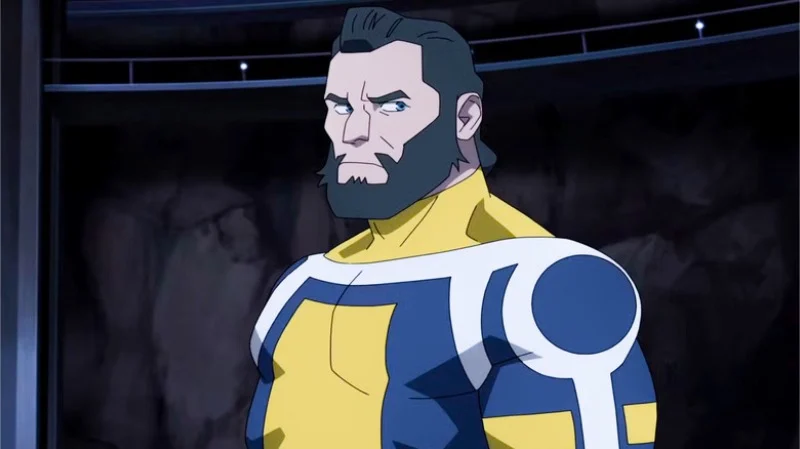
In ‘Invincible’, the character literally called the Immortal has survived from ancient times to the modern superhero era. He revives from catastrophic injuries and has resumed activity after decapitation through specialized medical intervention within the story’s world. The comic is published by Image Comics, and the animated series streams on Prime Video through Amazon’s network.
The Immortal’s longevity includes historical identities that span centuries, which explains his combat experience and leadership roles. Even after being taken apart, in-universe technologies and his own biology facilitate returns. The series presentation on Amazon preserves these traits for television audiences.
Dr. Manhattan

A physicist transformed into an atomic being, Dr. Manhattan perceives time in a non-linear way and reconstructs himself from subatomic particles. He can reassemble his body after disintegration and manipulate matter at any scale, which makes death a non-issue. The character originates in ‘Watchmen’ published by DC Comics.
Because he experiences all moments at once, Dr. Manhattan’s presence is functionally continuous even when he departs from Earth. Later stories explore how his choices ripple through universes without implying mortality. Film and television adaptations licensed through DC and Warner Bros. preserve his status as a being beyond ordinary endings.
The Immortal Hulk
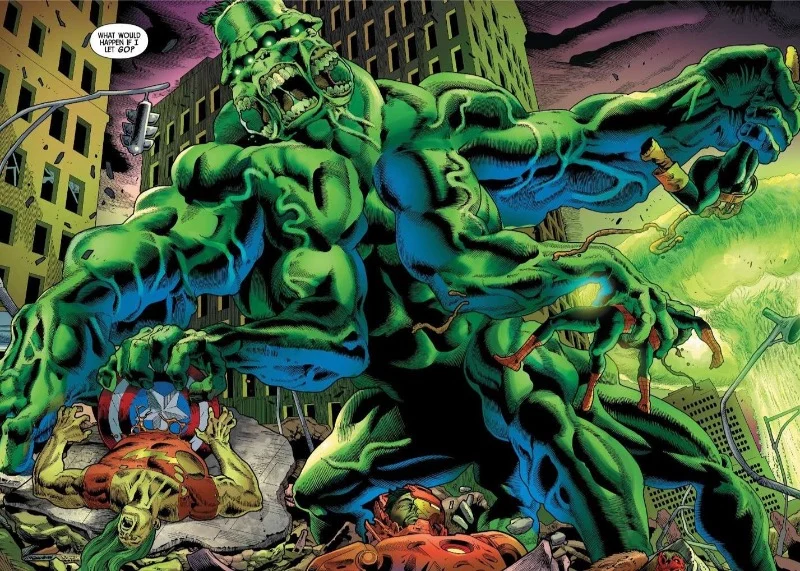
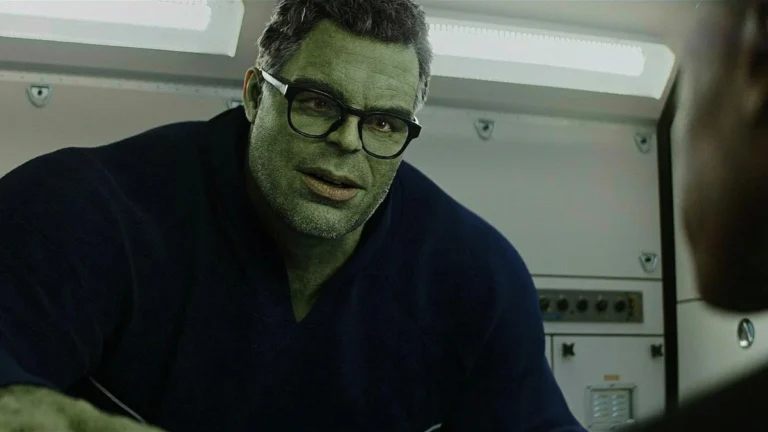
In the ‘Immortal Hulk’ storyline, Bruce Banner returns to life at night even after apparent death. The gamma mutation turns mortality into a reversible state, creating a cycle where the Hulk persona rises whenever Banner is killed. These stories are published by Marvel Comics.
This version formalizes resurrection as part of the character’s biology by tying it to a deeper supernatural layer related to gamma energy. The narrative reframes past survivals as expressions of an underlying rule that prevents a final end. Collected editions from Marvel keep this framework available in print.
Lobo

An interstellar antihero, Lobo cannot be kept down by physical harm and has been denied entry to conventional afterlives. His body regenerates from minimal remains and even duplicates under certain circumstances. DC Comics publishes his appearances across multiple titles.
Lobo’s immortality is often described as a cosmic technicality that removes afterlife options, which means any defeat becomes temporary. Animated features and television cameos produced and distributed through Warner Bros. align with this portrayal, presenting him as a constant presence no matter the damage.
Lucifer Morningstar
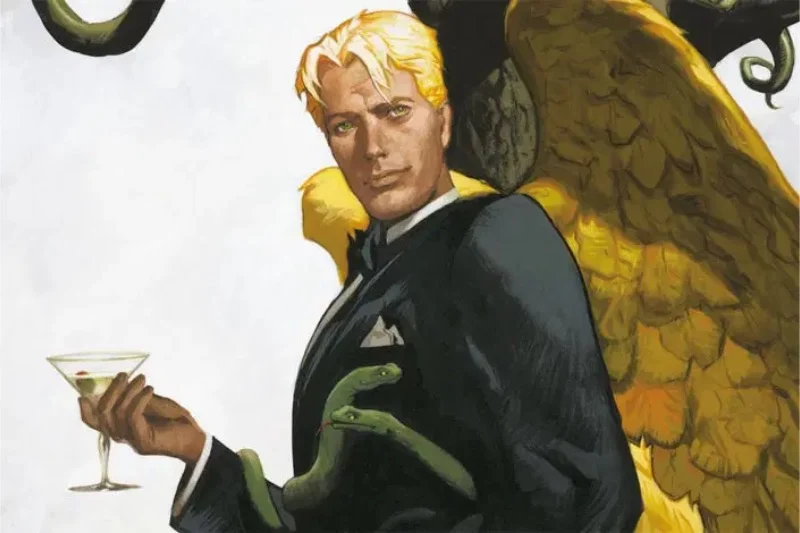
Introduced in ‘The Sandman’ and expanded in a titular series, Lucifer is a fallen archangel who runs domains without aging or suffering lasting harm. Angelic physiology and cosmic authority put him outside ordinary life cycles. The character’s comics were published by DC’s Vertigo imprint, and the TV adaptation aired first on Fox before moving to Netflix, which handled global streaming.
Lucifer’s power set includes reality shaping on a local scale and immunity to mortal weapons. The show adapts these traits while framing limits as moral or narrative rather than physical. Distribution through major networks and platforms has kept the character’s immortality front and center across media.
Manji
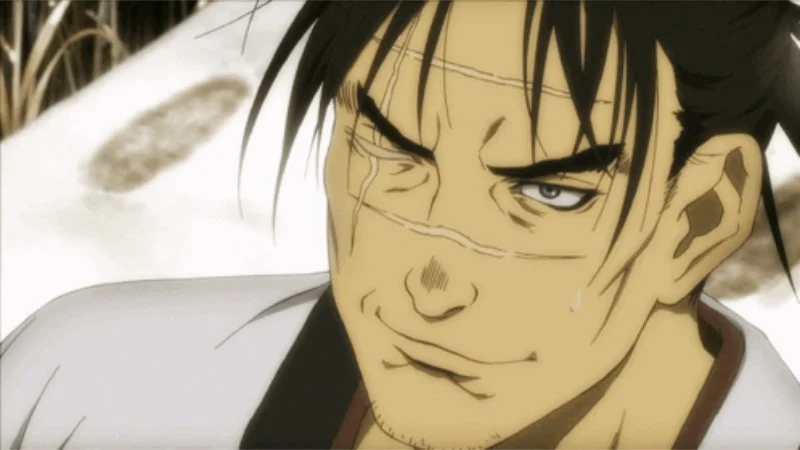
The swordsman in ‘Blade of the Immortal’ carries mystical bloodworms that repair wounds and replace lost tissue. He survives stabbings, poison, and amputations that would end normal fighters, which lets him pursue a long quest without aging effects. The manga is published by Kodansha, and anime adaptations were produced by Bee Train and later Liden Films.
Manji’s condition comes with rare vulnerabilities, but even severe injuries resolve as the worms knit him back together. Medical experiments within the story confirm the biological basis for his continued life. Home video and streaming releases managed through Kodansha’s partners have presented both adaptations with this core premise intact.
Jack Harkness
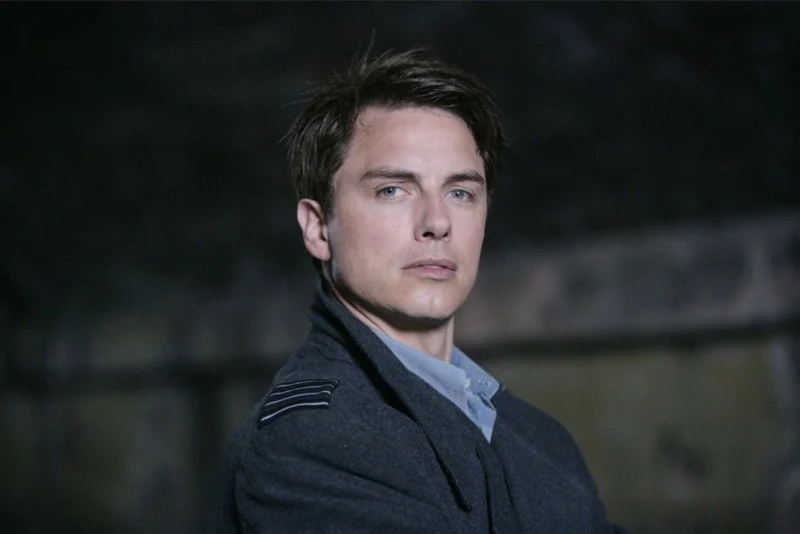
In ‘Torchwood’ and ‘Doctor Who’, Jack becomes a fixed point in time after a temporal event, which turns death into a reversible state. He revives after explosions, gunfire, and even disintegration with recovery times that vary by injury. The BBC network commissioned and aired the series, with BBC Studios managing distribution.
Jack’s immortality is explained as a temporal anomaly rather than a biological trait, which means standard cures or poisons have limited relevance. His long lifespan is documented across centuries of flashbacks that precede his modern adventures. Appearances across both shows maintain continuity within BBC’s science fiction lineup.
Kars
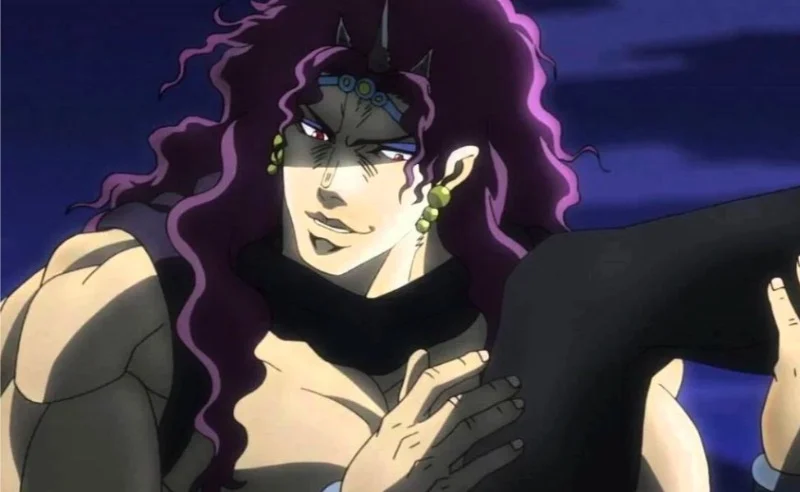
A central antagonist in ‘JoJo’s Bizarre Adventure’, Kars becomes the ultimate life form and gains control over his own cellular structure. Even after being defeated and launched into space, he remains conscious and unable to die, drifting indefinitely. The manga is published by Shueisha, and the anime adaptation is produced by David Production.
Kars’ shapeshifting and instant adaptation grant immunity to environmental hazards and biological threats. The ending of his arc states that he eventually stops thinking rather than dying, which underscores the permanence of his survival. International releases of the anime through partners tied to Shueisha present this outcome consistently.
Share your picks for characters who simply will not stay down in the comments.