Top 20 Cartoons For Anime Lovers


If you love the layered storytelling, striking visuals, and character driven arcs that anime delivers, there are plenty of Western cartoons that tap into the same energy. Many of these shows use long form narratives, sharper choreography, and worldbuilding that rewards close attention, which makes them a natural fit when you want something outside the usual anime lineup.
This list gathers twenty series that blend cinematic action, serialized plots, and thoughtful themes. You will find creators who pull from myth, games, comics, and global folklore, along with studios that experiment with hybrid techniques to deliver bold art styles. Each pick includes key details about the premise and production so you can decide what to queue up next.
‘Avatar: The Last Airbender’ (2005–2008)
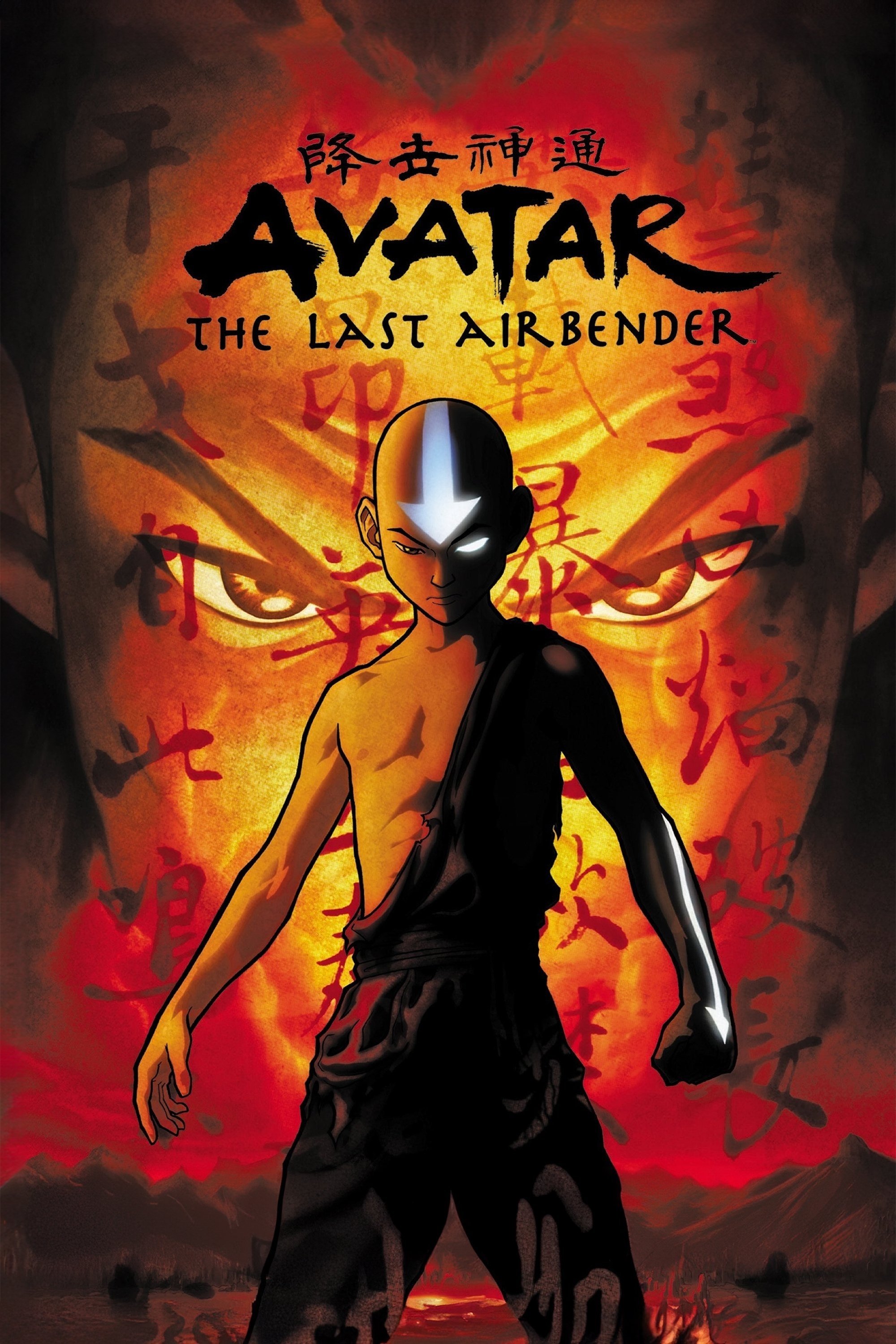
Created by Michael Dante DiMartino and Bryan Konietzko, this Nickelodeon series follows Aang and his friends as they travel across four nations where people can manipulate water, earth, fire, and air. The show moves through clearly defined books that track Aang’s training and the political conflicts between nations, with multi episode arcs that build toward a final confrontation.
The production blends East Asian and Inuit cultural influences with meticulous martial arts choreography mapped to specific bending styles. Studio partners in South Korea handled much of the animation work, and the series is known for consistent continuity, a fixed 61 episode run, and a planned beginning, middle, and end.
‘The Legend of Korra’ (2012–2014)
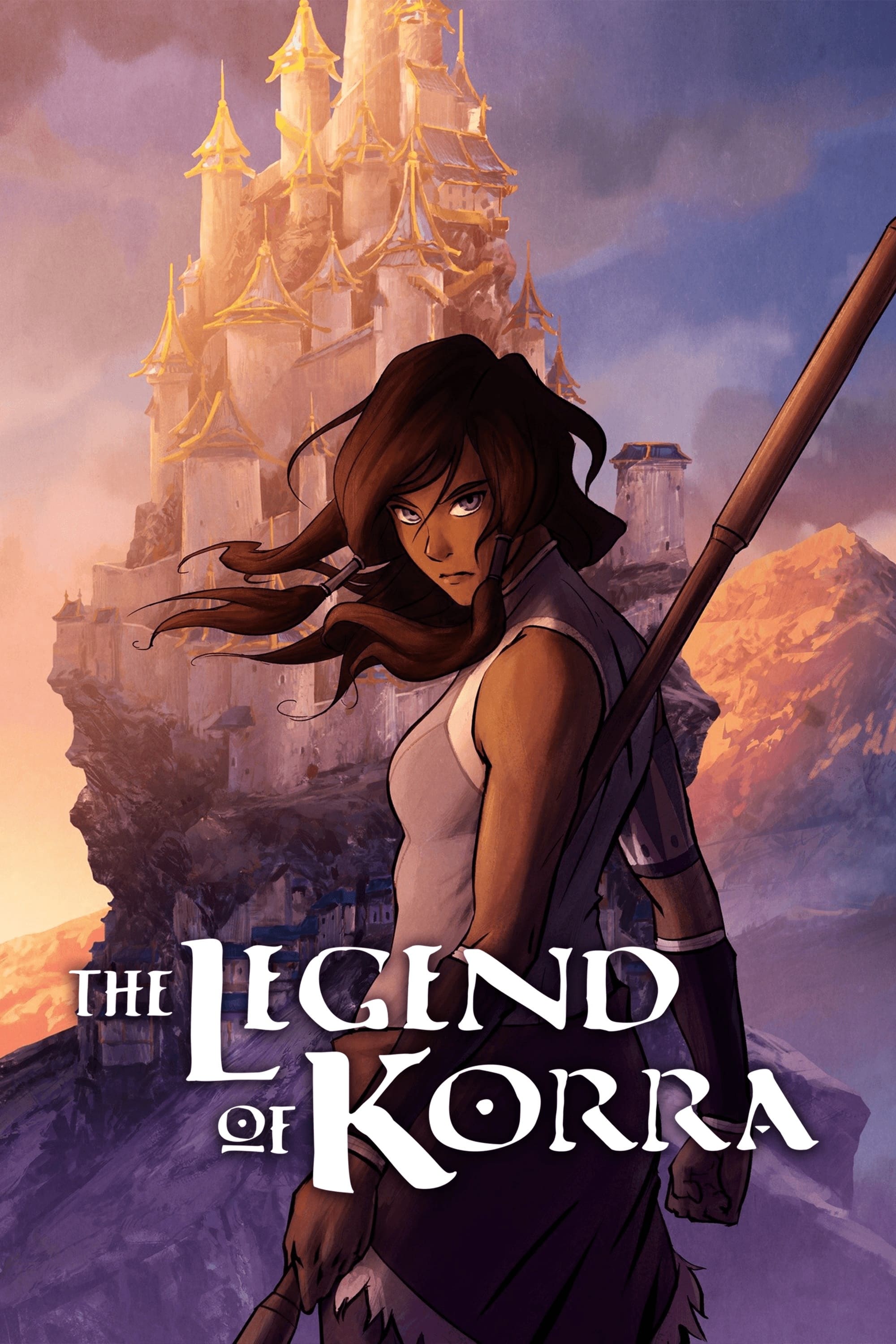
Set decades after the events of ‘Avatar: The Last Airbender’, this sequel centers on Korra in a world that has shifted toward rapid industrial growth. The story moves across four books that each focus on a distinct threat, from anti bending revolutionaries to spirit world turmoil.
The series uses a steampunk flavored city as its hub and introduces pro bending as a competitive sport with choreographed rules. It retains the bending disciplines while expanding the lore around spirits, past Avatars, and the balance between technology and tradition.
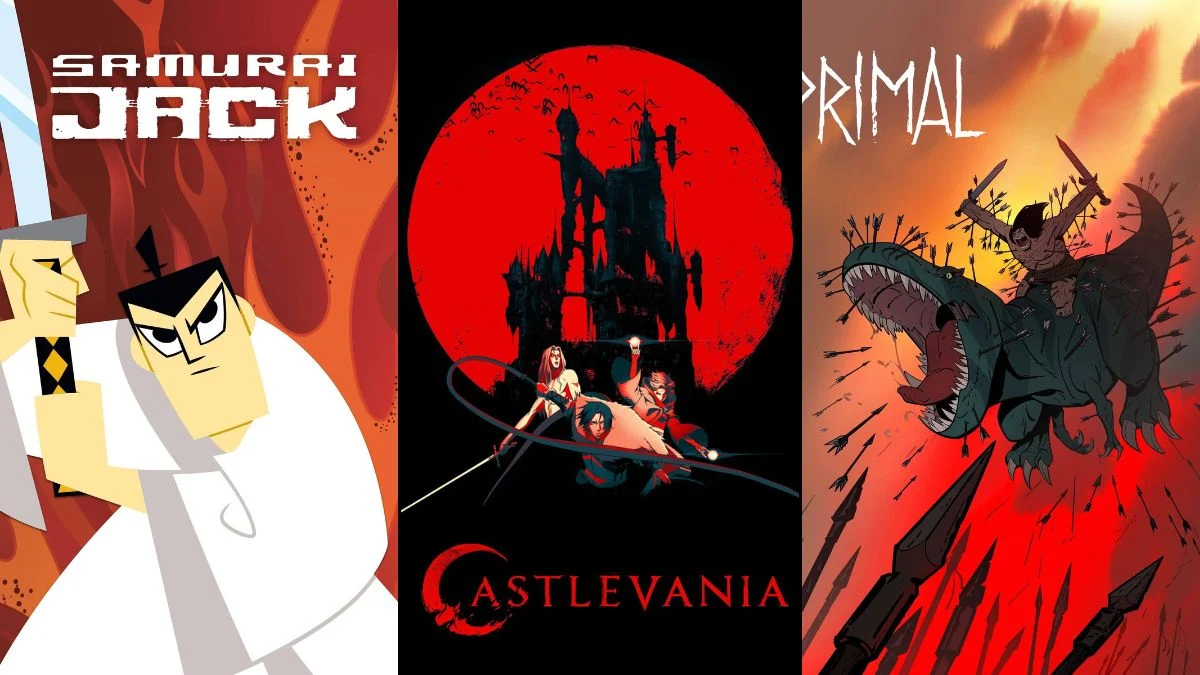
‘Samurai Jack’ (2001–2017)
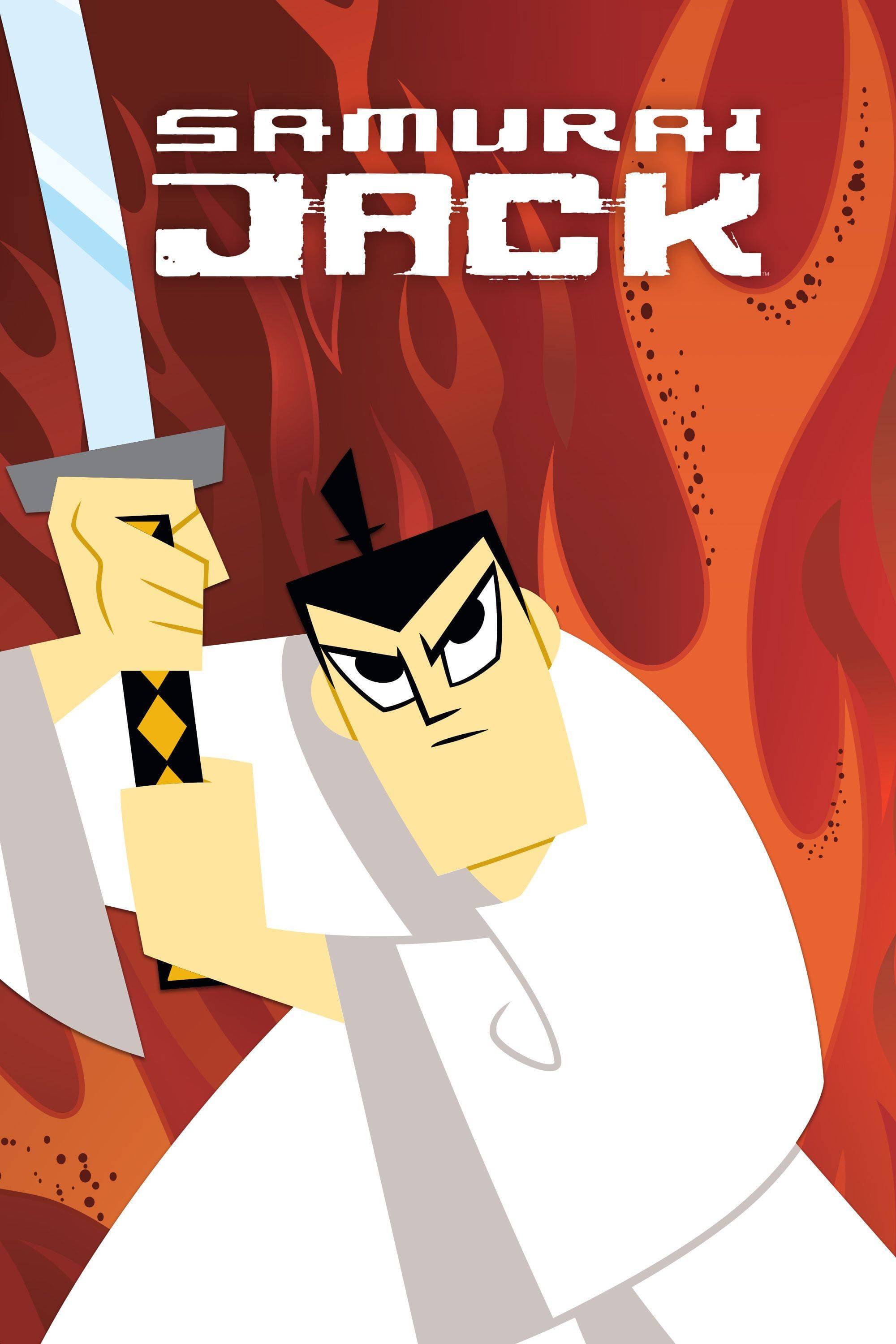
Genndy Tartakovsky’s series follows a time displaced samurai who seeks a way back to the past to undo the reign of Aku. Early seasons aired on Cartoon Network, with a final season years later that completed the story in a darker tone.
The show uses minimal dialogue, strong silhouettes, and wide cinematic frames to stage duels and travel vignettes. Background design and color scripting establish mood and location quickly, while episodes alternate between standalone tales and plot movement toward the hero’s goal.
‘Primal’ (2019–2022)

Also from Genndy Tartakovsky, this adult animated series pairs a Neolithic hunter named Spear with a tyrannosaur named Fang. The narrative is largely wordless and relies on visual storytelling to depict survival, loss, and evolving trust.
Action sequences are staged with heavy emphasis on anatomy and movement, and the show frequently explores new environments filled with prehistoric creatures and hostile tribes. The production uses bold line work and color palettes to create tension without dialogue.
‘Castlevania’ (2017–2021)
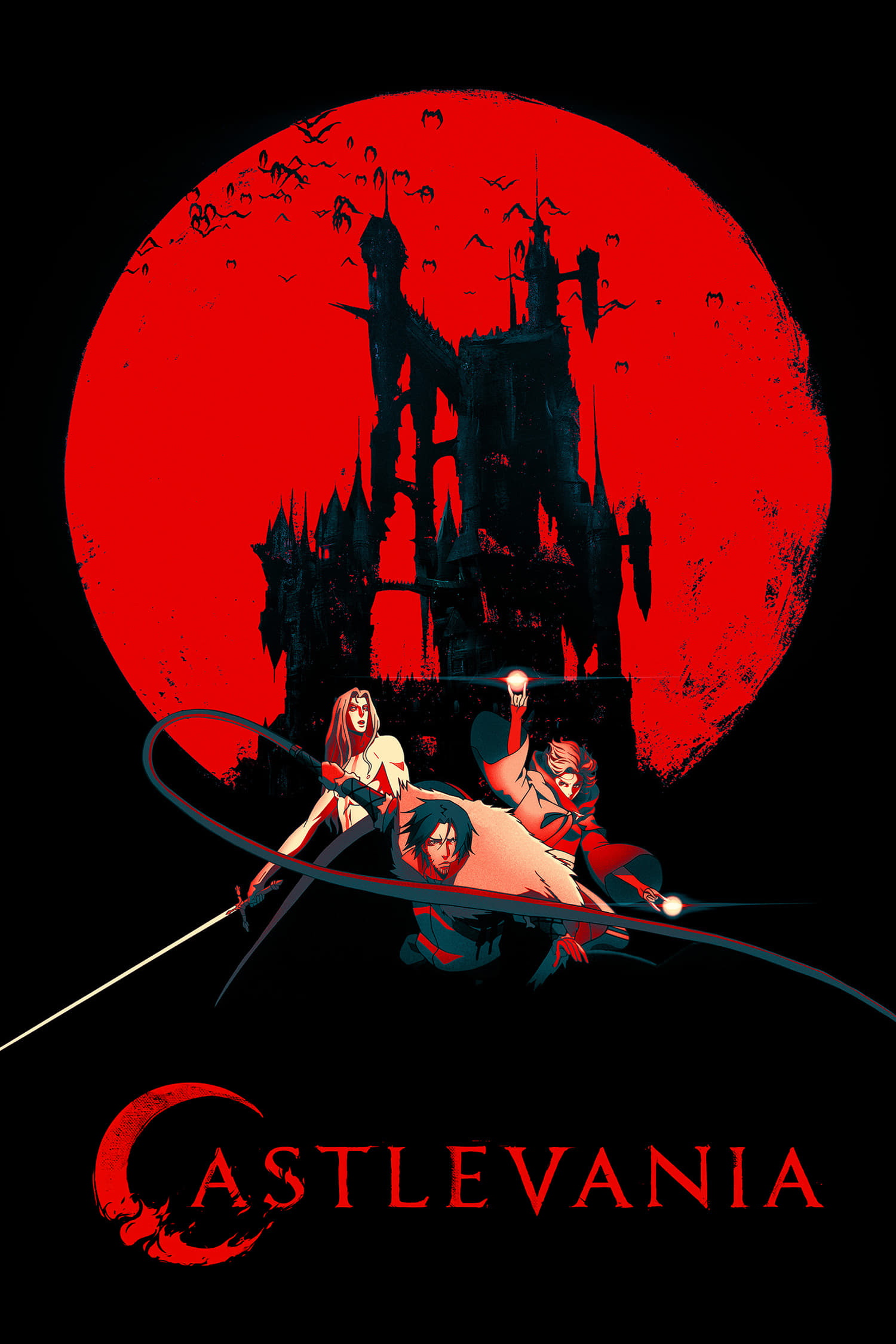
Produced by Powerhouse Animation, this adaptation of the Konami game series focuses on Trevor Belmont, Sypha Belnades, and Alucard as they confront Dracula and later threats across Wallachia. Seasons are organized into arcs that escalate conflicts and rework game lore into serialized television.
The show uses detailed character animation with frequent melee and magic combat, and it pairs that with background art inspired by Gothic Europe. Adult content and complex political plots place it closer to mature anime dramas while still functioning as a self contained Western production.
‘Blood of Zeus’ (2020)
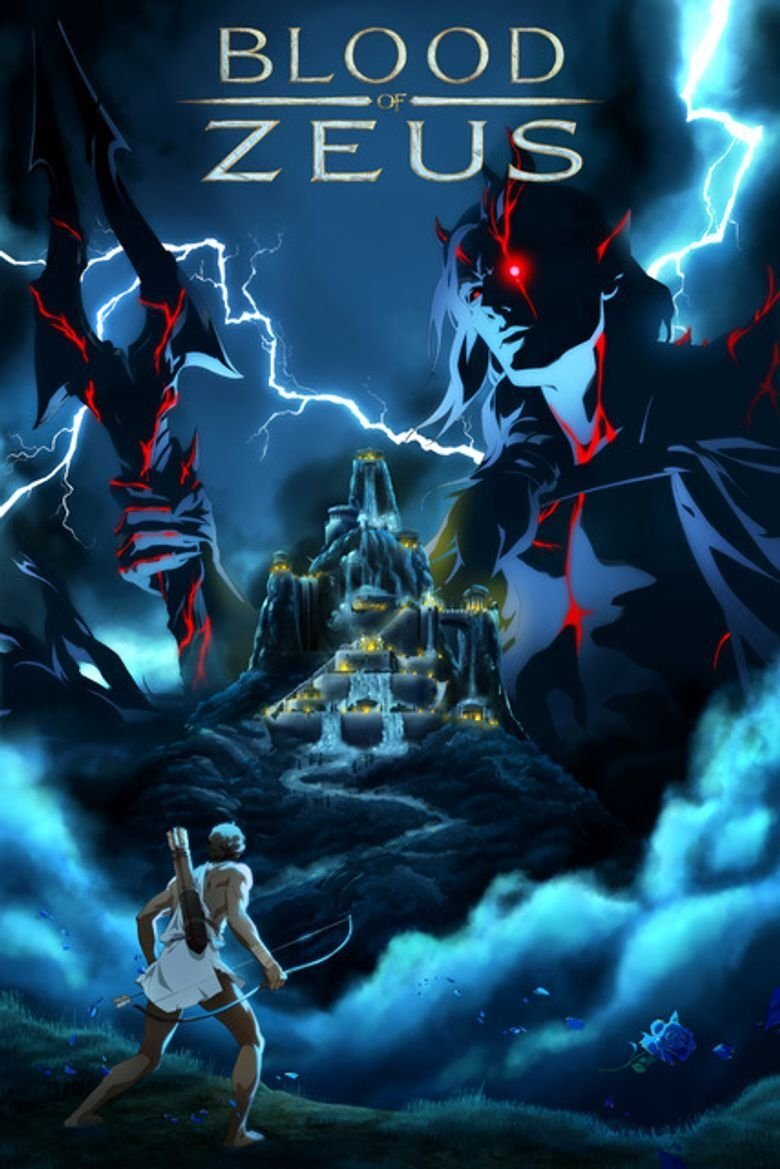
From the same studio, this original story follows Heron, a young man who discovers a divine lineage tied to Olympus. The narrative draws on Greek myth while introducing original factions and demonic forces that challenge the gods.
The animation emphasizes spear and sword combat with mythic creatures, and the score supports large scale set pieces involving titans and heavenly armies. The series structures seasons around quests, betrayals, and trials that mirror classical epics.
‘Arcane’ (2021)
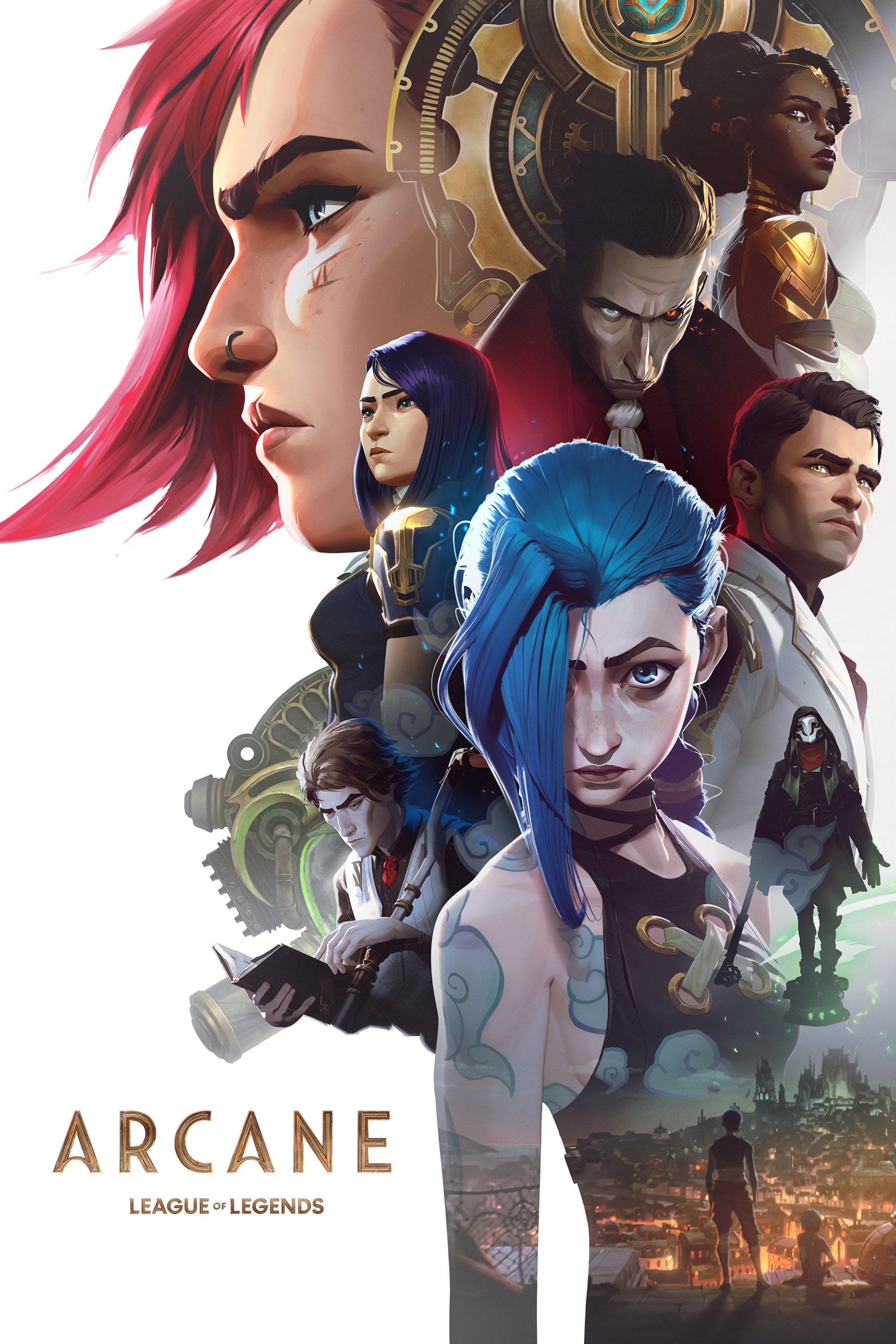
Based on the world of the game ‘League of Legends’, this series follows sisters Vi and Jinx as tensions rise between the wealthy city of Piltover and the undercity of Zaun. The first season is split into acts that focus on character origins, political upheaval, and the consequences of new technology.
Produced by Fortiche in collaboration with Riot, the show mixes 3D models with hand painted textures to create a painterly look. Fight scenes use readable choreography tied to character abilities, and the script tracks multiple viewpoints across the two cities.
‘Young Justice’ (2010–2022)
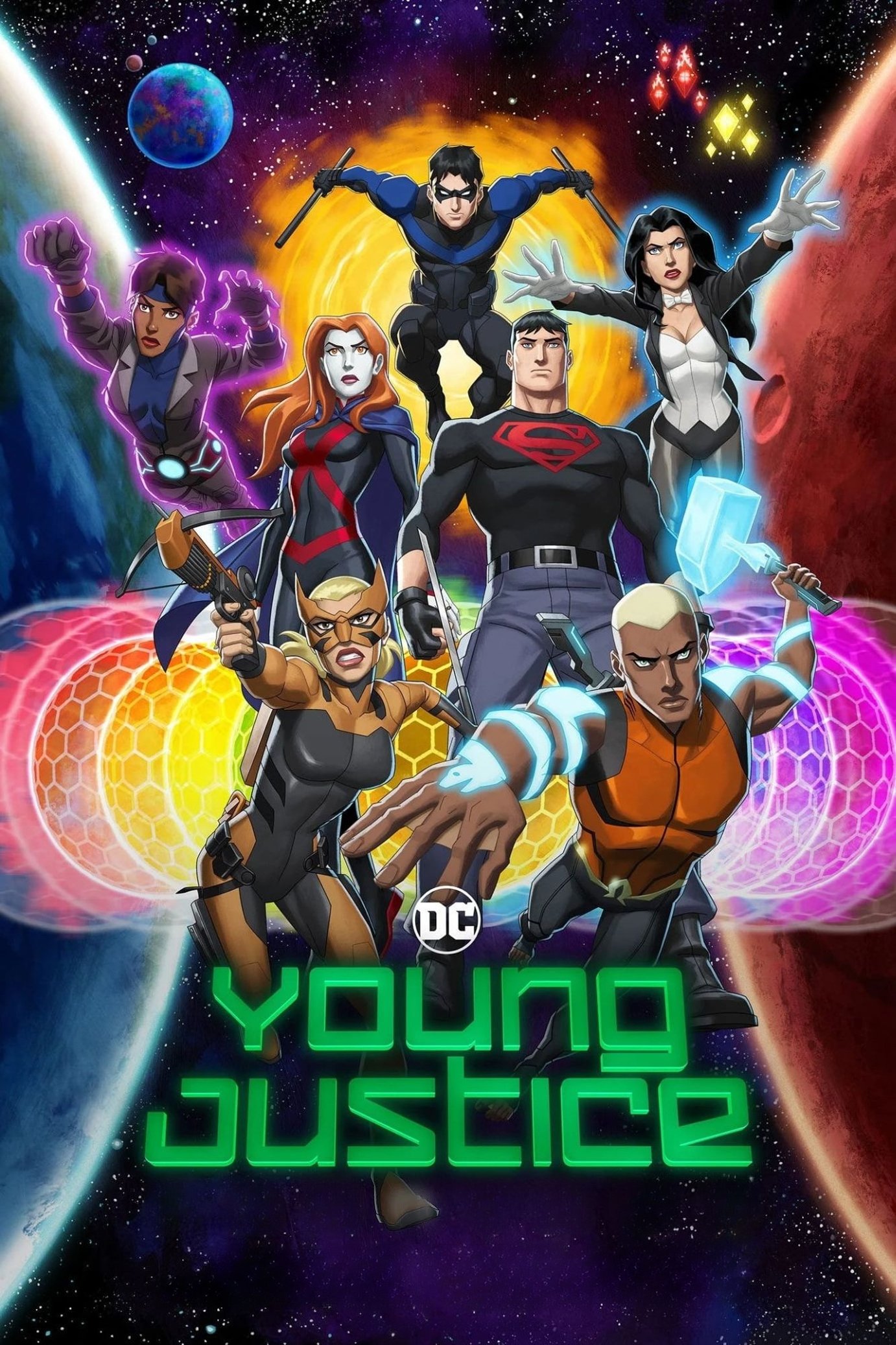
This DC series follows a covert team of younger heroes who operate alongside the Justice League. Each season advances the timeline with new recruits, shifting alliances, and long term infiltration plots.
The production tracks character growth through mission logs, debriefs, and interlinked subplots that pay off across seasons. It features coordinated combat that highlights stealth, teamwork, and the consequences of operating in the shadows.
‘Teen Titans’ (2003–2006)
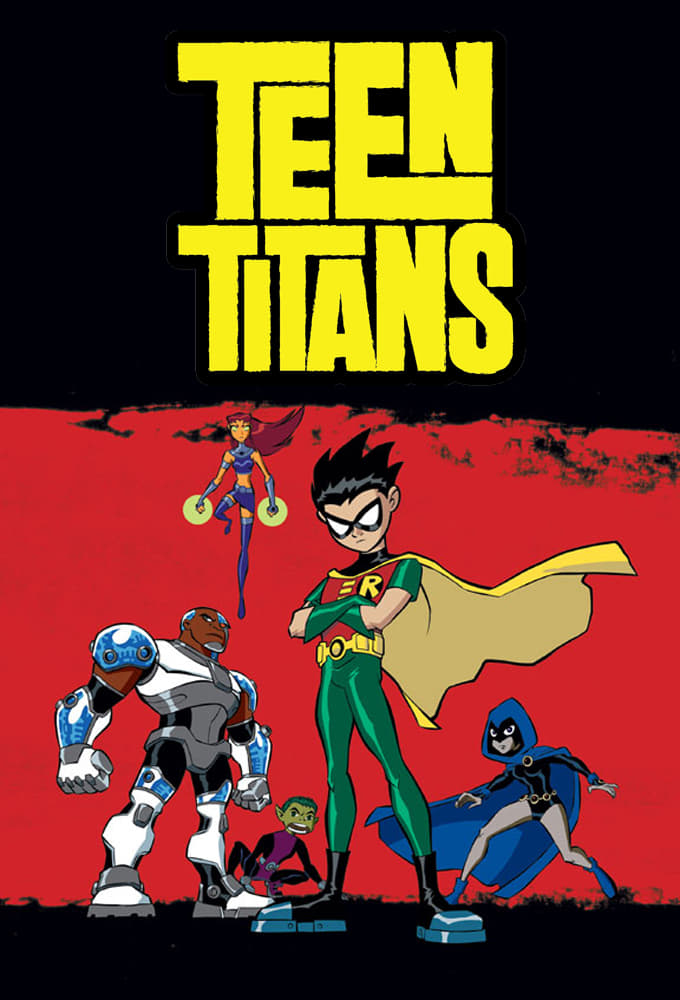
This series assembles Robin, Starfire, Raven, Cyborg, and Beast Boy in a tower that serves as their base of operations. Episodes combine villain of the week stories with long arcs involving Slade and other recurring foes.
The show mixes comedic interludes with stylized action that borrows visual language from anime. Character focused episodes explore powers, origins, and team dynamics while maintaining continuity between arcs.
‘Voltron: Legendary Defender’ (2016–2018)
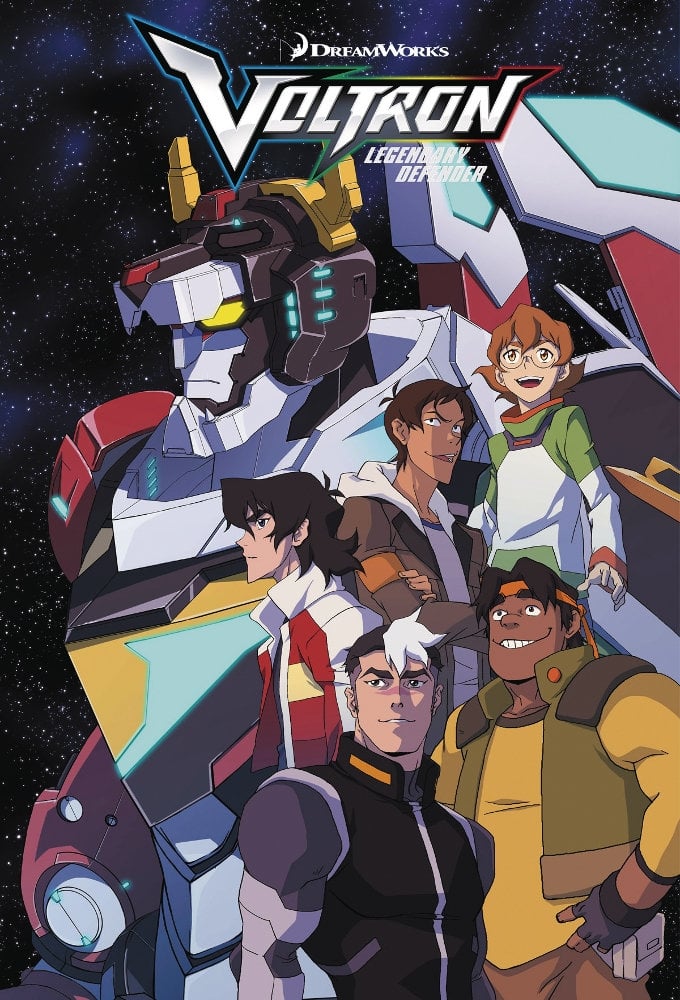
A reimagining of the classic giant robot saga, this version brings five pilots together to form Voltron and protect the universe from an imperial threat. Seasons build out alien cultures, alliances, and a network of rebel cells.
Produced with Studio Mir, the action features space battles, sword duels, and combination sequences that highlight the lions as individual units and as a single machine. Storylines expand through flashbacks and political negotiations that reshape the front lines.
‘The Dragon Prince’ (2018)
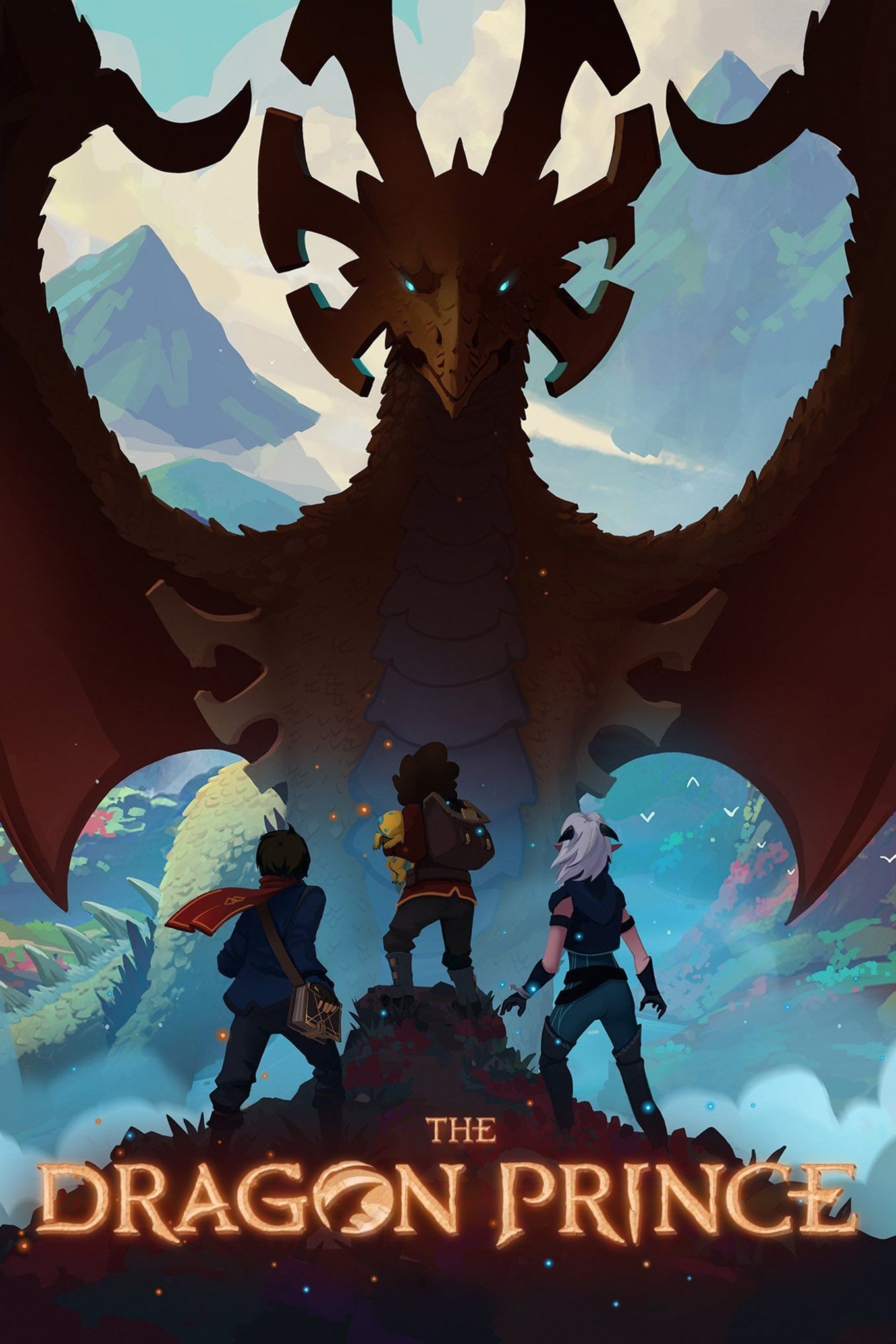
Created by Aaron Ehasz and Justin Richmond, this fantasy epic follows two human princes and an elven assassin as they embark on a mission involving a dragon egg and a divided continent. The world of Xadia organizes magic around primal sources such as sky and moon.
The production uses stylized CG animation with choreography designed for close quarters fights and spell casting. Seasons introduce new regions, cultures, and magical systems while maintaining a clear through line about reconciliation between peoples.
‘Kipo and the Age of Wonderbeasts’ (2020)
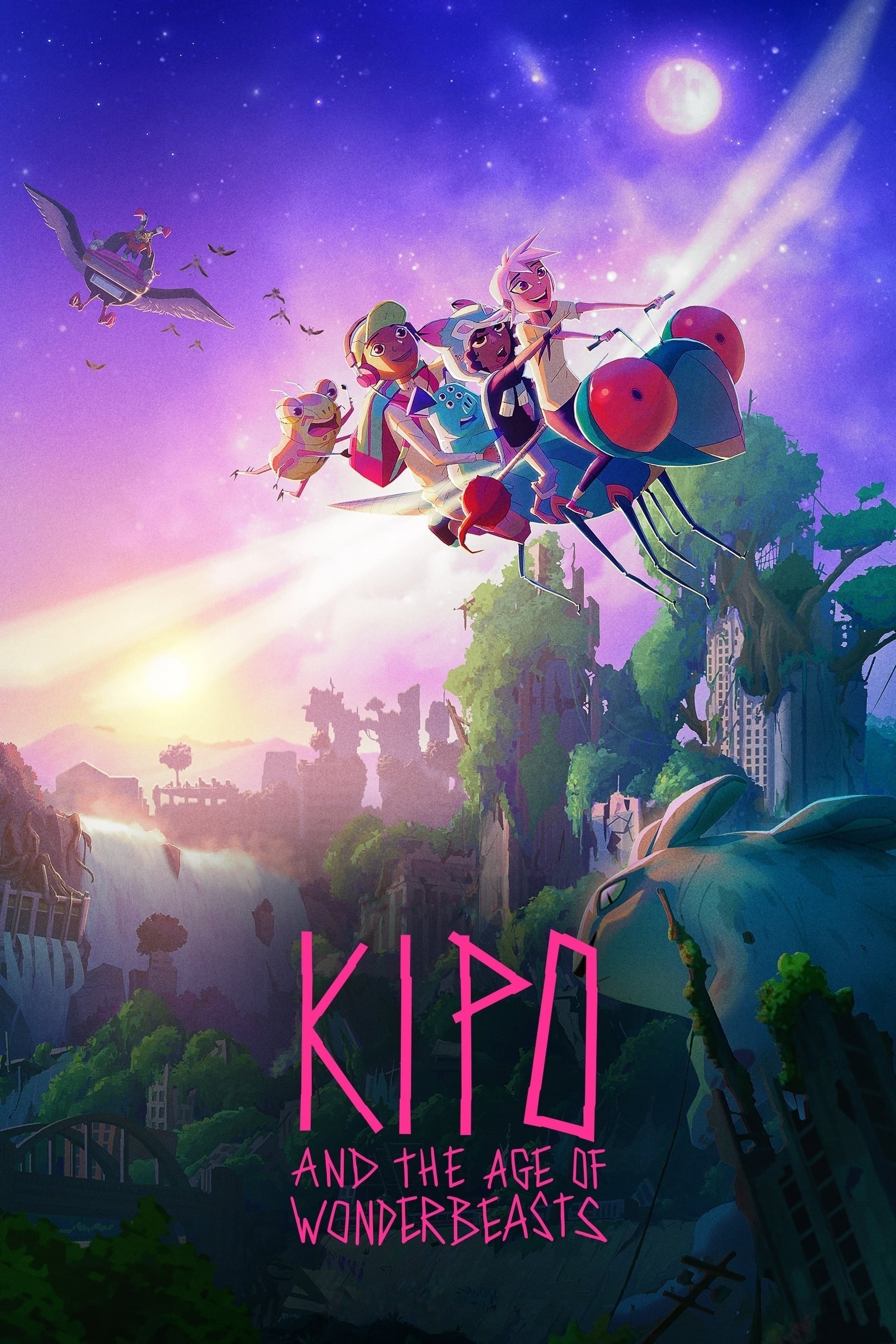
This series begins with Kipo emerging from an underground community into a surface overrun by mutant animals. The journey structure moves through territories ruled by different groups, each with unique rules and aesthetics.
The production leans on musical set pieces tied to character identity and to the social fabric of the world above ground. The art direction favors bright palettes and inventive creature design, while the story tracks a search for family and a path to coexistence.
‘She-Ra and the Princesses of Power’ (2018–2020)
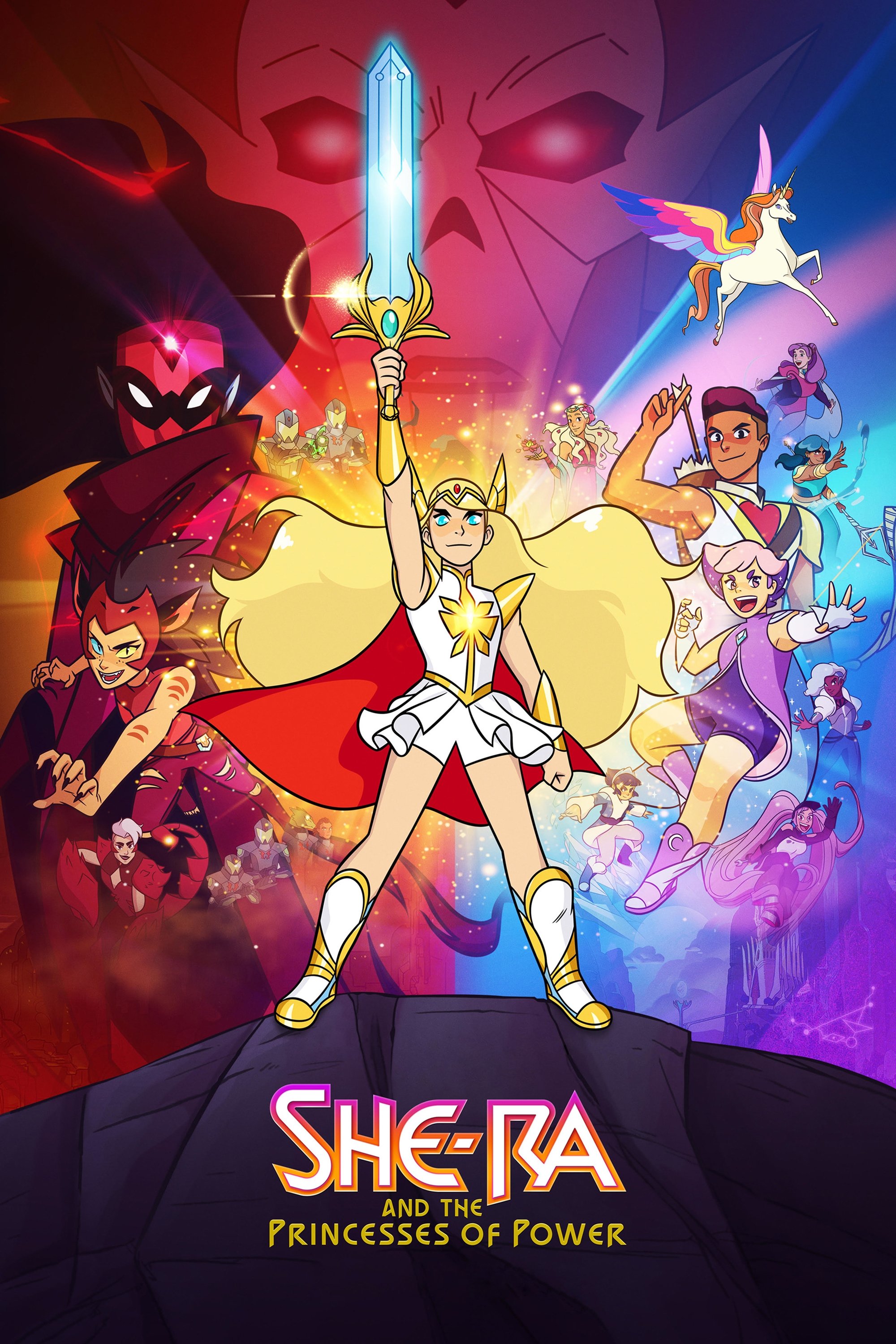
Adora discovers a magical sword that transforms her into She Ra, which sets her on a path away from the Horde and toward an alliance of princesses. The show builds a map of kingdoms, artifacts, and tech that all factor into a larger conflict.
Episodes balance missions, character histories, and revelations about the source of She Ra’s power. The animation focuses on readable action beats and expressive character acting, and each season resolves specific threats while moving the core mystery forward.
‘Blue Eye Samurai’ (2023)
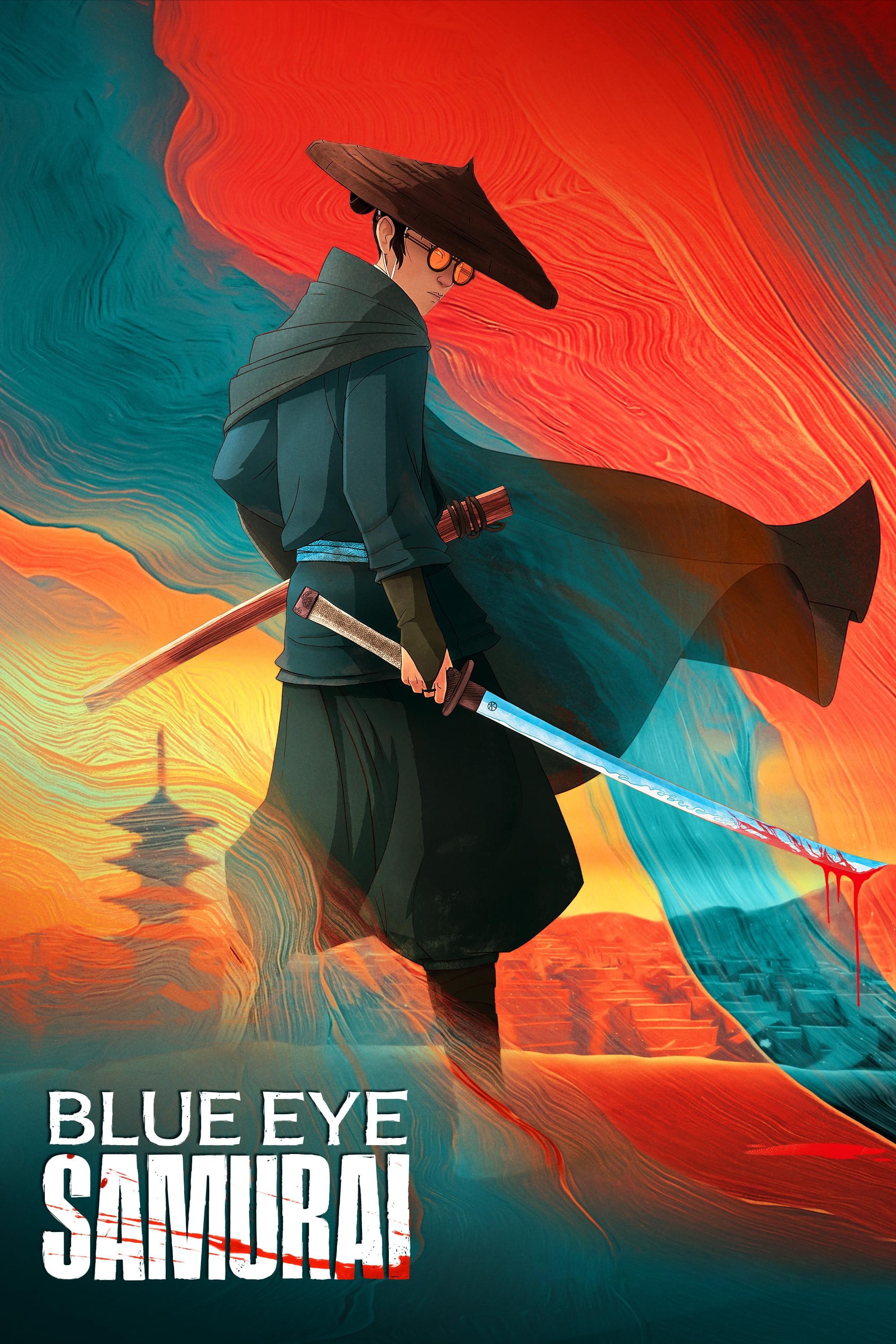
Set in Edo period Japan, this adult animated series follows Mizu, a master swordswoman who conceals her identity while pursuing a list of targets. The plot moves through travel episodes, flashbacks, and encounters with craftsmen, nobles, and criminal networks.
The visual style blends CG with hand drawn sensibilities to portray swordplay with clarity and weight. Production design pays attention to period crafts, weapons, and social hierarchies, which grounds the revenge story in a specific time and place.
‘Pantheon’ (2022–2023)
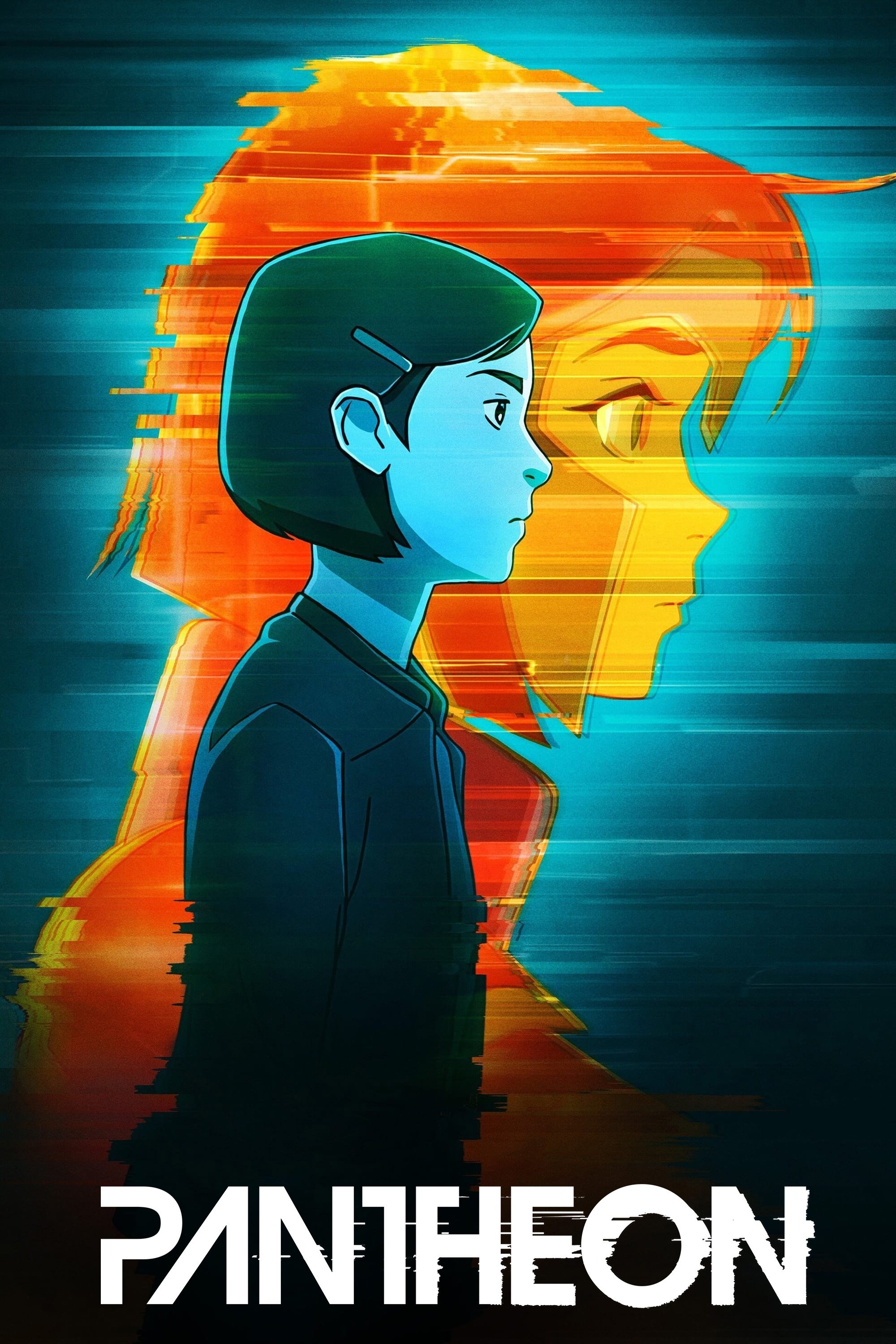
Adapted from short stories by Ken Liu, this science fiction series explores uploaded intelligences and the effects of digital immortality on families and nations. The plot follows multiple protagonists whose lives intersect through corporate experiments and clandestine programs.
Animation by Titmouse supports a technology forward aesthetic that focuses on interfaces, simulations, and virtual spaces. The show uses parallel timelines and shifting allegiances to reveal how power structures adapt to the arrival of new forms of consciousness.
‘Star Wars: The Clone Wars’ (2008–2020)
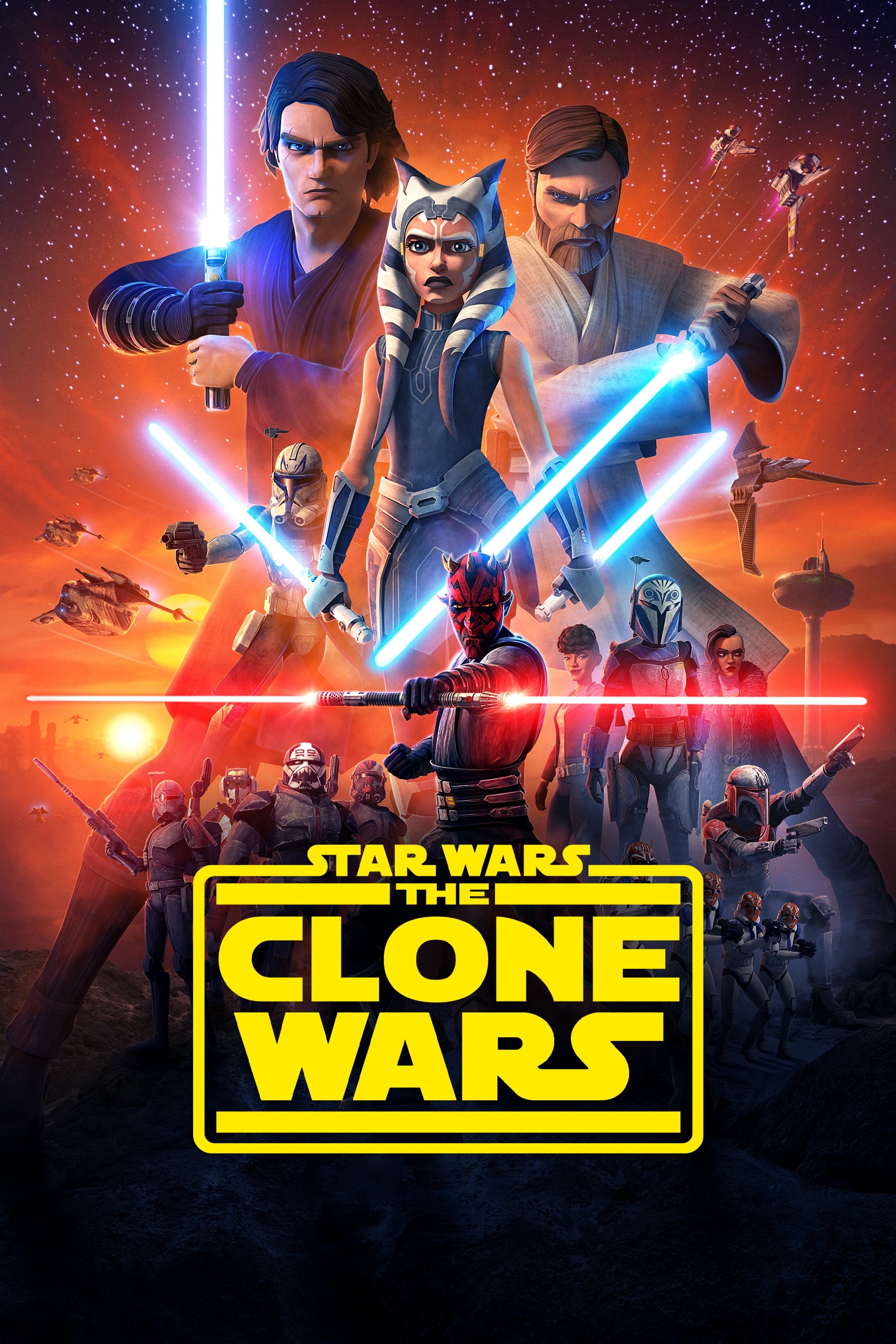
Set between ‘Star Wars’ Episodes II and III, this series chronicles campaigns across the galaxy with Anakin, Ahsoka, and Obi Wan at the center. Stories are organized as multi part arcs that move between fronts and explore the political machinery of the Republic.
The production uses a stylized 3D approach with large scale battles, space engagements, and lightsaber duels. It expands on the roles of clones through named squads and personal histories, which adds context to the events that follow in the films.
‘The Owl House’ (2020–2023)
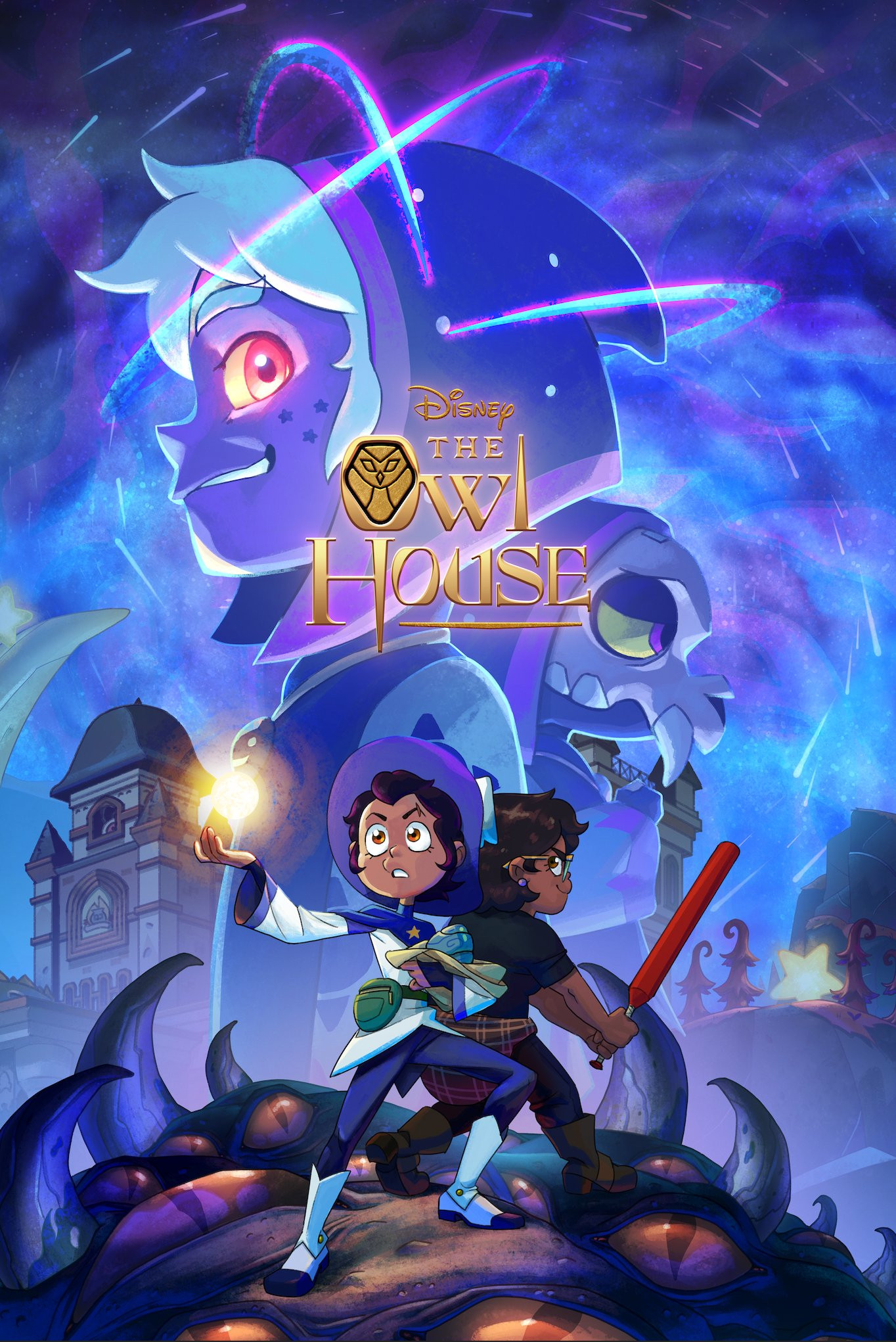
Luz Noceda discovers a portal to the Boiling Isles and becomes a student of a rebellious witch named Eda. The story combines school life with quests and a mystery that ties the human realm to the demon realm.
Character animation emphasizes spell glyphs, staff work, and creature encounters, while location design maps out districts and coven controlled spaces. The series resolves its main conflict across specials that conclude the central arc.
‘Gravity Falls’ (2012–2016)
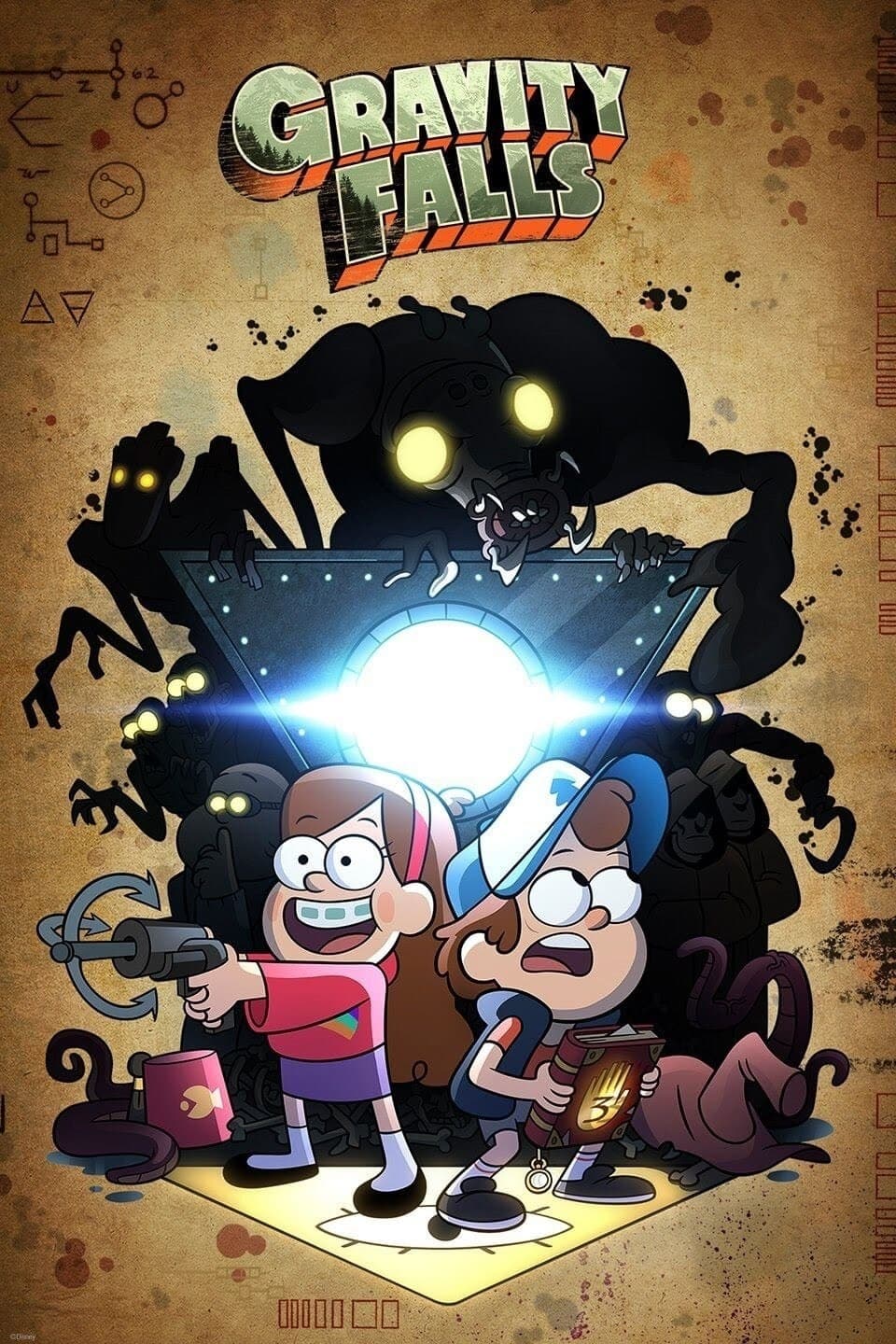
Twins Dipper and Mabel spend a summer with their great uncle and uncover a town filled with cryptids, curses, and hidden codes. Episodes feature case files that connect to a larger mystery involving journals and secret societies.
The show uses recurring puzzles, ciphers, and post credit clues that reward viewers who track details. Visual gags sit alongside paranormal confrontations, and the series ends with a planned finale that closes the main conspiracy.
‘Invincible’ (2021)
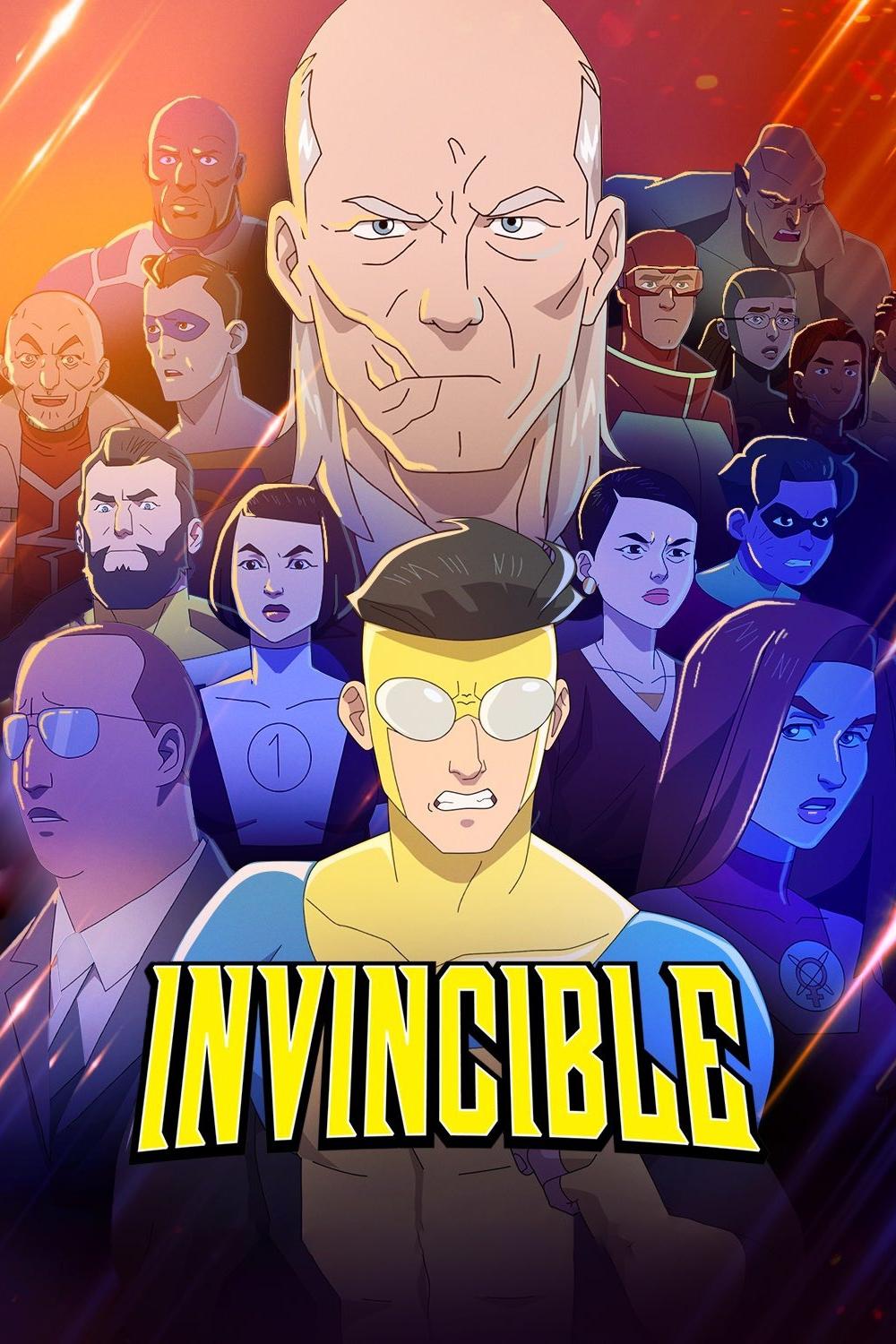
Based on the comic by Robert Kirkman, this series follows Mark Grayson as he learns to operate as a hero under the shadow of his father, Omni Man. The first season establishes a conspiracy that reshapes Mark’s understanding of Earth’s defenses.
The animation prioritizes clear staging for flight, speed, and heavy impact fights, and it includes scenes of graphic consequence. The production adapts arcs from the source material while adjusting timelines to fit a television structure.
‘RWBY’ (2013)
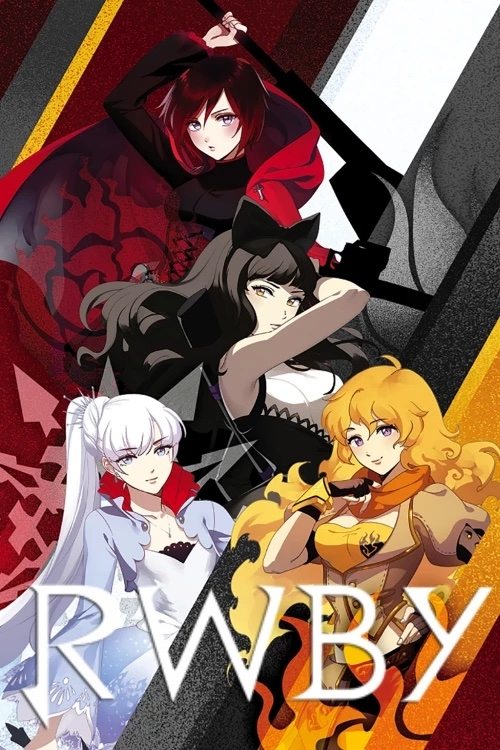
Created by Monty Oum for Rooster Teeth, this series takes place in the world of Remnant where teams of huntsmen and huntresses train to combat creatures called Grimm. The early volumes focus on academy life before expanding to a larger conflict.
The show uses 3D animation with a signature weapon design system that combines melee and ranged functions. Volumes are structured as chapters that move through tournaments, missions, and continent spanning journeys.
Share your favorite picks and tell us which other shows anime fans should check out in the comments.