Top 10 Coolest Things About Appa

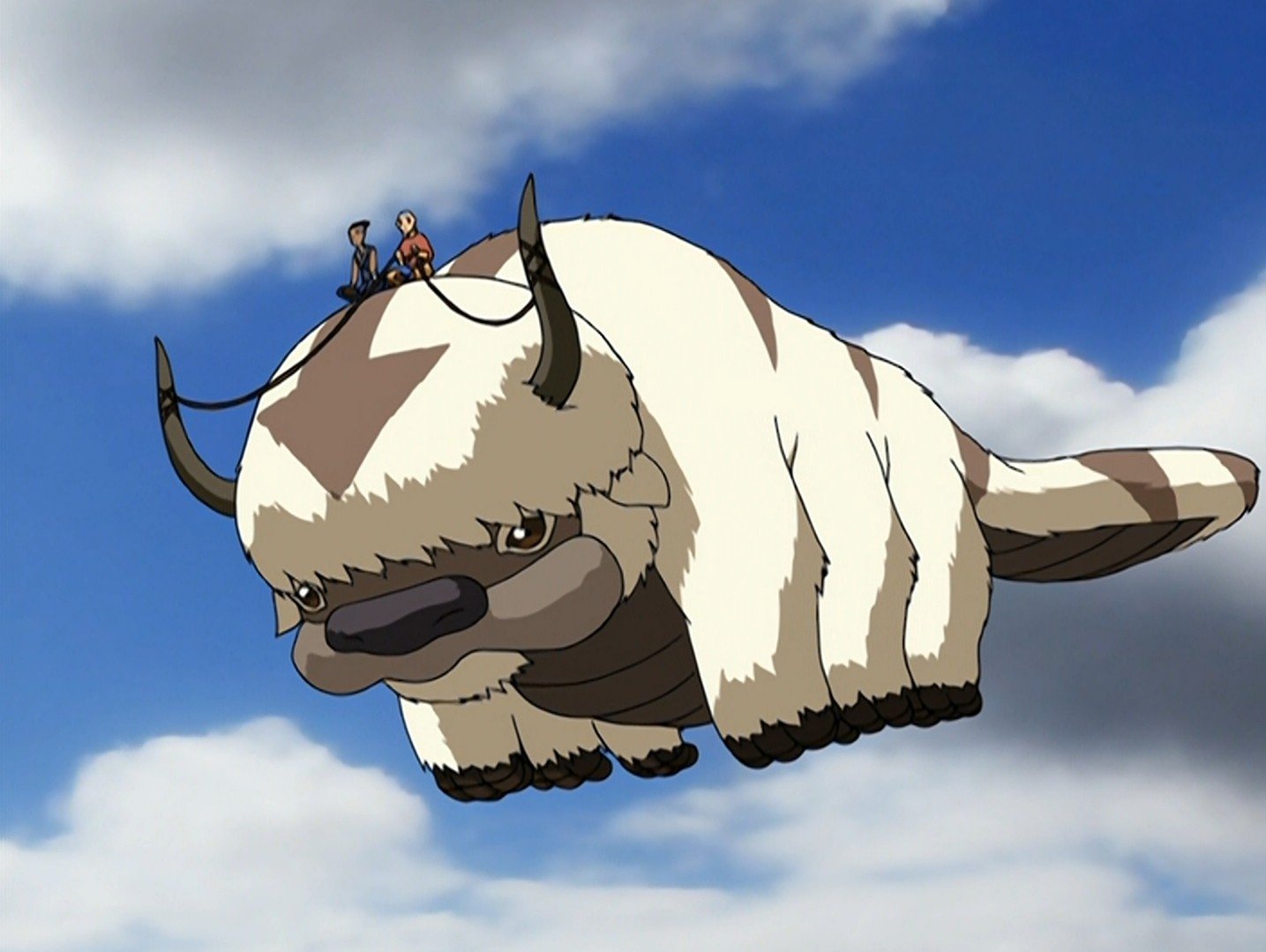

Appa is the sky bison who carries Team Avatar across continents in ‘Avatar: The Last Airbender’, and he’s built into the world’s history as much as he is into the Gaang’s day-to-day survival. As Aang’s animal guide, Appa isn’t just a ride—he’s a living connection to Air Nomad culture, a steady presence through wars, deserts, and snowstorms, and a character whose choices and experiences move the story forward.
What makes him stand out goes far beyond fluffy vibes. From how his airbending actually works, to the way Air Nomads traditionally bond with sky bison, to an entire episode devoted to his journey, Appa is packed with details that make him essential to the universe of ‘Avatar: The Last Airbender’ and its sequel series, ‘The Legend of Korra’. Here are ten specific, factual reasons Appa is such a big deal.
Sky Bison Origins and Role
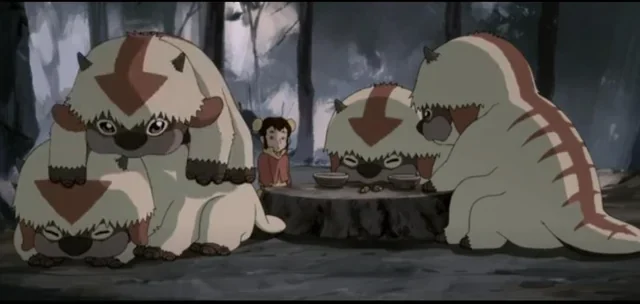
Appa is a sky bison, a large, mammalian species native to the Air Nomads’ temples. Sky bison are natural airbenders, and their anatomy—six legs, massive lungs, and a broad, flexible tail—supports sustained flight and powerful bursts of air. Air Nomad monks raised calves at the temples, where young airbenders learned care routines like grooming, feeding, and building trust, which established lifelong bonds between rider and bison.
In Air Nomad tradition, a young acolyte didn’t purchase or trade for a bison; they formed a partnership. Aang was paired with Appa as a child at the Southern Air Temple, and that bond included practical training: recognizing commands, flying with a saddle, and coordinating takeoffs and landings from narrow perches such as temple spires and mountain ledges.
How Appa Flies (Airbending Mechanics)
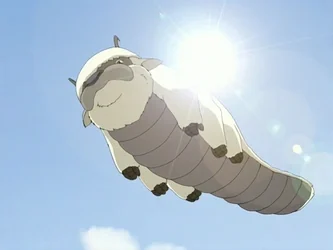
Appa’s flight relies on airbending, not wings. He generates lift and thrust by channeling air through his body and tail, producing controlled jets that let him hover, ascend, and turn. In motion, his tail acts like a giant air rudder—sweeping left or right to yaw, flicking to pitch up or down, and slamming to produce short, explosive bursts that clear obstacles or counter crosswinds.
Because his propulsion is bending-based, Appa can carry heavy loads without the aerodynamic limitations that would ground a non-bending creature of similar size. He lifts multiple passengers, a fully packed saddle, and cargo, and can modulate speed and altitude to conserve energy on long hauls or punch through storms when time is critical.
The Aang–Appa Lifebond

Aang and Appa share a formal animal-guide bond that predates the series’ events. Air Nomad pedagogy paired young airbenders with sky bison early, reinforcing empathy and responsibility through daily care and joint training. This bond shows up in coordinated maneuvers, quick responses to subtle cues, and Appa’s protective behavior during combat extractions and emergency landings.
The bond also has practical survival value. When Aang is incapacitated or separated, Appa actively searches, responds to familiar signals, and navigates to known safe havens like the Southern Water Tribe ship or Earth Kingdom refuges. Their shared routines—feeding times, rest cycles, and flight routes—reduce risk on long journeys and make Appa a reliable constant even when plans change.
Commands, Signals, and the Bison Whistle

Appa responds to voice commands, the most famous being “yip” for takeoff. The command vocabulary extends to directional cues and landing prompts, which allows Appa to act quickly in chaotic environments—like evacuating a rooftop while dodging projectiles or touching down on ice floes without cracking the surface.
Aang also carries a bison whistle that emits a high-frequency tone audible to sky bison over long distances. The whistle functions as a locator and recall tool when line-of-sight is lost, such as in sandstorms, crowded cities, or dense forests. Used together, voice commands and the whistle give Team Avatar layered control—immediate actions up close and a homing signal when separated.
Appa’s Strength, Endurance, and Weather Handling
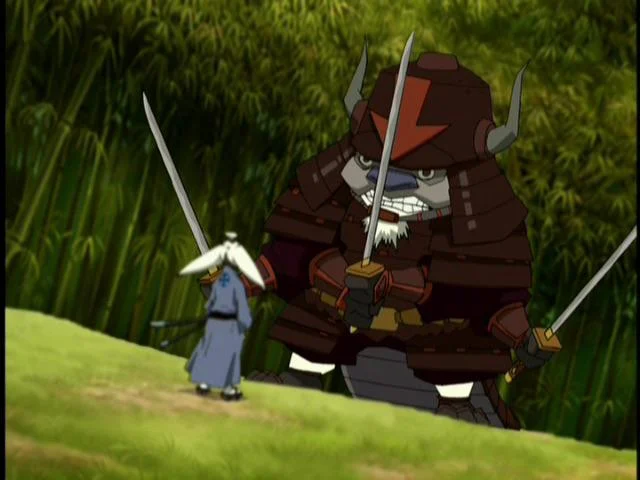
Physically, Appa is built for resilience. His thick fur provides insulation against cold climates, while his bulk and lung capacity support high-altitude flight where air is thin. He can swim and even tow small vessels, using his tail and limbs to paddle and his airbending to surge forward or surface quickly when visibility drops.
In adverse conditions—heavy rain, blizzards, or desert winds—Appa adjusts by lowering altitude, drafting behind terrain, or switching to short hop flights between cover. He’s shown to endure extended travel days, then recover with rest, water, and grooming, which the team schedules into their itinerary to keep their primary transport in peak condition.
The Saddle: Design, Storage, and Safety
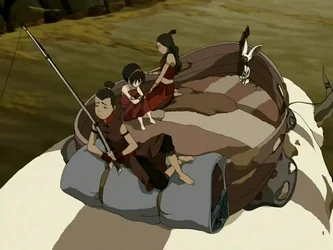
Team Avatar’s saddle isn’t ornamental—it’s engineered for stability and utility. Lash points anchor the rig to Appa’s shoulders and mid-back to distribute load, while high sidewalls and handholds keep passengers secure during sudden maneuvers. The saddle’s central platform allows the team to move, spot threats, and coordinate while in flight.
Integrated storage lets the group carry tents, cooking gear, water, medical supplies, and spare clothing without overbalancing the load. The saddle also doubles as a mobile camp: the team can pitch a tent directly on Appa when landing in rough terrain, minimizing setup time and exposure to ground threats.
Appa’s Navigation and Tracking Skills
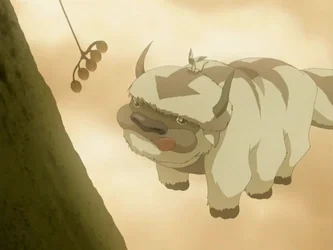
Appa demonstrates robust spatial memory, returning to known locations such as temples, villages, and rendezvous points even after long gaps. He recognizes landmarks and can follow river systems, coastlines, and mountain chains to avoid featureless stretches, which is critical when maps are incomplete or outdated.
He also tracks by scent and sound. Appa uses his keen sense of smell to find familiar people or places, and he can pick up on distant calls, the bison whistle, and distinctive environmental noises. These skills create redundancy when celestial navigation is blocked by cloud cover or when sandstorms erase footprints and wagon trails.
Cultural Significance in Air Nomad Lore
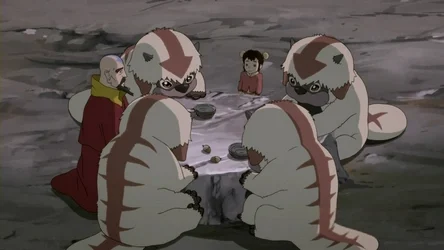
Within the world’s lore, sky bison are foundational to Air Nomad culture. Air Nomads learned airbending forms by observing sky bison, translating natural motions like tail sweeps and body rolls into human techniques, stances, and defensive patterns. Monks integrated bison care into spiritual practice, linking compassion for animals with mastery of the elements.
This cultural tie persisted into later eras. In ‘The Legend of Korra’, sky bison remain emblematic of Air Nomad identity, appearing in ceremonial contexts and as working partners in rebuilding and travel. Their presence signals continuity—showing that the Air Nomad way combines philosophy, community, and a living partnership with these airbending creatures.
‘Appa’s Lost Days’ and What It Reveals
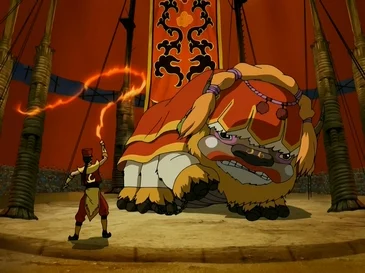
The episode commonly known as ‘Appa’s Lost Days’ details Appa’s capture, sale to a circus, escapes, and encounters with allies and foes before his reunion with Aang. It maps a clear timeline that explains how Appa moved across regions, which groups he met, and how those interactions affected later plot points, including tensions with the sandbenders and assistance from the Kyoshi Warriors.
The episode also documents Appa’s problem-solving: slipping restraints, avoiding recapture, and seeking safe shelter like libraries or remote forests. By tracing his route and contacts, the story provides logistical answers to where he went, how he survived, and which actions set up future rescues and alliances for Team Avatar.
Non-Combat Airbending Uses

Beyond flight, Appa employs airbending for practical tasks. He generates gusts to clear smoke or dust from camp, cushions falls during rough landings, and blasts snow or sand to create quick shelters or visibility corridors. His powerful sneezes, while comedic, are consistent with the same pressure-driven air control that moves his large frame in the air.
In water, Appa combines paddling with controlled air bursts to steer and accelerate, turning rivers and coastal routes into viable travel corridors when flying would reveal the team’s position. In forests or canyons, he uses short hops and hover holds to negotiate tight spaces where full-speed flight isn’t safe.
Share your favorite Appa fact—or a detail we missed—down in the comments!