Top 10 Coolest Things About Aquaman



Aquaman has been swimming through comics history since the Golden Age, and he’s carried a surprising amount of depth beneath the orange-and-green surface. From classic adventures to modern world-building, the character blends superhero spectacle with myth, science, and politics in a way that few caped icons do.
Whether you first met him in the pages of DC Comics or on the big screen, there’s a lot more to Arthur Curry than talking to fish. Here are ten concrete, fact-packed reasons fans, creators, and even ocean scientists keep coming back to the King of the Seven Seas.
Atlantean Origins and Royal Lineage
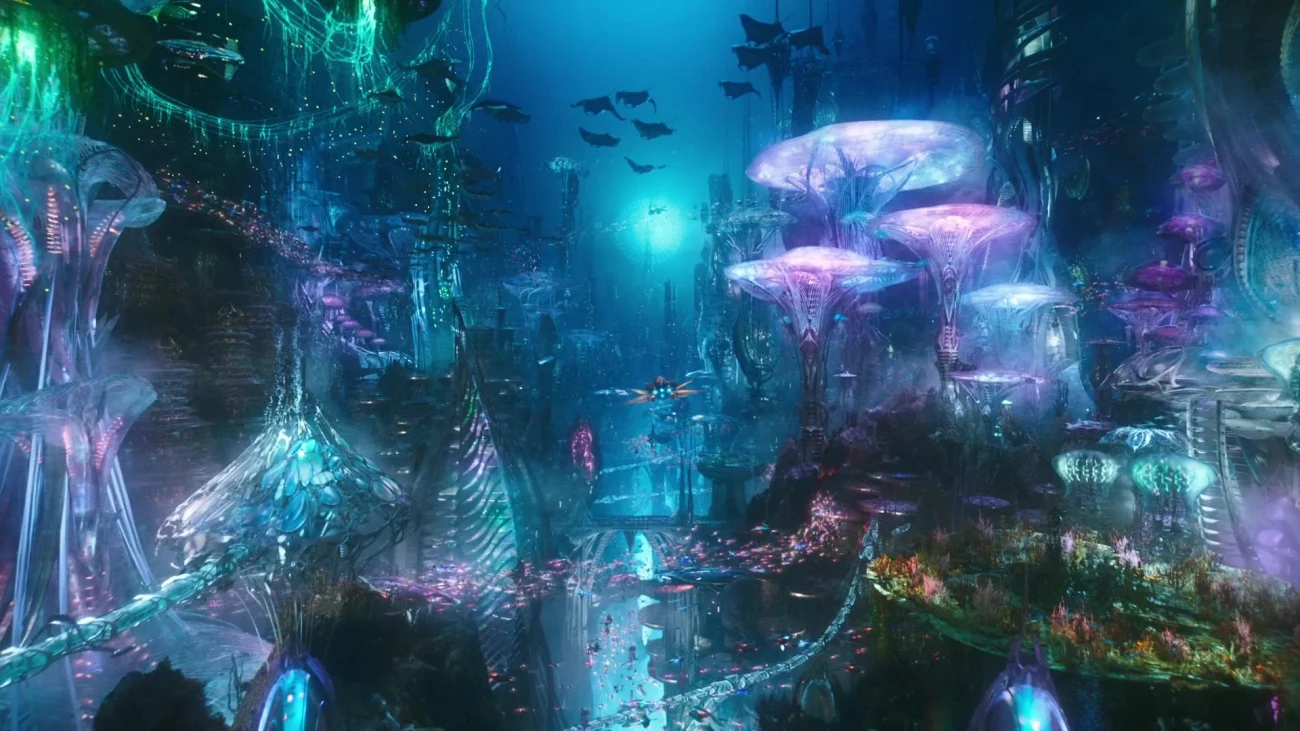
Aquaman’s backstory ties him to Atlantis, a technologically advanced civilization hidden beneath the ocean. In most core continuities, he’s the son of a human lighthouse keeper and an Atlantean queen, which makes him a hybrid with legal claims to the throne. That royal status places him at the center of Atlantean politics—councils, city-states, and rival houses—where succession crises and ritual obligations often trigger surface-world repercussions.
Across eras, creators have used that lineage to anchor major arcs: civil wars in Atlantis, diplomatic treaties with surface nations, and constitutional questions about monarchies in a superhero world. Key storylines explore how Arthur navigates old Atlantean customs while integrating surface-world rule of law, often forcing him to reconcile ceremonial authority with modern governance.
Marine Telepathy and Bio-Acoustic Signaling
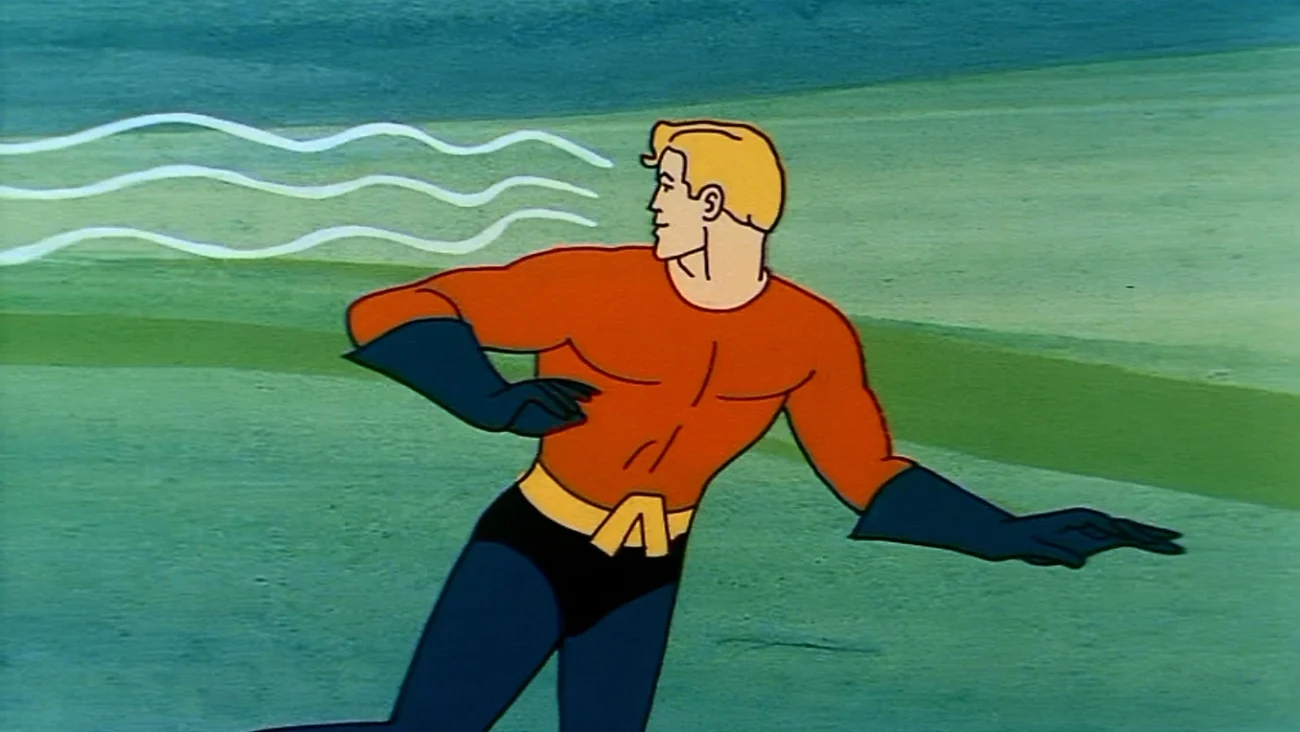
Aquaman’s signature ability is psionic communication with marine life, portrayed as a form of telepathy that leverages bio-acoustic signaling and empathic suggestion. Comics and animation consistently depict range limits, line-of-sight constraints, and scaling—schools of fish respond quickly, apex predators require stronger focus, and ancient leviathans demand enormous concentration.
Writers have expanded the power beyond simple commands to include reconnaissance, coordinated migrations, and ecological interventions. In crisis scenarios, Arthur uses distributed swarms for search-and-rescue, summons deep-sea fauna for heavy lifting, and even relays warnings through cetacean networks, effectively turning the ocean’s biosphere into a real-time sensor grid.
Superhuman Physiology Optimized for the Deep
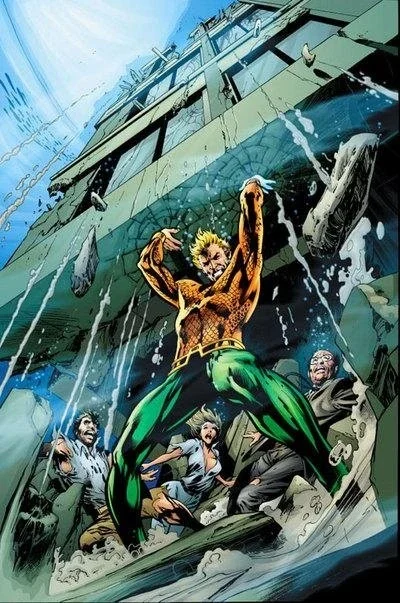
Aquaman’s body is adapted for abyssal conditions: extreme pressure tolerance, low-light vision, enhanced strength, hypersonic water locomotion, and rapid temperature acclimation. These traits allow him to operate at hadal depths, where the crushing environment would disable most metahumans not specifically adapted for it.
His durability and strength scale differently underwater versus on land. In the ocean, he leverages hydrodynamics and pressure-resistant musculature for torque-heavy feats such as turning submarines, redirecting torpedoes, and countering kaiju-scale threats. On land, he retains significant strength and resilience, but tactical texts within the comics often show him returning to water to maximize speed, agility, and stamina.
Tridents, Artifacts, and Atlantean Technology
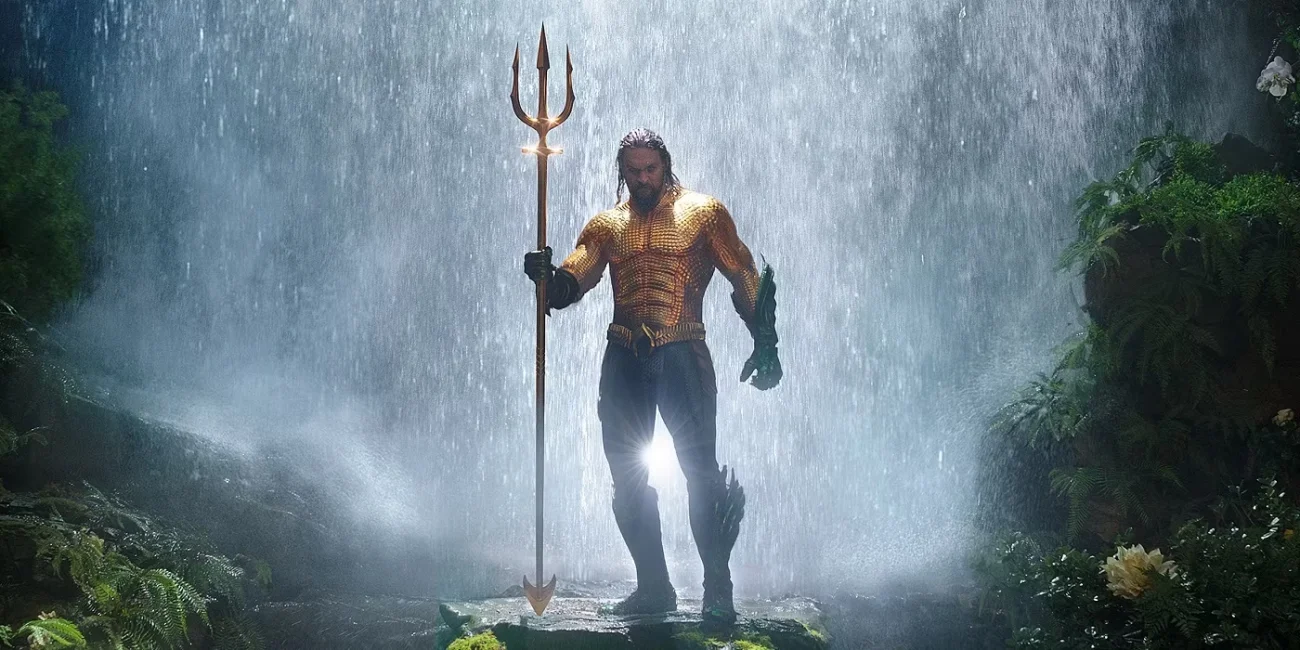
Aquaman’s arsenal includes sacred and scientific gear, most famously a trident. Continuity has featured divine-leaning implements like a Poseidon-associated trident and royal relics such as the Trident of Atlan, each conveying specific properties ranging from hydrokinesis and electromagnetic manipulation to magical seals and warding. Lore entries and guidebook back-matter explain how certain tridents interact with Atlantean glyphs, vaults, and geo-locked sanctums.
Beyond relics, Atlantean technology fills gaps with pressure-proof alloys, bio-luminescent interfaces, and sub-surface gravimetric transit systems. Strategic arcs detail how these technologies enable stealth fleets, deep-sea agriculture domes, and coastal disaster response, positioning Atlantis as a superpower whose tech base rivals major Earth nations.
Founding Role in the Justice League
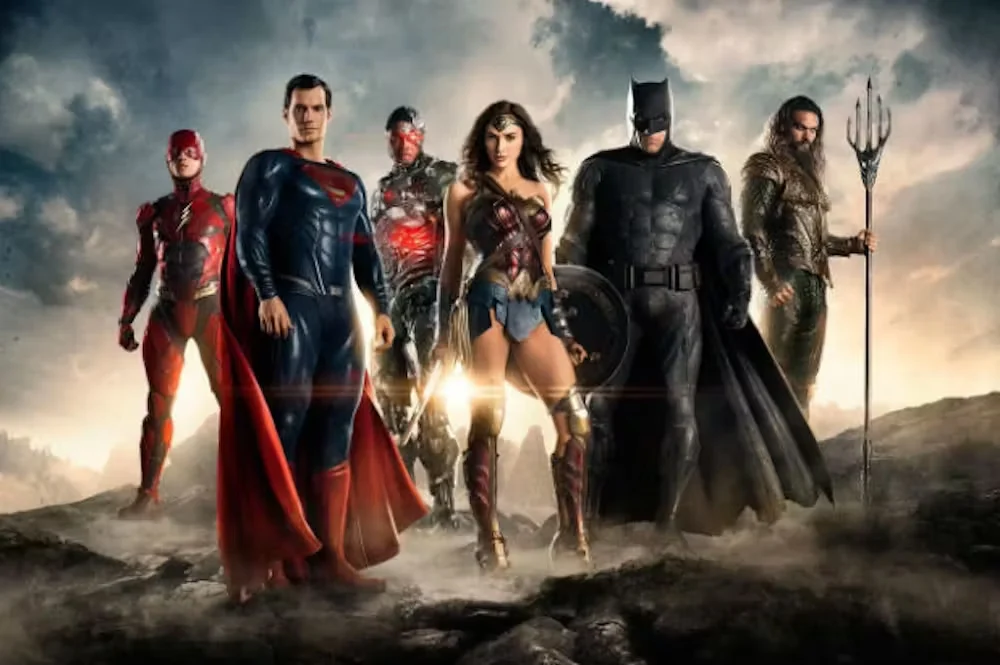
Aquaman appears as a core founder in many Justice League origin tellings, collaborating with heavy hitters like Superman, Batman, Wonder Woman, Flash, and Green Lantern. His presence isn’t ceremonial—he contributes maritime intelligence, polar-to-tropical mobility, and a sovereign’s authority that streamlines intergovernmental operations during cross-border emergencies.
Operationally, Justice League playbooks often assign Arthur to sea-level and littoral theaters where alien landings, kaiju events, or weather-weapon incidents intersect with global shipping lanes and energy infrastructure. Those scenarios call for his command of naval tactics, sonar mapping, and undersea logistics—areas where he frequently leads joint task forces.
Environmental Stewardship and Ocean-Scale Stakes
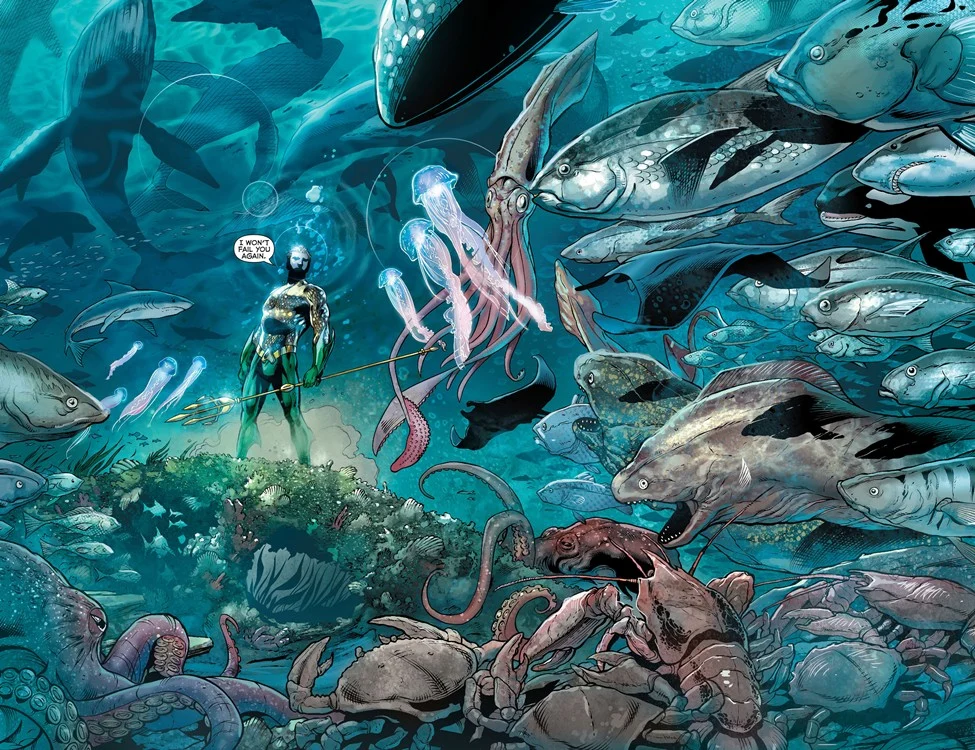
Aquaman stories regularly address illegal whaling, toxic dumping, seabed mining, and climate-driven habitat loss. Plotlines translate real marine science into superhero action: harmful algal blooms, coral bleaching, and dead zones become triggers for investigations that combine detective work, diplomacy, and combat against corporate or super-villain actors.
Because he rules an ocean nation, Arthur’s interventions carry legal and economic weight. He negotiates shipping corridors, asserts territorial rights, and coordinates with surface institutions on fisheries management and search-and-rescue. The result is a body of stories that frame superheroics alongside environmental governance and maritime law.
A Bridge Between Two Worlds—Diplomacy and Law
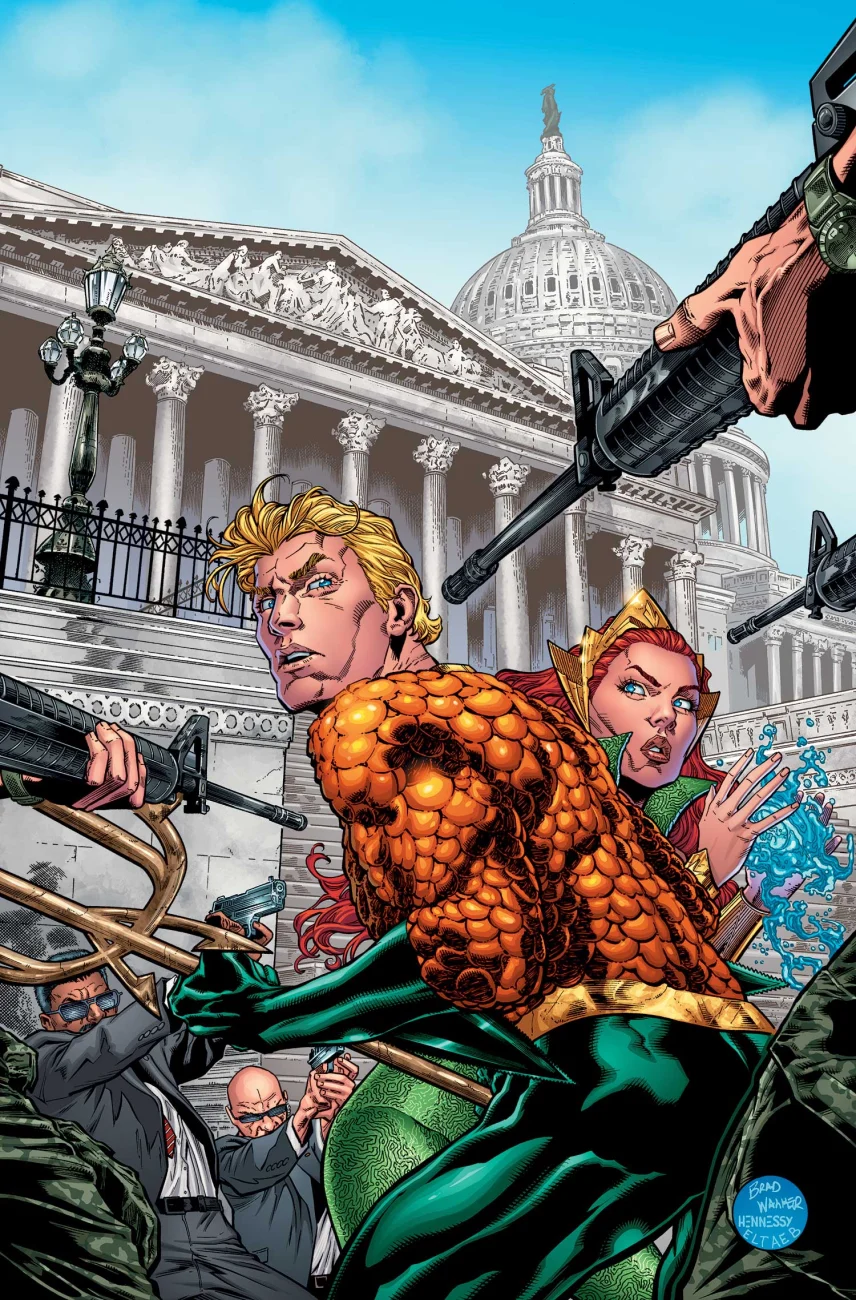
As both monarch and surface-world citizen, Aquaman functions as a diplomatic conduit. He issues formal protests over naval exercises, welcomes surface ambassadors to Atlantean councils, and signs bilateral accords on technology sharing and disaster relief. Protocol scenes in the comics outline how Atlantean envoys, interpreters, and legal scholars manage contact with ports and coastal cities.
These arcs explore practical challenges—extradition of undersea criminals, jurisdiction over continental shelves, and salvage rights after super-battles. Aquaman’s bilingual and bicultural background is central to those negotiations, and creators consistently use it to explore due process and sovereignty in a world with metahuman actors.
Defining Comic Runs and World-Building
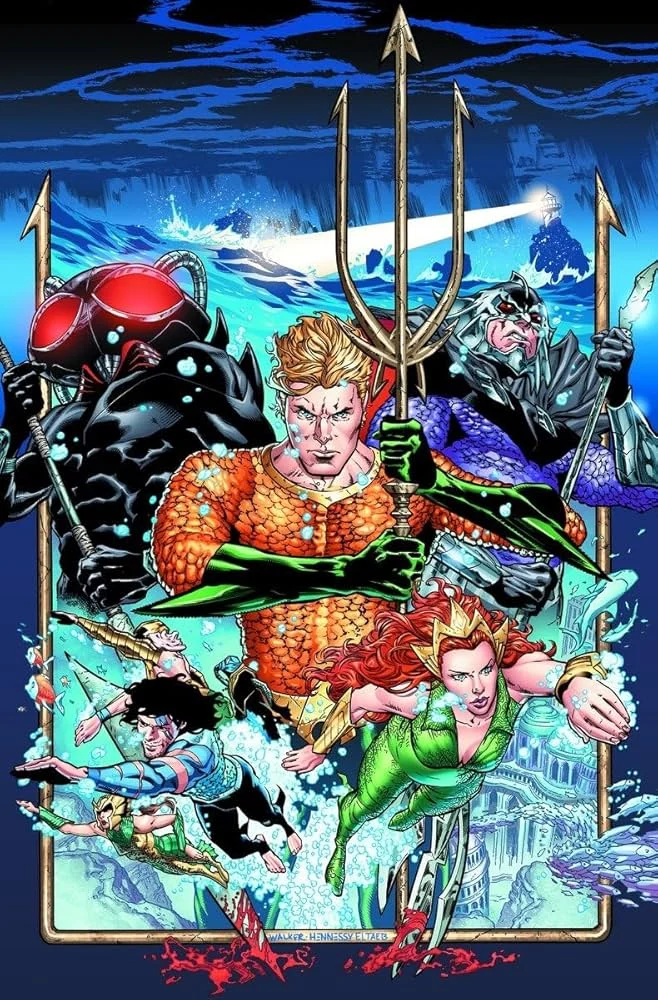
Multiple creator runs have redefined Aquaman’s tone, mythology, and supporting cast. The Peter David era established a grittier political tapestry and expanded Atlantean lore; the Geoff Johns period rebuilt the character’s mainstream profile, codifying powers, villains, and public perception; Dan Abnett’s work refined the geopolitics between Atlantis and the surface, emphasizing diplomacy and security frameworks.
Collected editions, handbooks, and companion guides from these runs map the cities of Atlantis, chart royal genealogies, and catalog factions such as the Drift, the Widows, and various undersea tribes. Those materials provide continuity anchors that later stories reference for consistent world-building.
Villains and Allies Who Matter
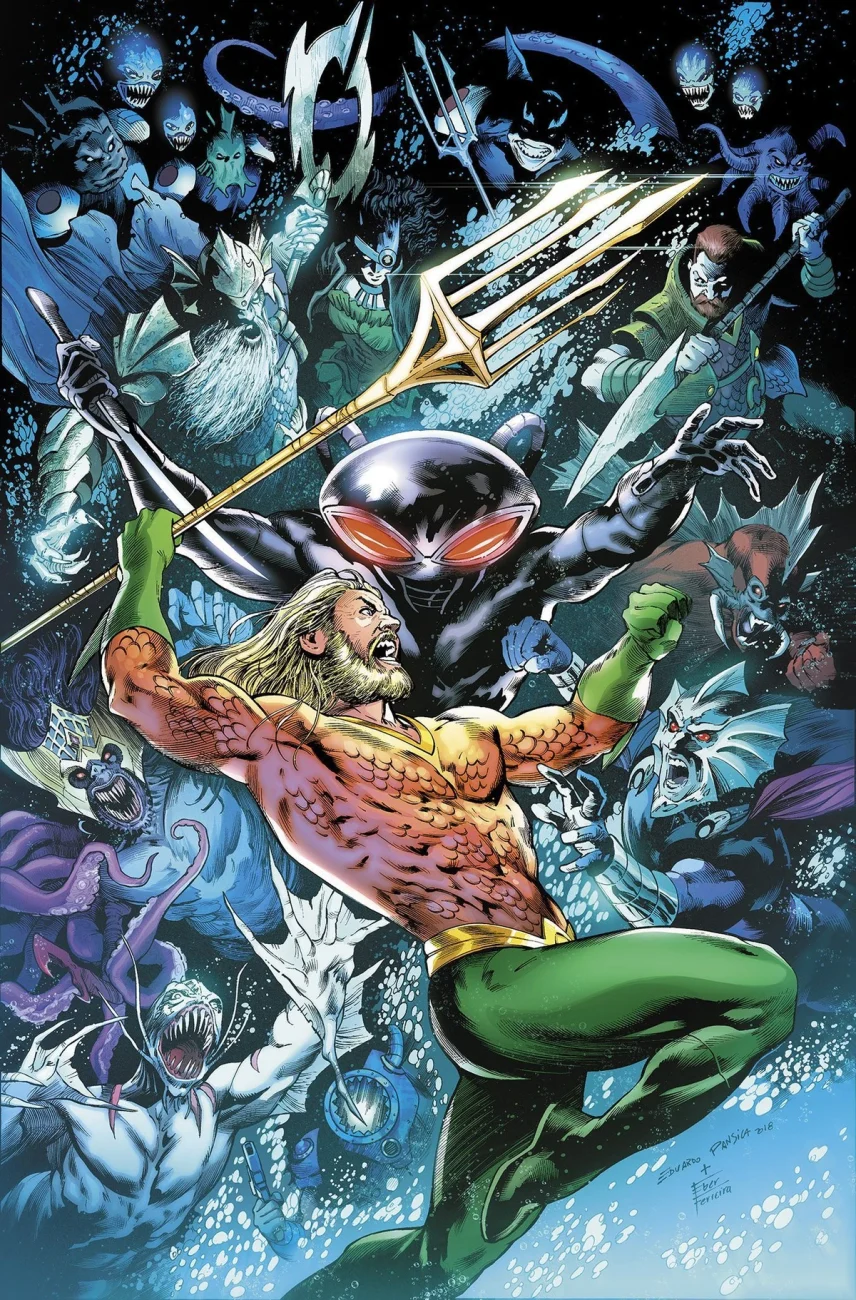
Aquaman’s rogues’ gallery shapes his narrative stakes. Black Manta brings high-tech anti-metahuman weaponry and undersea mercenary networks; Ocean Master (Orm) embodies dynastic rivalry and ideological conflict over isolationism versus engagement; the Trench introduce apex-predator horror rooted in deep-sea evolution. Each antagonist forces different tactical responses and political outcomes.
Allies are equally pivotal. Mera wields hydrokinesis with precision suited to both combat and infrastructure control; Vulko provides institutional memory, legal counsel, and scientific expertise; the Aquafamily, including Aqualad iterations, extends Arthur’s reach across coasts and generational lines. Their combined presence enables large-scale missions—from evacuations and levee fortification to artifact retrieval and counter-insurgency.
Screen Adaptations That Expanded His Reach
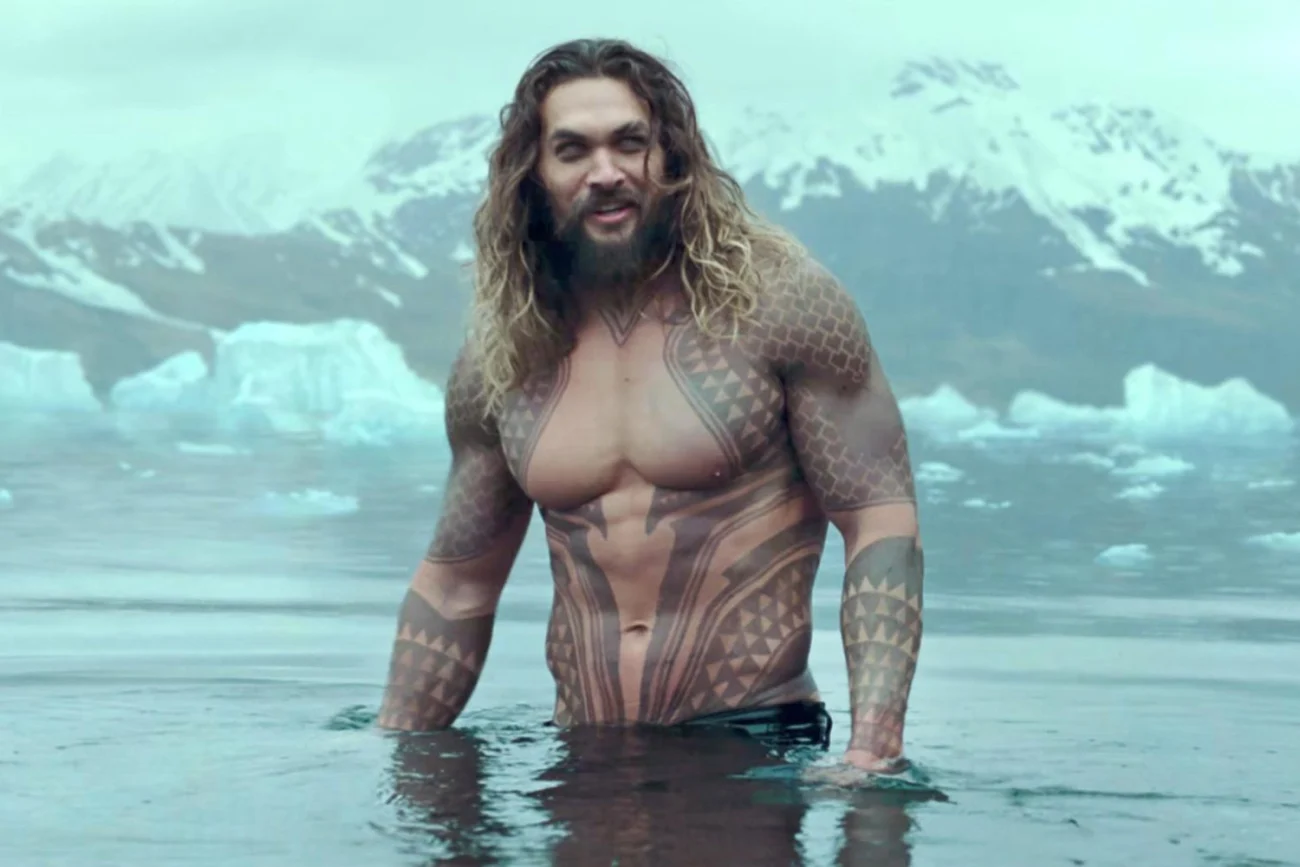
Aquaman’s screen footprint stretches across animation, live-action TV, and films. Notable appearances include feature films like ‘Aquaman’ and ‘Aquaman and the Lost Kingdom’, ensemble entries such as ‘Justice League’ and ‘Zack Snyder’s Justice League’, and animated series including ‘Young Justice’ and ‘Batman: The Brave and the Bold’. Each project highlights distinct facets—royal duty, team dynamics, or mythic artifact quests—while aligning core abilities and Atlantean culture with the medium’s requirements.
Earlier portrayals laid groundwork for modern interpretations. The classic ‘Aquaman’ animated series introduced broad audiences to Atlantis and sea-life coordination, while guest spots in shows like ‘Smallville’ tested live-action world-building for underwater effects, propulsion, and pressure-resistant stunt work. These appearances built a baseline of visual language—hydro-bursts, sonar pulses, and bioluminescent cities—that later productions refined.
Share your favorite Aquaman fact or storyline in the comments—what did we miss that other fans should know?