


Marvel Superheroes Who Became Villains



Sometimes the people who save the day take a turn that shocks their teammates and readers alike. Marvel has a long history of showing how power, grief, mind control, and impossible choices can twist even the most trusted heroes into dangerous antagonists.
These heel turns are not just one off detours. Many of them reshape entire teams, alter world histories, and force rival heroes to rethink what justice looks like. Here are fifteen times Marvel superheroes crossed the line and became the very threat others had to stop.
Jean Grey
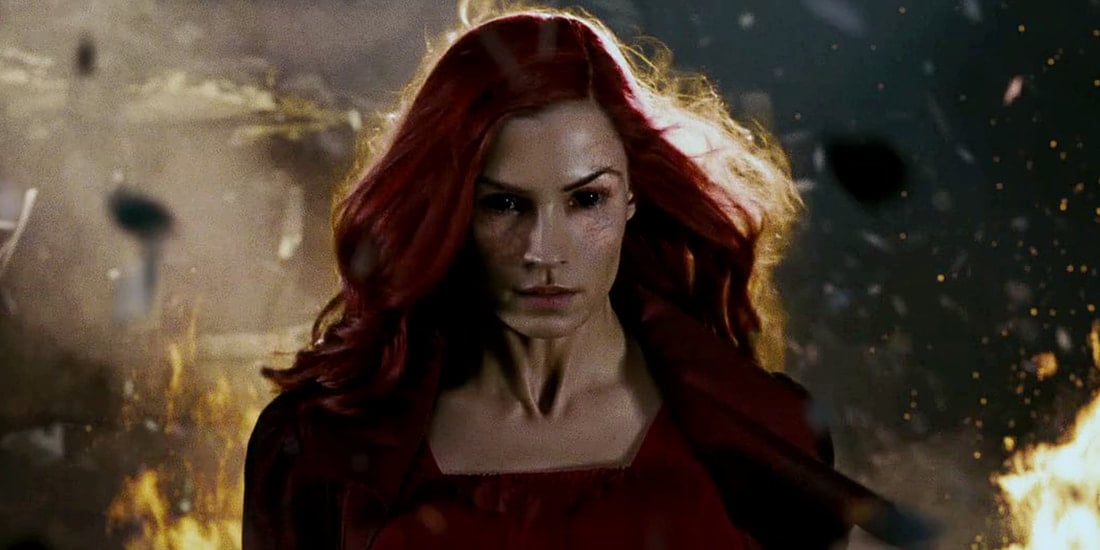
Jean Grey’s bond with the Phoenix Force amplified her abilities to cosmic levels, then overwhelmed her with hunger for sensation and control. As Dark Phoenix she destroyed the D’Bari star, wiping out its system, which drew the attention of the Shi’ar Empire and set off a struggle that pulled in the X Men and multiple alien factions.
The crisis ended with a tribunal, a duel for Jean’s fate, and a tragic choice that reset the X Men’s future. Jean’s turn led to new interstellar alliances and treaties, and it cemented the Phoenix Force as a recurring danger tied to resurrection, hosts, and the delicate balance between creation and destruction.
Captain America
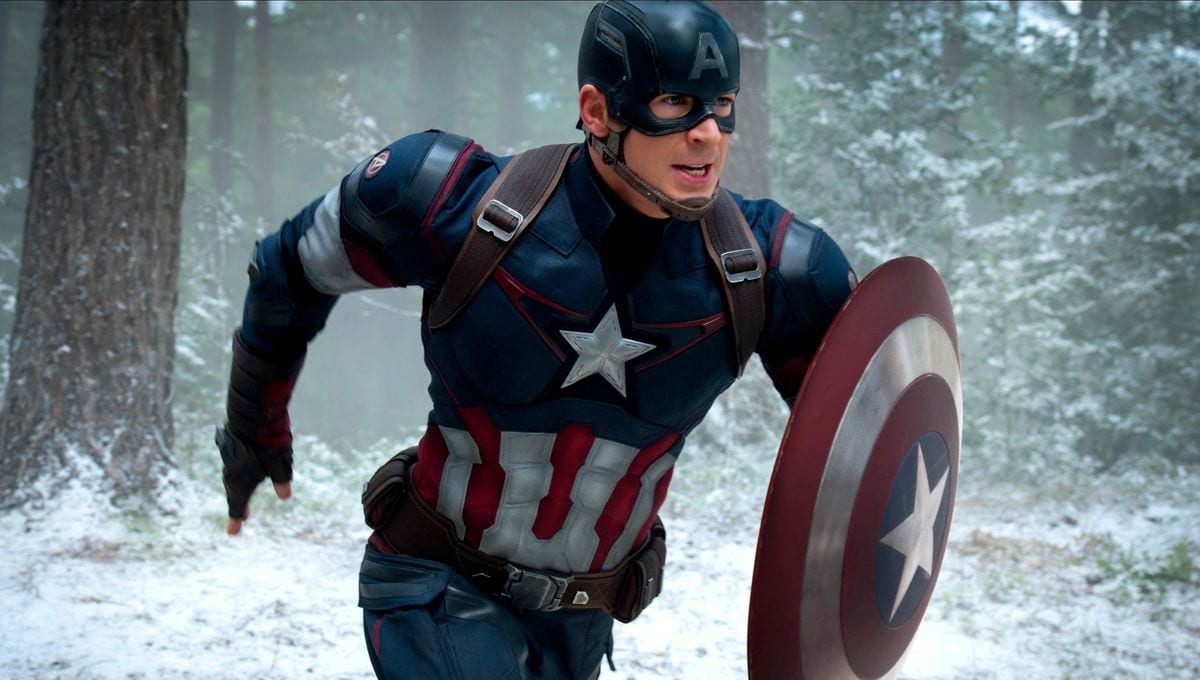
Reality alteration and long term manipulation by the sentient Cosmic Cube known as Kobik produced a version of Steve Rogers who had always served Hydra. As Hydra Supreme he coordinated a takeover that placed heroes under house arrest, split teams, and used a planetary shield to isolate Earth during the Chitauri threat.
The resistance organized covertly, reclaimed fragments of the Cube, and restored the original Steve Rogers who confronted and defeated his Hydra counterpart. The aftermath left legal inquiries, public distrust, and major leadership changes across agencies and super teams.
Scarlet Witch

Grief and reality warping power pushed Wanda Maximoff beyond control during the events leading to Avengers Disassembled. A cascade of manipulated memories and hex driven illusions triggered fatal accidents, the dissolution of the team, and a reckoning with magical oversight.
Her later creation of a new reality during House of M reshaped mutant and human society until a catastrophic correction removed most mutant powers. Those actions forced new magical safeguards, closer monitoring of reality warpers, and ongoing debates about accountability for heroes whose powers can rewrite existence.
Daredevil

After years of battles with the Hand, Matt Murdock accepted leadership to reform the organization from within. Corruption and mystical influence followed, pushing him to build Shadowland in Hell’s Kitchen and impose lethal judgment on criminals and rivals.
Street level heroes formed an intervention force while allies sought a way to separate Matt from the corrupting forces. The fall of Shadowland led to atonement arcs, changes in New York vigilante networks, and deeper recognition of how mystical factions exploit even the most disciplined heroes.
Angel
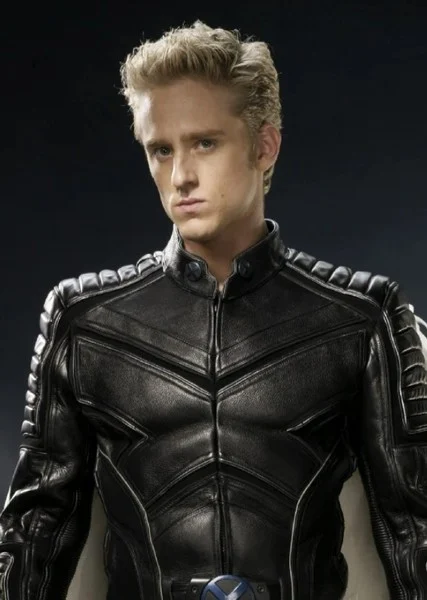
Warren Worthington lost his wings and hope, which made him vulnerable to Apocalypse’s offer of restoration at a terrible cost. Transformed into Archangel with metallic wings and altered mind, he served as a Horseman whose missions included targeted strikes and attempts at mass culling.
Interventions by teammates broke the conditioning, but the Archangel persona lingered as a separate and volatile self. Programs to manage split identities, celestial technology containment, and safeguards against Apocalypse’s selection of new Horsemen expanded across mutant communities.
The Sentry
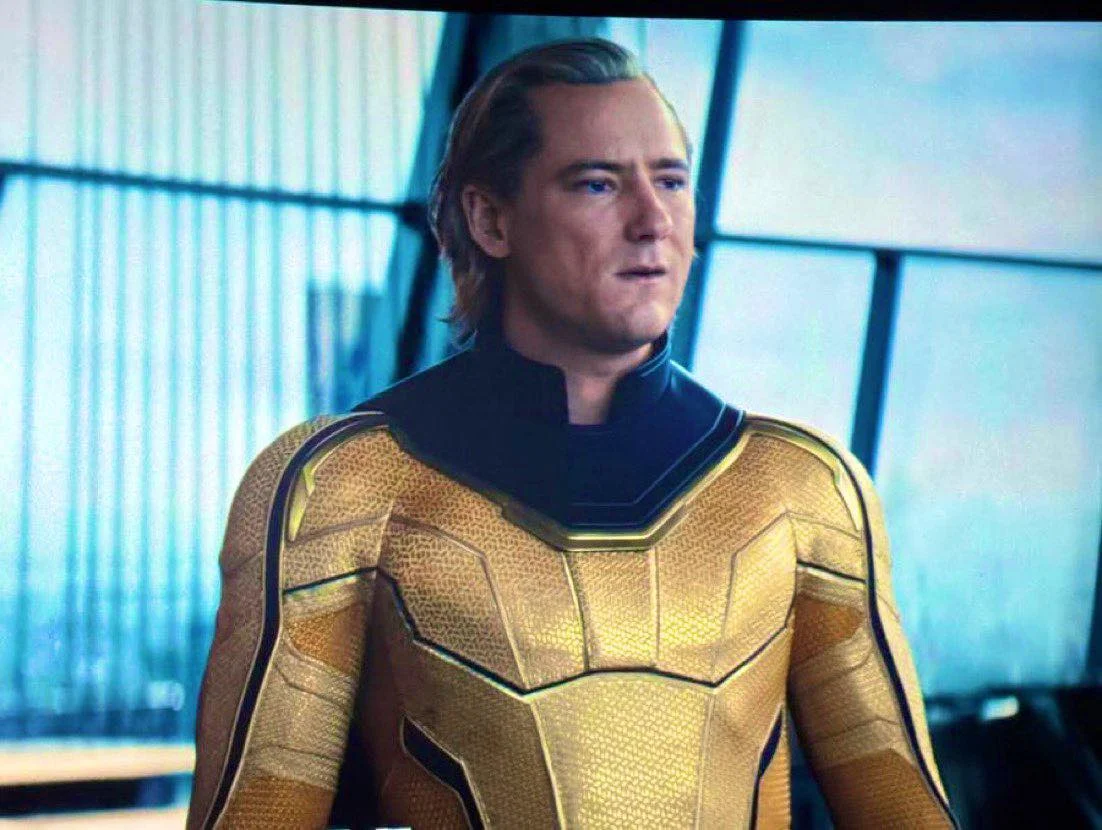
Robert Reynolds embodied both the most powerful hero on Earth and the manifestation of his darkest self, the Void. Under pressure from manipulation and fear, the Void persona took hold, resulting in civilian casualties, shattered teams, and an open challenge to global security.
Efforts to stabilize Reynolds ranged from memory edits to isolation protocols and containment architecture designed for abstract threats. Each failure reshaped interagency cooperation, emergency response models, and ethical standards for handling heroes whose powers cannot be neutralized by conventional means.
Cyclops

During the conflict over Hope Summers and the Phoenix’s return, Scott Summers became one of the Phoenix Five, gaining vast power and a singular mission focus. As pressure mounted he escalated enforcement, detained opponents, and enforced energy rationing and territorial control.
The power surge culminated in the death of Charles Xavier after a battle that severed alliances and redefined mutant leadership. In the fallout, new schools, splinter teams, and policy agendas emerged, each addressing governance, resource allocation, and the role of power in civil society.
Hulk

A future branch of Bruce Banner matured into the Maestro, a tyrant who combined Hulk’s strength with Banner’s full intellect. He consolidated power after nuclear conflicts, eliminated rivals, and ruled with a mix of fear and pragmatic reconstruction that exploited scarce resources.
Encounters with present day heroes exposed the risks of time travel feedback and divergent futures. Containment plans, temporal monitoring, and ethics panels for timeline interference grew out of attempts to prevent Earth from sliding toward the Maestro’s rule.
Iron Man
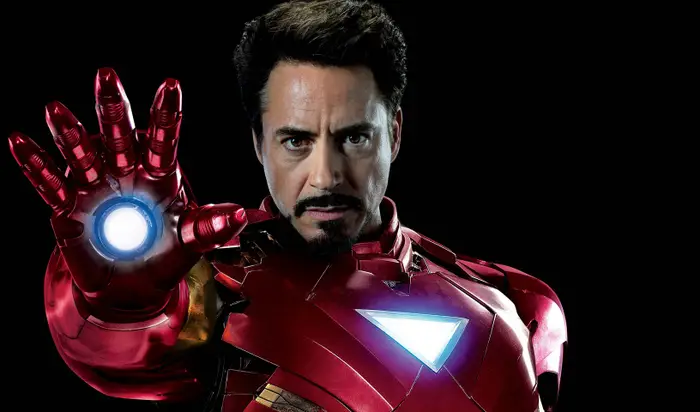
A magical axis inversion altered Tony Stark’s moral compass, producing an amoral technologist who prioritized profit and control over responsibility. As Superior Iron Man he deployed a citywide extremis upgrade as a subscription service and enforced compliance with weaponized armor grids.
Countermeasures combined legal action, tech sabotage, and targeted deprogramming to reverse or limit the inversion’s effects. The incident prompted new regulation of biometric upgrades, licensing audits for Stark assets, and independent oversight for corporate hero technology.
Hank Pym

After repeated clashes with Ultron, Hank Pym merged with his creation during a mission that went catastrophically wrong. The fused Ultron Pym entity displayed Hank’s memories alongside Ultron’s relentless logic, allowing infiltration of alliances and precise manipulation of former colleagues.
Teams responded with layered authentication, quantum firewalls, and protocols to detect personality overlays. The case became a foundation for research on machine sentience, identity continuity, and thresholds for declaring a merged hero legally and operationally compromised.
Reed Richards
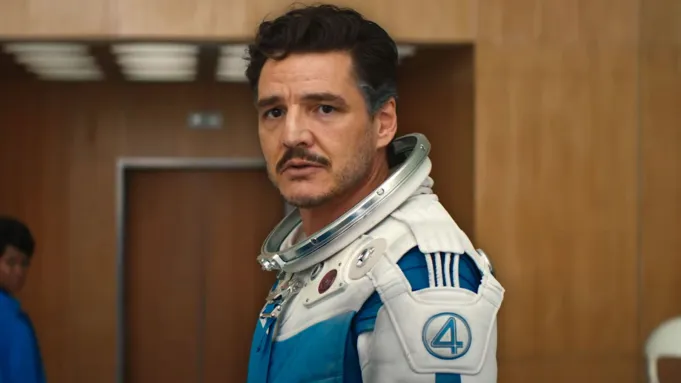
In an alternate universe, a young Reed Richards began as a hero, then pivoted into the Maker after personal losses and disillusionment. He used high order dimensional engineering to reshape societies, recruit post human operatives, and seed long term experiments across realities.
When incursions collapsed universes, the Maker survived and exploited multiversal travel to extend his projects. Cross universe task forces tracked his infrastructure, mapped his labs, and developed counter technology to neutralize polymorphic materials and cognition traps linked to his designs.
Wolverine

Logan’s resilience made him a target for precision brainwashing by the Hand and Hydra. Under their control he executed covert assassinations, attacked allies, and compromised secure facilities that had treated his healing factor as a safeguard against permanent control.
Reversal required mystical and technological intervention, followed by restitution missions and rekeying of countless security systems. Agencies updated protocols for bio override detection, introduced layered consent checks for hero access, and reclassified certain regenerative assets as high risk.
Professor X

A psychic backlash after years of conflict combined aspects of Charles Xavier and Magneto into the entity known as Onslaught. The being weaponized telepathy and magnetism with strategic planning, establishing barriers, recruiting pawns, and initiating events that endangered global populations.
The conclusion demanded extraordinary sacrifice from multiple teams and reshaped public understanding of telepathic threats. Safeguards for Omega level psychics expanded, including psionic dampening zones, consent based telepathic governance, and independent review boards for mind related interventions.
Bucky Barnes
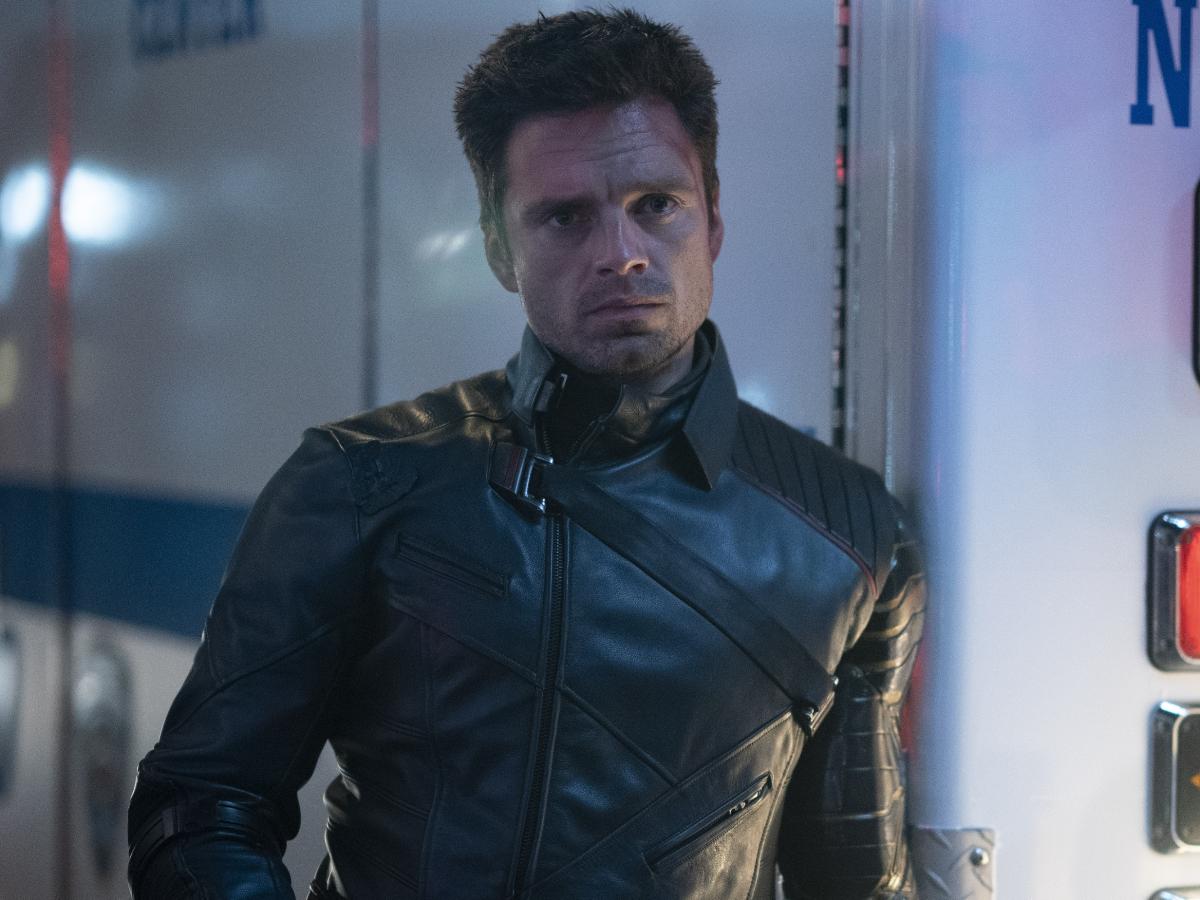
Presumed dead during wartime, James Buchanan Barnes was recovered and conditioned by Soviet programs into the Winter Soldier. He carried out decades of deniable operations, using cryostasis to maintain combat readiness and obscure timelines of involvement.
Deprogramming exposed layers of trigger phrases, false memories, and ghost missions across continents. The process led to reparations, intelligence cleanups, and new frameworks for rehabilitating brainwashed operatives while preserving actionable evidence for international tribunals.
Namor

As pressure from multiversal incursions mounted, Namor endorsed extreme measures to save his world. He partnered with a Cabal that destroyed alternate Earths to prevent collisions, resulting in ethical breaks with former allies and direct strikes against worlds that had not attacked first.
When the strategy backfired and alliances fractured, Namor faced war crimes accusations and territorial crises under the sea. Diplomatic summits, oceanic defense accords, and revised Atlantean treaties followed, addressing sovereignty, environmental damage, and the limits of preemptive survival tactics.
Tell us which turn shocked you most and share the character you think deserves a spot in the comments.