Top 20 Extremely Short Anime Series


Short on time but still want to binge something start to finish This lineup focuses on series with bite sized episodes or compact runs that you can finish in an evening without sacrificing variety You will find rapid fire comedies eerie micro horror and experimental shorts that tell complete stories in just a few minutes per episode
Each pick includes the essential details you need at a glance such as episode counts typical runtimes and what makes the premise click in a compact format Whether you prefer offbeat humor or quick bursts of sci fi and horror these shows keep things moving briskly so you can jump in anywhere and wrap up fast
‘Teekyu’ (2012–2015)
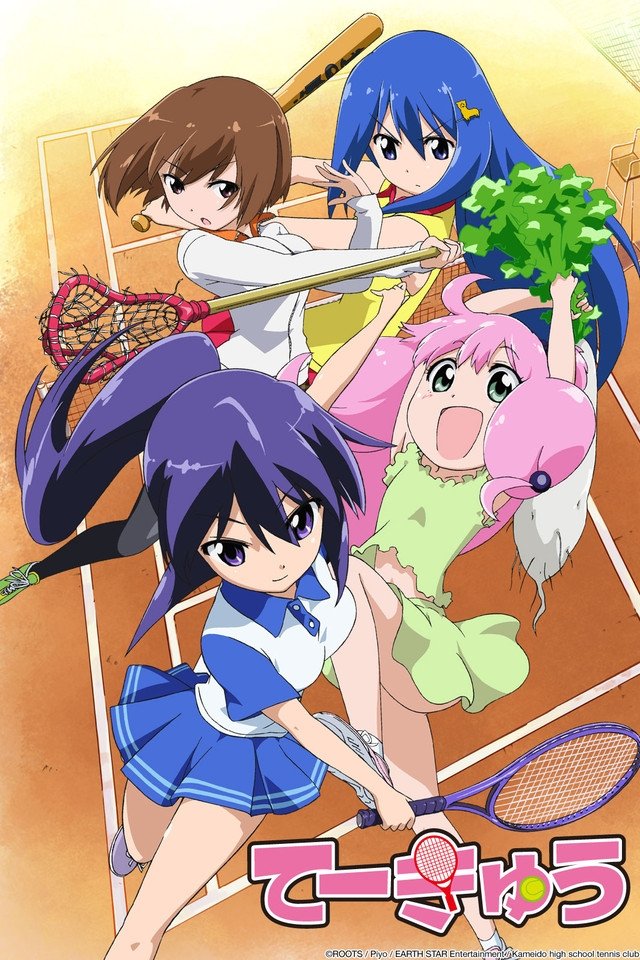
This series delivers ultra short episodes that usually run around two minutes each across multiple seasons The setup follows a high school tennis club though most skits have little to do with tennis as the rapid dialogue and visual gags power each segment The structure makes it easy to watch a handful during a break and still feel like you caught a complete sketch
Seasons are divided into tiny chapters with self contained punchlines and recurring characters that pop in for one joke and out again Production emphasizes speed first with quick cuts minimalist setups and a dense ratio of jokes per minute which suits the format of micro episodes
‘Plastic Elder Sister’ (2011-2012)
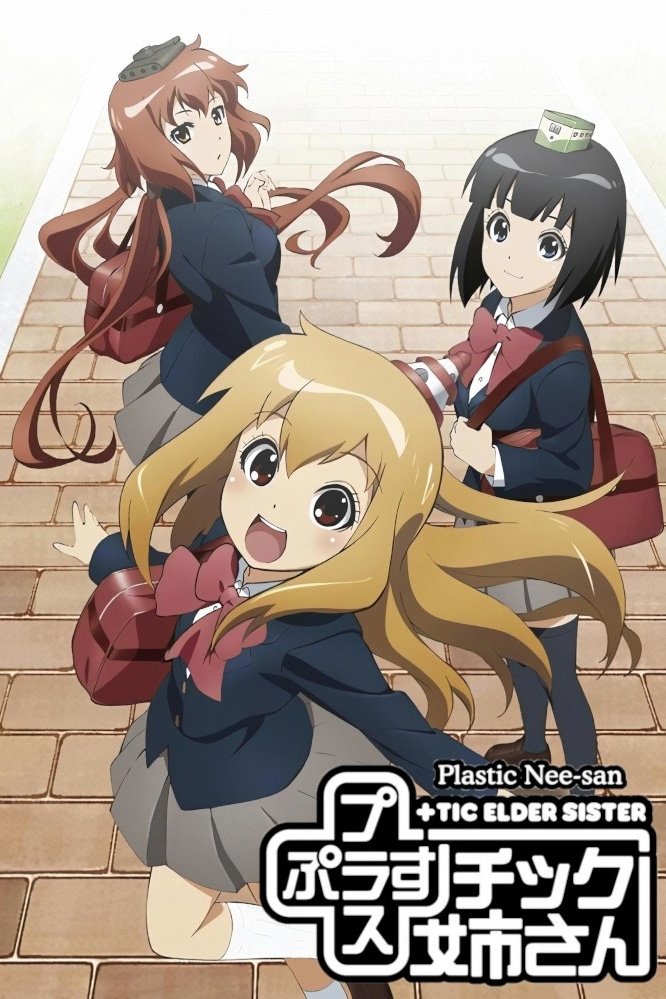
This short comedy centers on three girls from a school’s model building club whose chaotic conversations escalate in seconds Episodes are only a few minutes long and use tight timing to deliver slapstick exchanges plus running bits that resolve before the credits
The show employs simple backgrounds and exaggerated expressions to keep the pace high Each episode squeezes in a full sketch setup and payoff so you can finish the entire series quickly and still get a complete set of recurring gags and character dynamics
‘Space Patrol Luluco’ (2016)
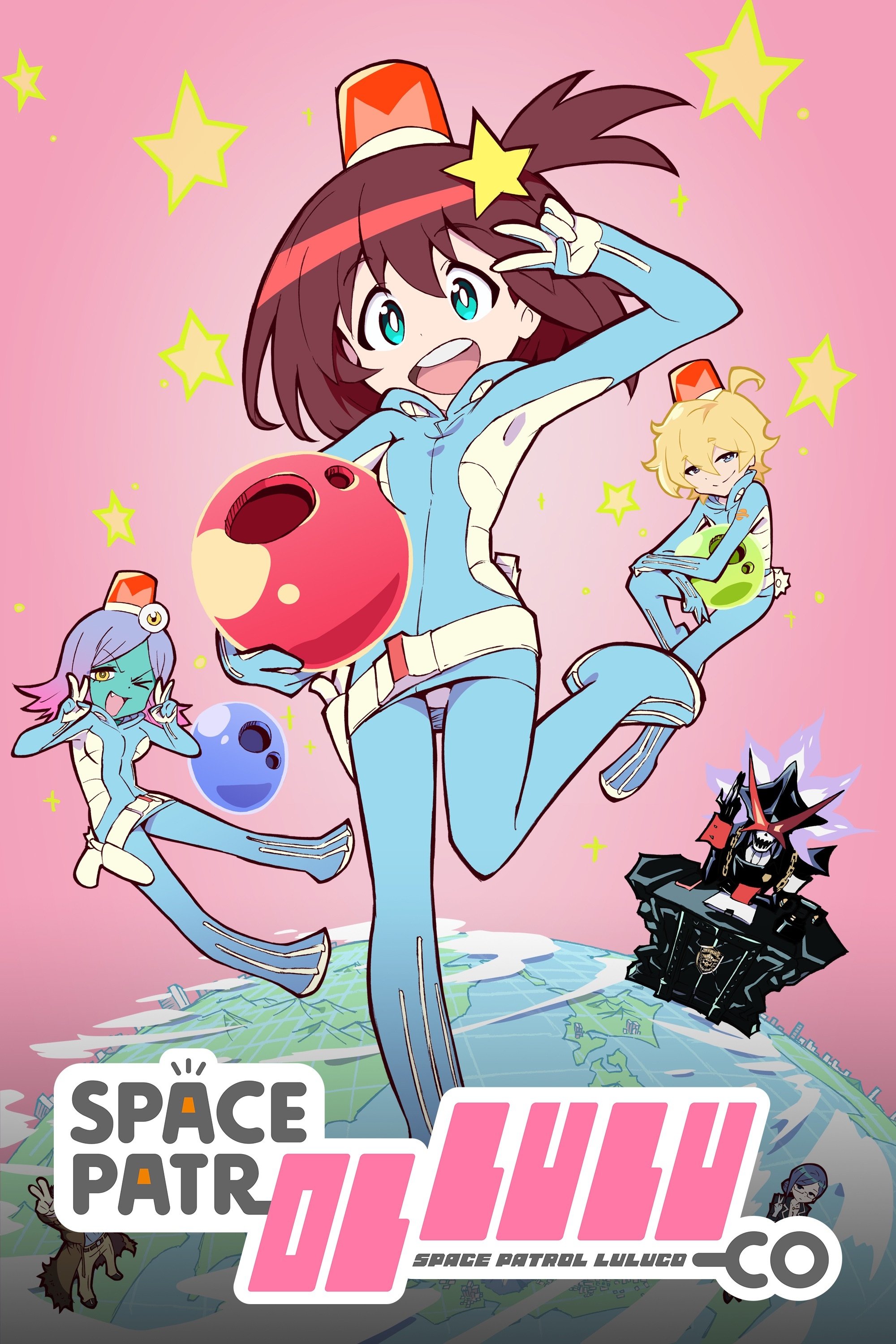
This compact sci fi adventure follows a middle schooler drafted into a space patrol after a family mishap Episodes are brief and the whole story is designed to wrap fast while hopping across locales with brisk cliffhangers that resolve in the next bite sized chapter
Studio Trigger leans on vivid cuts title cards and episode ending stingers to keep the momentum strong The series uses a case of the week framework that funnels into a concise finale so the entire arc lands cleanly within a short total runtime
‘I Can’t Understand What My Husband Is Saying’ (2014–2015)
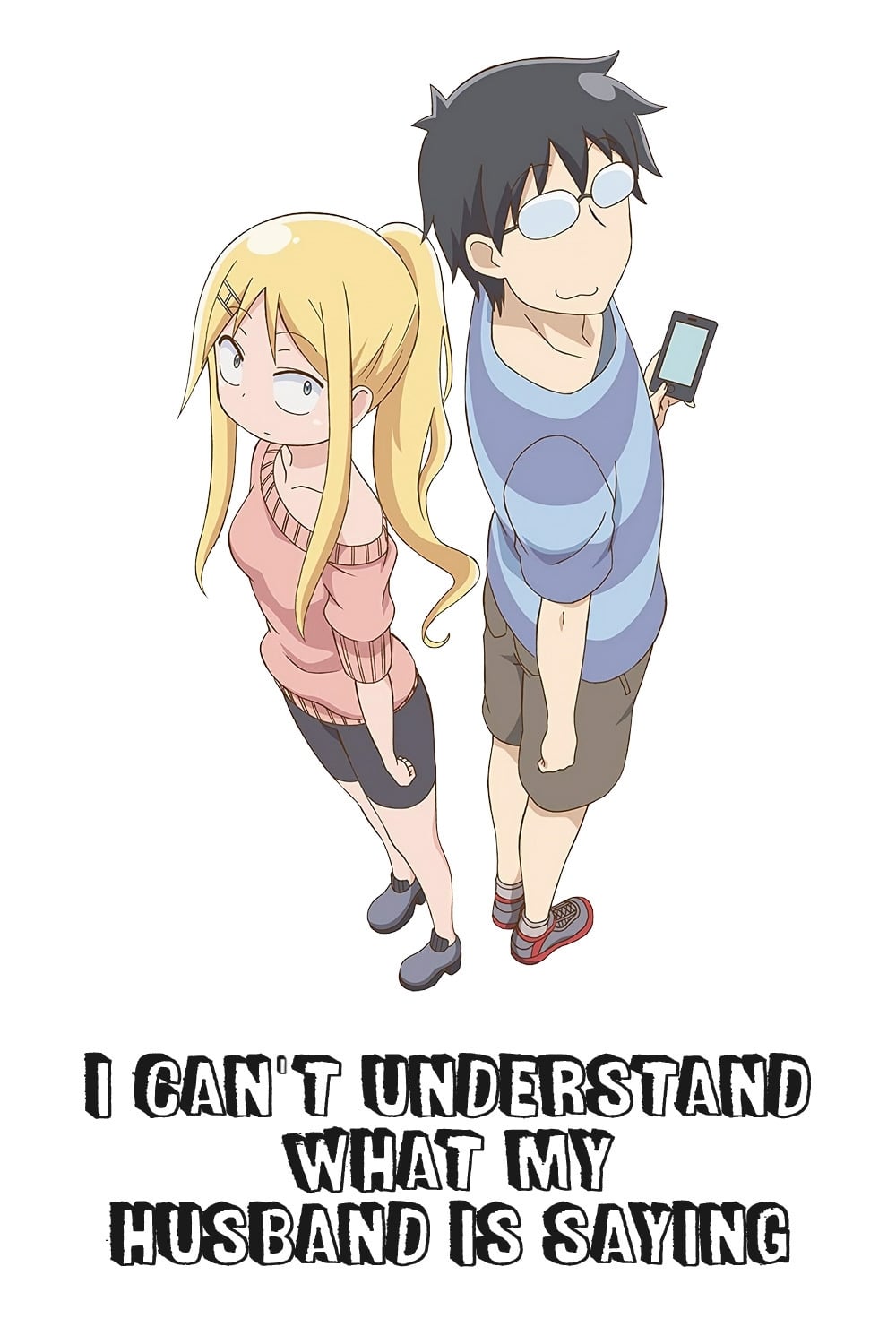
Married life between an office worker and her otaku husband unfolds in compact episodes that clock in at only a few minutes The format focuses on small moments like household quirks holiday habits and friend visits that fit neatly into the micro length
Two seasons cover different stages of the couple’s daily routines with quick setups that highlight communication snafus and small compromises Production keeps scenes to a handful of shots so jokes land quickly and each episode closes with a tidy button
‘Tonari no Seki-kun: The Master of Killing Time’ (2014)
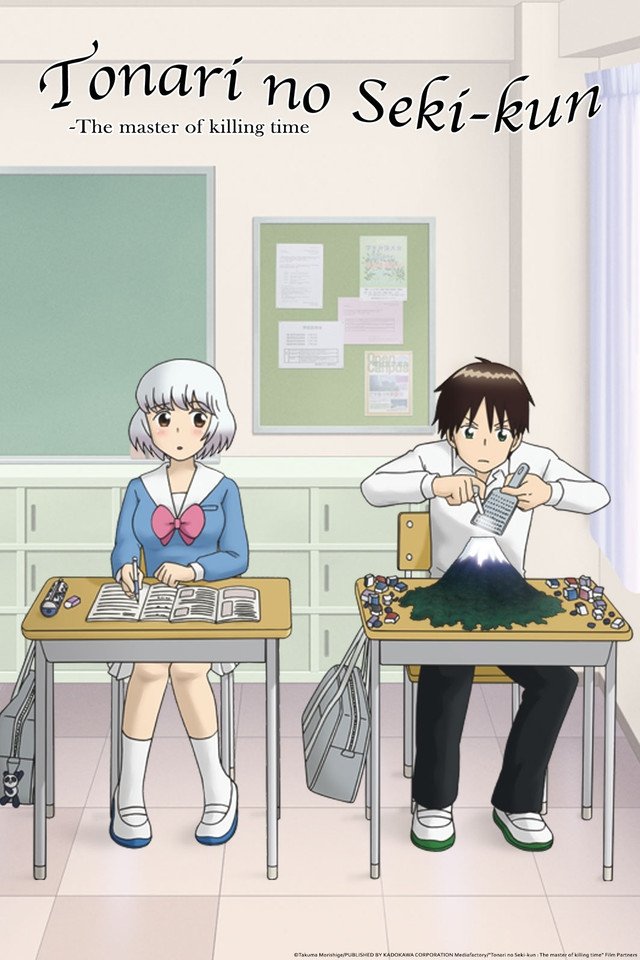
Each short episode shows a classmate’s elaborate desk side distractions ranging from miniature board games to improvised machines while the observer struggles to stay focused The premise resets each time so you can watch in any order without missing context
Visual storytelling carries most of the humor with minimal dialogue and crisp sound design for Rube Goldberg style contraptions Episodes end as the classroom period ends giving each entry a clear beginning middle and end inside a few minutes
‘Aiura’ (2013)
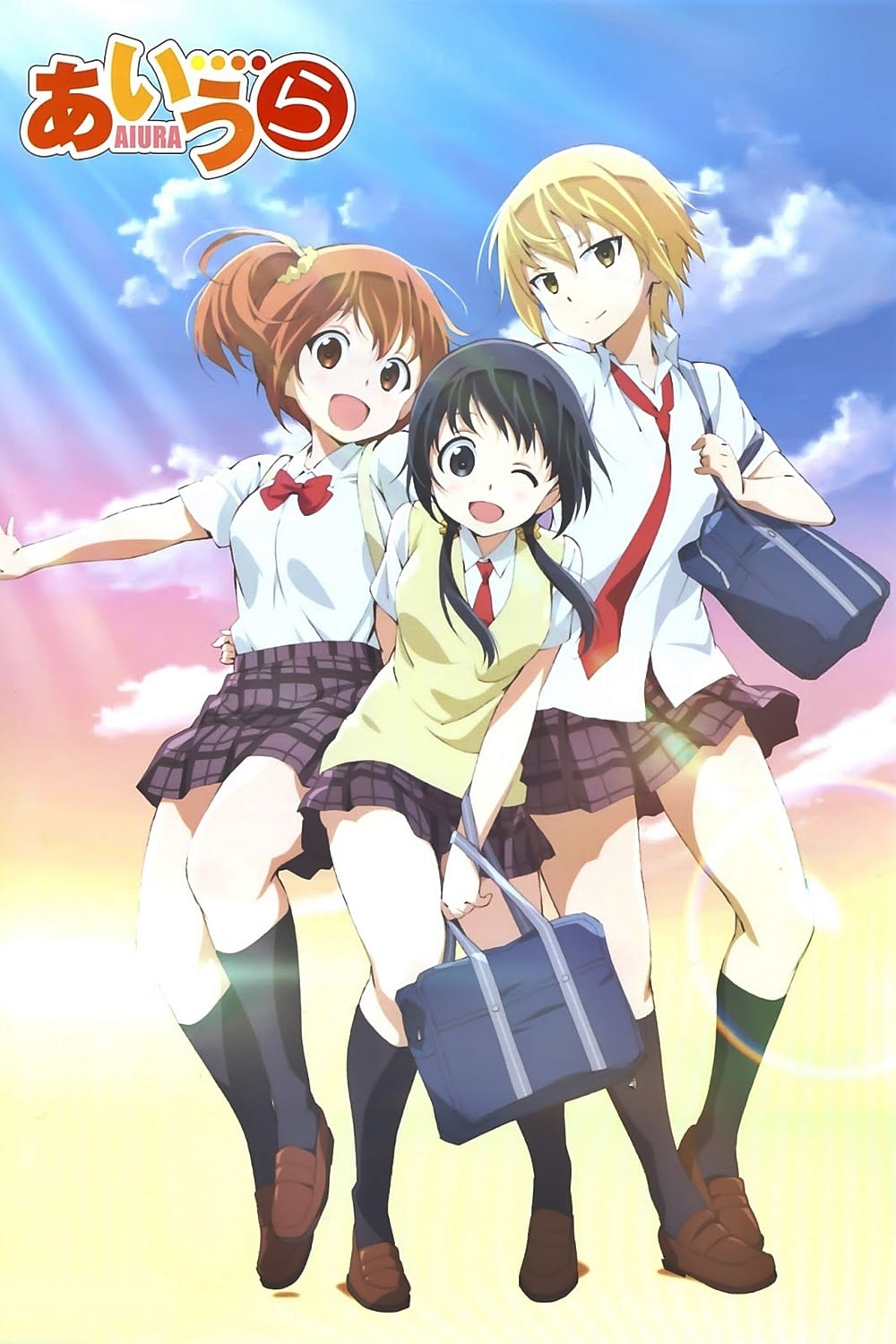
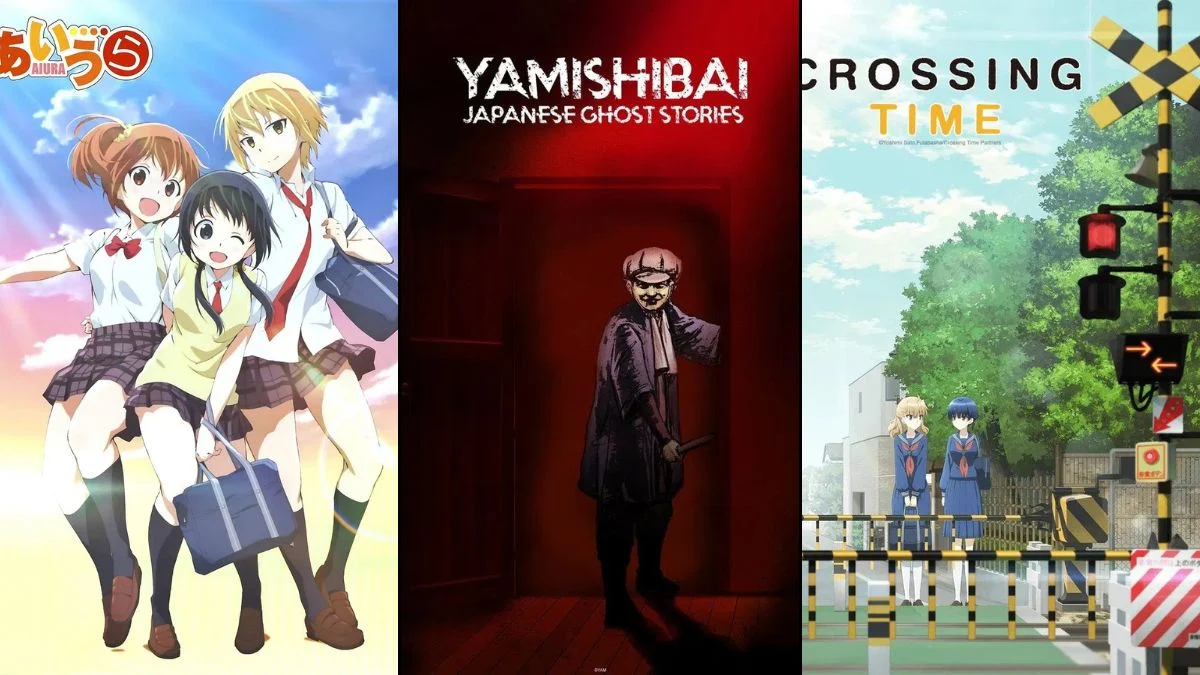
This everyday slice of life follows three friends through tiny vignettes that last only a few minutes Episodes focus on hallway chats club detours and after school errands that are easy to drop in on and wrap up instantly
Background art and gentle ambient sound keep scenes grounded while quick reaction cuts deliver the joke rhythm The short format encourages one scene per episode so you always get a self contained moment that starts and finishes cleanly
‘Theatre of Darkness: Yamishibai’ (2013–2023)
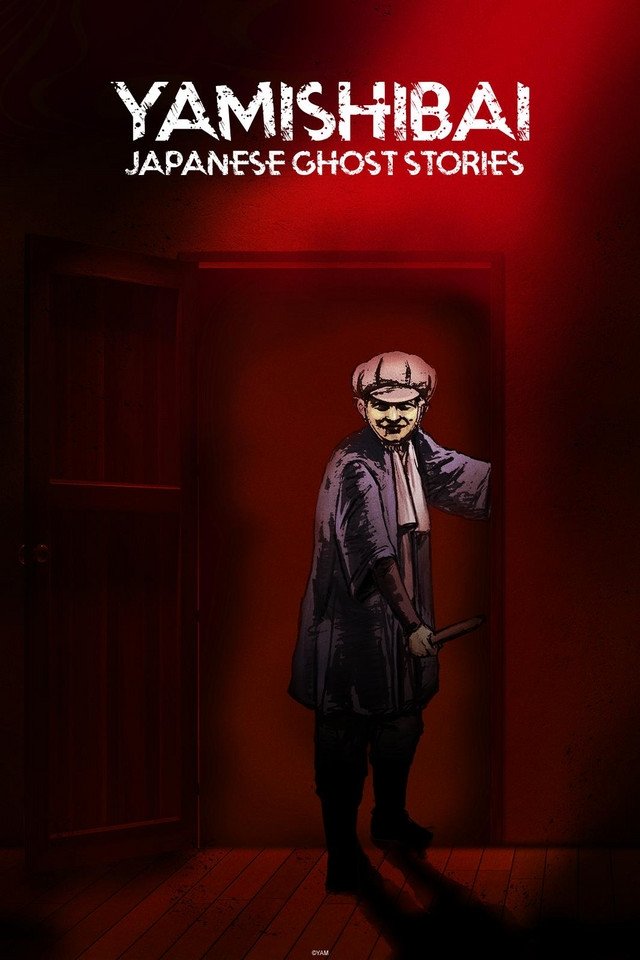
This anthology of urban legends tells one eerie tale per micro episode using a paper theater style Each entry introduces a setup a twist and a stinger in only a few minutes which makes it ideal for late night mini marathons
Seasons are structured as standalones so you can jump to any episode and get a complete story The visual approach uses limited animation and textured panels to create tension fast while the narration frames the legend and closes with a sharp final beat
‘Bananya’ (2016–2019)
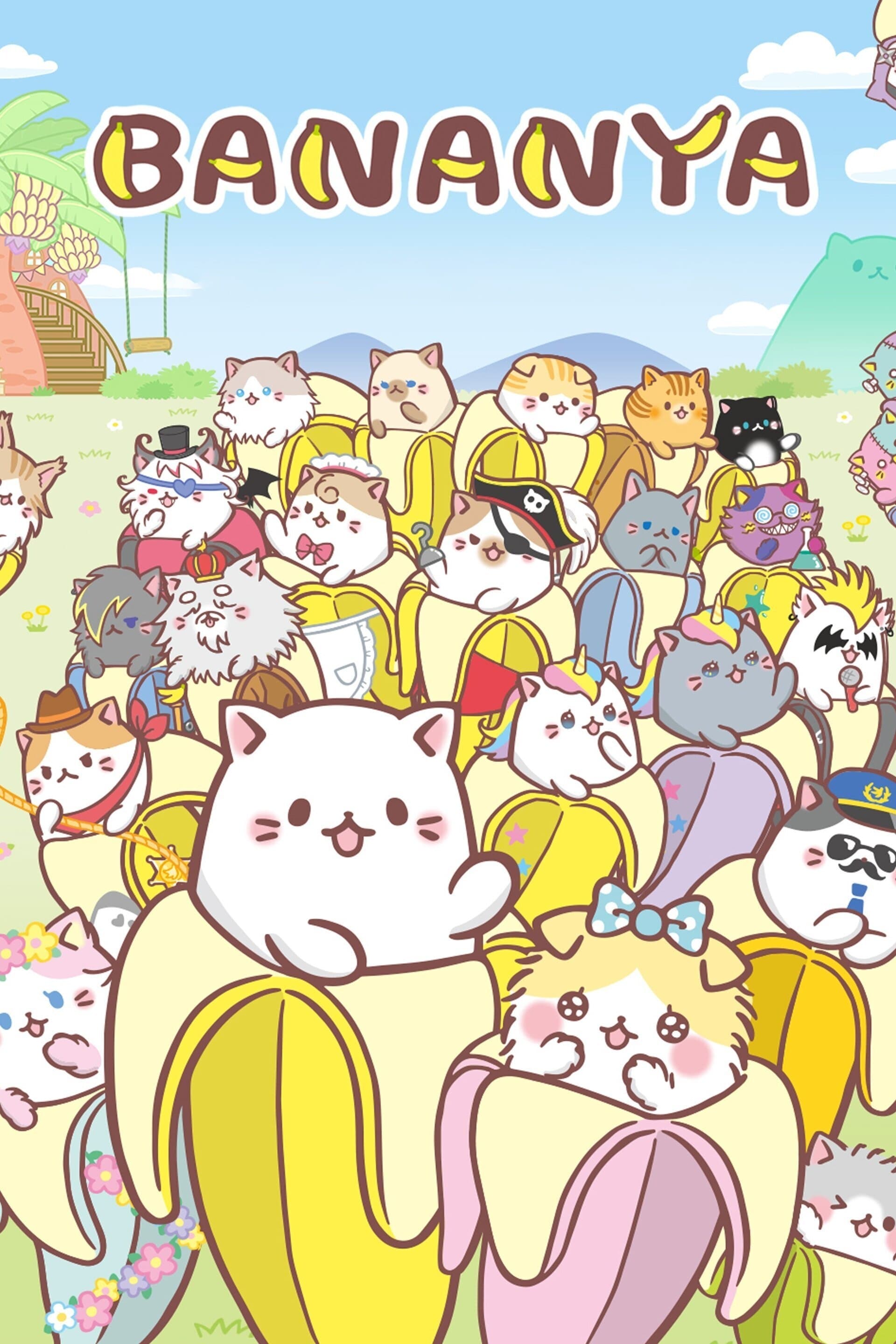
This series features tiny cats living in bananas with each micro episode exploring a small discovery or household adventure The format sticks to a simple premise per entry so the story wraps in just a few minutes without leaving threads dangling
Soft backgrounds and gentle sound effects support easy viewing for all ages Short teasers and tags bookend the action so each episode presents a single scenario a small obstacle and a light resolution that fits the compact length
‘Honobono Log’ (2016)
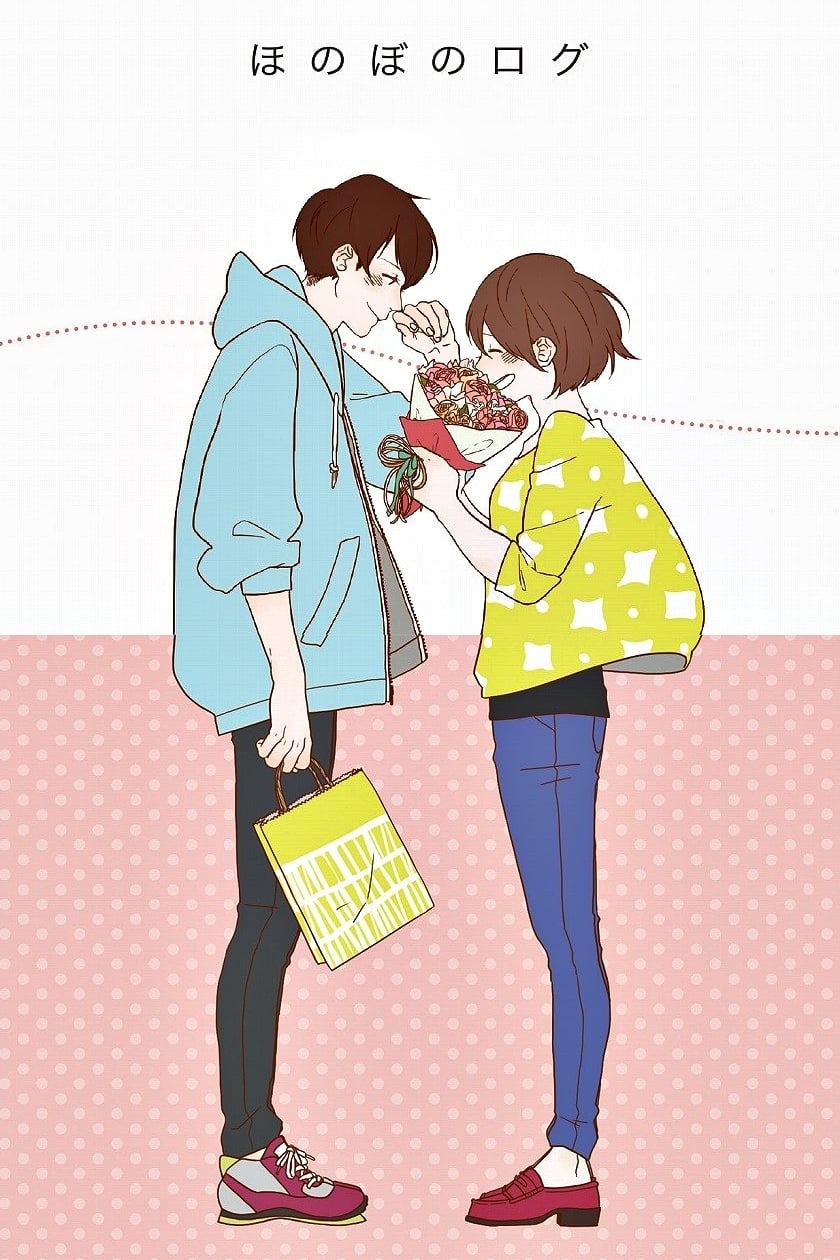
Adapted from a collection of illustrations this series presents brief vignettes about couples and families Episodes focus on a single interaction such as a surprise gift or a quiet commute and conclude with a reflective moment
Minimalist staging and soft color palettes keep attention on motion and expression With only a few shots per story the pacing ensures each episode conveys its theme and closes on a warm note within a couple of minutes
‘Crossing Time’ (2018)
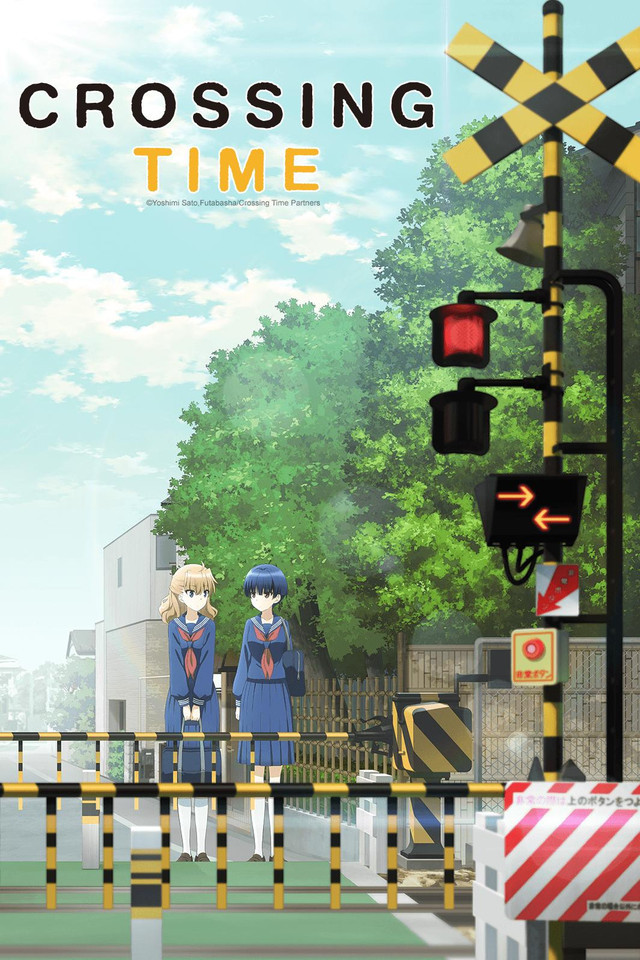
Set at railroad crossings this short form series captures two person conversations while characters wait for a train Topics range from school worries to awkward confessions and each episode ends as the train passes
The fixed location doubles as a timer so episodes naturally compress into a few minutes Sound cues from bells and engines mark the beats and the format allows every scene to function as a complete skit with a beginning and a clean exit
‘Ojisan and Marshmallow’ (2016)
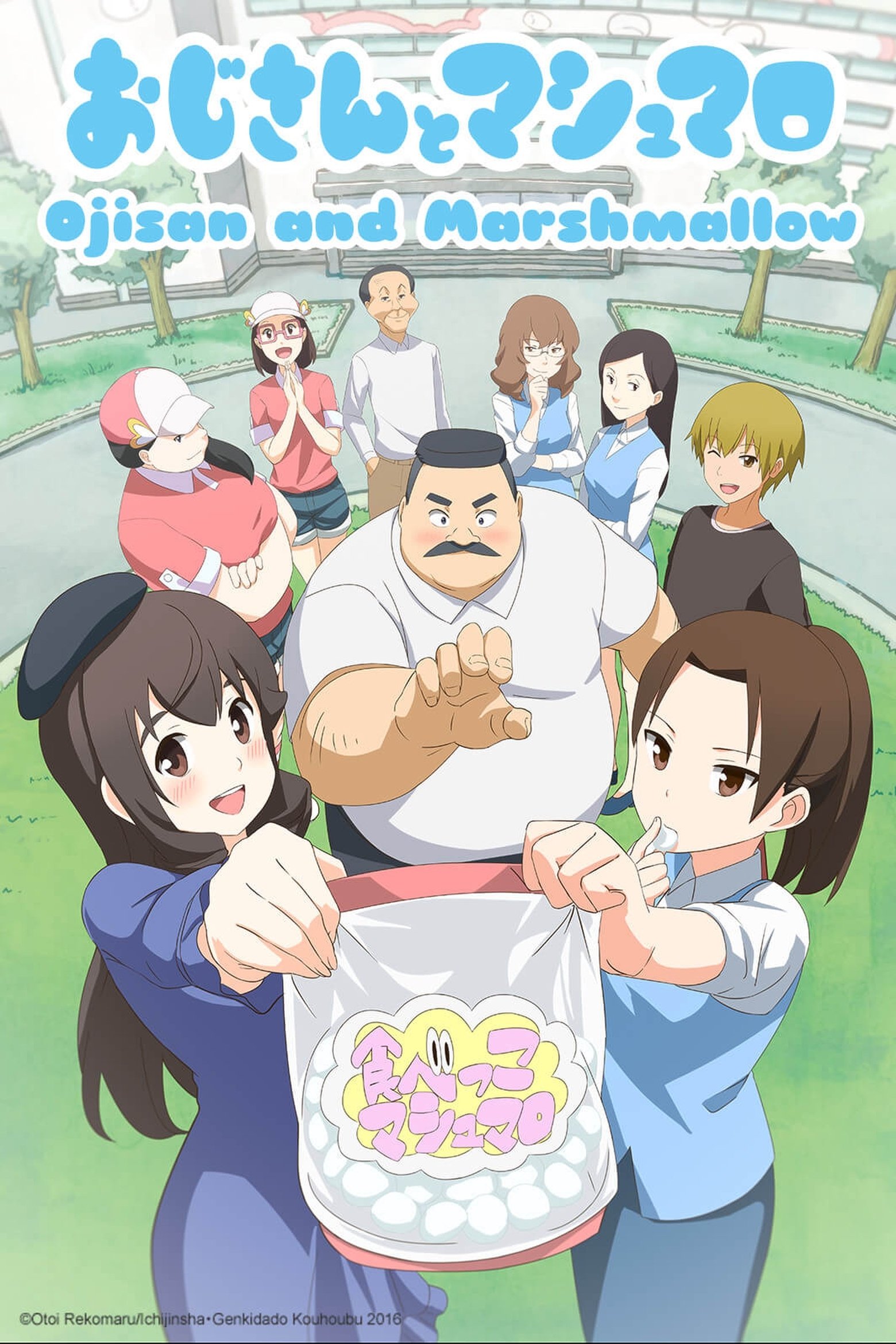
Each micro episode follows an office worker who loves marshmallows and a coworker who keeps inventing new ways to offer them Situations resolve quickly by centering on a single snack related misunderstanding or workplace coincidence
Consistent settings like the office floor and convenience store reduce scene changes so jokes hit without filler Bumper tags and preview snippets keep entries compact and easy to stack back to back
‘Miss Monochrome’ (2013–2015)
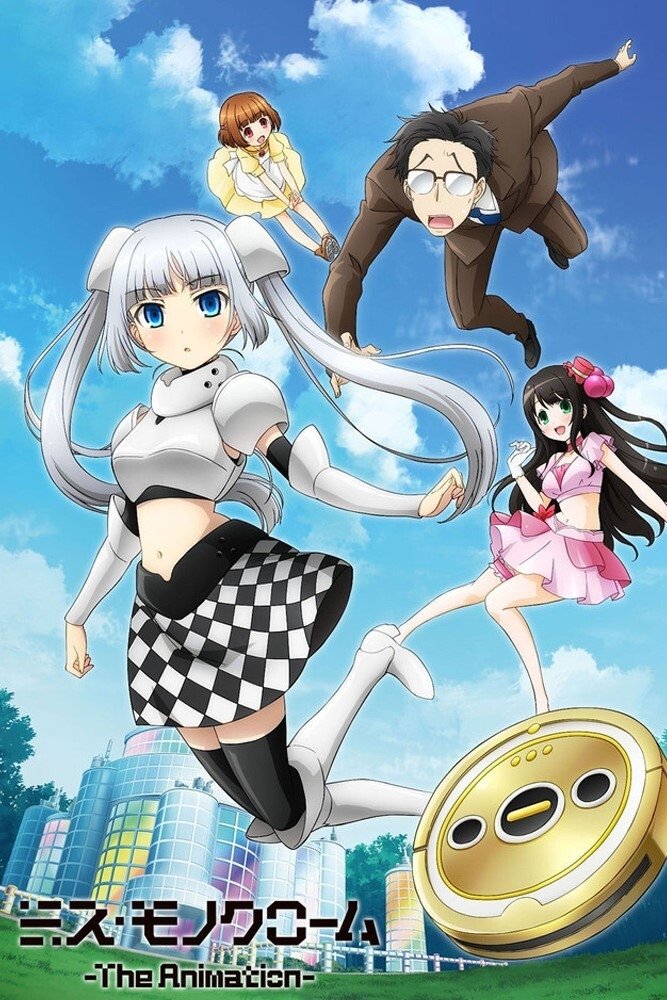
This short series tracks an aspiring idol’s attempts to build a career with episodes that run just a few minutes Each entry covers one step such as a part time gig or a stage mishap and then wraps with a quick gag or tune
Recurring side characters reappear to support the mini arcs while the production uses straightforward staging and quick musical inserts The structure makes it simple to binge a season in under an hour and still get a complete set of story beats
‘Morita-san wa Mukuchi’ (2011–2013)
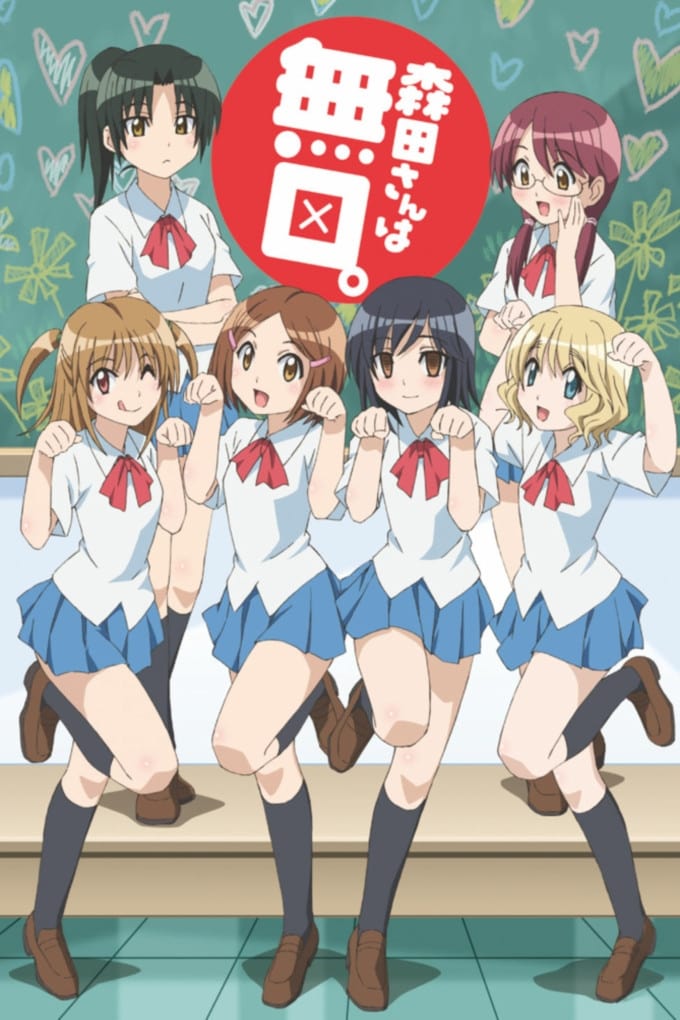
The premise centers on a quiet student who rarely speaks and the everyday misunderstandings that result Episodes are short and revolve around classroom interactions that resolve in a single beat
Animation emphasizes facial reactions and small gestures over dialogue so scenes communicate clearly within the tight runtime Each episode finishes the setup payoff loop and moves on without multi episode threads
‘Poyopoyo Kansatsu Nikki’ (2012)
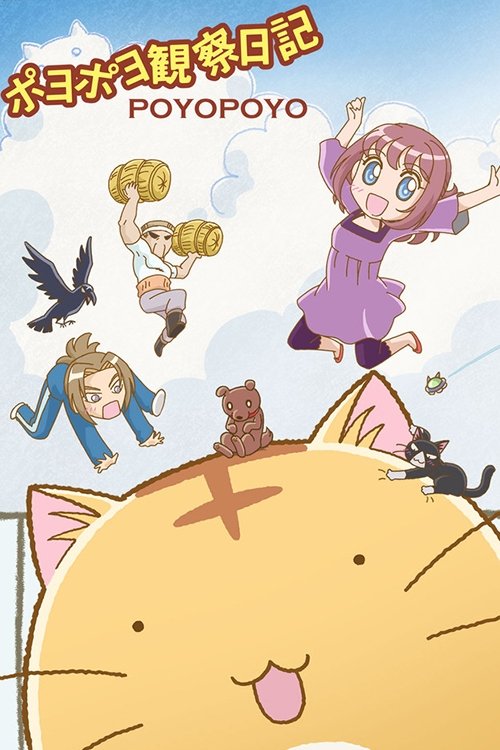
This series observes a round cat and the family that adopts him with each episode delivering a tiny domestic incident The short length keeps events to one location such as a living room prank or a nap time surprise
The show uses simple designs and a steady rhythm of sight gags to fit the format Episodes follow a clear pattern of setup complication and quick resolution so you can watch several and still feel each one conclude properly
‘Wooser’s Hand-to-Mouth Life’ (2012–2015)

A strange mascot creature narrates whims and non sequiturs in micro episodes that end as abruptly as they begin The structure suits quick cut humor and surreal asides that do not require ongoing plot
Chapters are arranged in small blocks per season with recurring motifs returning for brief callbacks Visuals remain minimal to prioritize timing and quips which keeps every segment within a compact window
‘Nyanbo!’ (2016–2017)

This stop motion short follows cat like cardboard figures as they explore everyday places and interact with small wonders Episodes are designed around a single discovery and end with a short reflective tag
Physical sets and props give texture while limited character motions keep production brisk Each entry functions as a standalone exploration that starts with curiosity and ends with a tidy wrap up
‘Please Take My Brother Away’ (2017–2021)
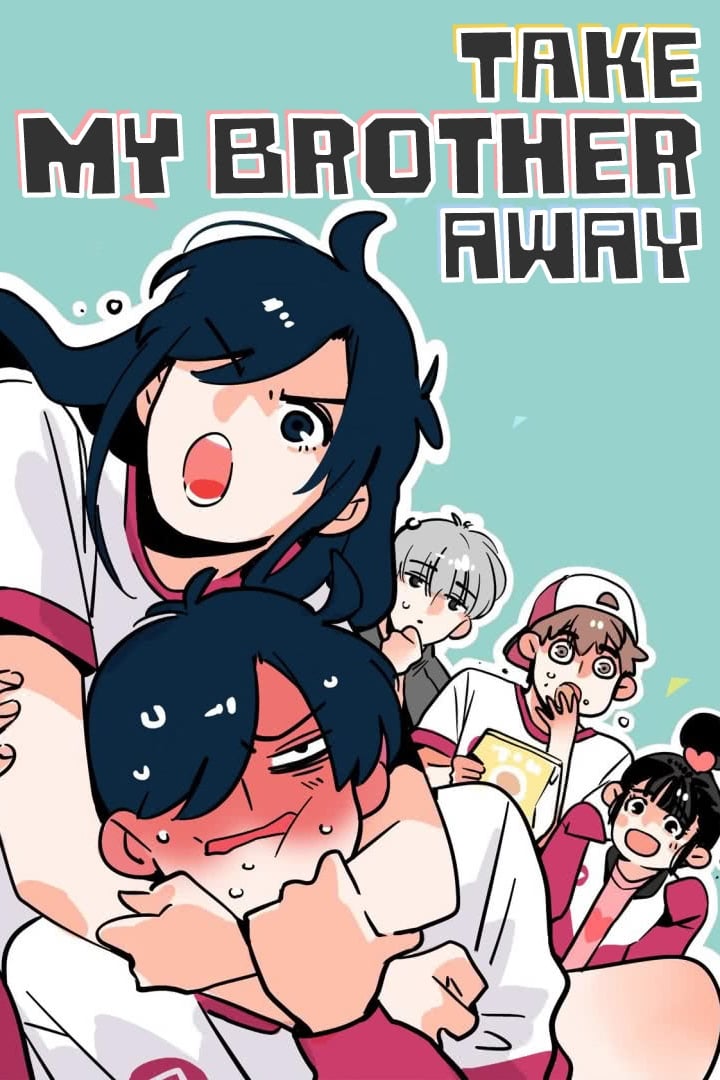
Siblings with clashing personalities trade barbs and reconciliations in brief episodes that focus on a single school or home scenario Seasons stack dozens of skits that you can watch in any order
The show relies on punchy line deliveries and quick reaction shots to fit jokes into a two to three minute window Opening and ending segments are trimmed to keep the core skit front and center each time
‘Rail Romanesque’ (2020)
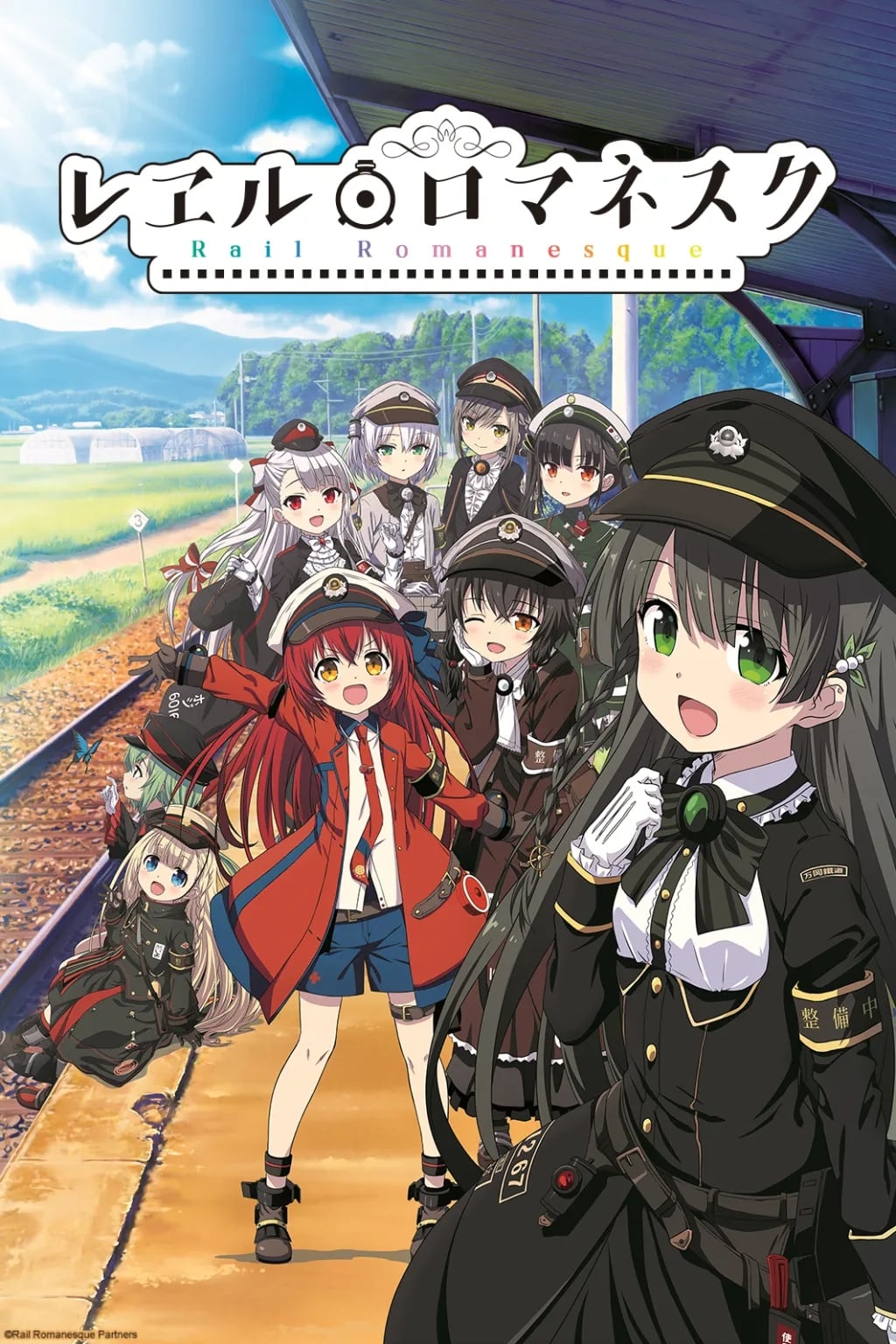
Set in a town that celebrates railway heritage this short form series introduces anthropomorphized locomotive mascots Episodes highlight an event or task tied to local tourism and conclude with a concise result
Character spotlights rotate so each entry focuses on one personality rather than extended arcs Background elements reference rail history while scenes close promptly to match the micro episode length
‘BanG Dream! Girls Band Party!☆PICO’ (2018–2020)

This chibi spin off compresses band member antics into a few minutes per episode with skits built around rehearsals live shows and clubroom mishaps The compact format works as a quick supplement to the main franchise
Visual gags and music stingers punctuate each sketch while the series sticks to self contained scenarios No episode relies on deep continuity which makes it easy to watch out of order in short bursts
‘Senryu Girl’ (2019)
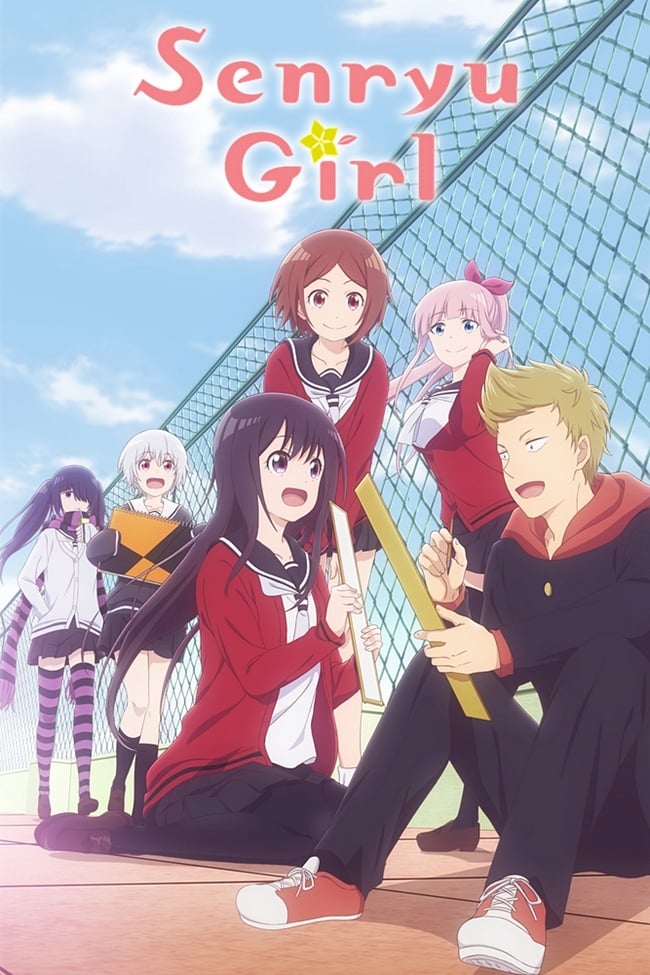
A gentle school romance uses short segments to tell stories through seventeen syllable verses woven into everyday conversations Episodes present one situation such as club activities or a shared walk and resolve within the brief runtime
The structure integrates written poems on screen as part of the scene flow Backgrounds and quiet sound beds keep the tone relaxed and each episode finishes its mini arc without needing extended follow through
Share your favorite ultra quick picks in the comments so everyone can build a fast watchlist together.