DC Superheroes Who Became Villains



Heroes in DC stories do not always stay on the bright side. Through possession, tragedy, or hard choices that spiral out of control, some of the most trusted champions have crossed the line and confronted their friends from the other side. These turns are part of what keeps long running characters surprising because a familiar face can suddenly become the biggest problem in the room.
When a hero falls, the details matter. Creative teams often ground the shift in specific events, power twists, or moral dilemmas that change how a character acts and what goals they pursue. The entries below focus on where and how the turn happened, the abilities that made it dangerous, and the story threads that brought each character back or pushed them further away.
Hal Jordan

After the destruction of Coast City, Hal Jordan tried to use the Central Power Battery to undo the loss and was overtaken by the fear entity known as Parallax. He absorbed multiple rings and Central Battery energy, dismantled Corps infrastructure, and battled remaining Lanterns across space.
Later revelations identified Parallax as a parasitic force that exploited his grief. Exorcism and redemption arcs restored Hal to hero work, while the emotional spectrum concept reshaped Lantern lore and explained how fear based power had guided his most destructive actions.
Sinestro
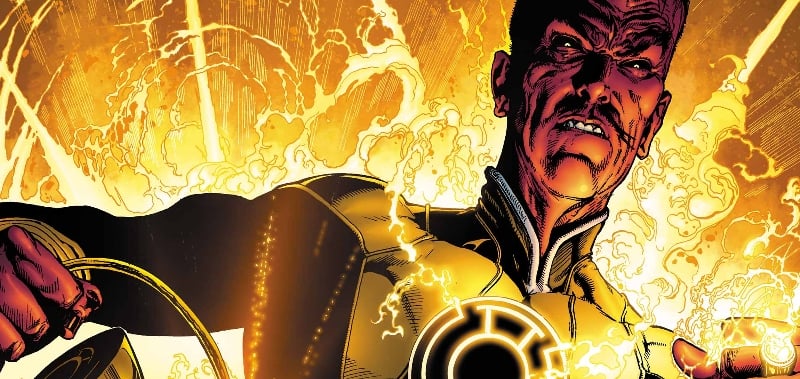
Thaal Sinestro began as a decorated Green Lantern from Korugar who enforced order with authoritarian methods. His expulsion and banishment to Qward led him to weaponize yellow energy and recruit agents who trained with fear as a tool.
He built the Sinestro Corps and targeted the Guardians and their network. Ongoing conflicts tested the limits of the Corps model and showed how a former ally with deep institutional knowledge could weaken Lantern operations from the outside.
Jason Todd

Thought dead after a brutal encounter with the Joker, Jason Todd returned after years of training and adopted the Red Hood identity. He took aim at Gotham crime with military tactics, advanced weaponry, and a willingness to control operations rather than dismantle them.
Exposure to a Lazarus Pit and unresolved trauma shaped his harsher methods. Over time he shifted between antagonist and uneasy ally, but his first return placed him in direct conflict with the Bat Family and their rules of engagement.
Superboy Prime

A survivor from a lost Earth, Superboy Prime concluded that the remaining timeline had stolen his rightful life. He fought the Justice League and the Titans with unrestrained Kryptonian power, leaving heavy damage that required multiversal containment.
Containment relied on red sun radiation, dimensional prisons, and armor that filtered solar energy. Each escape forced new protocols, since his power levels and lack of restraint made even brief appearances a high risk event.
Raven

Raven’s empathic and mystical abilities are tied to her father Trigon. When corrupted by that influence, she amplified negative emotions, manipulated allies, and opened paths for demonic incursions that the Titans had to seal.
Recovery involved soul self purification, protective wards, and support from seasoned mystics. Her history shows cycles of corruption and restoration that track with rituals and alignments, which the team documents to anticipate future threats.
Mary Marvel

Mary Bromfield’s shift came when she drew power from a darker patron that altered judgment and temperament. The change boosted her strength and speed and pushed her toward ruthless choices that set her against former allies.
Her return to hero work required removing the corrupting source and recalibrating her link to the Marvel family powers. The case demonstrates how magical sponsorship affects alignment and how careful stewardship can restore balance.
Hank Hall

Hank Hall served as Hawk before a future driven ideology pushed him into the Monarch identity. Armored and aggressive, he targeted teammates and systems he believed would fail without decisive control.
Power escalations later produced Extant with temporal manipulation that let him strike across eras. Justice community responses added chronal dampeners, tethered jumps, and containment zones to neutralize time based advantages.
Captain Atom

In a separate thread of continuity, Nathaniel Adam diverged into a version that became Monarch after a reality warp. With quantum field access he assembled forces across dimensions and pursued a plan to consolidate control.
Countermeasures focused on containment, energy redirection, and exploiting feedback in his armor systems. Files distinguish this variant from the mainline hero while outlining how near limitless energy access can fuel a turn to conquest.
Martian Manhunter

A psychic trigger stripped J’onn J’onzz of cultural inhibitions and released an ancient aspect called Fernus. He displayed enhanced telepathy and shapeshifting along with new pyrokinesis that bypassed familiar weaknesses.
Containment used chemical triggers and mental tactics rather than flame based deterrents. The episode led to safeguards in telepathic training and updated League protocols for mental failsafes.
Billy Batson

In the world of Kingdom Come, Billy Batson operated under external control that weaponized the Shazam power against other heroes. As a controlled champion he executed plans that placed Superman and his peers in peril.
Resolution required breaking the control and forcing a final choice during a mass casualty crisis. The scenario showed how influence without direct possession can steer a hero into hostile action and how magical lightning can interrupt control.
Superman

In the Injustice continuity, Superman imposed a global regime after a personal tragedy. He enforced peace through absolute rule, recruited metahuman enforcers, and used Kryptonian technology to keep opposition contained.
Resistance cells relied on red sun emitters, magic heavy tactics, and covert teleportation. The long split among heroes created an arms race that changed familiar alliances and set a durable authoritarian status quo.
Kara Zor El

A kryptonite linked event created Dark Supergirl, a split persona that embraced aggression and contempt for restraint. She kept full Kryptonian abilities and used them without the hesitation of the primary persona.
Reintegration required isolating the trigger and stabilizing her mental state. Scientific and medical teams mapped the cause to design detection and suppression protocols that prevent another split.
Jaime Reyes

The Blue Beetle scarab contains Reach technology that can override its host. During control events the armor deploys lethal systems and treats non Reach assets as hostiles, which turns a defender into a conquest unit.
Solutions combine magical intervention, firmware level disruption, and emotional grounding that helps Jaime assert command. Technical notes track upgrade cycles and list weapon systems that activate under hostile protocols.
Bruce Wayne
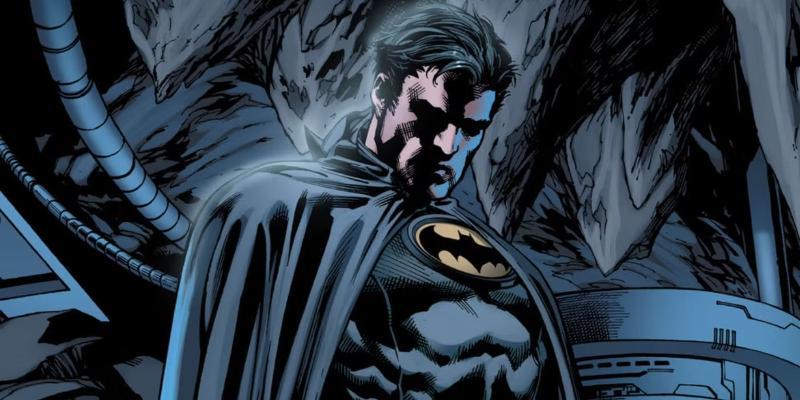
From a dark reality, the Batman Who Laughs is a Bruce Wayne infected by a corrupted Joker toxin. He retains Batman’s intellect and training and adds a Joker style approach that removes ethical limits.
He recruits dark Batmen, engineers toxins and exotic metals, and targets multiversal arteries that feed into Prime Earth. Counter efforts rely on Nth metal resources, mystical aid, and counter engineered delivery methods.
Donna Troy

At points in Titans history, Donna Troy faced corruption that reshaped her as Troia. She confronted former teammates with Amazon strength, durability, and the tactical insight of a veteran Titan.
Restoration used truth inducing lasso work, memory repair, and mystical cleansing that addressed her layered origin. The team documented vulnerabilities created by her shifting history to plan for possible relapses.
Tell us which turns shocked you most in the comments.