Celebs Who Turned Scandal into Success

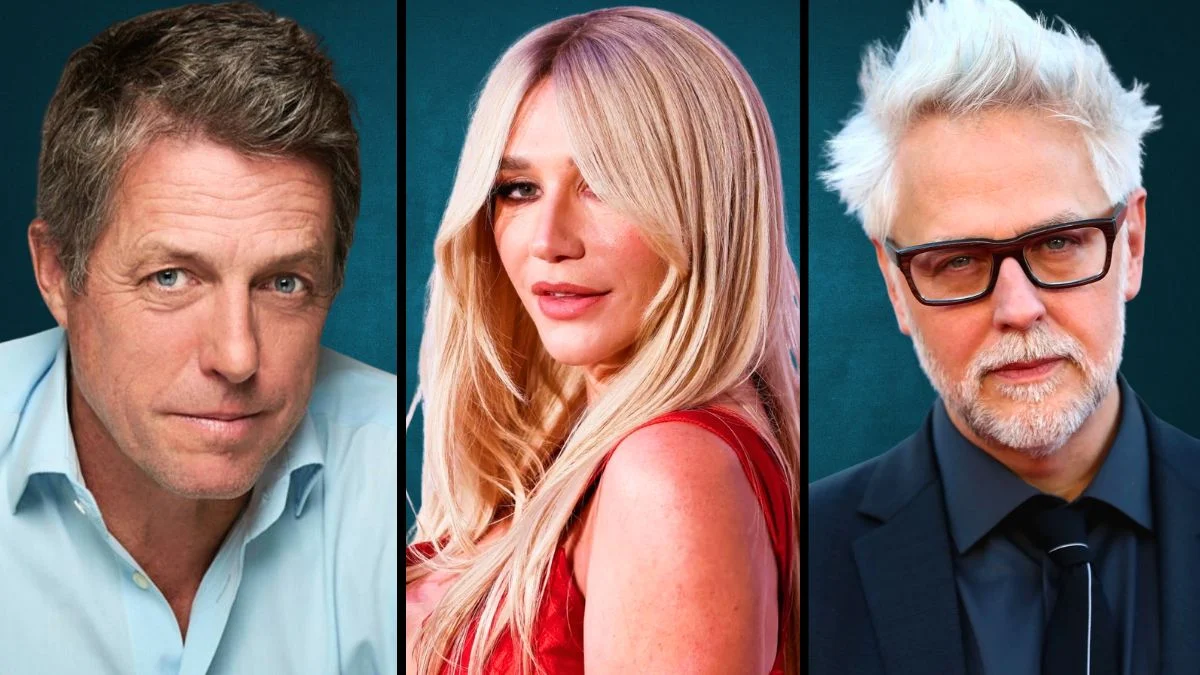

Public figures stumble in very public ways, yet some manage to rebuild careers with new projects, fresh ventures, and smart reinventions. The path back is usually a mix of accountability, strategic choices, and a steady stream of work that reminds audiences why they were famous in the first place.
Here are twenty celebrities whose careers did not end with controversy. Each one followed specific steps that led to new roles, business growth, awards, or renewed relevance, showing how a difficult chapter can be followed by measurable achievements.
Robert Downey Jr.
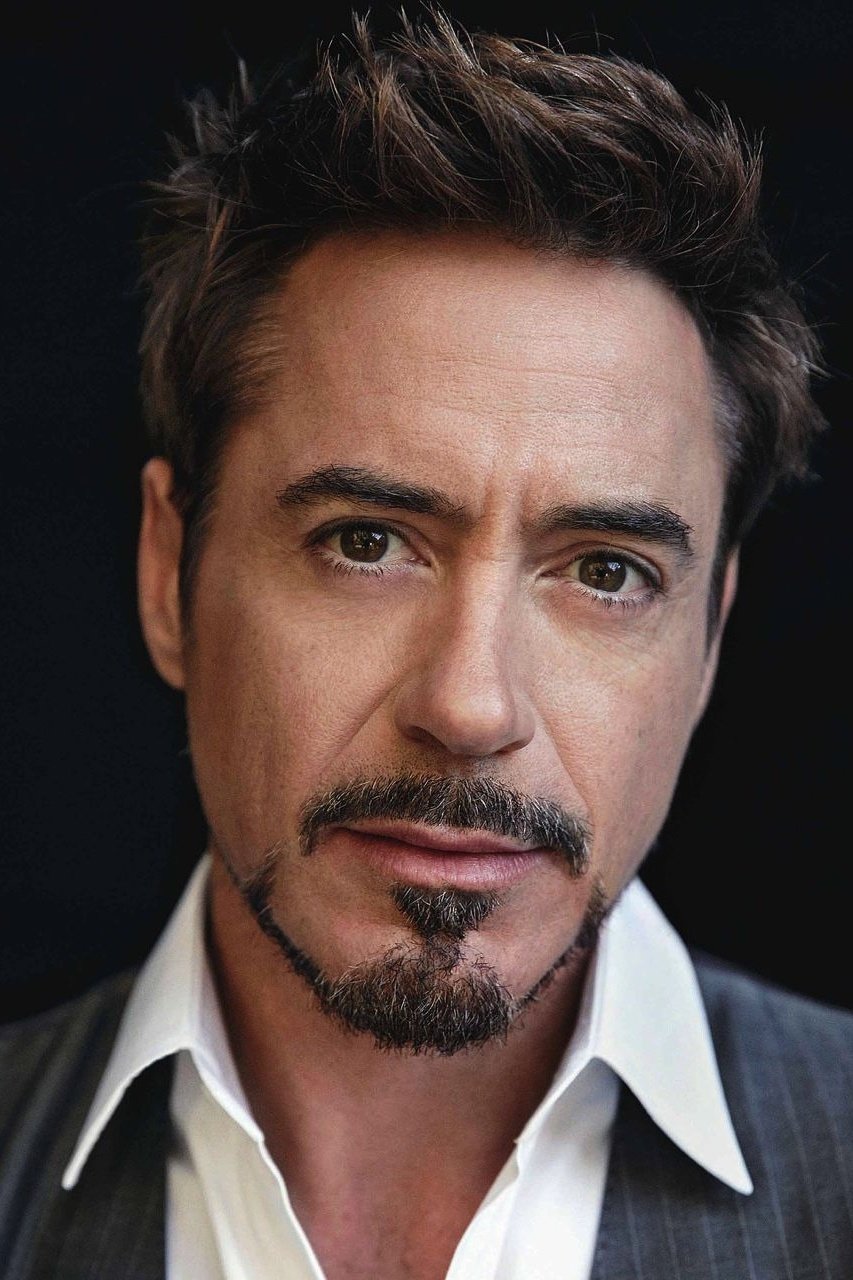
After legal troubles and time away from major studio work, Robert Downey Jr. returned to leading roles through a calculated set of auditions and insurance backed deals that made him hireable again. Casting in ‘Iron Man’ led to a long run of films that consistently opened at number one worldwide and reestablished him with studios and global audiences.
Following his superhero run, he expanded into prestige projects and producing. He earned major awards recognition for ‘Oppenheimer’ and maintained box office momentum with ensemble titles like ‘Avengers: Endgame’, while also building a philanthropic profile and tech investments that diversified his career beyond acting.
Winona Ryder

Winona Ryder faced a well publicized shoplifting case that slowed her film offers. She returned to visibility with supporting film roles and then secured a career defining television lead on ‘Stranger Things’, which introduced her to a new generation and brought consistent multi season employment.
The show’s success revived demand for her in fashion and brand partnerships. She also leveraged the visibility to book additional film and television appearances, proving long term stability through reliable streaming viewership and sustained fan engagement.
Martha Stewart
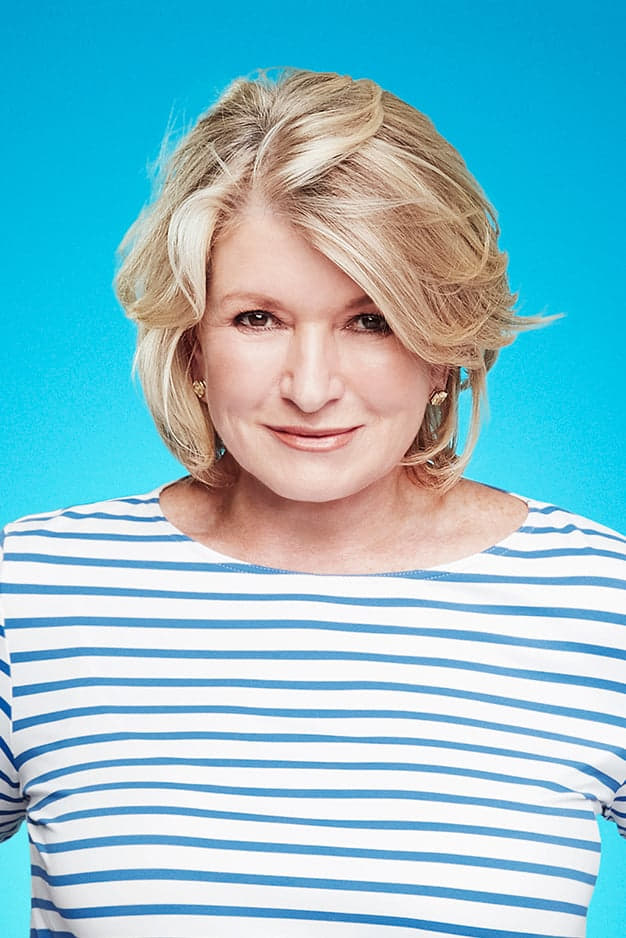
Martha Stewart served time following charges related to a stock transaction and emerged with careful media planning. She relaunched her namesake brand through television, magazines, and retail, restoring distribution deals with big box partners and returning to profitability.
She then expanded into unexpected collaborations that broadened her audience. A widely viewed cooking series with Snoop Dogg and high profile covers kept her in pop culture, while licensing in home goods, food, and pet products maintained steady revenue across multiple retail channels.
Tiger Woods
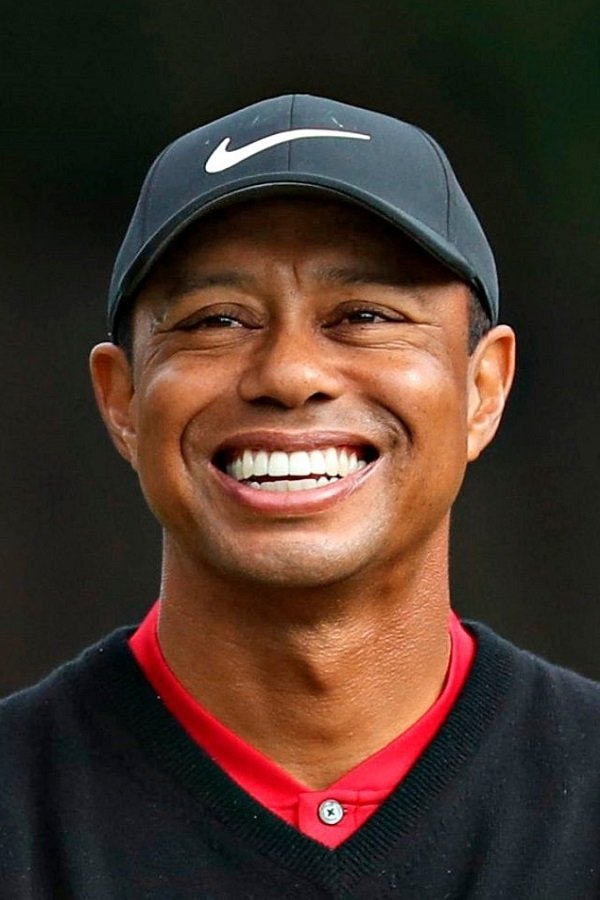
After personal scandal and injuries, Tiger Woods rebuilt his competitive base through surgeries, swing changes, and limited schedules that targeted specific tournaments. The approach culminated in marquee wins, including a Masters victory that confirmed his return to elite form.
Off the course, he sustained a global brand through long term endorsements and a growing course design business. Foundation work and junior golf programs extended his influence beyond competition, ensuring a legacy that combined performance, mentorship, and entrepreneurship.
Michael Phelps
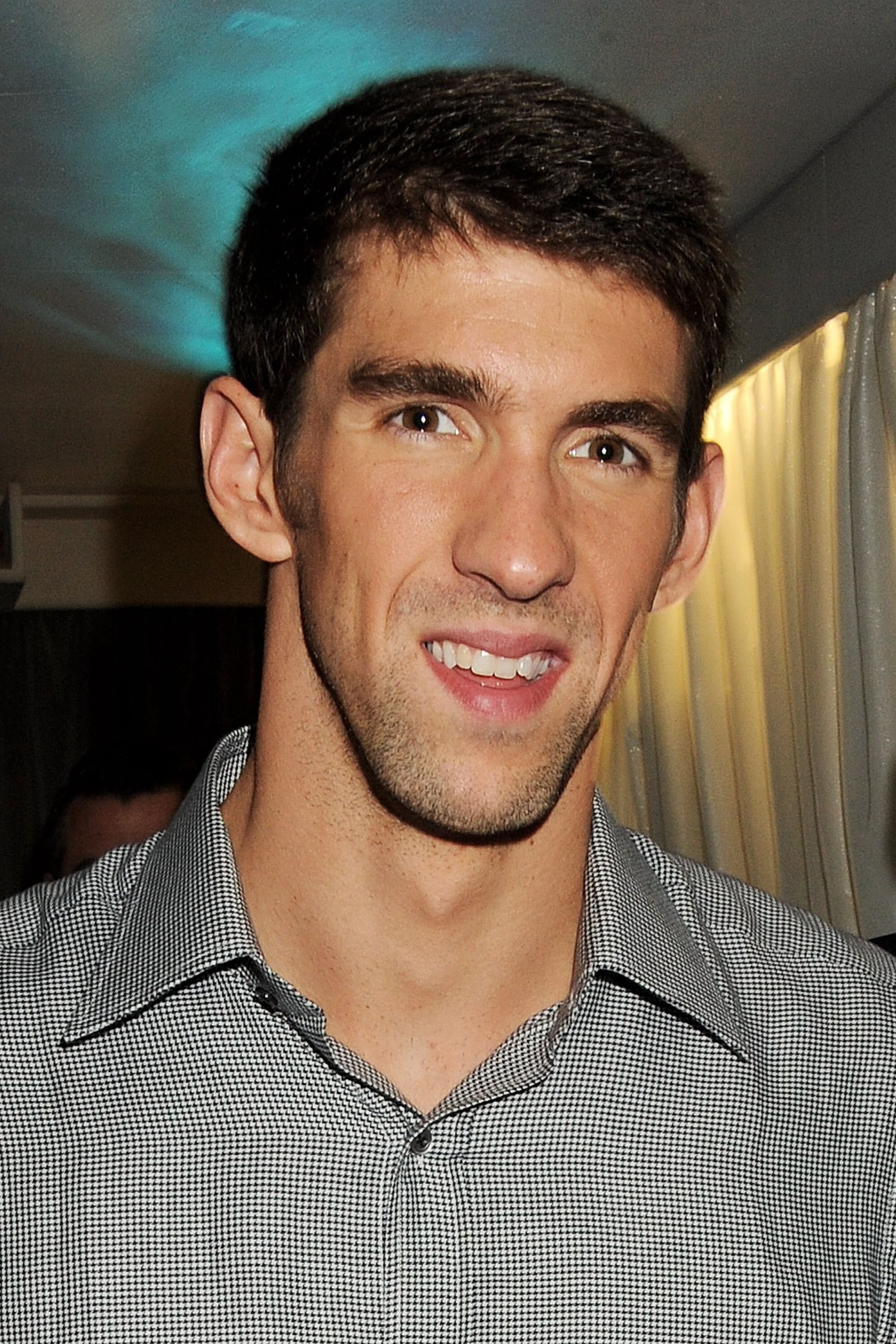
Michael Phelps addressed multiple personal setbacks with treatment, coaching changes, and a structured training return. He reentered competition with targeted events that maximized medal potential and closed his career as the most decorated Olympian.
Post competition, he shifted to mental health advocacy and brand partnerships tied to wellness and performance. Appearances, speaking engagements, and broadcasting kept him visible, while his foundation expanded swim safety programs for youth.
Hugh Grant

Hugh Grant confronted a highly publicized scandal early in his Hollywood rise. He maintained his career by meeting press obligations, honoring existing commitments, and delivering consistent performances in romantic comedies like ‘Four Weddings and a Funeral’ and ‘Notting Hill’, which preserved audience goodwill.
In later years he diversified into character roles and prestige television. Credits such as ‘A Very English Scandal’ and ‘Paddington 2’ showcased range, leading to award nominations and steady demand for roles that mix comedy with sharp dramatic turns.
Justin Bieber

Legal issues and public missteps paused Justin Bieber’s touring schedule. He addressed the break with a studio reset that focused on collaborative singles, streaming friendly releases, and a documentary rollout that put structured narratives around his return.
He then executed successful arena tours and expanded into fashion and skin care. Consistent chart entries and cross platform metrics reinforced his market position, while features with global artists kept his music circulating across radio and streaming playlists.
Lindsay Lohan

Lindsay Lohan’s early career was disrupted by legal and personal challenges that reduced major studio offers. She reengaged audiences with a staged return to film through streaming friendly holiday releases like ‘Falling for Christmas’, leading to additional projects including ‘Irish Wish’.
Parallel branding moves supported the comeback. She grew her presence on social media, pursued endorsements, and aligned with nostalgia for her early hits like ‘Mean Girls’ and ‘Freaky Friday’, creating a bridge between past recognition and new work.
Janet Jackson
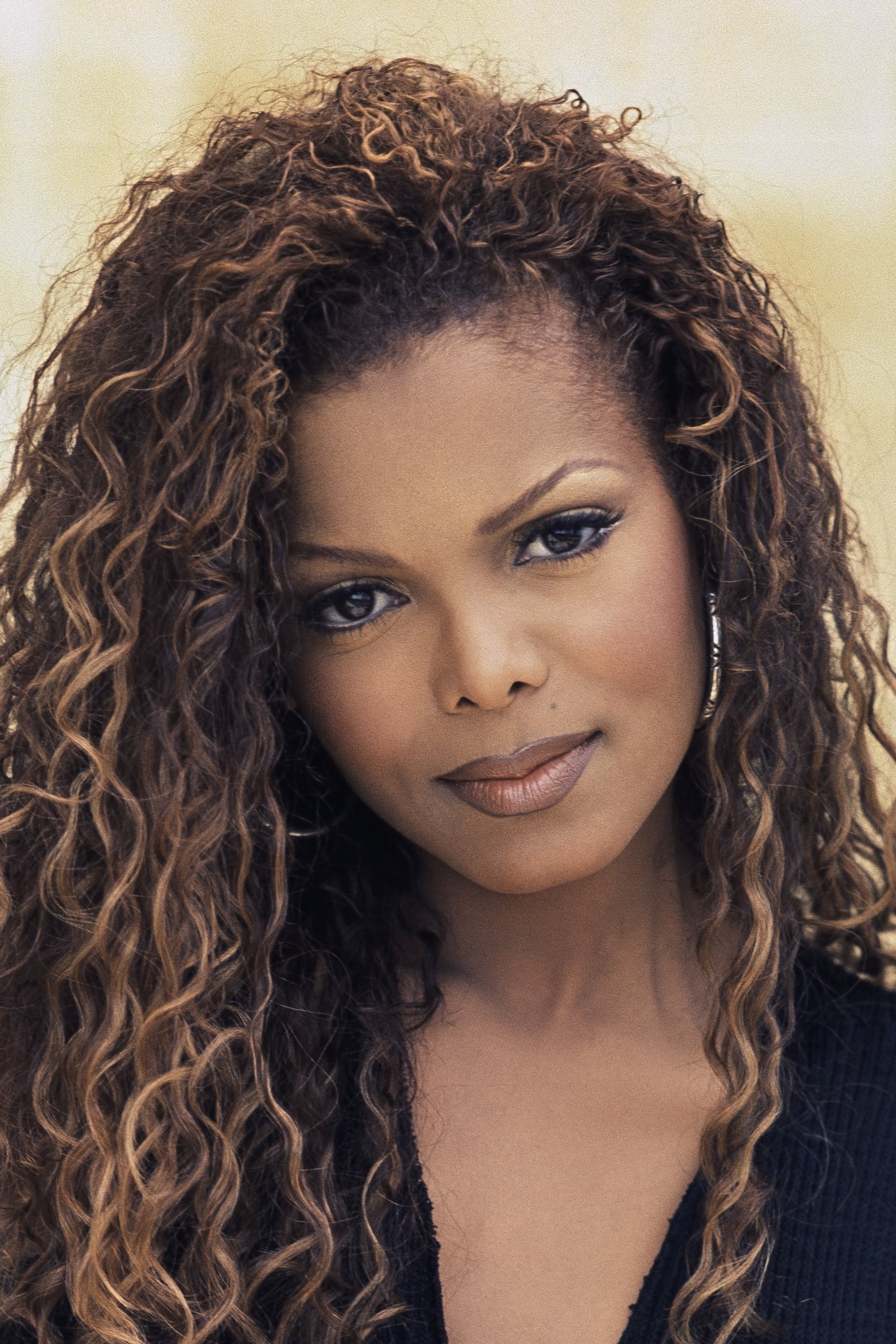
Following the Super Bowl halftime controversy, Janet Jackson saw radio play and industry support decline. She sustained her career through global touring, a dedicated fan base, and selective releases that continued to chart in key markets.
A retrospective documentary titled ‘Janet Jackson’ renewed public interest and reframed parts of her story. Subsequent tour announcements and sold out dates demonstrated durable demand, while catalog streaming strengthened her long term commercial footprint.
Logan Paul
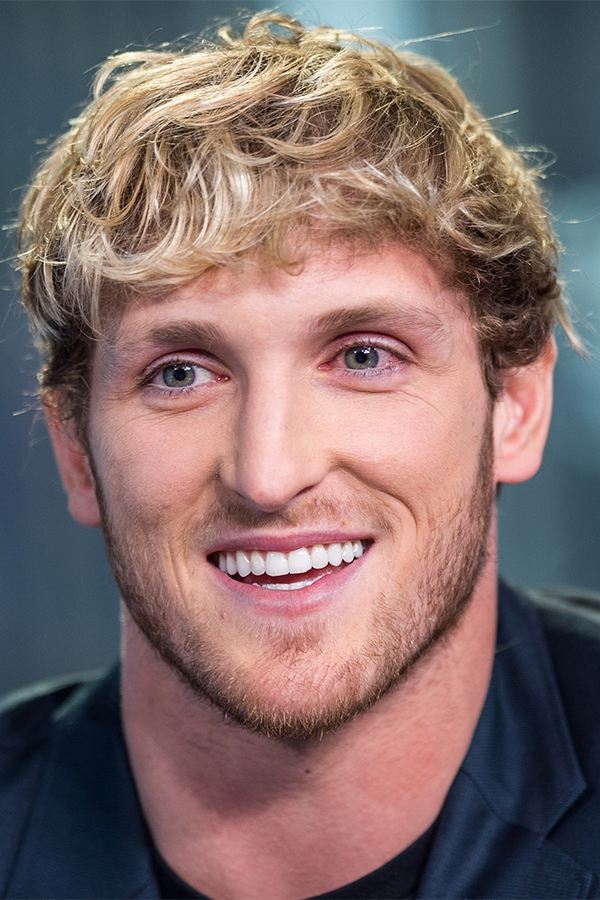
Logan Paul’s career stalled after a widely condemned video. He rebuilt trust with a prolonged period of content changes, public apologies, and stricter production oversight, then shifted toward long form podcasts that emphasized interviews and consistent release schedules.
He diversified into sports entertainment and consumer goods. Appearances in professional wrestling drew strong live reactions and premium event bookings, while the beverage brand Prime secured large retail distribution, turning controversy into a platform for broader business growth.
James Gunn
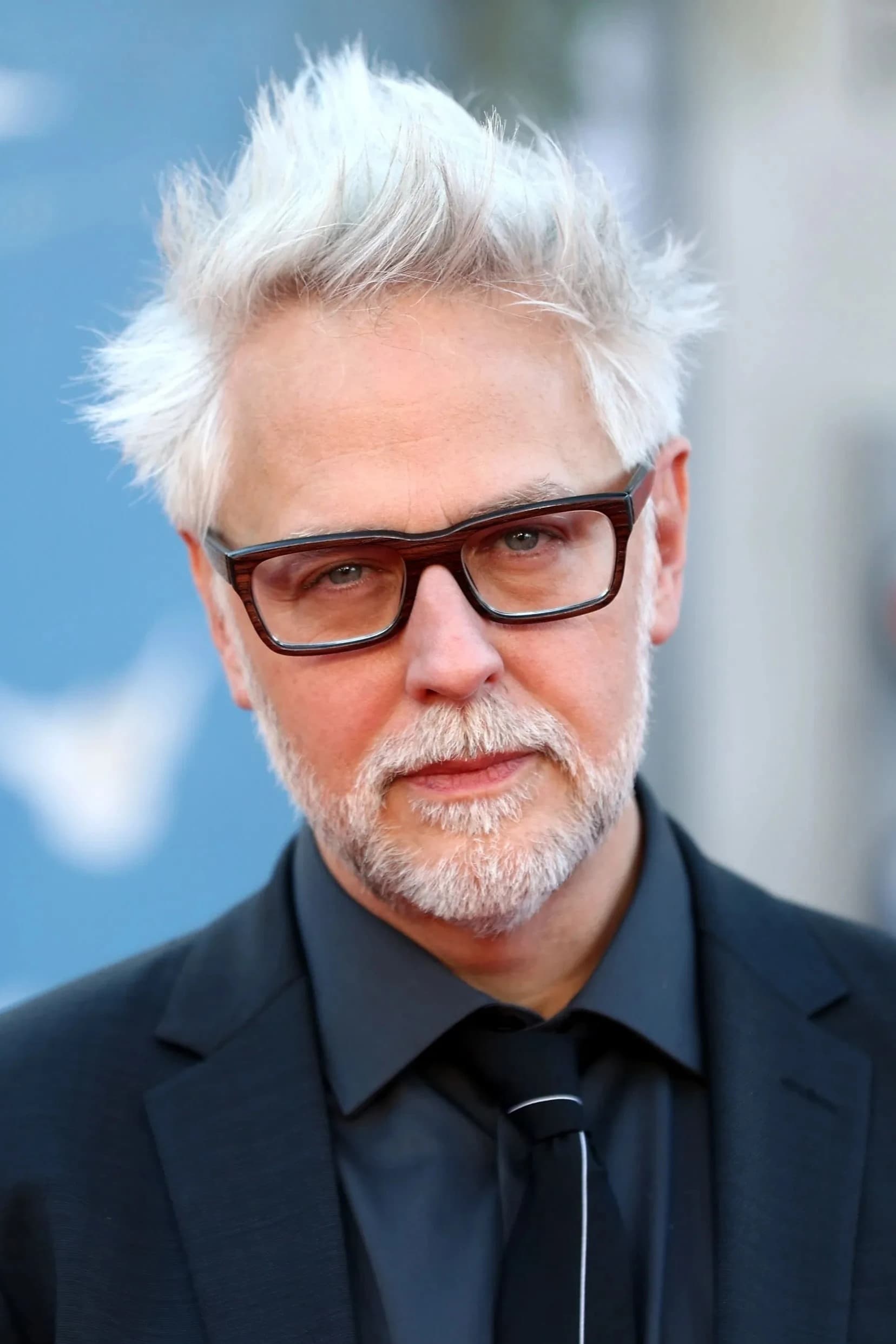
James Gunn was removed from a major studio project after old tweets resurfaced. He moved quickly to new opportunities, delivering ‘The Suicide Squad’ for another studio and launching the connected series ‘Peacemaker’, which performed strongly on streaming.
He later returned to complete ‘Guardians of the Galaxy Vol. 3’ and transitioned into executive leadership. His appointment to lead a major comic book studio slate placed him in charge of a long horizon of films and series, turning a setback into industry wide influence.
Kevin Hart
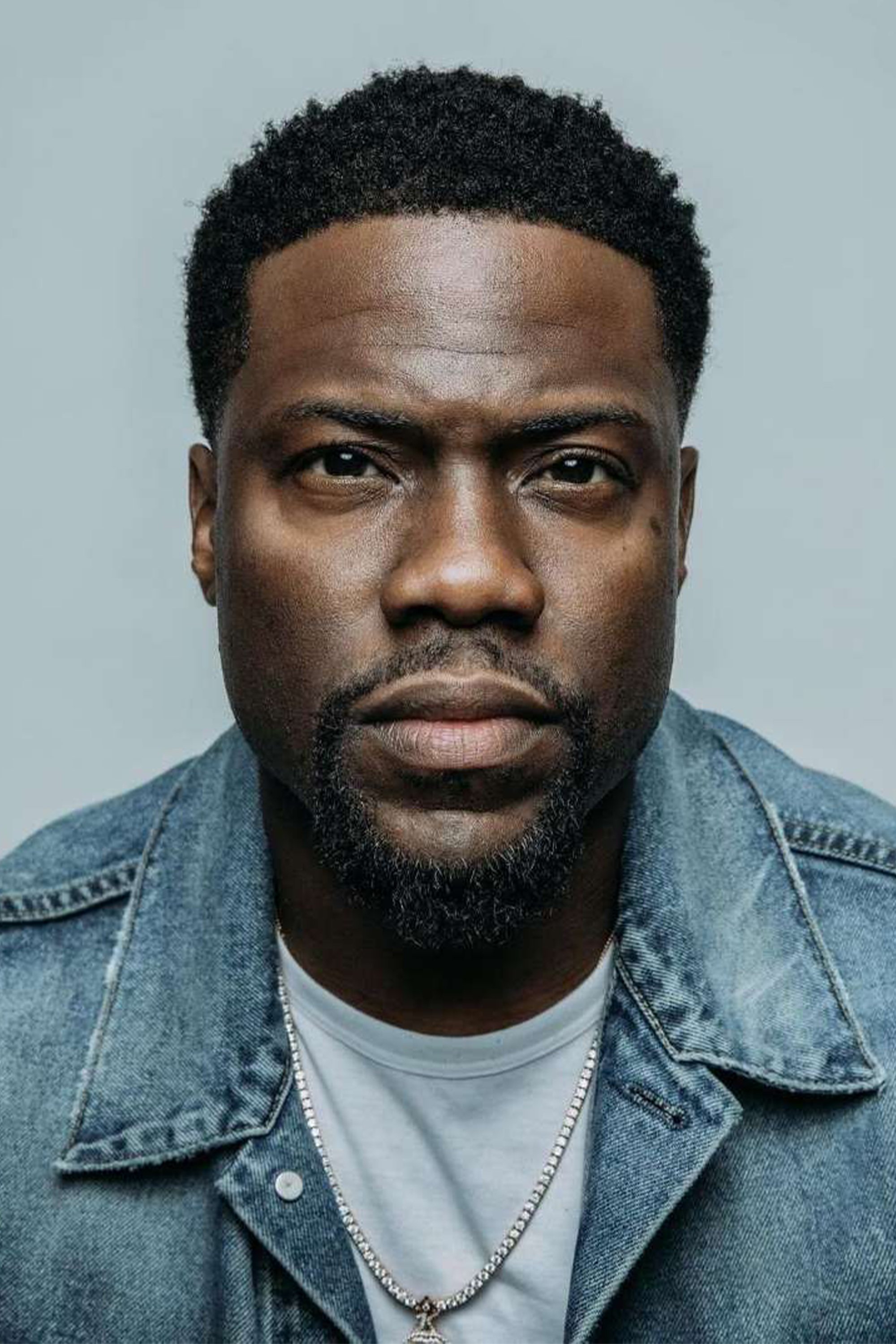
Kevin Hart stepped away from a high profile hosting role amid controversy over past remarks. He concentrated on stand up output, releasing new specials and expanding a production shingle that packaged comedy films and series across platforms.
He also maintained box office consistency with ensemble hits. Titles like ‘Jumanji: Welcome to the Jungle’ and action comedies kept him in theaters, while podcasting and fitness partnerships broadened his audience beyond live tours.
Will Smith
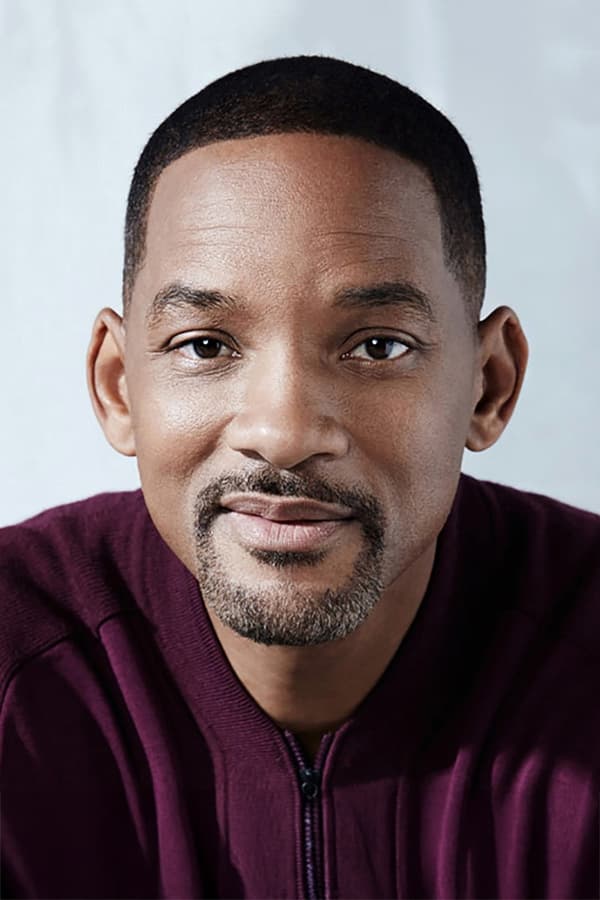
Will Smith faced significant fallout after an onstage incident during an awards ceremony. He recalibrated by completing work on existing projects and focusing on a franchise entry with ‘Bad Boys: Ride or Die’, which delivered strong box office results and demonstrated continued audience interest.
He continued producing through his company and pursued roles aligned with international release strategies. Appearances on digital platforms and controlled media interviews helped reset expectations while keeping attention on finished work like ‘Emancipation’.
Kesha
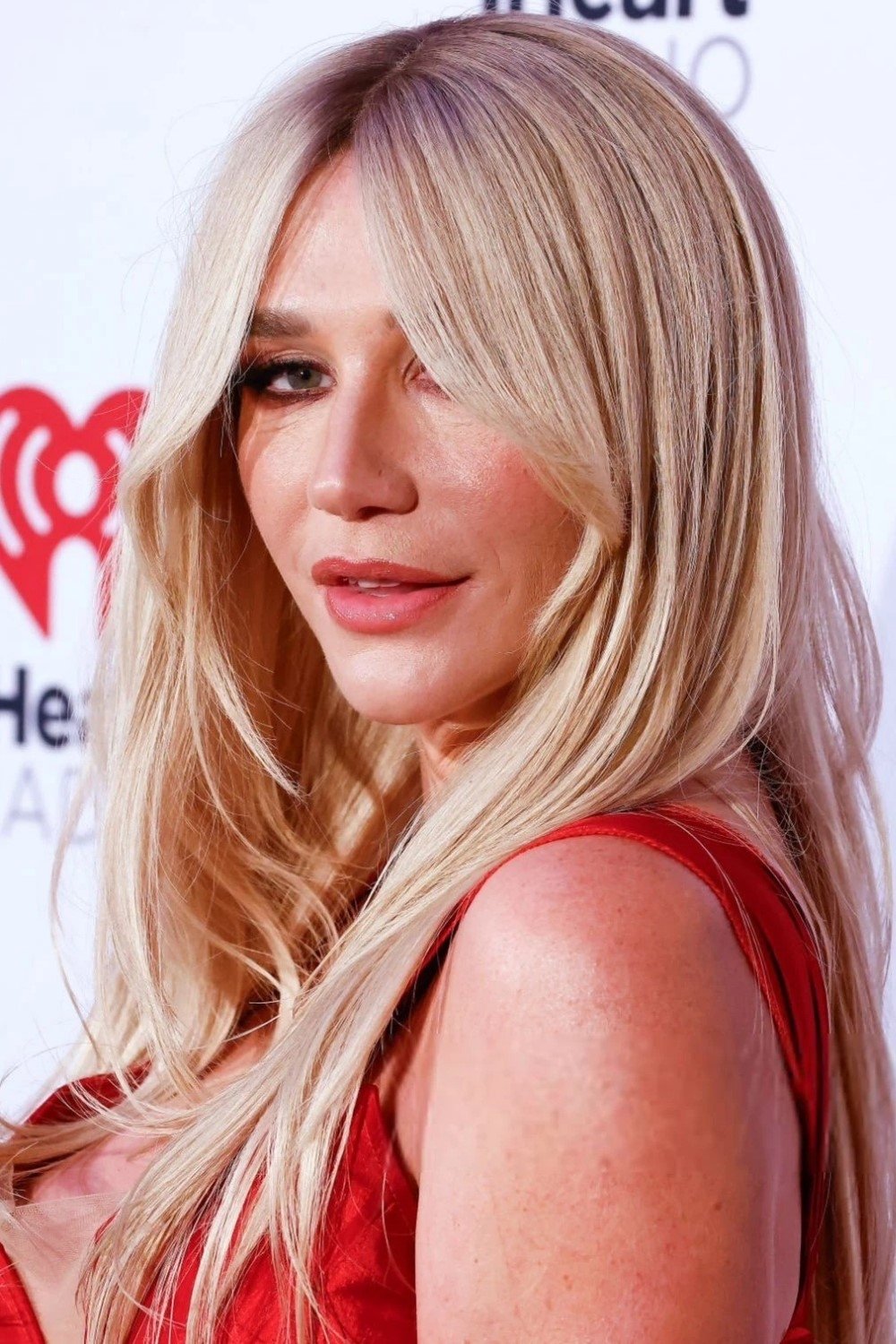
Kesha spent years in a legal battle that limited her ability to release music freely. She returned with an album cycle that emphasized songwriting, live vocals, and staged performances designed for festival and late night television exposure.
Touring and critical recognition rebuilt momentum. Collaborations and television appearances expanded her reach, while direct to fan channels and independent strategy increased control over release schedules and creative direction.
Aziz Ansari
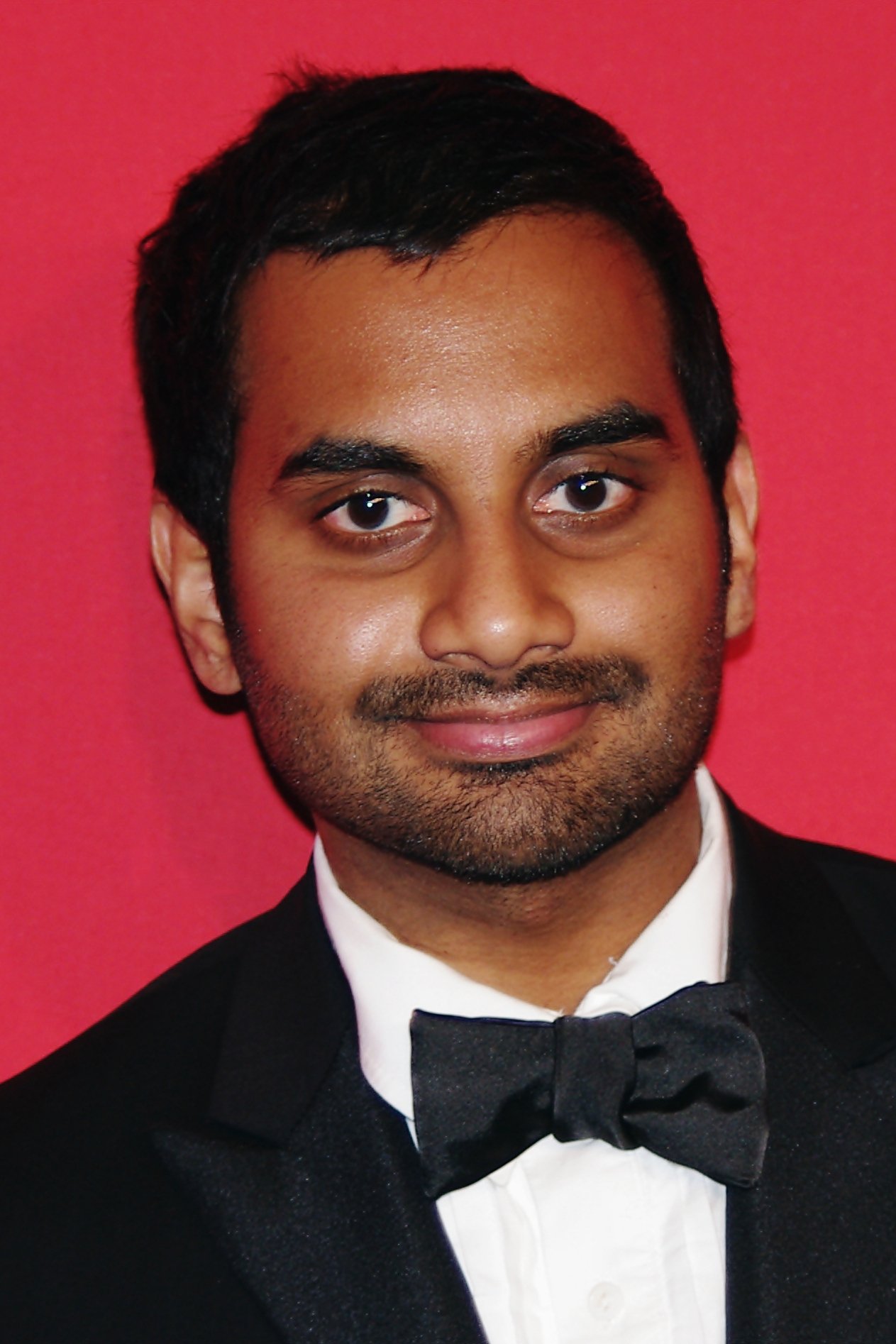
Aziz Ansari paused his public work after an allegation led to widespread discussion. He returned with the stand up special ‘Right Now’, which addressed the period and reestablished his voice in front of live audiences.
He also continued with ‘Master of None’ in a modified format, experimenting with structure and focus. The combination of touring, streaming specials, and selective directing assignments allowed a gradual and sustainable reentry into the industry.
Monica Lewinsky
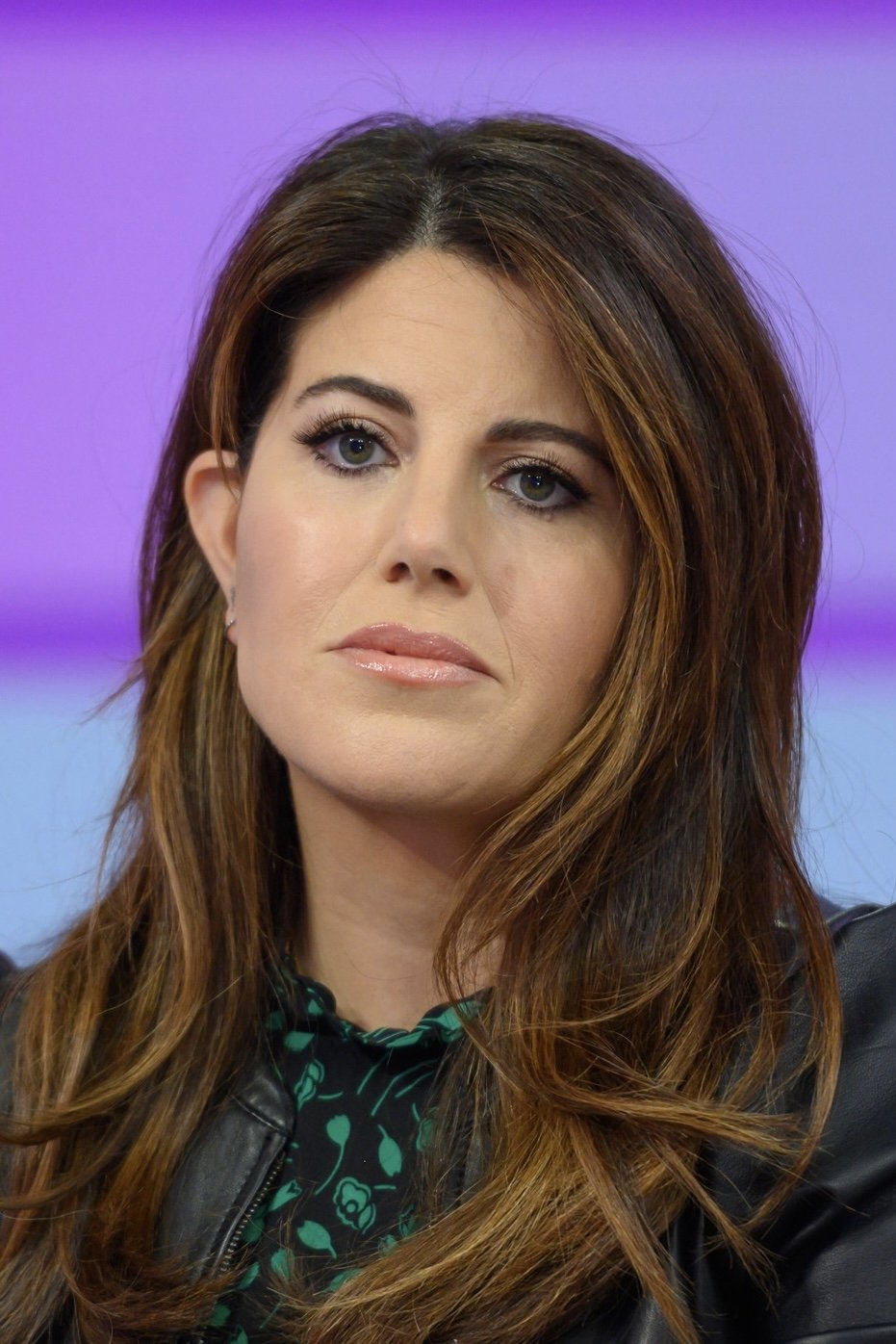
Monica Lewinsky moved from the center of a political scandal to a career in advocacy and media. She focused on anti bullying initiatives and public education, delivering talks and essays that reached large audiences.
She later took on producing roles, including work on ‘Impeachment: American Crime Story’, which brought her perspective into scripted television. Ongoing partnerships with nonprofits and platforms extended her influence into digital safety and culture conversations.
Paris Hilton
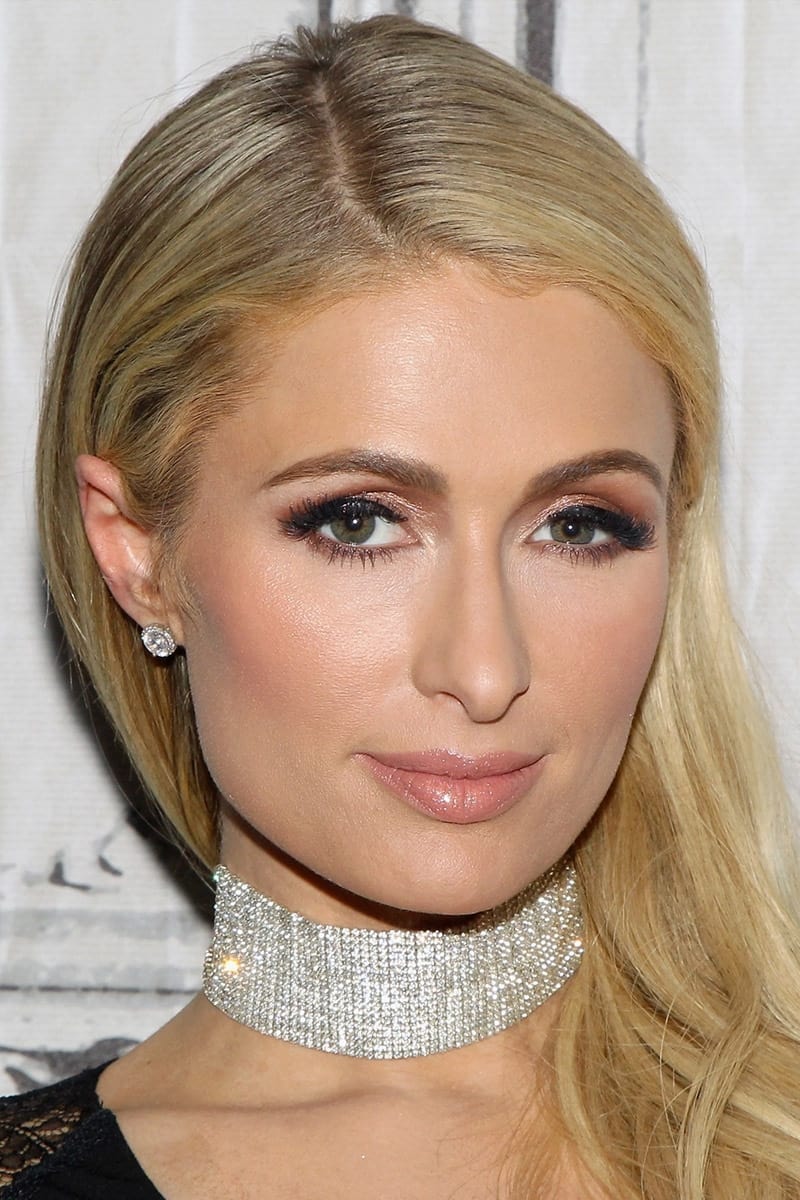
Paris Hilton’s early notoriety included a leaked private tape that made headlines worldwide. She redirected attention with ‘The Simple Life’ and then built a DJ career that secured international residencies and festival bookings.
Her business portfolio expanded with fragrances, skincare, and media production. A memoir and a streaming series deepened her narrative, while licensing deals across fashion and electronics demonstrated sustained brand value in multiple regions.
Kim Kardashian
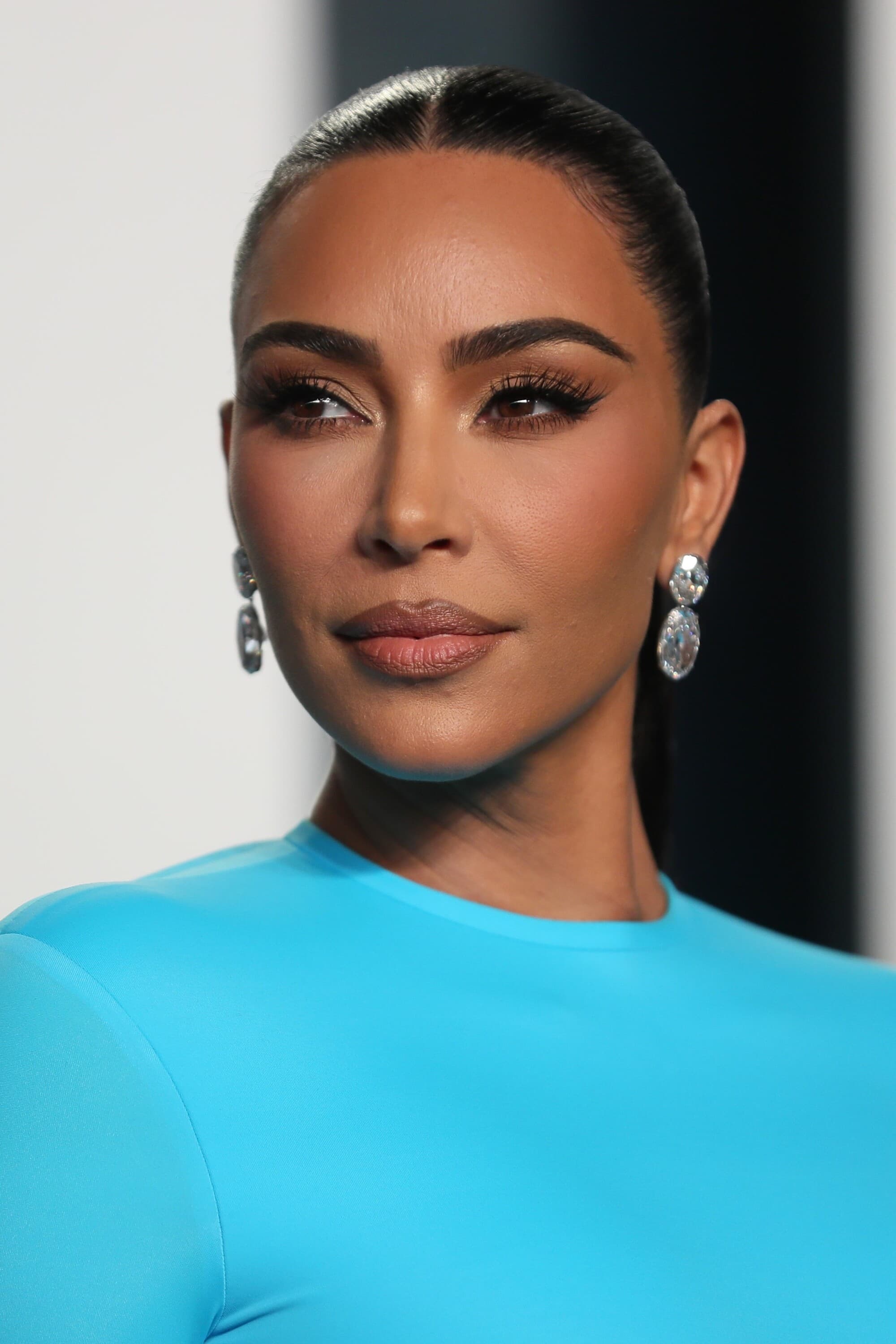
Kim Kardashian first gained attention through a leaked tape and early reality television exposure. She converted that visibility into a long running series with ‘Keeping Up with the Kardashians’ and later ‘The Kardashians’, creating a pipeline for product launches and personal branding.
She built major companies in shapewear and beauty that achieved significant valuations and broad retail presence. Law studies and criminal justice advocacy added new dimensions to her public work, while social platforms continued to drive direct to consumer sales at scale.
50 Cent
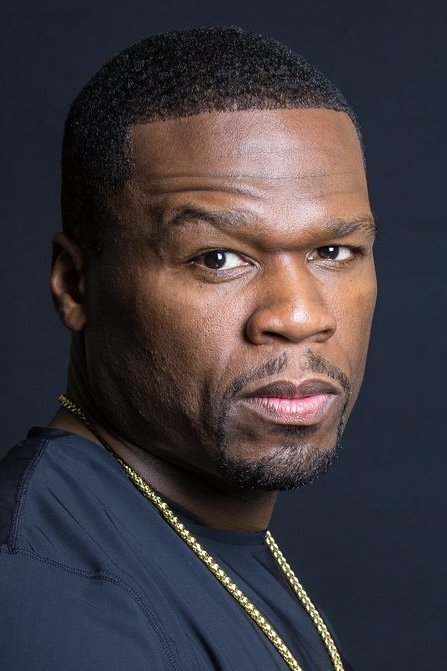
50 Cent went through financial and legal challenges that led to a high profile bankruptcy filing. He leveraged his music catalog and touring to stabilize cash flow, then moved aggressively into television production.
He executive produced the hit series ‘Power’ and its spinoffs ‘Power Book II: Ghost’ and ‘BMF’, securing multi year deals with premium networks. International touring and spirits partnerships added additional revenue streams, turning a setback into a diversified media empire.
Kristen Stewart

Kristen Stewart’s career weathered intense tabloid scrutiny around a public relationship issue. She shifted to independent films and director led projects, culminating in major awards attention for ‘Spencer’.
She maintained momentum with genre and festival titles such as ‘Happiest Season’ and ‘Love Lies Bleeding’. The consistent mix of indie work, fashion house partnerships, and directing aspirations formed a stable path beyond early franchise fame.
Share your picks in the comments and tell us who else you think turned a scandal into sustained success.