Marvel Heroes Shamelessly Ripped Off from DC

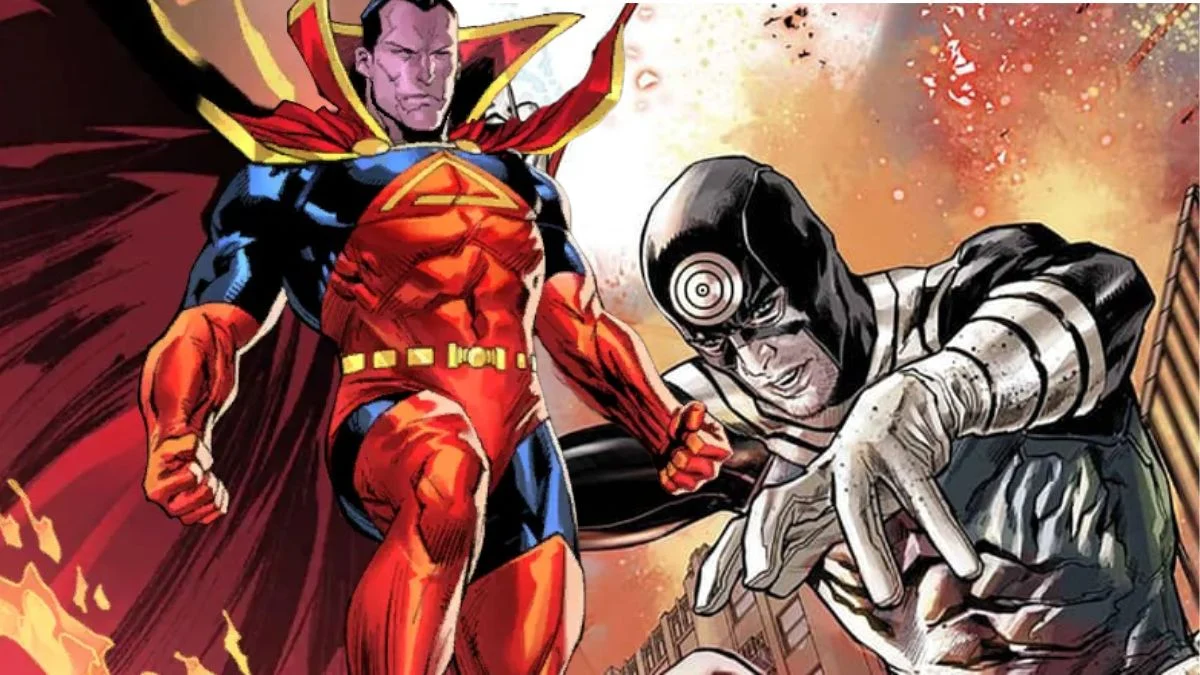

Comics have always traded ideas back and forth, and sometimes those exchanges look a lot like mirror images. When you line up certain Marvel heroes with their DC counterparts, the parallels jump out in the powers, the costumes, and even the backstories. None of this takes away from the fun, but it does make comics history feel like a conversation that never ends.
This list looks at Marvel characters who echo earlier DC icons through clear similarities in abilities, roles, and publication context. You will see creator credits, debut issues, and the key concept each one borrows, along with the DC template that set the stage. It is a handy way to trace how one universe often reflects the other in plain sight.
Hyperion

Hyperion debuted in ‘The Avengers’ 69 in 1969, created by Roy Thomas and Sal Buscema as part of the Squadron Sinister. The character was designed with flight, heat vision, super strength, and near invulnerability, all framed through alien or alternate universe origins that place him outside normal human limits. Later versions within the Squadron Supreme refined him into a full time hero who often leads his team.
His template is Superman, who first appeared in 1938 and set the standard for the flying brick archetype with iconic powers and a moral pillar role. Even Hyperion’s name evokes celestial themes that echo DC’s Kryptonian mythos, and the Squadron as a whole functions as a Justice League reflection inside Marvel continuity.
Sentry

Sentry arrived in 2000 in ‘The Sentry’ 1 by Paul Jenkins and Jae Lee, introduced as a forgotten powerhouse whose memory was removed from the world. He exhibits superhuman strength, flight, energy projection, and regeneration, along with the Void as a destructive counterself that complicates his heroism.
The model is Superman’s scale and presence, where a single figure represents the ultimate force for good with world level stakes. Marvel contextualized the idea through memory manipulation and a fractured psyche, but the cape level power set and the symbol of hope idea connect directly to the path DC established decades earlier.
Gladiator
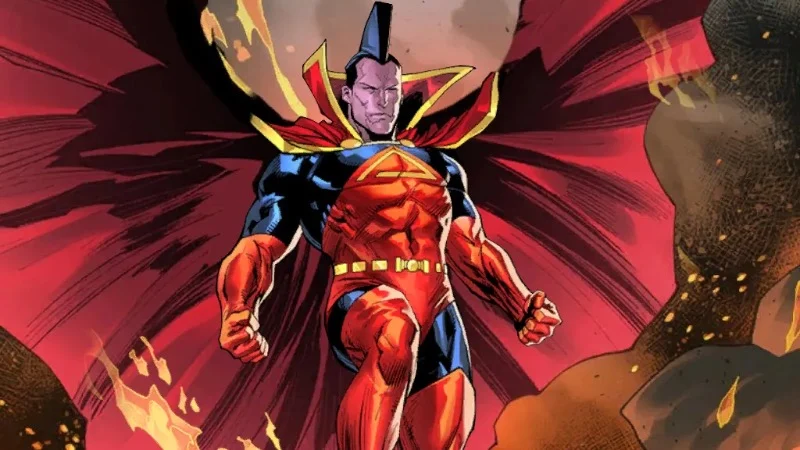
Gladiator first appeared in ‘X Men’ 107 in 1977, created by Chris Claremont and Dave Cockrum as the Praetor of the Shi’ar Imperial Guard. He flies, projects heat vision like blasts, and boasts vast strength that rises with his confidence. His real name, Kallark, blends Kal and Clark in a direct nod to his inspiration.
Superman is the obvious reference point, from the power list to the visual cues that signal a caped juggernaut. The Imperial Guard itself riffs on the Legion of Super Heroes, so Gladiator’s placement inside that team further cements the DC lineage that Marvel used to populate its cosmic roster.
Nighthawk
Nighthawk entered in ‘The Avengers’ 69 in 1969 through Roy Thomas and Sal Buscema, initially as a Squadron Sinister member before alternate heroic versions took hold. Kyle Richmond is a wealthy industrialist who fights crime with tech, training, and a nocturnal motif, operating without innate superpowers.
Batman forms the template with the billionaire vigilante model, specialty gear, and urban crime focus that defined DC’s dark detective since 1939. The Squadron framework makes the mapping explicit, placing Nighthawk as the grounded strategist who fills the same role that Batman fills for the Justice League.
Hawkeye

Hawkeye made his debut in ‘Tales of Suspense’ 57 in 1964 by Stan Lee and Don Heck. He is an expert archer with trick arrows, circus trained acrobatics, and a long history as an Avenger. The character’s identity emphasizes skill, aim, and improvisation in situations where precision matters more than raw power.
Green Arrow predates him by over two decades with a first appearance in 1941, establishing the modern archer hero in mainstream comics. The shared use of themed arrows, a prominent team role, and a street level presence connects the two, with Marvel adapting the concept to fit its own roster of human scale heroes.
Quicksilver

Quicksilver first showed up in ‘The X Men’ 4 in 1964 by Stan Lee and Jack Kirby. As Pietro Maximoff, he possesses super speed that alters combat, perception, and travel, and he has moved between Brotherhood member, Avenger, and mutant mainstay across decades of stories.
The Flash set the sprinting standard for DC starting in 1940 with the Jay Garrick era and again in 1956 with Barry Allen, defining the speedster’s science and storytelling toolbox. Quicksilver inherits the central idea where velocity changes everything, mapping to a concept DC explored in detail well before Marvel introduced its own version.
Deadpool

Deadpool arrived in ‘The New Mutants’ 98 in 1991 by Rob Liefeld and Fabian Nicieza as a quippy mercenary with a healing factor and a red black costume. He operates as a contract killer who shifts into antihero territory, and his real name, Wade Wilson, is a playful signal built into his creation.
Deathstroke appeared in 1980 in ‘The New Teen Titans’ 2 by Marv Wolfman and George Pérez as Slade Wilson, a tactical mastermind and elite assassin. The shared mercenary background, similar naming, and weapons heavy fighting style set the baseline, with Marvel evolving the idea in a more comedic and self aware direction while keeping the core premise.
Black Cat
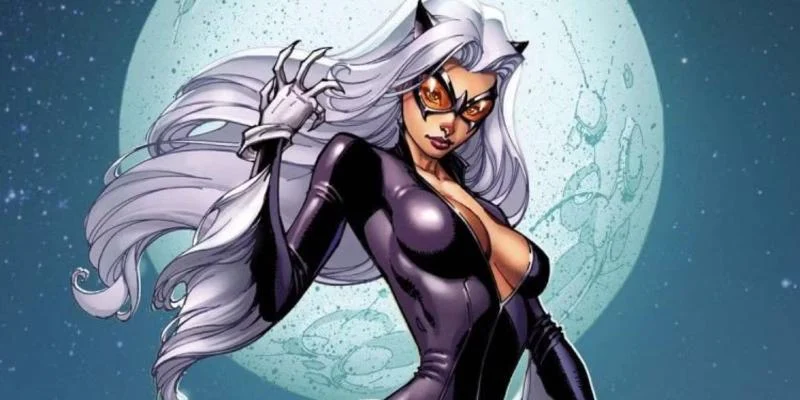
Black Cat debuted in ‘The Amazing Spider Man’ 194 in 1979 by Marv Wolfman and Keith Pollard. Felicia Hardy is a master thief who uses acrobatics, gadgets, and later probability tweaking tech or powers, and she often moves between partner and foil roles in Spider Man stories.
Catwoman started in 1940 in ‘Batman’ 1 and established the elegant burglar archetype with a cat motif, agile heists, and a complicated relationship with a lead hero. Black Cat follows that template with parallel skills and thematic choices, shifting the dynamic into Marvel’s New York while keeping the recognizable cat burglar framework.
Doctor Spectrum
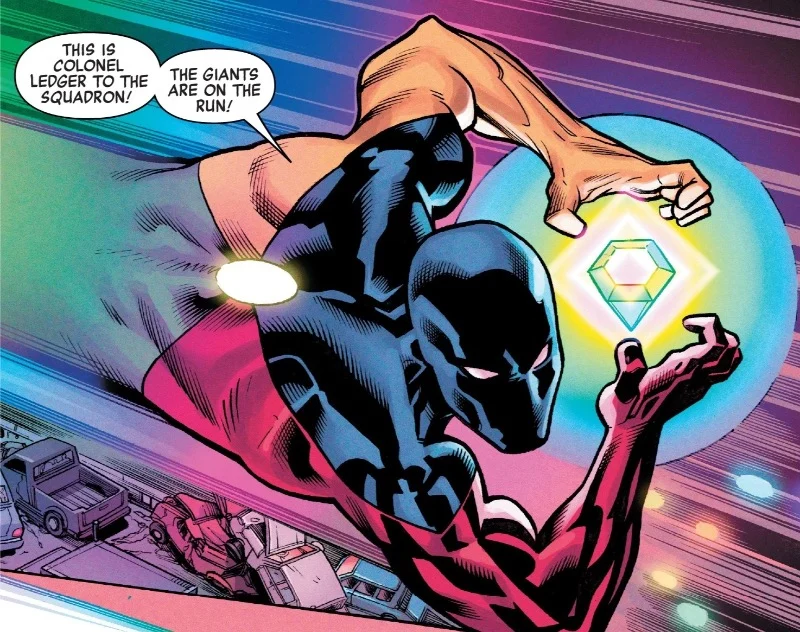
Doctor Spectrum appeared in ‘The Avengers’ 69 in 1969 from Roy Thomas and Sal Buscema as a bearer of the Power Prism. The Prism generates constructs, energy blasts, and flight, with different hosts taking on the mantle across stories connected to the Squadron Sinister and Squadron Supreme.
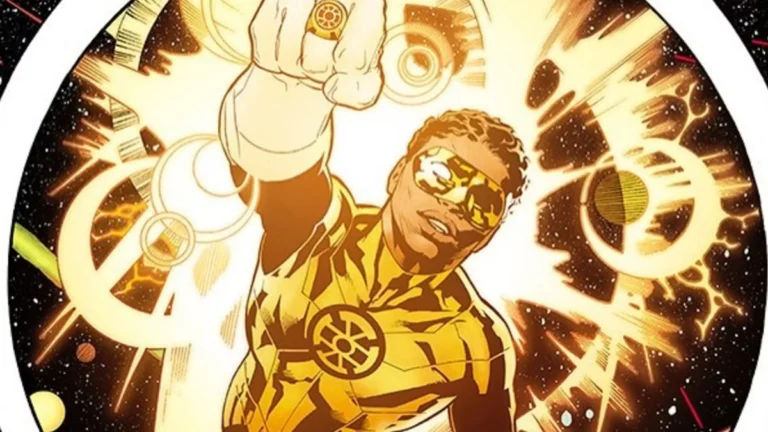
Green Lantern laid the groundwork in 1940 and again in 1959 with the ring that turns will into light constructs and powers a corps of interstellar peacekeepers. Doctor Spectrum’s Prism functions as a direct analog, giving Marvel a ring like energy shaper that aligns with the Justice League mirror concept inside the Squadron.
Power Princess
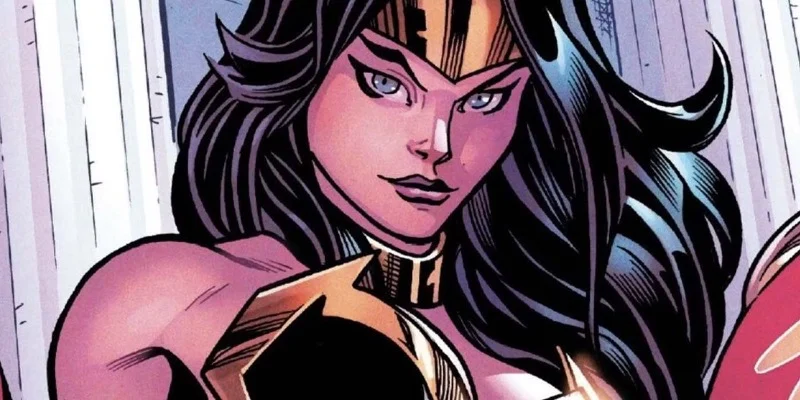
Power Princess arrived in ‘Squadron Supreme’ 1 in 1985 by Mark Gruenwald and Bob Hall as Zarda, a warrior from Utopia Isle. She has super strength, flight in many versions, advanced combat training, and ties to an island culture that preserves ancient ideals, all while serving as a leading member of her team.
Wonder Woman dates back to 1941 and defines the mythic warrior from a hidden island society with a mission in the outside world. Power Princess clearly occupies the same role within the Squadron, bringing the Amazon mold into Marvel’s tapestry through a counterpart who stands beside Hyperion as a central powerhouse.
Ant Man
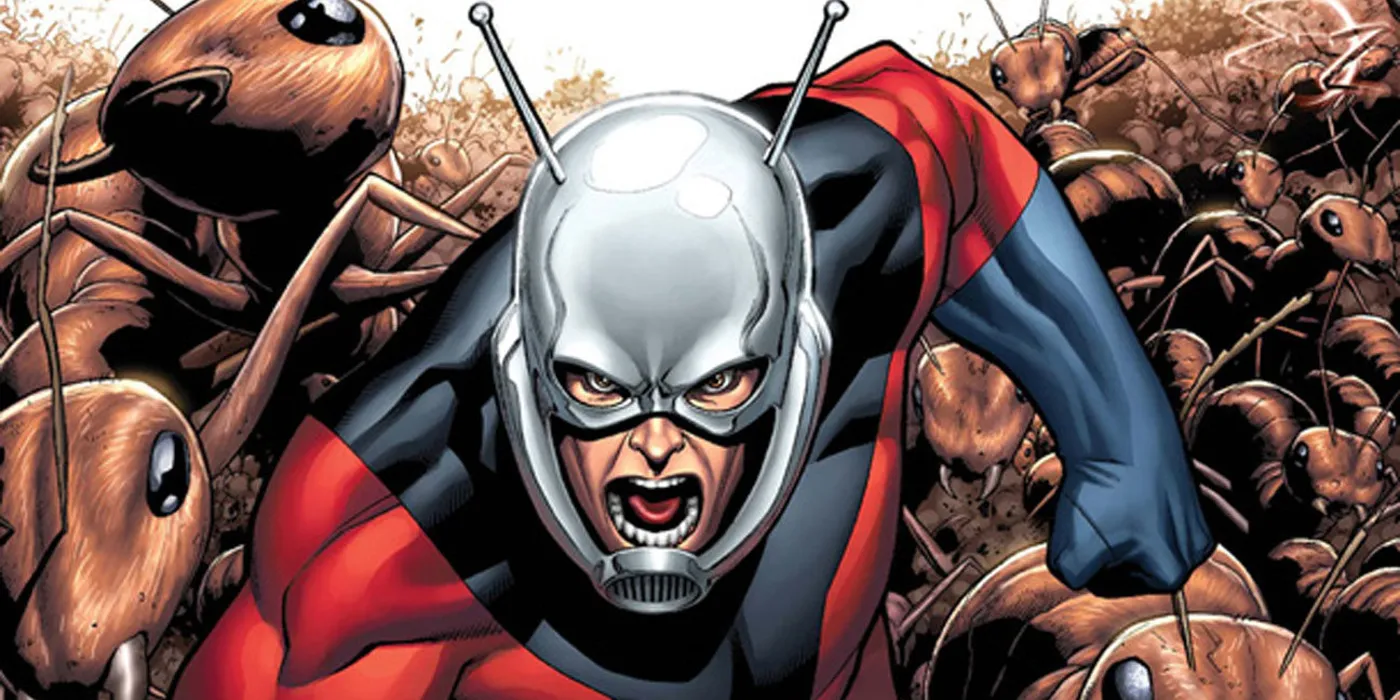
Ant Man began in ‘Tales to Astonish’ 27 in 1962 as Hank Pym by Stan Lee, Larry Lieber, and Jack Kirby, with the costumed identity formalized in issue 35 the same year. Pym uses Pym Particles to shrink to insect size, talk to ants through a specialized helmet, and later grow to giant heights, placing science at the center of his power.
The Atom as Ray Palmer appeared in 1961 in ‘Showcase’ 34 and established the scientist hero who miniaturizes to explore the micro world and solve problems that require size manipulation. The close publication window and shared professor inventor angle make the comparison straightforward, with Ant Man adapting the concept to Marvel’s lab driven storytelling.
Nova

Nova launched in ‘The Man Called Nova’ 1 in 1976 by Marv Wolfman and John Buscema, introducing Richard Rider as a human chosen by a dying Xandarian to join a galactic force. The Nova Corps supplies helmets and uniforms that grant flight, energy manipulation, and faster than light travel, turning new recruits into interstellar officers.
Green Lantern’s Corps concept predates Nova by many years, featuring a ring powered police force that recruits sentient beings across space. Nova mirrors the selection by a predecessor and the entry into a uniformed peacekeeping body, placing Marvel’s spin on a proven framework for cosmic adventure.
Bullseye
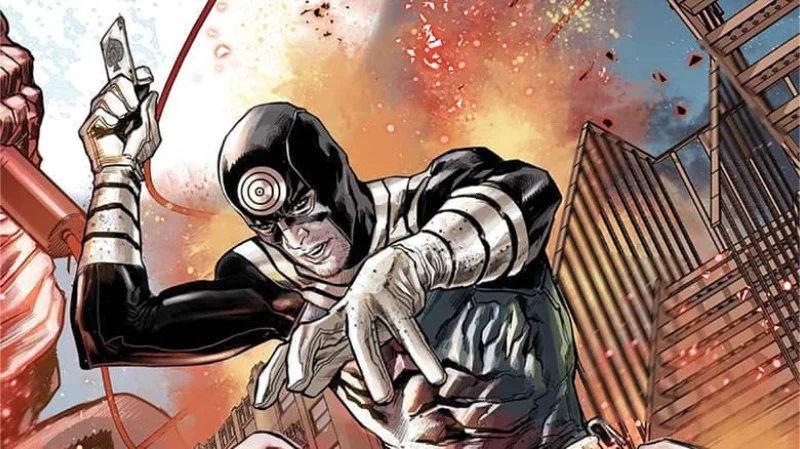
Bullseye first appeared in ‘Daredevil’ 131 in 1976 by Marv Wolfman and John Romita Sr. He is defined by perfect aim and the ability to weaponize everyday objects, and he operates as an assassin who tests street level heroes with precision based lethality.
Deadshot entered DC in 1950 in ‘Batman’ 59 as an expert marksman who never misses and later evolved into a hired gun with specialized gear. Both characters turn accuracy into a superpower and serve as recurring foils for urban vigilantes, mapping a clear line from DC’s earlier sharpshooter to Marvel’s later iteration.
Whizzer
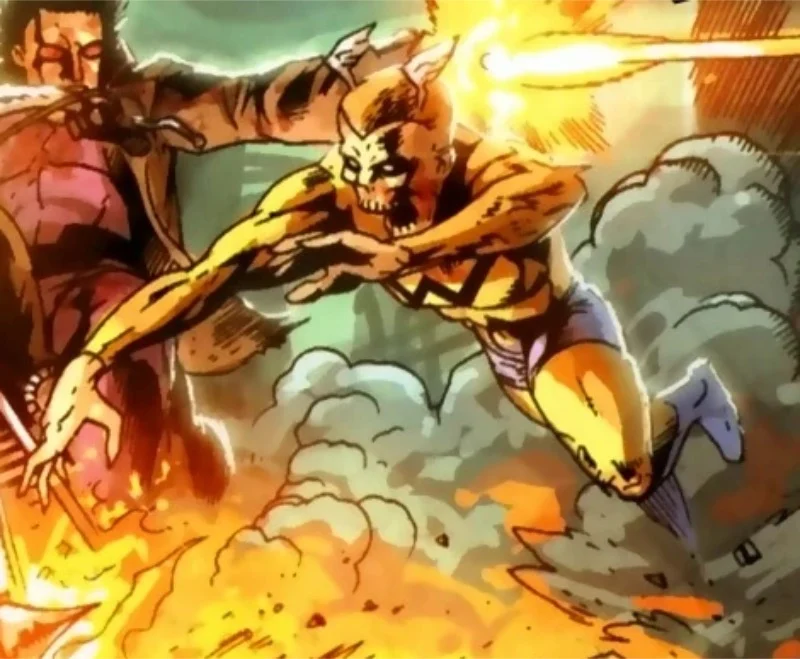
The Whizzer of the Squadron Supreme, Stanley Stewart, appeared in ‘The Avengers’ 85 in 1971 by Roy Thomas and John Buscema. He embodies classic speedster traits, including superhuman velocity, rapid perception, and the ability to traverse cities in seconds, and he serves as the team’s quick response specialist.
The Flash is the template, with DC using both Golden Age and Silver Age runs to define how speed changes combat, investigation, and rescue work. Placing a speedster inside the Squadron completes the Justice League mirror, giving Marvel a direct analogue to DC’s most famous runner.
Moon Knight
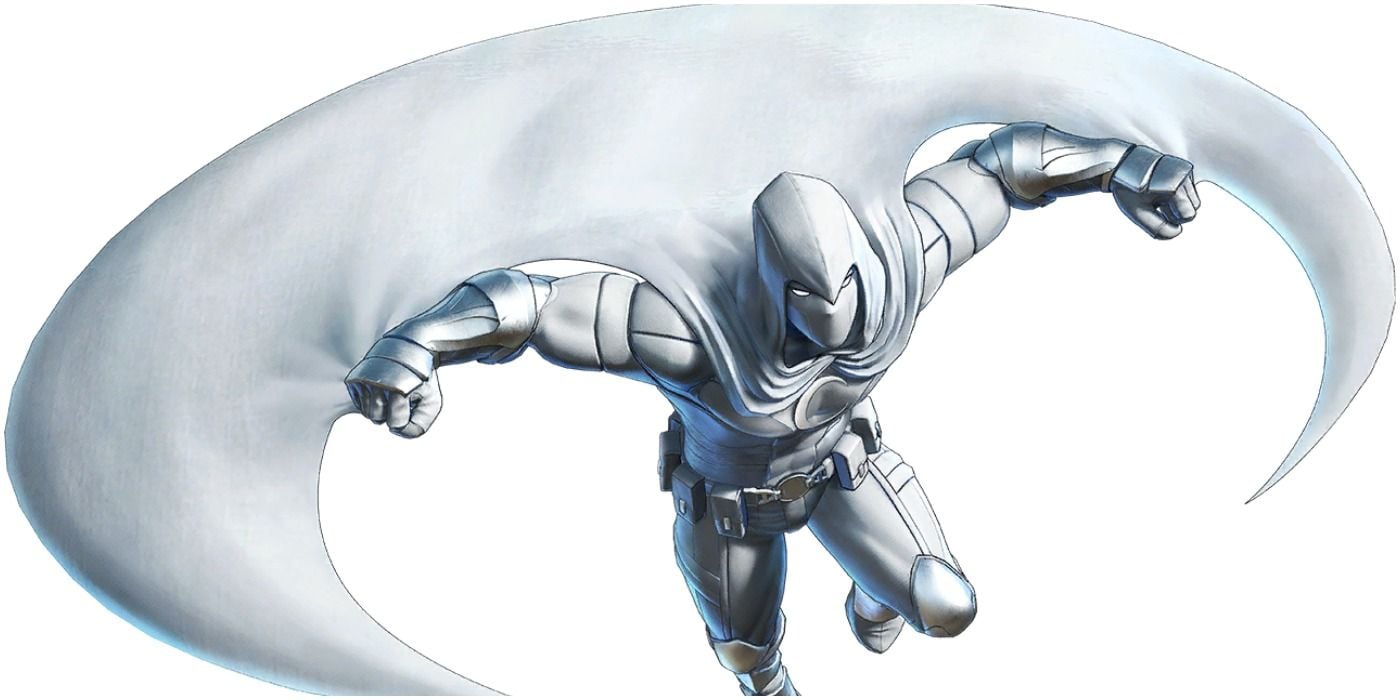
Moon Knight debuted in ‘Werewolf by Night’ 32 in 1975 by Doug Moench and Don Perlin, initially as a mercenary antagonist before shifting into a complex vigilante. Marc Spector uses specialized gear, a crescent theme, and considerable training, and later stories add identities and mental health layers that shape how he fights crime.
Batman set the standard for a nonpowered urban crusader with resources, strategy, and a nocturnal motif. Moon Knight aligns with that framework through the wealthy operative foundation and gadget driven combat role, while Marvel reworks the idea with Egyptian lore and a focus on multiple civilian identities.
Doctor Spectrum
Doctor Spectrum appeared in ‘The Avengers’ 69 in 1969 from Roy Thomas and Sal Buscema as a bearer of the Power Prism. The Prism generates constructs, energy blasts, and flight, with different hosts taking on the mantle across stories connected to the Squadron Sinister and Squadron Supreme.
Green Lantern laid the groundwork in 1940 and again in 1959 with the ring that turns will into light constructs and powers a corps of interstellar peacekeepers. Doctor Spectrum’s Prism functions as a direct analog, giving Marvel a ring like energy shaper that aligns with the Justice League mirror concept inside the Squadron.
Ikaris

Ikaris appeared in ‘The Eternals’ 1 in 1976 by Jack Kirby as a near indestructible Eternal with flight, strength, and energy projection from the eyes. He serves as a frontline defender for his people and often acts as the most visible Eternal in stories that connect ancient myths with modern times.
Superman’s broader archetype informs Ikaris through the power list and the role of a flying paragon who faces world scale threats. The Eternals use cosmic engineering to explain abilities, but the choice to place a caped powerhouse at the center of conflicts echoes DC’s approach to a symbolically ideal hero.
Share your picks in the comments and tell us which other Marvel heroes you think trace their roots to classic DC ideas.