The 20 Scariest Non-Horror Movies Ever


Some films create a sustained sense of danger without belonging to the horror genre. Many of these titles sit in drama, thriller, war, or documentary categories and use real world stakes, procedural detail, or psychological pressure to keep viewers alert. They often rely on precise sound design, long stretches of quiet, and everyday settings that feel recognizably close to real life.
This list brings together narrative features and documentaries that are not marketed as horror yet remain focused on threat, consequence, and moral risk. You will find investigations that move step by step through unsolved cases, survival stories built around limited resources, wartime accounts drawn from lived experience, and character studies that follow choices leading to irreversible outcomes.
‘No Country for Old Men’ (2007)
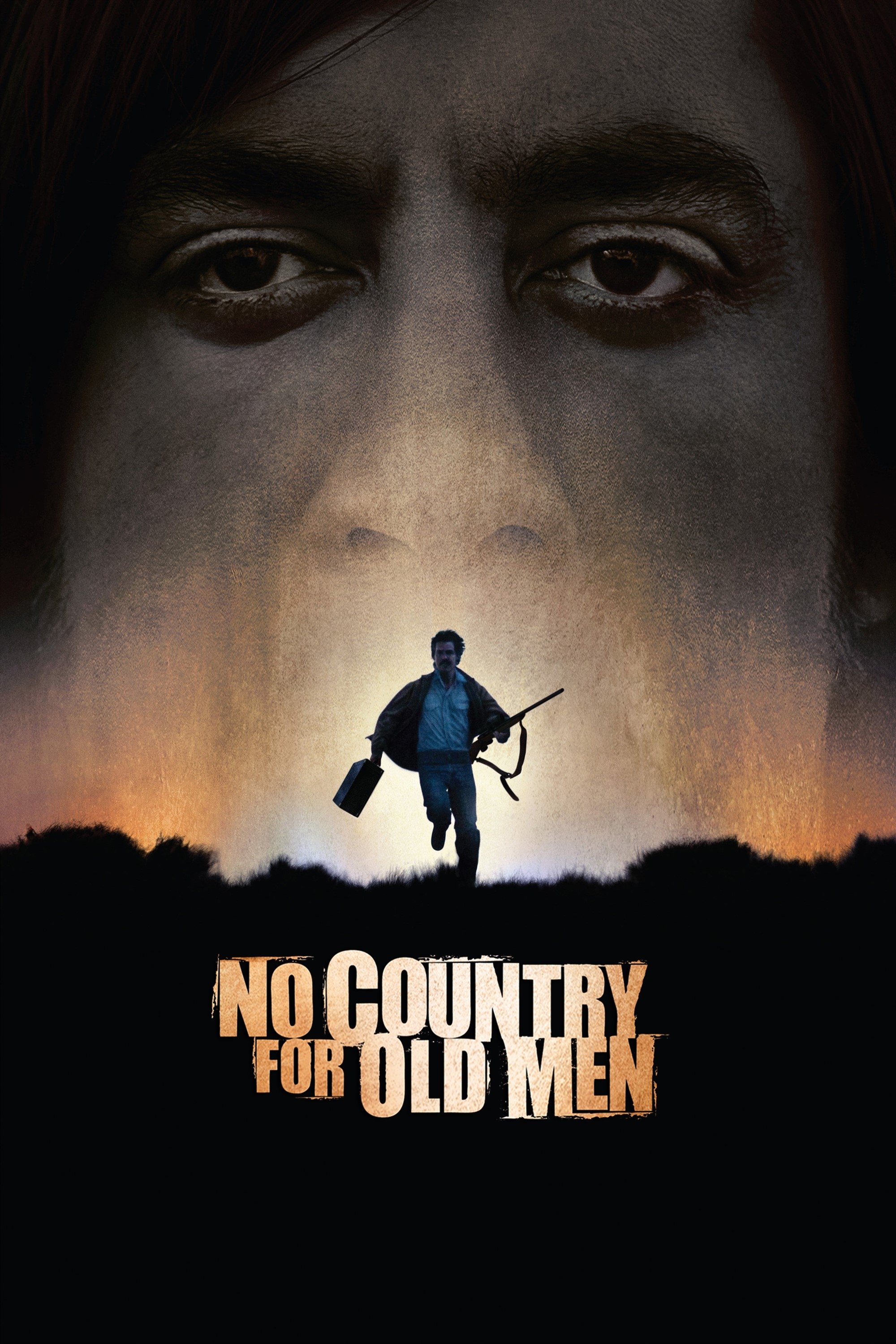
The film adapts Cormac McCarthy’s novel and follows a West Texas hunter who discovers cash at a desert crime scene while a professional tracker moves in with a transponder and a compressed air cattle gun. Production used extensive location work across New Mexico and Texas and minimized music so ambient sounds of wind and footsteps carry the momentum.
The story structure alternates viewpoints between a sheriff trying to understand a shifting criminal landscape and the two men locked in pursuit. Practical effects and careful editing keep gunfights grounded in geography, with scenes staged around door frames, corridors, and motel parking lots to highlight line of sight and escape routes.
‘Zodiac’ (2007)
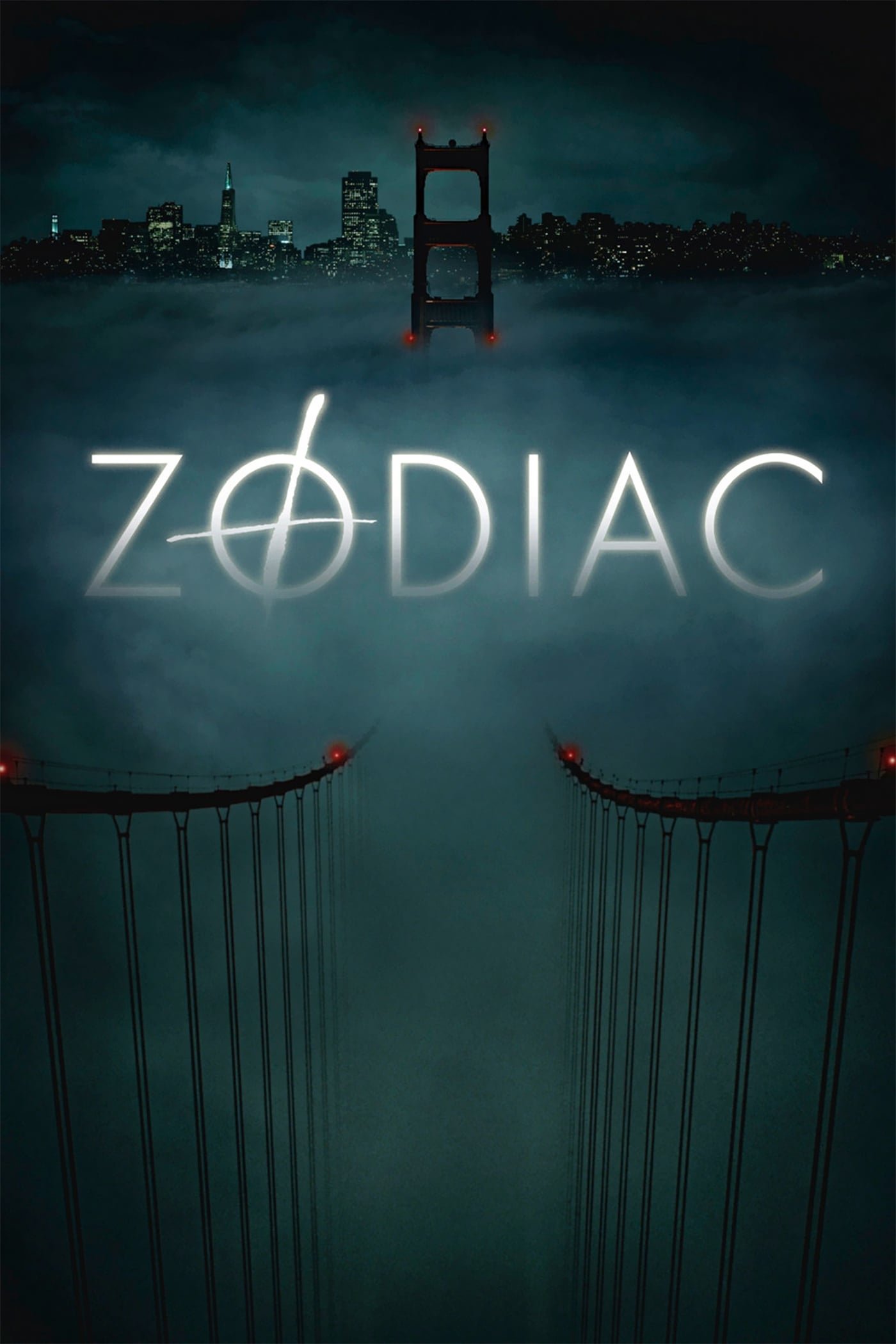
This procedural centers on newspaper staff and detectives who follow leads on a serial case through reports, handwriting samples, and ciphers. The production recreated late sixties and seventies San Francisco through digital set extensions and period accurate interiors so newsroom floors and suburban basements match the archival record.
The investigation unfolds through timestamps, title cards, and changes in newsroom technology from linotype to computer terminals. The film spends long stretches on witness statements, composite sketches, and cross county jurisdiction issues to show how small gaps in process stall a sprawling case.
‘United 93’ (2006)

The film reconstructs events aboard a single flight on September 11 through real time pacing and a cast that includes actual air traffic professionals. Multiple control rooms were built to match the layout of FAA and military facilities so radar screens and phone handoffs reflect real procedures.
Cockpit and cabin spaces were mounted on gimbals to simulate altitude and heading changes during the final minutes. Dialogue draws on the official commission report and recorded communications so the timeline of calls and cockpit entry attempts follows documented sequences.
‘Come and See’ (1985)
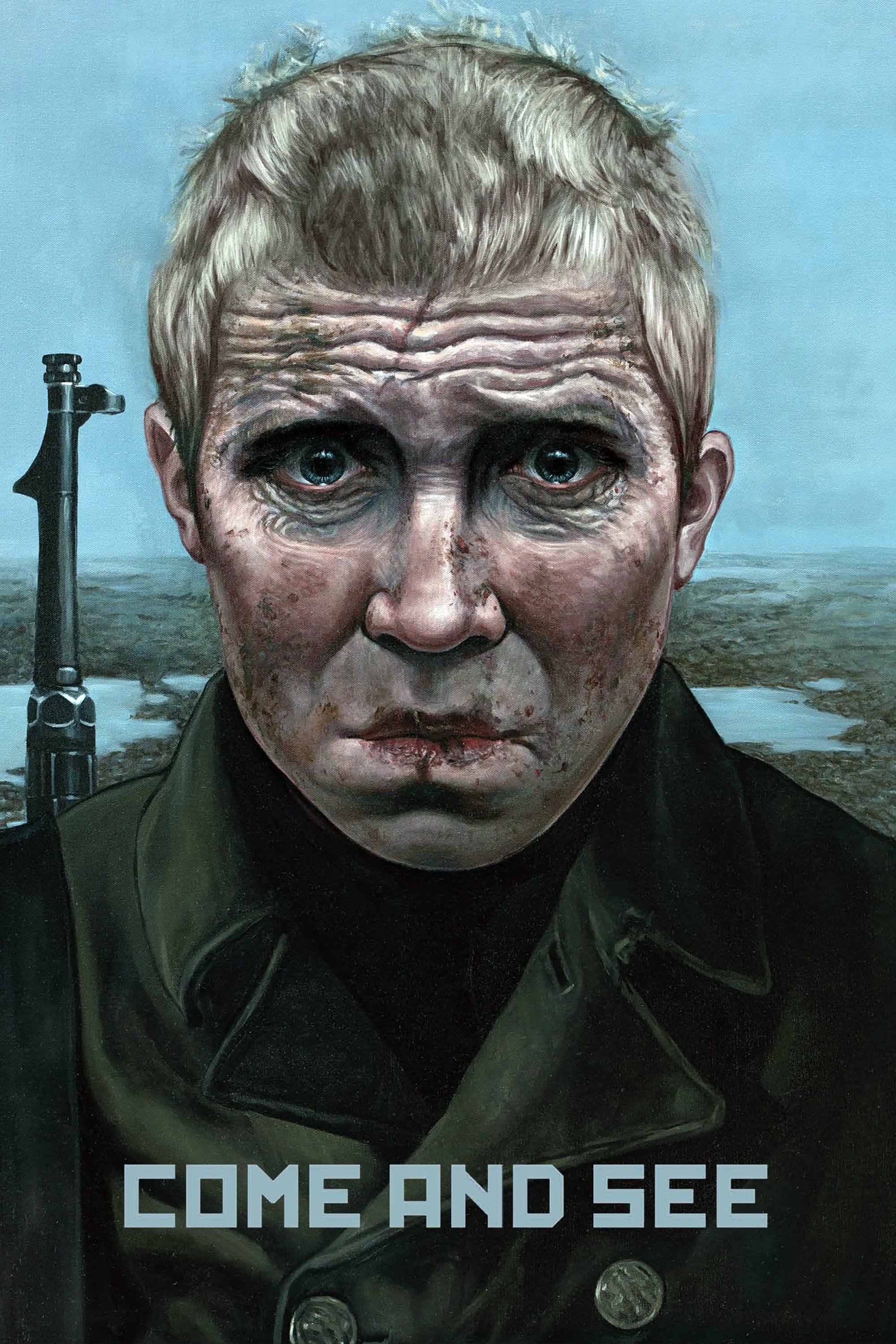
This Belarusian war drama follows a boy who joins partisan fighters during the German occupation. The production shot in natural locations using long lenses and close framing to place the character inside forest clearings, village paths, and marshes that show signs of recent battles.
The lead actor underwent a supervised regimen to keep the performance authentic while protecting his health during extended sequences with explosives and live ammunition effects. The soundtrack blends source music with sustained environmental noise so artillery and aircraft pass in and out of range like weather.
‘Threads’ (1984)
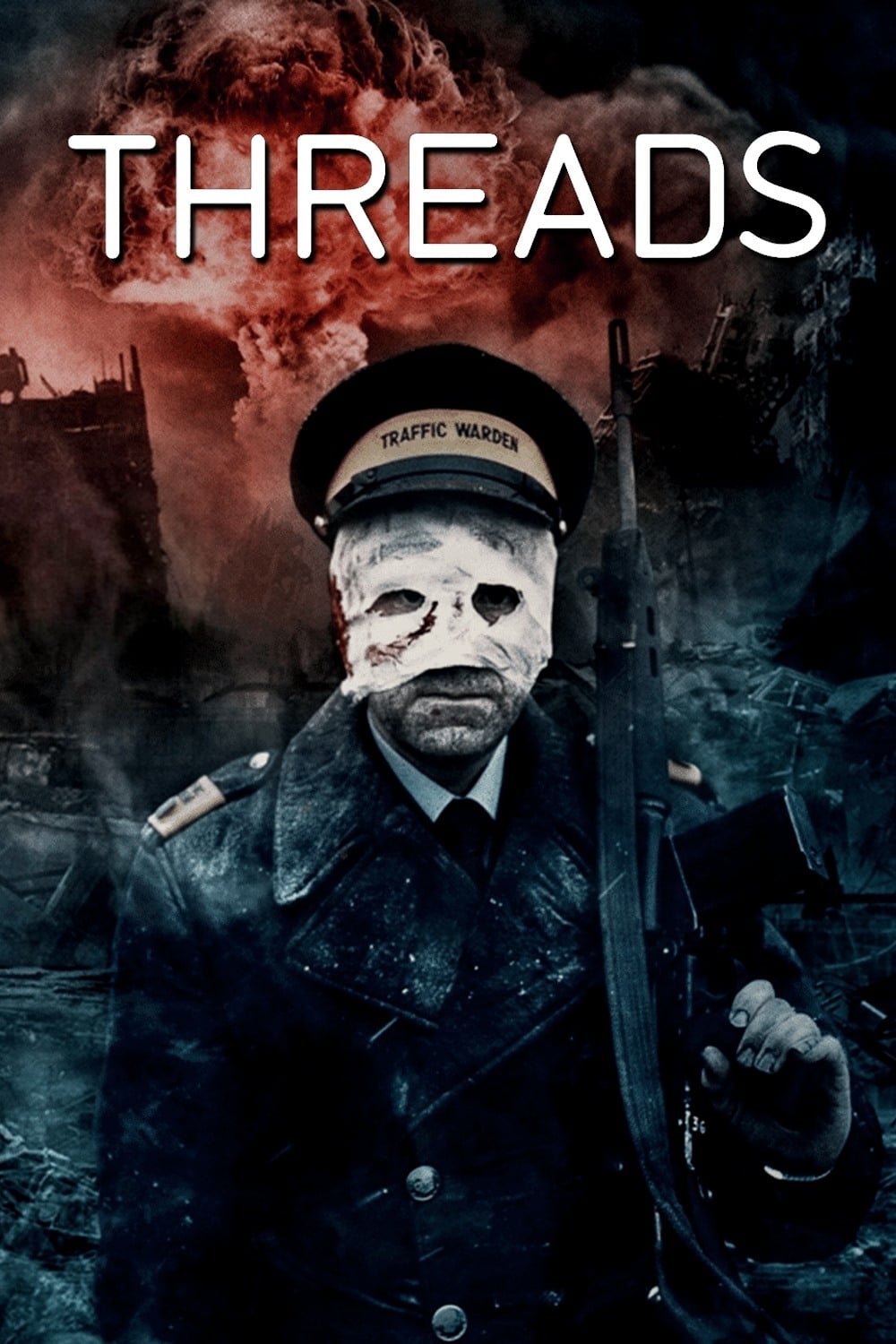
This British television film presents a detailed model of nuclear exchange and its aftermath in the city of Sheffield. It uses government planning documents, civil defense manuals, and contemporary projections of fallout patterns to build its chronology from siren to long term recovery attempts.
Broadcast on the BBC, the film integrates faux news bulletins, public information voiceovers, and intertitles with dates and calorie rations. Makeup and costuming track malnutrition and radiation effects over months to illustrate how infrastructure failure compounds routine tasks such as food distribution and sanitation.
‘The Act of Killing’ (2012)
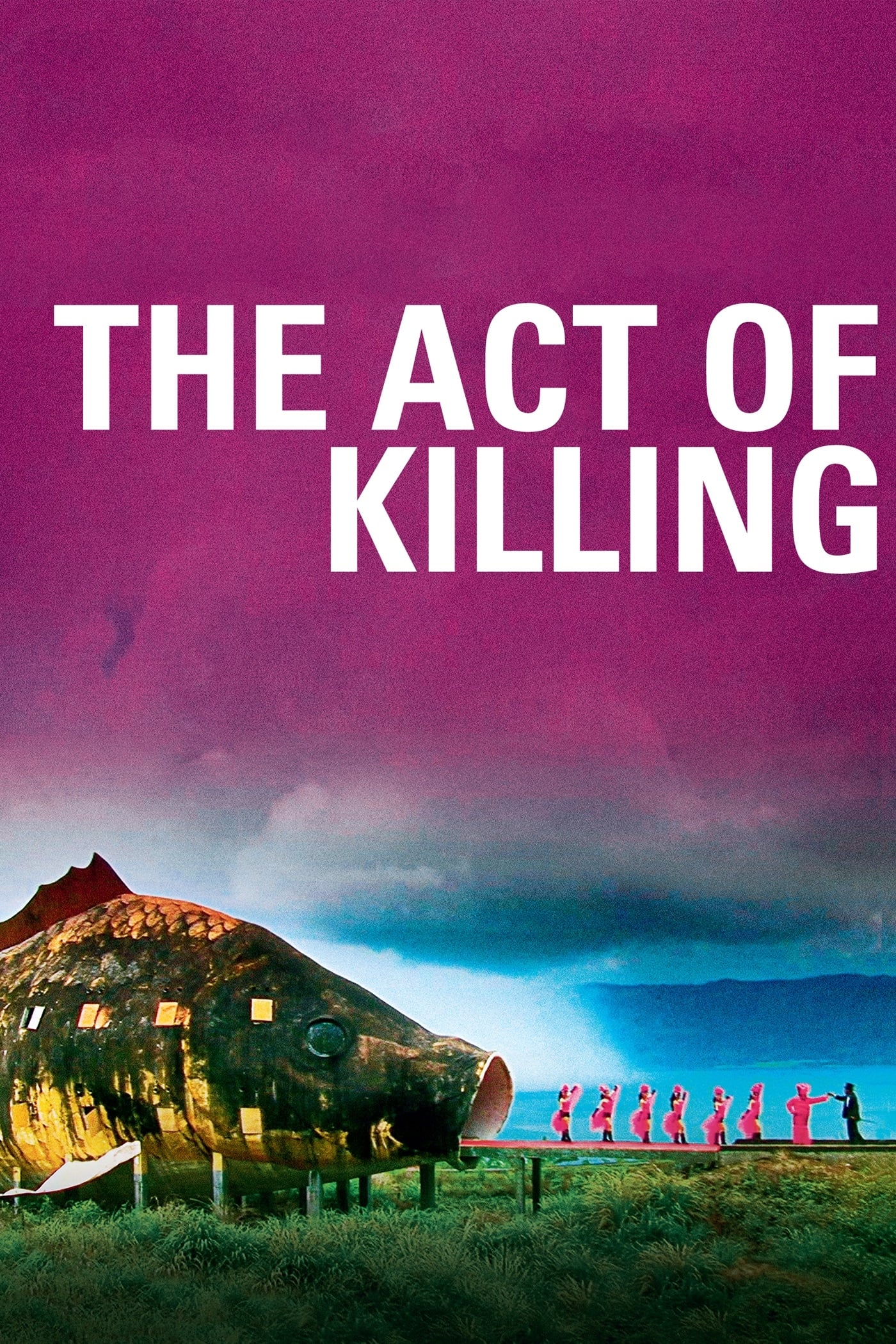
This documentary invites former Indonesian paramilitary leaders to stage recreations of their past actions using costumes, sets, and film genres of their choosing. The method places testimony next to performance so viewers can see how participants narrate history through stylized images.
The production worked with local crews and maintained security protocols for interview access. Its companion piece ‘The Look of Silence’ extends the investigation through survivor families and optometry visits that facilitate sustained conversations in domestic settings.
‘Grave of the Fireflies’ (1988)
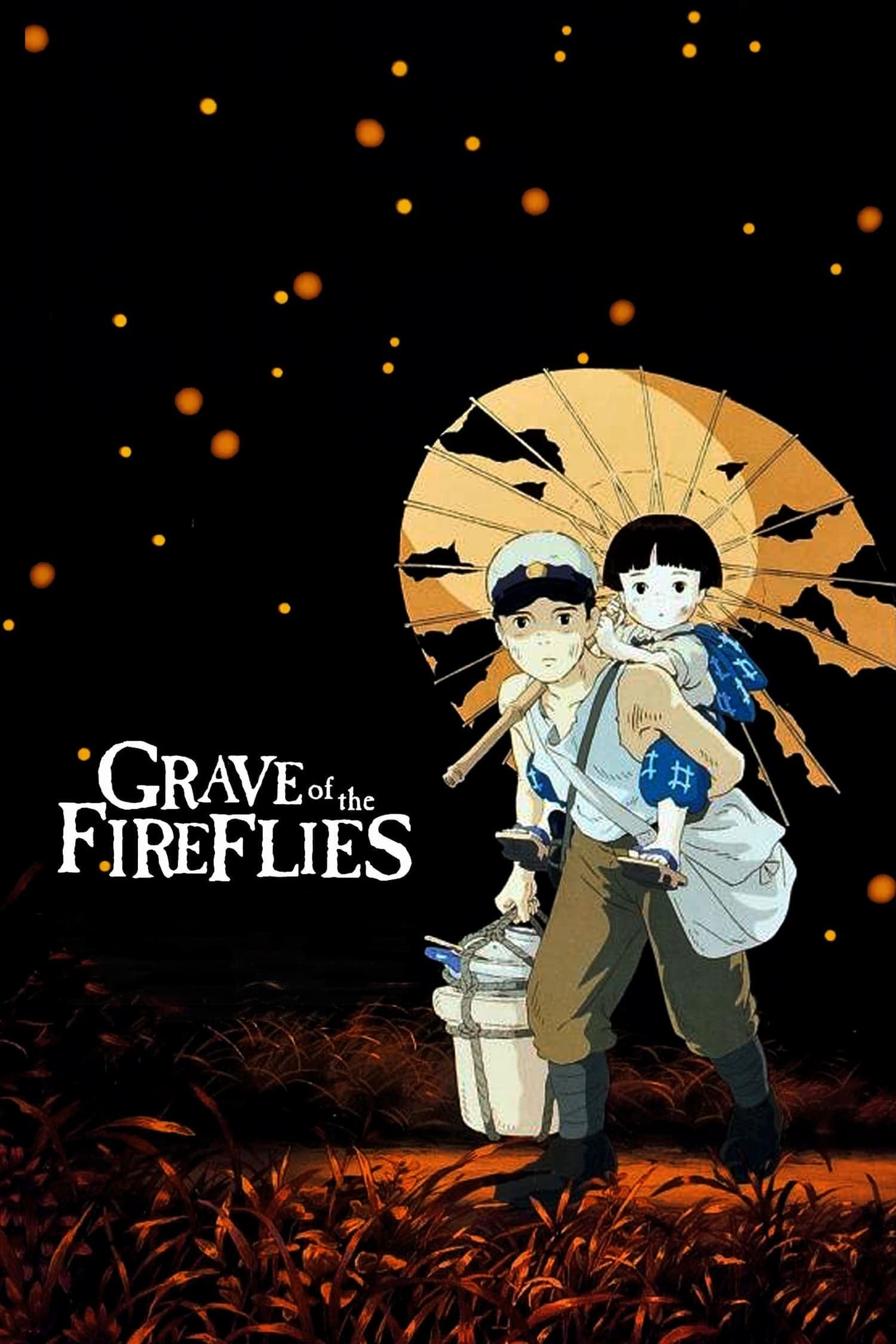
This animated feature follows two siblings in wartime Japan after their city is firebombed. The film adapts a semi autobiographical short story and uses hand drawn backgrounds to show supply shortages, shelter life, and rural barter systems.
The narrative tracks dates on the siblings’ savings and ration coupons to clarify why staple foods become scarce. Scenes of seasonal change mark the passage of time as the characters move between urban ruins, riverbanks, and farm outbuildings while illness and malnutrition progress.
‘The Road’ (2009)
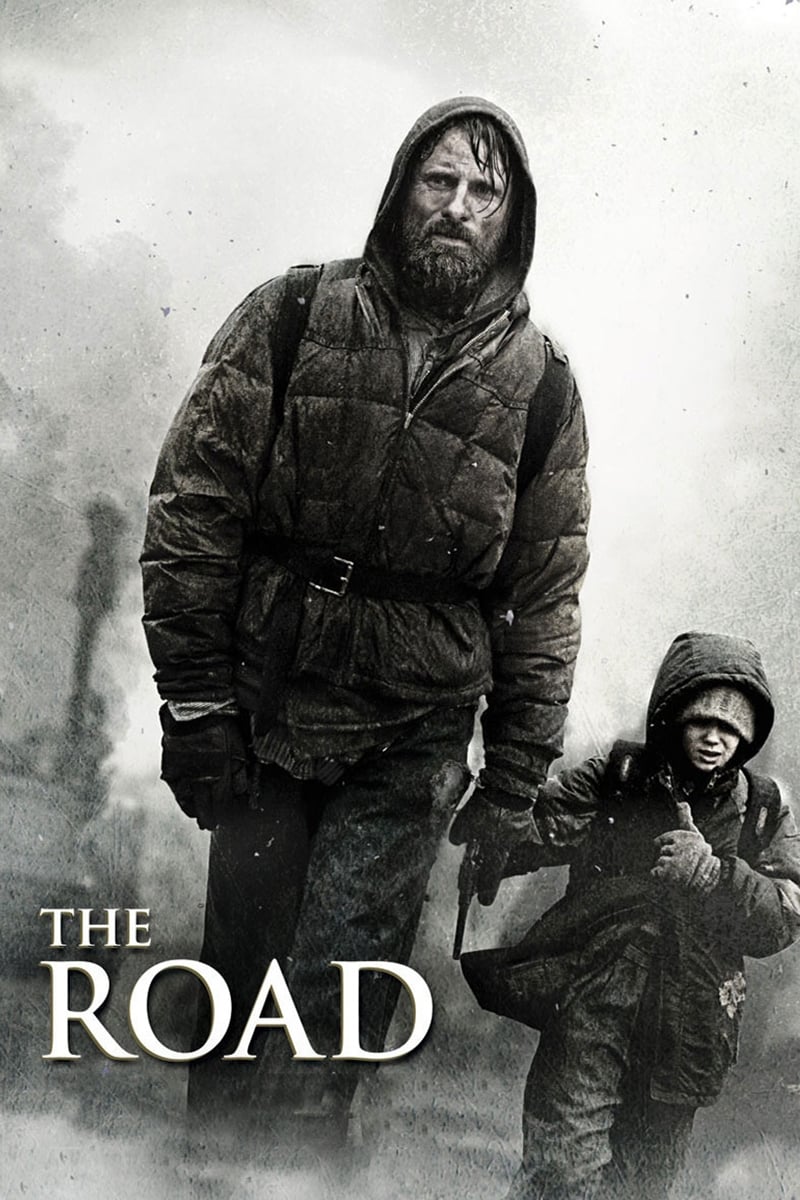
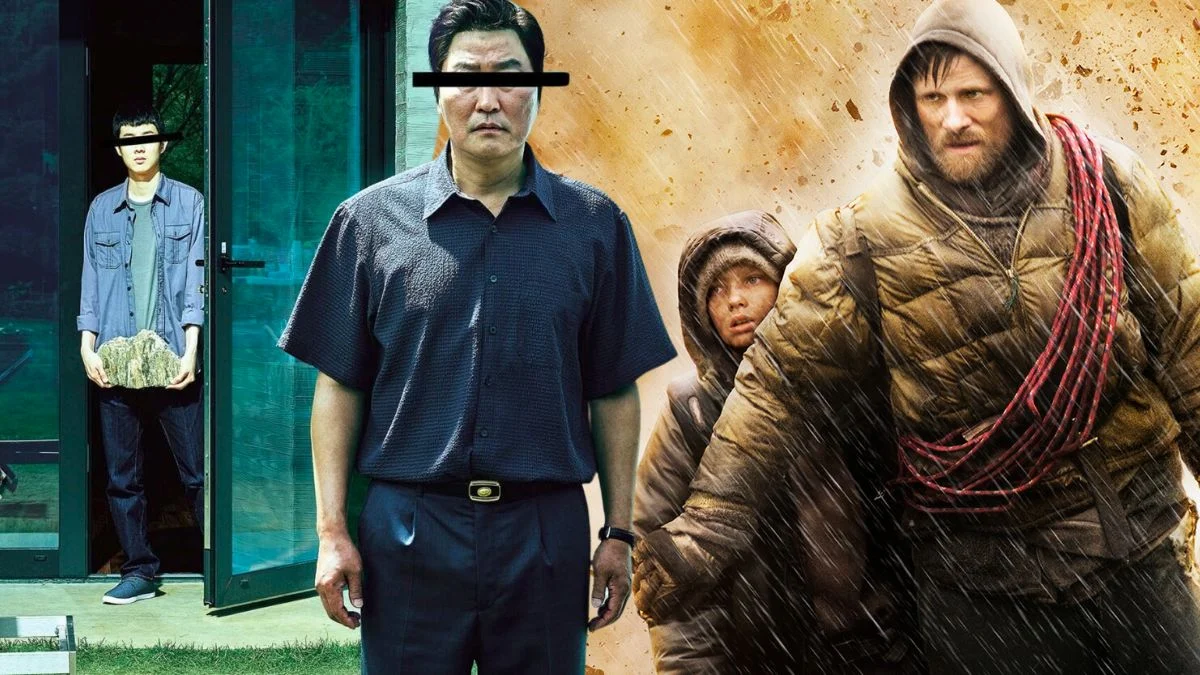
Based on Cormac McCarthy’s novel, this film depicts a father and son traveling through a post collapse United States. Locations include abandoned highways, derelict industrial sites, and coastal stretches affected by storms and disuse so the landscape itself explains the limits of shelter and food.
Costume and props emphasize scavenging with a shopping cart, plastic sheeting, and a dwindling supply of canned goods. The route is marked by decisions to avoid tunnels, weigh the risk of campfires, and track the proximity of other travelers through footprints and ash.
‘Prisoners’ (2013)
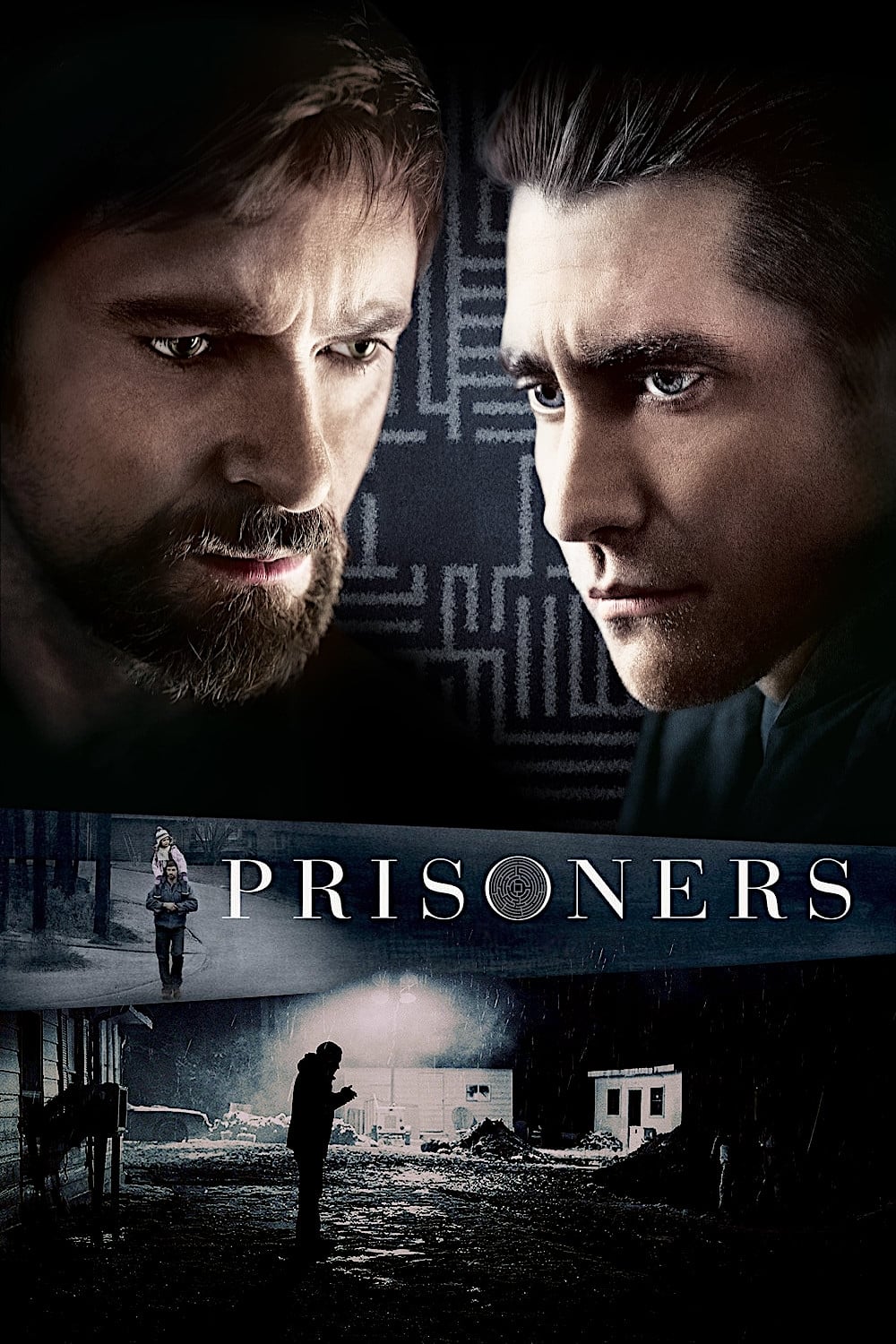
The story follows two Pennsylvania families after their young daughters disappear during a holiday. A detective leads the official case while one parent pursues personal leads, creating a dual track inquiry that intersects in storage facilities, vacant houses, and hospital records.
The film uses overcast natural light and rain to situate key searches in empty lots and culverts. Clues turn on minor objects such as bracelets, photos, and handmade mazes that connect suspects through repeated symbols and childhood histories.
‘We Need to Talk About Kevin’ (2011)
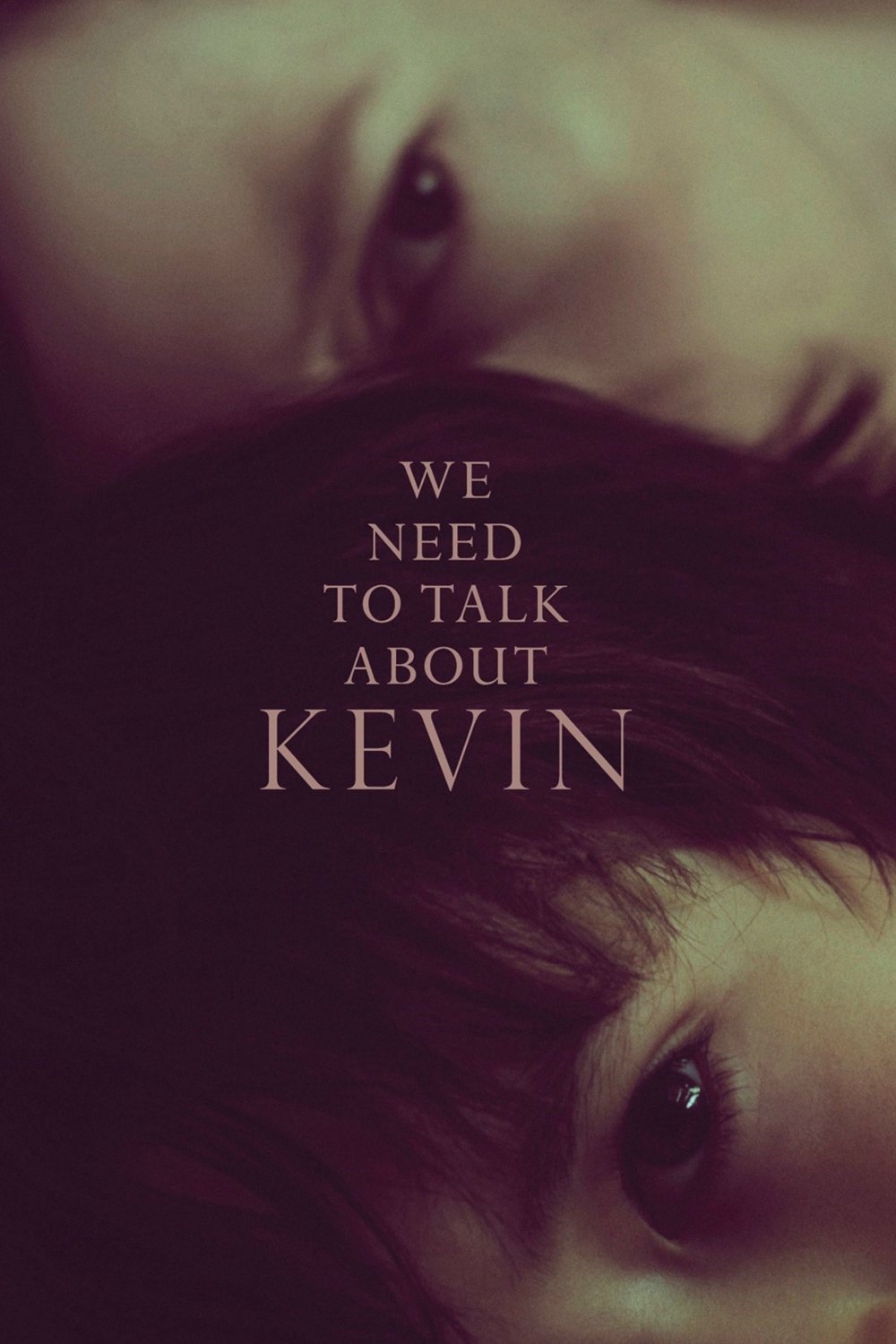
This adaptation traces a mother’s life before and after a school incident involving her son. The timeline moves across years using color cues and household objects to link memories with present day consequences.
The film studies early developmental signs through pediatric visits, household accidents, and behavior differences between siblings. Public reactions appear through vandalism, workplace interactions, and small town routines that show the long tail of a single event on family and community life.
‘Nightcrawler’ (2014)
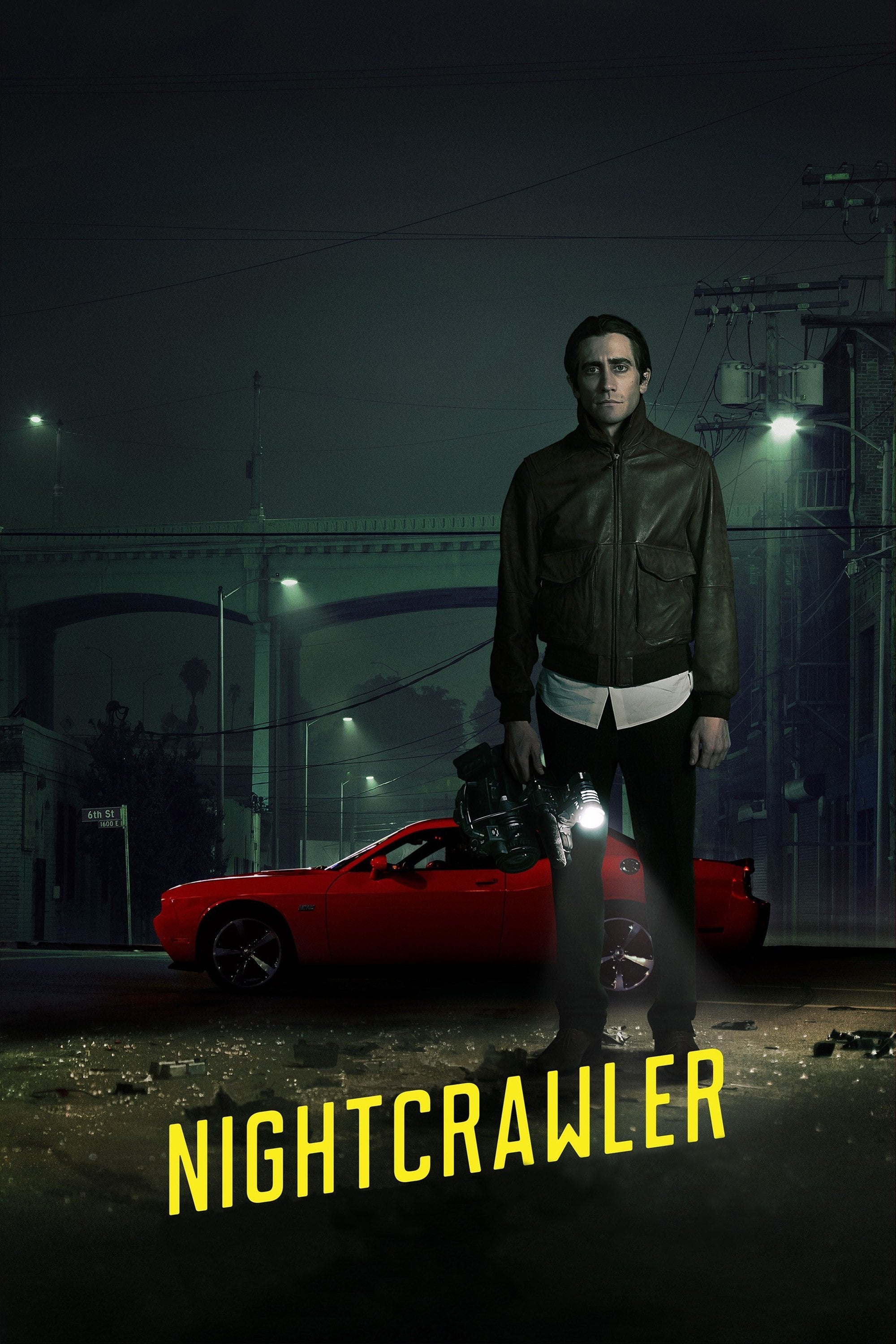
Set in Los Angeles, the film follows a freelance videographer who monitors police scanners and races to crime scenes for footage. The production maps freeway routes and neighborhoods to show how traffic patterns and police perimeters shape what gets captured.
The character builds a small business by upgrading cameras, bargaining with local stations, and recruiting an assistant. Scenes detail negotiation over exclusive rights, editing decisions made in parked cars, and the line between staging and documentation at late night collisions.
‘Whiplash’ (2014)

This music school drama focuses on a first year jazz drummer and his conservatory instructor. Rehearsal rooms, practice booths, and competition stages are presented with attention to tempo, endurance, and instrument maintenance such as bleeding hands and drumhead wear.
The film’s sound mix isolates metronome ticks, count ins, and stick clicks to track errors and corrections. Performance scenes use whip pans and tight cuts on pedals and cymbals so tempo changes and missed cues register as measurable performance issues.
‘A Clockwork Orange’ (1971)
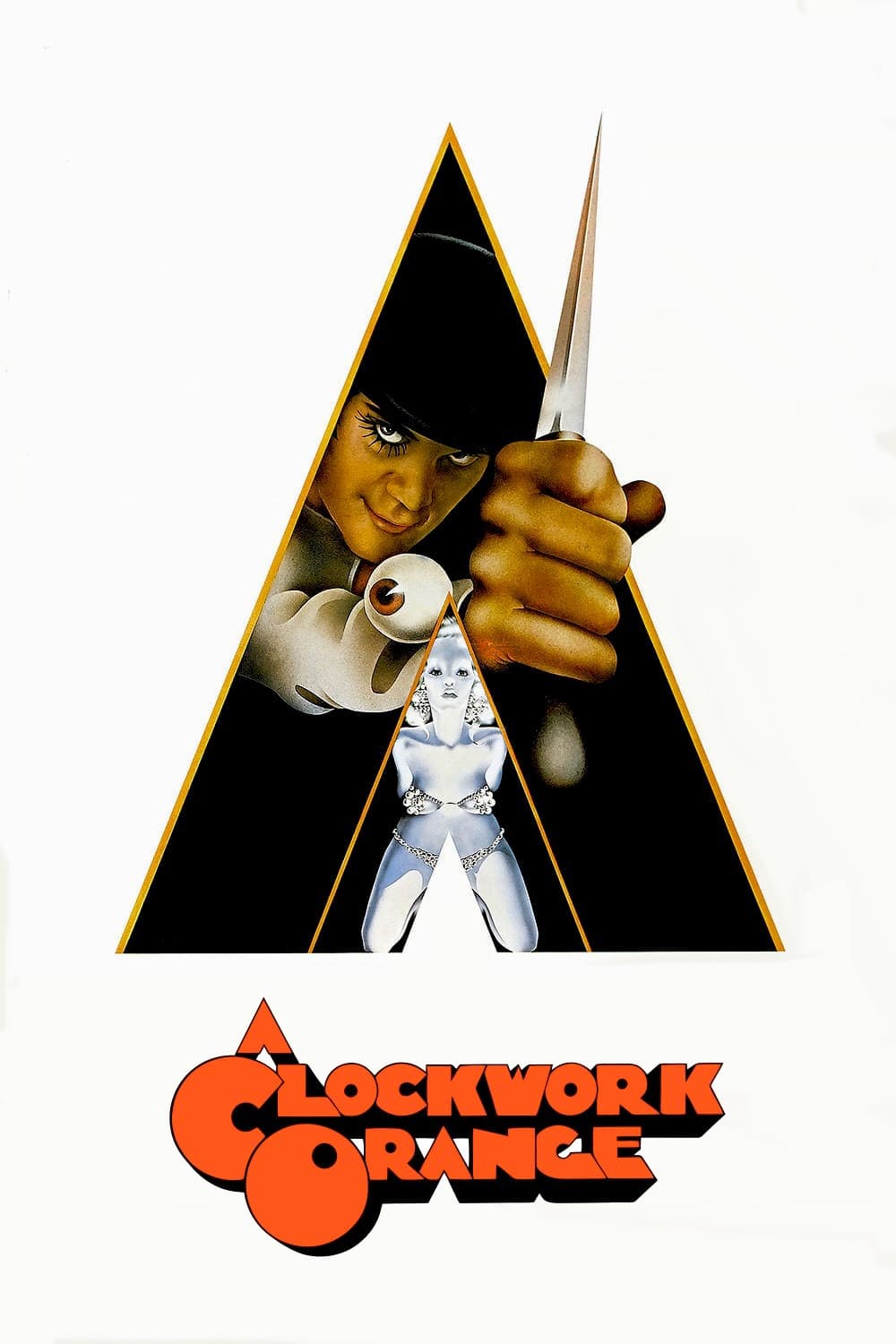
Stanley Kubrick adapts Anthony Burgess’s novel about a youth gang leader subjected to an experimental aversion process. Production design uses stark interiors, pop art sculptures, and modified vehicles to create a near future setting rooted in contemporary London locations.
The treatment sequence relies on medical apparatus, a forced viewing setup, and pharmacological notes that describe side effects. The film then follows post release supervision, job placement attempts, and public encounters that test the durability of behavioral conditioning.
‘There Will Be Blood’ (2007)
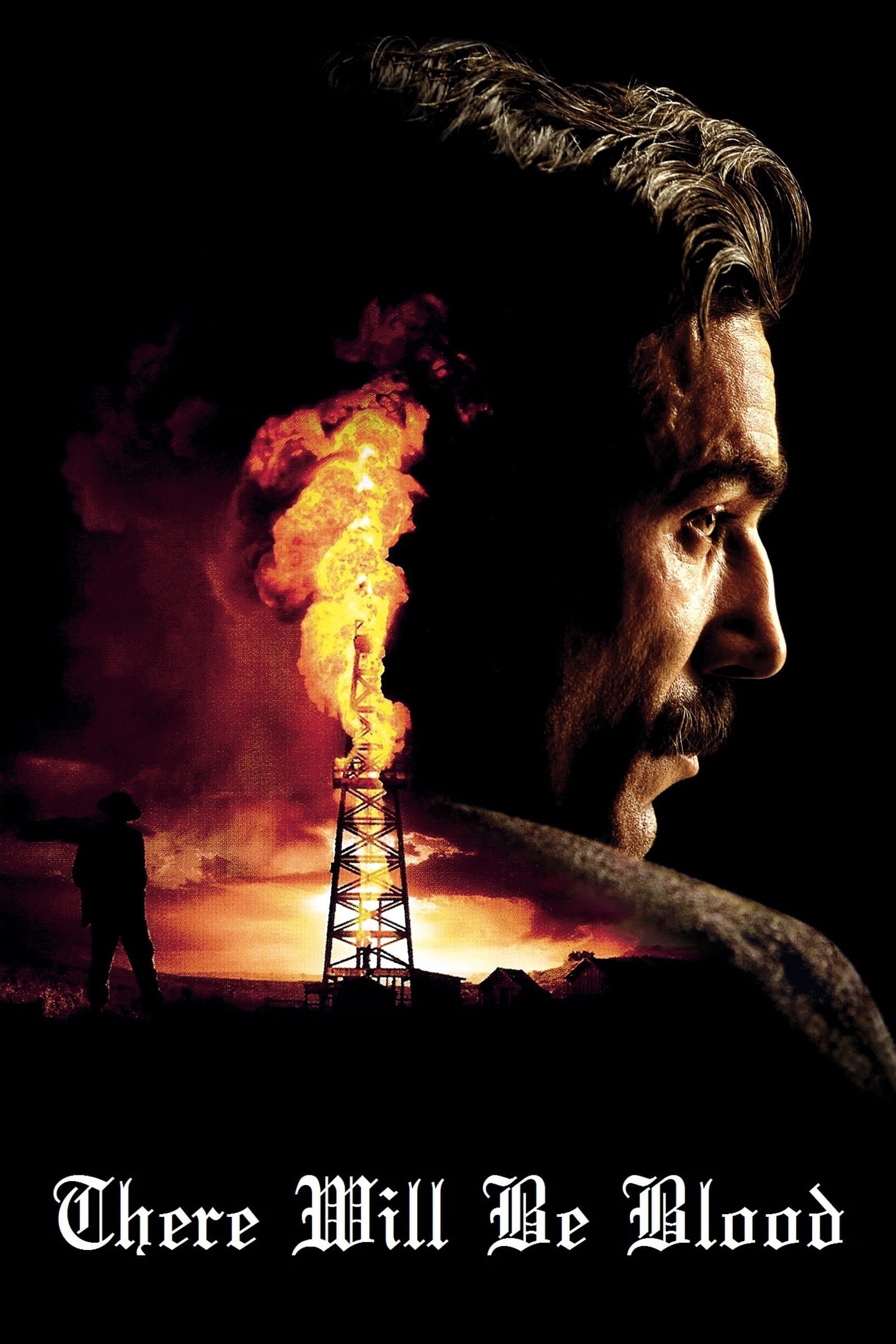
This period drama follows a prospector who builds an oil operation from a silver claim to a regional enterprise. Fieldwork covers surveying, derrick construction, and the logistics of hauling equipment to remote leases.
Key incidents include a well blowout that shows the hazards of pressure control and fire suppression with limited equipment. The story also tracks land deals through deeds, church negotiations, and conflicts between independent drillers and established interests.
‘Das Boot’ (1981)
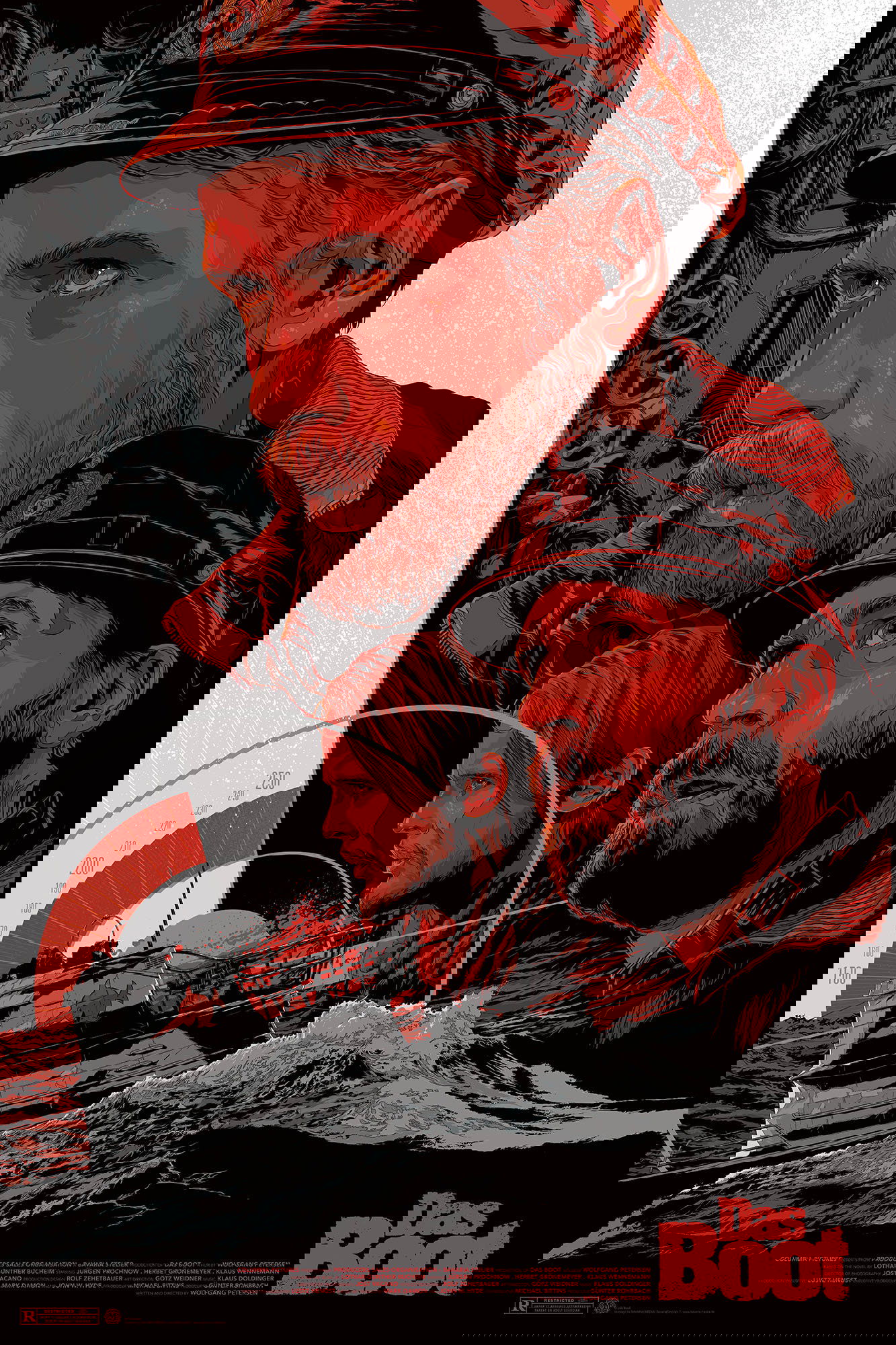
The film places a German submarine crew in the Atlantic during World War II. The production built a full scale interior set mounted on a hydraulic rig so the camera could move through narrow passageways while the hull pitched and rolled.
Operational scenes include dive orders, battery management, and depth charge procedures. The sound mix captures leaks, bulkhead groans, and changing engine states so each alarm and gauge reading carries clear operational meaning.
‘127 Hours’ (2010)
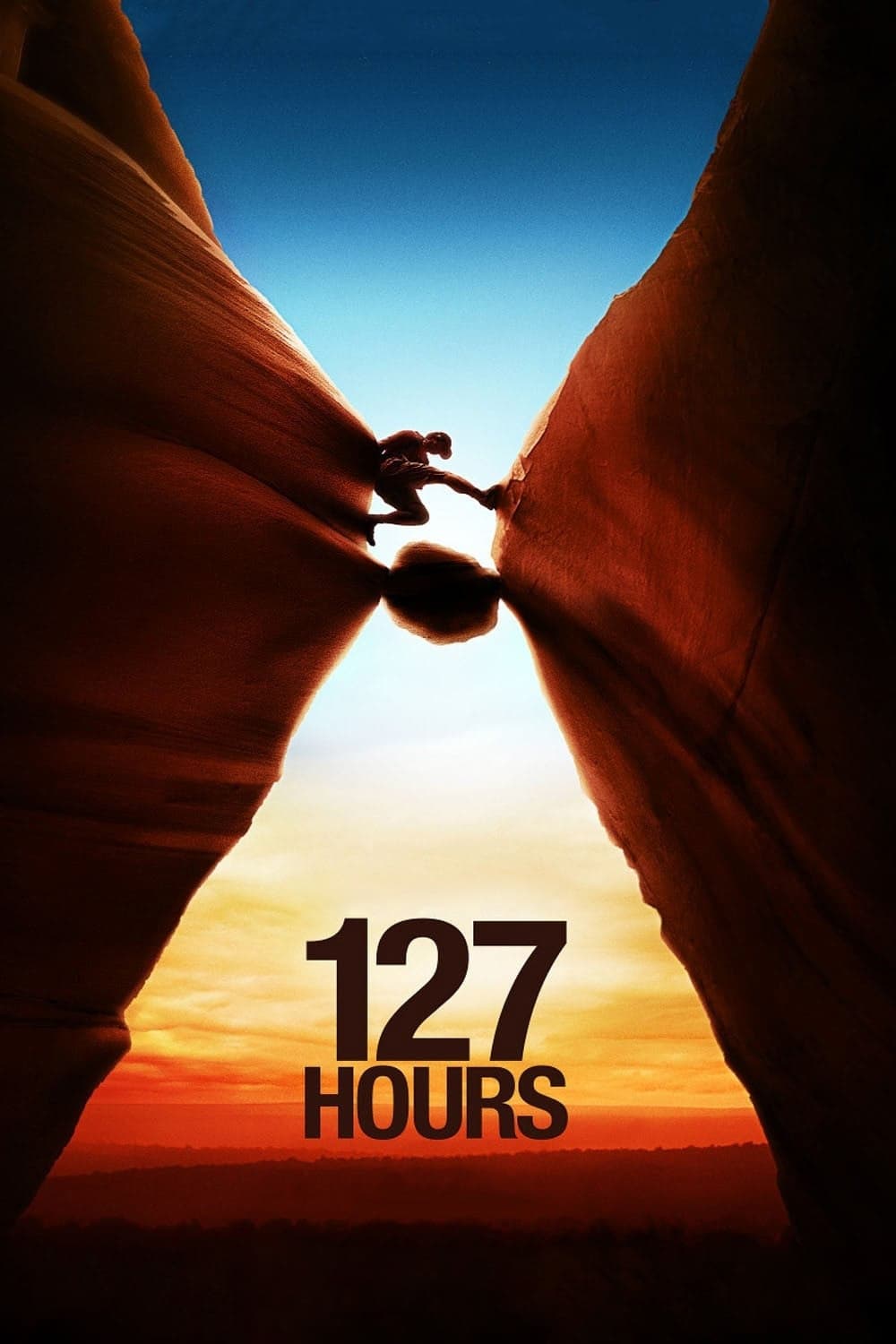
Based on Aron Ralston’s memoir, the film recounts a canyoneering accident in Utah where a climber becomes trapped by a dislodged boulder. The production shot in Bluejohn Canyon and on a detailed set to replicate the crevice dimensions for accuracy in reach and leverage.
Survival steps appear as practical checklists covering water rationing, tool improvisation, and attempts at mechanical advantage with anchors and pulleys. Video diary segments document energy levels and decision points before the final self rescue.
‘Sicario’ (2015)
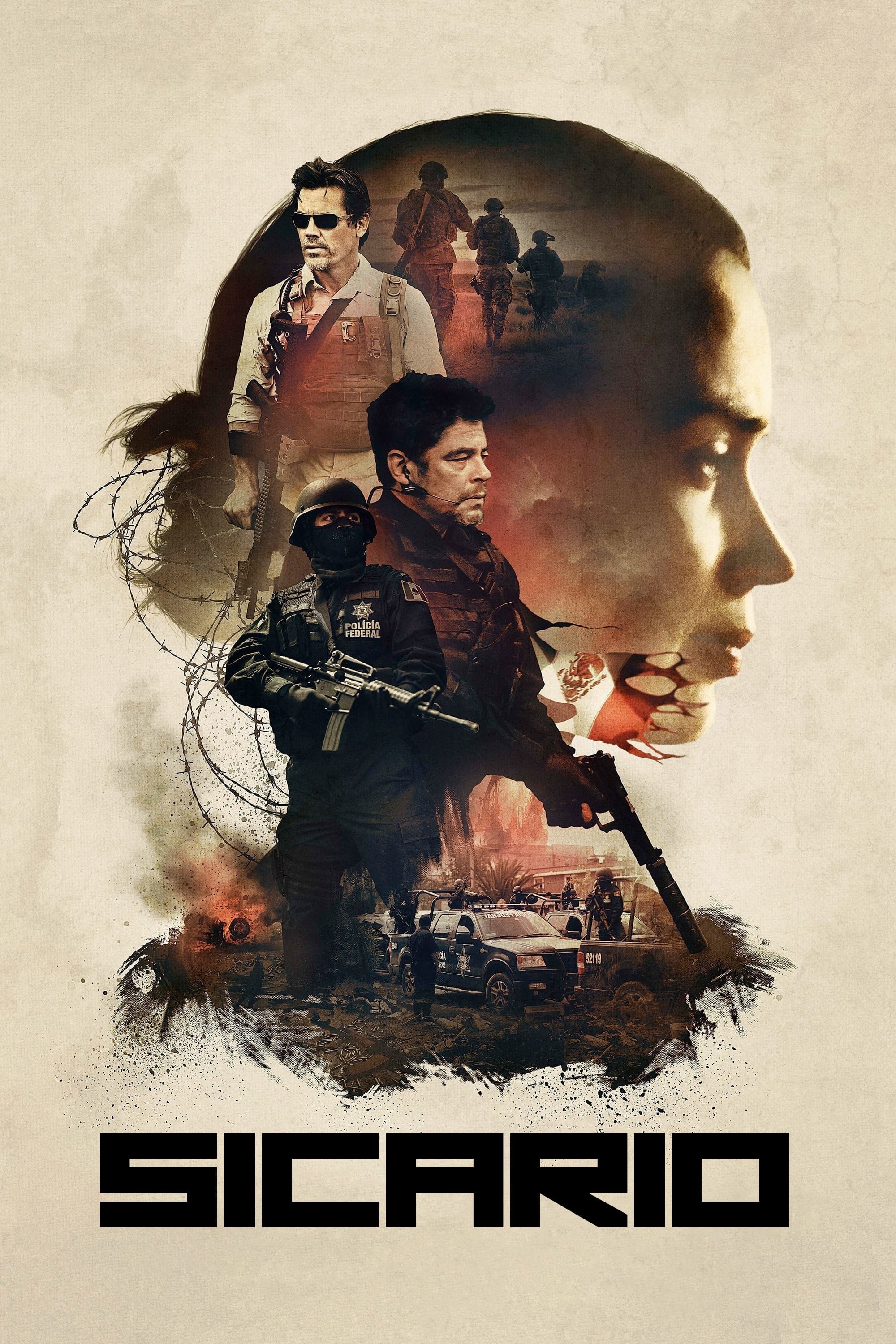
A federal agent joins an interagency task force that conducts operations along the border. The film outlines jurisdictional structures, convoy tactics, and nighttime surveillance in urban neighborhoods and desert terrain.
Operations are staged with aerial shots tied to ground team movements so line crossing points and staging areas are clear. The score and sound design emphasize rotor wash, checkpoint commands, and radio traffic to place the viewer inside briefings and extractions.
‘The Truman Show’ (1998)
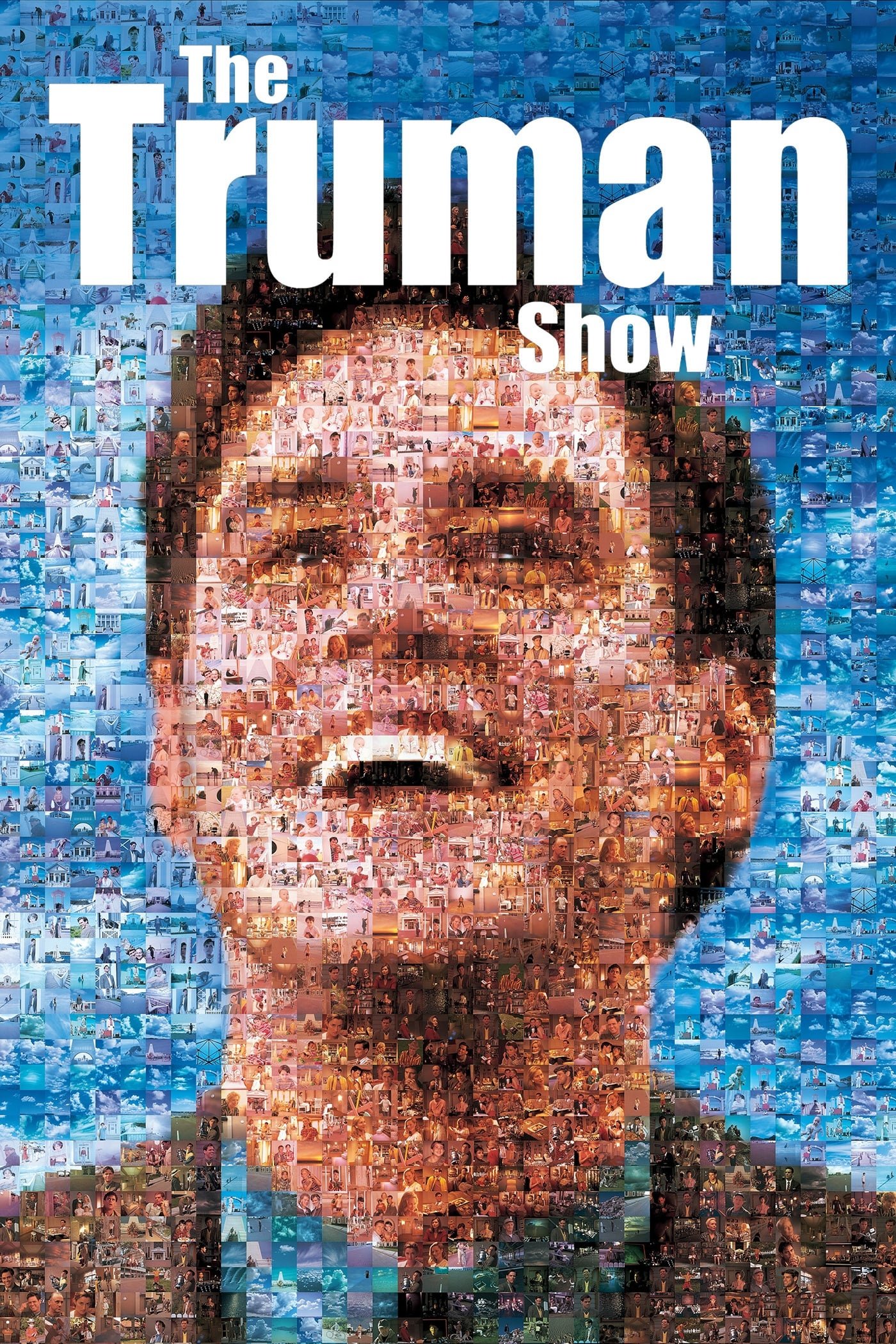
This satirical drama follows a man who lives inside a constructed town where cameras record his daily life. The production used a master planned community in Florida to provide uniform architecture and sightlines suitable for hidden camera placements.
Corporate control of the show appears through product placement, audience metrics, and scripted weather. Technical infrastructure includes a lunar studio headquarters, cue operators, and fail safes that respond when the subject deviates from expected behavior.
‘Parasite’ (2019)

This Korean film follows a family that integrates into the household staff of a wealthy family through staged referrals. The primary set is a custom built home with specific sightlines between floors, yard, and street entry so class boundaries are visible within the architecture.
Plot turns rely on forged documents, phone message trails, and hidden spaces that alter who holds leverage in the house. Rainfall and drainage become functional plot devices as characters navigate basements, slopes, and street level areas affected by runoff.
‘Shutter Island’ (2010)
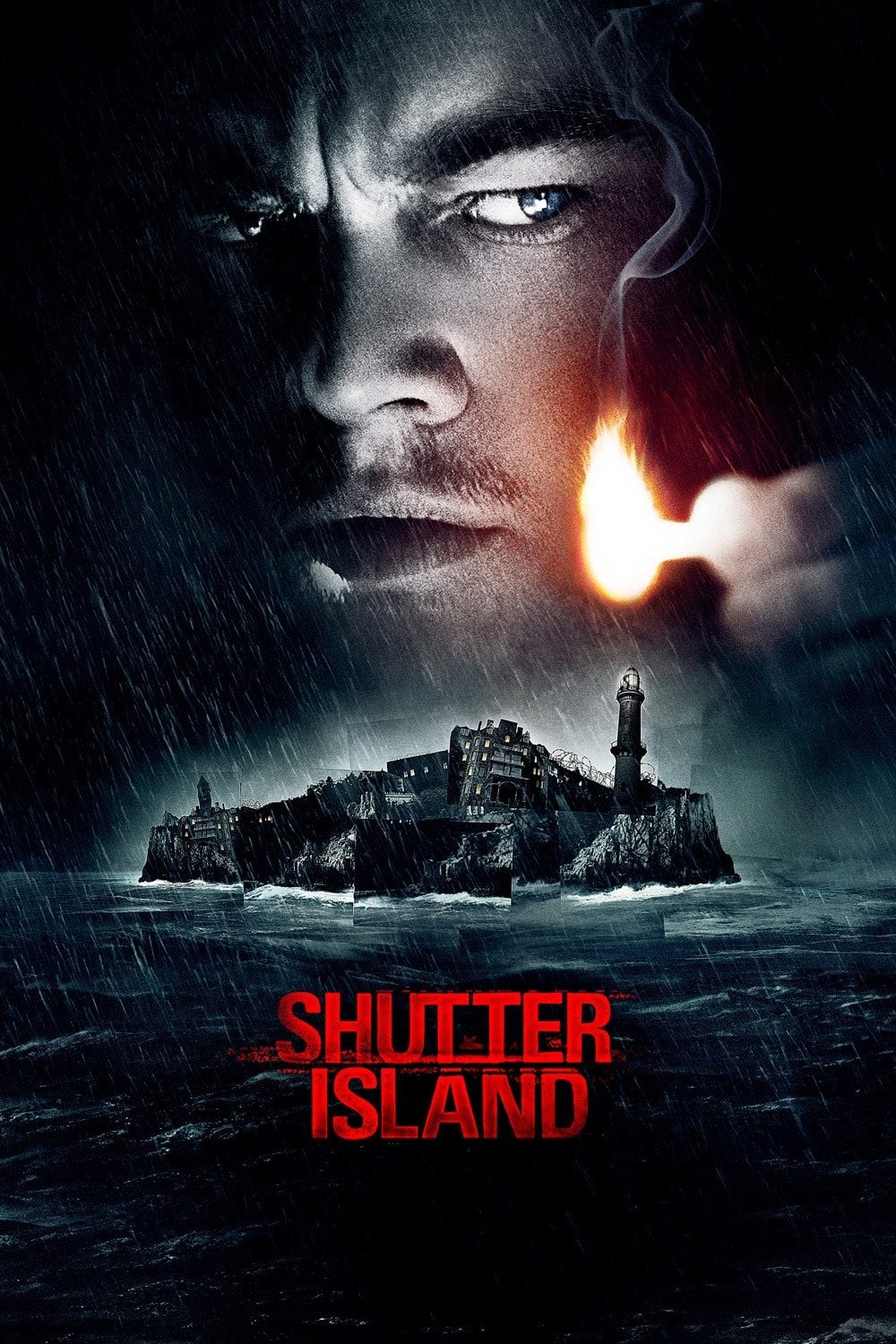
Two federal marshals travel to a remote hospital for the criminally insane to investigate a disappearance. The film uses a storm timeline to restrict travel and power, forcing interviews and searches to occur under backup lighting and limited communications.
Medical records, intake forms, and patient interviews shape the investigation while flashbacks introduce wartime experience that complicates memory and perception. The island setting is mapped through cliffs, wards, and a lighthouse so each location feeds the final case file.
Share the non horror movie that unsettled you the most in the comments.