The Best Anime You’ve Probably Never Heard Of


Some anime fly under the radar despite distinct ideas, careful craft, and memorable execution. This list gathers titles that did not always get mainstream marketing but deliver tight storytelling, striking direction, or unusual formats that reward a curious watchlist.
You will find short films, OVAs, and limited series next to single season television runs. For each entry you get the essentials that matter when deciding what to watch next, including format, creators, and what makes the premise stand out without giving anything away.
‘Kaiba’ (2008)
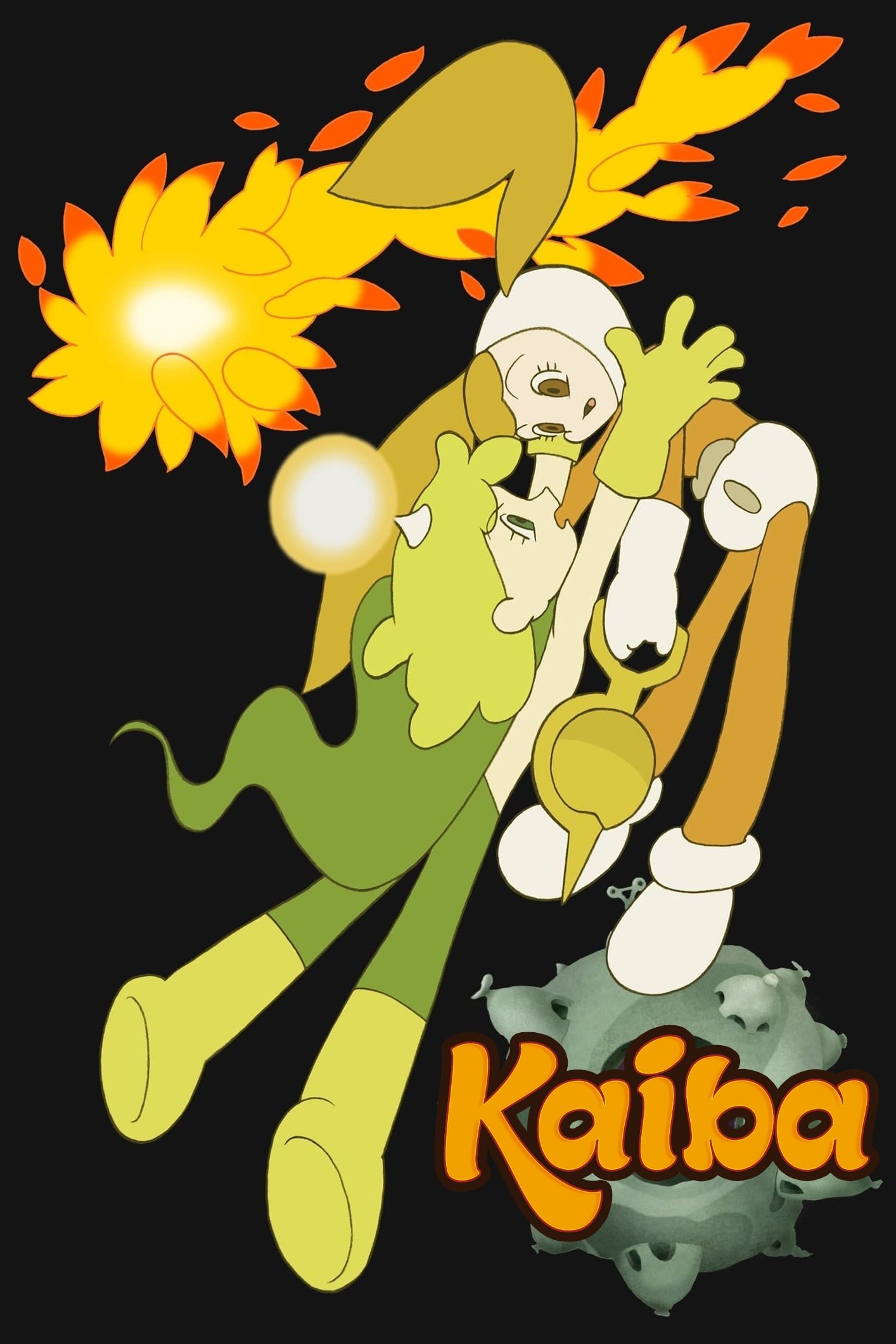
This science fiction series from director Masaaki Yuasa and studio Madhouse presents a world where memories move between bodies through implanted chips. The show runs for twelve episodes and uses a minimalist art style that contrasts with complex questions about identity and class.
Music by Kiyoshi Yoshida supports quiet planetary travel and chase sequences with a consistent motif. Episodes link through a larger mystery rather than a monster of the week structure which makes the order important.
‘Mononoke’ (2007)
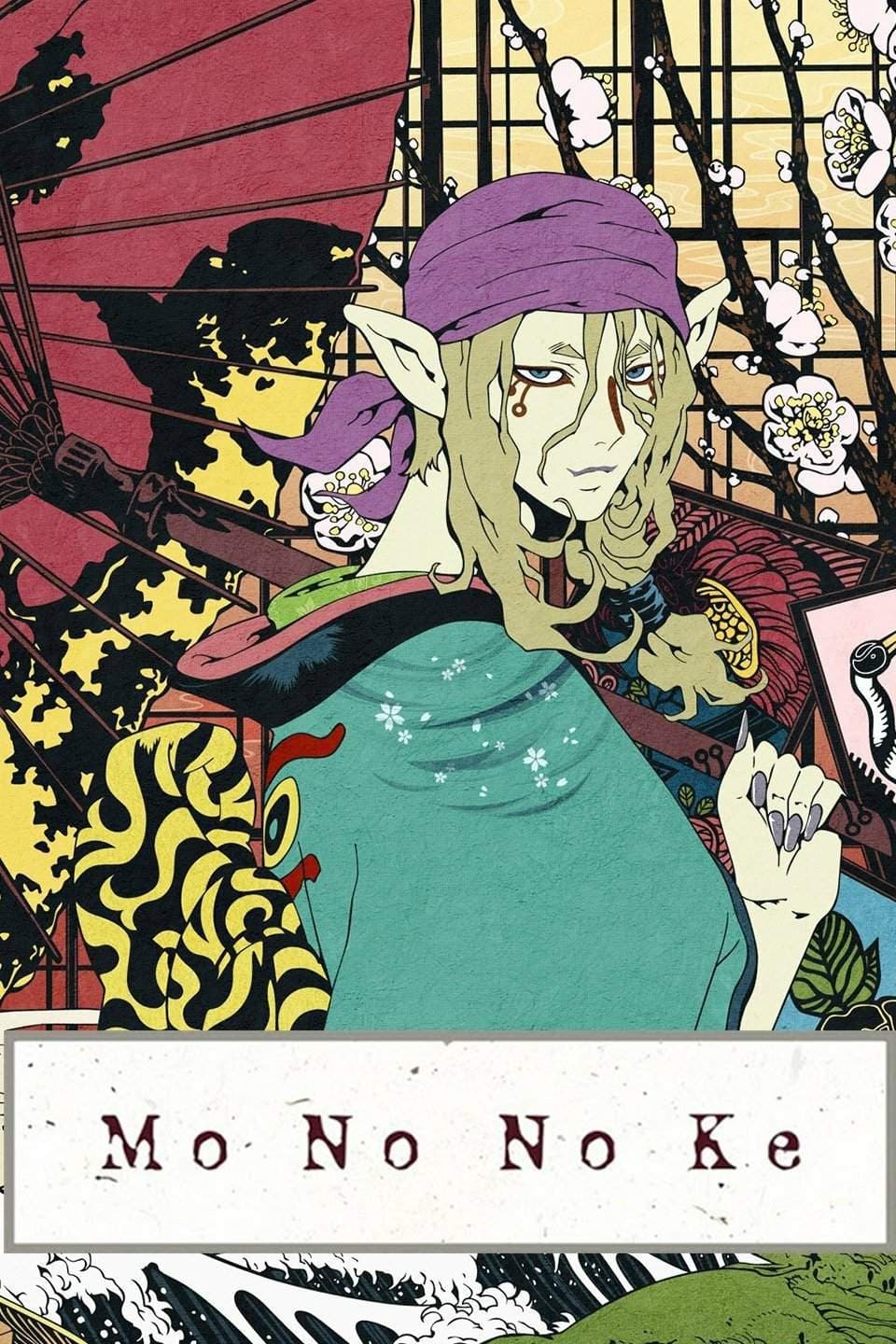
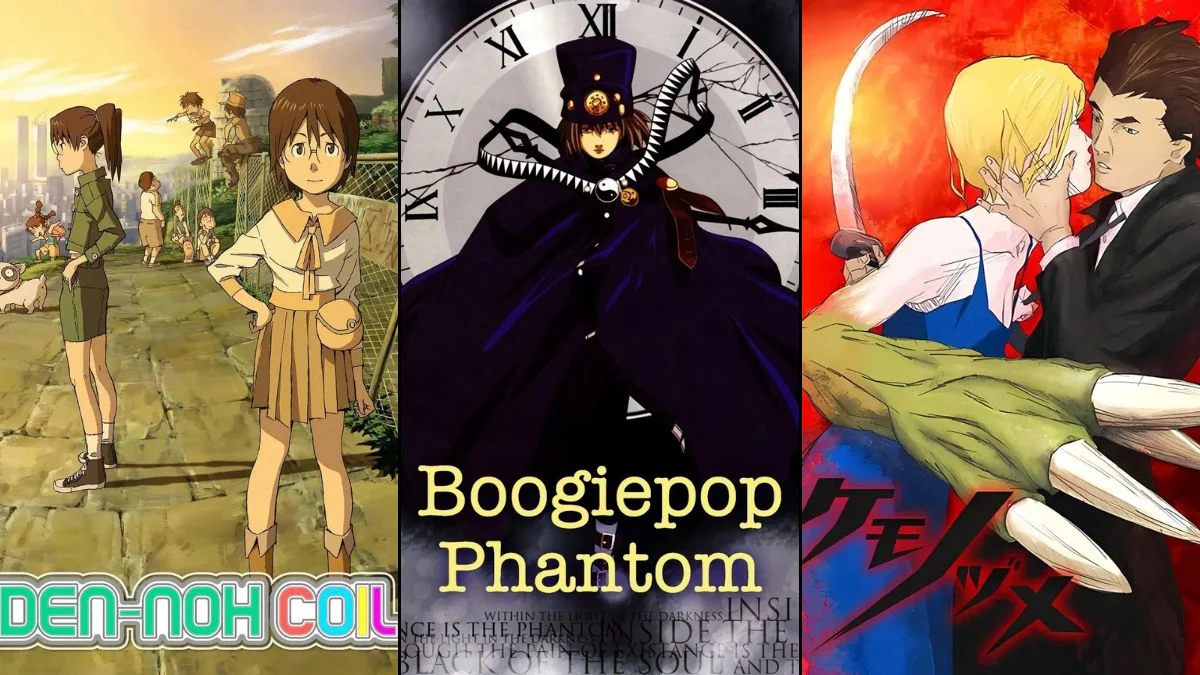
This series follows the Medicine Seller as he investigates spirits through three step exorcisms named Form, Truth, and Reason. Toei Animation builds each arc as a self contained case that blends period settings with supernatural folklore.
Art direction uses layered textures inspired by woodblock prints and sliding screen compositions. The score and sound design lean on percussive cues that highlight investigative beats and ritual moments.
‘Den-noh Coil’ (2007)
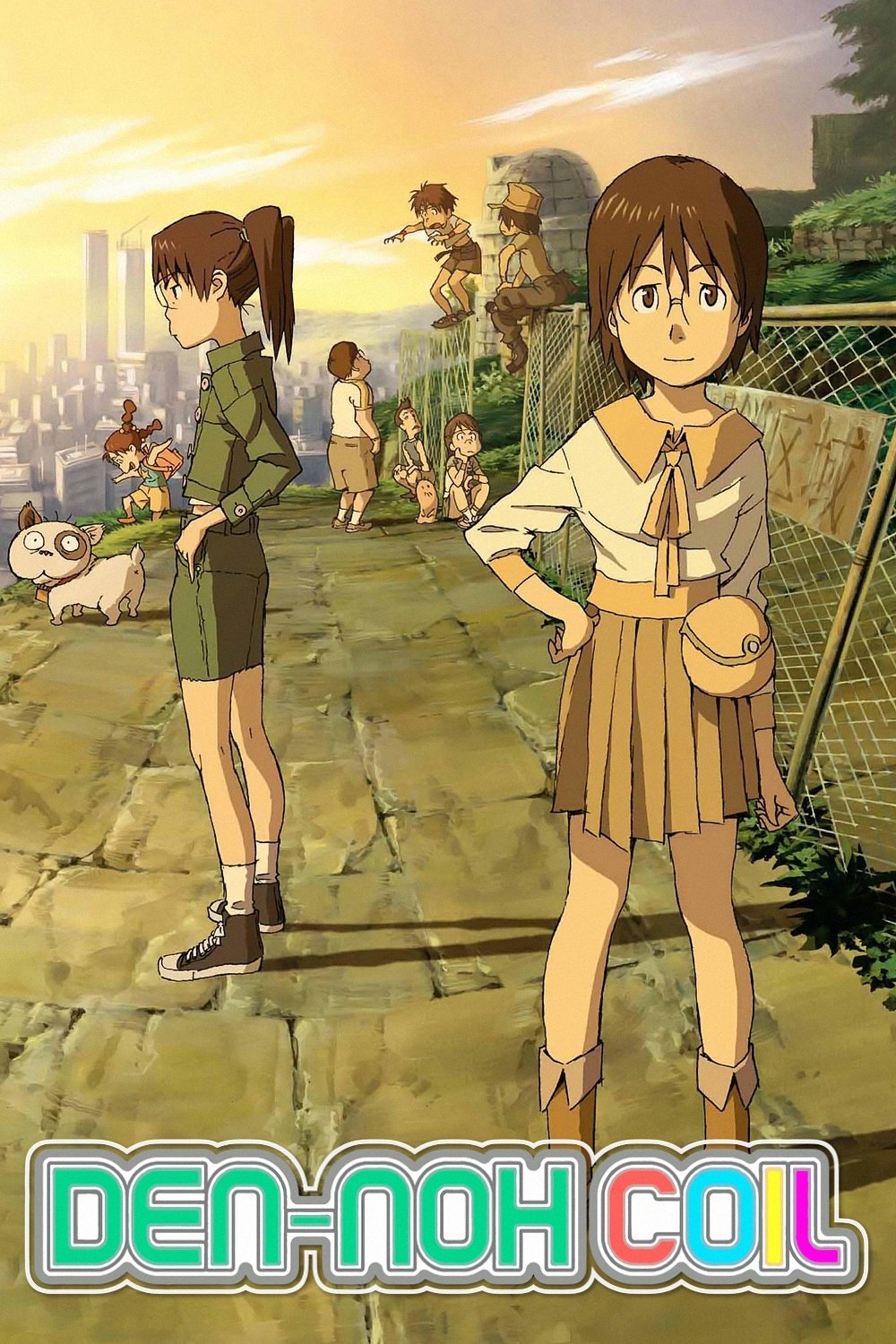
This original series from director Mitsuo Iso explores augmented reality glasses used by schoolchildren in a near future city. Madhouse produced twenty six episodes that combine urban exploration with network glitches and lost data ghosts.
The show explains its rules with technical clarity through in universe software tools and illegal patches. Character movement animation uses detailed motion that reflects Iso’s focus on realistic timing.
‘Kemonozume’ (2006)
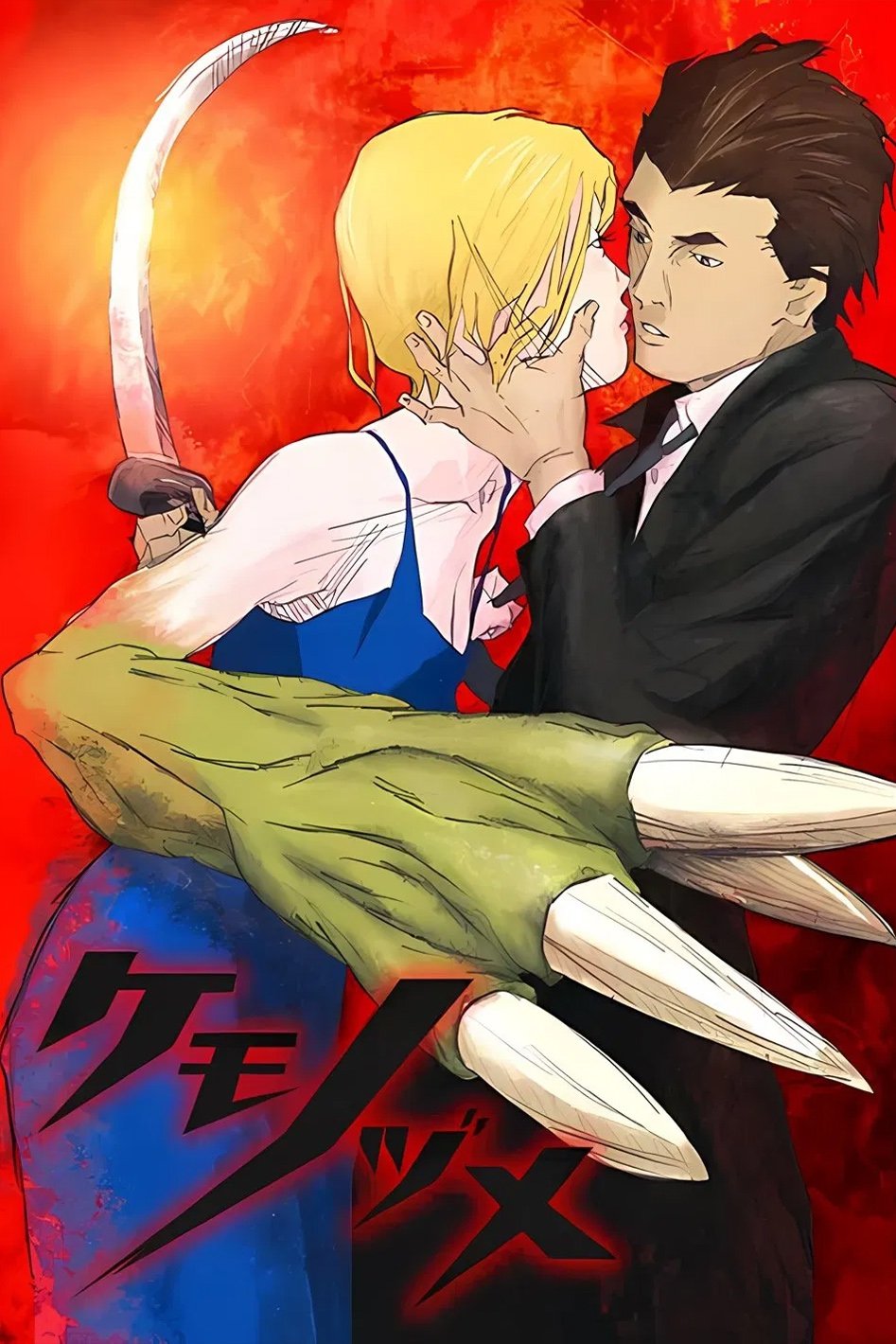
Studio Madhouse animates a story about human monster hunters and flesh eating beings called Shokujinki. The series uses rough linework and bold layouts guided by director Masaaki Yuasa to match the volatility of its subject.
Episodes alternate between procedural pursuits and personal fallout as the two sides clash. Limited color backgrounds and abstract interludes keep attention on gesture, framing, and choreography.
‘Texhnolyze’ (2003)
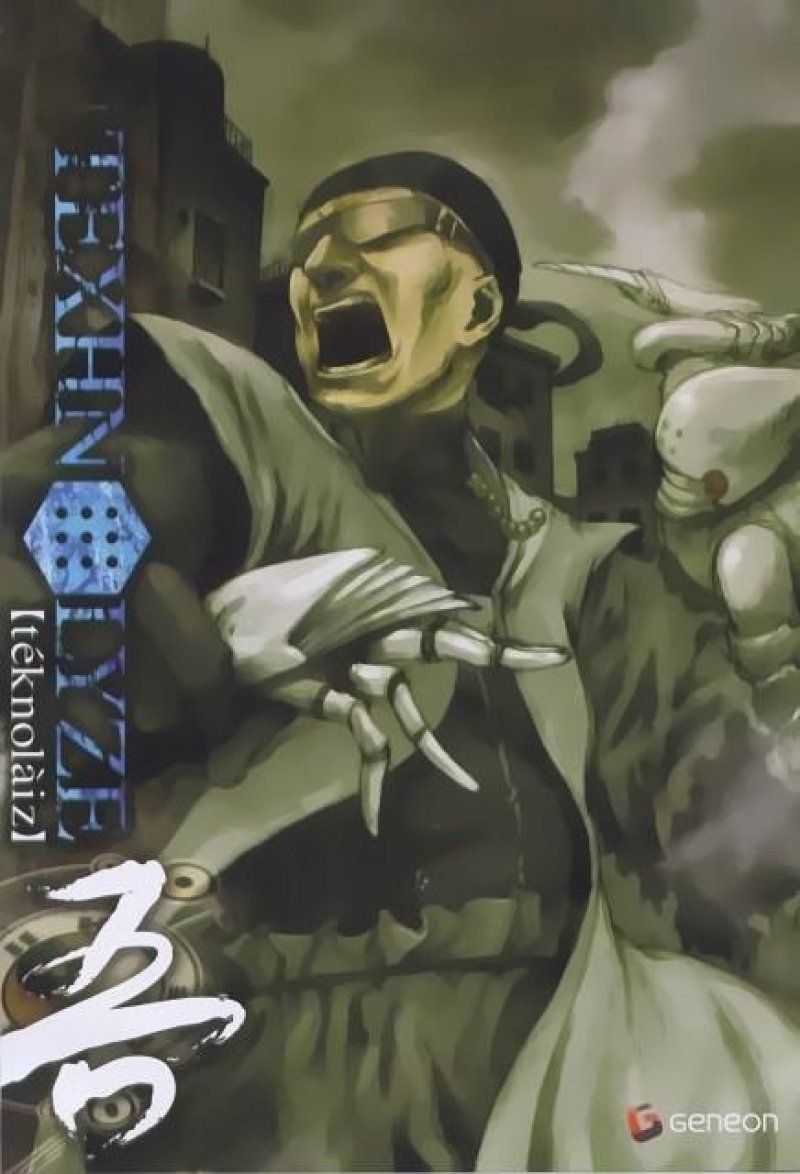
This series from studio Madhouse takes place in the underground city of Lux where cybernetic limbs are currency and power. The show runs for twenty two episodes with direction from Hiroshi Hamasaki and story composition by Chiaki J Konaka.
Dialog is sparse in early episodes and gives way to visual worldbuilding through industrial machinery and territorial maps. Mechanical designs and muted palettes track the shift from organic control to engineered survival.
‘Ergo Proxy’ (2006)
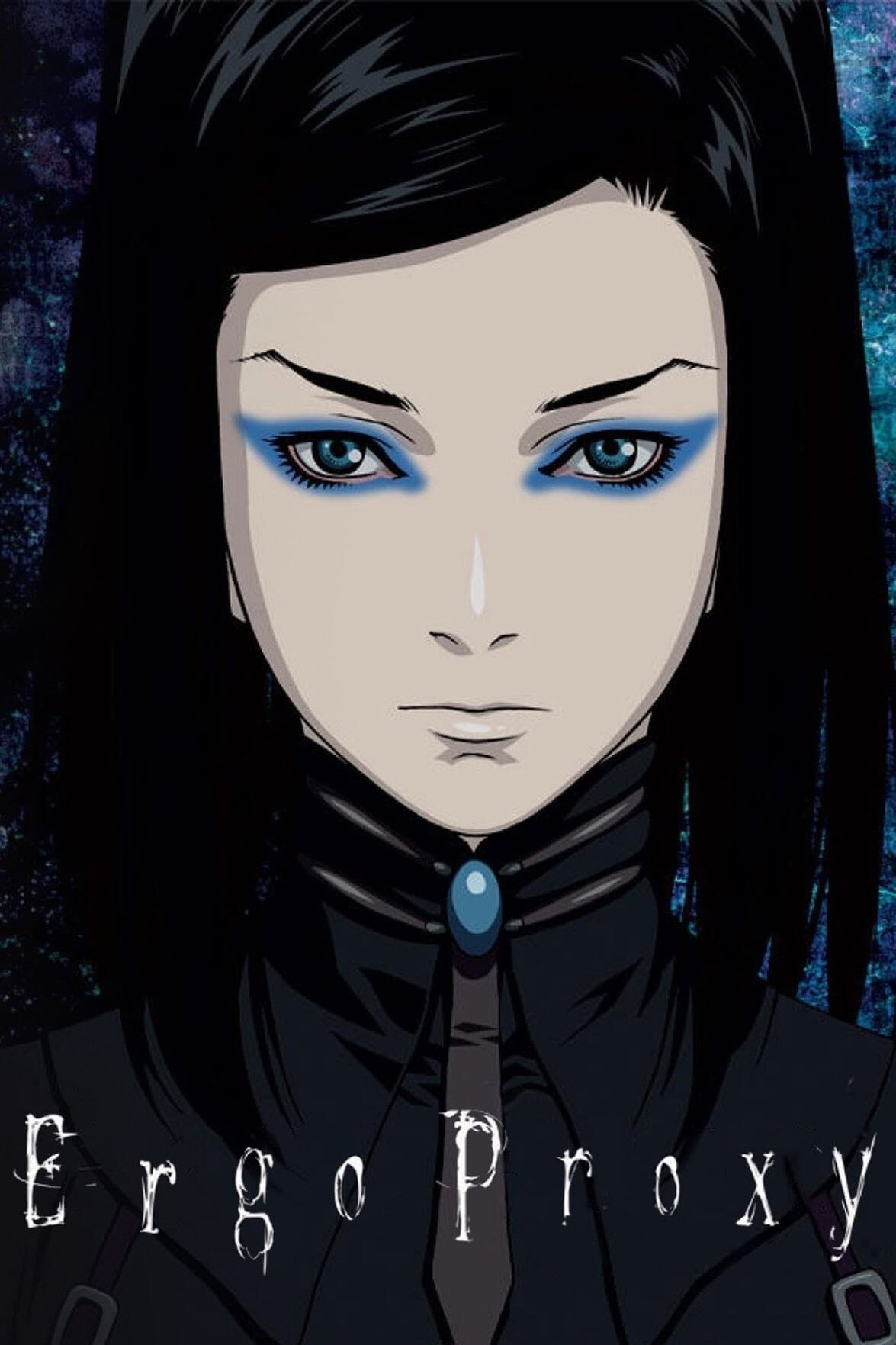
Manglobe produced this dystopian series where domed cities rely on androids known as AutoReivs and a mysterious entity called Proxy. Director Shuko Murase frames the investigation through a security inspector and a masked traveler.
The show mixes procedural episodes with philosophical detours while maintaining a consistent internal timeline. Lighting and composite work favor deep shadows that match the psychological tone of its setting.
‘Boogiepop Phantom’ (2000)
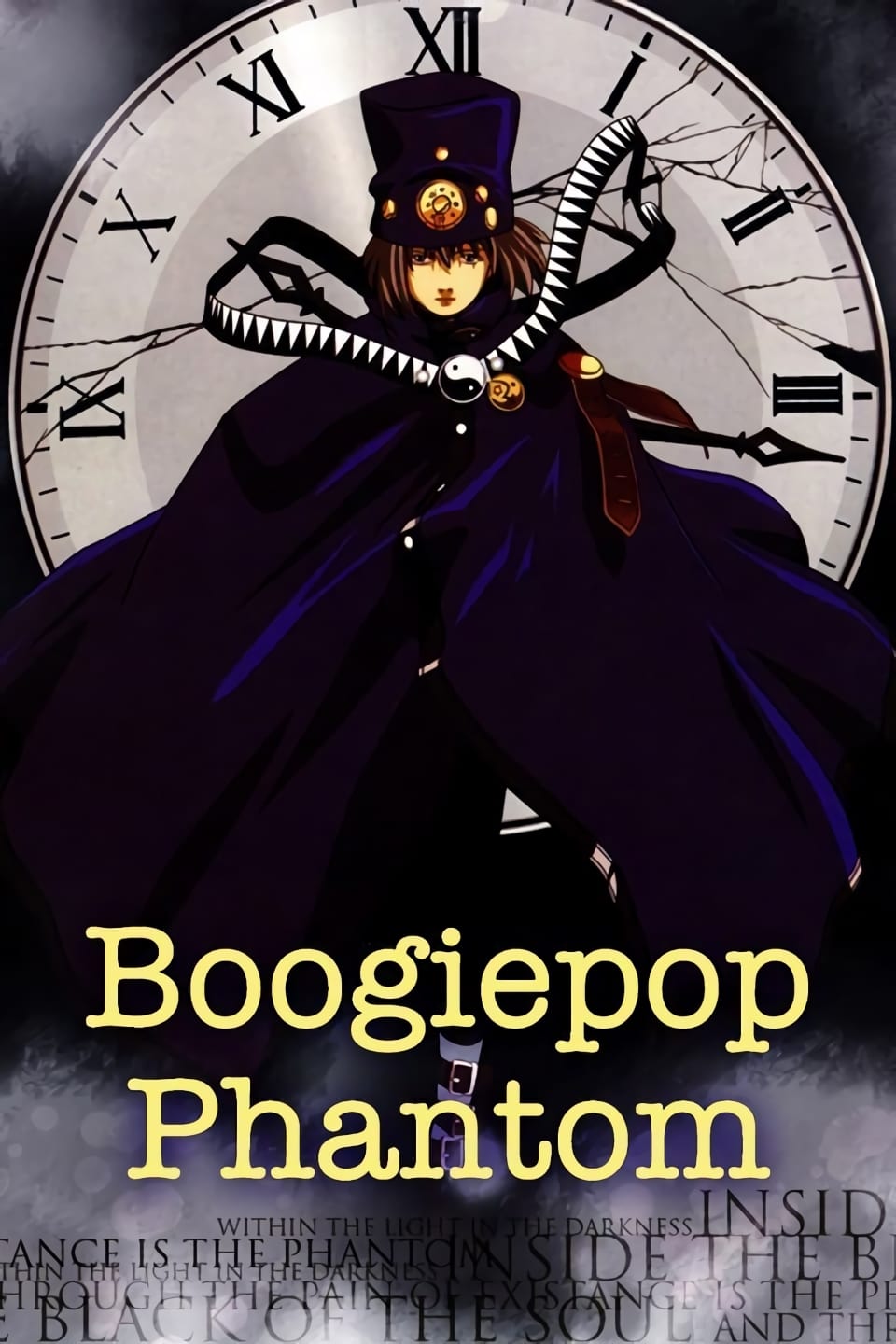
This series adapts elements from the light novels and uses a fractured timeline set around a citywide incident. Madhouse builds each episode around a different character who connects back to an urban legend known as Boogiepop.
Filters and low saturation give the show a nocturnal look that suits alleyway encounters and school rumors. The soundtrack leans on ambient cues that keep transitions between perspectives smooth.
‘Haibane Renmei’ (2002)
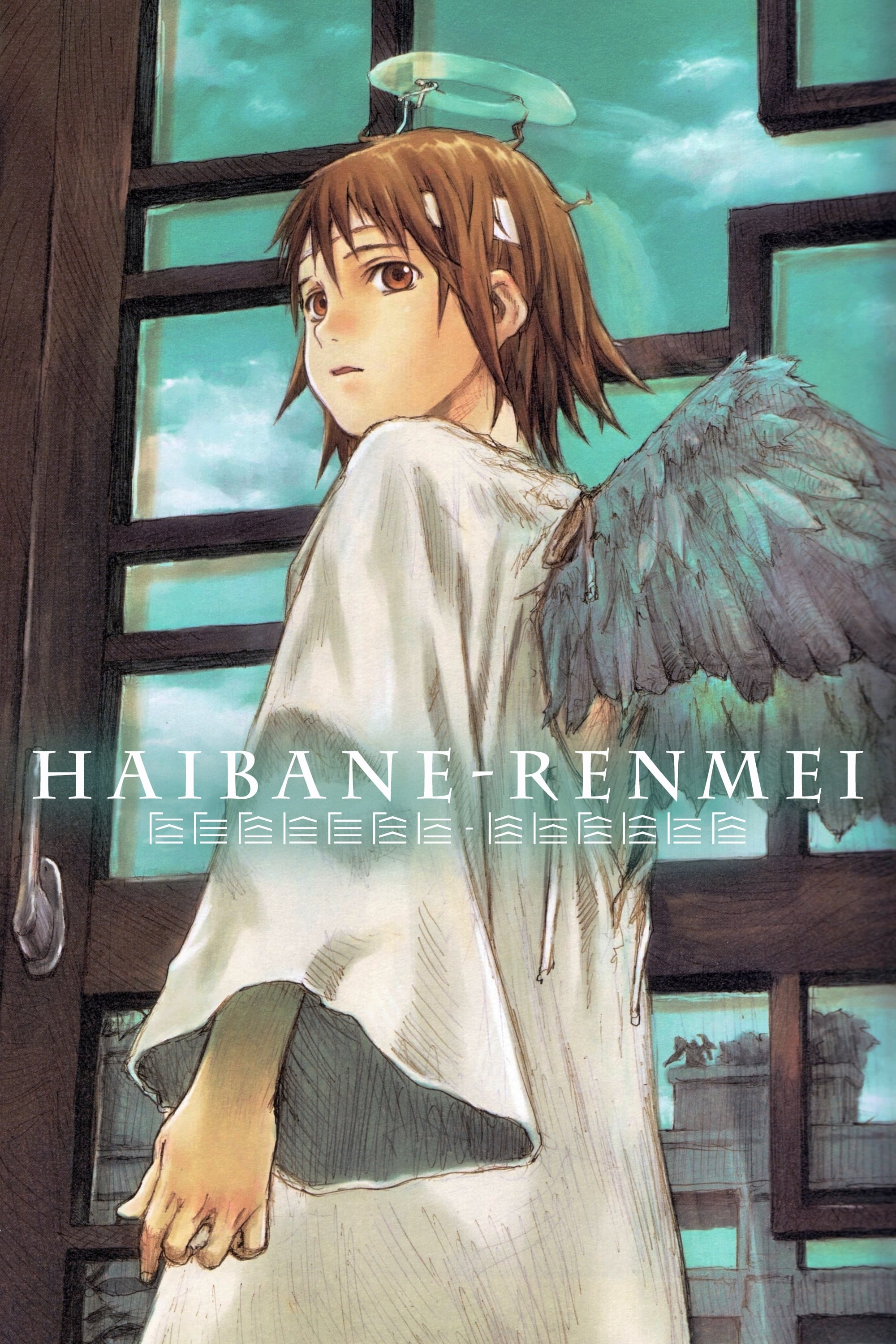
Based on a dojinshi by Yoshitoshi ABe, this series follows winged beings who live in a walled town with simple rules. Radix Ace Entertainment produced thirteen episodes with quiet pacing and careful attention to routines.
Worldbuilding arrives through work assignments, seasonal rituals, and archives that define rights and limits. The series maintains focus on community structures rather than external threats which keeps the scale intimate.
‘Now and Then, Here and There’ (1999–2000)
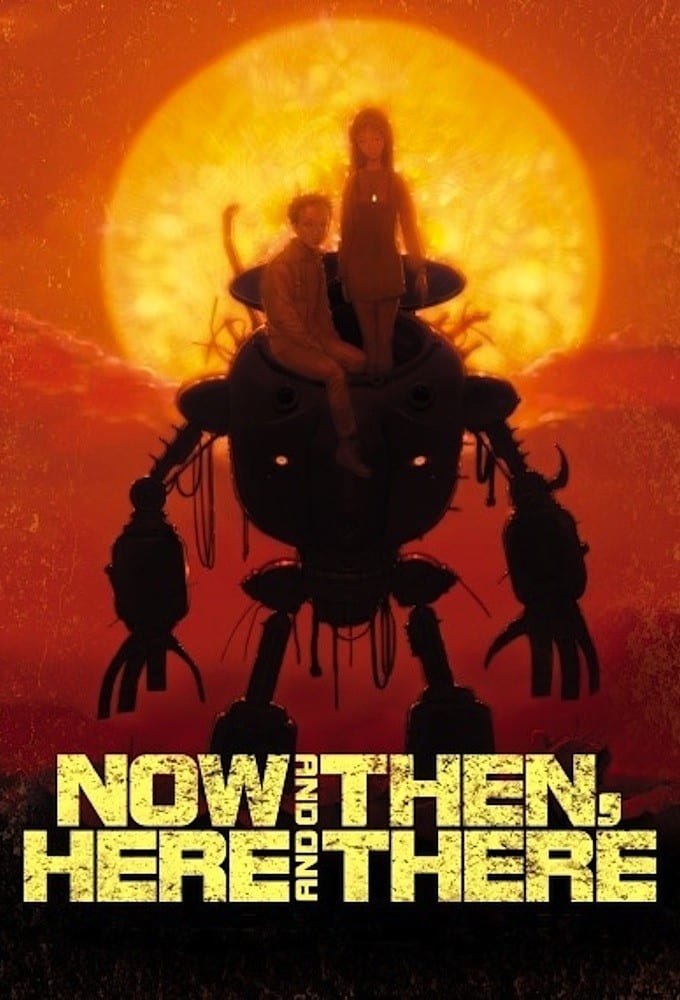
This adventure begins with a boy pulled into another world where scarce water drives conflict. Studio AIC delivers thirteen episodes that follow military conscription, rebellion, and resource control.
The production uses clear geography to explain supply lines and travel routes. Character designs by Akira Takada remain simple while the staging keeps action readable in tight spaces.
‘Aoi Bungaku Series’ (2009)
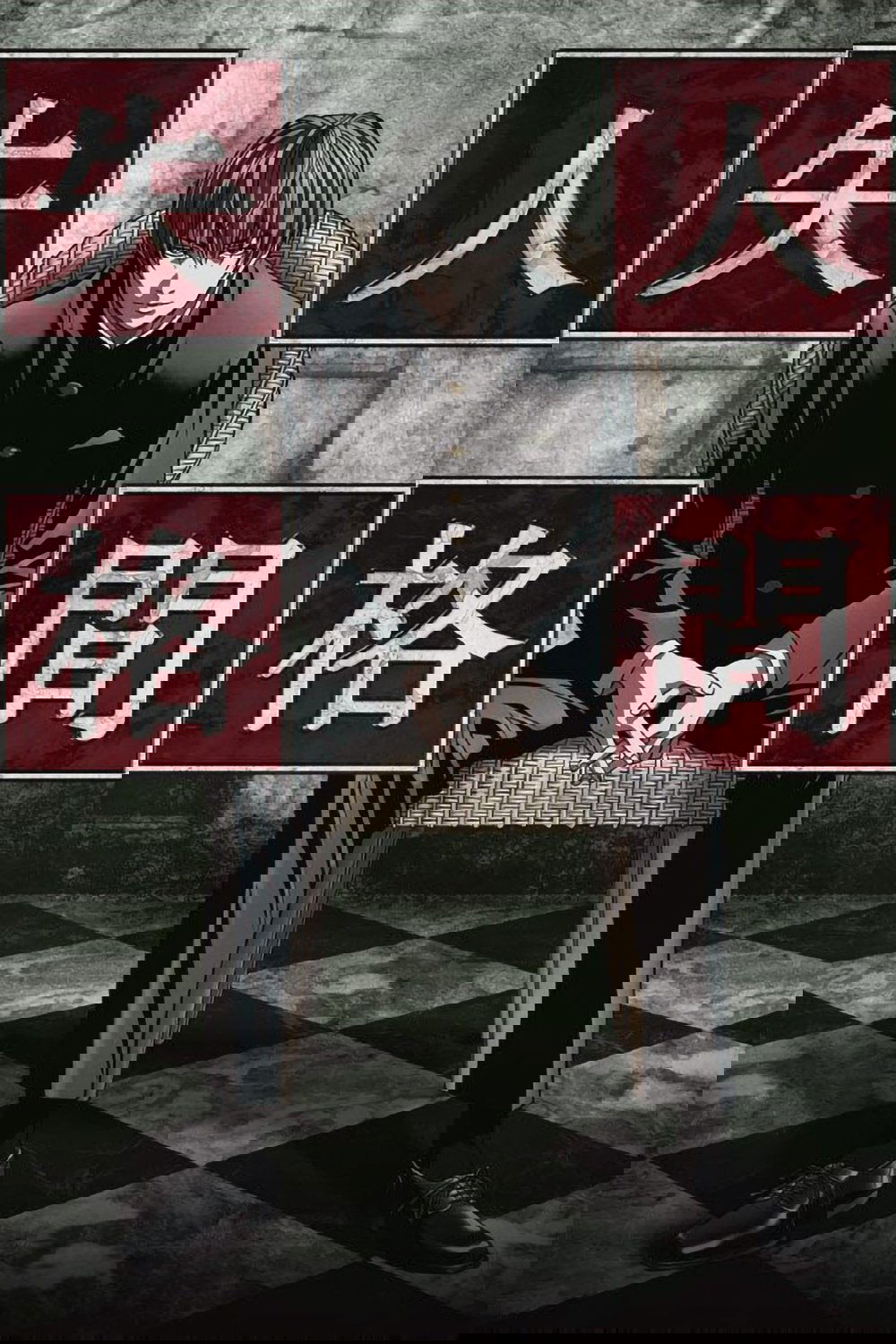
This anthology adapts classic Japanese literature across six stories with different directors and visual styles. Madhouse handles production with arcs that include titles from Osamu Dazai and other authors.
Each segment opens with context on the source and then shifts into a focused retelling with modern framing. Backgrounds and palettes change across arcs to reflect tone while the cast rotates to match each lead.
‘House of Five Leaves’ (2010)

Manglobe adapts the manga by Natsume Ono about a timid samurai who joins a kidnap for ransom group. The series runs for twelve episodes and brings Ono’s signature linework to television with gentle pacing.
Location work favors tea houses, alleys, and gates which support a focus on negotiation rather than duels. The soundtrack uses strings and flutes to underline formal etiquette and quiet tension.
‘Gankutsuou’ (2004–2005)
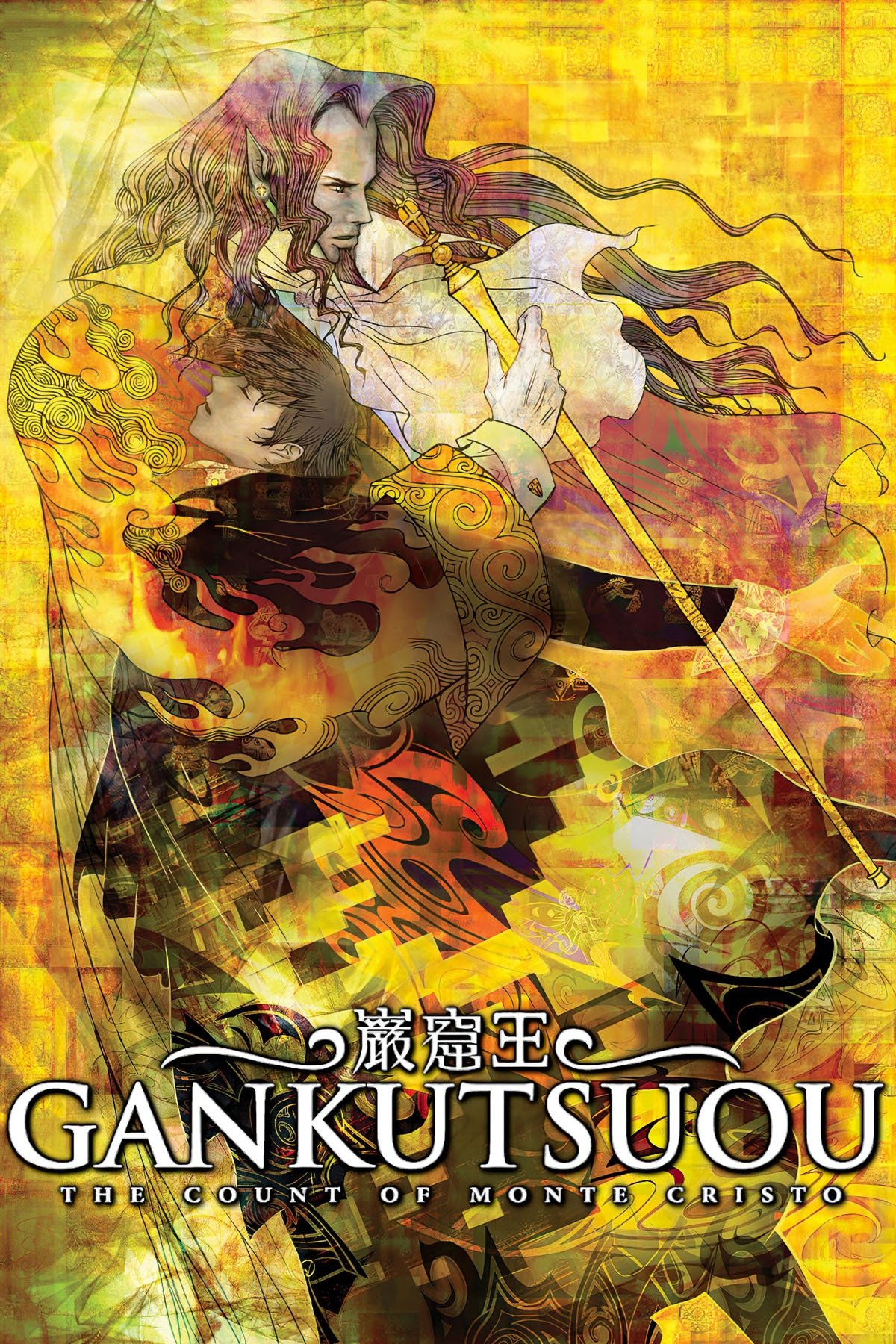
This adaptation of The Count of Monte Cristo moves the story to a futuristic setting. Gonzo employs patterned textures mapped onto characters and clothes to create a layered visual effect.
The narrative focuses on a younger perspective while keeping the original plot’s schemes and social circles. Episode structure uses court events, travel, and business dealings to explain alliances and debts.
‘Kyousougiga’ (2013)
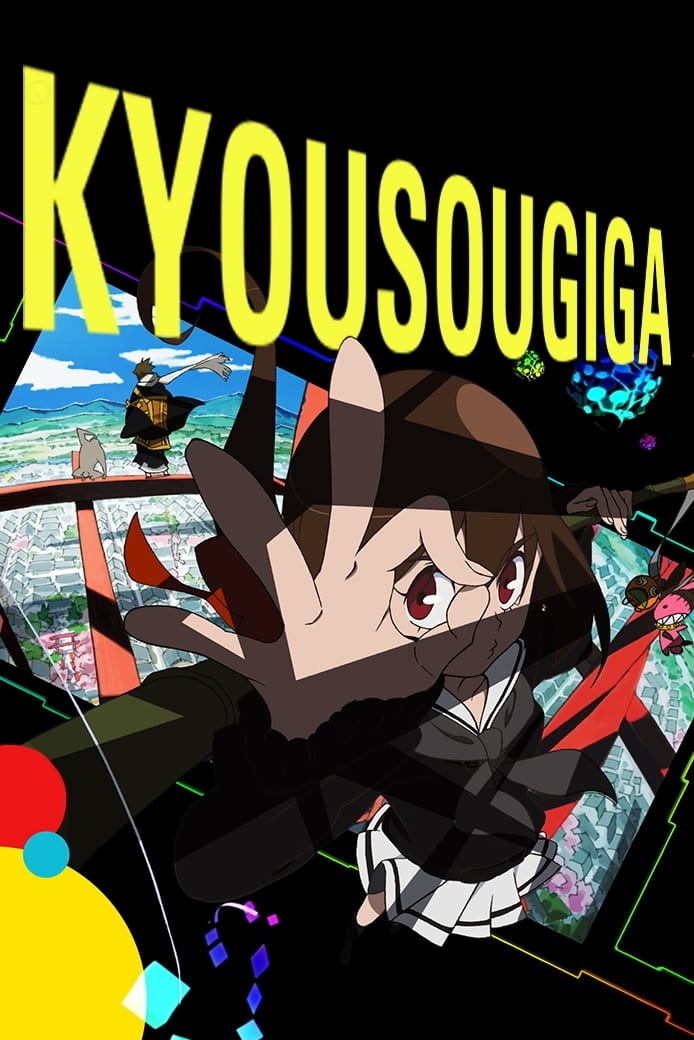
Toei Animation expands an earlier web project into a television series set in a mirror city built by a monk and a rabbit deity. The story centers on a family separated by time and space with rules explained through artifacts and murals.
Episodes include guideposts that recap prior events so the timeline stays clear. Action scenes rely on exaggerated perspective while quieter segments catalog locations like markets and shrines.
‘Planetes’ (2003–2004)
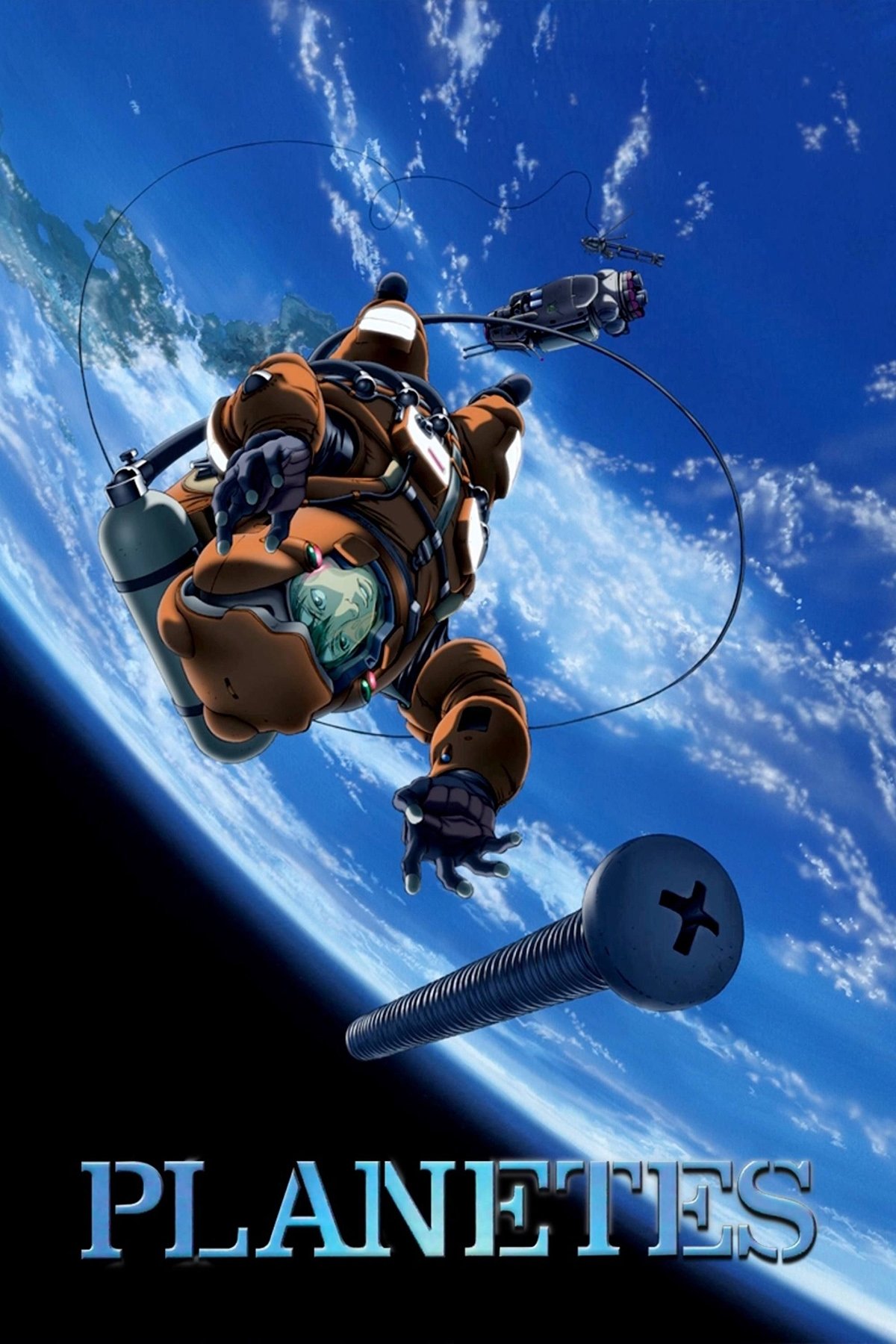
Sunrise adapts the manga by Makoto Yukimura about orbital debris collectors who secure damaged satellites and loose hardware. The series pays close attention to vacuum physics, thruster control, and safety procedures.
Hardware designs use labeled components and checklists during maintenance scenes. International crews, corporate contracts, and space law hearings give context for career paths and risk management.
‘Bartender’ (2006)

This series follows a quiet bartender who solves patron problems through careful drink selection and service. Palm Studio stages each episode within a few interior sets that support close up craft shots.
Recipes are presented with ingredients and barware while the show explains origin stories behind classic cocktails. The format works as a set of vignettes with new customers and case files each week.
‘Time of Eve’ (2008–2009)
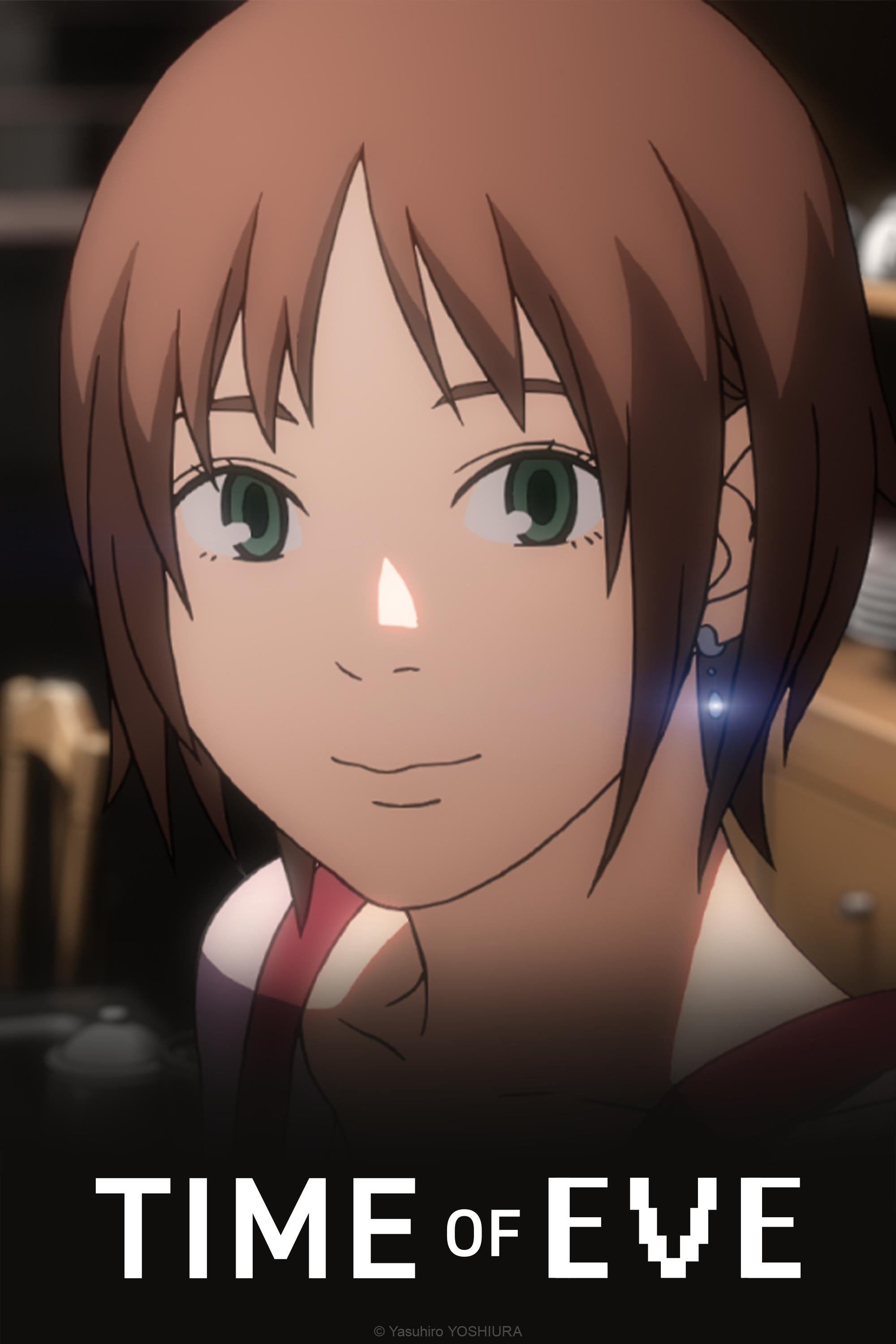
Studio Rikka releases this story as an online series about a café where humans and androids meet under a rule that forbids discrimination. The episodes later received a compiled feature version with extra scenes.
Dialogue explores ownership contracts, body specifications, and serial numbers while showing ordinary routines. Visual direction uses reflections and tracking shots to draw attention to subtle behavior changes.
‘Angel’s Egg’ (1985)
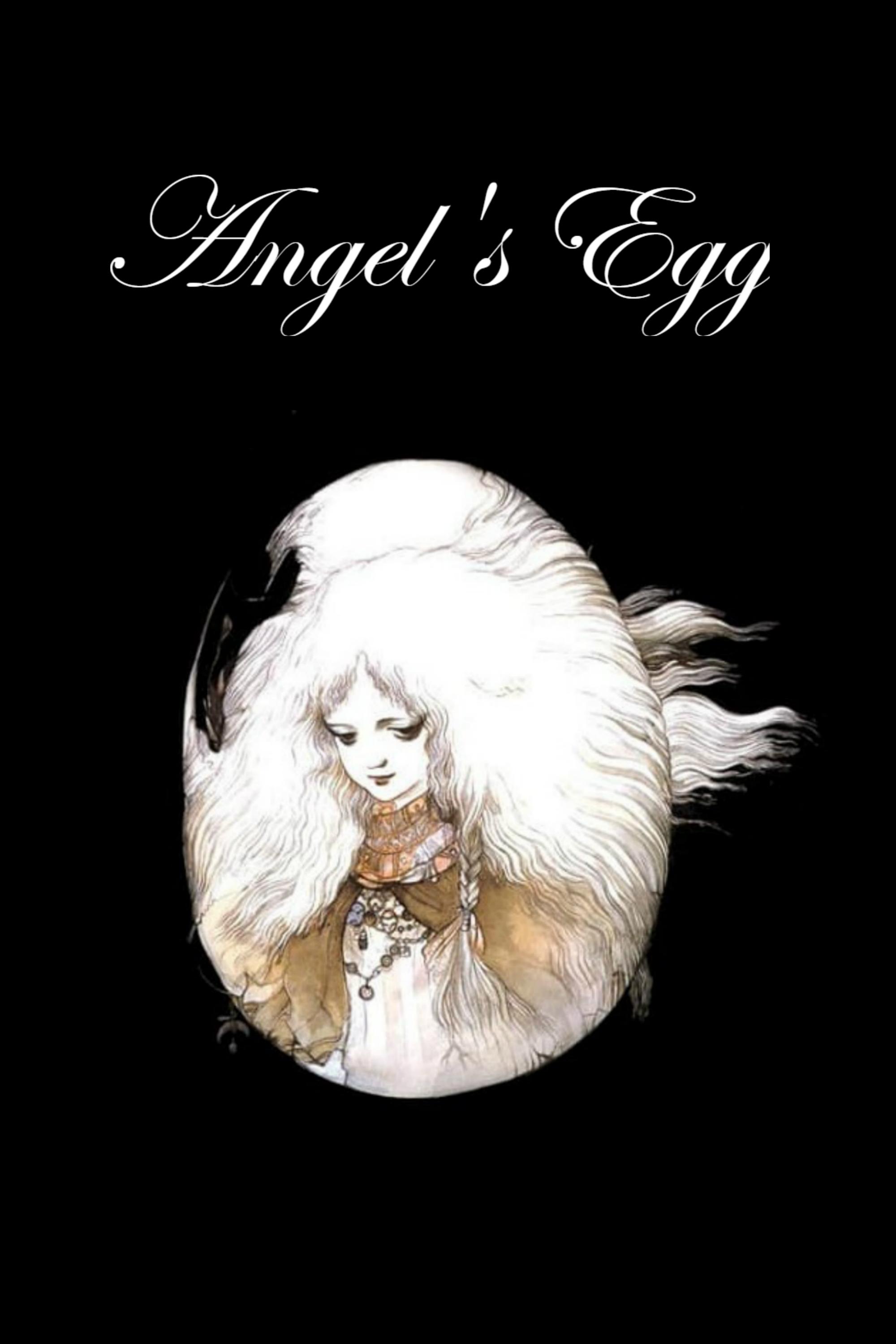
This feature film by director Mamoru Oshii and artist Yoshitaka Amano presents a near silent story with religious imagery. The production uses painted backgrounds and long takes to set a contemplative pace.
Props and architecture repeat across scenes to create a sense of ritual. Minimal dialogue places emphasis on movement, water levels, and the handling of the egg itself.
‘Cat Soup’ (2001)
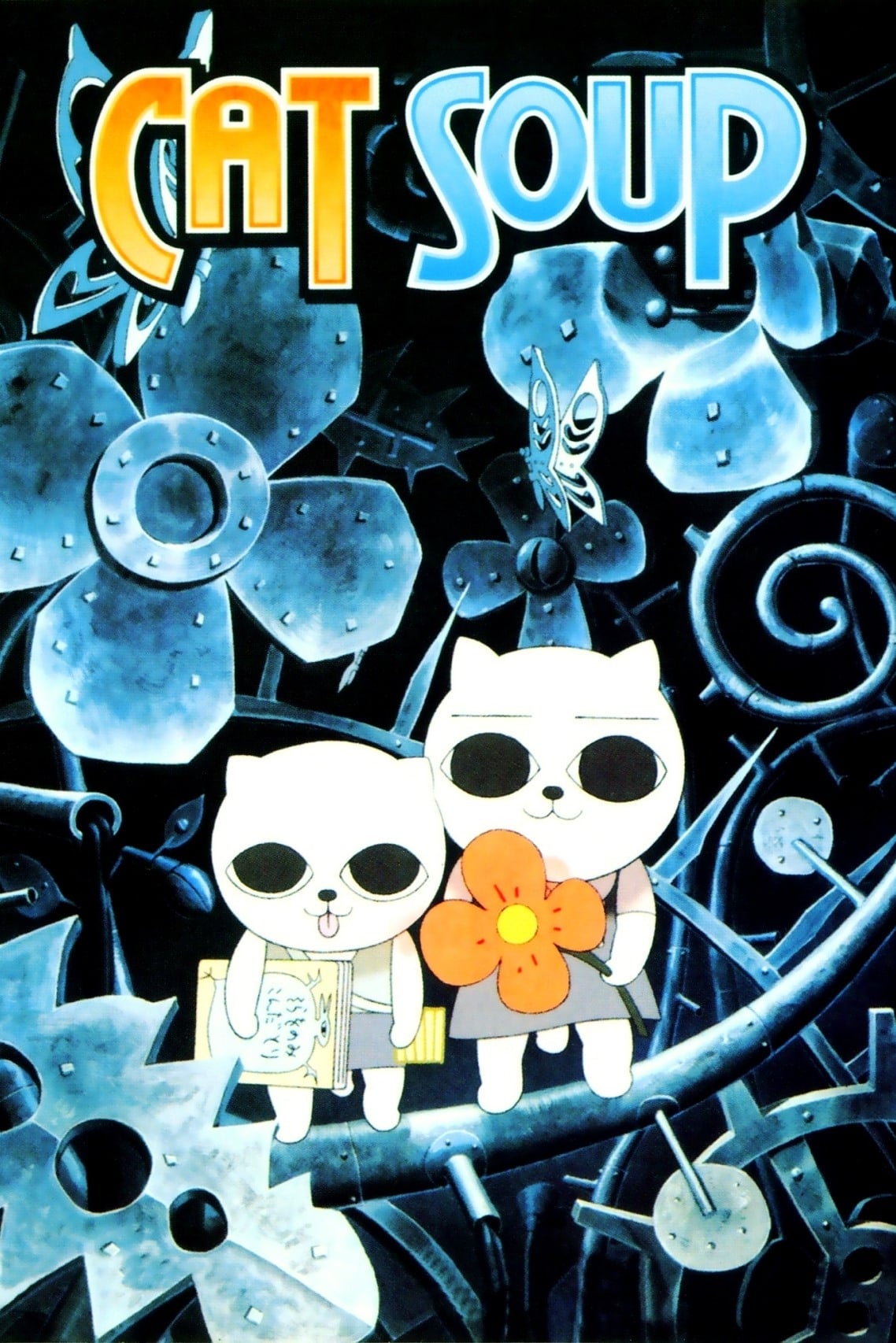
This short film from studio J C Staff adapts work by Nekojiru into a surreal journey that follows a cat sibling duo. The runtime is under forty minutes which makes it an efficient watch for an experimental slot.
The film progresses through wordless set pieces that rely on visual gags and symbolic detours. Sound design switches between electronic pulses and quiet ambience to frame each sequence.
‘Pale Cocoon’ (2005)
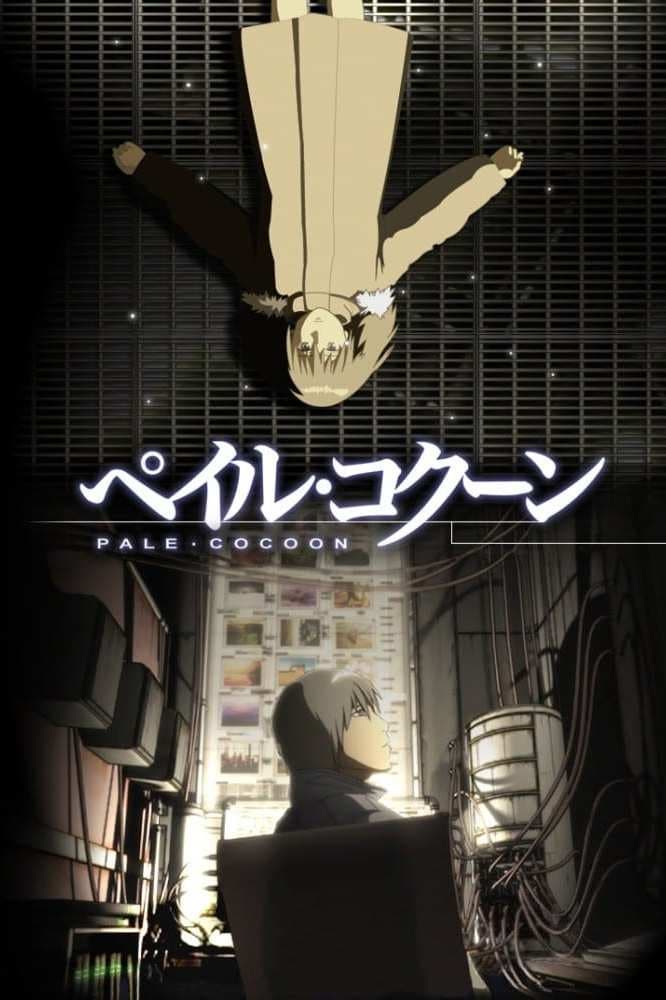
This single episode OVA from Yasuhiro Yoshiura takes place in an archival facility where workers restore corrupted media. The story examines data loss and the reliability of records through on screen interfaces.
Background art favors underground shafts, office cubicles, and server rooms with readouts that display file states. The short format uses a tight loop of discovery and verification before a final reveal.
‘Mind Game’ (2004)
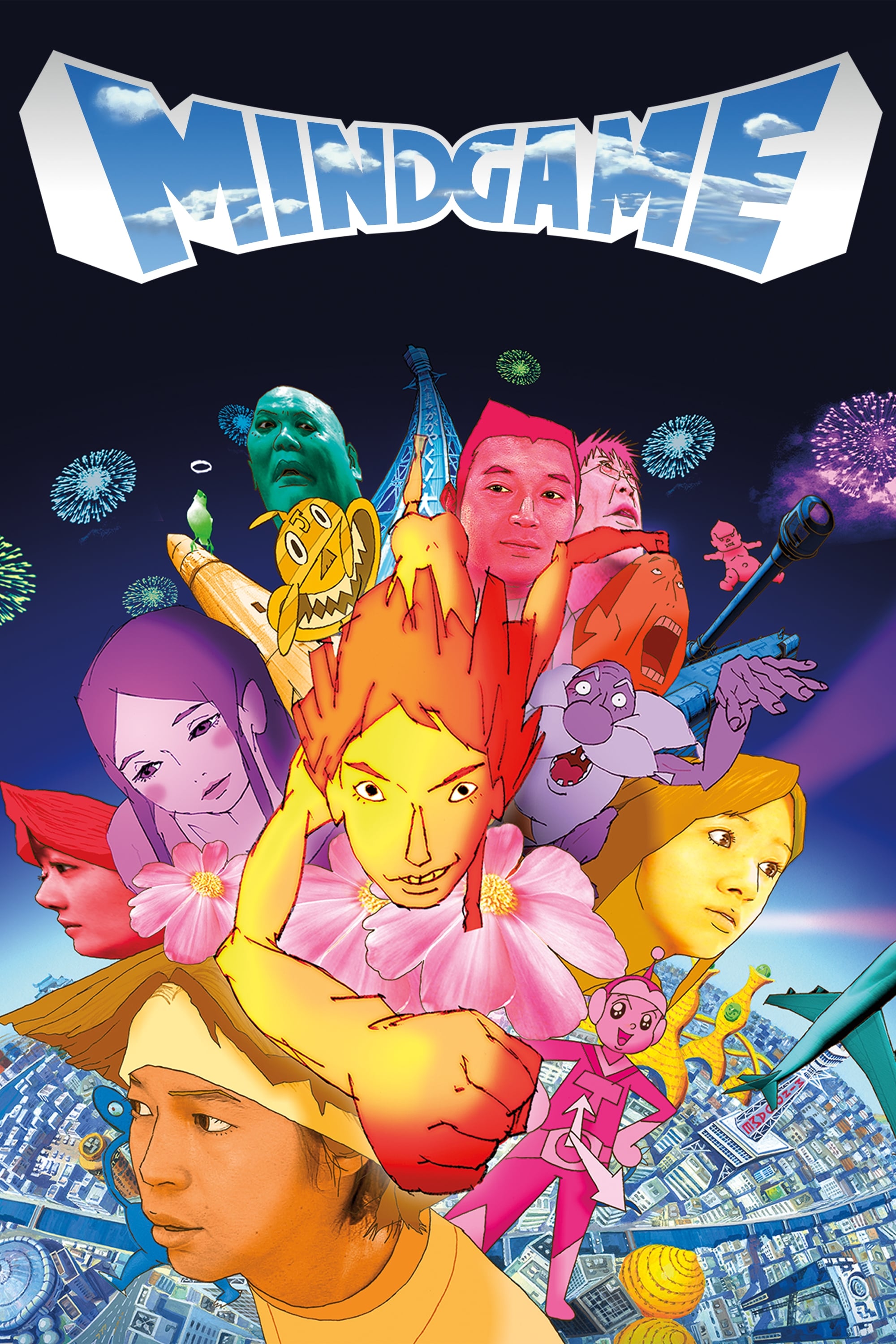
Director Masaaki Yuasa’s feature mixes hand drawn animation, photographs, and digital paint to follow a young man after a sudden confrontation. Studio 4°C produced the film with a focus on creative transitions.
The production shifts repeatedly between aspect ratios and visual methods while keeping core character designs consistent. The soundtrack supports rhythm changes that match rapid edits and calm stretches.
‘Toward the Terra’ (2007)
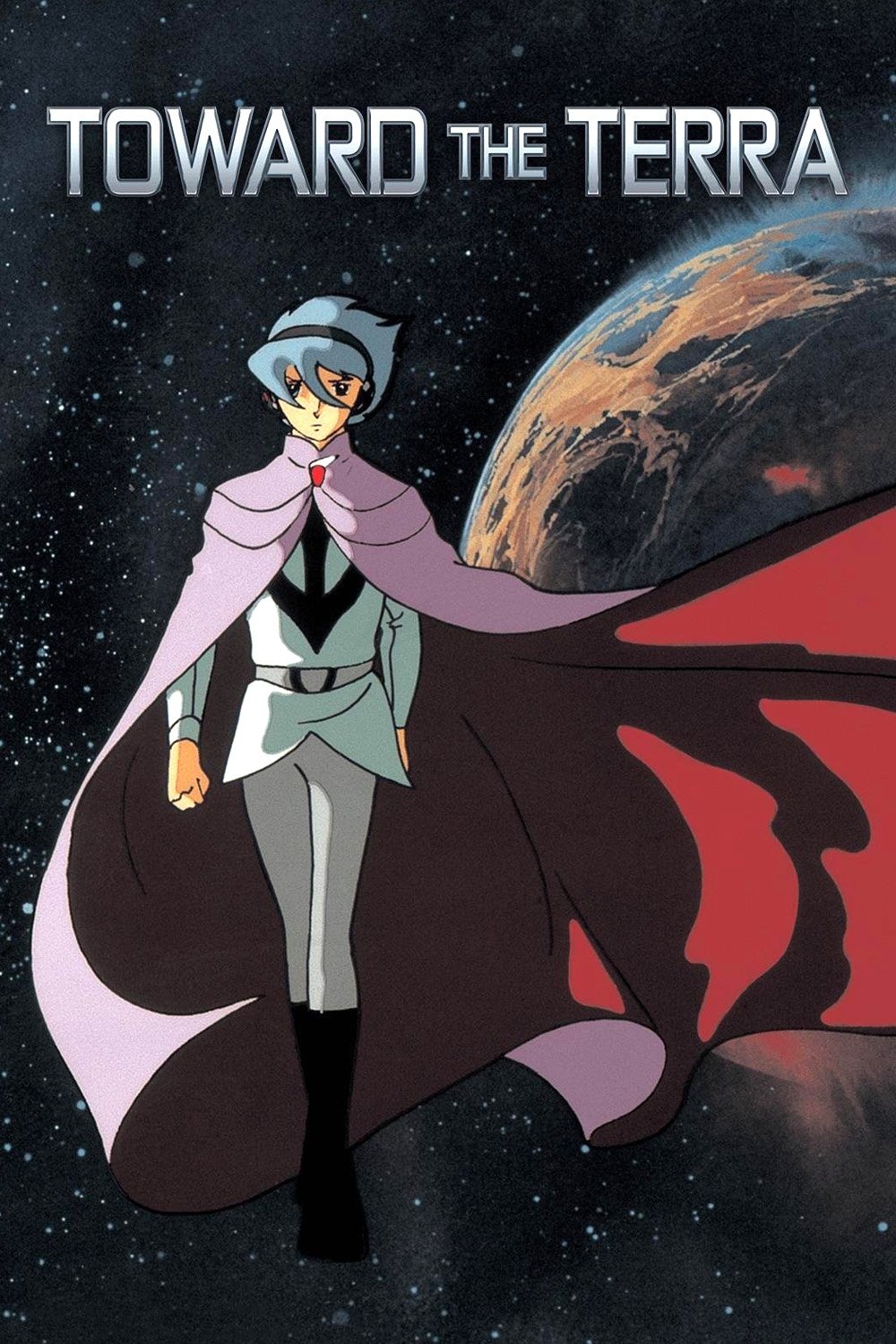
This television adaptation of Keiko Takemiya’s manga follows a future where humans are raised by computers that sort citizens and erase memories at adulthood. The Mu are a persecuted group with powerful abilities who seek the planet Terra, and the story tracks how their resistance intersects with military education systems and generational planning across space colonies.
The series runs for two cours with a clear progression from school training modules to fleet operations. It explains command structures, ship classes, and the legal framework that justifies population management, which helps the political stakes and tactical choices make sense from episode to episode.
‘Shigurui: Death Frenzy’ (2007)
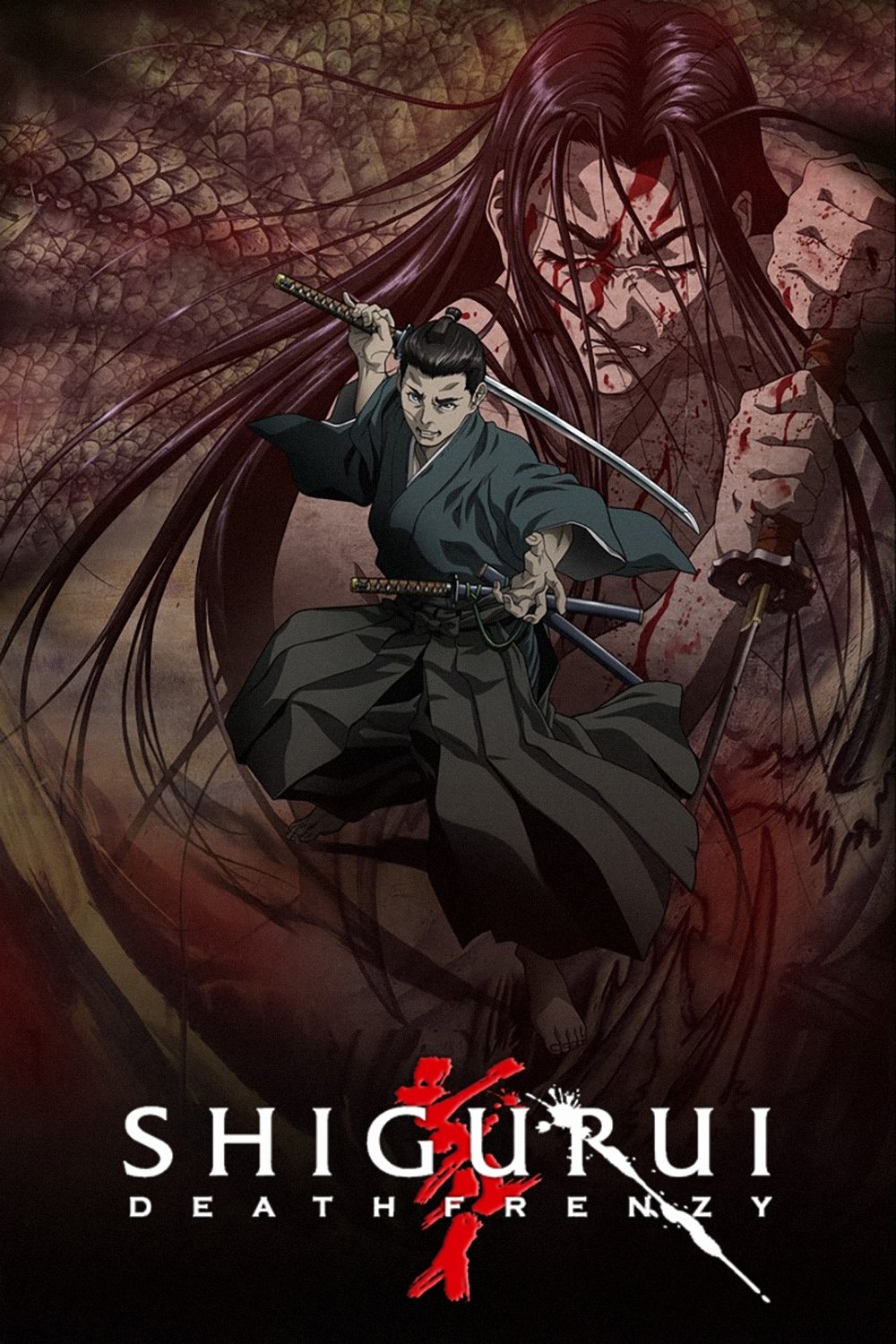
Set during the reign of Tokugawa Tadanaga, this series begins with an organized sword tournament that removes safety rules and invites serious injury. Training methods, dojo lineages, and feudal obligations shape each duel, and the show documents how retainers and sponsors enable or restrain fighters.
Episodes rely on medical procedures, weapon maintenance, and ceremonial preparation to establish a grounded timeline. The production uses careful choreography and period research to present schools of kenjutsu and their tactical preferences in controlled environments.
‘The Flowers of Hard Blood’ (2007–2008)

This mystery series uses professional shogi as its central arena while following a young player connected to an unsolved crime. Matches unfold with clear board positions and commentary from coaches and rivals, and the tournament calendar provides a steady structure.
Viewers see ranking classes, title matches, and study sessions that cover openings and endgame theory. The show also explains federation rules, match etiquette, and the way televised boards and scorekeepers record moves during official play.
‘Moribito: Guardian of the Spirit’ (2007)
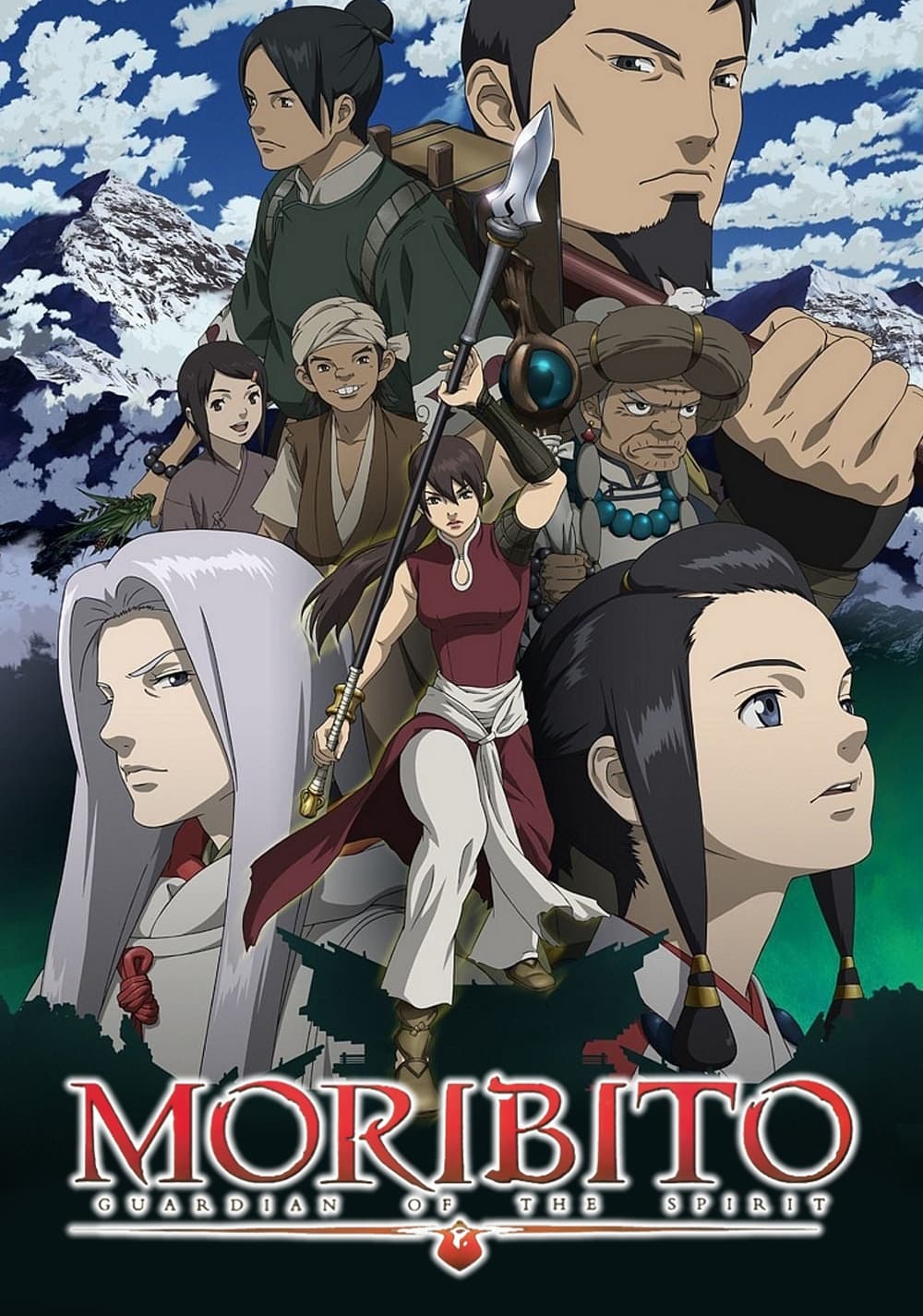
Based on Nahoko Uehashi’s novel, this series follows the spear wielder Balsa as she protects a prince tied to an otherworldly water spirit. Court factions, river routes, and mountain passes are mapped with detail, and the script logs supply stops and safe houses that enable travel.
Combat reads clearly because stance, reach, and terrain are always established before a clash. Craft work like spear repair, leather care, and cooking on the road fills downtime, which makes the journey and its seasonal shifts feel fully inhabited.
‘Hyouge Mono’ (2011–2012)
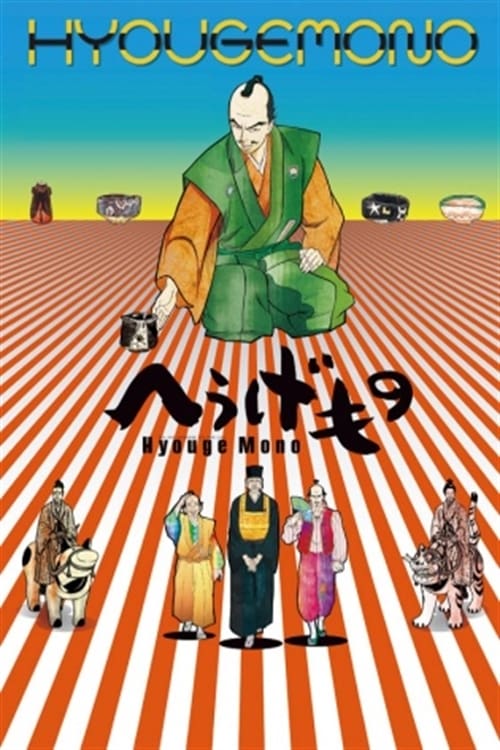
This historical series explores tea ceremony culture during the Sengoku period and how taste intersects with war and diplomacy. It follows a retainer who measures success through utensils and glaze rather than only territory, and it catalogues kilns, schools, and prized implements.
Characters debate aesthetics using named bowls and styles that the show identifies on screen. Court visits, gift exchanges, and ledger entries explain how tea objects circulate as currency and status, which clarifies why collectors risk careers for a single piece.
‘Xam’d: Lost Memories’ (2008–2009)
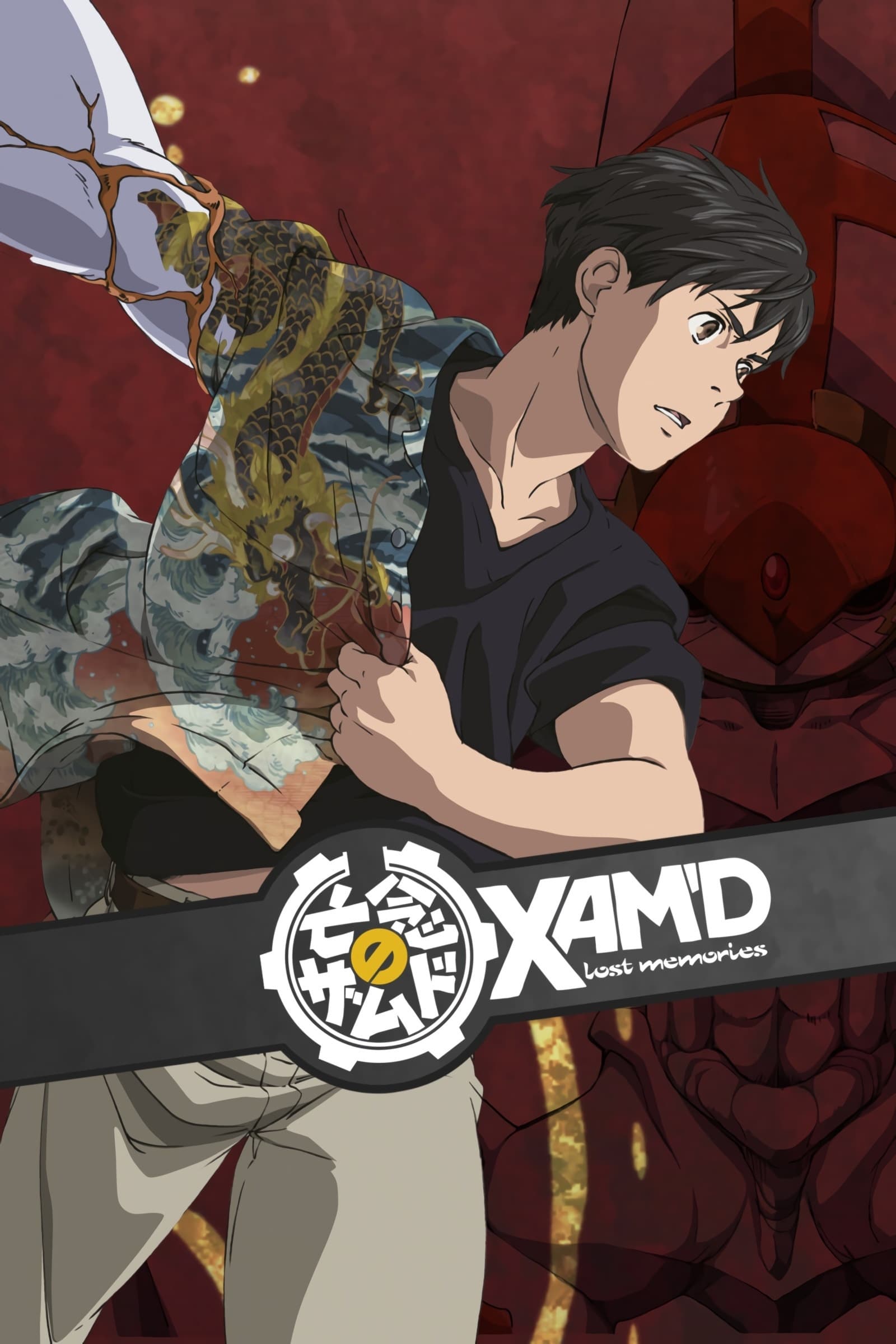
Originally released digitally before television broadcast, this series follows a boy infected by a mysterious artifact that converts his body during combat. The story tracks him aboard a mail airship that hops between islands under military blockade, and each stop introduces local customs and conflicts.
Aircraft types, delivery manifests, and air routes are explained as part of crew routines. The show describes bioengineered weapons with field tests and containment protocols, which frames the transformation as technology with rules rather than a vague curse.
‘Gasaraki’ (1998–1999)
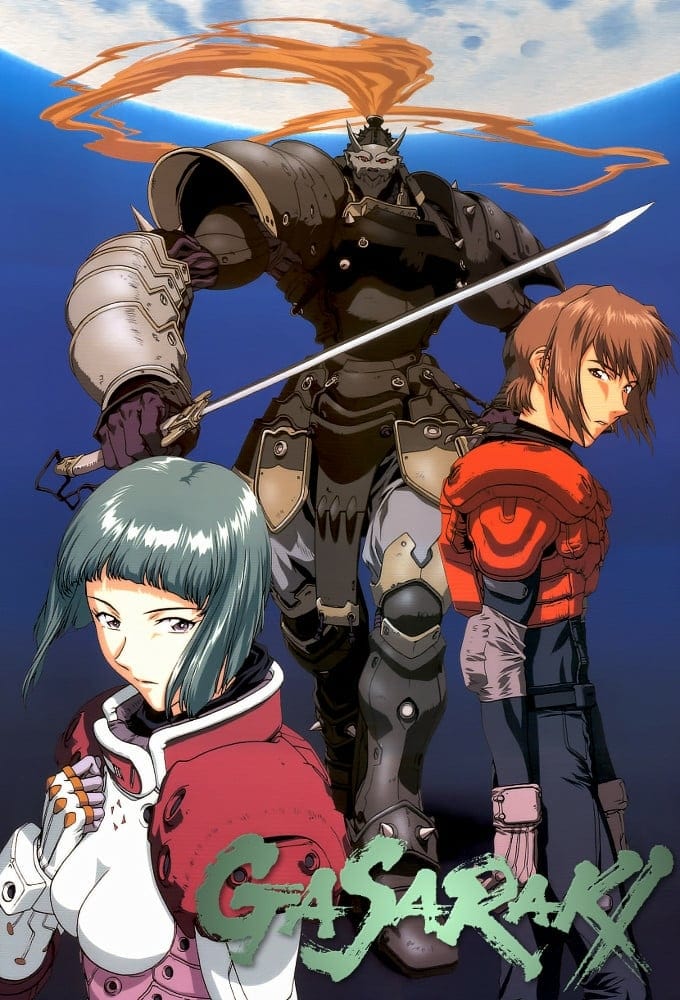
This mecha series ties family corporations and ritual into next generation armored units called Tactical Armors. It places units in urban trials and desert operations while tracking procurement committees, export restrictions, and media coverage around live exercises.
Episodes include chain of command, pilot selection, and maintenance windows that anchor the action. Economic briefings and legislative hearings detail how defense projects move through government and private partners, which helps each deployment carry political consequences.
‘Key the Metal Idol’ (1994–1997)
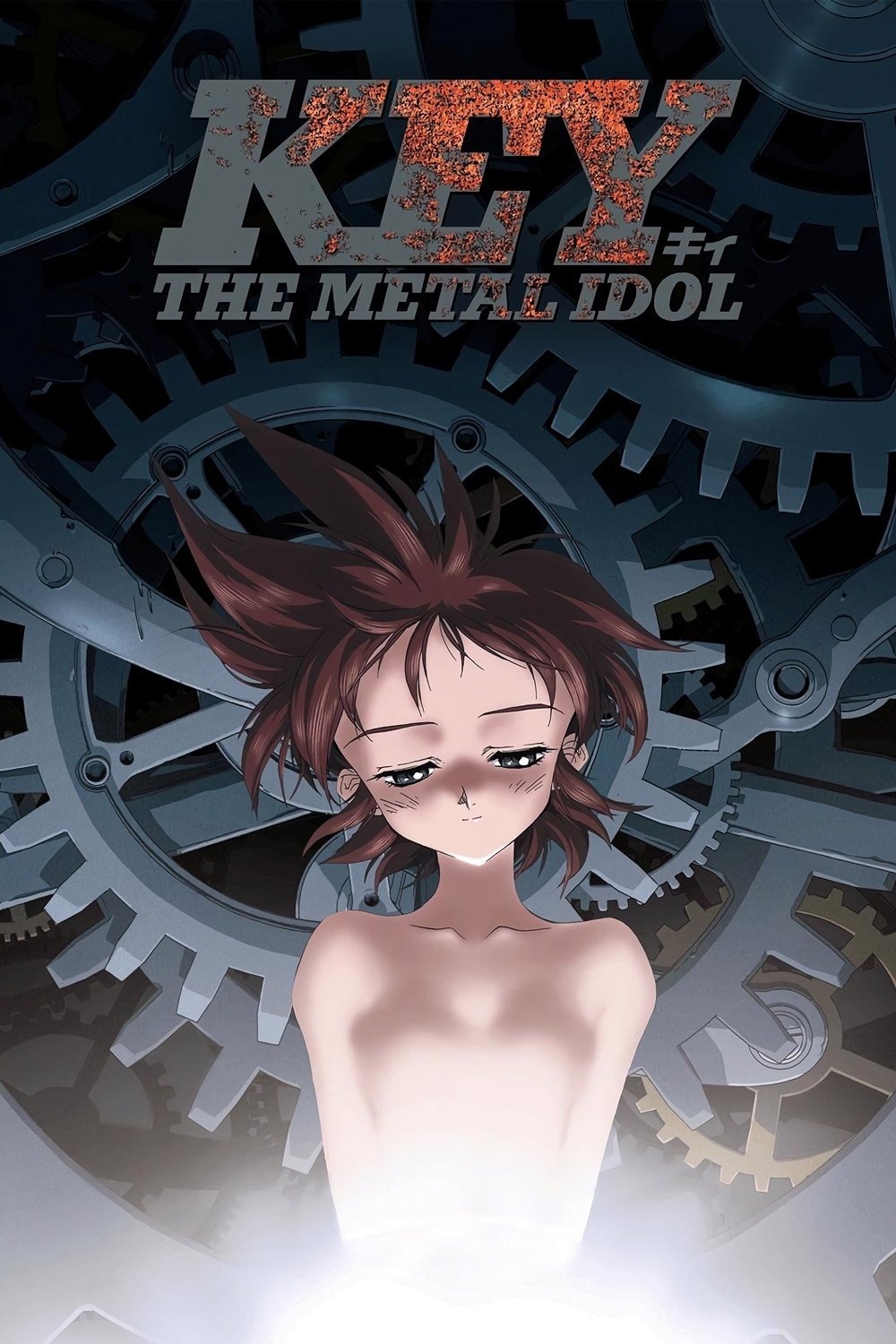
This OVA follows Tokiko Mima, called Key, who believes she must make thirty thousand friends to become human. The story moves between a small town, talent agencies, and secretive labs, and it uses television studios and rehearsal spaces to show how a public persona is manufactured.
Production calendars, contract clauses, and tape editing all play roles in how events escalate. The release uses standard length episodes followed by feature length conclusions, and the shift gives room for final revelations to be supported by recorded evidence and lab documentation.
‘Figure 17: Tsubasa & Hikaru’ (2001–2002)
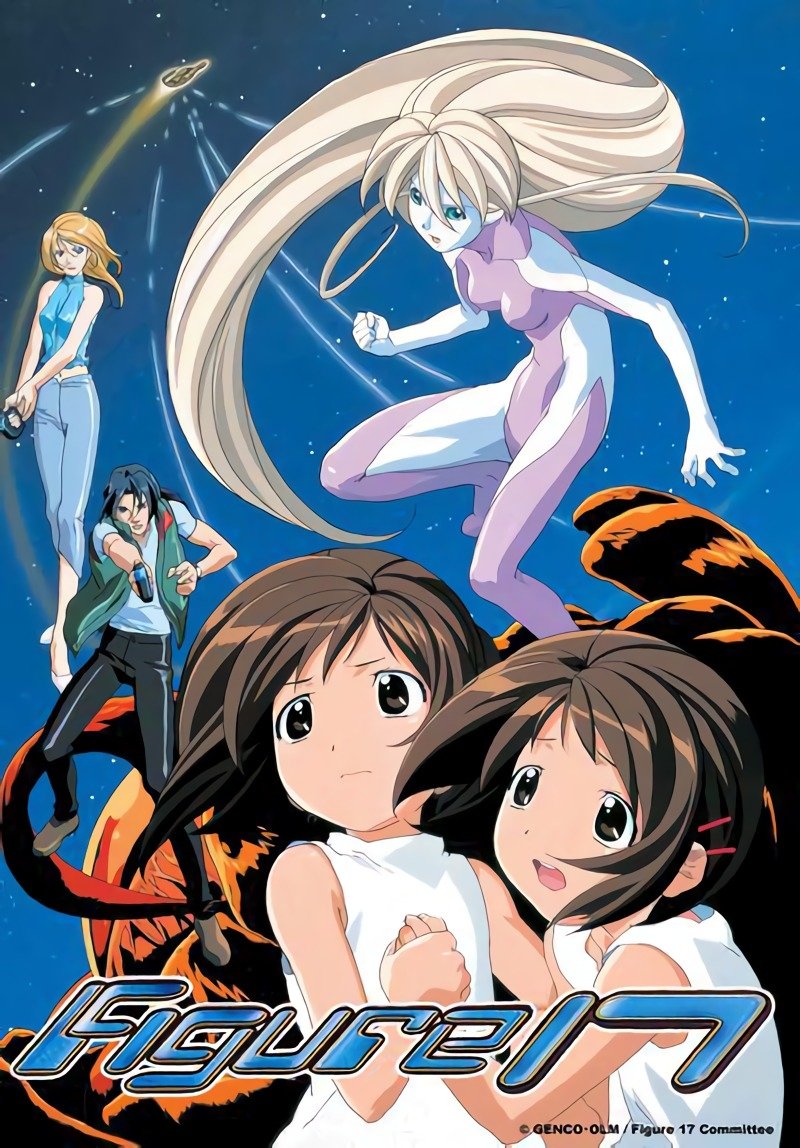
Each episode of this series runs about forty six minutes and combines rural slice of life with alien encounters. The narrative focuses on two girls sharing a body during combat while attending school in Hokkaido, and it maps bus schedules, farms, and forest trails that define their days.
Creature sightings bring in search patterns, police reports, and amateur photography that influence how adults respond. The extended runtime allows lessons, homework, and seasonal festivals to sit alongside brief deployment scenes, which makes the timeline straightforward to follow.
‘Armitage III’ (1995–1997)
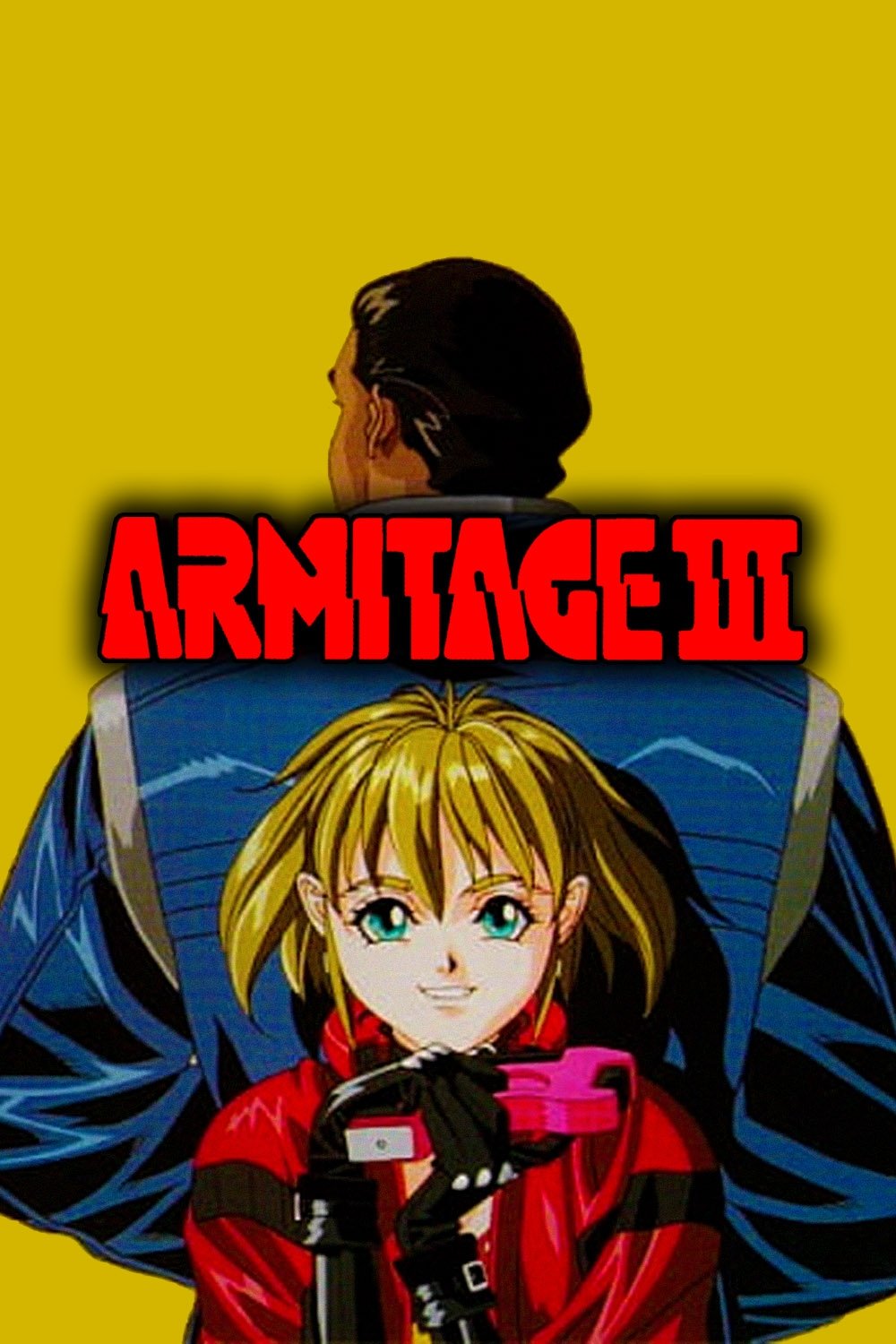
Set on a colonized Mars, this OVA follows detective Naomi Armitage as she investigates a series of murders tied to advanced androids. The show lists model generations, manufacturers, and serial numbers while exploring the import restrictions that keep certain technologies off the market.
Multiple releases exist, including a condensed movie version that rearranges scenes. The OVA format provides case files, lab autopsies, and shipping manifests that connect the investigation to corporate orders and off world logistics.
‘Mardock Scramble: The First Compression’ (2010–2012)
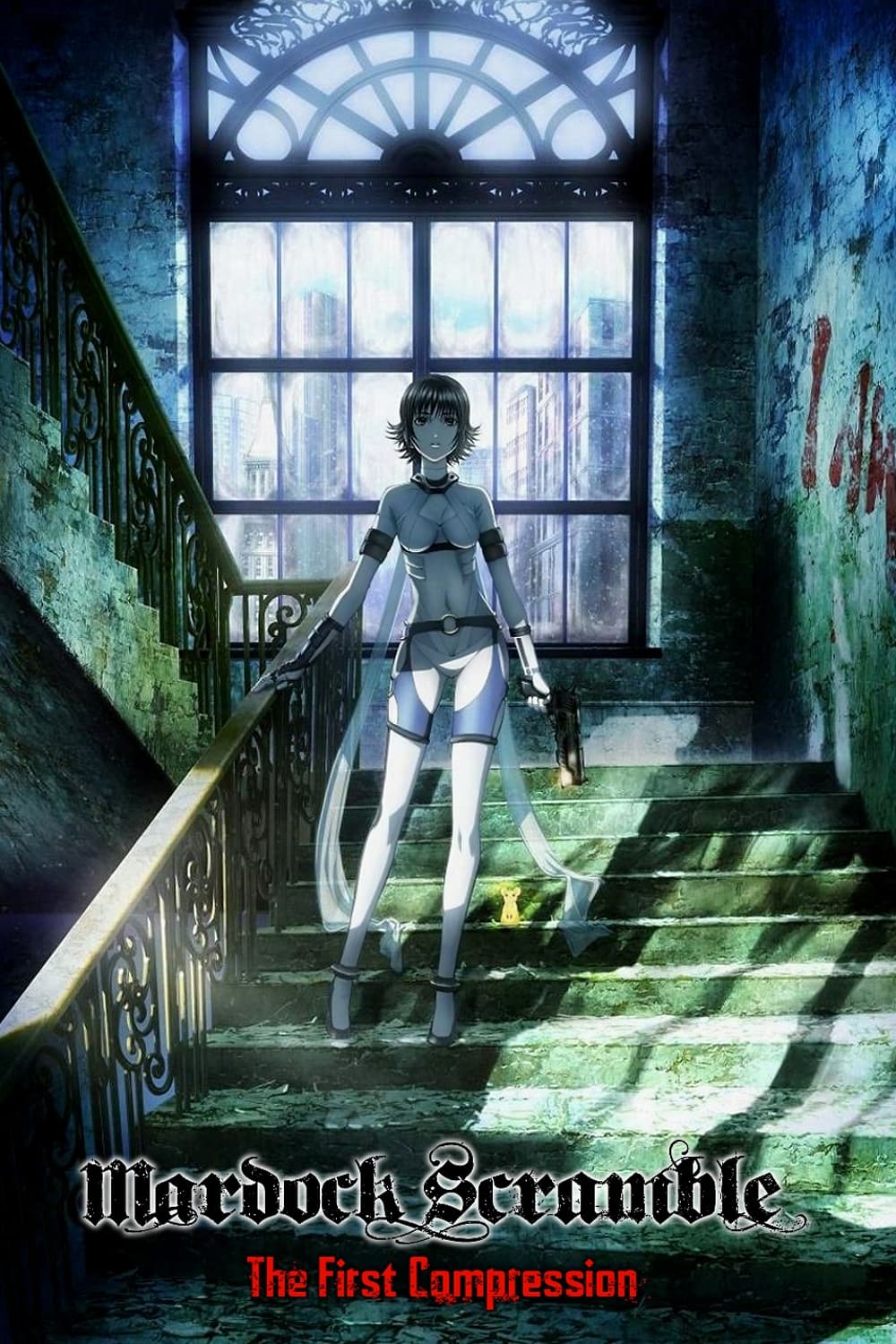
Adapted from Tow Ubukata’s novels, this trilogy follows a survivor rebuilt with prohibited technology and paired with a multi form support unit. The films outline city ordinances, evidence rules, and energy limits that govern her abilities, and court dates drive the schedule of confrontations.
Scenes detail ammunition types, biometric locks, and casino systems during infiltration. The production keeps a consistent thread of legal strategy alongside action, using depositions and chain of custody to explain how proof is gathered and contested.
‘Patema Inverted’ (2013)
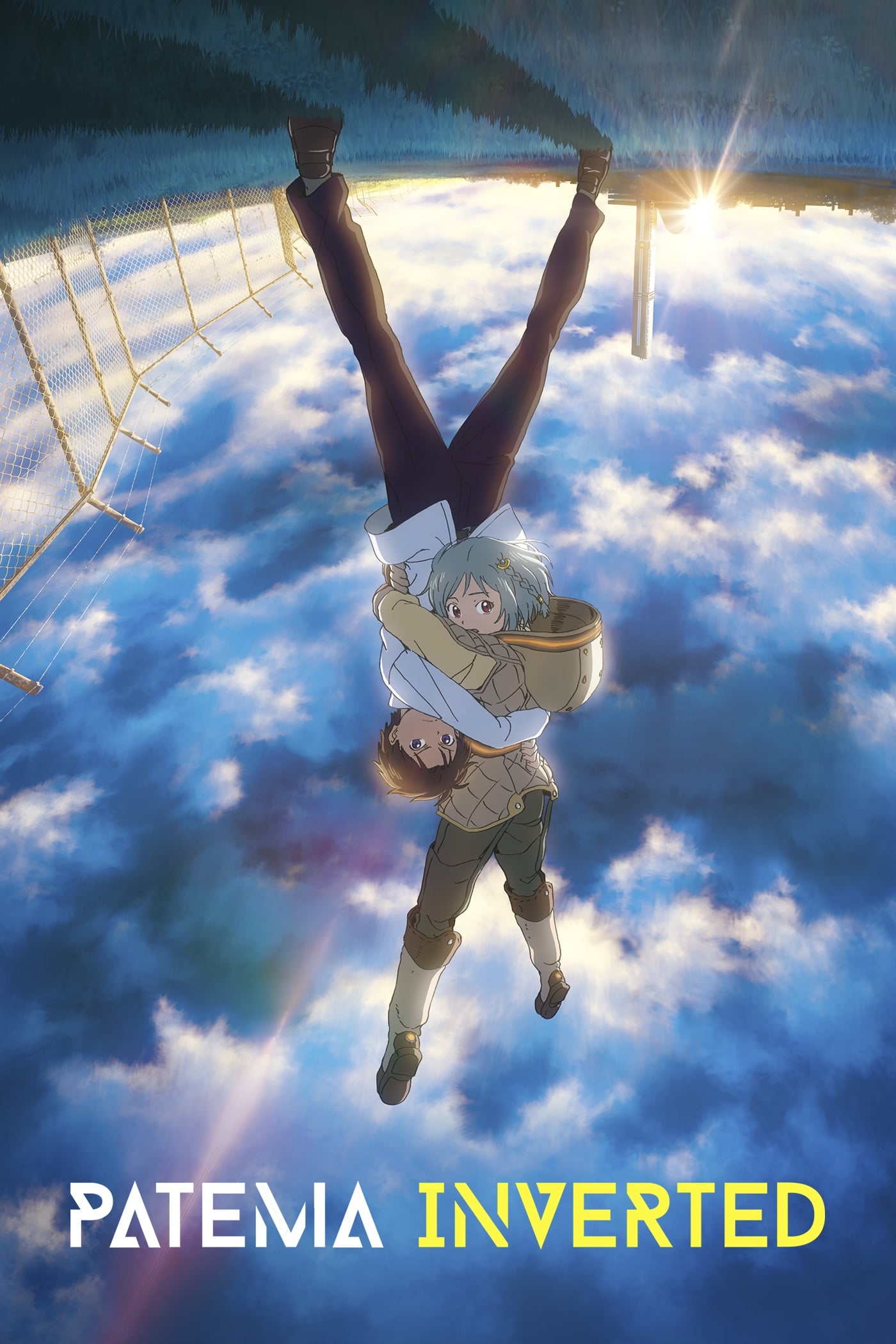
This feature presents two societies affected by gravity in opposite ways and shows how each group designs architecture, safety equipment, and navigation to function. The plot uses harnesses, anchor points, and construction shafts to coordinate movement when characters cross zones.
Briefings and public broadcasts explain the official narrative about past experiments, while notebooks and diagrams record alternative accounts. The film uses these artifacts to reconcile maps and sky lines so the final route choices feel logically planned.
‘Harmony’ (2015)

Part of the Project Itoh adaptations, this feature depicts a post disaster world that adopted medical governance through ubiquitous monitoring. The film catalogs implants, permissions, and dietary regulations that keep citizens compliant, and it shows how exemptions are requested or denied.
Security architecture is clear, with biometric keys, access tiers, and health dashboards tracked in real time. The narrative moves through clinics, archives, and international agencies, and it uses meeting minutes and audit logs to reveal conflicts inside the system.
‘The Sky Crawlers’ (2008)
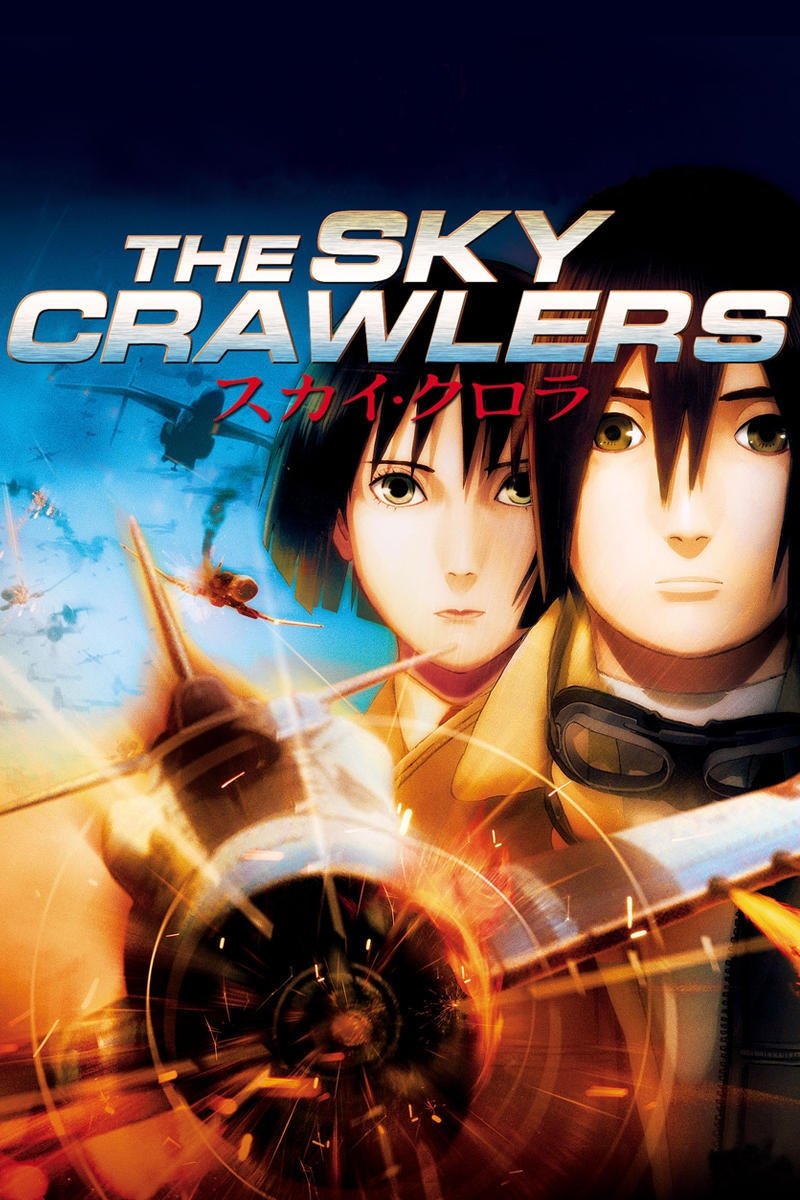
This feature centers on fighter squadrons that wage staged wars for corporate clients, and it documents the chain of command that keeps pilots rotating through bases. The film is meticulous about aircraft procedures, mission briefings, and radio protocols that guide each sortie.
Weather patterns, fuel loads, and maintenance intervals influence when pilots fly and how planes handle. The production uses long preflight checks and after action reports to track performance and casualties, which makes the business model of endless conflict legible.
‘The Beast Player Erin’ (2009)
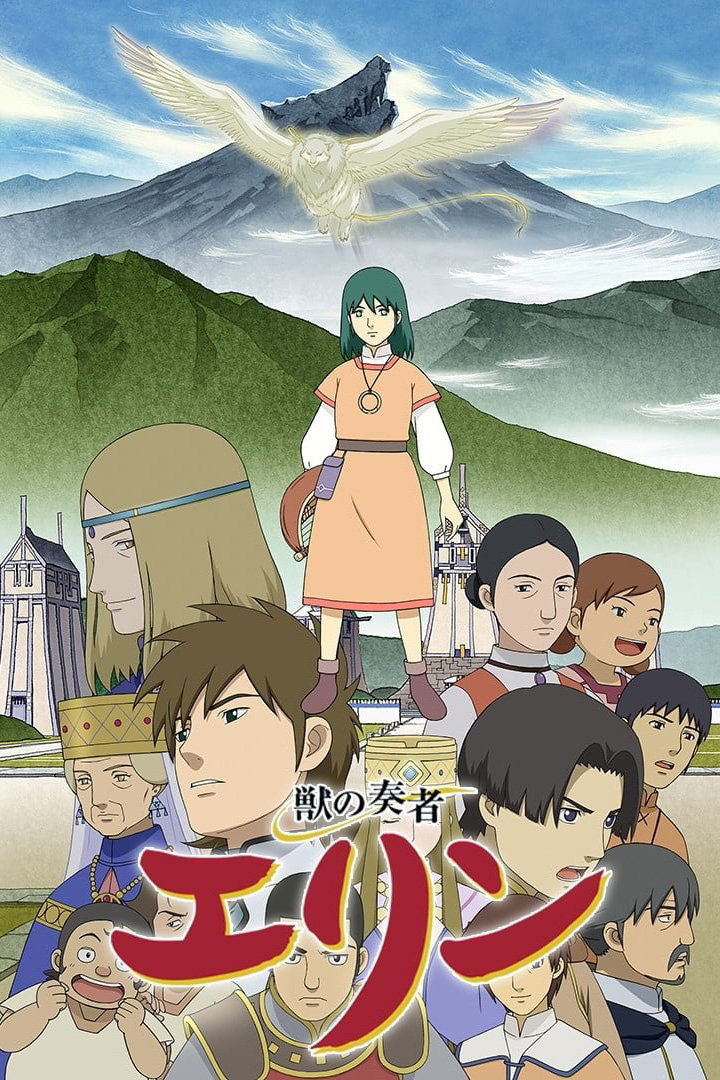
Adapted from novels by Nahoko Uehashi, this series follows a girl who studies and cares for large creatures that shape national defense. It outlines husbandry practices, feeding schedules, and enclosure design, and it connects those details to military transport and parade displays.
Guild rules, school curricula, and regional laws define what handlers may or may not do. Court politics and provincial oversight appear through inspections and paperwork, which clarifies how animal welfare and state power intersect in everyday administration.
‘Children of the Whales’ (2017)
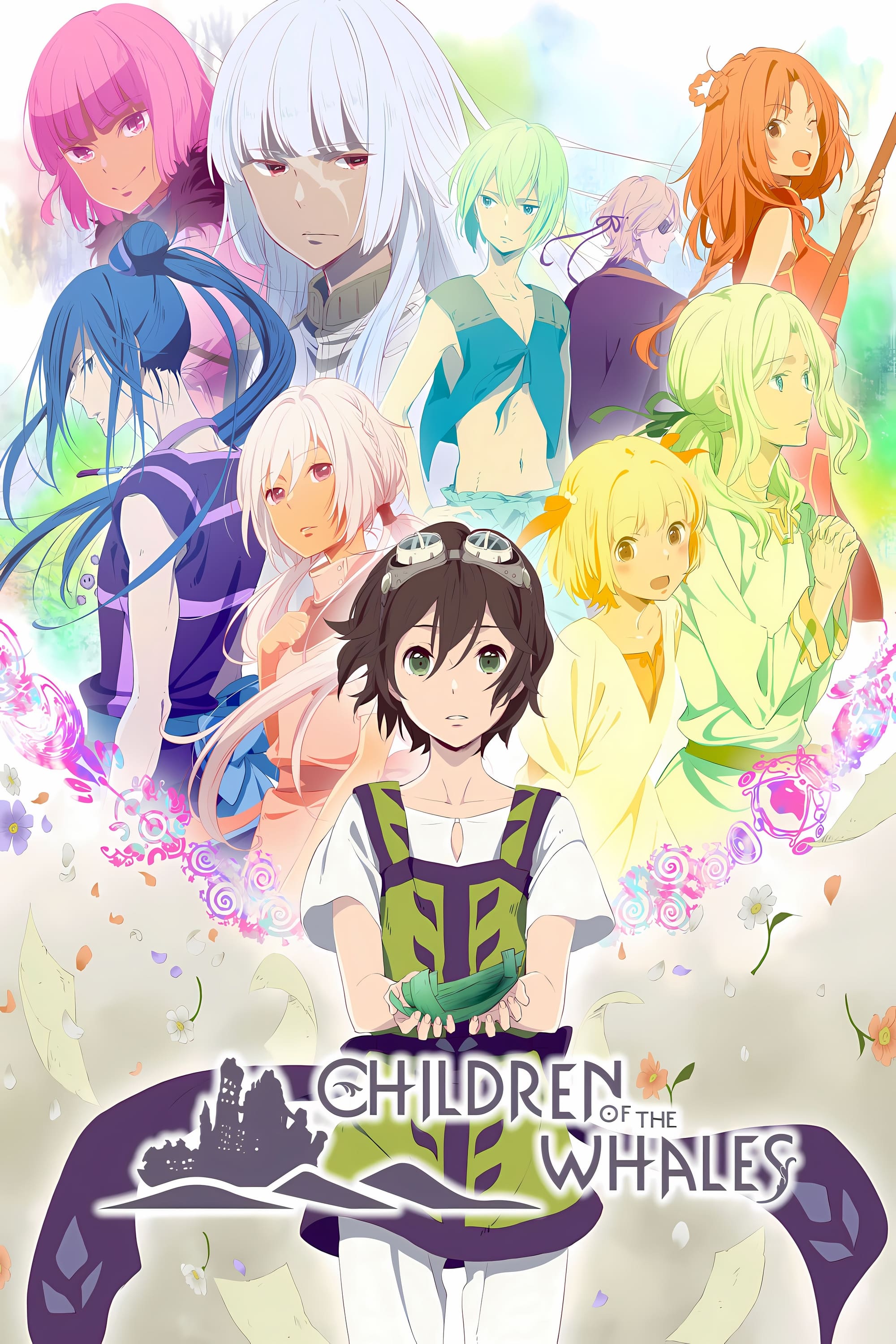
Set on a migrating island of sand and clay, this series tracks a society that divides citizens by psychic ability and emotional cost. It includes census roles, archivists, and funeral rites that establish how a small population survives on limited soil and resources.
When contact with external states occurs, the show presents their ships, uniforms, and command codes. Written records and carved seals become important because treaties and orders are verified against official marks, which drives later conflicts.
‘Hakumei and Mikochi’ (2018)
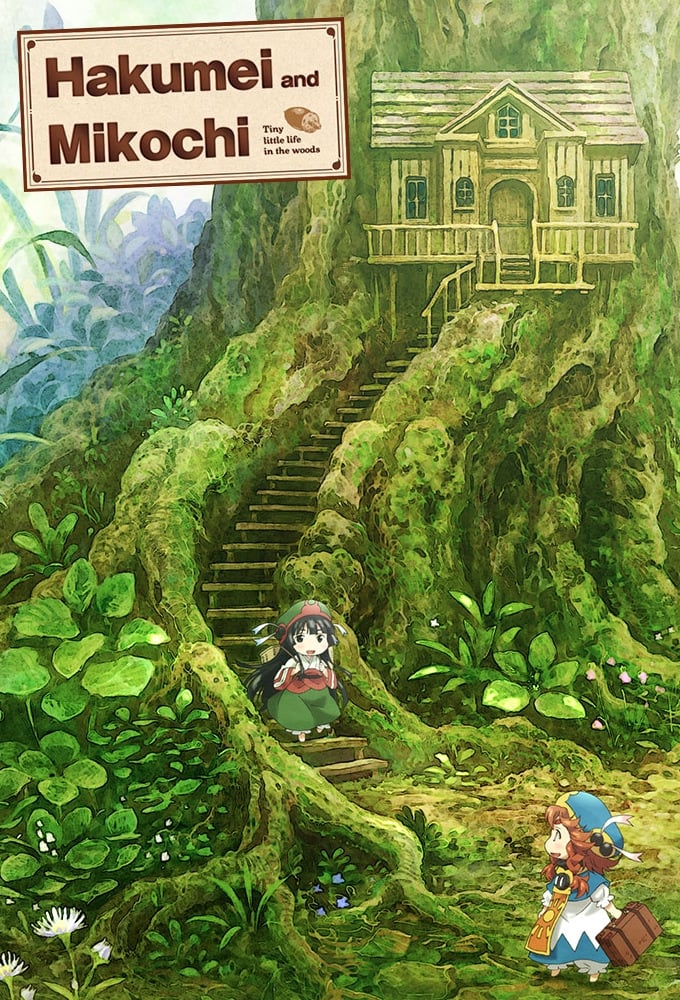
This series documents everyday life for two tiny friends living in a forest town built into trees and stones. It itemizes tools, trades, and household setups, and it highlights how scale changes carpentry, cooking, and travel.
Maps and shop signs appear frequently, making it easy to track bakeries, inns, and craft guilds. Seasonal markets, postal routes, and festivals follow a calendar that repeats, which gives structure to individual stories without needing a larger crisis.
‘Showa Genroku Rakugo Shinju’ (2016–2017)
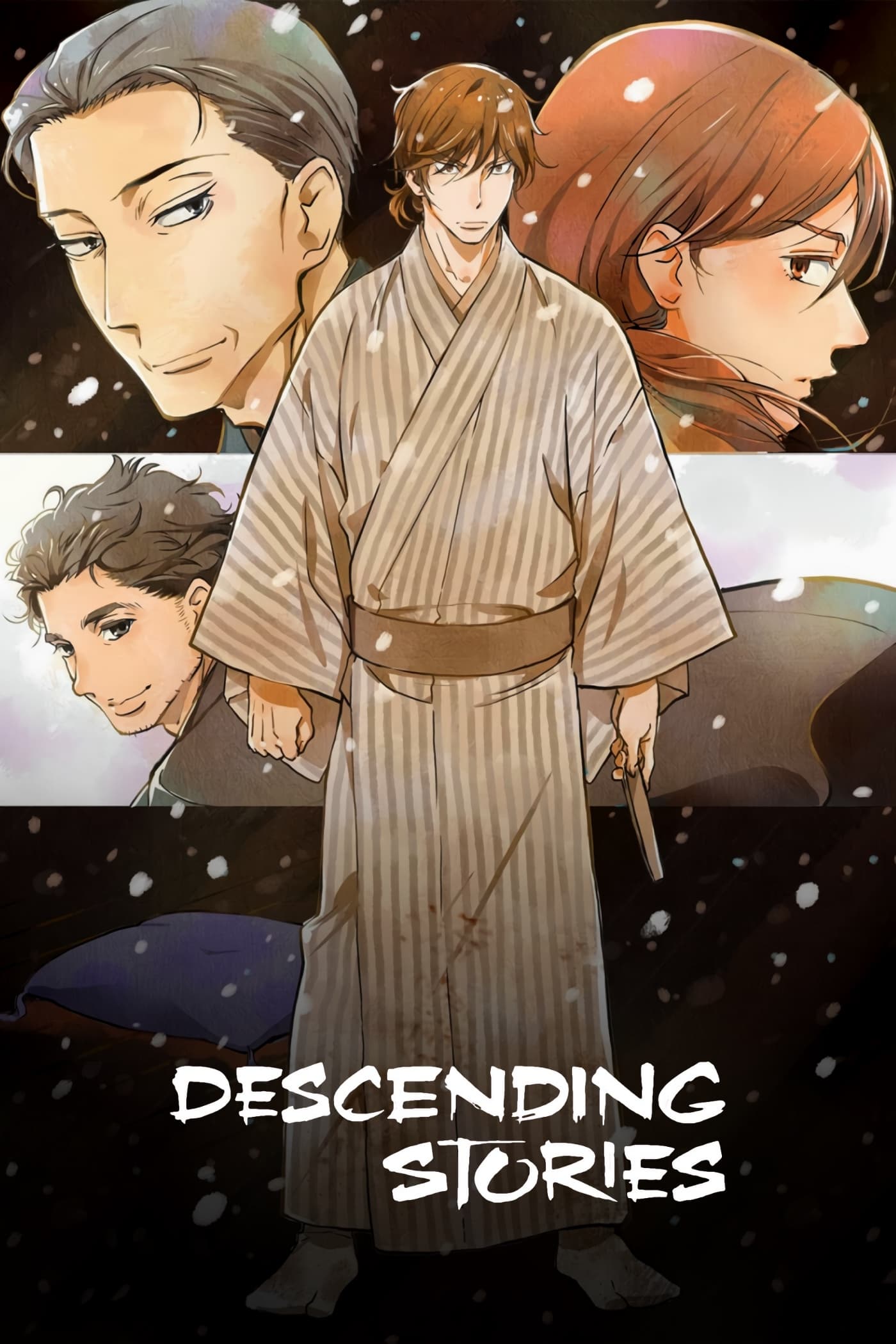
Focused on the performance art of rakugo, this series traces apprenticeships, stage names, and the transfer of signature stories. It shows rehearsal methods, theater booking, and radio recording sessions that kept the craft alive through different eras.
Contracts, patronage, and changing media technologies alter careers across generations. The show details costume care, fan handling, and stage seating layouts, and it uses these specifics to explain why certain venues and masters become central to the tradition.
‘Tsuritama’ (2012)
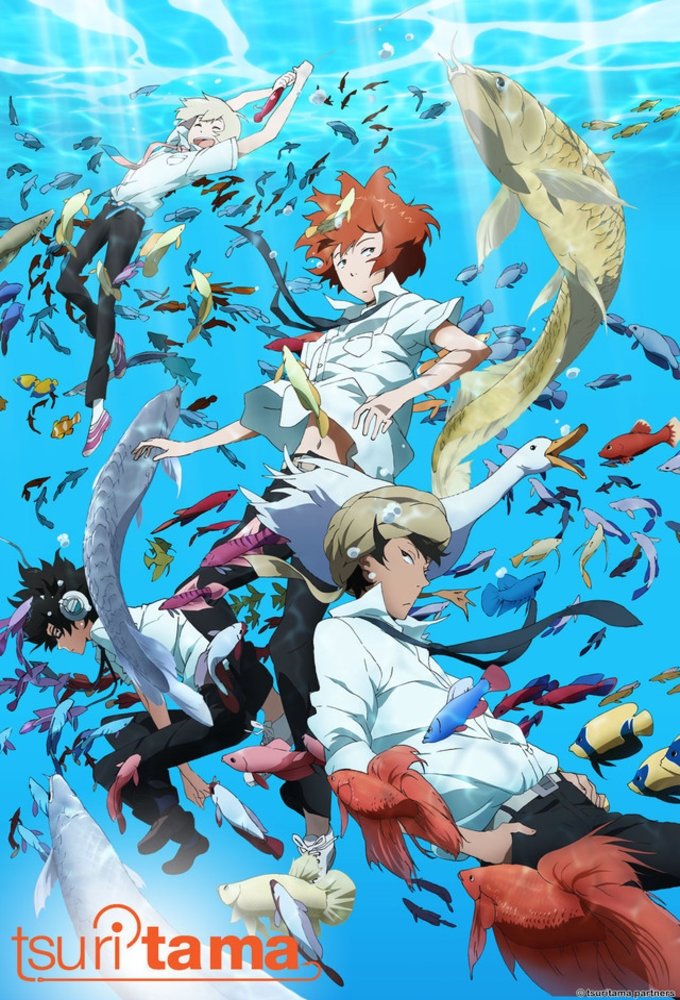
Set on Enoshima, this series blends friendship with fishing and gives clear instruction on tackle, knots, and local species. The narrative uses club schedules and weather forecasts to plan outings, and it assigns roles on a boat so each character has defined tasks.
The Enoshima Setting provides real locations like the shrine approach and breakwaters, and the show names lures and retrieval techniques used in specific conditions. It also covers licensing and etiquette, which grounds the hobby in concrete practice.
‘Sarazanmai’ (2019)
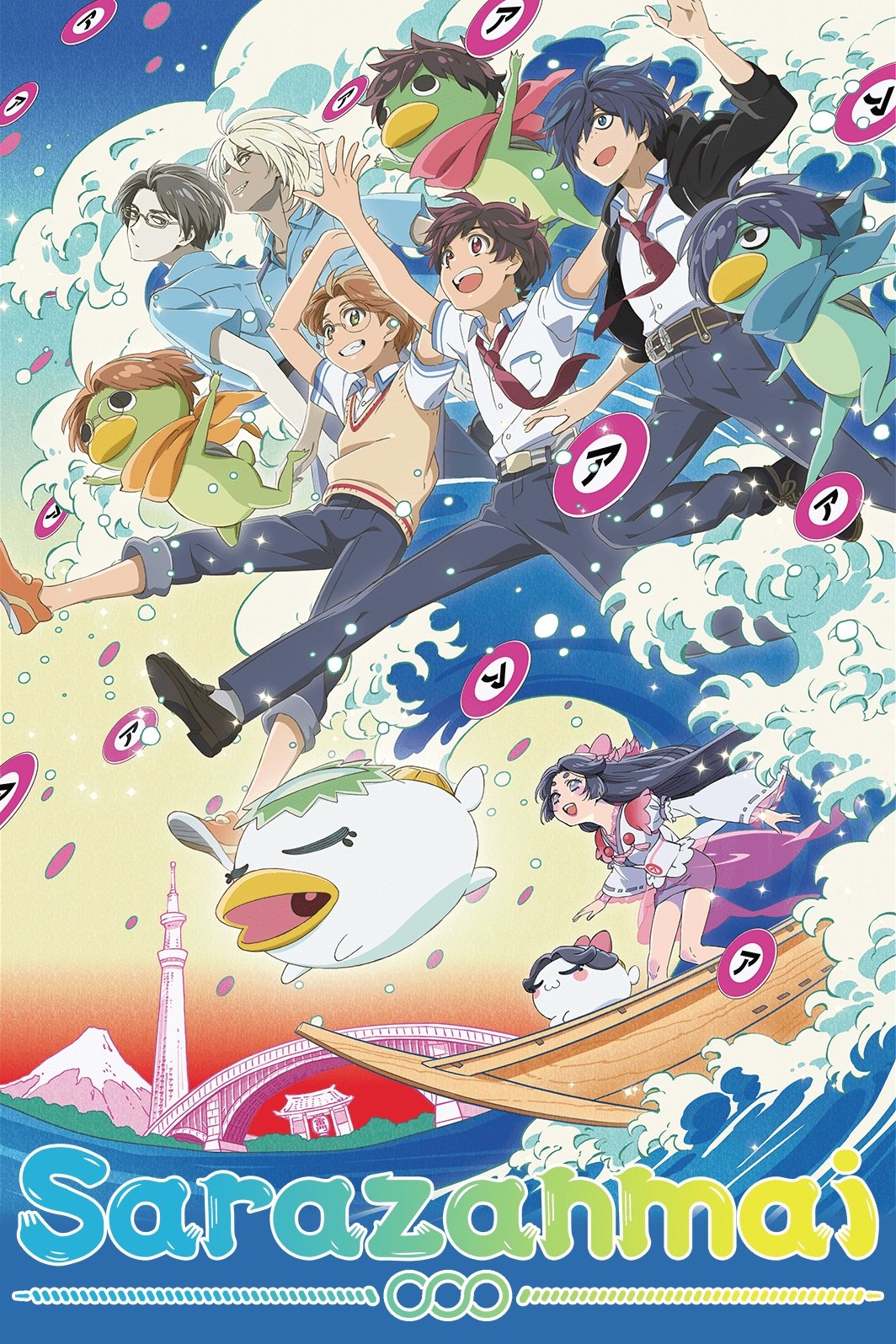
This series connects three middle schoolers to kappas and uses desire energy called shirikodama as a measurable resource that powers transformations. It sets rules for how links are formed and how collected energy circulates through an organization that manages public order.
Police procedures, surveillance points, and river infrastructure tie the fantasy to city planning. Repeated sequences track the same route across bridges and alleys, which lets viewers learn the geography and understand how timing and location affect each operation.
Share your hidden gem picks in the comments and let everyone know which lesser known anime should be on this list.