Top 10 Worst Video Game Consoles, Ranked

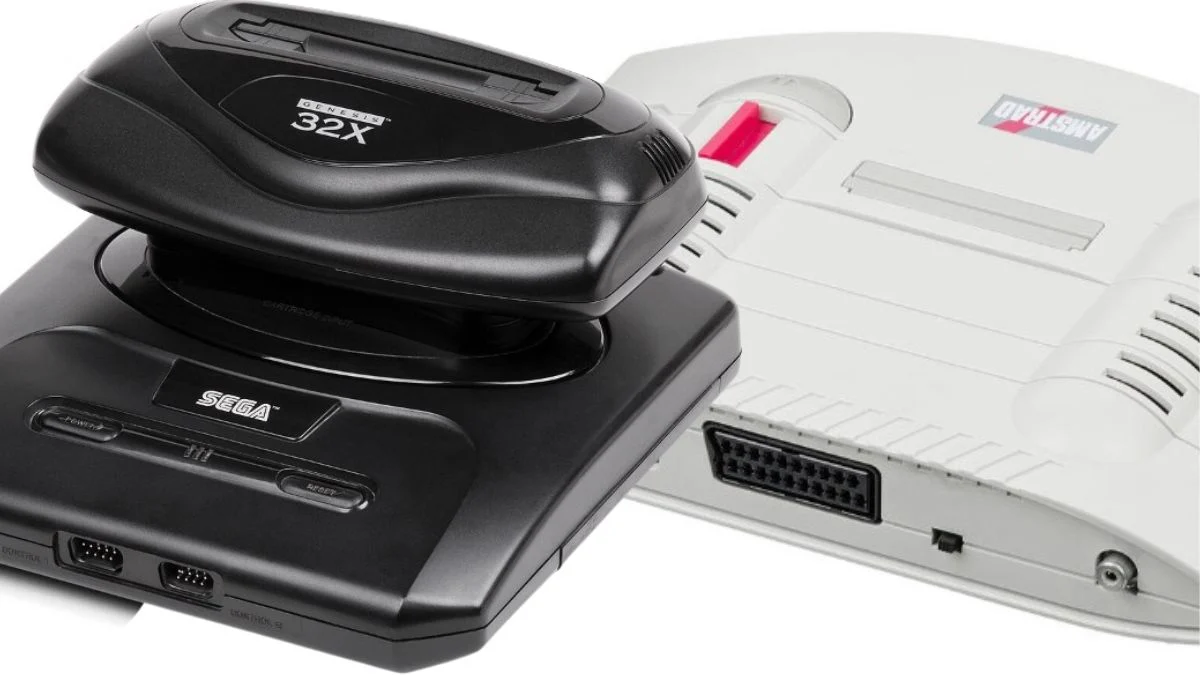

There have been a lot of game systems over the years, and not all of them found their footing. Some arrived with ambitious ideas that never connected with players. Others struggled with pricing, timing, or a thin library, and the numbers show how tough the market can be.
This list looks at hardware that fell short in clear ways like sales, support, or lifespan. Release windows, technical specs, software catalogs, and business outcomes guide the picks, so you can see exactly what happened with each machine.
Nintendo Wii U
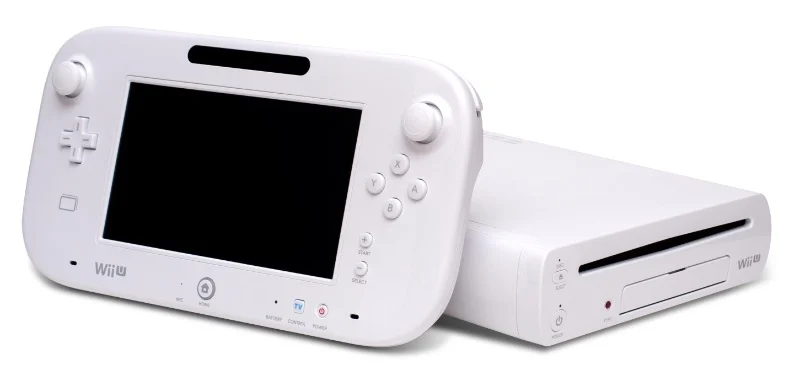
Nintendo launched Wii U in 2012 with a GamePad controller that featured a built in screen. The system used a PowerPC based CPU and a custom AMD GPU, and it supported 1080p output for select titles. It was fully backward compatible with Wii software and accessories. Lifetime hardware sales reached about 13 million units worldwide, and production ended in 2017.
The concept asked developers to design around a second screen, and many third party studios reduced support within the first few years. Online services centered on Miiverse were discontinued as well. Several notable first party games later received enhanced releases on Switch, which arrived in 2017 and replaced Wii U at retail.
Sega 32X
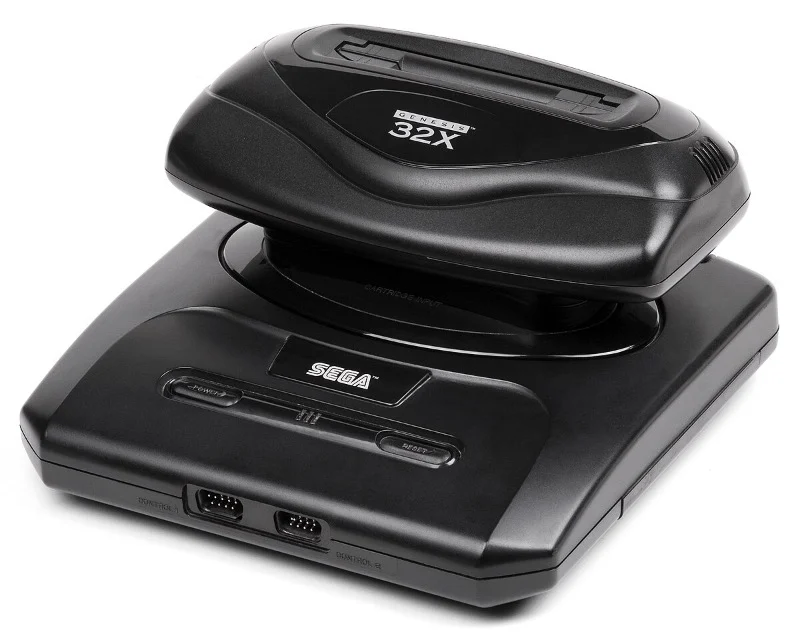
Sega introduced the 32X add on for the Genesis in late 1994. It added two SuperH MOS 32 bit SH2 processors and expanded color output, aiming to extend the life of the 16 bit platform as the industry moved forward. Roughly two dozen retail games shipped for the accessory. Reported hardware sales landed under one million units, and the product was discontinued by 1996.
Retailers faced confusion about stocking both the 32X and the Sega CD, and the upcoming Saturn shifted Sega’s marketing focus within months. The small library reflected that transition. Many planned projects moved to other platforms, and the device saw a short sales window before support tapered off.
Nokia N-Gage
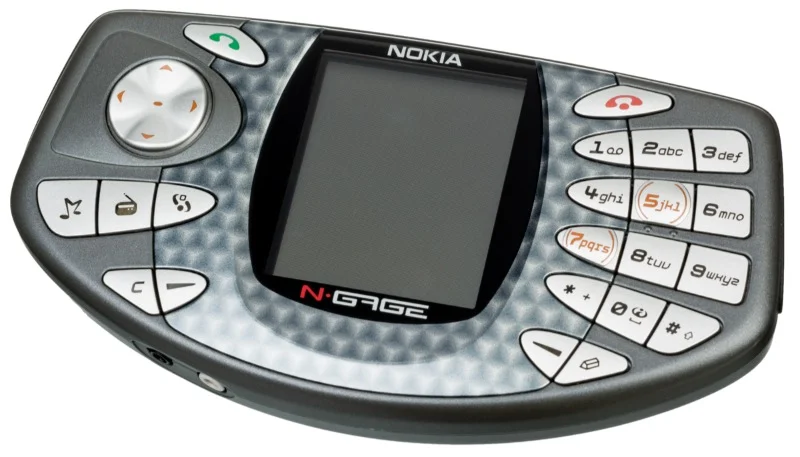
Nokia released the N-Gage in 2003 as a handheld gaming device and mobile phone. The unit used Symbian OS and ran titles stored on MMC cards. The first model required battery removal to swap games, and voice calls used a side mounted speaker design. An updated N-Gage QD arrived in 2004 with revised hardware. Sales landed in the low millions before the platform was retired.
Publisher support included well known franchises, but most releases were trimmed to fit the device’s screen resolution and input layout. Network features relied on the N-Gage Arena service, which ended as Nokia wound down the platform. The company shifted to standard Series 60 devices for mobile gaming afterward.
Amstrad GX4000
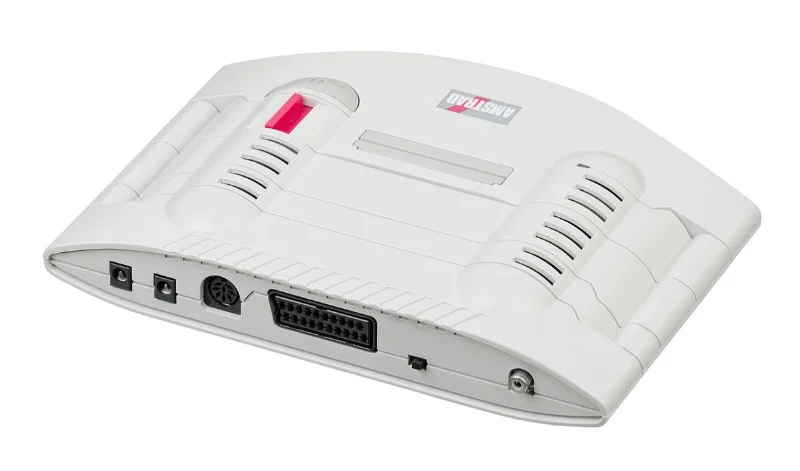
Amstrad launched the GX4000 in 1990 as a cartridge based console derived from the CPC Plus home computer line. It featured enhanced graphics modes and hardware sprites compared to earlier CPC models. Only a small number of games released on cartridge, with many being adapted computer titles. Reported sales were very low, often cited at tens of thousands of units, and production ceased soon after launch.
The market window overlapped with 16 bit systems already entrenched in stores, which limited retailer interest and third party development. With few exclusive games and limited marketing reach outside select European territories, the system’s presence faded quickly and support ended within a year.
Apple Pippin

Apple’s Pippin platform reached market in 1996 through licensees, most notably Bandai with the Pippin Atmark and Pippin @World. The hardware was based on a PowerPC 603 processor and ran a scaled version of Mac OS. Units shipped with a CD ROM drive and a modem for dial up connectivity. Estimates place total production at well under one hundred thousand units, and the program was discontinued by 1998.
Software releases centered on edutainment and multimedia applications, with a limited slate of traditional games. The high launch price compared to other consoles and PCs of the time narrowed the audience. As Apple restructured its product line later in the decade, the company ended the initiative and support wound down.
Philips CD-i

The CD i, introduced by Philips in 1991, was designed as an interactive multimedia platform that also played games. Early models carried premium pricing and targeted living room use with CD based video, audio, and educational titles. Over its life the platform is estimated to have sold around one million units across several hardware revisions.
Third party software appeared in waves, but game support never reached the breadth seen on dedicated consoles. Several releases became known for experimental design, and the system’s video output often relied on full motion video techniques of the era. As costs for rival systems dropped and CD ROM drives became standard on PCs, the CD i line exited the market.
Ouya

Ouya arrived in 2013 after a high profile crowdfunding campaign. The microconsole ran Android on an Nvidia Tegra 3 SoC and shipped with a distinctive small form factor and Bluetooth controller. It promoted a living room marketplace for downloadable indie games. Hardware sold for under one hundred dollars, and the storefront required free to try content for each title.
Initial enthusiasm slowed as developers reported modest revenue on the platform. In 2015 the Ouya business was acquired by Razer, and the digital store and services were shut down in 2019. Without server support, many games became inaccessible on original hardware unless they offered offline modes.
Atari Jaguar

Atari released the Jaguar in 1993 with a marketing focus on a 64 bit architecture. Internally it combined custom chips nicknamed Tom and Jerry with a Motorola 68000 acting as a controller. The library counted a few dozen retail games, including notable arcade style and first person titles. Reported sales were in the hundreds of thousands, and the system ended production in 1996.
Development proved complex due to the multi chip design, and many planned projects changed course or released in simplified form. Atari announced a CD ROM add on in 1995 that saw limited distribution and a short list of compatible games. As the 32 bit era matured, retailers reduced shelf space and the platform wound down.
Virtual Boy

Nintendo introduced the Virtual Boy in 1995 as a tabletop stereoscopic display system. The hardware used a single color LED array with oscillating mirrors to create a 3D effect in red and black. It shipped with a stand rather than a head strap and used a controller with dual D pads. Estimates place lifetime hardware sales under one million units, and the product was discontinued in 1996.
The catalog remained small, with releases concentrated in Japan and North America. Game sessions were often brief due to the viewing method, and many retailers received limited inventory. Nintendo shifted resources to the Game Boy line and later to Nintendo 64, bringing the Virtual Boy experiment to a close within a year.
Gizmondo

The Gizmondo handheld launched in 2005 from Tiger Telematics with versions that included GPS and cellular connectivity. The device ran Windows CE, featured a 2.8 inch screen, and used SD cards for storage. Distribution began in the United Kingdom and expanded to the United States with a small library of games and media applications. Unit sales were extremely low, often reported in the tens of thousands, and production stopped in 2006 as the company entered bankruptcy.
Marketing and retail partnerships were limited, and planned features like location based gaming saw few fully realized titles. After the parent company collapsed, remaining inventory cleared through discount channels and publisher support ended. The platform received no formal successor, and development kits resurfaced only as collector items.
Share the systems you would add or swap in the comments so everyone can compare notes.