Top 15 Movie Mothers, Ranked



Motherhood shows up in every film genre—from sci-fi epics and crime sagas to teen comedies and animated adventures—and movie moms often carry whole stories on their shoulders. This list spotlights memorable on-screen mothers whose characters left a clear stamp on their films, their families, and pop culture at large. It’s all about who they are in the story world: what they do, how they change events around them, and why audiences still talk about them.
You’ll find action survivors, mischievous matchmakers, fierce protectors, and even a few who sparked entire cultural catchphrases. Each entry focuses on the character inside her movie’s narrative, including the choices she makes, the relationships she navigates, and the scenes that define her—no behind-the-scenes trivia, just what’s on the screen.
Leigh Anne Tuohy — ‘The Blind Side’
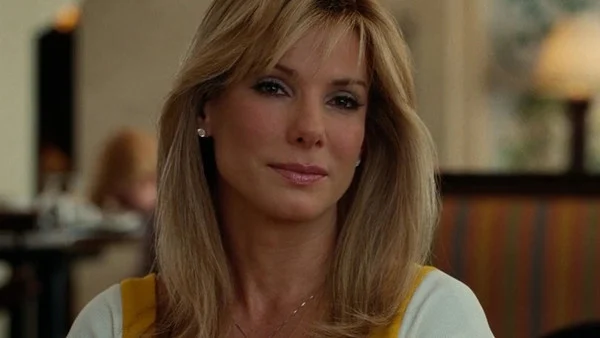
Leigh Anne Tuohy is introduced as a well-connected Memphis mother whose decision to welcome Michael Oher into her home sets the film’s central relationship in motion. The character organizes tutors, supplies, and stability, driving both his academic eligibility and athletic trajectory within the story’s school and community settings.
Her scenes detail the day-to-day mechanics of guardianship—paperwork, team meetings, and negotiating school expectations—while framing how a household adapts around a newcomer. The film uses her logistical problem-solving and direct communication style to show how parental advocacy alters institutional outcomes.
Molly Weasley — ‘Harry Potter and the Order of the Phoenix’ and ‘Harry Potter and the Deathly Hallows – Part 2’

Molly Weasley anchors the sprawling wizarding family at the Burrow, running a home that doubles as a safe base for the story’s younger characters. Her guidance appears through letters, holiday gatherings, and firm boundaries that establish how the Weasley household operates during escalating conflict.
In the final battles, the character shifts into active defense of her children and allies, demonstrating how domestic caretaking and battlefield resolve coexist in the same figure. The films position her as a parent who translates everyday discipline into decisive action when family is threatened.
Donna Sheridan — ‘Mamma Mia!’
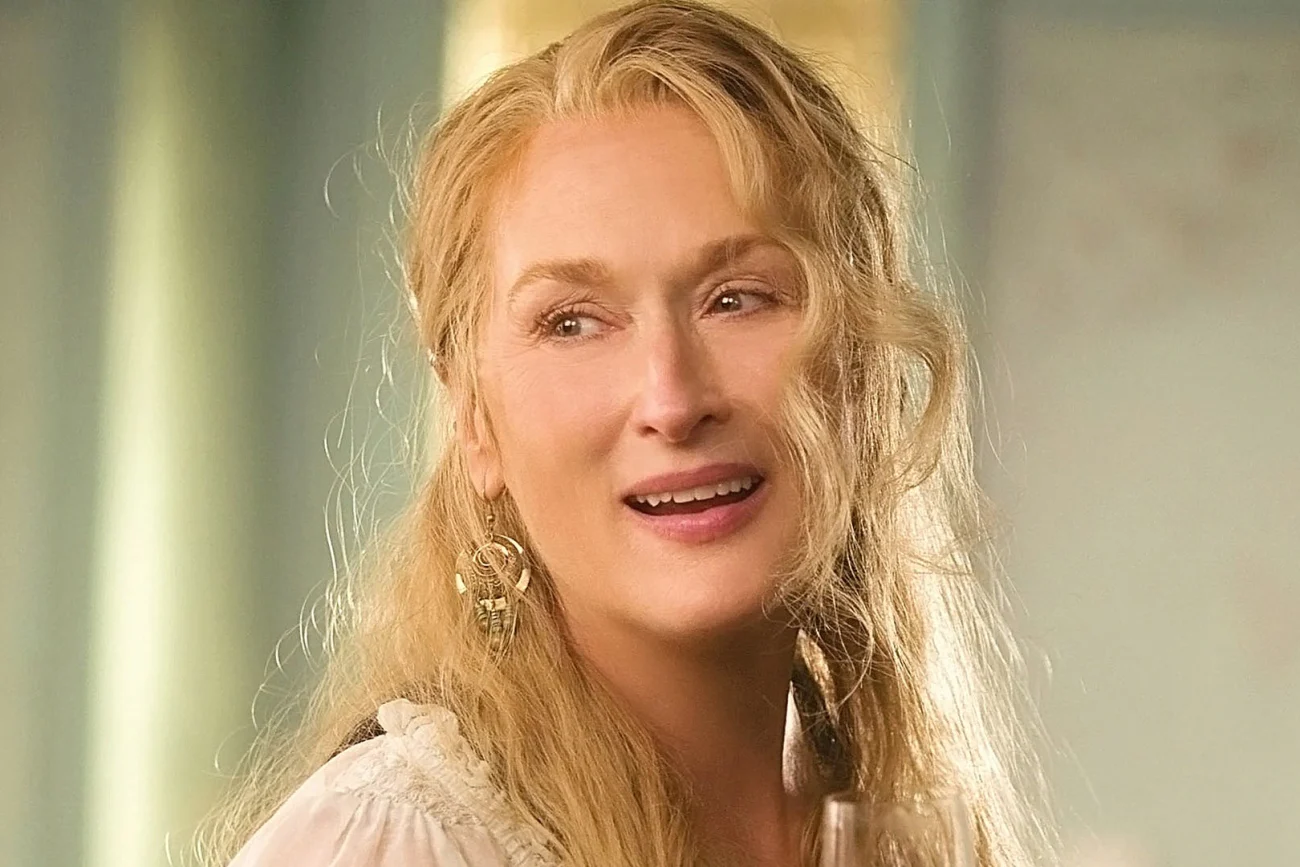
Donna Sheridan manages a small Greek island hotel while raising a daughter who’s on the brink of marriage. The story uses her diaries, finances, and friendships to map the practical and emotional footprint of solo parenthood in a tight-knit community.
Musical numbers track the logistics of running events, fixing the property, and revisiting past relationships that unexpectedly reenter her daughter’s life. The character’s choices guide how the wedding proceeds, how guests are accommodated, and how long-buried questions are resolved.
Morticia Addams — ‘The Addams Family’ and ‘Addams Family Values’
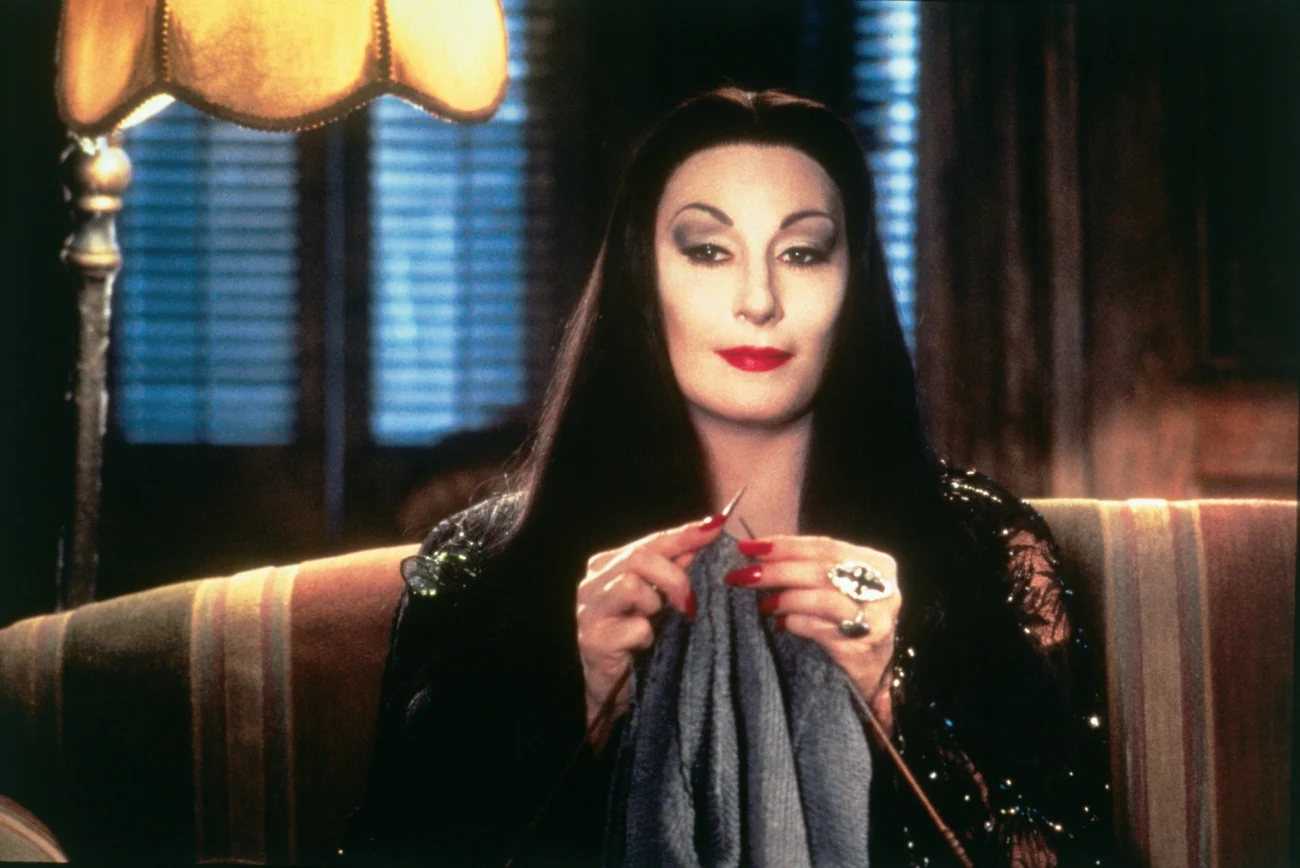
Morticia Addams presides over a household where the unusual is ordinary, setting the tone for family rituals, schooling, and social engagements that flip suburban expectations. Within the plot, she mediates disputes, reads situations with precision, and keeps family identity intact during outside interference.
Her parenting shows up in conferences with teachers, calm counsel to Wednesday and Pugsley, and deft management of crises ranging from impostors to summer-camp culture shock. The character functions as the Addamses’ steady center, ensuring their traditions survive contact with the mainstream.
Evelyn O’Connell — ‘The Mummy Returns’
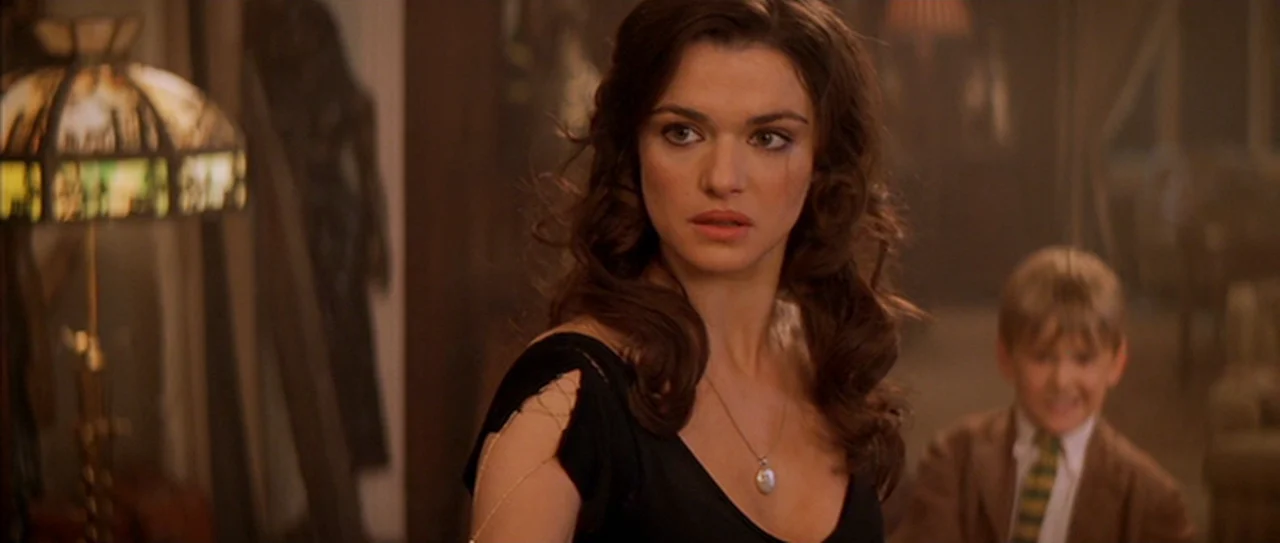
Evelyn O’Connell combines scholarly expertise with fieldwork while traveling with her husband and young son. Her knowledge of languages, artifacts, and ancient sites propels the plot through museums, dig sites, and supernatural confrontations.
Parenting choices shape the adventure’s stakes: safeguarding her child, delegating tasks under pressure, and using historical insight to outmaneuver antagonists. The character’s research and memory sequences supply key solutions that move the family from vulnerability to tactical advantage.
Vianne Rocher — ‘Chocolat’
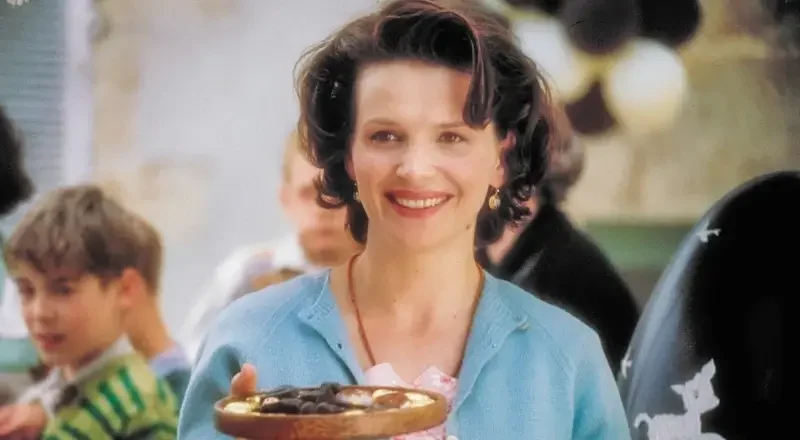
Vianne Rocher arrives in a conservative town, opens a chocolaterie, and raises her daughter while navigating local customs and pushback. The character’s day-to-day work—recipes, shopkeeping, and community outreach—shows how a small business becomes a social hinge for isolated residents.
Her parenting is woven into routines like relocating, establishing trust in a new school, and modeling independence. The story tracks how her presence alters the town’s calendar of celebrations and how hospitality can shift community dynamics.
Padmé Amidala — ‘Star Wars: Episode III – Revenge of the Sith’

Padmé Amidala serves in the Galactic Senate while privately preparing for motherhood amid rising political tensions. The narrative uses her apartments, senate chambers, and covert meetings to illustrate the split between public service and personal life.
Her scenes chart the consequences of secrecy: medical consultations, confidences with allies, and efforts to preserve family safety as the Republic destabilizes. The character’s choices directly intersect with galactic events, linking domestic stakes to a broader constitutional collapse.
Helen Parr (Elastigirl) — ‘The Incredibles’ and ‘Incredibles 2’

Helen Parr runs a superhero household where hiding abilities, keeping schedules, and teaching responsibility are everyday tasks. Early sequences map curfews, homework, and cover stories that maintain normalcy while the family adapts to shifting rules about heroic activity.
When missions call, she coordinates transport, communications, and contingency plans, demonstrating how parental planning scales to city-level crises. The films detail her use of gadgets, teamwork protocols, and de-escalation tactics that keep both civilians and her children safe.
Miranda Priestly — ‘The Devil Wears Prada’

Miranda Priestly manages a global fashion magazine while negotiating custody arrangements and school obligations for her twins. The character’s work calendar—run-throughs, galas, and international trips—interlocks with parental duties, showing the friction between corporate leadership and family commitments.
Key scenes cover chauffeur schedules, homework emergencies, and how professional leverage secures outcomes beyond the office. The film uses these details to map the invisible labor of coordinating elite logistics while meeting the expectations placed on a parent in a high-visibility role.
Lorraine Baines McFly — ‘Back to the Future’ and ‘Back to the Future Part II’

Lorraine Baines McFly anchors the McFly household across multiple timelines, providing a baseline from which changes in the past alter the present. The character’s routines—school dances, family dinners, and small-town life—become pivot points that ripple through her children’s future.
Her portrayal illustrates how parental choices in courtship, self-confidence, and boundary-setting reshape a family’s trajectory. The films use Lorraine’s differing timelines to show cause-and-effect on household stability, career paths, and sibling dynamics.
Evelyn Wang — ‘Everything Everywhere All at Once’
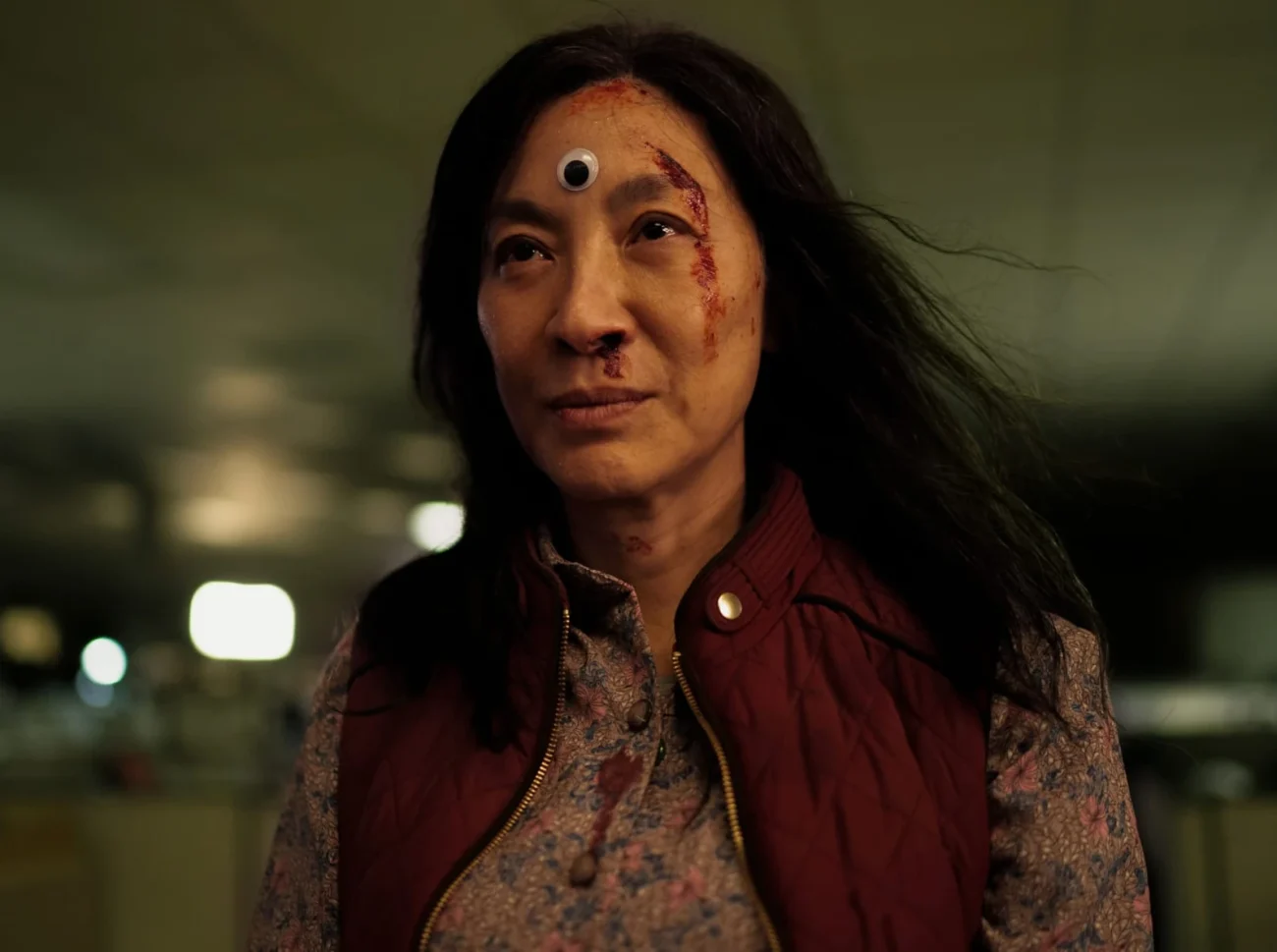
Evelyn Wang operates a laundromat while managing taxes, extended family expectations, and a tense mother-daughter relationship. The character’s paperwork, inventory, and customer interactions lay out the practical pressures that crowd her day.
As the story expands, her decision-making in surreal scenarios mirrors everyday conflict resolution: choosing which priorities to carry, which habits to discard, and how to communicate across generational gaps. The film documents step-by-step changes in how she engages her daughter, spouse, and father.
Beatrix Kiddo — ‘Kill Bill: Vol. 1’ and ‘Kill Bill: Vol. 2’

Beatrix Kiddo reenters her child’s life after a prolonged absence driven by violent circumstances. The character’s journey is organized through lists, training sequences, and travel logistics that culminate in a domestic reunion with immediate practical considerations.
Parenthood reframes her objectives from retribution to protection, altering how she approaches final confrontations and future planning. The narrative presents concrete steps—new identities, extraction plans, and careful boundaries—to secure a stable environment for her daughter.
Queen Ramonda — ‘Black Panther’ and ‘Black Panther: Wakanda Forever’
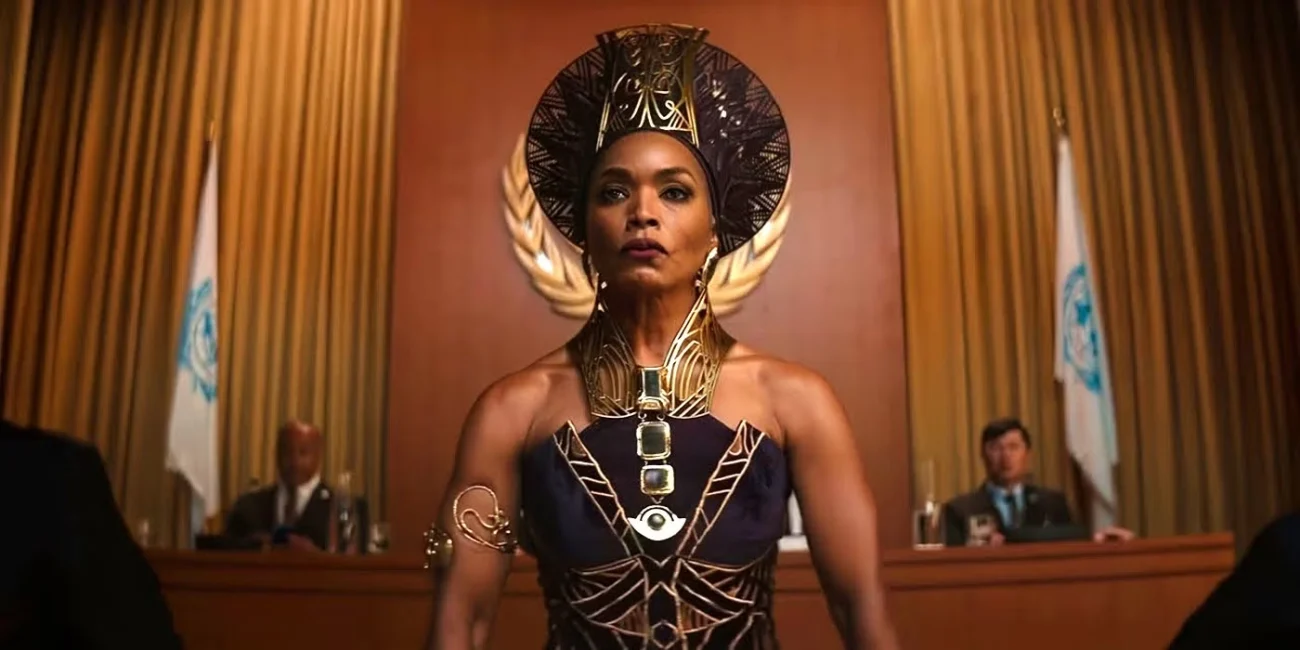
Queen Ramonda leads Wakanda’s council while serving as mother to national heirs. Diplomatic sessions, security briefings, and ceremony protocols show how governance and family overlap within the country’s institutions.
Her counsel, emergency responses, and stewardship of tradition guide how the royal family navigates threats and transitions. The films foreground her role in maintaining continuity, mentoring younger leaders, and safeguarding cultural practices that sustain the nation.
Sarah Connor — ‘The Terminator’, ‘Terminator 2: Judgment Day’, and ‘Terminator: Dark Fate’

Sarah Connor transforms daily routines into survival infrastructure after learning her son’s significance to future resistance efforts. Safe houses, weapons caches, and training regimens illustrate how parenting becomes preparedness under constant pursuit.
Her interactions with allies, law enforcement, and adversaries document the operational demands of staying mobile while teaching a child to assess danger. The character’s fieldcraft—routing, surveillance awareness, and contingency planning—grounds the franchise’s time-travel stakes in practical, family-centered action.
Jeanine Stifler — ‘American Pie’ and ‘American Pie 2’

Jeanine Stifler appears as the mother of Steve Stifler and becomes a catalyst for multiple characters’ coming-of-age experiences. The films place her at parties and quiet conversations that directly influence friendships, romances, and the group’s understanding of adulthood.
Her presence ties household spaces to pivotal decisions made by the younger cast, shaping how the story navigates rules, risk, and social consequences. Recurring callbacks, nicknames, and running jokes keep the character central to the series’ depiction of teenage curiosity and boundary-testing.
Share your own favorite big-screen moms in the comments—we’d love to hear which characters you’d add to the list!