Top 10 Coolest Things About Amy Adams

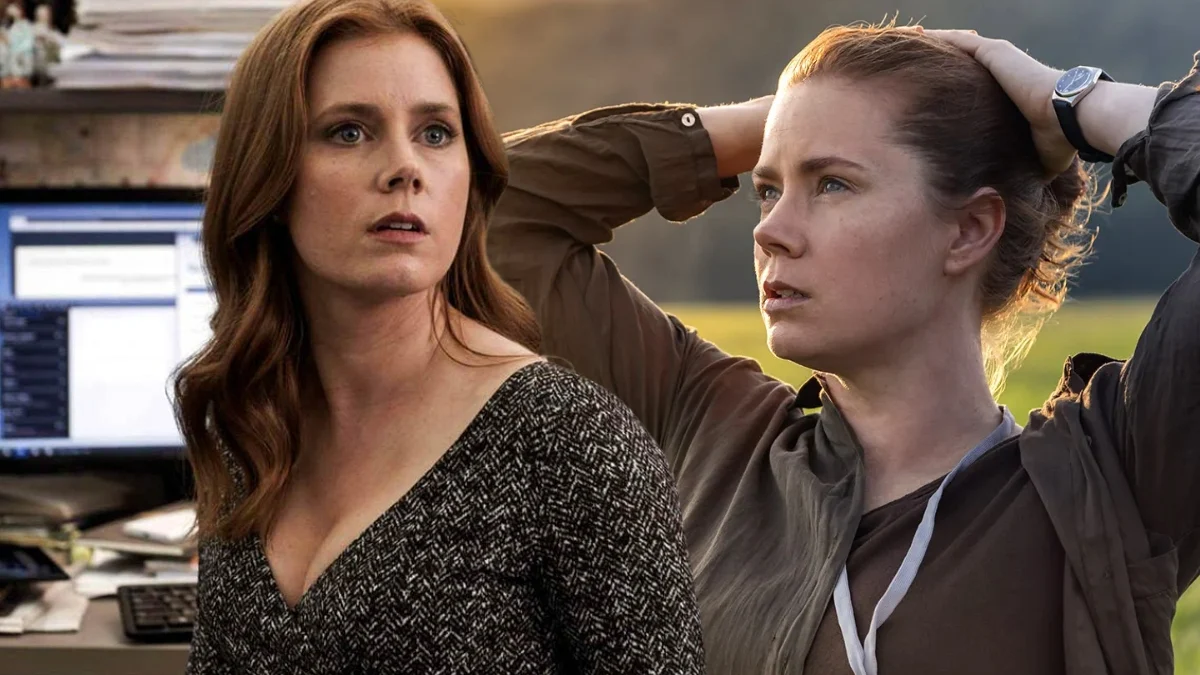

Amy Adams has built a career that spans prestige dramas, musicals, and television—often in the same stretch of time. She’s known for smart role choices, meticulous preparation, and a steady presence across indie films, studio hits, and limited series that keep finding new audiences.
Beyond the screen, her path runs through military-base childhood moves, dinner-theatre stages, and a long stretch of character work before wider recognition arrived. Along the way, she’s earned a stack of major award nominations, led ensembles for celebrated directors, and launched a production company to champion layered, character-driven stories.
International Military-Brat Beginnings
Adams was born in Vicenza, Italy, to American parents while her father served in the U.S. Army, and she spent her early years moving between bases before the family settled in Colorado. That upbringing meant frequent relocations, new schools, and a steady rotation of community activities, which exposed her to choirs, dance classes, and school productions that became early training grounds.
Growing up in the Denver metro area, she attended Douglas County High School and took part in choir and theater while also studying dance. Those skills translated into paid work right after graduation, including regional dinner-theatre productions that demanded singing, dancing, and quick rehearsal turnarounds—useful habits she later brought to film and television sets.
From Dinner-Theatre Dancer to Film Sets
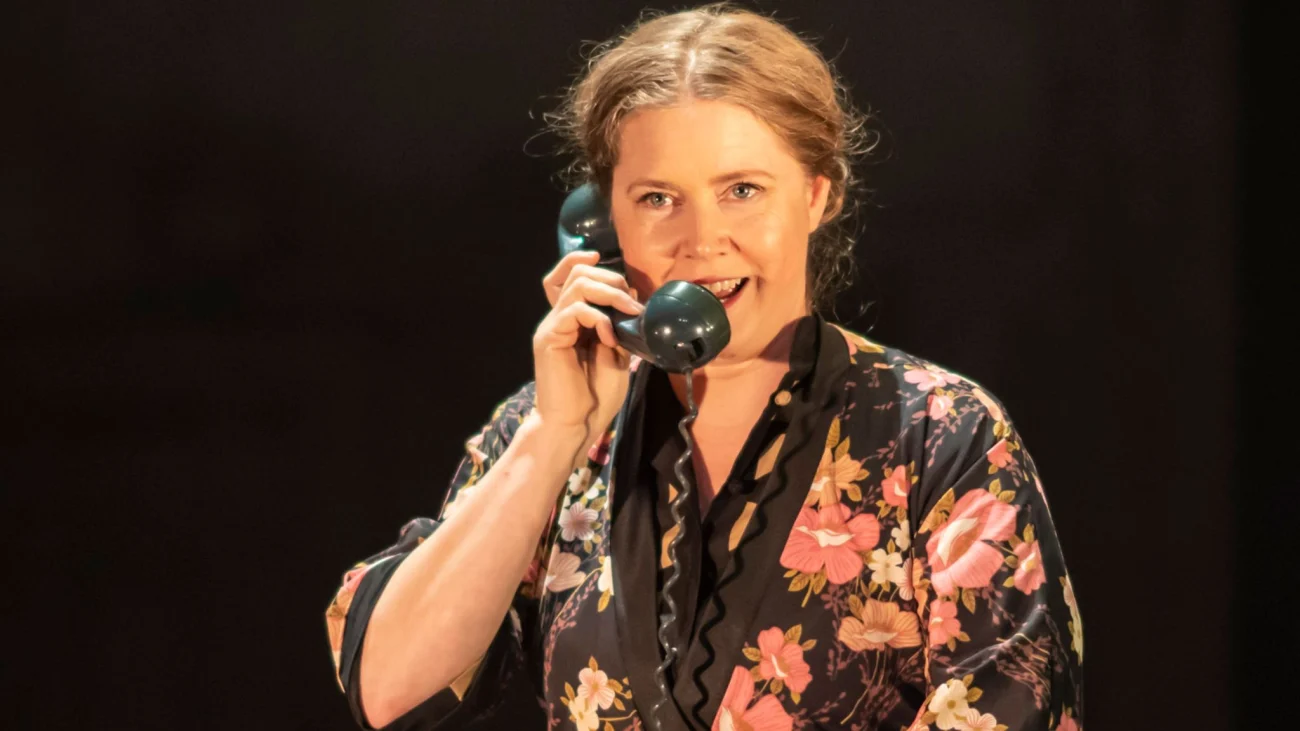
Before the first screen roles arrived, Adams performed at venues like Boulder’s Dinner Theatre and the Country Dinner Playhouse, where shows rehearse by day and run by night. That routine built stamina and a comfort with live audiences, quick costume changes, and tight choreography—techniques she later used in musical numbers and physically demanding scenes.
Her earliest onscreen credits included a pageant-world part in the dark comedy ‘Drop Dead Gorgeous’ and guest roles on series such as ‘Buffy the Vampire Slayer’ and ‘That ’70s Show’. Those appearances led to larger parts, and they trace a clear line from ensemble stage work to recurring television arcs and film roles across genres.
‘Junebug’ (2005)
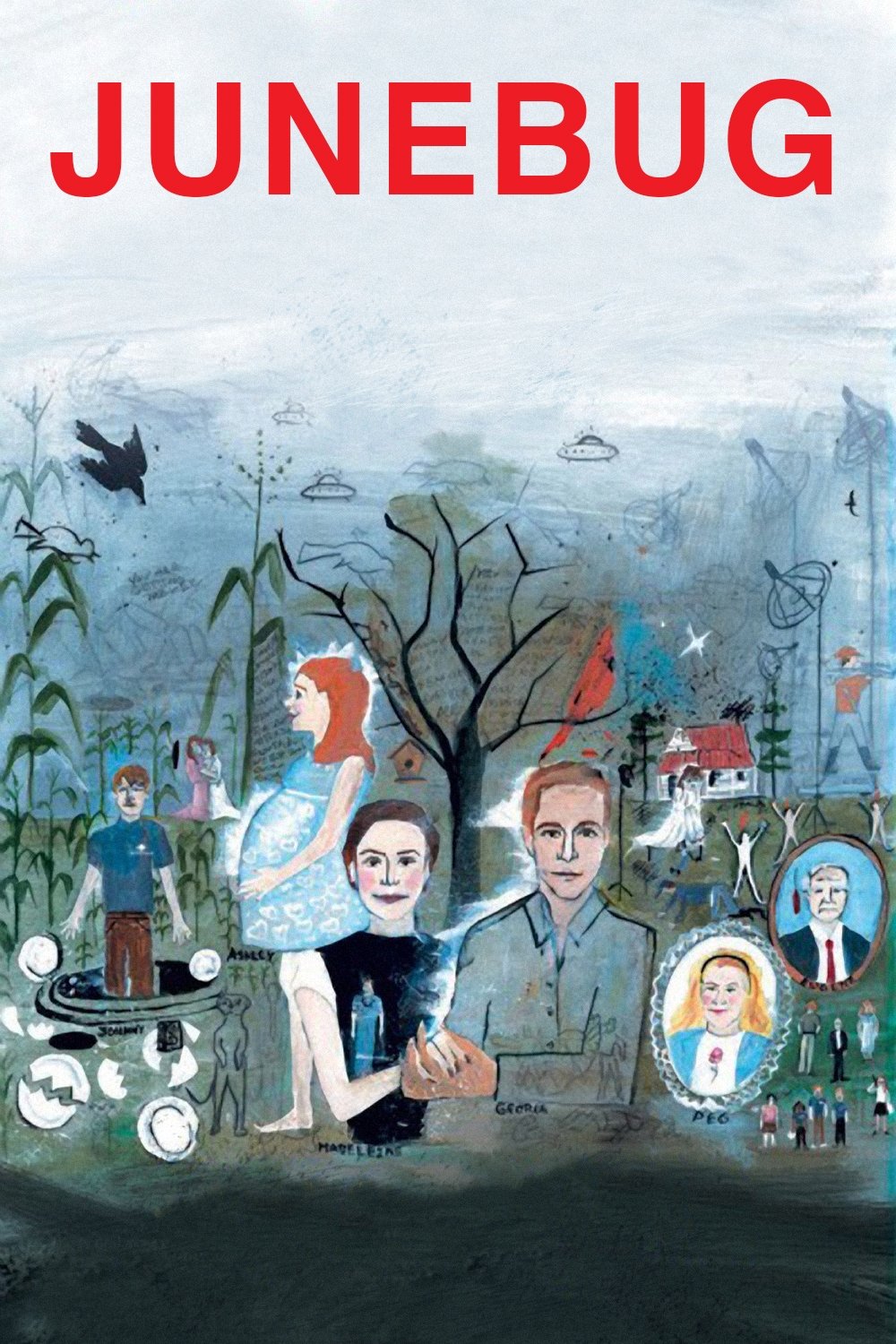
Adams’ breakout came with ‘Junebug’, an intimate family drama that earned her first Academy Award nomination for supporting performance. The role required calibrated shifts between humor and vulnerability, and her work introduced many viewers to an actor grounded in detail rather than showy moments.
The film’s festival run and critical response opened doors to bigger projects with acclaimed directors. Casting teams began pairing her with complex scripts that relied on subtext and layered character histories, a pattern that shaped much of her subsequent career.
‘Enchanted’ (2007)
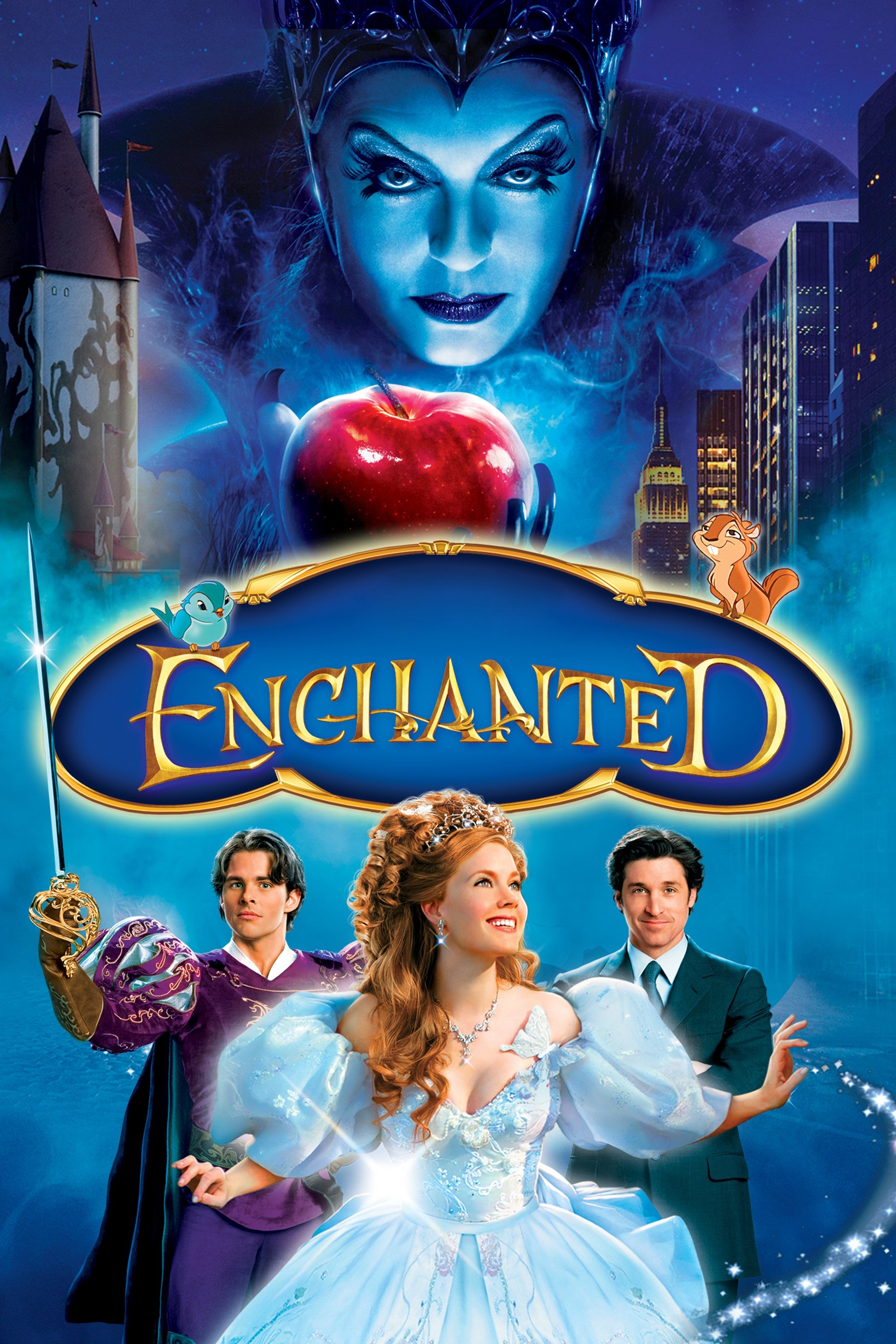
‘Enchanted’ blended animation and live action, requiring Adams to sing, dance, and maintain a heightened fairy-tale register while reacting to real-world settings. She recorded musical numbers, rehearsed choreography, and navigated technical sequences involving animation references and green-screen marks to bridge the two styles.
The movie’s success reaffirmed her range, showing that she could anchor a family film without losing specificity. It also led to additional musical and comedy opportunities, including work in ‘The Muppets’ and, later, a return to the character in ‘Disenchanted’.
Record of Major Award Recognition
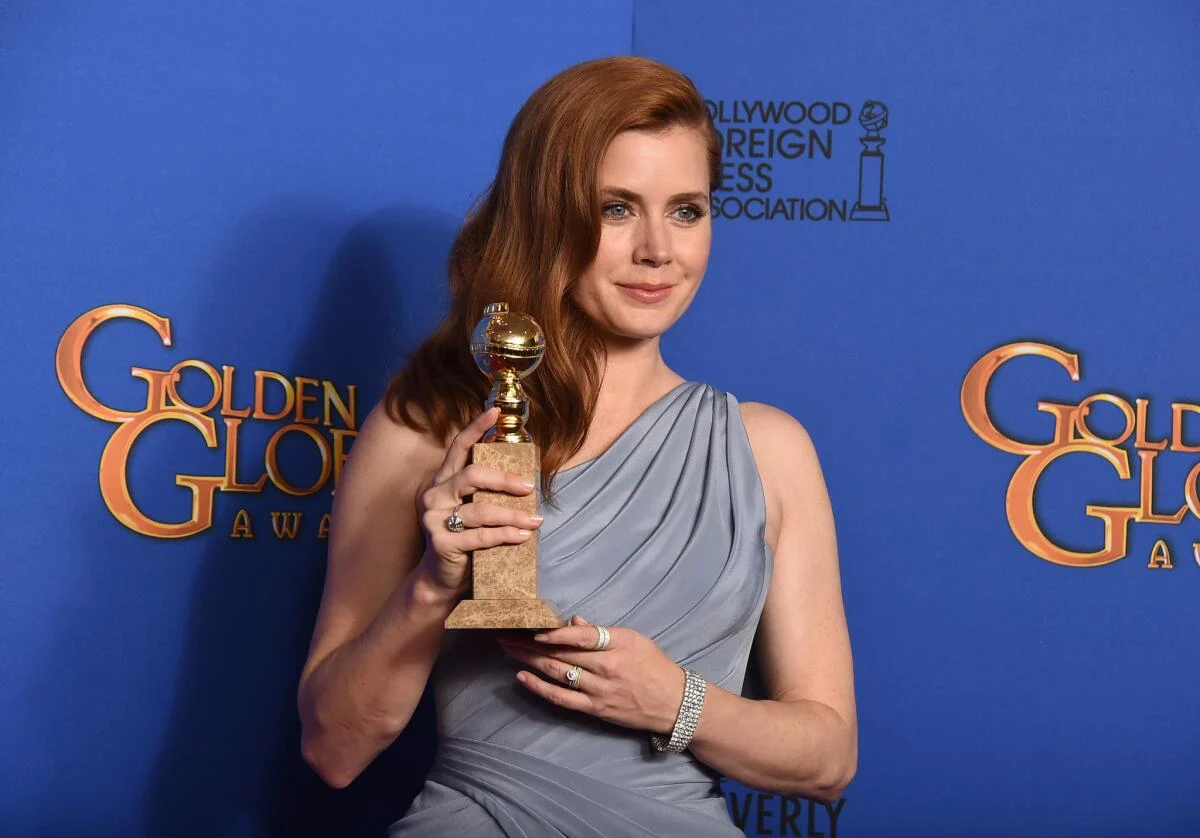
Adams has earned multiple Academy Award nominations across both supporting and lead categories, covering roles in films such as ‘Junebug’, ‘Doubt’, ‘The Fighter’, ‘The Master’, ‘American Hustle’, and ‘Vice’. Those nominations reflect consistent recognition from industry peers for nuanced character work over a long period.
She has also won Golden Globes for roles in ‘American Hustle’ and ‘Big Eyes’, alongside BAFTA and Screen Actors Guild nominations. The spread of honors across drama, comedy, and biographical storytelling underscores her ability to meet different category criteria while maintaining a distinctive approach.
Key Collaborations With Top Directors
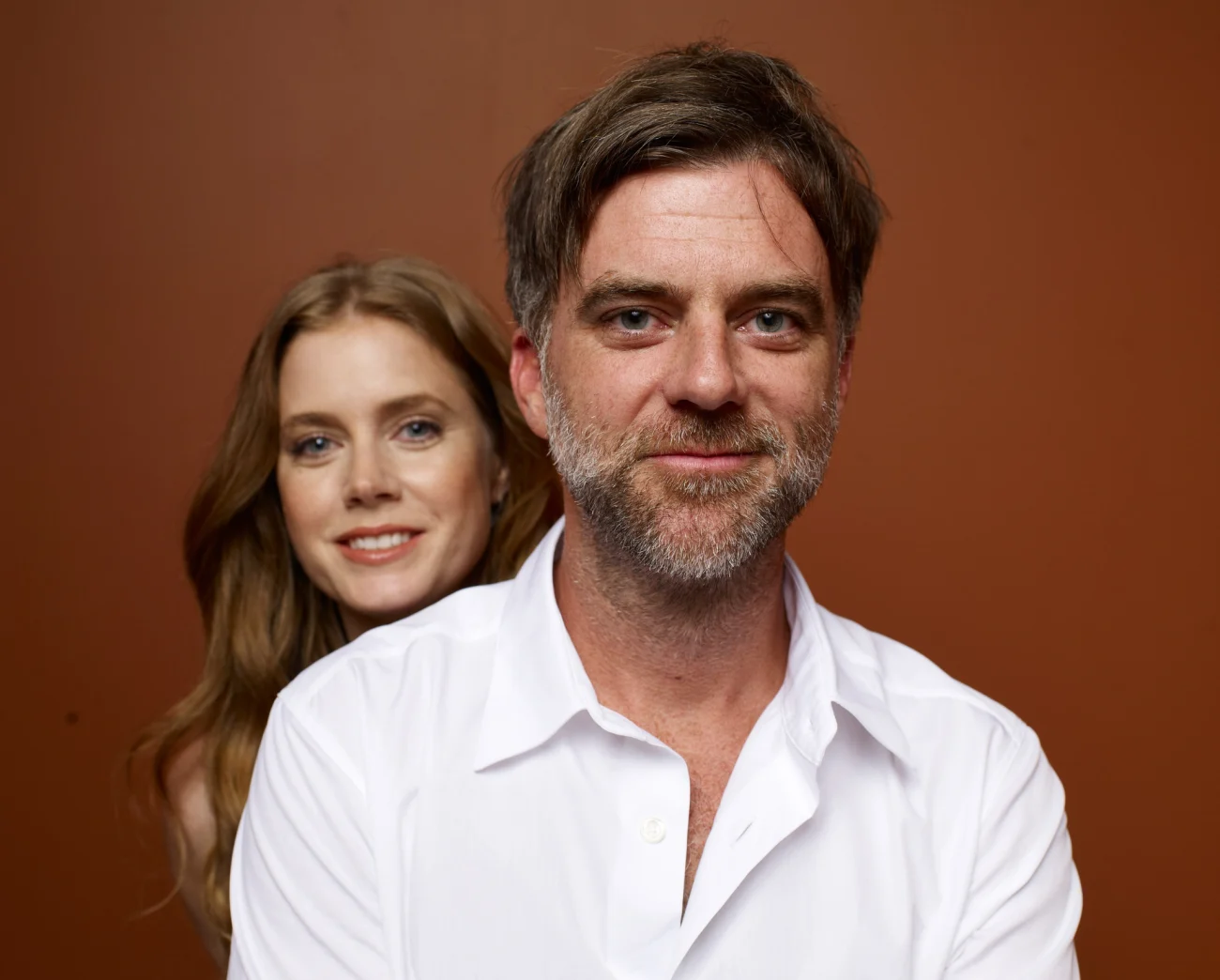
Adams has repeatedly teamed with directors known for strong ensemble storytelling, including David O. Russell on ‘The Fighter’ and ‘American Hustle’, Paul Thomas Anderson on ‘The Master’, Denis Villeneuve on ‘Arrival’, and Zack Snyder on ‘Man of Steel’ and its follow-ups. Those collaborations placed her in projects with demanding tones—from grounded realism to stylized crime stories and science-fiction epics.
Working with the same directors across multiple films allowed her to develop recurring creative shorthand. That continuity shows in performances that carry thematic threads from one project to the next—like moral ambiguity in ‘American Hustle’, spiritual searching in ‘The Master’, and analytical resolve in ‘Arrival’.
‘Arrival’ (2016)
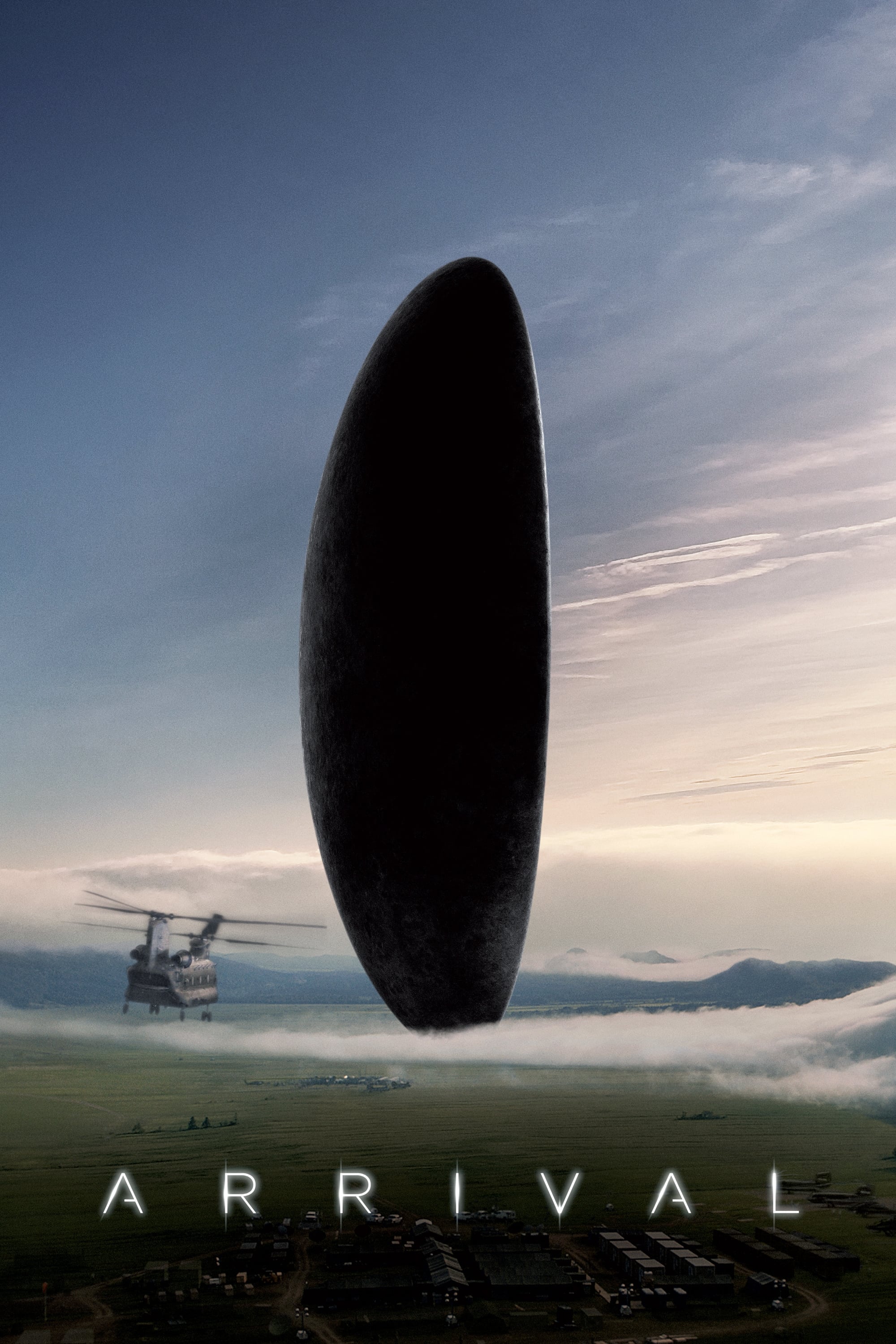
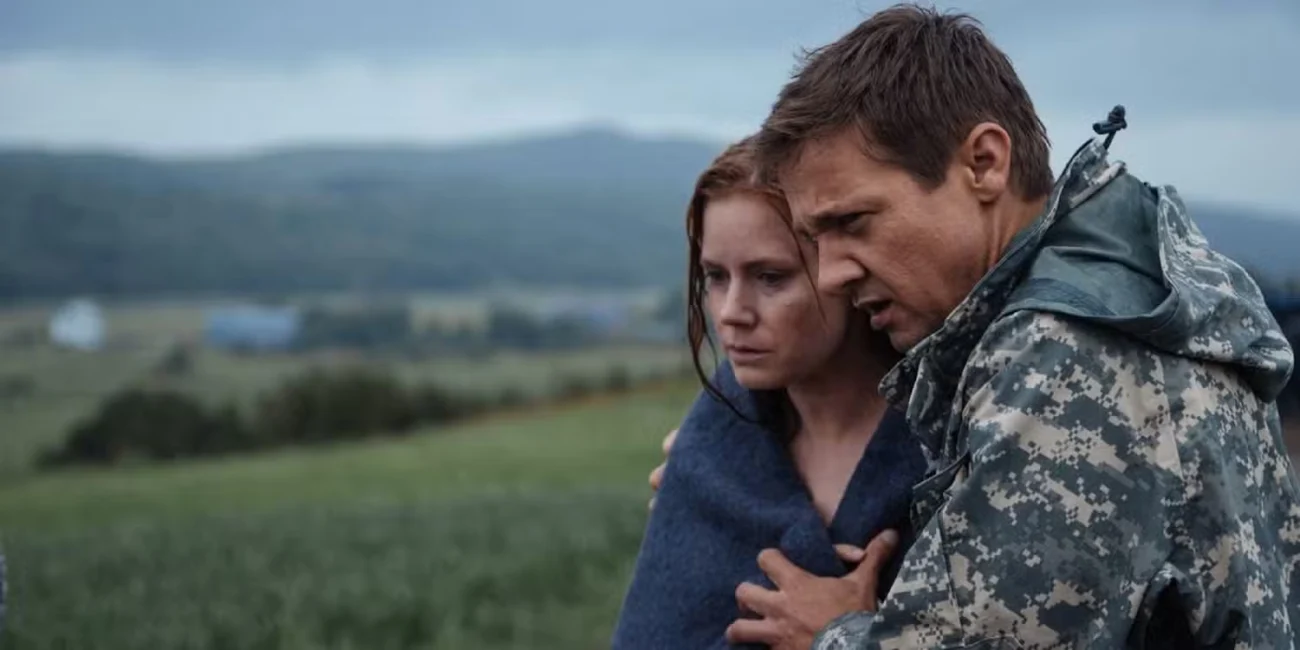
In ‘Arrival’, Adams plays a linguist tasked with establishing first contact, which required studying linguistic concepts, phonetics, and the logic of translation under pressure. She consulted scholarly materials and collaborated closely with the director and writers to map the character’s problem-solving process to the film’s structure.
The role’s emotional arc runs parallel to a technical storyline about language and temporality, and her scenes often rely on minimal dialogue and small physical adjustments. That combination of research-driven detail and restrained screen acting became a reference point for later science-fiction dramas focused on intellect as much as spectacle.
‘American Hustle’ (2013)
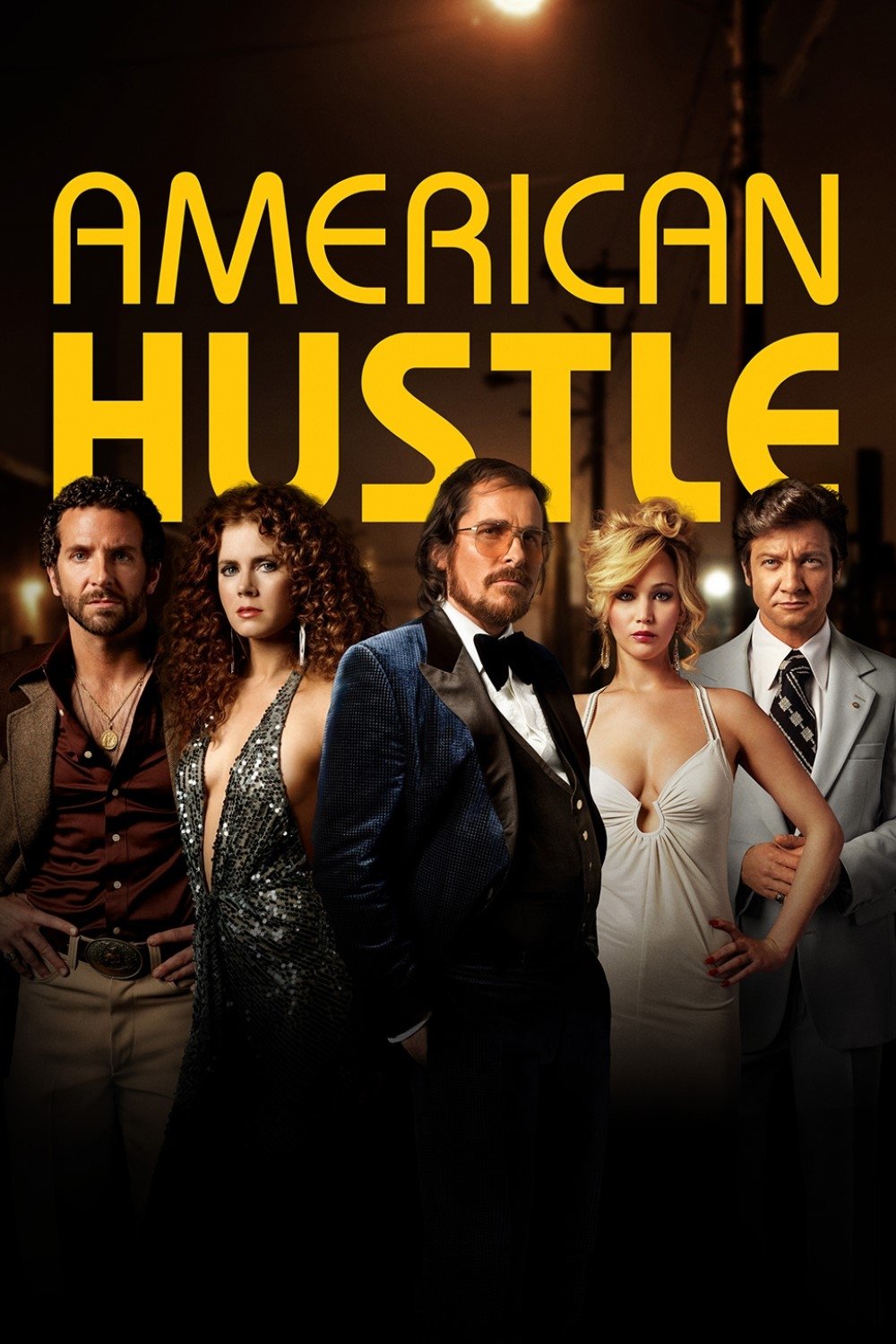
‘American Hustle’ cast Adams as a con artist whose invented identity drives the plot’s sting operations. She worked through accent shifts, wardrobe constraints, and improvisation-friendly rehearsals typical of the director’s process, aligning performance beats with a camera style that favors long takes and overlapping dialogue.
The film assembled a large ensemble, and Adams’ scenes required quick modulations between public personas and private motives. The result was a performance that threaded character continuity through multiple schemes, settings, and alliances without relying on exposition-heavy dialogue.
‘Sharp Objects’ (2018)
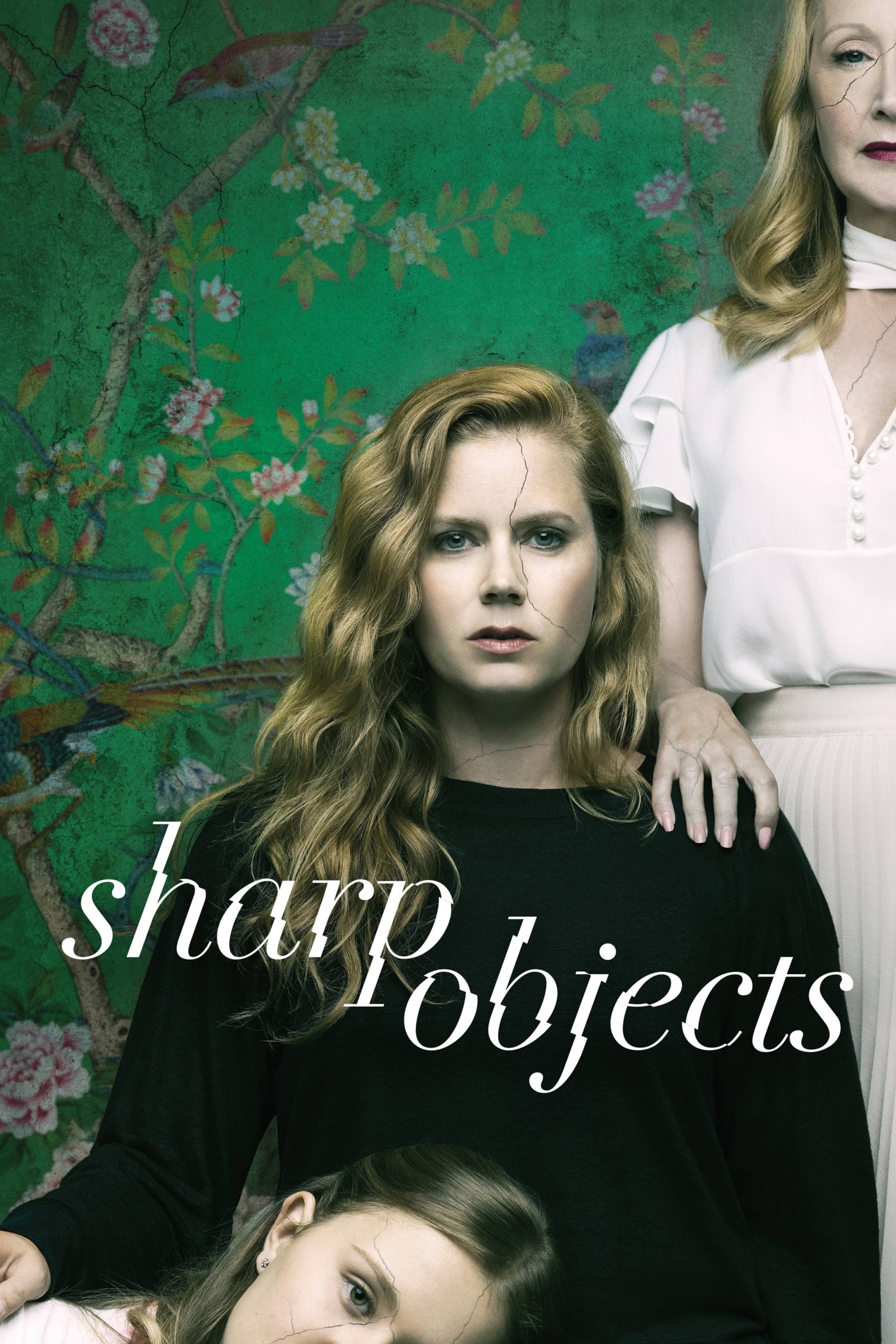
With ‘Sharp Objects’, Adams led and executive-produced a limited series adapted from a novel known for intricate psychological detail. Production involved sustained location work, coordination with the showrunner on adaptation choices, and collaboration with the director on visual motifs tied to memory and trauma.
As a producer, she helped steward tone, casting, and schedule considerations specific to a single-season narrative. The project demonstrated how she uses off-camera roles to support material that benefits from a closed-ended structure rather than open-ended episodic storytelling.
Portraying Real People With Careful Research
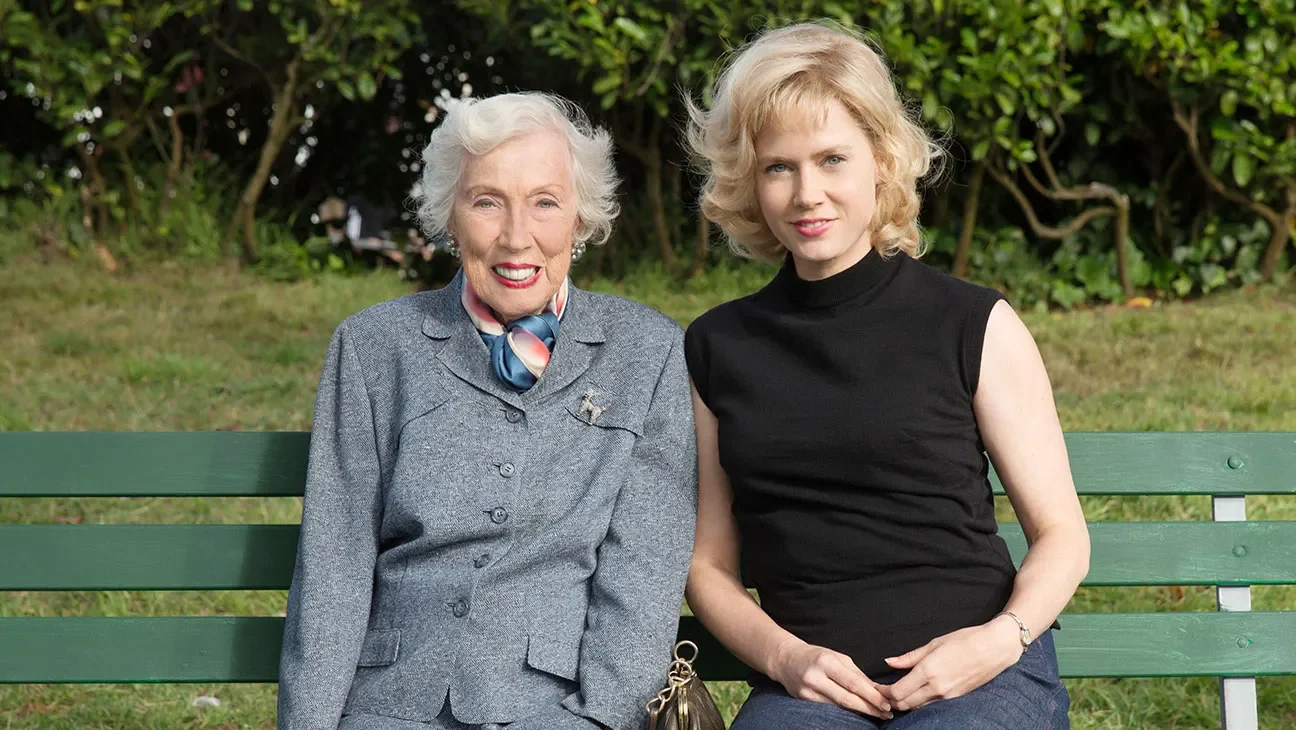
Adams has portrayed real figures such as Margaret Keane in ‘Big Eyes’ and Lynne Cheney in ‘Vice’, which required studying archival footage, interviews, and contemporaneous reporting. She worked with dialect coaches, reviewed period-appropriate sources, and mapped physicality to documented behaviors to balance accuracy with dramatic clarity.
These roles also involved coordination with makeup, hair, and costume departments to align external details with internal choices. The preparation process illustrates how she translates research into choices that fit the narrative while respecting the public record.
Share your favorite Amy Adams moments or roles in the comments—what would you add to the list?