Top 10 One Piece Movies, Ranked

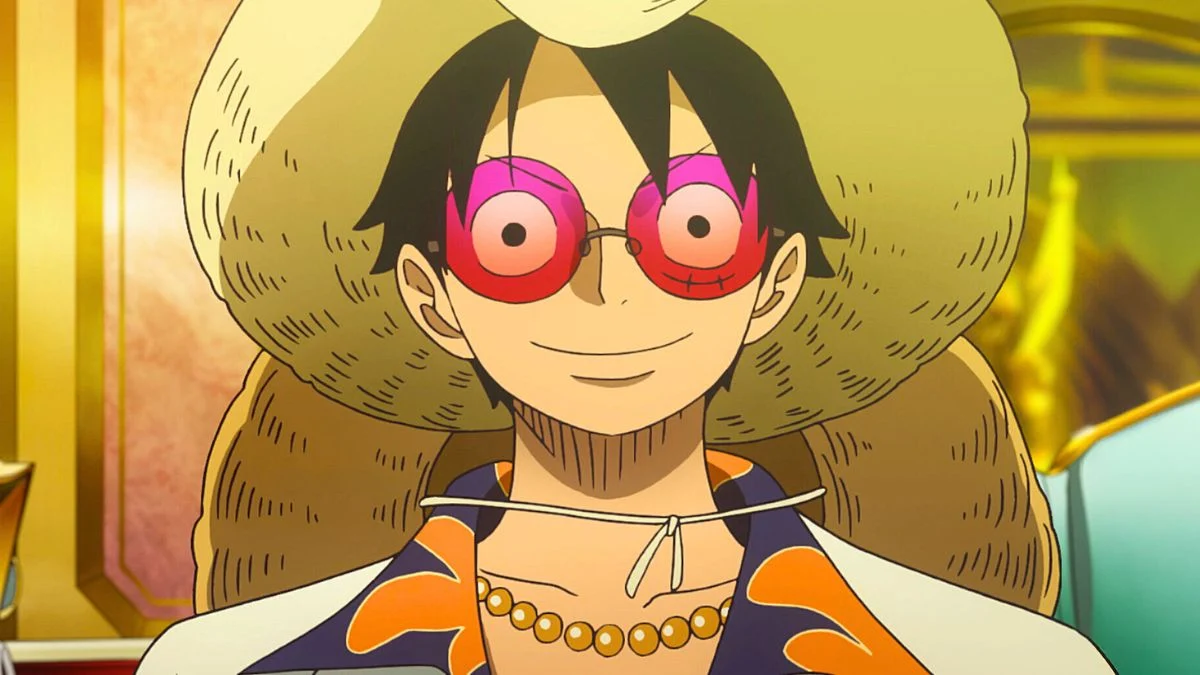

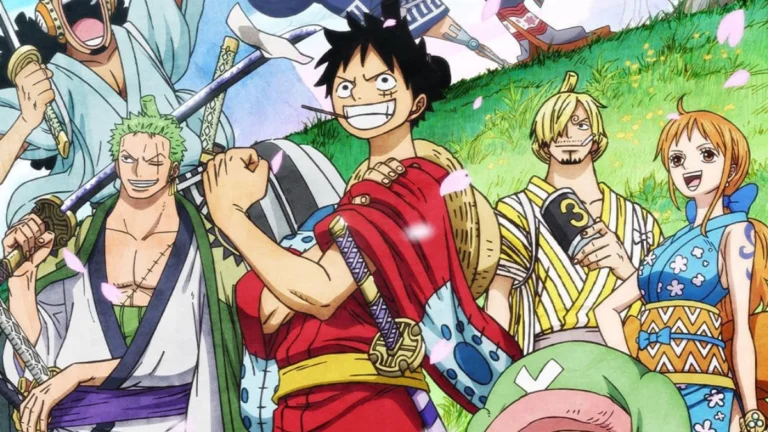
The ‘One Piece’ films expand the world of the Straw Hat crew with original stories, event crossovers, and cinematic retellings. They bring new villains, showcase upgraded abilities, and highlight relationships that the weekly series can only touch on in brief arcs. Many entries also feature original characters who later show up in games and promotional material, which keeps these movies connected to the wider franchise ecosystem.
This list focuses on feature films released in theaters, not TV specials or recap episodes. You will find standalone adventures, celebratory anniversary projects, and film originals from major anime directors. Each entry below notes where it fits in the canon timeline, the creative leads behind it, and any production or release details that help you place it in the broader ‘One Piece’ journey.
10. ‘One Piece: Clockwork Island Adventure’ (2001)
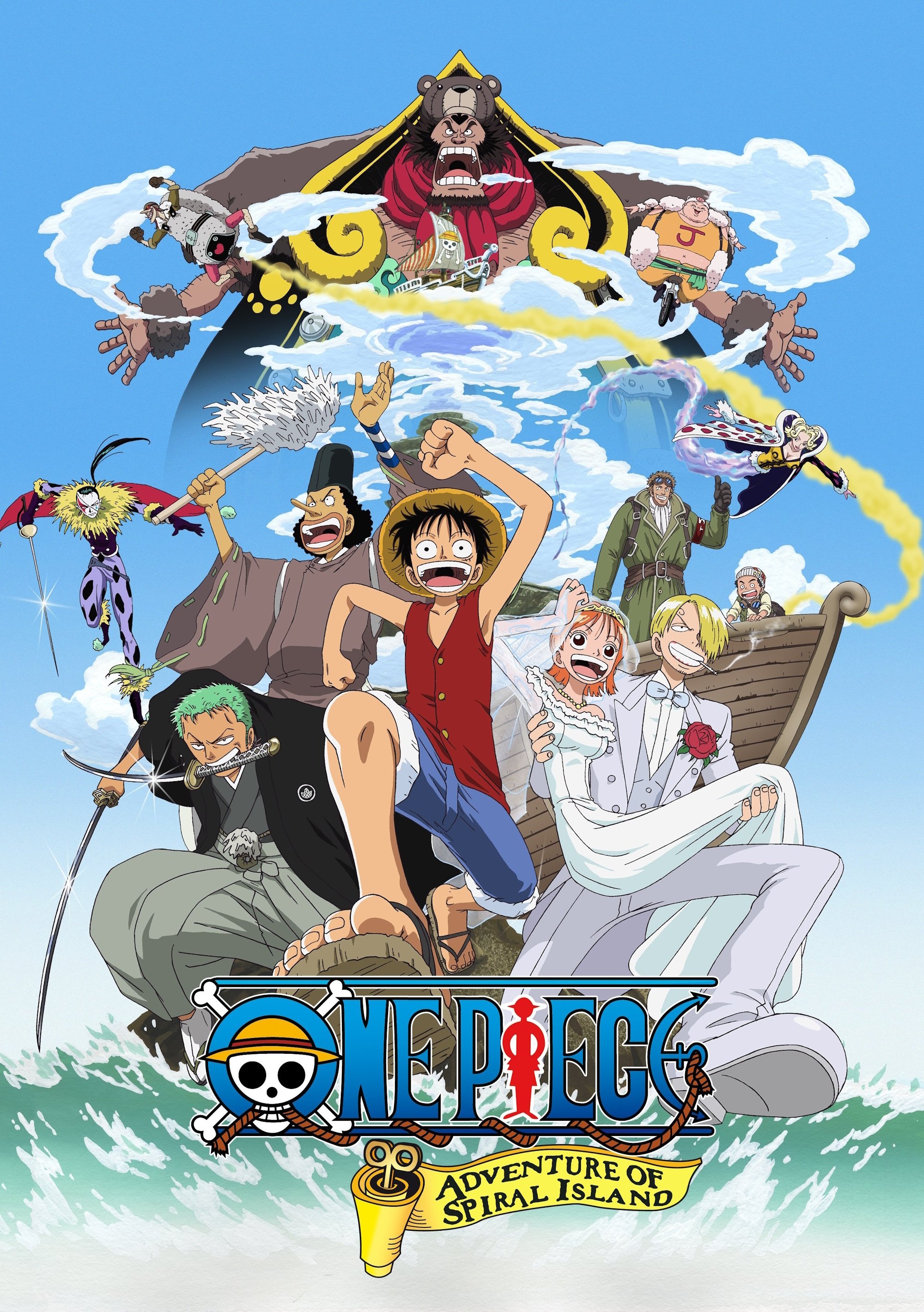
This film sends the crew to a floating island built from scrap where they chase down stolen items and face the Trump Siblings and their leader. The story introduces unusual engineering set pieces and a layered heist structure that moves from street level chases to an elevated fortress controlled by timed mechanisms. Locations change quickly, which lets the film show off early designs for sky bridges, gear rooms, and rotating platforms that challenge each crew member in different ways.
Production came during the run of the East Blue era, so the cast reflects the lineup before later additions. The movie leans on early series gags, compact action, and a brisk runtime that suits its caper setup. The animation style matches the look of the show at the time, with thicker outlines and simpler shading compared to later films.
9. ‘One Piece: Curse of the Sacred Sword’ (2004)
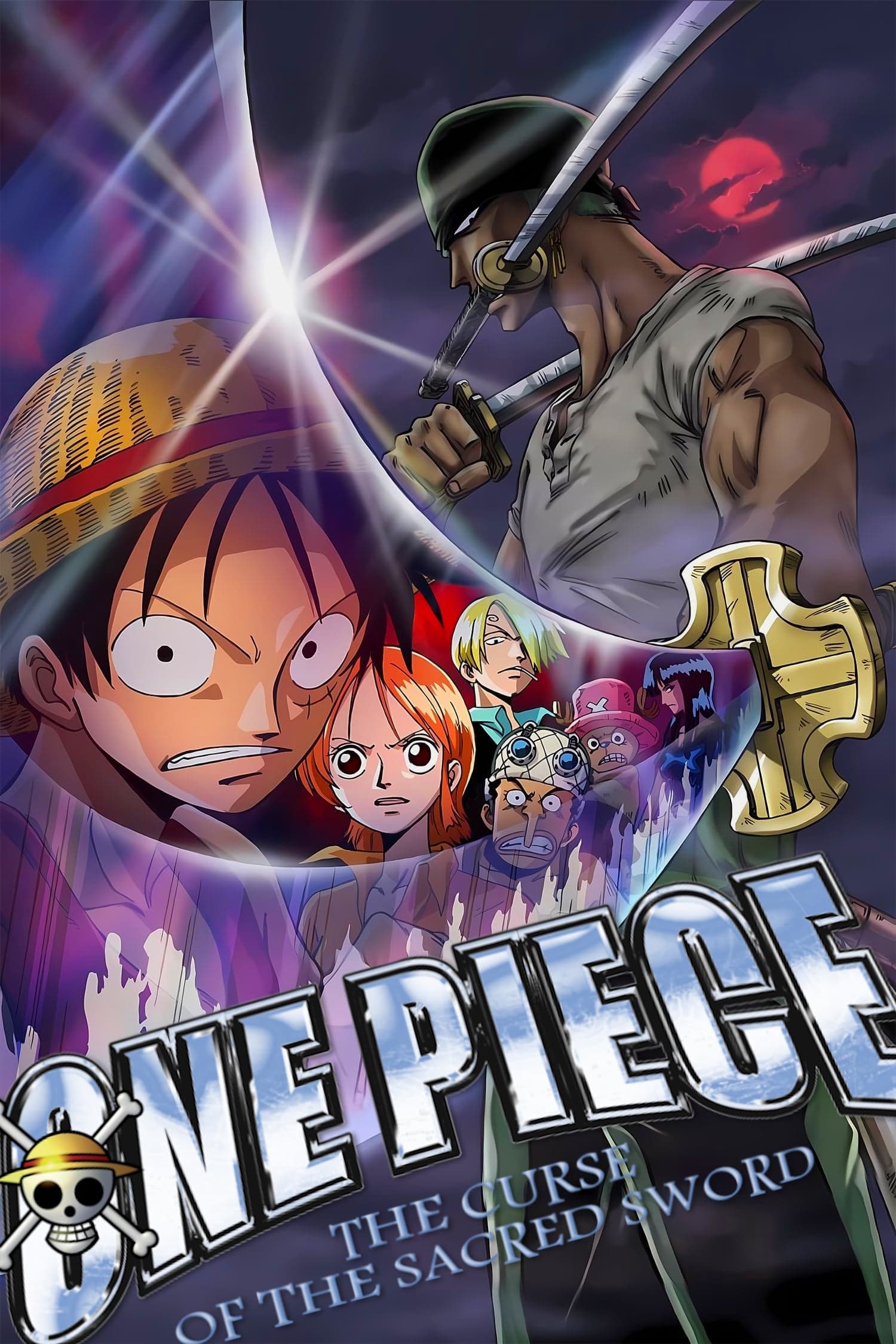
Zoro takes center stage when the crew visits Asuka Island and becomes entangled with a legendary blade tied to an old Marine friend. The plot explores cursed weapon lore within the franchise and sets up a conflict that separates Zoro from the others for extended periods, which gives room for swordplay choreography and temple exploration. The island layout includes sacred sites, cliffside villages, and sealed chambers guarded by ritual rules.
The film’s score uses traditional instruments during shrine sequences, while the color design pushes deep greens and amber lighting for forests and interiors. Fight staging emphasizes dual and triple clashes that switch between courtyards and tight corridors, and the finale pays off the blade’s mythology with a contained ritual sequence.
8. ‘Episode of Chopper Plus: Bloom in Winter, Miracle Sakura’ (2008)
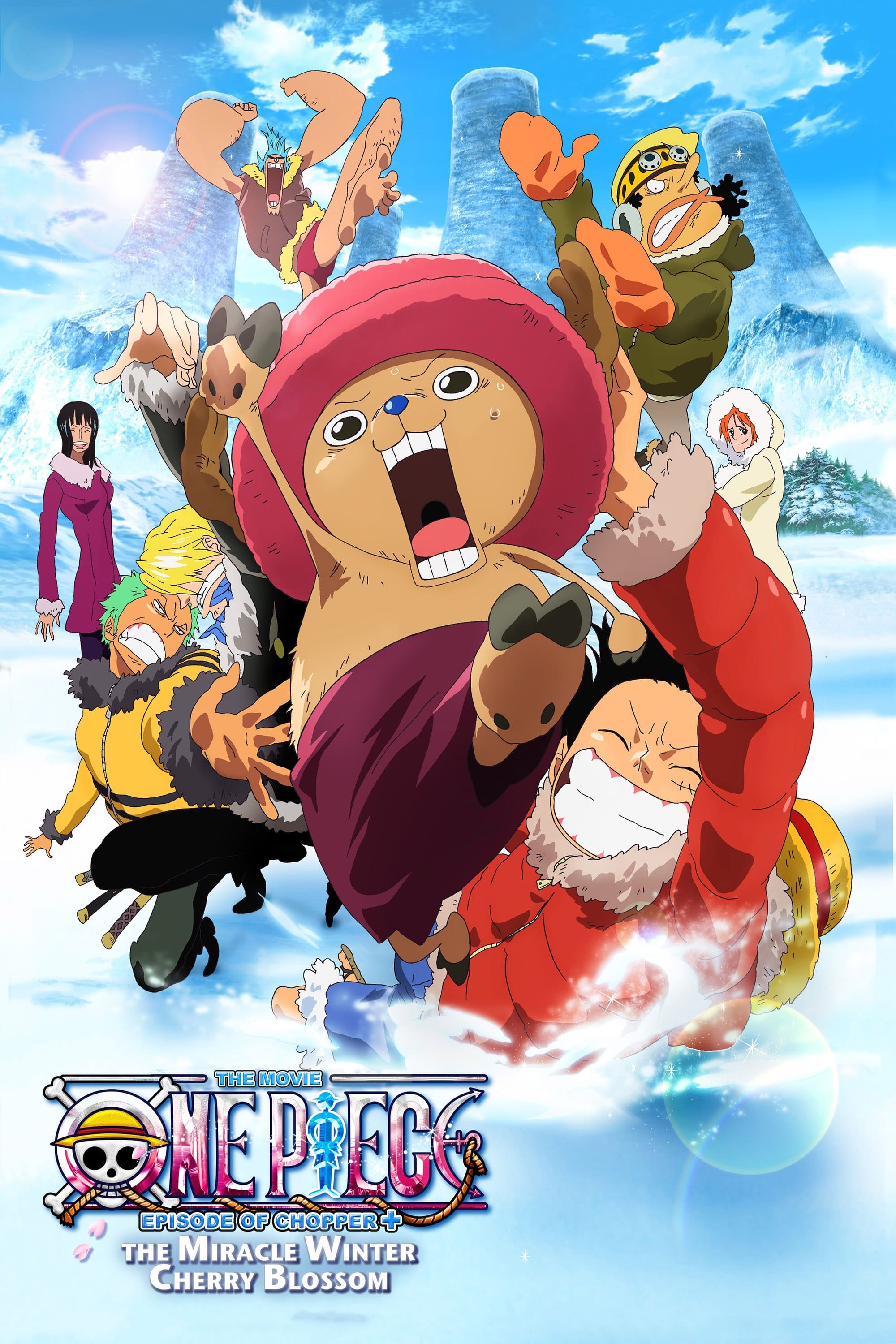
This is a theatrical retelling of the Drum Island arc that updates costumes and character lineups to reflect a later point in the series. The film condenses the original story into a shorter structure while preserving key beats that explain Chopper’s backstory and the showdown against Wapol. Set pieces include snowy mountain ascents, castle interiors with moving platforms, and medical labs that tie into the arc’s winter theme.
The movie incorporates new combat moments and rearranged encounters to fit a single feature runtime. Background art focuses on blizzards, low visibility travel, and warm interior lighting that contrasts with exterior whiteouts. The updated character roster also appears in group attacks and travel sequences that were not present in the original episodes.
7. ‘One Piece: The Desert Princess and the Pirates: Adventure in Alabasta’ (2007)
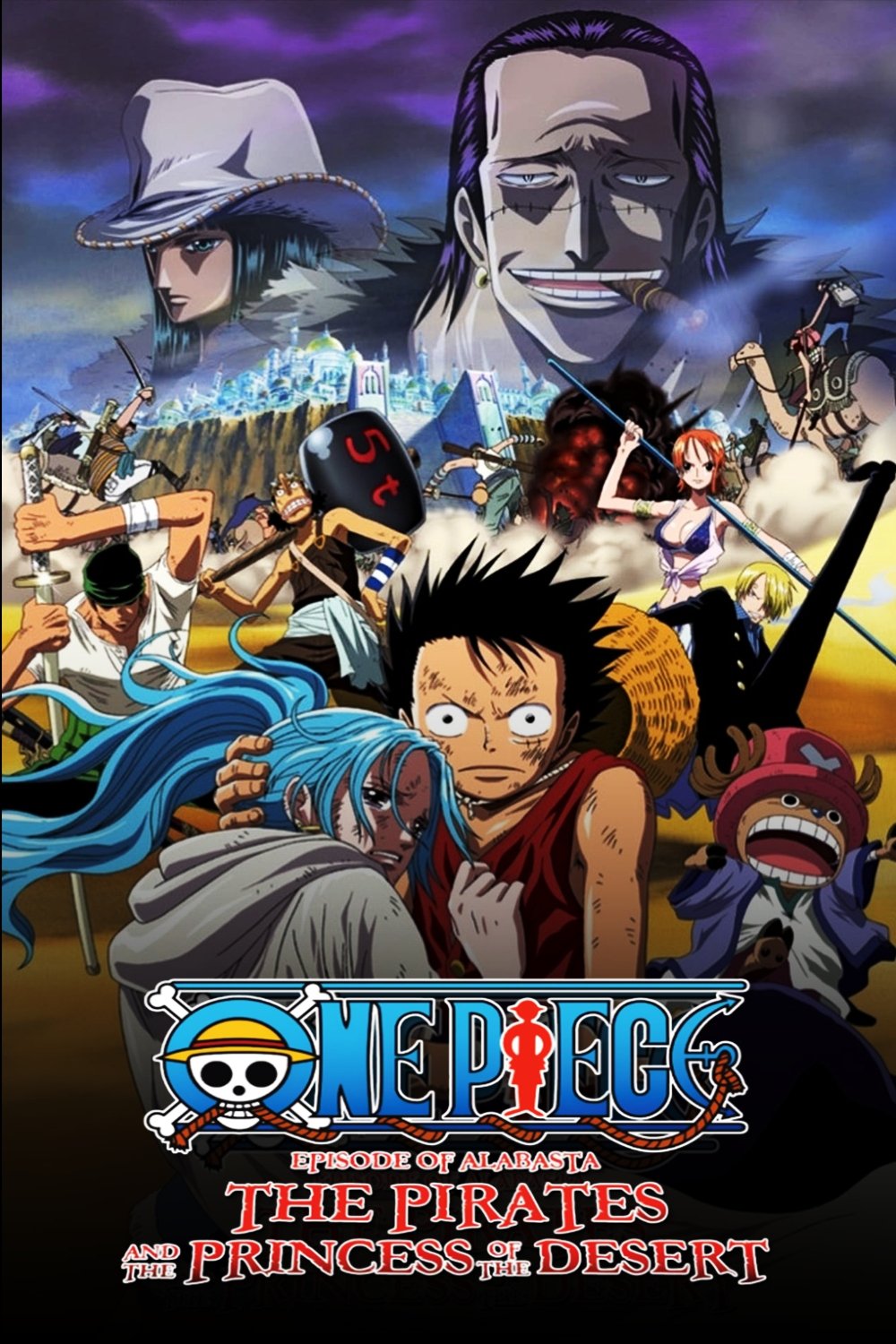
This film adapts the Alabasta arc into a streamlined feature with Vivi’s homeland in crisis and Baroque Works as the central threat. The production rebuilds major locations such as Rainbase, Yuba, and Alubarna, then compresses multiple battles into a clear sequence that tracks the crew’s movement across the desert. Visuals highlight sandstorms, oasis towns, and palace architecture to sell the region’s scale in a single movie.
Key confrontations are reblocked to keep momentum without long pauses for exposition. Music and sound effects lean into sand movement, wind, and echoing interiors to anchor the setting. The adaptation focuses on the core conflict and resolves it within the constraints of a film, which makes it useful for viewers who want the arc’s essentials in one sitting.
6. ‘One Piece: Baron Omatsuri and the Secret Island’ (2005)
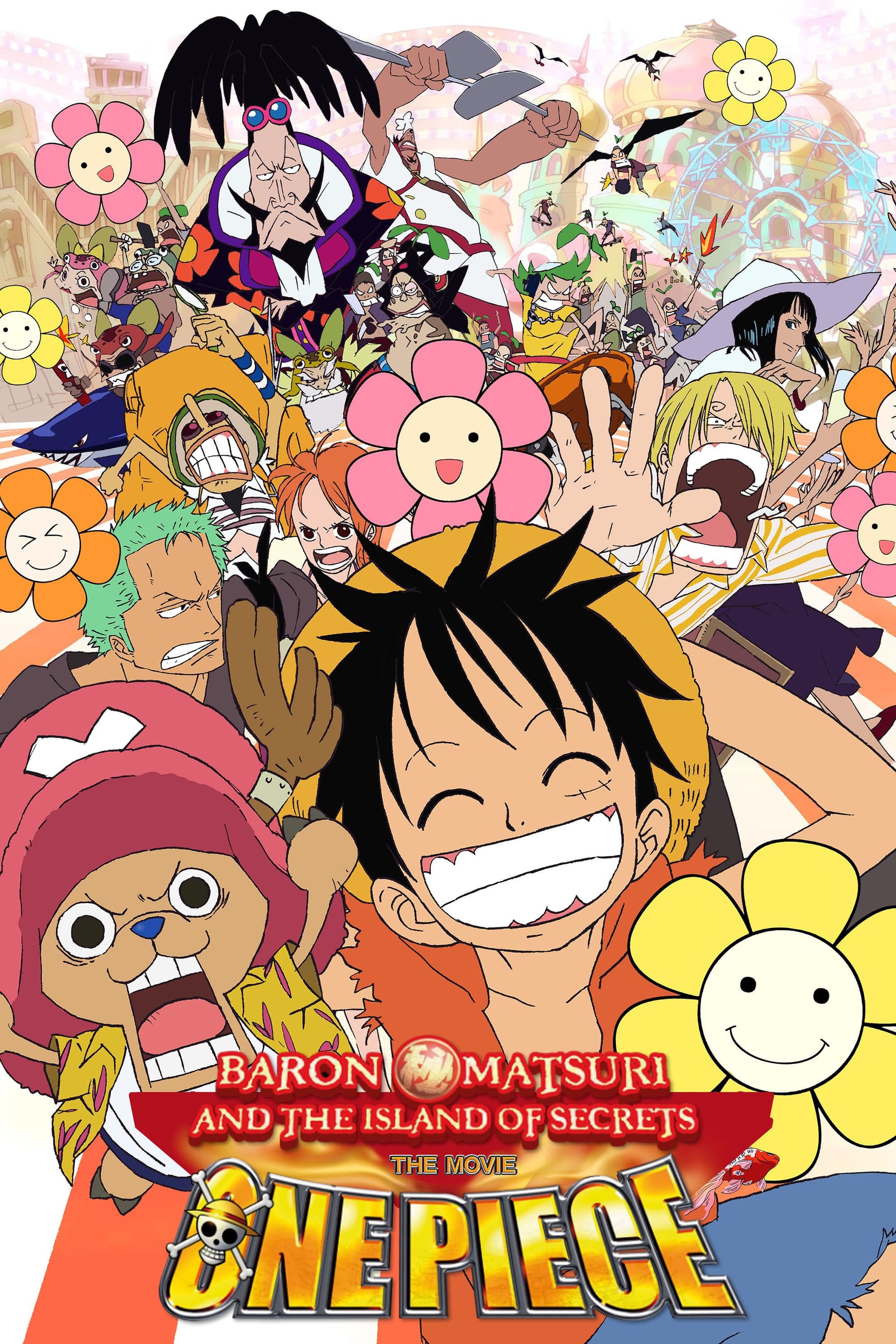
Directed by Mamoru Hosoda, this film takes the crew to a resort island where a series of trials hides a darker agenda. The art direction uses stylized faces, elongated anatomy, and painted textures that differ from standard franchise designs. The narrative moves from festival games to psychological pressure, which allows for visual motifs such as flowers, thorns, and shadowed hallways to build tension over time.
The score and sound design support tonal shifts with quiet stretches that contrast with loud trap reveals. Layouts make heavy use of narrow paths, towers, and bridges that isolate characters during set pieces. The movie stands out for experimental framing, handheld style pans, and layered compositing that signal its distinct creative leadership.
5. ‘One Piece Film: Gold’ (2016)
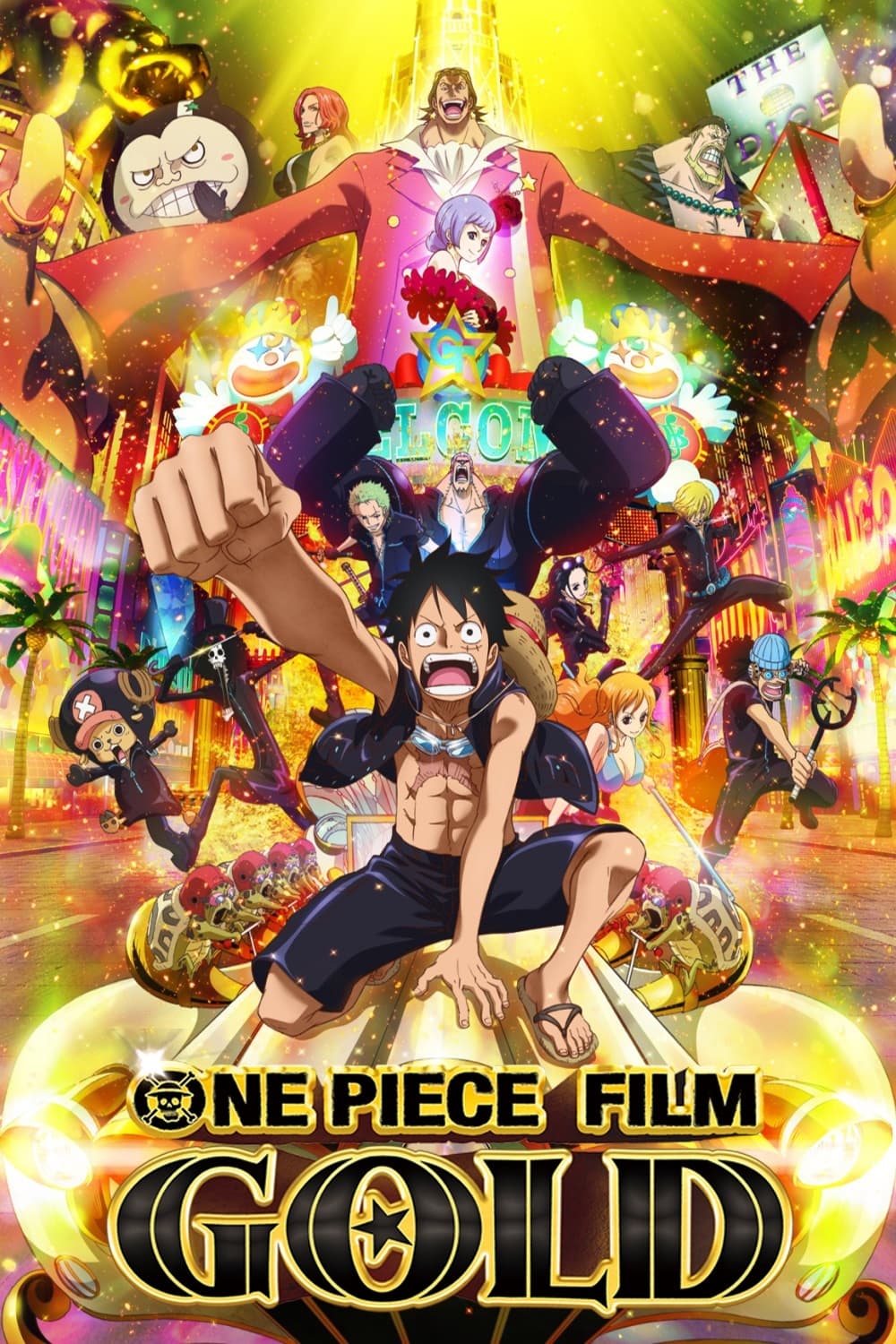
Set in Gran Tesoro, a sovereign entertainment city built on a massive ship, the film blends casino heists with a public spectacle driven by Gild Tesoro. The production team designed a gold coated metropolis with show stages, race tracks, and vault systems that enable chase scenes and infiltration. Costumes include formal wear and performance outfits that tie into musical numbers and public broadcasts throughout the city.
The film uses wide shots to convey population scale, then cuts to backstage catwalks and service corridors for covert movement. A mix of CG crowd simulation and 2D character acting supports large set pieces, and the finale leverages ship level mechanisms and resource control for a multi phase showdown that uses the environment as a tool.
4. ‘One Piece: Dead End Adventure’ (2003)
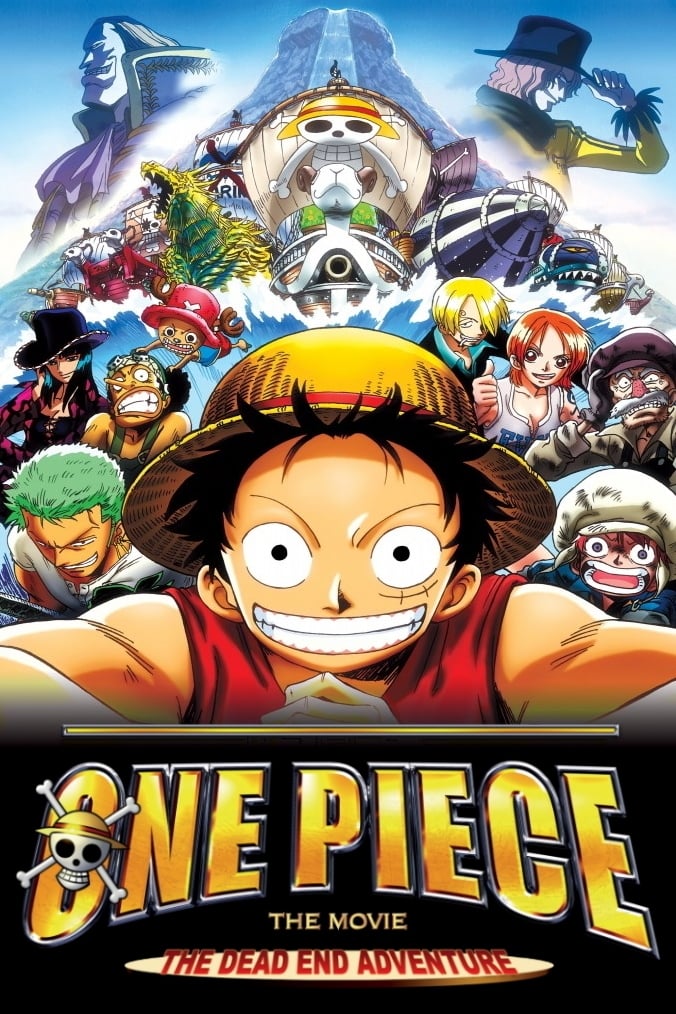
The crew enters the Dead End race, an illegal sailing competition that brings them into conflict with ex Marines and rival pirates. Course design features storms, rocky passes, and shortcuts that reward risky navigation. The film treats the Going Merry as an active element in action sequences, with sail changes and hull stress called out during tight turns and collisions.
Character matchups play out in docks, warehouses, and cliffs that permit vertical movement and rope work. The villain’s backstory connects to naval service records, which adds clear motivation and informs equipment choices and tactics. The movie’s structure alternates between race legs and on land investigations that uncover the scheme behind the event.
3. ‘One Piece: Stampede’ (2019)
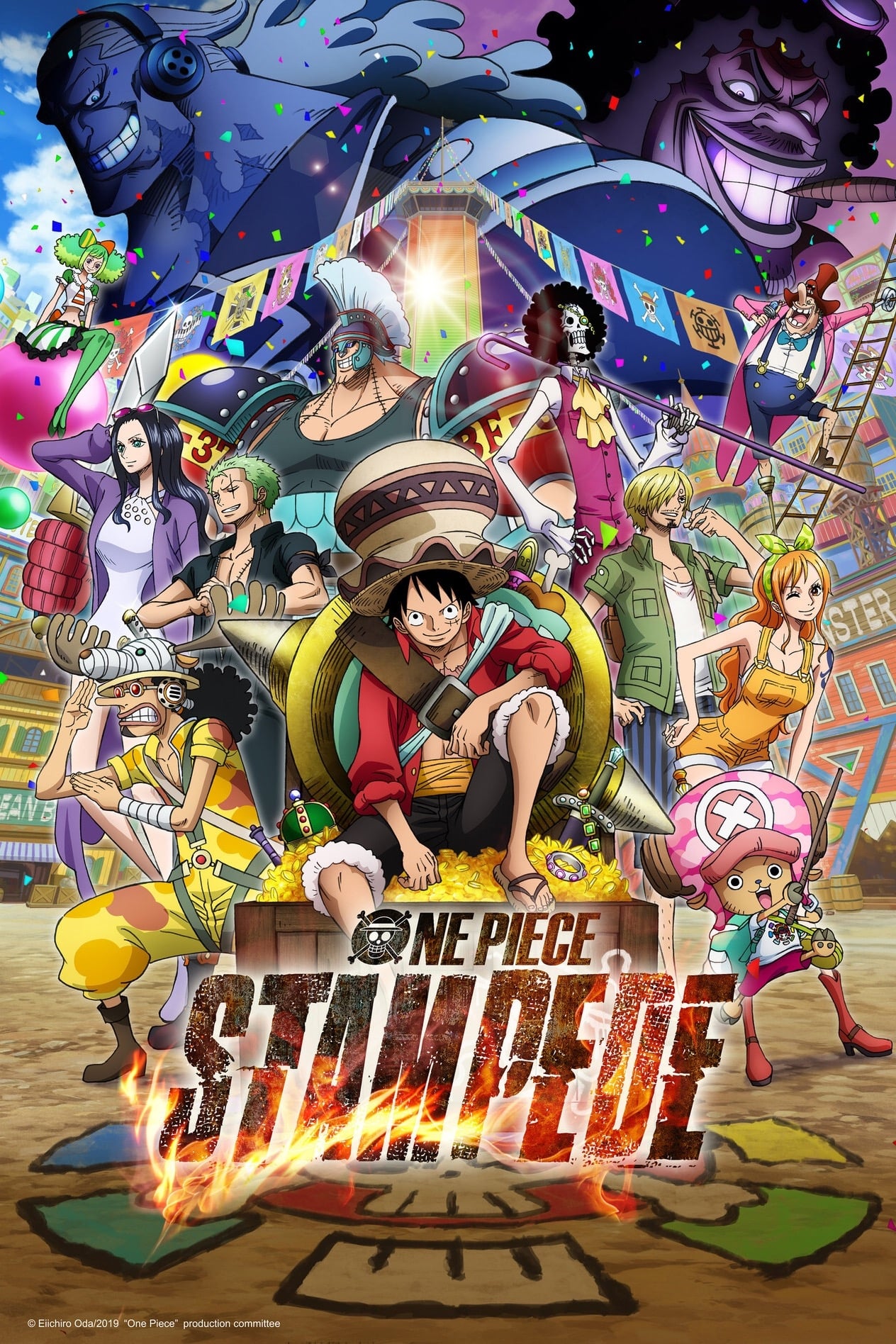
This anniversary film gathers a large roster of pirates, Marines, and guests at the Pirate Festival, which centers on a treasure hunt linked to the Pirate King. The scale allows for rapid cameos and parallel battles across an artificial island built for competition. Environmental hazards include shifting terrain and explosive traps that shape the flow of the chase and the final confrontation.
The production uses CG for crowd shots and large structures, while hand drawn effects handle impact lines and character close ups. The film integrates den den mushi broadcasts and projection screens to explain rules and standings to in story audiences, which keeps the plot readable while many groups move at once. The villain’s technology and history are explained through recovered logs and test footage that appear mid film.
2. ‘One Piece Film: Strong World’ (2009)

Written by Eiichiro Oda, this movie introduces Shiki the Golden Lion and his floating islands ecosystem. The crew is split across biomes with engineered wildlife, which sets up travel and combat challenges that use altered gravity and unique flora. Nami’s role as navigator becomes central to the plot as weather manipulation and flight paths shape the route through Shiki’s territory.
Design work includes hybrid animals, modular island chunks, and a skybound fortress with anchor points that enable aerial stunts. The film’s pacing alternates exploration with fast strike sequences that move between islands without long pauses. Costumes and gadgets created for this film later appear in promotions and games, which shows how its assets circulated beyond the feature.
1. ‘One Piece Film: Z’ (2012)
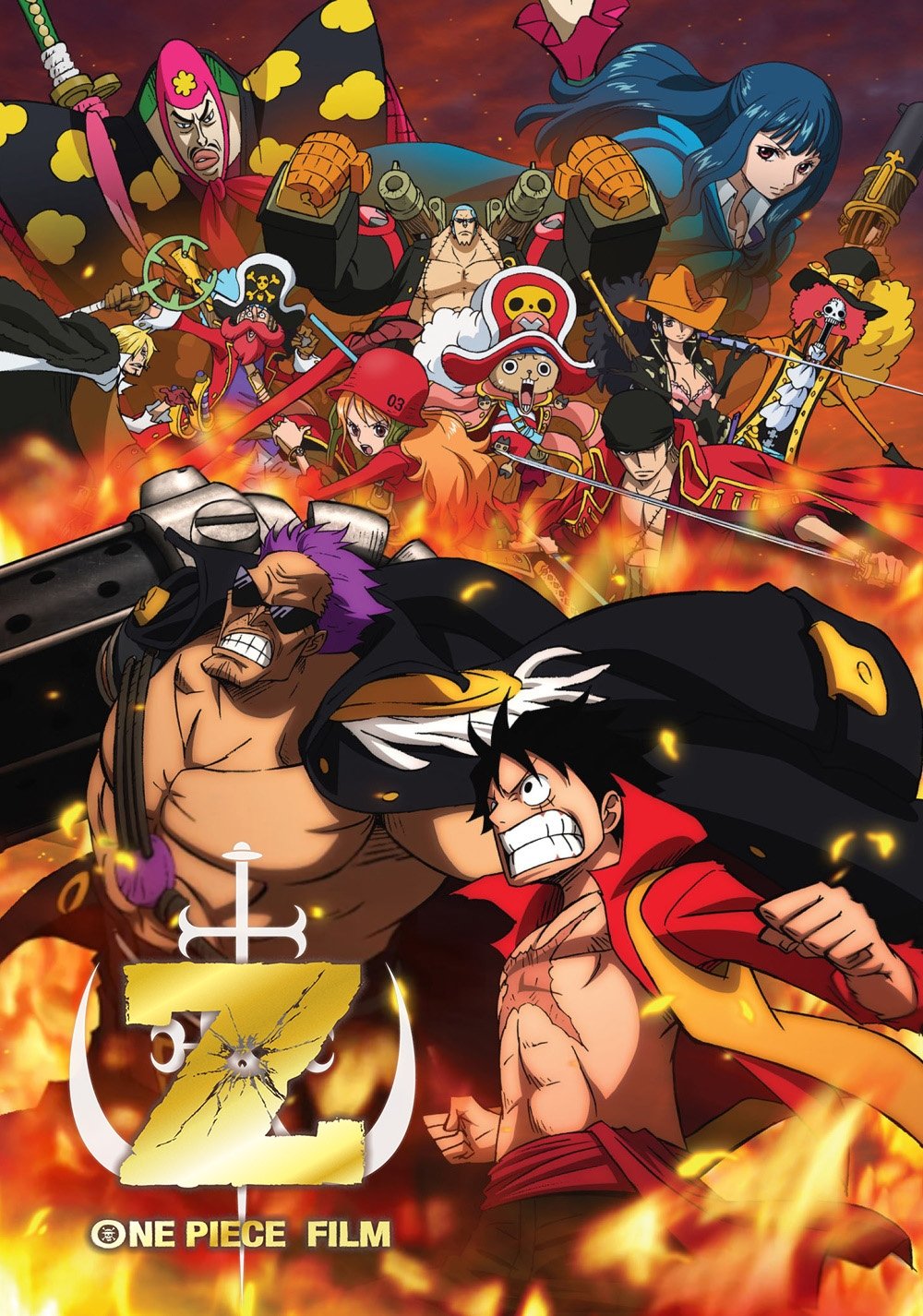
The story follows former Admiral Zephyr and his Neo Marine force as they target strategic locations in the New World. The film lays out military assets, codenamed operations, and a clear chain of command that brings multiple factions into conflict. Locations include Marine bases, volcanic islands, and open sea zones marked for large scale engagements, which supports a structured campaign style progression.
Action direction emphasizes hand to hand clashes and coordinated maneuvers that involve ships, aircraft, and on foot units. The production uses a colder palette for naval scenes and warm volcanic tones for land battles, and the score underscores military themes with percussion heavy tracks. Post release materials documented box office performance across multiple territories and special edition screenings that featured bonus footage and giveaways.
Share your own top picks in the comments and tell us which ‘One Piece’ movie you think deserves the spotlight.