Celebs Who Almost Died in the Last 10 Years



Close calls have a way of reminding everyone that fame does not make you invincible. Over the past decade, actors, musicians, athletes, and public figures have faced medical emergencies and accidents that could have ended very differently. Many have spoken about what happened and what doctors did to pull them back from the brink.
These stories span everything from cardiac arrests on live television to catastrophic crashes and sudden infections. You will find specific details on when the incidents happened, what injuries or conditions were involved, and how treatment unfolded. Each entry focuses on the facts, so you can see exactly how serious these moments were and what it took to survive.
Jeremy Renner
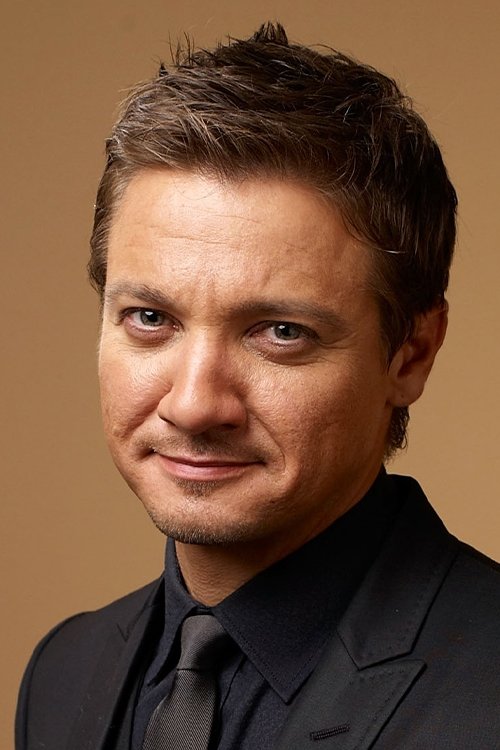
On January 1, 2023, Jeremy Renner was run over by a seven ton snowcat while assisting a family member near his Nevada home. He sustained more than 30 broken bones along with severe chest and orthopedic trauma that required multiple surgeries and a lengthy stay in intensive care.
Investigators reported that the vehicle rolled after he exited to check on it, and he was pulled under while trying to prevent it from hitting someone. Renner began rehabilitation with external fixators, later moved to weight bearing exercises, and shared hospital to home progress updates as he learned to walk again with assistance.
Bob Odenkirk
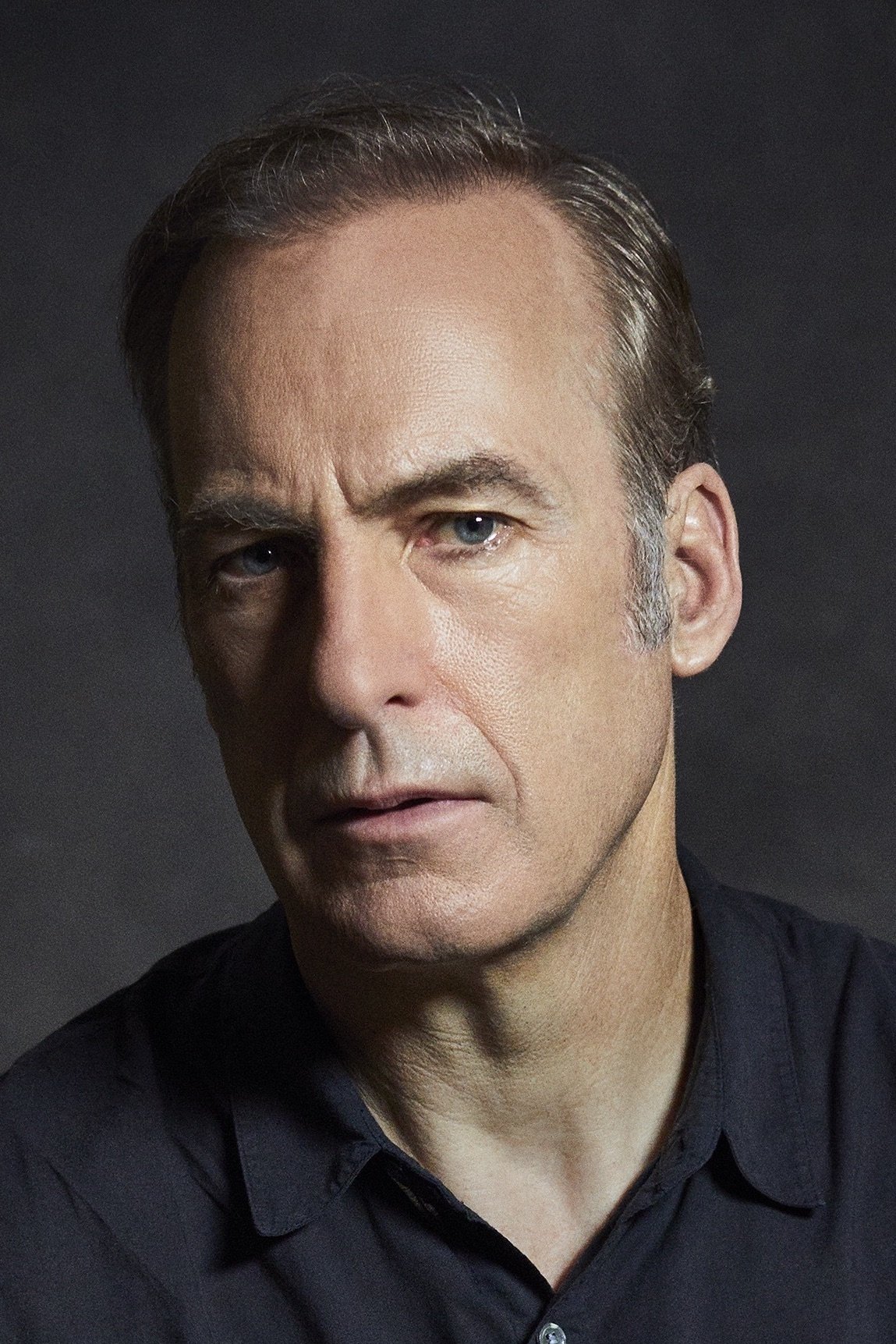
Bob Odenkirk collapsed from a heart attack on the set of a television series in July 2021. Crew members began CPR and used a defibrillator while waiting for emergency responders, which doctors later said was critical in preventing long term damage.
He underwent procedures to address plaque and returned to work after cardiac rehabilitation. Odenkirk has described the event as a sudden blockage that required quick recognition of symptoms and immediate first aid from those nearby.
Jamie Foxx
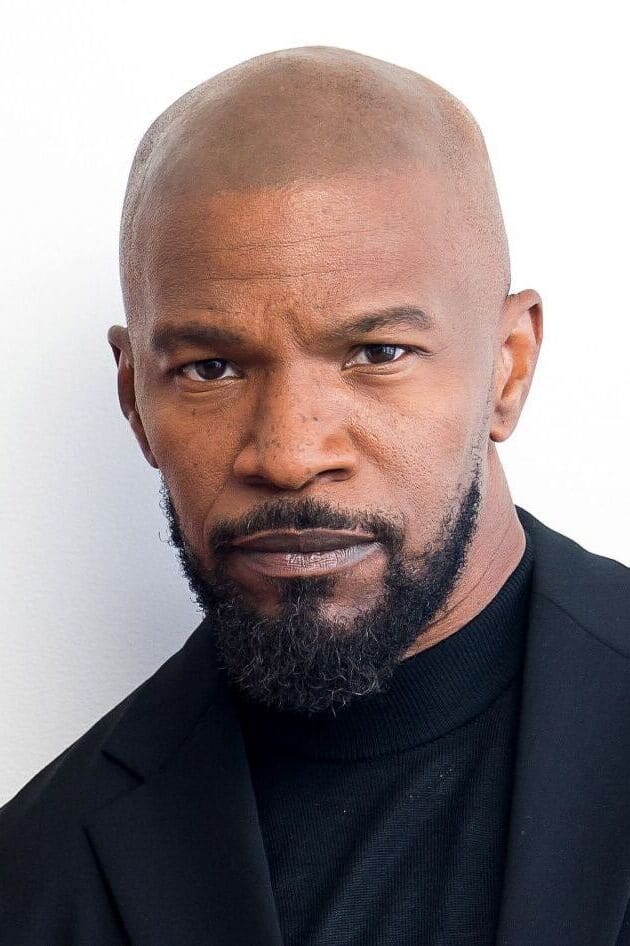
In April 2023, Jamie Foxx experienced a serious medical complication while filming in Atlanta and was hospitalized for weeks. Official updates remained limited, but his family thanked medical teams for intensive treatment during the acute phase.
He transitioned to rehabilitation and later said he had been close to not surviving. After months of recovery he resumed public appearances and work commitments with ongoing monitoring from his doctors.
Madonna

Madonna was admitted to an intensive care unit in June 2023 due to a serious bacterial infection. She remained unresponsive at one point and required several days of hospital care before being discharged to continue recovery at home.
The incident led to a postponement of scheduled concerts. Physicians cleared her to resume touring only after follow up testing and rest, and the tour was rescheduled with additional medical precautions in place.
Damar Hamlin

On January 2, 2023, NFL safety Damar Hamlin suffered cardiac arrest during a nationally televised game after making a tackle. Team medical staff delivered CPR and used an automated external defibrillator on the field before he was transported to a trauma center and placed in critical care.
He was extubated days later and began a structured return to activity program that included cardiac imaging and stress testing. Hamlin later returned to team activities under league medical protocols that require clearance from independent cardiology specialists.
Christian Eriksen

Christian Eriksen went into cardiac arrest during an international soccer match in June 2021. Medical teams administered CPR and defibrillation on the pitch, and he was stabilized and transported to a hospital in Copenhagen.
Doctors implanted an ICD to regulate heart rhythm and prevent future lethal arrhythmias. After comprehensive evaluation and training, he returned to professional play under close monitoring and has since competed at the highest levels.
Tiger Woods

Tiger Woods sustained severe leg injuries in a single vehicle crash in February 2021 in Los Angeles County. First responders used tools to extricate him, and surgeons performed procedures to stabilize fractures with rods, screws, and pins.
Woods spent weeks in the hospital and months in rehabilitation. His return to competitive golf required adapted training and event selection that considered pain management and load on his surgically repaired right leg.
Kevin Hart
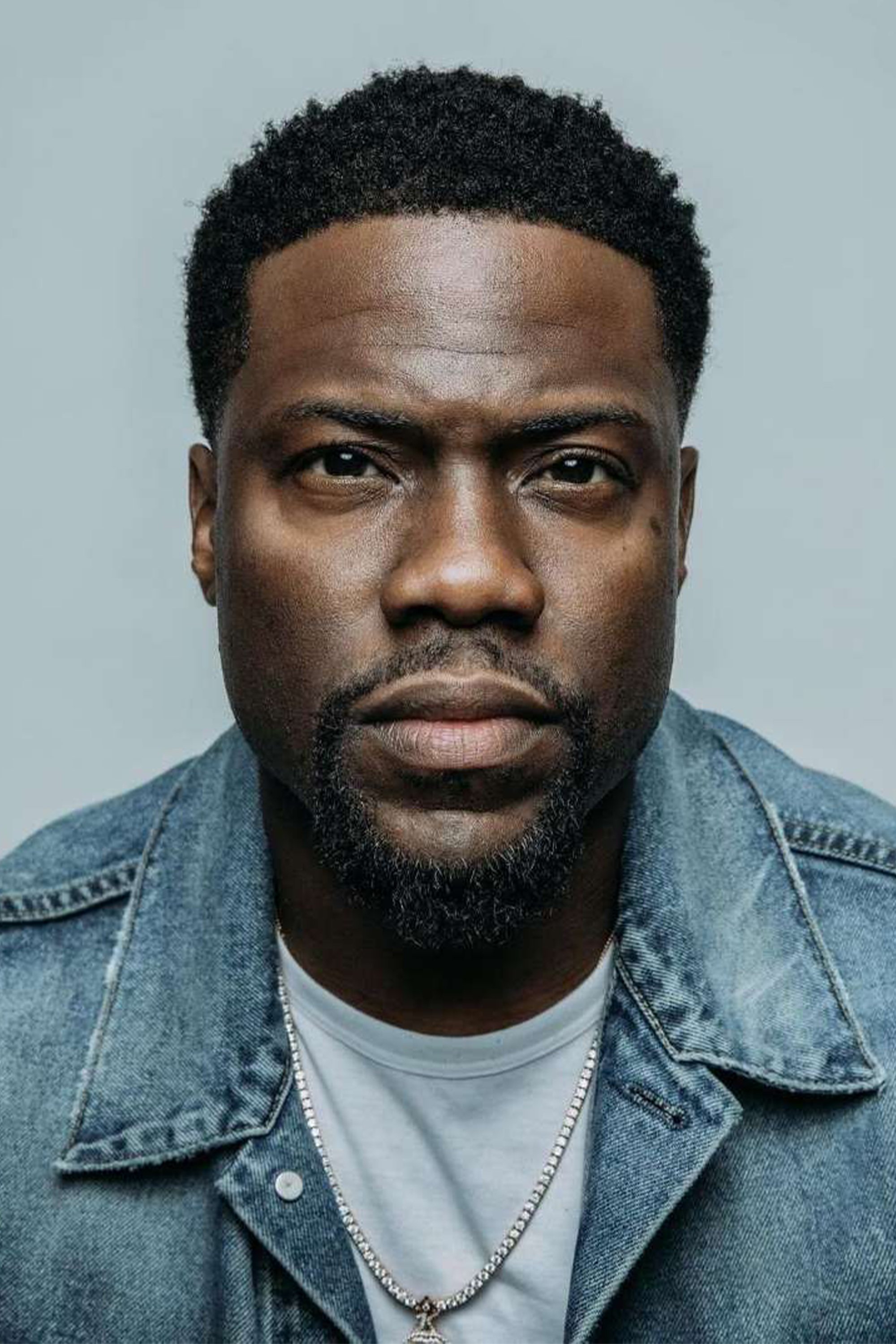
Kevin Hart suffered major back injuries in a car crash in September 2019 in California. He underwent spinal surgery and began a lengthy rehabilitation program that focused on regaining strength and mobility.
Reports from the investigation noted speed and loss of control on a winding road. Hart later completed physical therapy milestones before returning to work, while continuing exercises designed to protect his spine during travel and performance.
Demi Lovato

Demi Lovato was hospitalized in July 2018 after an overdose that caused organ complications and required emergency treatment with supportive care. Medical teams addressed acute toxicity and monitored for respiratory and cardiac issues during the first days.
Lovato entered treatment following discharge and later discussed relapse prevention tools used during recovery. The event led to adjustments in touring and recording schedules while clinicians focused on long term stabilization.
Jeff Bridges
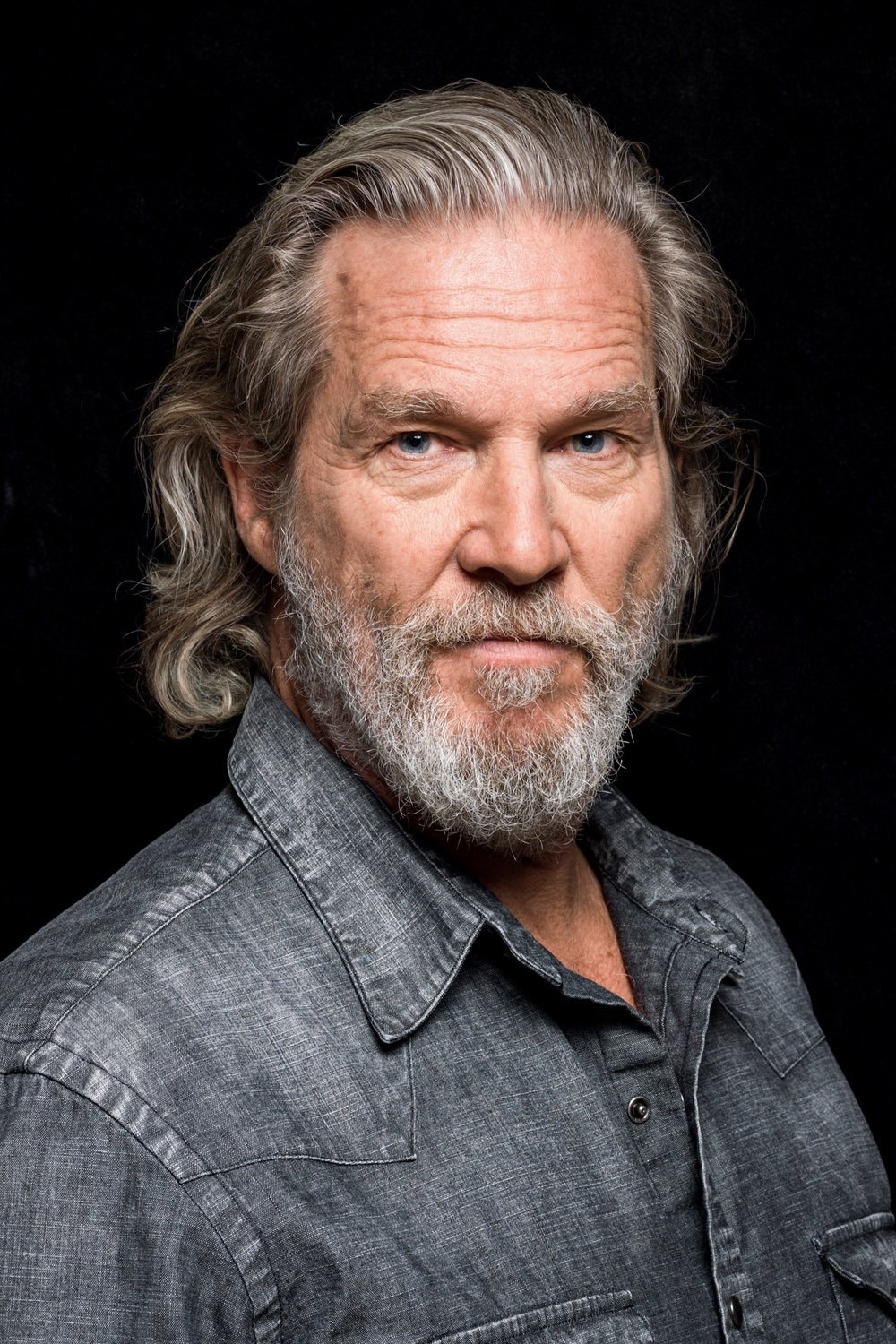
Jeff Bridges was undergoing chemotherapy for lymphoma when he contracted COVID in early 2021, which led to a life threatening respiratory illness. He required hospitalization with oxygen support while immunocompromised, a scenario that significantly increased risk.
After his condition improved, he completed cancer treatment and entered physical rehabilitation to rebuild endurance and lung capacity. His care team emphasized vaccination and infection control measures for immunosuppressed patients resuming normal activity.
Travis Barker

Travis Barker was hospitalized in June 2022 with severe pancreatitis, a condition that can lead to organ failure if not treated quickly. He received aggressive fluids, pain control, and monitoring in a hospital setting.
Doctors linked the flare to a post procedure complication and managed it with bowel rest and antibiotics. Barker recovered over the following weeks and gradually returned to performing with medical clearance.
Selena Gomez

Selena Gomez underwent a kidney transplant in 2017 due to lupus related complications that had become life threatening. Pre transplant assessments confirmed end stage kidney involvement, and a compatible donor provided the organ.
The procedure required immunosuppressive therapy to prevent rejection, and she managed post operative issues that included a reported complication addressed surgically. Gomez resumed work with adjustments that accounted for infection risk and medication schedules.
Serena Williams

Serena Williams experienced life threatening complications after giving birth in 2017 when she developed a pulmonary embolism. She alerted medical staff to her history of blood clots, received imaging, and was treated with anticoagulants to prevent further events.
Her recovery included careful monitoring for oxygen saturation and mobility planning to reduce clot risk. Williams later detailed how patient advocacy and rapid imaging were central to her successful outcome.
Zac Efron
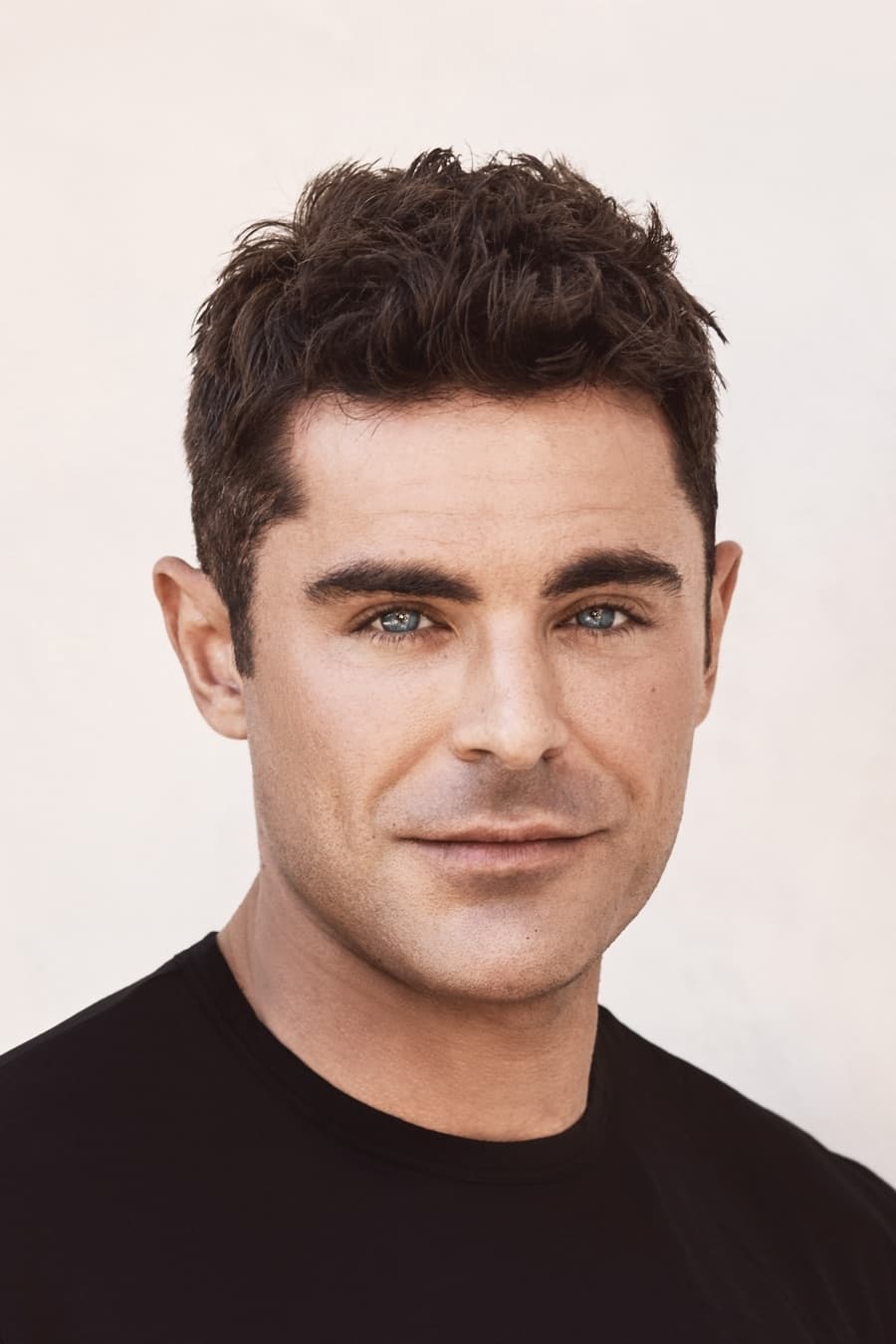
Zac Efron contracted a serious tropical illness while filming in Papua New Guinea in December 2019. He was evacuated to Australia for hospital treatment after experiencing high fever and other symptoms consistent with a typhoid like infection.
Doctors stabilized him with intravenous antibiotics and supportive care. Efron recovered and returned to the project after clearance, with travel health specialists noting the importance of vaccinations and water safety in similar environments.
Kevin Smith
Filmmaker Kevin Smith suffered a massive heart attack in February 2018 caused by a complete blockage of the left anterior descending artery. He was treated with angioplasty and a stent to restore blood flow.
Smith credited rapid transport and emergency intervention for limiting damage. He adopted cardiac rehabilitation protocols that included supervised exercise and diet changes, and later returned to live shows and directing with monitoring.
Richard Hammond

Television presenter Richard Hammond crashed a high performance electric car during a hill climb event in 2017, after which the vehicle caught fire. He escaped the wreckage with a fractured knee and was airlifted to a hospital.
The event involved a loss of control near the finish line that sent the car off course and down a steep slope. Medical teams focused on trauma imaging and orthopedic stabilization before rehabilitation and a gradual return to filming.
Lamar Odom
Lamar Odom was found unresponsive at a Nevada facility in October 2015 with multiple substances in his system. He suffered organ failure and spent days in a coma before gradually regaining consciousness.
Doctors managed kidney injury with dialysis and treated aspiration and pneumonia risks during the critical phase. Odom required extensive rehabilitation to address mobility and cognitive effects before resuming public appearances.
Richard Branson
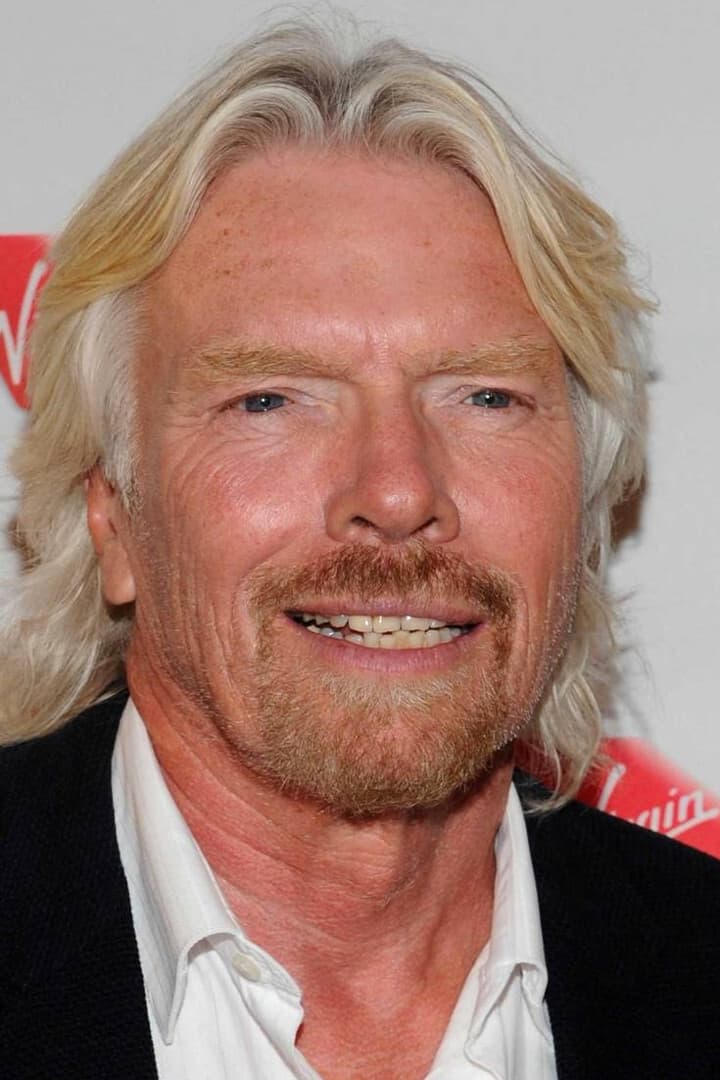
Richard Branson sustained significant injuries in a cycling accident on Virgin Gorda in 2016. He described losing consciousness and suffering facial and bodily trauma, and he received immediate medical attention on the island.
Follow up imaging and treatment continued after transport, and he recovered over subsequent weeks. The incident prompted additional helmet and lighting measures on routes used for training rides during evening hours.
Ashley Judd

Ashley Judd shattered her leg in a rainforest fall in 2021 while in the Democratic Republic of the Congo. She experienced massive soft tissue damage and internal bleeding that required emergency evacuation over rough terrain before surgery.
Her medical journey included multiple operations, fasciotomy wound care, and months of physical therapy. Judd documented nerve regeneration and gait training milestones as she progressed from wheelchair to assisted walking.
Ashley Graham

Model Ashley Graham experienced a severe postpartum hemorrhage in early 2022 following the birth of her twins. She lost a significant amount of blood and briefly passed out while medical teams worked to stop the bleeding.
Treatment involved uterotonics, transfusions, and close observation to prevent shock and organ damage. She later discussed iron therapy and recovery timelines that allowed a gradual return to normal activity while monitoring for anemia.
Share who you think we missed in the comments.