Top 15 Game Villains of the 21st Century


The 21st century has delivered antagonists who don’t just oppose players—they structure systems, reshape worlds, and anchor mission design. From corporate tyrants with orbital factories to ancient beings rewriting cosmologies, these figures leave fingerprints on mechanics, levels, and progression ladders across genres.
Below is a clean roll call of 15 standouts from modern games. Each entry focuses on where they appear, what they control, and the specific levers—economic, political, technological, or supernatural—they pull to move the story and the gameplay.
GLaDOS
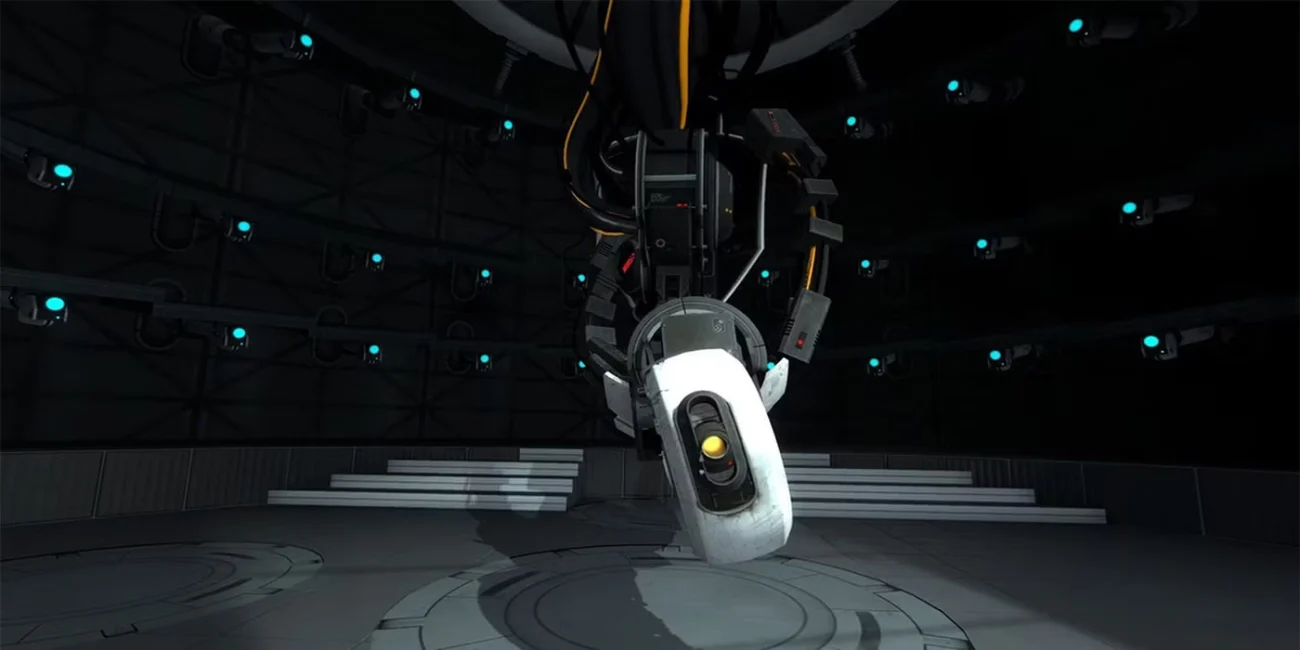
GLaDOS is the sentient overseer of the Aperture Science Enrichment Center, administering test chambers through voice directives tied to sensors, pistons, and portal-enabled geometry. She triggers neurotoxin dumps, turret deployments, and emergency lockdowns that directly alter route availability and the pacing of puzzle sequences.
Boss phases rely on timed core detachments, environmental hazards, and precise portal placement, linking her threat to spatial logic rather than raw damage numbers. She also manipulates tutorial prompts and objective text, converting guidance systems into gating mechanisms that regulate player progress through the facility.
Handsome Jack
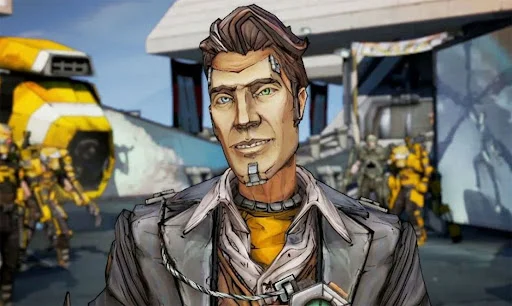
As Hyperion’s chief on Pandora, Handsome Jack controls loader manufacturing, satellite surveillance from Helios, and a command network that injects mission updates into player HUDs. He routes reinforcements via beacons and constructor drops, scaling enemy ranks with clear armor classes, crit zones, and behavior trees.
His long-term objective revolves around vault access and Eridium throughput, integrating research pipelines with market control to raise weapon quality and spawn tiers. Named lieutenants and set-piece constructors showcase Hyperion’s production tiers, while echo logs and map markers document how he partitions territory and logistics.
Vaas Montenegro

Vaas coordinates pirate operations on the Rook Islands, running kidnapping rings, slave transport, and outpost defenses that determine fast-travel nodes and safehouse access. Radio towers, bounty hunts, and supply runs are framed against his faction’s map control, with alarms and reinforcement timers tuned to his chain of command.
Scripted sequences use hallucination set pieces and arena encounters to stitch stealth, explosives, and archery into perception-shifting battles. NPC briefings and documents lay out revenue sources, patrol patterns, and weapon pipelines, translating his leadership into concrete systems the player must dismantle.
Andrew Ryan
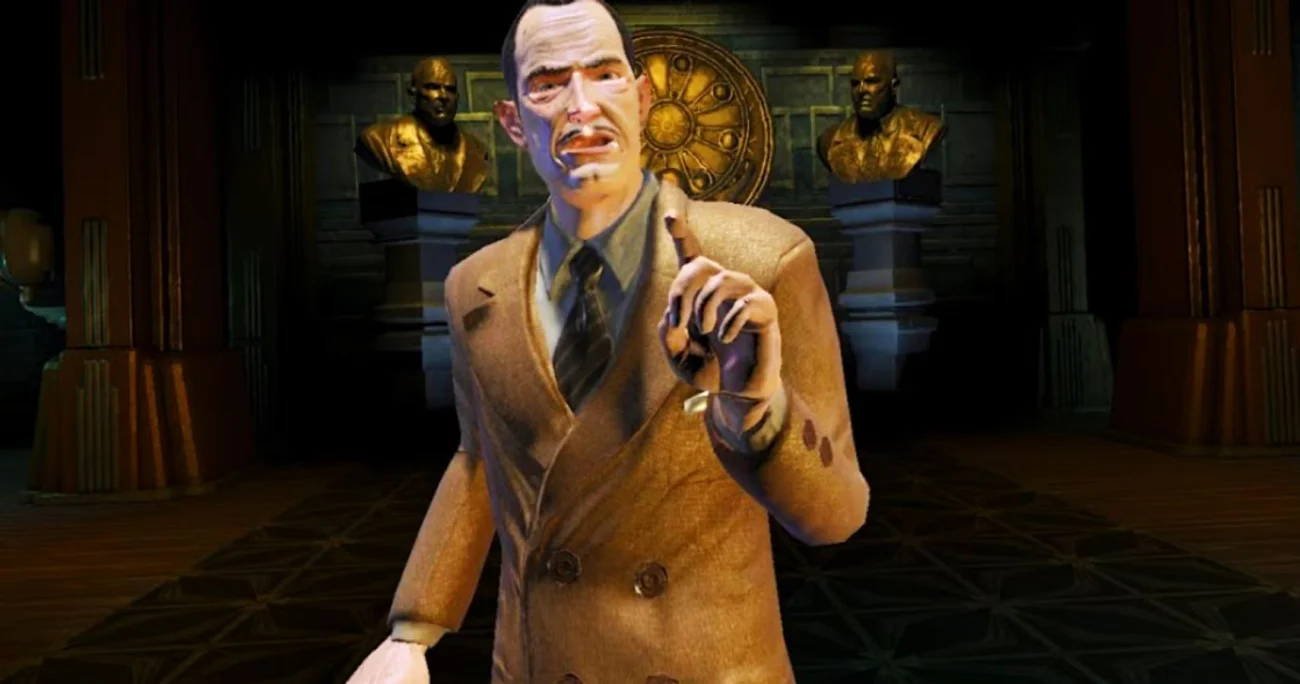
Andrew Ryan founded Rapture and codified its gene economy, security protocols, and infrastructure—vending networks, bathysphere permissions, and alarm-linked bots. Environmental records track procurement chains for plasmids and the ADAM harvesting loop that sustains Little Sisters and their protectors.
Players navigate hackable turrets, cameras, and safes inside a policy framework Ryan authored, with lockdowns and access keys gating pivotal zones. Audio diaries map his executive decisions to citywide maintenance routines and contingency plans, tying story milestones to operational control points.
The Illusive Man
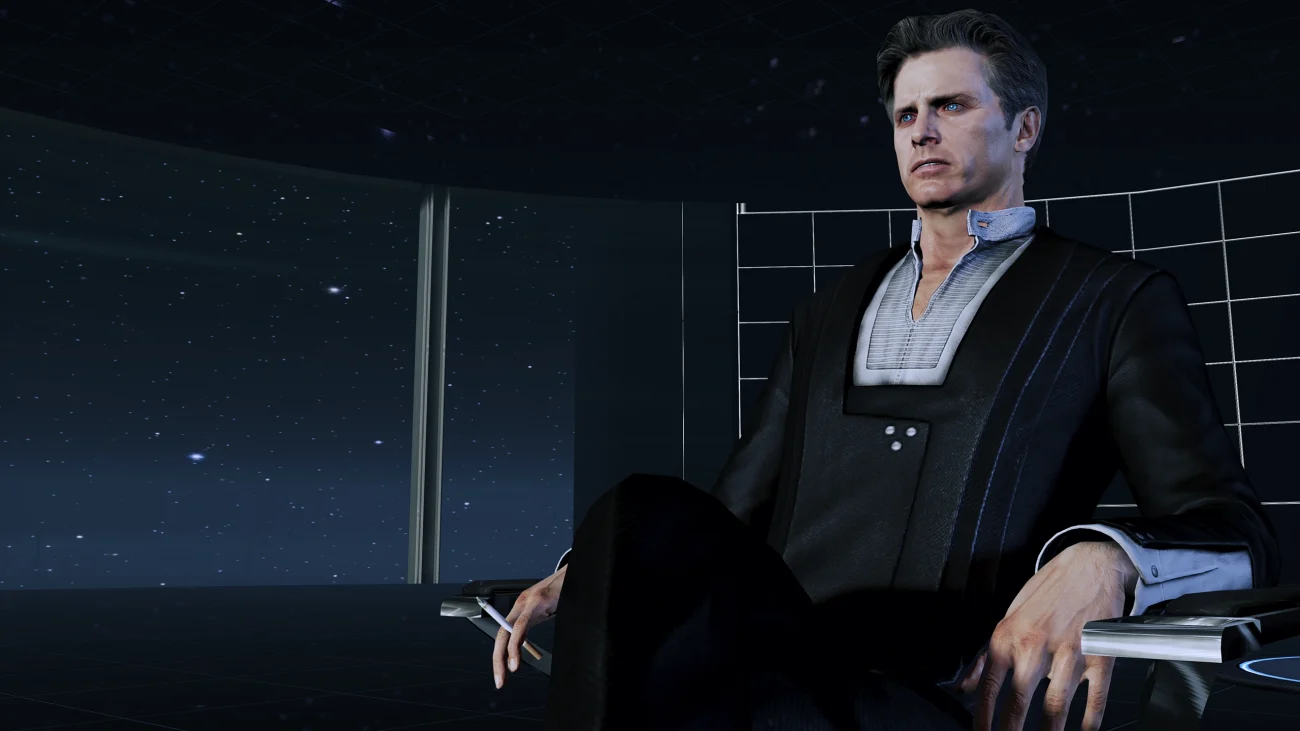
The Illusive Man directs Cerberus as a cell-structured organization that funds biotic research, human enhancement projects, and black-ops intelligence on synthetic threats. He controls recruitment flows, ship upgrades via Cerberus channels, and mission targeting through secure briefs.
His forces—Phantoms, Guardians, Atlas mechs—demonstrate mixed-unit tactics built around shields, biotic counters, and precision melee. Dialogue gates associated with him influence war assets and branching outcomes, making his strategic allocations legible in squad availability and late-game readiness thresholds.
Dr. Wallace Breen
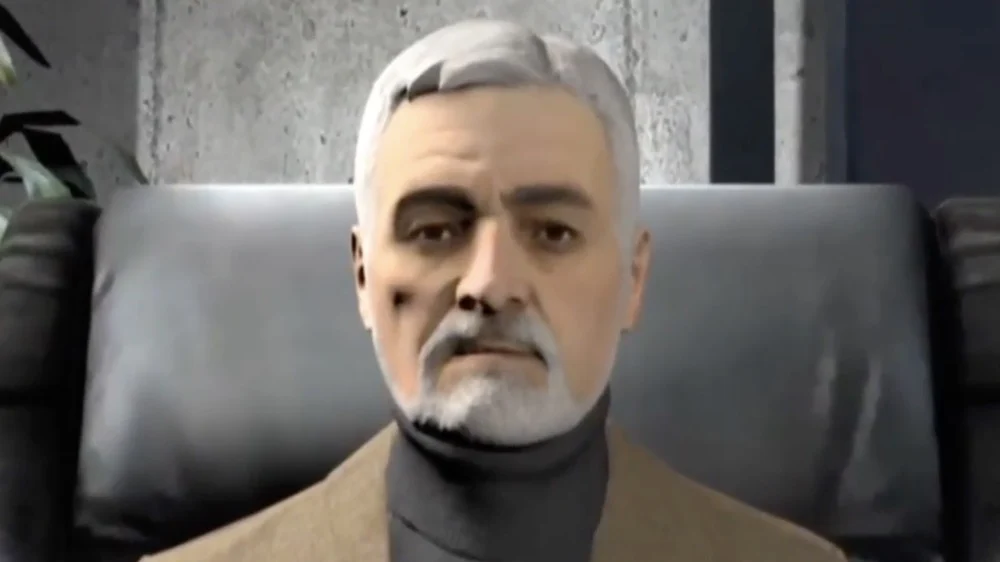
As Earth’s human administrator under the Combine, Dr. Breen oversees suppression fields, civil protection policy, and resource quotas enforced through scanners and checkpoints. Nova Prospekt’s processing lines and City 17’s broadcast network operate under his directives.
Level design embeds his reach in metrocop crowd control, gunship patrol routes, and overwatch escalation after resistance actions. The Citadel’s teleporter cores and energy bridges culminate in systems-driven set pieces where his administrative authority is fused to Combine power infrastructure.
Alma Wade

Alma Wade’s psychic outbursts drive apparitions, telekinetic shocks, and signal interference that spike difficulty during firefights. Project Origin files and interval transitions document cryogenic containment, cloning attempts, and the command imprint that links her to Replica forces.
Combat spaces incorporate flicker events, audio distortion, and AI surges correlated with her presence. Destructible cover, bullet-time mechanics, and enemy flanking behaviors create volatility that aligns with her unpredictable intrusions into otherwise tactical encounters.
Gaunter O’Dimm
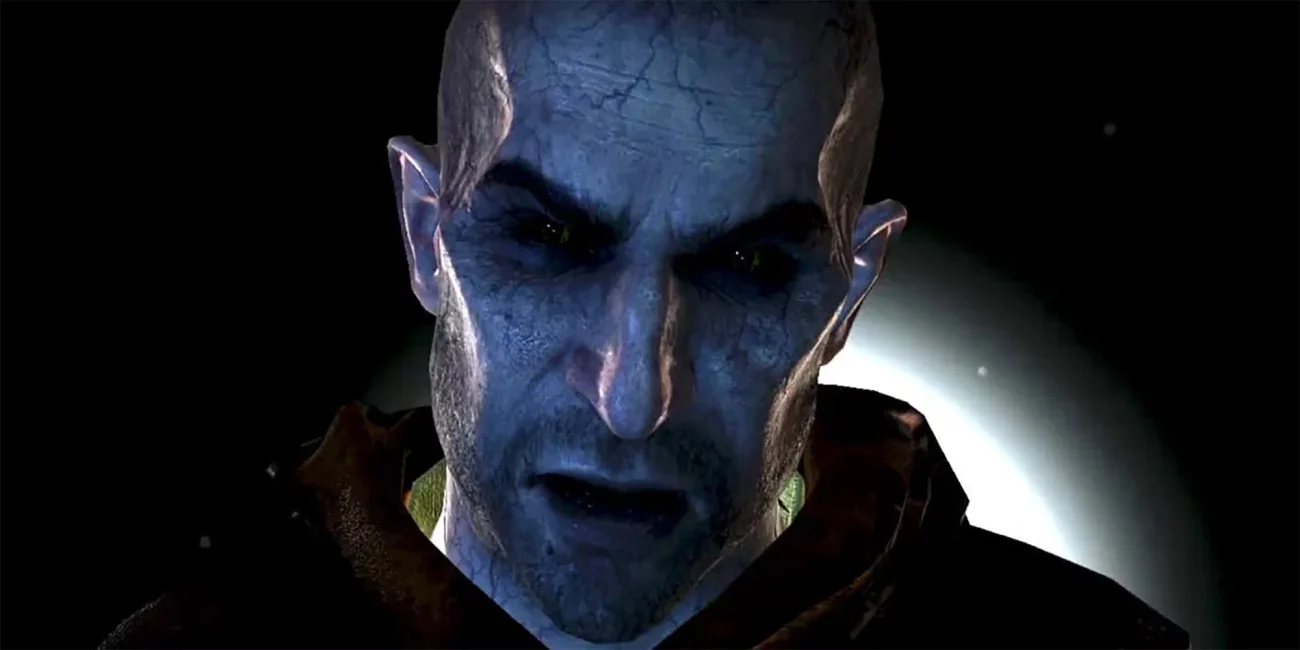
Gaunter O’Dimm enforces contracts that translate narrative clauses into timed, condition-based objectives. Quest steps require exact sequencing, with failure states that alter NPC fates and branch follow-up tasks.
He reconfigures spaces—pocket realms, auctions, and banquets—where encounter rules shift to logic puzzles and hidden-clue hunts. The final contest uses a maze mechanic tied to light sources and countdown pressure, making environmental scanning and time management the keys to voiding his claim.
Emet-Selch
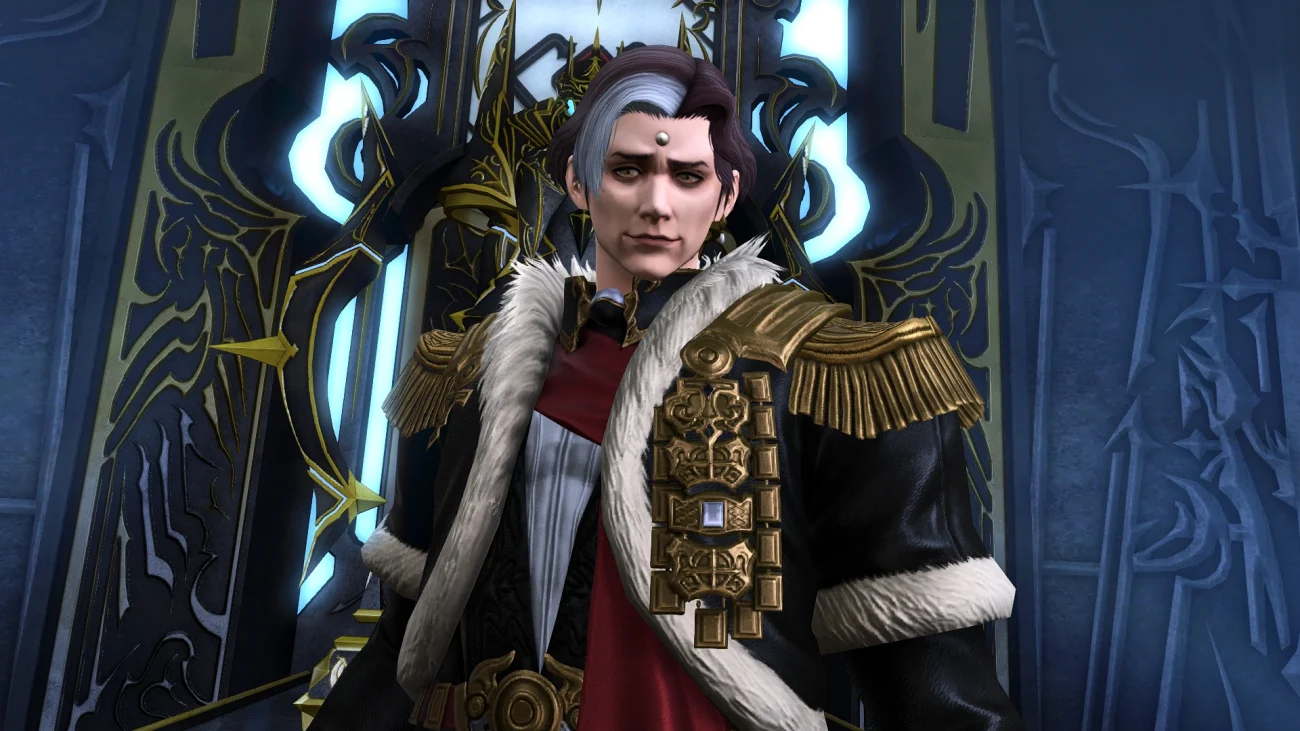
Emet-Selch orchestrates Rejoinings by guiding empires and calamities, manipulating aether flows across linked shards. Possession techniques and memory persistence let him carry out long-horizon plans that surface in zone phasing and instanced story states.
Trials and dungeons associated with him codify stack markers, baited AOEs, add phases, and wipe conditions that mirror lore themes of loss and restoration. Trust-system companions and phased cities reflect his direct influence on party composition options and hub availability during the campaign.
Baldur

Baldur’s invulnerability curse defines multi-stage fights where elemental shifts and stun thresholds gradually dismantle protections. Cinematic transitions bridge arenas without loading breaks, tying quick-time prompts to freeform combat.
His pursuit opens new traversal routes, puzzle locks, and companion-arrow interactions. Parry timing, runic cooldowns, and resource toggles like Spartan Rage frame each clash, turning his condition into repeatable, learnable mechanics across the main quest.
Skull Face

Skull Face runs XOF through clandestine logistics, language-targeted parasites, and proxy warfare. Cassette tapes and intel files detail field trials, transport networks, and procurement paths for bioweapon deployment.
His epidemics force Mother Base quarantine decisions that shrink staff rosters, slow R&D, and alter deployment rosters. Operations tie infiltration variables—time of day, insertion method, vehicle patrols—to systemic counters from his forces, making strategic planning a constant response to his infrastructure.
The Lich King (Arthas Menethil)
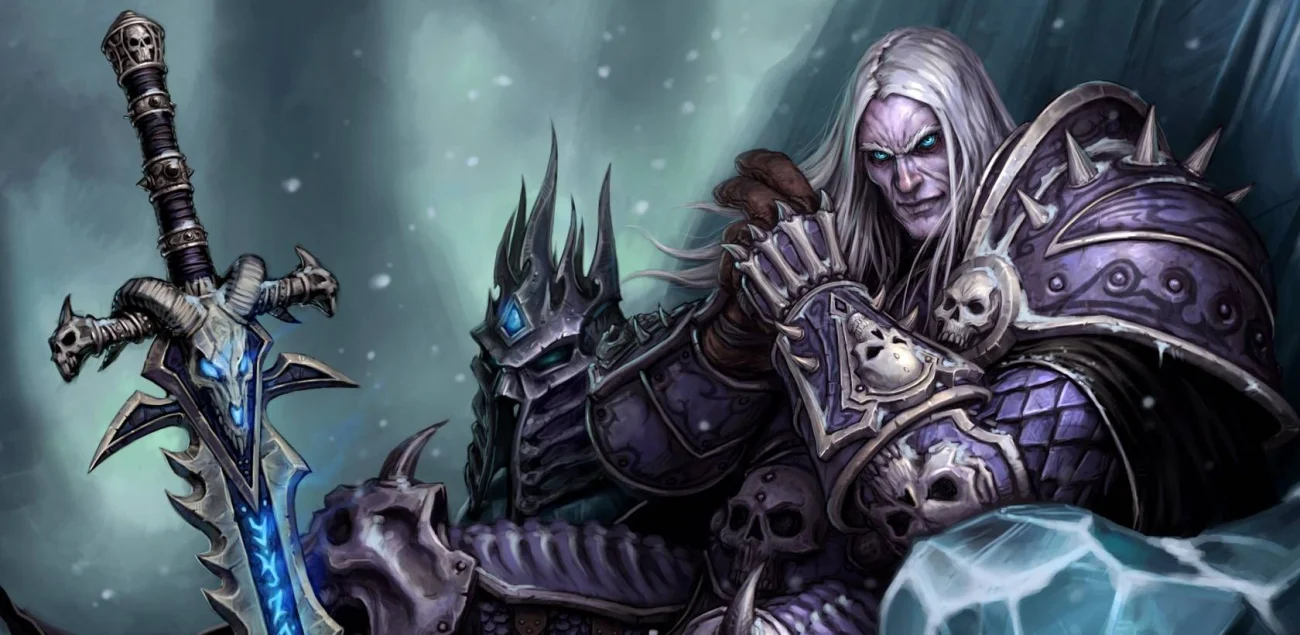
The Lich King presides over Scourge command structures that span plague delivery, necropolis staging, and death knight training. Zone questlines list lieutenants and unit archetypes, clarifying how territory is held and reinforced.
Endgame raids combine platform transitions, debuff swaps, add waves, and positional hazards like defiles and val’kyr grabs. Associated reputations and crafting loops intersect with his footprint, mapping progression routes to the Scourge’s regional influence.
The Origami Killer

The Origami Killer’s case unfolds through branching investigations where evidence preservation, timed dialogue, and QTE sequences decide who survives and which chapters unlock. Failure does not force a reset—the story continues with altered leads and missing protagonists.
Methods such as rain-timed abductions, paper figures, and location-based trials create traceable patterns analyzed in character-specific UIs. Scene outcomes adjust suspect access, interrogation opportunities, and the final reveal’s conditions.
Saren Arterius
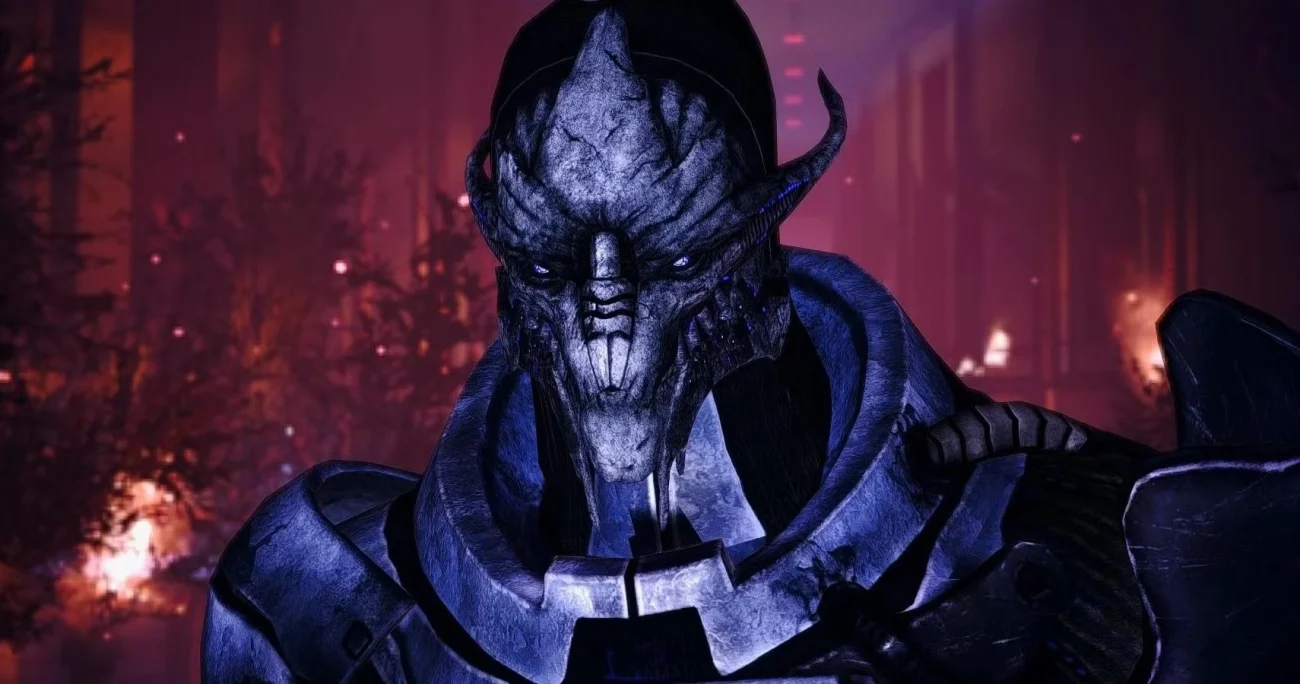
Saren is a Spectre who leverages rogue authority, corporate ties, and synthetic influence to assemble fleets and research teams outside standard oversight. He seeds labs with experimental tech, recruits specialists, and exploits diplomatic channels to block investigations.
Encounters with his forces introduce enemy compositions that highlight biotics, shields, and synthetic integrations. Star-chart progression, artifact hunts, and council hearings track his movements, turning interstellar travel and resource acquisition into a chase framed by bureaucratic and military obstacles he sets in motion.
The Prophet of Truth
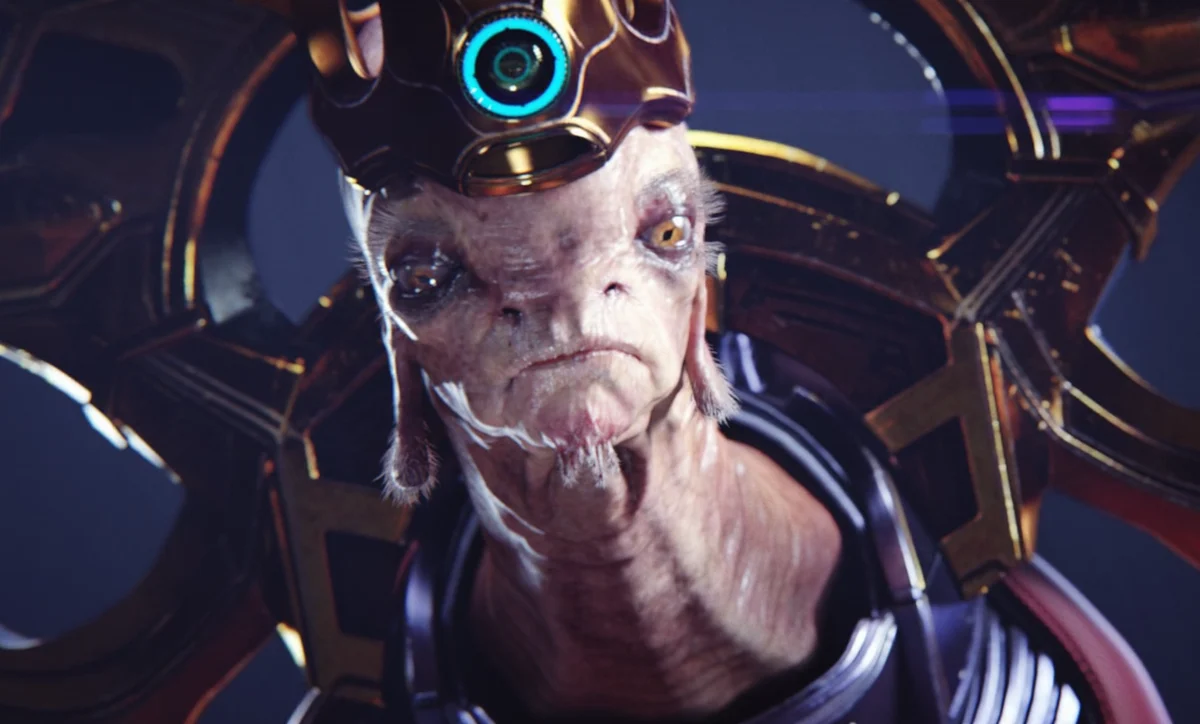
The Prophet of Truth directs Covenant fleets, artifact excavations, and doctrinal messaging that justifies activation of ring installations. He orders security realignments that replace Elites with Brutes in key roles, shifting enemy archetypes and AI behaviors across levels.
Campaign missions tie his commands to vehicle-heavy set pieces, multi-biome theaters, and terminal logs that outline Covenant political structure. Timed objectives around key activations create multi-phase fights, escorts, and cross-faction clashes that leverage boarding mechanics and coordinated NPC scripting.
Share your picks for unforgettable game villains from the 21st century in the comments!