Top 15 Comic Book Villains of the 21st Century

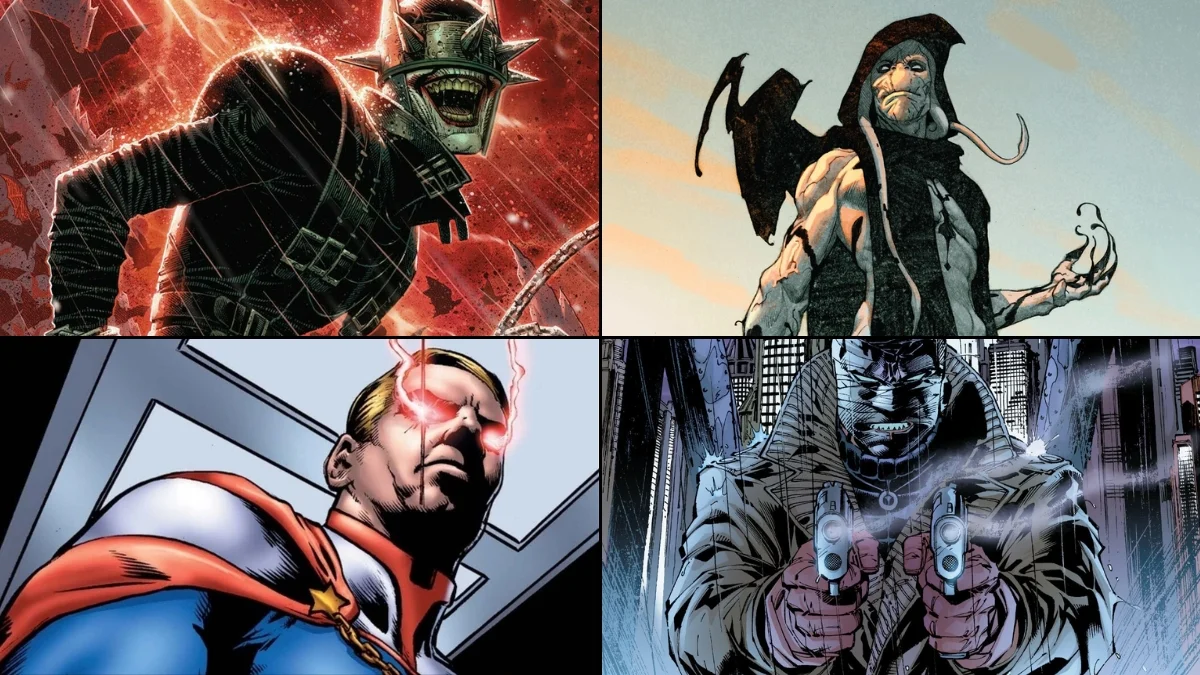

The 21st century reshaped villainy on the page, pushing antagonists into the spotlight with deeper backstories, long-form event arcs, and morally tangled motives that drive entire publisher line-ups. Characters old and new have been rebuilt through line-wide reboots, prestige minis, and sprawling crossovers that show how much modern comics rely on their foils to test—sometimes redefine—the heroes around them.
This list focuses strictly on villains who debuted in the 2000s–2020s or whose villainous personas first appeared then. You’ll find creators credited where relevant, major issues noted, and a clear picture of how these antagonists shaped contemporary comics across DC, Marvel, Image, and beyond—plus a requested inclusion from Gotham’s recent history.
The Batman Who Laughs

Introduced during DC’s Dark Multiverse era by Scott Snyder and Greg Capullo, the Batman Who Laughs is a Bruce Wayne from a corrupted world infected by a Joker toxin. His earliest appearances traverse one-shots and the core ‘Dark Nights: Metal’ event before a namesake miniseries mapped his recruitment of Nightmare Batmen and his manipulation of Earth-0 via engineered chaos and metahuman data.
His toolkit blends Batman’s contingency planning with the Joker’s lethal unpredictability, including a spiked visor that lets him perceive exotic multiversal energies and direct “infected” operatives. Publishing-wise, he anchors DC’s updated multiverse cosmology, linking Crisis-era lore to newer frameworks as tie-ins detail specific operations against Gotham, the Justice League, and far-beyond Earth.
Gorr the God Butcher
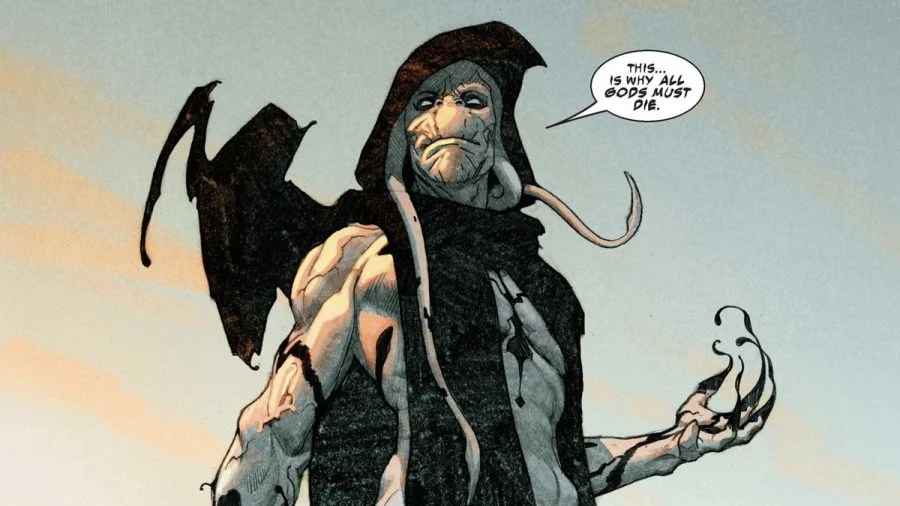
Created by Jason Aaron and Esad Ribić for Thor: God of Thunder, Gorr emerges across braided timelines (young Thor, Avenger Thor, and King Thor) to show the scale of his deity-killing crusade. Early chapters follow a forensic trail from divine corpses to cosmic battlefronts and assemble a centuries-spanning investigation led by multiple Thors.
Gorr wields All-Black, the Necrosword, enabling shadow constructs, rapid regeneration, and star-class durability, with consequences that ripple into later symbiote lore. The “God Butcher/God Bomb” arc documents massacres on divine worlds, the construction of a doomsday device, and the systematic targeting of pantheons—reframing modern Thor mythology around accountability for gods.
Homelander
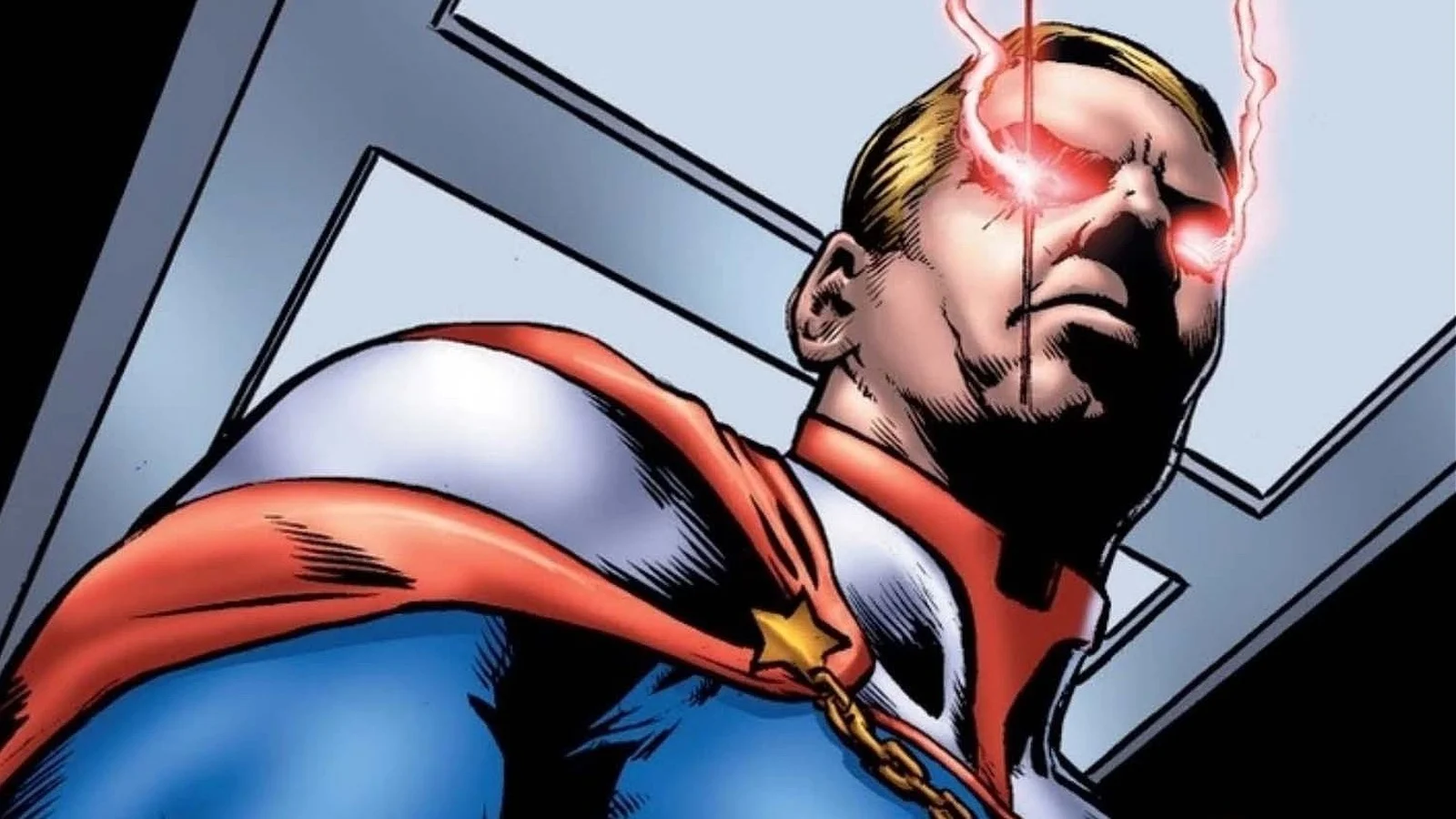
Debuting in The Boys by Garth Ennis and Darick Robertson, Homelander fronts the Seven while internal documents, clandestine missions, and corporate cover-ups reveal how Vought-American manages superhuman crises. The comic catalogs abuses of power, black-ops interventions, and attempted coups, showing the overlap between superhero branding and national security infrastructure.
Across the series, files, testimony, and surveillance sequences track staged rescues, collateral-heavy engagements, and the pressure points that trigger the Boys’ countermeasures. The TV adaptation ‘The Boys’ presents parallel incidents and dossiers that echo the source material’s focus on contracts, PR talking points, and leak-based reveals.
Court of Owls
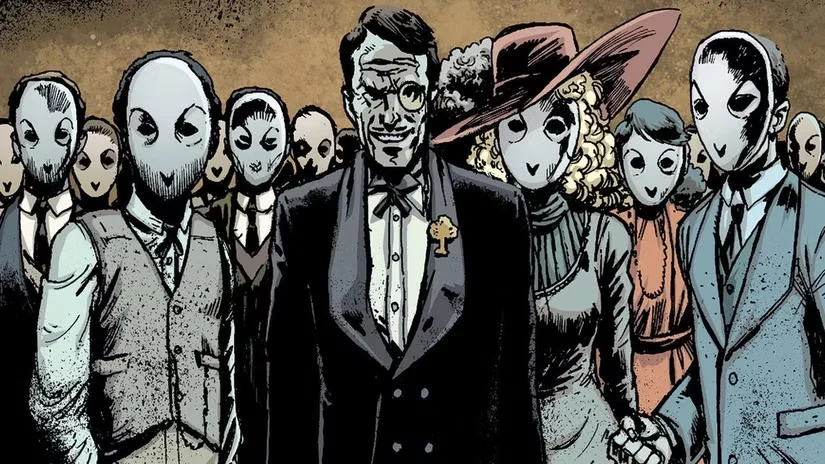
The Court of Owls enters modern canon with DC’s New 52 Batman, identifying a centuries-old cabal embedded in Gotham’s architecture, philanthropic fronts, and political offices. The storyline compiles physical evidence—labyrinth blueprints, nursery rhymes, and hidden roosts—while autopsy reports on Talons explain resurrection via electrum infusion and extreme low-temperature stasis.
Follow-ups expand operations into satellite cities and historical periods, mapping assassinations, real-estate portfolios, and recruitment patterns. The Court’s documentation includes masks, calling cards, and urban legend breadcrumbs, turning Gotham itself into a record of their influence and providing a process-driven template for verifying conspiratorial villain groups within a forensics-forward Batman narrative.
Negan
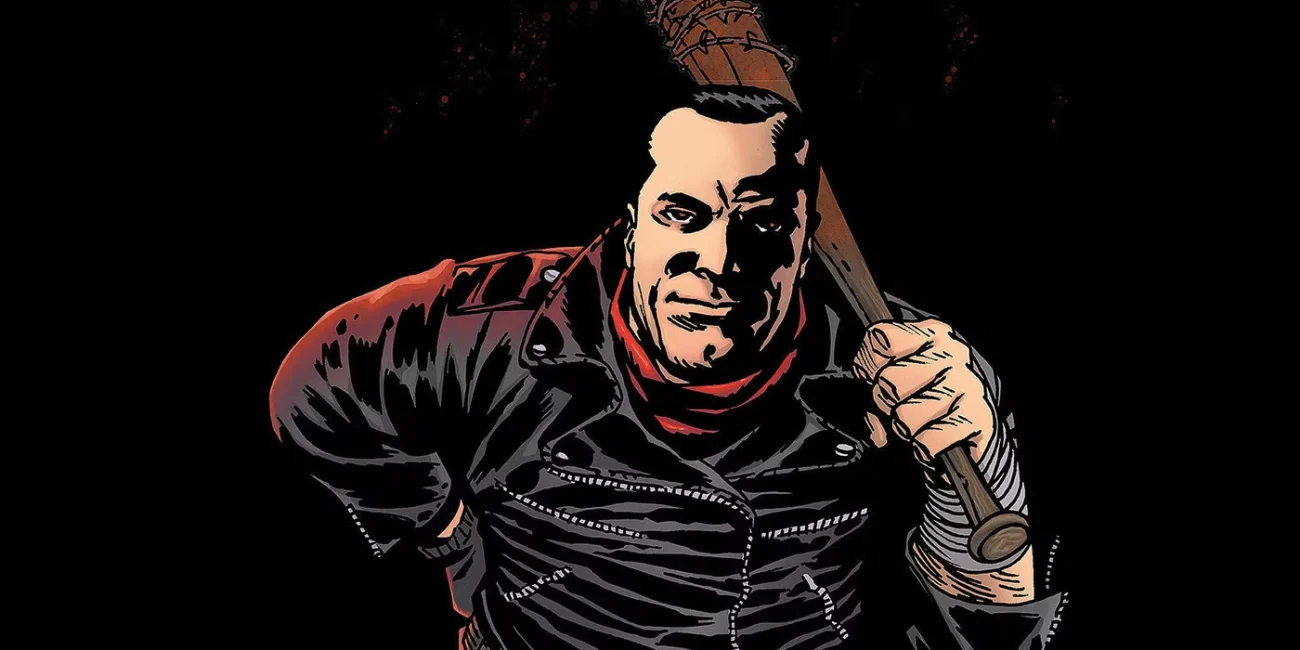
Negan’s first appearance in The Walking Dead #100 is accompanied by a concrete tally of victims and territorial controls, with the Saviors’ protection racket explained through tribute rules, enforcement rotations, and outpost networks. The comic chronicles logistics—fuel, ammunition reloading, and medical scarcities—showing how the Saviors maintain dominance in a resource-starved environment.
Subsequent arcs record negotiations, prisoner policies, and battlefield tactics, including the use of infected weaponry and psychological leverage. Later chapters document containment, rehabilitation attempts, and the shifting legal order among survivor communities, preserving a longitudinal case file of a post-apocalyptic antagonist measured in settlements and statutes as much as combat outcomes.
The Maker
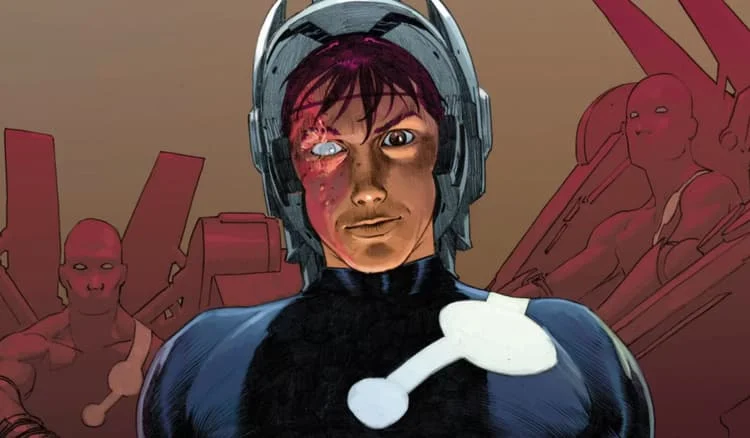
Reed Richards of Earth-1610 adopts the Maker persona as Ultimate continuity evolves, with Ultimate Comics: The Ultimates and later appearances establishing post-human physiology and long-horizon planning. Publication records track advanced habitat construction, city-scale experiments, and the use of parallel timelines as controlled testbeds.
Files record contact points with Earth-616 after multiversal collisions, noting technology transfers, prison designs, and bio-adaptive suits. Narratives detail cognitive partitioning, strategic retreats into pocket domains, and the repurposing of Future Foundation concepts for authoritarian ends, creating a modern paper trail of a scientist reclassified as a systemic threat.
Hush
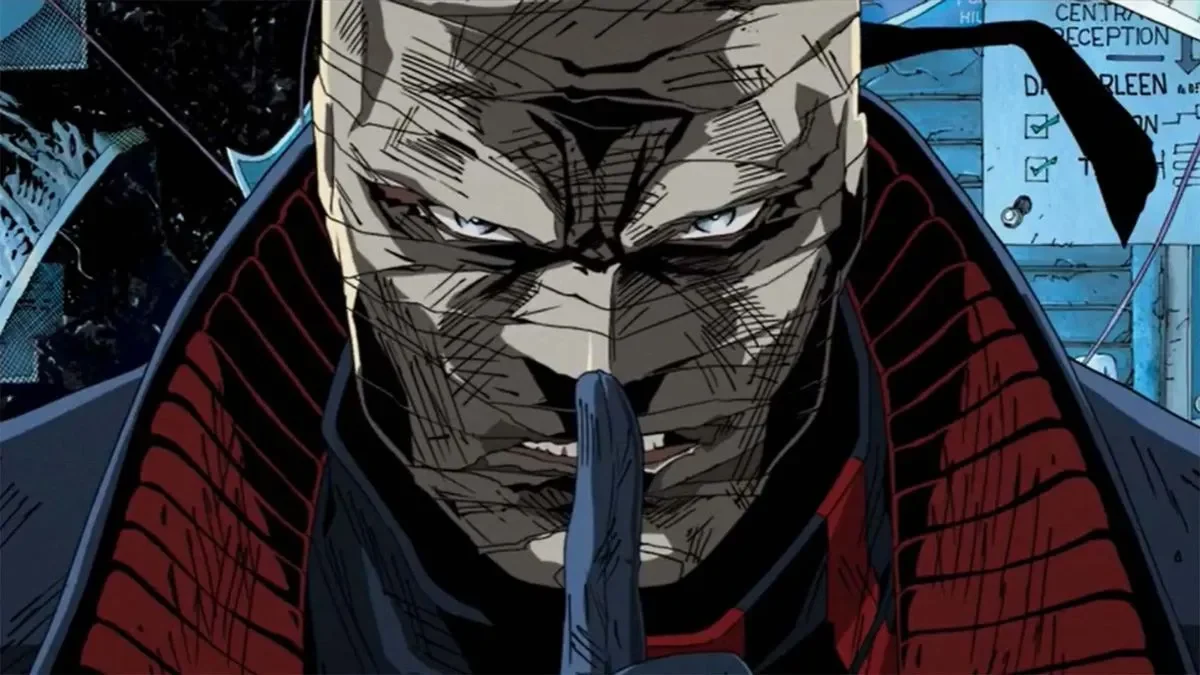
Tommy Elliot—Hush—enters with Batman: Hush by Jeph Loeb and Jim Lee, which compiles surgical expertise, financial maneuvers, and identity-theft schemes against Bruce Wayne. The arc itemizes collaborations with Gotham rogues, covert surveillance of Wayne enterprises, and medical evidence of facial reconstruction used to impersonate key figures.
Subsequent appearances document contingency caches, blackmail materials, and attempts to leverage Wayne family history, emphasizing forensic audit trails alongside field confrontations. Gotham’s records—bank transfers, clinic logs, and crime scene photos—establish Hush as a modern white-collar antagonist whose methods hinge on paperwork and scalpel work alike.
The Hood
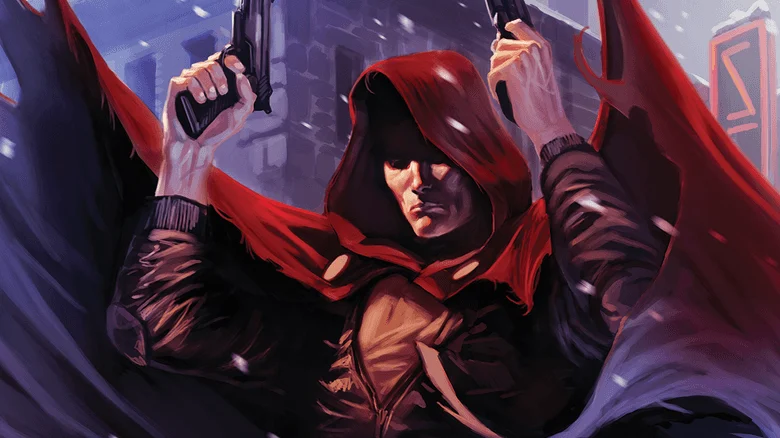
Parker Robbins debuts in The Hood by Brian K. Vaughan and Kyle Hotz, acquiring a demon-linked cloak and boots that enable levitation and partial invisibility. The series and follow-ups log his consolidation of New York’s super-crime through villain summits, protection maps, and inventories of mystical contraband seized from black-market dealers.
As he scales up, tie-ins document supply chains for powered weaponry, attempts to stabilize alliances with classic rogues, and conflicts with the Avengers and street-level heroes. The character’s rap sheet includes artifact misuse, extradimensional debts, and repeated federal task-force entanglements, offering a 21st-century template for organized super-crime in Marvel continuity.
Morlun
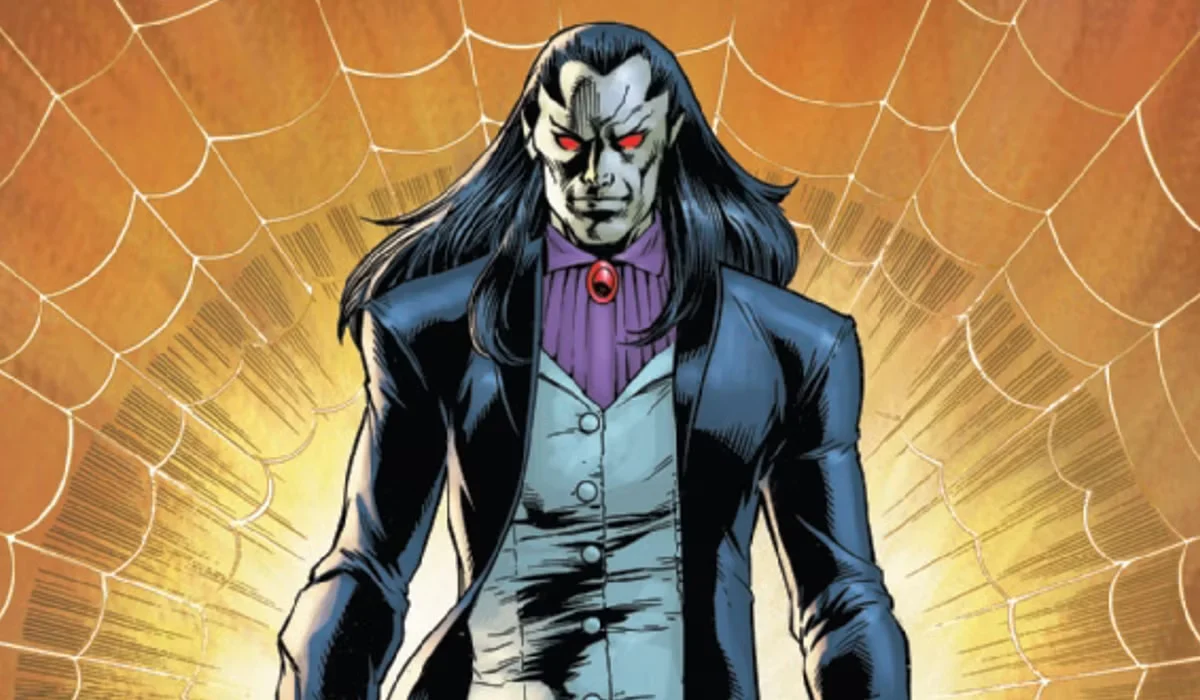
Morlun’s first appearance arrives in The Amazing Spider-Man (Vol. 2) #30 by J. Michael Straczynski and John Romita Jr., framed as a predator who feeds on totemic life-force. Initial encounters function like case files: medical scans showing cellular degradation in Peter Parker, travel logs following Morlun’s pursuit, and lab notes from Ezekiel that situate spider totems within a broader mythic ecology.
Later “Spider-Verse” materials catalog his family, the Inheritors, with multiversal hunting routes, containment designs, and radiation countermeasures. Reports detail how to disrupt his feeding cycle, the role of dimensional tuning forks, and coordinated operations of multiple Spider-totems, making Morlun a heavily documented cross-reality threat in Spider-lore.
Omni-Man
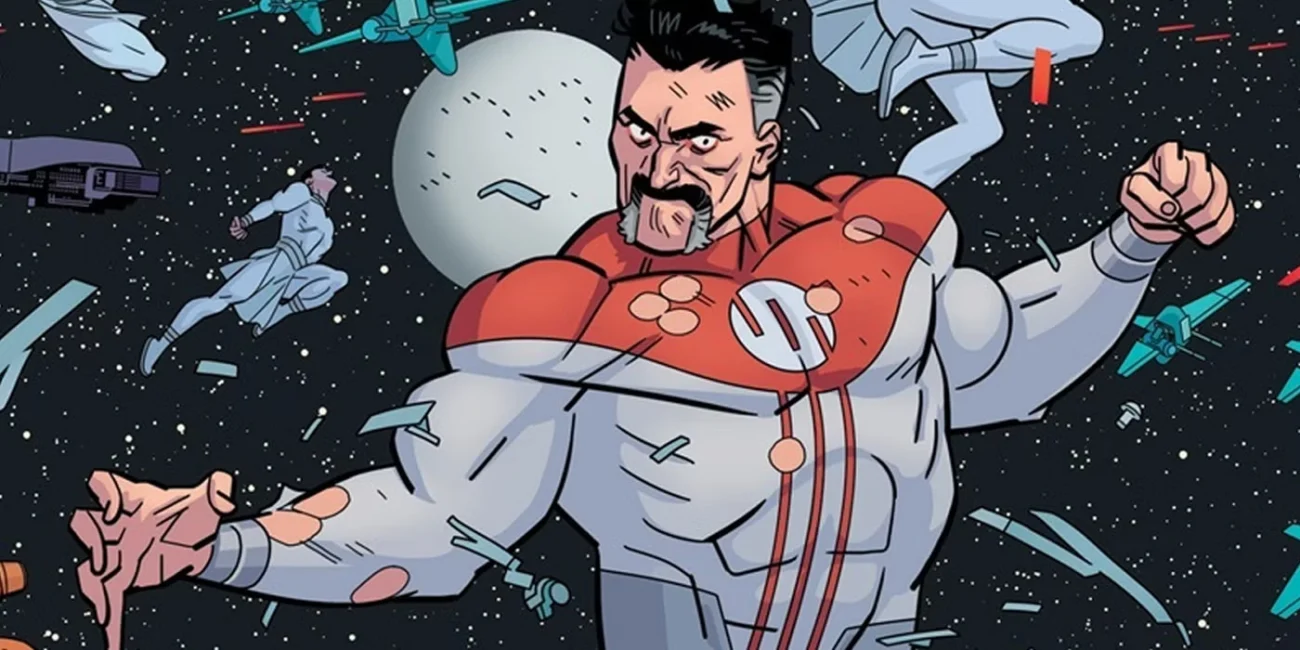
From Invincible by Robert Kirkman and Cory Walker, Nolan Grayson—Omni-Man—begins as Earth’s greatest hero before records reveal Viltrumite imperial doctrine, sleeper-agent protocols, and invasion staging. The series documents training regimens, planetary pacification strategies, and chain-of-command expectations within the Viltrumite Empire.
Subsequent issues provide debriefs, war reports, and medical outcomes detailing the cost of Viltrumite conflicts, including genetic durability, atmospheric combat parameters, and population-level collateral assessments. The TV adaptation ‘Invincible’ mirrors key dossiers and combat after-action reports, widening the paper trail across media.
Mr. Bloom
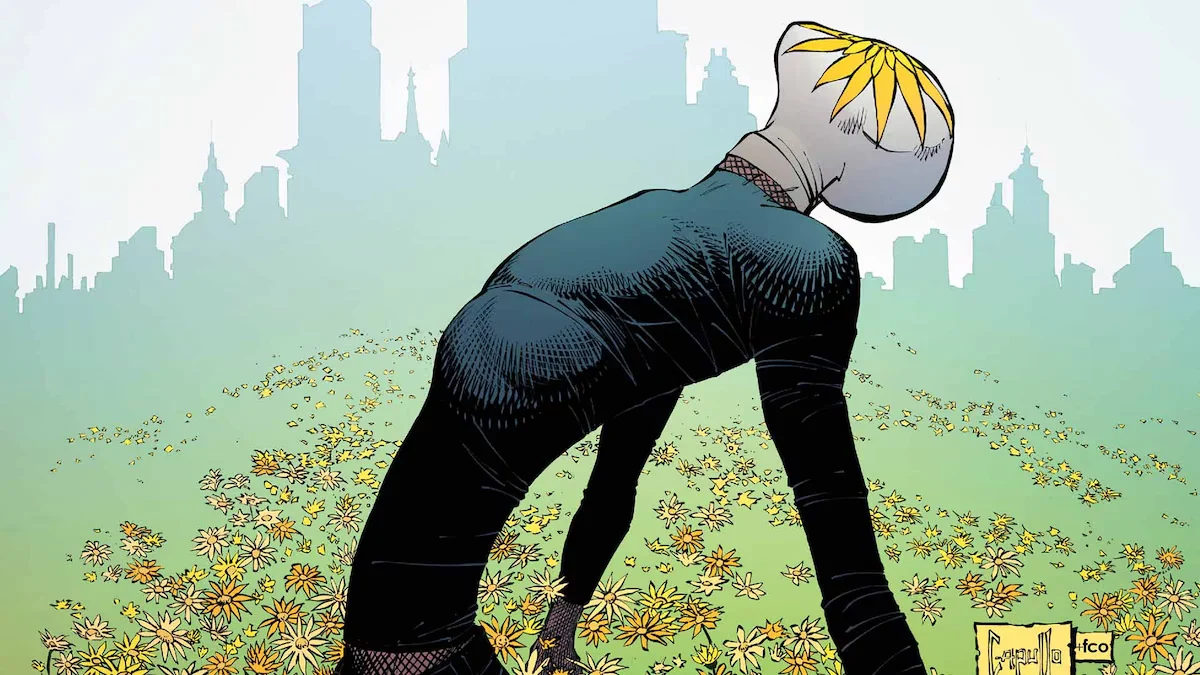
Mr. Bloom arrives in Batman during the “Superheavy” storyline as a Gotham figure who distributes biomechanical seeds that rewrite physiology to grant powers at lethal cost. Case materials in the arc catalog seed chemistry, vector delivery, and activation triggers, along with evidence of Bloom’s infiltration of local communities to select recipients.
The narrative documents his escalation from targeted empowerment to city-threatening amplification, including power-grid hijacking and mass-scale mutation attempts. Forensic notes cover his elongated, adaptable morphology and the limits of conventional containment, situating Bloom within Gotham’s recent wave of tech-horror antagonists grounded in bioengineering.
Knull
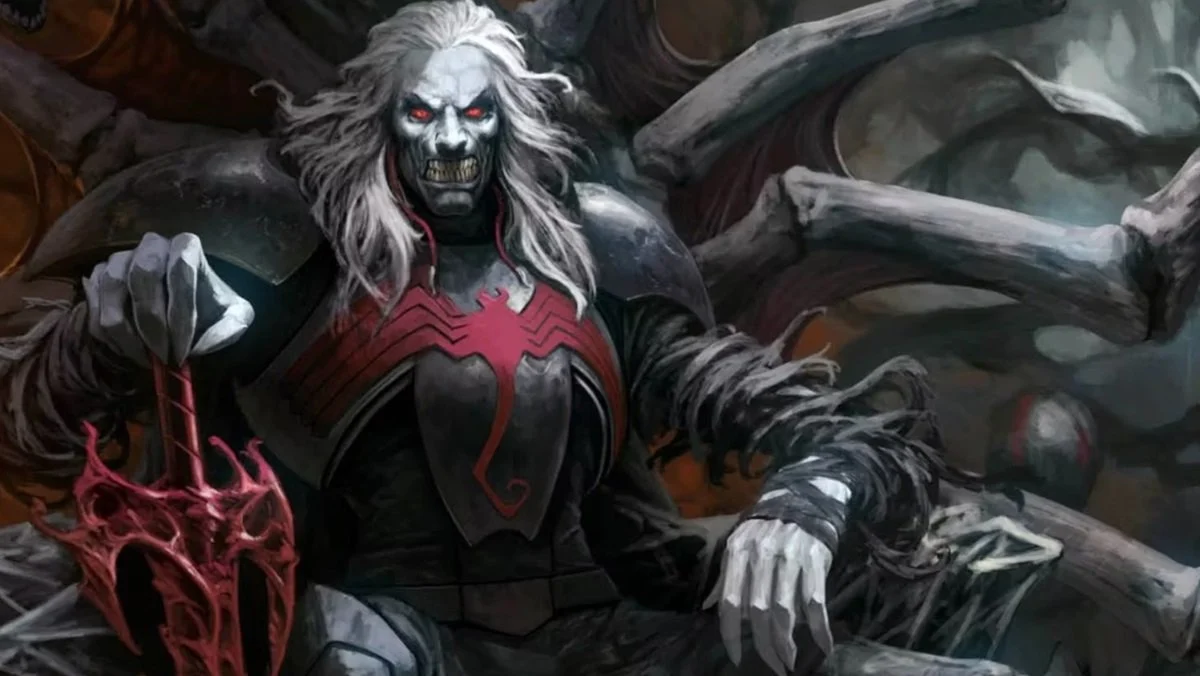
Knull debuts in modern Venom lore as the primordial creator of the symbiotes, established in Donny Cates and Ryan Stegman’s Venom run and expanded in the King in Black event. Source issues trace a history spanning cosmic forges, living abyssal weapons, and the symbiote hive-mind’s command structures.
Operationally, Knull’s incursions are logged through planet-scale envelopment, celestial-class confrontations, and the reactivation of dormant symbiote assets. The documentation details how sigil networks, hive communications, and specialized counter-frequencies affect control, providing a technical map for how Marvel standardizes symbiote threats in the 21st century.
Atrocitus
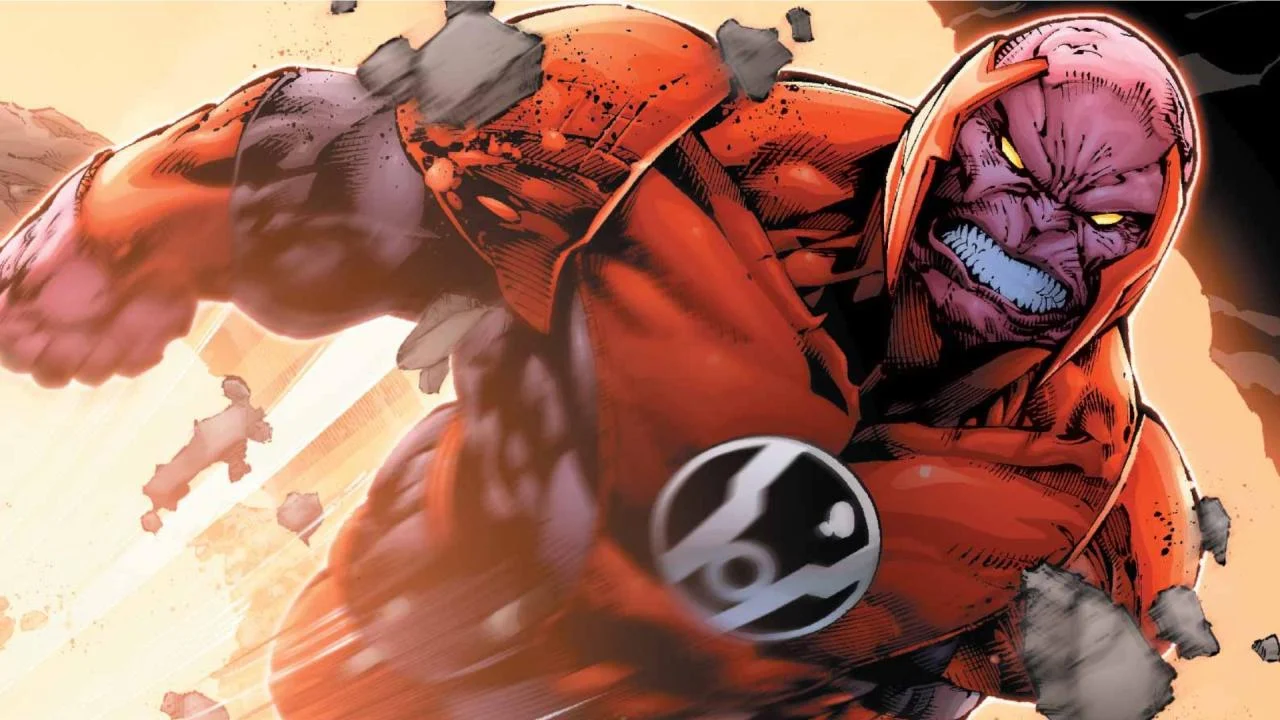
Atrocitus appears in Green Lantern projects spearheaded by Geoff Johns as the founder of the Red Lantern Corps, whose rings are powered by rage. The early material outlines the Five Inversions, the destruction of Sector 666, and the creation of a corps with distinct recruitment, initiation, and leadership protocols.
Red Lantern physiology and ring mechanics are presented with specific constraints—corrosive plasma expulsion, heart-replacement by the ring, and limitations tied to emotional reservoirs—while cross-title events log conflicts with Green and other Lantern spectrums. Corps governance, oath structures, and artifact dependencies are tracked to show how rage is systematized into a standing force.
Professor Pyg
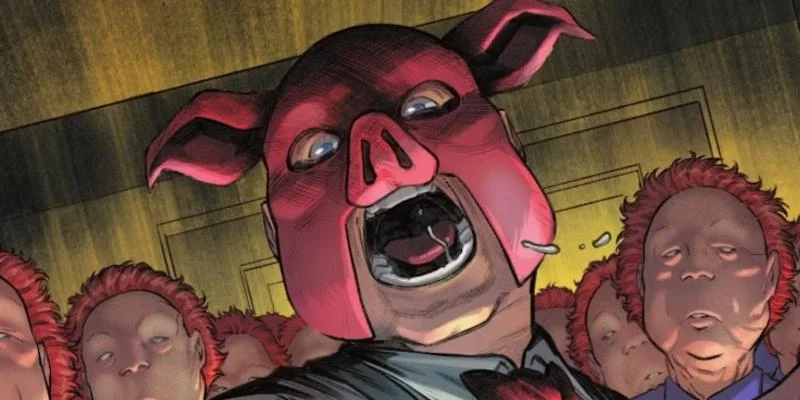
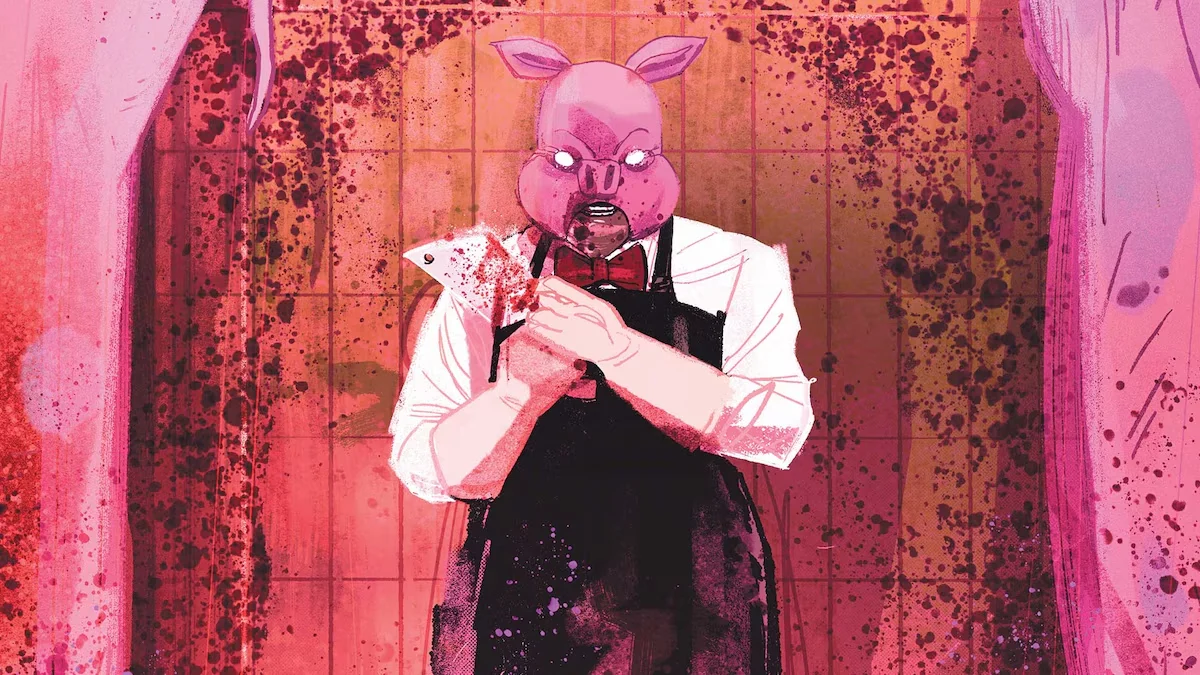
Professor Pyg emerges from Grant Morrison’s Batman cycle as a surgically obsessed criminal who “perfects” victims into Dollotrons via chemical conditioning and invasive procedures. Evidence within the stories details operating theaters, reagent mixes, and psychological scripts used to erase identities.
Follow-up appearances across Gotham-set titles catalog copycat methodologies, international movement, and seizure of medical supplies through black-market pipelines. Case files emphasize contamination risks at crime scenes, specialized antidotes, and intervention protocols for deprogramming survivors, establishing Pyg as a procedural challenge for law enforcement and vigilantes alike.
Veranke
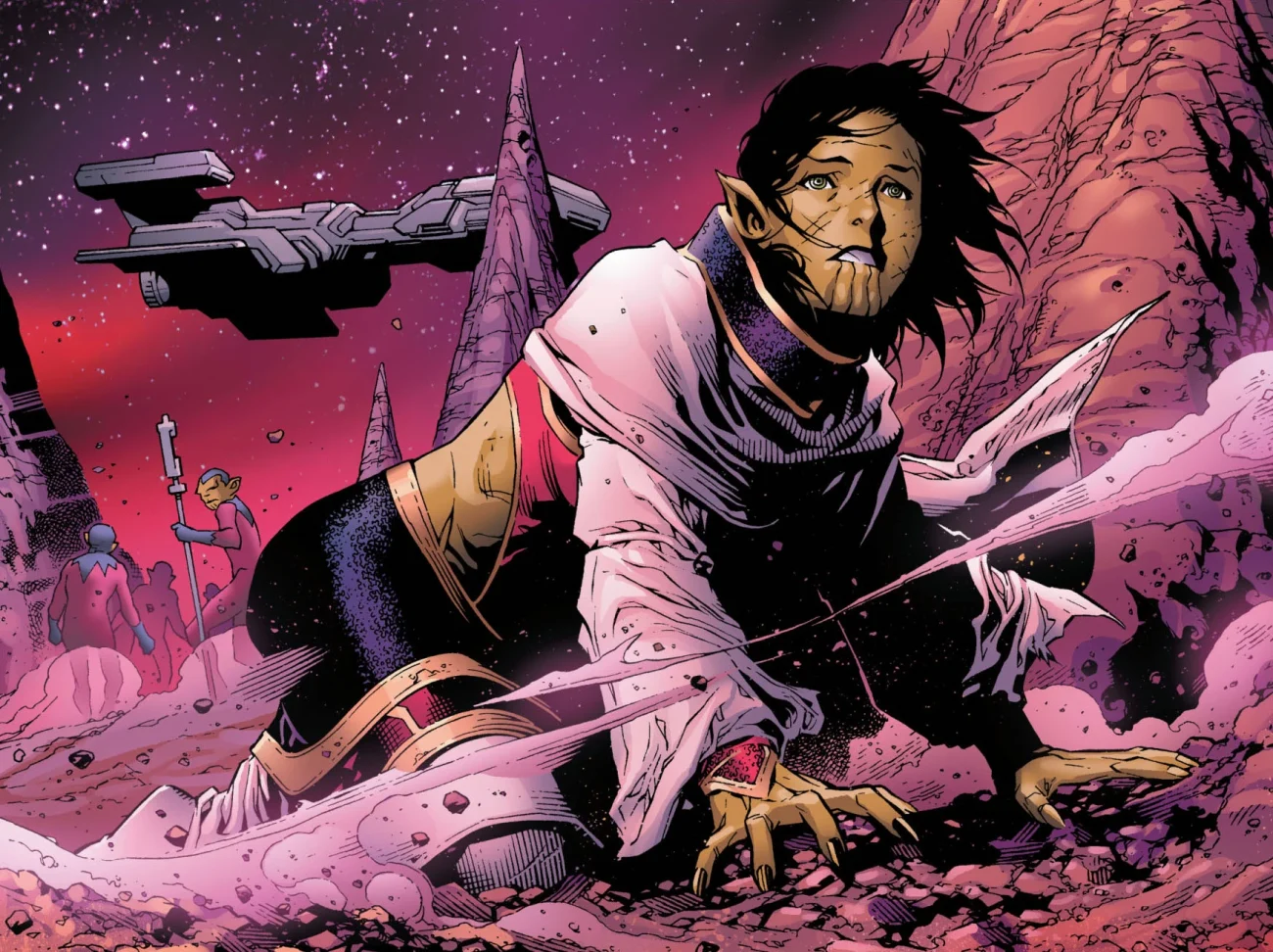
Veranke, the Skrull Queen, is identified as the architect of Earth-focused infiltration culminating in the Secret Invasion crossover. Source issues outline prophetic directives within Skrull culture, identity-theft procedures using advanced bio-mimicry, and the timeline of sleeper agents replacing key superhumans.
Operational records cover encrypted communications, false-flag operations, and the use of religious authority to unify scattered Skrull factions. Debriefs post-exposure list compromised agencies, battlefield engagements where detection protocols evolved, and the repatriation or memorialization processes for abducted originals.
Daken
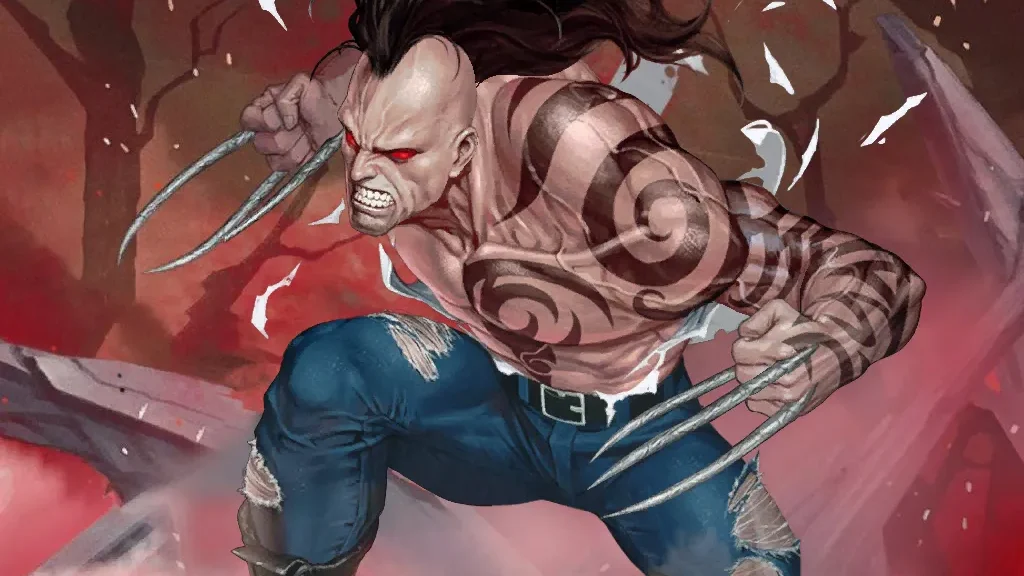
Daken debuts in Wolverine titles as the son of Logan, combining accelerated healing with retractable claws sheathed in resin that can be laced with toxins. Early arcs document covert training, manipulated loyalties, and black-ops employment, often aligned with national or corporate interests.
Across appearances, dossiers note pheromone-based emotional manipulation, battlefield case studies contrasting his tactics with Logan’s, and records of team affiliations that shift with strategic aims. Publication history tracks identity changes, territorial ambitions, and conflicts that intersect X-Men, Avengers, and street-level spheres, providing a comprehensive 21st-century footprint for an heir-turned-antagonist.
Share your picks and the story arcs you’d add to the list in the comments!