Top 10 Coolest Things About Wolverine

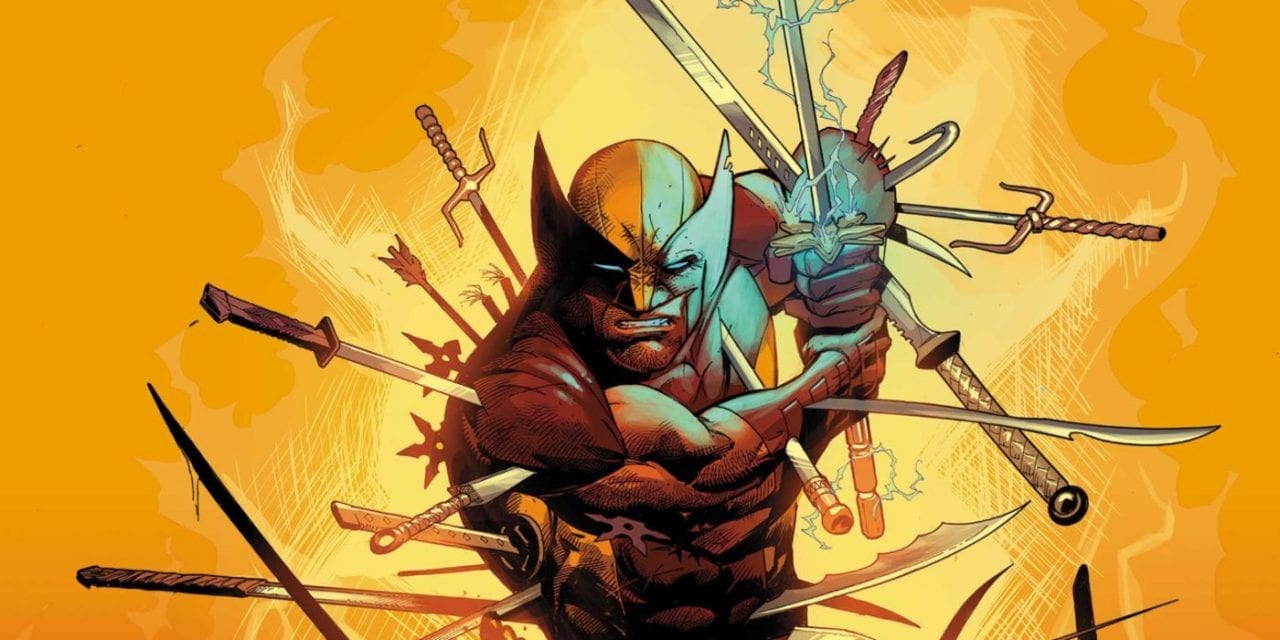

Wolverine has been a cornerstone of Marvel storytelling for decades, evolving from a mysterious brawler into one of the publisher’s most richly detailed characters. Created by Len Wein with art contributions from John Romita Sr. and Herb Trimpe, he debuted in a cameo at the end of The Incredible Hulk #180 before fully appearing in #181, quickly becoming central to X-Men lore. Across comics, animation, and films, his biography has been expanded through government experiments, centuries of backstory, and a network of allies and adversaries that anchor him to nearly every corner of the Marvel Universe.
Beyond the famous claws, Wolverine’s appeal rests on well-defined abilities, rigorous training, and an unusually long life that intersects with historical events and multiple superhero teams. He speaks several languages, has deep ties to Japan, and carries identities that link undercover operations to superhero missions. The result is a character whose “power set” is matched by an equally robust paper trail—clear origin points, verifiable skills, and landmark story arcs that map his journey from Weapon X subject to veteran leader.
Regenerative Healing Factor

Wolverine’s healing factor accelerates cellular regeneration, enabling recovery from wounds, broken bones, toxins, and many diseases at a rate far beyond baseline human physiology. Canon sources show the ability reversing severe trauma—including burns and organ damage—and providing strong resistance to most poisons and sedatives by metabolizing them rapidly. The healing factor also slows cellular aging, which helps explain his extended lifespan and sustained peak physical condition over long periods.
This regenerative process supports other physiological benefits: heightened stamina, improved recovery between fights, and resilience under extreme conditions such as cold exposure and blood loss. In several documented cases, the healing factor has repaired neurological injury and mitigated the harmful effects of having metal bonded to his skeleton, allowing him to function despite stresses that would incapacitate ordinary humans.
Adamantium Claws and Skeleton

Wolverine’s claws are natural—extensions of his forearm bones—made unbreakable when the Weapon X program bonded the metal alloy adamantium to his skeleton. Adamantium’s fictional properties include extreme hardness and tensile strength, allowing the claws to cut or pierce most materials in the Marvel setting. The skeletal bonding distributes impact forces, meaning he can strike, fall, or lift under loads that would otherwise shatter bone.
The adamantium framework also affects combat dynamics and survivability. It increases body mass, which influences momentum in close-quarters engagements, and protects vital areas such as the skull and ribcage from crushing blows. Although the metal’s toxicity would be lethal to an ordinary person, Wolverine’s healing factor continually counters those effects, creating a stable—if biologically costly—balance between durability and metabolism.
Enhanced Senses and Physiology

Wolverine exhibits acute senses of smell, hearing, and vision, often compared to apex predators. His olfactory tracking can identify individuals across significant distances, distinguish faint scent traces in complex environments, and detect changes that suggest stress or deception. Elevated auditory range and sensitivity let him pick up subtle cues—footfalls, weapon safeties, or radio hiss—useful for reconnaissance and ambush detection.
These senses integrate with reflexes, balance, and muscle control that exceed typical human benchmarks. He consistently demonstrates rapid reaction times, precise proprioception, and high anaerobic output, aligning with feats such as dodging gunfire from modest ranges, climbing under load, and maintaining hand-to-hand performance despite fatigue or injury. Together, the sensory and motor profile supports stealth, pursuit, and sustained combat effectiveness.
Combat Mastery and Martial Training
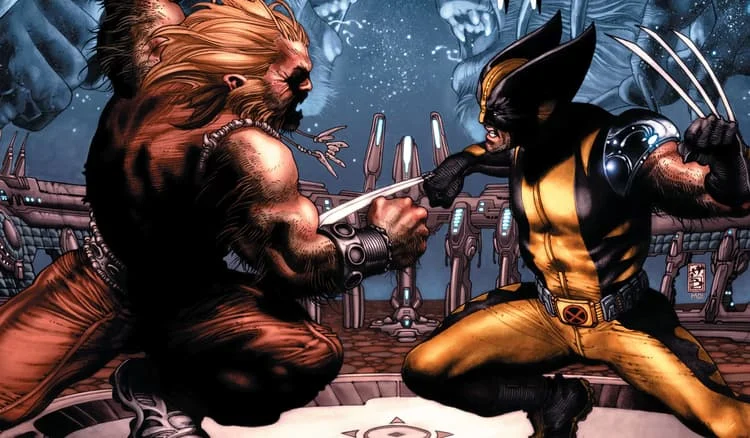
Wolverine’s combat record spans military service, intelligence operations, and instruction roles within the X-Men, producing a verifiable skill stack across disciplines. He’s proficient in armed and unarmed systems—knife fighting, swordsmanship, stick work, and multiple striking and grappling arts—often adapting techniques to leverage short-range power and his claw reach. Canon accounts also document marksmanship and familiarity with explosives and fieldcraft.
As a trainer, he has taught tactics, survival, and sparring to younger mutants, standardizing methods for mission readiness and team coordination. His approach emphasizes real-world application: situational awareness, threat prioritization, and controlled escalation, all backed by after-action learning. This mix of mastery and mentorship explains recurring assignments where he leads small units or partners with specialists on high-risk objectives.
Multilingual Background and Samurai Ties

Logan’s history establishes fluency or functional command in languages including English, Japanese, and others he’s learned during long deployments and extended residence abroad. This linguistic range supports undercover work, negotiations, and local intelligence gathering in storylines set across Canada, Japan, Europe, and beyond. It also provides in-universe explanations for durable alliances in international contexts.
His ties to Japan are particularly well-documented, including samurai training, cultural immersion, and long-term relationships with figures linked to the Yashida family and Madripoor operations. The samurai framework informs his swordsmanship, adherence to certain warrior codes in specific arcs, and recurring conflicts with ninja organizations. These elements provide concrete narrative mechanisms for plots involving honor challenges, clan politics, and transnational crime.
Weapon X Origins and Experiments

The Weapon X program is the canonical source for Logan’s adamantium bonding and memory manipulation. Records within the fiction detail surgical procedures, neurological conditioning, and psychological tampering designed to convert him into a controllable asset. These experiments resulted in amnesia, implanted memories, and trigger protocols that appear in multiple investigations and recovery arcs.
Weapon X also explains the technical infrastructure behind his enhancements: metallurgy processes for adamantium infusion, containment strategies for a subject with extreme regenerative capacity, and the use of sensory deprivation to break resistance. Subsequent storylines follow audits, data leaks, and former staff testimonies, which together build an internal paper trail characters consult when reconstructing Logan’s past.
Long Life and Historical Footprint

Wolverine’s slowed aging places his birth in the late 19th century in many continuities, allowing direct involvement in events across both World Wars and numerous covert operations. This timeline is supported in-story by military records, photographs, and eyewitness accounts encountered during investigations by allies and antagonists. The extended lifespan provides a framework for cross-generational relationships and debts that resurface in present-day plots.
His longevity also produces a unique skills accumulation curve: decades of practice in wilderness survival, espionage, and unconventional warfare. It enables firsthand familiarity with evolving technology—from bolt-action rifles to advanced surveillance—and changing geopolitical landscapes. As a narrative device, this footprint justifies contacts in multiple agencies and underworld networks, which often drive mission briefings and extraction plans.
Iconic Costumes and Code Names
Wolverine has operated under code names including “Weapon X” and “Patch,” each tied to specific locales and methods. “Patch” connects to Madripoor activity, where the eyepatch disguise and low-profile attire facilitate infiltration in a jurisdiction with corrupted law enforcement and active smuggling routes. These identifiers appear in dossiers and bar-owner registries that characters consult during stakeouts and meetings.
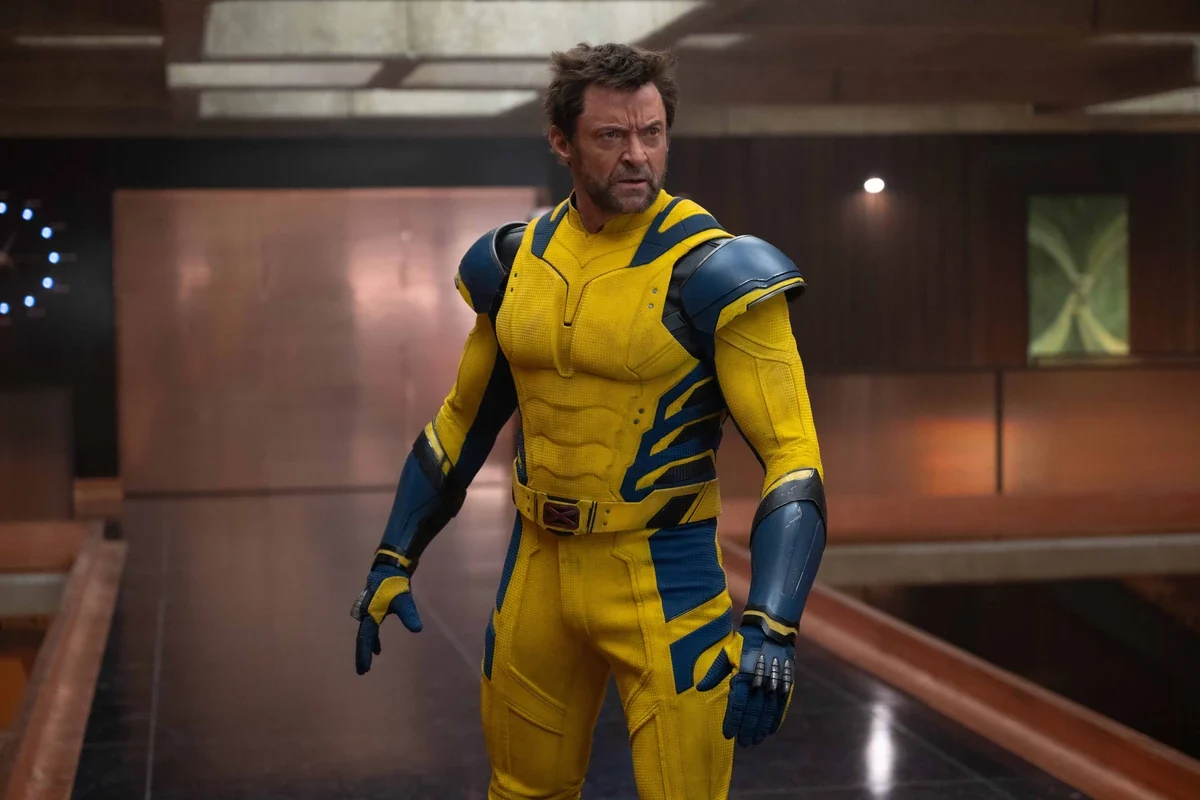
Costume variations—classic yellow-blue, brown-tan, stealth adaptations, and black-ops gear—serve functional purposes like material reinforcement, mobility, and reduced visibility for night operations. In-story, costume changes often correlate with team assignments, mission environments, or access to tech upgrades from allies. This creates consistent visual shorthand for readers while documenting operational shifts in the narrative record.
Notable Enemies and Rivalries

Logan’s adversaries are grounded in specific histories: Sabretooth’s recurring conflicts tie back to overlapping covert programs and personal vendettas; the Hand engages him through Japan-based plots and resurrection protocols; Omega Red brings Russian supersoldier experimentation into play with tactical counters to healing factors. Each rivalry is supported by files, debriefs, or medical reports that explain motives, capabilities, and escalation patterns.
Government and corporate antagonists connected to Weapon X provide paper trails—funding lines, personnel rosters, and facility schematics—used by allies to track ongoing threats. These documents frequently surface during raids and investigative arcs, offering concrete evidence that fuels prosecutions, rescues, or dismantling of successor programs seeking to replicate the original experiments.
Cultural Impact and On-Screen Legacy

Wolverine’s transition to screen significantly expanded his global profile through multiple films and animated series. Key entries include ‘X-Men’, ‘X2’, ‘X-Men: The Last Stand’, ‘The Wolverine’, ‘X-Men: Apocalypse’, and ‘Logan’, along with ensemble and cameo appearances that connect to broader X-Men continuity. These adaptations increased public familiarity with terms like Weapon X and adamantium, aligning many viewers’ first exposure with cinematic interpretations.
Merchandising, video games, and animation broaden the footprint further—spanning action figures, tie-in storylines, and voice portrayals that standardize aspects of his characterization across media. Cross-platform presence ensures that specific features—healing factor, claws, and Japan ties—remain consistent reference points, making it easier for new readers and viewers to navigate the character’s extensive back catalog.
Share your favorite Wolverine fact or storyline connections in the comments!