15 Best Handheld Gaming Devices of All Time, Ranked


Handheld gaming has reinvented itself over and over, from simple monochrome screens to powerhouse portables that can run full desktop titles. The best devices did not just sell well. They changed how and where people play, pushed new ideas, and built libraries that lasted for years.
This list looks at the most important portables ever made. It considers things like global sales, standout games, hardware features, battery life, and the new directions each device opened for players and creators. We count down from older curiosities that punched above their weight to the all time heavy hitters.
Nokia N-Gage
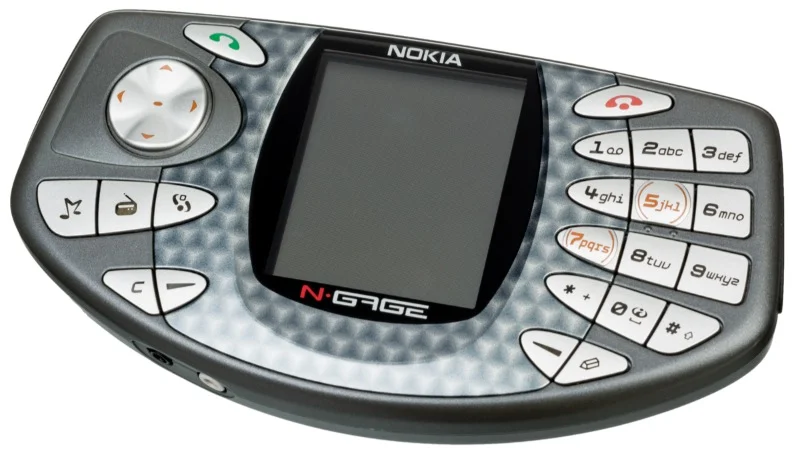
Nokia launched the N Gage in 2003 as a phone and game device in one. It used a Symbian based platform, accepted game cards, and could handle multiplayer over Bluetooth and mobile networks. Its taco shaped design put the speaker on the side, which led to an unusual way to make calls.
The system hosted titles like ‘Tony Hawk’s Pro Skater’ and ‘Pathway to Glory’ and supported music and radio playback. While it struggled against dedicated consoles, it helped set early ideas for mobile gaming and connected play that later took off on smartphones.
Playdate
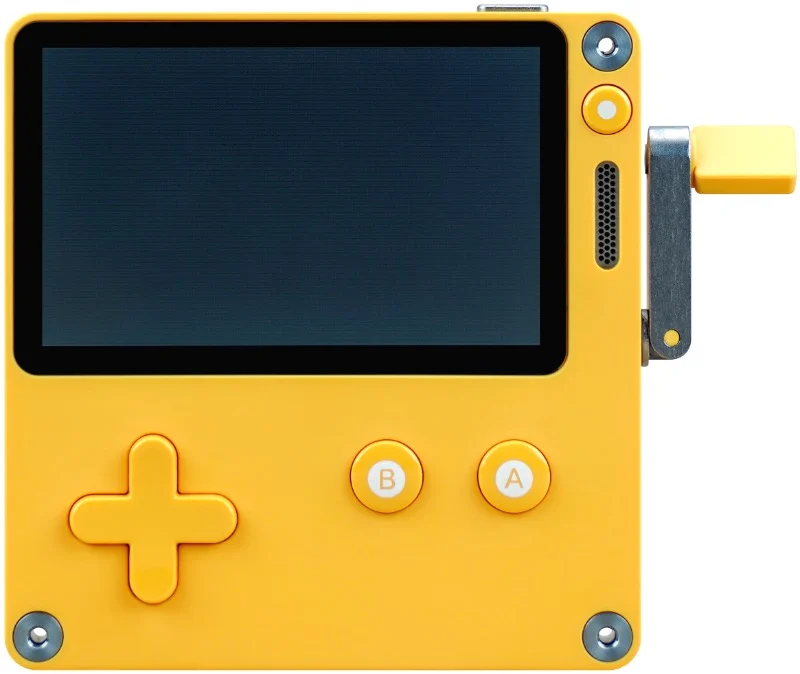
Playdate arrived in 2022 with a black and white screen and a hand crank that served as an extra control. The device shipped with a season of original games that unlocked on a schedule, which turned discovery into part of the fun.
Developers could build and sideload games with a free SDK, and the system used Wi Fi for updates. Its pocket size form made it a true throwback with modern touches, and it carved out a niche for experimental game design on dedicated hardware.
TurboExpress
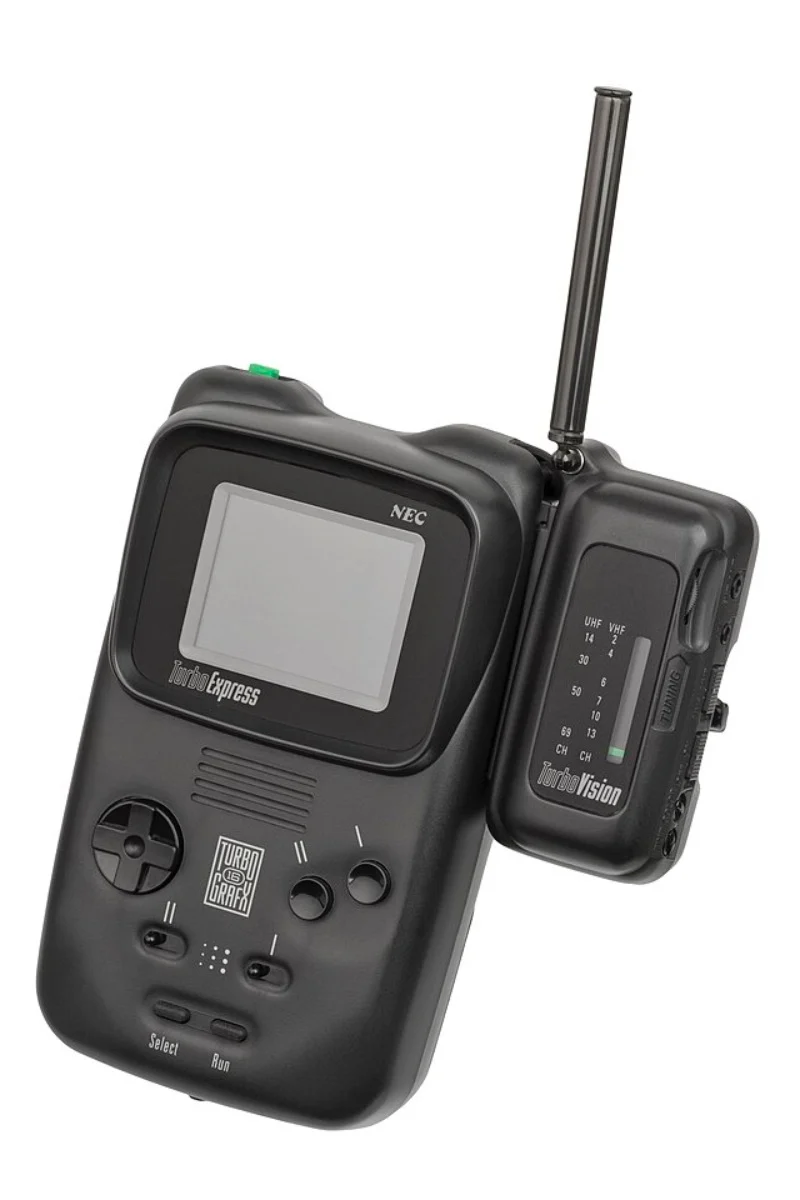
Released in 1990, the TurboExpress was a portable version of the TurboGrafx 16 that could play the same HuCard games on a small color screen. It ran an eight bit CPU with a powerful graphics chip that pushed rich sprites for its time.
The unit supported a TV tuner add on and link cable multiplayer, though battery life was short and the price was high. Its library included portable versions of ‘Bonk’s Adventure’ and ‘R Type’ that showed how close a handheld could get to a living room console in that era.
Atari Lynx
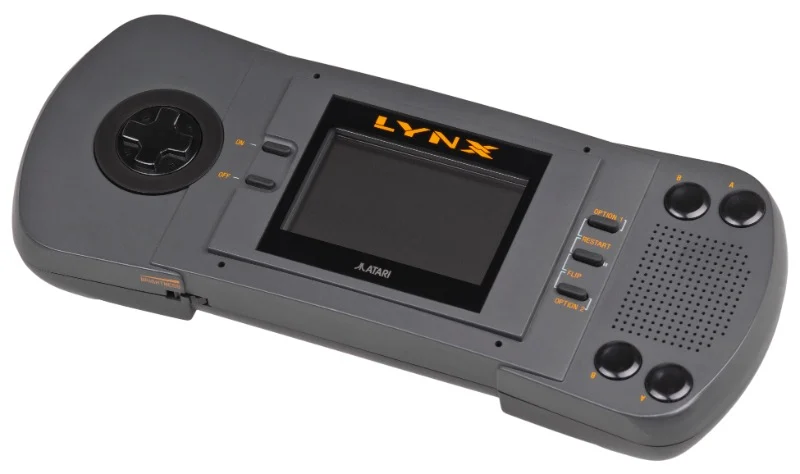
The Atari Lynx launched in 1989 with a backlit color LCD and hardware scaling that allowed smooth sprite zooming. It featured a reversible layout so both left and right handed players could use it comfortably.
Games like ‘California Games’ and ‘Blue Lightning’ showed off the system with bold color and fast action. The device supported linked multiplayer through ComLynx, and though it lost the market race, it pushed handheld visuals forward in noticeable ways.
Neo Geo Pocket Color
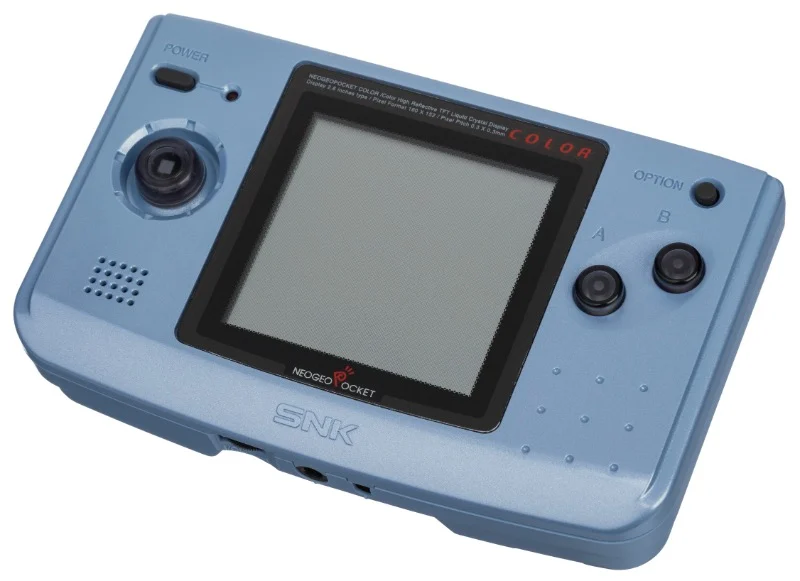
SNK introduced the Neo Geo Pocket Color in 1999 with a crisp reflective screen and strong battery life. Its clicky digital stick gave fighting games precise control that felt close to an arcade cabinet.
The library leaned on excellent conversions such as ‘SNK vs Capcom Match of the Millennium’ and ‘Metal Slug 1st Mission’ along with standout puzzlers. It also offered simple system link multiplayer, and the build quality made the hardware feel premium in the hand.
Sega Game Gear
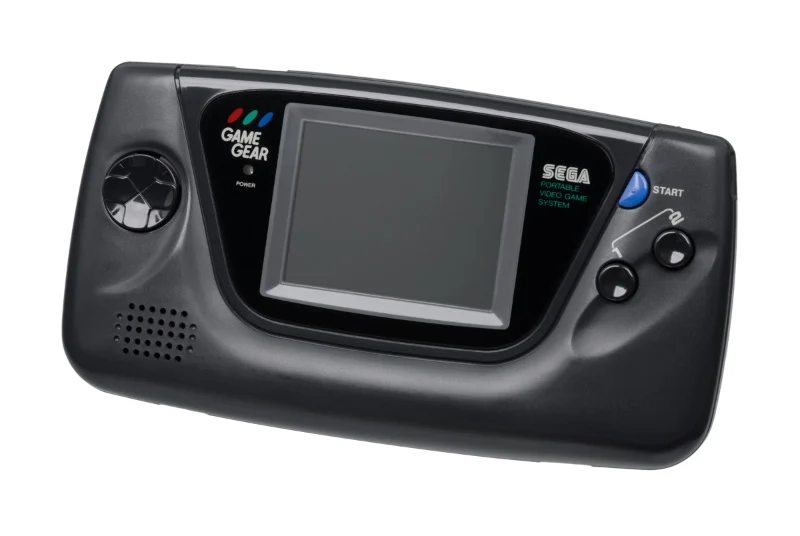
Sega released the Game Gear in 1990 with a backlit color screen and stereo sound through headphones. The system shared architecture with the Master System, which allowed quick ports of popular titles.
Accessories expanded the device with a TV tuner and adapters for Master System cartridges. Notable games included ‘Sonic the Hedgehog’, ‘Columns’, and ‘Shining Force Gaiden’. Battery life was a trade off for the bright display, yet the system gave players color action on the go years before many rivals.
Analogue Pocket
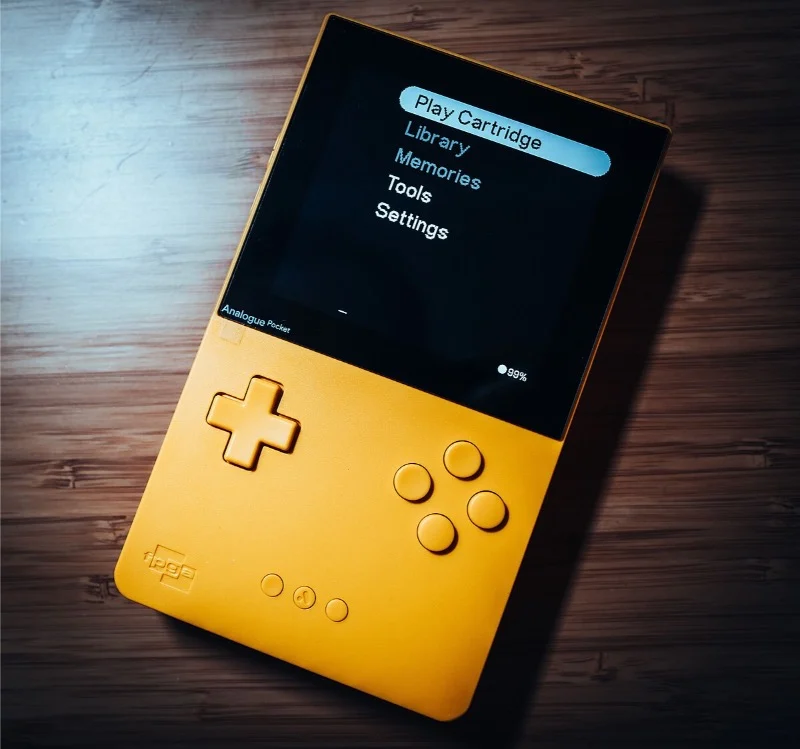
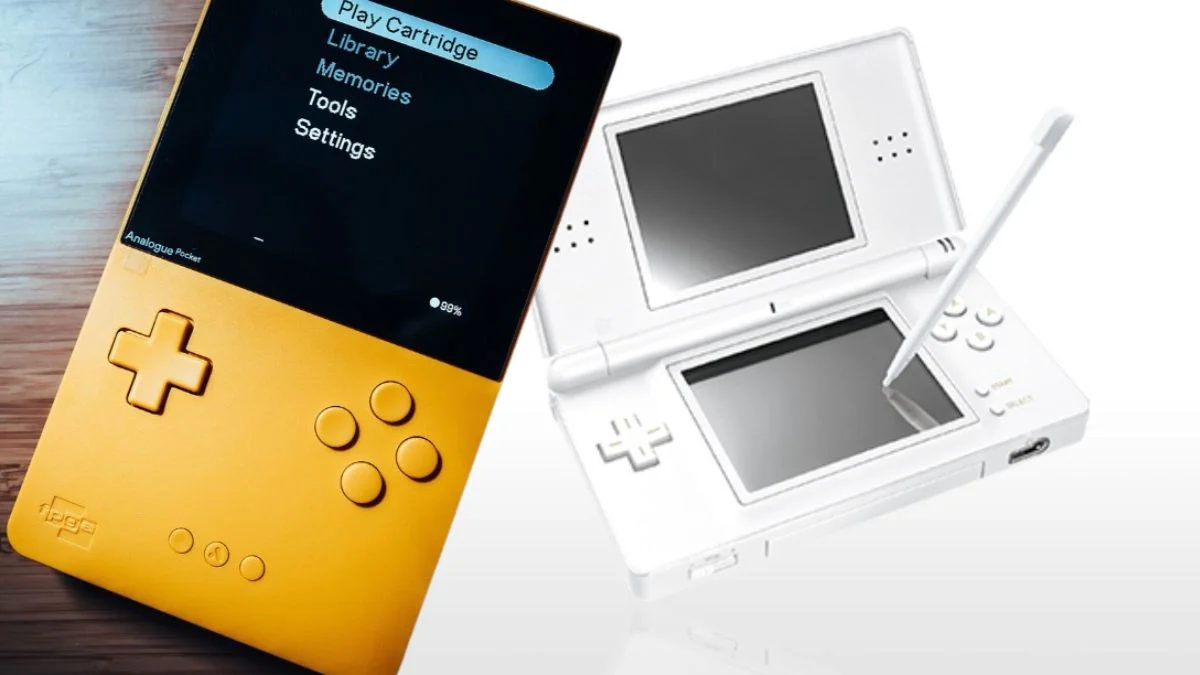
Analogue launched the Pocket in 2021 with an FPGA approach that recreated classic handheld hardware at a hardware level. Its high resolution display offered sharp visuals for Game Boy, Game Boy Color, and Game Boy Advance cartridges, with adapters for other legacy systems.
The device added save states, a dock for play on a television, and a developer environment called Analogue OS for homebrew. It kept original carts relevant while giving collectors and new players a clean modern way to experience classic games.
Nintendo Switch Lite
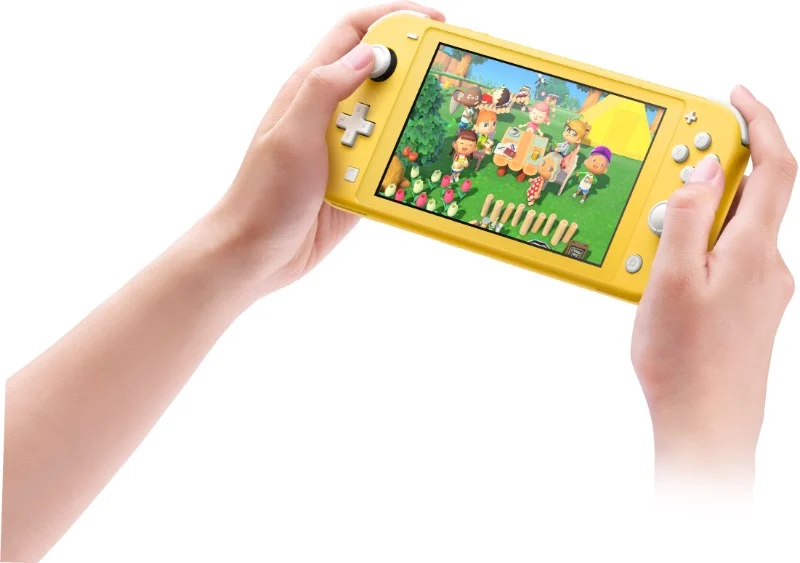
The Switch Lite arrived in 2019 as a compact all in one handheld focused on portable play. It featured integrated controls, a lighter body, and support for the same digital library as the standard Switch for games that ran in handheld mode.
It connected to online services for multiplayer and cloud saves, and the battery was tuned for longer sessions on the move. The form factor made it comfortable for travel and the price made the Switch ecosystem easier to enter for players who wanted a dedicated portable.
PlayStation Vita
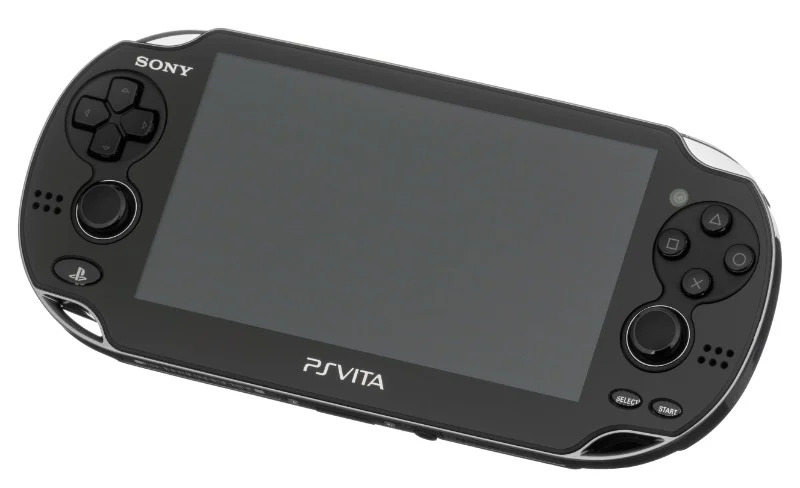
Sony launched the PlayStation Vita in 2011 with a five inch OLED on the first model, dual analog sticks, front and rear touch, and a quad core ARM CPU with strong graphics for its time. It offered Remote Play with PlayStation 4 and supported cross buy with some games.
The library featured ‘Persona 4 Golden’, ‘Tearaway’, and an active indie scene through the PlayStation Store. It also supported memory cards for storage and optional 3G on certain models. While it did not dominate sales, it delivered premium handheld hardware and a deep catalog.
Valve Steam Deck
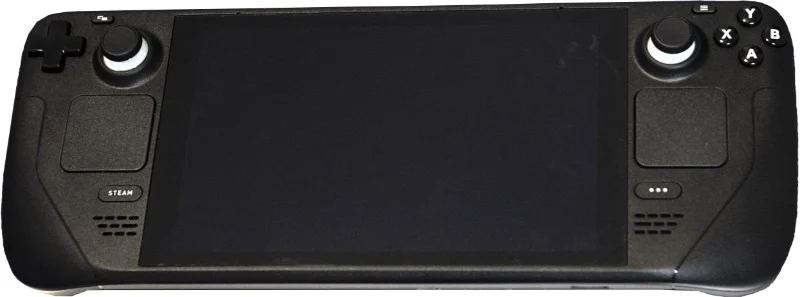
Valve released the Steam Deck in 2022 with a custom AMD APU that could run a large share of the Steam library through a Linux based OS with Proton compatibility. It featured a seven inch display, trackpads for mouse style control, and a suspend and resume flow that fit portable use.
The device supported cloud saves, mod friendly setups, and a dock for display output and peripherals. Frequent software updates improved performance and compatibility over time, and the open nature of the platform allowed launchers and emulation within legal boundaries for users who owned their games.
PlayStation Portable
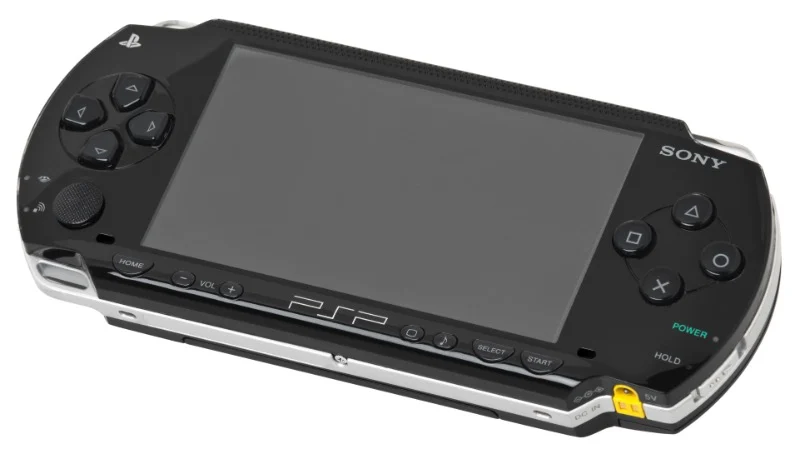
Sony introduced the PSP in 2004 with a widescreen display and UMD based media that held games and movies. It supported Wi Fi for online play, a web browser, and media playback from Memory Stick storage.
The system built a strong catalog with ‘Monster Hunter Freedom Unite’, ‘Grand Theft Auto Liberty City Stories’, and ‘Crisis Core Final Fantasy VII’. It delivered near console quality visuals for its era and helped establish handhelds as multimedia devices as well as game machines.
Game Boy Color
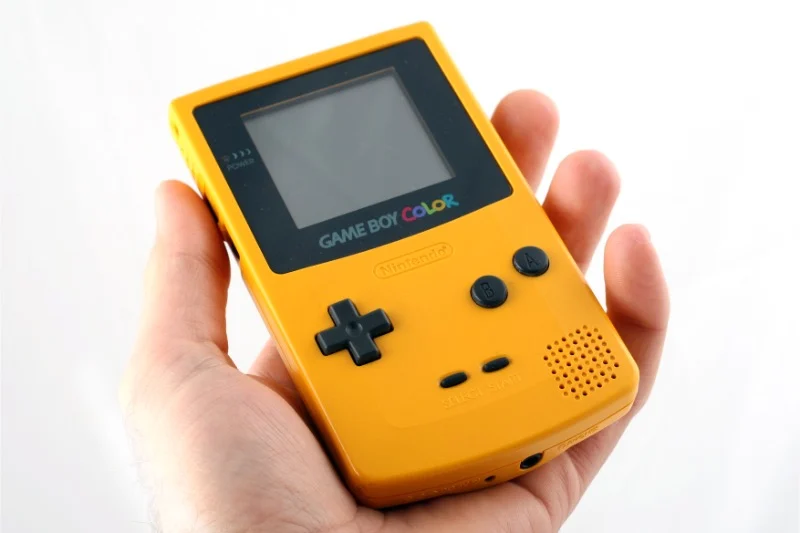
Nintendo launched the Game Boy Color in 1998 as a compact update with a faster CPU and color display while keeping backward compatibility with original Game Boy carts. Developers could add color palettes to older games or build new titles that used the added horsepower.
The library included ‘The Legend of Zelda Link’s Awakening DX’ and ‘Pokemon Crystal’, which introduced features like the real time clock through cartridges. The device kept battery life strong and maintained the sturdy design that made traveling with a handheld easy.
Nintendo 3DS
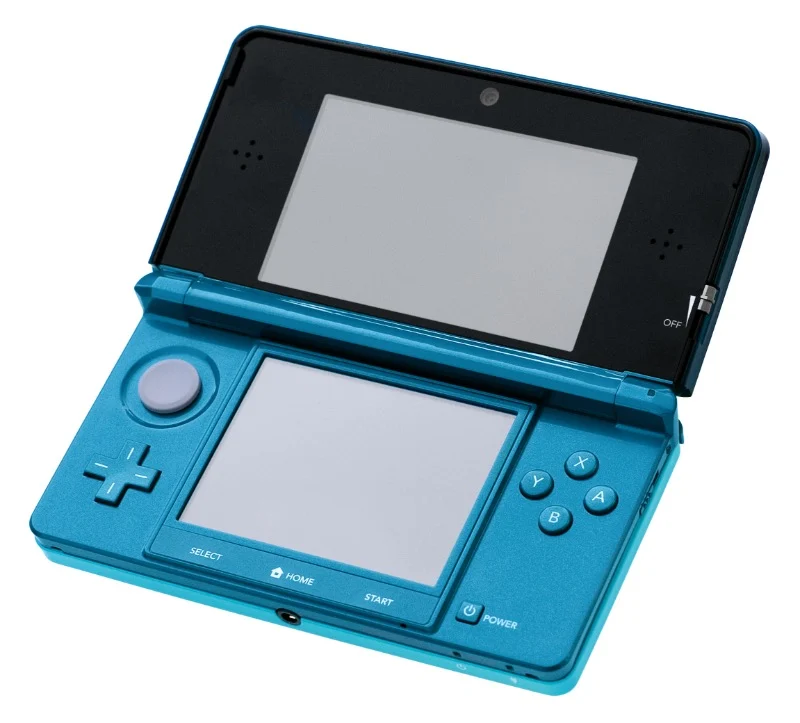
The Nintendo 3DS arrived in 2011 with glasses free stereoscopic 3D and a StreetPass feature that swapped data with nearby systems. Later revisions added a second analog input through the C stick and more powerful hardware in the New models.
The lineup featured ‘Animal Crossing New Leaf’, ‘Fire Emblem Awakening’, and ‘Pokemon X and Y’ along with virtual console support. Backward compatibility with Nintendo DS kept early libraries relevant, and built in tools like AR cards and a camera added playful extras.
Game Boy Advance
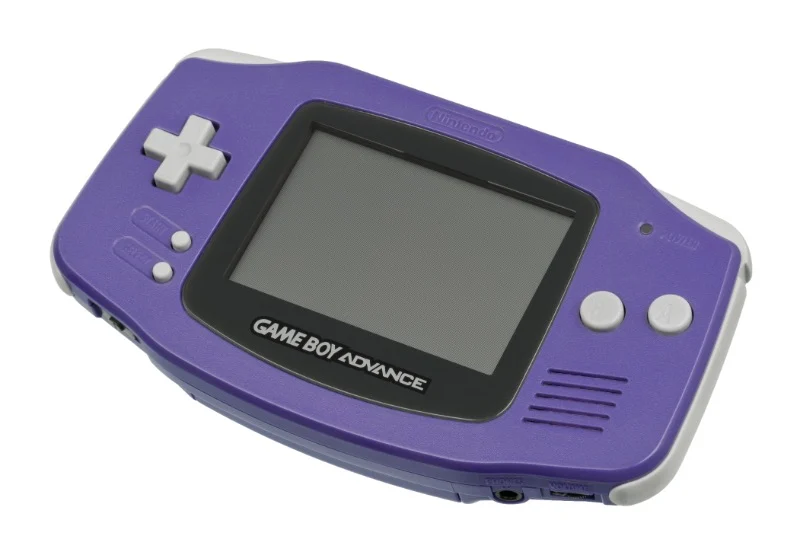
Nintendo released the Game Boy Advance in 2001 with a 32 bit CPU and a library that combined new entries with smart ports. The later SP model added a clamshell design and a front lit then backlit display that improved visibility for long sessions.
Link cables enabled multiplayer and features like item trading in ‘Pokemon Ruby and Sapphire’. The system hosted ‘Metroid Fusion’, ‘Advance Wars’, and ‘Golden Sun’ and offered strong battery life through efficient hardware. It set the stage for dual screen ideas that came next.
Nintendo DS
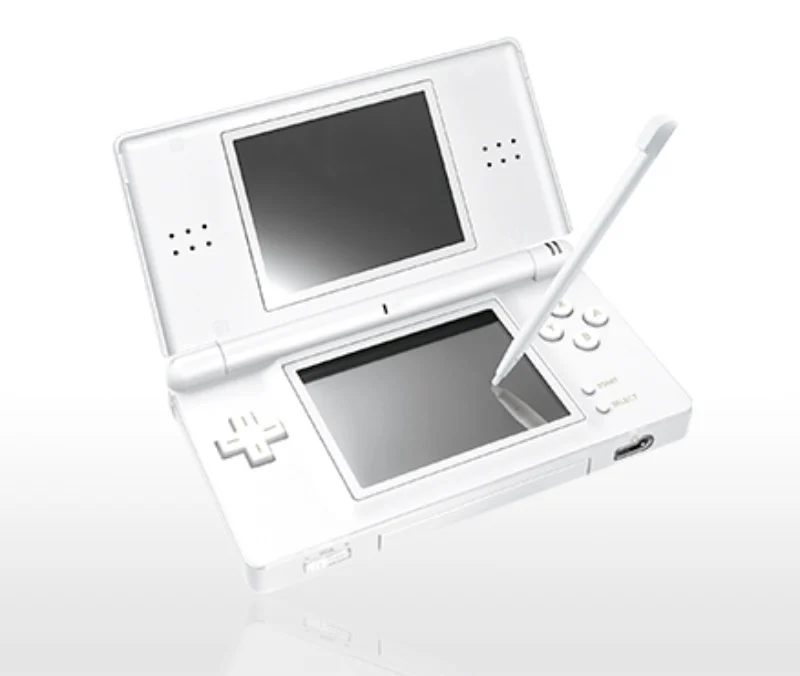
The Nintendo DS launched in 2004 with two screens, a touchscreen, and a microphone that opened new input styles. Wi Fi connectivity and local wireless made download play easy, and later models improved brightness and form while keeping the key features intact.
The catalog reached a wide audience with titles like ‘Brain Age’, ‘Nintendogs’, ‘Mario Kart DS’, and ‘Pokemon Black and White’. Backward compatibility with Game Boy Advance extended the library from day one, and the system went on to become one of the best selling game devices ever, with a footprint in both family friendly and core genres.
Share your own top handheld picks in the comments and tell us which portable you still carry today.