20 Times Anime Went Too Far



Anime pushes boundaries in ways that can surprise even longtime fans. Sometimes that ambition leads to unforgettable storytelling, and other times it triggers bans, recalls, edits, or waves of complaints from viewers and regulators. The entries below look at moments when creators, broadcasters, or distributors had to respond because the content crossed a line for someone, somewhere.
Each example includes what happened and how companies or networks reacted at the time. You will see episodes pulled from schedules, discs recalled or corrected, streaming versions edited, and in some cases shows restricted or banned in certain regions. The goal here is to document the facts of the response and give you the context that made each moment so controversial.
‘Pokémon’ (1997–present)

A broadcast of the ‘Pokémon’ episode nicknamed ‘Electric Soldier Porygon’ used rapid red and blue flashing that led to mass reports of photosensitive seizures and related symptoms among viewers. The series went on hiatus while standards bodies and the network reviewed lighting patterns, frame timing, and on-screen effects.
The episode has never aired again in Japan and remains missing from official streaming lineups in many regions. Broadcasters introduced stricter guidelines on strobe frequency and duration, and studios adopted industrywide checks to prevent similar incidents.
‘School Days’ (2007)
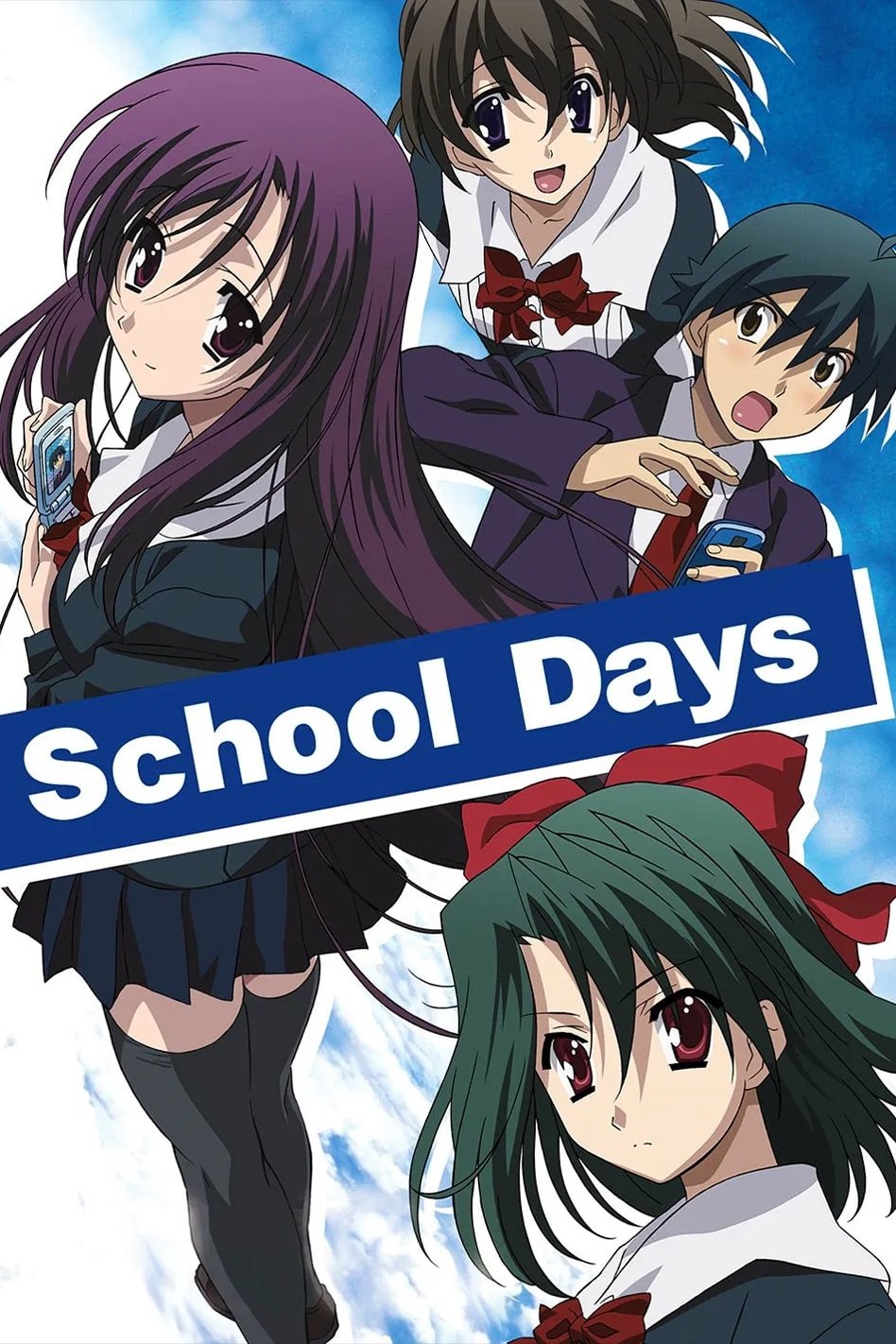
The finale of ‘School Days’ was pulled at the last minute after a real-world crime with similar themes dominated national news. Networks filled the slot with scenic footage that viewers later dubbed the “Nice Boat” broadcast, and the unaired ending circulated only through later releases.
The decision centered on timing and sensitivity rather than permanent censorship. Home video editions and international versions restored the original conclusion, while domestic reruns used the revised schedule.
‘Goblin Slayer’ (2018–present)

‘Goblin Slayer’ opened with a graphic assault scene that shocked many first-time viewers and generated waves of complaints to platforms and broadcasters. Services updated their listings with more explicit content tags, age gates, and advisories to set expectations about the tone and subject matter.
The production committee did not cut the episode, but distributors reclassified it on storefronts and apps to reduce accidental exposure. The rollout prompted many outlets to audit how they label sexual violence across catalogs.
‘Interspecies Reviewers’ (2020)
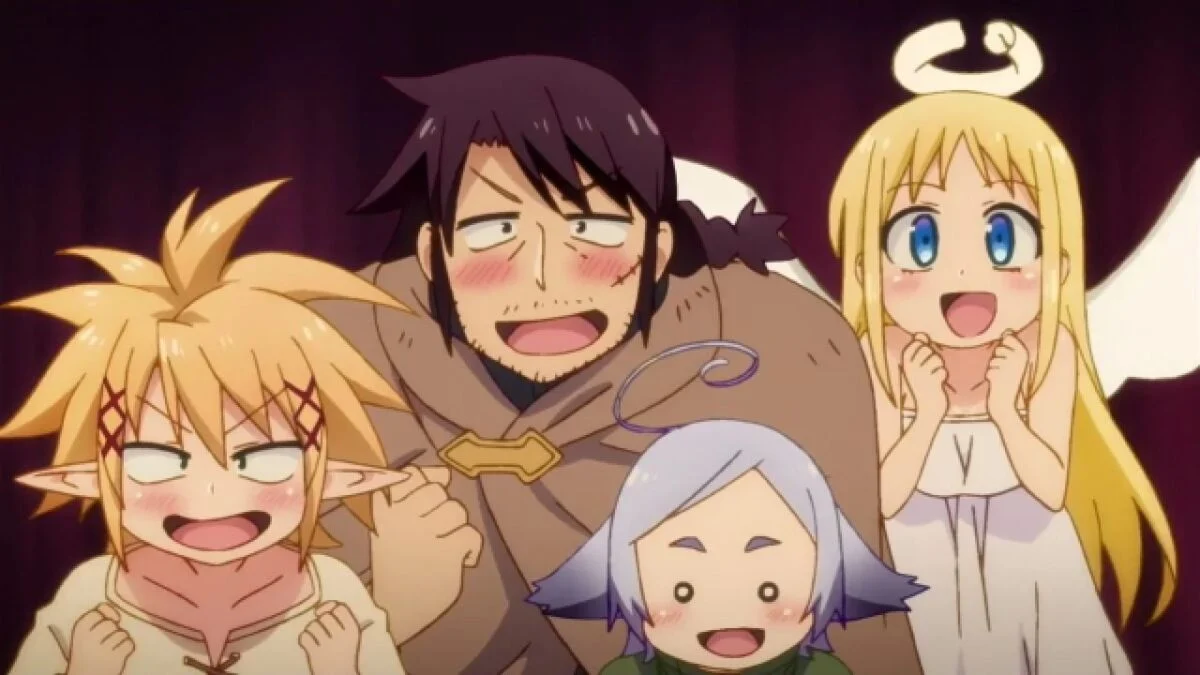
Multiple Japanese stations and overseas platforms dropped ‘Interspecies Reviewers’ midseason because of its explicit premise and frequent sexual content. Simulcasts disappeared from mainstream services even as niche outlets and physical releases continued with minimal alterations.
The split underscored different standards between late-night domestic broadcasting and international platform policies. Uncut versions remained available through specialty retailers, while general services declined carriage to comply with their guidelines.
‘Tokyo Ghoul’ (2014–2018)
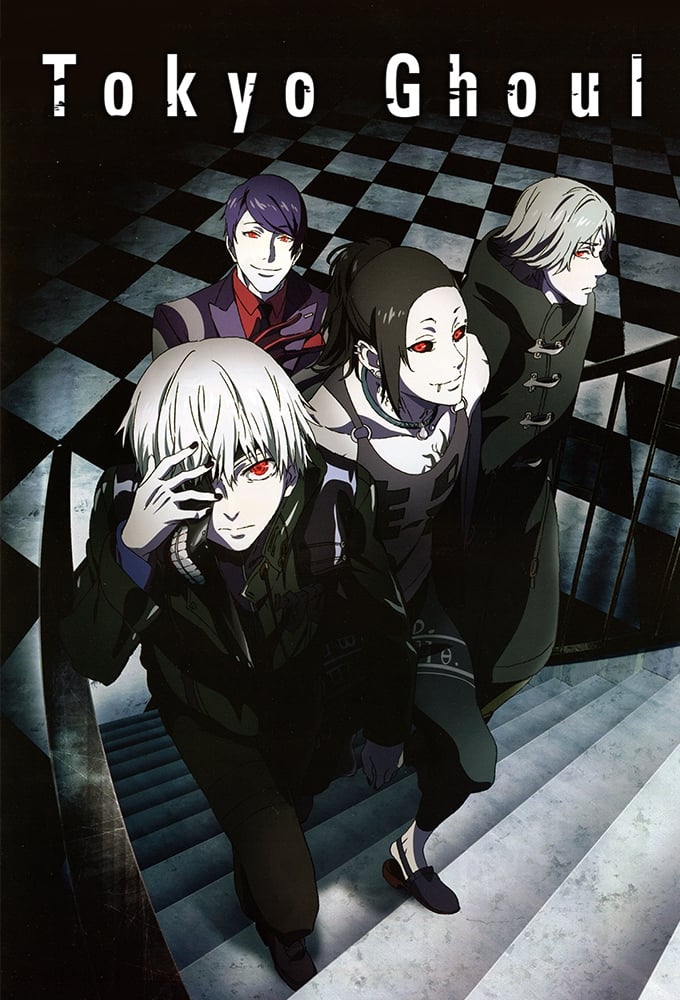
TV broadcasts of ‘Tokyo Ghoul’ used large black overlays and heavy shadowing to mask blood, dismemberment, and torture, sometimes obscuring entire shots. The strategy allowed stations to meet late-night standards without dropping episodes from the schedule.
Blu-ray and premium streaming editions restored the original cuts with age restrictions and clearer advisories. The contrast between broadcast and retail became a reference point for how violent series are edited for television.
‘Psycho-Pass’ (2012–present)
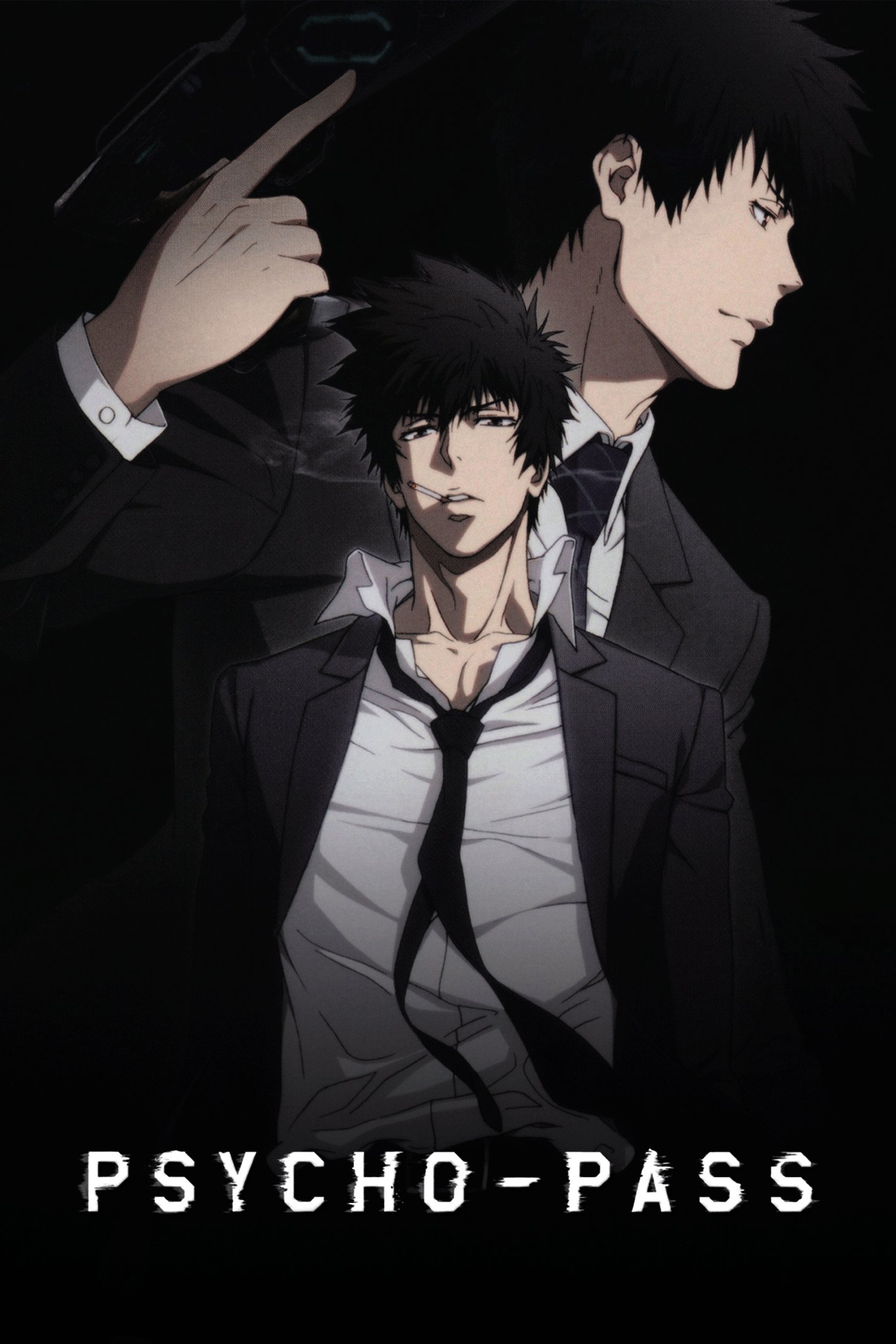
A scheduled ‘Psycho-Pass’ episode featuring particularly grisly crime scenes was delayed on certain channels after high-profile violent incidents in the news. Broadcasters reshuffled the order to air a less sensitive episode first, then ran the delayed installment later.
Listings added warnings and emphasized late-night placement to reduce the chance of unintended viewership. The adjustment showed how crime dramas can be rescheduled when real events make specific storylines feel uncomfortably timely.
‘Higurashi: When They Cry’ (2006–2007)
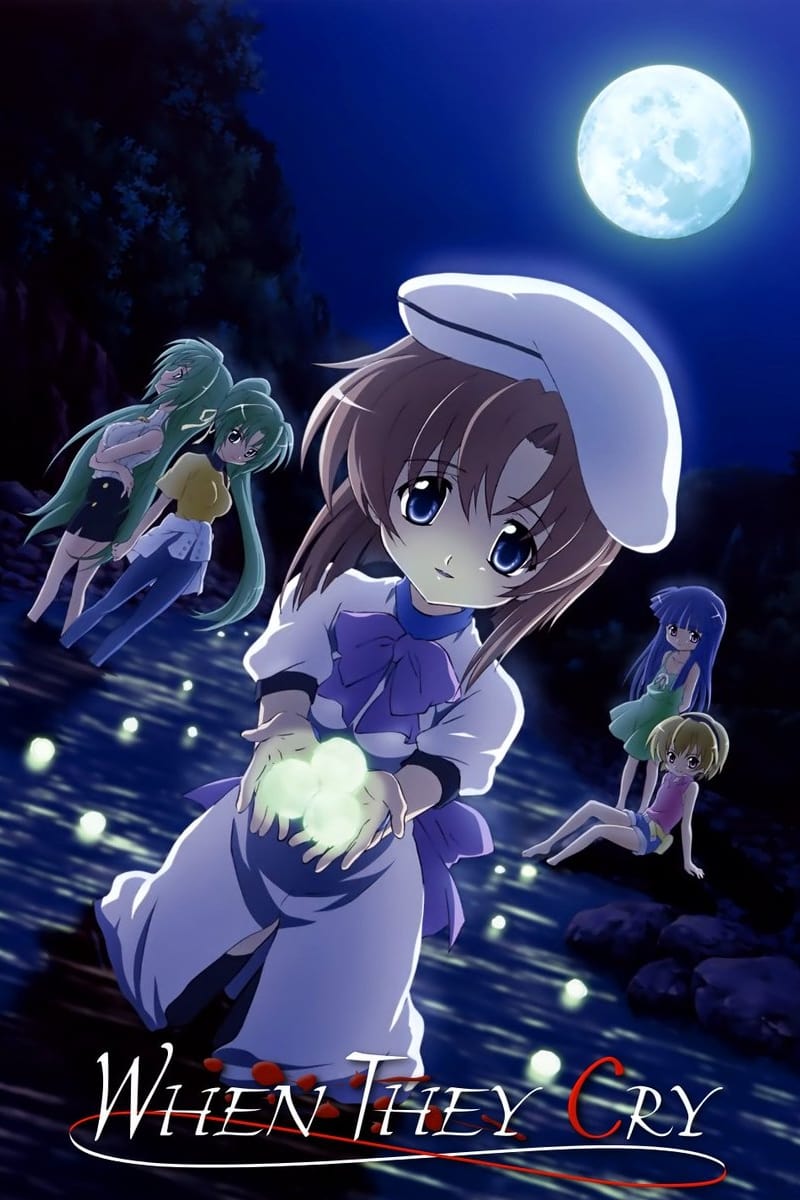
Portions of ‘Higurashi: When They Cry’ faced pauses and quiet edits during reruns when violent story beats overlapped with widely covered incidents offscreen. Networks weighed audience sensitivity and opted to push certain material back on the calendar.
Subsequent home releases presented the intended versions with standard age markers. Programmers continued to handle reruns carefully, pairing episodes with clear advisories and avoiding them during sensitive news cycles.
‘Elfen Lied’ (2004)

‘Elfen Lied’ became notorious for frequent dismemberment and extended gore that exceeded what many late-night blocks typically carried at the time. Some channels avoided the title entirely, and retailers restricted it to adult-only sections with warning labels.
Uncut editions remained accessible through home video and specialty distributors. The show’s broadcast history is often used as a case study in how animated violence is managed across TV, streaming, and retail.
‘Attack on Titan’ (2013–2023)
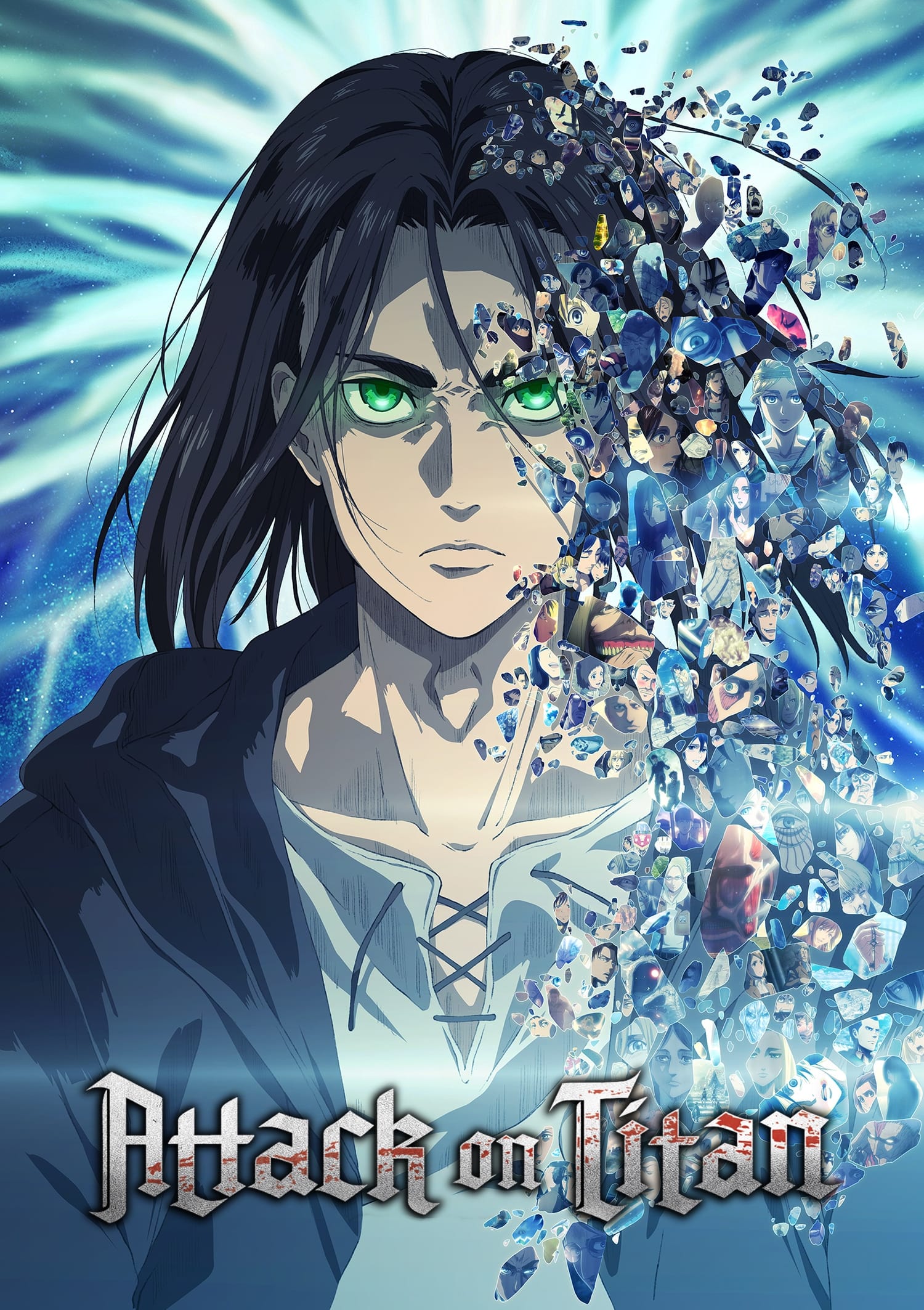
‘Attack on Titan’ drew ongoing debate for its depiction of militarized society and political allegory, and it encountered restrictions or limited availability in certain markets. Local regulators and platforms cited violent imagery and sensitive themes when adjusting access.
Publishers responded with region-specific strategies that included stronger advisories, catalog segregation, and in some cases removal from storefronts. Availability has varied by country and service, making import options and platform policies a recurring concern for fans.
‘Nisemonogatari’ (2012)

A late ‘Nisemonogatari’ episode featured a suggestive toothbrush sequence between siblings that sparked widespread discussion about broadcast standards. While the episode aired, platforms increased maturity markers and clarified tags around sexual content.
Physical releases preserved the scene as produced. Guide listings and store pages highlighted the franchise’s experimental approach to intimacy so viewers could make informed choices before pressing play.
‘Sword Art Online’ (2012–present)

The ‘Fairy Dance’ arc of ‘Sword Art Online’ includes scenes of captivity and harassment that many viewers found disturbing. Distributors responded by reinforcing age ratings and placing more visible content warnings on platform pages and packaging.
The material remained intact, but services emphasized advisory language to align expectations with the arc’s darker turns. This rollout became a template for handling sensitive content in otherwise broad-appeal franchises.
‘Kite’ (1998)

The OVA ‘Kite’ contains graphic violence and explicit scenes that triggered heavily cut releases in multiple countries. Distributors issued several edited versions with different runtimes to satisfy local laws and retailer policies.
Collectors seeking the uncut edition often had to import from markets with stricter age verification. The title’s distribution history illustrates how one work can exist in multiple forms depending on jurisdiction.
‘Mad Bull 34’ (1990–1992)
‘Mad Bull 34’ mixed sexualized gags with sudden ultraviolence, pushing beyond what many TV blocks would accept. Retailers stocked it with prominent 18-plus labeling, and stations avoided broadcast in favor of direct-to-video pathways.
Later pressings continued with adult-only placement and warning stickers. The series is frequently cited when discussing how extreme content routes around television and goes straight to age-restricted shelves.
‘Prison School’ (2015)
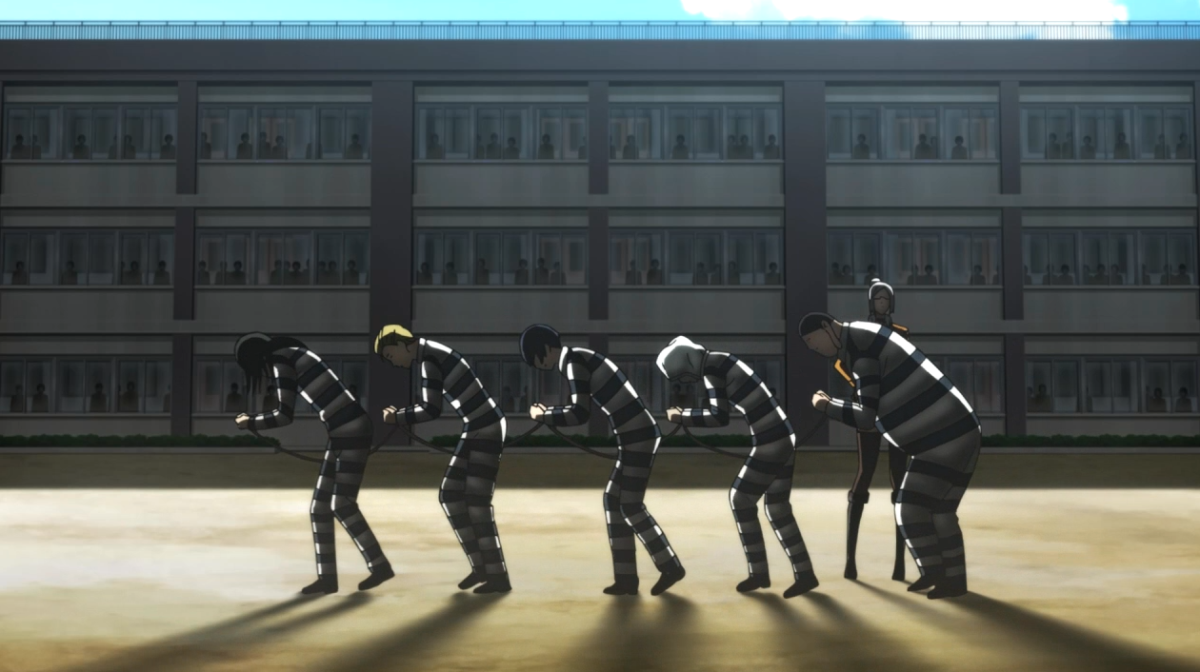
‘Prison School’ drew a surge of complaints to viewer councils and parent groups because of its bondage humor and relentless sexual innuendo. Stations relied on late-night slots and on-screen advisories to meet broadcast standards without canceling episodes.
Home video preserved uncut content, while streaming platforms tightened maturity tags and added explicit descriptors. The show became a touchpoint in debates over the boundaries of late-night comedy.
‘Mr. Osomatsu’ (2015–2021)
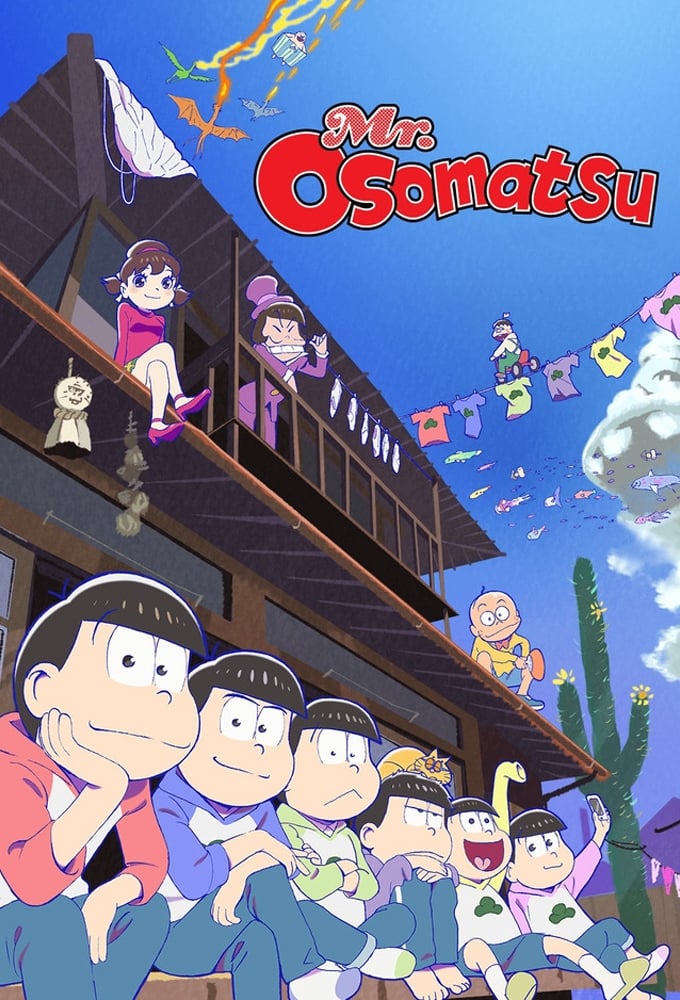
The premiere episode of ‘Mr. Osomatsu’ packed in parodies and visual riffs on other properties that raised rights concerns. Producers withdrew the episode from reruns and initial discs, then reworked parts before a revised version reappeared.
Viewers who missed the original broadcast encountered the edited cut in official formats. The case is now a standard example of how parody can collide with clearance issues.
‘JoJo’s Bizarre Adventure’ (2012–2022)
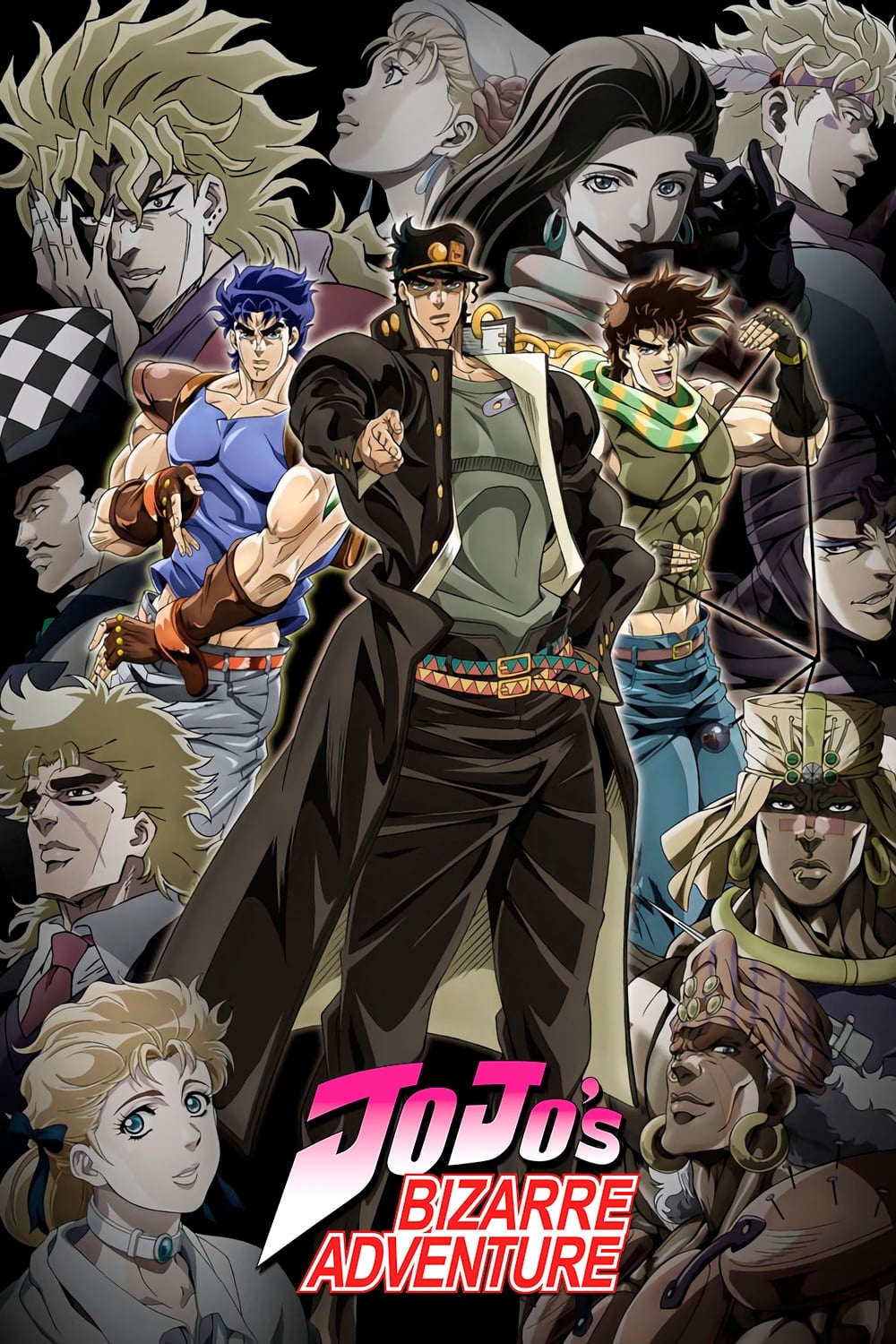
An early adaptation of ‘JoJo’s Bizarre Adventure’ included religious text and imagery that drew complaints from advocacy groups. Publishers edited or redrew backgrounds and removed specific frames in later releases and streaming updates.
Subsequent versions maintained the story while addressing cultural sensitivities. Replacement assets were distributed to platforms to standardize the revised cut across regions.
‘One Piece’ (1999–present)
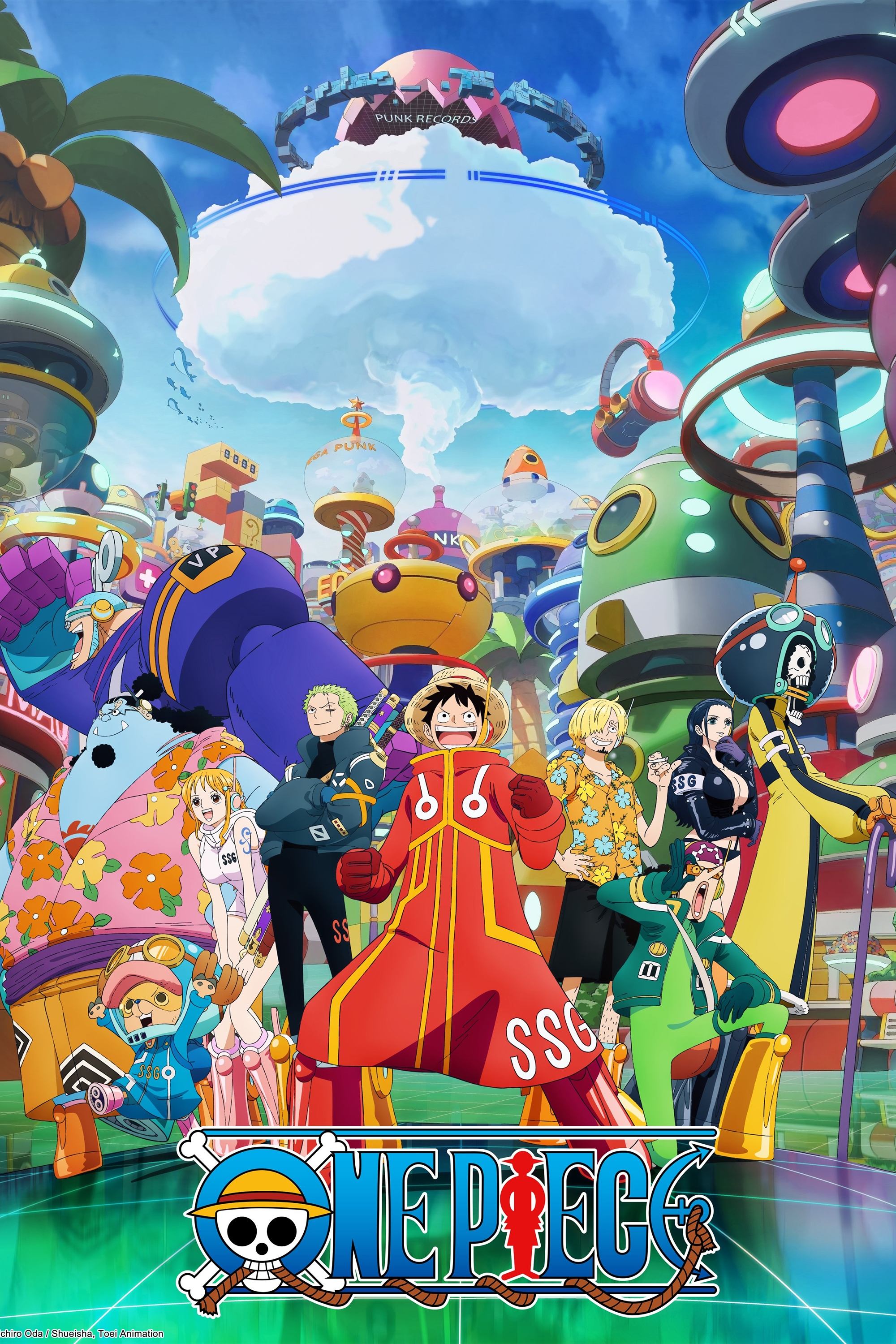
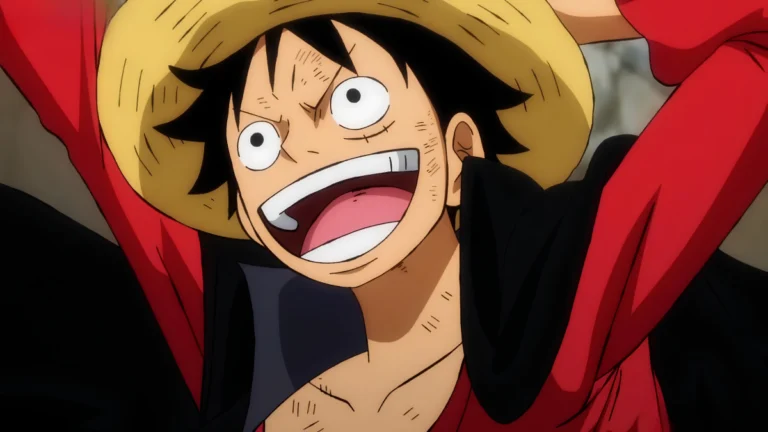
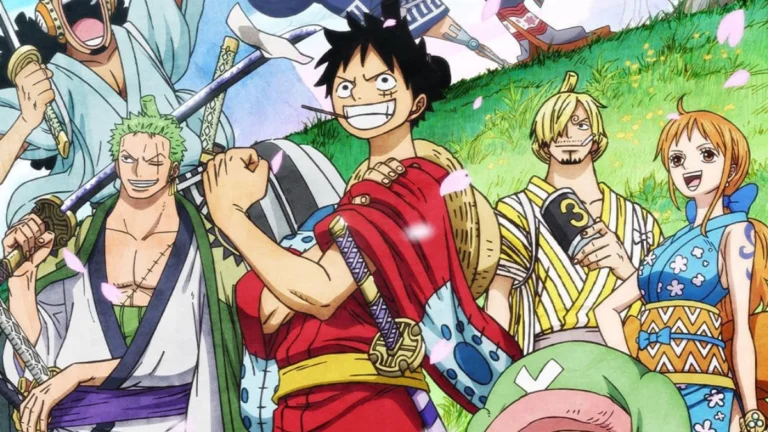
A widely seen English-language TV version of ‘One Piece’ replaced Sanji’s cigarettes with a lollipop and used bright digital effects to hide injuries and weapons. Dialogue softened threats and avoided references to death to fit daytime broadcast guidelines.
Uncut editions and later dubs restored original intent under age-appropriate ratings. The contrast between versions remains one of the clearest examples of heavy localization for children’s time slots.
‘Sailor Moon’ (1992–1997)
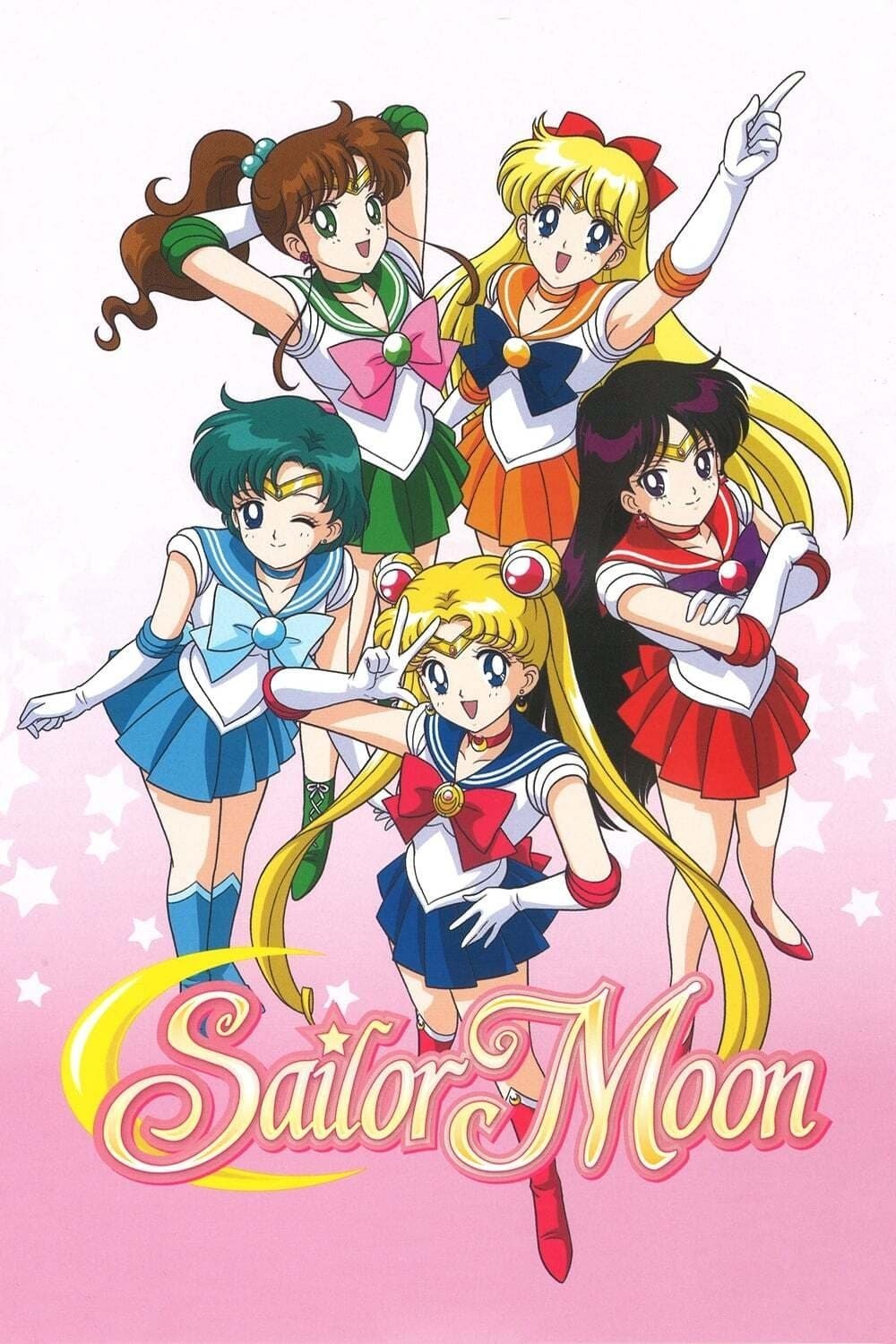
Early international dubs of ‘Sailor Moon’ altered LGBTQ relationships by rewriting characters as cousins or close friends. Edits also trimmed scenes and dialogue to align with children’s programming standards in certain regions.
Modern releases and newer adaptations reinstated the original relationships with appropriate ratings. Distributors now treat the title as a textbook case in localization choices and representation.
‘No Game No Life’ (2014)
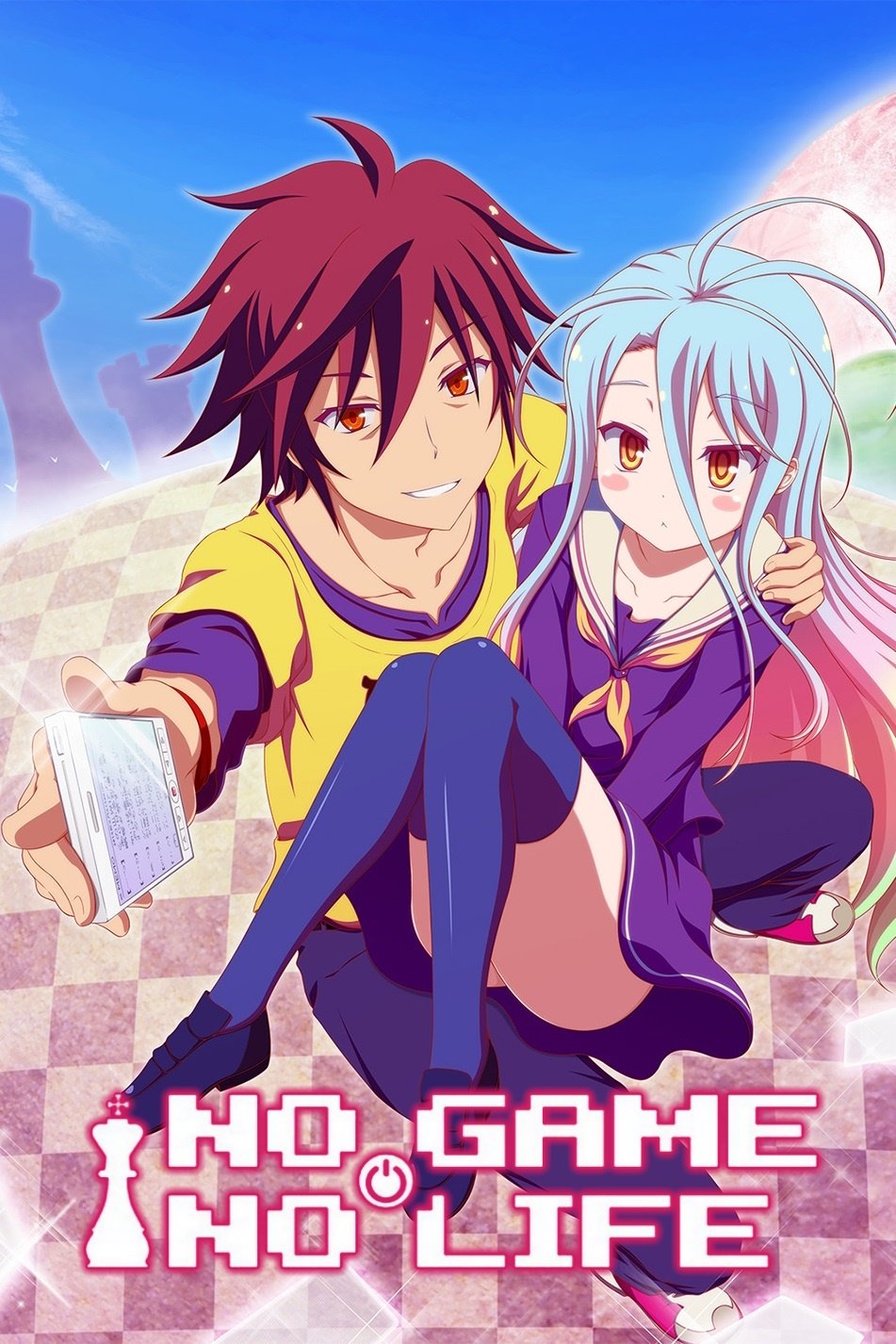
‘No Game No Life’ faced removals from select retailers and platform bans in specific regions after classification reviews. Decisions focused on imagery and themes that local authorities or store policies flagged as unsuitable for sale or streaming.
Availability has fluctuated by country and seller. Importers and collectors often check regional rules before purchasing, as listings can be delisted or relisted following policy updates.
‘Kodomo no Jikan’ (2007)
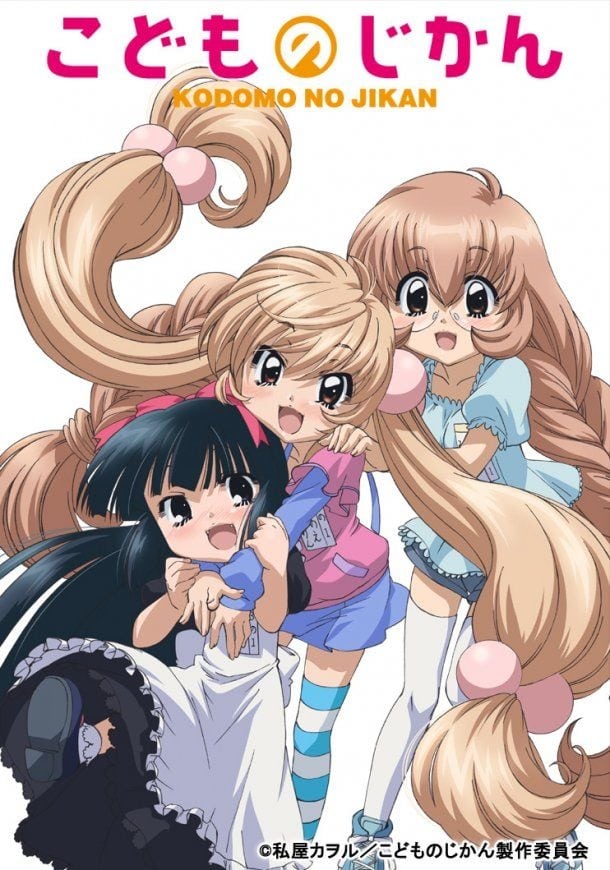
A planned North American release of ‘Kodomo no Jikan’ was canceled by its initial licensor over concerns about the premise and likely retailer pushback. The show remained available in some markets under strict age labeling and limited distribution.
English-speaking audiences accessed the series through alternative channels and later import options. The case is often referenced in licensing discussions about legal risk, market tolerance, and store acceptance.
Tell us which example shocked you most and share any other moments you think belong on this list in the comments.