20 Movies You’d Hate to Live In



Some movie worlds look exciting on the surface, but the rules that keep them running are brutal. These stories build settings where ordinary choices carry impossible consequences, and where survival depends on adapting to systems designed to break people. The details are what make these places so hostile, from political structures and resource scarcity to creatures that hunt by sound or regimes that erase your identity.
This list focuses on how each world actually works. You will find information about the laws that govern daily life, the threats that roam the streets, and the limited tools people use to push back. If you have ever wondered what it would take to keep going in places like these, the answer usually starts with food, silence, and luck, and ends with a system that never lets up.
‘The Road’ (2009)
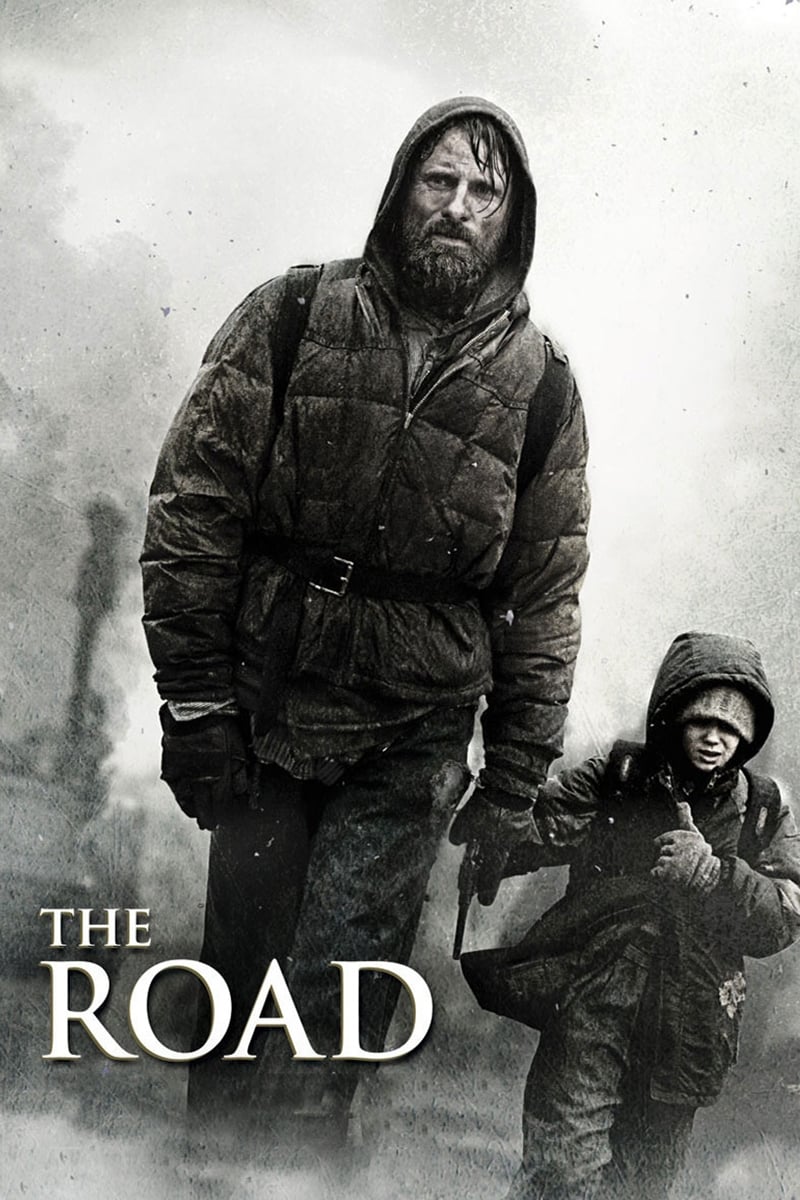
Civilization has collapsed after an unexplained cataclysm and the environment is dying. Ash covers the ground and the sun rarely breaks through the clouds. Crops no longer grow and animals have disappeared. Rivers run gray and the seasons tilt toward endless winter. Many survivors turn to scavenging abandoned homes and stores, while organized groups move along the roads in search of supplies and people.
Law and government have vanished. Travel requires constant caution because armed bands practice cannibalism and set traps. Firearms are scarce and bullets are not easily replaced. Families carry everything they own in carts and must hide their fires to avoid drawing attention. Any shelter is temporary because the food left behind keeps getting harder to find.
‘Children of Men’ (2006)
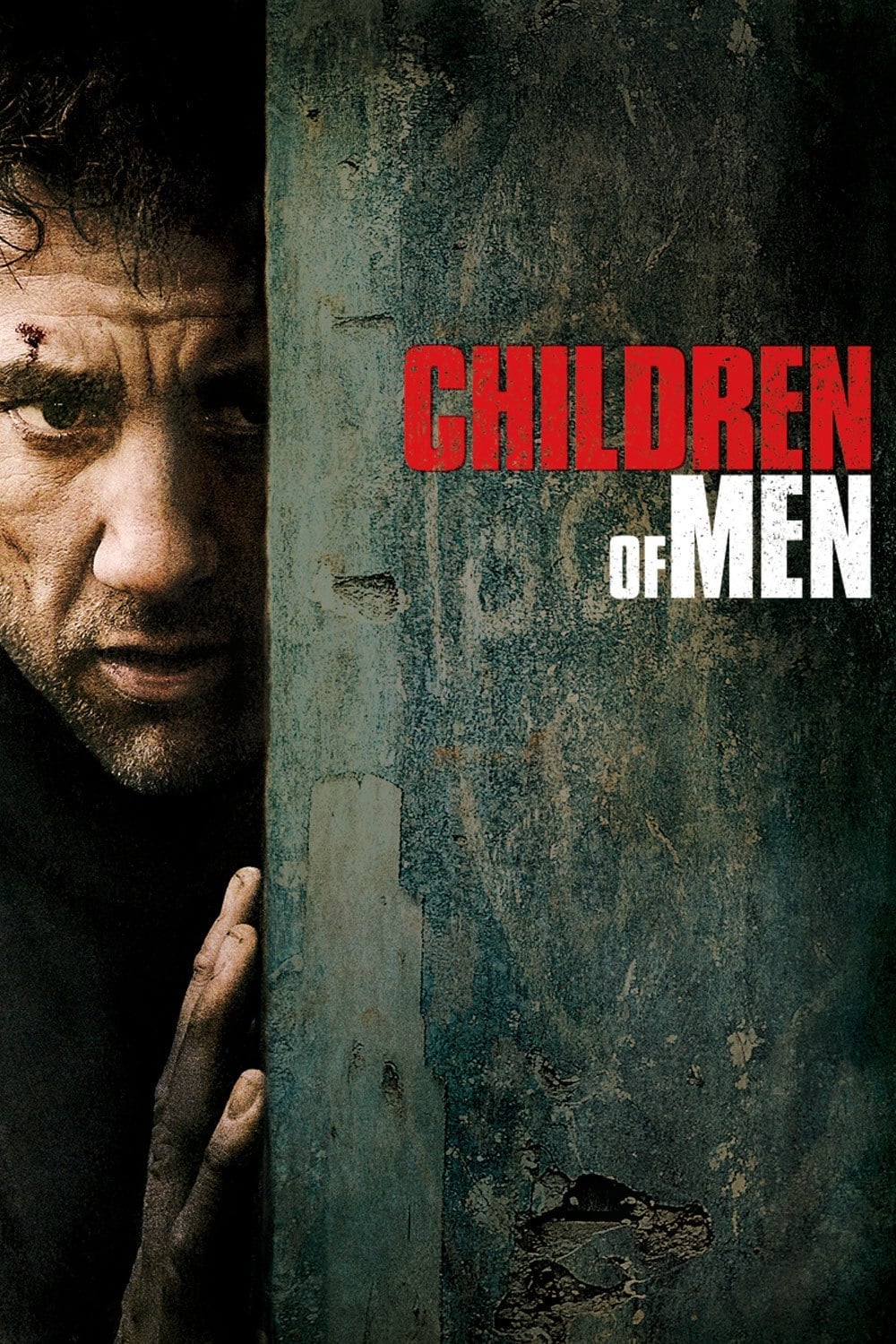
Humanity has become infertile and no children have been born for years. Entire societies reshape around the absence of a future. Governments build harsh immigration policies and refugee camps to control a constant flow of people. The economy contracts as populations age and hope erodes. Public services strain as labor forces shrink.
Security forces patrol cities with armored vehicles and checkpoints. Bombings and raids are common as extremist groups fight over power and policy. Surveillance spreads through cameras and informants. People rely on travel papers to move between zones. Basic rights become conditional and the most vulnerable face detention without meaningful review.
‘A Quiet Place’ (2018)
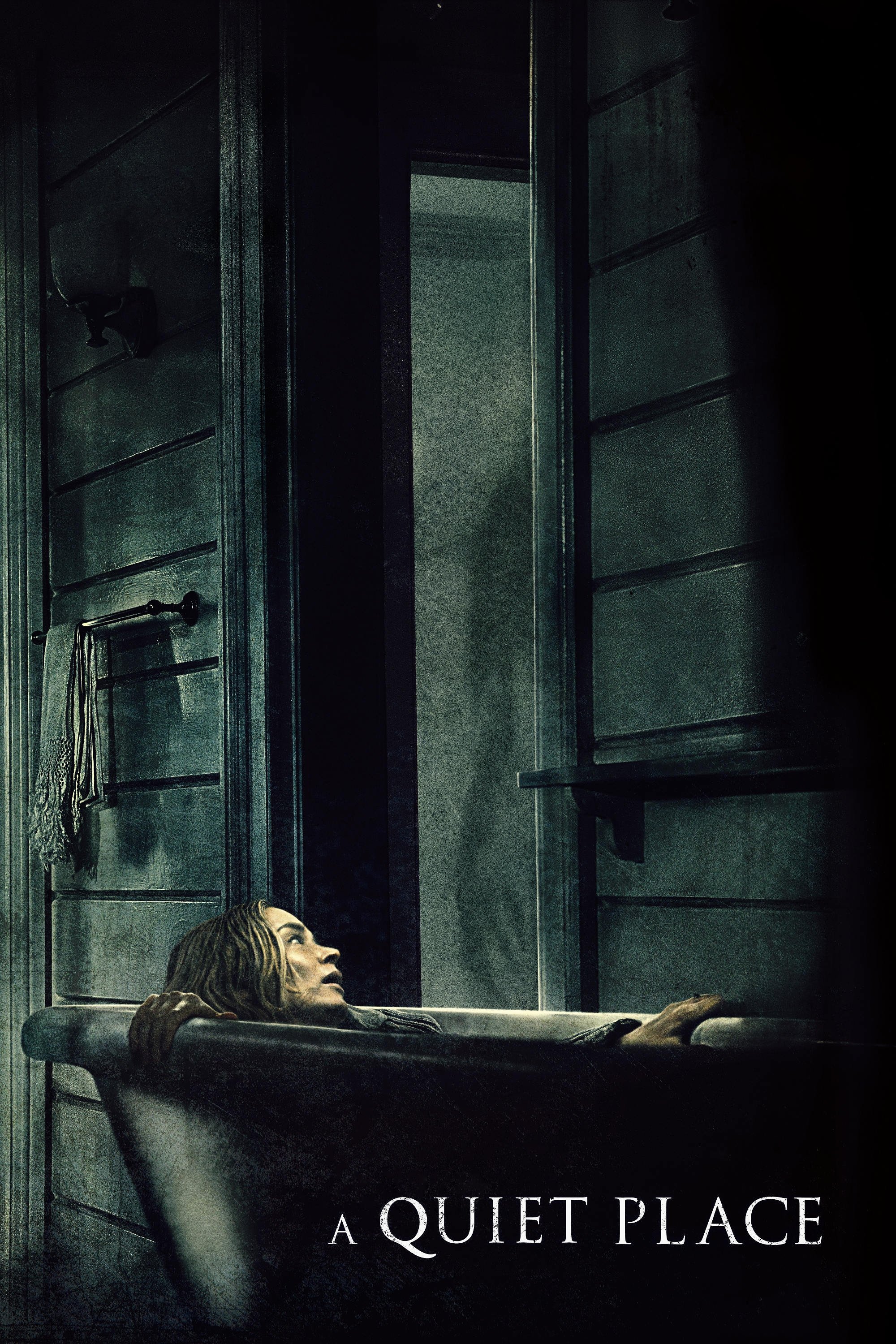
Predatory creatures hunt entirely by sound with extreme speed and precision. Any noise above a whisper can draw an attack within seconds. Families communicate using sign language and pad every surface that could creak. Daily routines change to include sand paths for silent walking and carefully timed activities. Cooking, cleaning, and education all happen under strict noise control.
Medical care and power infrastructure are gone. Birth, illness, and injury require plans that minimize sound. Communities cannot gather openly because conversation is dangerous. Alarms, vehicles, and tools that once offered safety become liabilities. Survival depends on preparation, sound dampening, and knowledge of the creatures’ sensory limits.
‘Threads’ (1984)
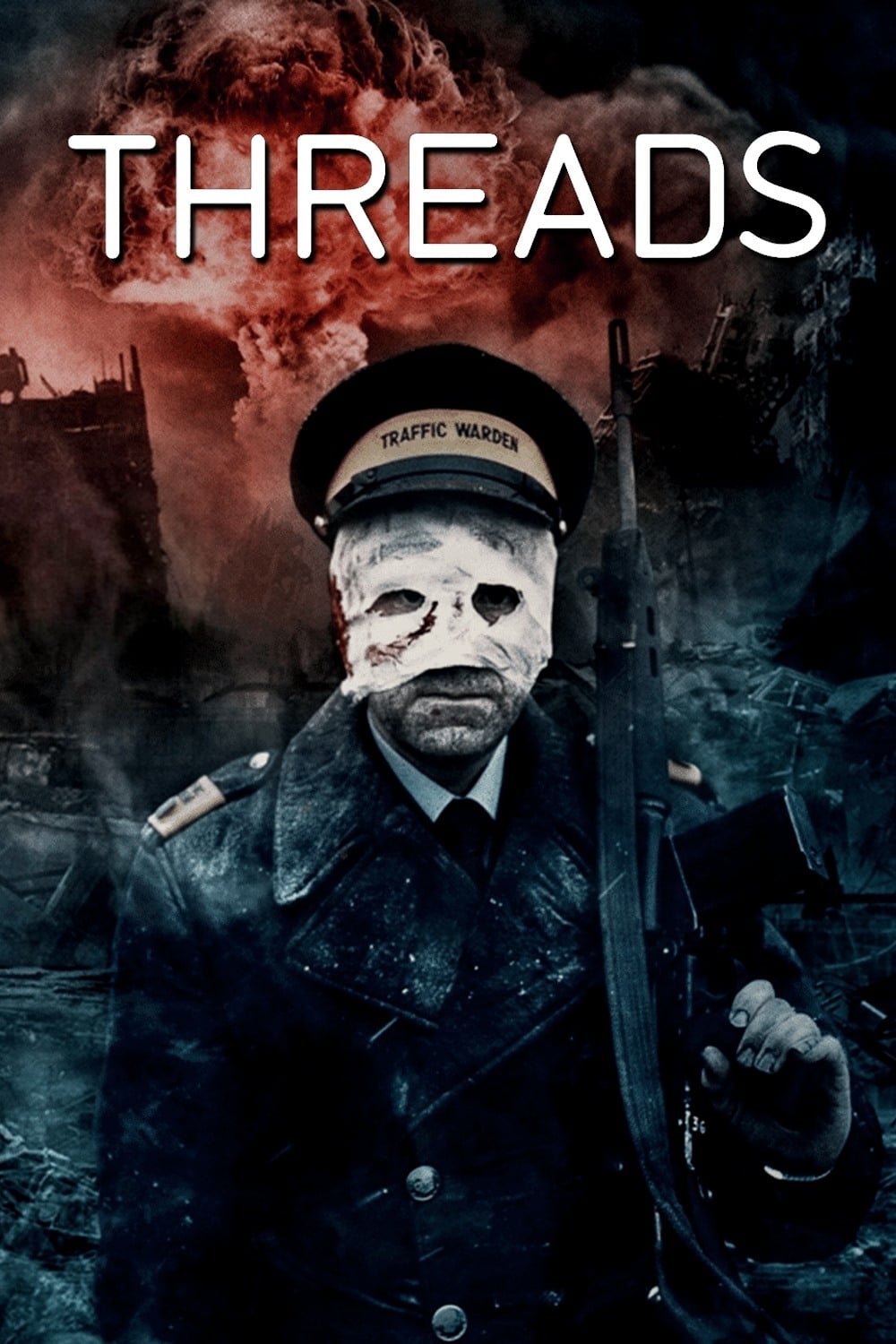
A nuclear exchange devastates urban centers and infrastructure. The blast destroys housing, hospitals, and transportation networks within minutes. Fallout spreads through wind patterns and contaminates farmland and water sources. The electrical grid collapses and communication systems fail. Emergency services cannot function at scale.
Food distribution stops and cold weather amplifies shortages. Radiation sickness and untreated injuries overwhelm any remaining clinics. Government authority continues only in fragments through emergency broadcasts and rationing that cannot meet demand. The long term environment remains hostile as agriculture yields plummet and social order breaks down into local bartering and survival groups.
‘The Purge’ (2013)
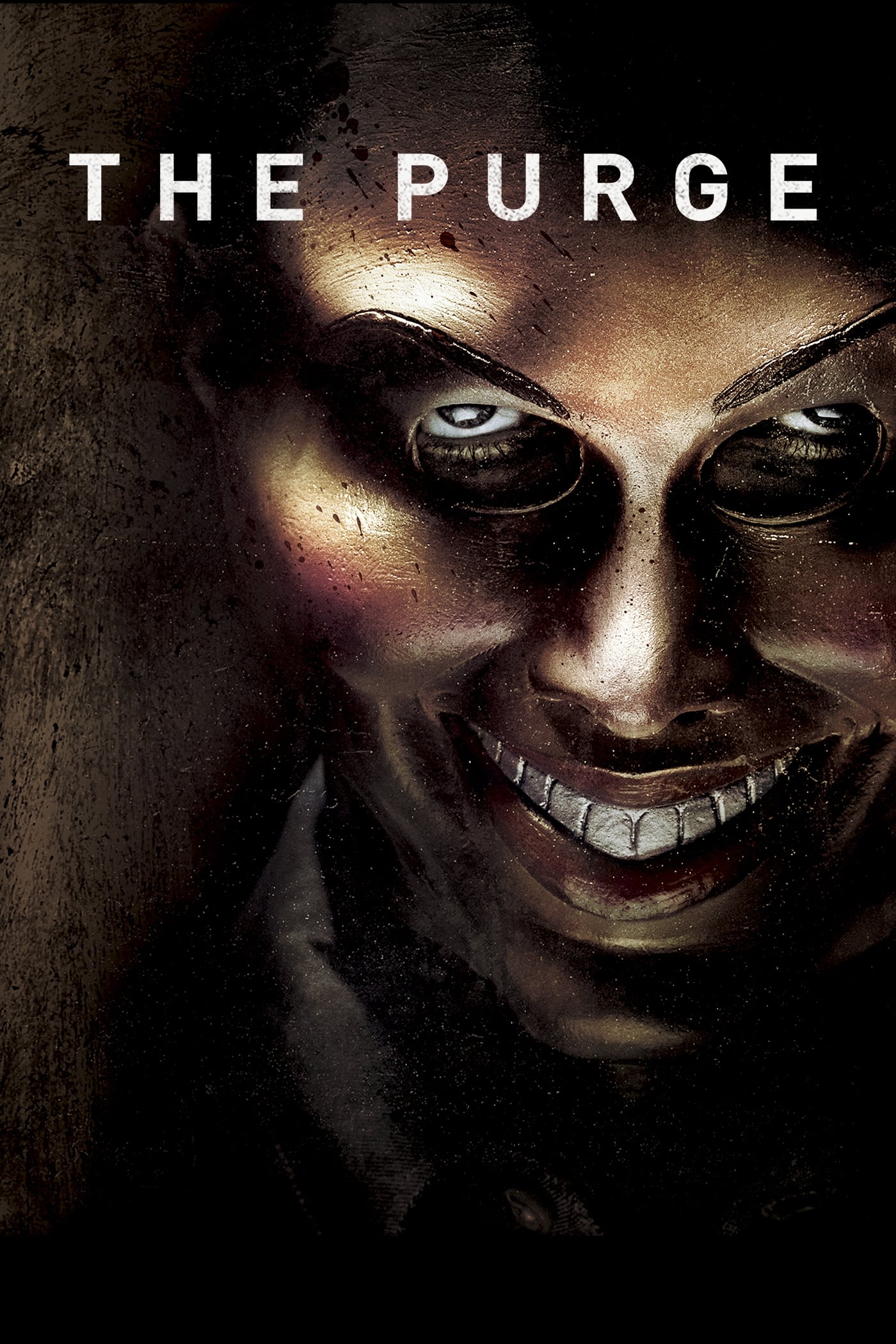
Once a year all crime becomes legal during a scheduled night with minimal emergency response. Security companies sell reinforced doors and private defenses to those who can afford them. Police and ambulances withdraw until the event ends. People plan weeks in advance by boarding windows, stocking supplies, and setting curfews. Those without resources face roaming militias and opportunistic violence.
The rest of the year is shaped by the next event. Insurance rates, property values, and employment decisions all reflect risk tied to the annual night. Political groups justify the system as a balancing mechanism. Neighborhoods form alliances to patrol streets and set up barricades. The legal framework protects participants from prosecution once the sirens sound again.
‘1984’ (1984)
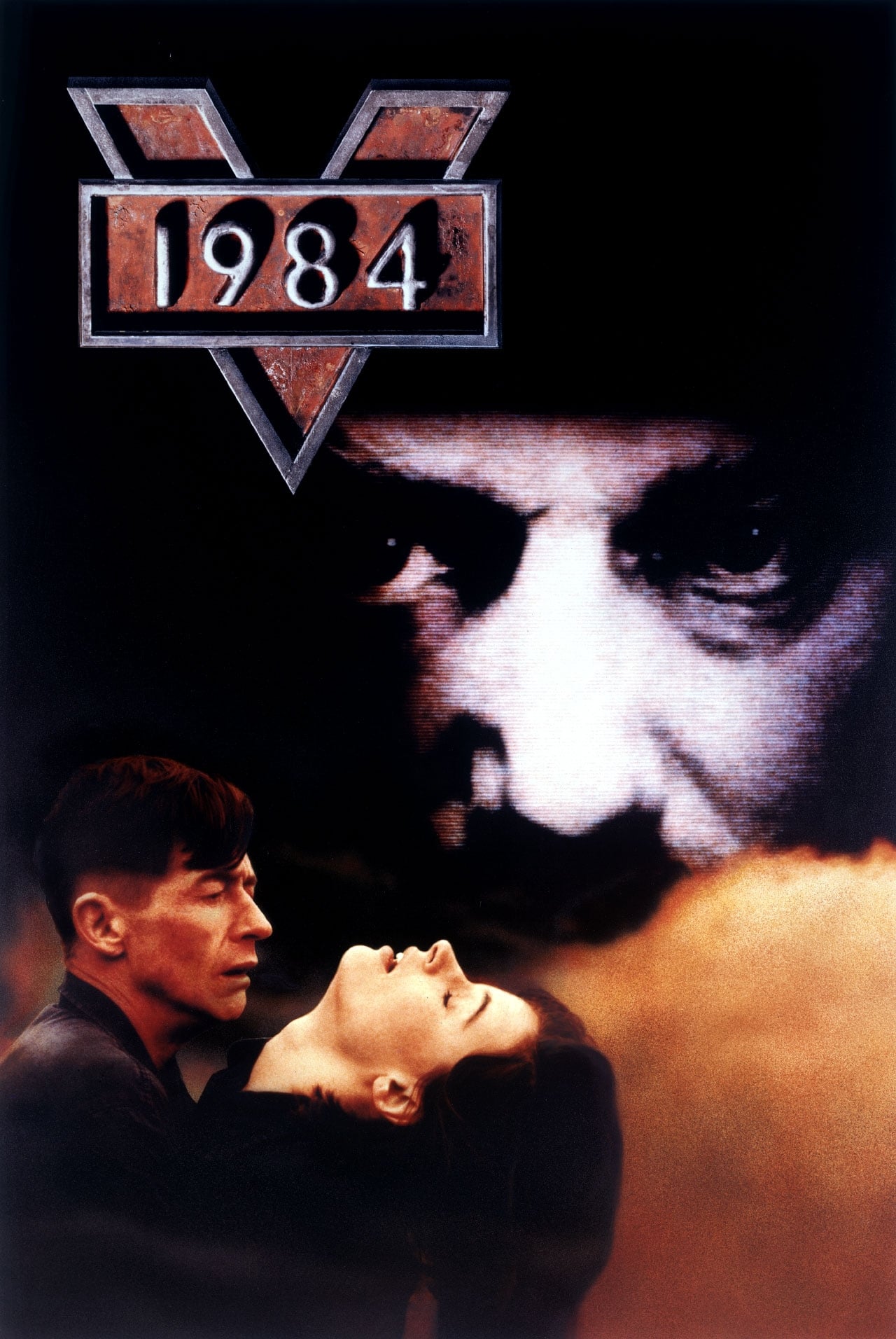
An authoritarian state controls citizens through constant surveillance and language manipulation. Telescreens watch homes and workplaces at all hours. Party slogans simplify complex ideas into official truths and the vocabulary of daily life shrinks through enforced usage. History is rewritten to match current policy and records are destroyed or altered.
Private relationships are regulated and independent thought is a crime. Informants operate at every level of society. Work assignments focus on routine tasks that reinforce loyalty rather than productivity. Rations and housing are distributed according to adherence to party rules. The system prevents organized dissent by erasing both evidence and memory.
‘Brazil’ (1985)
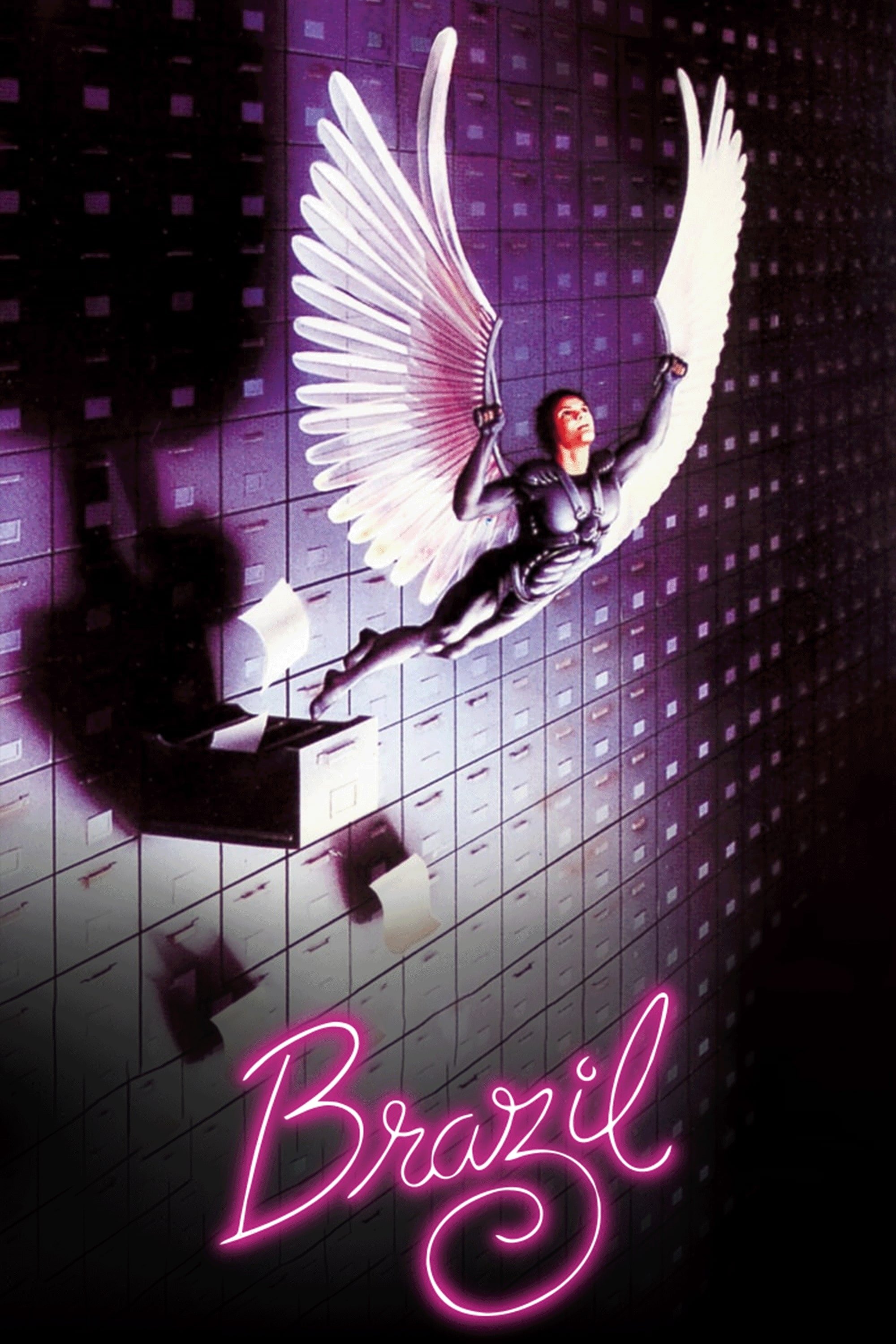
Bureaucracy expands into every corner of life and paperwork dictates access to services. Errors caused by misfiled forms trigger arrests and long detentions. Departments compete instead of cooperating, which creates duplicated processes and lost records. Technology exists in awkward, unreliable forms and maintenance crews require multiple approvals to complete basic repairs.
Citizens rely on vouchers and stamps to get anything done. Surveillance and counterterror operations use outdated data and rigid procedures. Appeals take months or years and depend on connections more than facts. People learn to navigate offices by trading favors and memorizing routes through a maze of desks, ducts, and signatures.
‘The Lobster’ (2015)
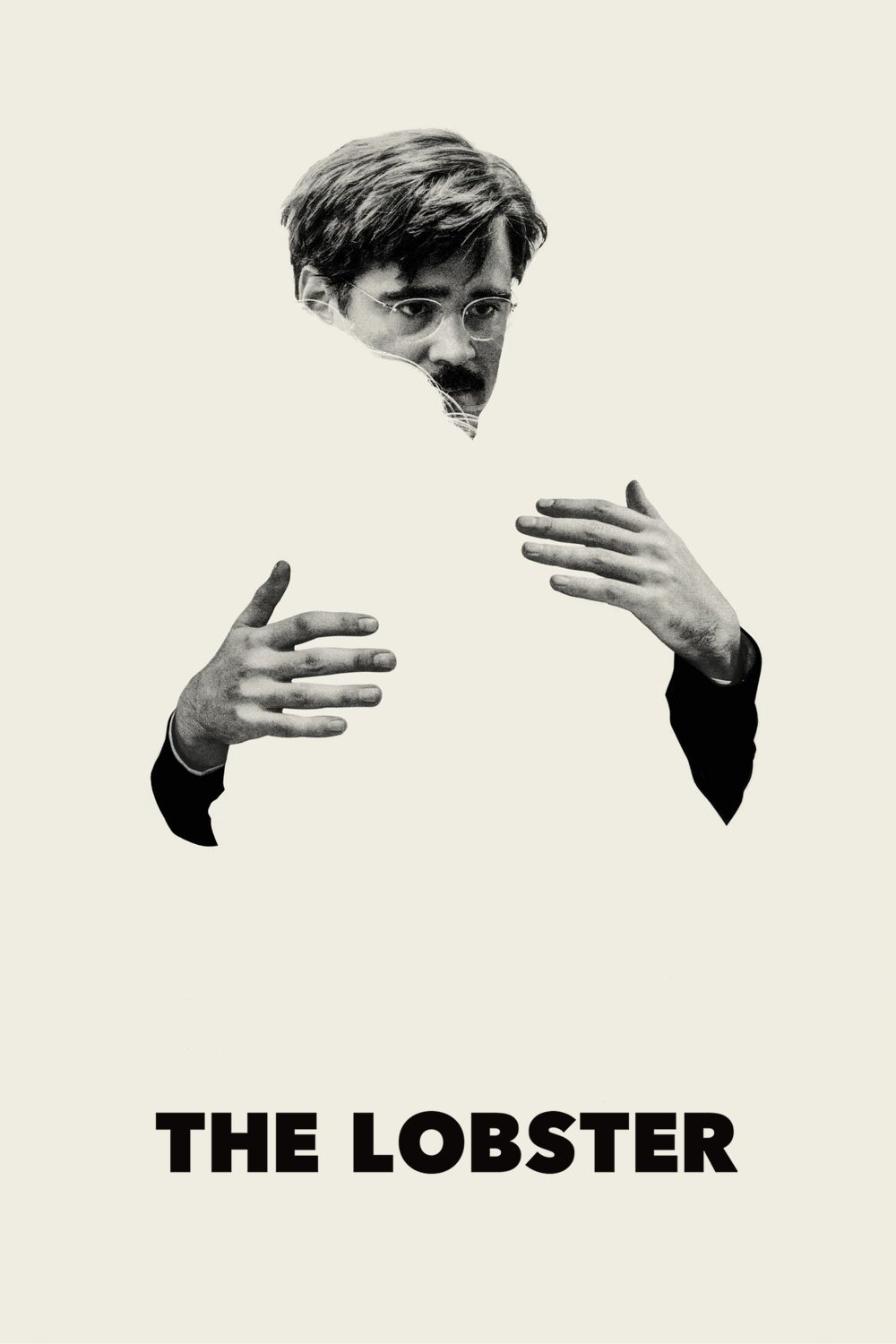
Single adults are relocated to a remote hotel where they must find a partner under strict time limits. Failure results in transformation into an animal of choice. Staff enforce rules that assign daily tasks, clothing, and mandatory activities. Guests extend their deadlines by hunting escaped singles who live in the woods. Social rituals measure compatibility through shared traits that are often superficial.
The forest community follows opposite rules that forbid romance and punish affection. Both systems deny personal agency and require constant vigilance. Supplies are rationed and movement between spaces is controlled. People adapt by faking traits, using coded signals, and hiding contraband. Survival means fitting into arbitrary categories or disappearing into isolation.
‘Snowpiercer’ (2013)
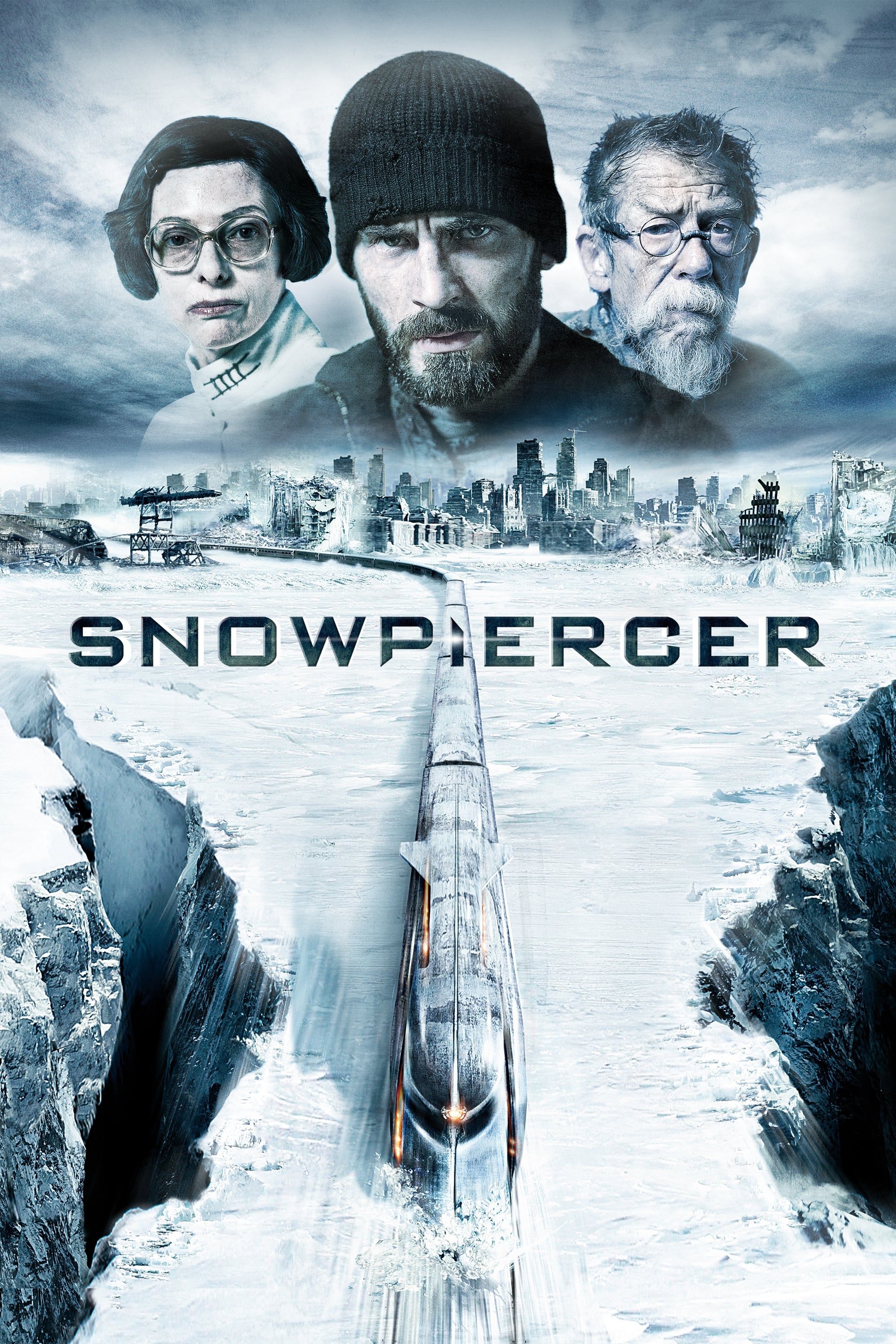
A failed climate experiment freezes the planet and the last survivors live on a perpetually moving train. The train is divided by class with tight security at each section. Tail passengers receive protein blocks as food while the front enjoys fresh produce and amenities. Education, entertainment, and work schedules are assigned according to compartment.
Space is limited and privacy is rare. Medical care and agriculture take place in specialized cars that require passes to enter. Security forces use sudden inspections and violent enforcement to maintain order. Rebellion results in swift punishment. The ecosystem of the train relies on closed loop systems that ration everything from water to light.
‘The Matrix’ (1999)
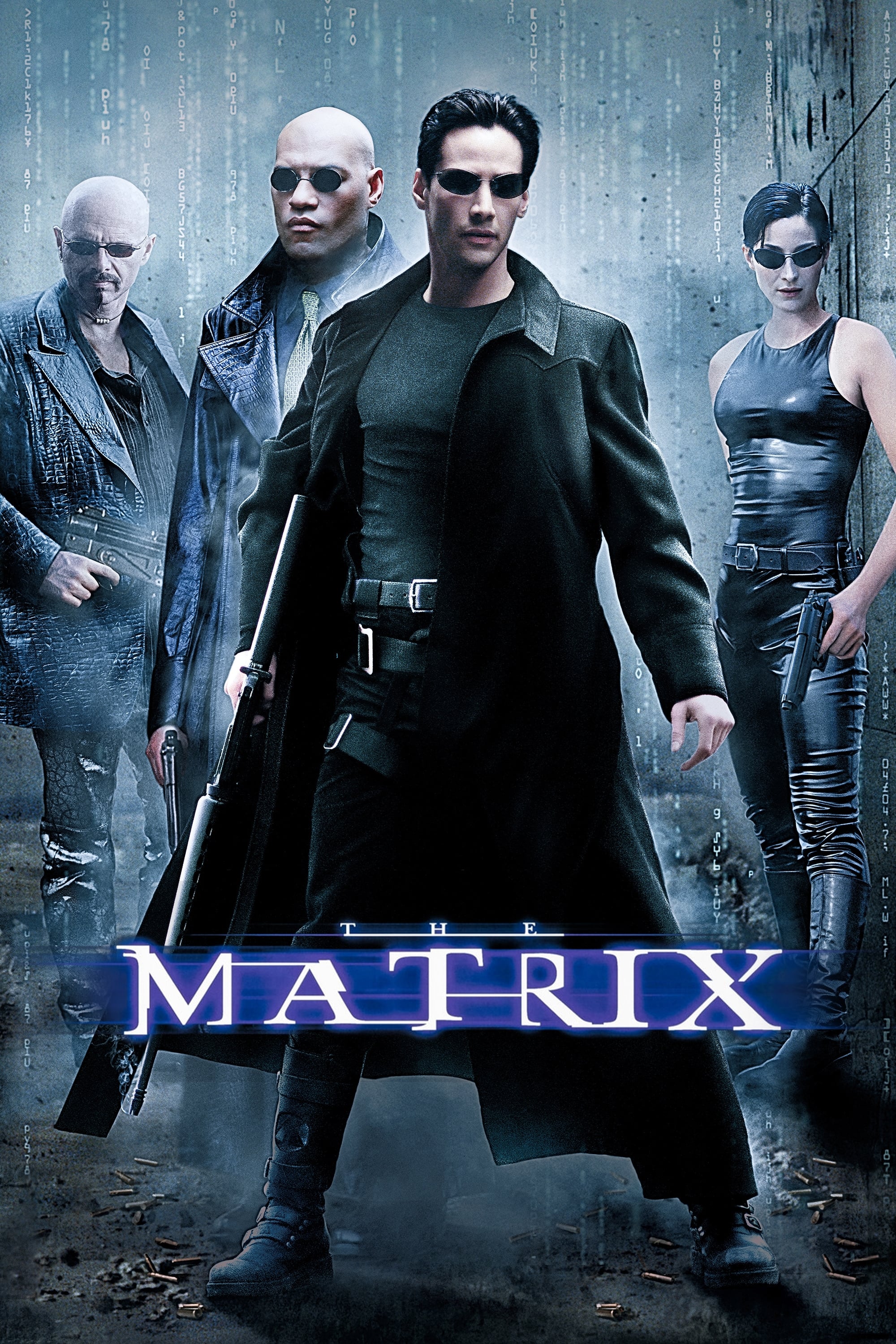
Most humans live inside a simulated reality while their bodies are harvested for energy. The physical world outside the simulation is a ruined landscape patrolled by autonomous machines. Inside the simulation, programs control police responses and rewrite environments to trap dissidents. Digital agents can possess any bystander, which makes public places unpredictable.
Exiting the simulation requires specialized equipment and crew members with specific skills. Communication between ships and operatives depends on hard lines and precise timing. Food is synthetic and technology maintenance is constant. Every mission risks detection by machines that can swarm and overwhelm defenses. The cost of freedom includes permanent separation from the world people believe is real.
‘The Mist’ (2007)
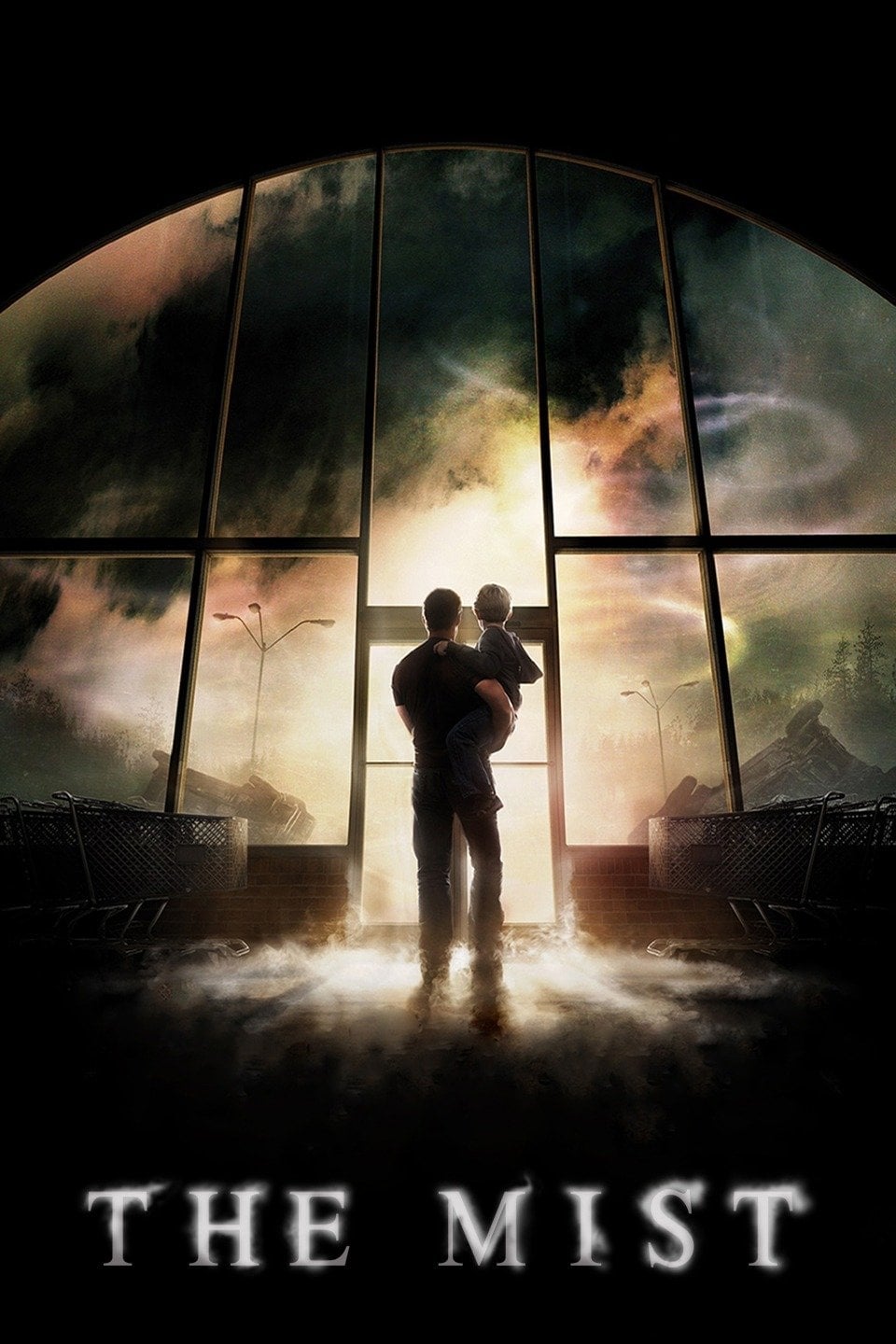
A mysterious mist blankets a town and hides predatory creatures of various sizes. Visibility drops to a few meters and movement outside becomes lethal without planning. A grocery store becomes a refuge due to its stock and relative security. Windows and doors need barricades and lights invite attacks. Supplies are limited and fuel for generators runs down quickly.
Inside the store new factions form around fear and belief. Decisions about rescue, scouting, and defense divide the group. Medical treatment relies on a pharmacy run that requires crossing parking lots filled with unseen threats. Communication with the outside world fails and rumors stand in for information. The longer the mist stays the more fragile the group becomes.
‘Se7en’ (1995)
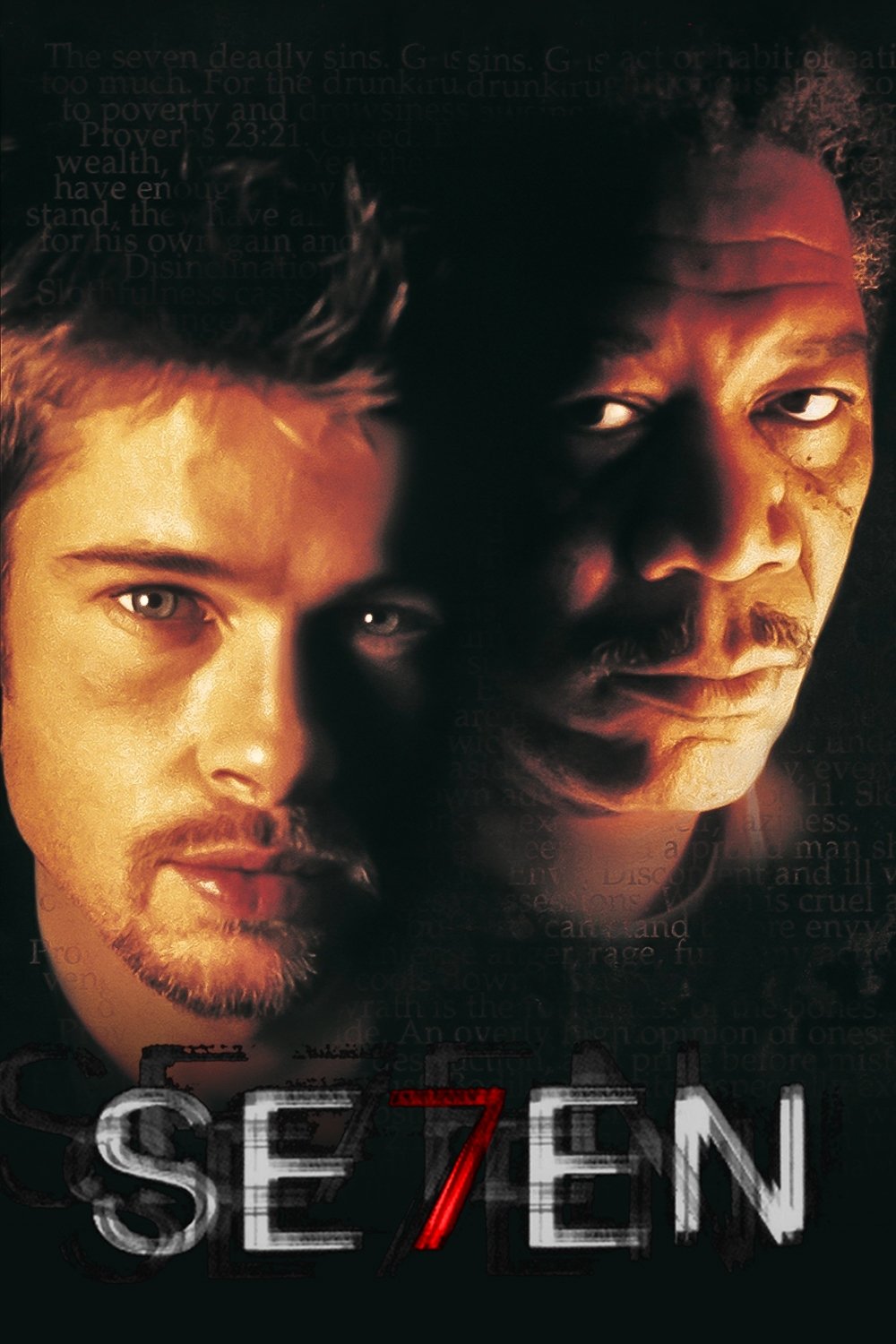
An unnamed city experiences relentless rain, crime, and institutional fatigue. A serial killer crafts elaborate crime scenes based on a strict pattern. Police resources are stretched and public services show signs of neglect. Media attention increases pressure while offering little clarity. Residents live with constant sirens and a sense of decay that feels permanent.
Investigations require patience and methodical work in a place that saps energy. Libraries and records become crucial because the killer selects victims through research. Apartment buildings have thin walls and poor security. The environment wears down morale and trust. People adapt by staying indoors, double locking doors, and avoiding strangers.
‘Hereditary’ (2018)

A family becomes the focus of a hidden cult that spans generations. Rituals and symbols appear in personal spaces without warning. Nighttime brings unexplained events that escalate inside the home. Grief and isolation weaken communication among relatives and create openings for manipulation. The house itself becomes a map of pressure points used by outside forces.
Medical and psychological help cannot address the supernatural elements at work. Friends and neighbors seem ordinary until their roles are revealed. The rules of the threat remain unclear until it is too late to stop the final steps. Protective actions like locks, alarms, and therapy offer no defense once the ritual is underway.
‘The Human Centipede’ (2009)

A surgeon abducts tourists and forces them into a medical procedure that chains bodies together. The setting is an isolated house with secure doors and hidden rooms. Escape routes are limited and the nearest help is far away. The doctor keeps detailed plans and has the tools to enforce them. The victims lose mobility and autonomy within hours.
Law enforcement arrives only briefly and leaves without discovering the truth. Medical care is twisted into control rather than healing. The layout of the home turns hallways and basements into traps. Survival depends on restraints failing or outside intervention that never fully materializes. The scenario removes normal avenues of resistance.
‘Saw’ (2004)

A hidden orchestrator places people in mechanical traps that test their will to survive. Rooms are sealed and fitted with devices that activate under specific conditions. Clues hide within audio messages and personal histories. Victims must decipher instructions while injured or restrained. Time limits push panic over reason.
The larger system uses surveillance and accomplices to stay several steps ahead. Police investigations struggle to connect cases because each location is booby trapped and disposable. Medical supplies and tools are present but weaponized by design. Choices are structured to force harm either to oneself or to others. The environment rewards calculation while punishing hesitation.
‘Cube’ (1997)
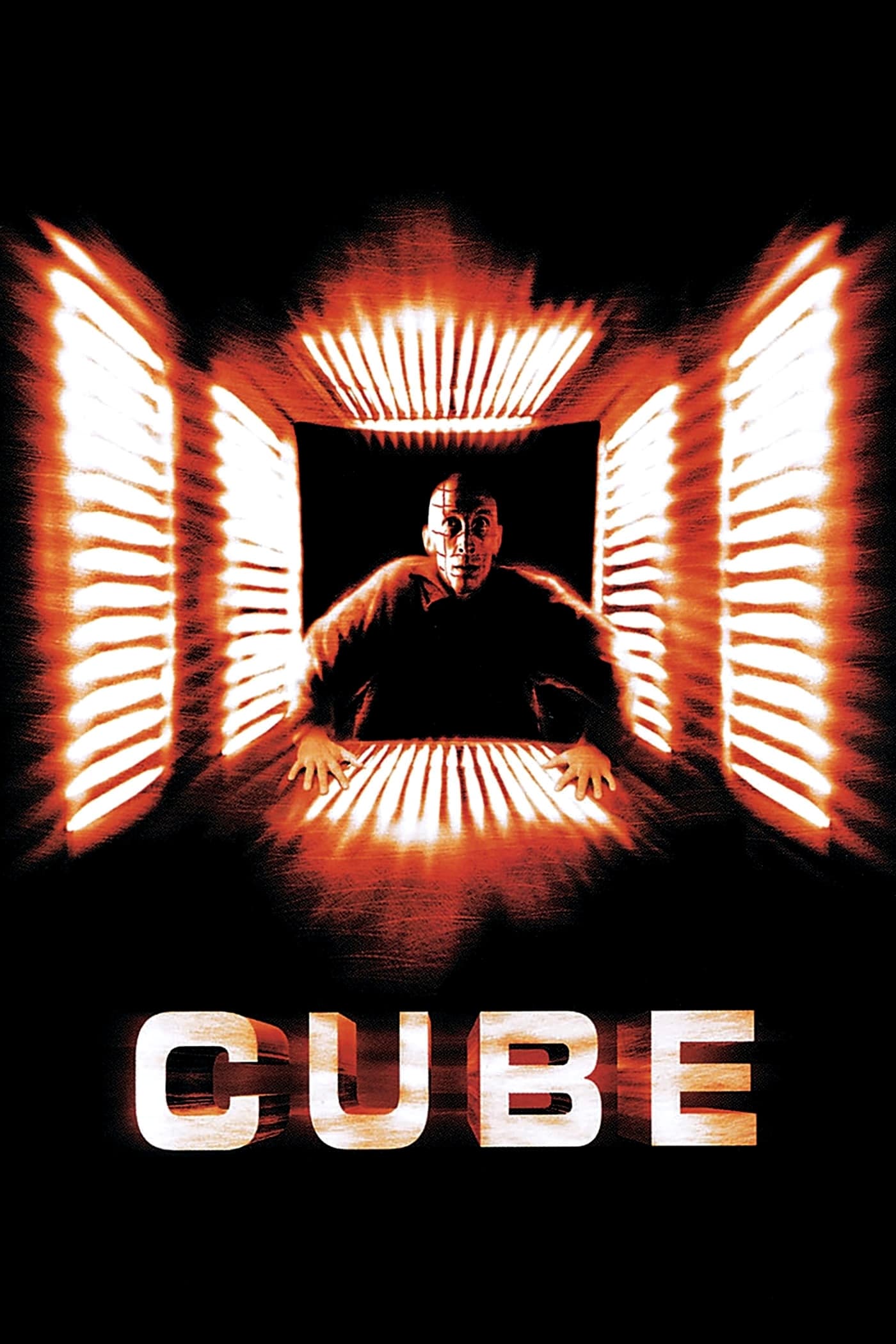
Strangers wake up inside a vast structure made of many connected rooms. Each cube can contain deadly traps that respond to movement, heat, or sound. Coordinates and numbers mark doorways and hint at a pattern for safe paths. Food and water are absent, which adds urgency to every decision. Navigation requires teamwork and mathematics under stress.
The structure shifts in ways that make mapping difficult. Personal conflicts grow as exhaustion sets in. Ropes, clothing, and basic items become tools for testing rooms. The design ensures that one mistake can end the entire effort. No outside authority offers help or explanation, which leaves the group to solve a system built to confuse them.
‘Mad Max: Fury Road’ (2015)
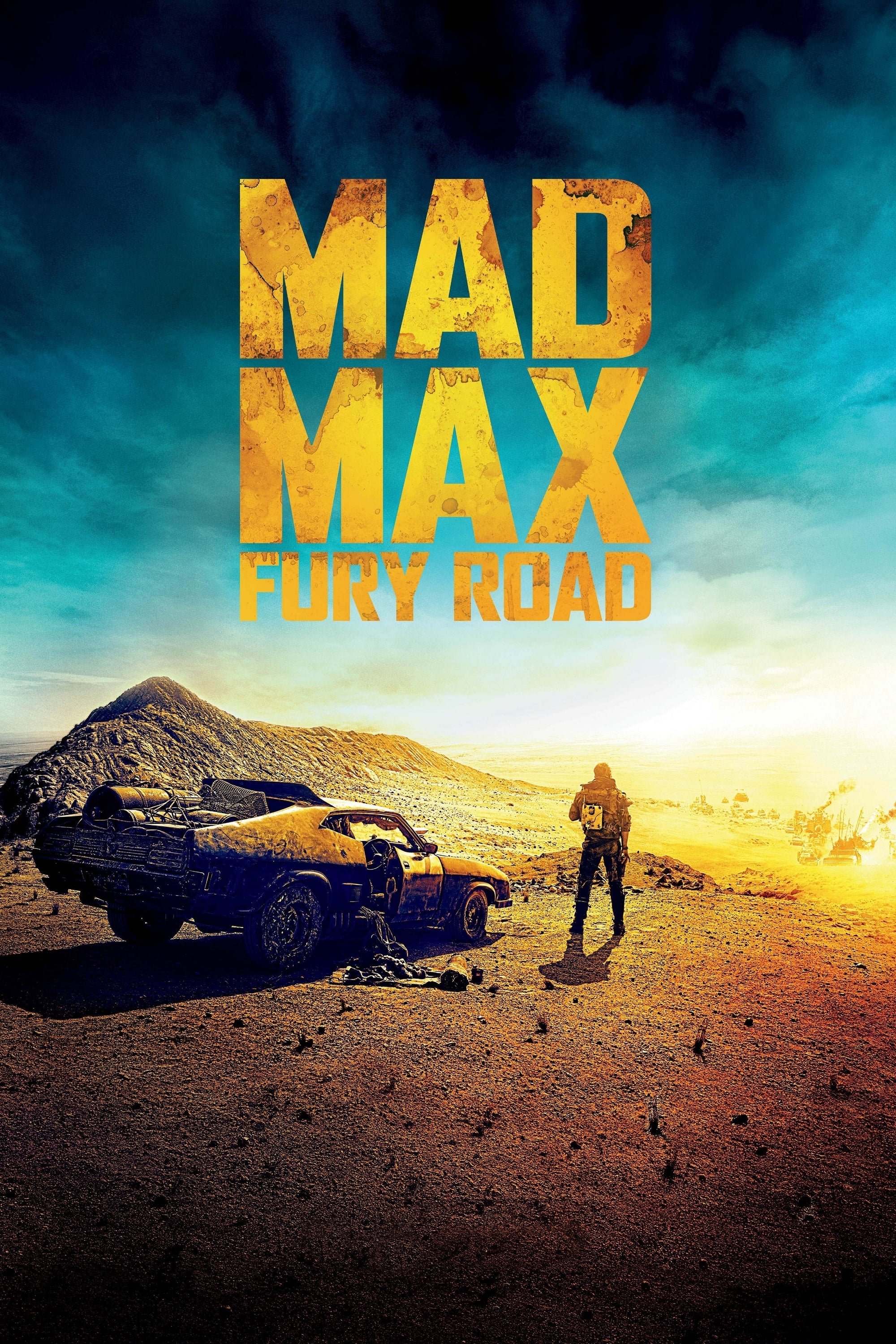
Water and fuel are scarce after global collapse. A warlord controls a canyon stronghold with a private army and a fleet of vehicles. The population survives through strict rationing of water and food. Mechanics, drivers, and breeders are assigned roles that support the regime. Vehicles are both weapons and lifelines across the desert.
Travel requires constant maintenance and knowledge of sandstorms and minefields. Settlements trade in bullets and gasoline rather than currency. Medical conditions like infection and radiation sickness are common. Any journey becomes a rolling battle over resources. Survival depends on mobility, alliances, and a working engine.
‘The Platform’ (2019)
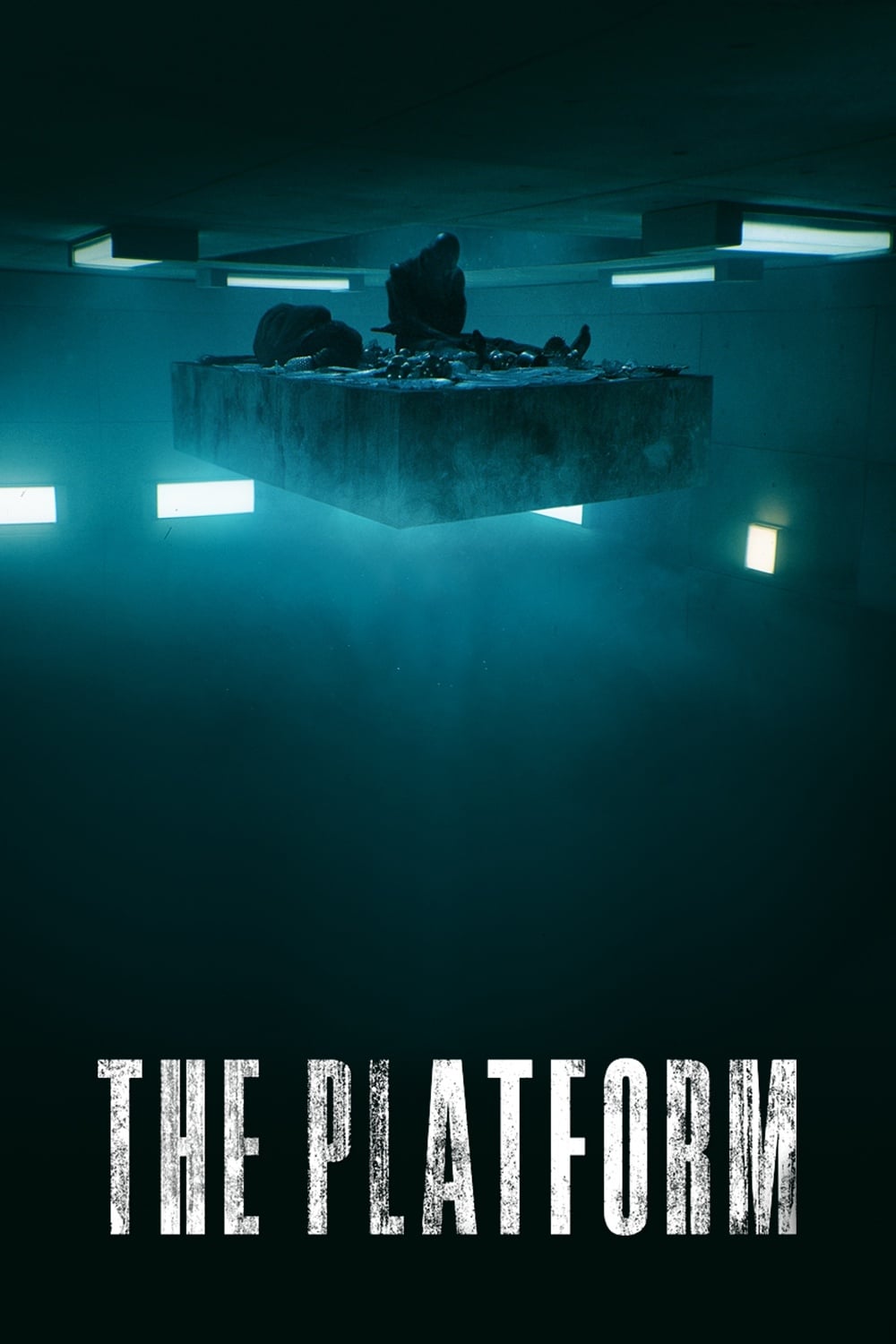
A vertical prison feeds inmates through a platform that descends floor by floor. The top levels receive abundant meals and the lower levels get leftovers. Assignments to floors change periodically, which resets the balance of power. The only tools allowed are a single object each person chooses upon entry and whatever they can improvise.
Communication between floors is limited to shouting and brief encounters when the platform stops. Waste management is poor and sanitation declines rapidly. Guards do not intervene as long as people remain on their assigned floors. The system encourages hoarding and violence. Any attempt at fairness must overcome hunger and a design that rewards selfishness.
‘Battle Royale’ (2000)
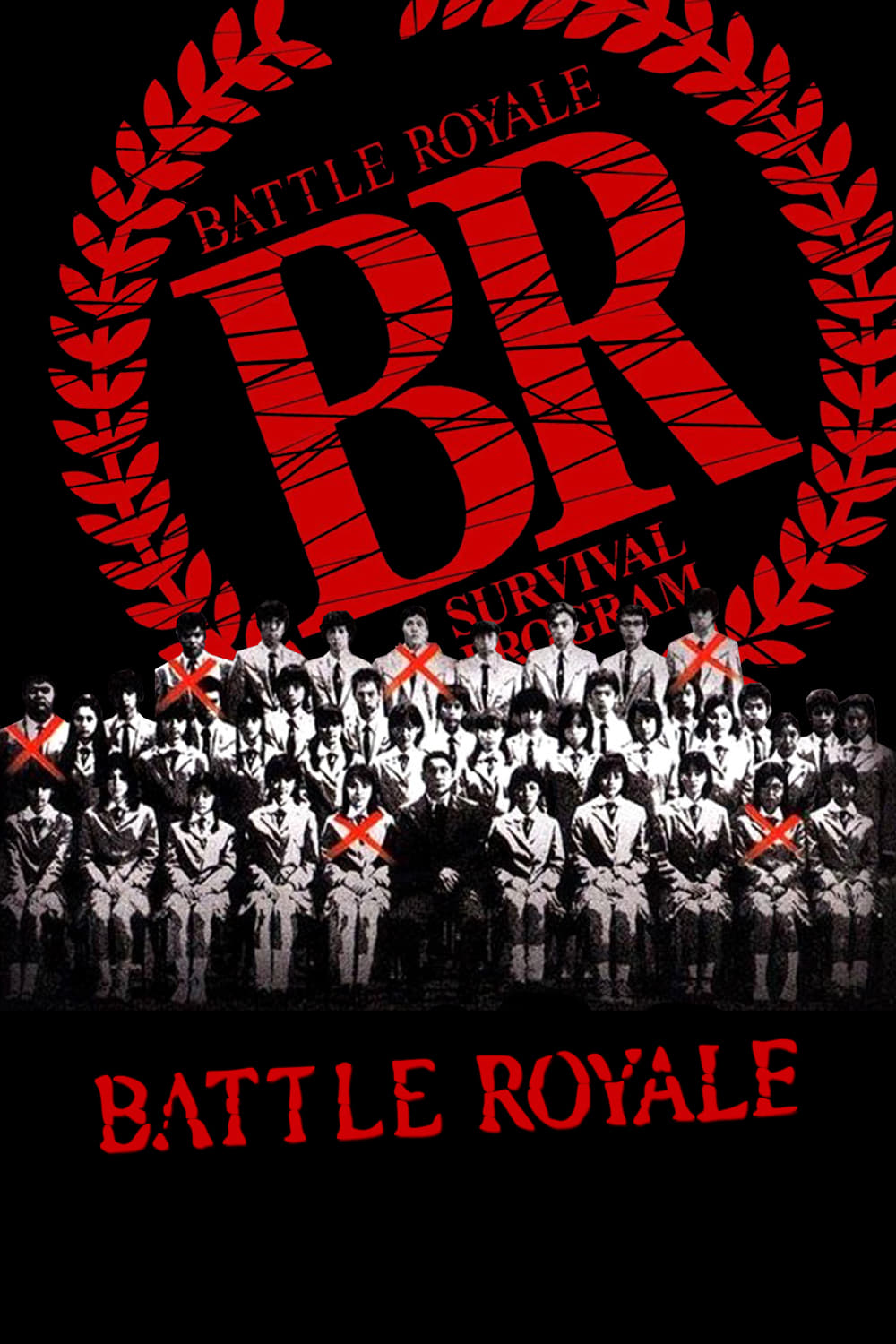
A class of students is forced into a government program that places them on an island with weapons and collars. The collars track location and can trigger explosions if rules are broken. The island is divided into zones that become forbidden at scheduled intervals. A public broadcast announces updates and reduces safe areas over time.
Supplies are distributed randomly and include both helpful tools and useless items. Alliances form based on friendship and strategy. Maps and compass skills matter as much as physical strength. The program ends only when one participant remains or when the time limit forces an outcome. The structure converts classmates into opponents under surveillance.
‘It Follows’ (2014)
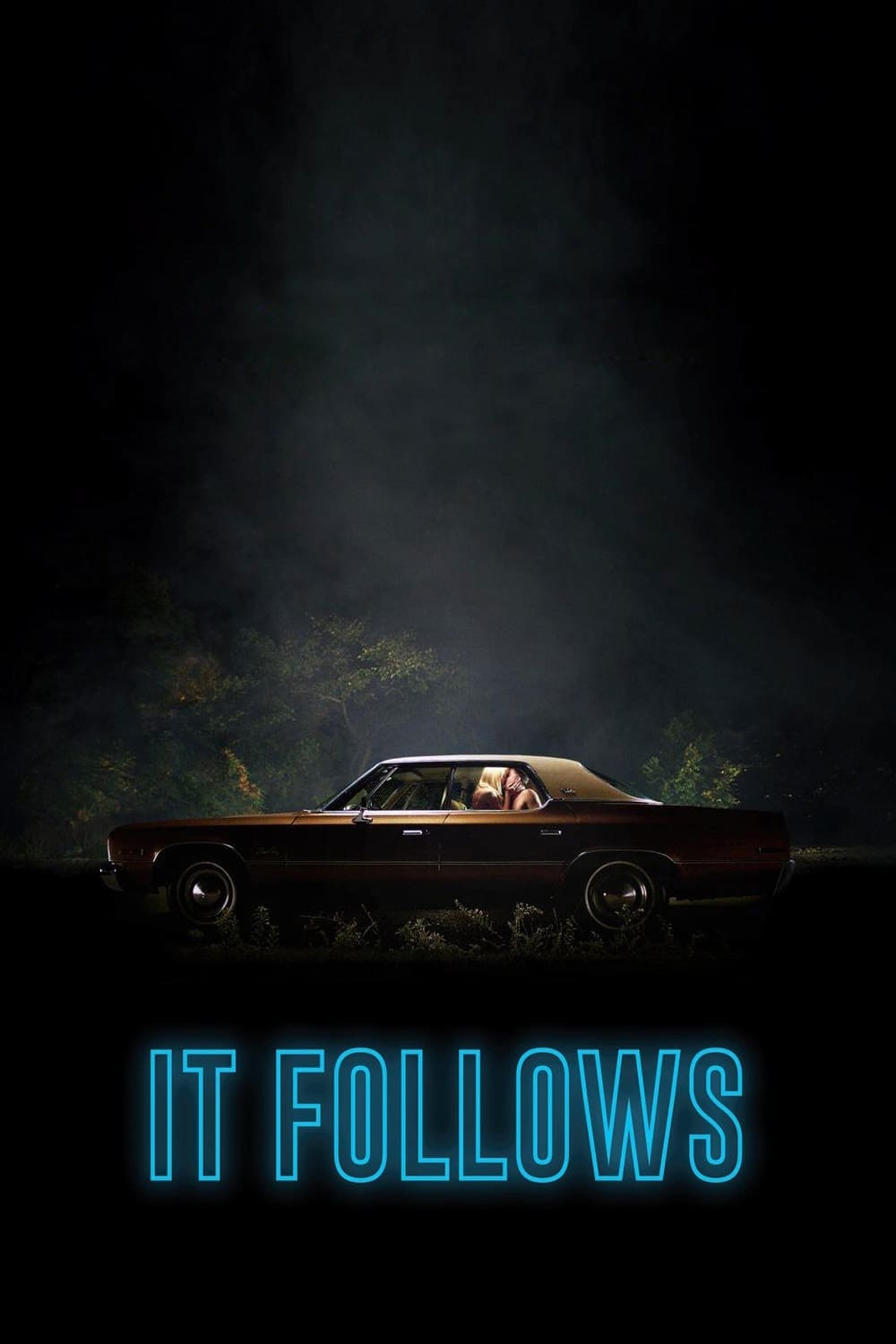
A curse transfers through intimate contact and creates a pursuer that walks slowly but never stops. The entity can appear as anyone and moves in a straight line toward its target. Only those who have carried the curse can see it. Crossing water or traveling far away only delays the approach. Doors and locks slow it but cannot end the threat.
The only method to pass the curse is to involve another person, which creates chains of exposure. Medical and legal systems offer no framework to record or respond to the phenomenon. Friends become lookout teams who scan crowds for the figure that never runs. Sleep schedules, travel, and social life reorganize around constant vigilance.
‘Brazil’ (1985)
Bureaucracy expands into every corner of life and paperwork dictates access to services. Errors caused by misfiled forms trigger arrests and long detentions. Departments compete instead of cooperating, which creates duplicated processes and lost records. Technology exists in awkward, unreliable forms and maintenance crews require multiple approvals to complete basic repairs.
Citizens rely on vouchers and stamps to get anything done. Surveillance and counterterror operations use outdated data and rigid procedures. Appeals take months or years and depend on connections more than facts. People learn to navigate offices by trading favors and memorizing routes through a maze of desks, ducts, and signatures.
Share the movie worlds that would lose you fastest in the comments.