‘Aliens’ Mistakes You’ll Never Be Able to Unsee

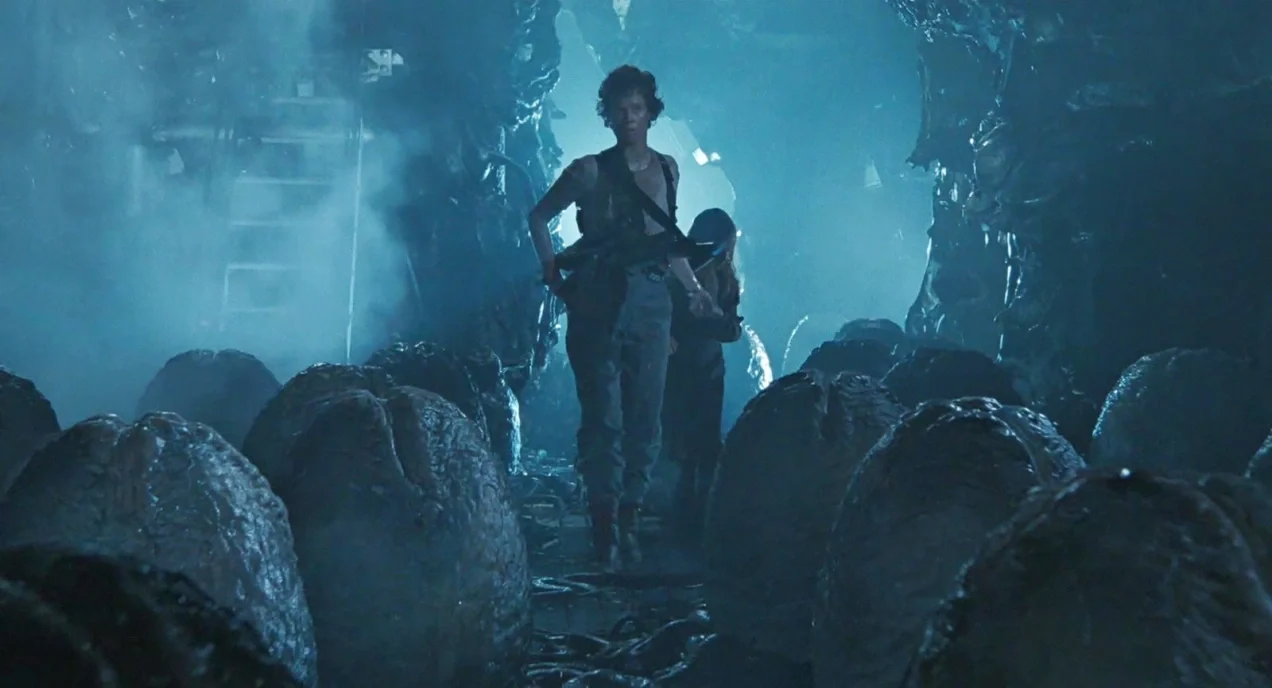

James Cameron’s ‘Aliens’ is a landmark in sci-fi action, but even this classic packs a surprising number of little production hiccups and continuity slips. From mirrored shots and wandering props to counters that don’t add up, the movie’s fast cutting and complex effects sometimes introduce errors that sharp eyes can spot. None of these glitches change the story, but they’re fascinating examples of how editing, sound design, and practical effects can nudge details out of place during a high-intensity shoot.
Reversed Shots That Mirror Gear Placement

Several action inserts appear to be flipped in post, which mirrors equipment from left to right. This can make shoulder-slung weapons, headset booms, and armor patches jump to the opposite side between consecutive cuts. Shot reversal is a common editing fix to improve screen direction, but it unintentionally creates continuity mismatches with previously established blocking. When gear “teleports” sides mid-scene, it’s usually the telltale sign of a mirrored frame.
Pulse Rifle Ammo Counters That Don’t Track Shots
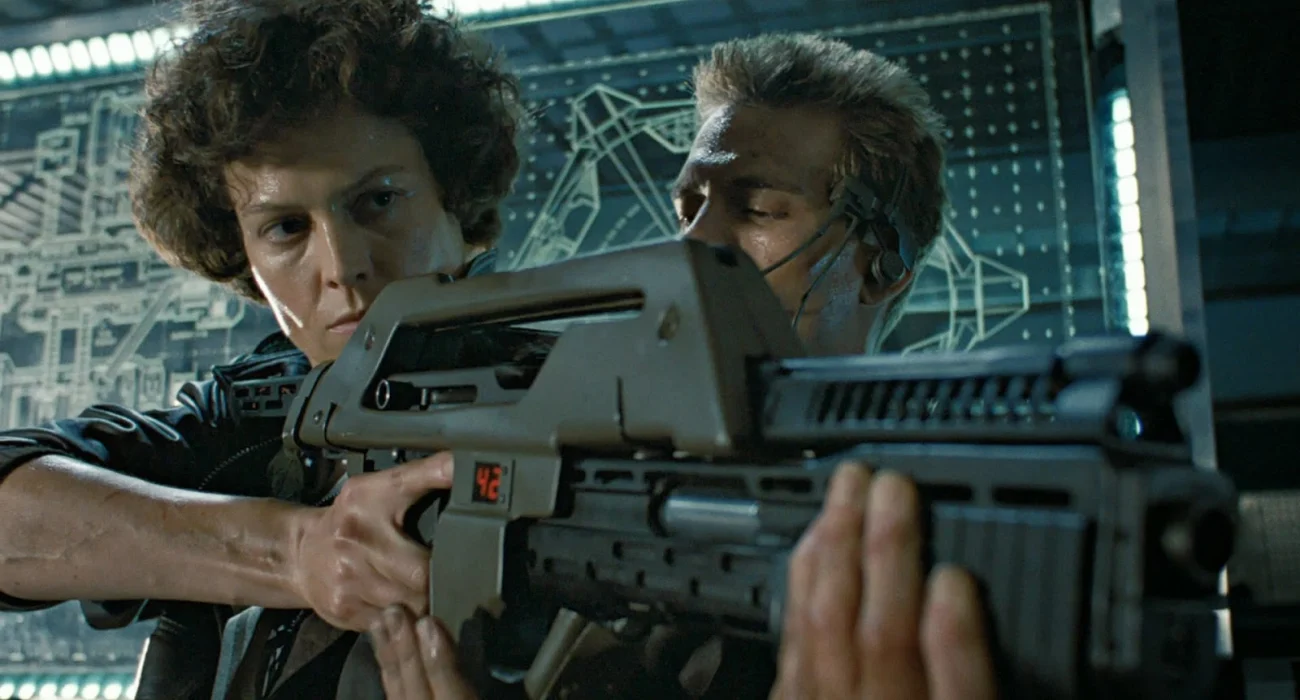
The M41A pulse rifle’s digital counter often resets or skips numbers in ways that don’t align with the number of rounds heard or seen fired. Because gunfire is built from multiple audio and visual layers in post, the counter prop on set can drift from the final edited burst lengths. Quick intercutting across angles also interrupts continuous counting. The result is an iconic display that sometimes tells a different story than the sound mix.
Motion Tracker Distances That Defy Timing
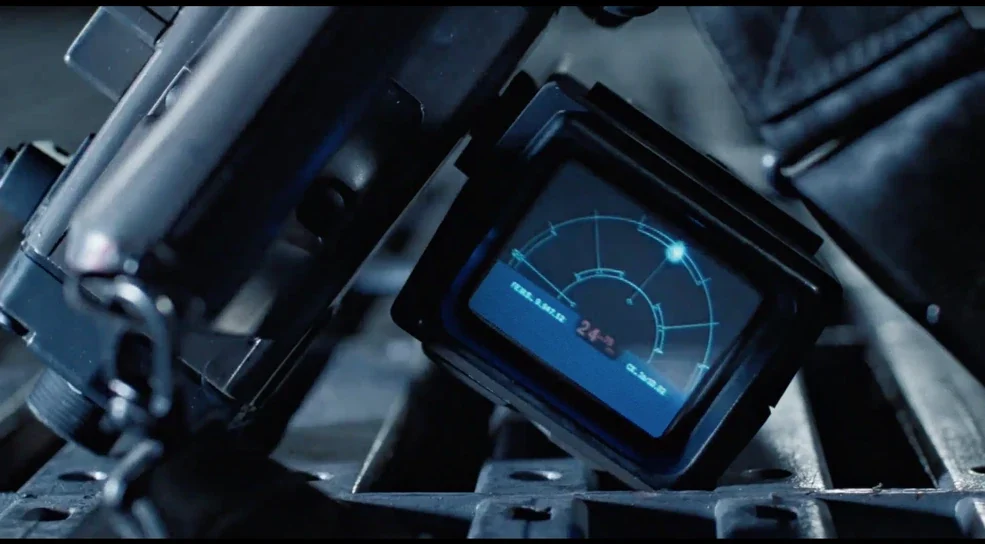
Readouts on the motion trackers occasionally show ranges that imply an imminent encounter, yet several additional cuts play out before contact occurs. Editors frequently preserve tension by stretching the approach with reaction shots, which can disconnect the displayed meters from elapsed screen time. The trackers’ beeps likewise accelerate or slow for suspense rather than precise distance modeling. In practice, the on-screen UI functions as a mood instrument more than a strict sensor log.
Acid Blood Damage That Varies by Material
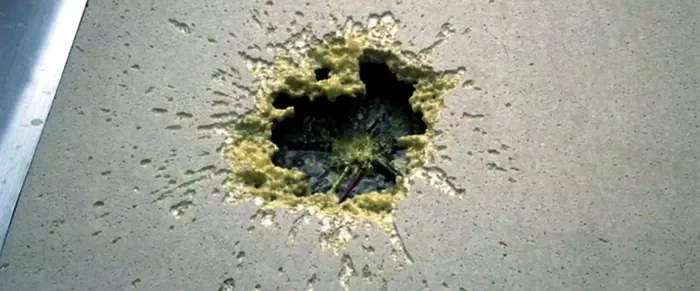
Xenomorph blood famously eats through floors, grates, and armor, but the burn-through rate shifts scene to scene. Practical effects dictate how quickly foam, resin, or metal-look set pieces can be convincingly “eaten,” so crews time gags to what rigs allow. Cuts then compress or extend these beats to fit pacing, creating different corrosion speeds for similar materials. It’s a side effect of matching story rhythm to real-world effect setups.
Med-Lab Specimen Positions That Change Between Cuts
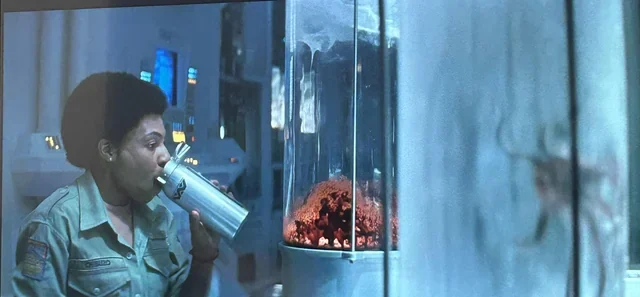
In the medical lab sequence, the facehugger specimens and their tubing do not always maintain the same placement across angles. Movement during resets, glass reflections, and refilling the tanks for visibility make exact continuity difficult. Close-ups prioritize clarity of the creature and bubbles, while wides reframe the equipment footprint. Those practical constraints can shuffle where jars, hoses, and clamps land from shot to shot.
Armor Markings and Wear That Don’t Stay Consistent
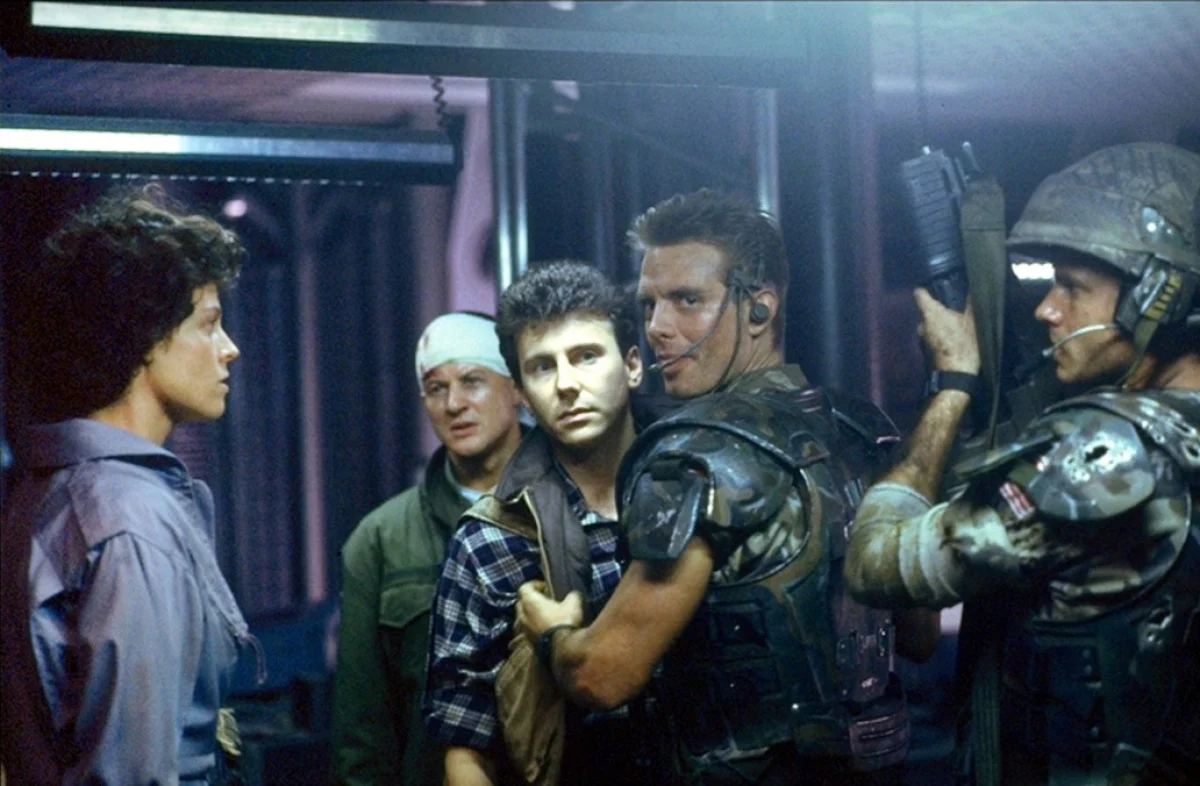
The Colonial Marines’ personalized armor features names, decals, and scuffs that subtly shift over the course of certain scenes. Multiple hero and stunt duplicates exist for safety and damage states, and they’re swapped depending on the action. Under harsh lighting, differences in paint weathering and sticker alignment become noticeable across edits. It’s a classic wardrobe-continuity challenge on effects-heavy productions.
Dropship Crash Debris That Rearranges
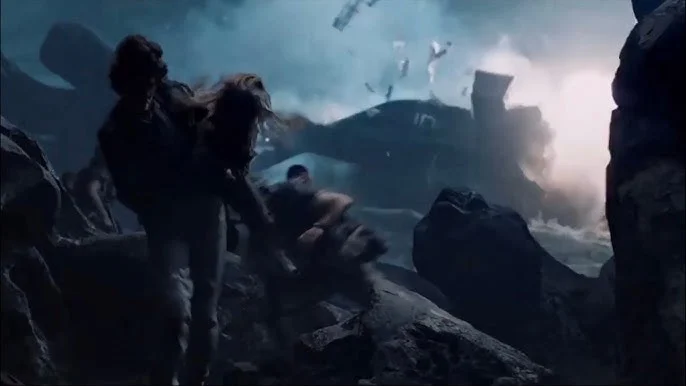
Exterior wreckage from the downed dropship doesn’t perfectly match the interior geography presented in subsequent shots. Miniatures, full-scale sets, and matte elements must be staged for their own camera needs, which can reorient doors, struts, or panel gaps. When these sources are intercut for momentum, exact spatial continuity is sacrificed to maintain kinetic flow. The visual language sells impact even if some debris relocates between angles.
Power Loader Rigging That Peeks Into Frame
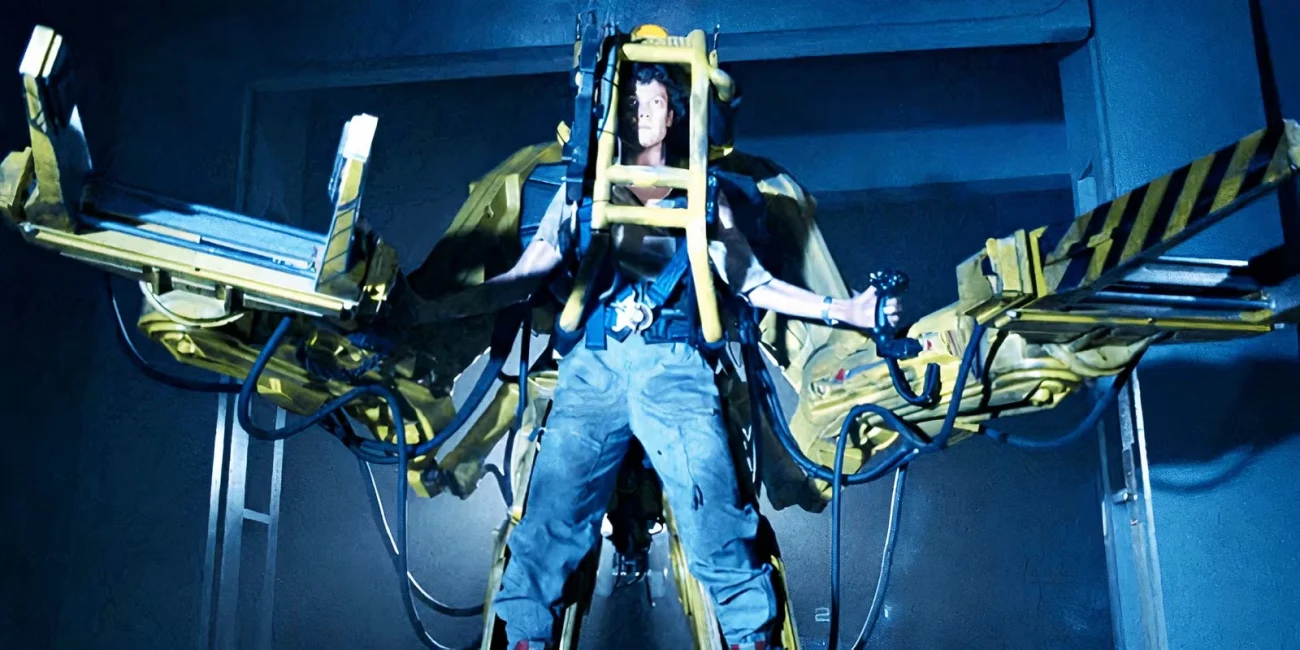
The power loader sequence blends suit acting, puppetry, and set rigs, and on rare frames support elements are briefly implied or partially visible. Heavy machinery illusions often rely on concealed cables, counterweights, or guide tracks to stabilize movement. Fast edits, steam, and lighting typically hide these aids, but certain angles can betray a glint or motion not meant to be seen. It’s a consequence of combining human performance with large-scale practical engineering.
Tracking Bracelet Hand-Off That Creates Timeline Confusion
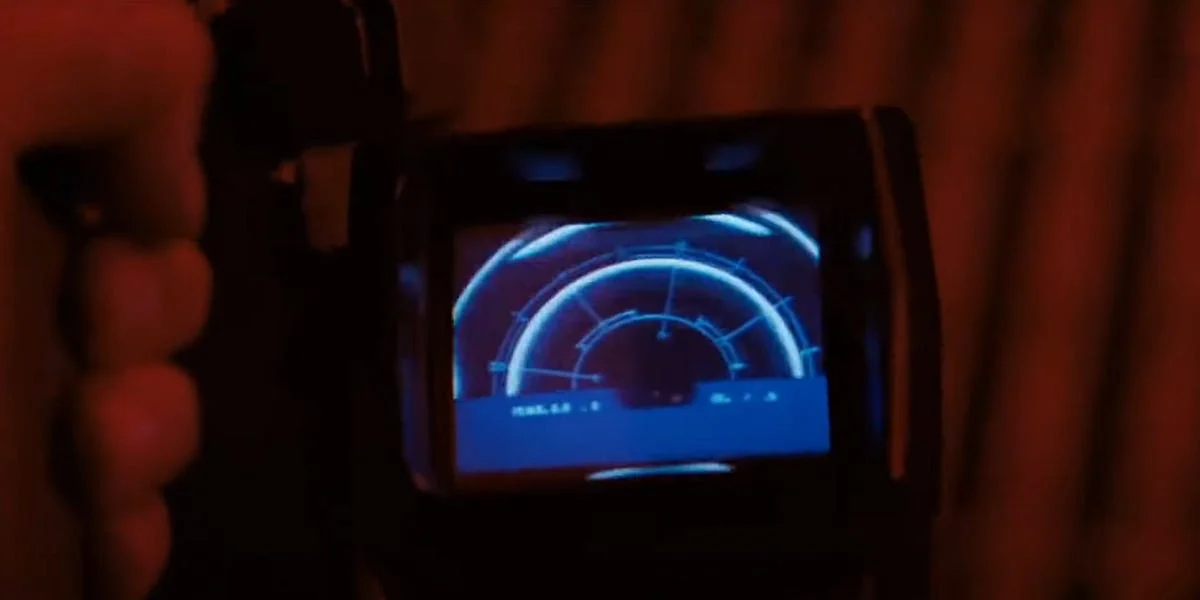
The locator bracelet becomes a key plot device, yet its chain of custody can feel inconsistent across the rescue stretch. Hand-offs occur amidst chaos, and later scenes treat the device’s last known ping as if less time has passed than the intervening action suggests. This discrepancy stems from compressing the chronology to sustain urgency. The prop’s narrative function stays clear, even if the implied minutes don’t line up precisely.
Sentry Gun Ammo Tallies That Don’t Match Bursts (’Special Edition’)
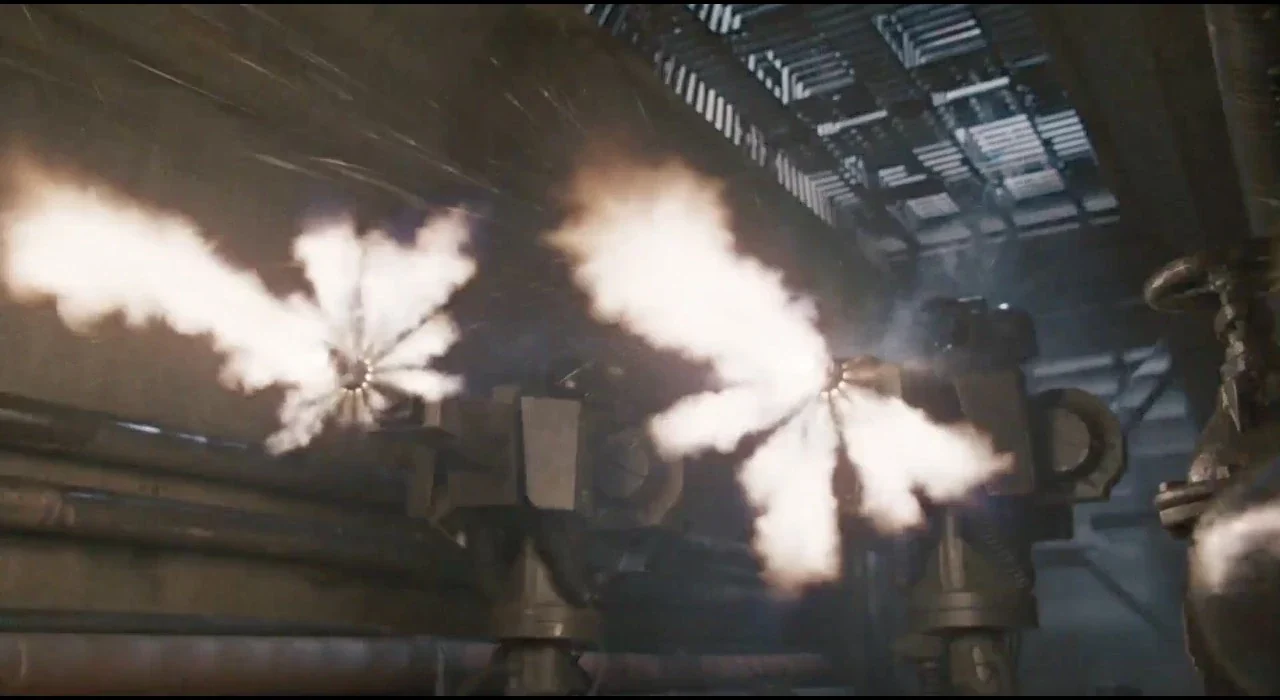
In the ’Special Edition’, the automated sentry guns display dwindling round counts that occasionally drop in increments out of step with the audible firing. Editors balanced tension by intercutting multiple guns and corridors, which breaks a one-to-one link between shots heard and numbers shown. The counters also step down in blocks for readability on small in-universe screens. The effect communicates “running low” effectively, even when math purists will spot the drift.
Enjoy catching these tiny quirks on your next rewatch, and share the mistakes you’ve noticed in the comments!