Top 25 Untouchable Movies

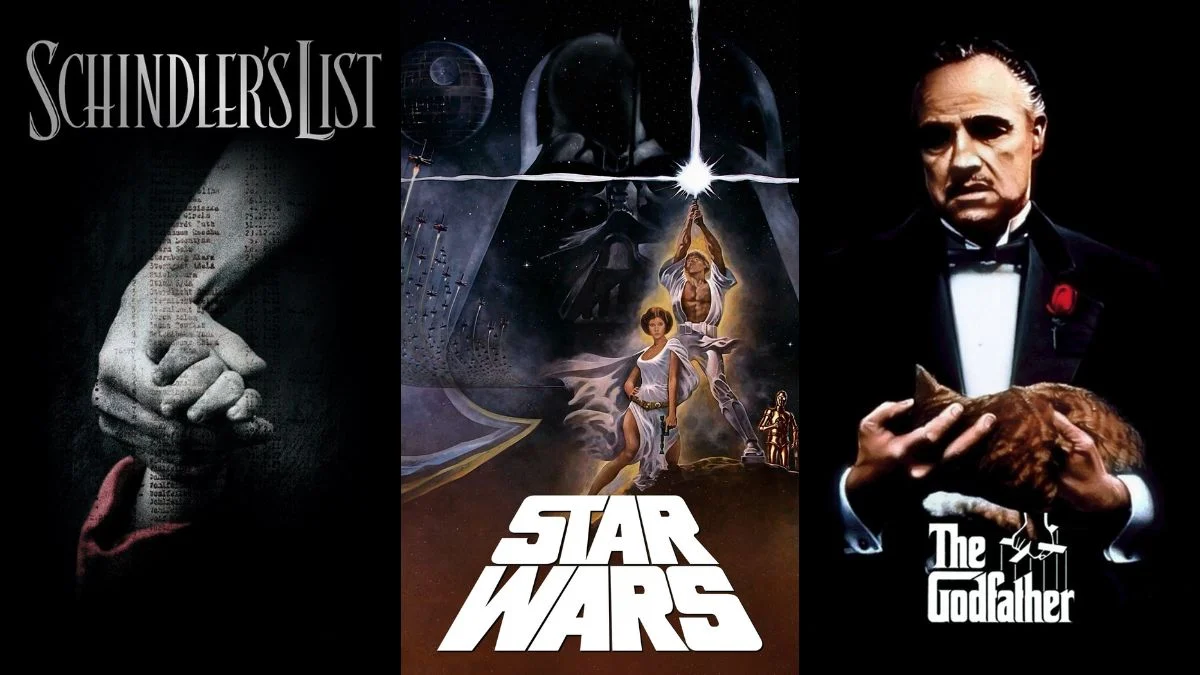

Some films sit at the center of movie history because they changed how stories get told on screen and because their craft still anchors what filmmakers study and borrow today. This list gathers titles that shaped genres, pushed techniques forward, and earned major recognition from audiences and awards bodies. Each entry highlights the essentials so you can see why these films remain fixtures in any serious watchlist.
‘Citizen Kane’ (1941)
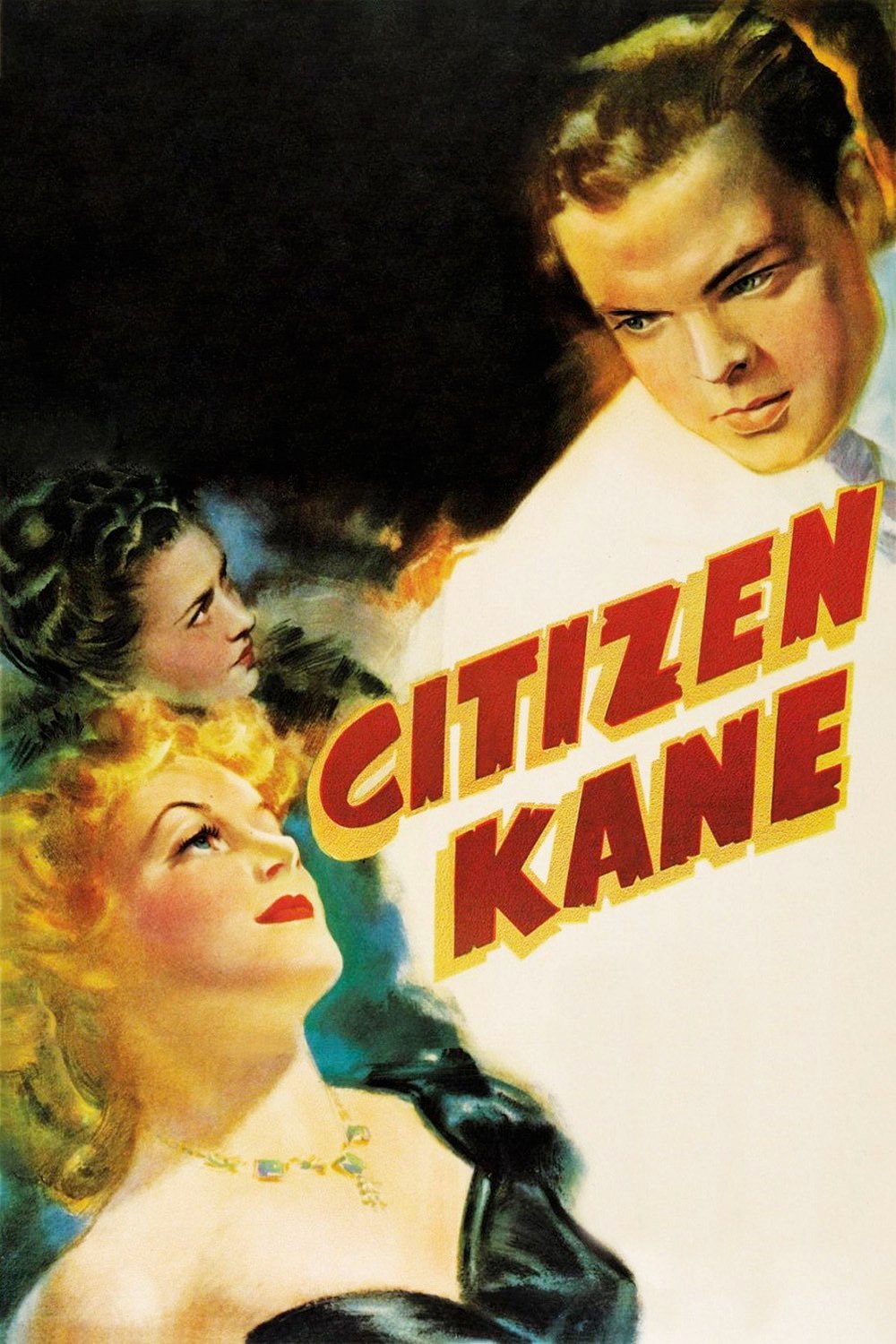
Orson Welles directed and starred as a powerful newspaper magnate whose life is examined through multiple perspectives. The film is noted for deep focus cinematography by Gregg Toland and an innovative narrative structure that moves through flashbacks. It received nine Academy Award nominations and won for Original Screenplay. The American Film Institute has repeatedly placed it near the top of its greatest films lists.
‘The Godfather’ (1972)
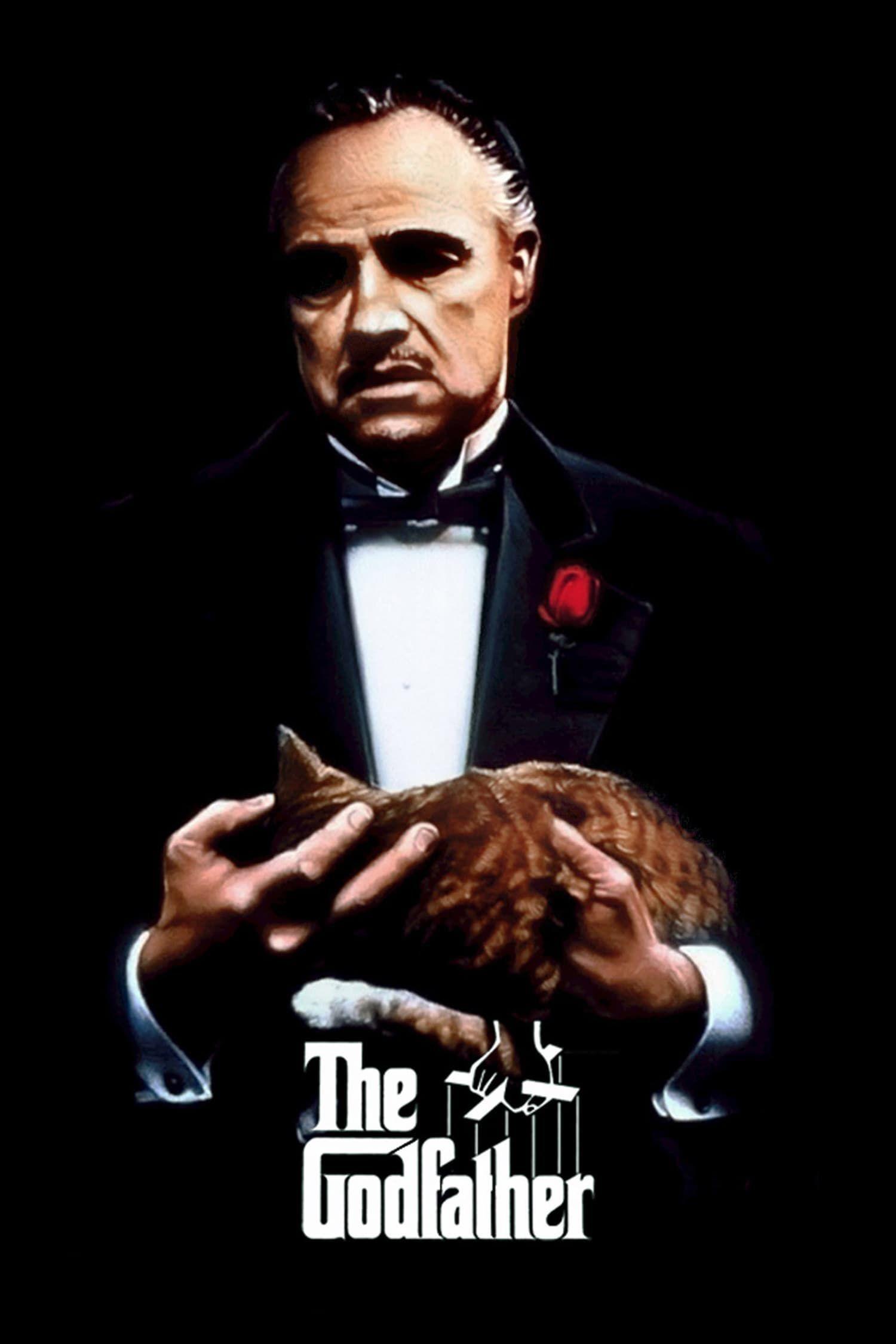
Francis Ford Coppola directed this crime saga about the Corleone family with Marlon Brando and Al Pacino leading the cast. It won Academy Awards for Best Picture, Best Actor, and Adapted Screenplay. Production design and Nino Rota’s music became defining elements of the genre. The film’s influence shows up in countless later crime dramas and prestige television.
‘The Godfather Part II’ (1974)
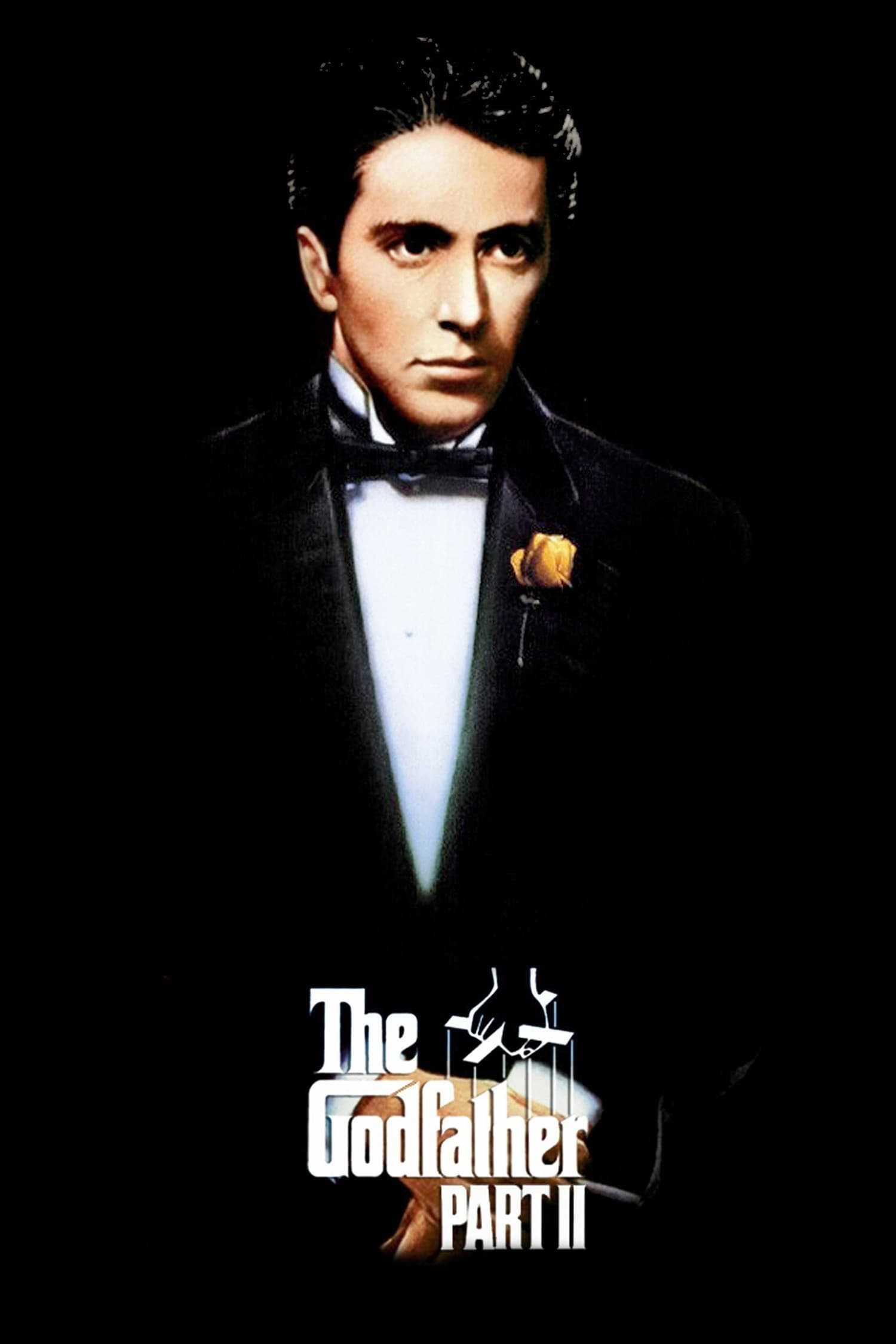
This sequel and prequel follows Michael Corleone’s consolidation of power while tracing Vito Corleone’s early life. Coppola’s film won Best Picture along with Director and Supporting Actor for Robert De Niro. Its parallel timelines are a frequent case study in film editing and structure. Location work spans Little Italy, Lake Tahoe, and international settings that expand the story’s scope.
‘Seven Samurai’ (1954)
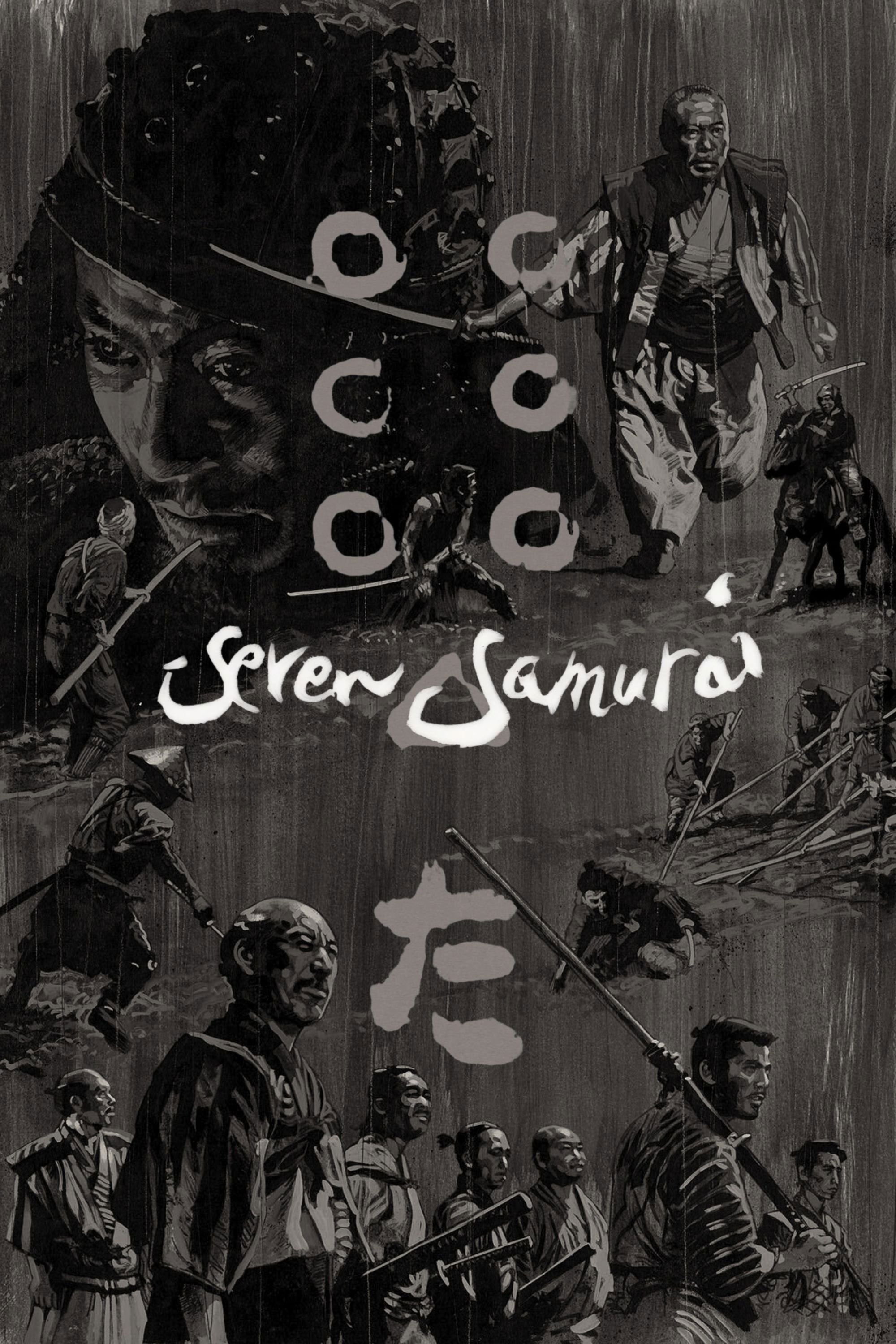
Akira Kurosawa’s epic assembles a team of rōnin to defend a farming village from bandits. It showcases extended battle staging, weather used as a dramatic element, and dynamic camera movement. The ensemble cast includes Toshiro Mifune in a breakout role. The film inspired later adaptations such as ‘The Magnificent Seven’ and many team based action stories.
‘2001: A Space Odyssey’ (1968)
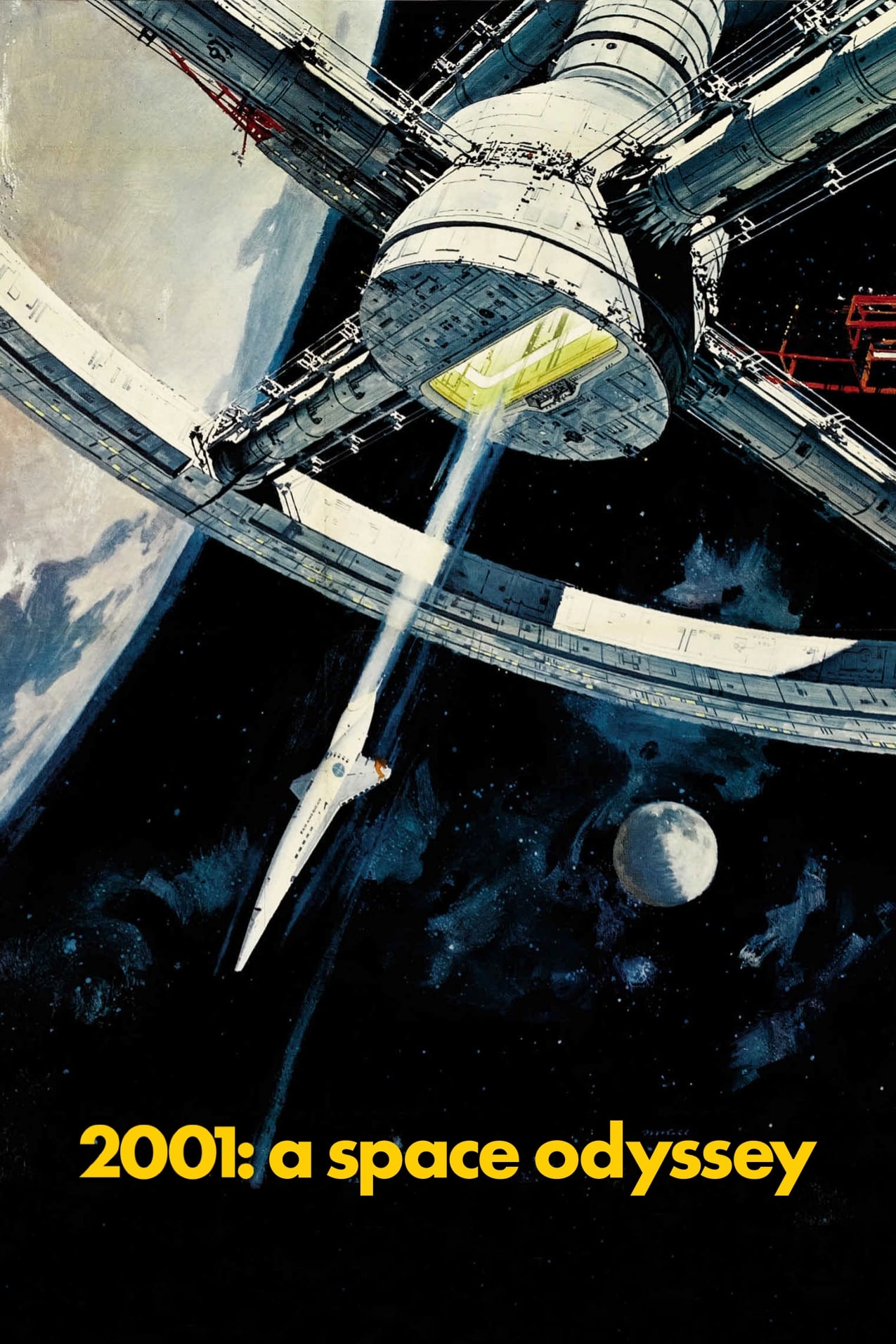
Stanley Kubrick crafted a science fiction milestone in collaboration with Arthur C Clarke. The production utilized pioneering visual effects that earned an Academy Award for Special Visual Effects. Its sound design integrates classical music with minimal dialogue to build mood and scale. Practical effects and front projection techniques set a template for later space films.
‘Casablanca’ (1942)
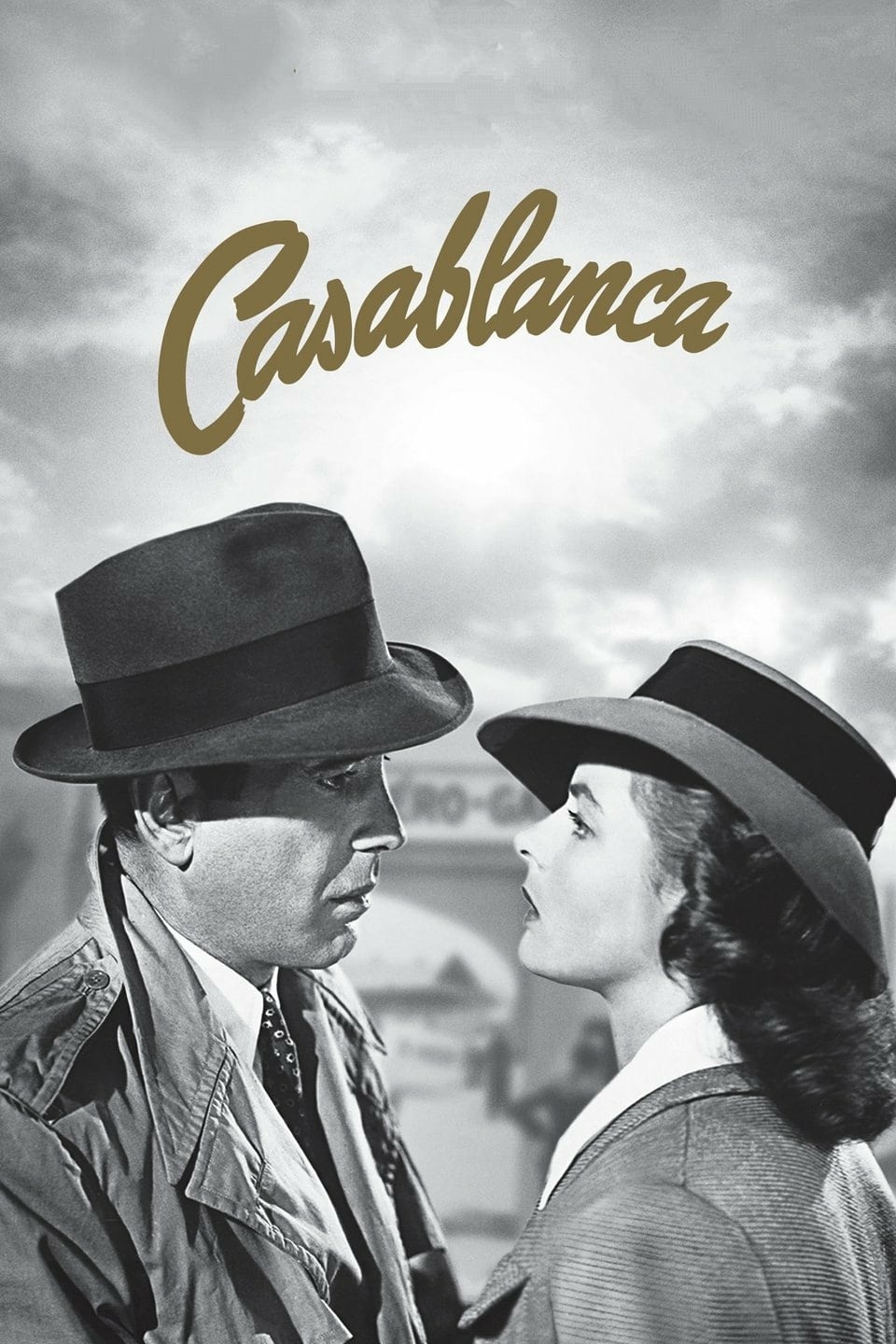
Michael Curtiz directs Humphrey Bogart and Ingrid Bergman in a wartime romance set around a nightclub in Morocco. The script is known for sharp dialogue delivered by a large ensemble cast. It won Academy Awards for Best Picture, Director, and Screenplay. Studio era craftsmanship is evident in its set work, lighting, and score.
‘Schindler’s List’ (1993)
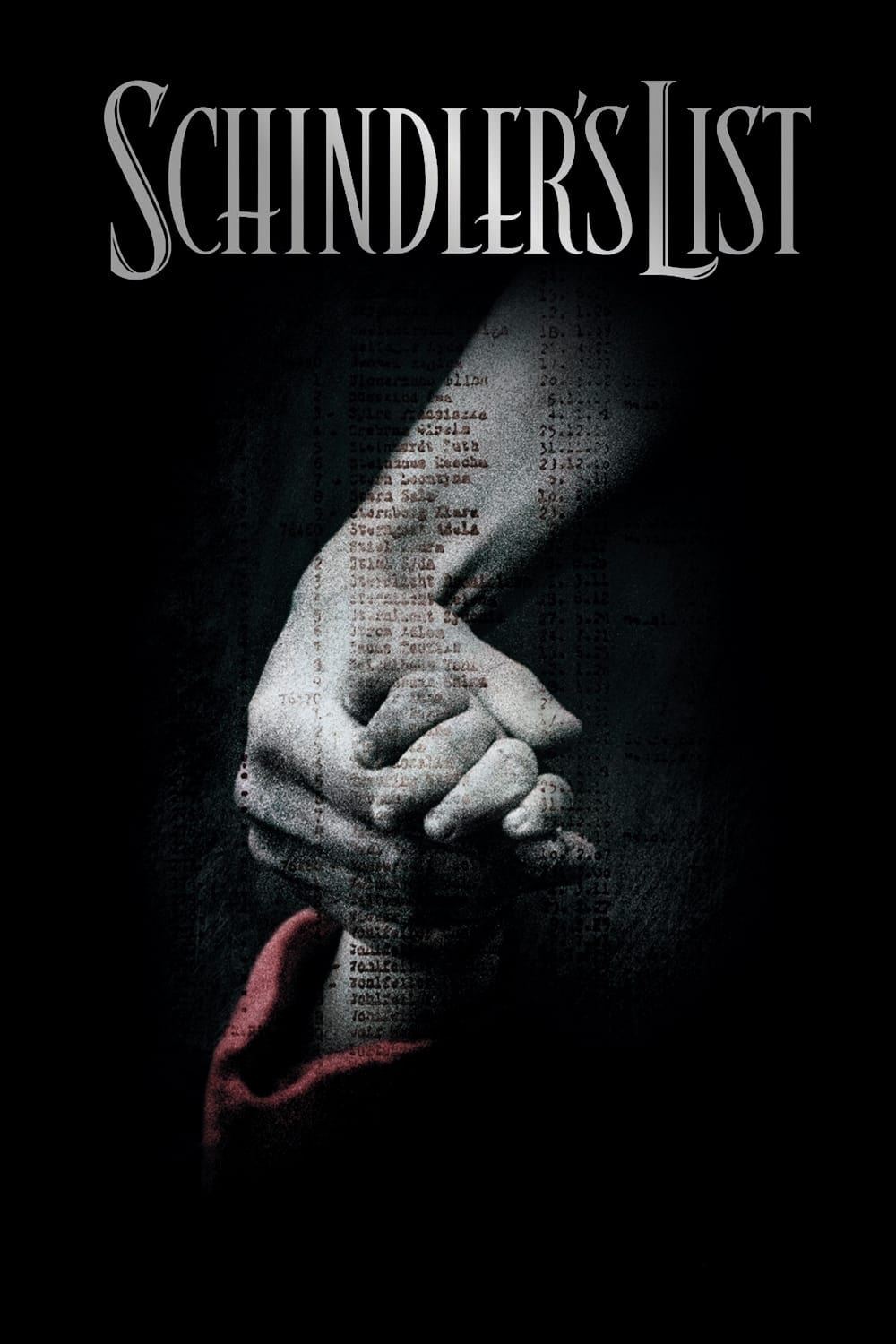
Steven Spielberg tells the true story of Oskar Schindler and the people he saved during the Holocaust. The mostly black and white cinematography by Janusz Kamiński supports a documentary like immediacy. The film won seven Academy Awards including Best Picture and Director. On location shooting in Poland and careful production design contribute to historical authenticity.
‘Pulp Fiction’ (1994)
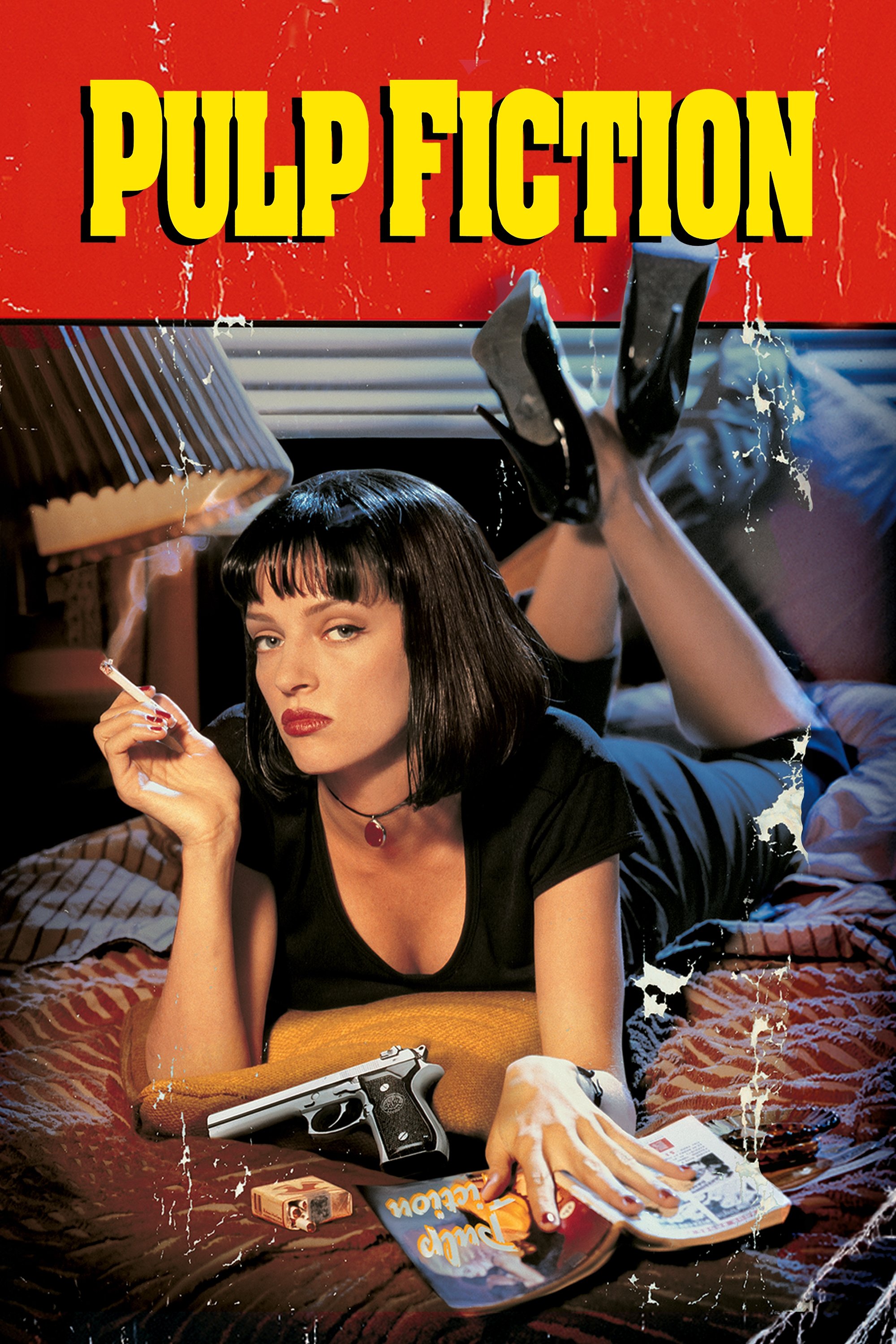
Quentin Tarantino’s crime film uses intersecting stories and nonlinear structure to weave multiple character arcs. It won the Palme d’Or at Cannes and the Academy Award for Original Screenplay. The soundtrack revived several songs and became a major commercial release. Dialogue heavy scenes and long takes show a distinctive approach to pacing.
‘The Shawshank Redemption’ (1994)
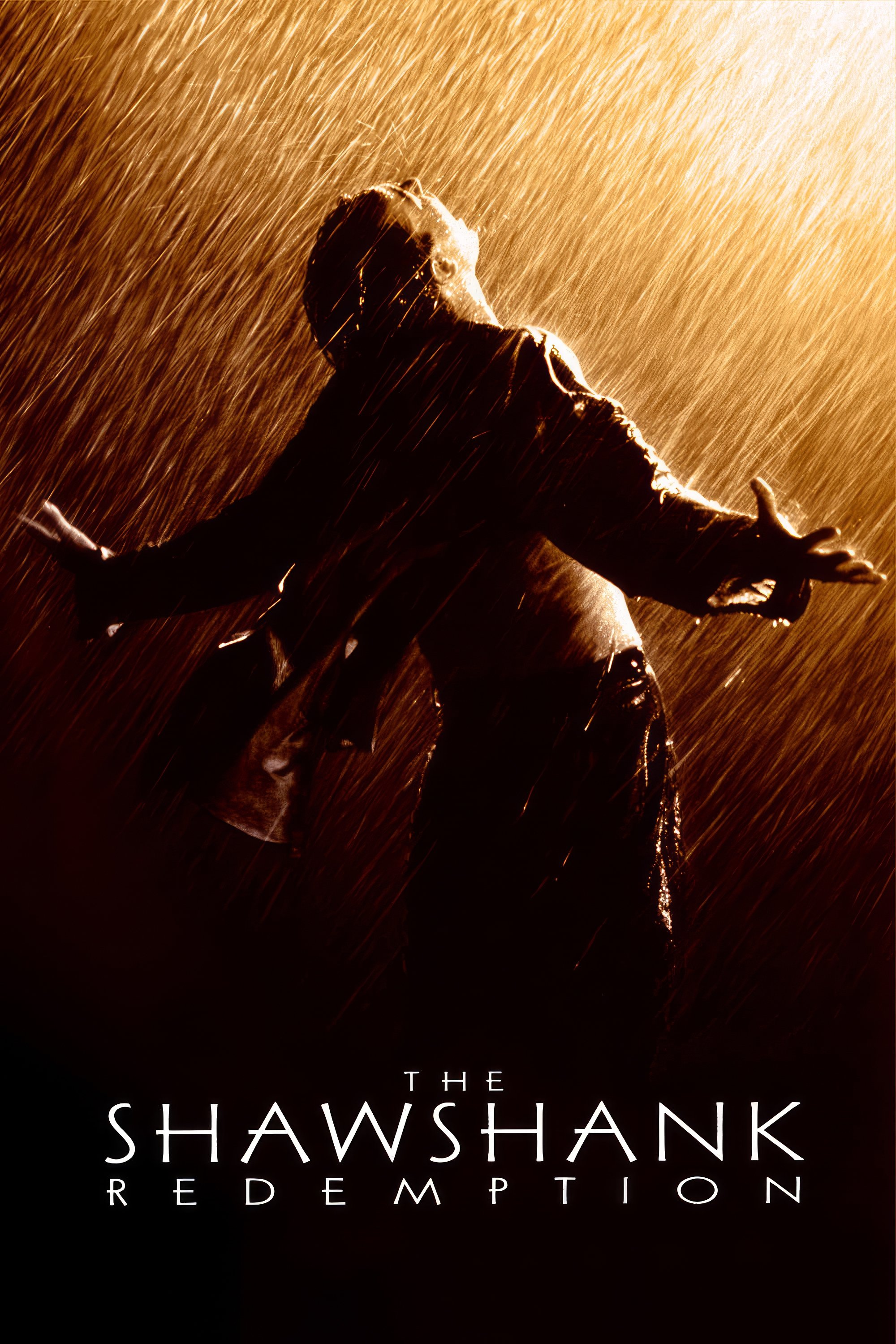
Frank Darabont adapts a Stephen King novella about two men serving long prison terms and forming a lasting bond. The film received seven Academy Award nominations including Best Picture. Thomas Newman’s score and Roger Deakins’s cinematography are frequently cited in craft discussions. Filming centered on the Ohio State Reformatory which now hosts tours tied to the production.
‘Star Wars’ (1977)
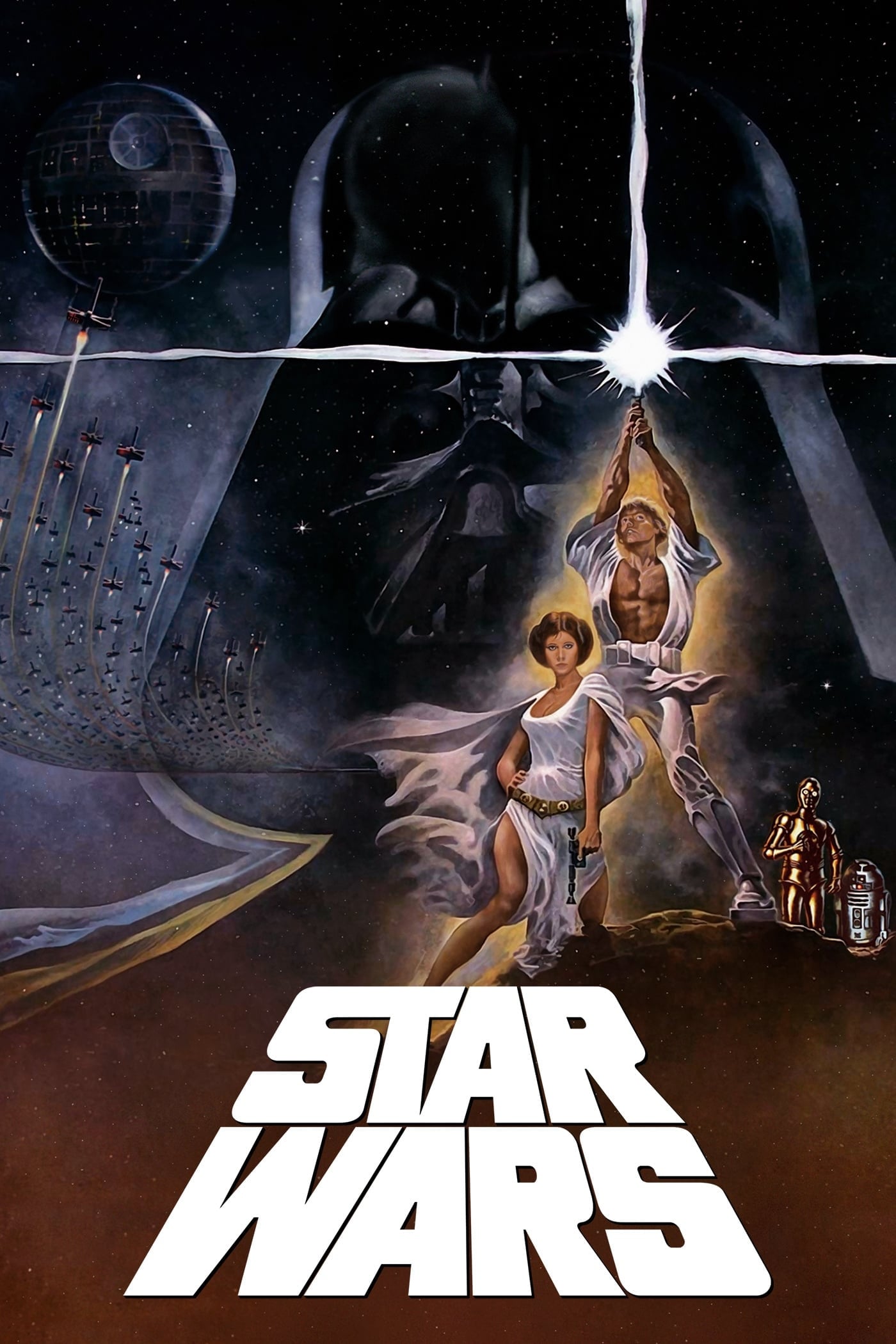
George Lucas introduced audiences to the Skywalker saga and a lived in approach to space fantasy. Industrial Light and Magic grew out of this production and advanced motion control photography. The film won multiple Academy Awards in categories including score, editing, and sound along with a Special Achievement in sound effects. Its merchandising model reshaped studio franchise strategy.
‘The Empire Strikes Back’ (1980)
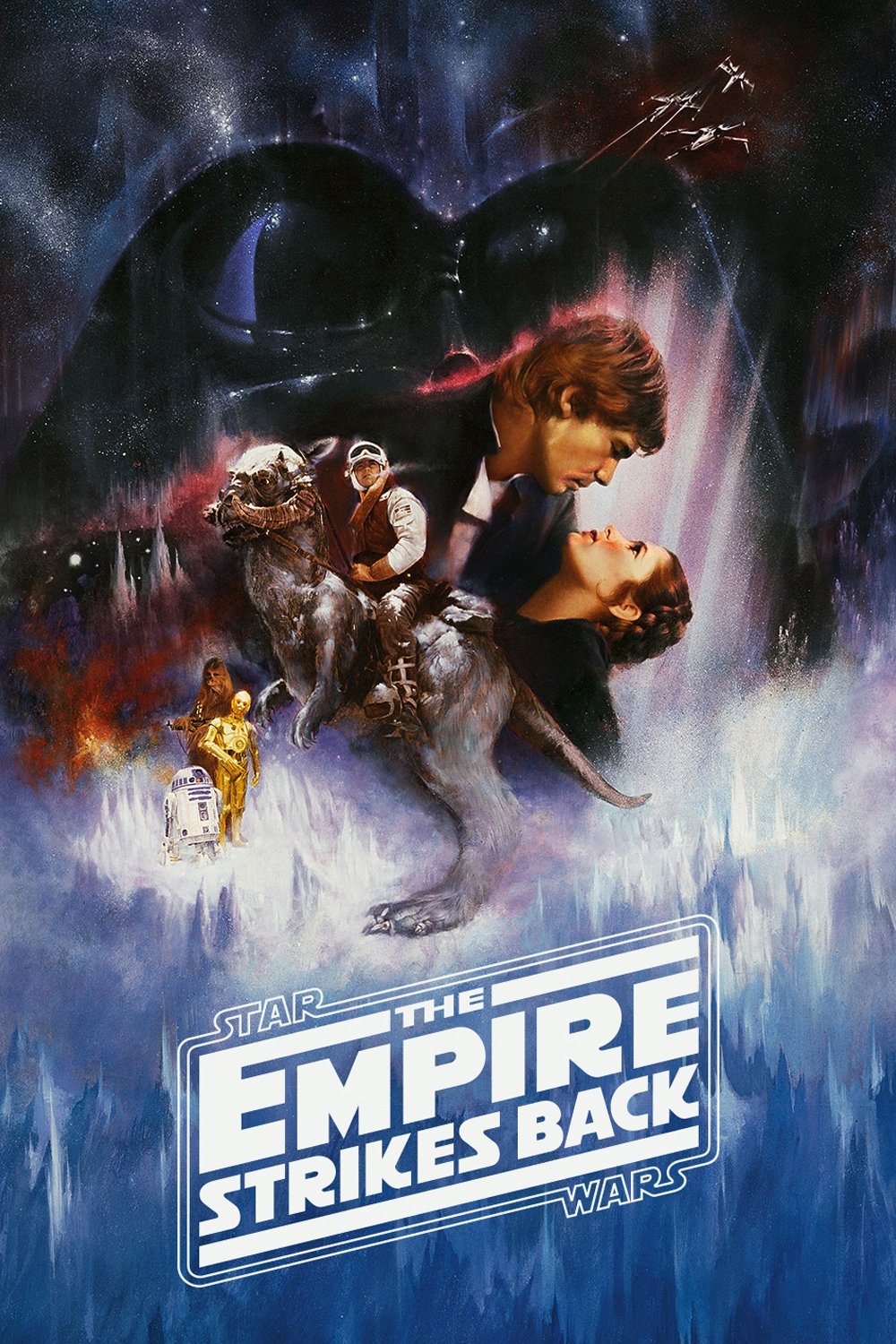
Irvin Kershner directed the second released entry in the saga with a focus on character development and practical effects. The film earned Academy recognition in sound and visual effects plus a Special Achievement Award. Stop motion work by Phil Tippett and miniature photography expanded the series toolkit. Location shooting in Norway produced the ice planet sequences.
‘The Wizard of Oz’ (1939)
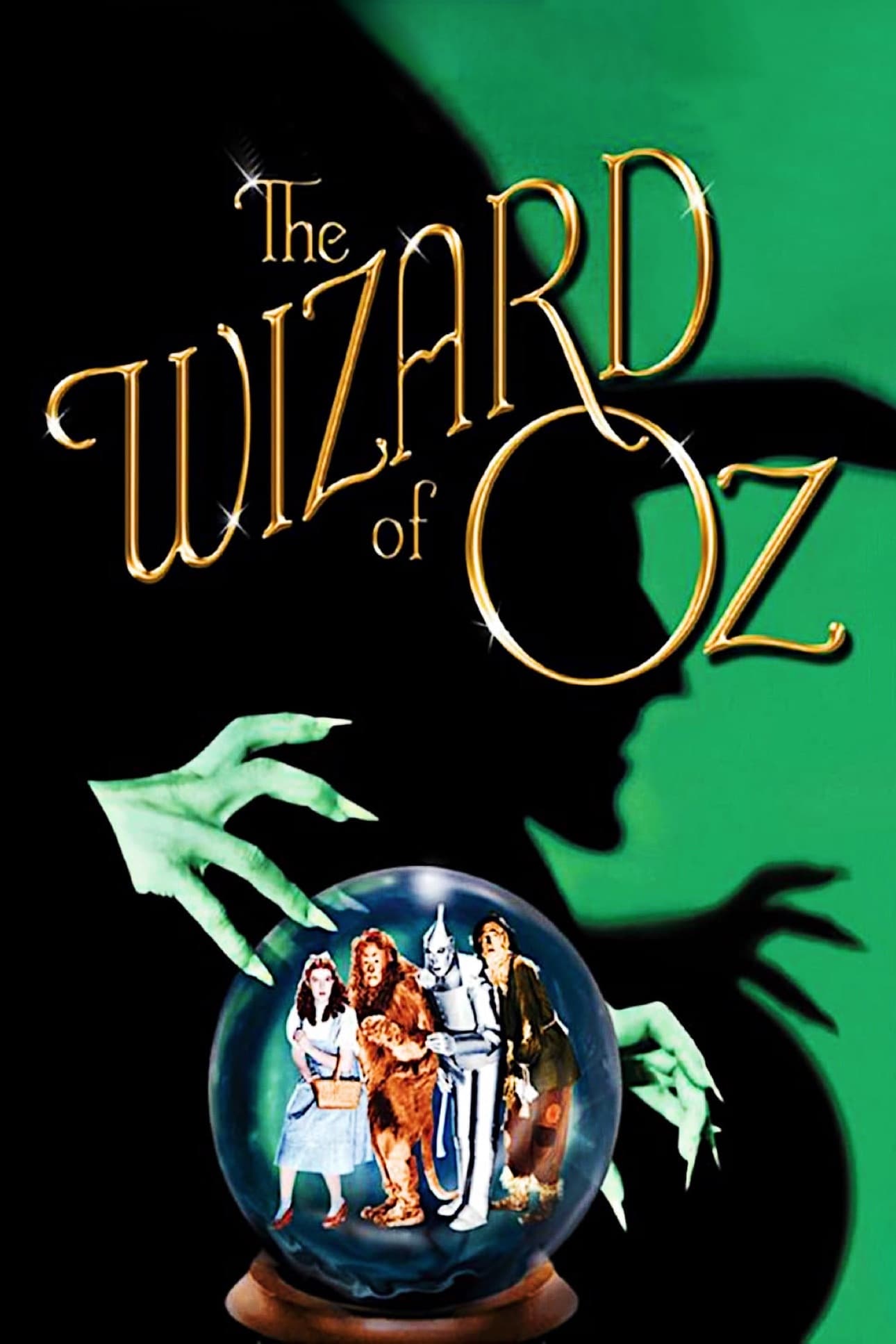
Judy Garland stars in an MGM musical that moves from sepia to Technicolor upon entry into Oz. The production is known for elaborate sets, makeup challenges, and enduring songs by Harold Arlen and Yip Harburg. It won two Academy Awards for music and received a Best Picture nomination. The Library of Congress selected it for the National Film Registry for cultural significance.
‘Psycho’ (1960)
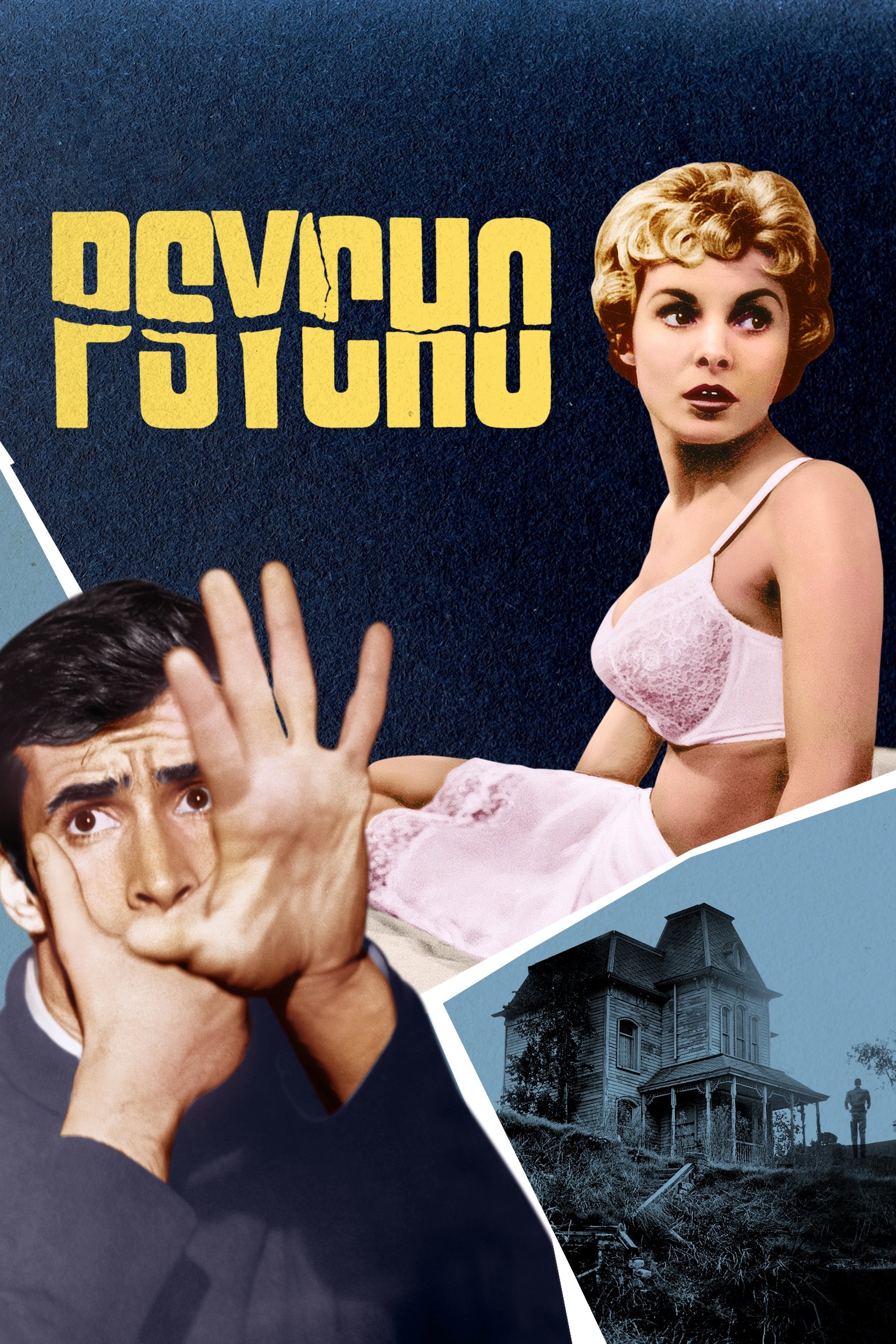
Alfred Hitchcock’s thriller features innovative editing in the shower scene and a score by Bernard Herrmann built on strings. The film used a smaller crew from Hitchcock’s television unit to maintain tight control. It earned multiple Academy Award nominations including Director and Supporting Actress. Marketing emphasized secrecy around plot details and limited late entry to theaters.
‘Jaws’ (1975)
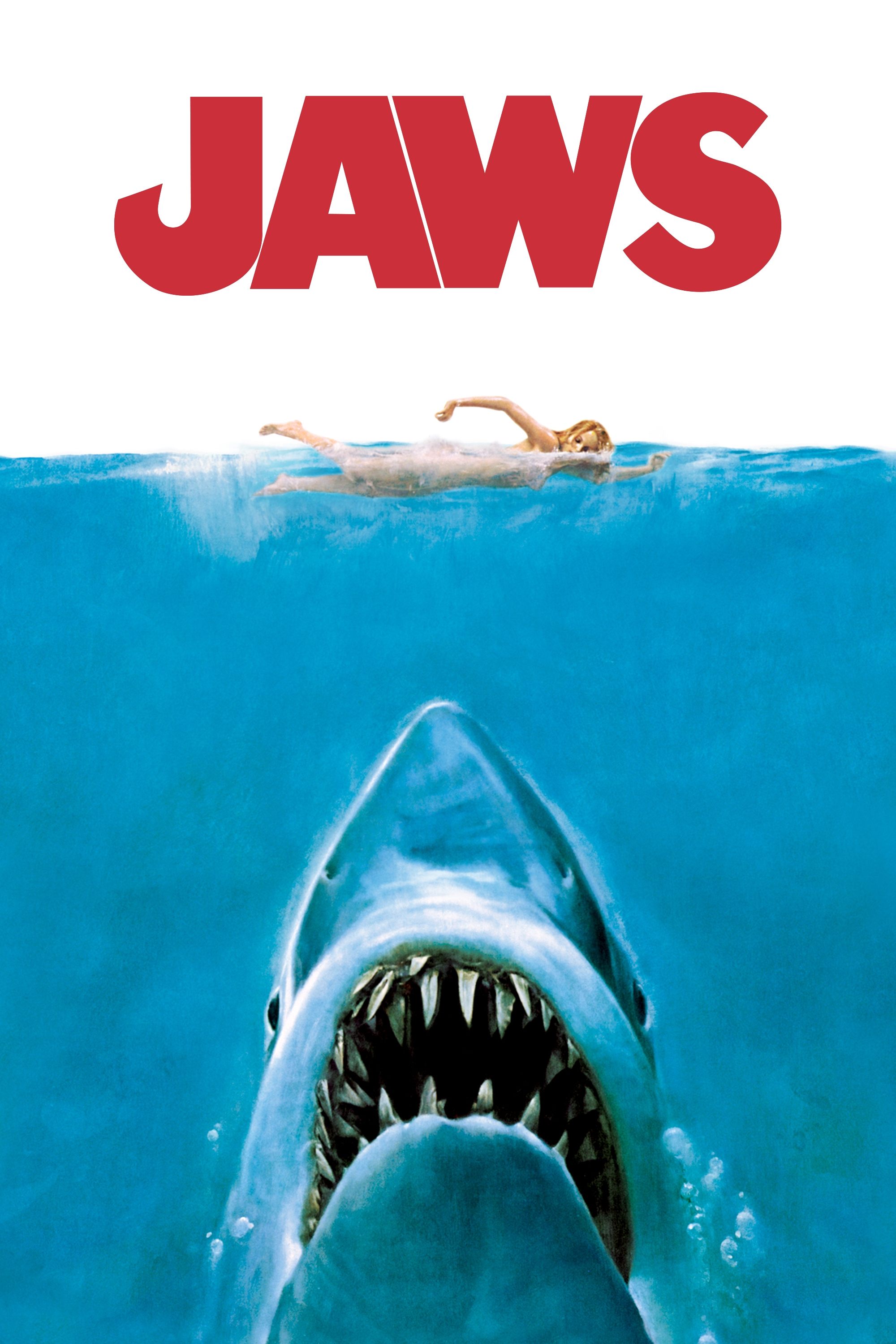
Steven Spielberg’s thriller centered on a coastal town and a predatory great white shark. Mechanical difficulties with the shark led to a strategy that favored suggestion along with John Williams’s iconic theme. The film won Academy Awards for editing, sound, and score. Its wide summer release pattern is often cited in discussions of the modern blockbuster.
‘Raiders of the Lost Ark’ (1981)
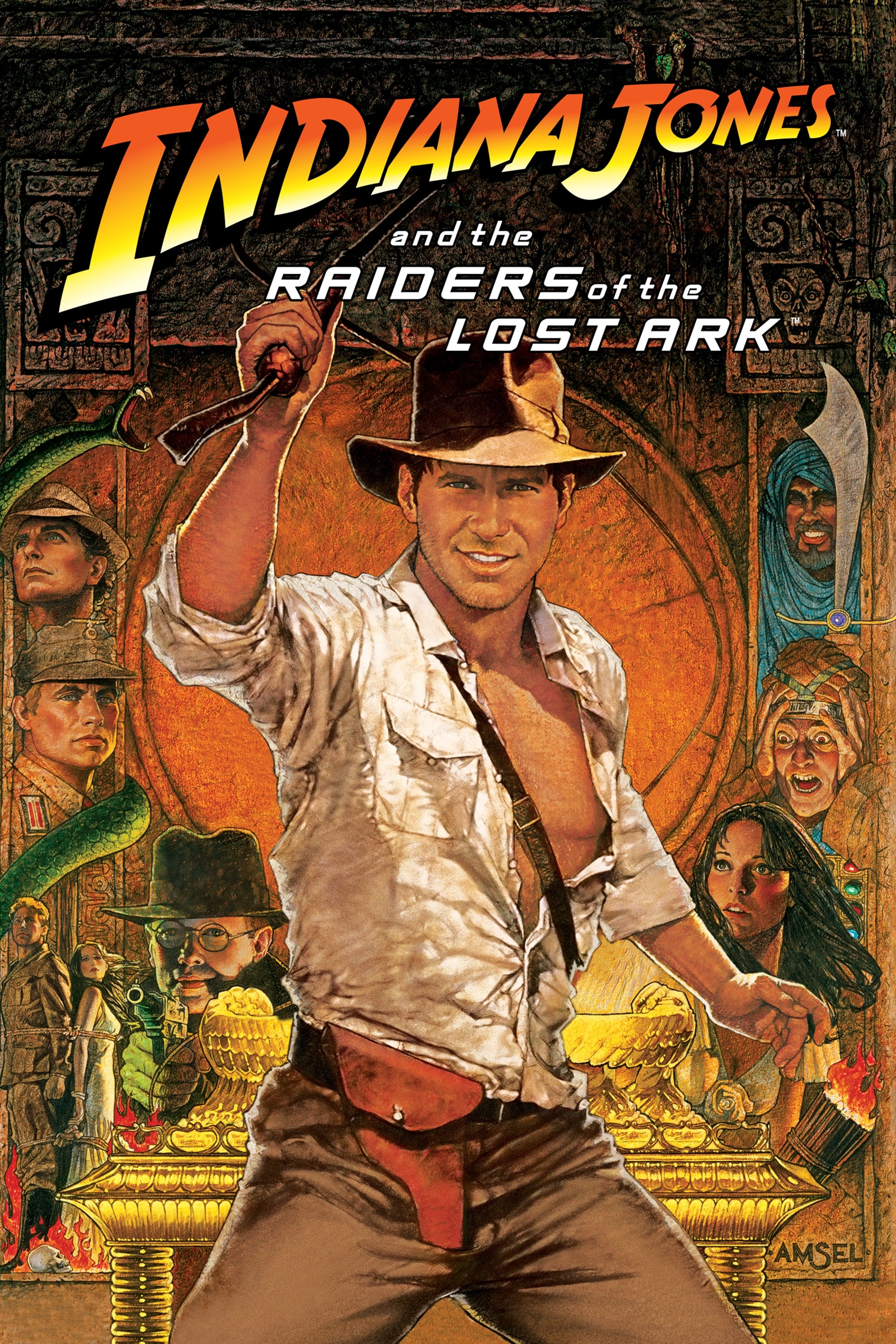
Harrison Ford headlines as archaeologist Indiana Jones in a serial inspired adventure. Practical stunts and set pieces like the opening temple sequence and the truck chase became immediate highlights. The film won multiple Academy Awards in technical categories and a Special Achievement for visual effects. Collaboration between Spielberg and Lucas yielded a long running franchise.
‘The Lord of the Rings: The Fellowship of the Ring’ (2001)
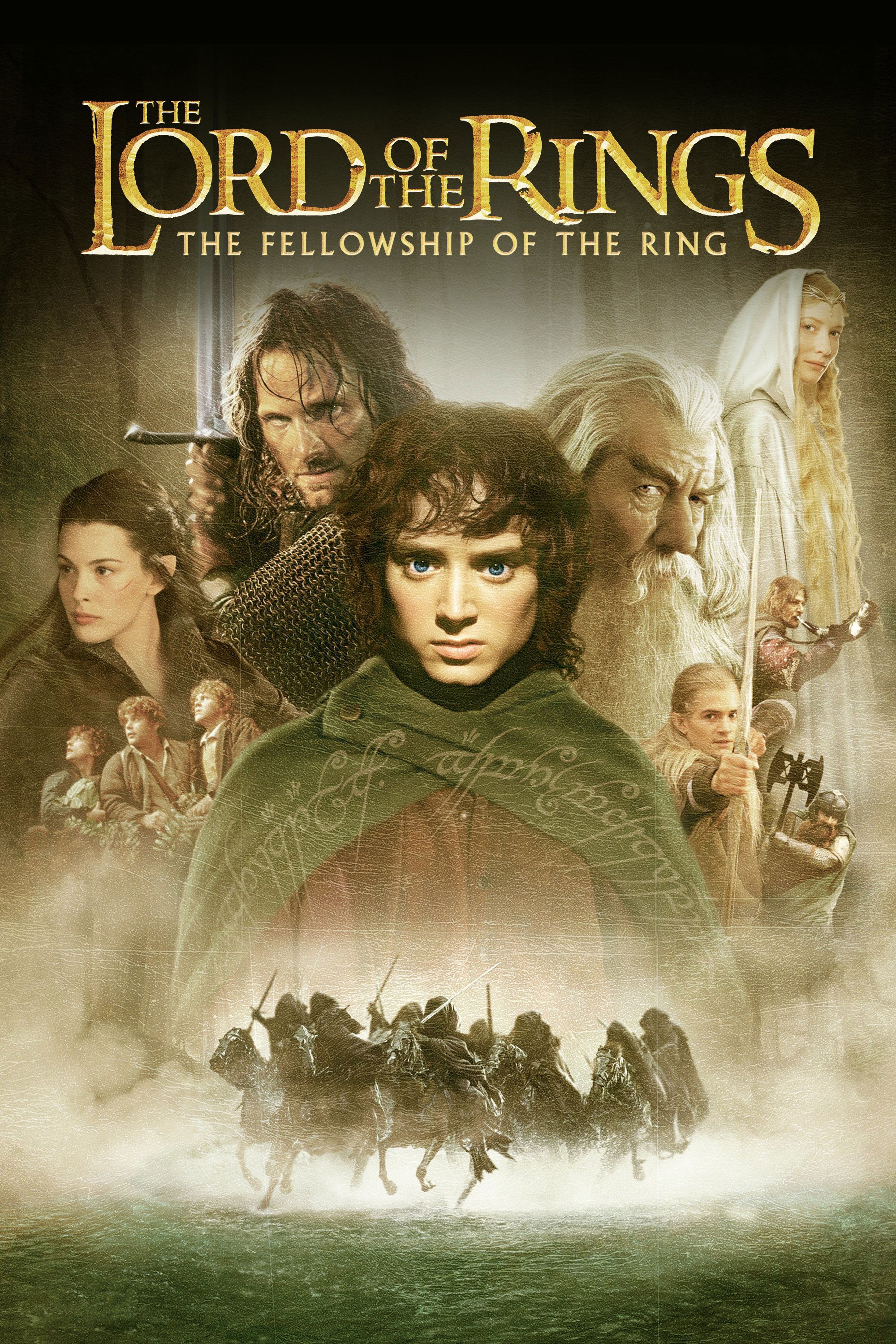
Peter Jackson launches the Middle earth trilogy with extensive location shooting in New Zealand. Weta Workshop and Weta Digital combined practical miniatures with digital creatures and environments. The film received numerous Academy Award nominations and won in categories including makeup and cinematography. Elvish languages and detailed props demonstrate deep world building.
‘The Lord of the Rings: The Return of the King’ (2003)
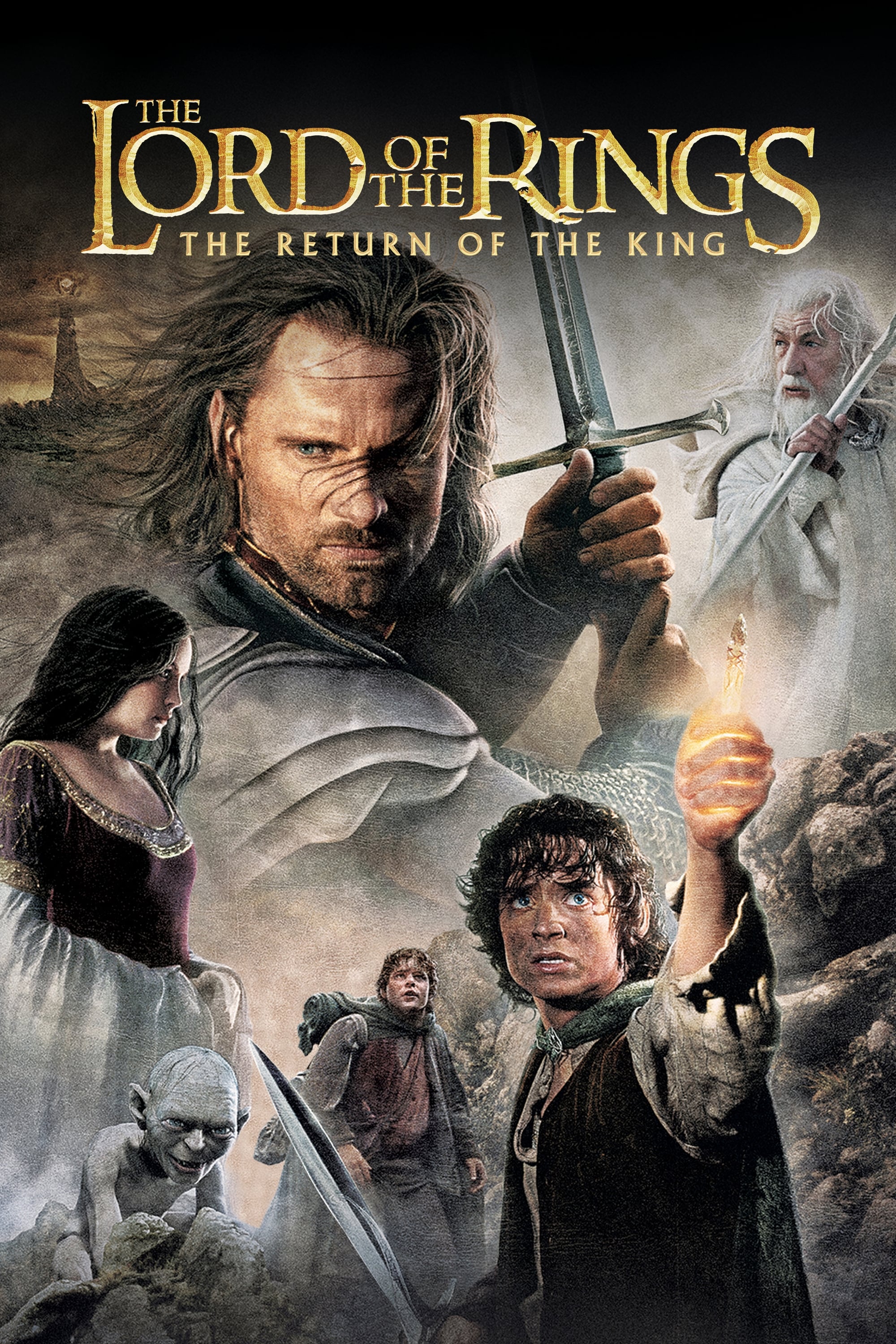
The trilogy concludes with large scale battles and character resolutions across multiple storylines. It won eleven Academy Awards including Best Picture and Director and matched the record for most wins. Post production involved a lengthy edit and additional pickup shoots to refine transitions. The achievement showcased long form adaptation across three interconnected films.
‘Spirited Away’ (2001)
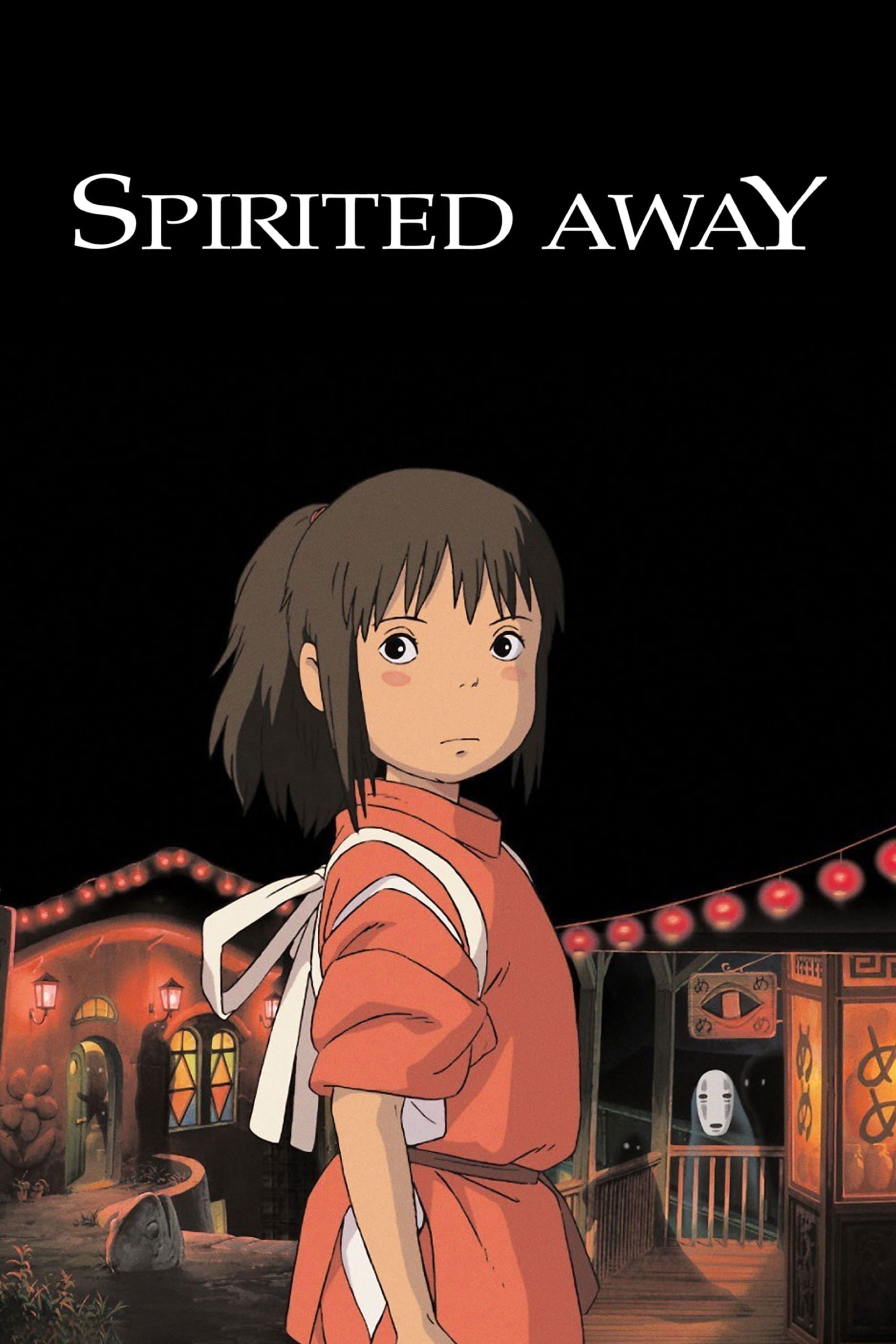
Hayao Miyazaki’s animated feature follows a young girl navigating a spirit world and a bathhouse run by a powerful witch. Studio Ghibli combined hand drawn animation with selective digital compositing. The film won the Academy Award for Animated Feature and the Golden Bear at Berlin. Joe Hisaishi’s score supports a careful balance of wonder and tension.
‘The Matrix’ (1999)
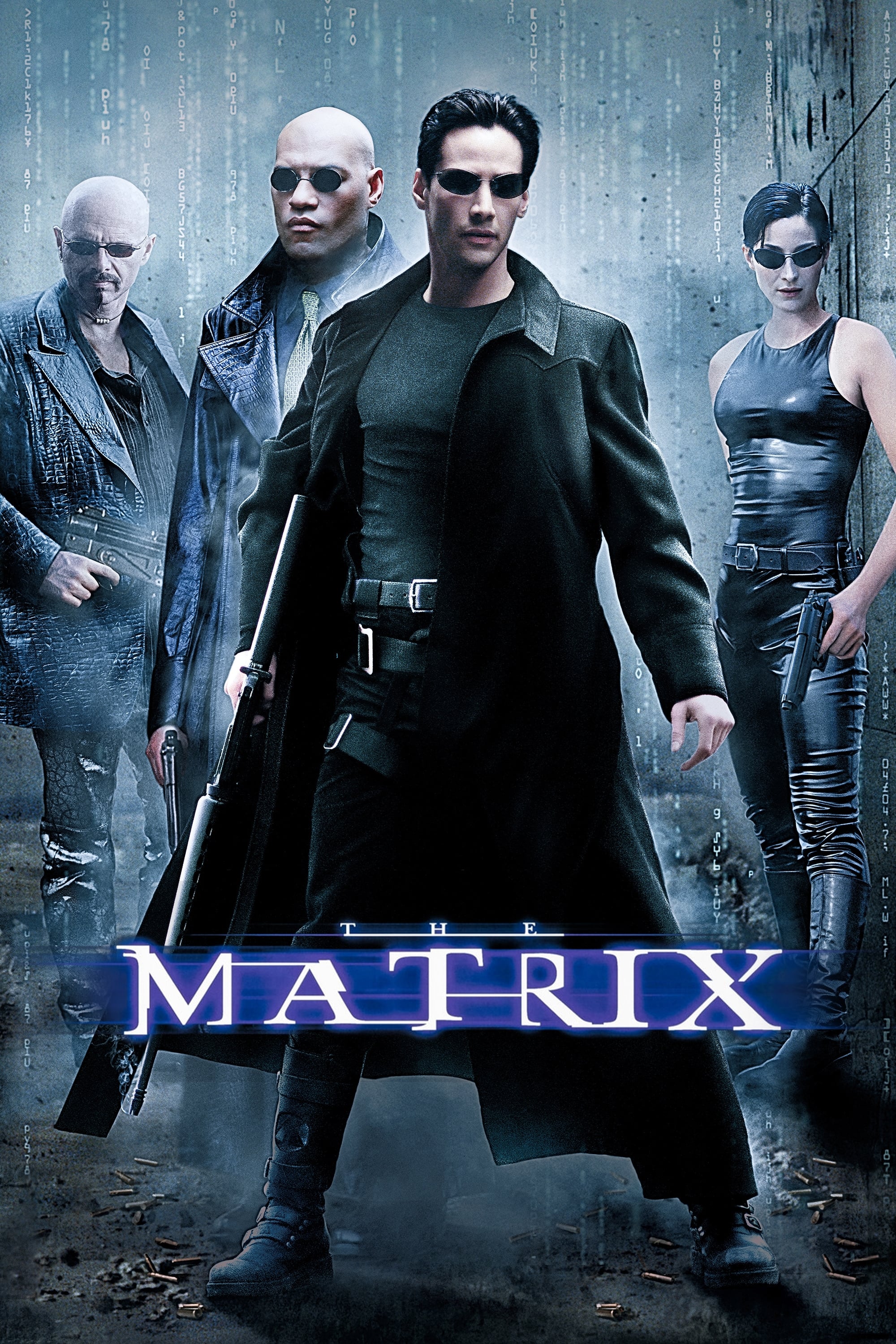
Lana Wachowski and Lilly Wachowski directed a science fiction action film that integrated wire work with bullet time photography. Visual effects received multiple Academy Awards and influenced action design worldwide. The production built a distinct green tinted look for the simulated world and a cooler palette for the real world. Choreography by Yuen Woo ping fused Hong Kong action techniques with Hollywood staging.
‘Back to the Future’ (1985)
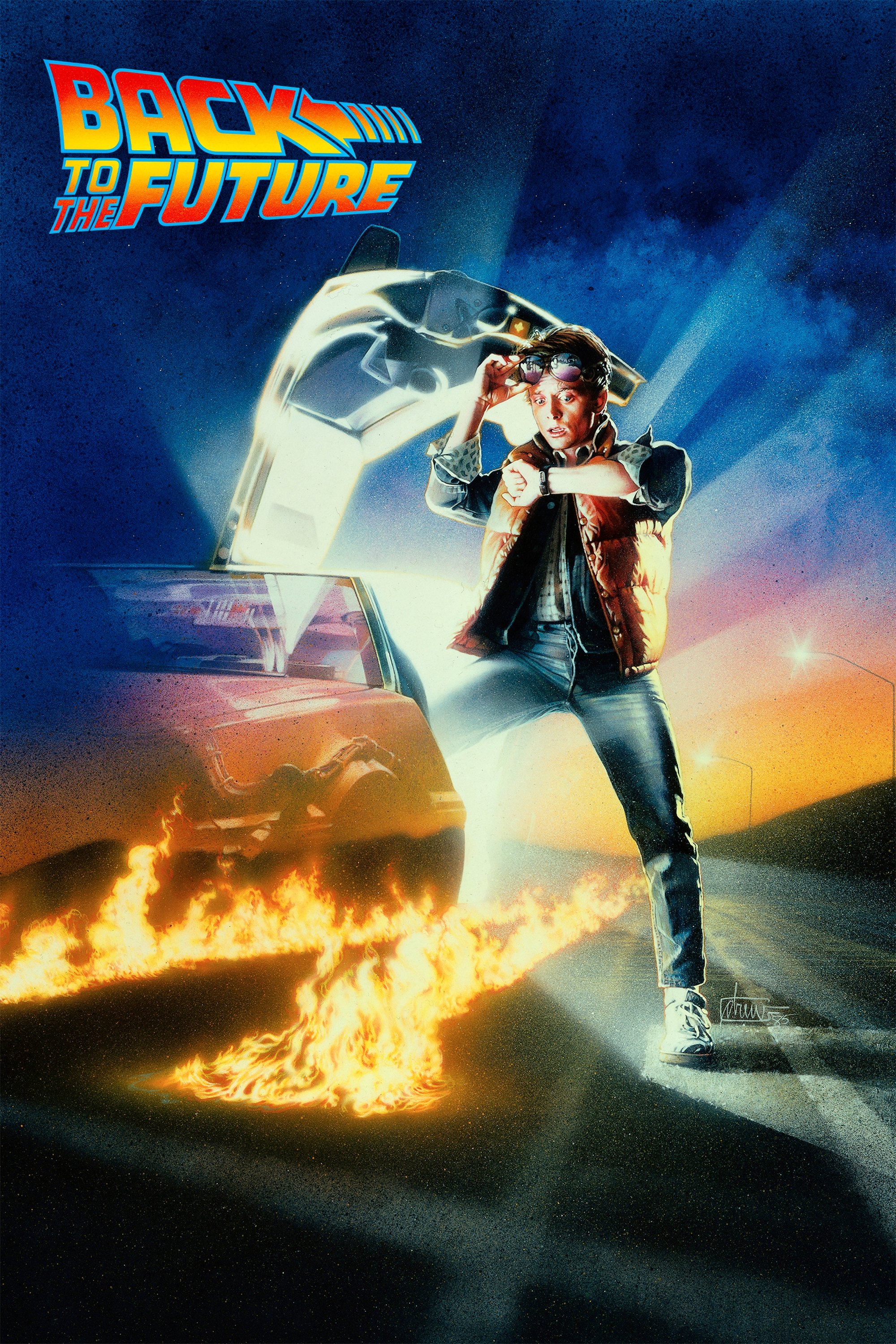
Robert Zemeckis directed Michael J Fox and Christopher Lloyd in a time travel adventure centered on cause and effect. The film won the Academy Award for Sound Effects Editing and received several other nominations. Alan Silvestri’s theme and practical DeLorean car builds became franchise signatures. A mix of optical effects and in camera tricks sells the transitions.
‘Apocalypse Now’ (1979)
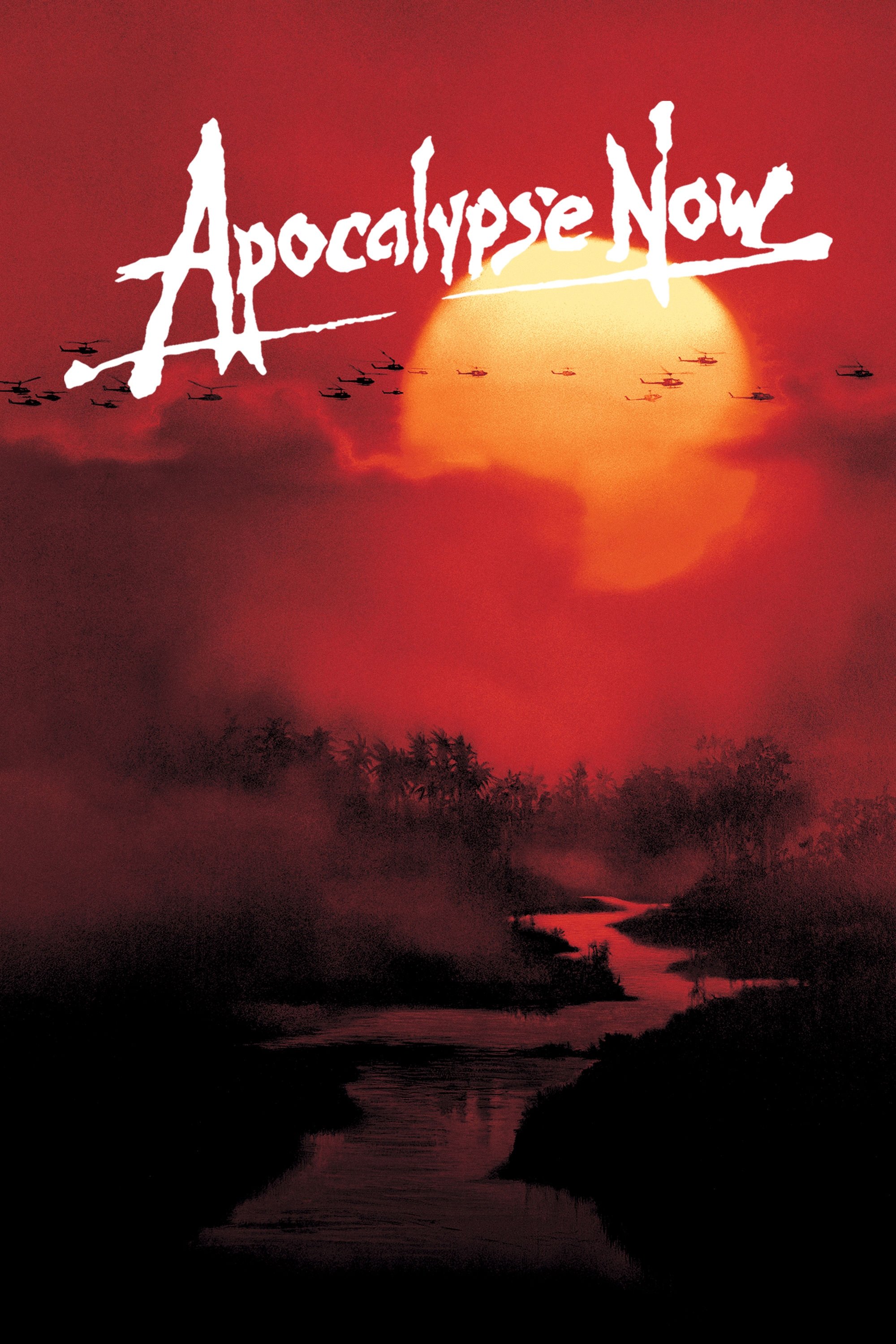
Francis Ford Coppola adapted elements of ‘Heart of Darkness’ to depict a river journey through a conflict zone. The production is documented for its challenging shoot in the Philippines and complex sound design. It won Academy Awards for cinematography and sound and received a Palme d’Or. Multiple cuts exist which are used in film courses to discuss editing decisions.
‘Goodfellas’ (1990)
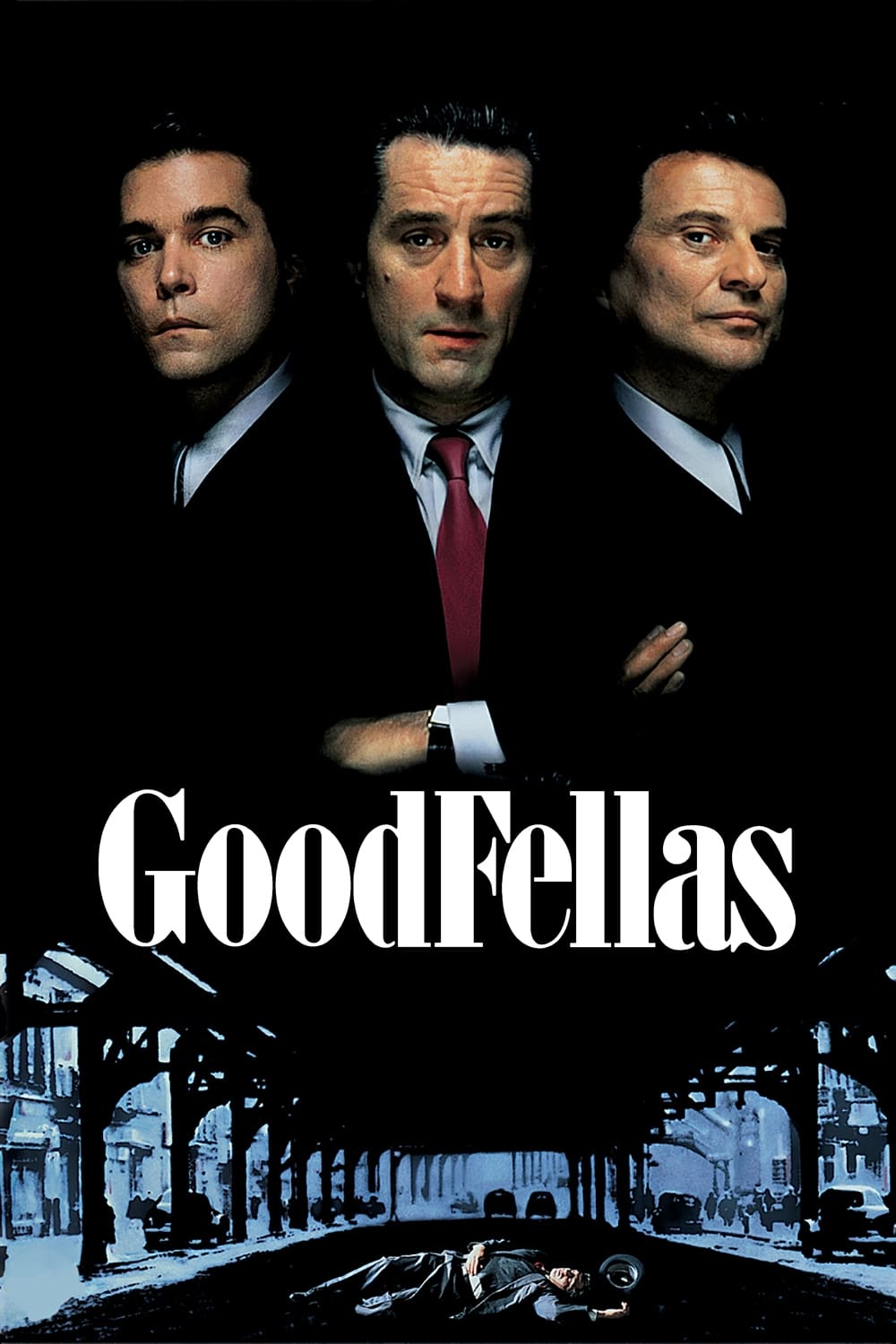
Martin Scorsese chronicles the rise and fall of a New York crime associate with an emphasis on voiceover and needle drops. The film earned multiple Academy Award nominations and a win for Supporting Actor Joe Pesci. Michael Ballhaus’s cinematography includes a widely studied Copacabana steadicam shot. The script adapts a nonfiction book and keeps close ties to documented events.
‘Titanic’ (1997)
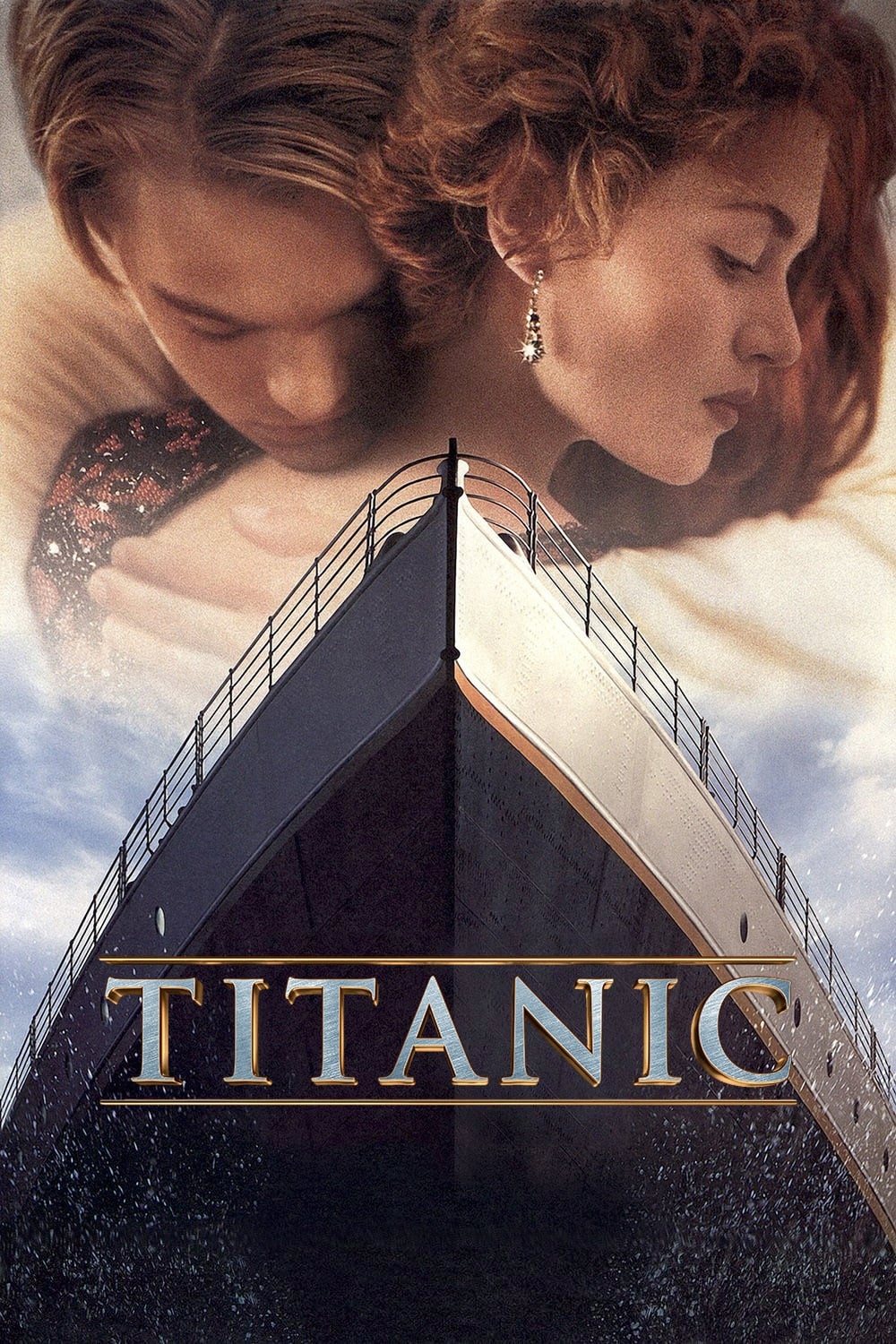
James Cameron recreated the ocean liner with large scale sets and detailed miniatures combined with digital water work. The film won eleven Academy Awards including Best Picture and Director. Its soundtrack by James Horner and a hit single by Celine Dion drove massive album sales. Global box office records were set and later surpassed by another Cameron film.
‘The Dark Knight’ (2008)
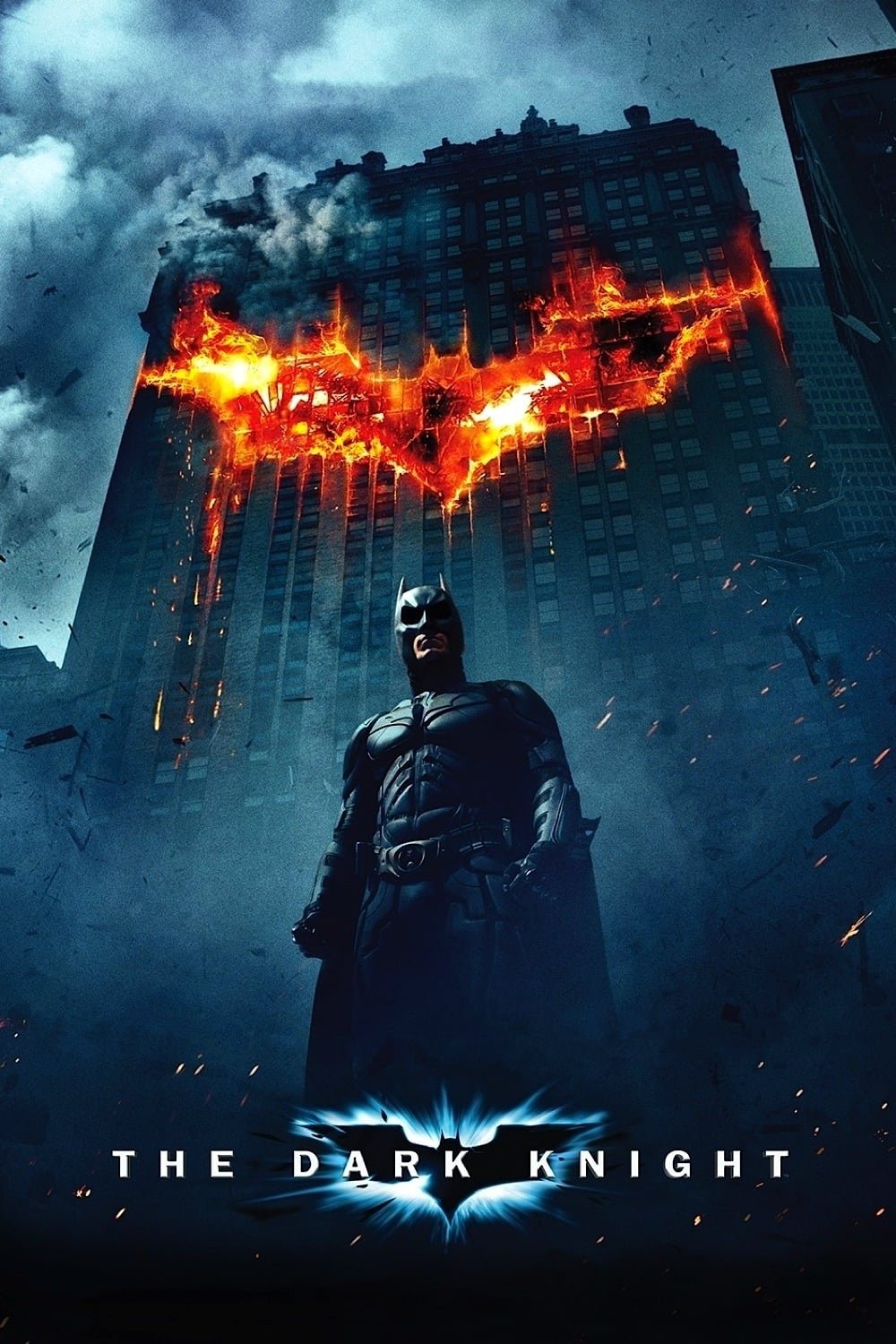
Christopher Nolan’s crime drama uses large format photography and practical effects for key set pieces. The film received multiple Academy Award nominations and won for Supporting Actor and Sound Editing. IMAX cameras were used for several sequences which influenced later event releases. Viral marketing and staggered reveals built anticipation ahead of its premiere.
‘Parasite’ (2019)

Bong Joon Ho’s thriller portrays two families whose lives become entangled across class lines. The film won the Academy Award for Best Picture along with Director, Original Screenplay, and International Feature. Production relied on purpose built sets including the house, designed to control lighting and blocking. Its festival run began with the Palme d’Or at Cannes and led to a global release.
Share your own untouchable picks in the comments so everyone can compare lists.