Top 15 Worst Superhero Video Games, Ranked


Superhero games can be a thrill when they nail the powers and the fantasy, but plenty have stumbled with rushed tie-ins, clumsy controls, and thin content. This list looks back at titles that struggled the most, based on critical reception, technical performance, and long-term reputation among players. You’ll see movie tie-ins that missed their moment, licensed brawlers that felt unfinished, and ambitious projects that couldn’t stick the landing. Arranged as a countdown, these are the entries that most consistently left fans disappointed.
Blade II
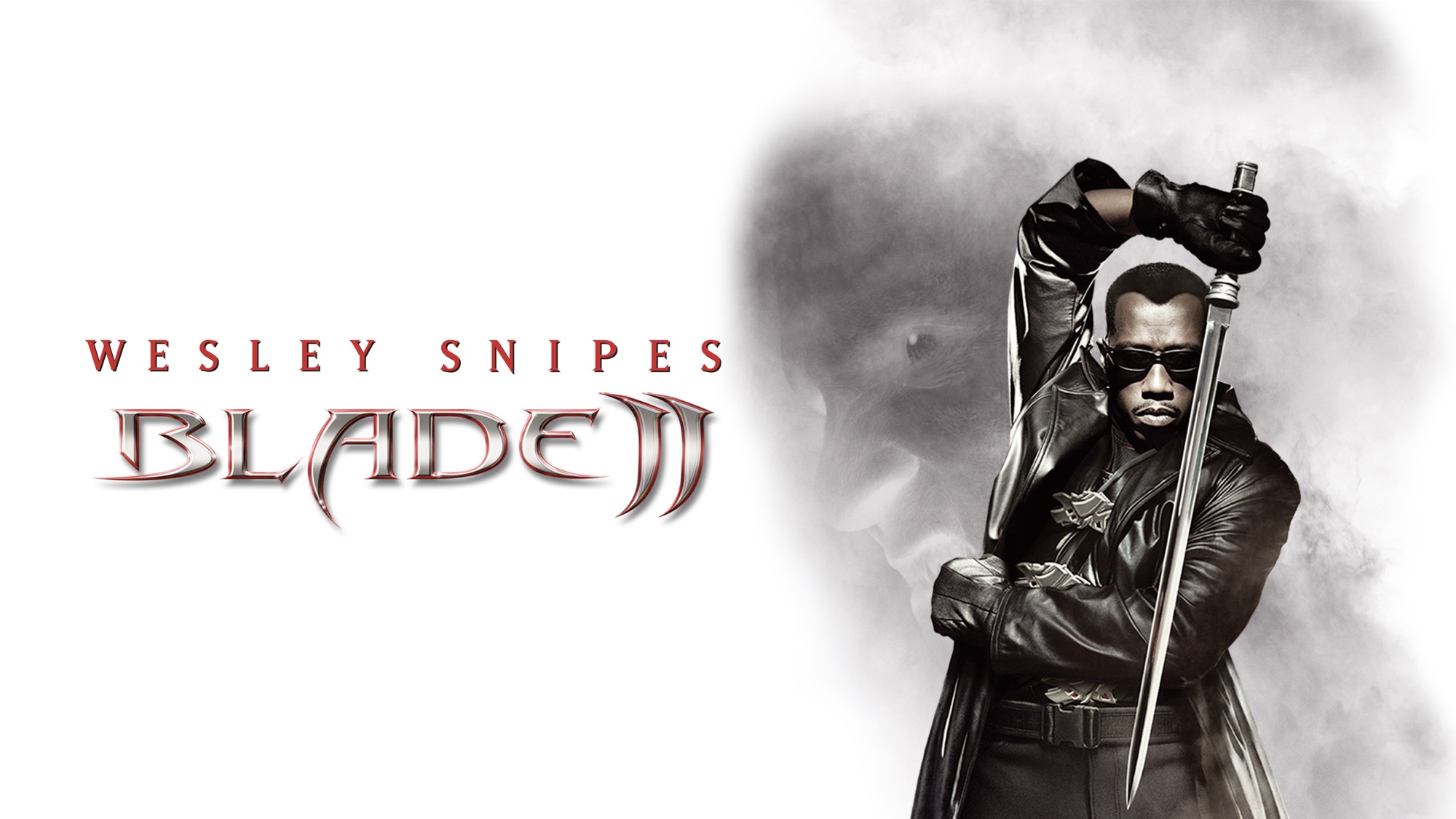
Released on PlayStation 2 in 2002, this tie-in arrived with a beat ’em up framework that swapped traditional combos for an awkward “rage meter” directional attack system. Players moved through corridor arenas where enemy variety and level design rarely changed. Camera issues and repetitive encounters made progression feel like a chore. The soundtrack and film license were present, but the core mechanics didn’t support repeat play.
Avengers: Battle for Earth
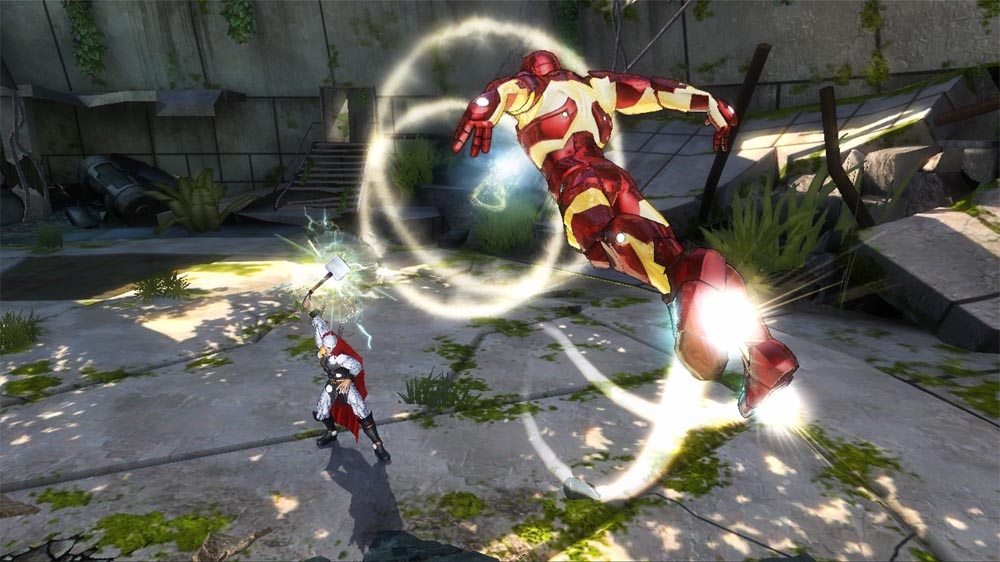
Arriving in 2012 for Xbox 360 Kinect and Wii U, this fighter focused on motion controls over precise inputs. The roster pulled from popular Marvel heroes, yet the gesture detection often misread moves and slowed matches to a crawl. Modes leaned on brief challenges with limited depth for solo players. With timing and accuracy tied to motion recognition, the game struggled to deliver consistent combat flow.
Spider-Man 3
The 2007 film tie-in launched across multiple platforms with an expanded open world and set-piece missions. Streaming issues and performance dips on certain consoles disrupted traversal and combat. Mission structure recycled enemy types while quick-time events handled many boss moments. While web-swinging remained a highlight in concept, inconsistent frame rates and bugs pulled attention away from exploration.
The Amazing Spider-Man 2
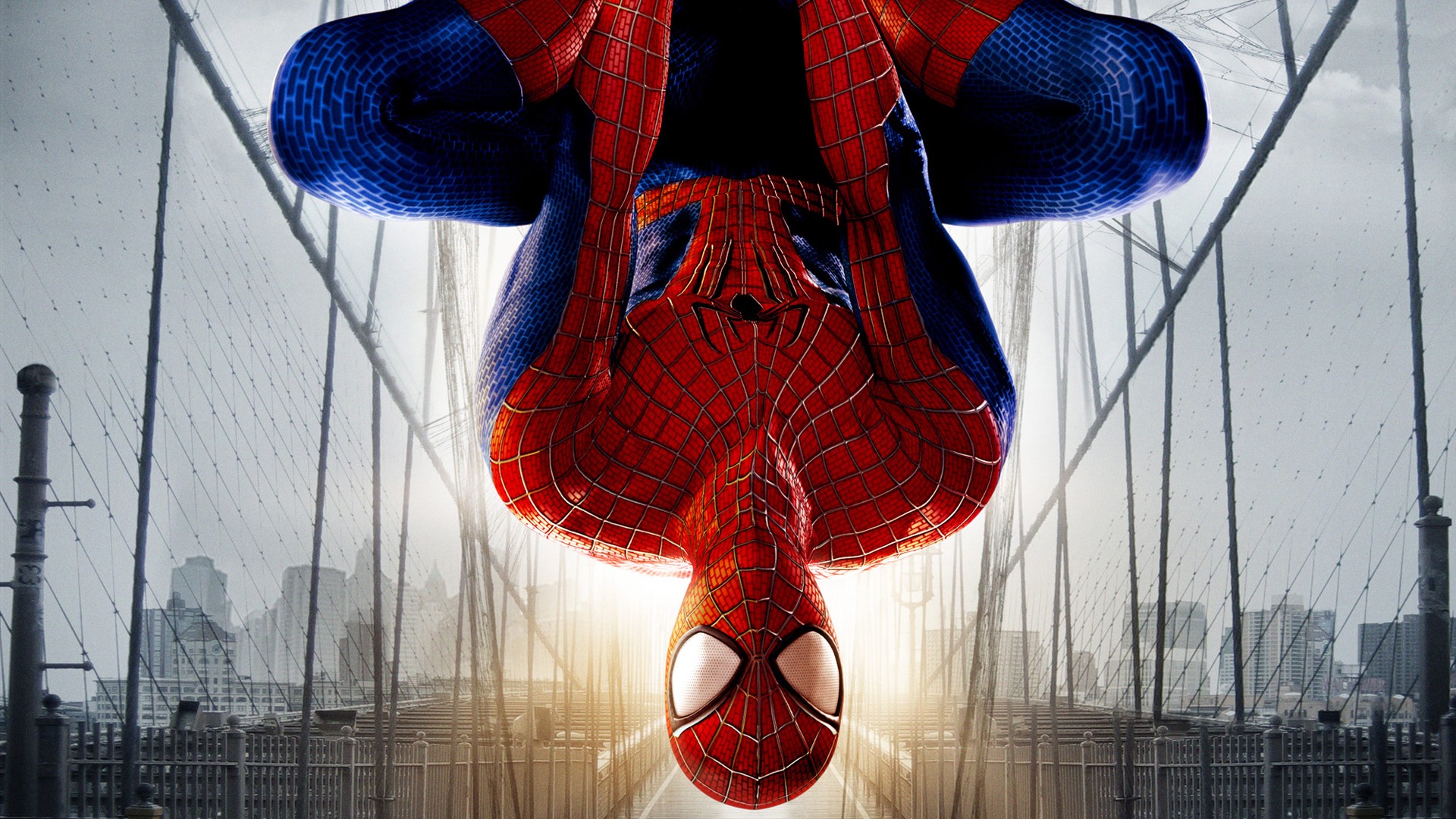
This 2014 release introduced a “Hero or Menace” system that penalized players for missing random crimes, which could trigger unwanted consequences around the city. Visual and performance differences between platforms drew criticism, with the Xbox One version notably delayed and later delisted for a time. Side activities repeated frequently, limiting variety between main story beats. Web-swinging added depth with separate triggers for each hand, but city events often felt like chores rather than discoveries.
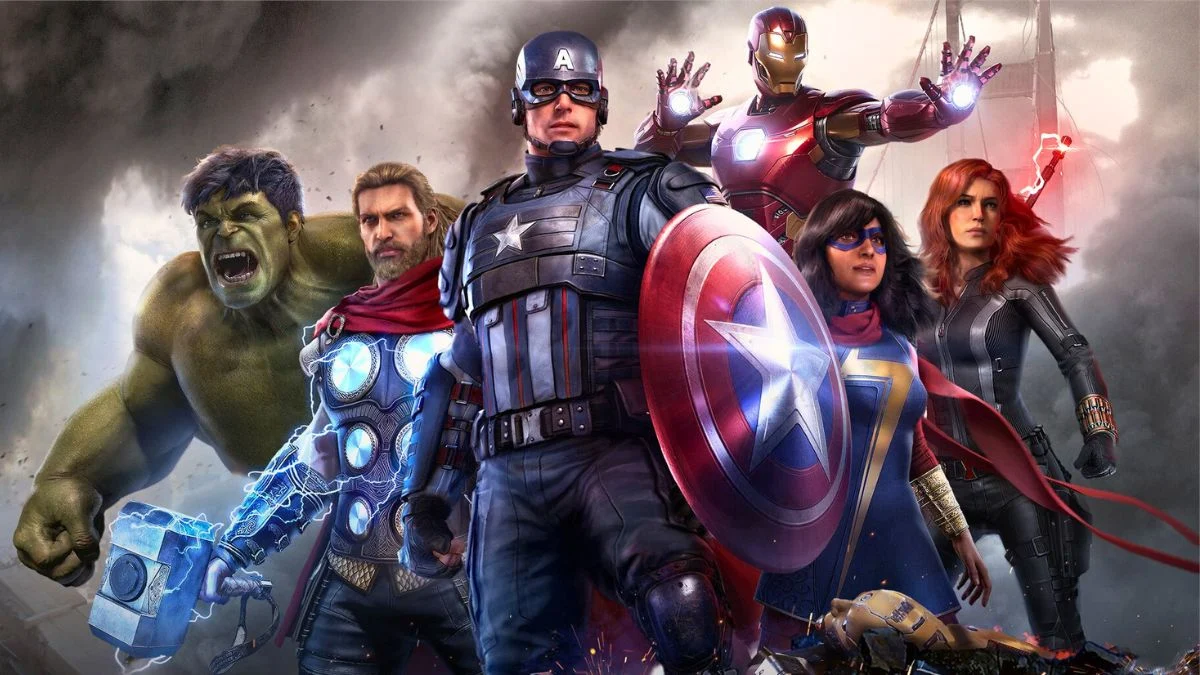
Marvel’s Avengers
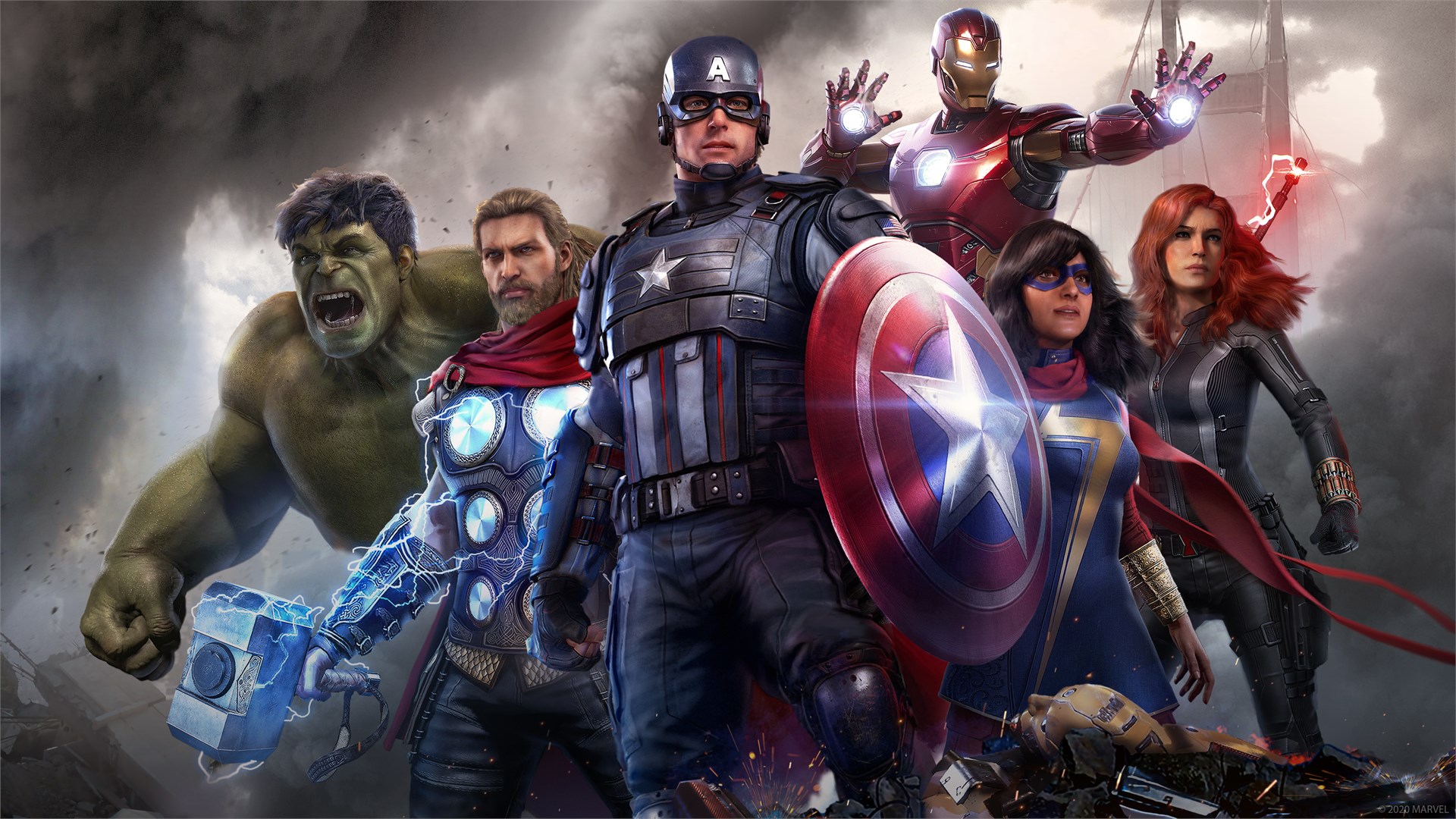
Launched in 2020 as a live service action game, this title mixed a single-player campaign with ongoing multiplayer grinds. Post-launch plans brought new heroes and story drops, but matchmaking, loot balancing, and repeated mission templates weighed on engagement. Technical issues and content cadence contributed to a declining player base. Official support ended in 2023, and the game was delisted in 2024, leaving only the offline experience for owners.
Green Lantern: Rise of the Manhunters
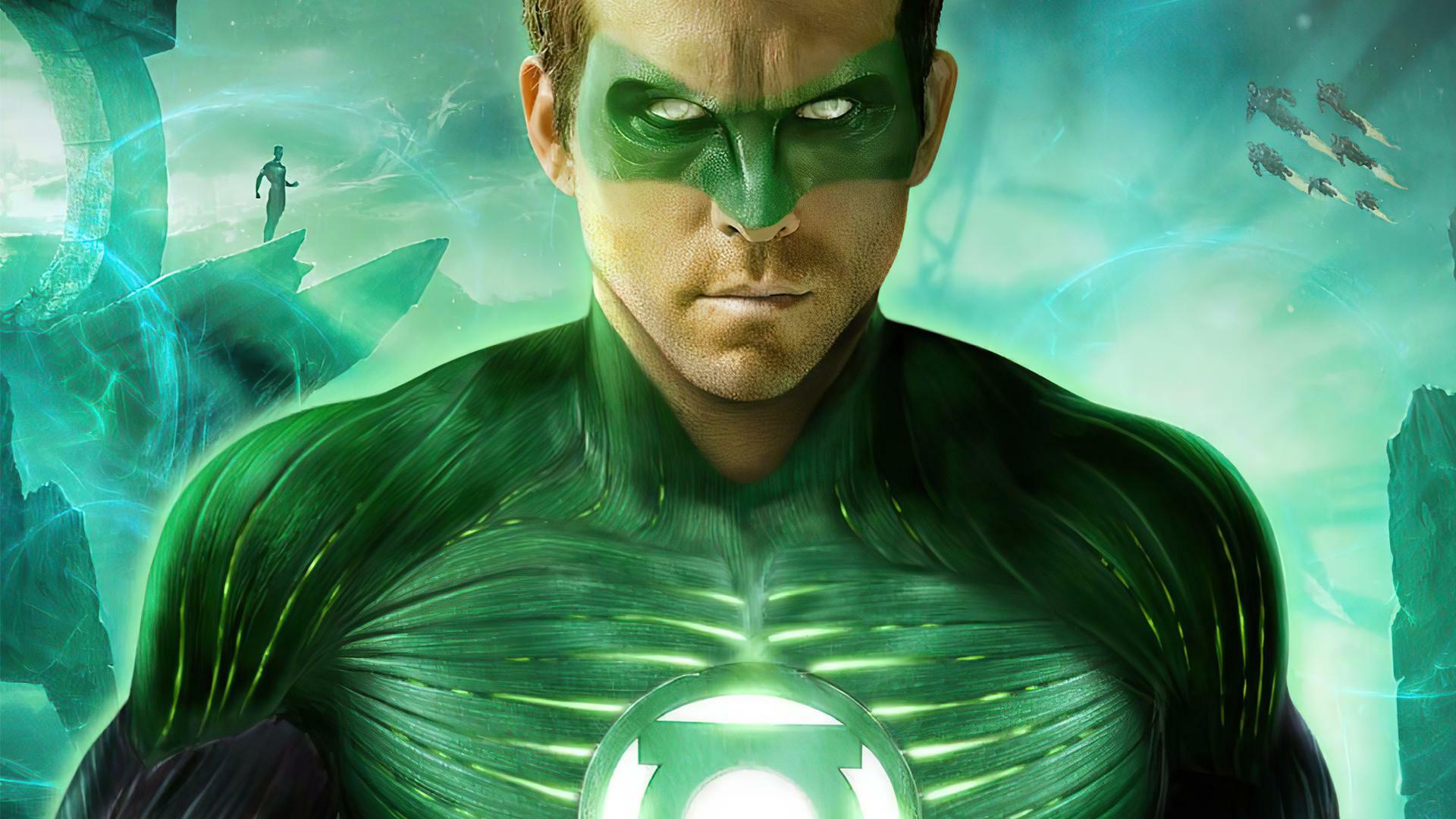
Tied to the 2011 film, this action brawler used ring constructs for melee strings and ranged attacks across linear stages. Co-op support added a second player, yet level layouts and enemy patterns repeated heavily. Progression relied on simple upgrades rather than meaningful build variety. With short missions and predictable objectives, the campaign offered little reason to revisit after completion.
Marvel Nemesis: Rise of the Imperfects
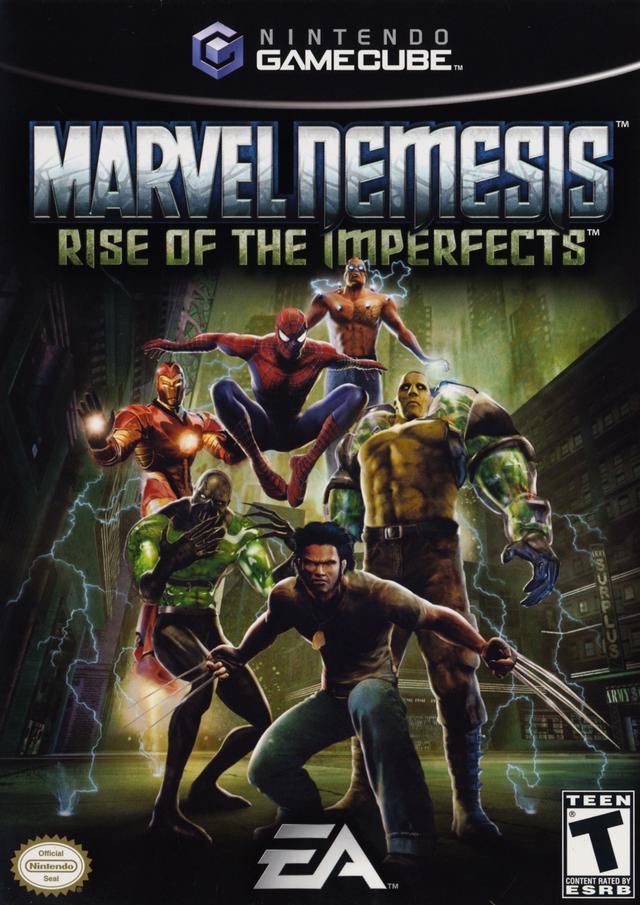
This 2005 arena fighter introduced original villains alongside Marvel icons and placed them in small, interactive stages. Environmental hazards drove much of the strategy, but camera pulls and targeting made spacing unreliable. The story campaign featured brief character arcs that ended quickly, limiting attachment to the new faction. Online features were present at launch, though the limited move sets and balance issues hindered competitive longevity.
Batman & Robin
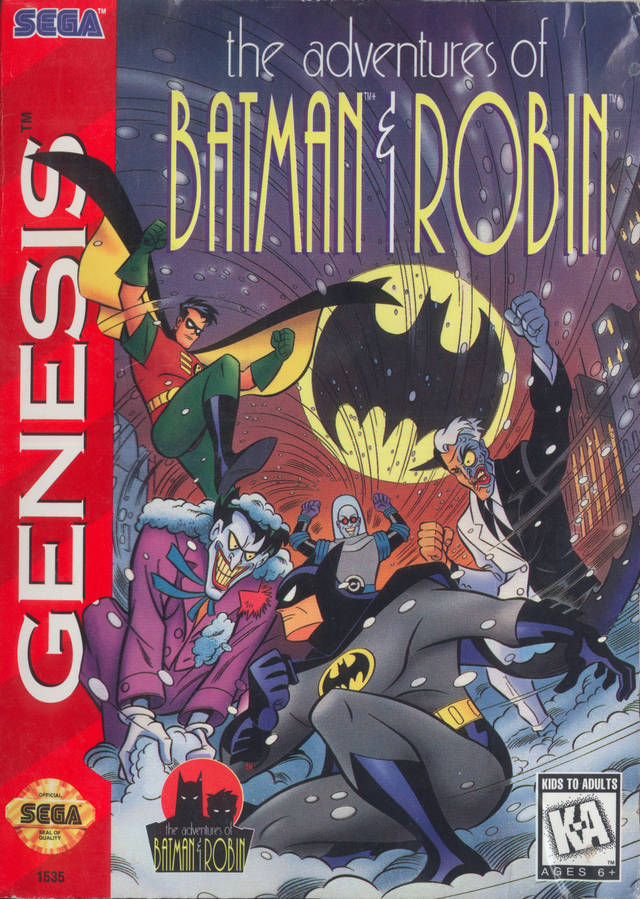
The 1998 PlayStation release presented an open Gotham with time-based missions that required players to locate crimes with minimal guidance. Vehicle handling and navigation made reaching events difficult, causing objectives to expire before arrival. Interiors used fixed camera angles that obscured enemies and paths. With progression tied to strict timers and unclear hints, the structure often blocked players from seeing key content.
Fantastic Four: Rise of the Silver Surfer
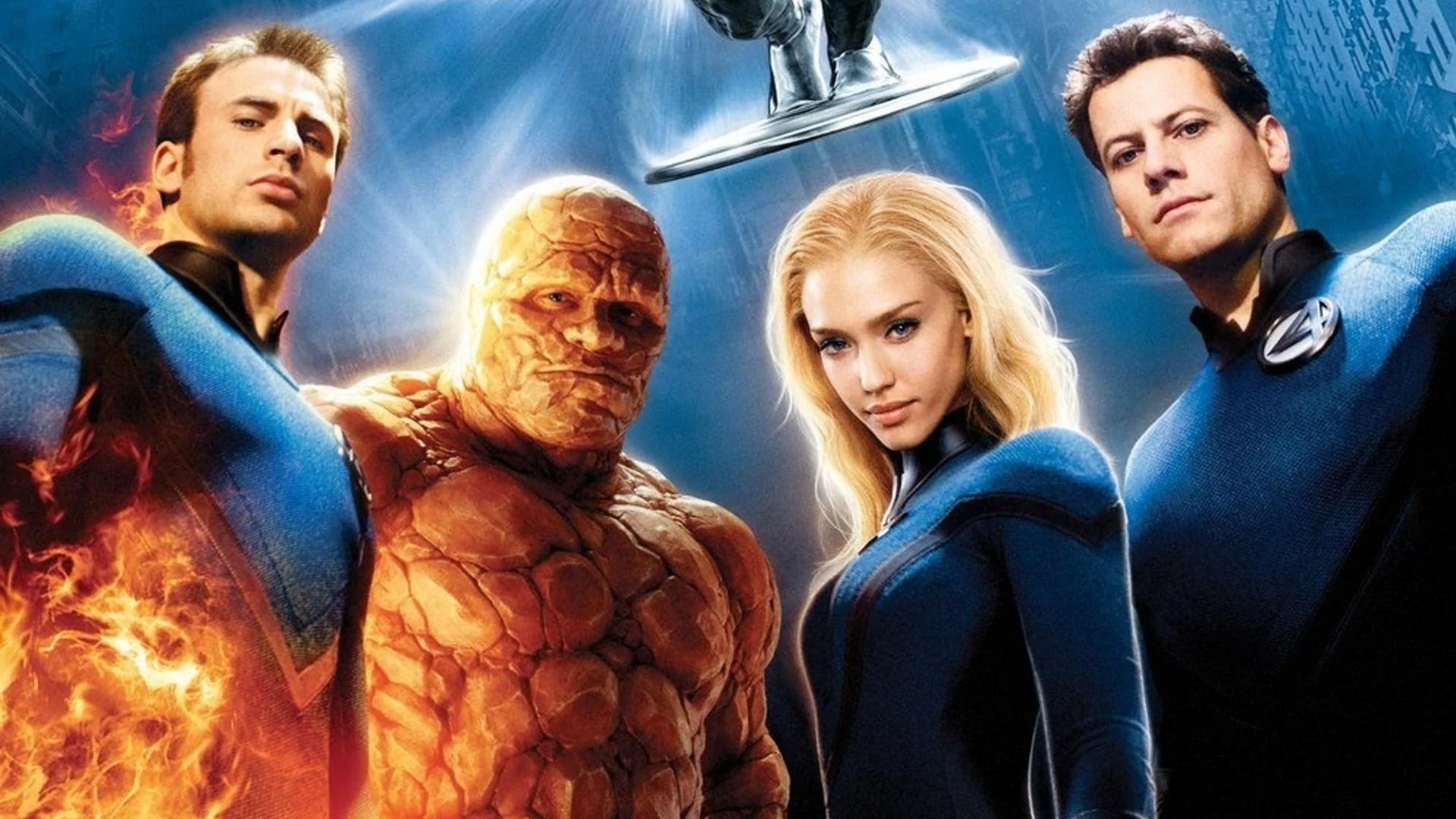
This 2007 four-player brawler let users swap or team up across the full team, but combos and special moves had minimal depth. Level designs recycled corridor fights with similar waves of foes. Bosses leaned on pattern repetition and quick-time prompts rather than puzzle variety. The campaign wrapped quickly, offering few unlocks or challenges to extend play.
Thor: God of Thunder
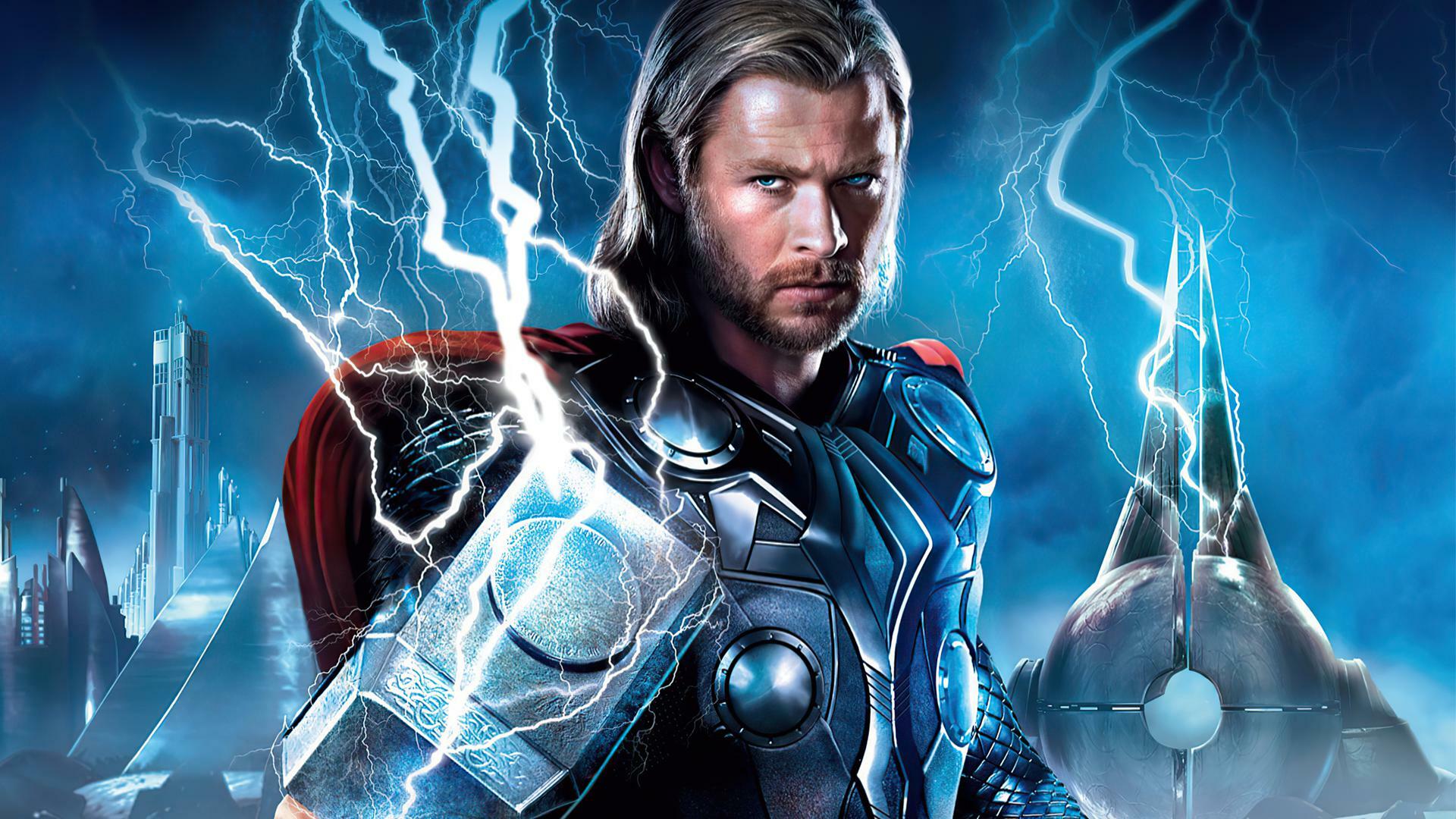
Released in 2011 to coincide with the film, this game emphasized hammer-based combos and lightning finishers. Enemy groups spawned in loops that asked players to repeat the same attacks to progress. Platforming segments relied on imprecise jumps and camera resets. While alternate costumes and collectibles existed, the core loop rarely evolved beyond basic crowd control.
Iron Man
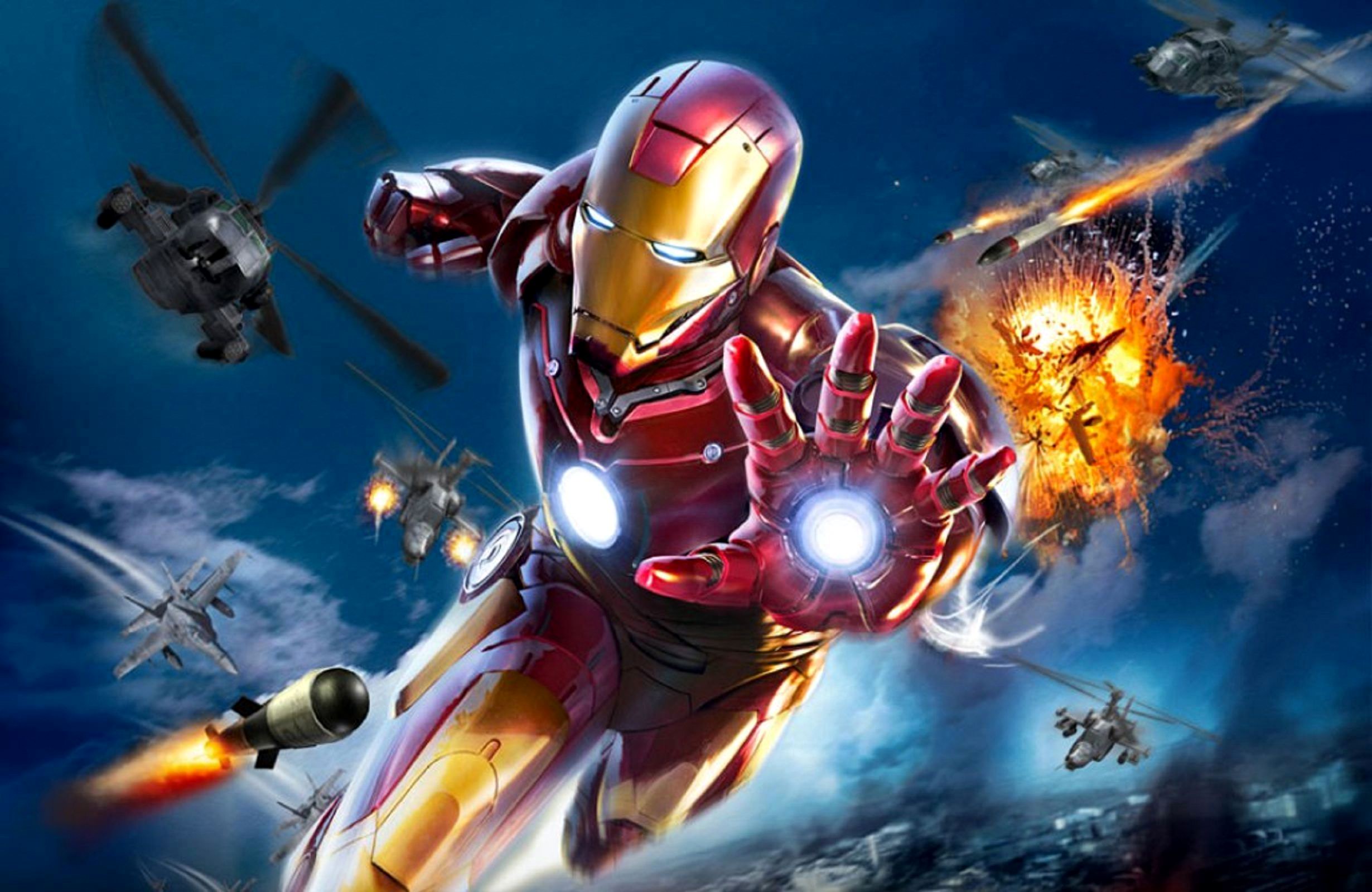
The 2008 tie-in aimed for aerial combat and ground assaults with customizable suits. Flight controls were floaty on several platforms, and targeting struggled to keep pace with fast-moving enemies. Mission goals often boiled down to destroy-and-escort sequences repeated across different maps. Upgrades unlocked new weapons, yet encounters rarely required varied loadouts to succeed.
X-Men Destiny
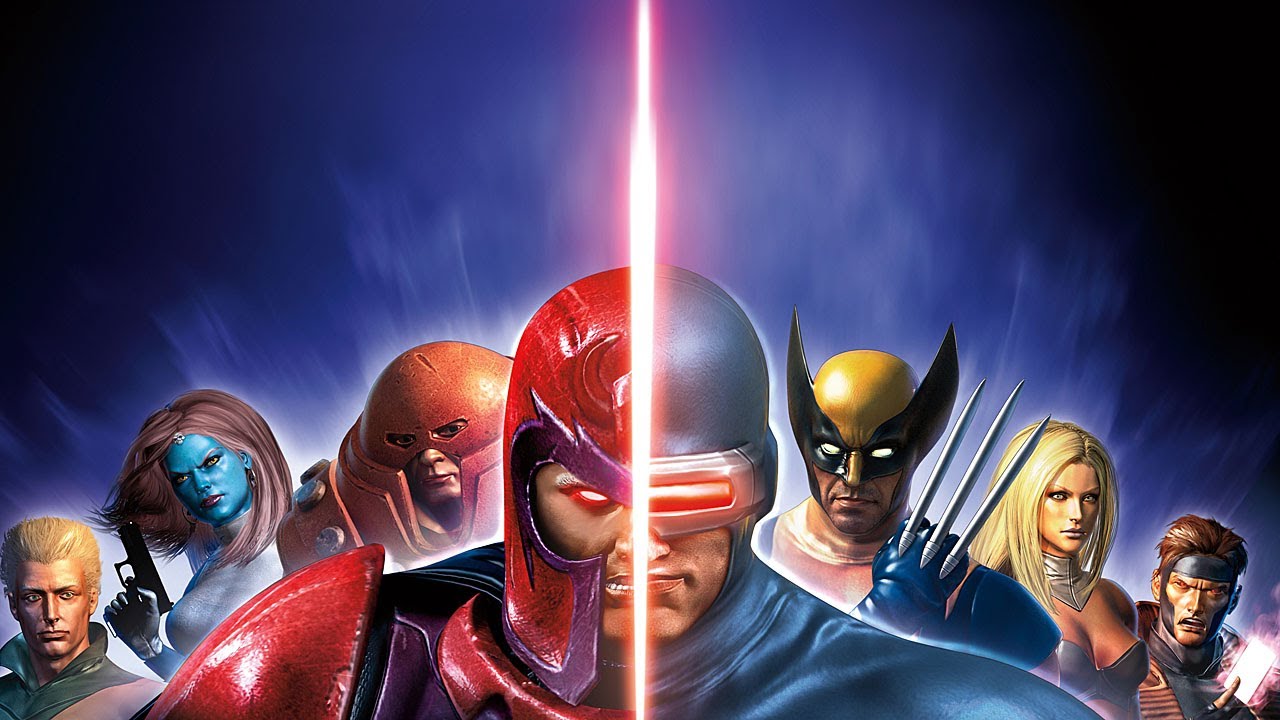
This 2011 action RPG offered three original protagonists with branching power sets, but choices were limited and rarely changed mission outcomes. The campaign unfolded as a short series of linear stages with brief side detours. Collecting suit pieces from famous mutants provided stat bonuses without transforming play styles. Reports of a rushed development cycle surrounded the release, and the game was later removed from digital storefronts due to licensing.
Catwoman
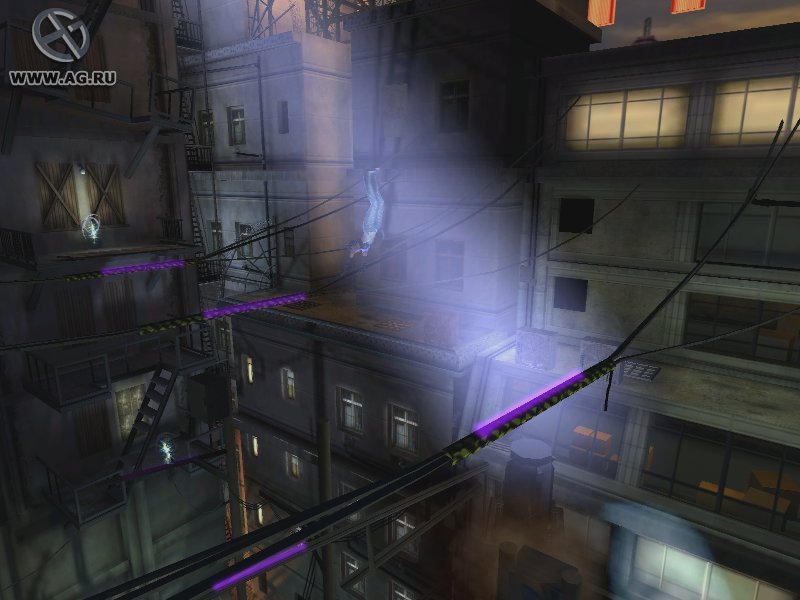
Released in 2004 across multiple systems, this adaptation followed the film’s plot with platforming and whip-assisted traversal. Fixed camera angles and auto-targeting often misread player intent during jumps and fights. Levels looped similar stealth and chase beats without expanding the toolset. Bonus galleries and collectibles existed, but core movement stayed inconsistent throughout the campaign.
Batman: Dark Tomorrow
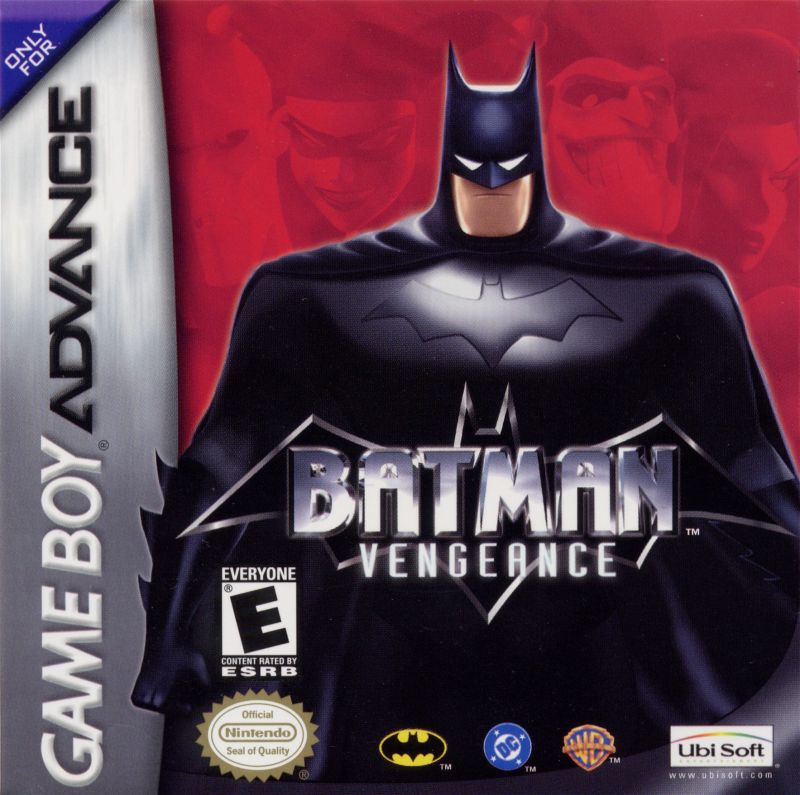
This 2003 title promised a gritty story featuring classic villains and multiple endings. Tank-like controls and an uncooperative camera made basic movement and combat difficult. Puzzle triggers required exact positioning, which could stall progress without clear feedback. The stealth and gadget systems offered possibilities on paper, yet the execution left objectives hard to parse.
Superman 64
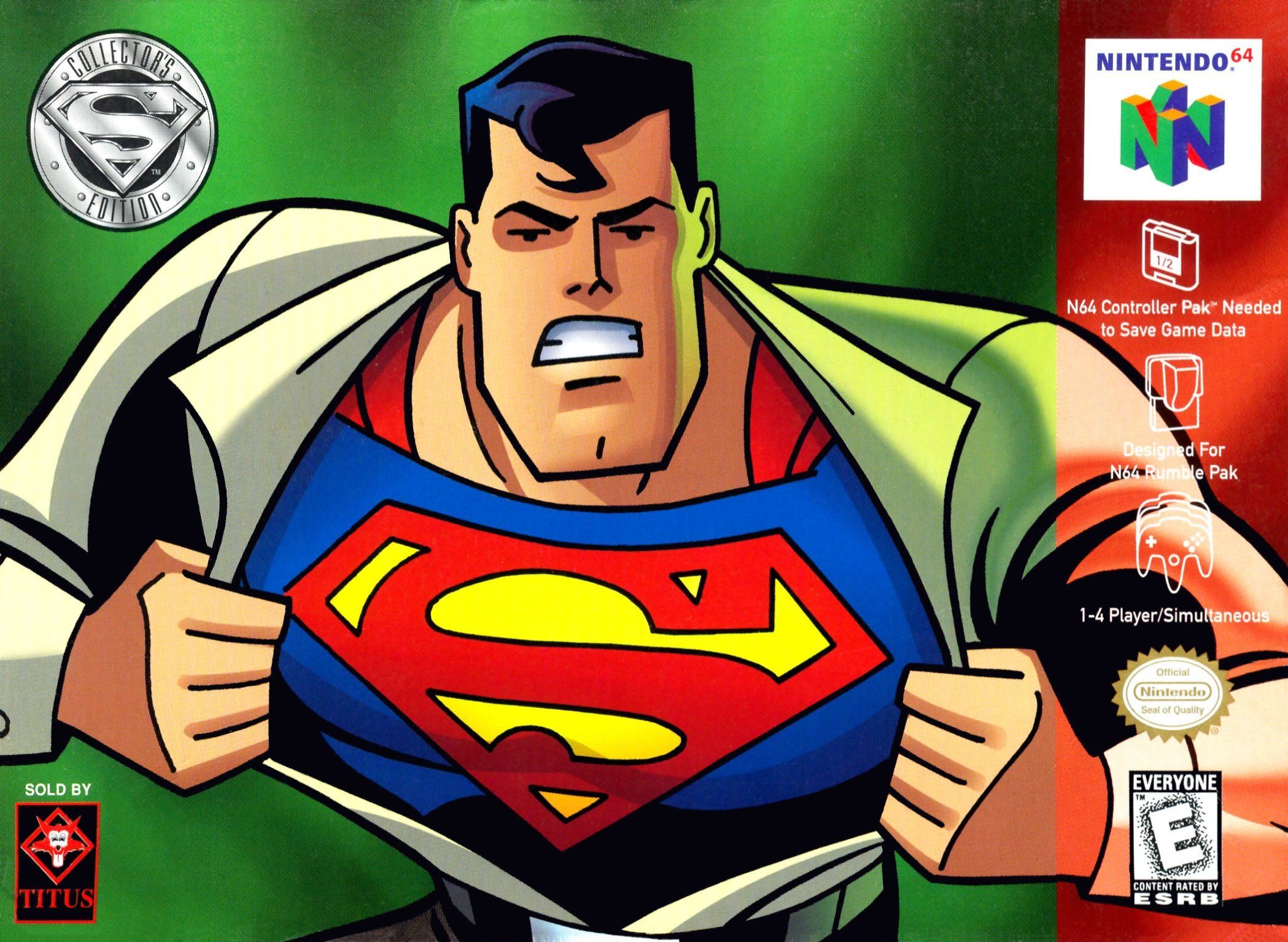
Released in 1999 for Nintendo 64, this game placed players in a virtual Metropolis filled with timed ring flights and abrupt rescue tasks. Fog-heavy graphics and frequent frame rate drops affected visibility and control. Mission design recycled similar objectives with strict timers that reset entire segments on failure. A planned second mode attempted open exploration, but technical constraints kept most activities confined to short challenges.
Share your picks in the comments and tell us which superhero games let you down the most.