‘Sailor Moon’ Mistakes You’ll Never Be Able to Unsee



The world of ‘Sailor Moon’ is packed with heart, humor, and stylish transformations—plus a surprising number of little production hiccups and continuity slip-ups that sharp eyes catch on rewatch. From recycled animation that ignores later costume upgrades to symbols flipping the wrong way when a cel gets mirrored, these are the kinds of errors that pop up across multiple episodes and versions. You’ll see color swaps, disappearing accessories, and even geography that doesn’t quite line up with real Tokyo. Dubs and edits add their own quirks, especially where relationships and identities were altered for local broadcasts. Here are ten widely noted mistakes, explained with quick context so you can spot them the next time you revisit the saga.
Stock Transformations That Ignore Costume Upgrades
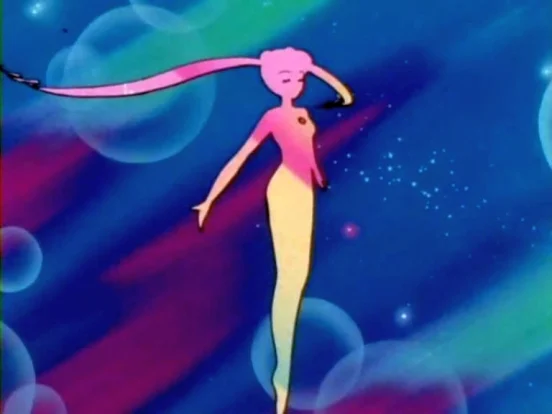
The classic series frequently reuses earlier stock transformation footage long after the Guardians receive new brooches, earrings, and choker designs. As a result, you’ll occasionally see Sailor Moon’s earlier brooch or ribbon style appear in a transformation sequence that follows an upgrade introduced in later arcs like ‘Sailor Moon R’ or ‘Sailor Moon S’. This mismatch happens because the show leaned on pre-existing cuts to save time and budget, even when costumes evolved. Viewers can spot the discrepancy by comparing the brooch, choker emblem, or earring shape shown mid-sequence to the outfit that appears in the immediately following scene.
Mirrored Cels That Flip the Crescent Moon
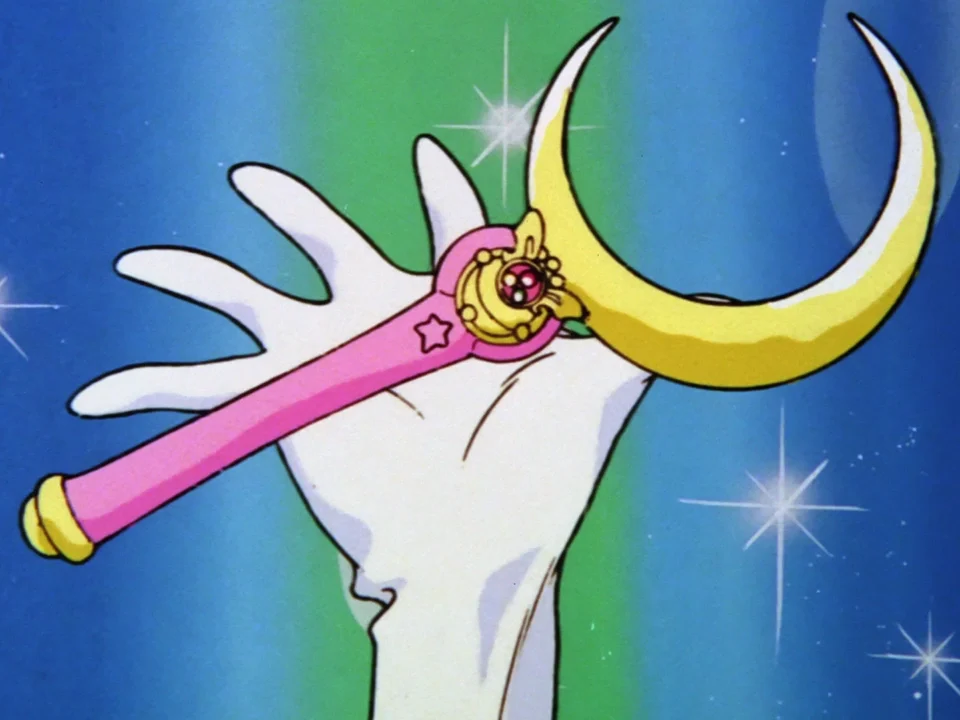
To correct layout or eyeline issues, animators sometimes mirrored a cel, which accidentally flips crescent symbols on foreheads, wands, or items. The crescent is directional, so a mirror image makes it curve the wrong way, creating an instant visual tell. These flipped shots can appear during quick action cuts, where the reversal is easy to miss unless you’re looking at the shape of the crescent. The same trick can also invert text or signage in the background, another giveaway that a frame was mirrored.
Disappearing Accessories Between Cuts
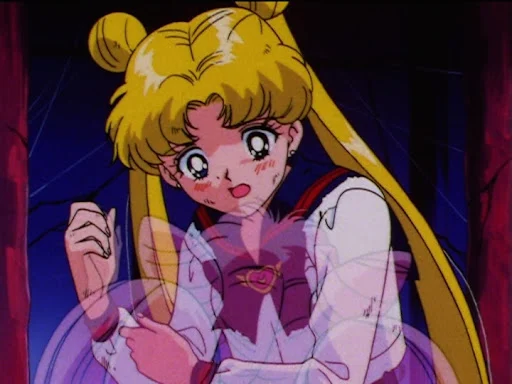
Rapid cutting can lead to chokers, earrings, tiara gems, or glove trims vanishing and then reappearing a moment later. These continuity gaps often occur during fight scenes where multiple animation teams hand off adjacent shots. Because model sheets list many small details, a missing accessory in one cut can slip through if the in-betweens are rushed. You’ll see this most clearly on close-ups that jump to a medium shot where an element simply isn’t there, then returns in the next angle.
Ribbon and Uniform Color Swaps
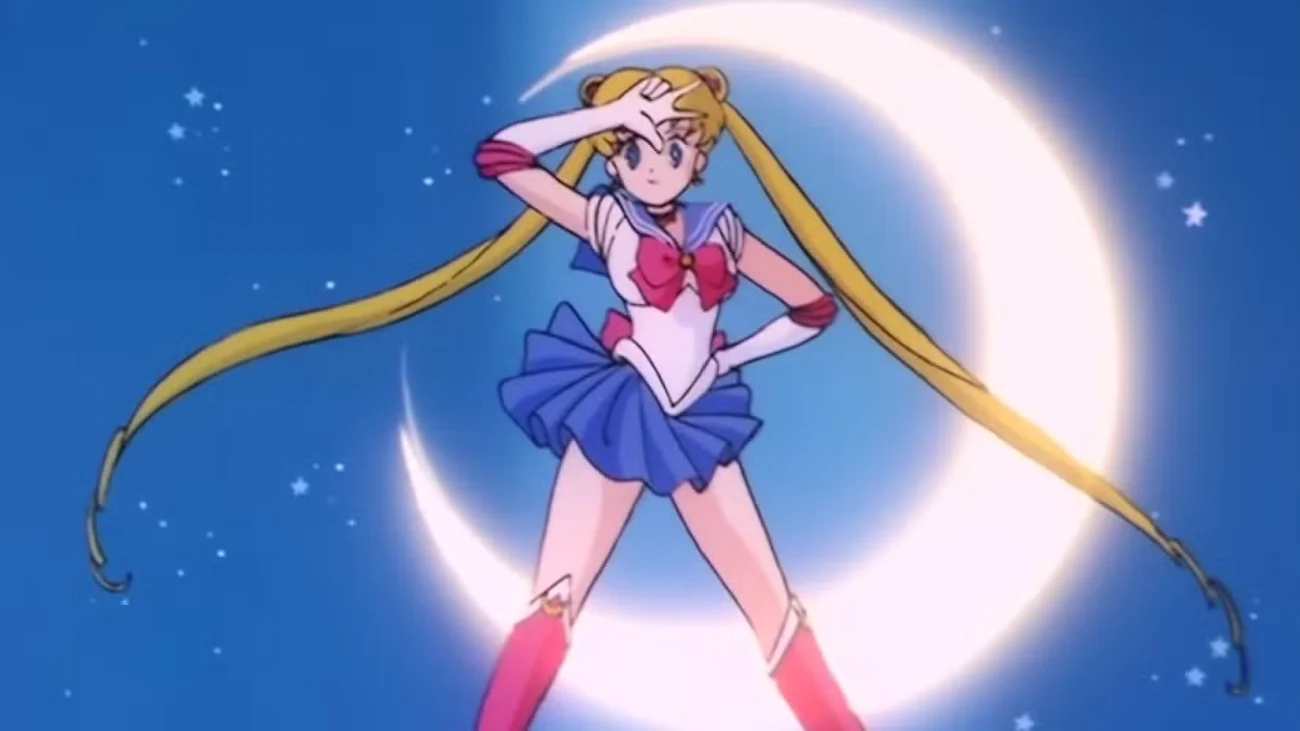
Across different studios and episodes, the Guardians’ ribbon shades, skirt highlights, and boot accents can drift from their established palette. Lighting changes are sometimes the intended explanation, but palette inconsistencies also come from differing episode teams and paint references. On rewatch, you can spot bows that skew darker or lighter than the surrounding outfit, or accents that briefly adopt a teammate’s color. These variations are most visible in crowd shots and quick pans, where exact color matching is easiest to miss during production.
Hair Length and Bangs That Change Mid-Scene

Usagi’s odango buns and long twin-tails, along with the other characters’ bangs and fringes, can shift length or shape between consecutive cuts. Model sheets specify typical proportions, but action layouts and different key animators sometimes simplify or stretch hair to fit the pose. This creates jumps where a strand disappears, a bun shrinks, or bangs sit higher on the forehead than before. The effect is especially noticeable when a close-up is followed by a full-body shot drawn by a different team.
Tuxedo Mask’s Costume Details That Won’t Sit Still
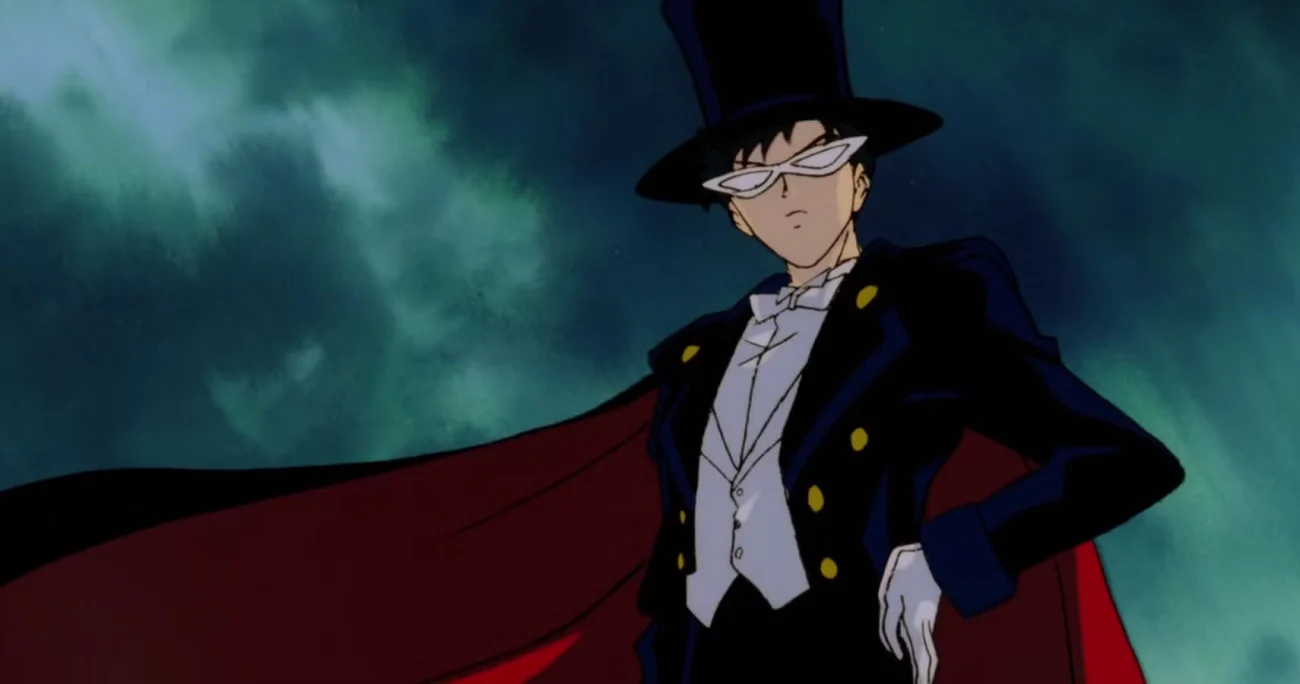
Mamoru’s tuxedo, cape lining, mask shape, and even rose stem color occasionally change from shot to shot. The cape sometimes loses its inner contrast, the mask widens or narrows, and the boutonnière or gloves can shift in design. These inconsistencies stem from multiple animation units interpreting model references slightly differently under tight schedules. You can spot them by tracking the cape interior and mask outline across an action beat or a dramatic entrance.
Background Loops and Copy-Pasted Extras
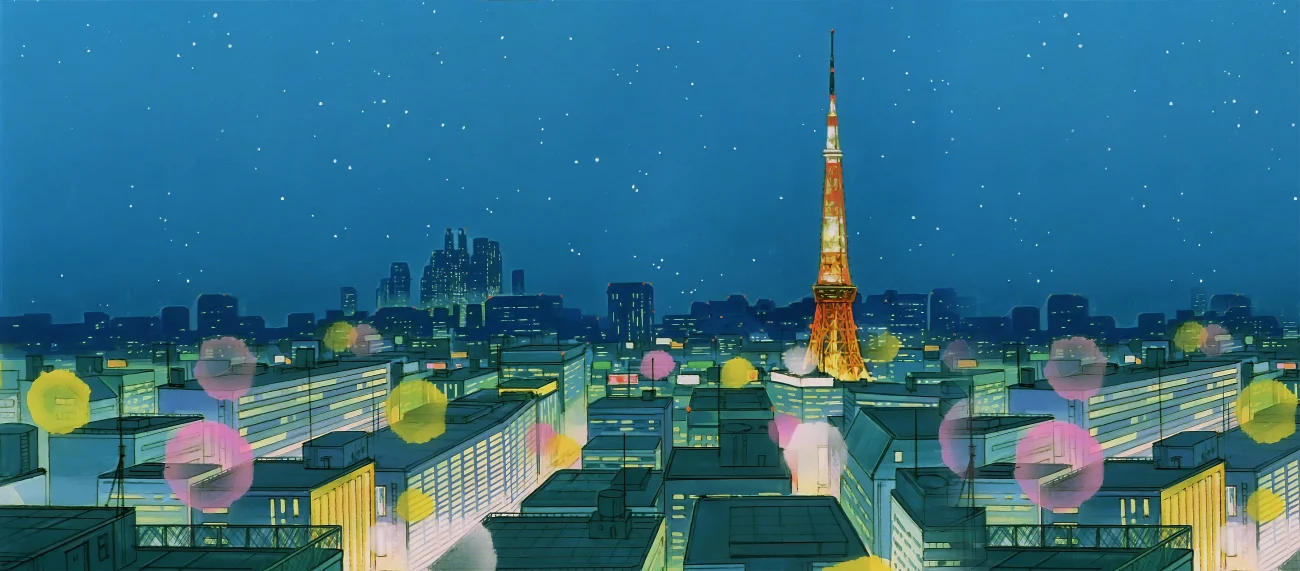
To sell bustling streets around Azabu-Juban, the series often uses looping pans and duplicated background characters. When a loop repeats, the same pedestrian can stroll by several times, or a distinctive outfit appears in two places at once. This is a common cost-saving tactic in cel animation, but the repeats become obvious in longer pans or when characters speak against a moving background. It’s also why some storefronts or street posters reappear at unlikely intervals in different neighborhoods.
‘Sailor Moon Crystal’ Model and Camera Quirks
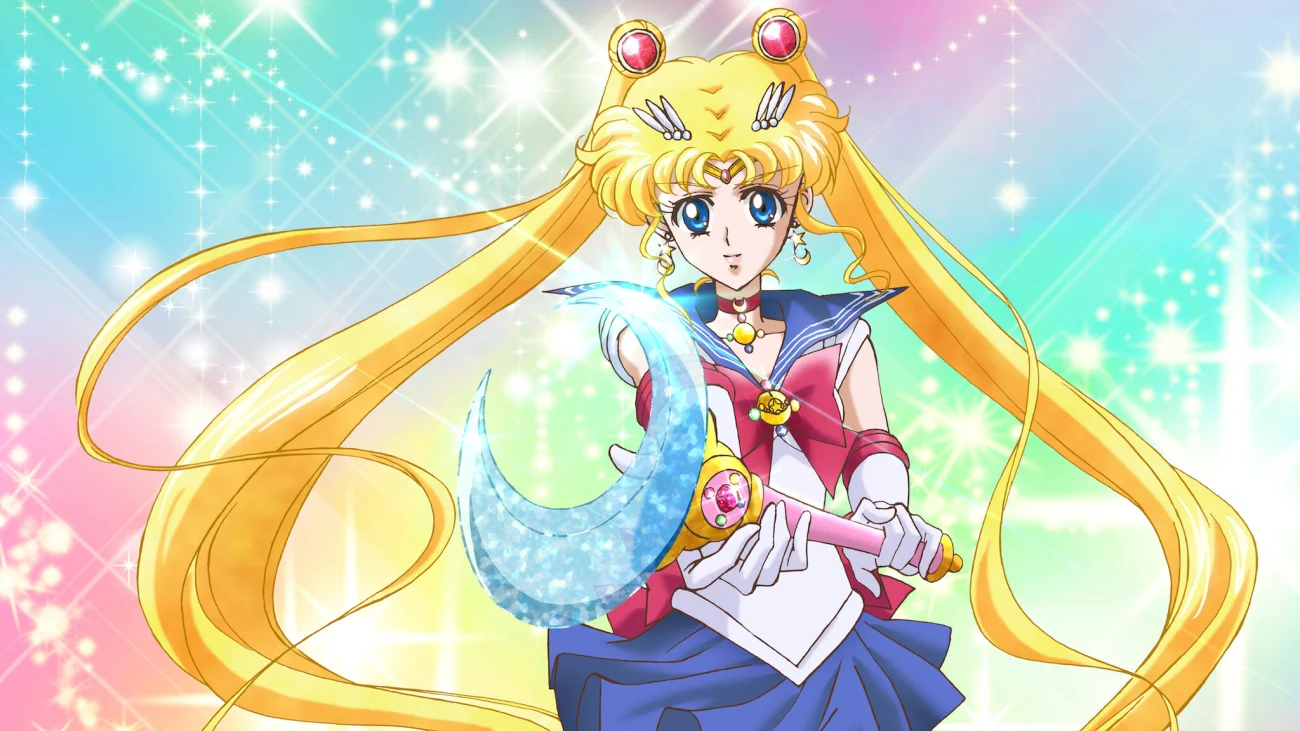
Early arcs of ‘Sailor Moon Crystal’ use 3D-assisted transformations and digital layouts that introduced clipping, stiffness, and occasional proportion glitches. Faces and limbs can appear off-model in fast motion, and camera moves sometimes reveal perspective issues not present in hand-painted cels. Later episodes and seasons refined rigging and shading to reduce these problems, but the early sequences preserve a snapshot of the pipeline transition. Viewers can catch these quirks by watching joints during spins or tracking how skirts and hair intersect with bodies during complex moves.
Localization Edits That Create Continuity Jitters
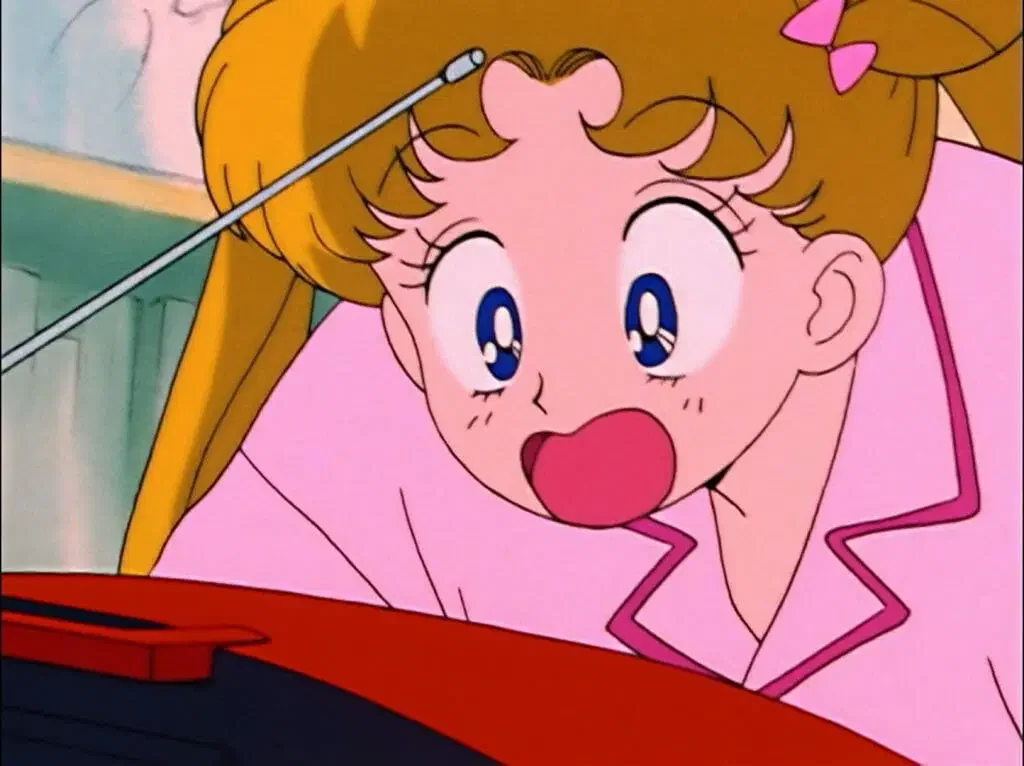
International versions—especially early English releases—altered relationships, genders, and dialogue, creating downstream continuity oddities. The most cited changes include presenting Sailor Uranus and Sailor Neptune as “cousins,” modifying Zoisite’s gender, and trimming or reshuffling scenes that connected character arcs. Because these edits affected motivations and interpersonal dynamics, they sometimes left later plot points feeling disconnected from earlier setup. Comparing the original dialogue to localized lines explains why certain character beats seem to shift tone without an on-screen cause.
Time-Travel Rules That Don’t Always Add Up
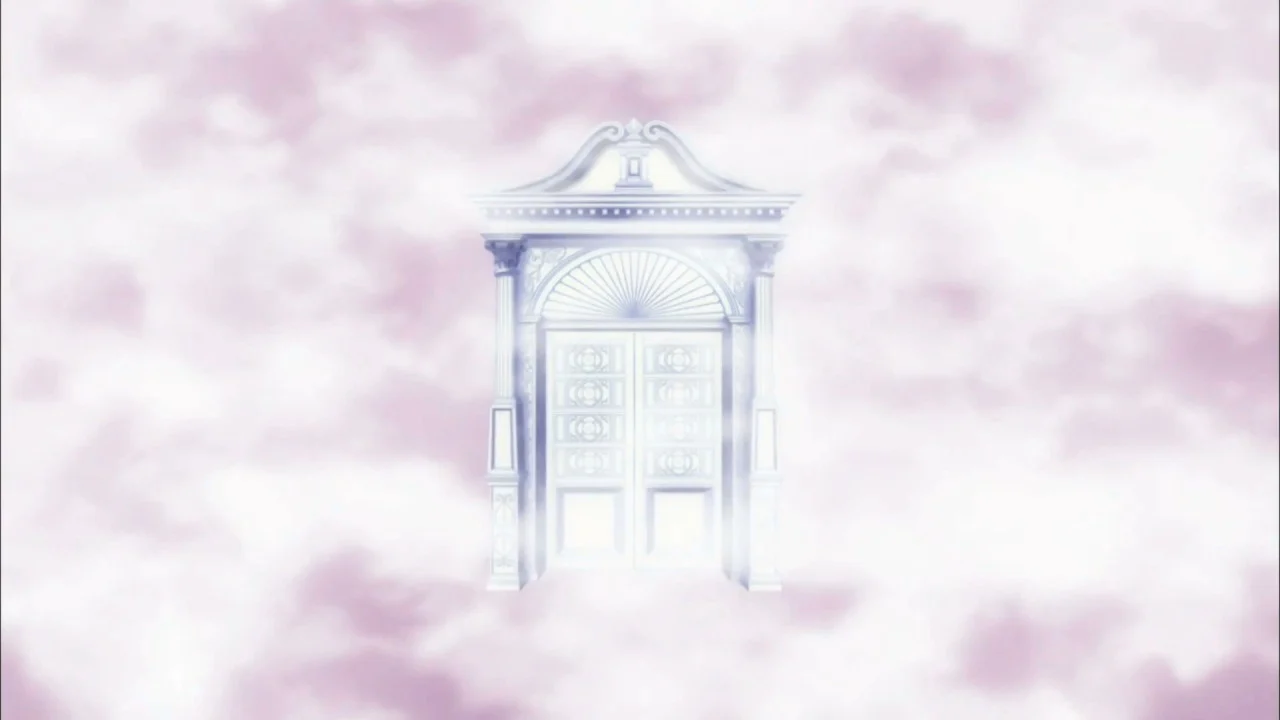
Chibiusa’s trips between present-day Tokyo and the future, along with Sailor Pluto’s restrictions around the Door of Space-Time, occasionally clash with later explanations. Episodes present firm rules about halting time or crossing eras, then bend them during climactic moments without fully reconciling the changes. The result is a timeline where cause-and-effect sometimes contradict earlier statements about paradoxes and prohibitions. Tracking who remembers what—and when—highlights where narrative needs overruled previously stated limits.
Share your favorite ‘Sailor Moon’ goofs or continuity slips in the comments so everyone can compare notes!