15 Greatest Anime Comebacks


Everyone loves a comeback that flips the script and gets the crowd buzzing again, and anime has delivered some of the most satisfying turnarounds out there. From heroes who find a new gear right when it matters to rivals who return stronger than ever, these moments are packed with story payoff and sharp execution. Here are standout comebacks that fans still talk about, with each series’ studio noted in passing for a little behind the scenes context.
Goku in ‘Dragon Ball Super’
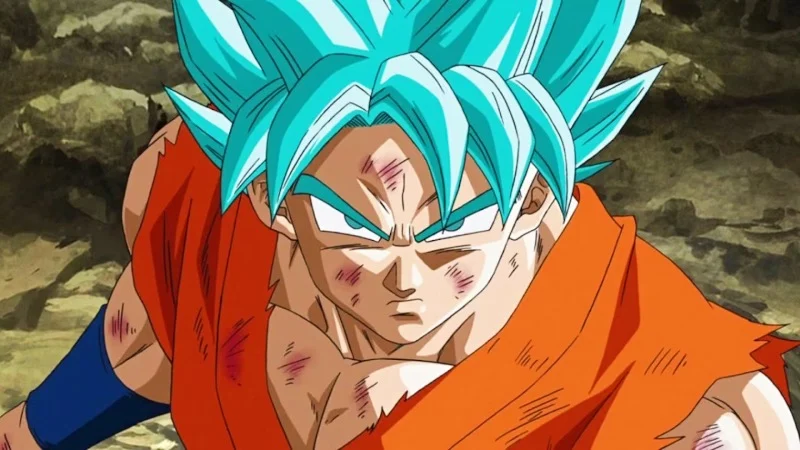
Goku’s return to the fight against Jiren becomes the showcase for a calm and instinctive power that changes the tournament’s momentum. The shift is framed around survival rules that make every second count and highlight how much he adapts under pressure. The tournament setting stacks multiple universes and fighters to underscore the stakes. Toei Animation pushes the spectacle with crisp choreography and pacing that sells the sudden turnaround.
Naruto Uzumaki in ‘Naruto: Shippuden’
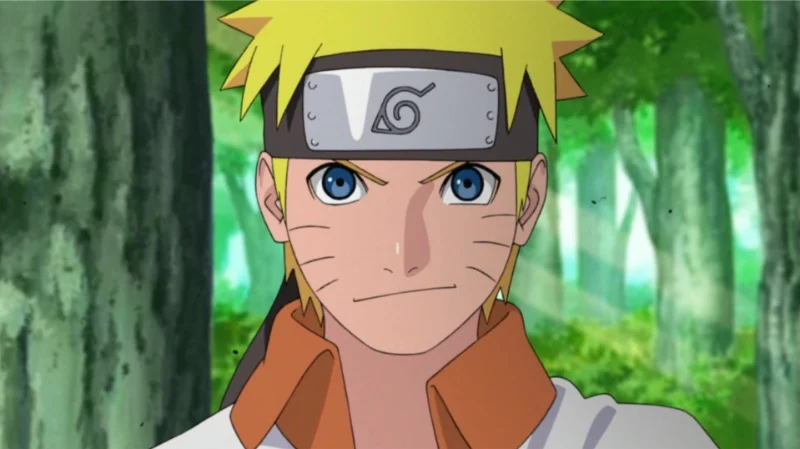
Naruto’s homecoming to a devastated Hidden Leaf sets up his entry into the battle with Pain after intensive training away from the village. The clash focuses on new techniques that answer Pain’s gravity based abilities and shows how preparation meets crisis. The fight also threads in the villagers’ perspective so his arrival immediately changes morale. Studio Pierrot matches the emotional build with bold staging across city ruins to emphasize the swing.
Ichigo Kurosaki in ‘Bleach: Thousand-Year Blood War’
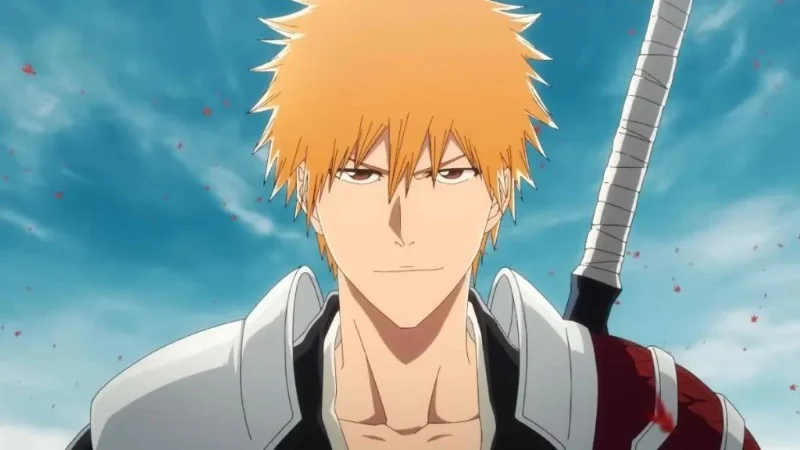
Ichigo’s comeback centers on reclaiming power sources he never fully understood and learning the truths behind them. The turnaround arrives after losses that force him to rebuild his weapon and identity from the ground up. The arc places Quincy lore and Soul Society history at the heart of his resurgence. Studio Pierrot delivers a clean visual reset with redesigned blades and color palettes that mark the shift.
Monkey D. Luffy in ‘One Piece’
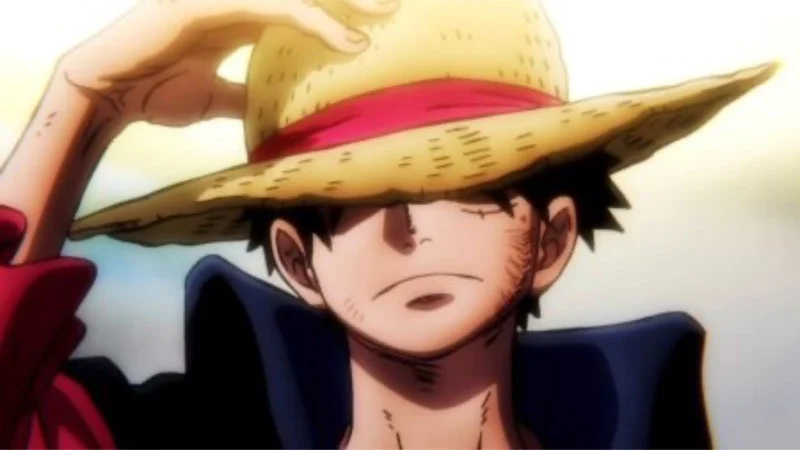
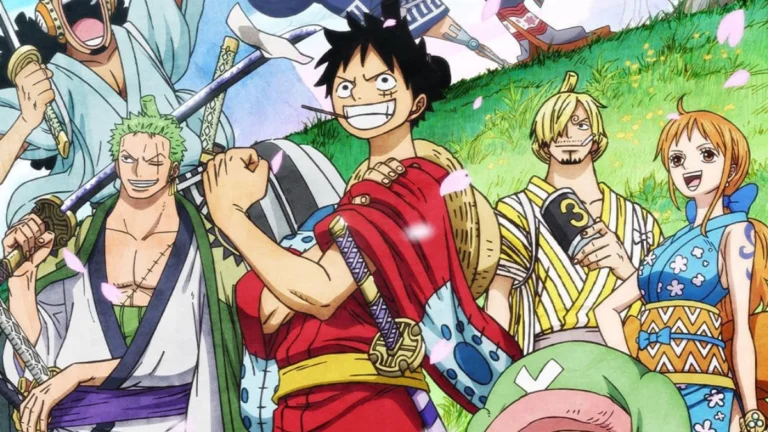
Luffy’s return to fight Kaido becomes a statement on creative power use as he reshapes the battlefield with playful freedom. The moment lands after harsh defeats and a long learning curve with advanced techniques. Allies stall and set the table so the captain can flip the fight when it looks done. Toei Animation leans into elastic animation choices that make the comeback feel joyful and unstoppable.
Gon Freecss in ‘Hunter x Hunter’
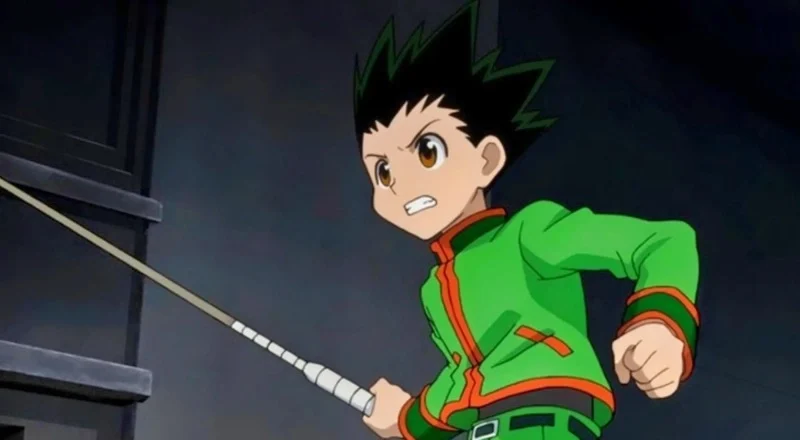
Gon’s reappearance against Neferpitou arrives after a series of losses that push him to a single purpose. The transformation concentrates everything he has into one decisive exchange with no plan for aftermath. The comeback is written as a trade that answers earlier sacrifices in the arc. Madhouse frames the scene with stark lighting and restrained music to keep the focus on the terrible cost.
Levi Ackerman in ‘Attack on Titan’
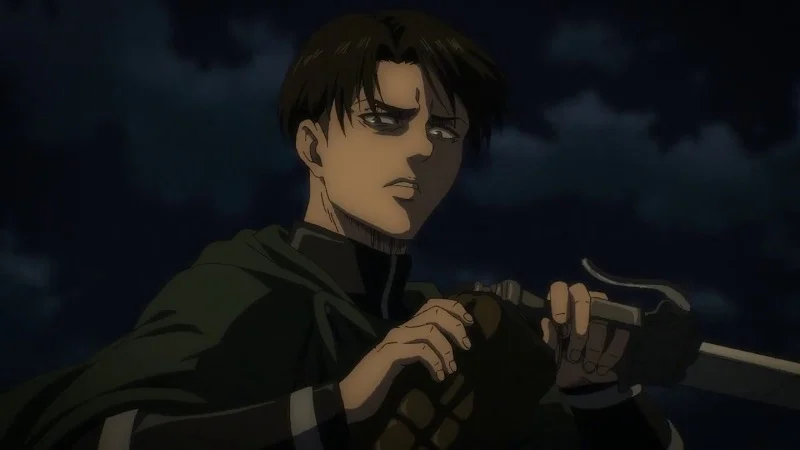
Levi’s return to the field after earlier injuries leads straight into another confrontation with the Beast Titan. The plan hinges on speed and precise cuts that only he can execute while others create an opening. The comeback also ties into long running grudges that crystallize in one desperate push. WIT Studio stages the chase and close quarters strikes with sharp camera moves that heighten every turn.
Tanjiro Kamado in ‘Demon Slayer: Kimetsu no Yaiba’
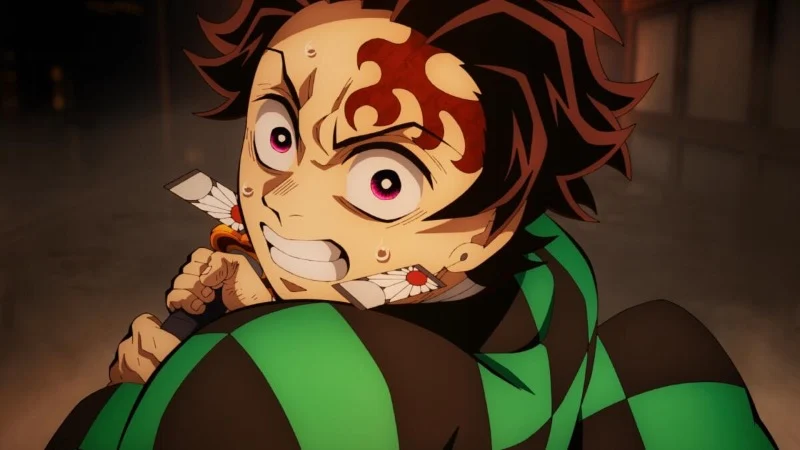
Tanjiro’s comeback during the Rui battle uses new breathing techniques to keep pace with a web of lethal threads. The turnaround draws on family memories that guide him to combine styles at the last second. The shift allows him to protect his sister while finishing a fight that looked unwinnable. Ufotable’s layered effects and careful color work make each blade sweep feel like a fresh start.
Izuku Midoriya in ‘My Hero Academia’
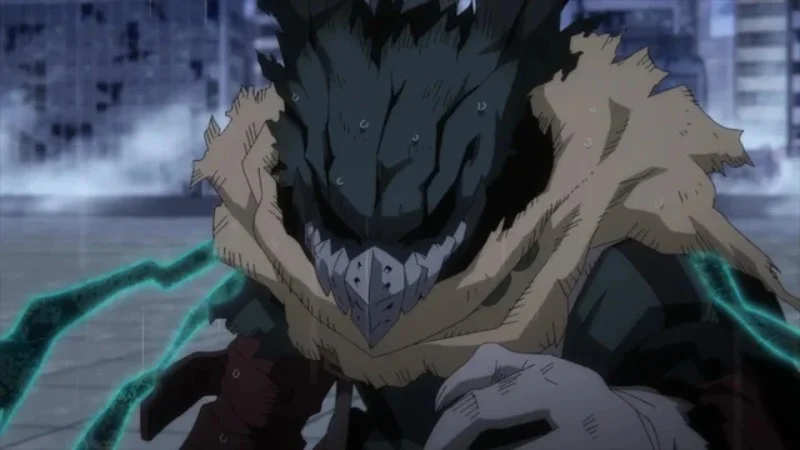
Deku’s return in the Overhaul battle pivots on synchronization with Eri to maintain power levels he cannot normally sustain. The rescue objective keeps the action oriented around movement and shielding rather than trading blows. The comeback also demonstrates control under pressure as he adapts midair to changing hazards. Bones animates the vertical chase and impact beats so the escalation reads clearly from street to sky.
Simon in ‘Gurren Lagann’
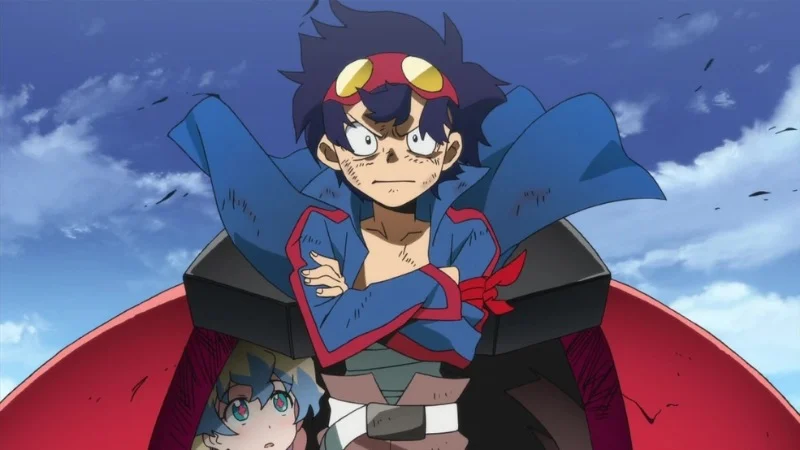
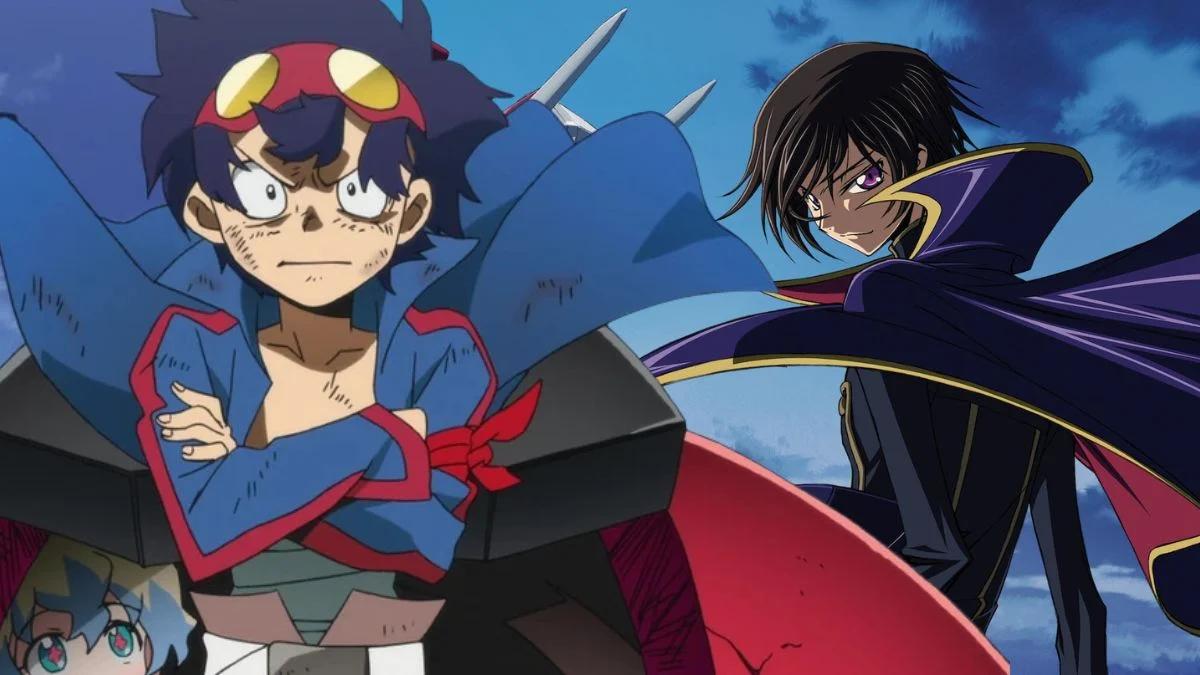
Simon’s comeback after a crushing loss begins when he claims responsibility for leading Team Dai Gurren. The turnaround emphasizes belief in motion as he drills through enemy lines and doubt at the same time. The story uses combining mecha as a visual language for shared resolve. Gainax times the montage and rallying moments so the step from stalling to surging feels earned.
Edward Elric in ‘Fullmetal Alchemist: Brotherhood’
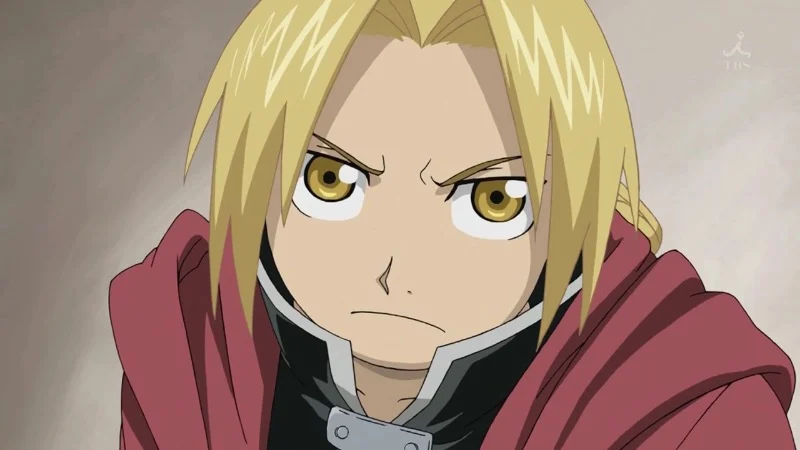
Ed’s comeback in the final battle hinges on a desperate exchange that restores what he needs to finish the fight. The sequence ties together earlier rules of alchemy and the personal debts built across the journey. Allies arrange the last opening and Ed commits without leaving room for retreat. Bones keeps the transmutation visuals readable so each cause and effect lands in quick succession.
Giorno Giovanna in ‘JoJo’s Bizarre Adventure: Golden Wind’
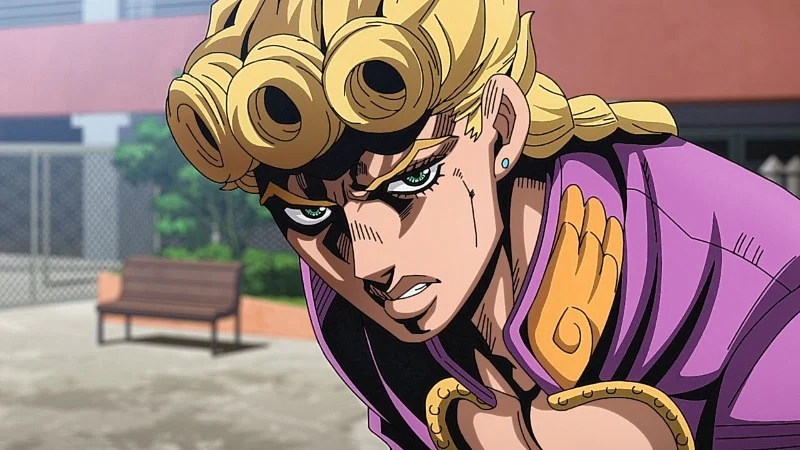
Giorno’s return against Diavolo arrives through an evolution of his stand that rewrites the terms of the fight. The comeback closes a string of betrayals and street level skirmishes that set the tone for a final showdown. The power shift is presented as a consequence of prior choices rather than a random unlock. David Production frames the reveal with crisp panel like cuts that match the series’ style.
Shoyo Hinata in ‘Haikyu!!’
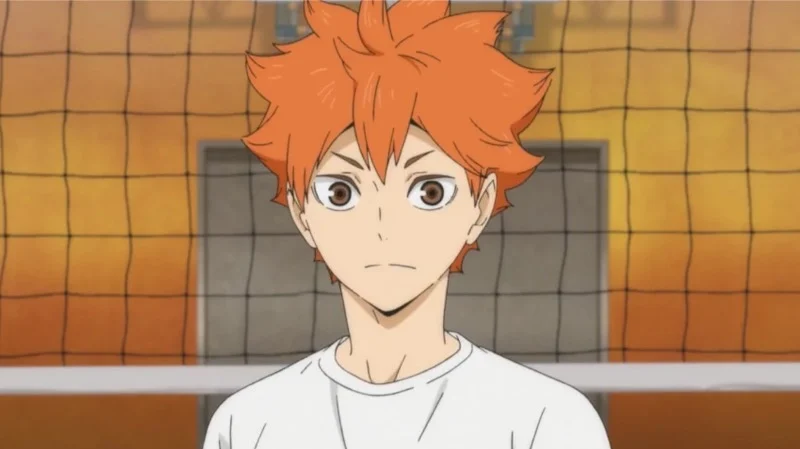
Hinata’s comeback against Inarizaki follows a stretch of errors that put Karasuno on the back foot. He steadies reception and turns broken plays into fast attacks that change the rhythm. The switch emphasizes reading the game in real time rather than brute force. Production I.G tracks the ball and footwork so the tempo swing is easy to follow across crowded courts.
Yusuke Urameshi in ‘Yu Yu Hakusho’
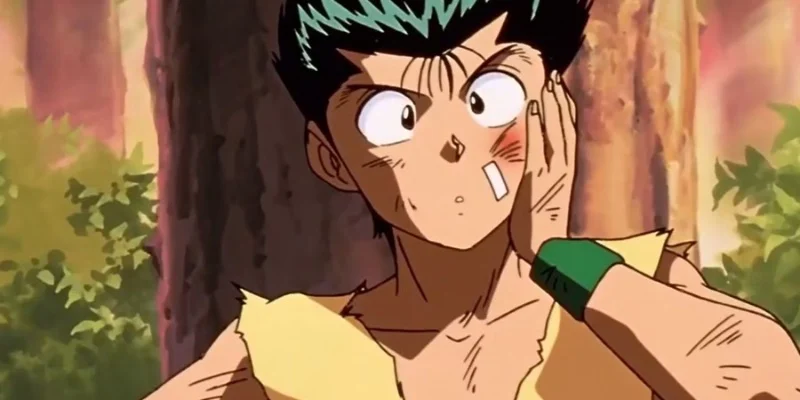
Yusuke’s return during the Sensui conflict reveals a lineage that alters his spiritual power. The comeback arrives after a death that reframes the entire fight and the stakes around it. Allies struggle to hold the line long enough for the turn to happen. Studio Pierrot brings the energy shift to life with sharp aura effects and heavy contrasts.
Natsu Dragneel in ‘Fairy Tail’
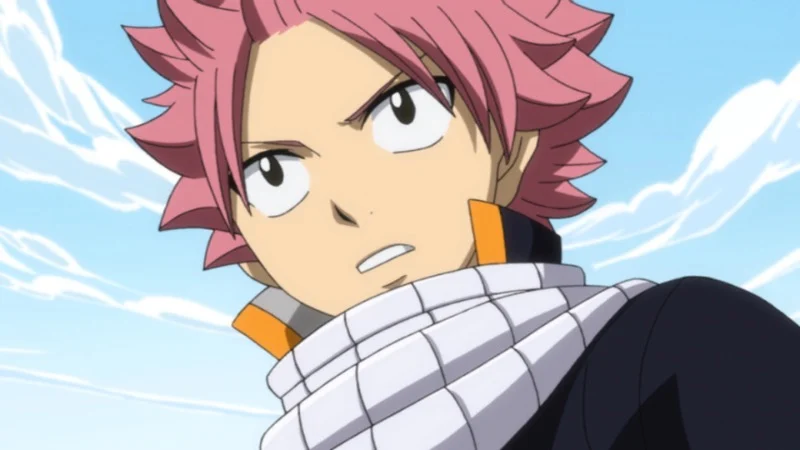
Natsu’s comeback during the Alvarez campaign shows new fire techniques that answer a larger and more organized enemy force. The reunion with the guild underscores how the team dynamic fuels his push. The battle setups move quickly between fronts so his arrivals land as momentum swings. A-1 Pictures keeps the action readable with bright effects and clear staging around guild emblems.
Lelouch vi Britannia in ‘Code Geass: Lelouch of the Rebellion R2’
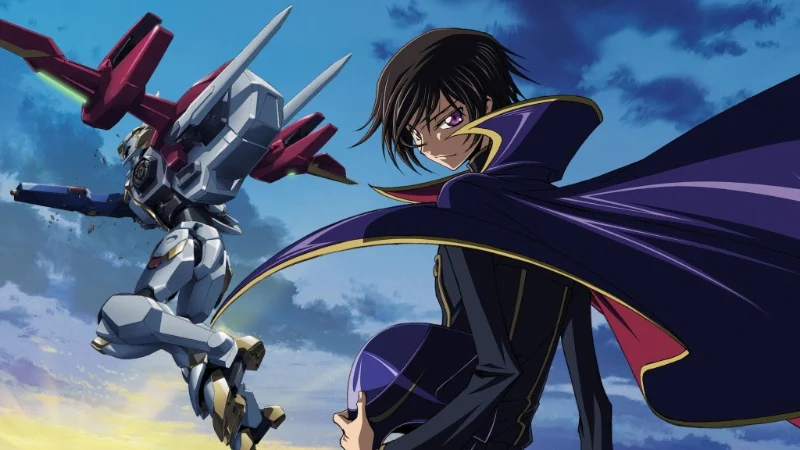
Lelouch’s return to power after being cornered relies on an audacious plan that turns enemies and allies into pieces on a final board. The comeback consolidates control through strategy and timing rather than raw force. The resolution ties global politics to a personal promise and closes multiple threads at once. Sunrise presents the last act with striking compositions that underline each move’s consequences.
Share your favorite anime comeback moments in the comments and tell us which scenes still give you chills today.