Top 15 Creatures from Hindu Mythology

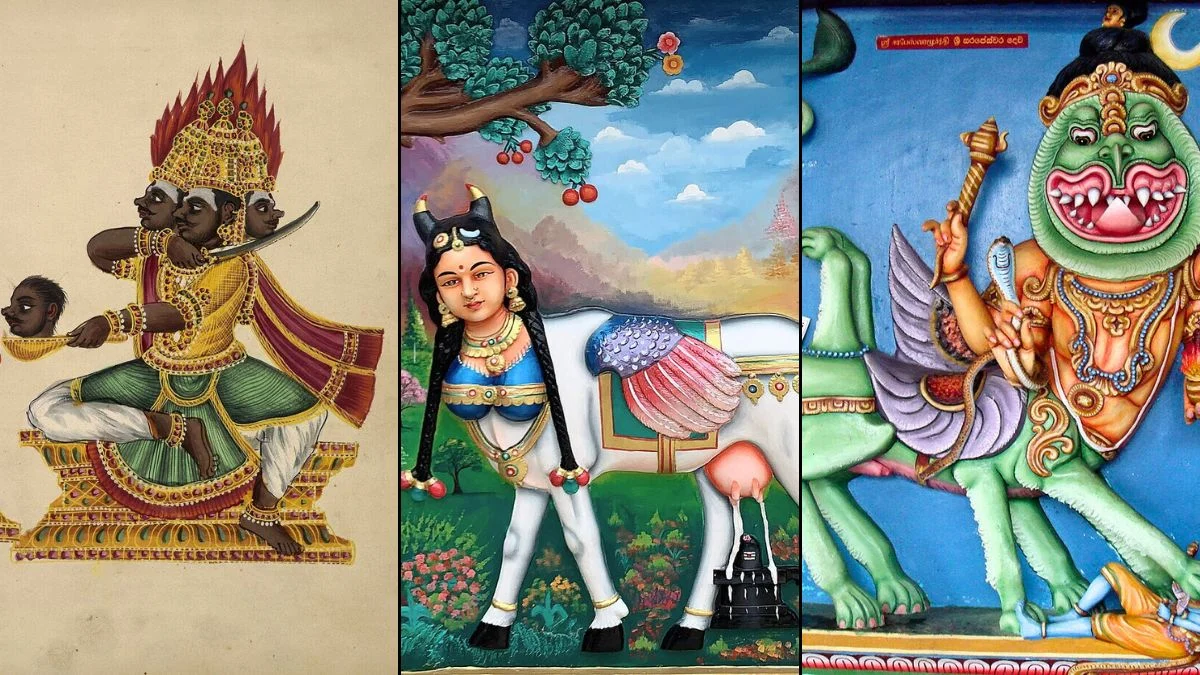

Hindu mythology is filled with extraordinary beings that shape epic adventures, protect sacred places, and symbolize timeless ideas about nature and the divine. These creatures appear across the Vedas, Puranas, and the great epics, each with distinct roles and recognizable traits. Many serve as guardians or messengers while others test heroes on their journeys. Together they form a living bestiary that connects ritual, art, and storytelling across centuries.
Garuda
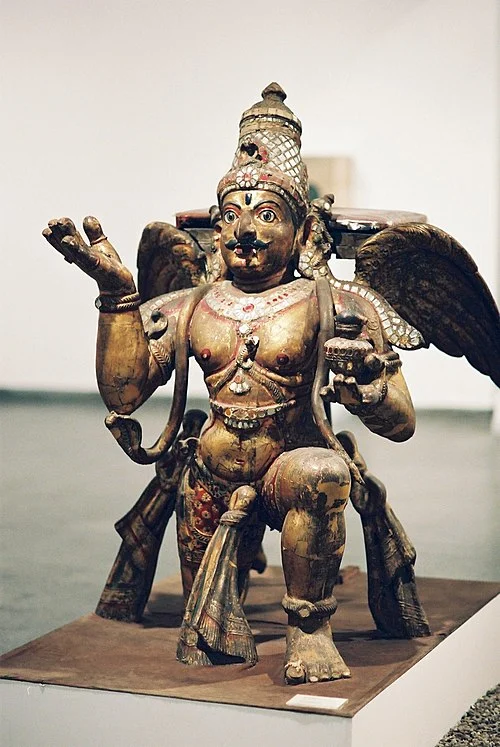
Garuda is the mighty bird being who serves as the vehicle of Vishnu and the sworn foe of serpents. He is described with a golden body, vast wings, and the strength to cross the three worlds. Stories recount his quest to free his mother, which established his enmity with the Nagas. Temples and royal emblems frequently use his image to signify protection and speed.
Naga
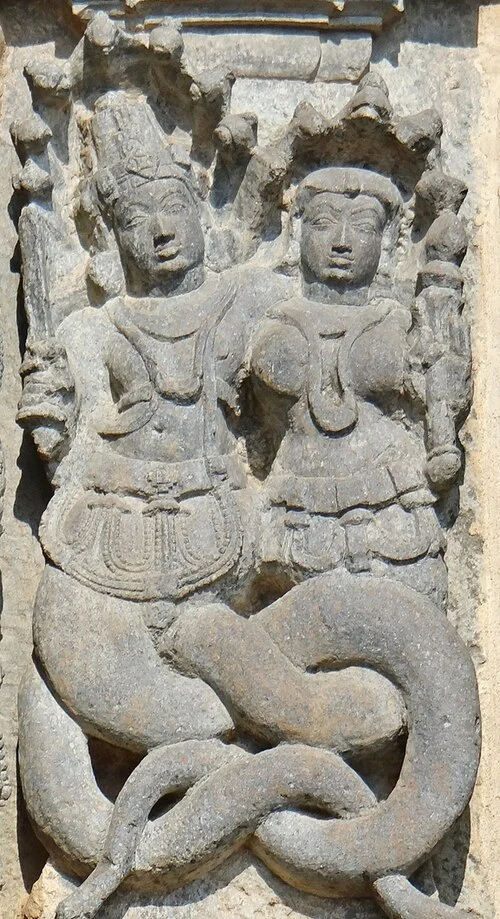
Nagas are semi divine serpent beings closely associated with rivers, lakes, and subterranean realms. They are linked to treasures and fertility, and are often portrayed as guardians of hidden wealth. Named figures like Shesha and Vasuki anchor cosmological myths, with Shesha supporting the universe and serving as Vishnu’s couch. Naga worship continues in regional traditions through shrines and protective serpent stones.
Rakshasa
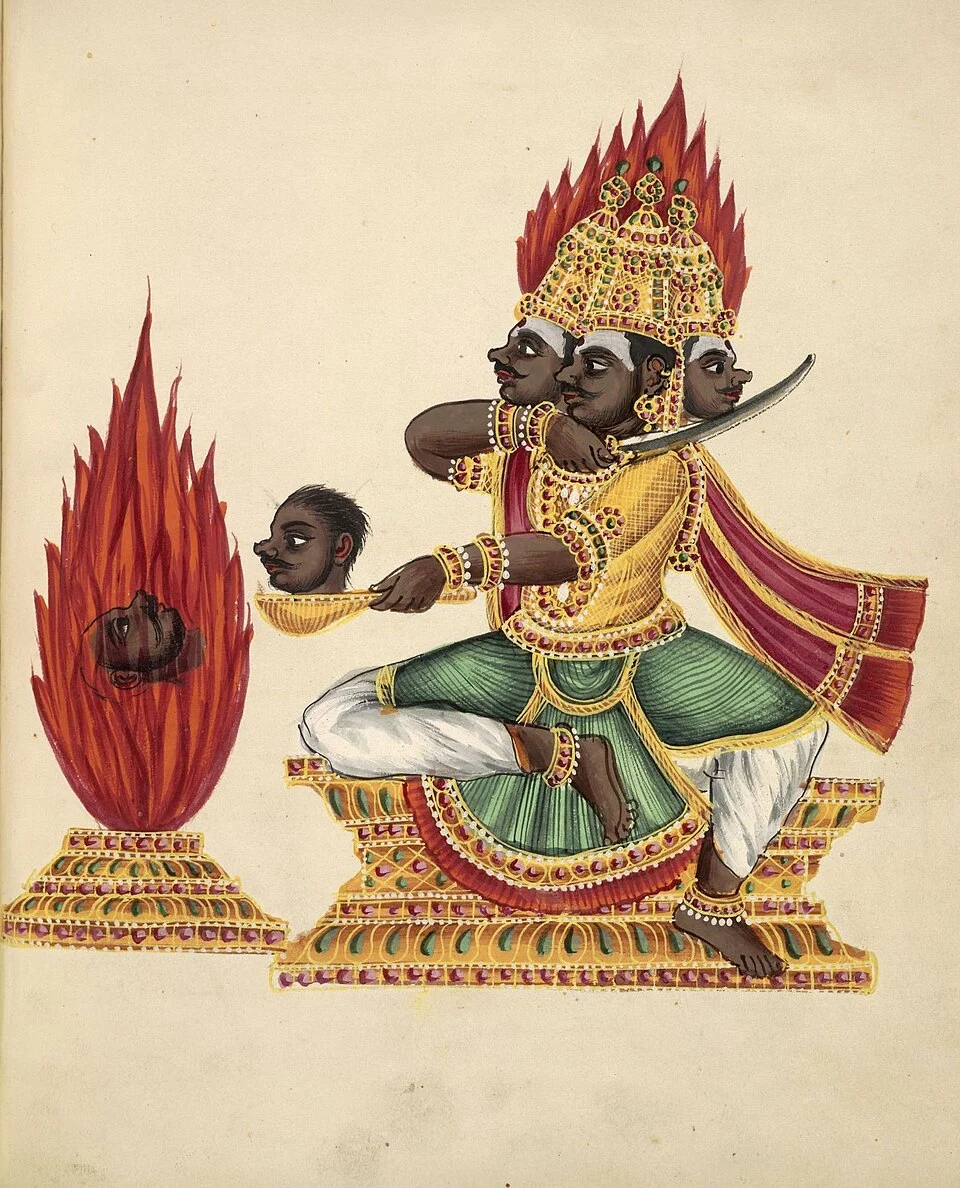
Rakshasas are powerful shape shifters known for illusion, sorcery, and fierce combat. Texts portray them as nocturnal beings who challenge sages and kings, with some clans ruling fortified cities. They possess specialized powers such as invisibility and disguise, which make them dangerous foes for heroes on quests. Episodes involving them illustrate the moral testing of strength, discipline, and dharma.
Yaksha
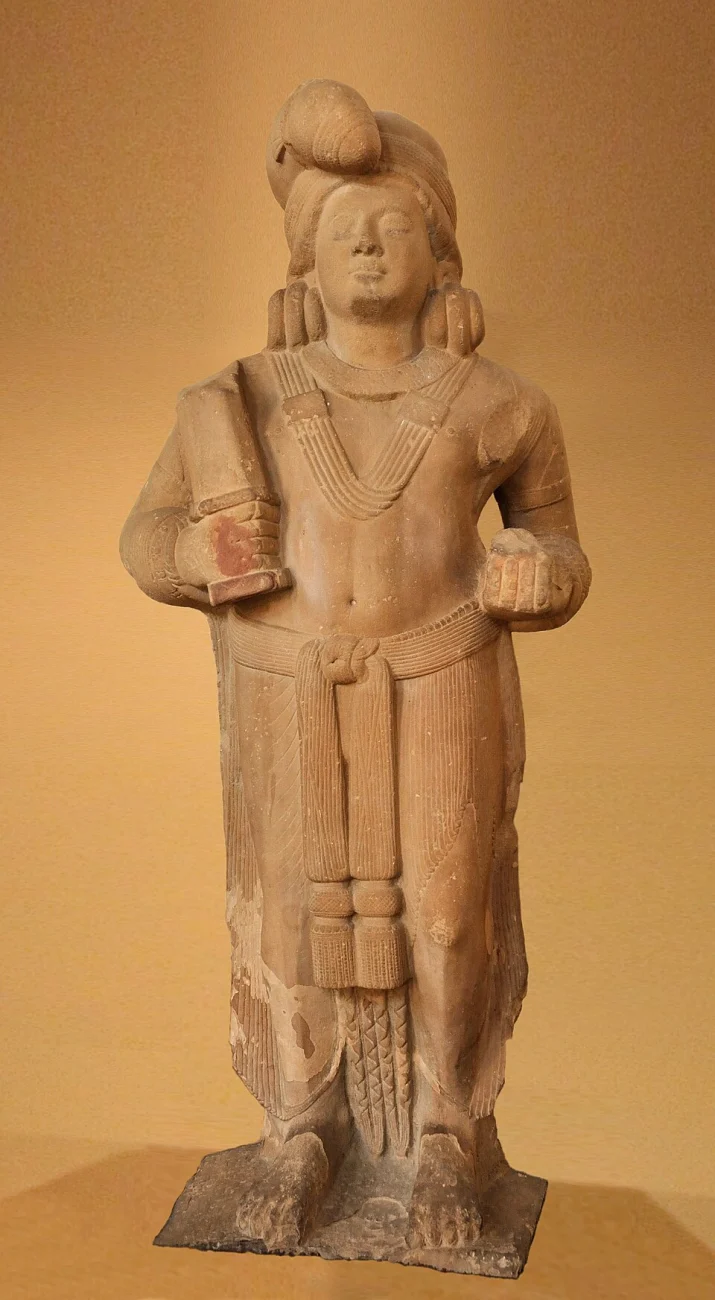
Yakshas are nature spirits linked to forests, mountains, and the hidden riches of the earth. They are traditionally associated with Kubera, who governs prosperity and wealth. In literature and art they appear as robust guardians placed at thresholds and sacred sites. Their dual nature reflects both benevolence as protectors and severity toward those who disrespect sacred spaces.
Gandharva
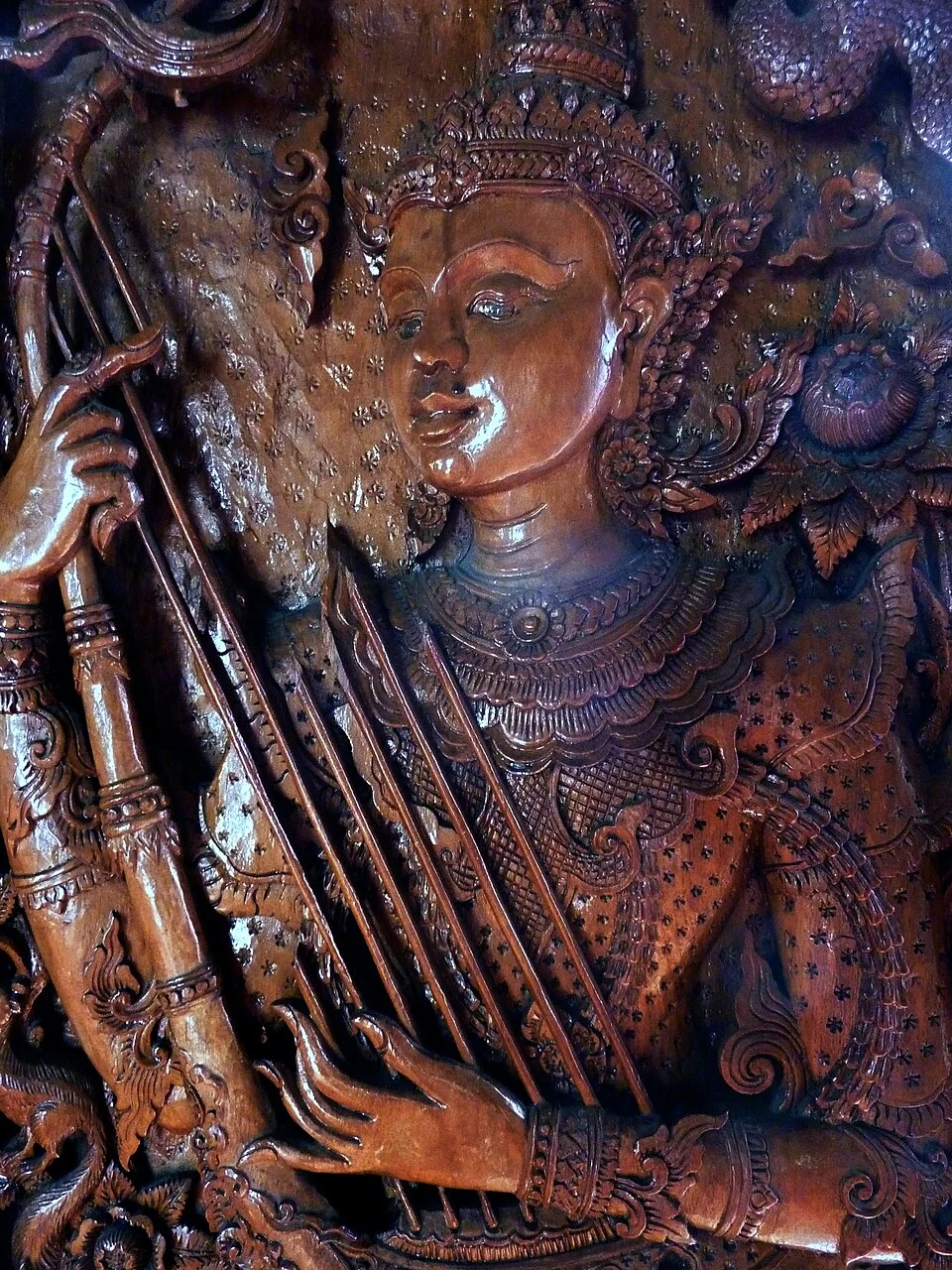
Gandharvas are celestial musicians renowned for mastery of song, instruments, and sacred sound. They are connected with divine rituals and the transmission of knowledge through music. Many serve in the courts of the gods and act as intermediaries between heaven and earth. Their presence in stories highlights music’s role in sanctifying rites and conveying spiritual truths.
Apsara
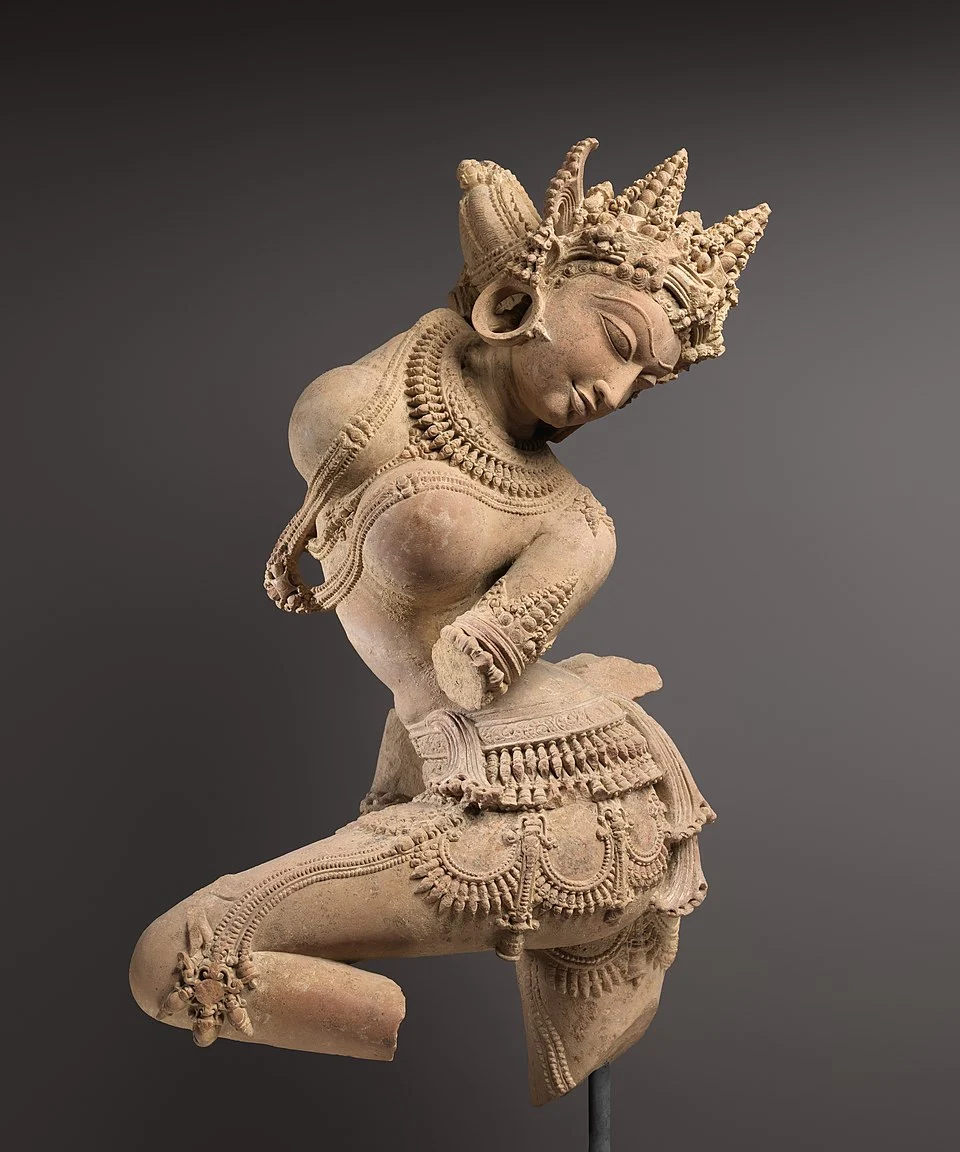
Apsaras are celestial dancers celebrated for grace, artistry, and skill in performance. They appear in divine assemblies and are often linked with Gandharvas in mythic narratives. Individual Apsaras such as Menaka and Urvashi feature in stories that explore vows, asceticism, and destiny. Temple sculpture across regions preserves their iconic poses and elaborate ornaments.
Vanara
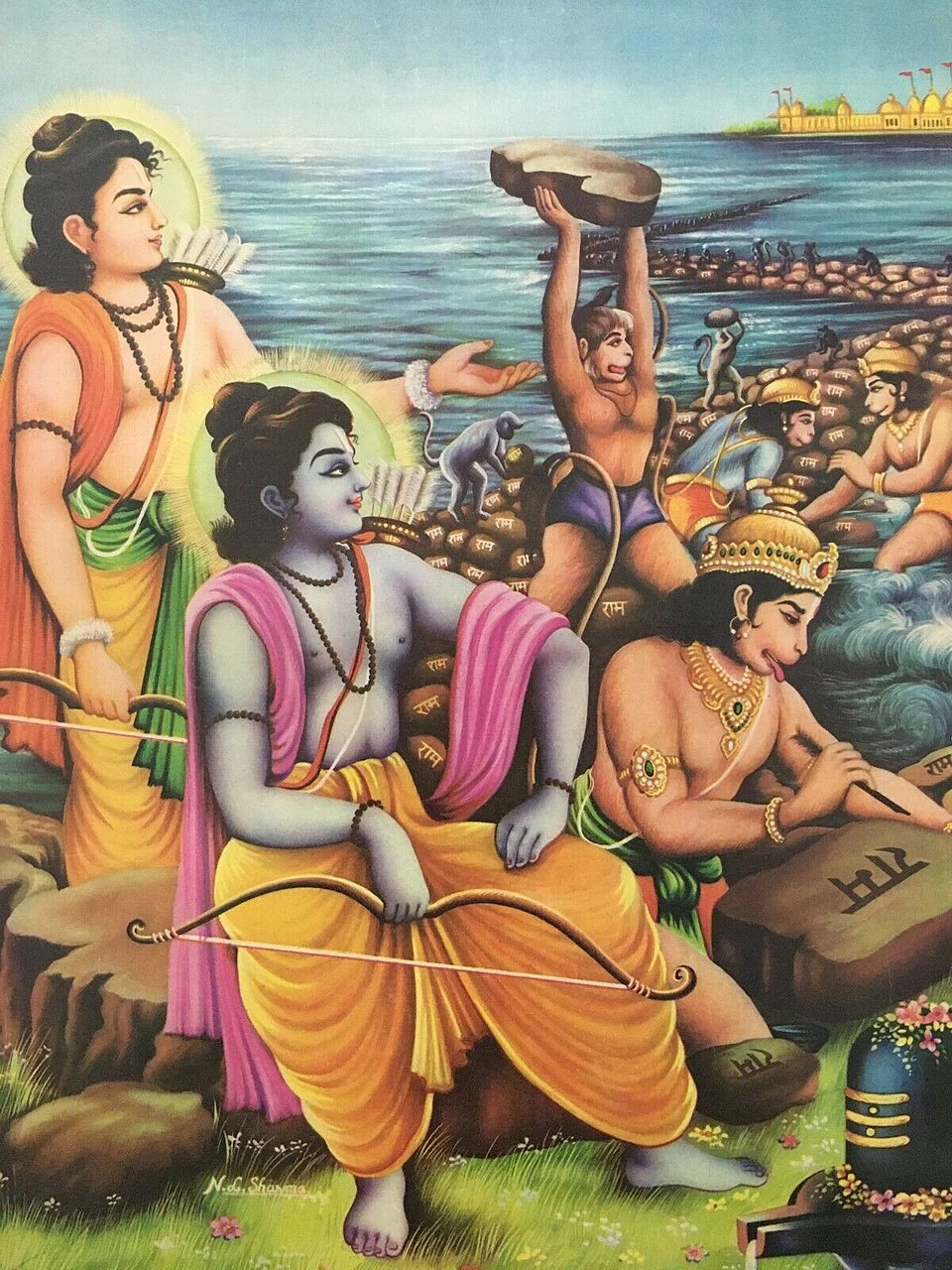
Vanaras are an ancient race of ape like beings allied with human and divine heroes. They are organized in clans and kingdoms, with gifted leaders and scouts noted for agility and daring. Their feats include mountain leaping, reconnaissance, and engineering efforts that aid legendary campaigns. Cultural traditions remember them for loyalty, teamwork, and service to a righteous cause.
Vetala
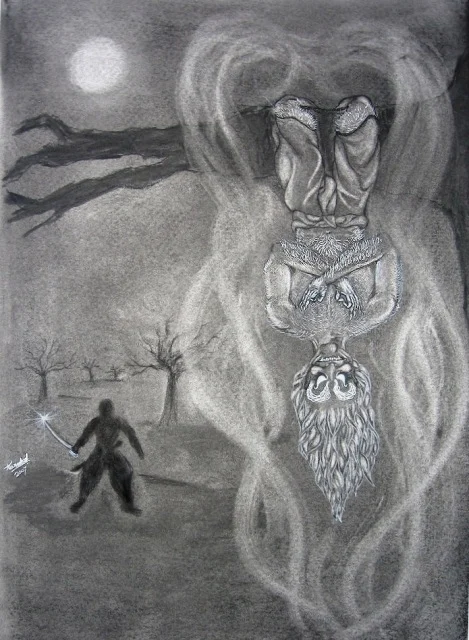
Vetalas are spirits that inhabit and animate corpses, dwelling in cremation grounds and liminal places. They are portrayed as clever and incisive, testing kings and seekers with riddles and moral dilemmas. Folktales describe their deep knowledge of fate, karma, and concealed motives. Rituals and charms address their unsettling presence at the edge of life and death.
Pisacha
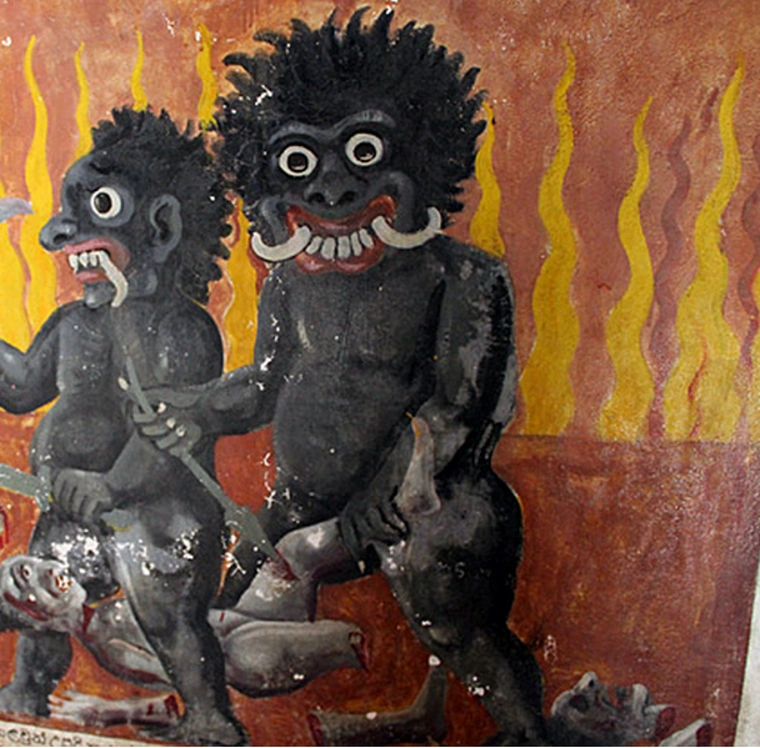
Pisachas are ghoul like beings associated with darkness, decay, and the haunting of crossroads. Folklore links them to disturbances of mind and speech, prompting protective rites in households and villages. They are often named in lists of beings propitiated to avert harm during key ceremonies. Their portrayal underscores the need to maintain purity and order in daily life.
Makara
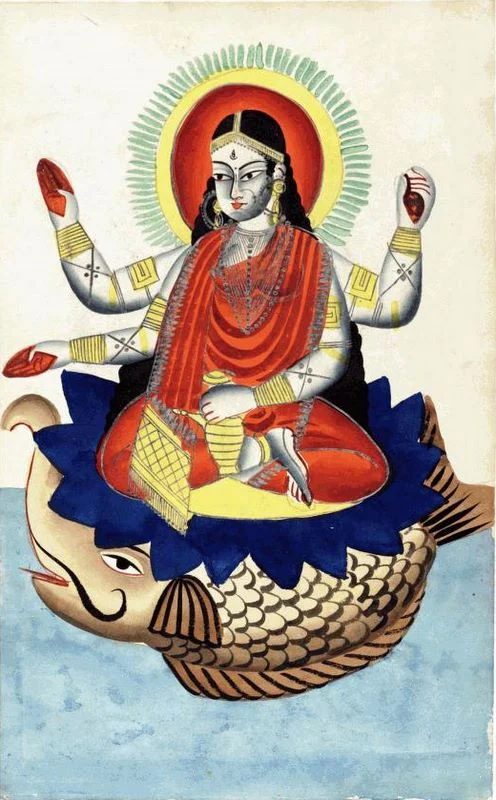
The Makara is a composite aquatic creature that symbolizes guardianship over waterways and thresholds. It serves as the vehicle of river and sea deities and appears on arches and spouts at temples. Artists combine features of crocodile, fish, and elephant to express its power over currents and rain. Its image marks safe passage and auspicious entry into sacred precincts.
Airavata
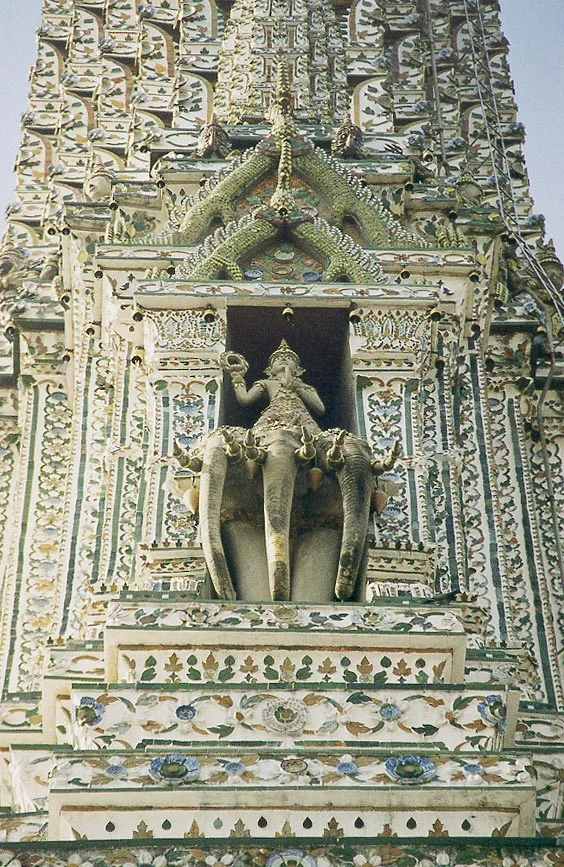
Airavata is the magnificent white elephant who serves as the mount of Indra, lord of the heavens. Descriptions often give him multiple trunks or heads, signifying immense strength and royal authority. He emerges in myth from the churning of the cosmic ocean that produced divine treasures. Ritual elephant imagery in festivals draws on his role as a bringer of rain and prosperity.
Kamadhenu
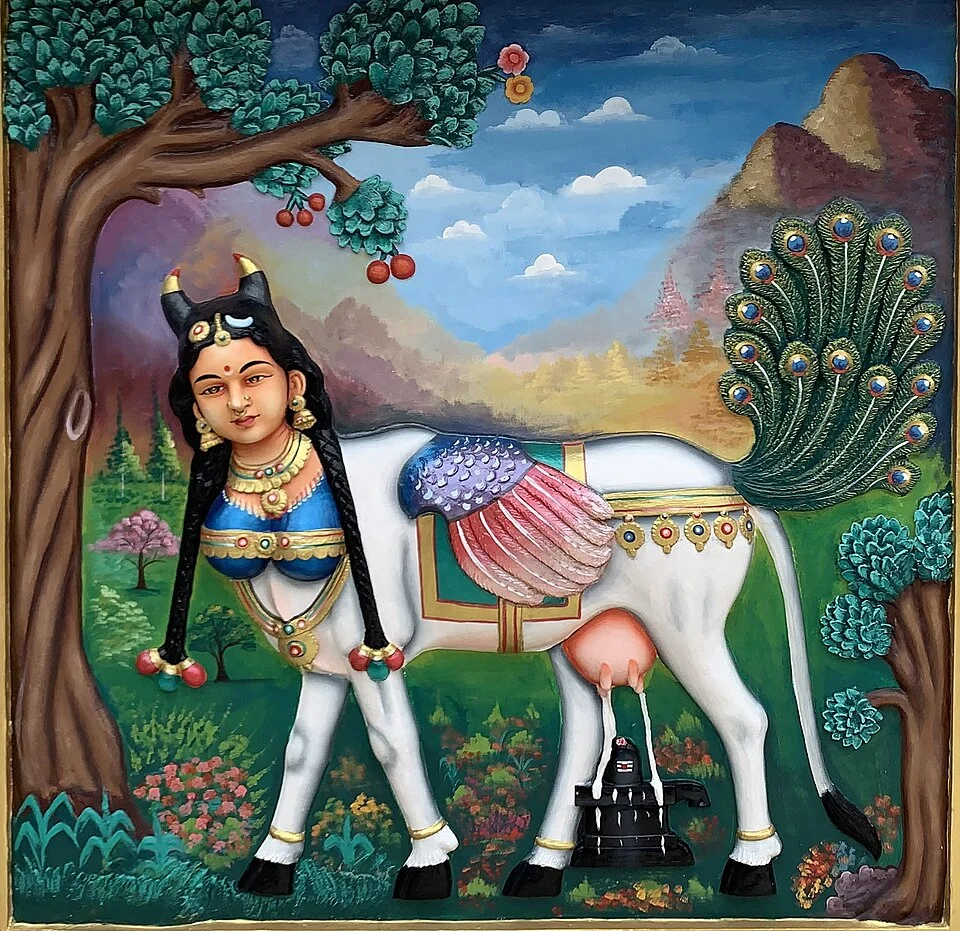
Kamadhenu is the wish fulfilling cow venerated as the mother of all bovines and a source of abundance. Texts recount her appearance from cosmic events and her residence in the hermitage of sages. She provides milk, offerings, and protection, sustaining both ritual and daily livelihood. Images of her with a body housing deities convey the idea of the sacred within the ordinary.
Sharabha
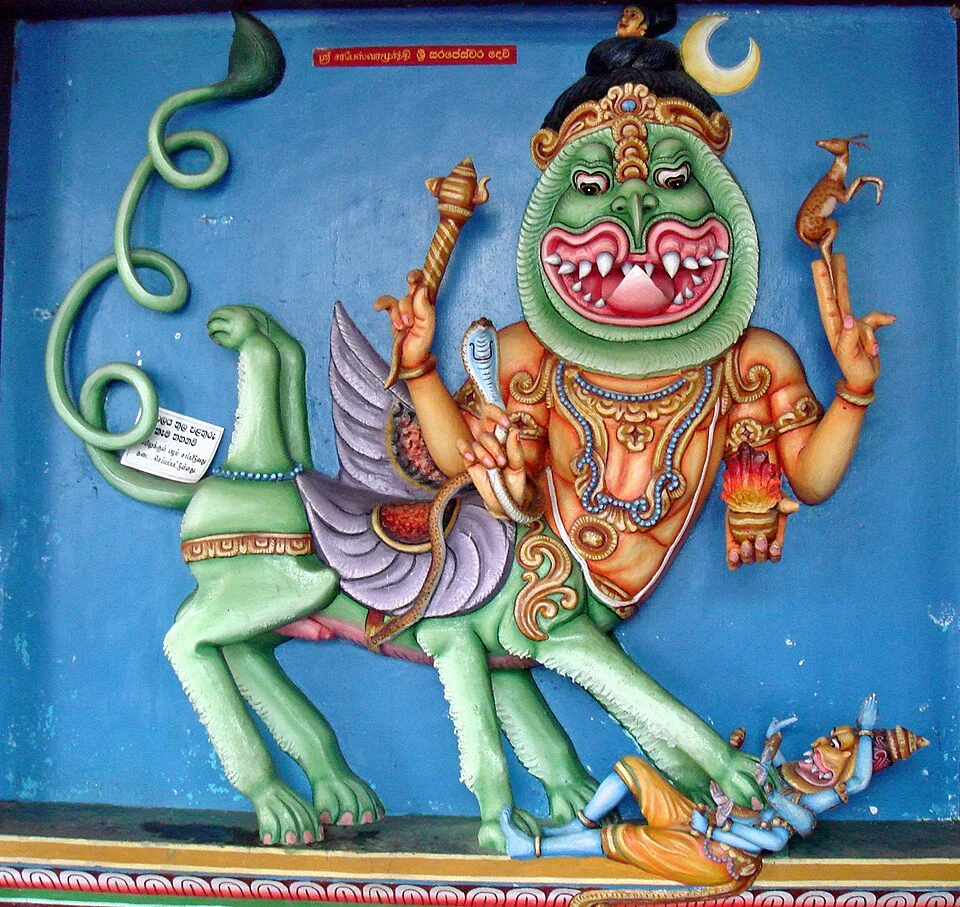
Sharabha is a formidable composite beast invoked for restraint and protection in theological debates and art. Traditions describe him with leonine, avian, and cervine attributes that surpass ordinary predators. His mythic role addresses the pacification of unchecked fury and the restoration of cosmic balance. Temple motifs use his figure to signify control over destructive impulses.
Kinnara
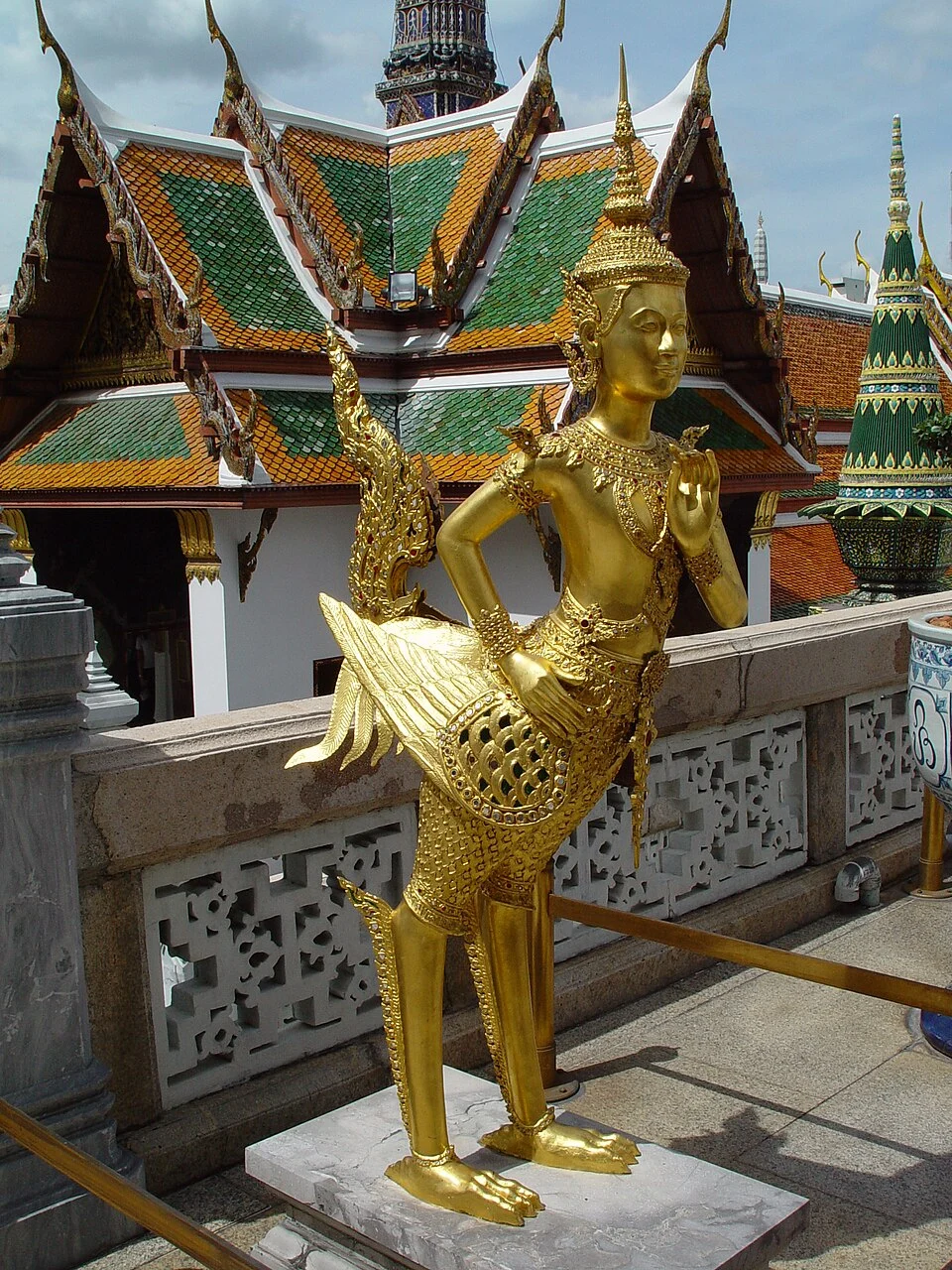
Kinnaras are celestial beings with mixed human and animal features who devote themselves to music and devotion. Texts place them in Himalayan realms where they practice arts and safeguard hidden paths. They often accompany divine processions and serve as attendants in paradise settings. Their iconography celebrates fidelity, harmony, and the refinement of the senses.
Kirtimukha
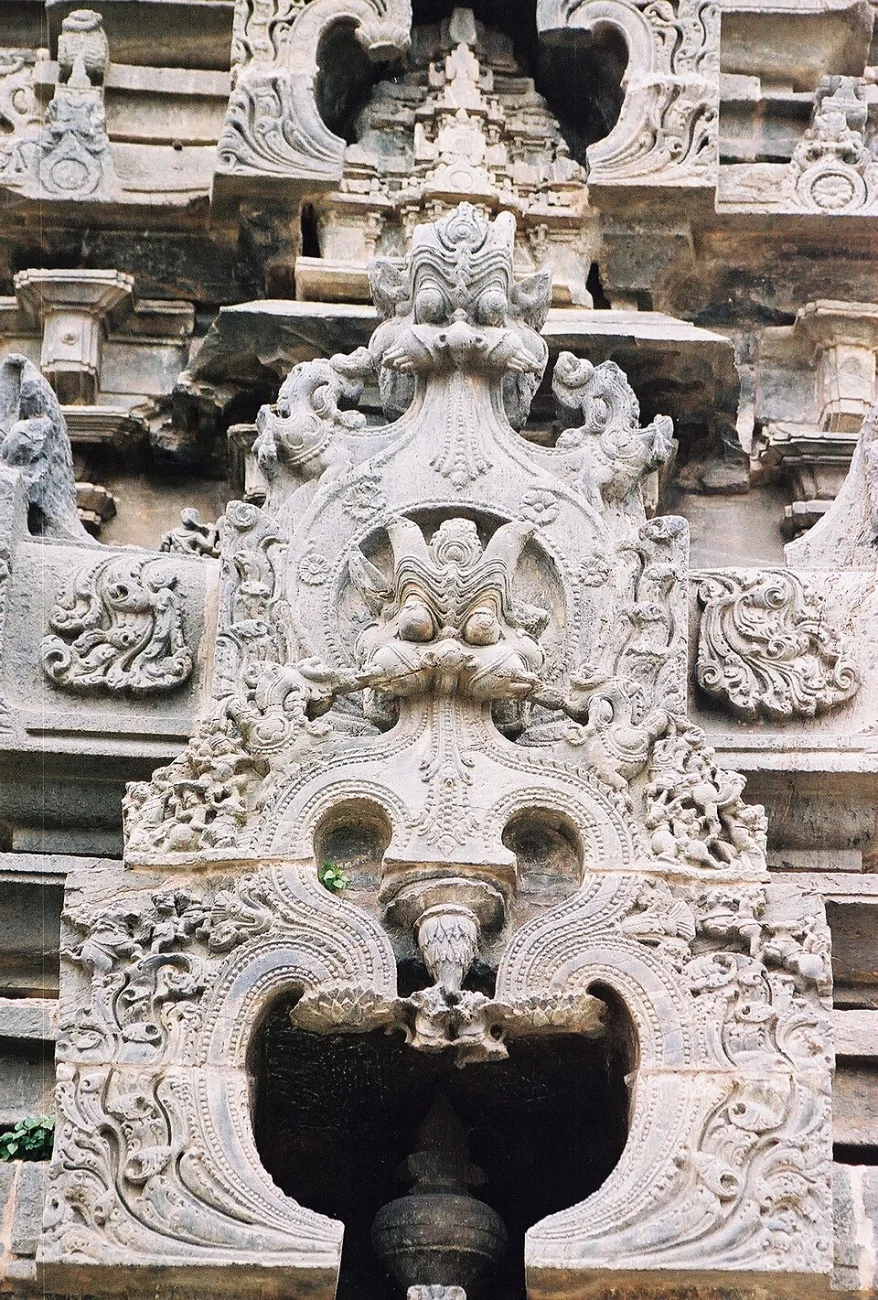
Kirtimukha is a ferocious face motif born from a tale of hunger and submission before the divine. It is placed above doorways, lintels, and crowns to consume negativity before it enters. The image teaches the dissolution of pride and the transformation of harm into protection. Its widespread use across temples affirms its role as a vigilant guardian of sacred space.
Share your favorite mythic being and the story you associate with it in the comments.