Top 25 Anime Netflix Originals

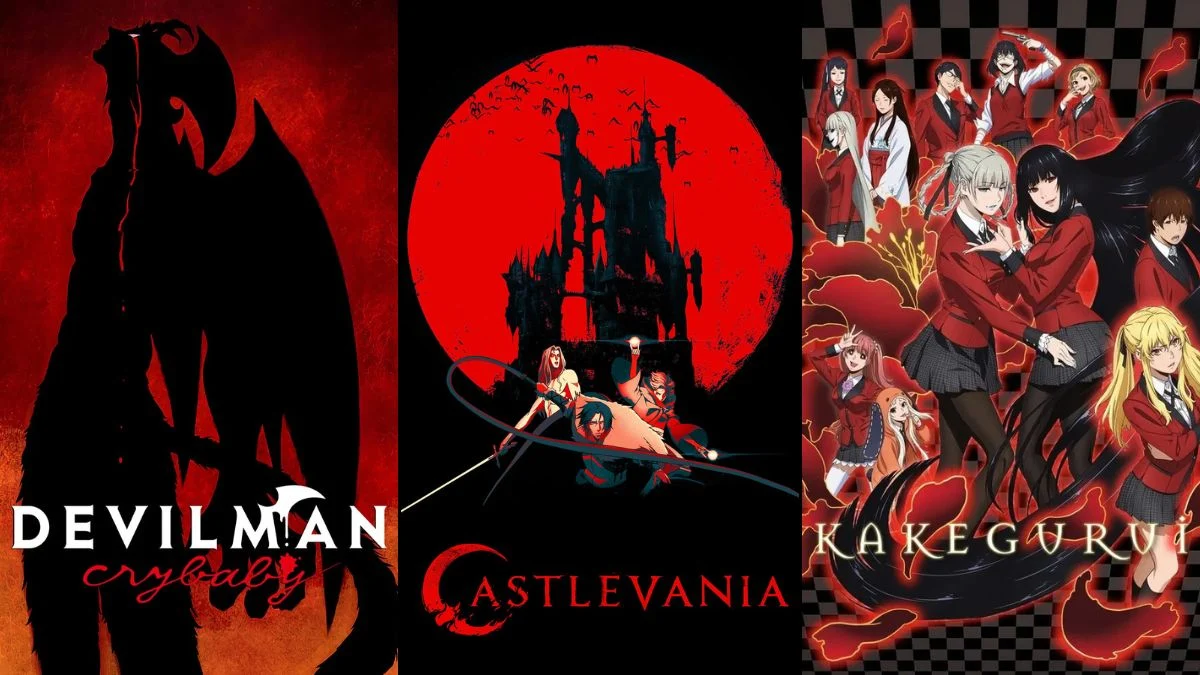

Netflix’s slate of original anime mixes bold experiments with faithful adaptations, covering sci-fi, fantasy, action, and offbeat comedy. This list spotlights standout series released globally under the Netflix Original banner, with quick details on studios, episode counts, source material, and what each show focuses on so you can jump in with the right expectations.
‘Devilman Crybaby’ (2018)
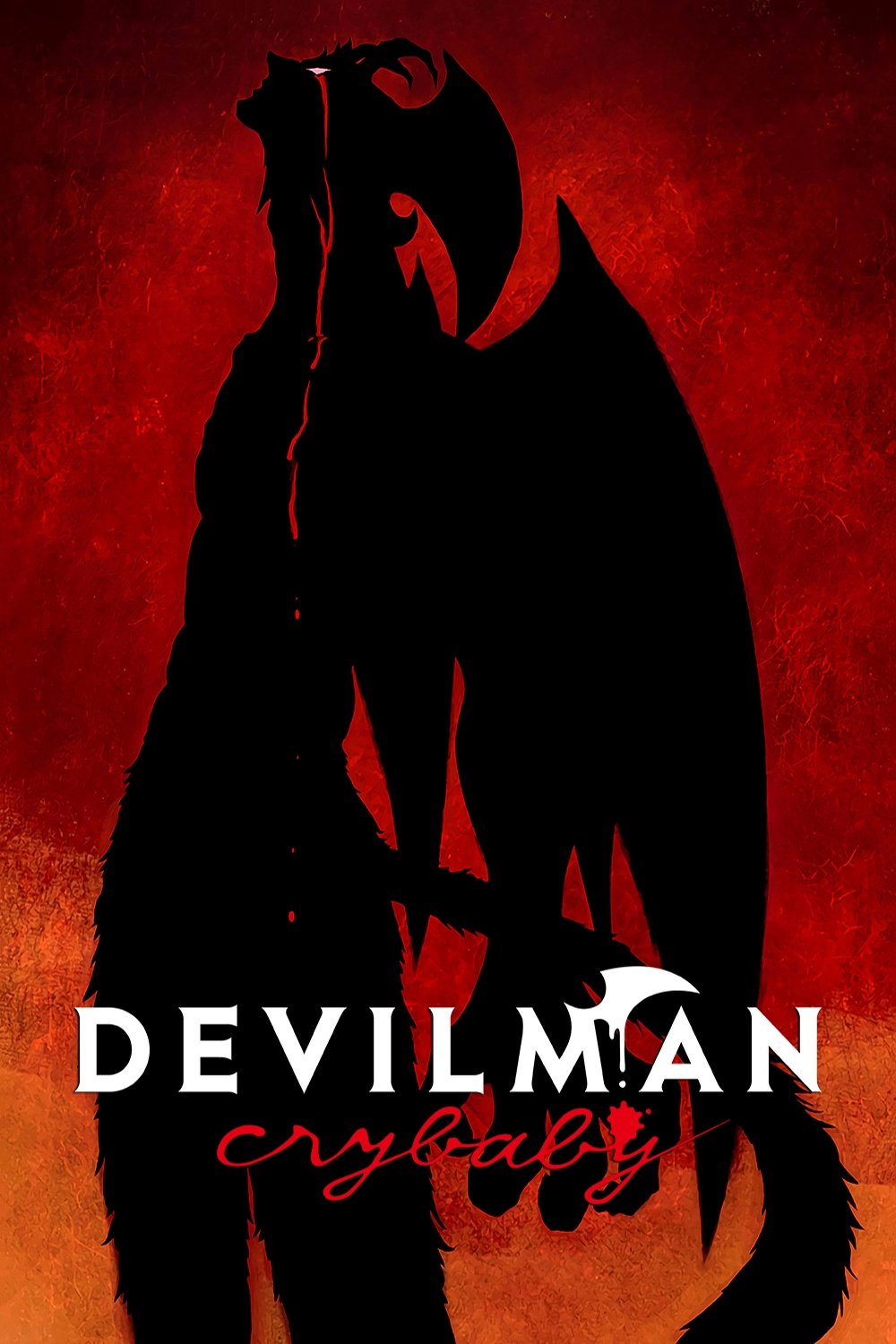
This adaptation of Go Nagai’s manga comes from Science SARU with direction by Masaaki Yuasa. The story follows Akira Fudo as he becomes Devilman to confront demons hiding among humans. It runs ten episodes and features a contemporary setting that reinterprets the original’s core themes. The show is known for kinetic animation, electronic scoring, and a complete narrative in one season.
‘Castlevania’ (2017–2021)
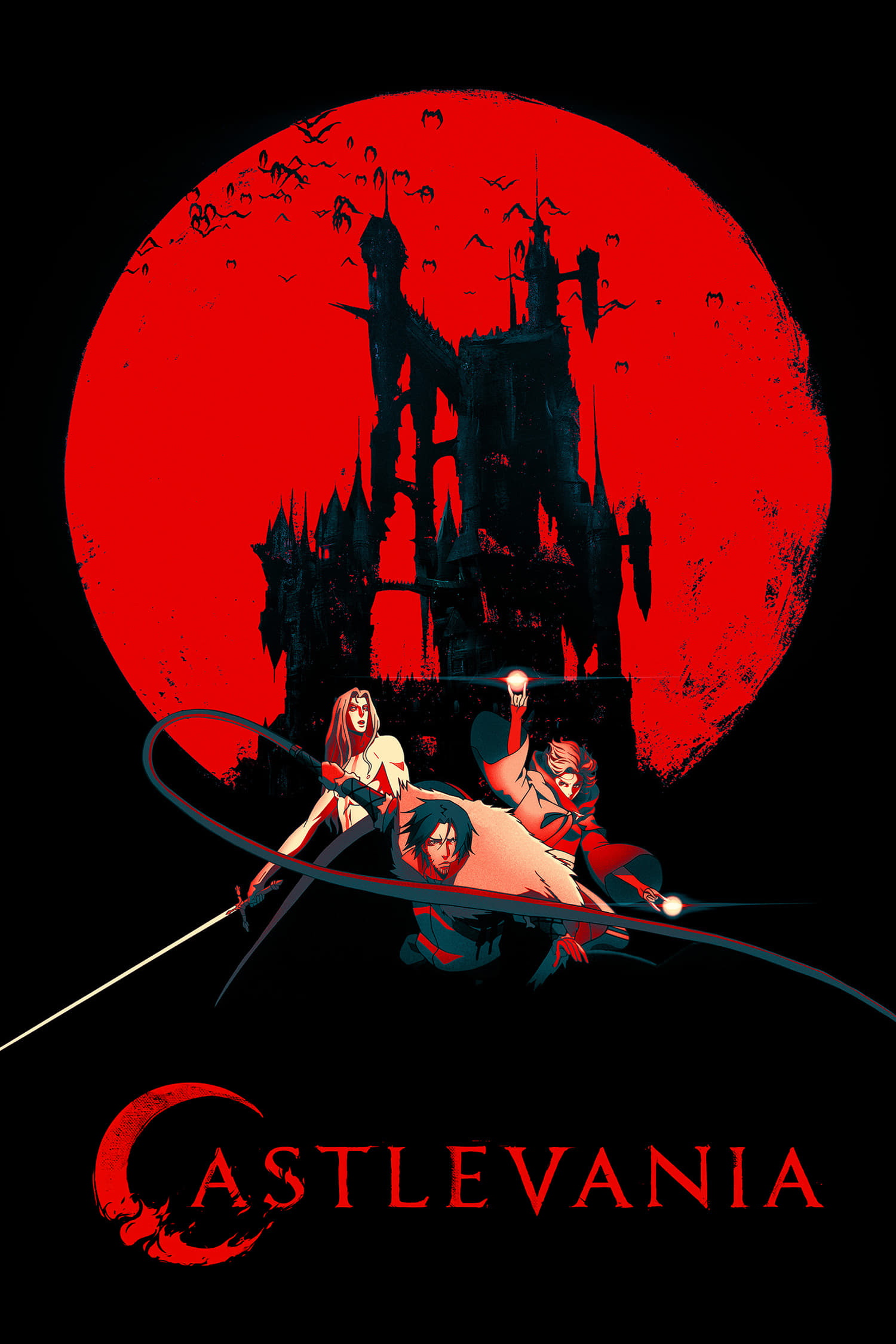
Produced by Powerhouse Animation, this series adapts Konami’s long-running game franchise. It follows Trevor Belmont, Sypha Belnades, and Alucard as they battle Dracula’s forces across Wallachia. The series spans four seasons with tightly connected arcs. Expect mature storytelling, detailed fight choreography, and a clear beginning and end.
‘Castlevania: Nocturne’ (2023–2024)
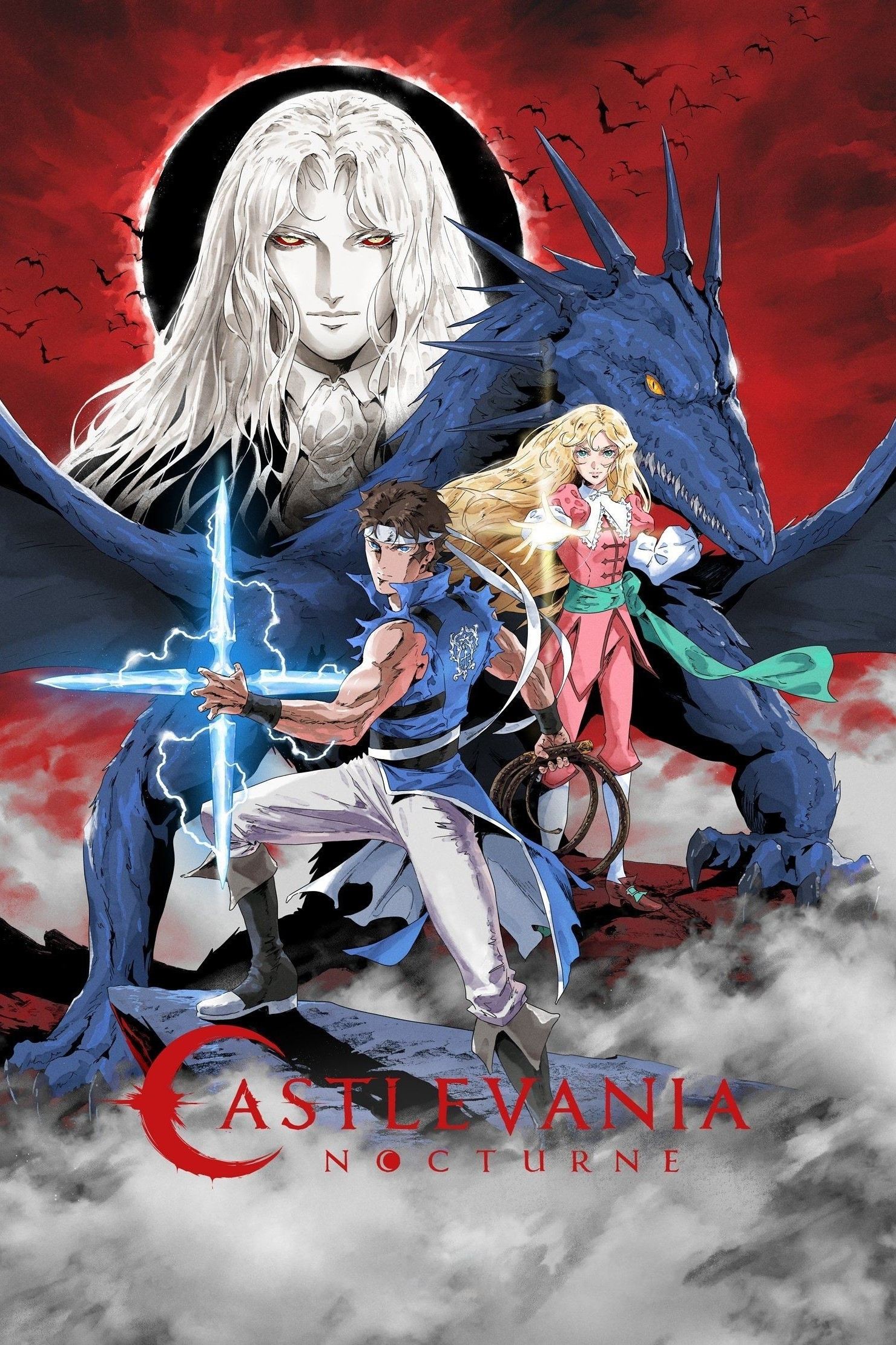
Powerhouse Animation continues the universe with Richter Belmont during the French Revolution. The story introduces new allies and antagonists tied to the Belmont legacy and vampire courts. Season one tells a self-contained arc while setting up broader conflicts. It expands the lore with fresh locales, new vampire factions, and a focus on inherited duty.
‘Cyberpunk: Edgerunners’ (2022)
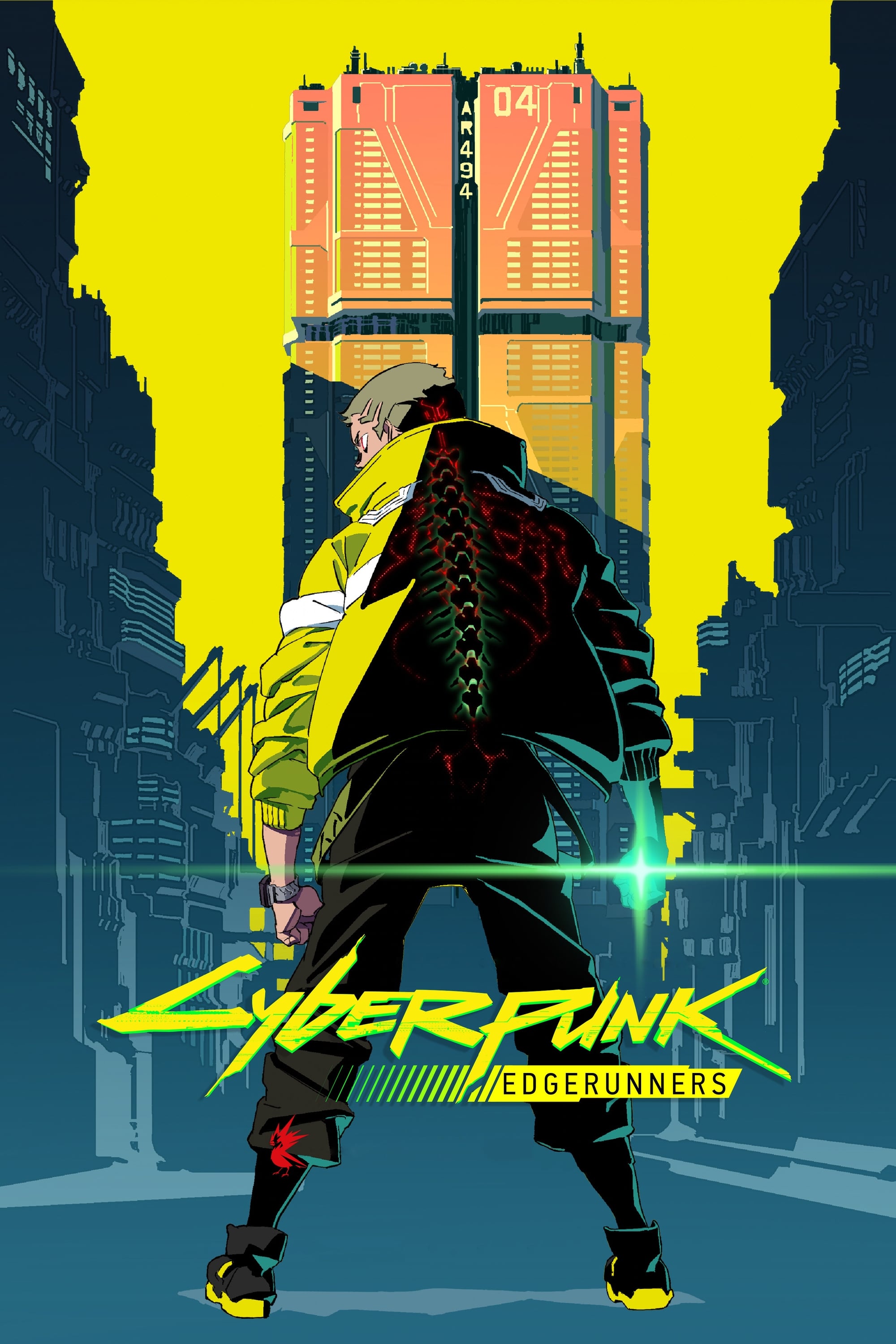
Studio Trigger adapts the world of the video game into a self-contained ten-episode story. David Martinez enters Night City’s mercenary scene after a personal tragedy. The show integrates game tech like cyberware and chooms into a tight crime narrative. It features original characters, a complete arc, and music curated from the game’s soundscape.
‘Violet Evergarden’ (2018)
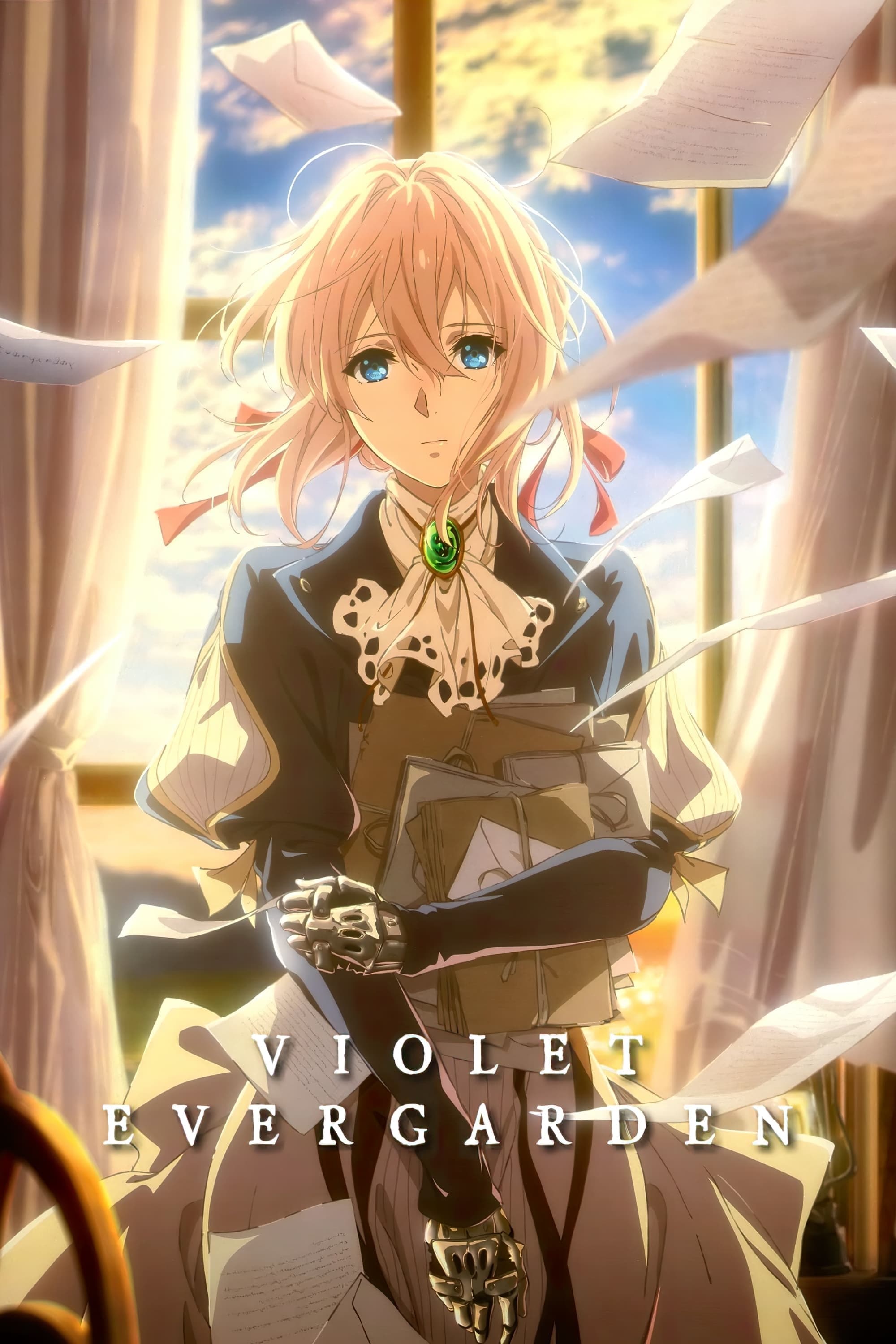
Kyoto Animation tells the story of Violet, a former child soldier who becomes an Auto Memory Doll writing letters for others. The series explores her search for purpose and understanding of emotion. It features thirteen main episodes and additional specials that deepen character backstories. Meticulous background art and character animation support its quiet, dramatic tone.
‘Beastars’ (2019–2024)
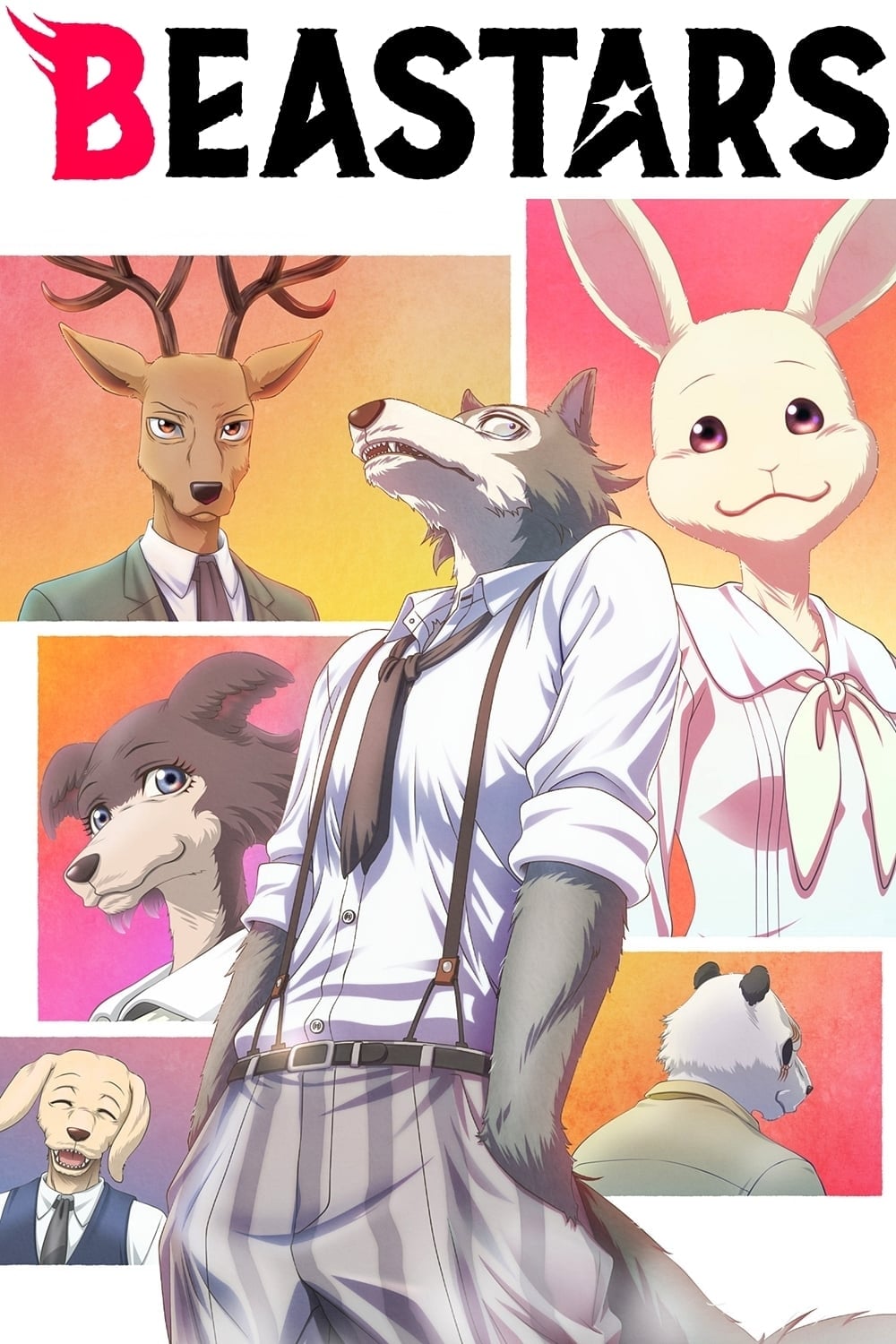
Studio Orange uses CG animation to adapt Paru Itagaki’s manga about carnivore and herbivore student societies. The plot centers on Legoshi and Haru as tensions rise at Cherryton Academy. Multiple seasons cover school politics, interspecies conflict, and crime syndicates. The production emphasizes expressive character rigs and nuanced staging.
‘Great Pretender’ (2020)
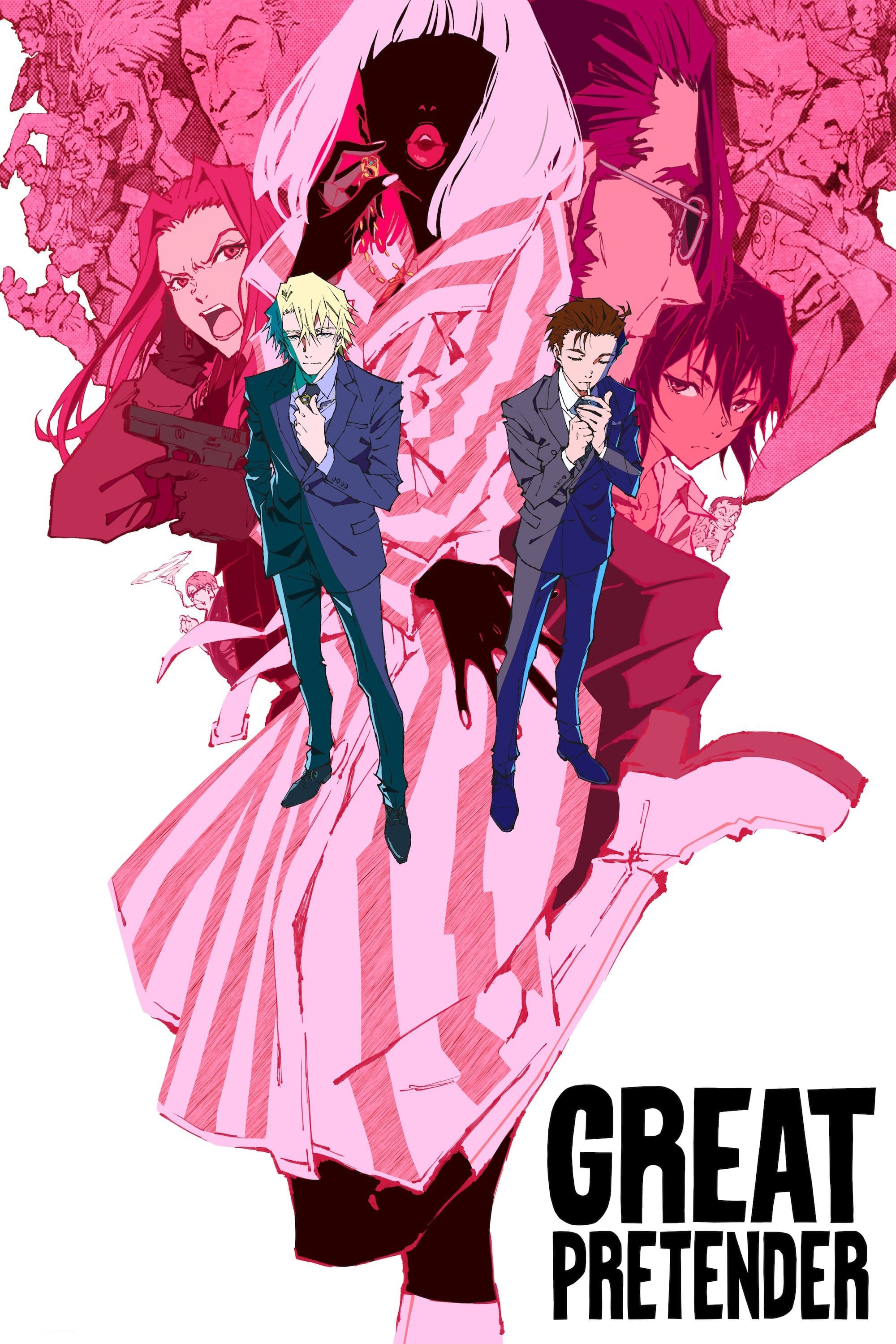
Wit Studio crafts globe-trotting heists split into case arcs. Con artist Makoto Edamura teams with veteran Laurent Thierry to target criminals and corrupt elites. The series blends multilingual dialogue and colorful art direction with caper storytelling. It closes major character threads by the end of its run.
‘Dorohedoro’ (2020)
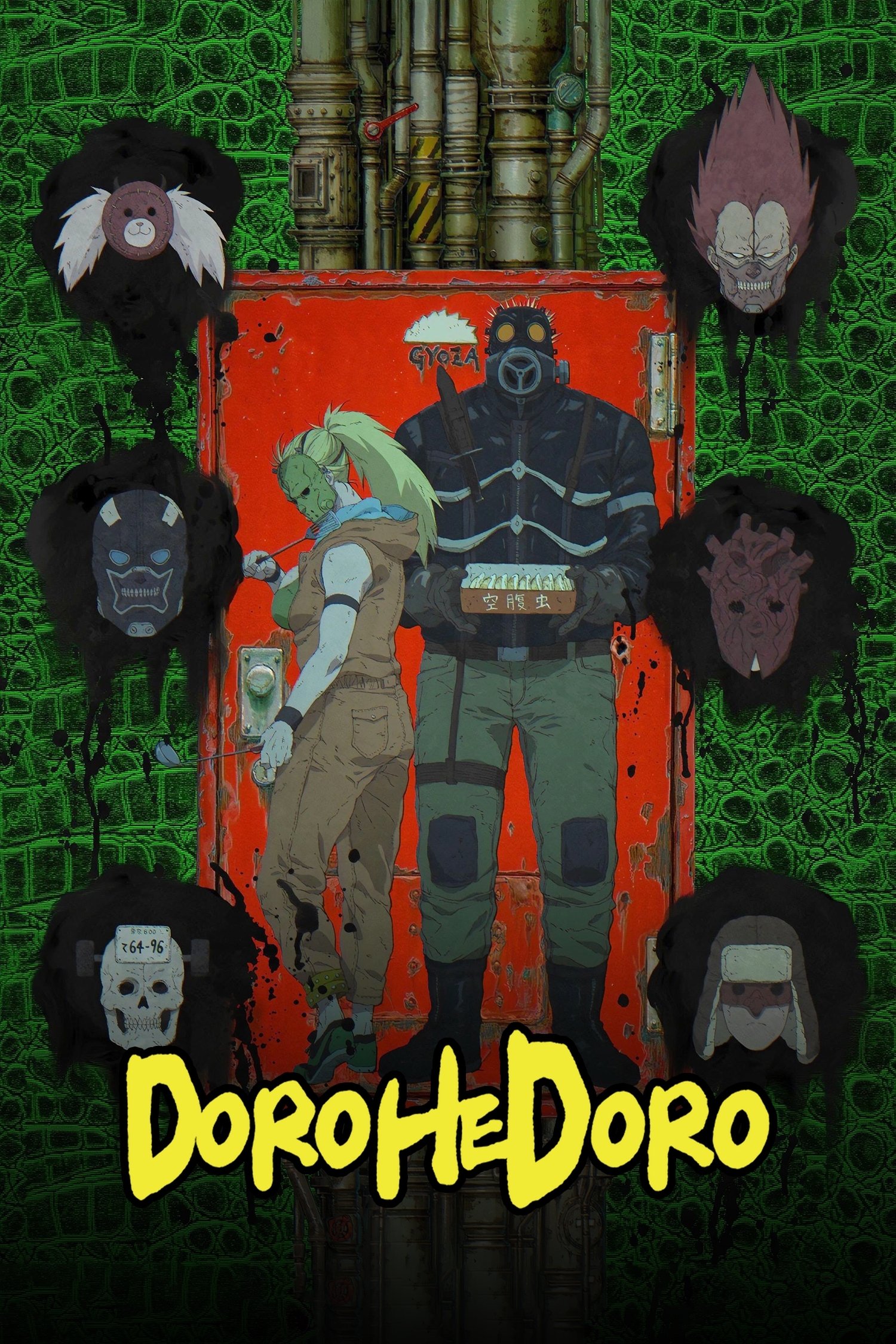
MAPPA adapts Q Hayashida’s surreal action manga set between the Hole and the sorcerer realm. Amnesiac Caiman hunts for the spellcaster who transformed his head while pairs like Shin and Noi enforce sorcerer interests. The season covers early arcs and includes OVA side stories. Its CG-assisted visuals support dense worldbuilding and chaotic fights.
‘Baki’ (2018–2020)
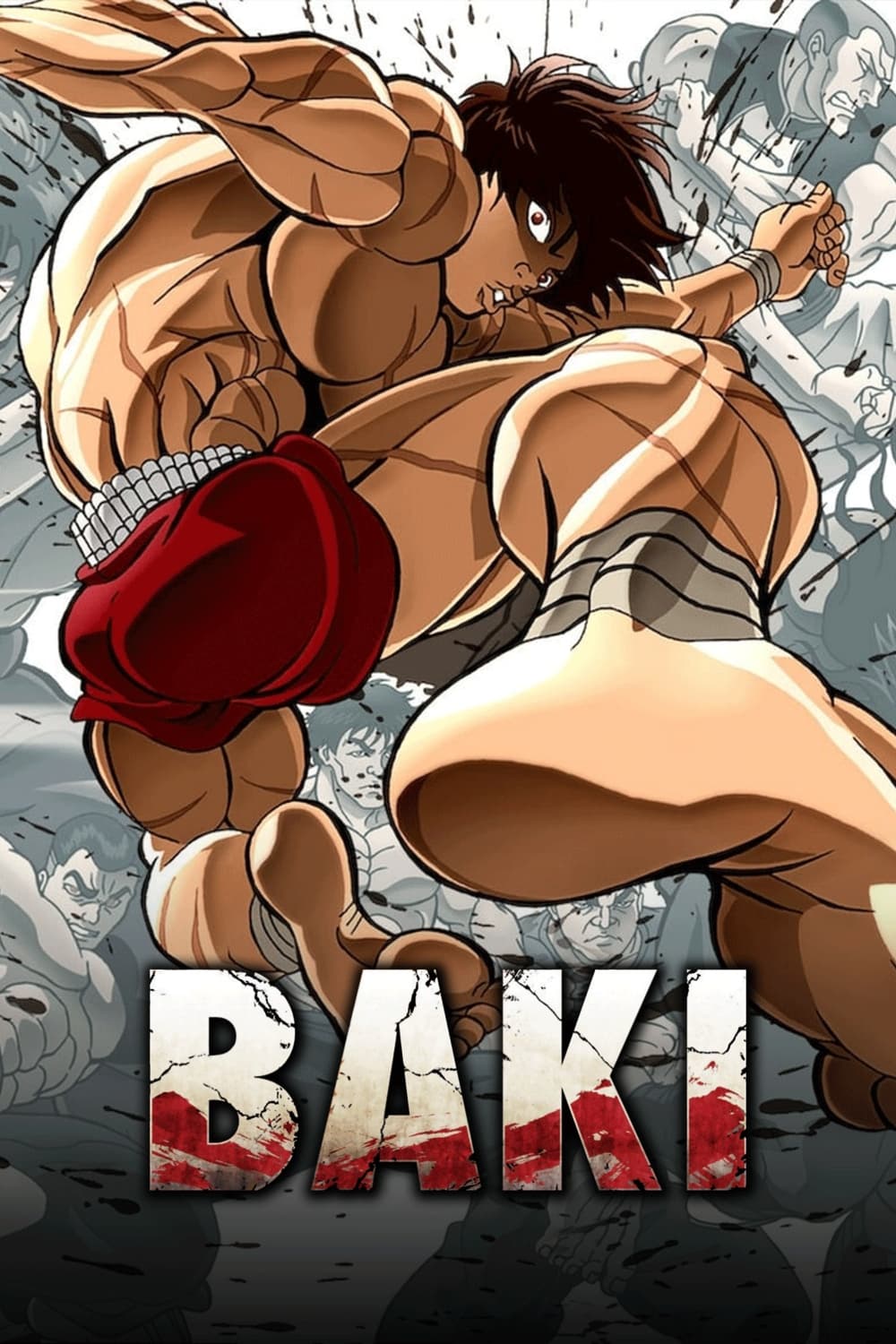
TMS Entertainment adapts the underground fighting saga with tournament and prison arcs. Baki Hanma and a roster of martial artists clash in matches that showcase distinct styles. The run is split into cours that progress through major manga storylines. Training set pieces and exaggerated technique explanations anchor the format.
‘Baki Hanma’ (2021–2023)
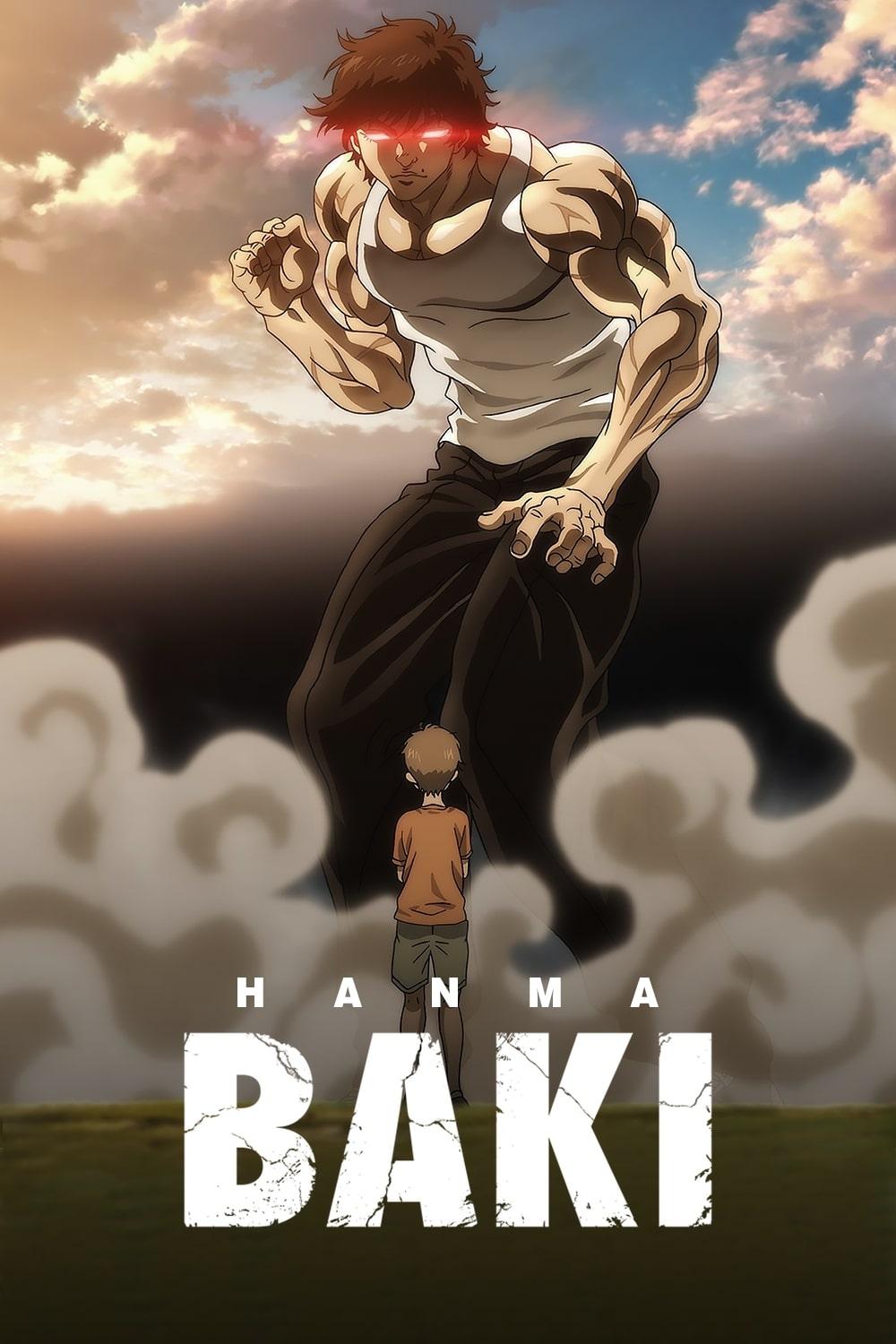
This follow-up continues Baki’s path toward facing his father Yujiro. TMS Entertainment structures the story around escalating showdowns and the decisive confrontation. Seasons adapt the later manga arcs with returning fighters and new contenders. The production keeps consistent designs, narration style, and ring presentation.
‘Kengan Ashura’ (2019–2024)
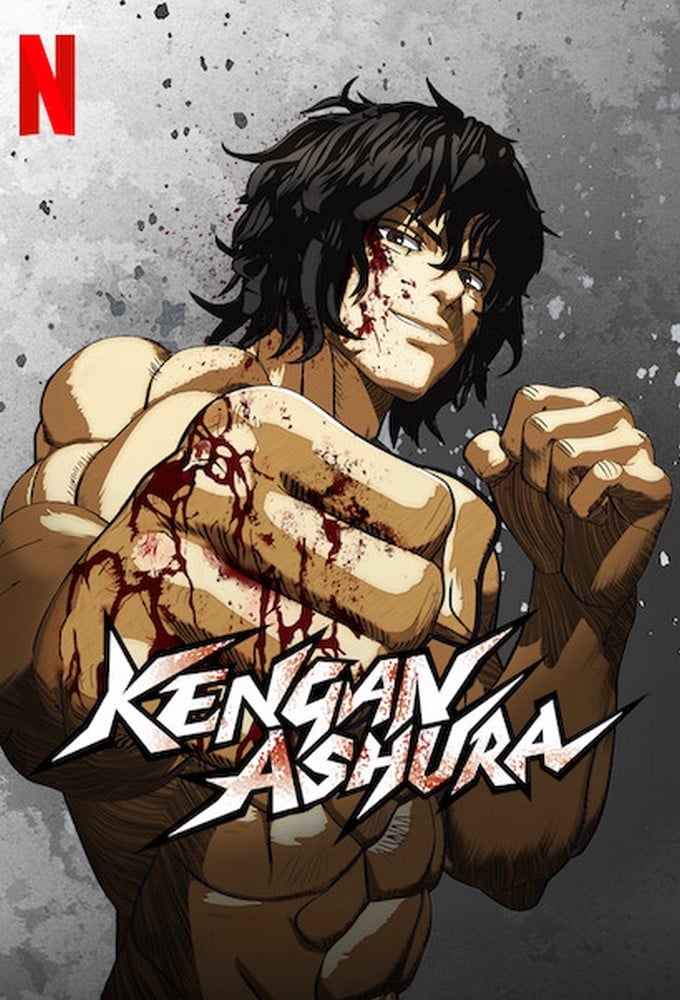
Larx Entertainment brings corporate gladiator battles to the screen from Yabako Sandrovich’s manga. Salarymen and champions fight on behalf of companies in regulated arenas. Seasons track the Kengan Annihilation Tournament with bracket progression and rematches. The choreography focuses on technique naming, counters, and brutal finishes.
‘Kakegurui’ (2017–2019)

MAPPA adapts the high-stakes gambling manga set at Hyakkaou Private Academy. Transfer student Yumeko Jabami challenges the student council through games of skill and risk. Two seasons cover escalating matches and political maneuvering within the school. Game rules, wagers, and penalties are explained clearly in each arc.
‘Kakegurui Twin’ (2022)
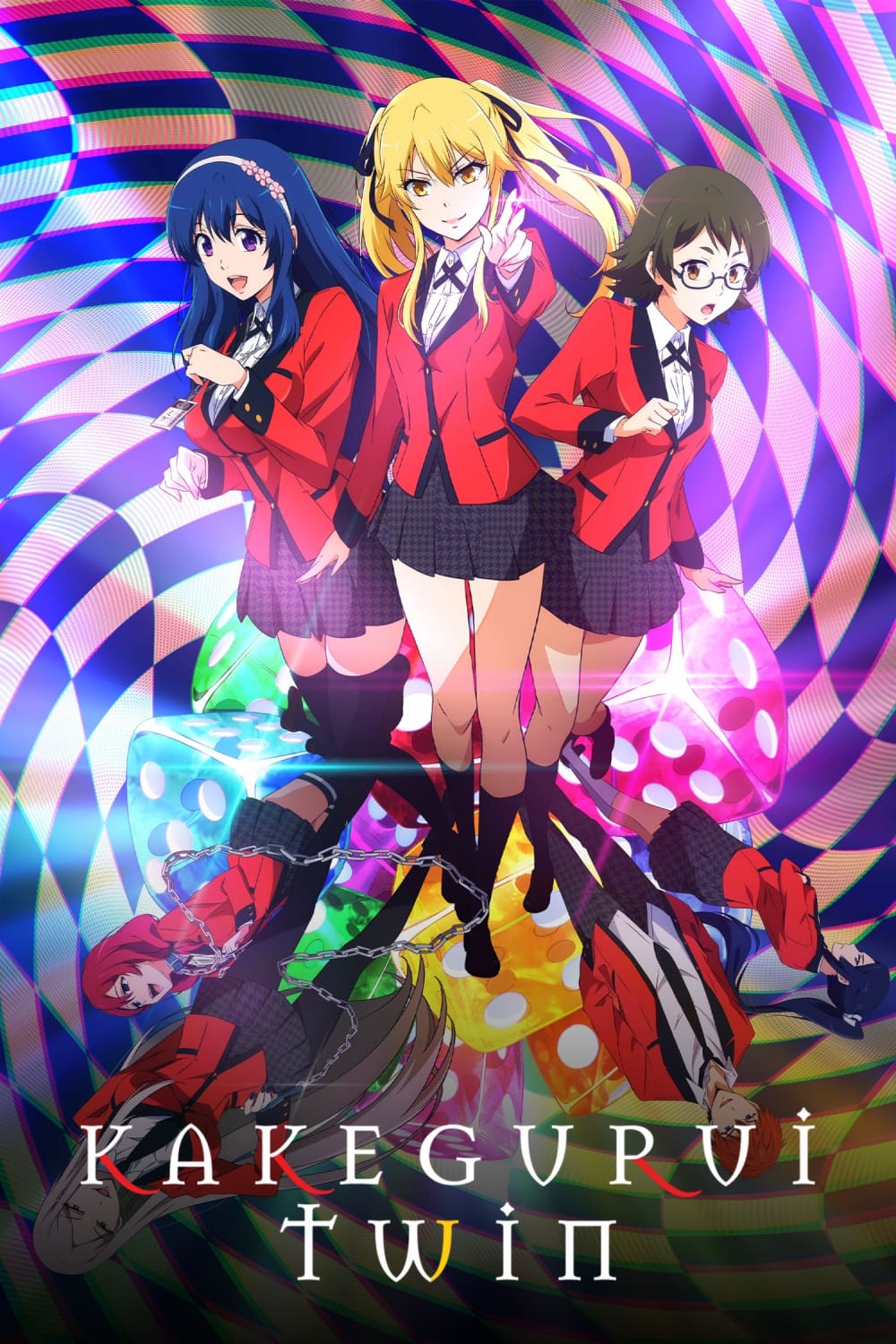
This prequel focuses on Mary Saotome’s rise before Yumeko arrives. MAPPA adapts the spinoff manga with a six-episode run. It details early power structures, game formats, and Mary’s tactics to survive the council. The tone and visual language align with the main series while centering a different lead.
‘Aggretsuko’ (2018–2023)
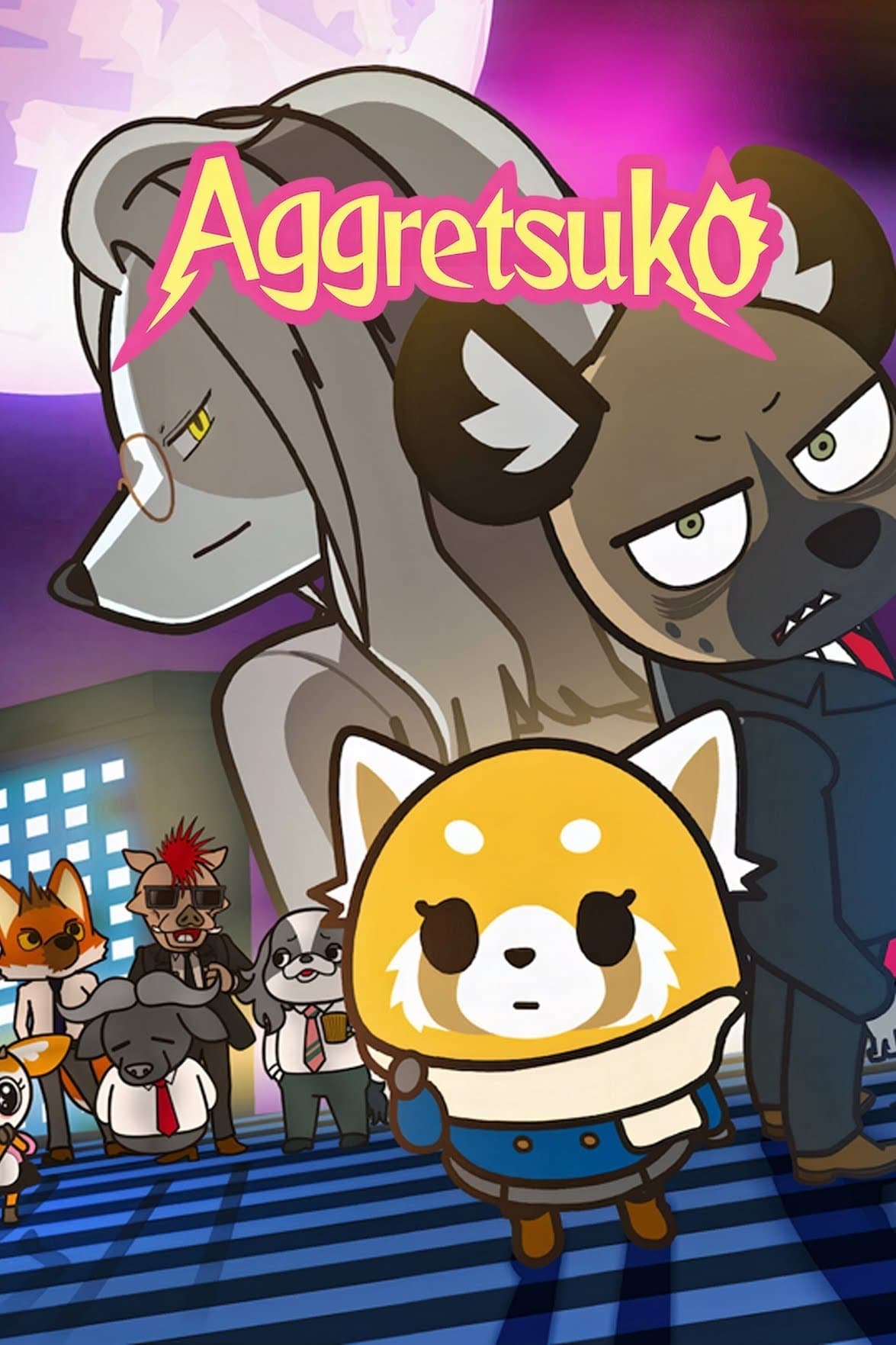
Fanworks adapts Sanrio’s office worker red panda who vents through death metal karaoke. Each season follows workplace changes, side gigs, and shifting relationships. Short episode lengths keep arcs brisk while building an ensemble cast. Character progress accumulates across five seasons with clear status shifts at the end.
‘Pluto’ (2023)
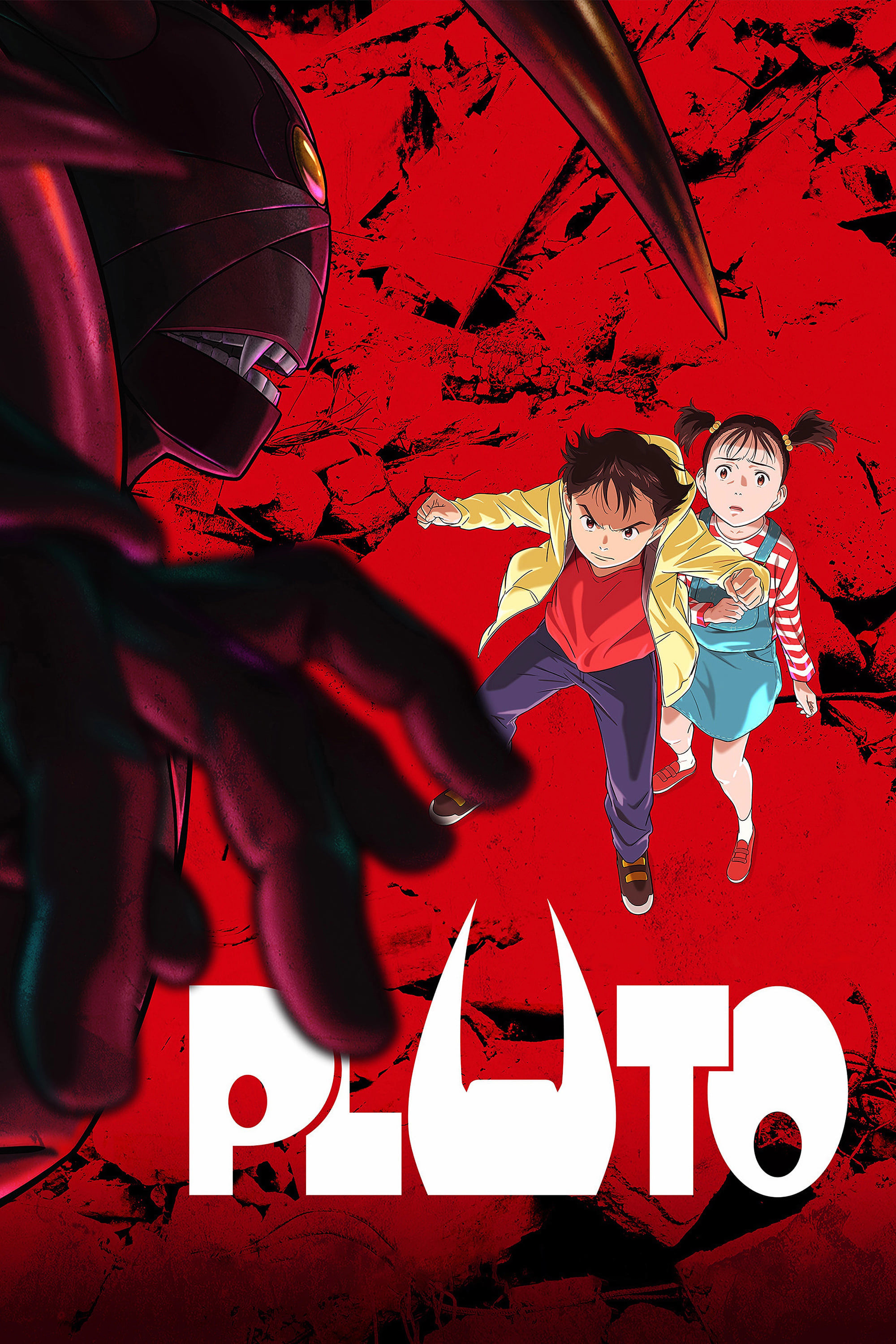
Based on Naoki Urasawa’s reimagining of an ‘Astro Boy’ arc, this series runs eight feature-length episodes. It investigates a string of robot and human murders with Gesicht at the center. The production involves Tezuka Productions and partners to preserve the manga’s detail. Each episode adapts a focused segment that builds to a unified conclusion.
‘Onimusha’ (2023)

Sublimation adapts Capcom’s historical action franchise with CG animation. The story follows Miyamoto Musashi wielding an Oni gauntlet against demonic foes. The season spans eight episodes with a travel structure and set piece duels. Character designs reference Toshiro Mifune to ground the period aesthetic.
‘Spriggan’ (2022)
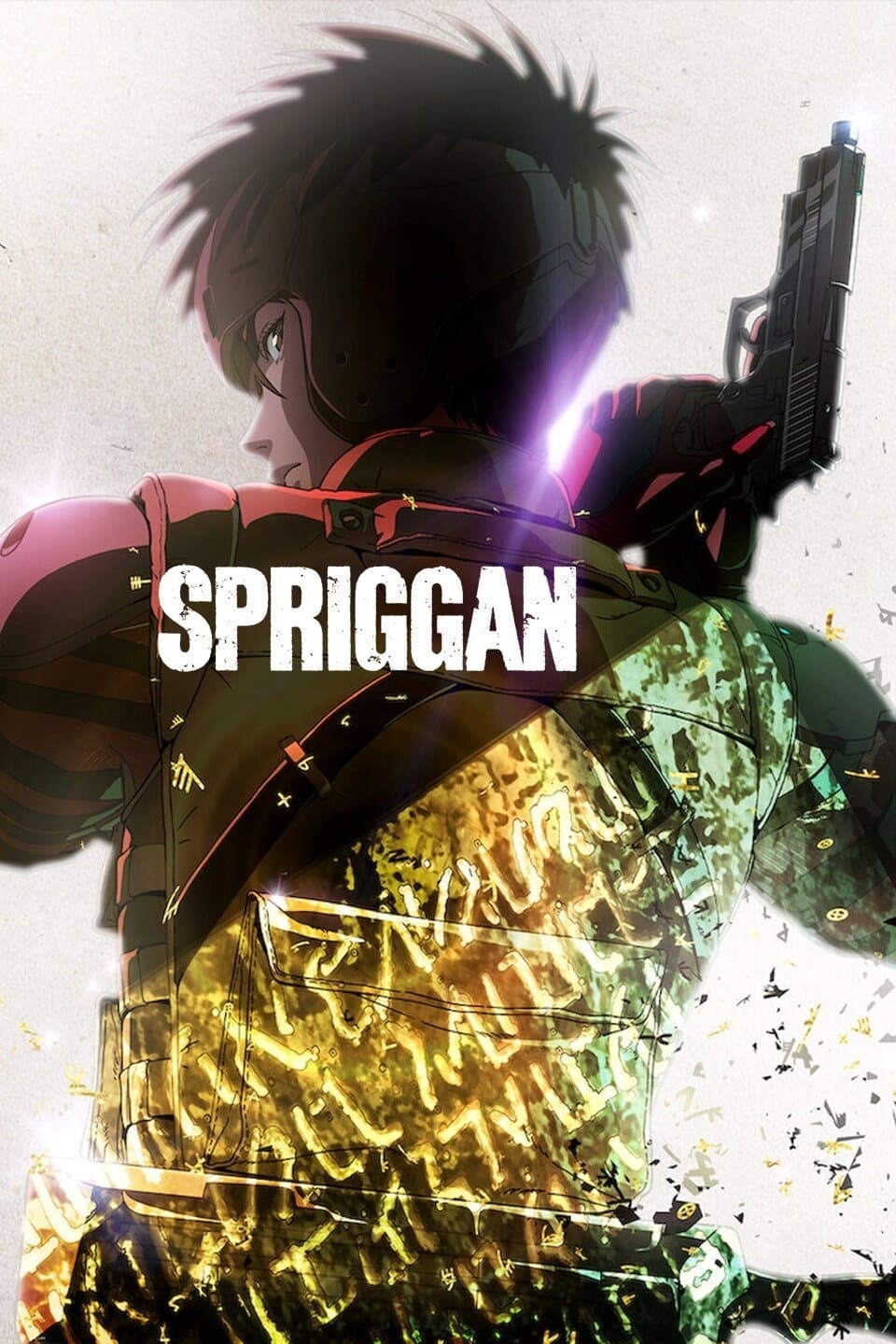
David Production adapts the classic action manga about ARCAM’s artifact operatives. Protagonist Yu Ominae thwarts militaries and rogue groups seeking ancient devices. The season presents case-based missions with modernized tech and gear. Enhanced effects and sharp linework update the property for contemporary viewers.
‘Ultraman’ (2019–2023)
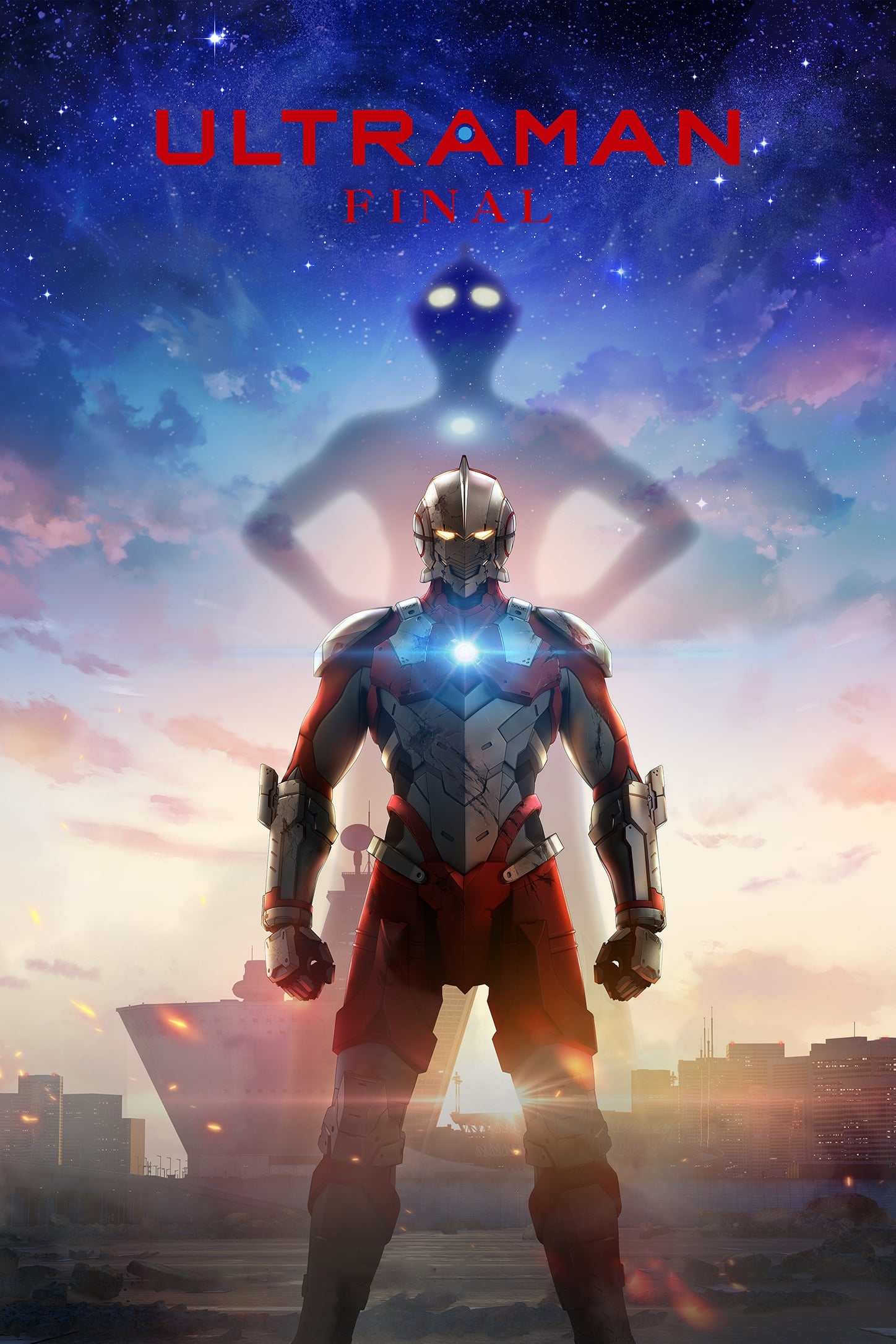
Sola Digital Arts and Production I.G adapt the manga sequel to the live-action franchise. Shinjiro Hayata inherits the Ultraman Factor and joins the SSSP against alien threats. Three seasons advance suit upgrades, multiple Ultramen, and organized enemy cells. The series uses motion capture and CG suits to stage large battles.
‘Japan Sinks: 2020’ (2020)
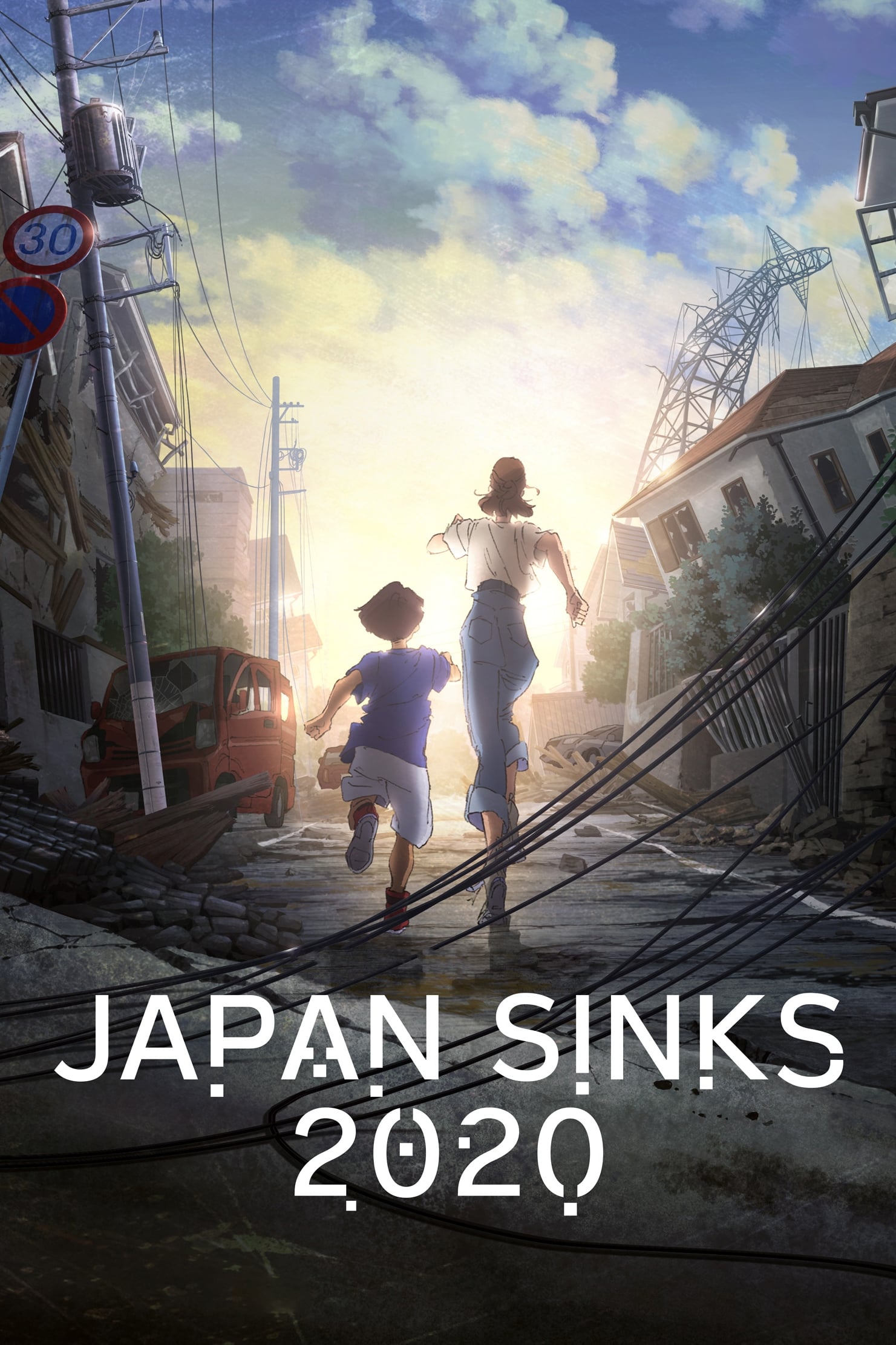
Science SARU adapts Sakyo Komatsu’s disaster novel for a modern setting. The Mutoh family navigates nationwide upheaval after massive tectonic events. Ten episodes track survival logistics, migration routes, and communication breakdowns. Location changes and time jumps show the impact on diverse communities.
‘Yasuke’ (2021)
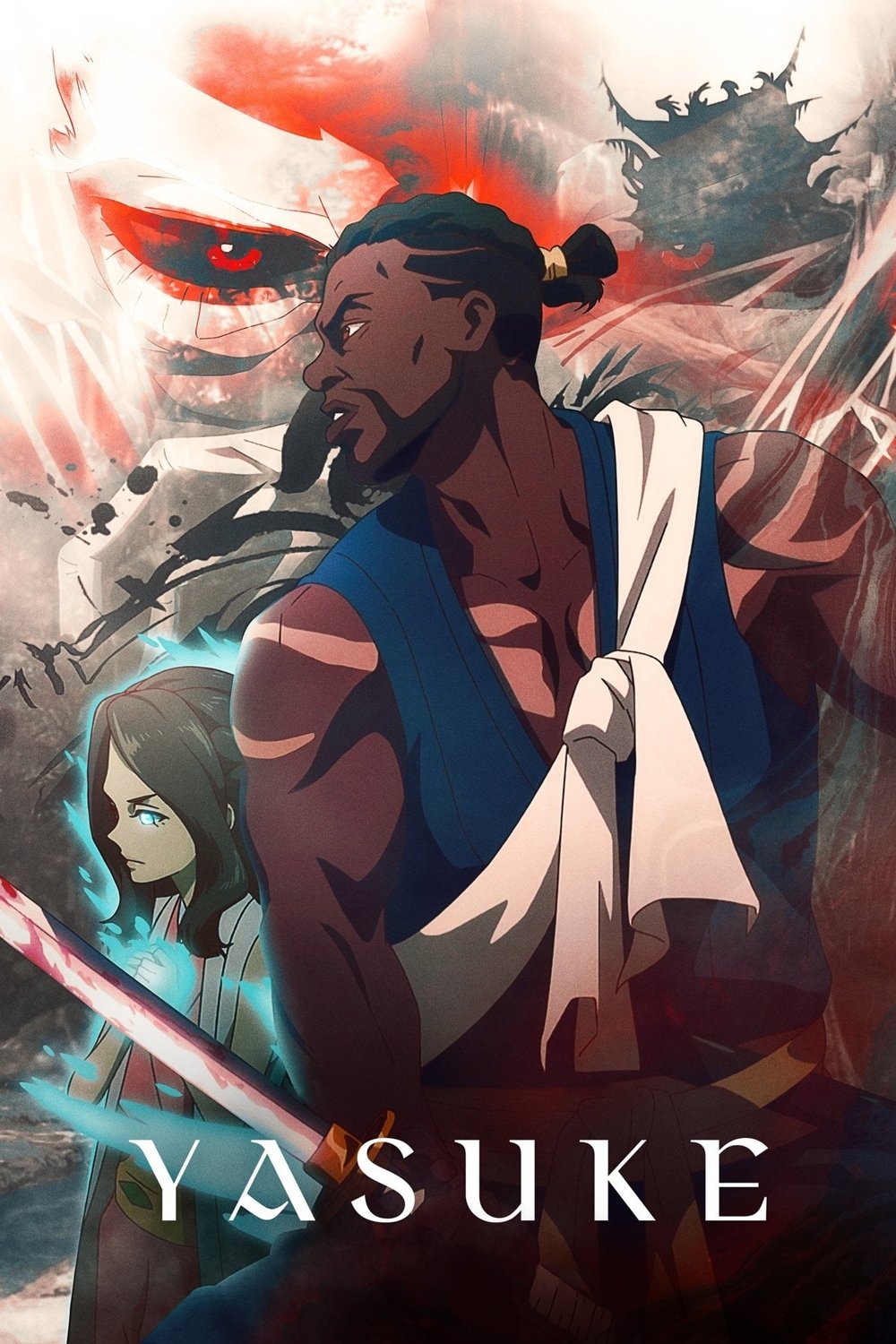
Created by LeSean Thomas with animation by MAPPA, this series centers on the African samurai in a fantastical retelling. The plot follows a village girl with mysterious power and forces seeking to control it. Six episodes cover the main conflict with a focused cast. Music by Flying Lotus and voice work by LaKeith Stanfield define its sound and lead.
‘Scott Pilgrim Takes Off’ (2023)
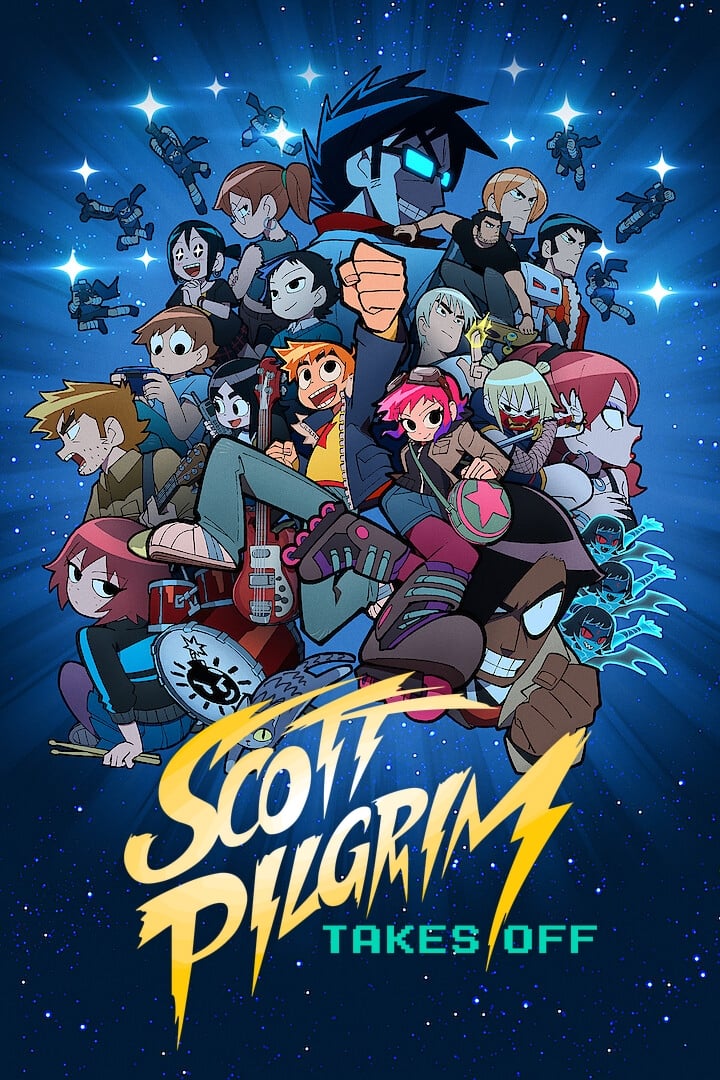
Science SARU adapts Bryan Lee O’Malley’s comic with the original live-action cast returning as voices. The series reworks events with new perspectives on Scott, Ramona, and the League of Evil Exes. Eight episodes blend video game motifs, romance, and comedy with crisp action cuts. The production features O’Malley’s direct involvement and fresh story structure.
‘Exception’ (2022)
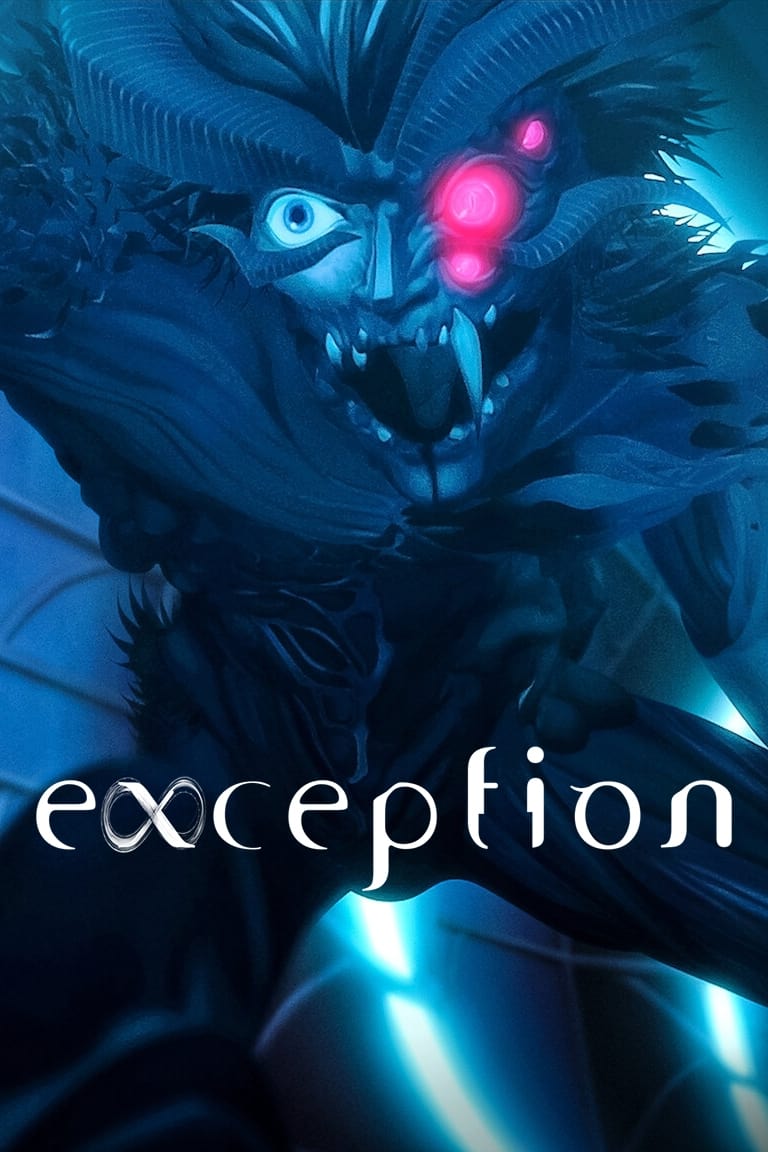
This sci-fi horror series features character designs by Yoshitaka Amano. A deep-space crew is 3D printed for a terraforming mission that goes wrong. Eight episodes explore cloning protocols, identity issues, and mission priorities. The production uses CG rendering that emphasizes lighting and texture in confined environments.
‘Dragon’s Dogma’ (2020)

Sublimation adapts Capcom’s action RPG into a seven-episode journey. The narrative tracks Ethan and his Pawn as they confront creatures themed around the seven deadly sins. Episodes function as discrete quests that advance a personal vendetta against the dragon. Environments and monster designs echo the game’s bestiary.
‘Thermae Romae Novae’ (2022)
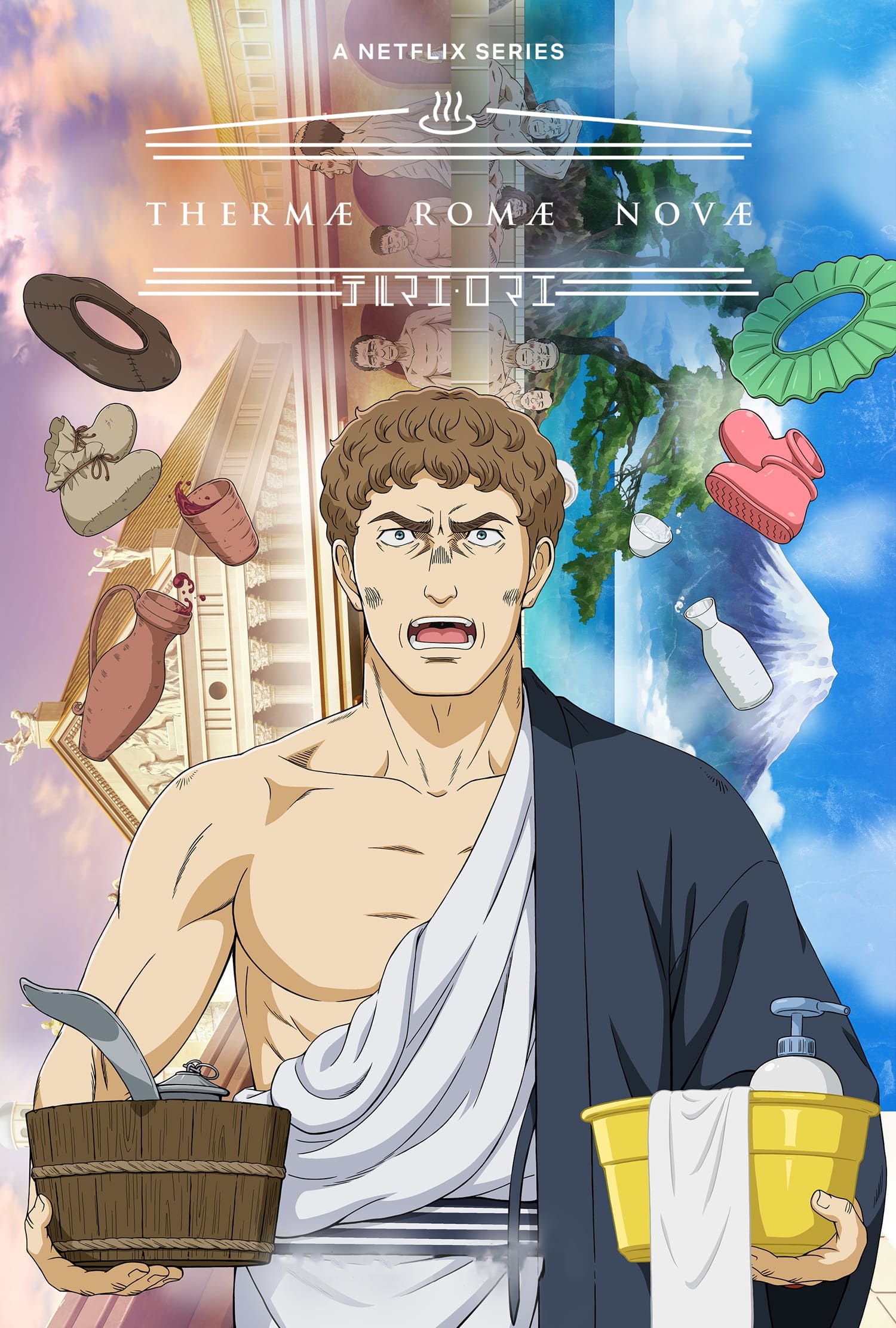
This comedy adapts Mari Yamazaki’s manga about a Roman bath architect who time slips to modern Japan. Each episode compares ancient practices with contemporary bathing culture and design. Live action segments with the author appear after animated portions. The series presents terminology and historical notes about public baths.
‘Super Crooks’ (2021)
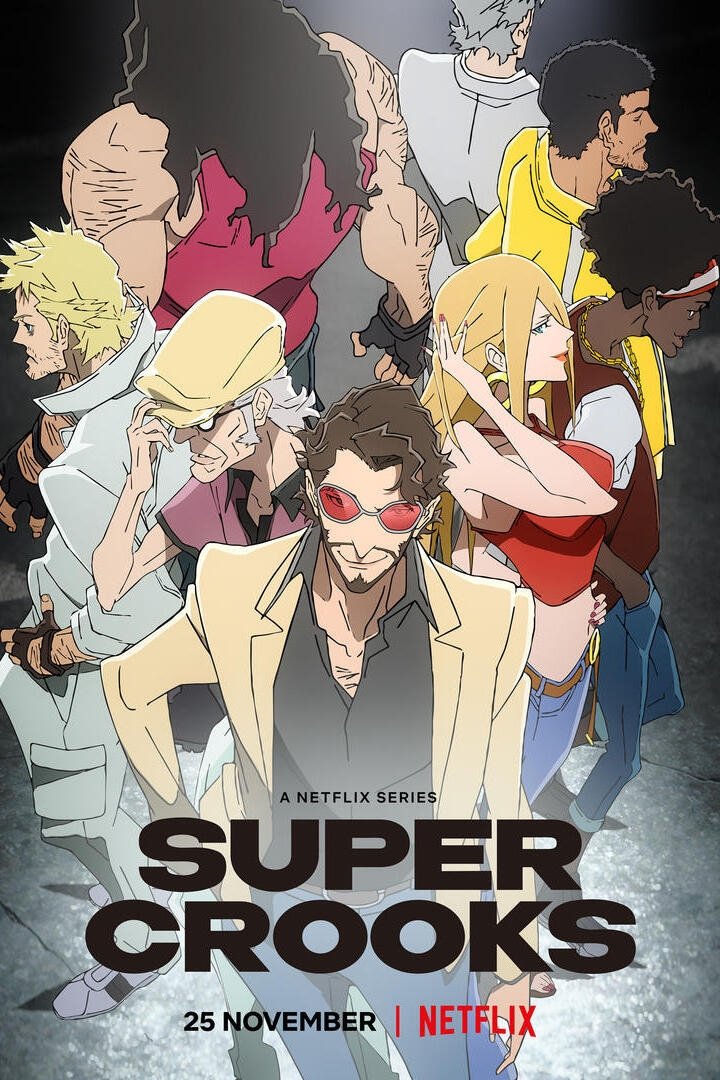
Studio Bones adapts Mark Millar’s superpowered heist comic in the same universe as ‘Jupiter’s Legacy’. Johnny Bolt leads a crew through training, recruitment, and escalating scores. Thirteen episodes cover origin material and new stories that expand the cast. Fight scenes, cons, and double crosses are organized into clear operation phases.
Share your favorite Netflix original anime in the comments and tell us which one you think newcomers should try first.