15 Most Powerful Hindu Gods, Ranked


From the oldest Vedic hymns to living temple traditions, Hinduism describes a vast pantheon in which divine beings embody cosmic forces, ethics, protection, knowledge, and liberation. Power shows up in many ways—creation and dissolution, preservation of order, command over the elements, wisdom that dispels ignorance, or the shakti that energizes the universe. This countdown brings together major deities referenced across the Vedas, Upanishads, Puranas, and epics, noting their domains, symbols, mantras, and forms widely honored in practice. Each entry highlights attributes and stories commonly taught in scriptures and lived devotion, with names and roles kept in their traditional spellings.
Vayu
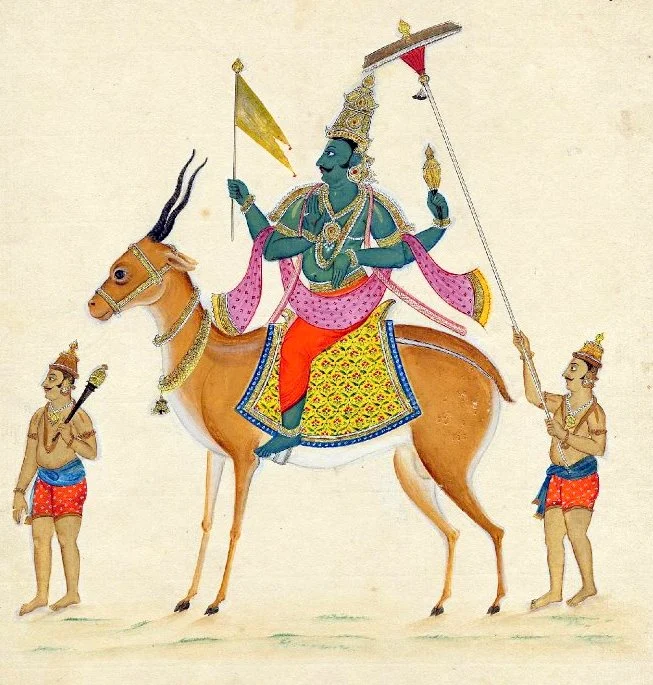
Vayu is the deity of wind and life-breath (prāṇa), appearing in Vedic hymns as the swift mover who carries the fragrance of offerings. He is invoked as the force that animates beings and as a companion of Indra in battle hymns. Iconography often shows him riding an antelope or seated on a chariot, indicating speed and invisible reach. In many traditions, regulating prāṇa through breath practices is linked to Vayu’s subtle presence in the body.
Agni
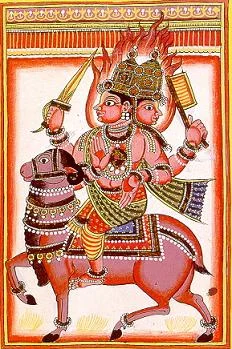
Agni is the sacred fire and mouth of the gods in Vedic ritual, mediating offerings between humans and the divine. As the ever-new flame, he is described as born in wood yet immortal, present in hearth, lightning, and the sun’s blaze. Priestly rites, yajñas, and household ceremonies traditionally begin with Agni, whose threefold form spans earth, atmosphere, and sky. He symbolizes transformation, carrying prayers and sustaining the sacrificial order.
Surya
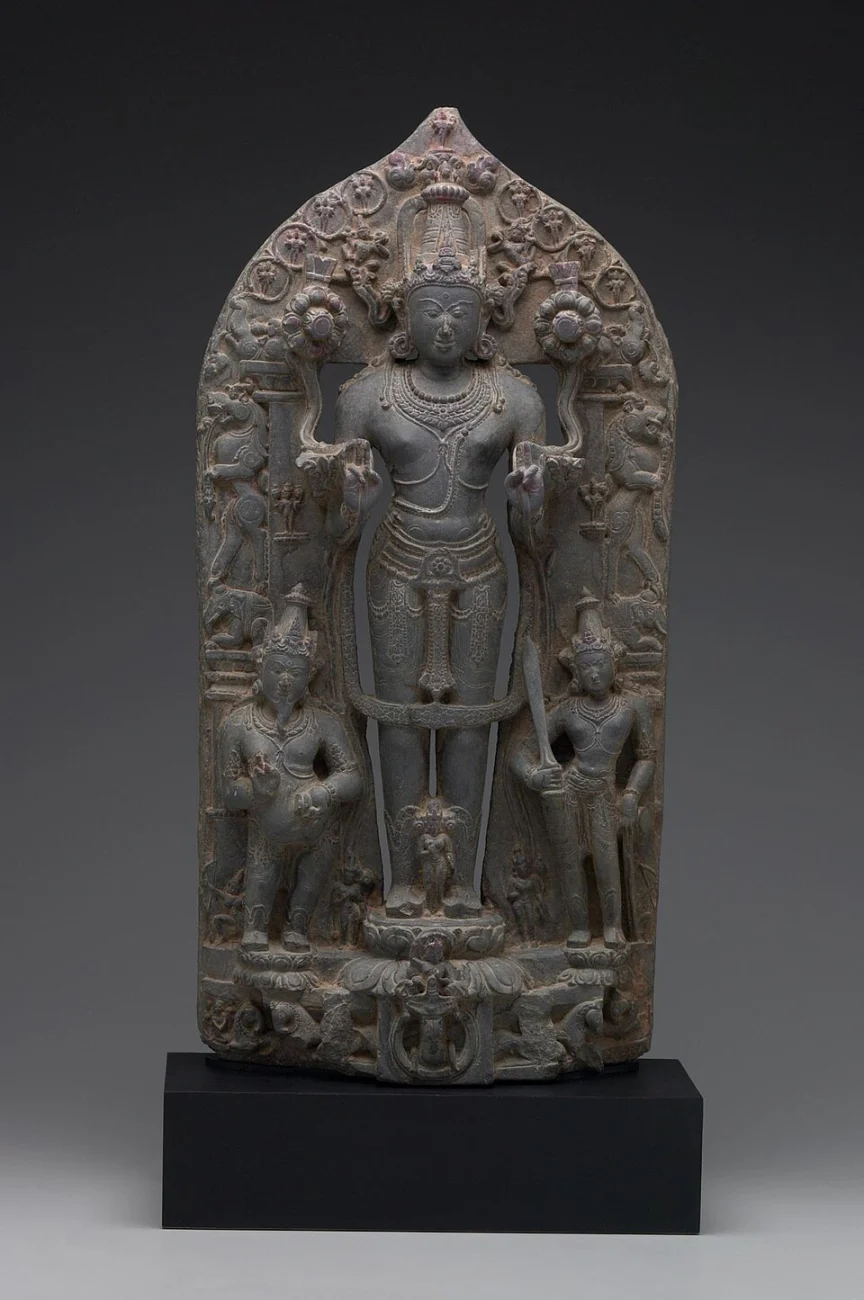
Surya is the sun deity, praised as the eye of the gods and dispeller of darkness. The Āditya rides a seven-horsed chariot, a symbol of the days or rays that sustain time and life. The sacred Gayatri mantra addresses the solar brilliance that awakens intellect and dharma. Temples and daily salutations honor Surya for health, vigor, and the steady rhythm of dawn.
Yama
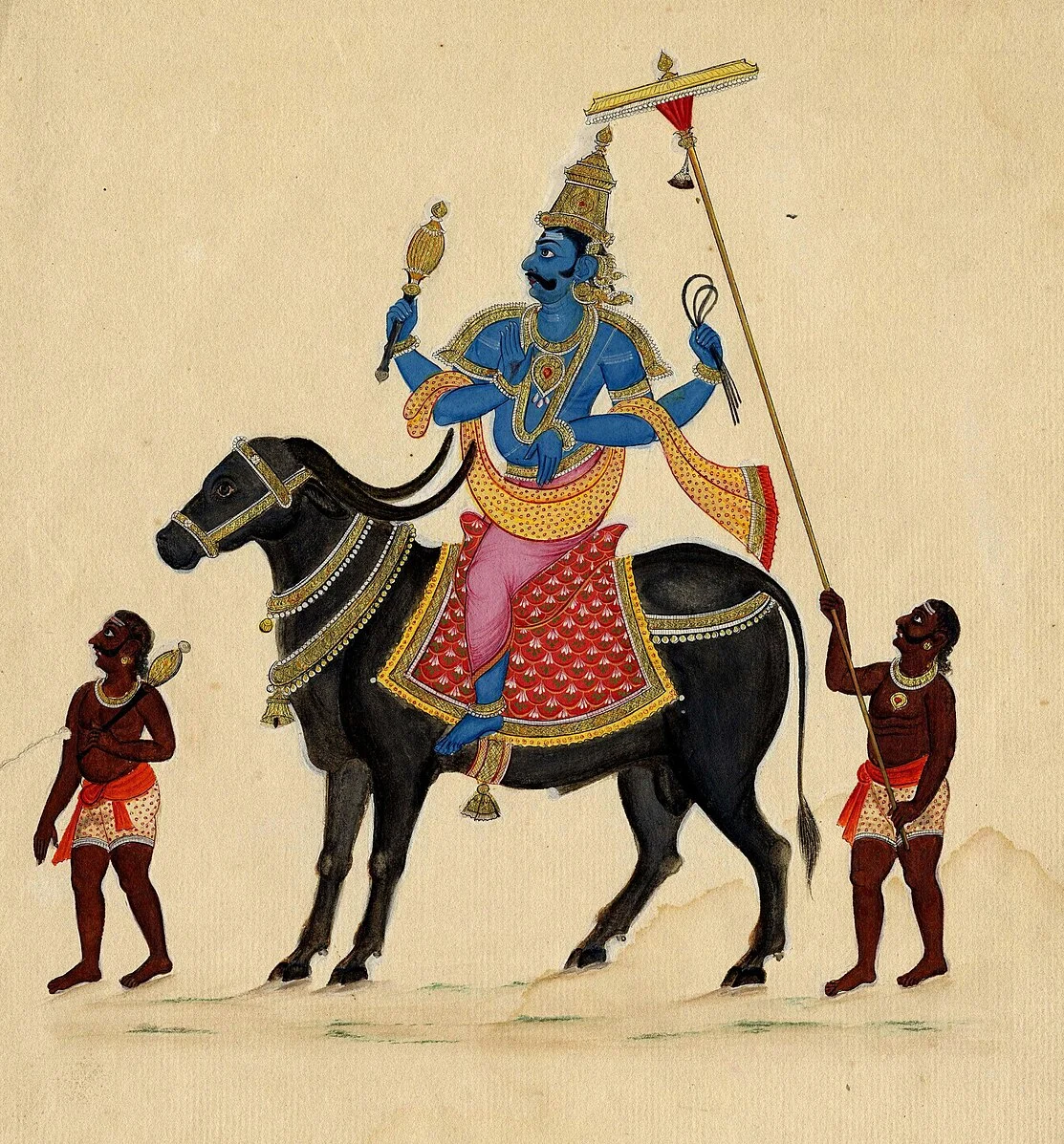
Yama is the lord of dharma and the regulator of death, described as the first being to journey the mortal path. He oversees the just measure of deeds, assigning destinations according to karmic law. His attendants and the noose symbolize the inevitability of life’s return to order. Texts present him as stern yet fair, guardian of moral balance and the passage beyond.
Indra
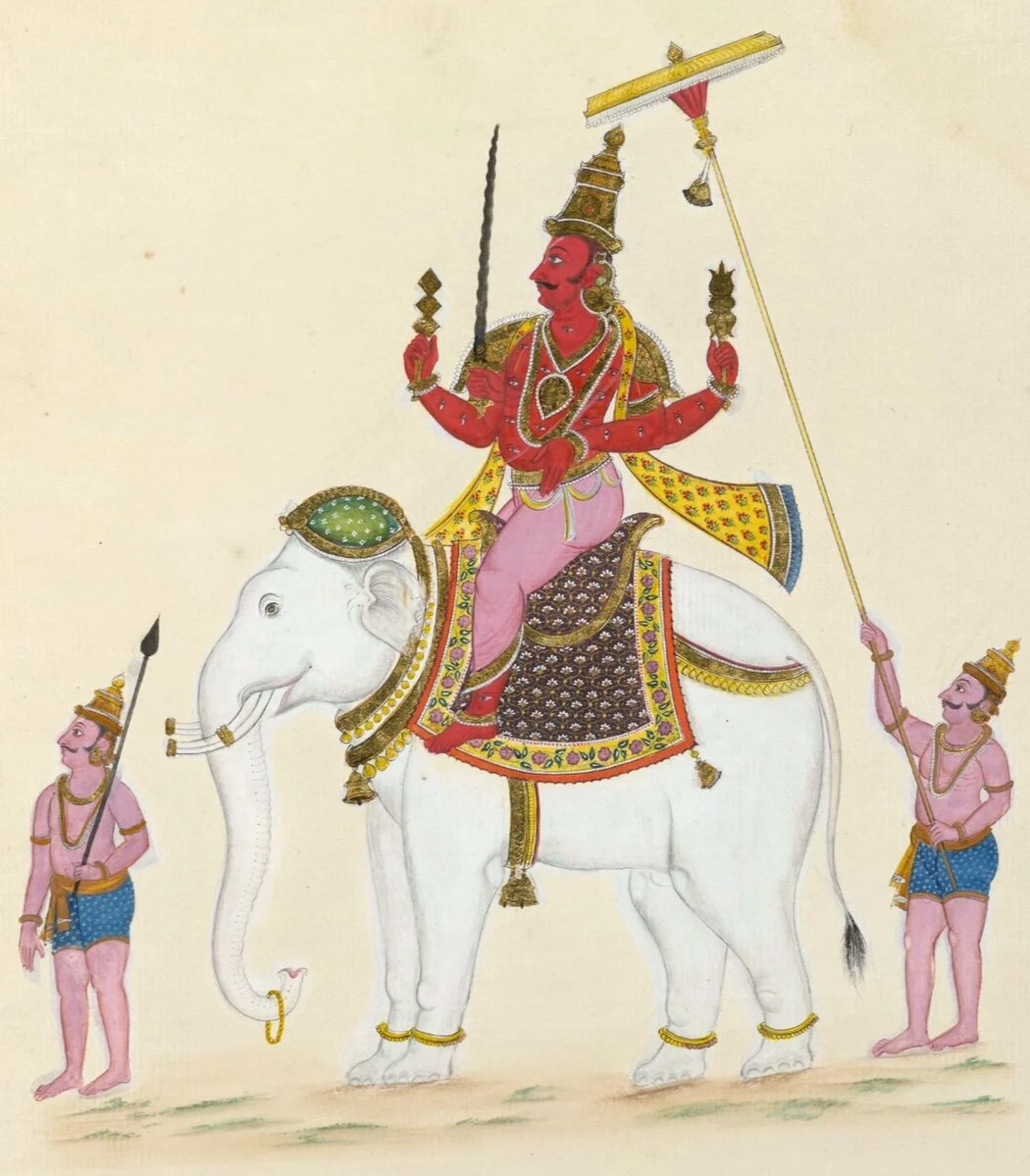
Indra is the wielder of the thunderbolt (vajra) and king of the devas in many Vedic narratives. He is celebrated for releasing the waters by defeating Vṛtra and for protecting cosmic and social order. Hymns depict him as a warrior who empowers allies, shares soma, and responds to praise with strength. His mount Airāvata and control over storms mark authority over atmosphere and victory.
Hanuman
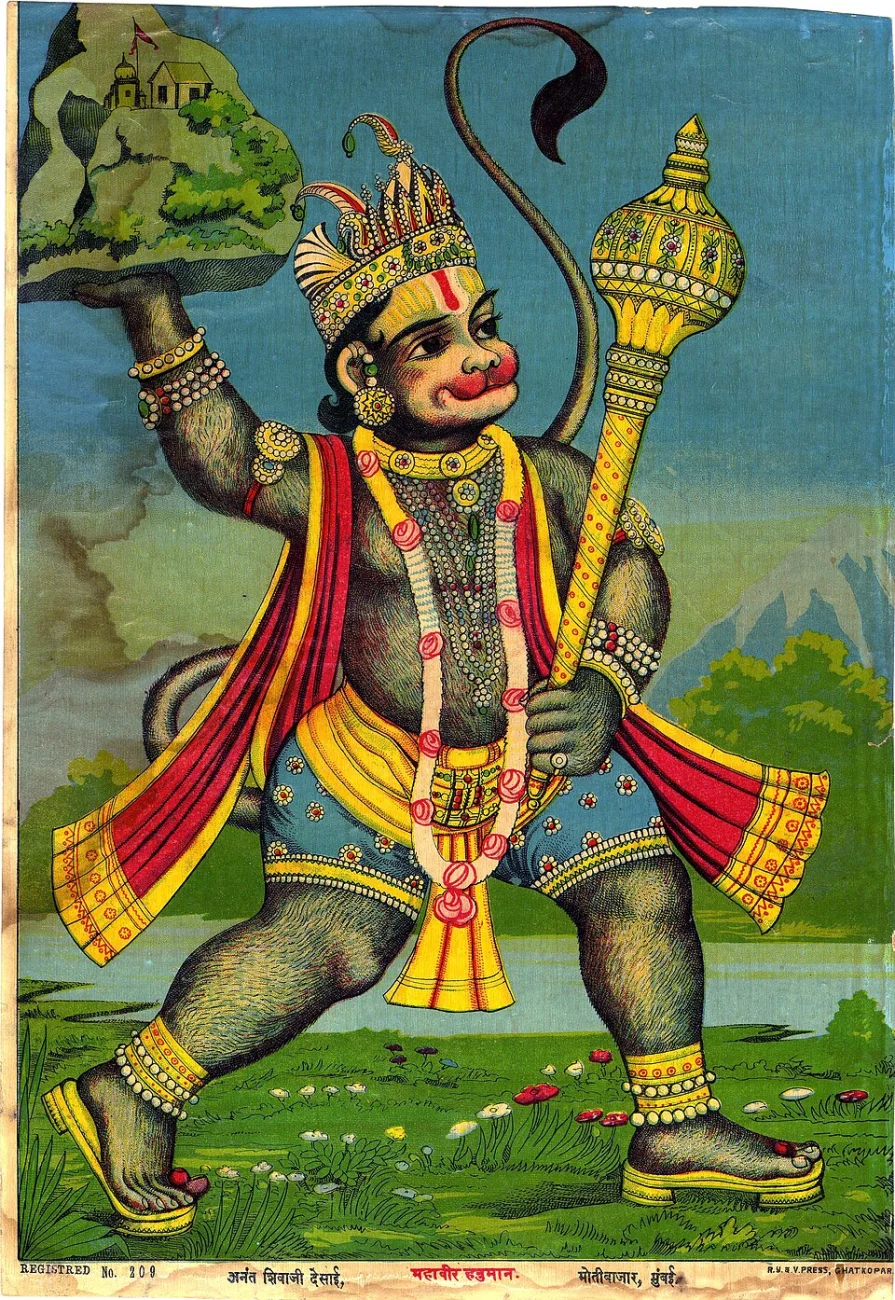
Hanuman, son of the wind, embodies devotion, courage, and mastery over body and mind. The epics recount his leap to Lanka, strength in service, and knowledge of mantra and medicine, including the bringing of the Sanjivani-bearing mountain. He is revered as a guardian against adversity and a model for unwavering focus on dharma. Temples across India and beyond invoke him for protection, stamina, and clarity.
Ganesha
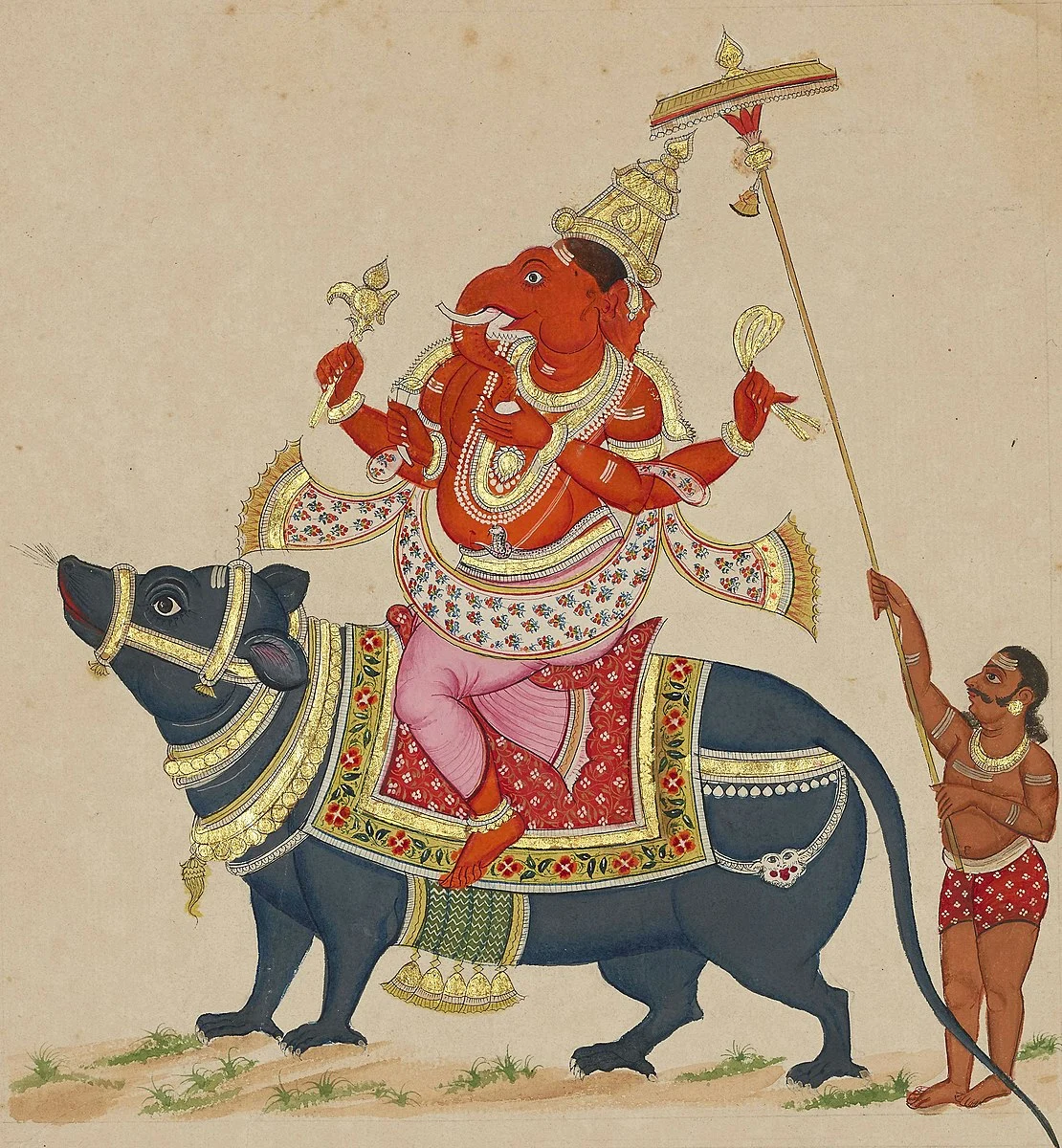
Ganesha is the remover of obstacles, patron of beginnings, and guide of intellect and arts. His elephant head symbolizes discernment and the ability to listen deeply, while the broken tusk signifies sacrifice for knowledge. He is honored first in rituals and ventures, aligning effort with auspicious timing. The modaka sweet, mouse vehicle, and noose and goad in his hands represent mastery over desires and pathways.
Skanda (Kartikeya)
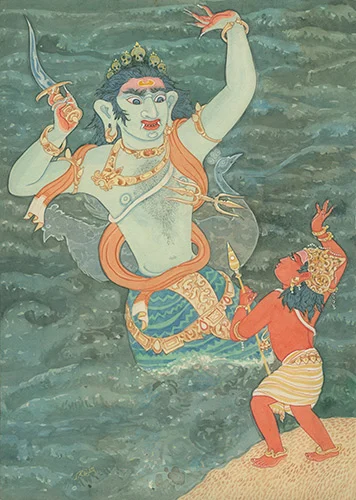
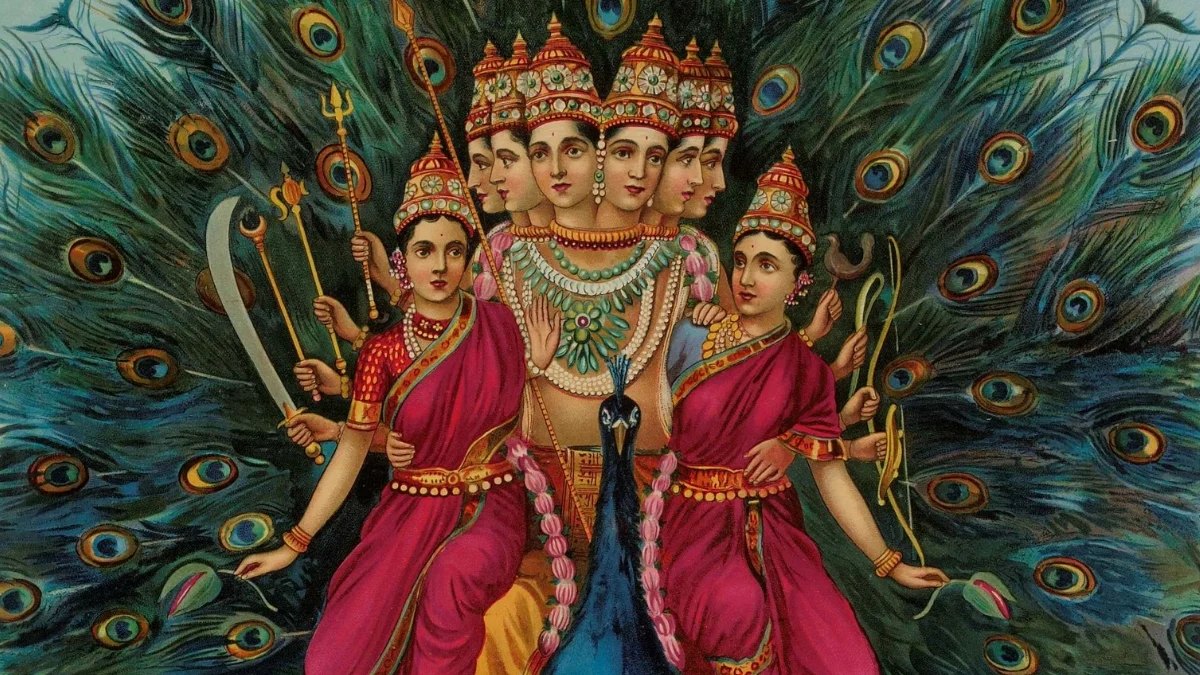
Skanda, also called Murugan or Subrahmanya, is the commander of the divine hosts and deity of valor and youth. He is associated with the spear (vel) and peacock mount, symbols of focus and the subduing of ego’s poison. Tamil traditions celebrate his six abodes and festivals, while Puranic narratives recount his leadership against demonic forces. He is invoked for courage, strategy, and the energetic drive to overcome hurdles.
Saraswati
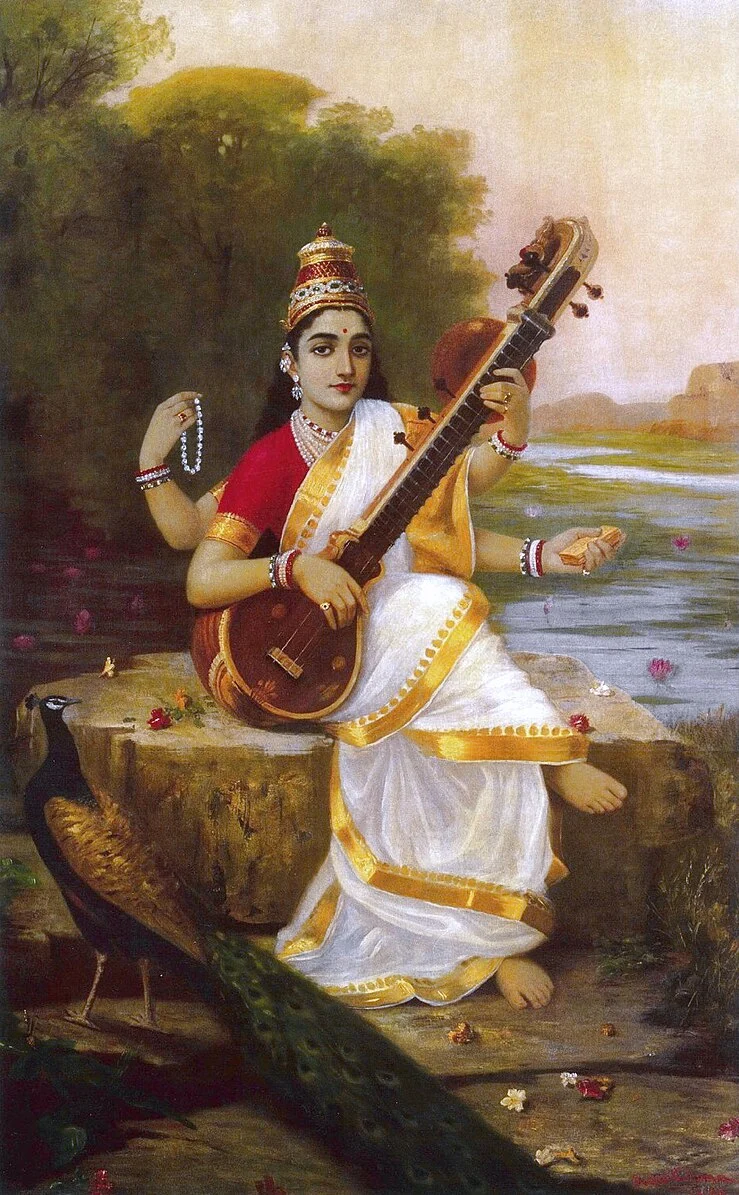
Saraswati is the goddess of learning, speech (vāk), and the arts, seated on a white lotus or swan signifying purity and discernment. The veena, book, and rosary mark harmony of knowledge, creativity, and contemplation. Students and artists revere her for eloquence, memory, and the clear flow of ideas. Her river associations echo the cleansing and sustaining current of wisdom in society.
Lakshmi
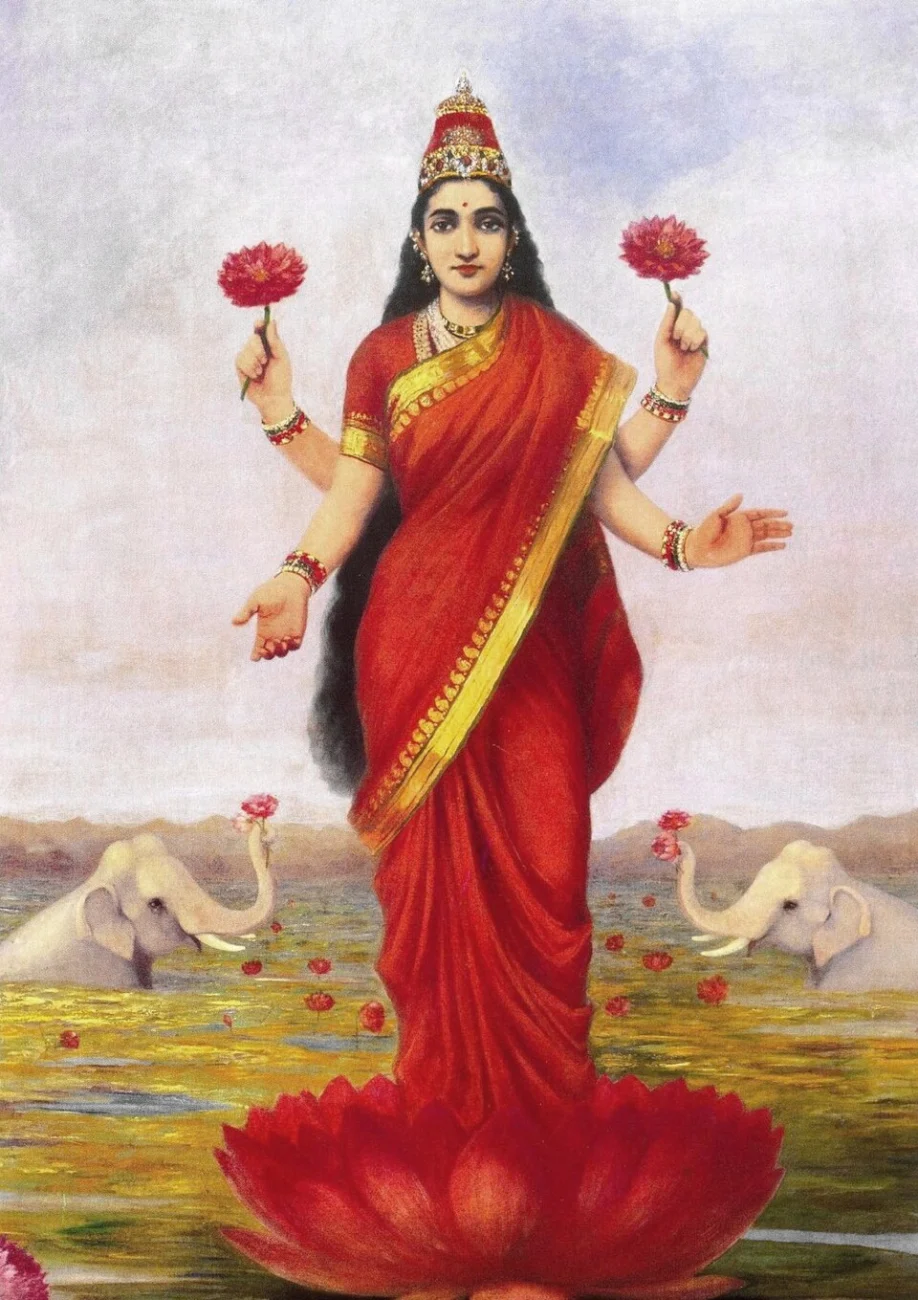
Lakshmi presides over prosperity, beauty, and auspicious fortune, often depicted with lotus flowers and streams of coins. She is honored during harvests and festivals such as Dīpāvali, when lamps invite abundance and harmonious family life. As Shri, she embodies both material well-being and spiritual wealth, aligning resources with virtue. Many traditions pair her with Vishnu, indicating sustenance joined to preservation.
Kali
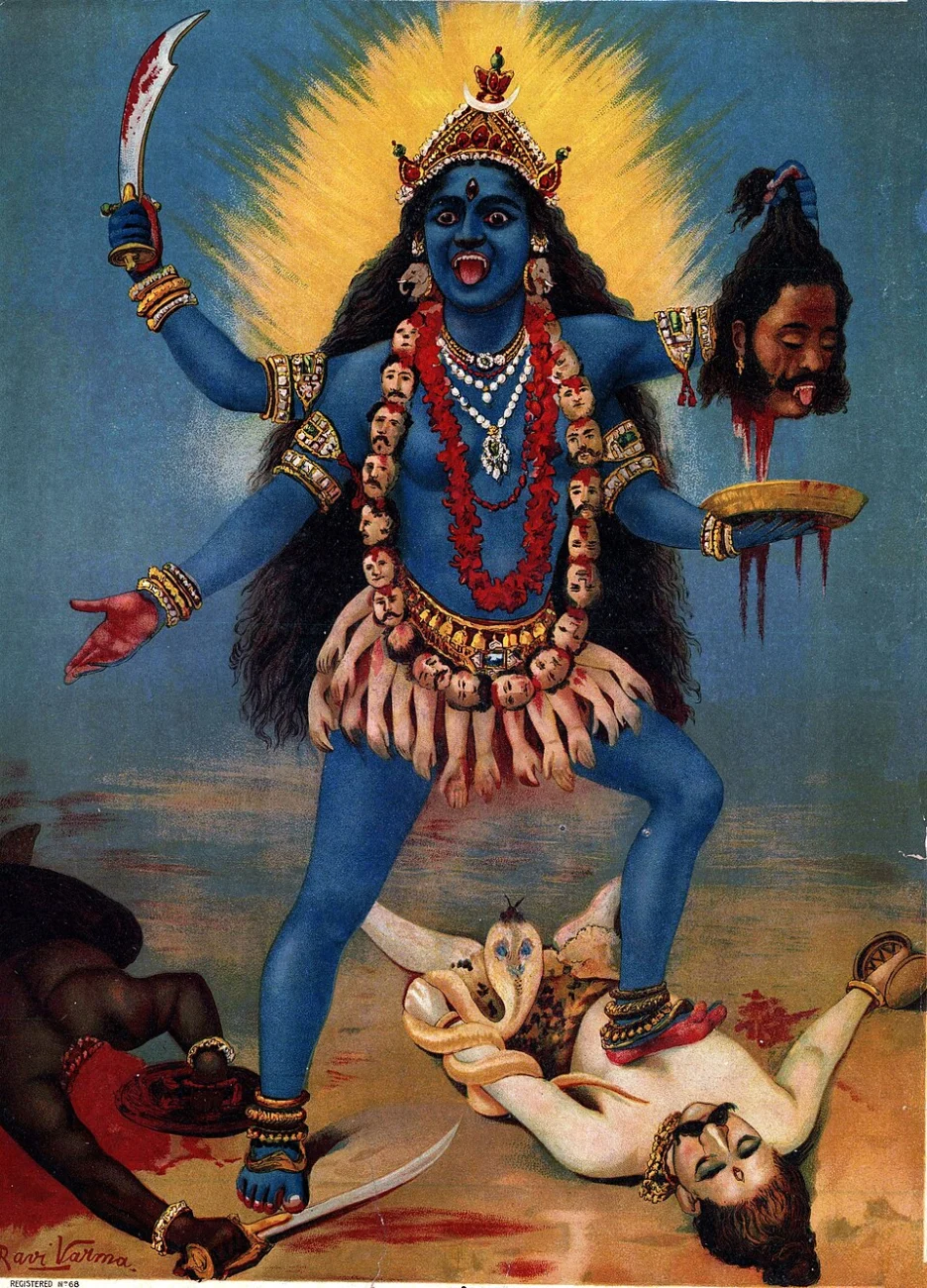
Kali is a fierce form of the goddess who dissolves ignorance and cuts through attachment. Her iconography—dark hue, garland of heads, and sword—symbolizes time’s power to remove illusions and liberate consciousness. Texts present her as compassionate at the deepest level, revealing freedom beyond fear. Devotees seek her for courage, protection, and radical inner transformation.
Durga
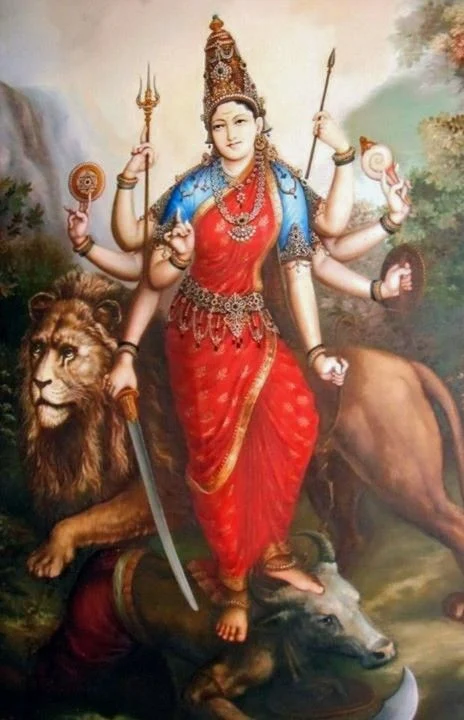
Durga is the invincible goddess celebrated for subduing Mahishasura and restoring cosmic equilibrium. Riding a lion or tiger and armed by the devas, she unites many forces into a single protective presence. The ‘Devi Mahatmya’ narrates her manifestations and hymns that praise her as energy underlying all beings. Navaratri honors her nine forms, emphasizing resilience, purity, and triumphant compassion.
Vishnu (Narayana)
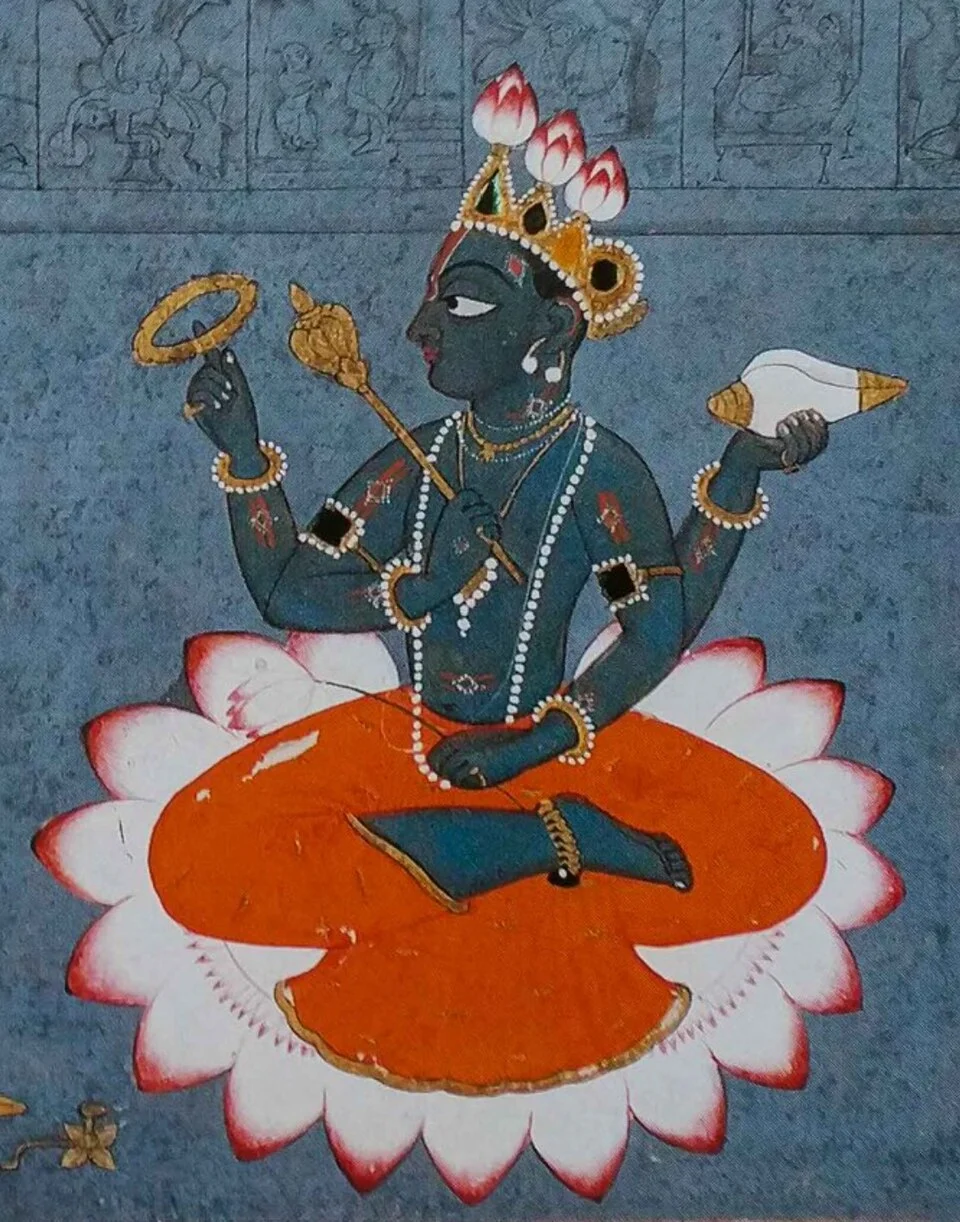
Vishnu is the preserver who upholds dharma and pervades creation as the all-supporting Narayana. His discus, conch, mace, and lotus symbolize protection, sound of righteousness, strength, and purity. Avatars such as Krishna and Rama appear in texts to restore balance when disorder rises. The cosmic sleep on Ananta and the churning-of-the-ocean narratives express his sustaining presence across cycles.
Shiva (Mahadeva)
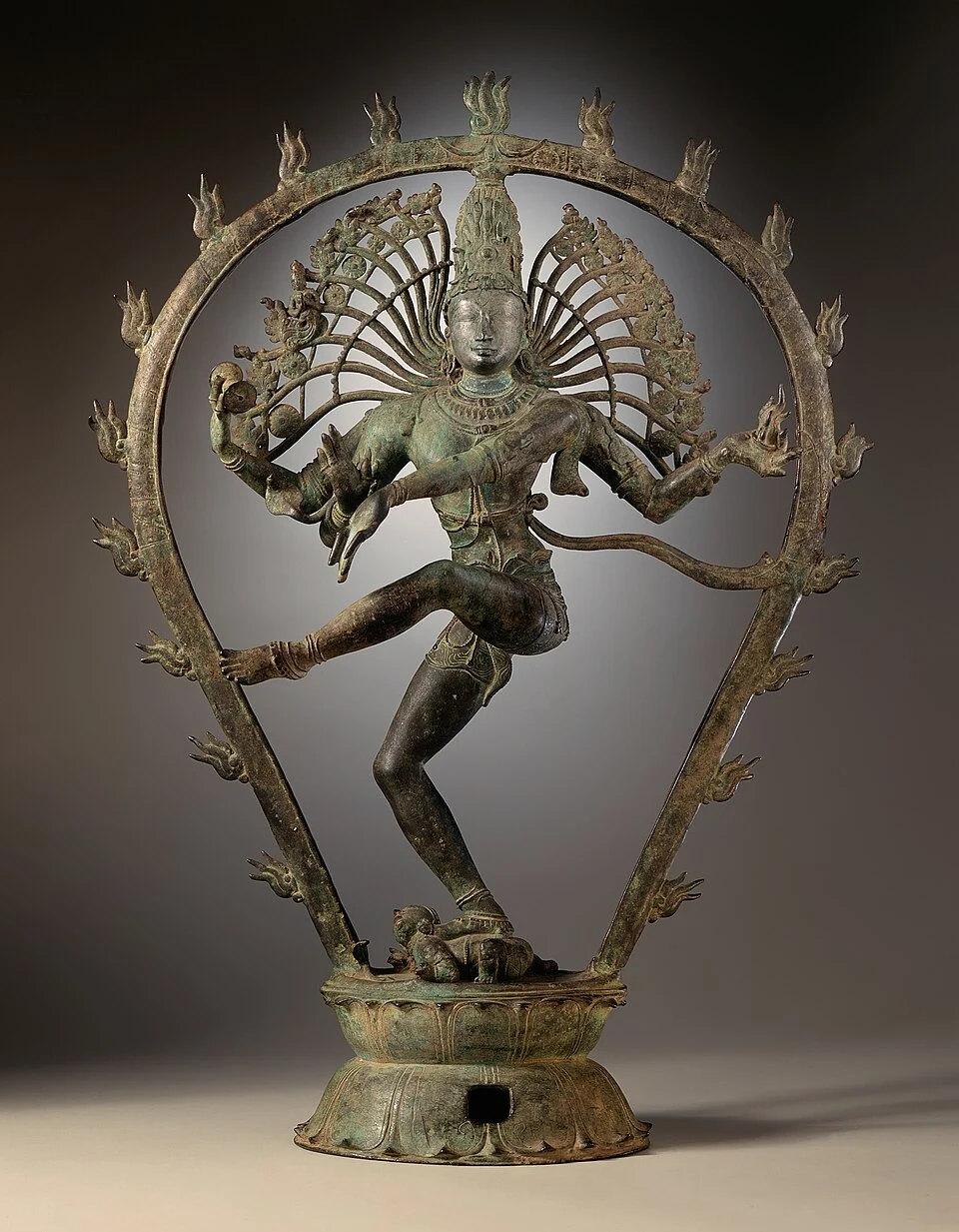
Shiva embodies auspiciousness, ascetic stillness, and the dissolving power that returns the universe to its source. As Nataraja, he dances creation, maintenance, and dissolution in a single cosmic rhythm. The third eye, trident, and river Ganga in his matted locks signify insight, sovereignty over forces, and purifying grace. Devotees honor him through the linga, mantra, and meditative practices aimed at inner freedom.
Adi Parashakti (Mahadevi)
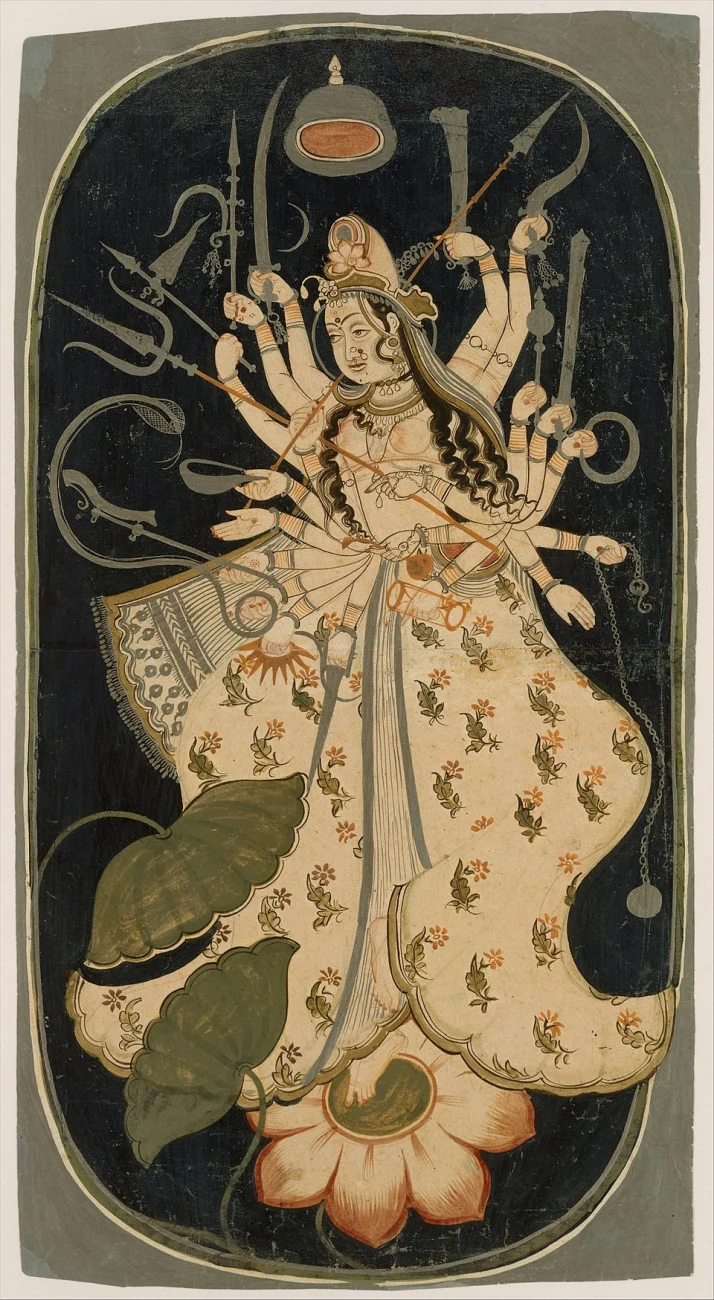
Adi Parashakti is revered in Shakta traditions as the primordial energy from which gods, worlds, and laws of nature arise. She manifests as Durga, Kali, Lakshmi, and Saraswati, expressing protection, transformation, prosperity, and knowledge. Scriptures describe her as the dynamic principle empowering all deities and sustaining cosmic play (līlā). Worship emphasizes that the universe’s vitality and liberation-flow are expressions of her boundless shakti.
Share which deities you would include and why—add your thoughts in the comments!