Top 15 Creatures from Norse Mythology


Norse myth teems with world-serpents, sky-riding horses, corpse-walkers, and whispering spirits, each woven through the poems of the Poetic Edda, the Prose Edda, and legendary sagas. These beings shape cosmic events, test the gods, and haunt human lives from the deep seas to the roots of Yggdrasil. Many carry names preserved in Old Norse, along with rich backstories that connect to fate, honor, and the world’s end at Ragnarök. Here are fifteen of the most notable creatures and beings you’ll meet across the surviving sources.
Jörmungandr
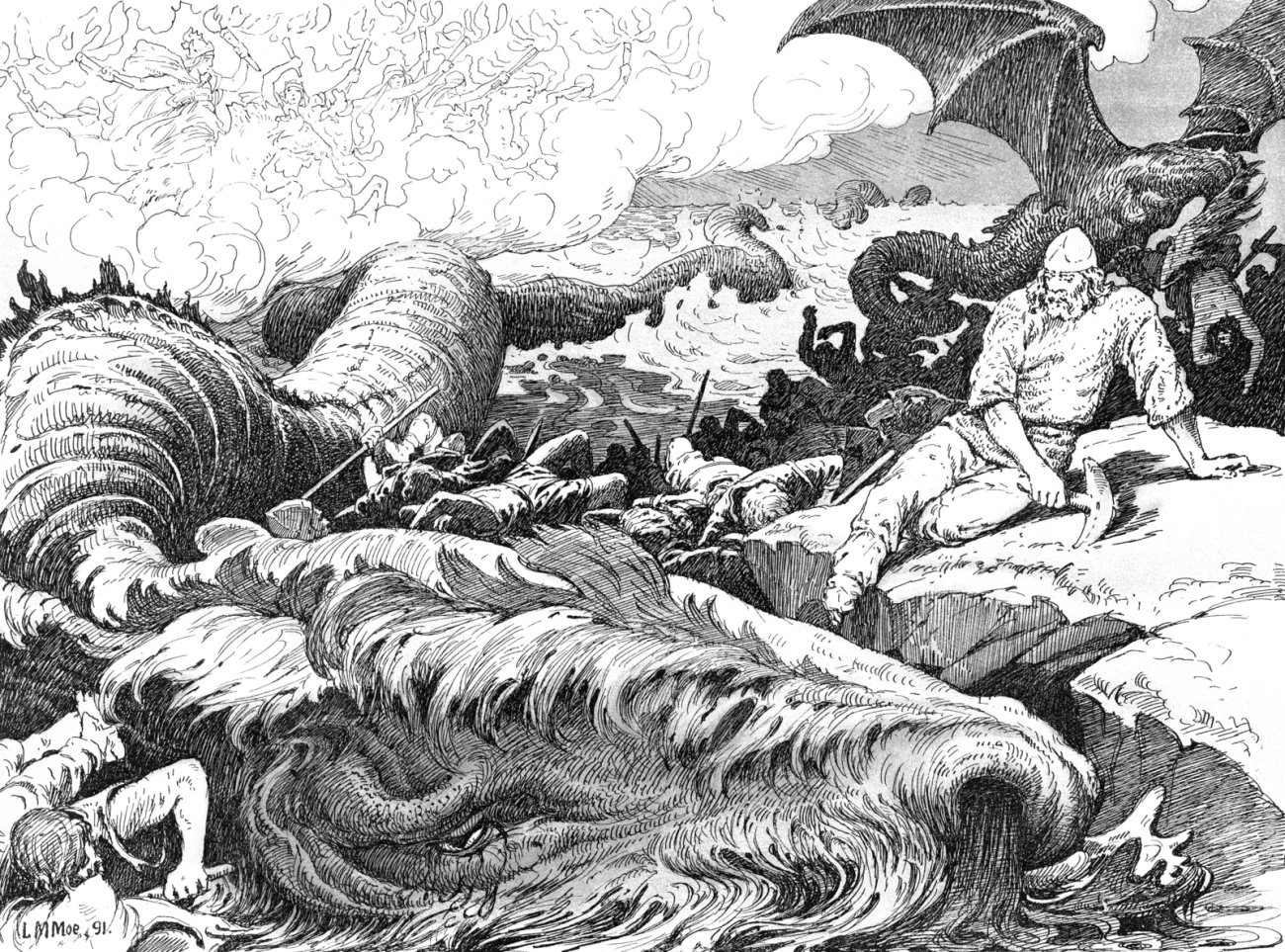
Jörmungandr, the Midgard Serpent, is a colossal sea-serpent and child of Loki and the giantess Angrboða. Thrown into the ocean encircling Midgard, it grew so vast that it bites its own tail, forming a world-girdling ring. Thor encounters Jörmungandr multiple times, including the famous fishing episode where the god hooks the serpent before the line is cut. At Ragnarök, Jörmungandr and Thor slay each other, fulfilling a long-prophesied doom.
Fenrir
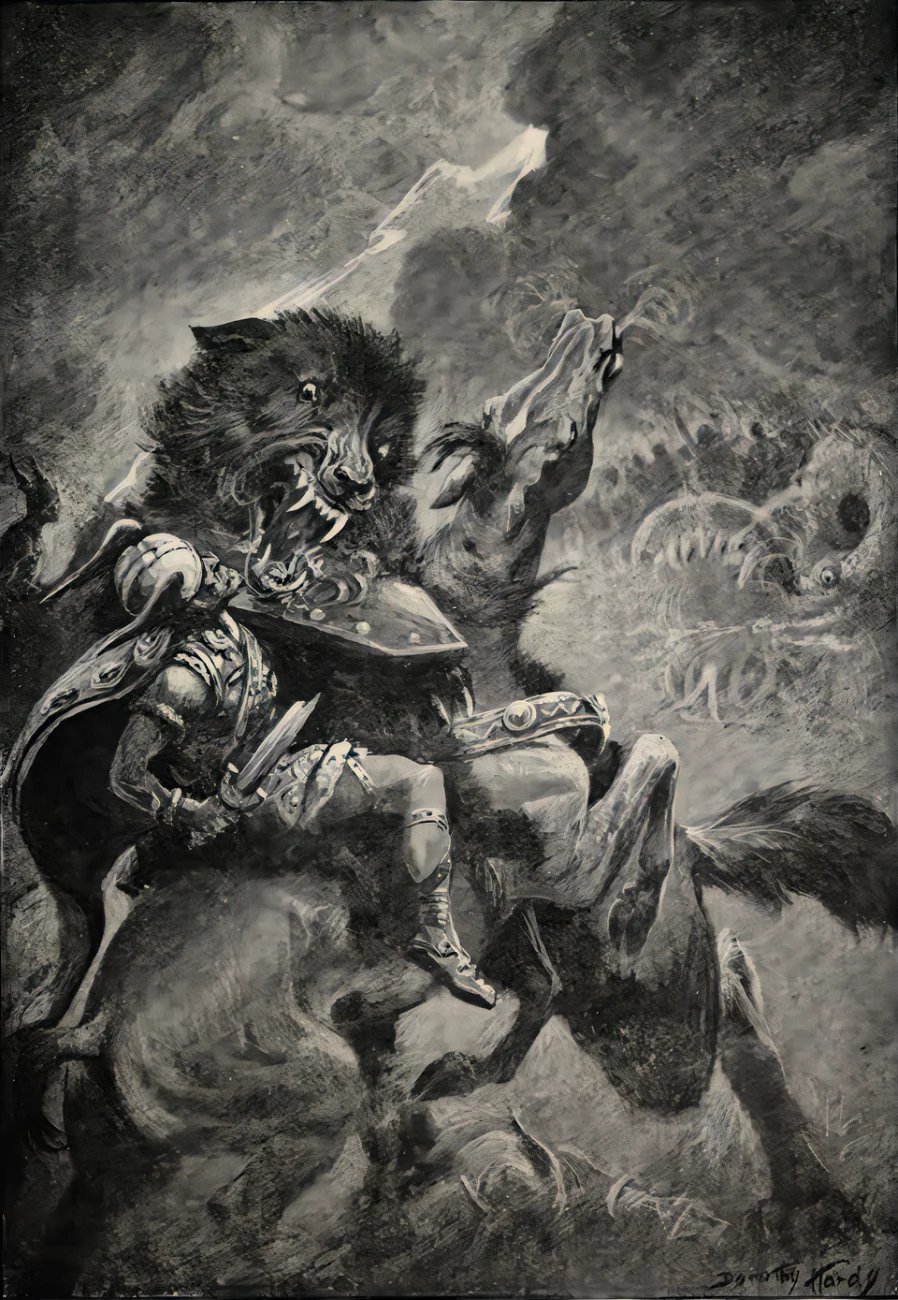
Fenrir is a monstrous wolf, another offspring of Loki and Angrboða, whose strength terrifies the gods. The Æsir bind him using the dwarven-forged ribbon Gleipnir, which appears soft but holds with unbreakable magic. Tyr loses his hand during the binding, placing it in Fenrir’s mouth as a pledge. At Ragnarök, Fenrir breaks free, kills Odin, and is in turn killed by Odin’s son Víðarr.
Sleipnir
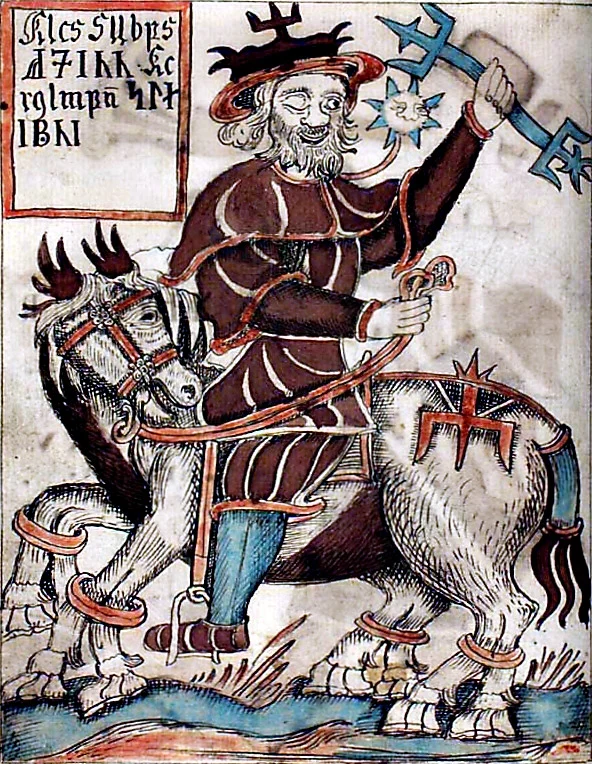
Sleipnir is Odin’s eight-legged horse, famed as the swiftest steed among gods and men. Born from Loki—who in one tale transforms and mates with the stallion Svaðilfari—Sleipnir embodies otherworldly power and liminality. Odin rides Sleipnir across worlds, including to Hel and the land of the dead. The horse’s extra legs symbolize unmatched speed and the ability to traverse cosmic boundaries.
Níðhöggr
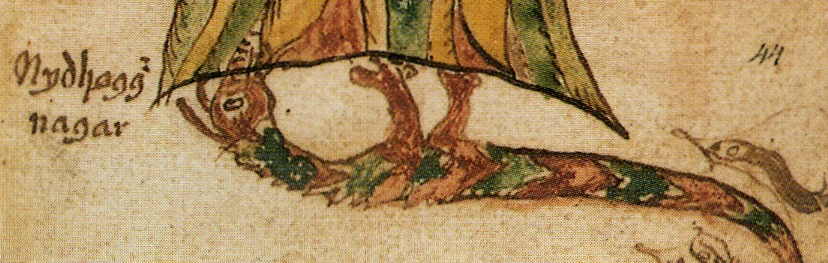
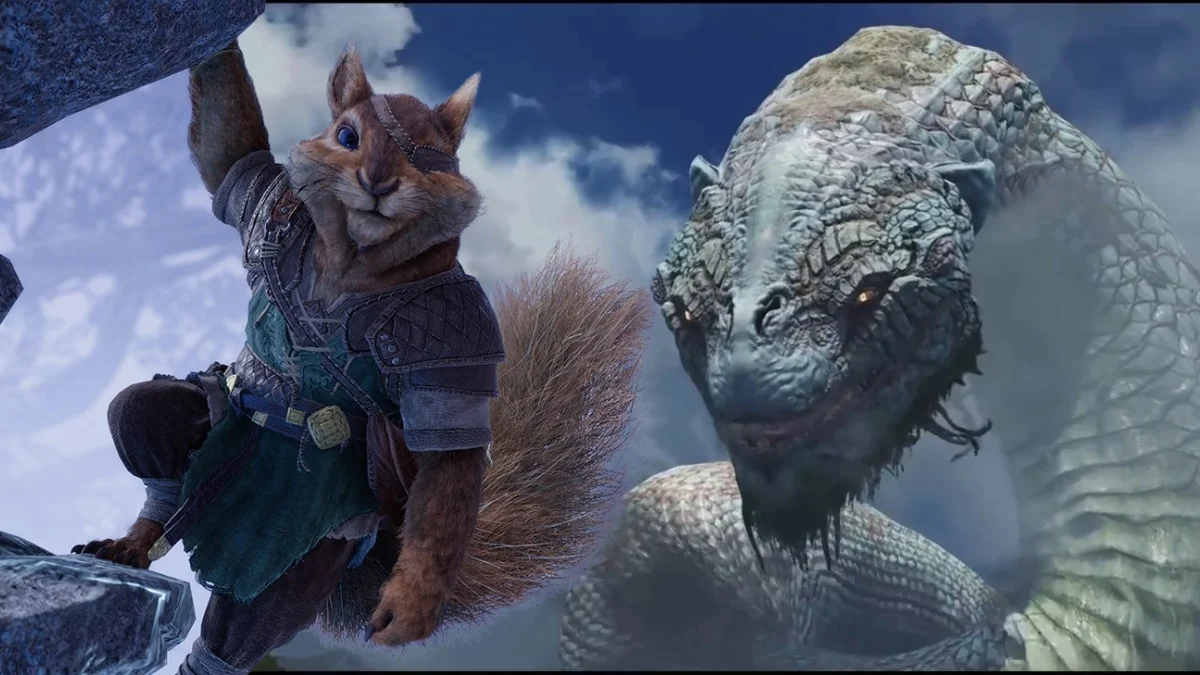
Níðhöggr is a dragon or serpent that gnaws at the roots of Yggdrasil, the world-tree. It dwells in the darkness of Niflheim and embodies decay, hostility, and the gnawing forces that threaten cosmic order. Messages and insults travel between Níðhöggr below and an eagle above via the gossiping squirrel Ratatoskr. Some poems depict Níðhöggr carrying away corpses after Ragnarök, hinting at cycles of ruin and renewal.
Huginn and Muninn
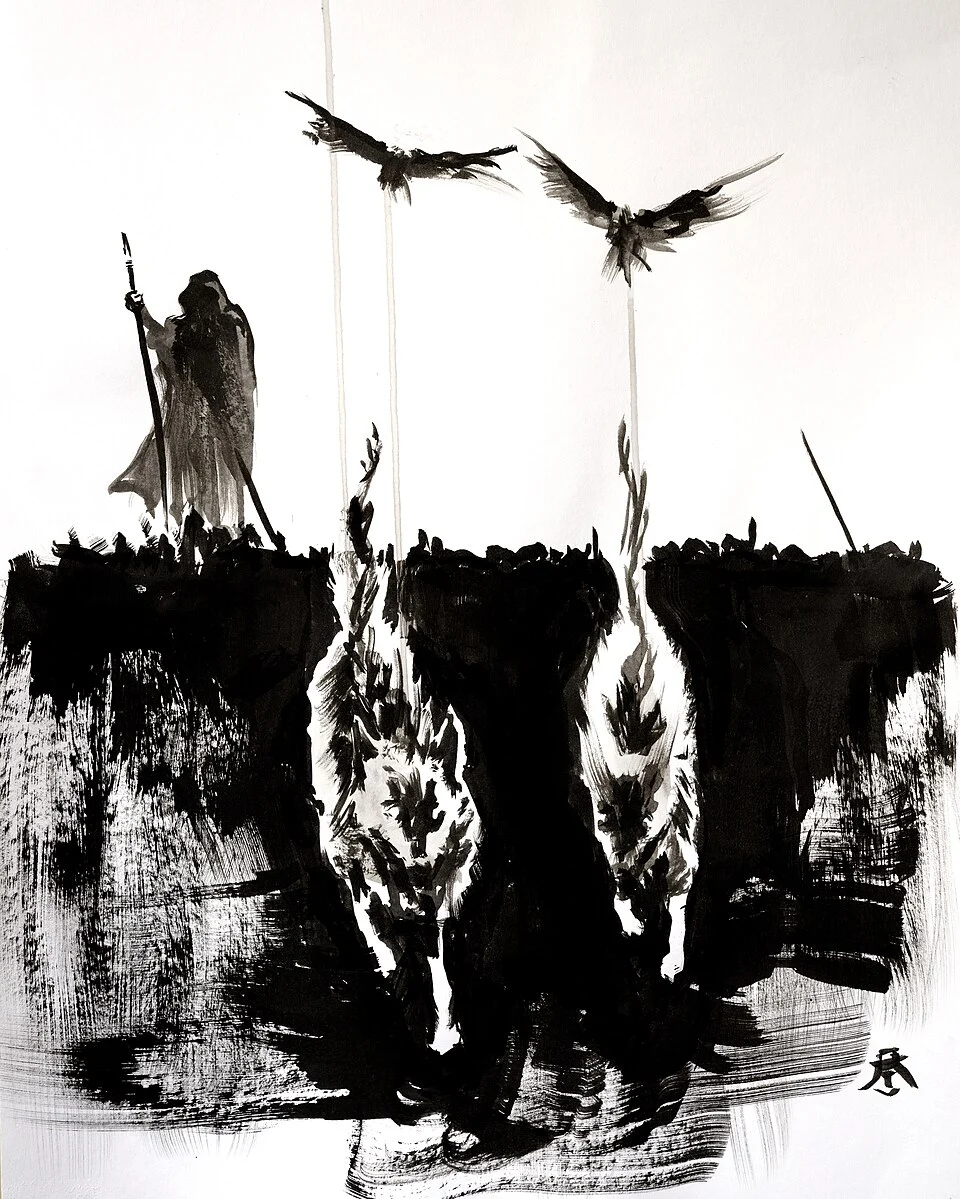
Huginn (“Thought”) and Muninn (“Memory/Mind”) are Odin’s two ravens, sent out each day to gather news from all realms. They return at dusk to report, granting Odin near-omniscient knowledge. Their flight emphasizes the centrality of wisdom, reconnaissance, and information in Norse leadership ideals. Verses preserve Odin’s worry that Muninn, memory itself, might not return—an insight into the value and fragility of knowledge.
Ratatoskr
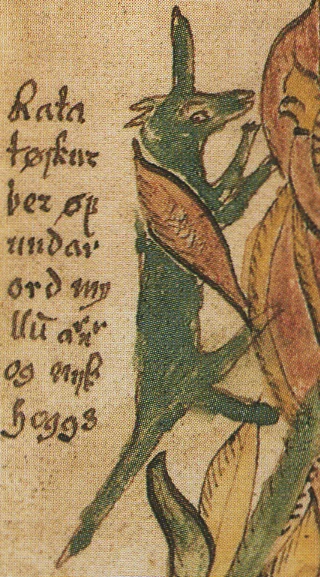
Ratatoskr is a nimble squirrel that scurries along Yggdrasil’s trunk, carrying barbed words between the eagle at the top and Níðhöggr below. This ceaseless messenger embodies friction, rumor, and the petty provocations that can escalate into conflict. Its role showcases how even small creatures contribute to cosmic dynamics. Ratatoskr’s antics also reflect the Norse appetite for sharp speech and verbal duels.
Geri and Freki
Geri and Freki are Odin’s two wolves, whose names mean “Greedy” and “Ravenous.” While Odin drinks wine for sustenance, he gives them his food, linking the pair to battlefields and the fierce economy of war. They accompany Odin, symbolizing the wild, predatory aspect of sovereignty. Their presence alongside Huginn and Muninn reinforces Odin’s identity as a god of war, wisdom, and death.
Jötnar (Giants)
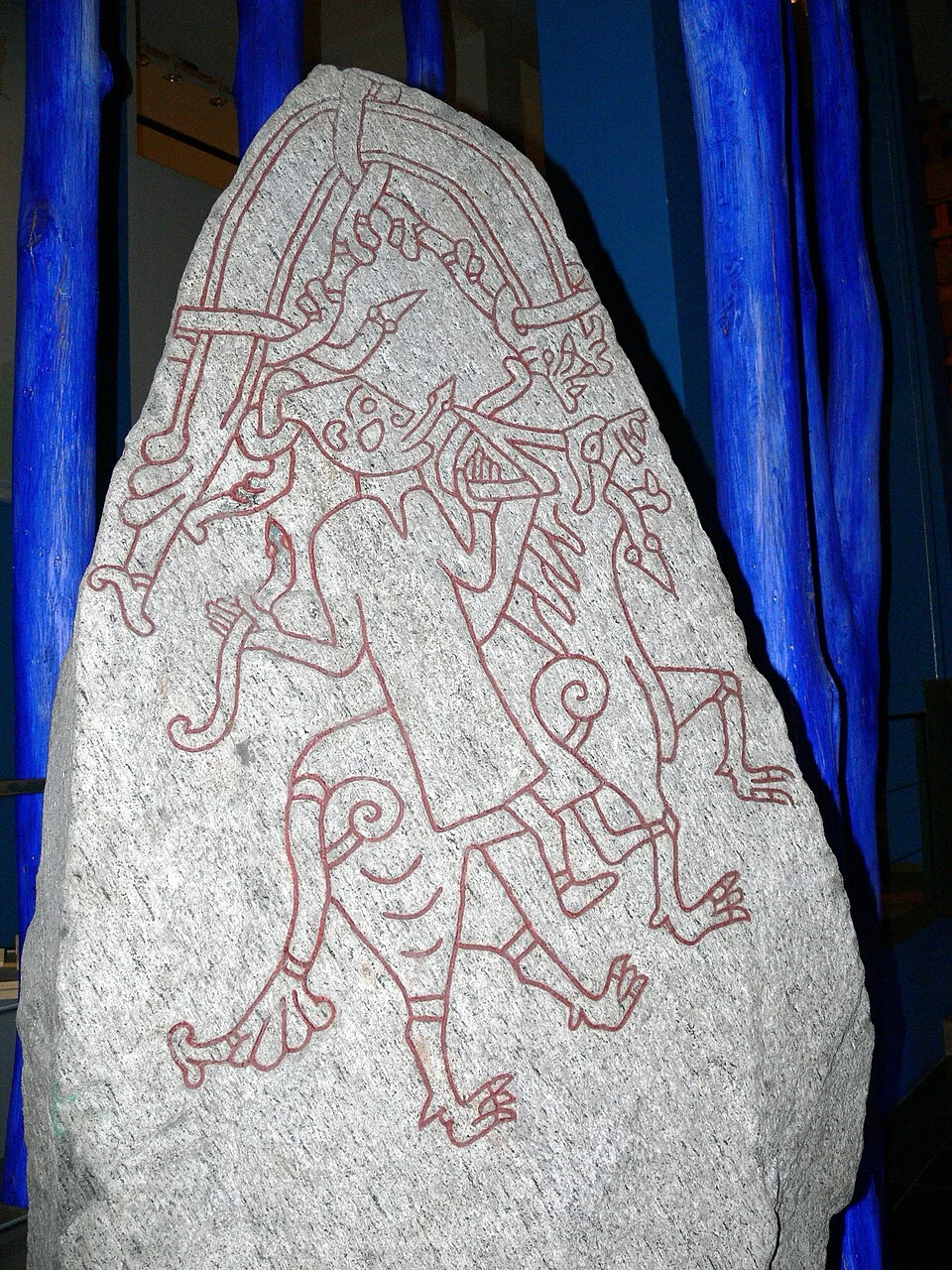
The Jötnar are a primal race of beings often translated as “giants,” though they range from monstrous to strikingly beautiful. They trace their lineage to Ymir, whose body forms the world after his slaying by the gods. Far from simple villains, Jötnar intermarry with the gods and embody raw forces of nature, chaos, and change. Many key figures—like Skadi and Gerðr—are Jötnar whose stories shape divine destinies.
Dvergar (Dwarfs)
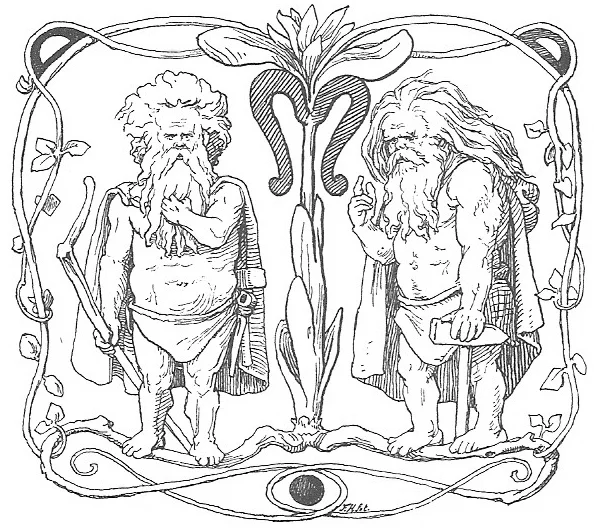
The Dvergar are subterranean master-smiths who craft treasures for the gods, including Mjölnir, Draupnir, and Gungnir. Often described as emerging from the flesh of Ymir, they thrive in stone halls and forge with unmatched skill. Their bargains are sharp, and their magic imbues artifacts with fateful properties. Dwarfs exemplify the Norse link between craft, oath-keeping, and the perilous power of gifts.
Álfar (Elves)
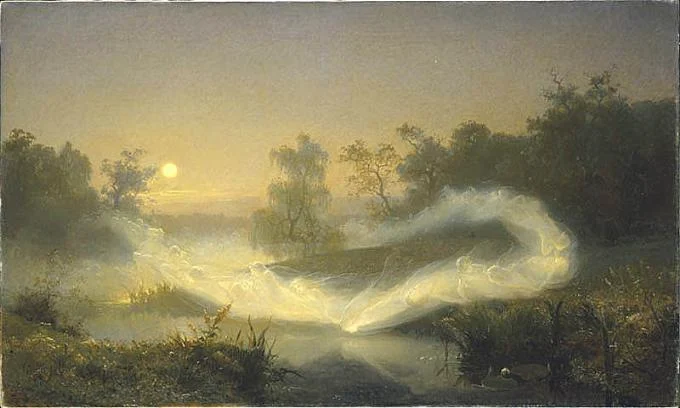
The Álfar are luminous or shadowy beings associated with fertility, the land, and sometimes the honored dead. Sources distinguish between Light-Elves and Dark-Elves in complex ways, though medieval texts are not fully consistent. Elves receive offerings and figure in tales of beauty, healing, and dangerous allure. Their presence bridges the worlds of gods and humans, reflecting the porous borders of Norse cosmology.
Draugr

Draugr are undead beings who remain physically active after death, guarding graves or tormenting the living. They possess superhuman strength, can swell to monstrous size, and often carry the stench of decay. Heroes confront draugr in sagas to reclaim treasure or lift curses, using cunning, iron, or decapitation. The draugr motif underscores anxieties about improper burials, broken oaths, and restless spirits.
Valkyries
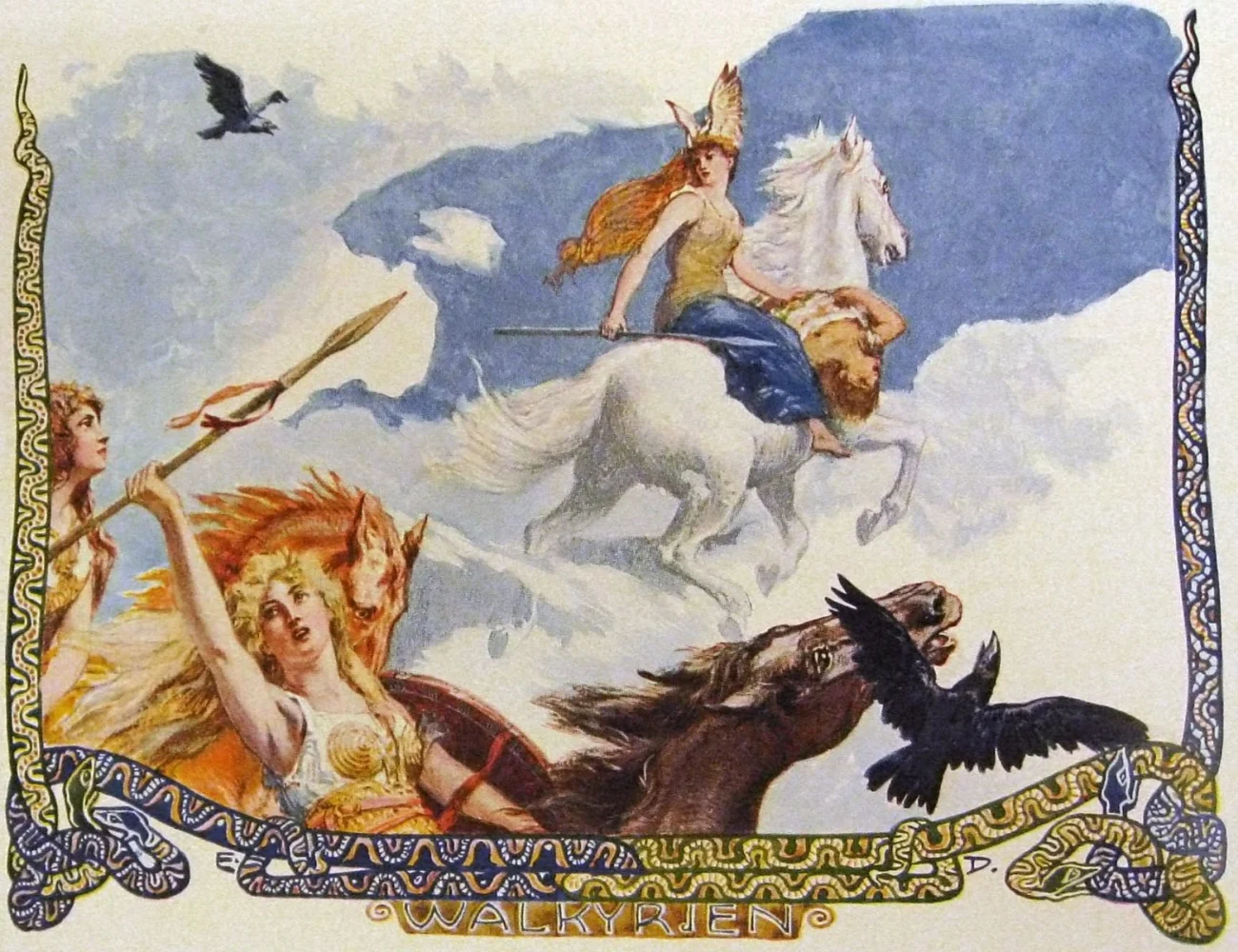
Valkyries (Old Norse: valkyrjur) are battle-choosers who select the slain worthy of Valhöll, Odin’s hall. They serve mead to the einherjar—chosen warriors preparing for the final battle—and act as Odin’s emissaries. Some tales depict valkyries as mortal women woven into fate through enchanted swan-cloaks. Their role intertwines warfare, destiny, and the honor code at the heart of heroic poetry.
Fylgjur (Fylgja)
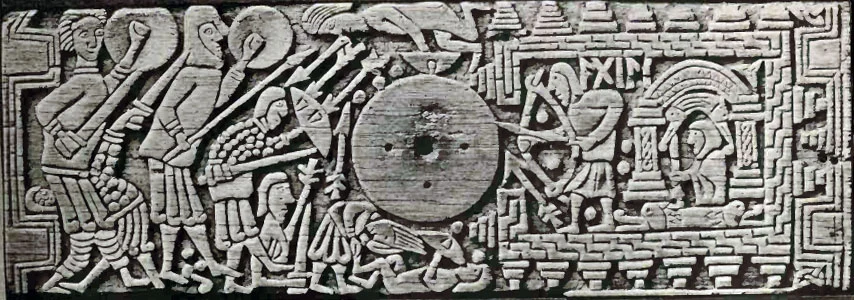
A fylgja is an attendant spirit linked to a person or family, often appearing as an animal that reflects the bearer’s character or fate. Sightings can foreshadow fortune or doom, making the fylgja a potent sign in dreams and visions. Unlike a general guardian spirit, the fylgja’s bond is intimate and specific. Sagas treat encounters with one as serious omens that demand interpretation.
Hel
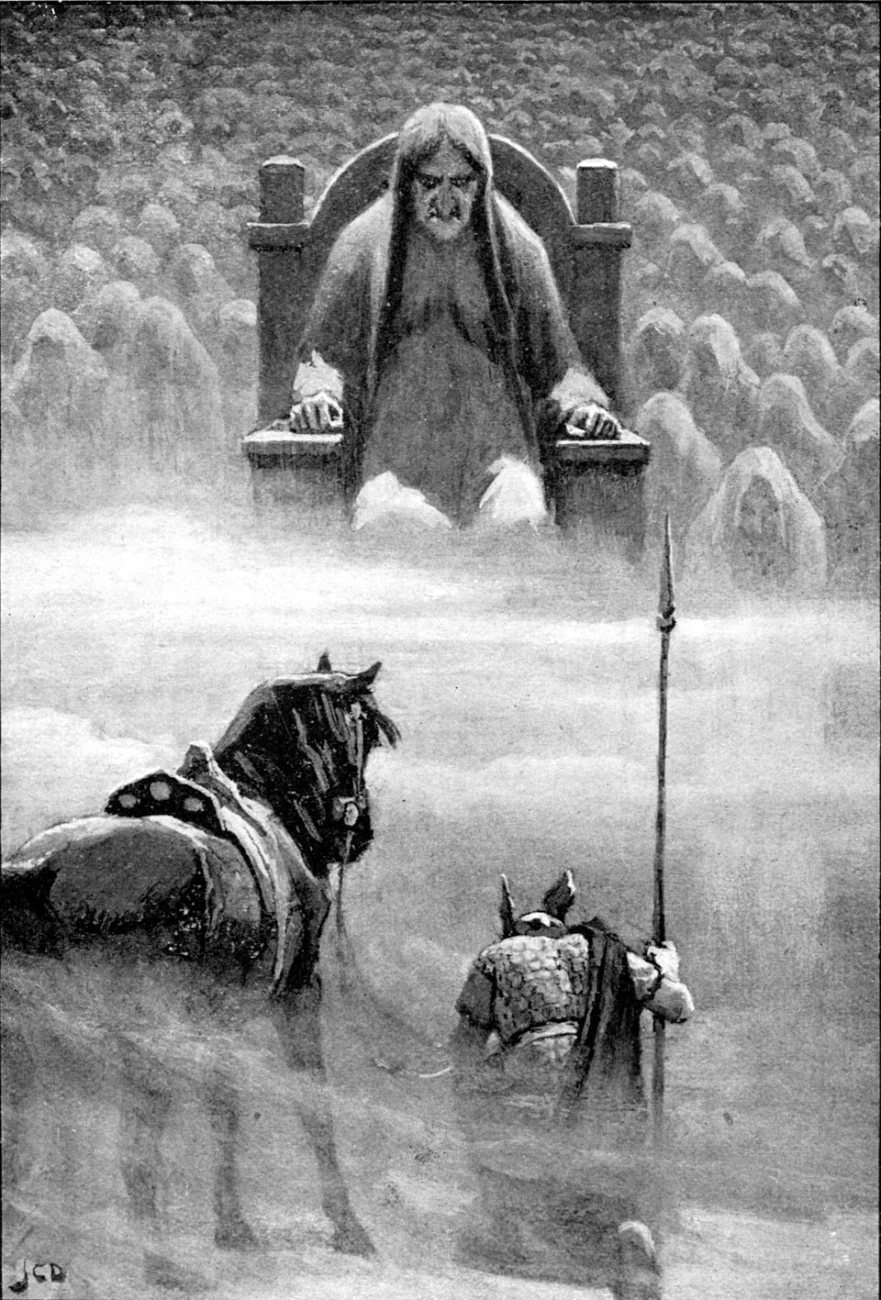
Hel is both a being and the ruler of the underworld realm that bears her name, daughter of Loki and Angrboða. She presides over those who die of sickness or old age, distinct from warriors chosen for Valhöll or Fólkvangr. Descriptions portray her as half-living and half-dead, mirroring her liminal domain. The realm of Hel is not a simple place of punishment but a complex afterlife landscape.
Hafgufa
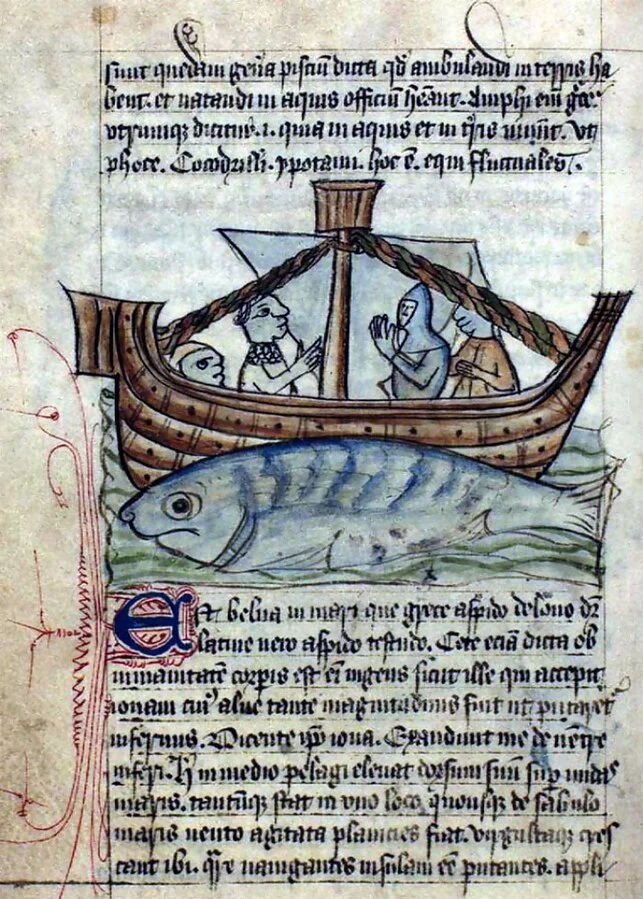
Hafgufa is a gigantic sea-monster from later Old Norse prose sources, sometimes described as so vast it can be mistaken for an island. Sailors risk doom by anchoring on its back or sailing into its yawning maw. Medieval texts portray it as rare, almost mythical even within mythic seas. Hafgufa embodies the peril and mystery of ocean travel in the North Atlantic world.
Share your favorite Norse creature or the story that first hooked you in the comments!