Top 10 Coolest Things About Jean-Luc Picard



Jean-Luc Picard stands out in Federation history for the depth of his experience—on the bridge, at the negotiating table, and far beyond the stars. From formative years in rural France to commanding Starfleet’s flagship, his record weaves together exploration, diplomacy, ethics, and personal growth. His story spans multiple series and films, giving viewers a detailed look at how a thoughtful leader handles first contact, galactic crises, and the quiet moments in between. These ten highlights trace the major facets of his life and career, each grounded in in-universe facts that define who he is.
Starfleet Career and Command of the Enterprise-D

Picard was born in La Barre, France, and entered Starfleet Academy after an ambitious youth that nearly derailed when he was stabbed in a brawl—an event that later influenced his perspective on risk and responsibility. He eventually took command of the Galaxy-class USS Enterprise-D, where he led a diverse senior staff on exploration, scientific, and diplomatic missions across the Alpha and Beta Quadrants. His command style emphasized the Prime Directive, rigorous debate in the observation lounge, and careful use of force. He later accepted promotion to admiral before retiring, then returned to action when new threats and unfinished business drew him back into the field.
Diplomatic Leadership and the Prime Directive

Picard’s reputation as a diplomat rests on numerous successful negotiations with newly encountered species and longtime rivals. He frequently relied on cultural research, precise language, and patience to defuse conflicts before they turned kinetic. His adherence to the Prime Directive guided tough calls about non-interference, even when humanitarian concerns created ethical tension. Briefings with his crew often centered on legal precedent and historical context, ensuring decisions were documented, defensible, and aligned with Federation law.
‘Star Trek: The Next Generation’ (1987–1994)
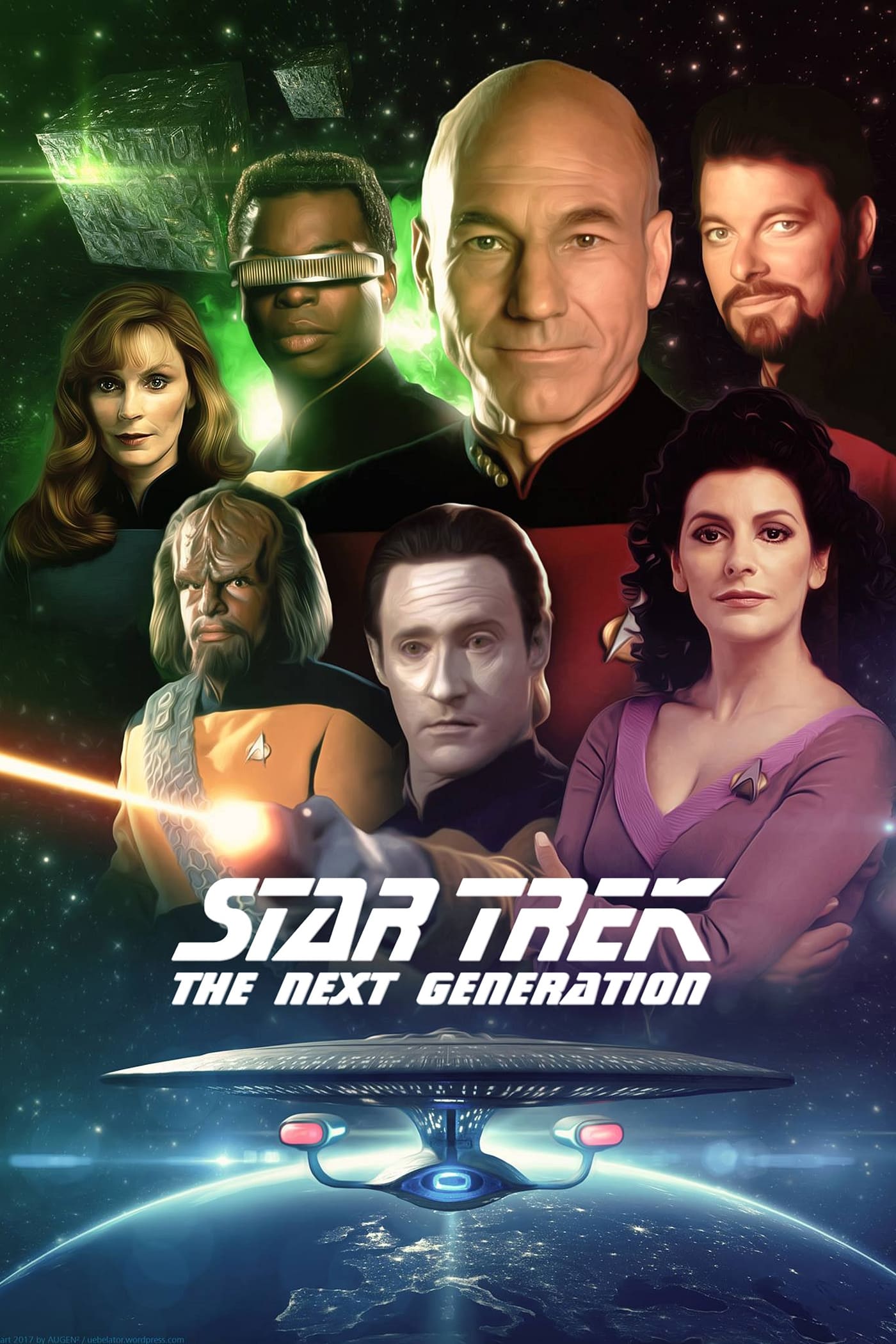
In ‘Star Trek: The Next Generation’, Picard serves as commanding officer of the Enterprise-D with an ensemble crew including William Riker, Data, Beverly Crusher, Deanna Troi, Geordi La Forge, and Worf. The series chronicles first-contact missions, Federation politics, scientific anomalies, and moral dilemmas that test Starfleet procedure. Signature episodes for Picard include ‘The Best of Both Worlds’, ‘Darmok’, ‘Tapestry’, ‘The Inner Light’, and ‘Family’. The show established his defining traits: meticulous decision-making, cultural literacy, and a commitment to peaceful solutions backed by readiness to act when required.
Locutus of Borg and Aftermath

During a Borg incursion, Picard was assimilated and designated Locutus, providing the Collective with tactical access that led to devastating losses for Starfleet. He was rescued by his crew, and the separation from the Collective left neurological and psychological scars that he openly confronted in subsequent missions. The experience deepened his understanding of cybernetic threats and informed his caution regarding technologies that compromise autonomy. Encounters with the Borg thereafter often involved personal stakes, strategic adaptations, and hard-won resilience.
Archaeology and Ancient Civilizations

Picard’s lifelong passion for archaeology began before his captaincy and continued throughout his service. He studied under renowned mentor Professor Richard Galen and pursued fieldwork when duty permitted, keeping artifacts and texts that informed his approach to exploration. His expertise proved essential in deciphering myths, languages, and relics that linked disparate species, as seen when he solved a multispecies genetic puzzle in ‘The Chase’. This scholarly background gave him tools to read symbols, infer cultural context, and locate common ground in first-contact situations.
Master Communicator: Breaking Barriers

Several missions showcased Picard’s skill at cross-cultural communication, most famously with the Children of Tama in ‘Darmok’, where he learned to interpret a metaphor-based language through shared experience. He mediated disputes involving the Cardassians in stories like ‘The Wounded’, leaning on history and de-escalation procedures rather than brinkmanship. Picard also worked with specialized negotiators, such as Riva in ‘Loud as a Whisper’, adapting to different diplomatic frameworks. His process—research, active listening, and precise diction—became a model for Starfleet officers handling volatile talks.
Personal Roots: La Barre and Family

Picard’s connection to his family vineyard in La Barre anchors his identity outside Starfleet, emphasizing tradition, craft, and continuity. Time spent with his brother Robert and nephew René, shown in ‘Family’, explored how heritage shaped his values and offered recovery after trauma. The chateau later served as a base of operations and reflection during critical transitions in his life. These roots provided a counterbalance to starship life, illustrating how personal history can steady a leader amid galaxy-spanning responsibilities.
Music, the Ressikan Flute, and Reflection

After living an entire lifetime in a probe-induced experience in ‘The Inner Light’, Picard acquired a Ressikan flute tied to memories of love, community, and mortality. He continued to play the instrument aboard the Enterprise-D, notably in ‘Lessons’, where music became a bridge between command duty and emotional expression. The flute symbolizes how experience can reshape identity without altering core principles. It also highlights his appreciation for the arts alongside science, law, and diplomacy.
‘Star Trek: Picard’ (2020–2023)

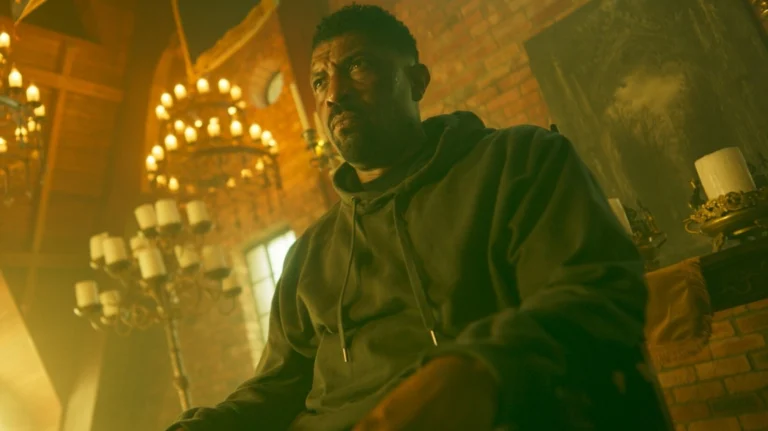
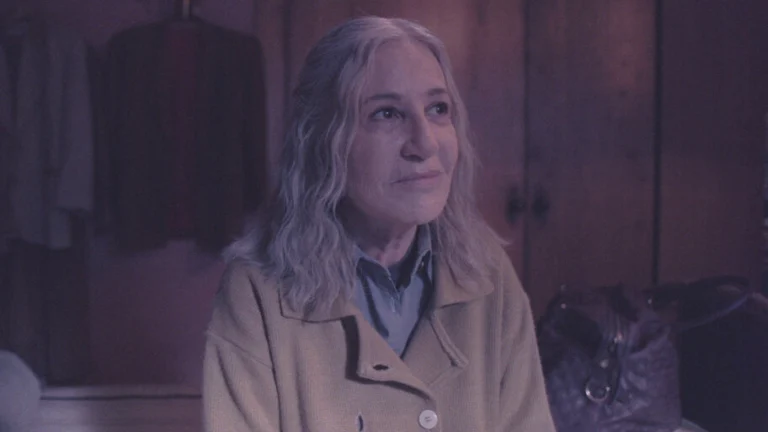
‘Star Trek: Picard’ follows the admiral in retirement as he confronts the fallout of a failed evacuation, synthetic bans, and unresolved Borg entanglements. The series reintroduces allies and adversaries, explores Romulan politics, and examines the ethics of artificial life through characters like Soji and Data-adjacent synths. It charts his efforts to make amends, mentor a new generation, and reconcile personal history with public duty. Later arcs reunite him with his former Enterprise crew to face networked starship threats and legacies left by enemies old and new.
Signature Commands, Habits, and Traditions

Picard’s most recognizable commands—“Make it so” and “Engage”—reflect clear decision points during mission execution and warp departure. He is known for ordering “Tea, Earl Grey, hot,” a small ritual that underscores discipline and calm on the bridge. Formal addresses in the ready room, combined with rotating duty rosters and after-action reviews, shaped a consistent command rhythm. His interest in Shakespeare, fencing, and classical studies rounded out a leadership profile grounded in education as much as exploration.
Share your favorite Picard moments and insights in the comments!