Top 10 Coolest Things About Lara Croft


Lara Croft has evolved across decades of games, blending archaeology, survival, and athletic traversal into a playable toolkit that feels both grounded and adventurous. From classic loadouts to modern crafting and skill trees, she brings a mix of brains, gear mastery, and grit to every expedition. Her stories move through remote valleys, tropical islands, and lost cities, with levels that reward exploration and puzzle solving. Here are the standout elements that define her in the games and show how she operates when danger and discovery collide.
Signature Dual Pistols

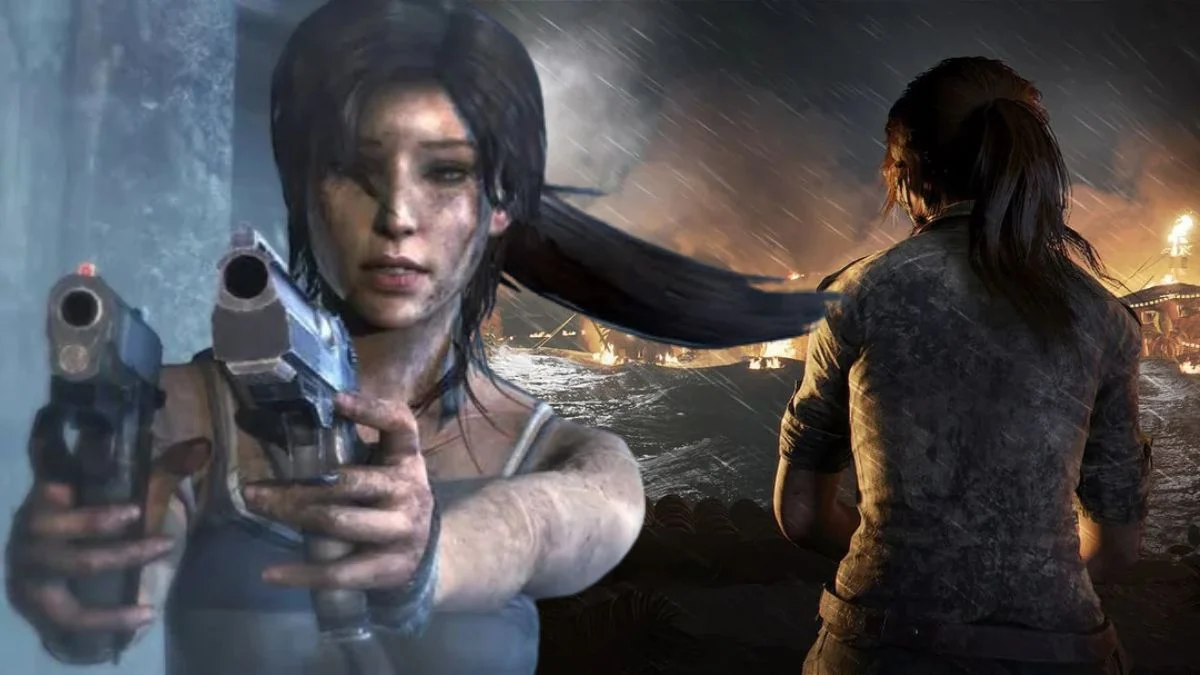
Early games established Lara’s paired sidearms as her dependable primary weapons with infinite or plentiful ammo and acrobatic fire while jumping or diving. Lock-on targeting and evasive flips let players circle foes and stay mobile in firefights. Later entries remix the sidearms with upgrade paths for rate of fire, recoil, and damage. Even when other weapons dominate a loadout, the twin pistols remain the icon that ties eras together.
Acrobatics And Traversal
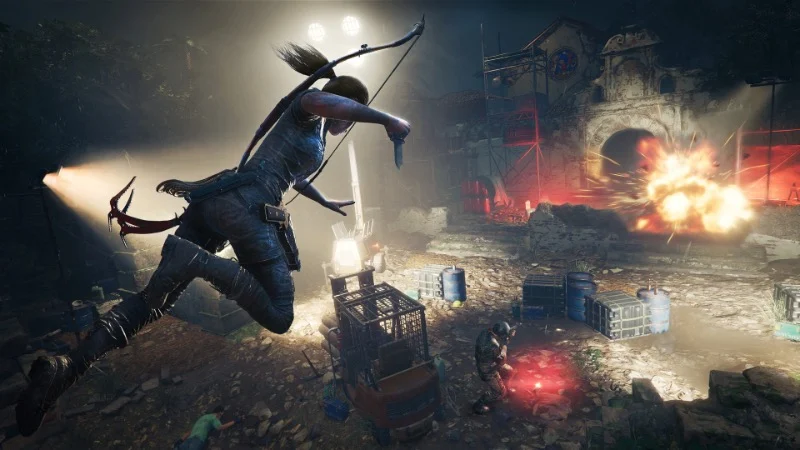
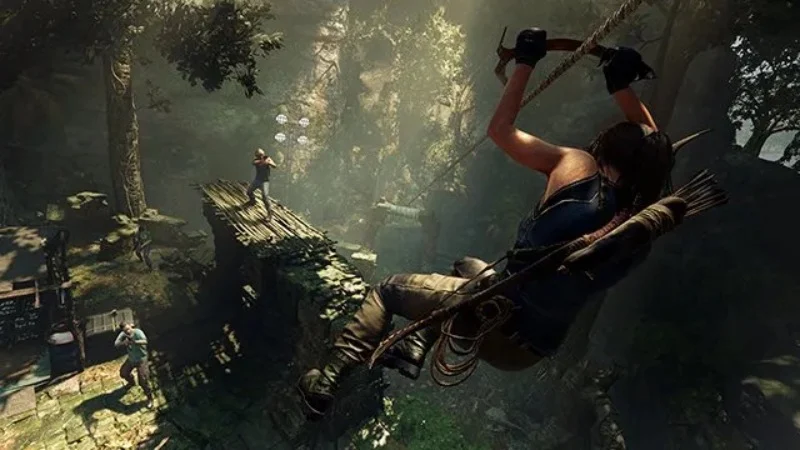
Lara’s movement set covers running, vaulting, precision jumps, ledge shimmies, wall runs in certain entries, and midair grabs that chain routes together. Context prompts and timing windows support risky leaps across gaps and collapsing platforms. Climbing axes add vertical routes on rock faces while rope arrows open zip lines for fast repositioning. The result is level design that hides secret paths behind confident navigation.
Archaeology And Artifact Hunting

Her missions revolve around uncovering relics, documents, and murals that fill out a codex of cultures and lost histories. Translation mechanics and language proficiency systems in newer games unlock deeper reads of inscriptions. Side tombs and crypts reward careful observation with rare artifacts and weapon parts. Collectibles are cataloged in journals that track where each piece was found.
Puzzle Tomb Design
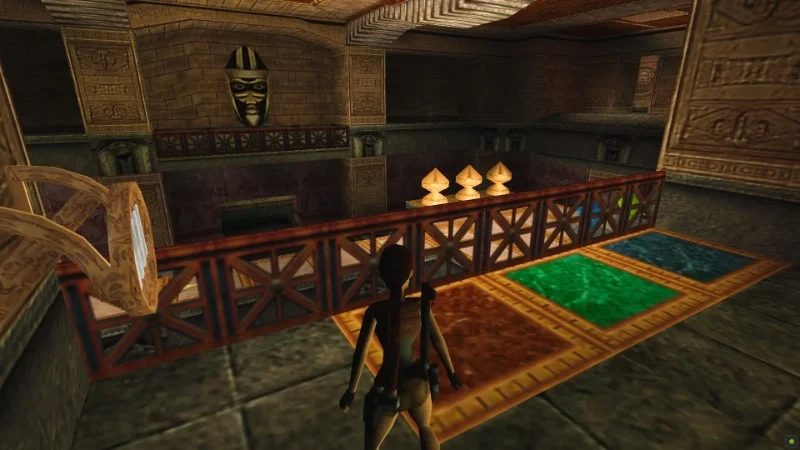
Standalone challenge tombs present physics puzzles with water levels, counterweights, pulleys, and fire or wind interactions. Clues sit in environmental details like broken gears, rope anchor points, and movable carts. Players often test sequences to learn how mechanisms link before executing the final solution. Completing a tomb grants unique skills or upgrades that change how future areas play.
Survival And Crafting Systems
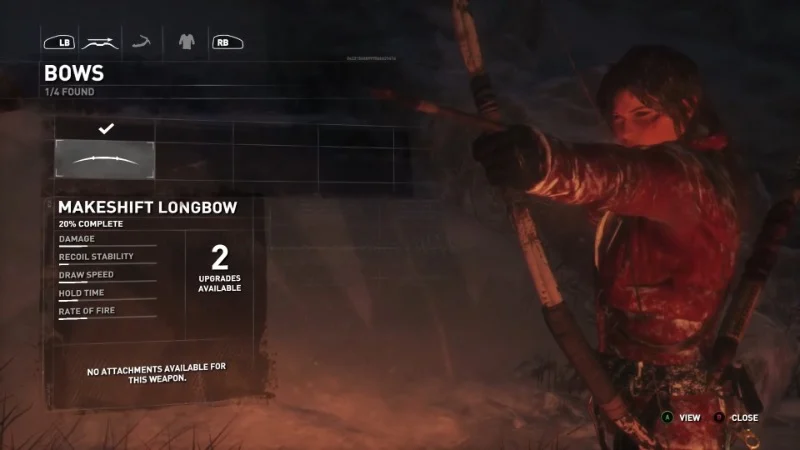
Modern titles layer in resource gathering from plants, animals, and salvage to craft ammo types, healing items, and equipment upgrades. Camps function as hubs for skill trees, fast travel, and gear tuning. Weather and wildlife add pressures that influence stealth routes and combat choices. Limited resources encourage planning before entering hostile zones.
Versatile Weapon Loadouts
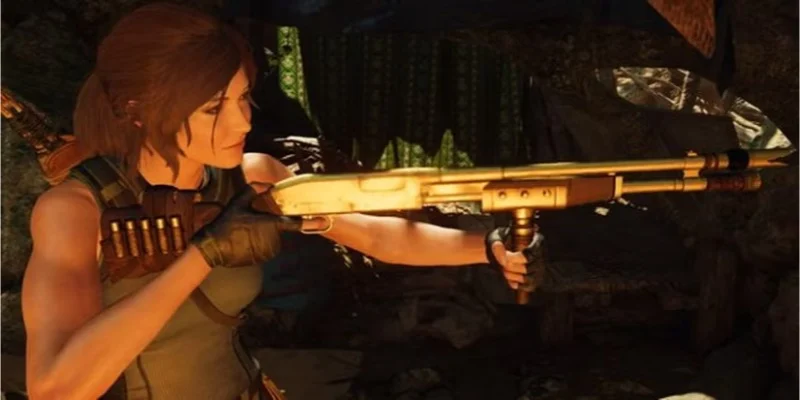
Beyond the sidearms, Lara fields bows with alternate arrows, shotguns, rifles, and improvised explosives. Upgrades adjust draw strength, magazine size, and attachment slots to fit stealth or aggressive approaches. Craftable ammo like poison or fire broadens tactical options against armored foes and animals. Weapon parts found in chests and tombs unlock higher tiers of performance.
Stealth And Predator Play
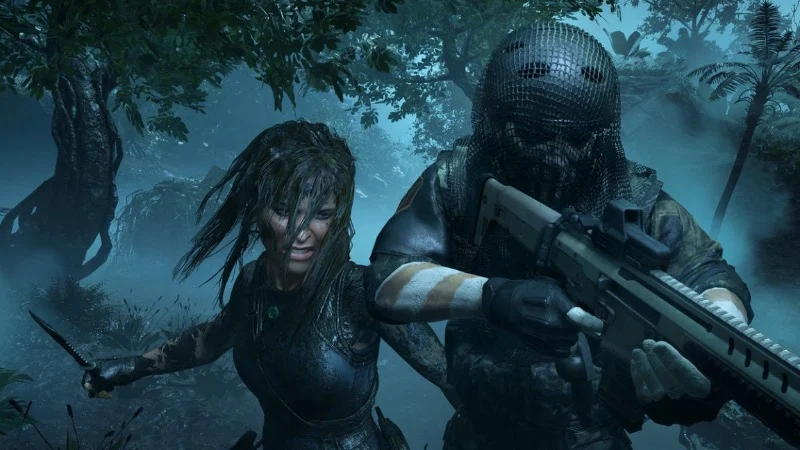
Brush, mud, and canopy cover allow silent takedowns and distraction tactics using thrown objects or crafted lures. Rope arrows and vantage points set up vertical eliminations without alerting nearby patrols. Marking enemies helps track patterns before isolating targets. When stealth breaks, quick transitions to close-quarters options keep momentum.
Environmental Tools And Rope Mechanics
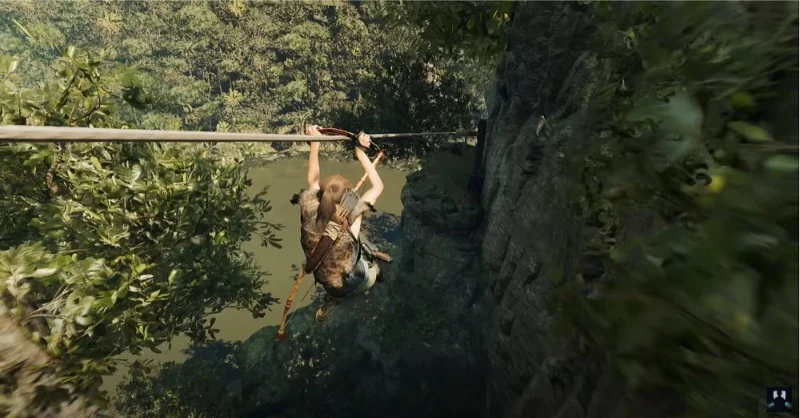
Rope arrows create lines between anchors to cross gaps, yank barricades, or spin machinery. The grappling axe supports swing points, midfall saves, and panel pulls that reconfigure platforms. Winches and crank handles extend puzzles into multi-stage sequences across large chambers. These tools transform static ruins into interactive spaces.
Exploration Hubs And Side Activities
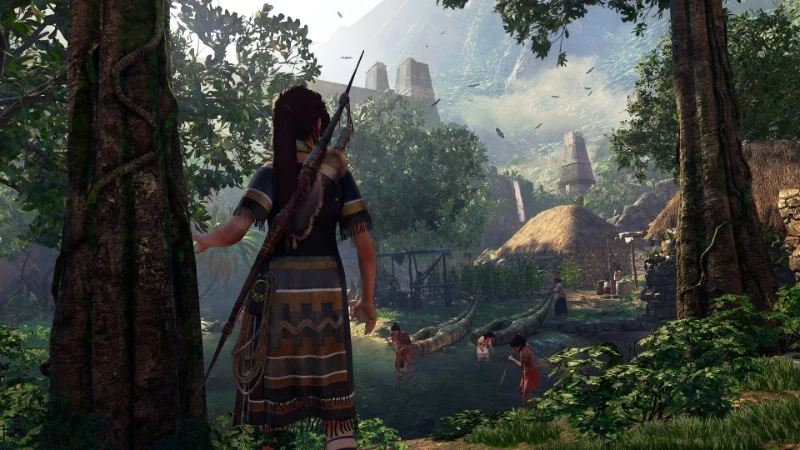
Larger maps feature villages, camps, and hidden valleys that connect story missions with optional challenges. Players can accept side quests from NPCs, raid crypts, and complete time trial courses or hunting targets. Fast travel and map completion trackers make it easy to revisit areas for missed secrets. Hub design encourages returning with new abilities to open previously blocked routes.
Adaptive Difficulty And Assist Options
Accessibility and tuning settings let players adjust combat, traversal, and puzzle assistance independently. Visual hints, longer input windows, and aim support help newcomers learn systems without losing the adventure feel. Veterans can disable assists for stricter timing and tougher enemies. Flexible options keep the focus on discovery and problem solving for every play style.
Tell us which Lara Croft detail you enjoy most in the games and share your favorites in the comments.