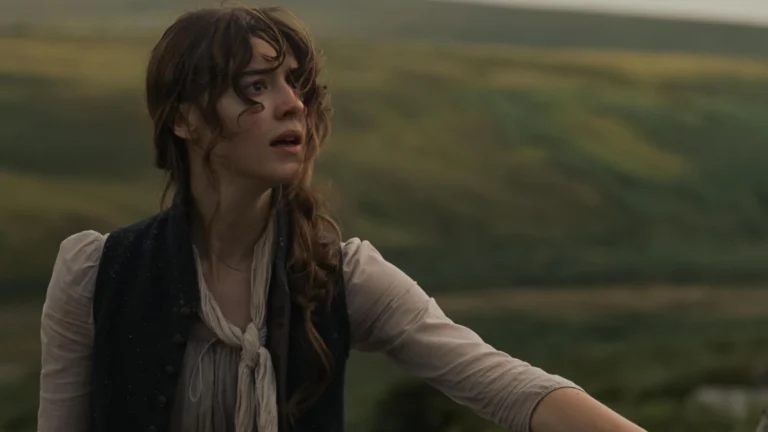
Top 20 Masterpieces That Are Kind Of Boring



Some celebrated films reach their status through ambition, scope, and craft that can feel slow in the moment. These works favor patient storytelling, long takes, and quiet stretches where mood and detail do the heavy lifting. They reward viewers who pay attention to composition, sound, and structure as much as plot. If you like cinema that takes its time, these titles reveal why slowness can be a feature rather than a flaw.
‘2001: A Space Odyssey’ (1968)
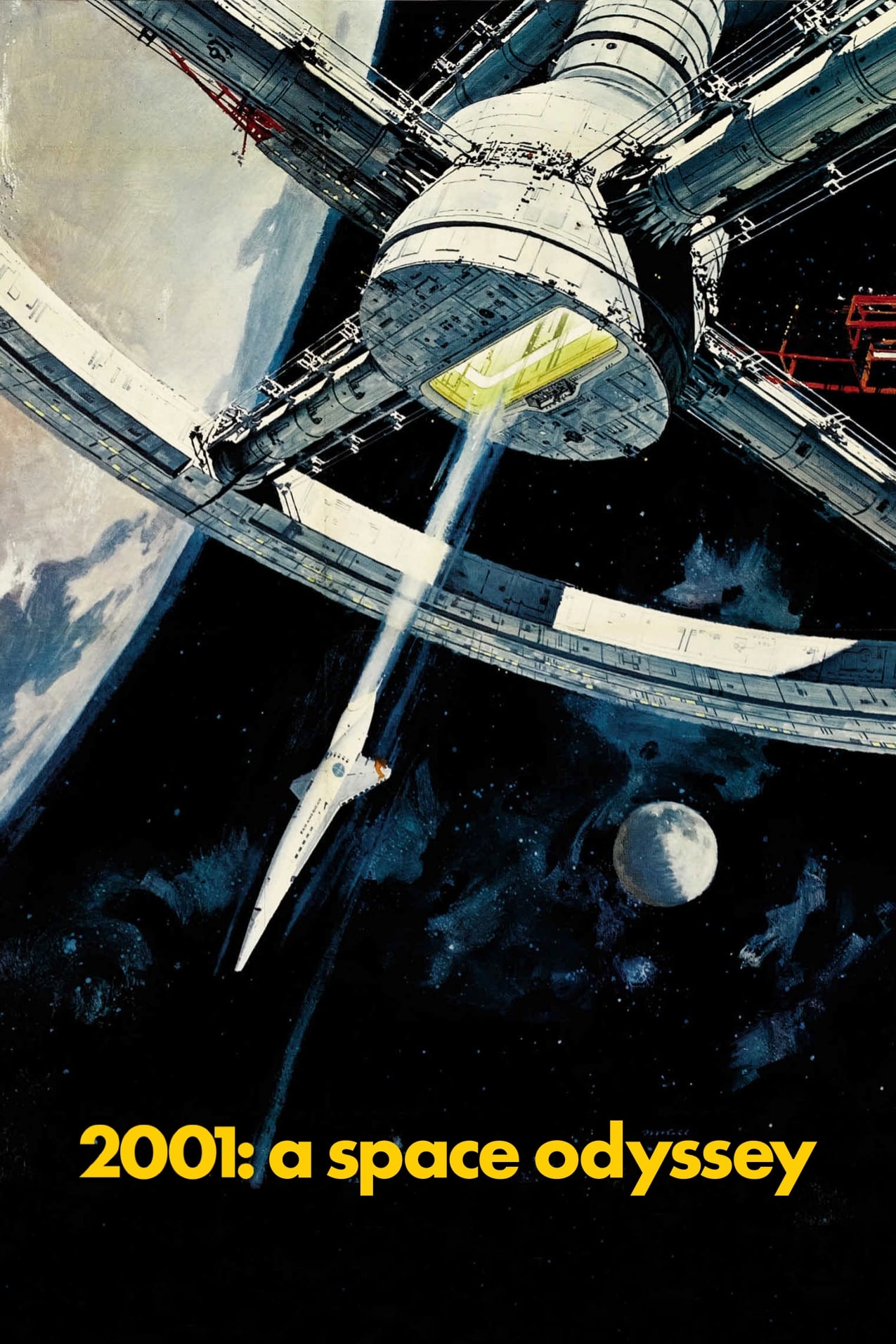
This film is known for long dialogue-free passages that track evolution and space travel with meticulous visual design. The famous stargate sequence uses experimental imagery and practical effects to create an immersive trip. The soundtrack leans on classical music cues that guide rhythm and tone scene by scene. Its structure unfolds in distinct chapters that connect through theme rather than a conventional character arc.
‘Lawrence of Arabia’ (1962)
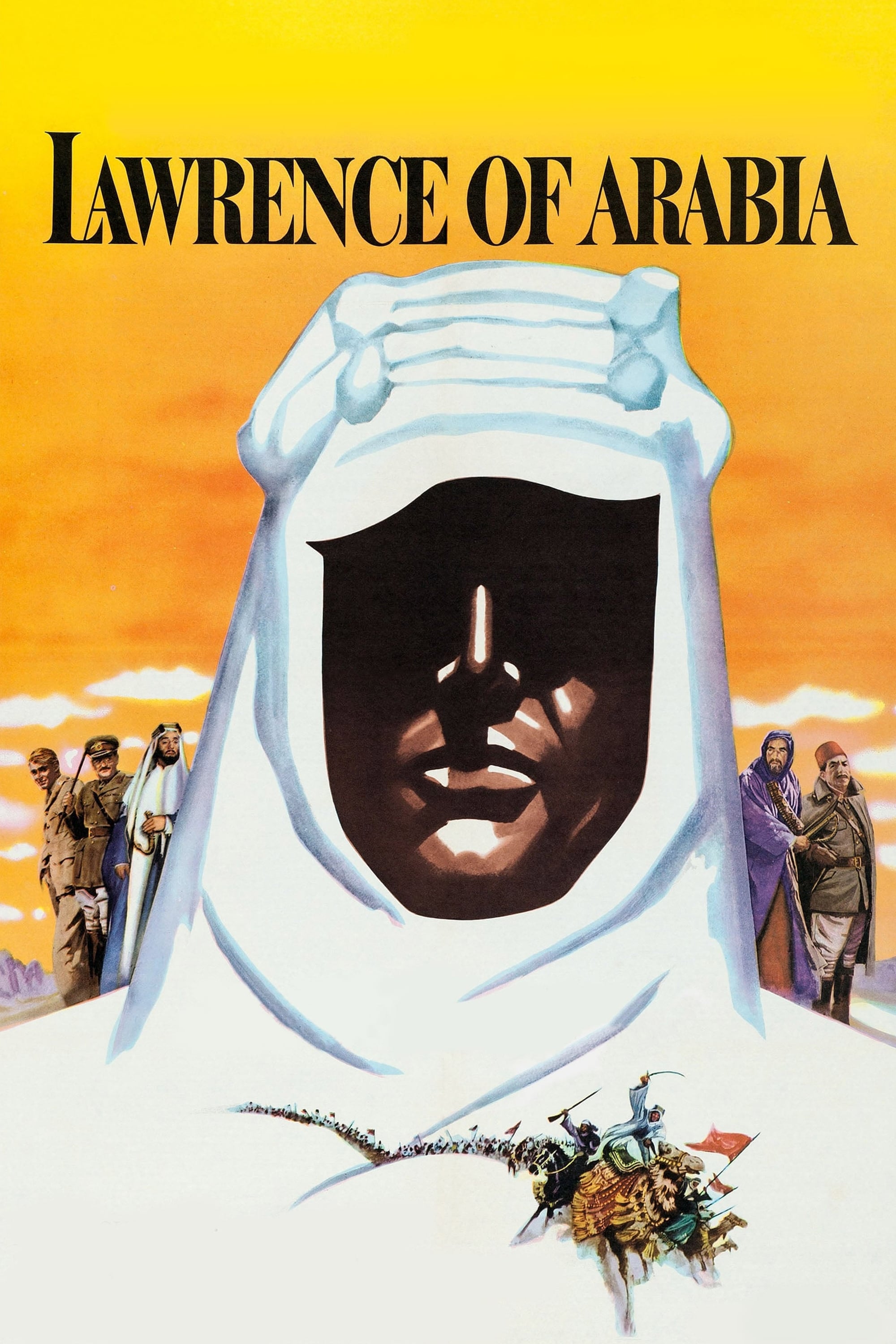
Large format photography captures desert landscapes with a focus on scale and horizon lines. The narrative follows military campaigns and political maneuvers that build through meetings and marches rather than quick turns. Production emphasized location shooting across wide expanses with intricate logistics. The score and sound design work with repeated visual motifs to mark shifts in allegiance and identity.
‘Barry Lyndon’ (1975)

Natural light and candlelit interiors define the look, supported by custom lenses and careful exposure. Many scenes play out in extended wide shots that prioritize framing over dialogue. The story traces social climbing through duels, travel, and court life with a measured tempo. Classical music selections set mood across sequences that function like painted tableaus.
‘Stalker’ (1979)

The film centers on a guided journey through a restricted area that changes the travelers who enter. Long takes let textures of water, metal, and vegetation fill the frame. Sparse sound and careful camera movement build a contemplative atmosphere. The narrative depends on philosophical conversation and silence more than incident.
‘Solaris’ (1972)

A psychologist arrives at a space station where an oceanic planet manifests human memories. The film balances scientific settings with extended scenes of reflection and observation. Production design uses modest sets and precise blocking to create unease. The ending leaves interpretation open through imagery rather than exposition.
‘Andrei Rublev’ (1966)
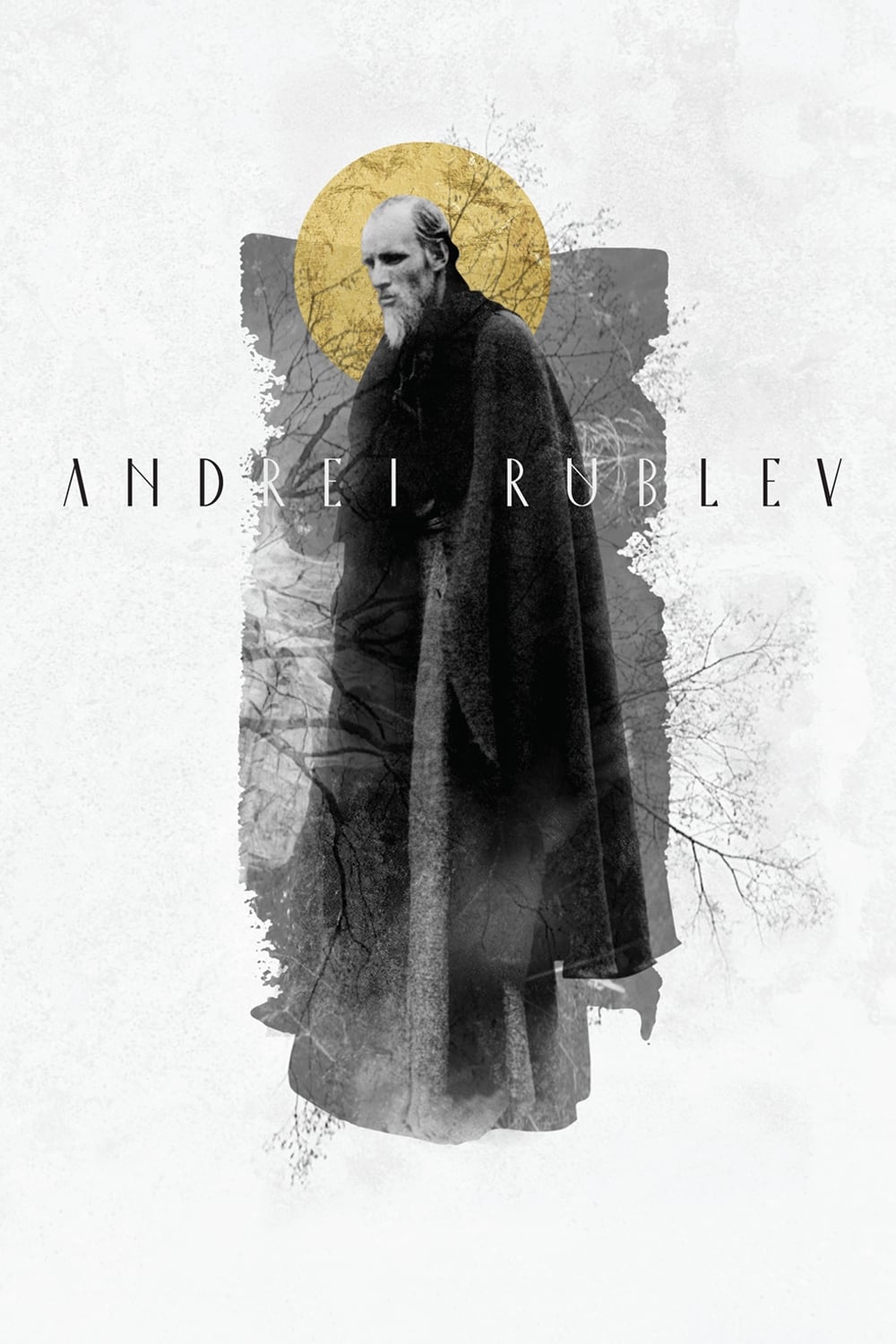
This portrait of a medieval icon painter follows episodes of travel, faith, and craft. Black and white imagery dominates until a final shift that highlights color and artistry. Crowd scenes and rituals are staged with attention to movement and duration. The bell casting sequence shows process and labor step by step.
‘Jeanne Dielman, 23, quai du Commerce, 1080 Bruxelles’ (1975)

The camera observes domestic routines in real time with a fixed perspective. Repetition across days highlights minor changes that carry narrative weight. Sound focuses on household actions like chopping and cleaning. The film’s structure lets small deviations signal mounting pressure.
‘Shoah’ (1985)
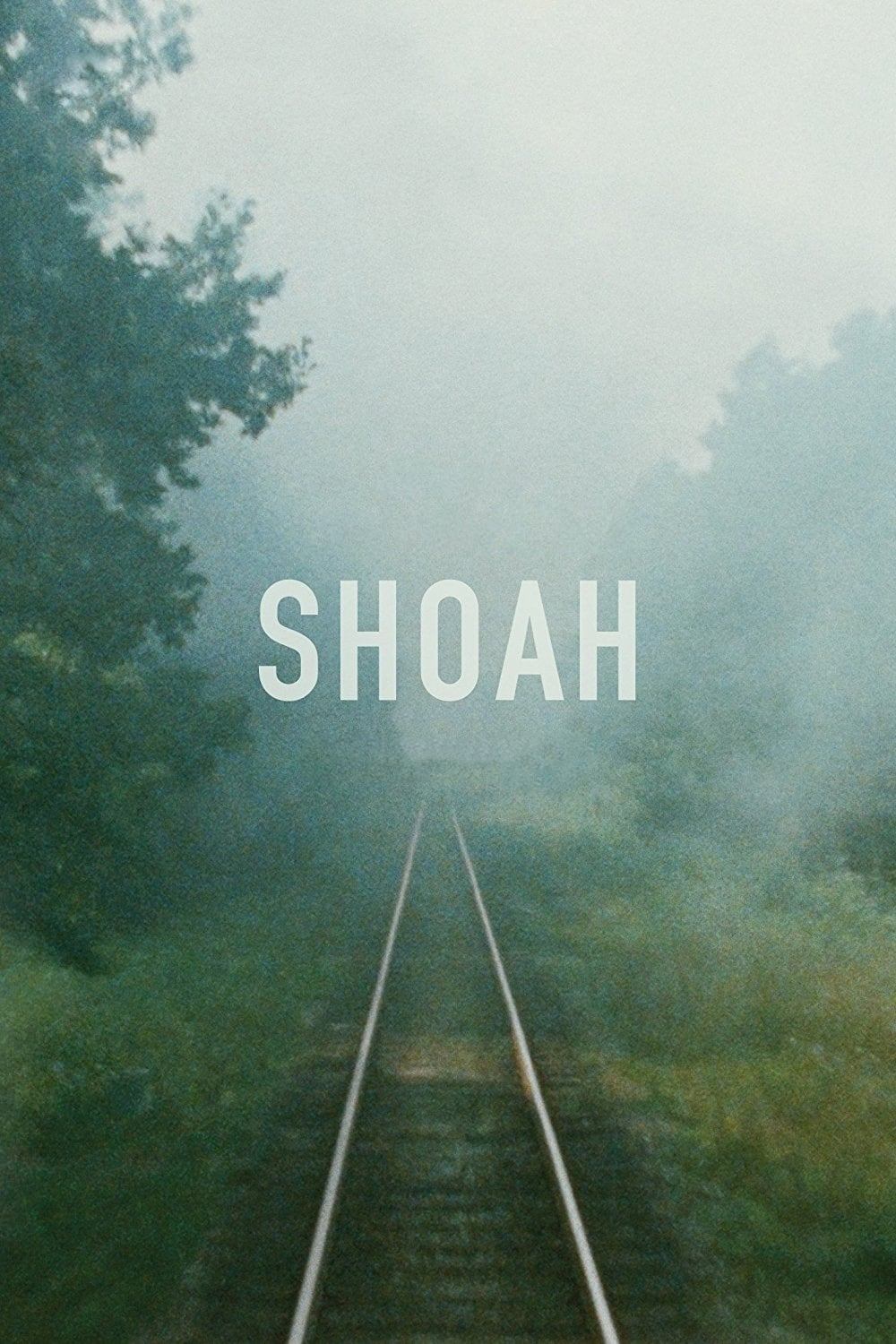
This documentary records interviews and site visits without archival footage. Survivors, witnesses, and perpetrators recount events in detail that unfolds at length. The director returns to locations and rail lines to connect testimony to place. The runtime allows space for silence and reflection between accounts.
‘The Irishman’ (2019)
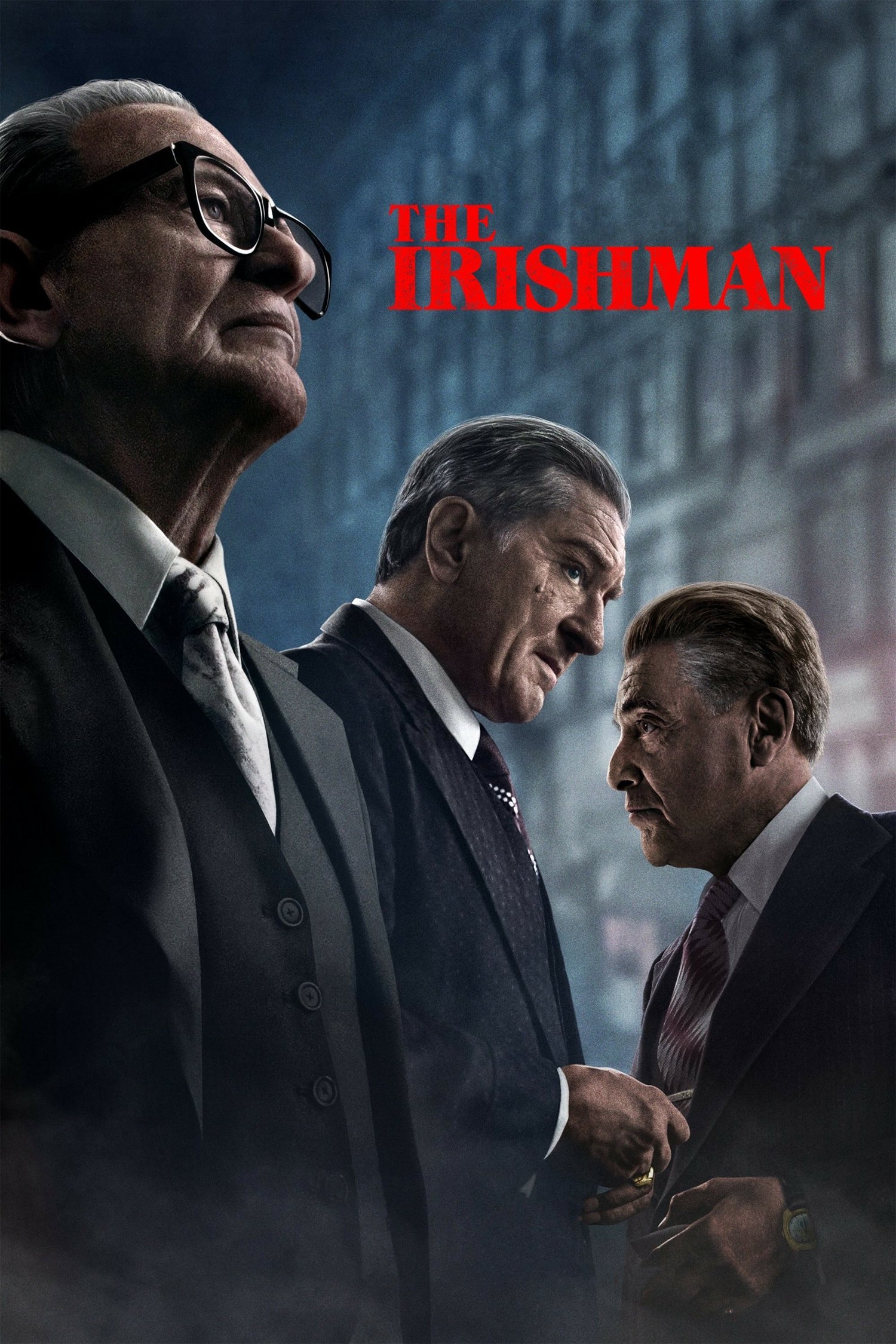
The story charts decades in organized crime through recollection and regret. Digital de-aging supports a single cast across multiple eras. The film blends union politics, road travel, and quiet domestic scenes to show the cost of loyalty. Music cues and meticulous period detail anchor the timeline without rushing key beats.
‘The Tree of Life’ (2011)

A family story sits alongside images of nature and the cosmos. Nonlinear editing pairs memory fragments with whispered narration. Production used natural light and practical effects to depict planetary and cellular phenomena. The film moves through gestures, textures, and sound to suggest inner life.
‘Blade Runner 2049’ (2017)
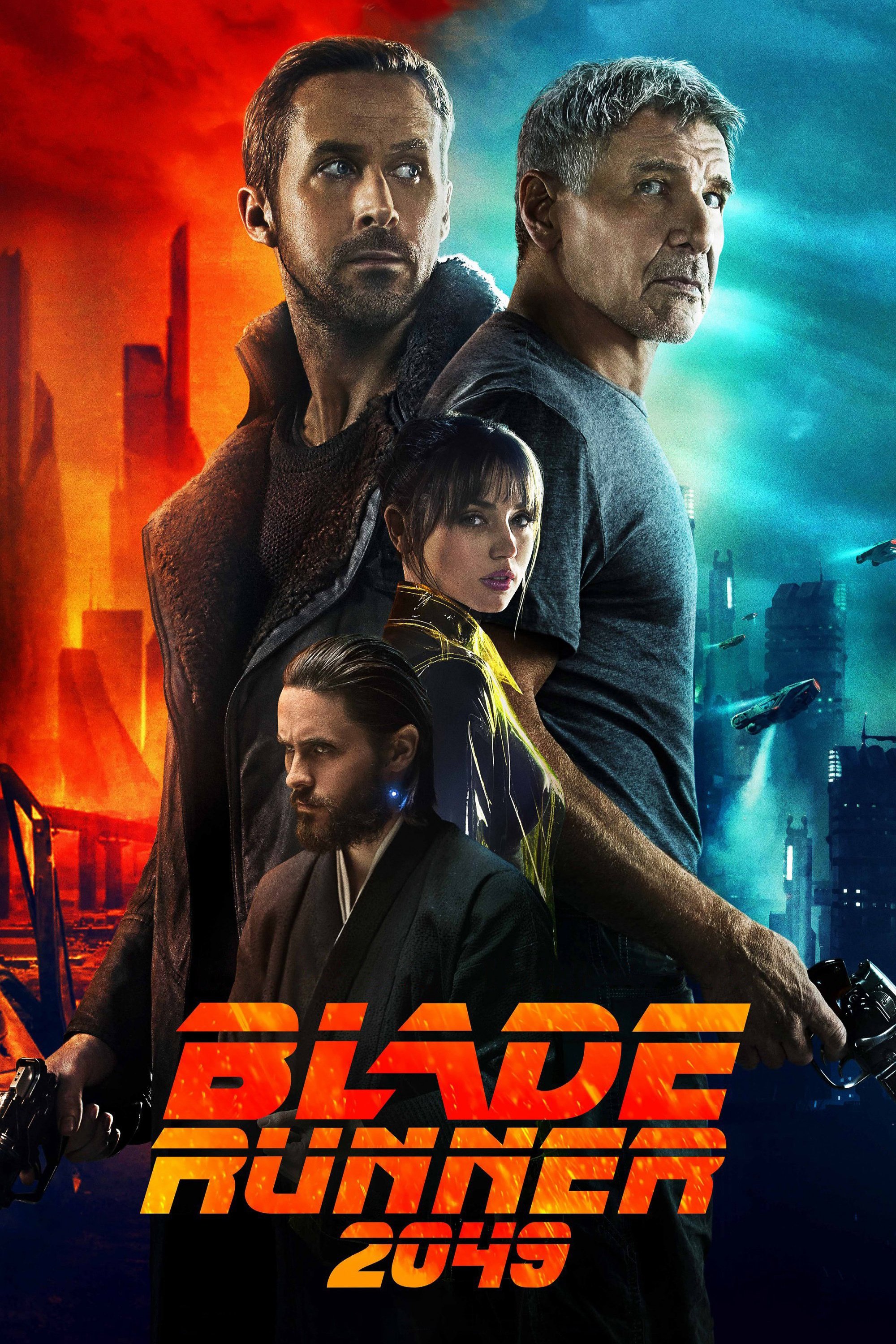
Vast sets and location builds emphasize emptiness and scale in a future city and its outskirts. The plot advances through investigation that pauses for study of spaces and faces. Sound design layers mechanical hums and ambient tones to shape mood. Color blocks and geometric compositions guide attention more than quick action.
‘The Assassination of Jesse James by the Coward Robert Ford’ (2007)
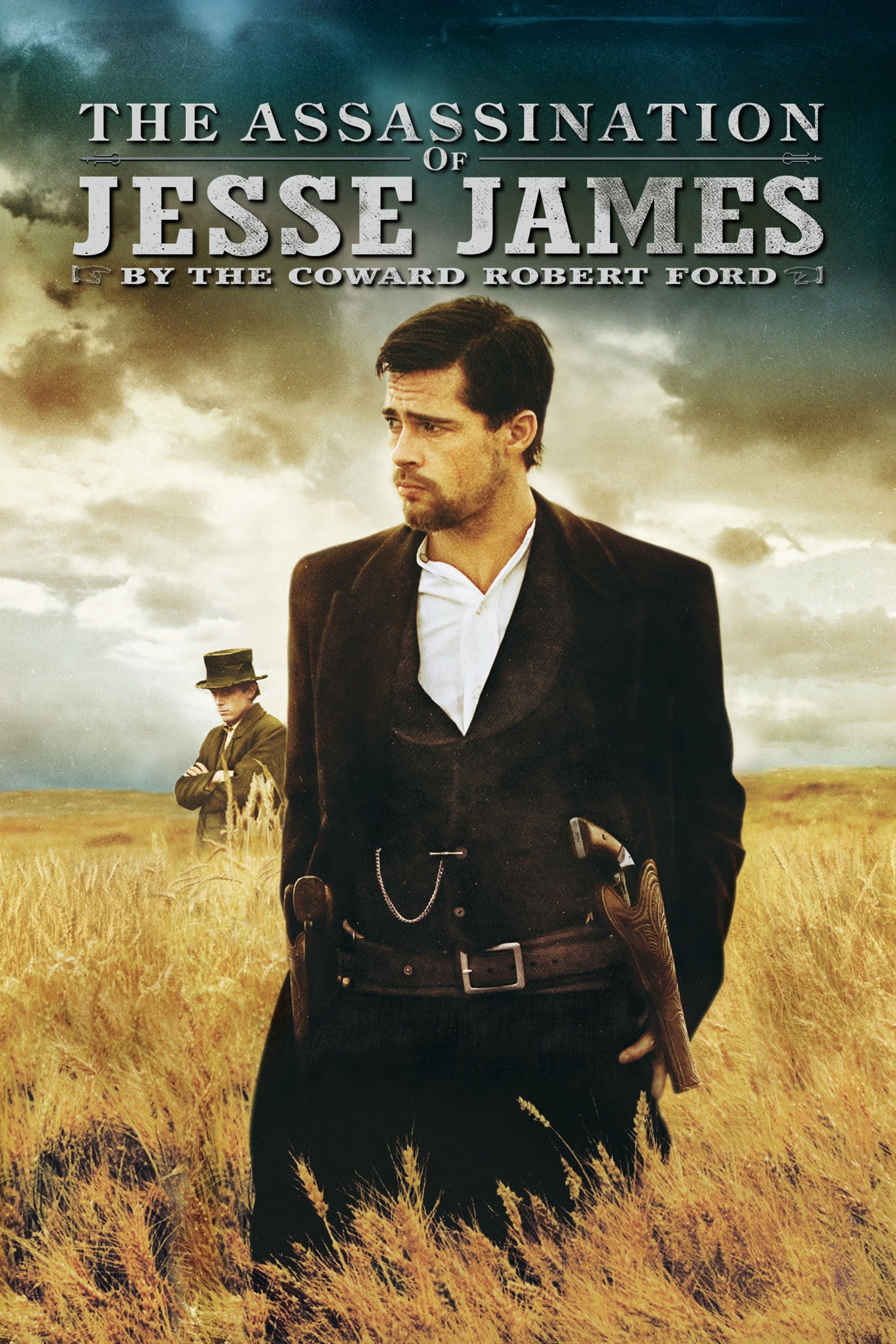
Voiceover narration frames a character study of celebrity and obsession. The visual style uses lensing and vignetting to evoke period photography. Train yards, homesteads, and snowy fields stretch scenes that simmer with unease. The film tracks how mythmaking grows from small encounters and careful observation.
‘The New World’ (2005)
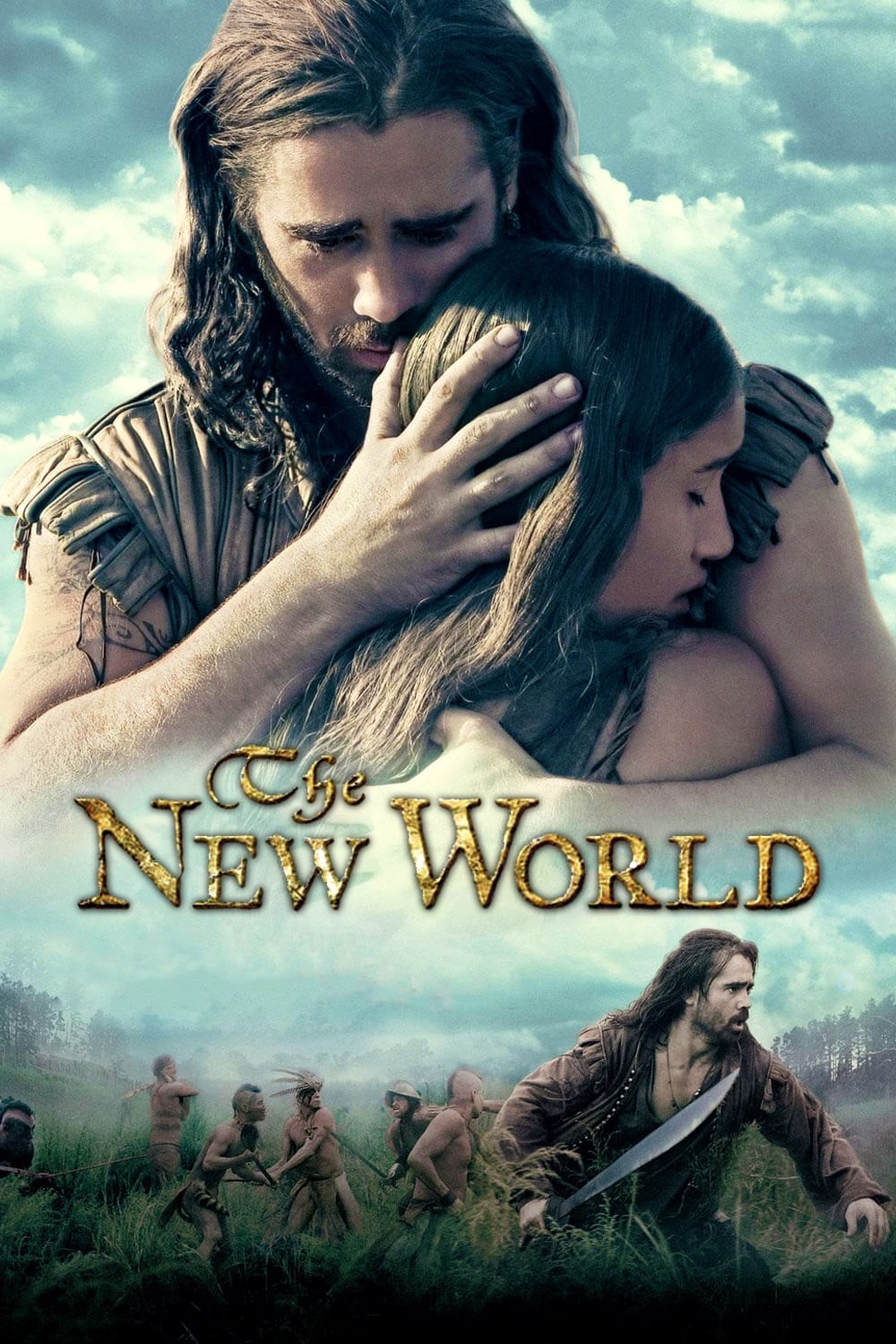
Natural locations and handheld movement place the viewer inside forests, rivers, and settlements. Dialogue often yields to ambient sound, wind, and water. The edit follows sensation and exploration instead of strict plot points. Musical themes recur to connect characters across changing landscapes.
‘The Thin Red Line’ (1998)
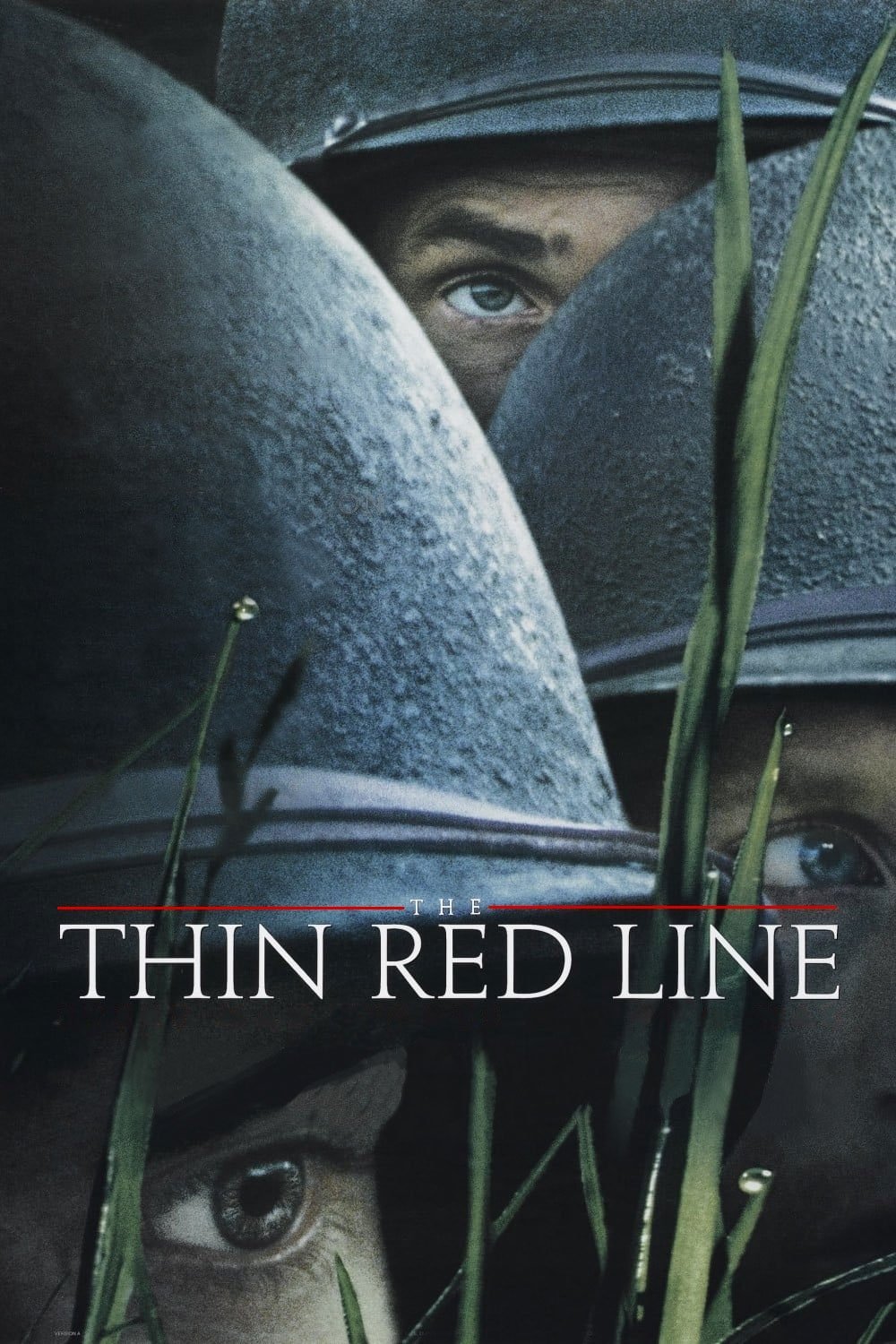
Battle sequences alternate with quiet stretches of waiting and reflection. Multiple voiceovers reveal inner thoughts that weave through the same events. The camera lingers on grass, sky, and ocean to set a meditative tone. Ensemble casting and intersecting arcs show how war disperses attention across many lives.
‘Once Upon a Time in the West’ (1968)
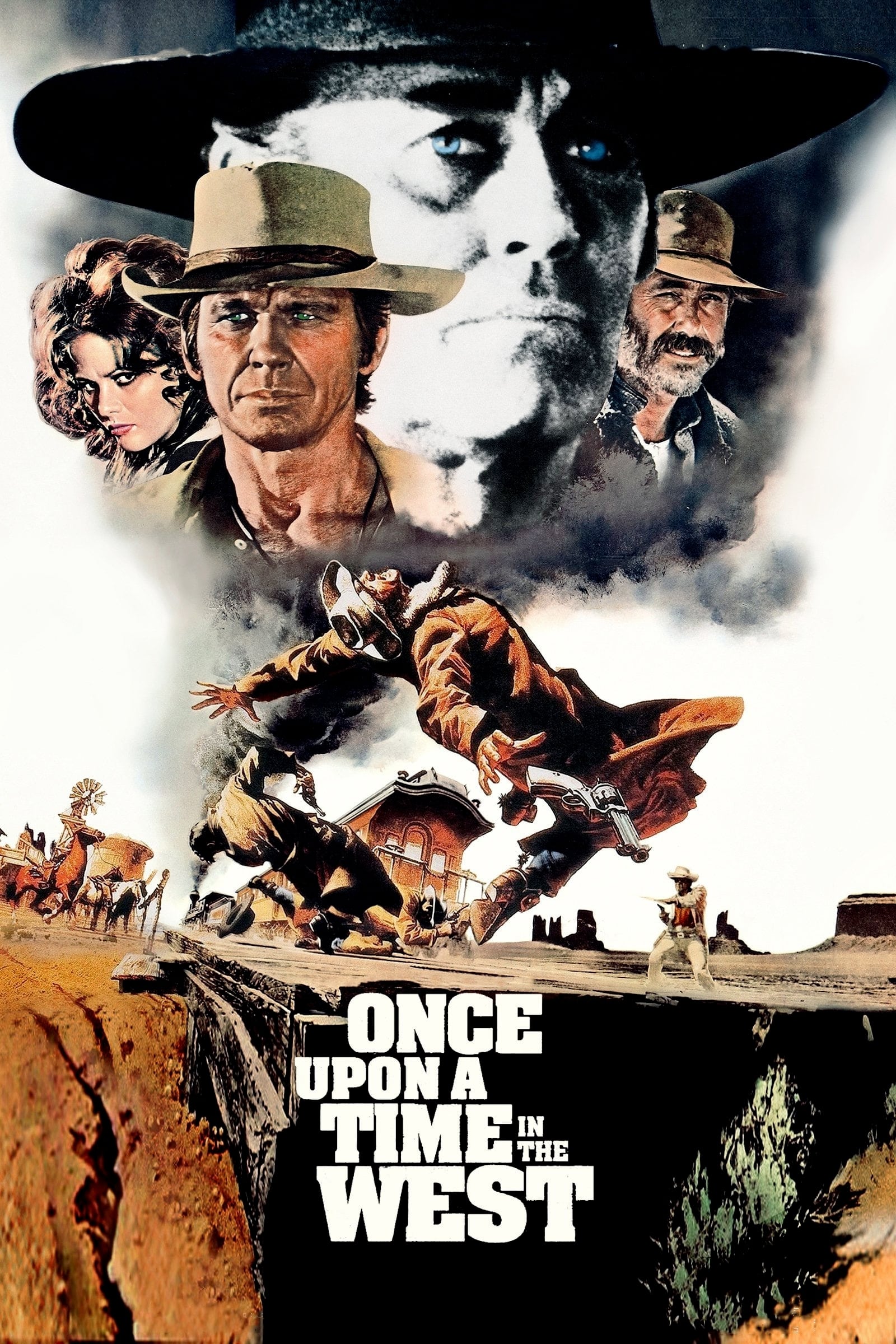
Opening sequences feature environmental sounds that replace dialogue for minutes at a time. Extreme close-ups and slow push-ins build tension around simple gestures. The score assigns leitmotifs to characters that return throughout the story. Wide frames of rail lines and deserts stretch movement across distance.
‘Paris, Texas’ (1984)

A man reenters family life after a long absence, with the camera studying faces and quiet rooms. The screenplay uses long conversations that unfold without quick cuts. Slide projections and roadside locations shape memory and identity. A steel-guitar score traces longing across towns and motels.
‘Drive My Car’ (2021)
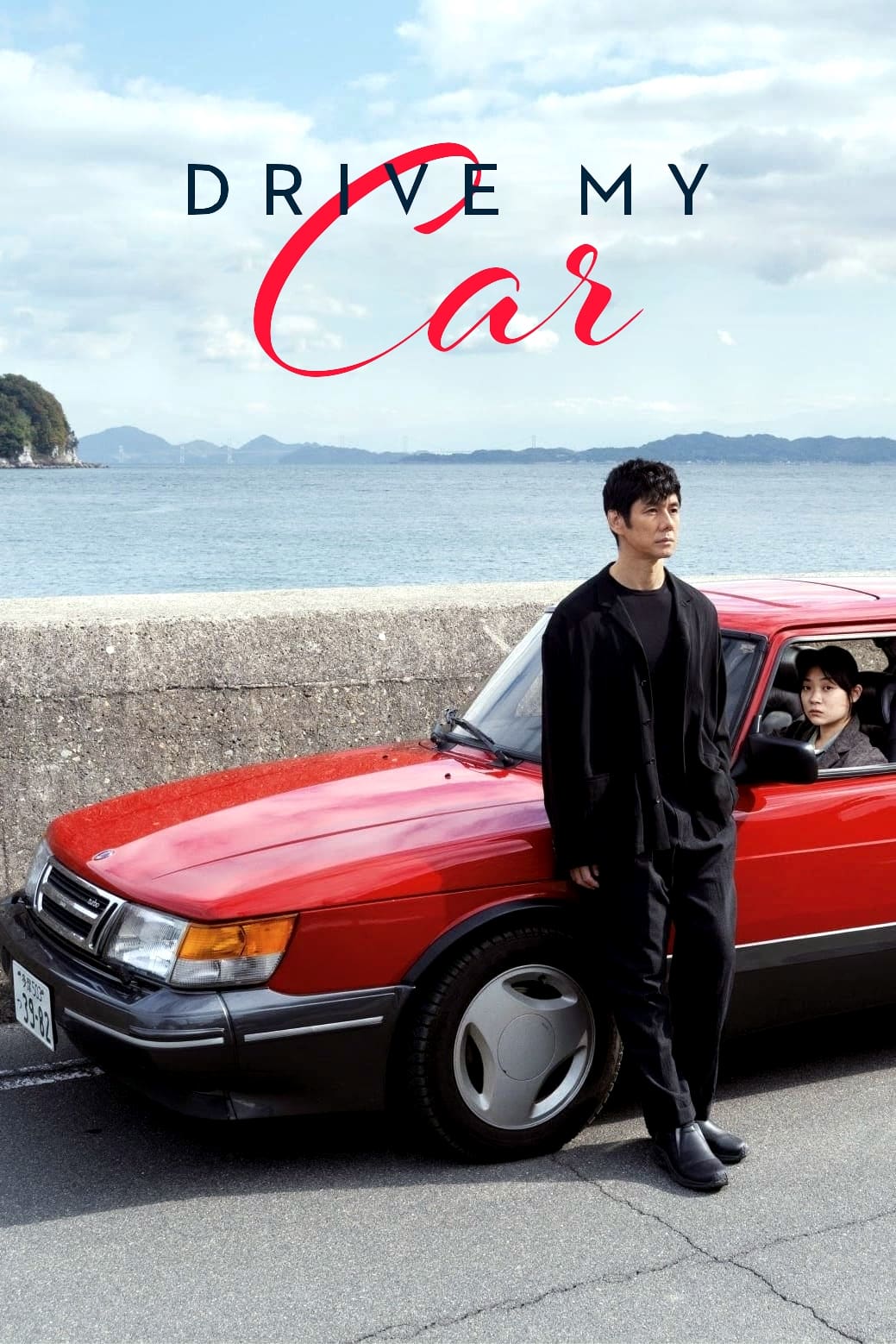
An actor directs a multilingual stage production while processing grief through work. Rehearsals, car rides, and table reads become the primary settings. The film emphasizes listening and repetition as performers build trust. Subtle blocking in a red car turns travel into a space for confession.
‘Yi Yi’ (2000)
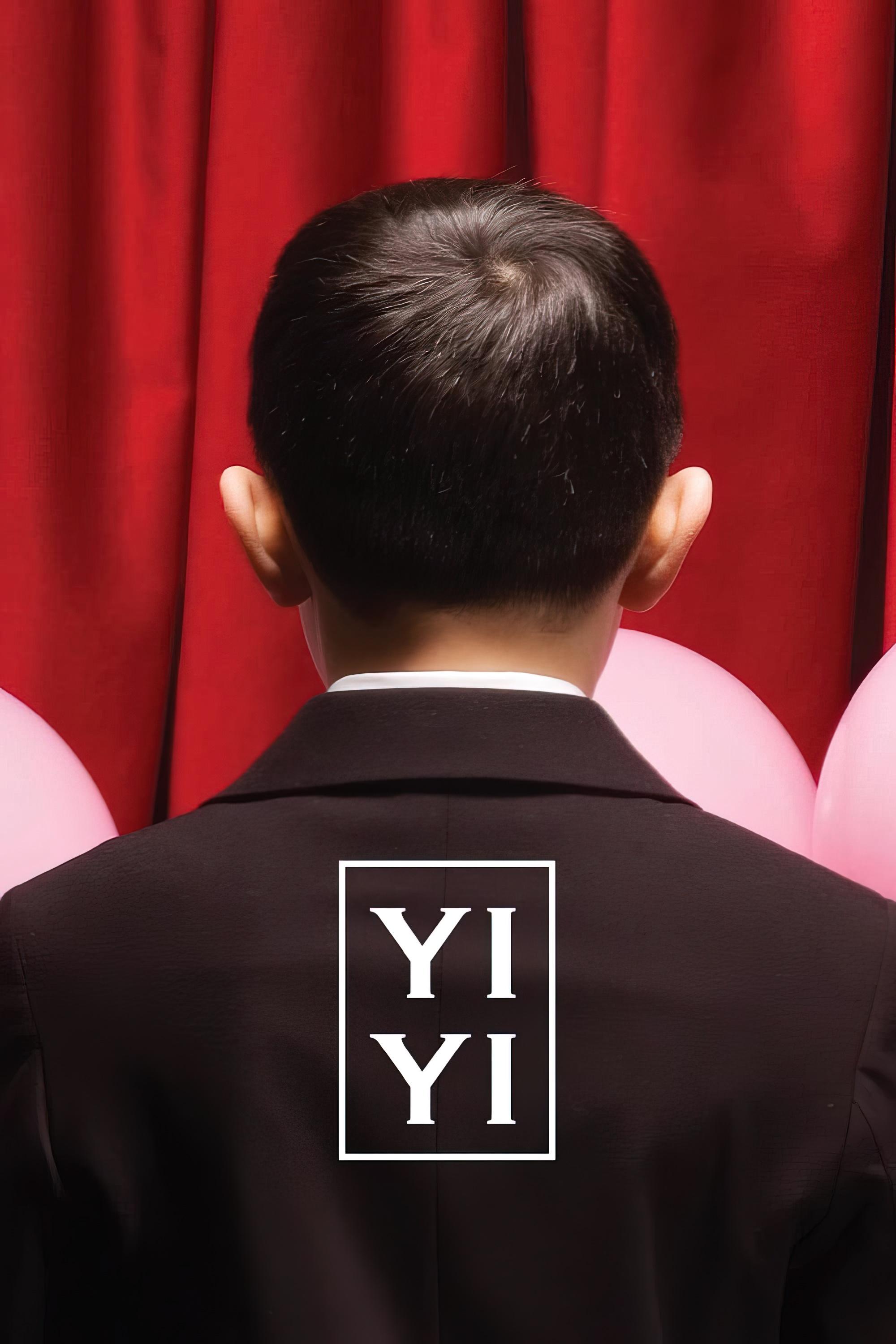
A family in Taipei navigates school, work, and romance through everyday scenes. The camera often holds a distance to capture reflections and overlapping actions. Music and city noise frame moments that pass without dramatic spikes. The narrative collects small choices that echo across generations.
‘Aguirre, the Wrath of God’ (1972)
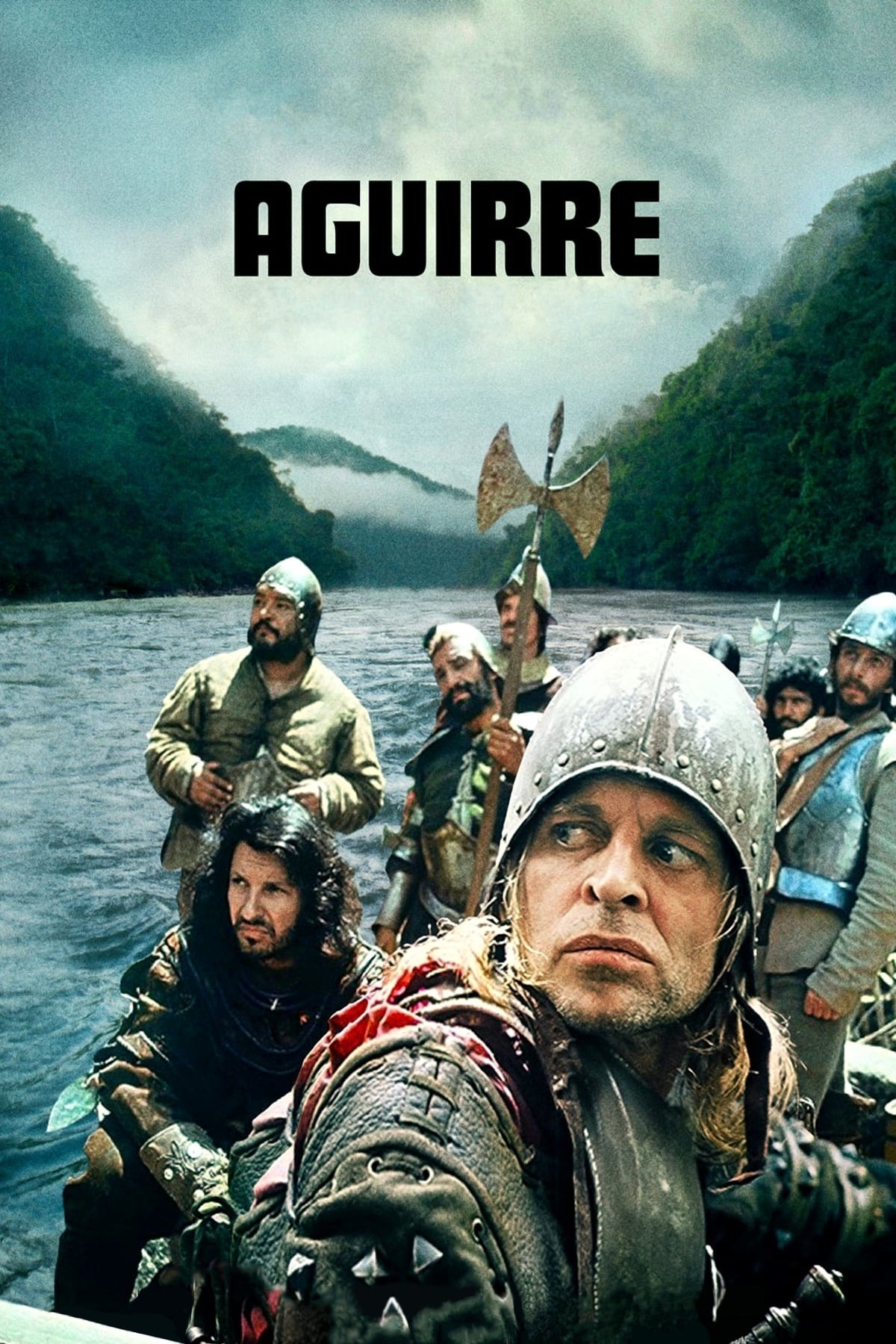
A small expedition moves through jungle terrain with limited resources and increasing strain. Location shooting on rivers and mountains gives the journey a physical edge. The soundtrack features choral textures that create an otherworldly mood. The story follows a single obsession that isolates the group step by step.
‘The Godfather Part II’ (1974)
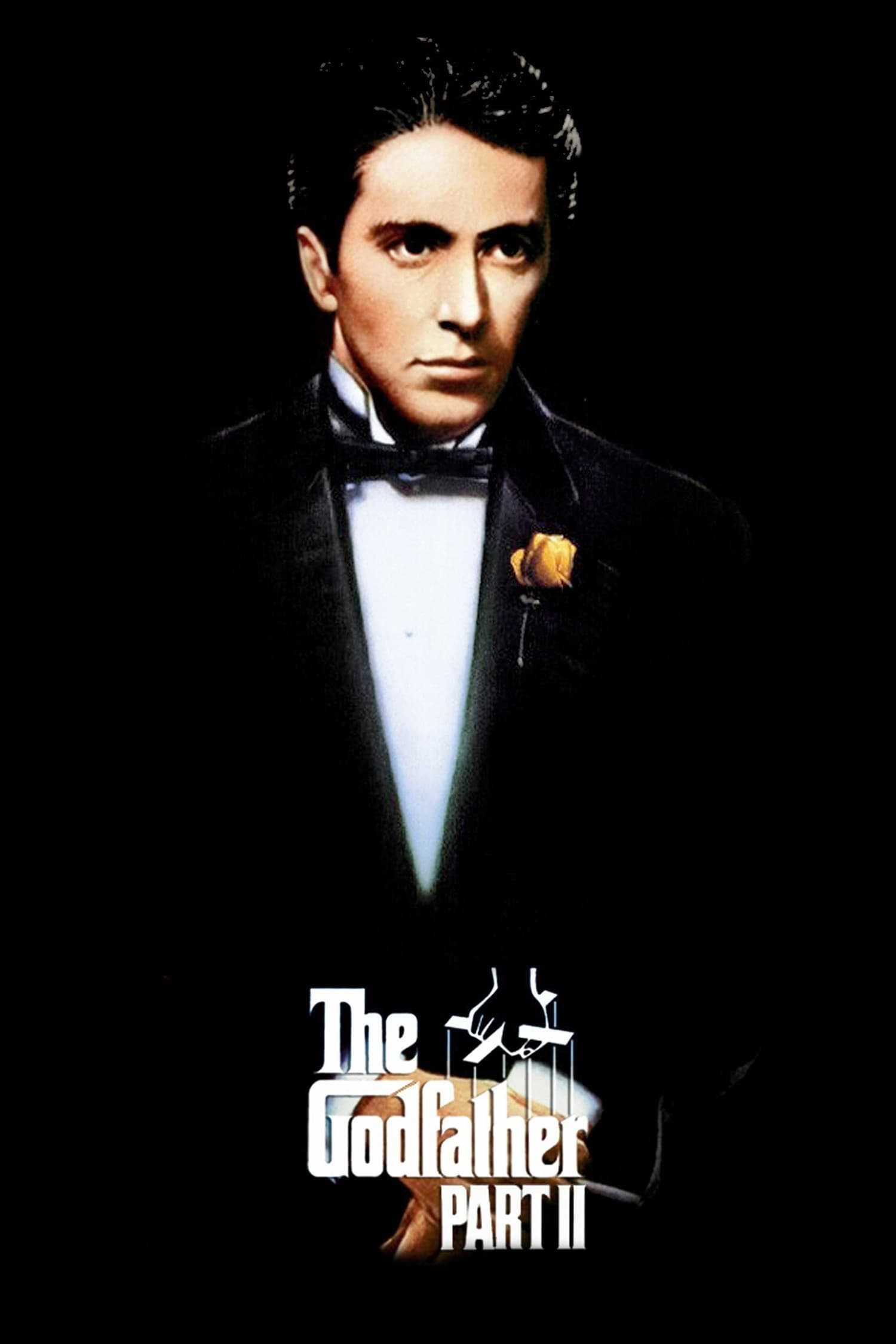
The film intercuts a rise to power with a family’s internal rifts. Production recreates multiple cities with careful attention to costume and architecture. Long scenes in offices and hearing rooms track strategy and fallout. A restrained score and measured edit let glances and pauses carry meaning.
Share your picks for brilliant films that test your patience in the comments.