Top 20 Movies Where the World Ends

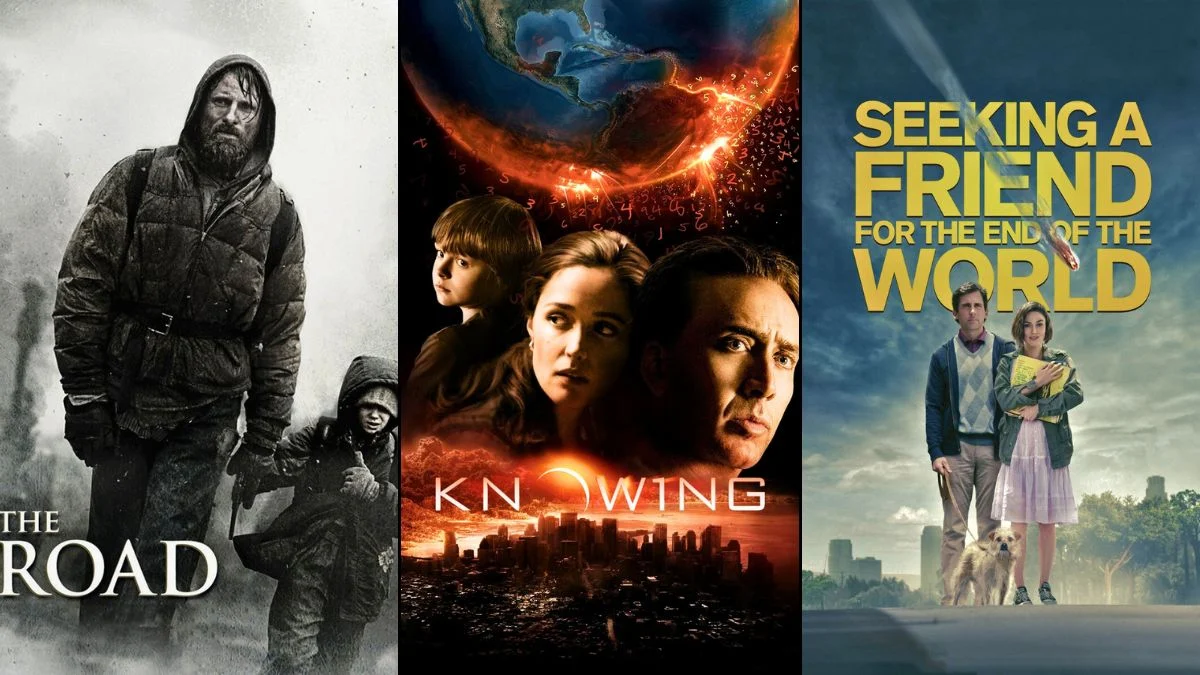

There is something gripping about stories that follow the last days of Earth. These movies look at extinction events, nuclear brinkmanship, cosmic collisions, and the quiet ways society unravels. Some unfold in the hours before impact while others sit with the aftermath. They focus on choices people make when time runs out and what matters when there is no tomorrow.
‘On the Beach’ (1959)

A U.S. submarine reaches Australia after a nuclear exchange has wiped out the Northern Hemisphere. Survivors wait as radiation drifts south and the crew searches for signs of life. Gregory Peck and Ava Gardner lead a story that tracks government responses and personal farewells. The film shows organized rationing, civil defense planning, and radio signal investigations as the clock winds down.
‘The World, the Flesh and the Devil’ (1959)

A miner emerges from a collapsed tunnel to find the world seemingly empty after a catastrophic event. In New York City he meets two other survivors and they struggle with isolation and scarce resources. The movie uses empty urban spaces to show supply gathering and improvised shelter. It also documents how simple systems like water and power become central to daily survival.
‘The Day the Earth Caught Fire’ (1961)

A pair of journalists uncover that simultaneous nuclear tests have knocked Earth off its axis. Heat rises, water shortages spread, and the city rolls out emergency measures. The story follows newsroom reporting, government briefings, and public notices about rationing. It details how infrastructure strains under extreme temperatures and how officials weigh drastic solutions.
‘Dr. Strangelove or: How I Learned to Stop Worrying and Love the Bomb’ (1964)
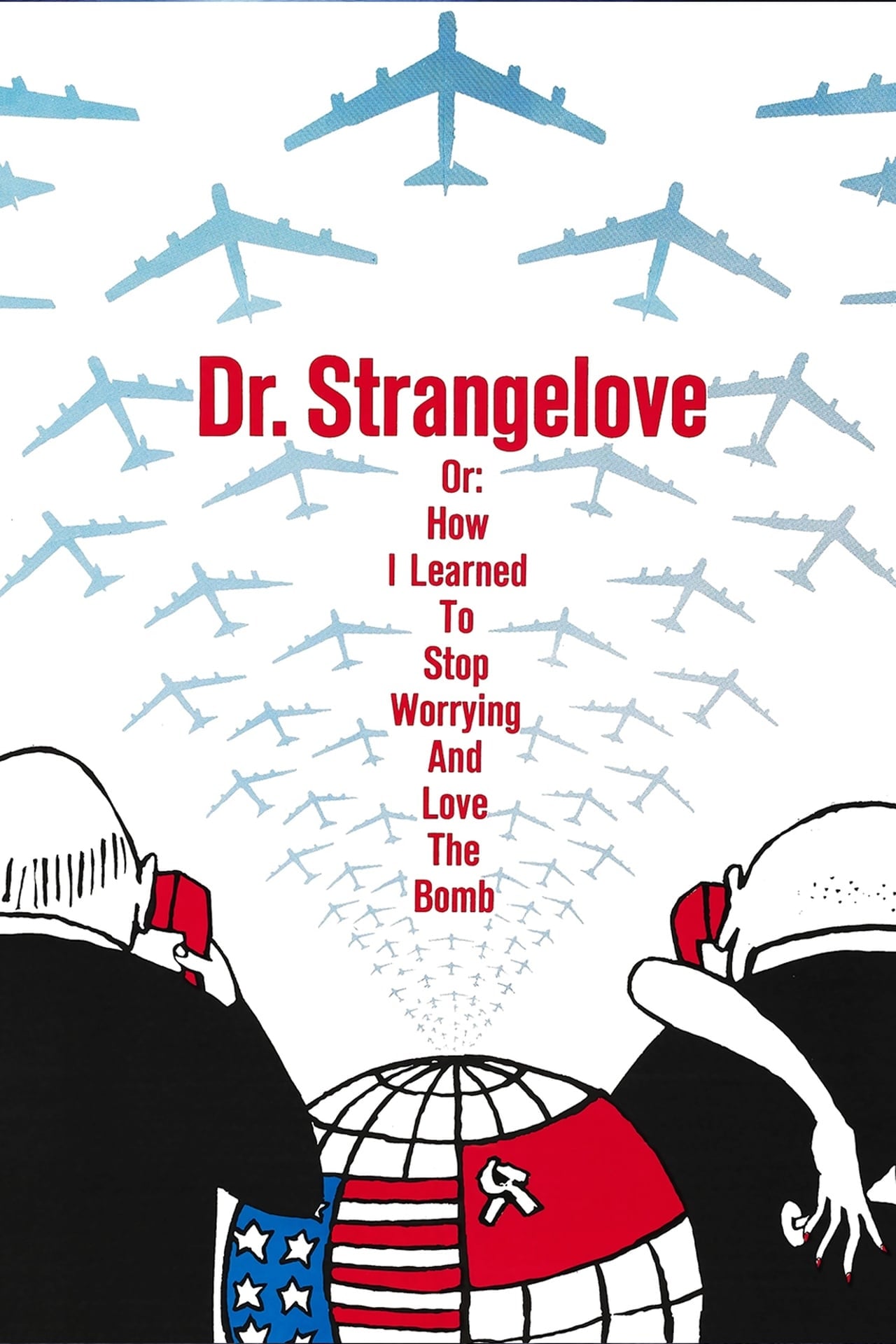
A rogue U.S. officer triggers a bomber attack that could start global nuclear war. War room planners race to recall aircraft and manage automated fail safes. The film walks through command protocols, target procedures, and the consequences of deterrence plans. It maps out how a single breakdown can cascade through rigid systems.
‘Threads’ (1984)
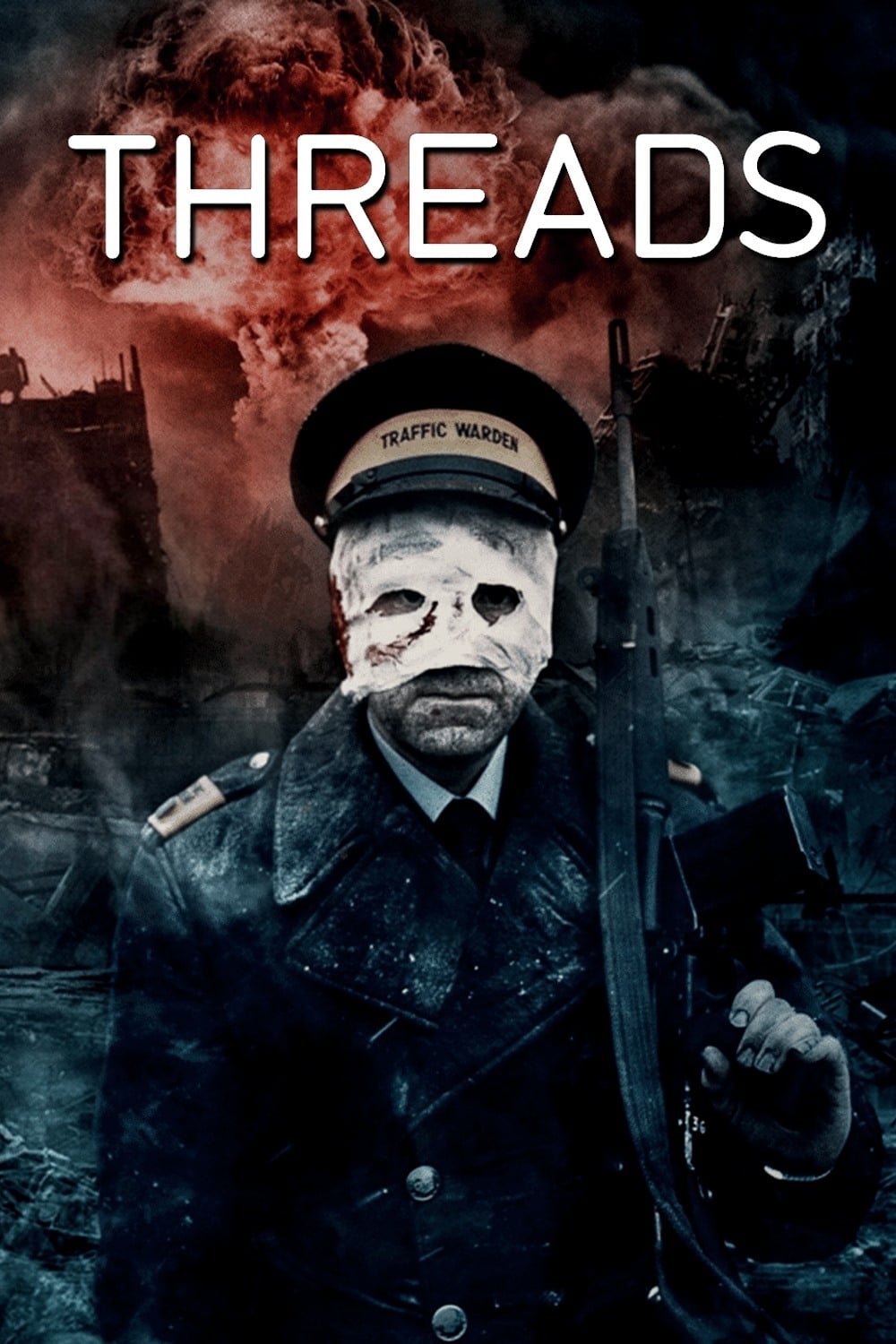
Set in Sheffield, this drama follows families before and after a nuclear strike. It shows civil defense preparations, fallout patterns, and long term food scarcity. The production tracks medical response, radiation illness, and the collapse of supply chains. Time jumps reveal how agriculture, education, and language degrade under sustained catastrophe.
‘The Day After’ (1983)

Centered on Kansas and Missouri, the story covers escalation, impact, and aftermath of a nuclear exchange. It documents evacuation attempts, hospital overload, and fallout shelter routines. The film shows how communication networks fail and how communities try to coordinate aid. It provides a ground level look at casualty triage and infrastructure loss.
‘When the Wind Blows’ (1986)
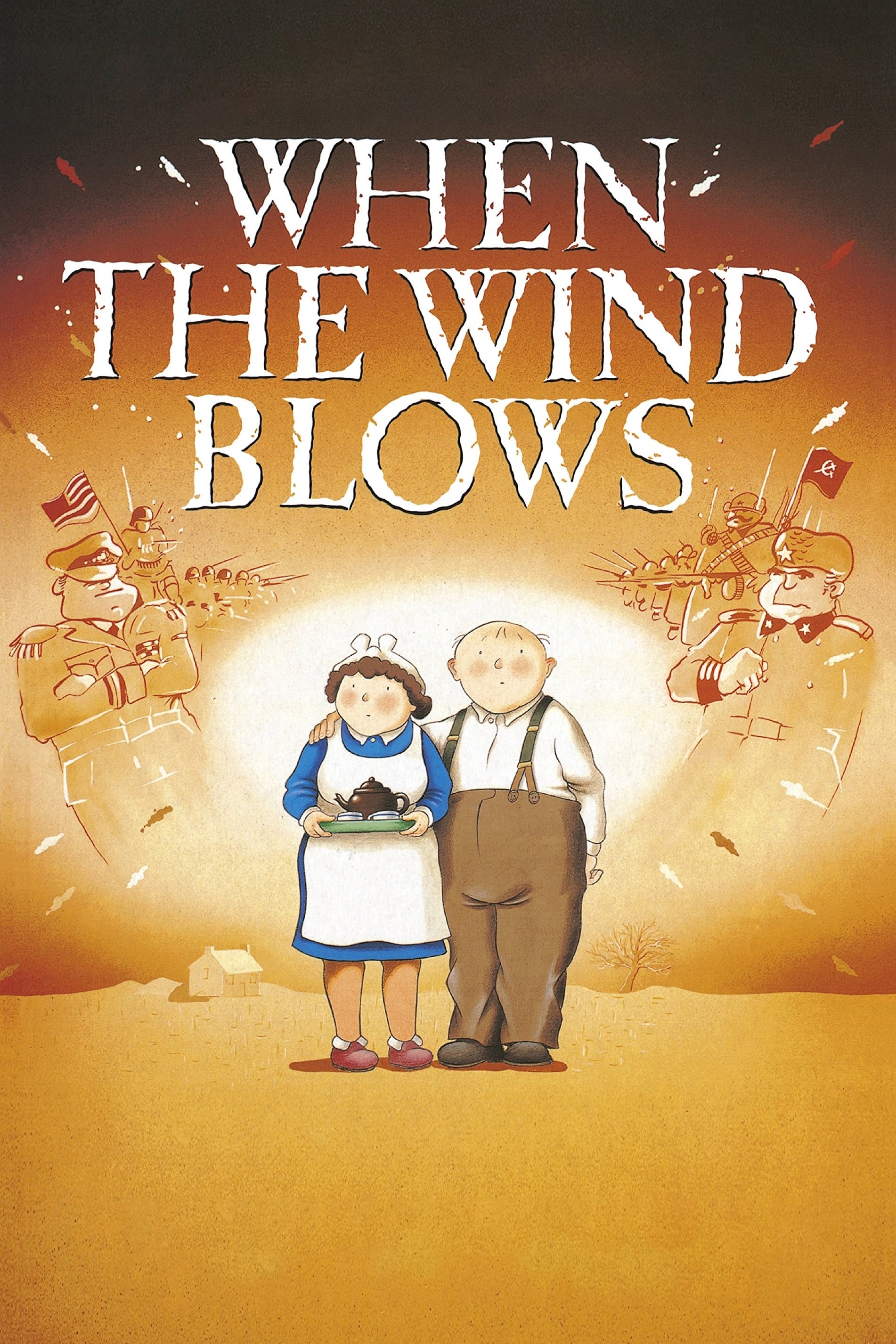
An elderly couple follows government leaflets as nuclear tensions rise. Viewers see improvised shelter building, food stockpiling, and radiation guidance. The narrative tracks symptom onset and the limits of official instructions. It focuses on how well meaning plans meet physical realities like contaminated water and supply depletion.
‘The Quiet Earth’ (1985)
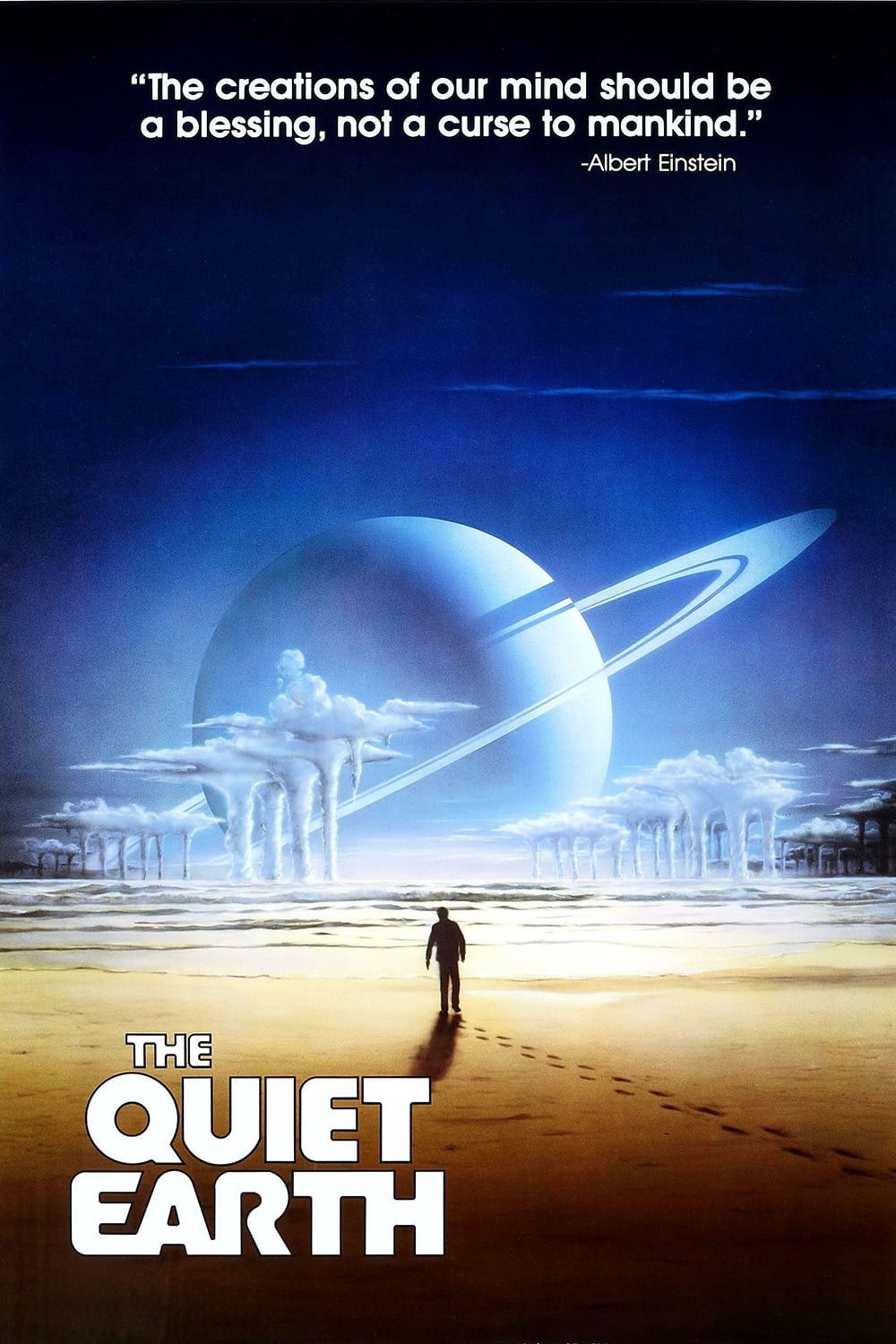
A scientist wakes to find most people gone after an experiment goes wrong. He surveys empty cities, tests power grids, and monitors atmospheric anomalies. The film shows how to repurpose facilities and track time sensitive data without a team. It builds toward an attempt to correct the project that caused the event.
‘Miracle Mile’ (1988)

A man answers a ringing phone and hears that missiles are minutes away. He spends the remaining hours trying to find his partner and secure a flight out. The story follows bank runs, gas shortages, and crowded evacuation points. It maps Los Angeles route choices and the speed at which rumors move a city.
‘Last Night’ (1998)

Toronto residents prepare for a known and unavoidable end that arrives at a fixed time. People settle affairs, connect with strangers, and choose how to spend their final hours. The film shows utility companies promising to keep services running until the last moment. It catalogs practical tasks like food preparation, transportation, and communication plans.
‘Deep Impact’ (1998)
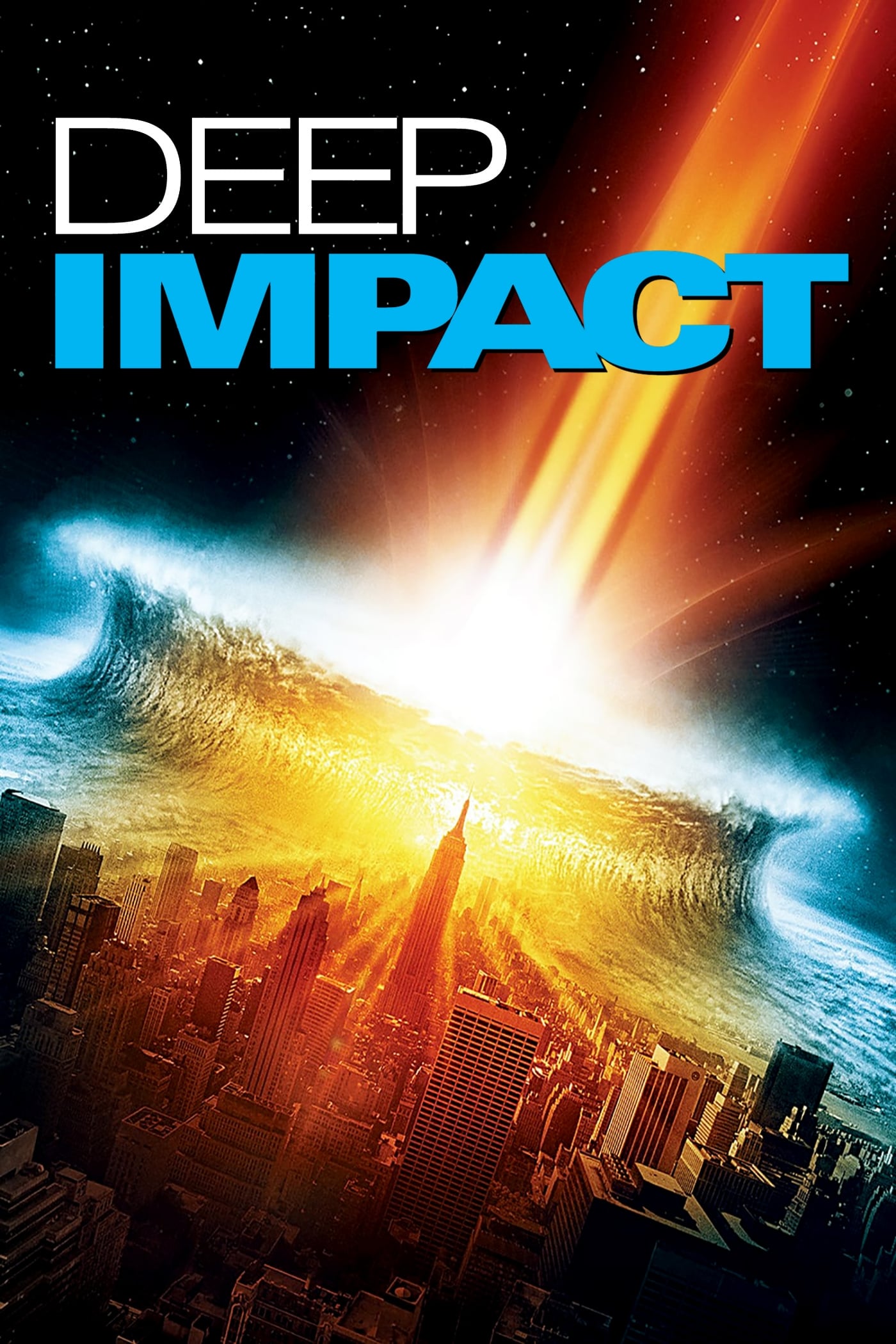
A space mission identifies a comet on a collision course with Earth. Governments launch crews to break it apart and establish underground shelters. The film covers selection lotteries, coastal evacuation, and continuity of government sites. It shows how impact modeling guides flood maps and transport closures.
‘Armageddon’ (1998)
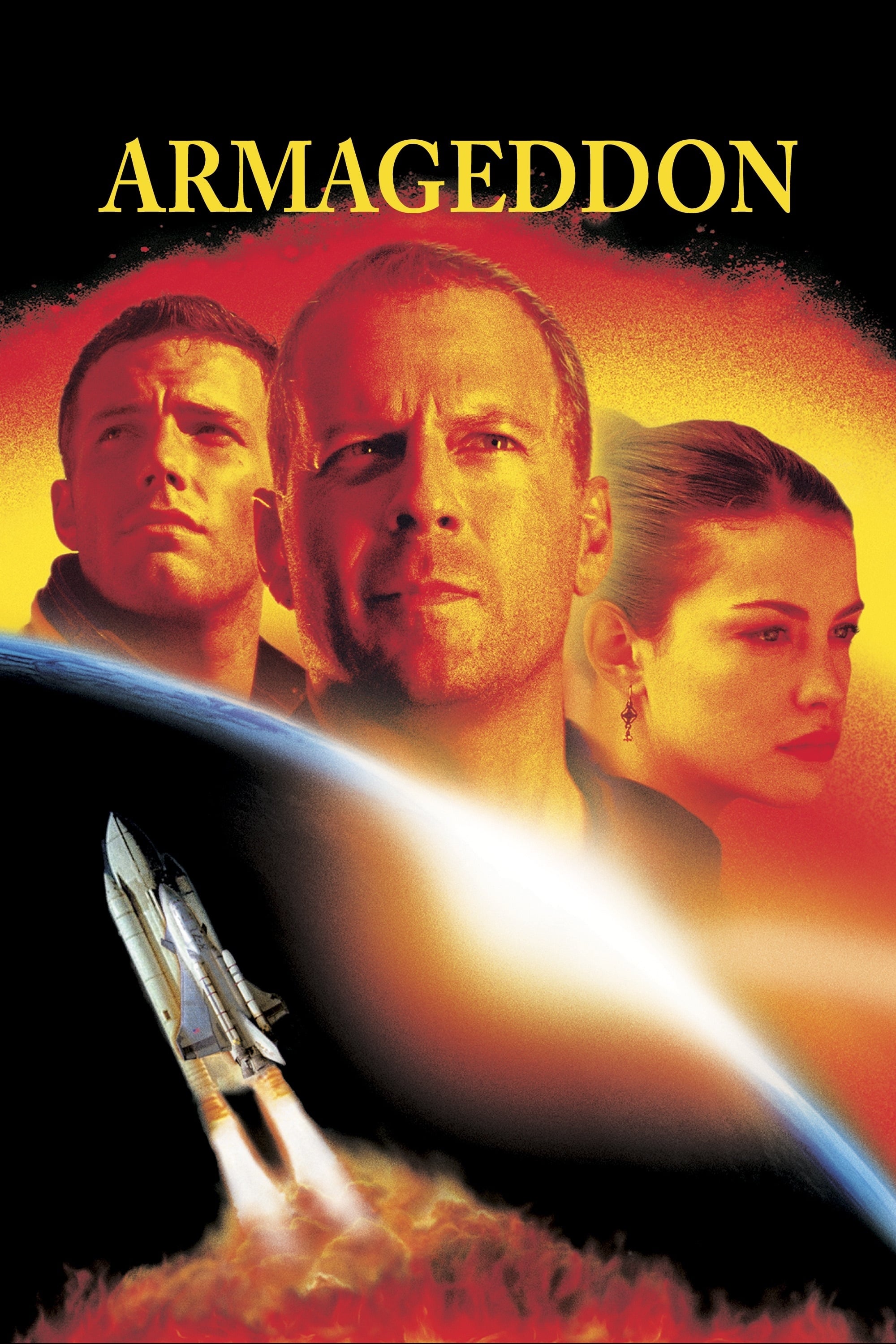
After an asteroid is detected, a drilling team is trained to place a device inside it. The story tracks interagency coordination, shuttle retrofits, and orbital docking. It details how mission windows and trajectory burns determine success. Back on Earth, it shows worldwide disaster planning and air traffic restrictions.
‘2012’ (2009)
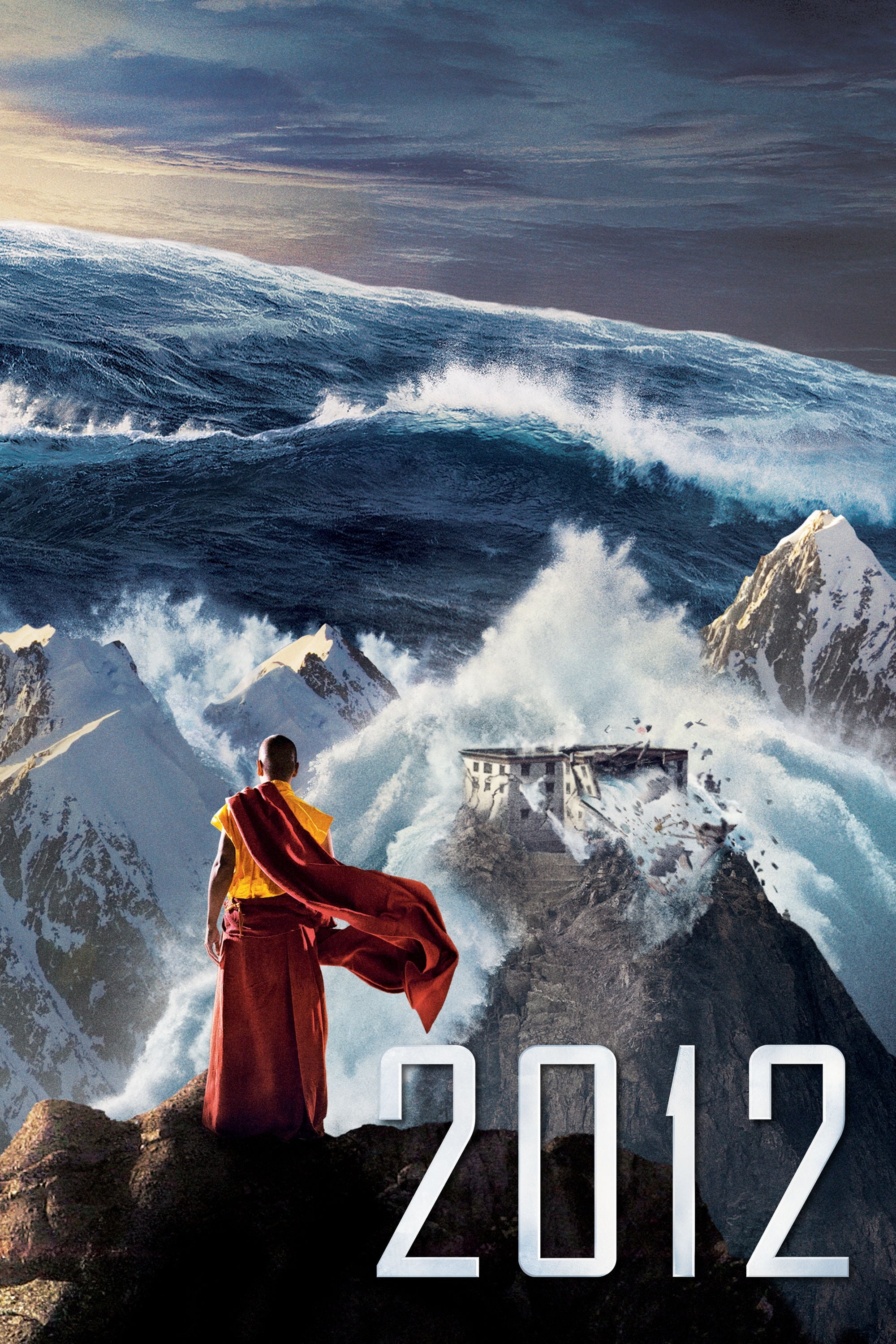
Geologists warn that Earth’s crust is destabilizing and worldwide quakes begin. Governments build arks to preserve people and cultural records. The film follows forged tickets, access checkpoints, and the logistics of boarding. It visualizes how airlifts and convoys move across collapsing terrain.
‘Knowing’ (2009)
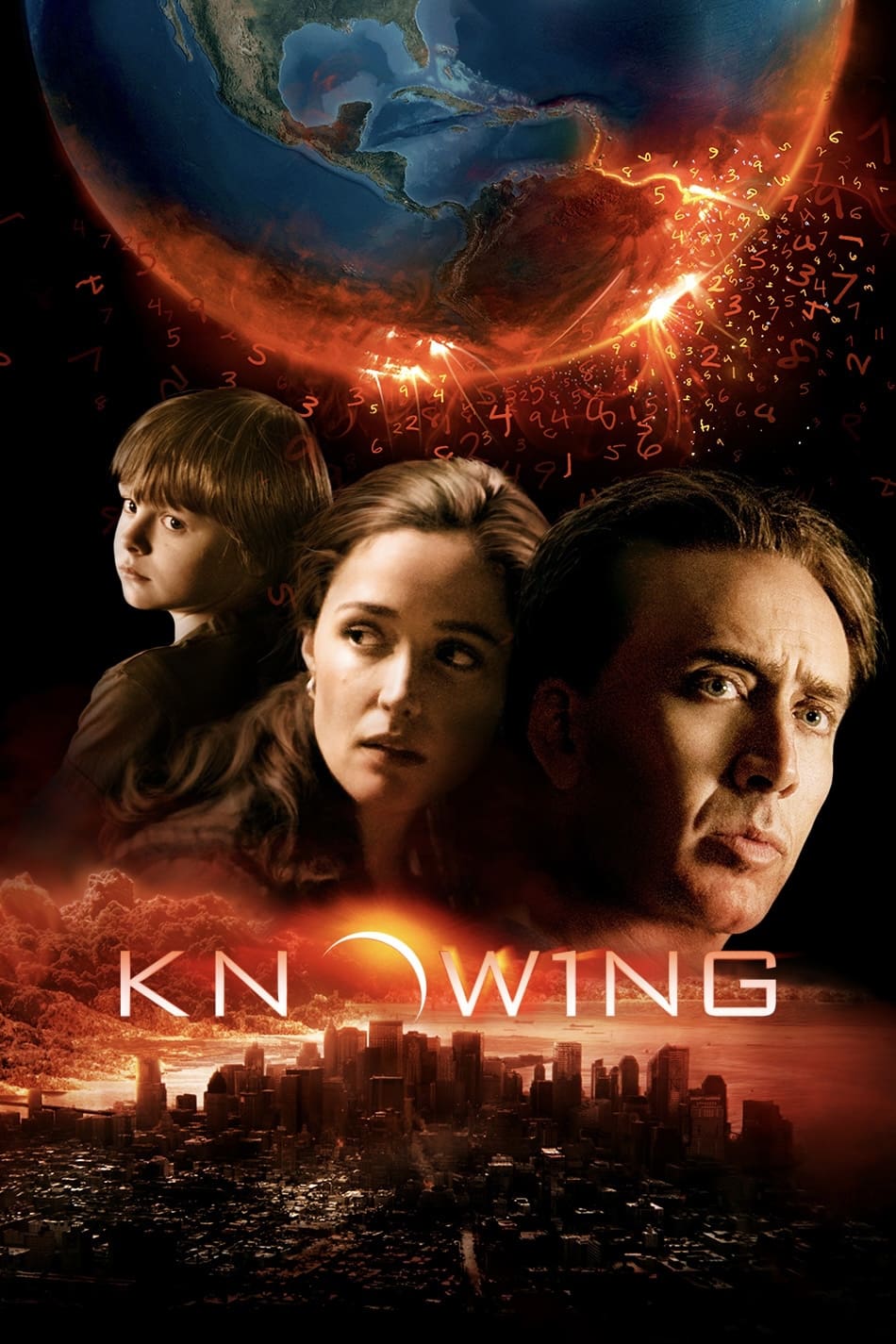
A time capsule yields dates and coordinates of major disasters that lead to a final solar event. Investigations narrow the location of the last warning and identify the nature of the threat. The plot tracks evacuation attempts and the failure of shielding against radiation. It ends with resettlement efforts beyond Earth as a response to extinction.
‘The Road’ (2009)
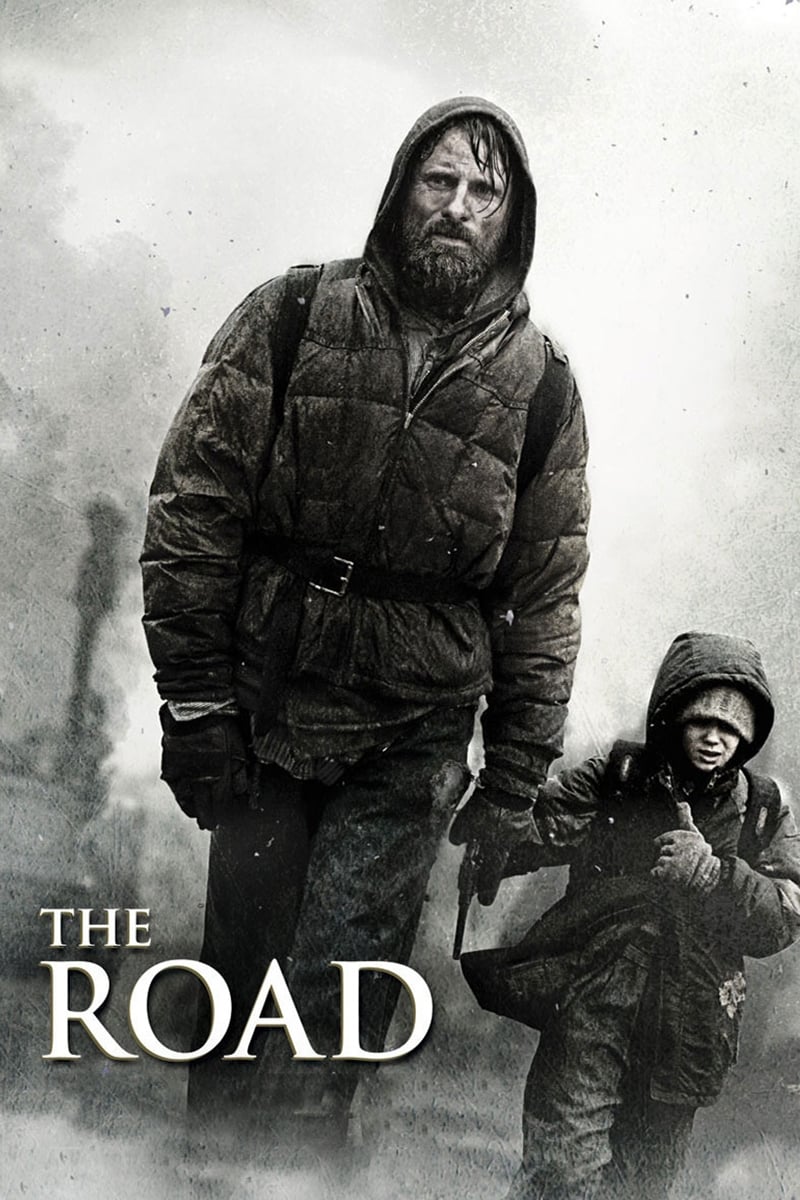
A father and son travel through a burned landscape after an unexplained cataclysm. They scavenge canned food, check abandoned shelters, and keep a fire kit ready. The film shows techniques for water collection, route planning, and concealment. It presents the health effects of malnutrition and exposure over long distances.
‘Melancholia’ (2011)

A rogue planet approaches on a collision course while a family gathers at a country estate. Characters track the orbit using simple tools and check official updates. The story focuses on how certainty of impact changes behavior and planning. It shows small scale preparations like safe rooms and supplies that cannot alter the outcome.
‘4:44 Last Day on Earth’ (2011)

News broadcasts announce the exact hour the atmosphere will fail. In New York, people choose how to spend the remaining day with loved ones and community rituals. The film includes live streams, emergency notices, and overloaded networks. It records how services wind down as workers leave their posts.
‘Seeking a Friend for the End of the World’ (2012)
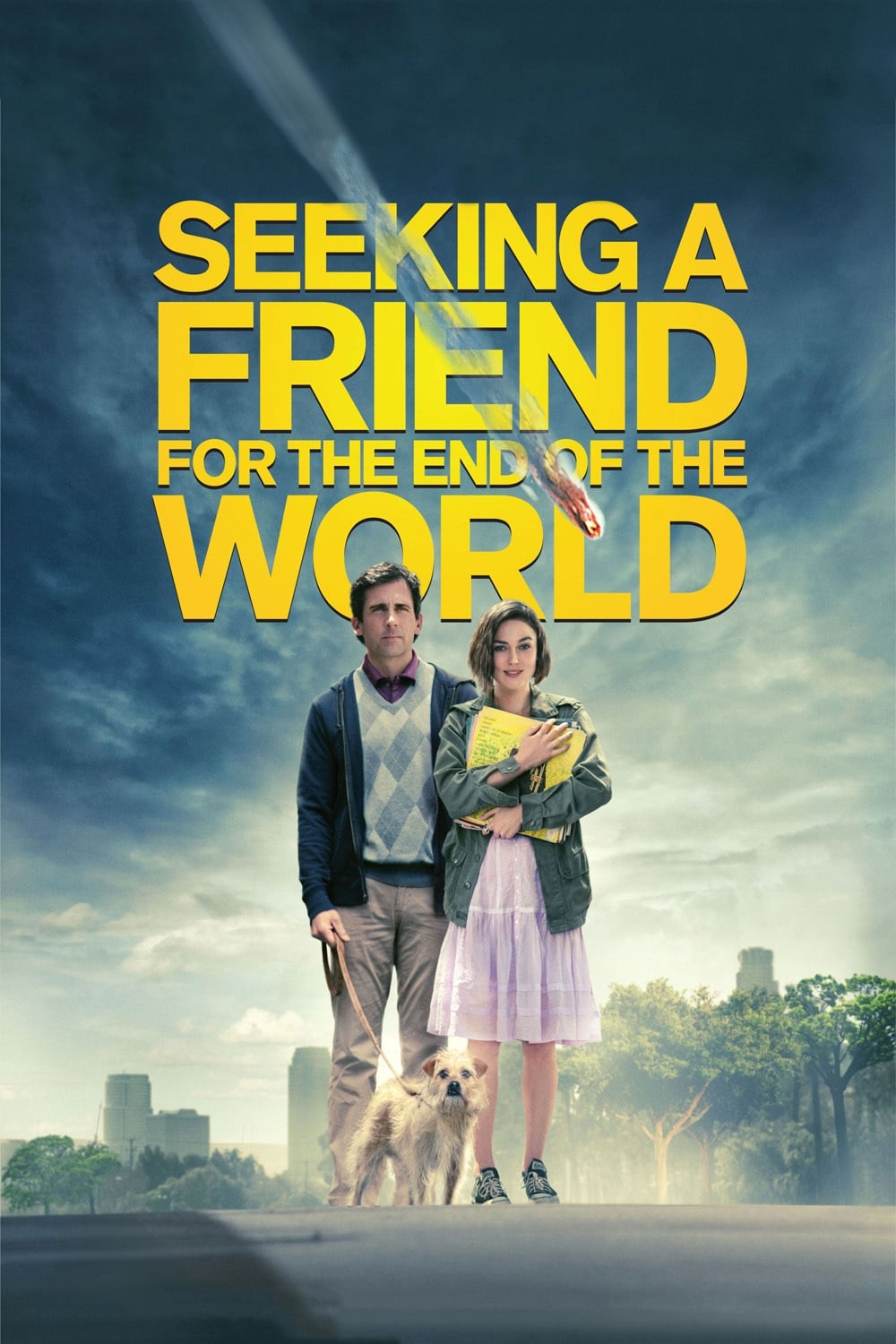
A failed asteroid deflection becomes public and society adjusts to a confirmed end date. Two neighbors set out to reconnect with people from their past. Along the way the film shows grounded flights, altered business hours, and scarce fuel. It captures how companies and local groups provide final services and farewells.
‘Greenland’ (2020)
A family learns they have clearance for shelter flights as comet fragments begin to strike. The plot follows verification codes, military checkpoints, and medical screenings. It shows the bottlenecks created by limited seats and document errors. The film also covers the impact of misinformation on travel routes and safe zones.
‘These Final Hours’ (2013)

With a global firestorm hours away, a man tries to reach a child’s family. Roads clog, emergency broadcasts cycle, and homes are fortified with limited supplies. The film shows how neighborhoods set up temporary refuges and how services fail in sequence. It tracks the spread of panic and the small systems that keep people moving for a little longer.
Share your favorite end of the world movie picks in the comments and tell us which ones we missed.