Top 20 Anime That Could Never Be Made Today

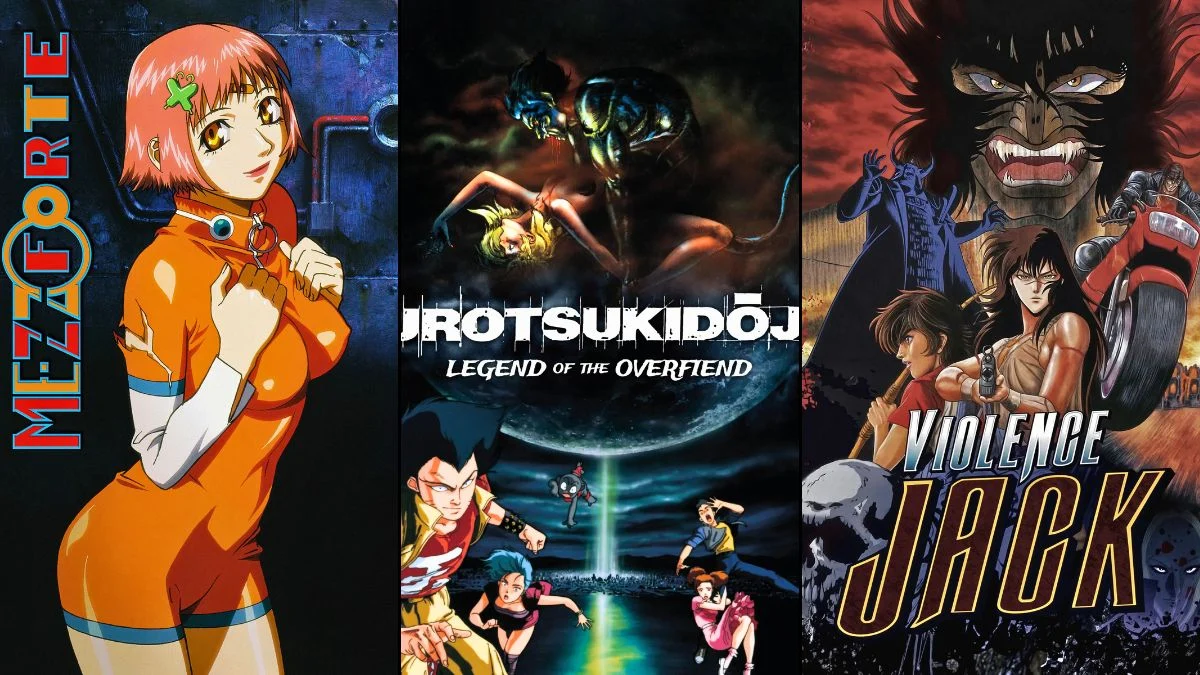

Some anime pushed boundaries so far that recreating them now would run into stricter broadcast standards, content guidelines, and distribution policies. These titles often featured extreme violence, explicit material, or satire that targeted sensitive topics, which would trigger heavy edits or limited release under current norms. Many also relied on OVA markets and late night blocks that operated with fewer restrictions than today’s streaming platforms. Here are twenty titles that would face serious hurdles if someone tried to produce them now.
‘Neon Genesis Evangelion’ (1995–1996)
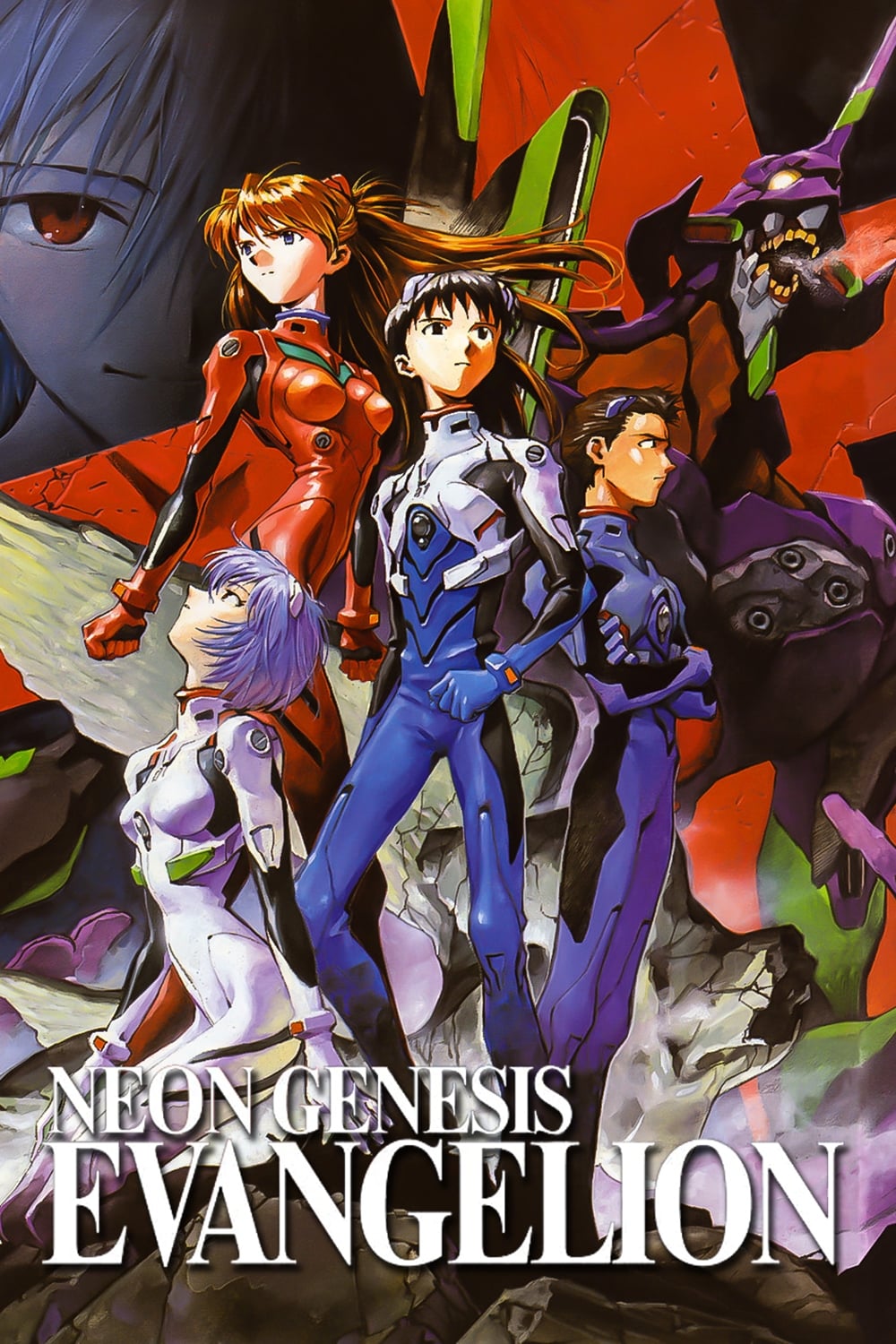
Hideaki Anno’s series mixed mecha action with psychological breakdowns and religious imagery that drew complaints from broadcasters. The final episodes used experimental montage and limited new animation after production setbacks, which spurred controversy on release. Home video revisions and later films attempted to address the fallout from the televised ending. Licensing and music rights further complicated distribution outside Japan.
‘Berserk’ (1997)

This adaptation covered the Golden Age arc with constant battlefield brutality and disturbing themes. Television broadcasts trimmed or obscured graphic sequences to meet standards. The show used stark lighting and limited animation to amplify the violence without explicit detail in every frame. Later adaptations shifted tone and technology, but this version’s raw approach remained the most contentious.
‘Elfen Lied’ (2004)
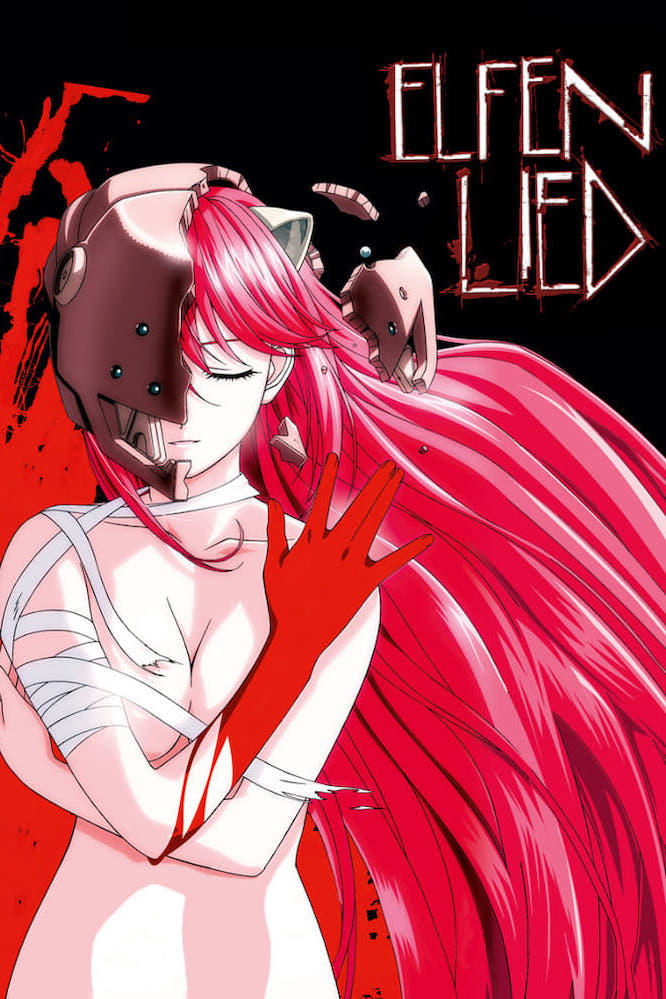
The series opened with an extended escape sequence that depicted lethal telekinetic attacks in close quarters. Broadcasters imposed late night slots and content warnings due to gore and nudity. International releases often carried age restrictions and edited scenes to meet local rules. Its juxtaposition of cute character design with severe violence prompted ongoing debates about depiction versus exploitation.
‘Perfect Blue’ (1997)
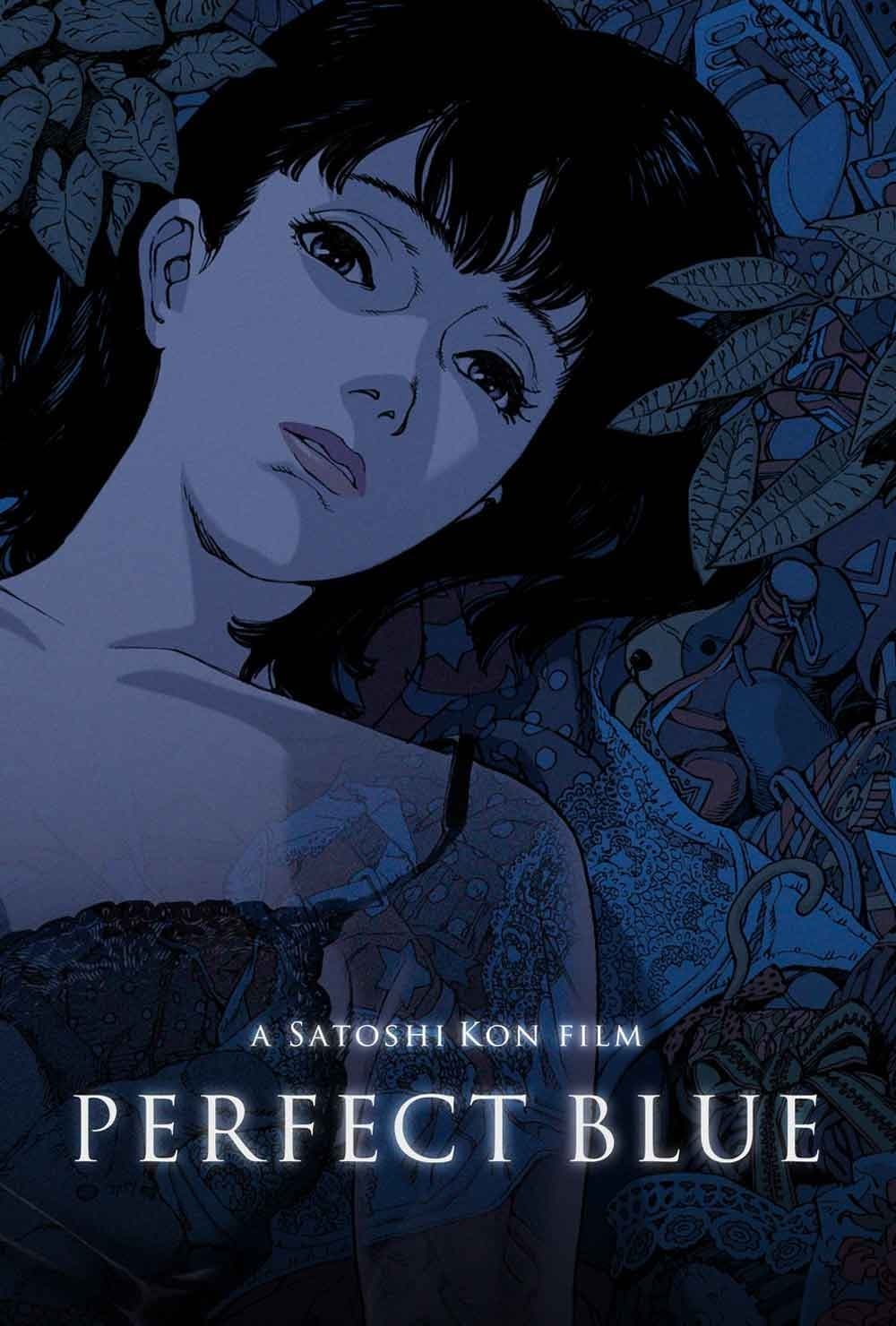
Satoshi Kon’s film followed a pop idol through identity fracture during a career shift and featured stalking and sexualized violence. Some regions classified it with strict ratings that limited theatrical access. The production used rotoscoping and tight urban layouts to heighten claustrophobia, which intensified objections from censors. Its portrayal of parasocial obsession made broadcasters cautious about repeat showings.
‘Golden Boy’ (1995–1996)

This comedy followed a drifter who picked up odd jobs while getting into explicit and embarrassing situations. TV airings cut or blurred risqué gags to satisfy standards for late night programming. The OVA format allowed the creators to include adult humor that would not pass on regular networks. Dubbing choices later amplified innuendo, which further restricted where it could play.
‘Hellsing Ultimate’ (2006–2012)

The OVA reboot embraced graphic battles with vampiric body horror and urban massacres. Each episode ran feature length and released direct to video, bypassing broadcast limits. International editions frequently carried uncut labels that kept them in specialty retailers. The show’s explicit depictions of wartime symbols also demanded careful packaging in some markets.
‘Urotsukidōji: Legend of the Overfiend’ (1987–1989)
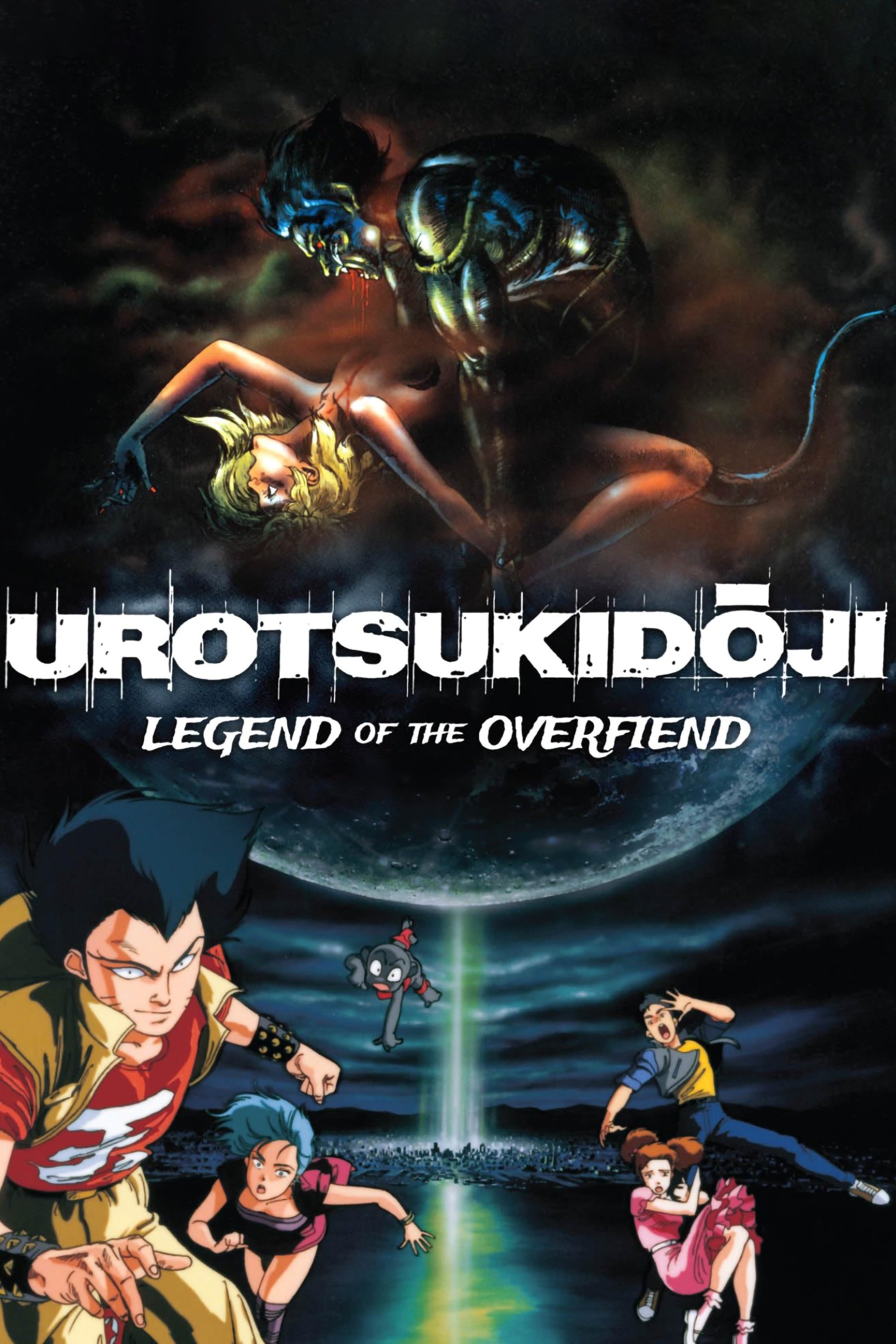
This adult OVA mixed apocalyptic action with explicit content that triggered seizures of tapes by authorities in several countries. Retailers often segregated or refused to stock it due to legal concerns. Edits removed entire sequences to pass classification boards, creating multiple versions across regions. The title became a reference point for debates about regulating animated adult material.
‘Midori’ (1992)
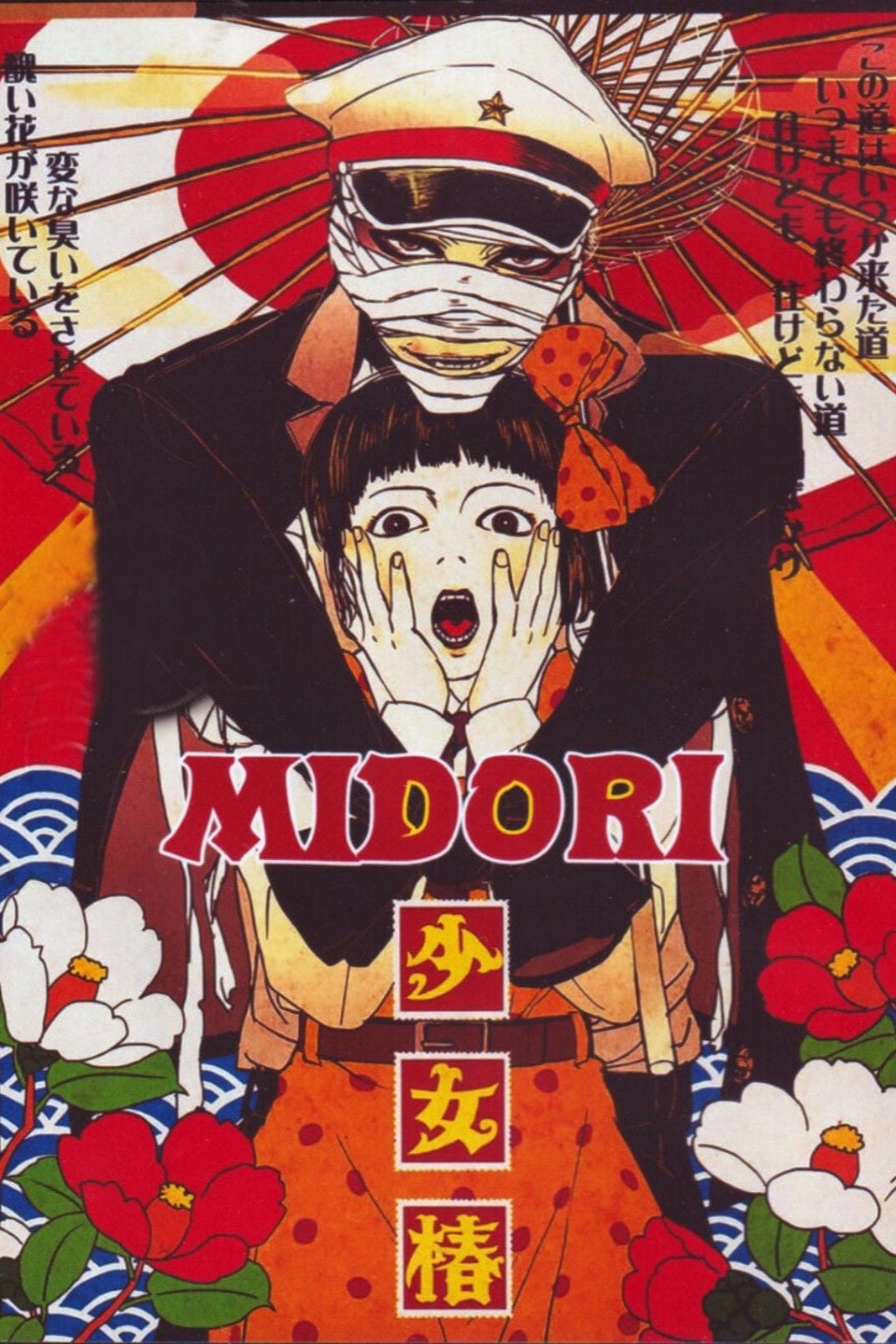
Based on Suehiro Maruo’s work, this film portrayed circus abuse and extreme cruelty using limited animation and painted stills. The production circulated through small screenings and boutique labels because mainstream distributors avoided it. Some releases required cuts or advisory notes to navigate legal definitions of obscenity. Preservation has relied on niche restorations rather than wide reissues.
‘Violence Jack’ (1986–1990)
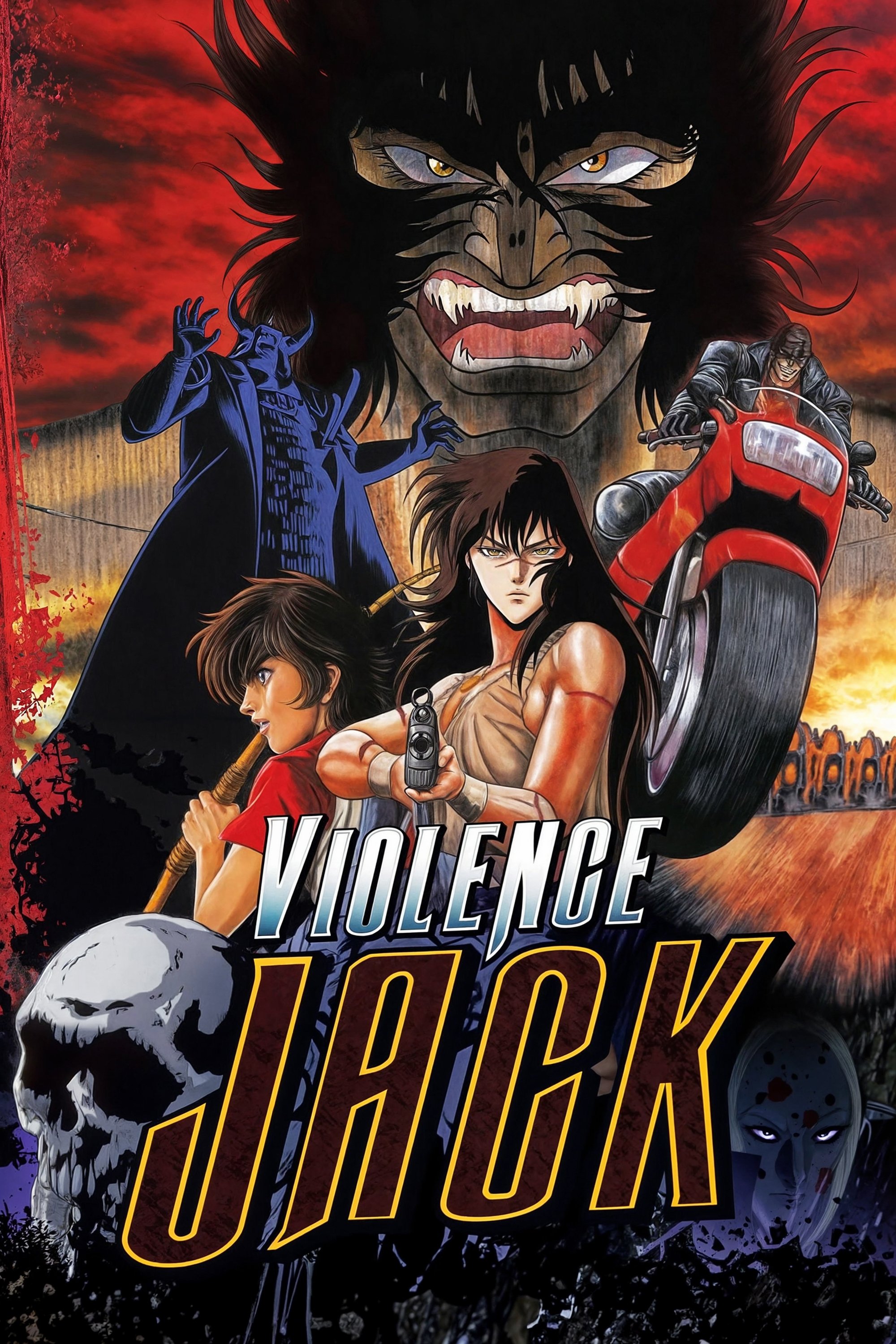
Go Nagai’s OVA series portrayed a post disaster wasteland with relentless brutality. Censors targeted sexual violence and mass killings, leading to heavily edited tapes. Video shops often placed it in restricted sections alongside adult material. Later media guidelines tightened around the exact content that defined this franchise.
‘Kite’ (1998)
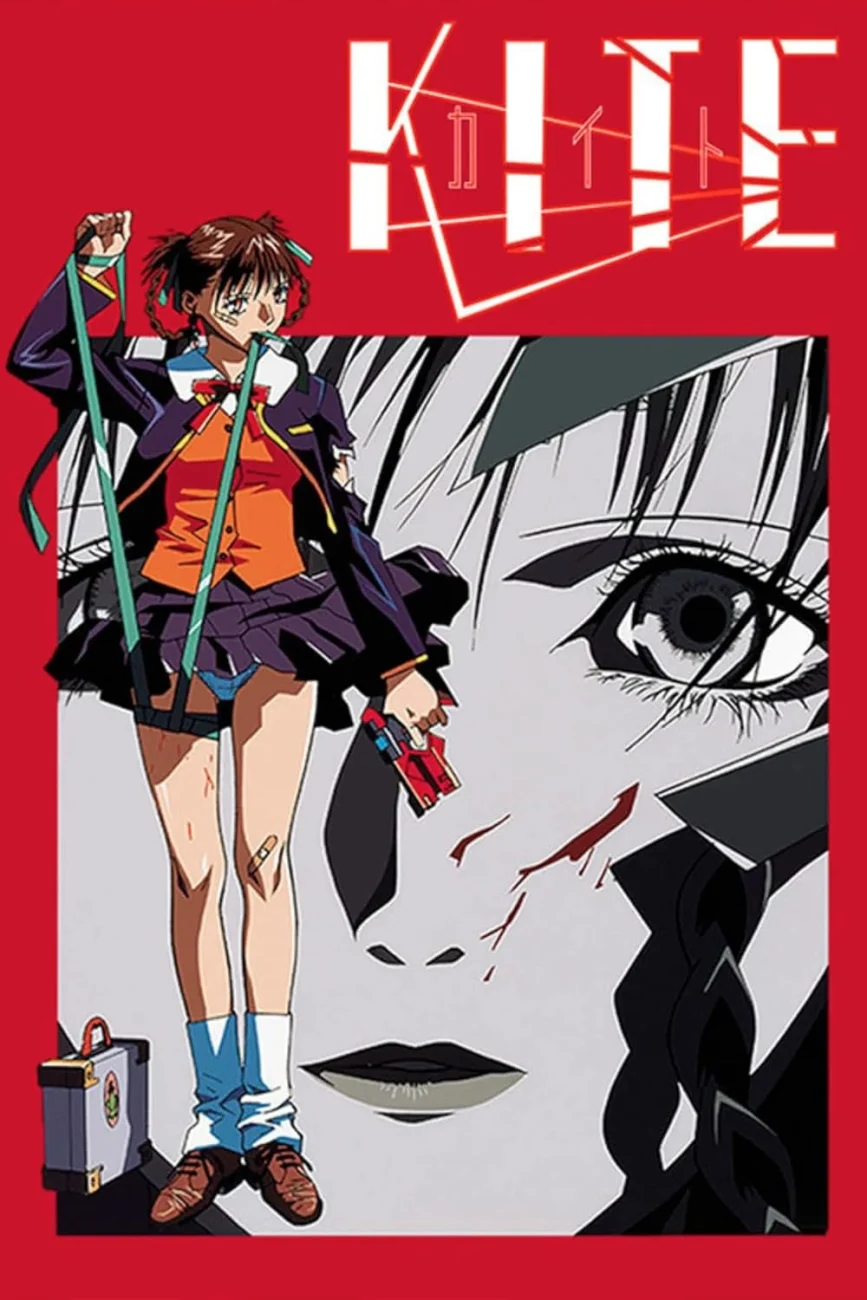
This OVA followed an assassin whose backstory involved exploitation and revenge, combining graphic action with explicit scenes. Distributors produced edited and uncut versions to satisfy retailers and classification boards. Broadcast was virtually impossible under normal standards, so sales focused on specialty markets. The property later inspired live action adaptations that significantly altered or omitted contentious elements.
‘Mezzo Forte’ (2001)
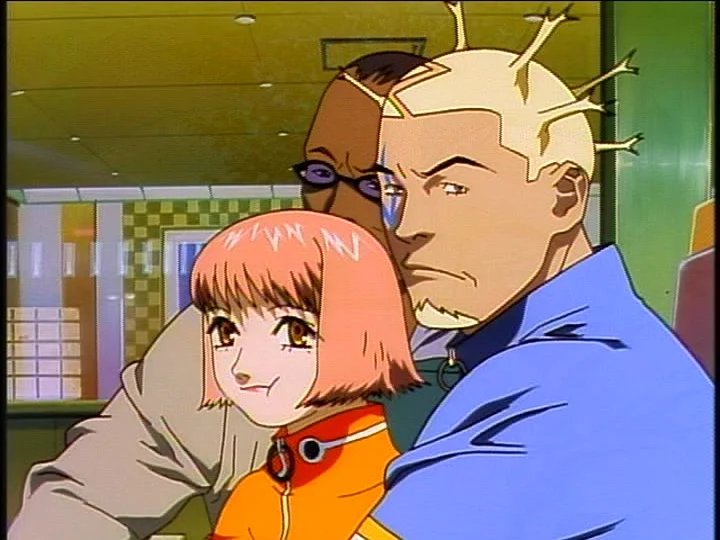
From the same creator as ‘Kite’, this OVA paired sci fi shootouts with explicit content. The release strategy centered on separate versions to navigate regional laws. Music and poster art were reworked for certain territories to avoid marketing restrictions. Television outlets excluded it entirely, pushing the title to direct sales.
‘Gantz’ (2004)
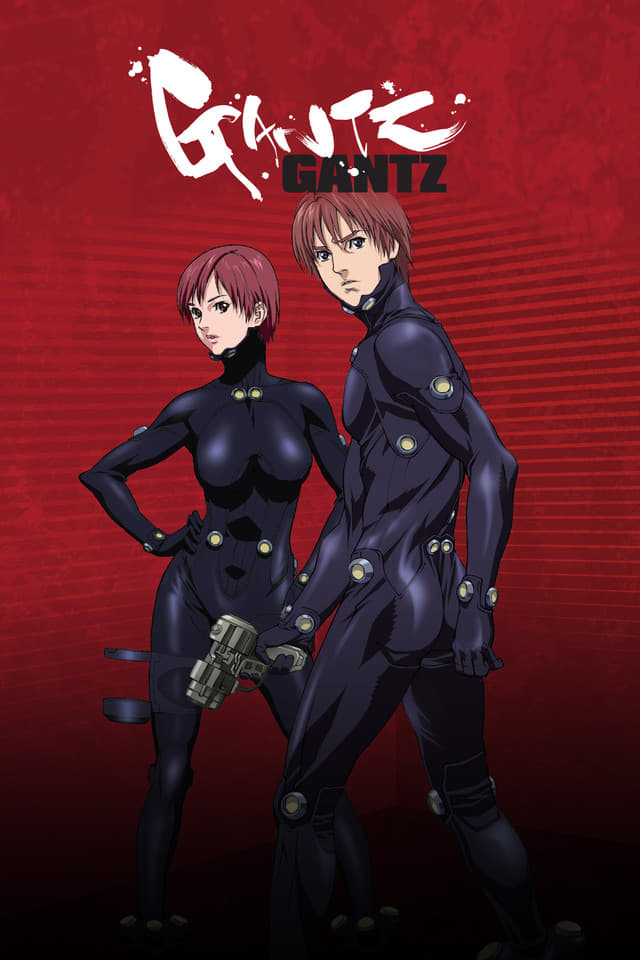
The show depicted contestants forced into lethal missions with high body counts and graphic injuries. TV broadcasts employed heavy darkening and scene trims to comply with standards. The home video edition restored obscured details, creating a split between versions. The franchise later moved toward live action films with toned down presentation for wider release.
‘School Days’ (2007)
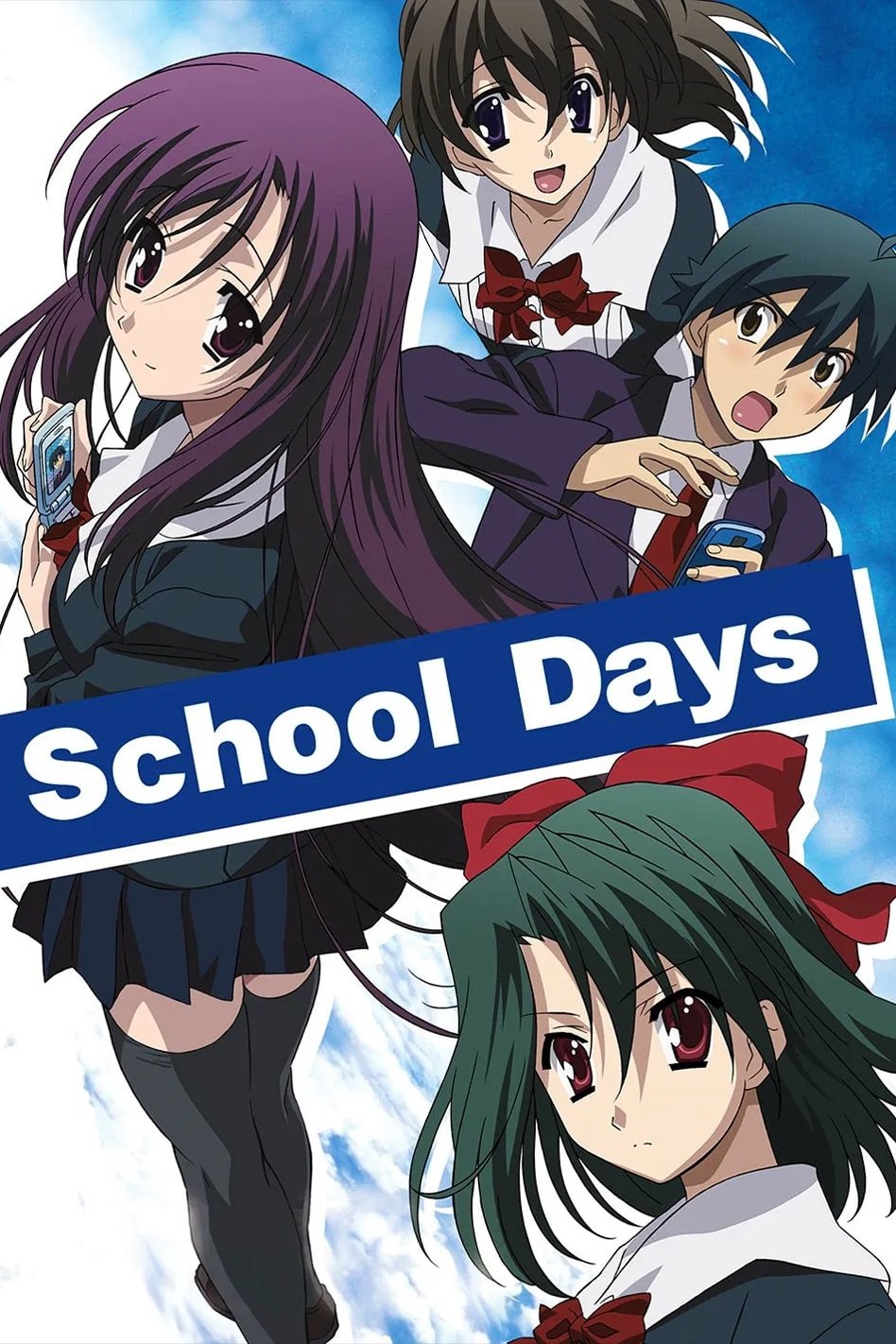
This romance thriller became known for a finale involving stabbing and dismemberment. A real world incident near a scheduled broadcast led a network to pull the episode and replace it with scenic footage. The unaired ending then shifted to home video and limited channels. The case became a template for emergency programming changes after sensitive events.
‘Higurashi: When They Cry’ (2006)
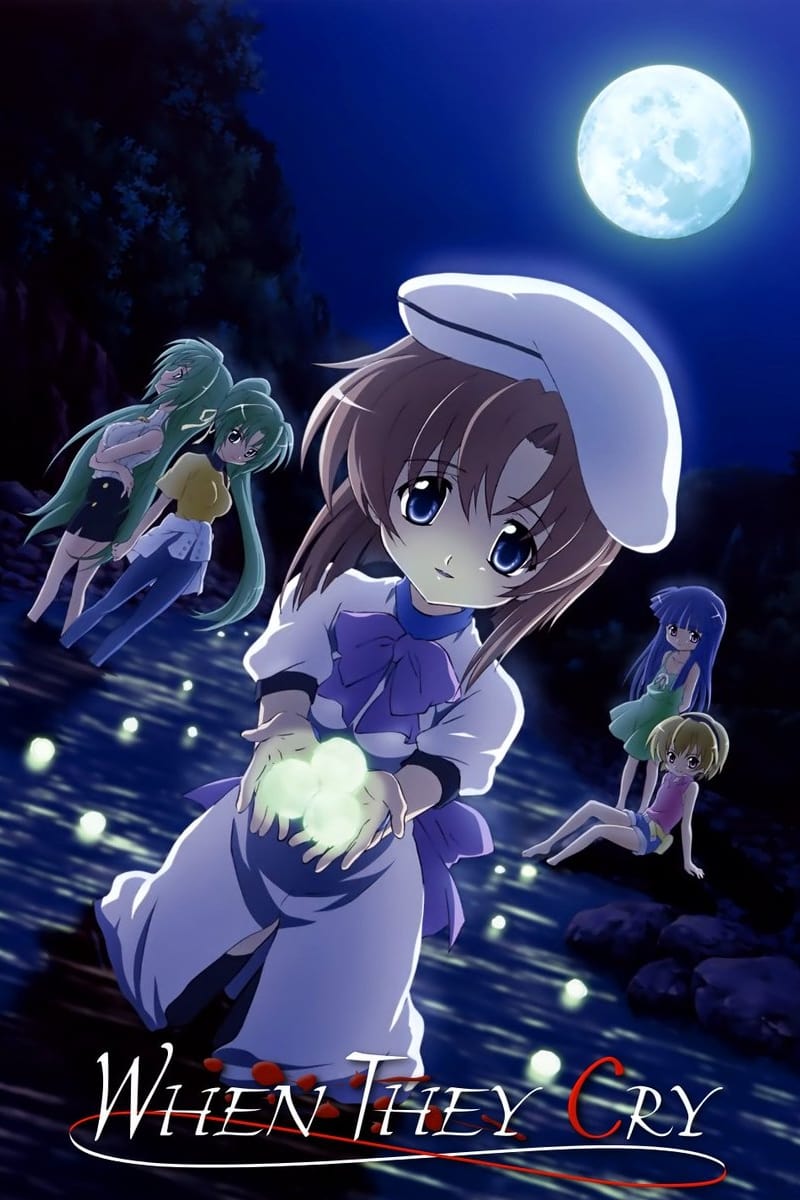
This rural mystery featured cycles of paranoia, torture, and child endangerment that pushed late night limits. Broadcasters edited frames and sound effects in violent scenes, while DVDs restored original cuts. Spin offs and later entries adjusted visual intensity to meet newer standards. Merchandise and promotions avoided imagery tied to the most graphic episodes.
‘Excel Saga’ (1999–2000)
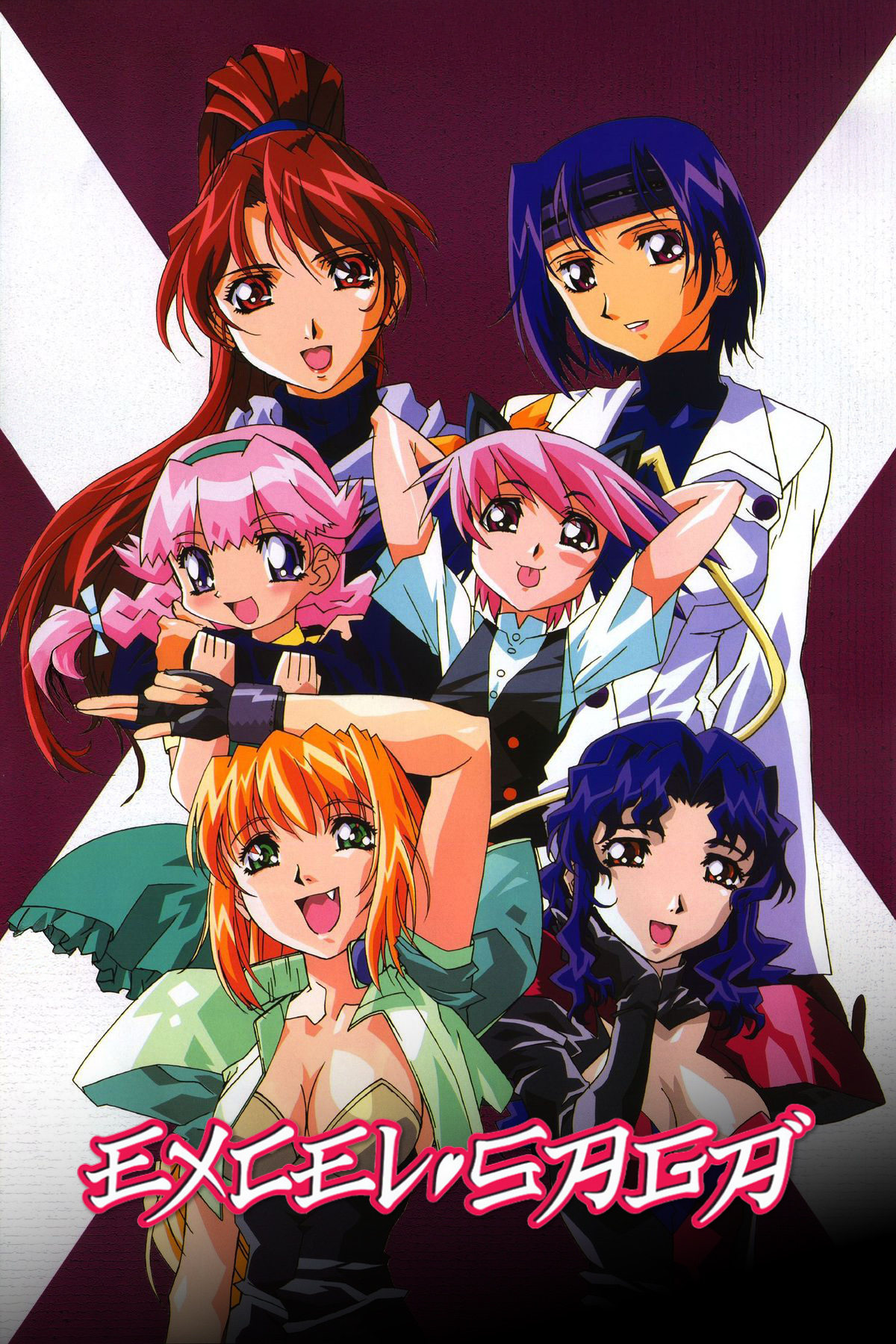
The series parodied television itself and produced a final episode that intentionally exceeded broadcast rules. The concluding installment aired only in home video form with more explicit gags and violence. Networks labeled earlier episodes with content warnings due to rapid fire jokes about real people and brands. Localization teams rewrote references to prevent legal trouble.
‘Hetalia: Axis Powers’ (2009–2010)
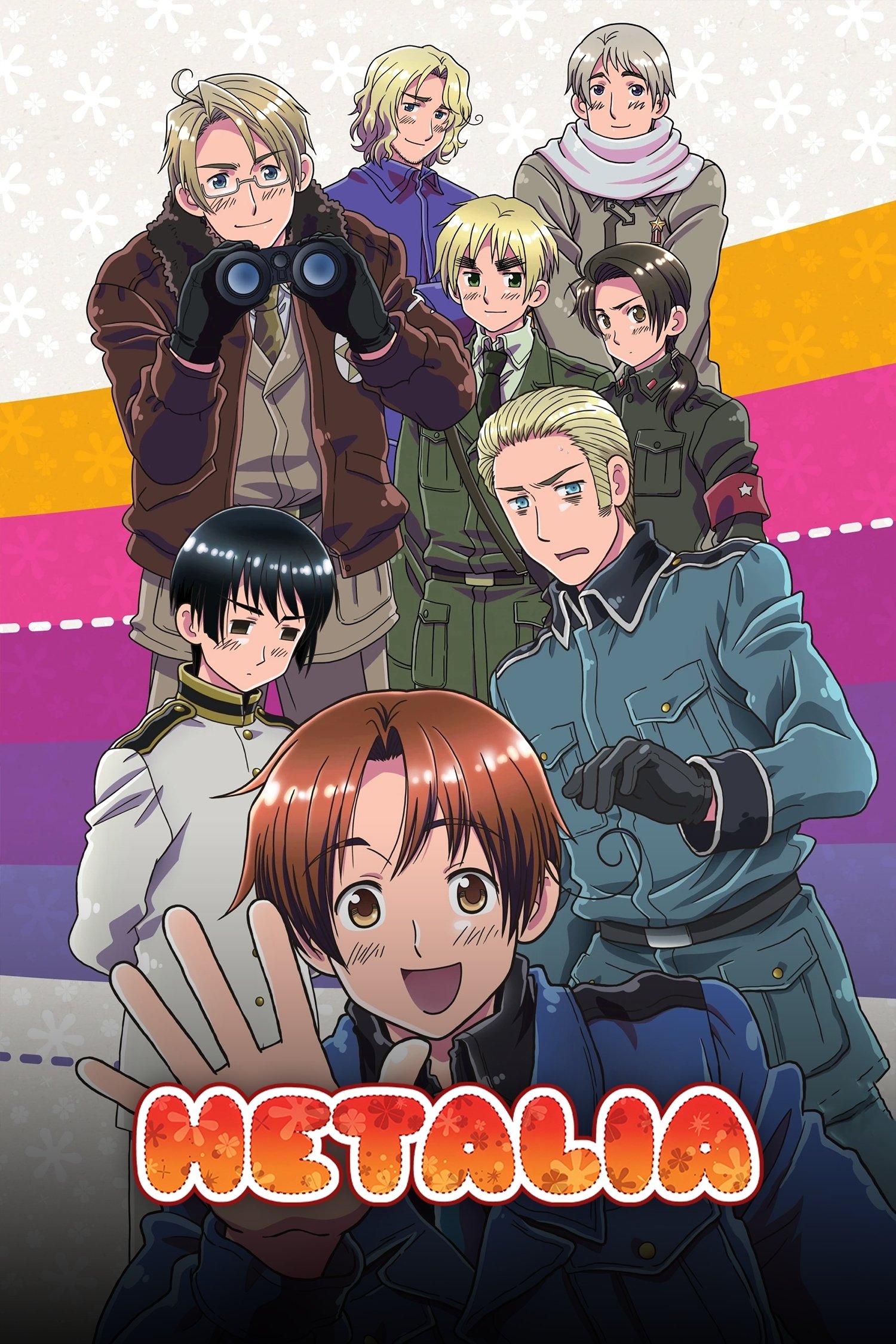
This comedy personified countries and drew diplomatic complaints from some regions. Certain broadcasters canceled planned airings to avoid public relations issues. Releases proceeded primarily online and on disc, where age gates and region controls could be applied. Marketing materials were adjusted to downplay national stereotypes in sensitive markets.
‘Ghost Stories’ (2000–2001)
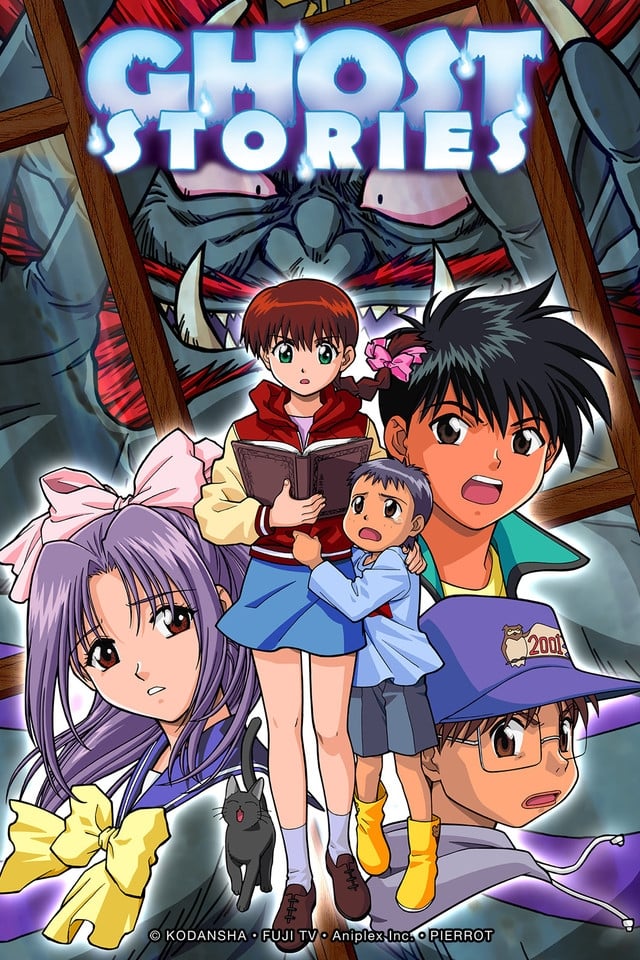
The original series performed poorly on television, but an English dub later reimagined the script with ad libbed jokes about taboo topics. The licensor allowed broad freedom because the show needed a fresh angle, creating a version that diverged radically from the text. Some platforms flagged episodes for language and sensitive humor. The dub’s notoriety complicated standardized distribution across regions.
‘Puni Puni Poemy’ (2001)
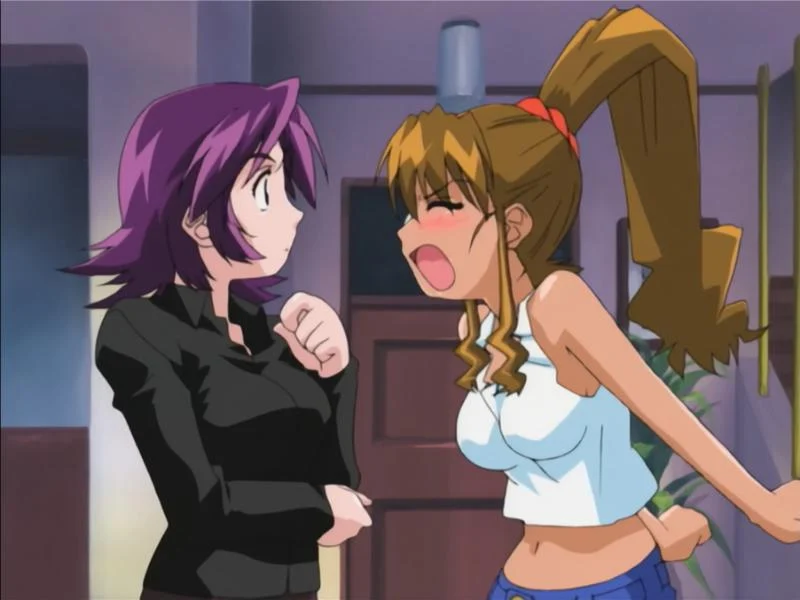
This spin off OVA lampooned magical girl shows with hyperactive pacing and adult jokes. Retailers placed it with mature anime despite its cute aesthetic. Localization kept numerous risqué lines intact, which narrowed broadcast possibilities. The short format and direct to video release shielded it from most television standards.
‘Ikki Tousen’ (2003–2014)

The franchise centered on school battles with abundant fanservice and wardrobe damage during fights. TV runs used strategic lighting and camera crops to pass guidelines, while discs restored full framing. Several regions rated later seasons more strictly as content escalated. Merchandise and cover art often received alternate designs for mainstream stores.
‘Prison School’ (2015)
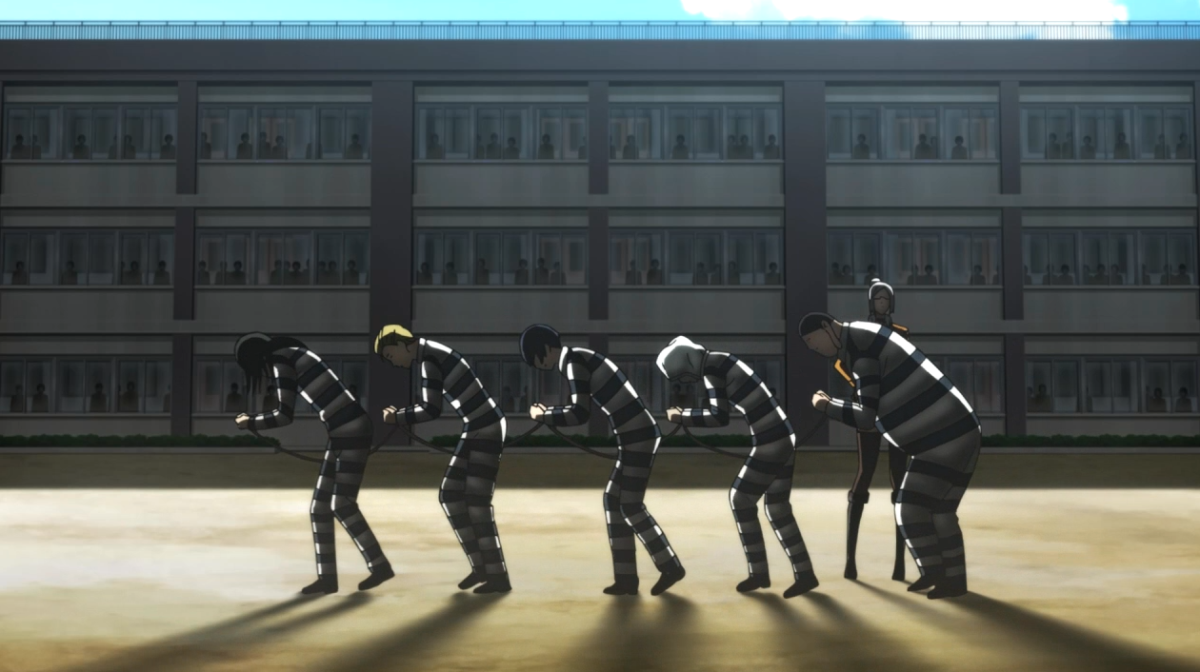
This adaptation pushed ecchi comedy with humiliation gags and prolonged confinement scenarios. Late night broadcast slots carried warnings and occasional masking for explicit sight gags. Overseas, some platforms required age gates and content labels before streaming. Promotional campaigns leaned on limited event screenings and collector editions rather than daytime exposure.
Share which titles you think still could happen today and why in the comments.