15 Most Powerful Demigods in Global Myths, Ranked


From Greek legends to Polynesian voyaging lore, tales of demigods blend mortal grit with divine gifts to explain storms, monsters, medicine, and the making of nations. These figures stand at the crossroads of humanity and the sacred, wielding strength, cunning, and magic that reshape their worlds. Here is a countdown of remarkable demigods from around the globe, highlighting what their stories actually say they did and the roles they played in their cultures.
15. Sigurd
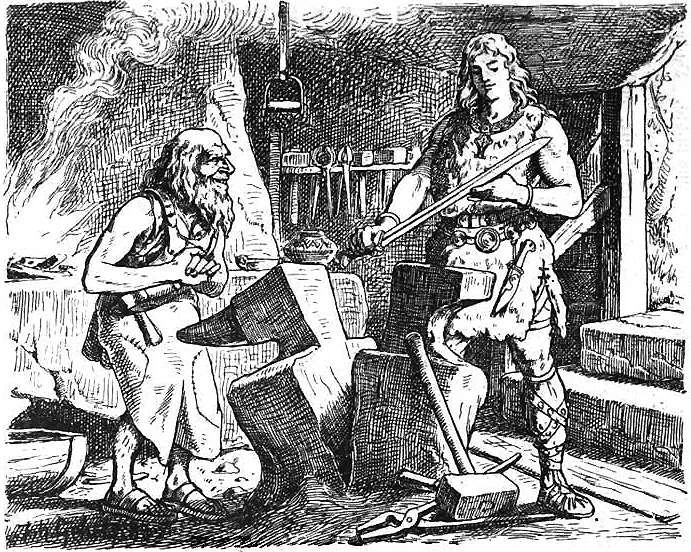
Sigurd descends from the Volsung line which claims ancestry to Odin and he is famed for slaying the dragon Fafnir. His tale records that he bathed in dragon blood which made his skin resistant to weapons except for one spot. The saga describes how he understood the speech of birds after tasting the dragon’s heart. His story influenced later hero traditions across Scandinavia and the Germanic world.
14. Yamato Takeru
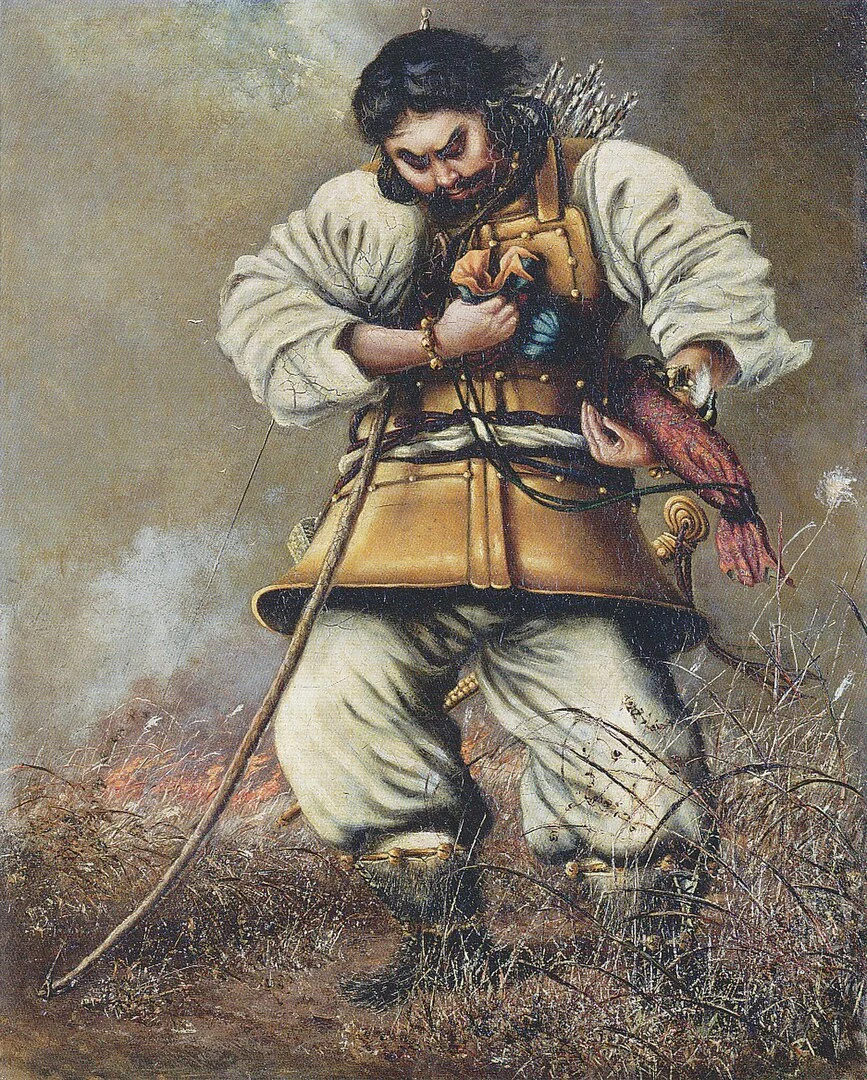
Yamato Takeru appears in early Japanese chronicles as a prince of the Yamato court with divine lineage through imperial descent. He is given the sacred sword Kusanagi that is associated with the imperial regalia. Accounts tell how he subdued regional chieftains and crossed dangerous terrain while disguising himself to outwit enemies. His journeys help explain the early reach of the Yamato state.
13. Kamapua‘a
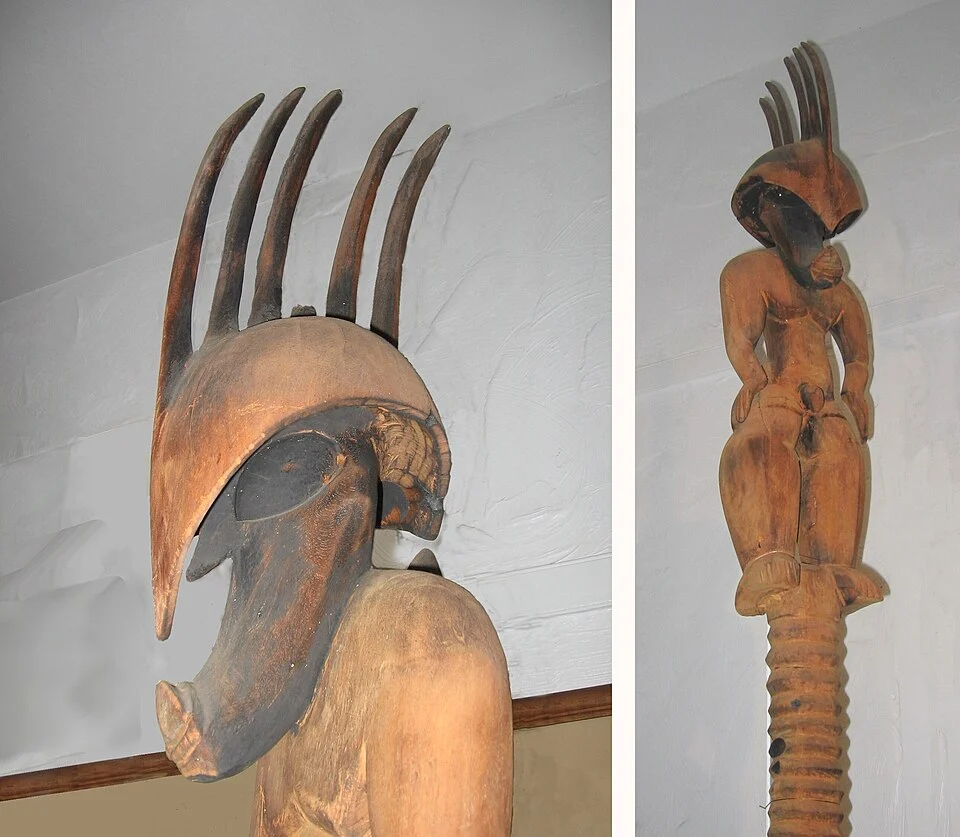
Kamapua‘a is a Hawaiian demigod known for shapeshifting between a man and a boar. Legends place him in conflict and courtship with the volcano goddess Pele across the islands of Hawai‘i. Stories say he controlled rains and vegetation and carved valleys through his roaming. Place names and chants preserve his exploits in local geography.
12. Nezha
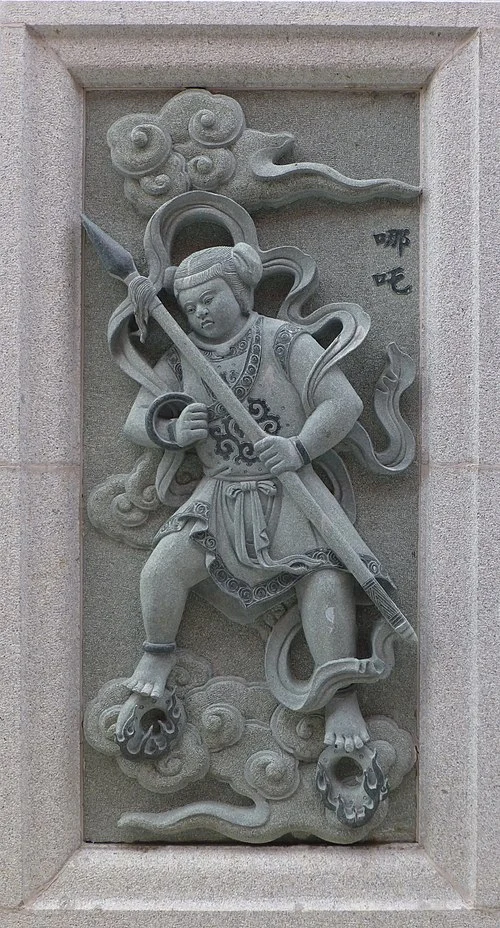
Nezha is born to human parents in Chinese lore but emerges with divine essence and celestial weapons. Texts describe his Wind Fire Wheels and Universe Ring which allow rapid travel and formidable combat. He defends coastal settlements from sea demons and later returns in a reborn form to continue his duty. Temples and operas keep his cult active across East Asia.
11. Cú Chulainn
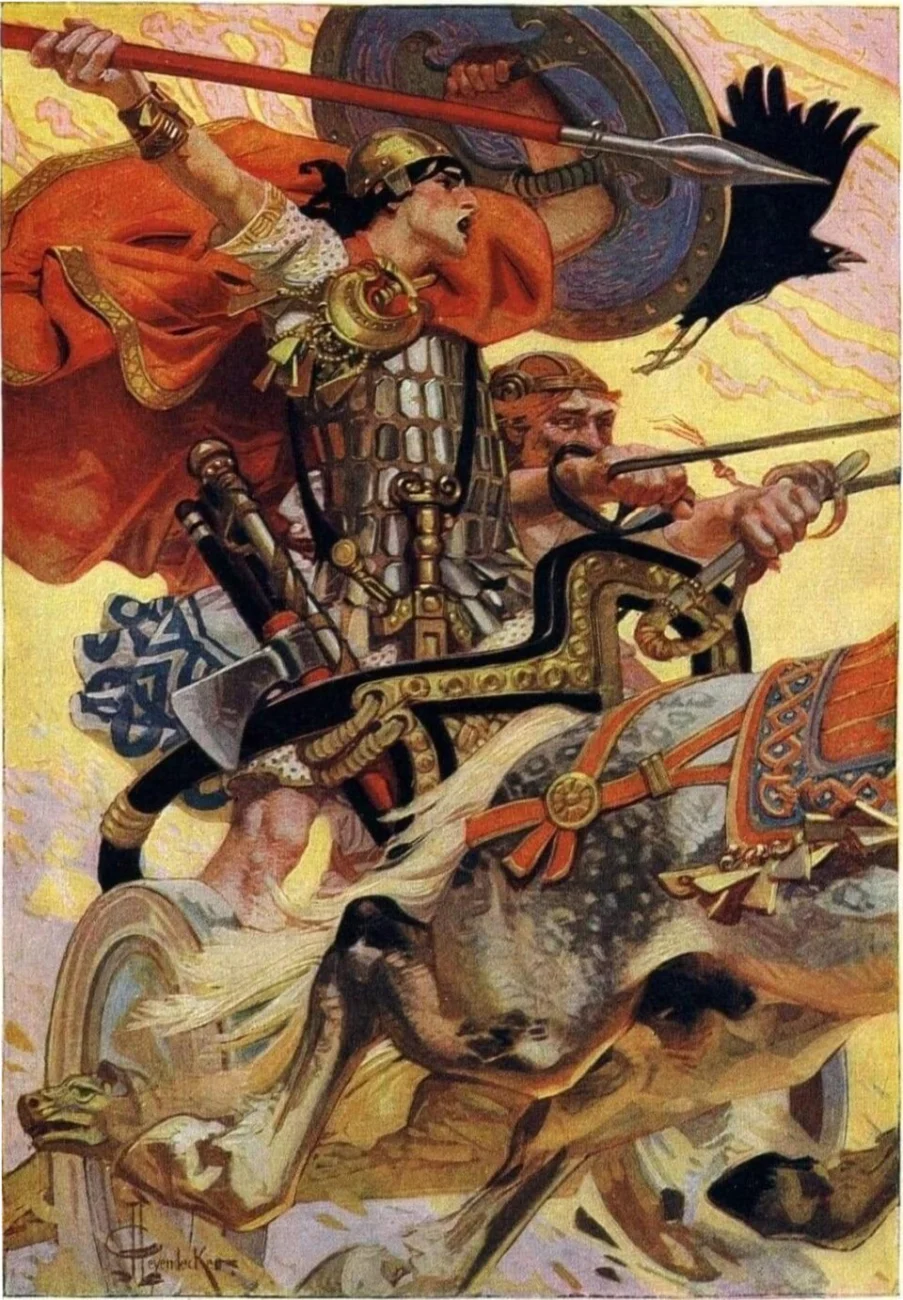
Cú Chulainn is the son of the god Lugh and a central hero of the Ulster Cycle in Irish tradition. Accounts describe his battle frenzy that bends his body and grants overwhelming speed and strength. He wields the spear Gae Bolga which is said to devastate foes once it enters the body. His single combat on the border of Ulster anchors the cattle raid narrative.
10. Karna
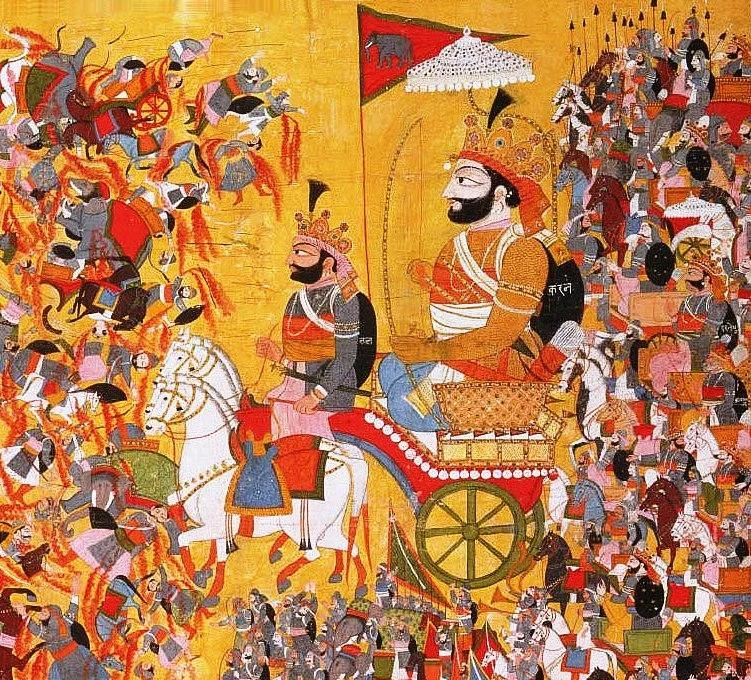
Karna is the son of Kunti and the sun god Surya in the Indian epic tradition. He is born with natural armor and earrings that protect him from harm. Texts record his mastery of celestial weapons and his famed archery contests. His rule of Anga and his role on the Kurukshetra field shape the political balance of the epic.
9. Arjuna
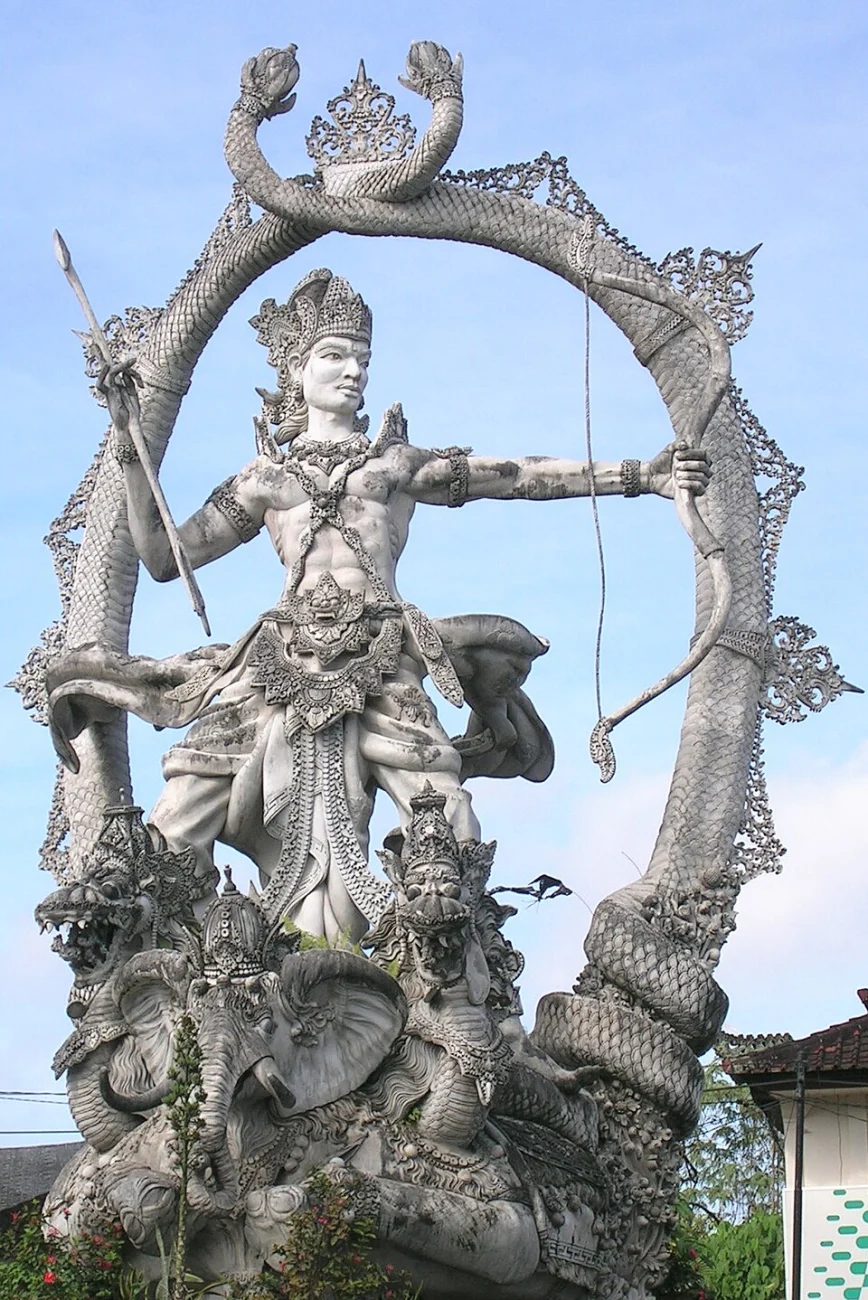
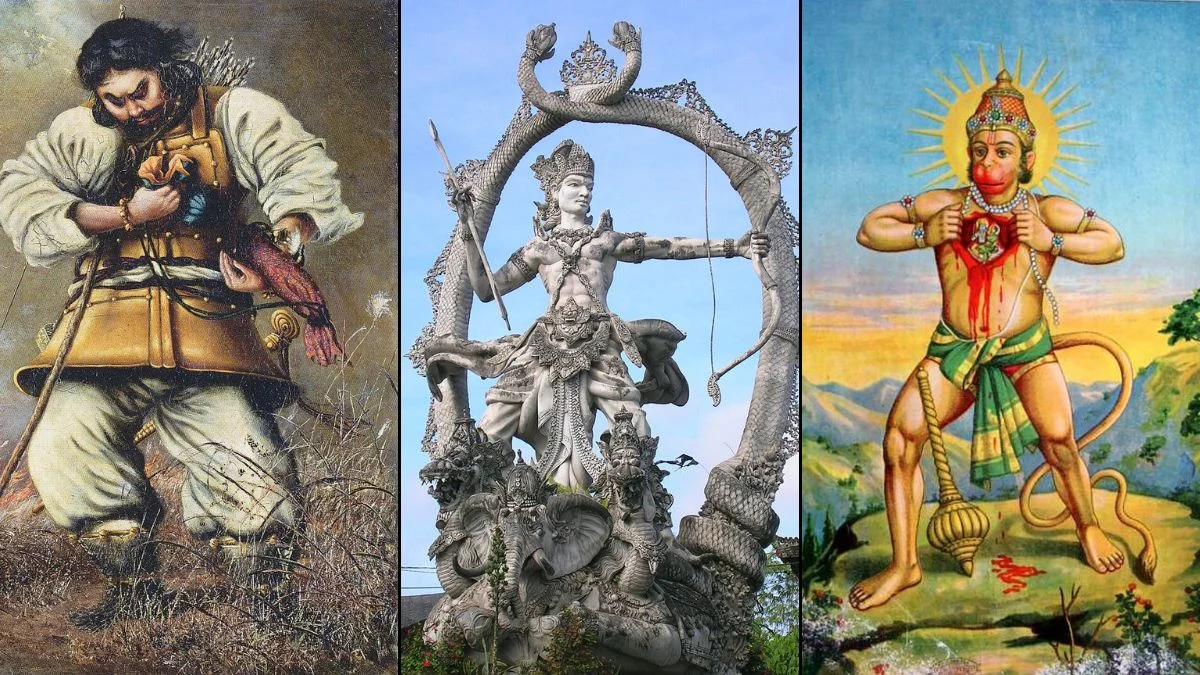
Arjuna is the son of the god Indra and a peerless archer in the Mahabharata. He receives divine instruction and weapons during a period of exile and pilgrimage. Accounts include his victory in the contest for Draupadi and his role as the principal charioteer led by Krishna. His campaigns open mountain routes and secure alliances for his family.
8. Perseus
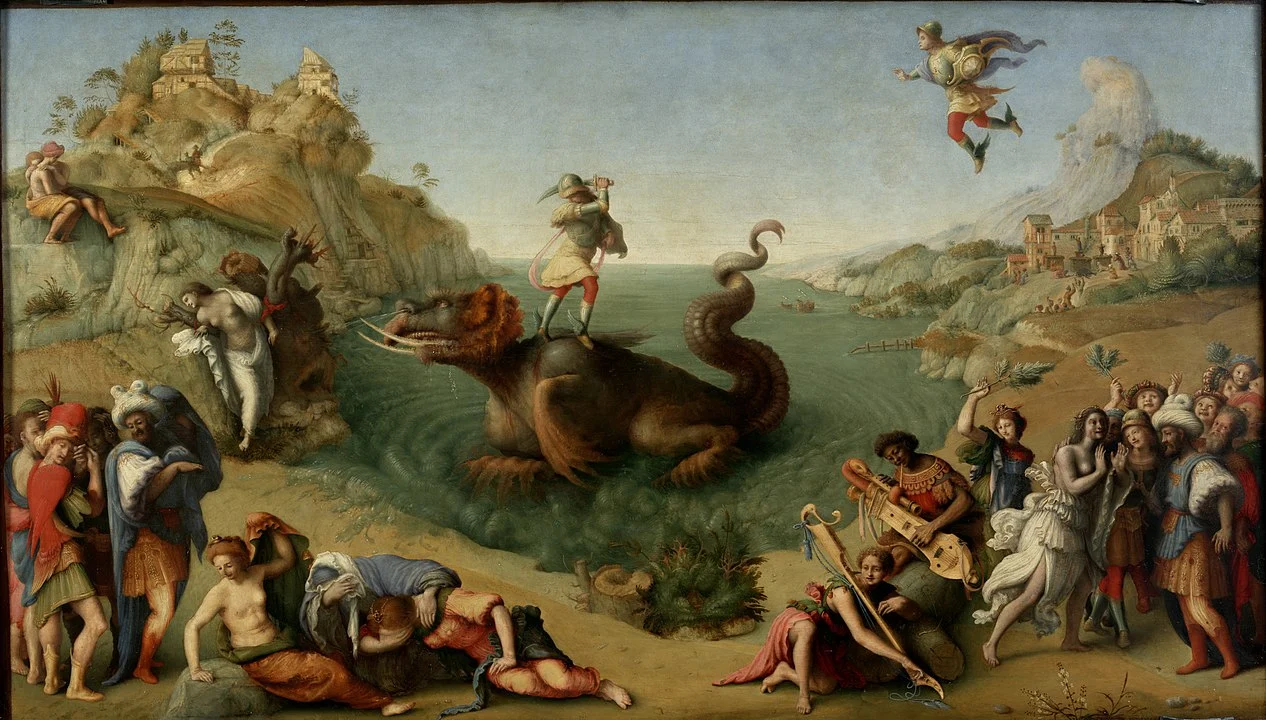
Perseus is a son of Zeus who is sent to retrieve the head of Medusa. With aid from divine gear such as winged sandals and a mirrored shield he beheads the Gorgon and uses the head to turn foes to stone. He rescues Andromeda from a sea monster along the coast of Ethiopia. Founding myths credit him with establishing dynasties in the Greek world.
7. Achilles
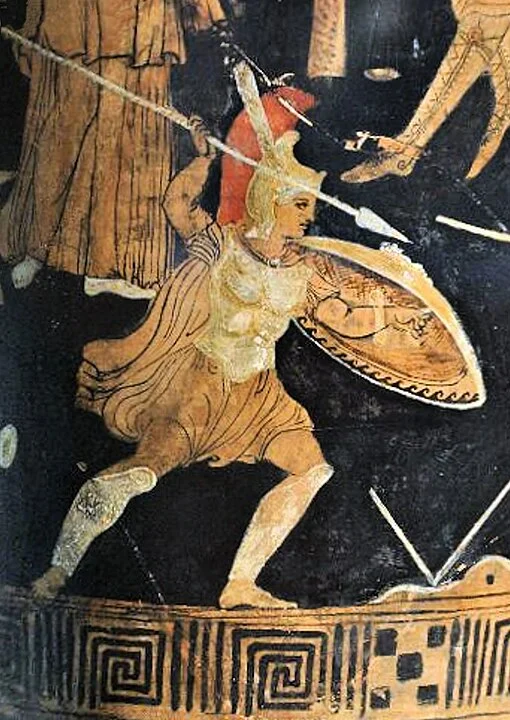
Achilles is born of the mortal Peleus and the sea goddess Thetis and is renowned for near invulnerability. The epic account places him at Troy where speed and strength are emphasized through duels and raids. His armor forged by a god becomes an object of contest among allies and enemies. The narrative focuses on the consequences of his withdrawal and return to battle.
6. Asclepius
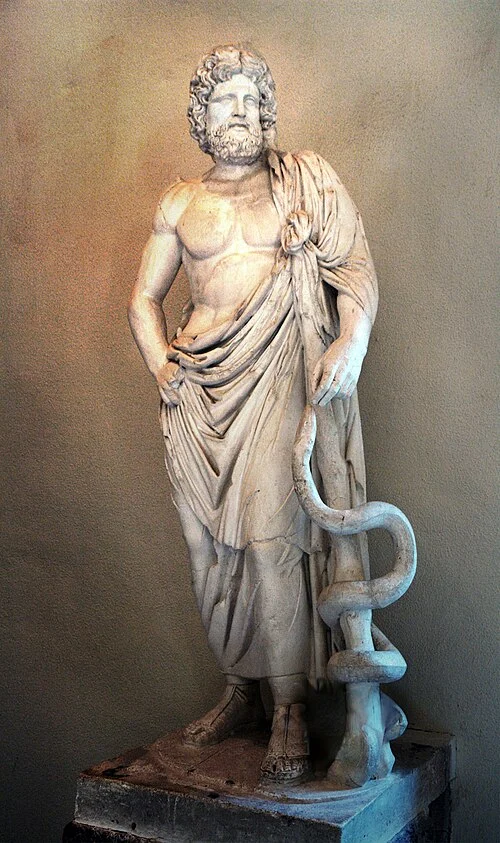
Asclepius is a son of Apollo who becomes the patron of healing across the Greek world. Traditions record that he learned medicine from a centaur and surpassed his teachers. Later stories say he could restore the dead which draws the attention of Zeus. Sanctuaries called Asclepieia functioned as treatment centers with ritual and clinical practices.
5. Gilgamesh
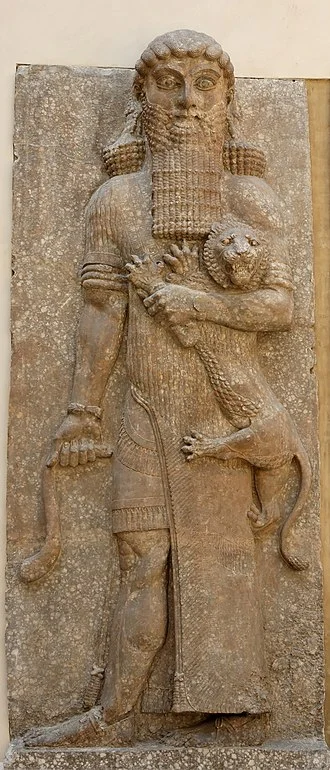
Gilgamesh is described as two thirds divine and one third mortal in Mesopotamian texts. He rules the city of Uruk and undertakes journeys with his companion to defeat beings like Humbaba. The epic covers his search for lasting life after the death of his friend. Clay tablets preserve his building works and his encounters with the flood survivor.
4. Māui
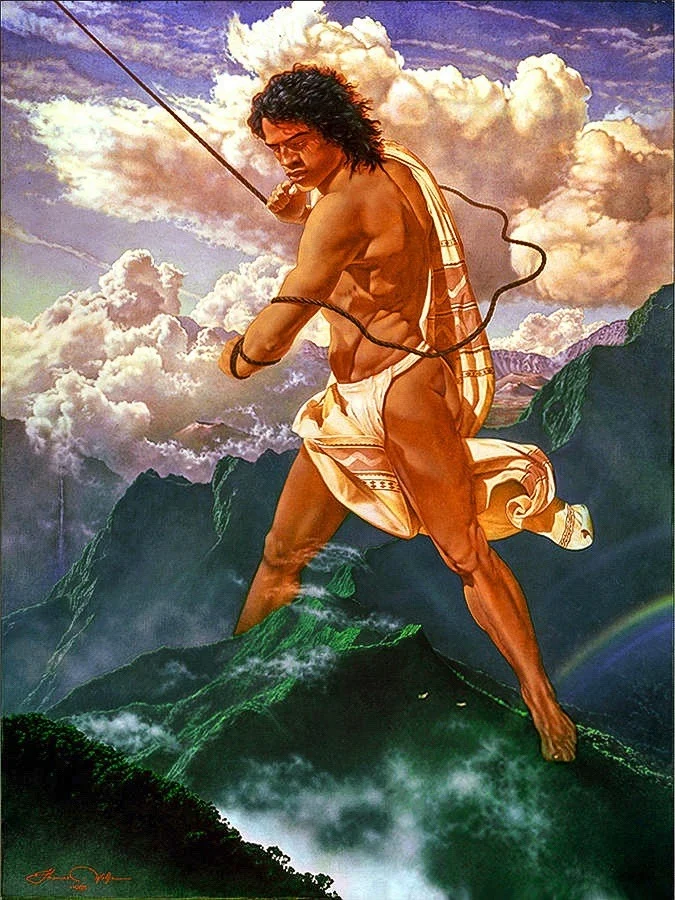
Māui is a Polynesian demigod whose deeds are shared from Hawai‘i to Aotearoa and beyond. Traditions say he slowed the sun to lengthen the day and fished islands from the sea using an enchanted hook. He captures fire for humans after confronting a guardian of flame. Navigational knowledge and place names encode his exploits across the Pacific.
3. Heracles
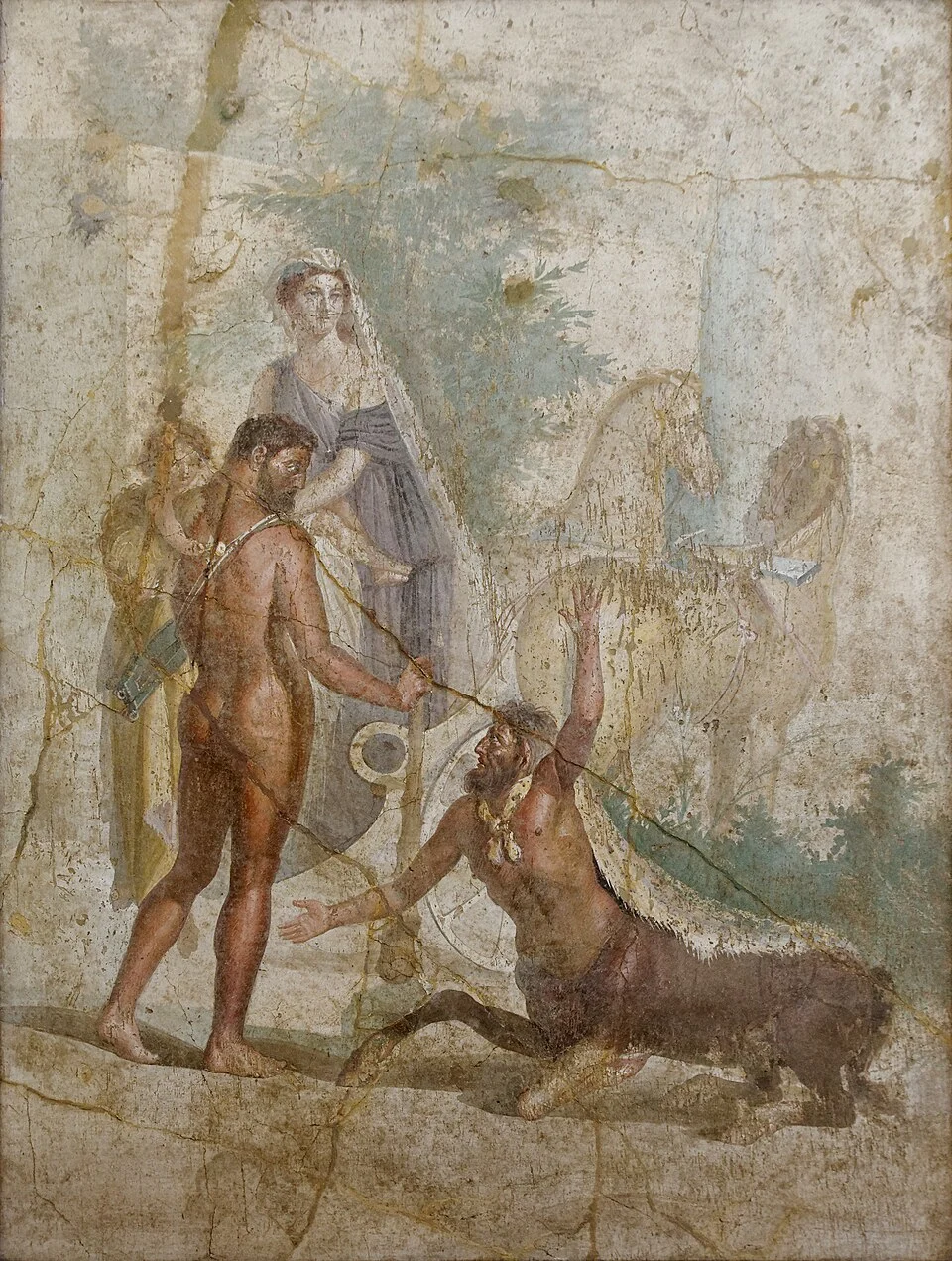
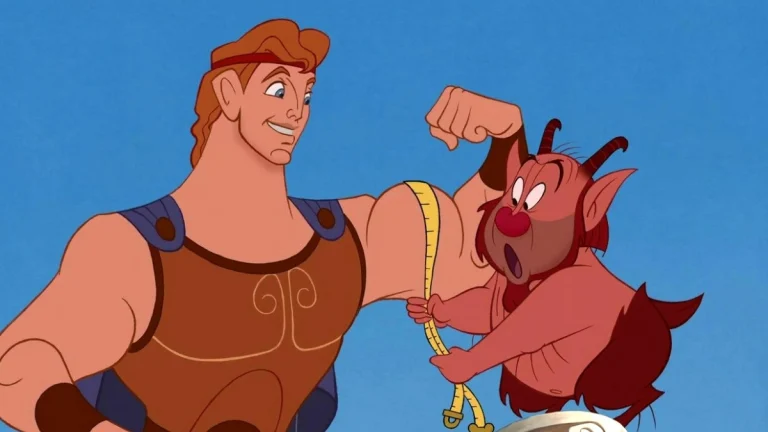
Heracles is a son of Zeus whose Twelve Labors remove monsters and threats across the Mediterranean. Records include the slaying of the Nemean lion, the capture of the Ceryneian hind, and the cleaning of the Augean stables in a single day. He is credited with retrieving the Hesperides apples and bringing Cerberus to the surface world. Colonization myths and cults link him to shrines and routes used by traders and settlers.
2. Hanuman
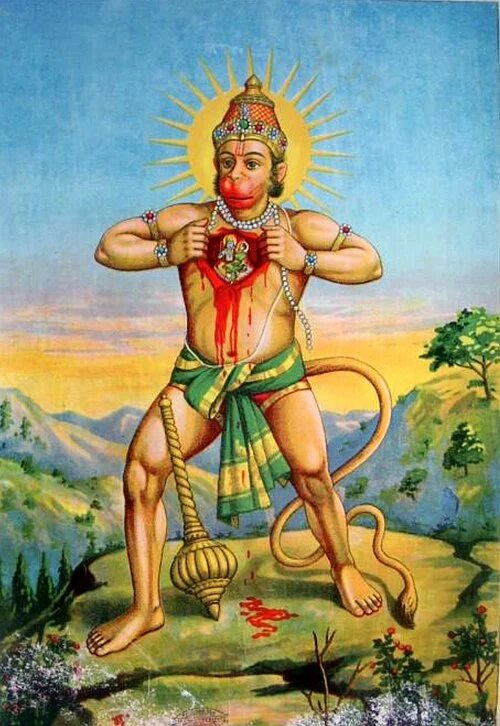
Hanuman is the son of the wind deity and a central figure in the Indian Ramayana tradition. Accounts detail his leap across the sea to find a captured queen and his burning of a fortified city after surviving fire. He carries a mountain of herbs to save wounded allies and expands or shrinks his body at will. Devotional practice presents him as a model of strength and service.
1. Hunahpu and Xbalanque
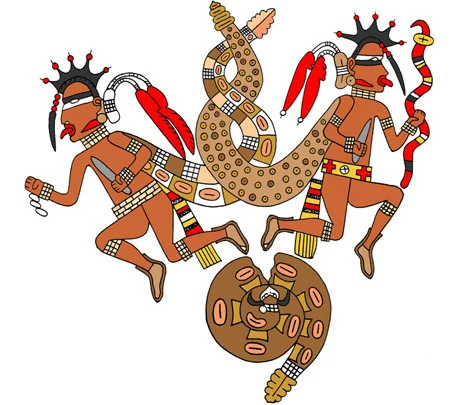
Hunahpu and Xbalanque are the Maya Hero Twins born of a mortal woman and a divine father. The Popol Vuh narrates their trials in the underworld where they outwit lords through games and transformations. They revive after execution and bring about the downfall of their adversaries through staged performances. Their deeds explain cosmic order including the movement of celestial bodies and the origins of ritual ballgames.
Share which demigods you think deserve a spot on this list and tell us why in the comments.