‘Interstellar’ Mistakes You’ll Never Be Able to Unsee

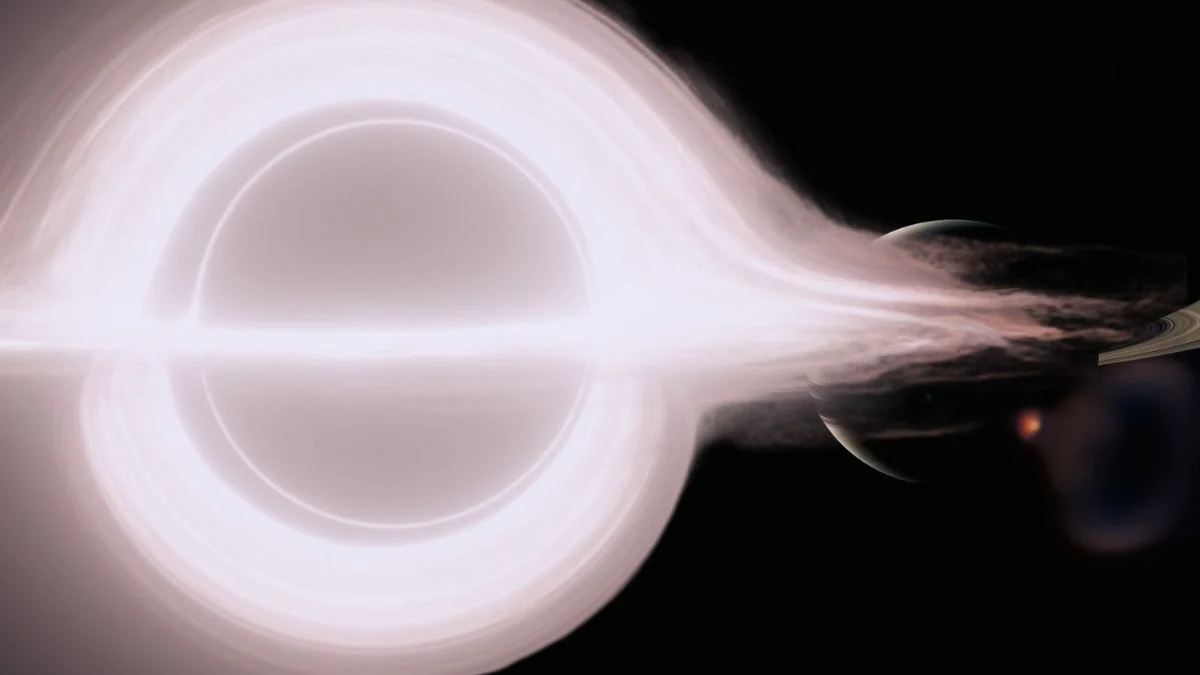

Christopher Nolan’s ‘Interstellar’ packs in bold ideas about space travel, time, and gravity, but it also leaves behind a trail of details that do not quite line up when you look closely. From physics stretched past the breaking point to continuity choices that raise eyebrows, the film gives fans plenty to dissect on a rewatch. These are the kinds of slips that pop once you notice them and then never quite fade from view. Here are ten that stand out the most for detail hunters and science sticklers alike.
The extreme time dilation near Gargantua
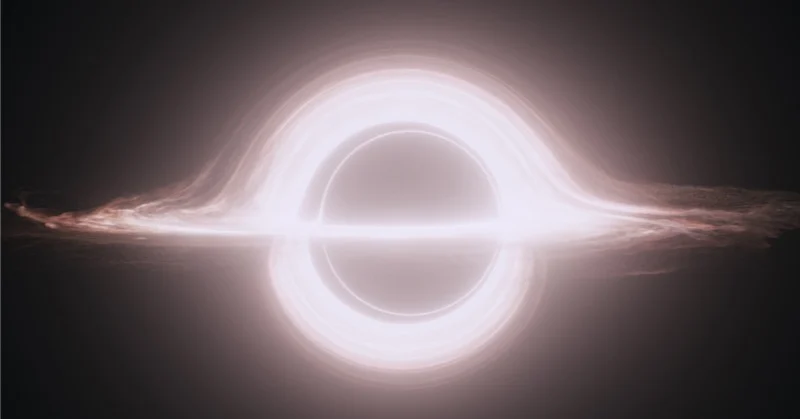
The hours equal years effect on Miller’s planet requires the world to orbit impossibly close to the black hole without getting torn apart. Tidal forces at that distance would be strong enough to shred a planet and any visitors long before they could hike to the wreckage. The enormous waves imply tremendous tidal stresses that would also affect the land in violent ways. The stable surface and quick in and out mission do not match what those forces should do.
NASA hiding a deep space program
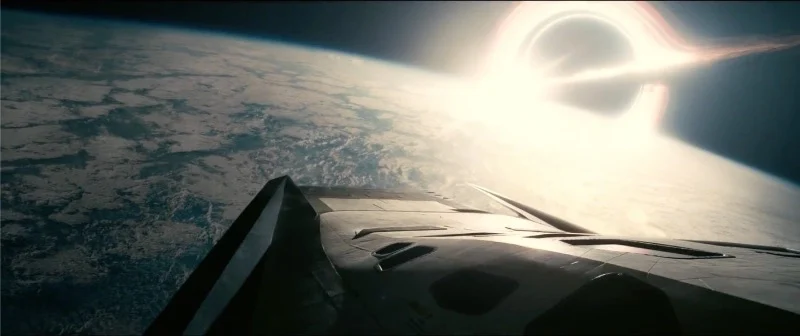
The story shows NASA operating in secret while running a massive Saturn bound mission. That kind of project needs huge supply chains, advanced engines, and a visible launch footprint that small towns and satellites would notice. Even routine test firings would create signatures that are hard to hide. A clandestine program of that size strains logistics more than the film admits.
Dust lines that turn into clean coordinates
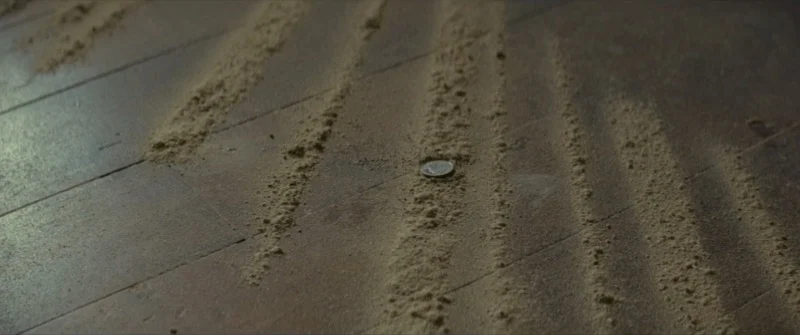
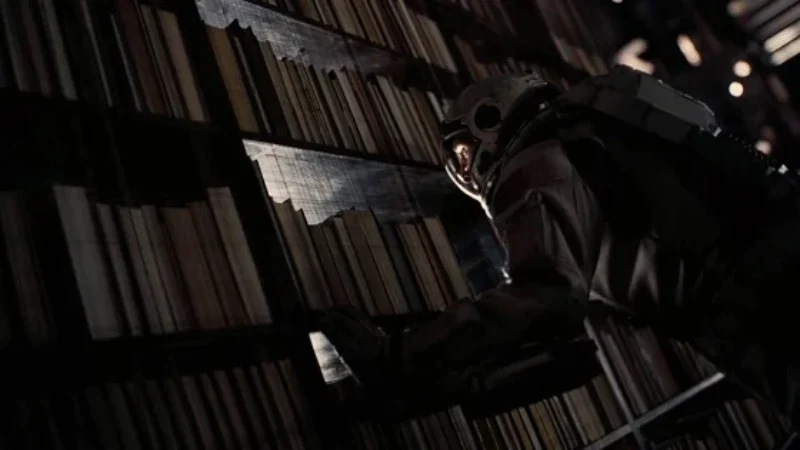
Murph’s room shows dust settling in straight lines that encode a set of coordinates. Airborne dust does not self arrange into crisp binary stripes without a directed flow or clear mechanism. The lines look like deliberate marks rather than a fluid pattern caused by subtle gravity shifts. Turning that into a precise location pushes the method past what the setup shows.
A watch that ticks forever
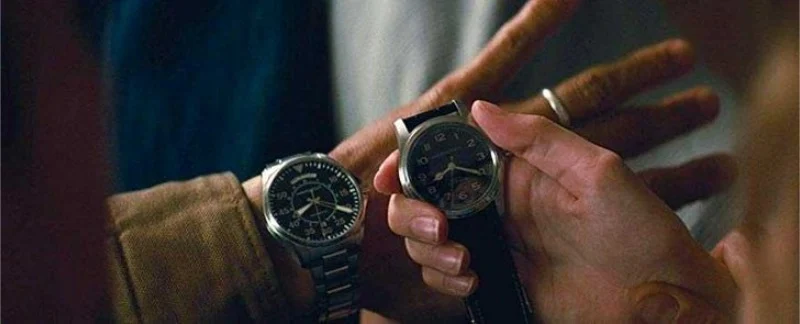
Cooper sends a message through the second hand of Murph’s analog watch long after he vanishes. The watch behaves like a quartz model that would require a battery change well before decades pass. There is no suggestion it is kinetic or solar powered to keep it running indefinitely. The long term power source for that second hand is never accounted for.
A blight that removes atmospheric oxygen
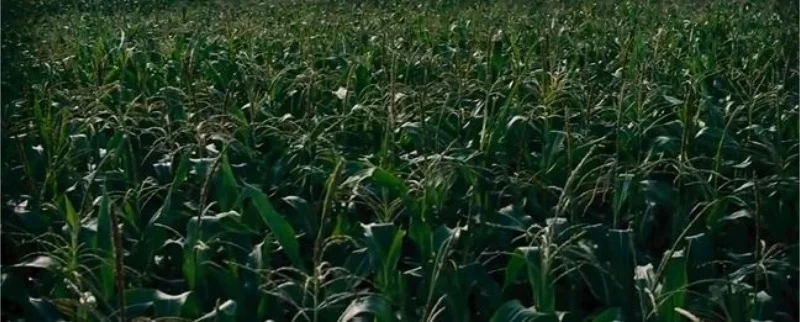
The blight is said to thrive while reducing available oxygen for people on Earth. Plant life produces oxygen through photosynthesis and the planet already stores the gas in many sinks that do not vanish quickly. A pathogen that flips the global balance so fast would need an extraordinary and explained biochemical pathway. The film does not supply the mechanism that would drive a near term suffocation scenario.
Floating ice clouds on Mann’s planet
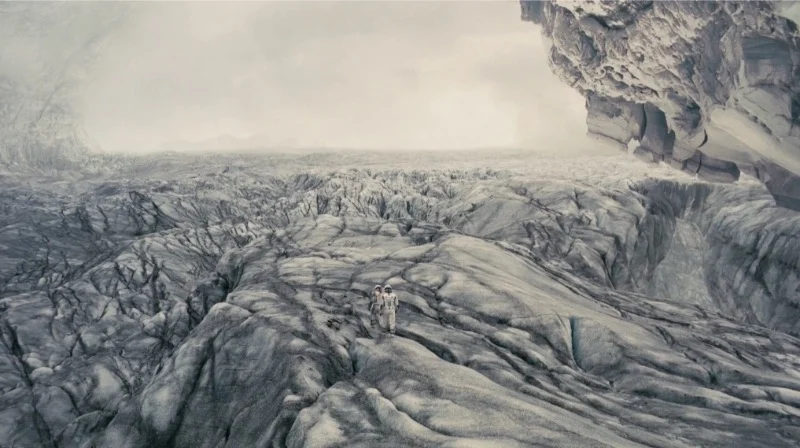
The movie shows clouds made of solid ice hanging in the sky like boulders. Solid water is denser than the surrounding air and would not float without a supporting medium. A low pressure and low temperature environment would create ice crystals that fall or stay suspended as tiny particles, not blocks. The massive slabs should drop rather than cruise along as airborne cliffs.
A data dump that would take ages to transmit
TARS gathers quantum data inside the black hole and Cooper encodes it through the watch using Morse. High resolution data sets contain huge amounts of information that require lengthy transmission times at modest bit rates. The film shows a short decoding period that yields a complete solution. The time required to send that much data through a ticking second hand is not reflected on screen.
A seamless high spin docking after an explosion
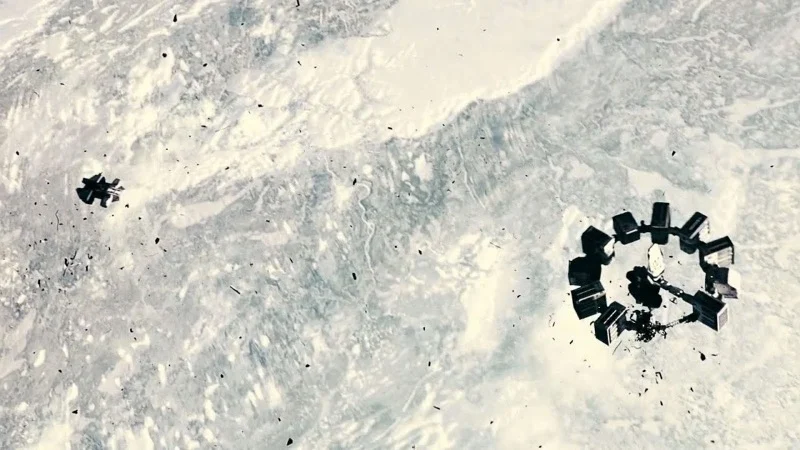
Endurance begins tumbling rapidly after the failed docking and subsequent blast. Matching that rotation and securing a hard dock without damaging ports would demand exact alignment and careful load management. Structural limits on the ring and hub would be a major concern at those spin rates. The ship’s survival through the maneuver looks cleaner than the forces suggest.
A sudden dust storm that behaves too neatly
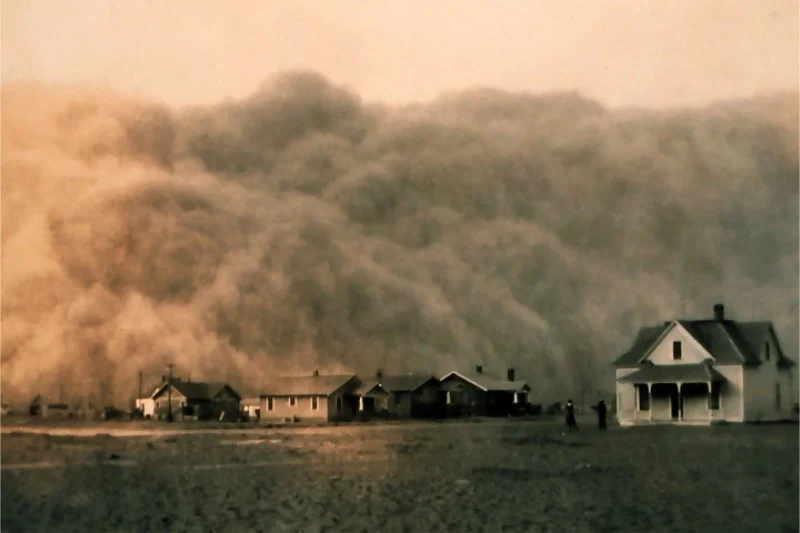
The ball game ends as a wall of dust arrives and later the storm at the farm leaves tidy stripes of residue. Real dust storms create variable swirls and eddies that settle unevenly around obstacles. Consistently spaced bands across bookshelves and floors do not match what turbulent indoor airflow produces. The neat pattern serves the plot but not typical storm physics.
A two year cruise to Saturn with little propulsion detail
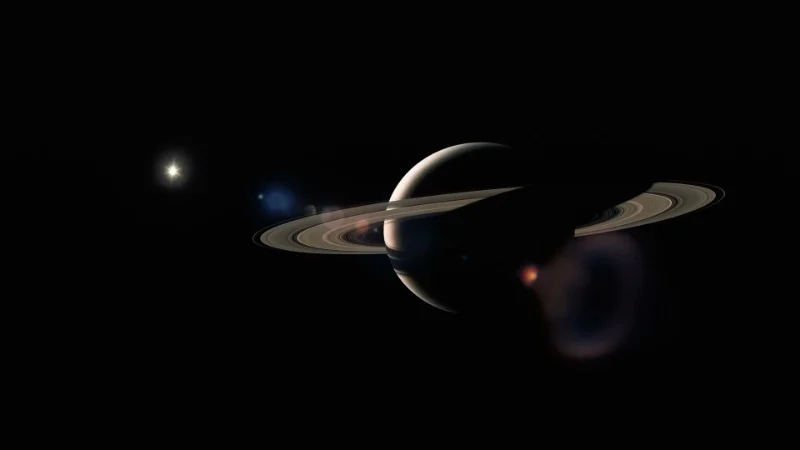
The mission reaches Saturn for the wormhole rendezvous on a relatively short timeline. The film does not outline the gravity assists, fuel budgets, or continuous thrust needed to make that transfer practical with the shown vehicle. Long duration life support and radiation shielding for that trip get little technical treatment. The journey is set up as routine without the mission profile that would usually back it up.
Share the other ‘Interstellar’ slip ups you have spotted in the comments so everyone can compare notes.