20 Best Sherlock Holmes Movies & TV Shows, Ranked

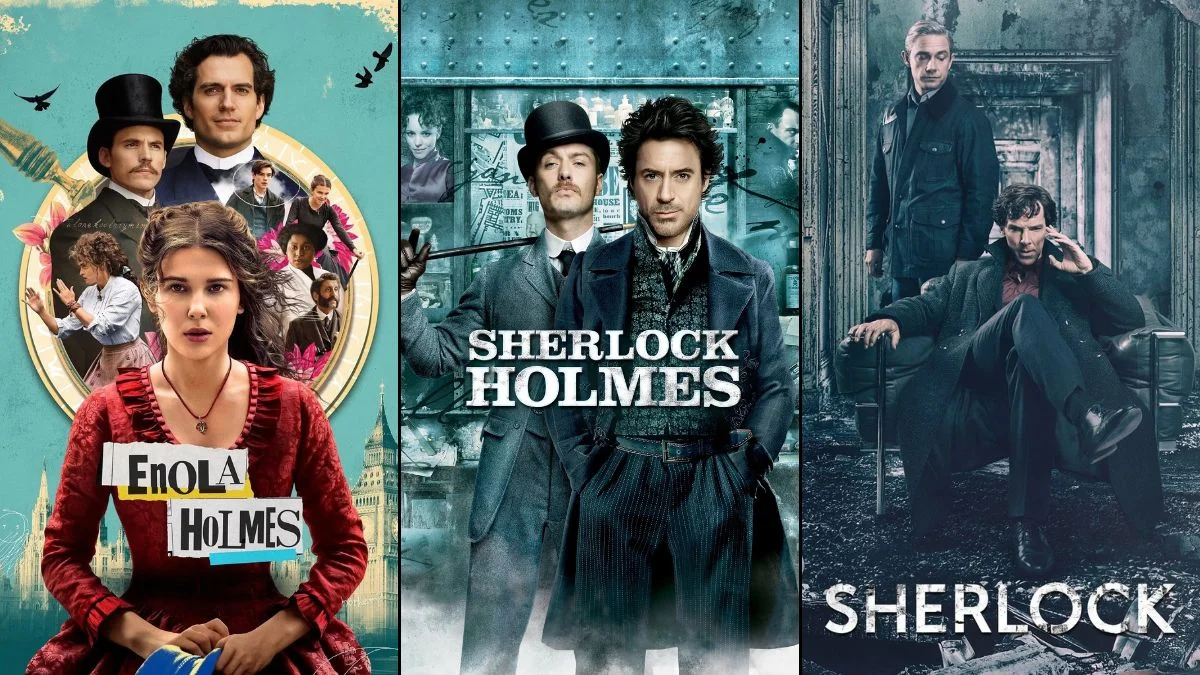

From vintage mysteries to stylish modern updates, the world’s favorite consulting detective has inspired a vast library of screen adaptations. This countdown brings together films and series that capture key stories, iconic performances, and clever twists on Arthur Conan Doyle’s creations. You’ll find faithful period pieces, bold reimaginings, and works that spotlight Holmes, Watson, and even characters around them. Each entry notes what it covers, who stars, and why it stands out for fans who want smart deductions and atmospheric intrigue.
‘Enola Holmes 2’ (2022)
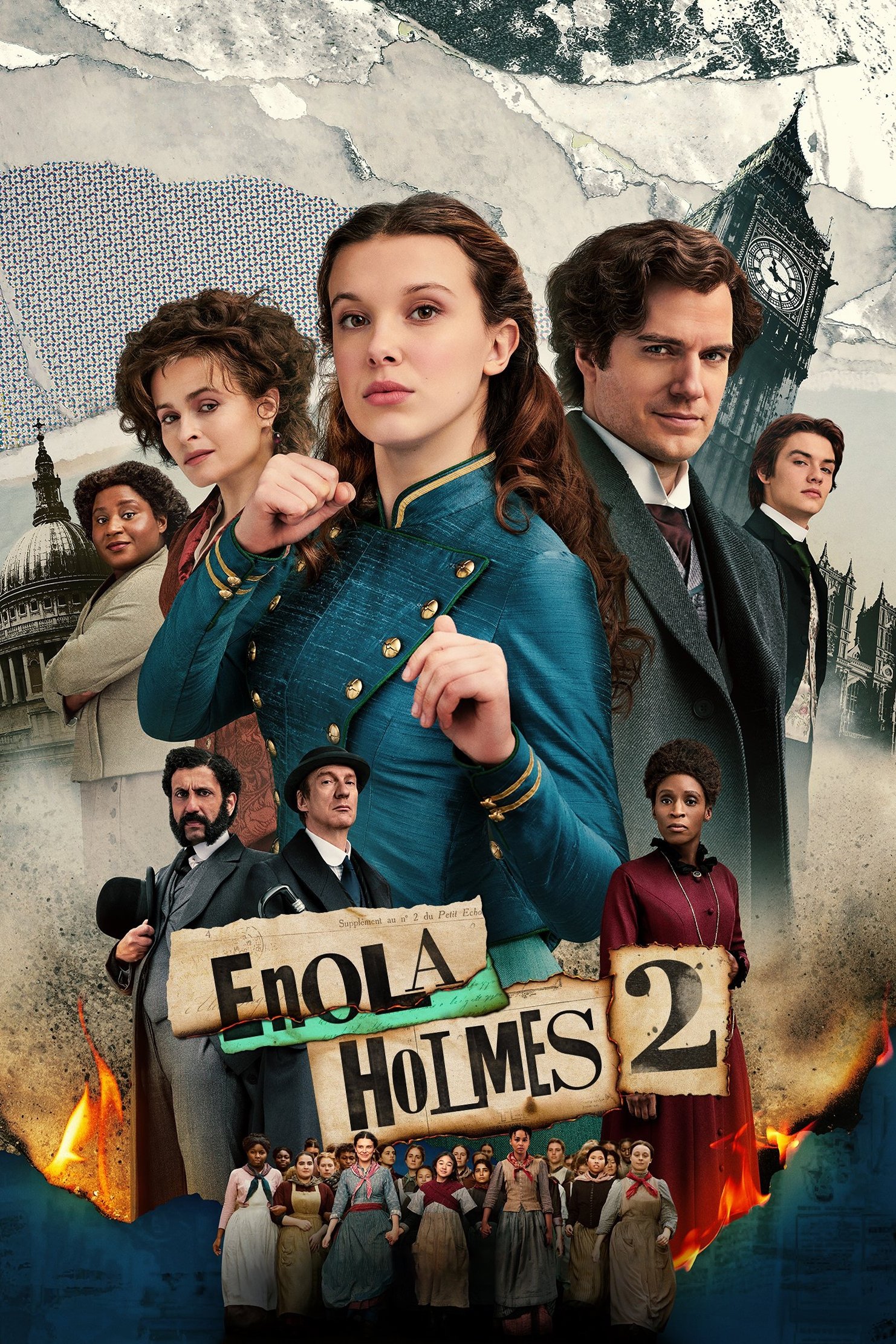
This sequel follows Sherlock’s younger sister as she opens her own detective agency while crossing paths with her famous brother on a conspiracy tied to real labor unrest. Millie Bobby Brown returns alongside Henry Cavill’s Holmes and Louis Partridge’s Tewkesbury. Director Harry Bradbeer blends historical detail with light action and puzzle-box storytelling. The film adapts themes from Nancy Springer’s novels rather than Doyle’s canon, yet keeps familiar names and London settings.
‘Enola Holmes’ (2020)
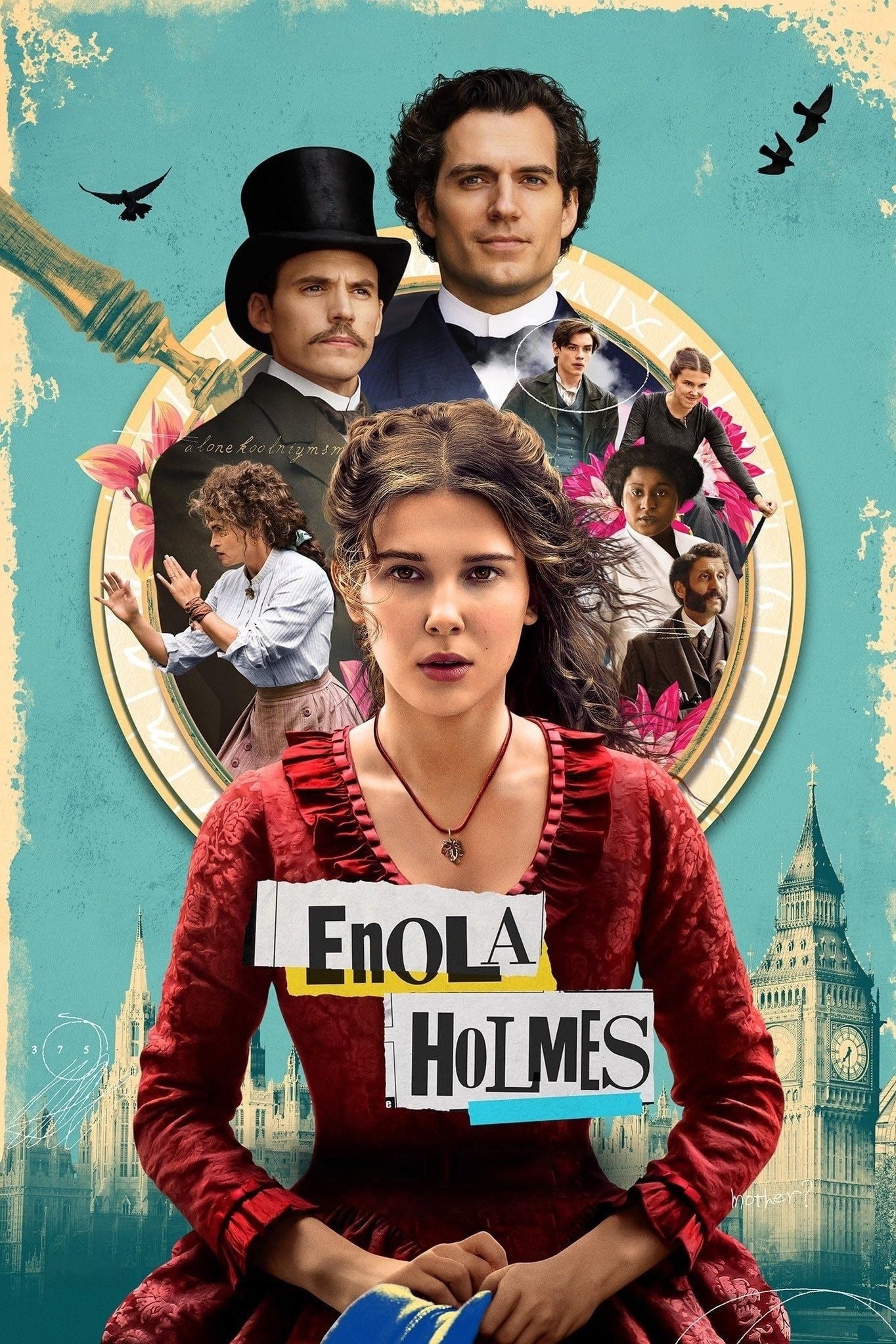
The first outing introduces Enola on a case to find her missing mother, which brings her into contact with Holmes and government forces. It uses Victorian-era locations and costumes while framing the story through Enola’s direct-to-camera narration. Henry Cavill portrays a more reserved but supportive Holmes opposite Sam Claflin’s Mycroft. The mystery intersects with debates about education and women’s independence, grounding the adventure in real-world context.
‘A Study in Terror’ (1965)
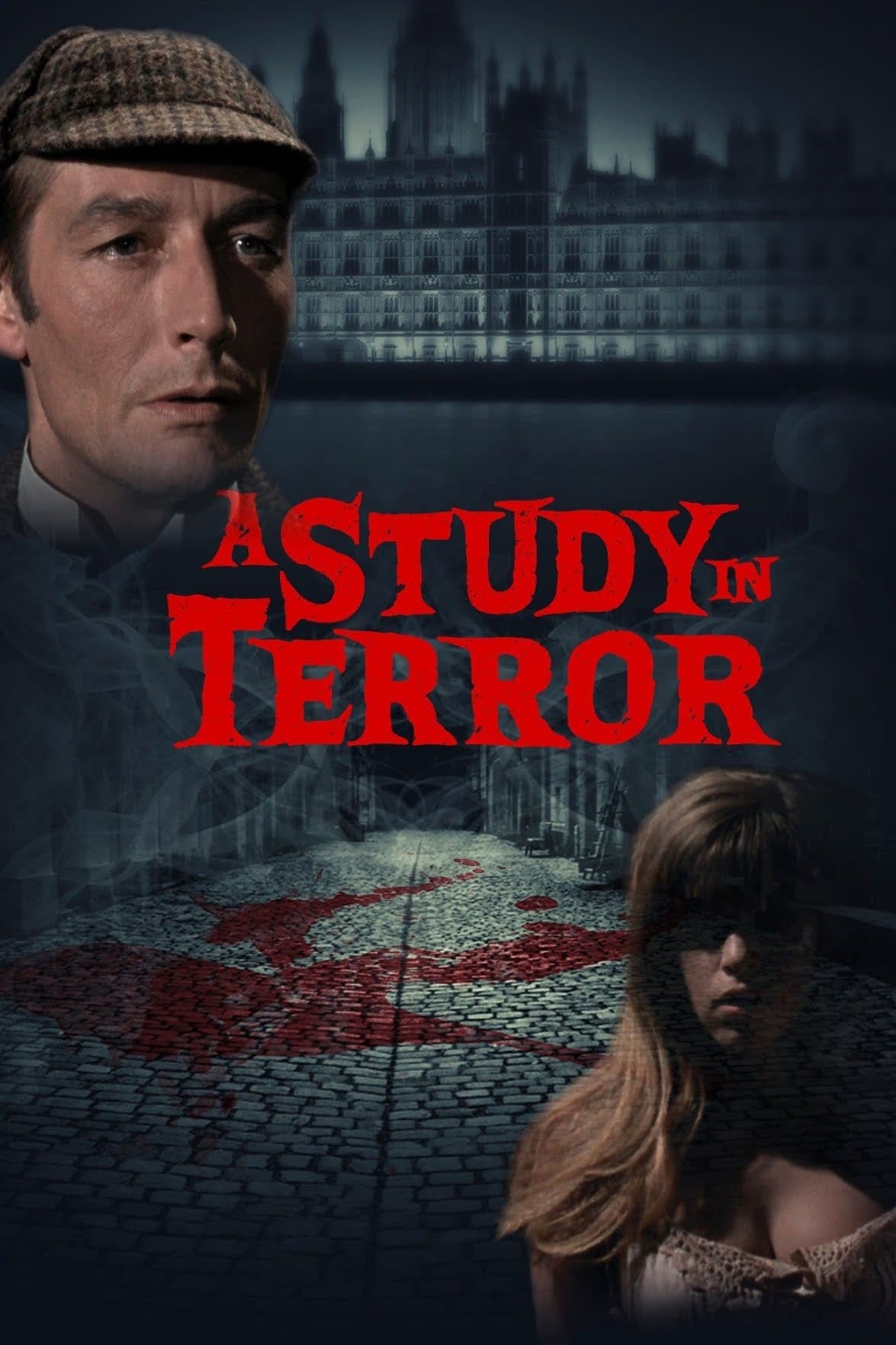
This film pits Holmes against Jack the Ripper in Whitechapel, weaving Doyle’s characters into a notorious unsolved case. John Neville plays Holmes with a cool, analytical style and Donald Houston appears as Watson. The production uses fog-drenched sets, period props, and newspaper clippings to trace the killer’s movements. It balances autopsy clues and police politics with a whodunit structure that builds to an identity reveal.
‘The Seven-Per-Cent Solution’ (1976)
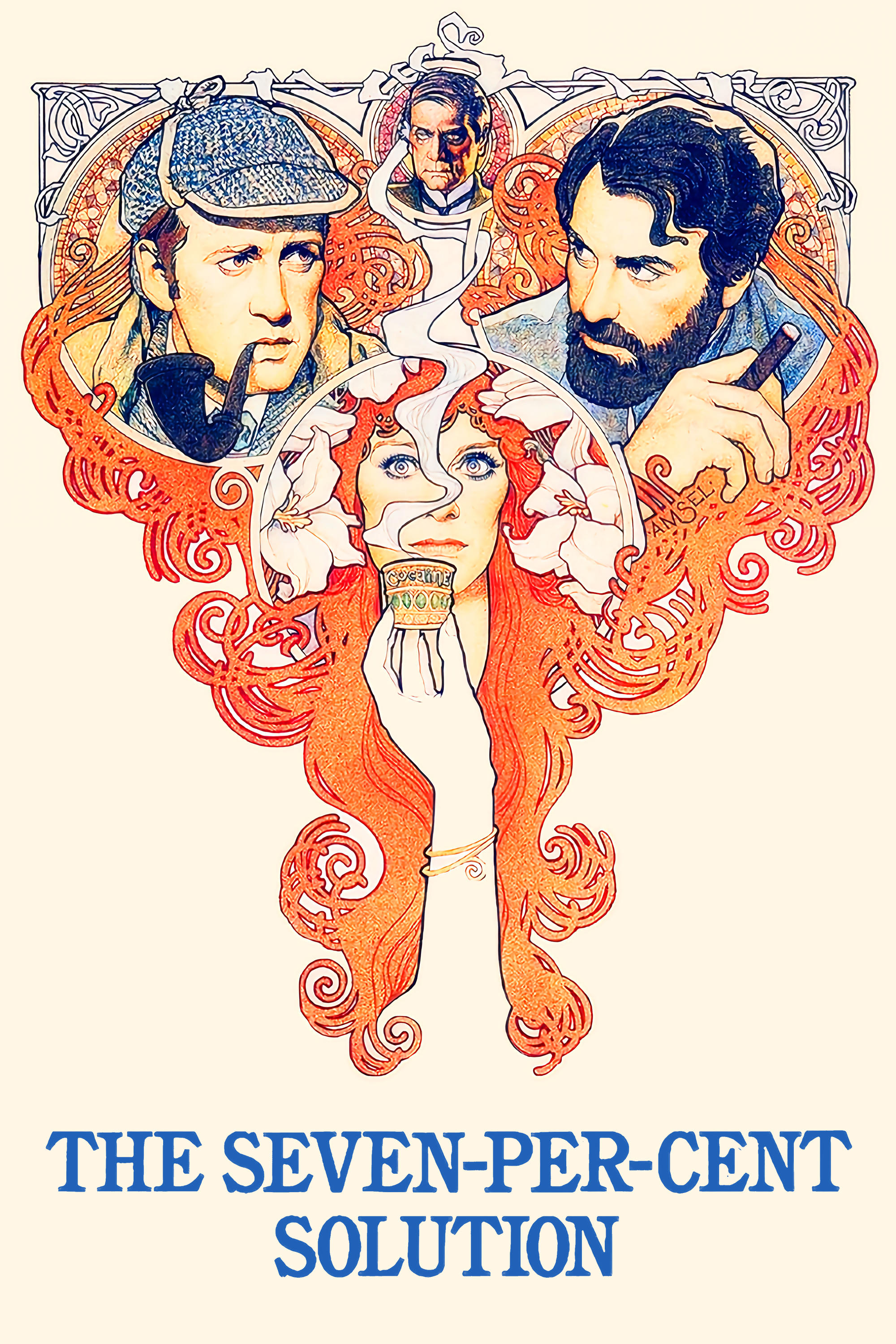
Based on Nicholas Meyer’s novel, this story imagines Watson seeking help from Sigmund Freud to treat Holmes’s cocaine habit. Nicol Williamson and Robert Duvall play Holmes and Watson, with Laurence Olivier as Freud. The plot moves from London to Vienna and includes train chases, hypnosis sessions, and a kidnapping that ties into Holmes’s past. It explores addiction and trauma while staging classical deduction sequences.
‘Without a Clue’ (1988)
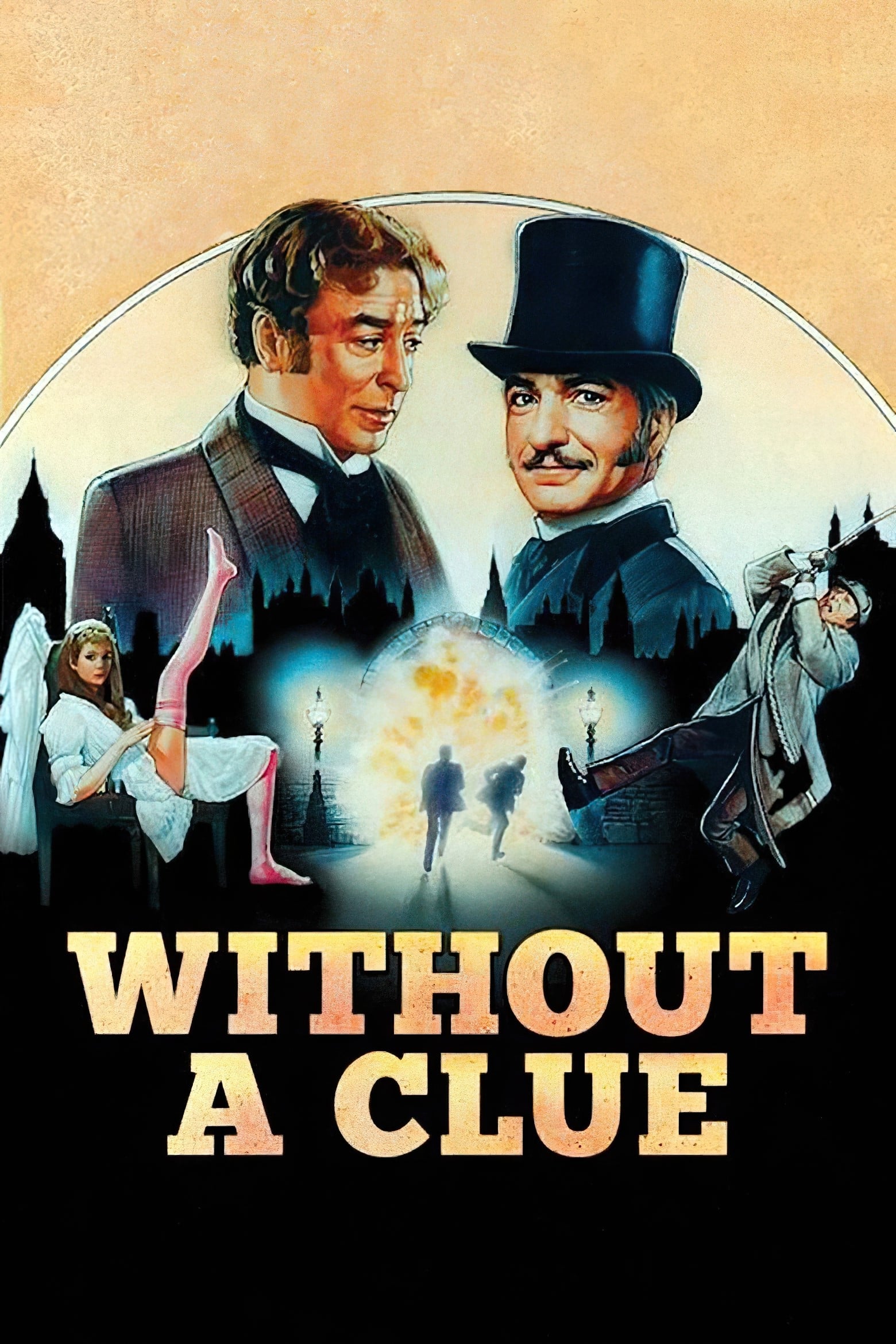
This comedic take flips the roles so that Watson is the real detective and Holmes is a hired actor fronting the brand. Michael Caine plays the bumbling Holmes persona and Ben Kingsley portrays a frustrated but brilliant Watson. The story still delivers a banknote-forgery mystery with familiar Scotland Yard faces. It recreates late Victorian London while poking fun at tropes like disguises and theatrical reveals.
‘Young Sherlock Holmes’ (1985)
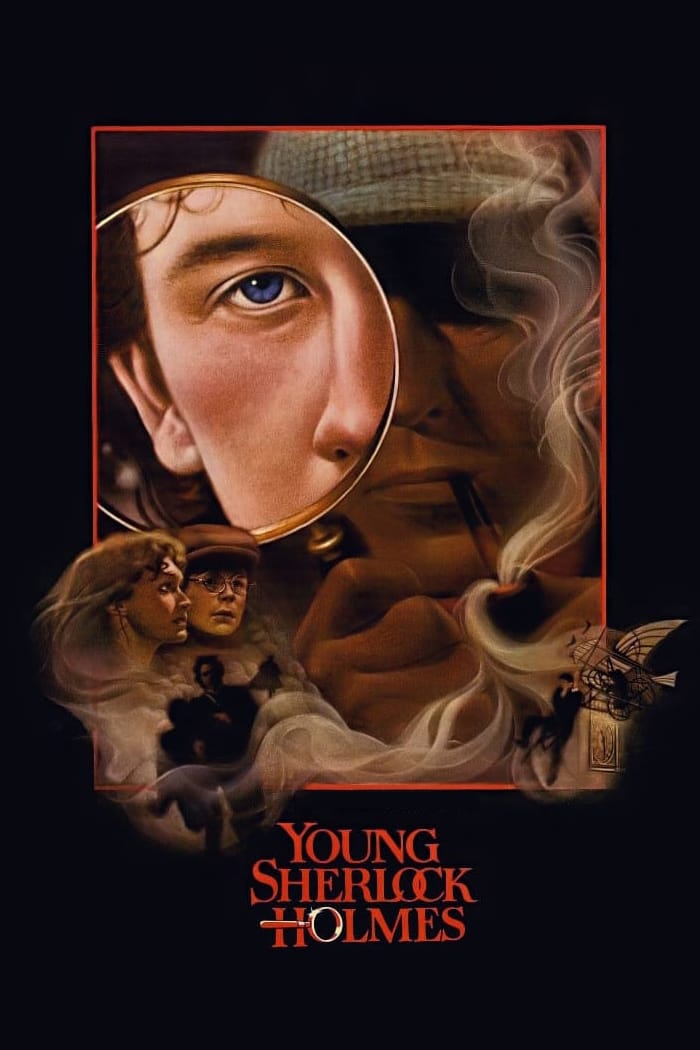
Set at a boarding school, this film imagines how Holmes and Watson first met and honed their investigative skills. Directed by Barry Levinson and produced by Amblin, it’s known for early computer-generated effects during a stained-glass knight sequence. The plot involves a secret society, hallucinogenic darts, and archaeological motives. It ends by planting seeds that connect the youthful duo to their future roles.
‘The Great Mouse Detective’ (1986)

This animated feature reimagines Holmes as Basil of Baker Street, a mouse solving a toymaker’s kidnapping. It uses London landmarks in miniature and features Vincent Price as the villain Ratigan. The case moves through gears, clockworks, and a climactic fight inside Big Ben. Musical cues highlight deductions while maintaining classic clues like footprints, disguises, and chemical tests.
‘The Hound of the Baskervilles’ (1959)
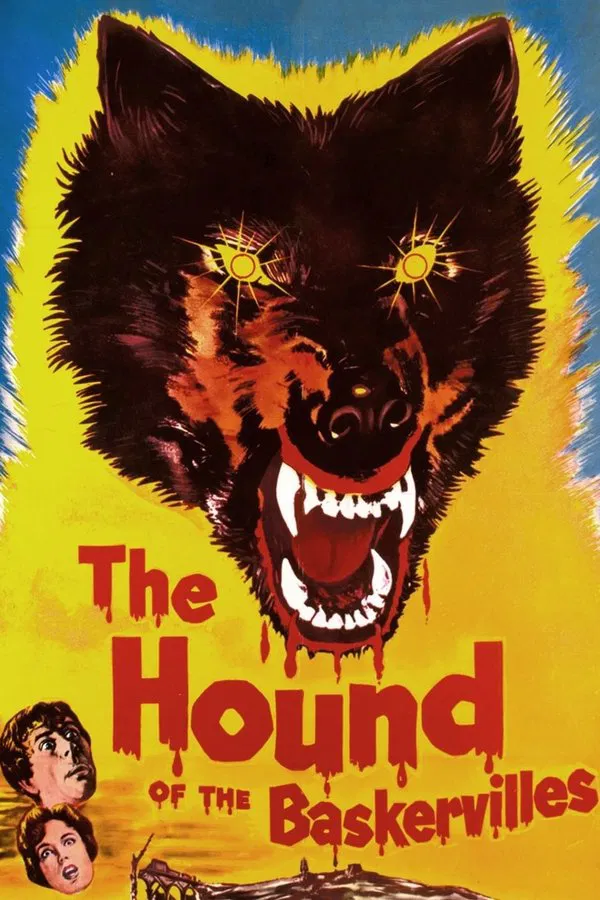
Hammer Films adapts Doyle’s moorland mystery with Peter Cushing as Holmes and André Morell as Watson. The production emphasizes gothic atmosphere with misty tors, candlelit manors, and a spectral hound legend. The investigation tracks family history, inheritance, and tampered evidence around Sir Henry Baskerville. Practical effects and location work create a menacing Dartmoor backdrop for late-night stakeouts.
‘The Private Life of Sherlock Holmes’ (1970)
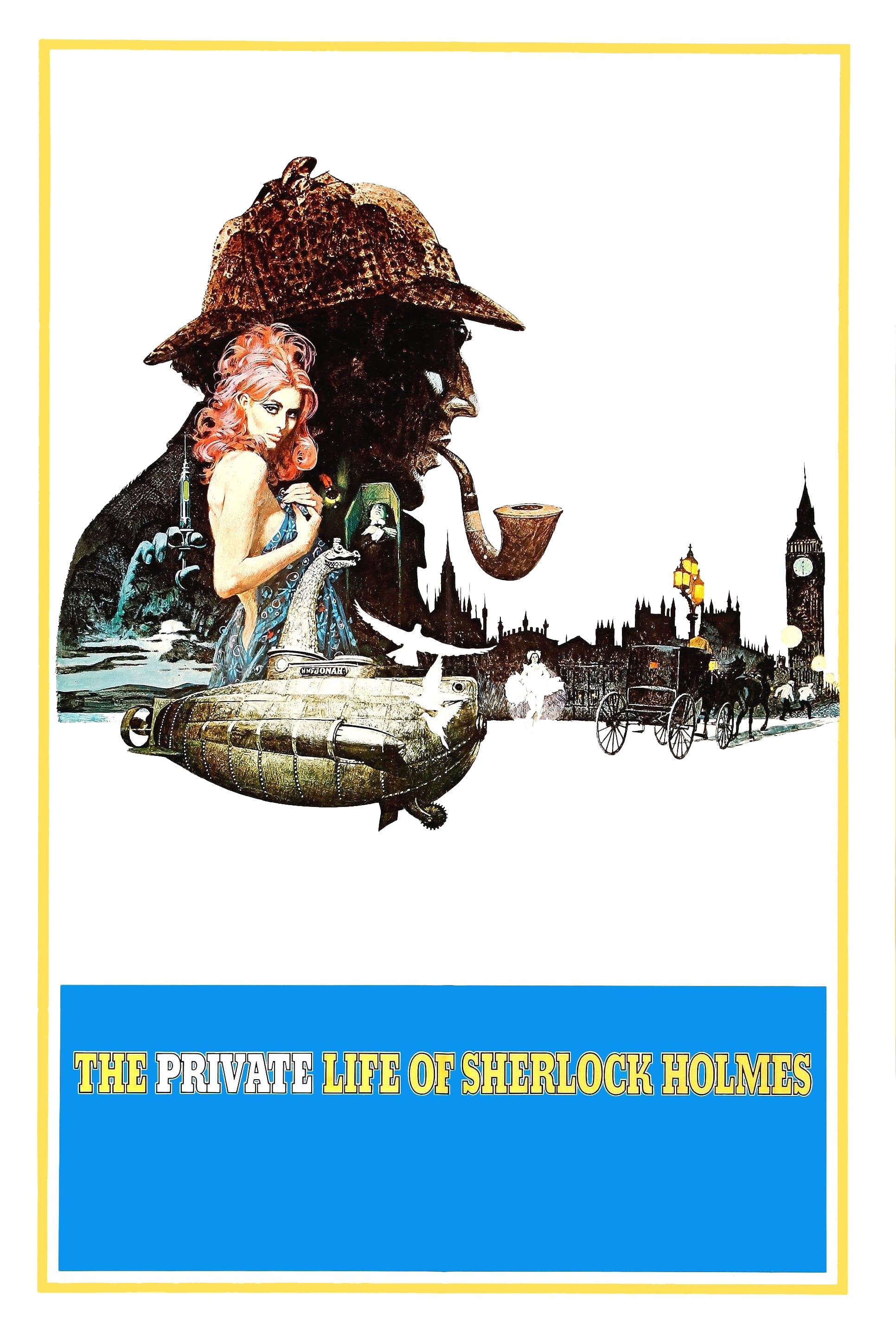
Directed by Billy Wilder, this film explores Holmes’s personal boundaries while running two overlapping cases. Robert Stephens plays Holmes with Colin Blakely as Watson and Christopher Lee as Mycroft. The story includes a missing person, a ballet intrigue, and a mystery that reaches Loch Ness. It mixes humor with melancholy and shows how secrecy shapes Holmes’s relationships.
‘Murder by Decree’ (1979)
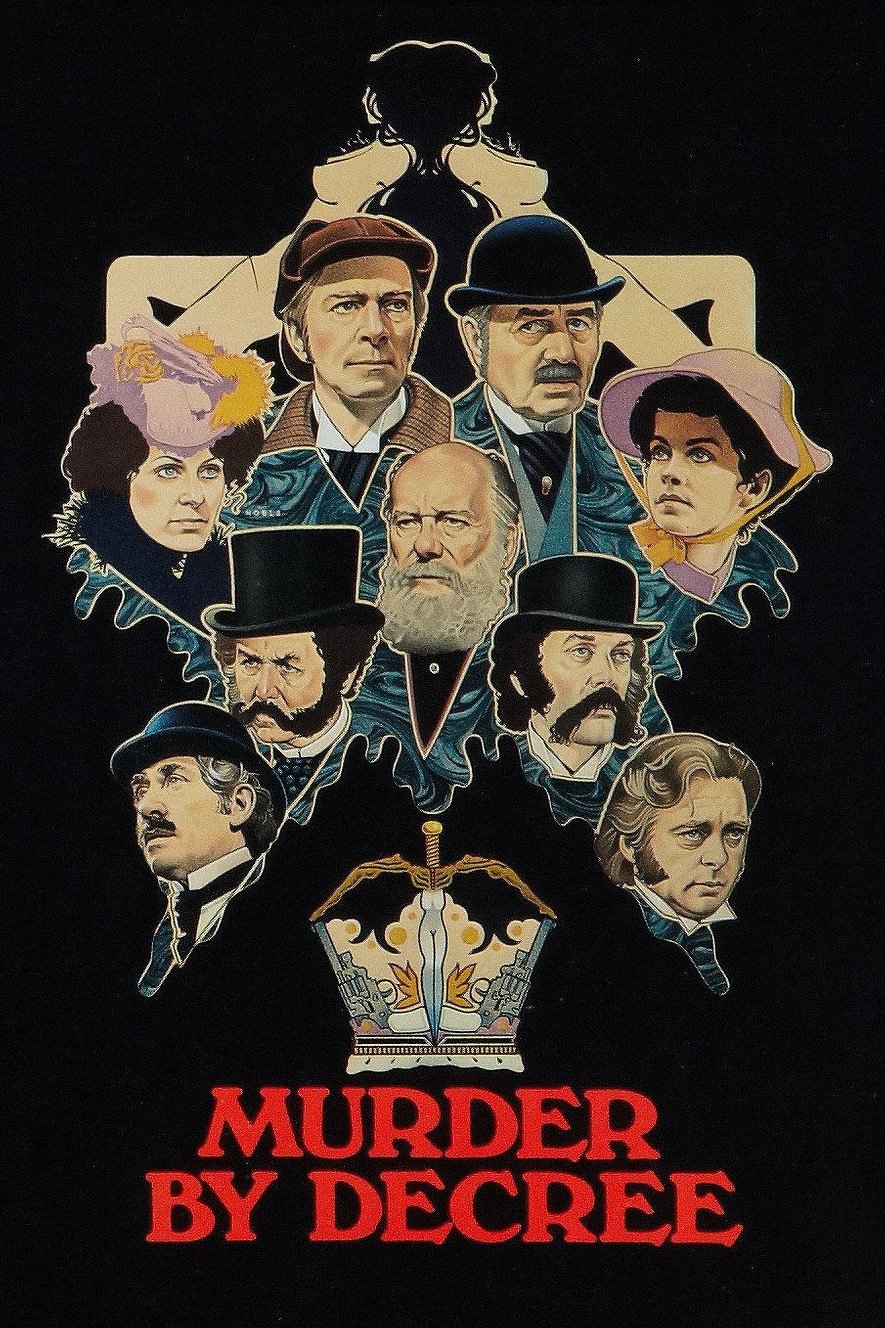
Christopher Plummer’s Holmes and James Mason’s Watson investigate the Ripper murders in a plot that implicates high society. The film blends historical names with Doyle’s characters to question official cover-ups. Cobblestone sets and gaslight streets amplify the danger of night patrols and hidden carriages. The case proceeds through autopsy records, coded messages, and a tense confrontation with conspirators.
‘Mr. Holmes’ (2015)
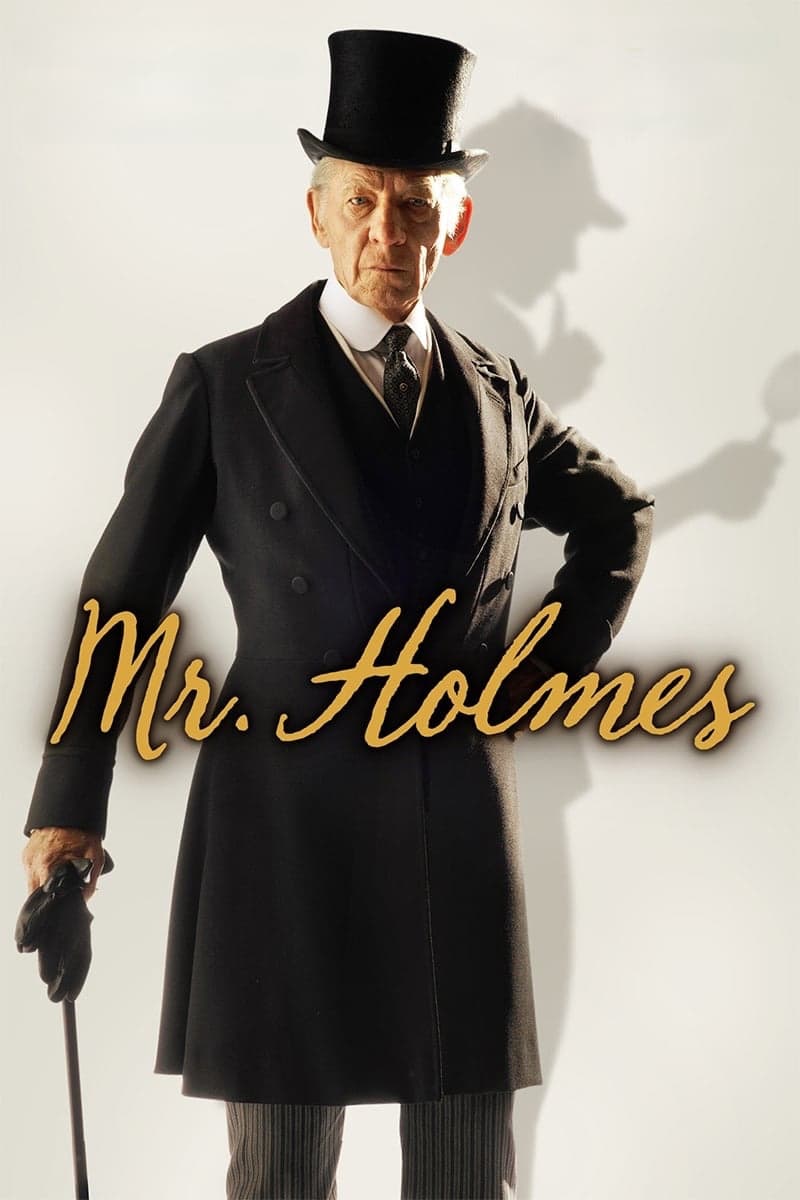
Ian McKellen portrays an aging Holmes in retirement who struggles to recall the details of his final unsolved case. The narrative alternates between coastal beekeeping in Sussex and memories of a violinist at the center of a delicate investigation. The film examines memory, regret, and the difference between storybook endings and lived outcomes. It also shows Holmes mentoring a curious boy who pushes him to reconstruct the truth.
‘The Hound of the Baskervilles’ (1939)
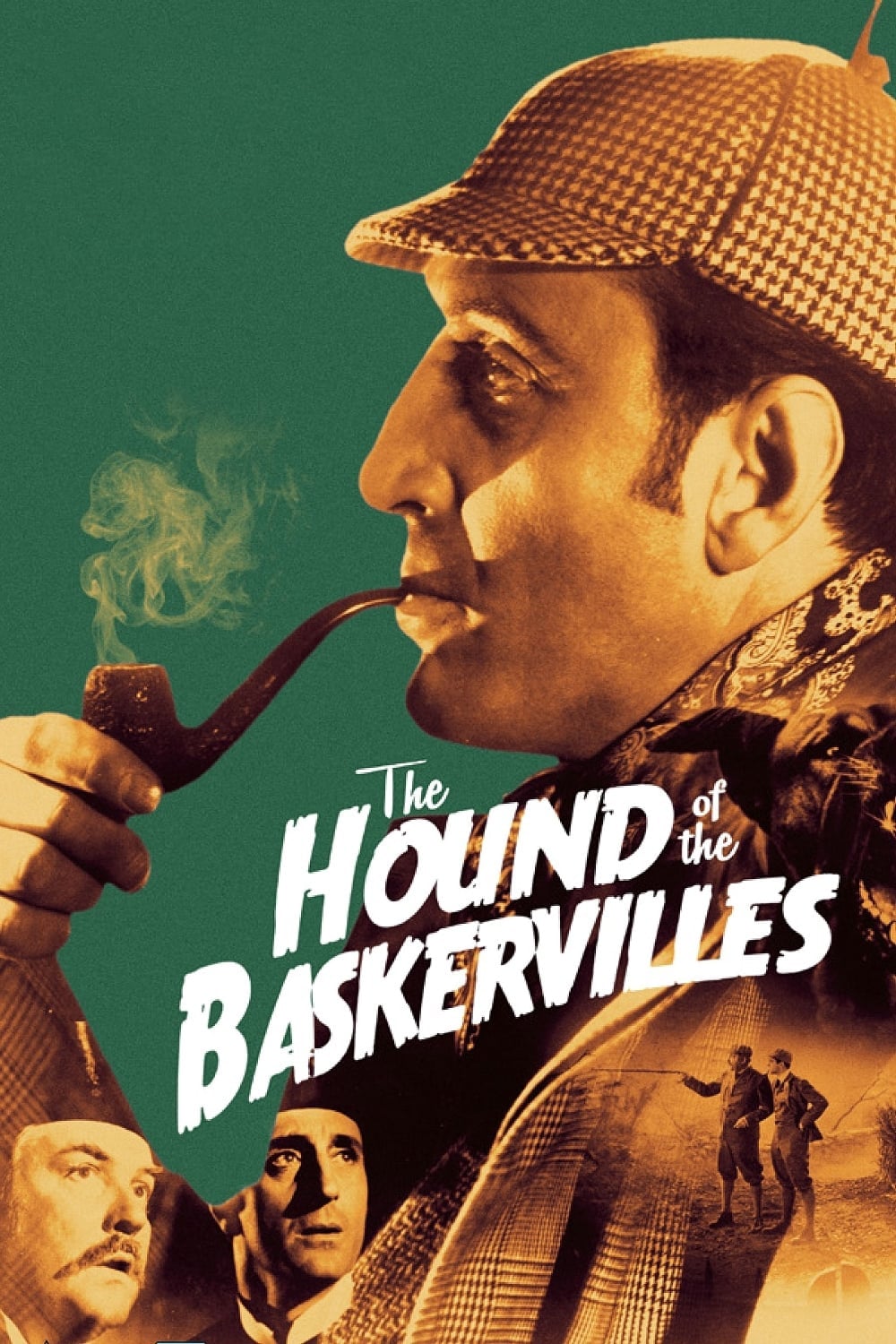
This adaptation stars Basil Rathbone and Nigel Bruce, launching a long-running series that helped standardize Holmes’s screen image. The film concentrates on Baskerville Hall, the moor, and a family curse tied to a phantom dog. Studio sets and matte paintings create the lonely, windswept terrain where clues surface near Grimpen Mire. It emphasizes misdirection, footprints, and a villain using superstition to mask real motives.
‘The Return of Sherlock Holmes’ (1986–1988)
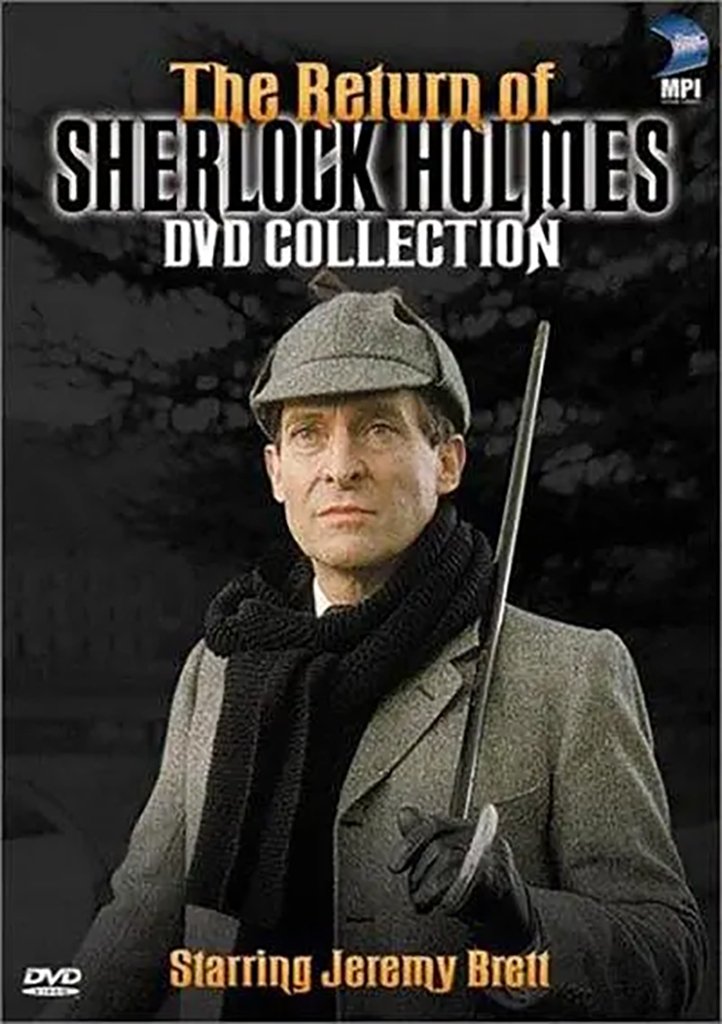
This Granada Television series continues Jeremy Brett’s portrayal with hour-long adaptations from Doyle’s later collections. Episodes include cases like the empty house, the Priory School, and the second stain. The production prioritizes canonical details such as 221B’s layout, tobacco ash monographs, and precise timelines. Scores, costumes, and period research support Brett’s meticulous reading of Holmes’s mannerisms and methods.
‘The Sign of Four’ (1987)
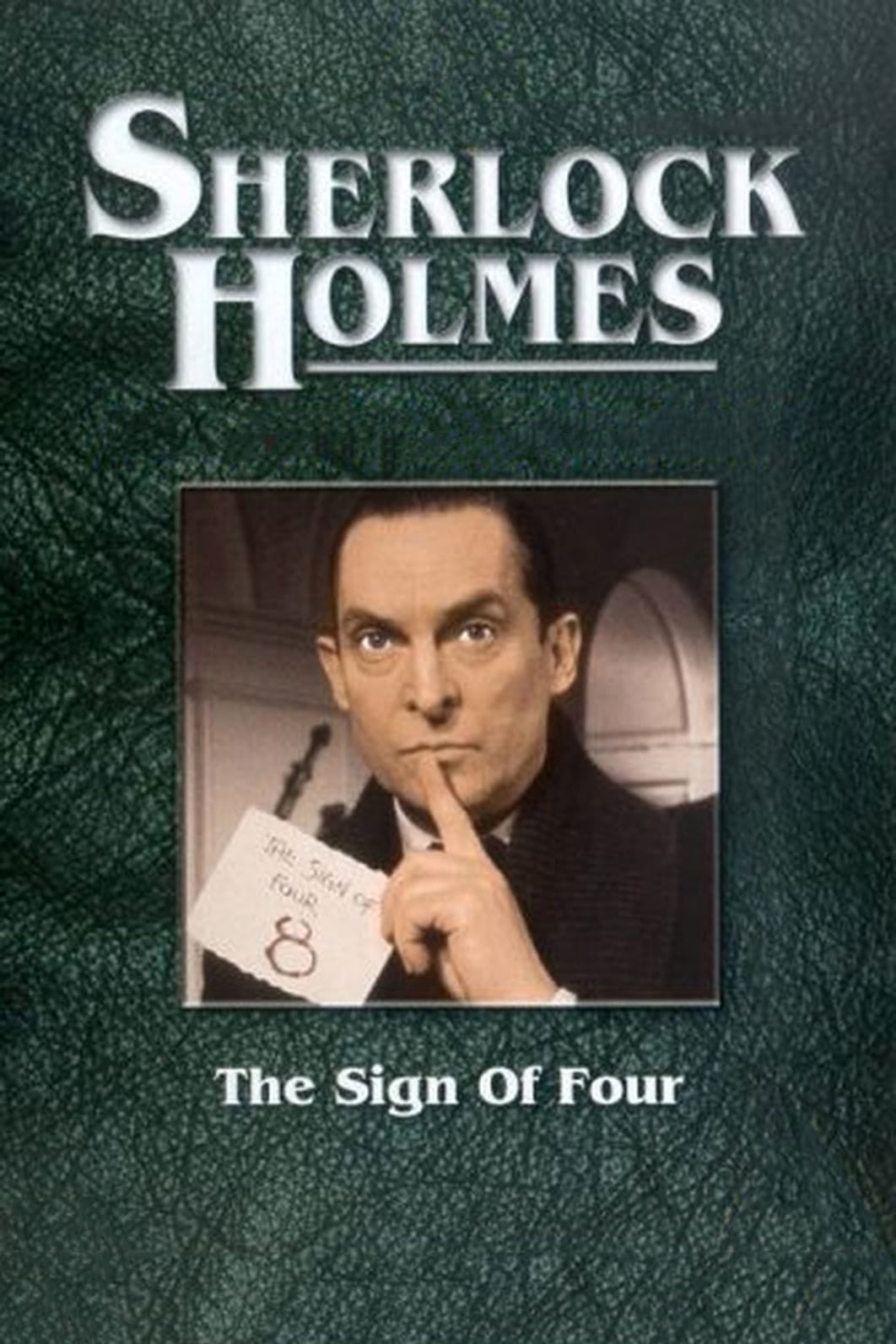
Granada adapts the novel about a stolen treasure, a secret pact, and a one-legged man with a mysterious accomplice. Jeremy Brett’s Holmes navigates river chases on the Thames, coded messages, and a case that introduces Mary Morstan. The film keeps key elements like the Agra background and Jonathan Small’s confession scene. Its locations and props reinforce late Victorian London’s docks and drawing rooms.
‘The Private Life of Sherlock Holmes’ (1970) — Alternate Cut Note
This entry refers to the widely circulated version that most viewers know, with its two-case structure. Some sequences were shortened during production history and later restorations attempted to include missing material. The film’s tone and pacing reflect that editorial background while preserving core character insights. Viewers encounter both playful detours and a final case that reshapes assumptions about Holmes’s inner life.
‘Sherlock Holmes: A Game of Shadows’ (2011)
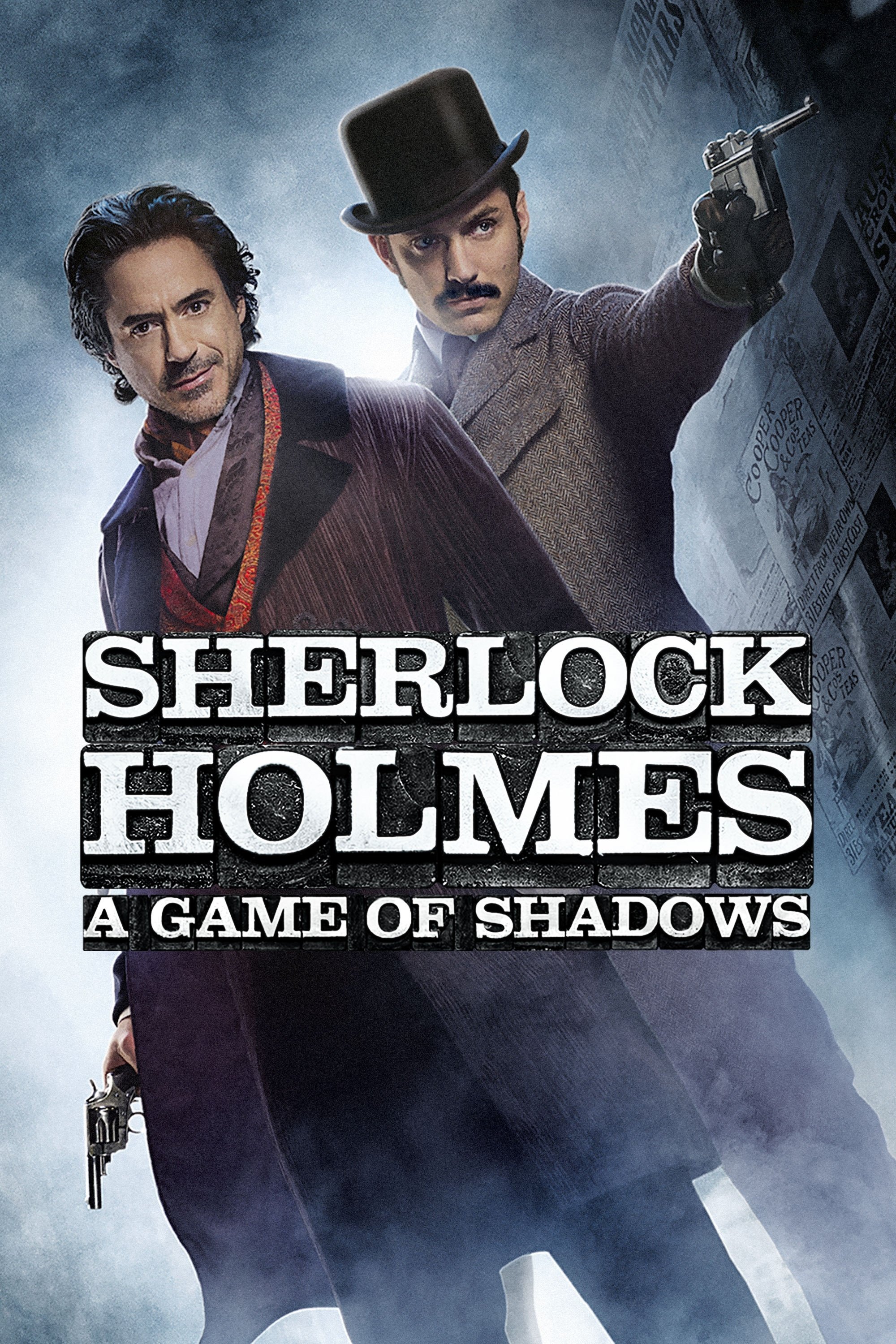
This sequel places Holmes and Watson against Professor Moriarty across Europe with industrial espionage and coded journals. Robert Downey Jr. and Jude Law return, joined by Jared Harris as Moriarty and Noomi Rapace as a Romani character linked to the plot. The film uses set-piece investigations in factories, trains, and mountain fortresses. It showcases chemical analysis, ballistics, and war-gaming predictions within a period action framework.
‘Sherlock Holmes’ (2009)
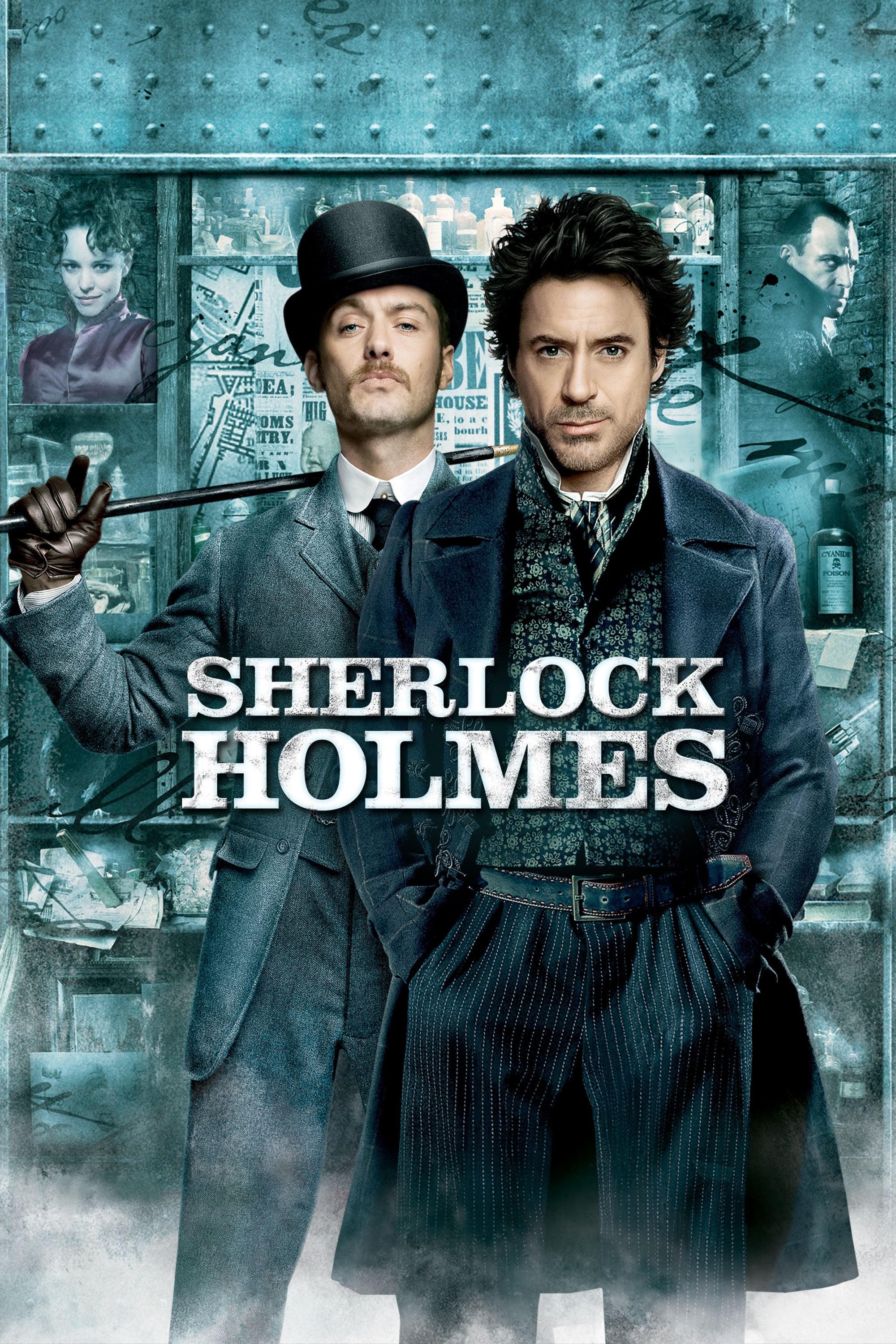
The story follows a cult leader’s apparent resurrection as Holmes traces ritual clues to a technological scheme. Robert Downey Jr.’s Holmes works through experiments, disguises, and bare-knuckle brawls while Jude Law’s Watson manages medical and logistical details. Production design emphasizes docklands, laboratories, and Parliament interiors. The final reveal ties staged supernatural effects to engineering and chemistry.
‘Elementary’ (2012–2019)
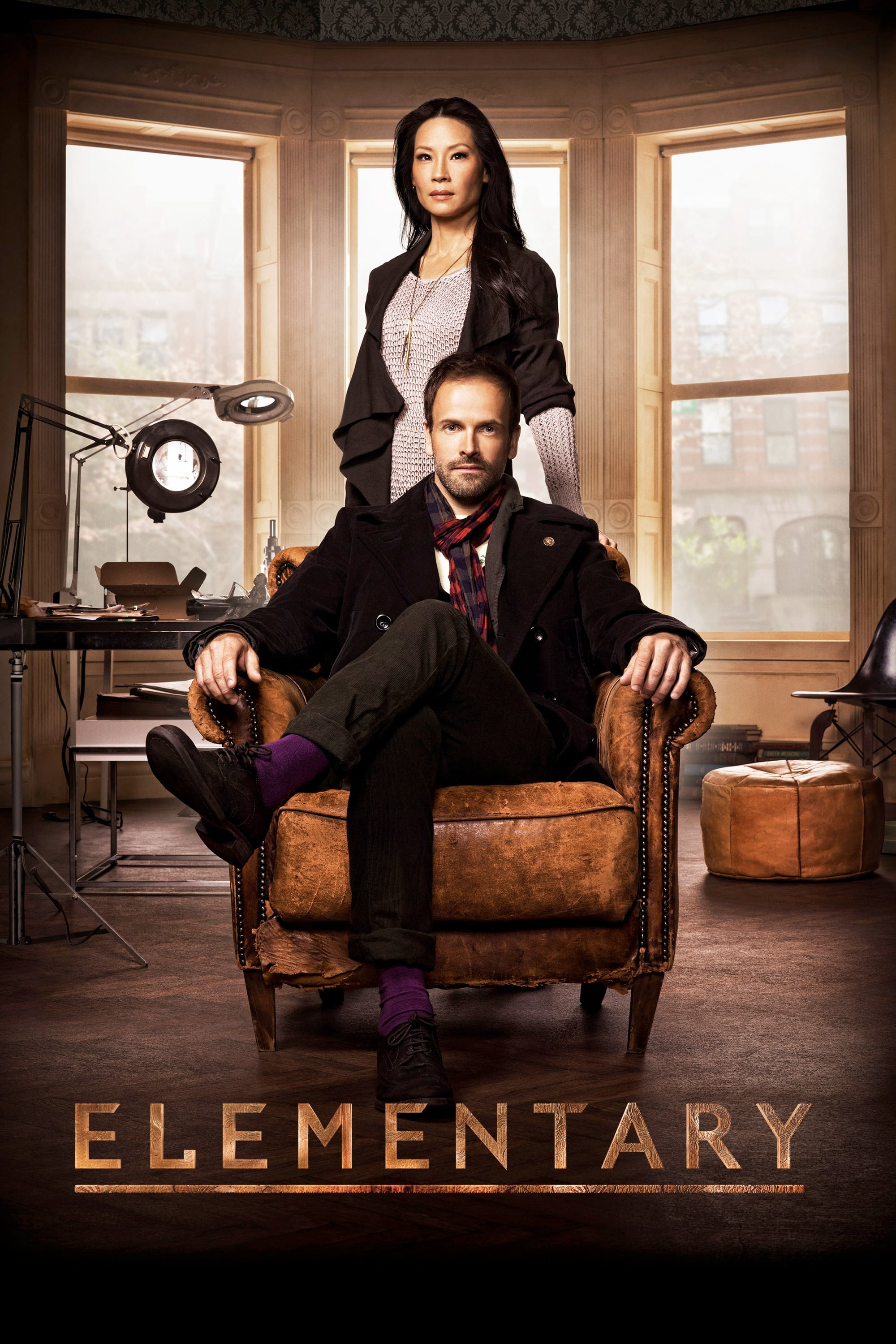
Set in New York, this series reimagines Holmes as a recovering addict consulting for the NYPD with Joan Watson as a former surgeon. Jonny Lee Miller and Lucy Liu build the partnership through casework, trauma recovery, and mentorship. Storylines span cybercrime, organized gangs, and personal nemeses like Moriarty and Odin Reichenbach. The show integrates modern forensics, open-source research, and urban surveillance into deduction sequences.
‘The Adventures of Sherlock Holmes’ (1984–1994)
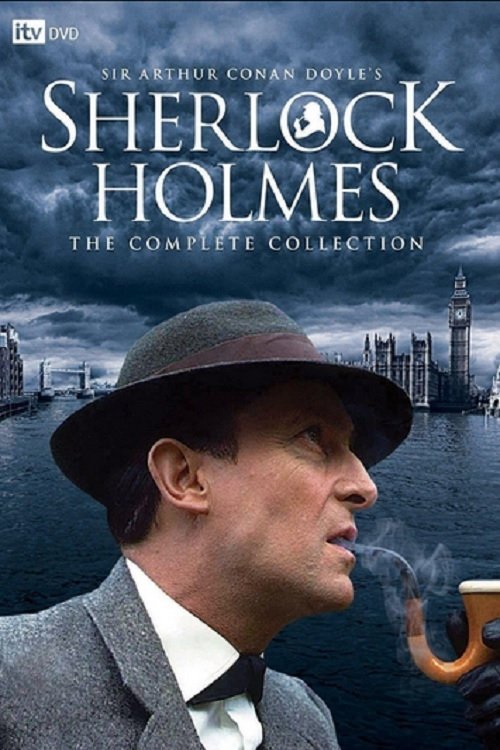
Jeremy Brett headlines this Granada Television cycle that adapts many of Doyle’s short stories with careful period accuracy. Episodes draw directly from canonical plots such as speckled bands, copper beeches, and twisted lips. The series is noted for detailed 221B interiors, correct publications on Holmes’s shelves, and precise Victorian etiquette. It set a benchmark for faithful storytelling that many later productions reference.
‘Sherlock’ (2010–2017)
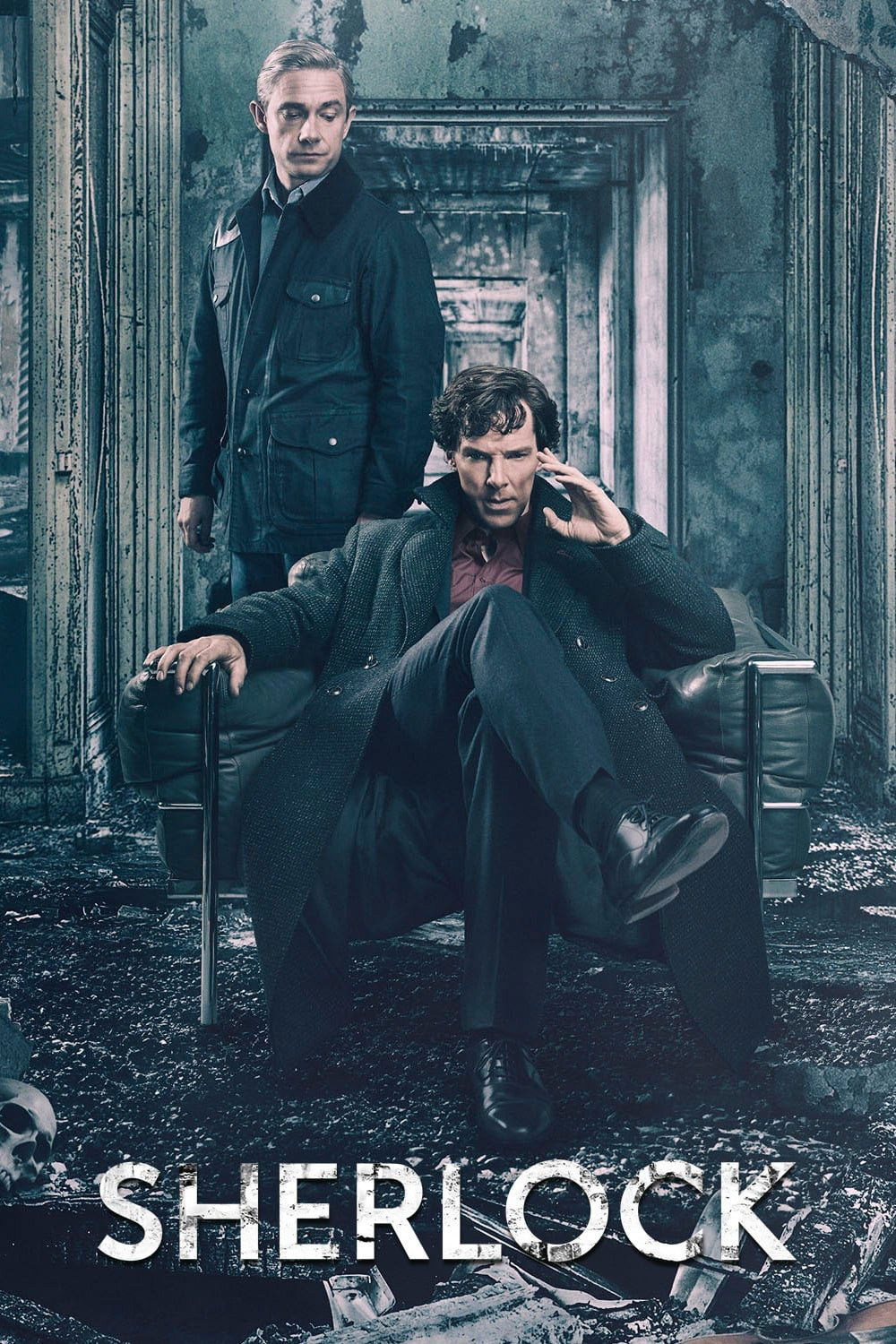
This modern update moves Holmes and Watson to contemporary London while preserving deductive logic, iconic props, and adversaries like Moriarty. Benedict Cumberbatch and Martin Freeman solve cases that mirror classic stories through text messages, GPS data, and digital forensics. The show visualizes thought processes with on-screen clues, mind palaces, and timed reconstructions. It also explores the friendship at the core of the duo while threading long-form mysteries across multiple series.
Share your personal top picks and the adaptations you revisit most often in the comments.