Top 20 Movies That Would Make Great Video Games

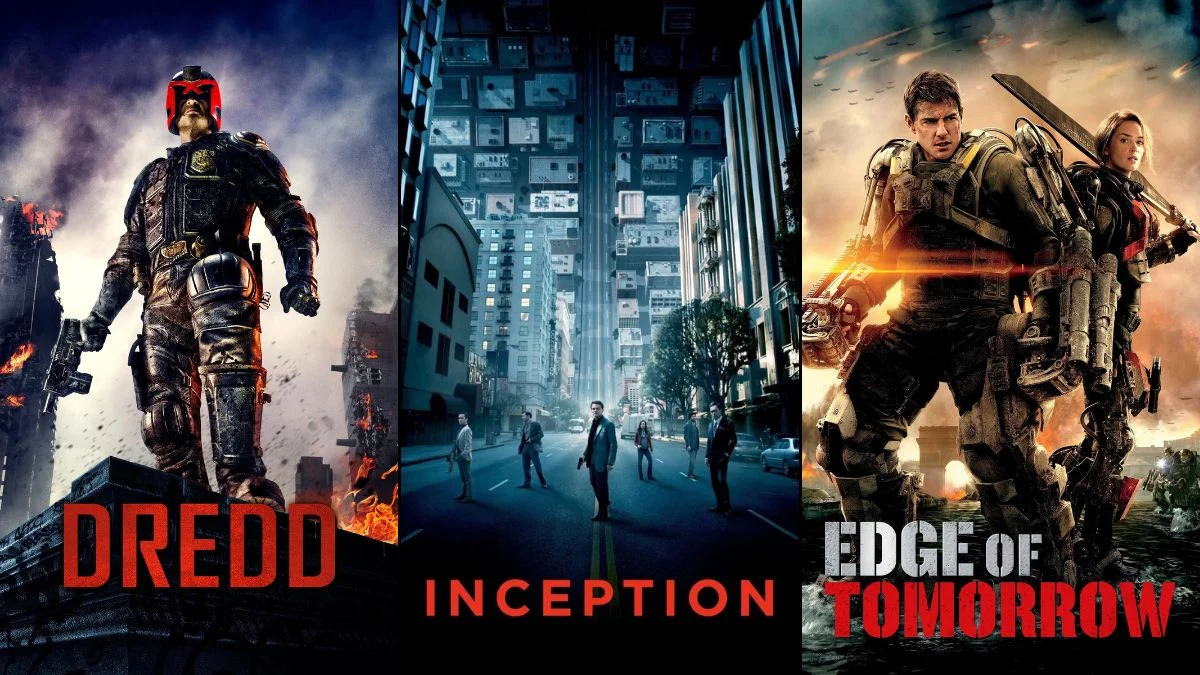

Turning films into games works best when the world, rules, and goals are crystal clear. These movies set up strong systems for stealth, combat, heists, or survival, and each one suggests a clean gameplay loop with clear progression. Think roles you can step into, tools you can upgrade, and spaces you can learn and master. Here are twenty films that map neatly to mechanics that players already love.
‘Inception’ (2010)
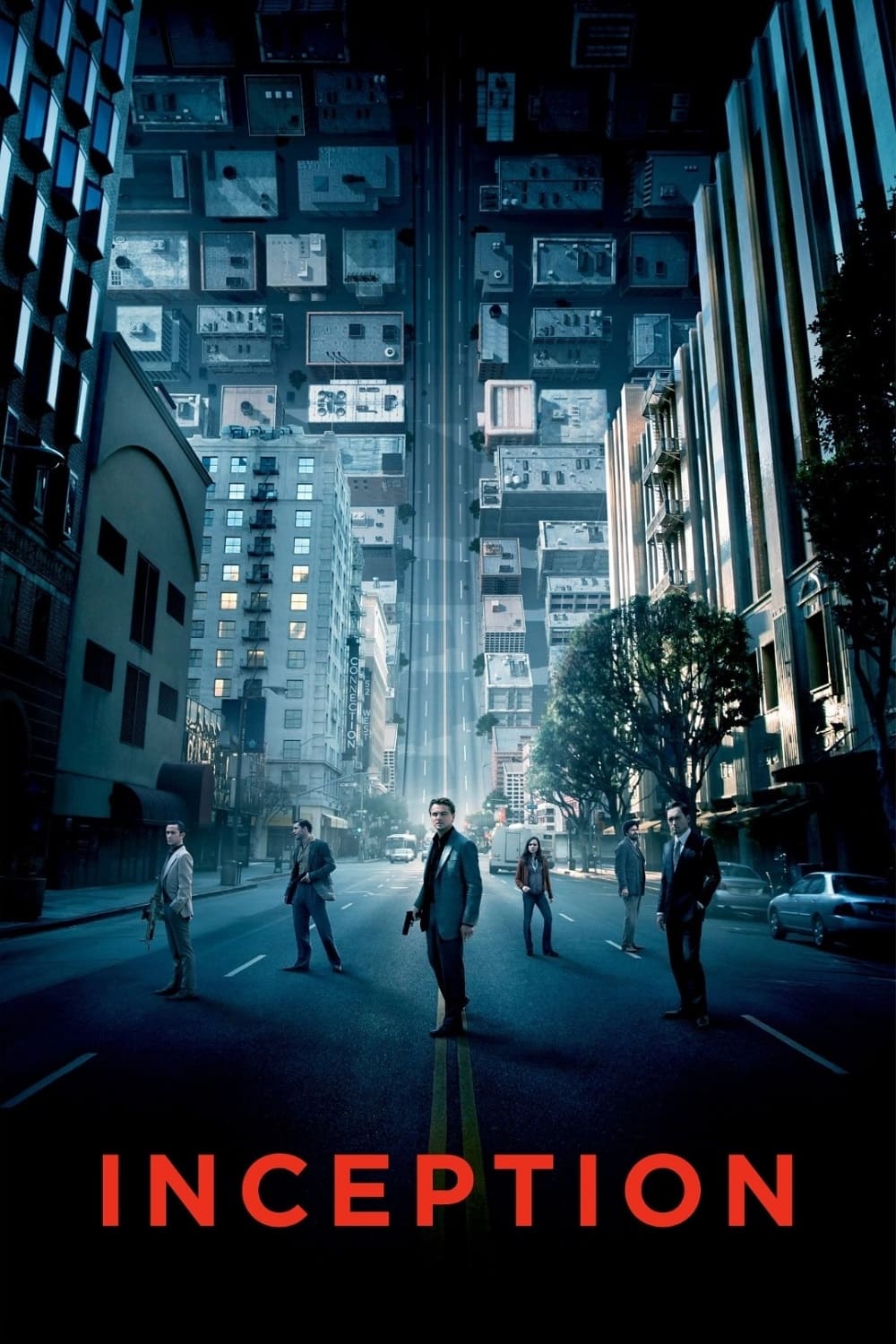
A game could assign players to assemble dream heists with loadouts that shape physics and time inside layered levels. Each layer would have distinct rules and hazards that require switching roles between architect, forger, extractor, and guardian. Missions would mix stealth, social engineering, and timed objectives as the kick clock ticks down. Progression would unlock deeper dream states, stronger totems, and new team abilities.
‘Edge of Tomorrow’ (2014)
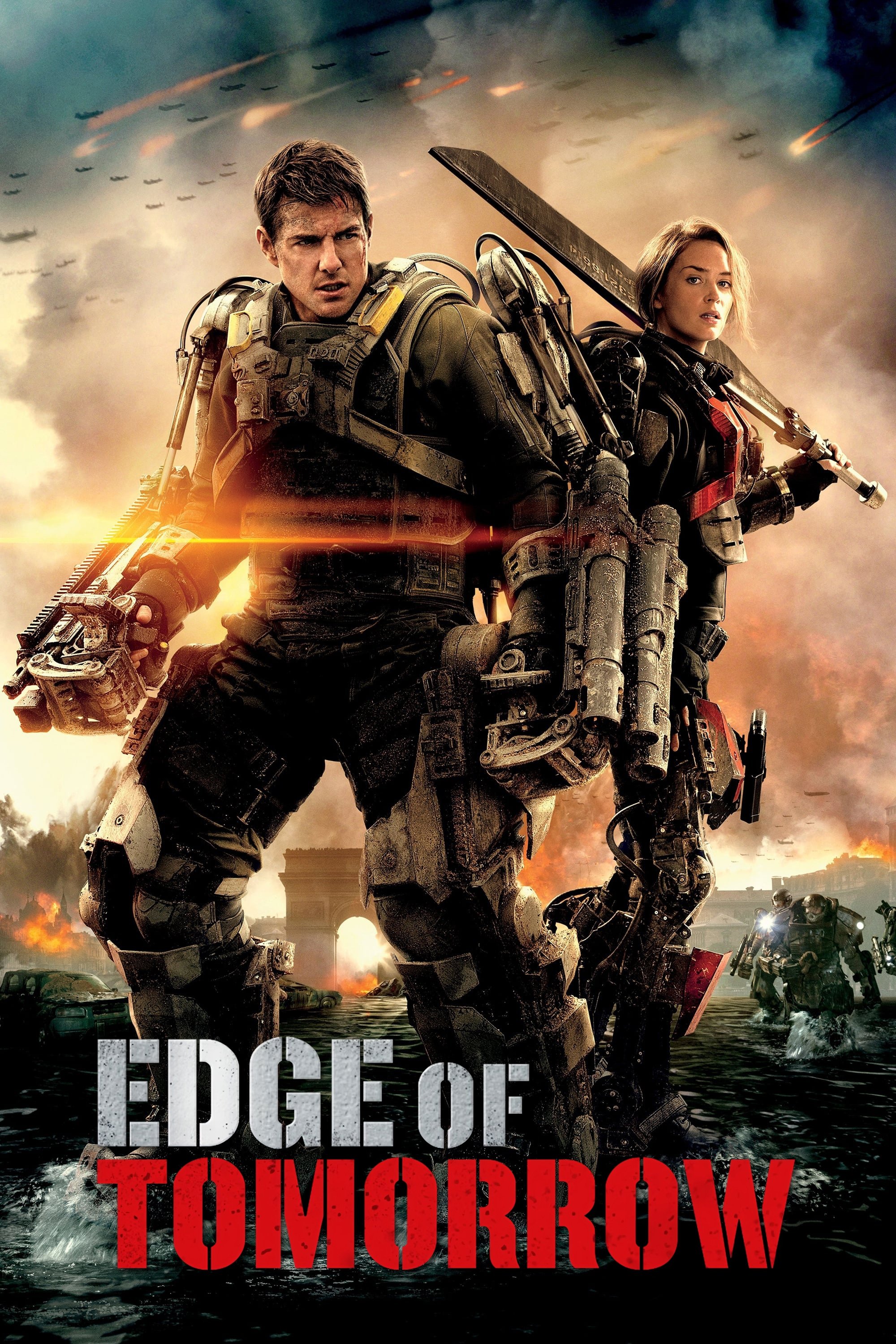
This concept fits a looping mission structure where players repeat the same day to learn enemy patterns and optimize routes. Experience could persist across loops to unlock combat suits, mobility upgrades, and squad commands. Encounters would reward knowledge of spawn timings and weak points. The campaign would expand from beachhead assaults to multi zone operations with evolving enemy behavior.
‘The Raid’ (2011)
A tight tower assault naturally becomes a floor by floor action game with clear objectives per level. Players would manage stamina, weapon durability, and room clearing tactics. Environmental tools like doors, furniture, and improvised weapons would change each fight. Score and rank systems would push for efficient routes and clean execution.
‘Dredd’ (2012)
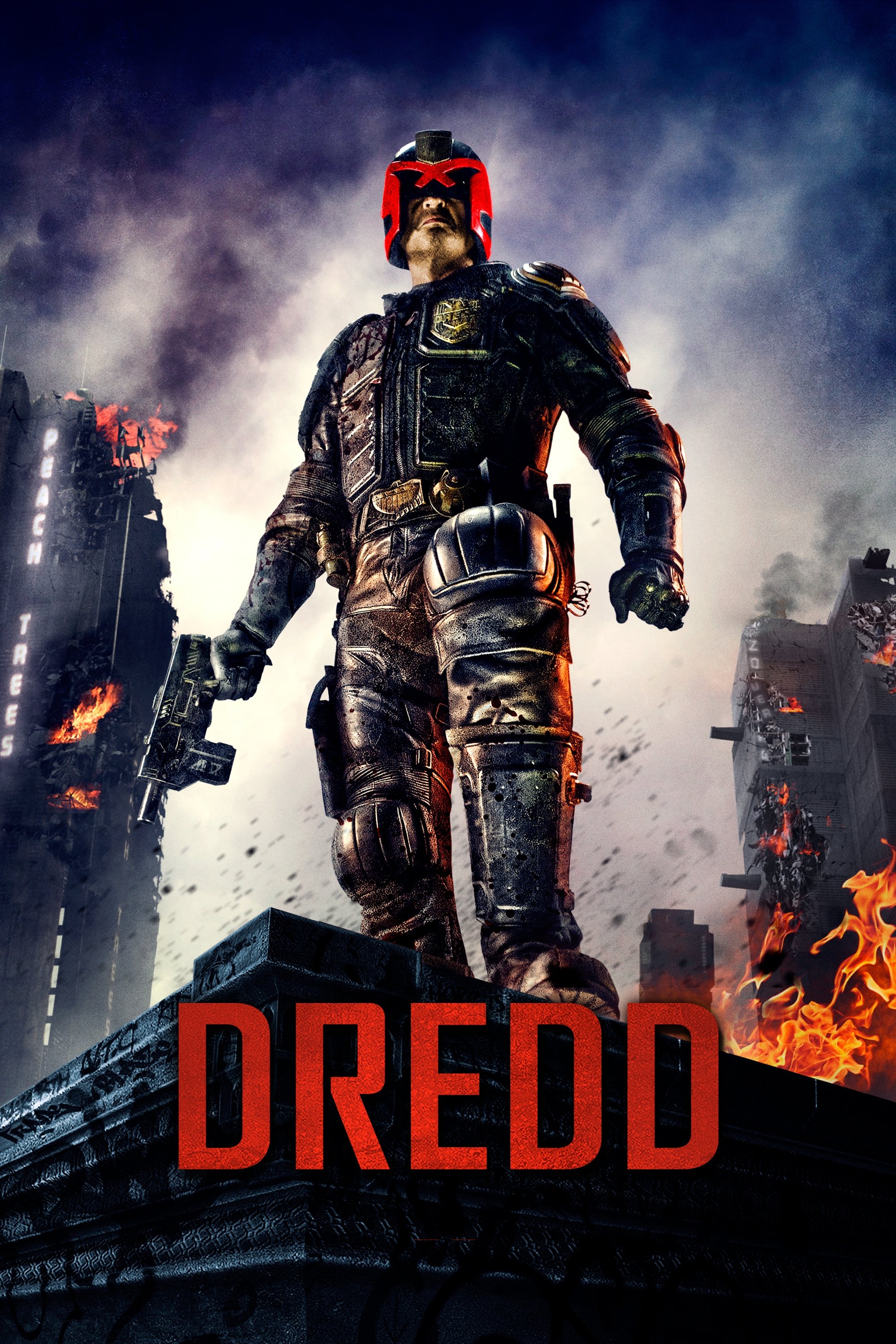
A megablock under lockdown creates a vertical sandbox with criminal factions and scarce resources. Judges would use multi mode lawgiver ammo, evidence scanning, and crowd control tools. Dynamic law responses would track collateral damage and citizen safety. Side cases and warrants would feed upgrades to armor, ammo types, and drone support.
‘District 9’ (2009)
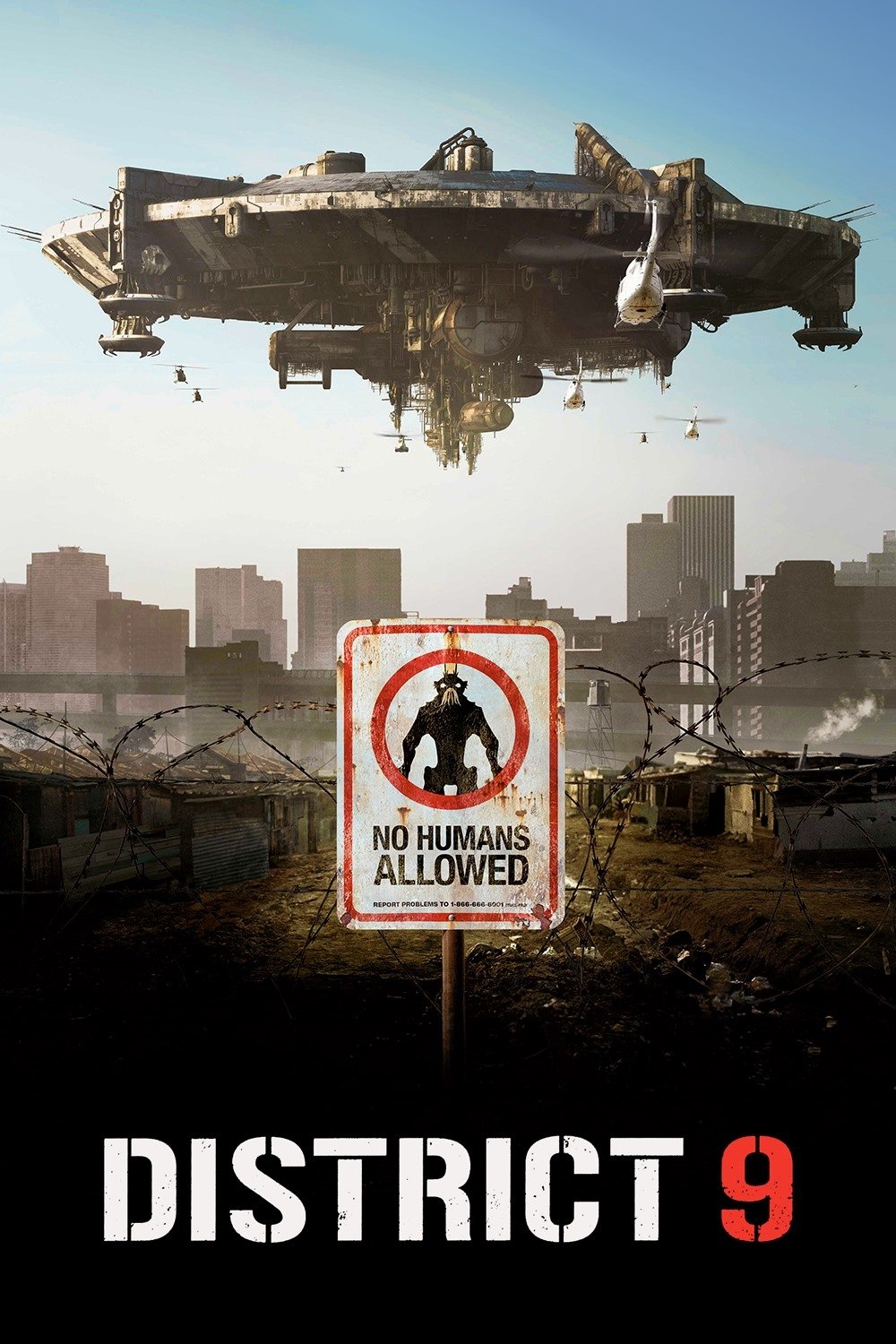
Players could balance human and alien tech while managing reputation across camps and corporations. Missions would include artifact recovery, convoy escorts, and containment conflicts. Tech trees would branch into bio weapons or non lethal tools that affect story paths. The map would evolve as quarantine zones shift and black market vendors move.
‘Pacific Rim’ (2013)
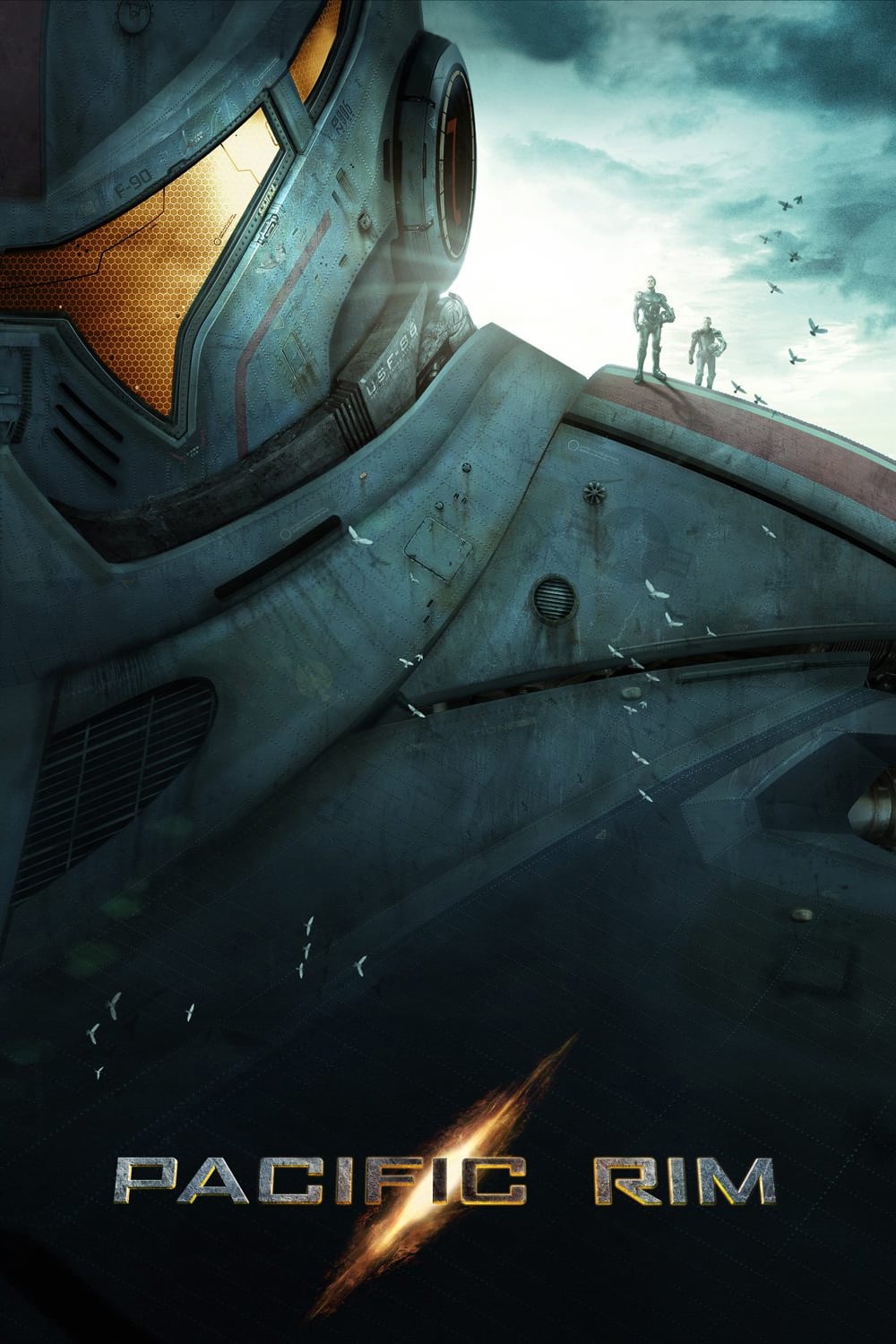
Two player or AI linked piloting would drive synchronized movement for Jaeger combat. Each mission would require resource planning for reactor output, armor plating, and coastal defenses. Kaiju variants would enforce different counter strategies like grapples, ranged weapons, or terrain use. Upgrades would add new frames, drift compatibility boosts, and repair modules.
‘Ocean’s Eleven’ (2001)
A heist sim could handle recon, planning, and execution as connected phases. Players would recruit specialists with skills like safecracking, social entry, and logistics. Security systems would create puzzle like layers with patrols, cameras, and vault mechanics. Success would unlock higher stakes casinos and deeper disguise options.
‘Baby Driver’ (2017)

This would focus on precision getaway driving with rhythm based cues syncing to licensed style tracks. Missions would chain setups like switch cars, spike strips, and blocked routes. Car mods would influence acceleration, grip, and quiet operation for stealth escapes. Heat levels would affect police tactics and road blocks in later stages.
‘Knives Out’ (2019)

A detective game here would emphasize interviews, alibis, and timeline reconstruction. Players would collect clues, compare testimonies, and test theories on an interactive case board. Social stealth at the mansion would allow eavesdropping and evidence planting. Multiple case seeds would remix suspects and motives for replay.
‘Snowpiercer’ (2013)
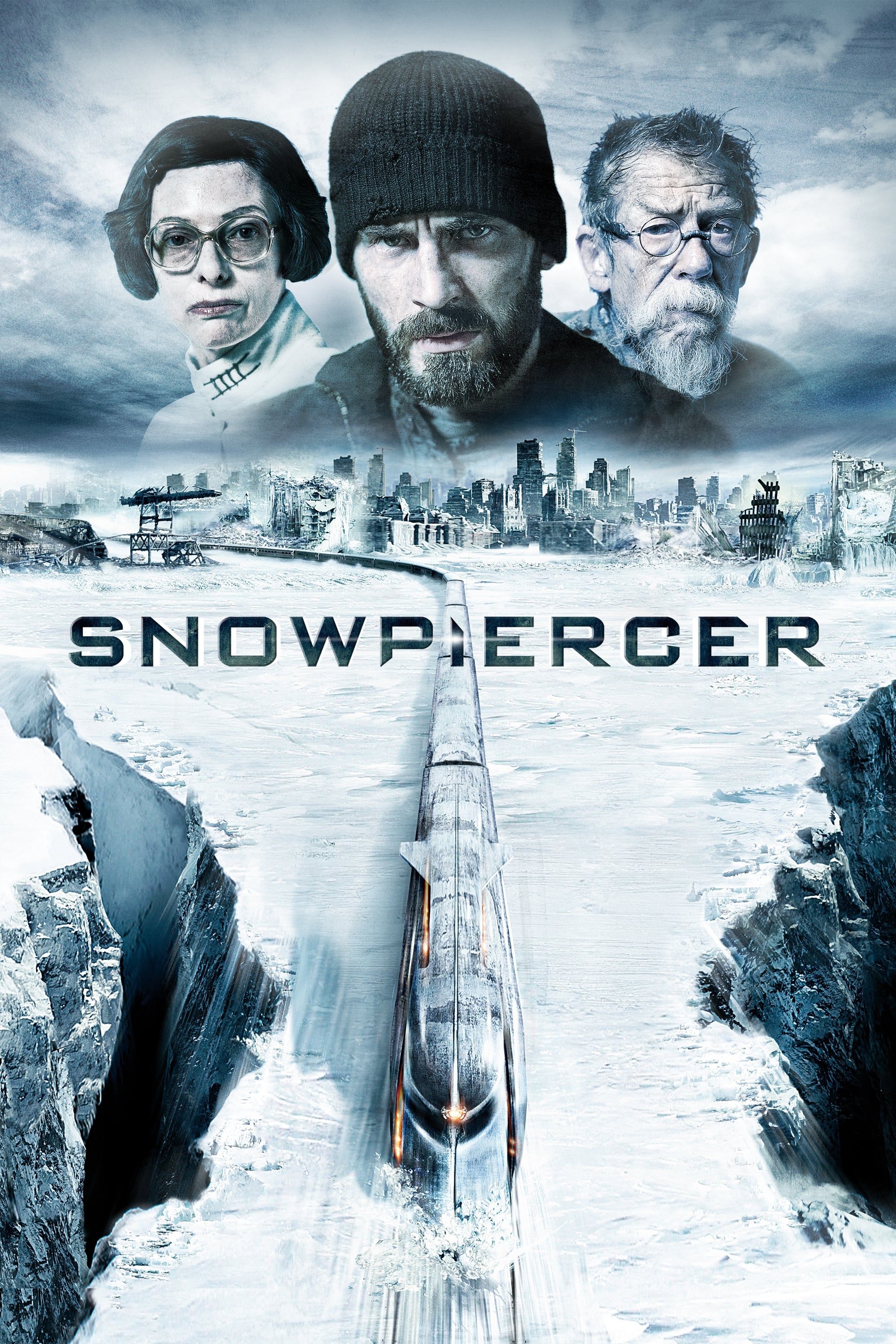
A train divided by class becomes a linear yet living world where each car is a biome with rules. Players would manage food, morale, and temperature while choosing negotiation or force. Car by car progression would unlock tools like passkeys and pressure suits. Randomized events like track hazards and uprisings would change routes.
‘The Martian’ (2015)

A survival sim could track oxygen, power, crops, and spare parts across hubs on Mars. Players would plan EVA routes, rover upgrades, and communication windows. Crafting would turn scavenged components into habitat fixes and science gear. Rescue timelines would create long term goals tied to orbital mechanics.
‘Annihilation’ (2018)
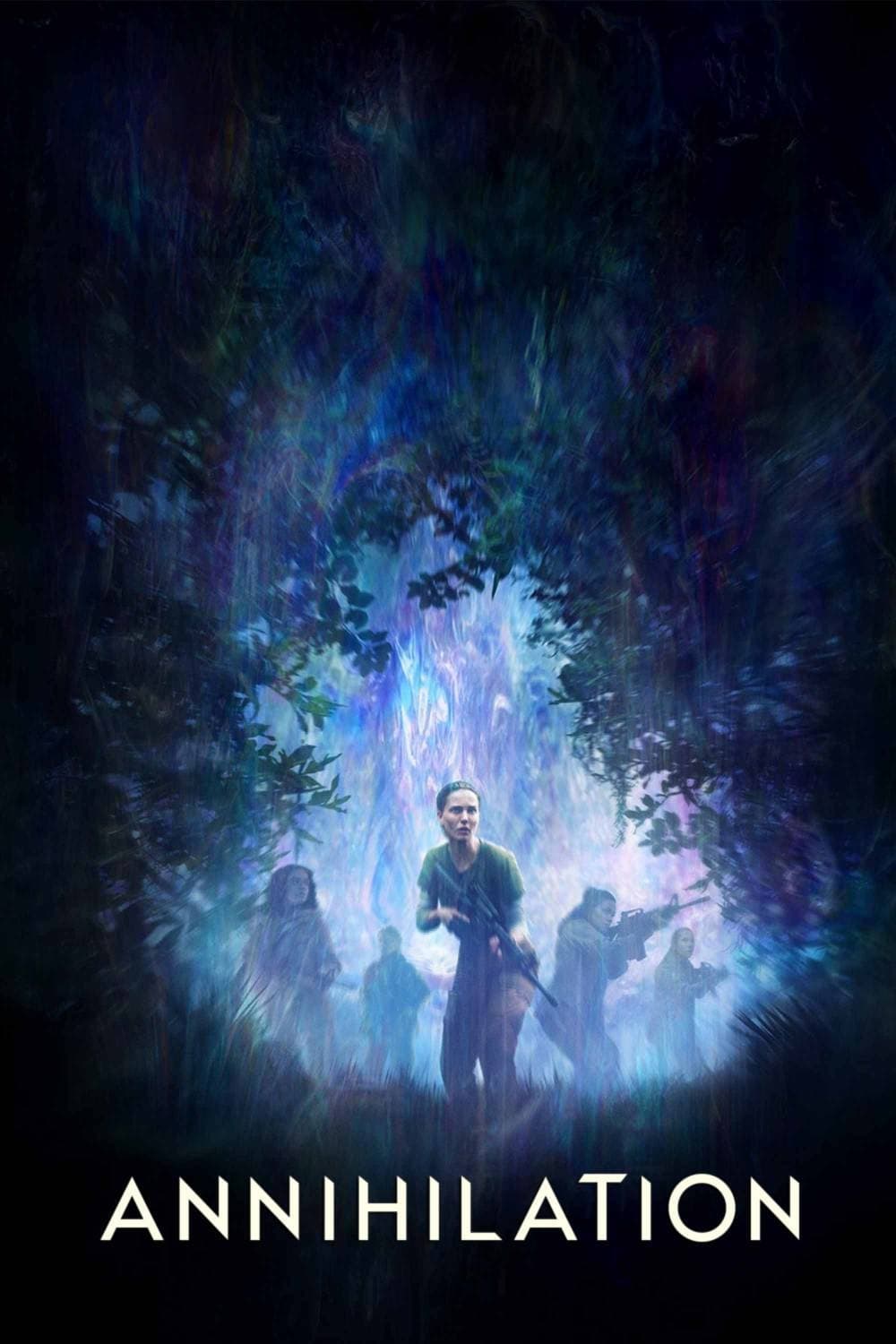
Exploration would center on a zone that rewrites biology and physics, generating anomalies and mutations. Teams would scan, sample, and map shifting landmarks to unlock research perks. Risk management would balance curiosity with contamination and sanity meters. Procedural changes would alter paths, enemies, and puzzle logic each run.
‘Looper’ (2012)
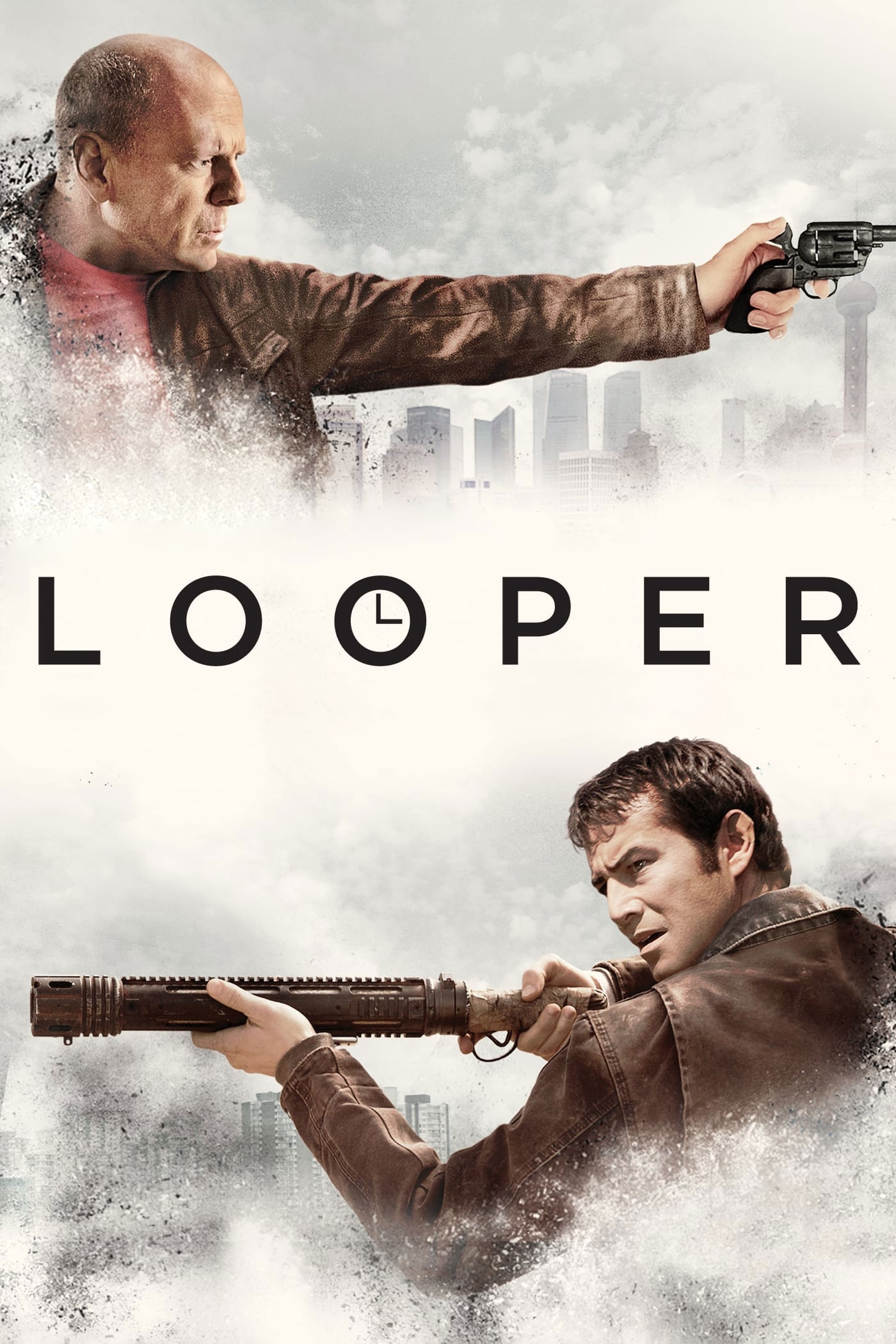
Time contracts would create missions with arrival windows, cleanup procedures, and paradox risks. Players would invest earnings in safehouses, weapons, and informants while avoiding future fallout. Evidence systems would punish sloppy hits with investigators and rival loopers. Branching timelines would reflect choices with different clients and targets.
‘Train to Busan’ (2016)
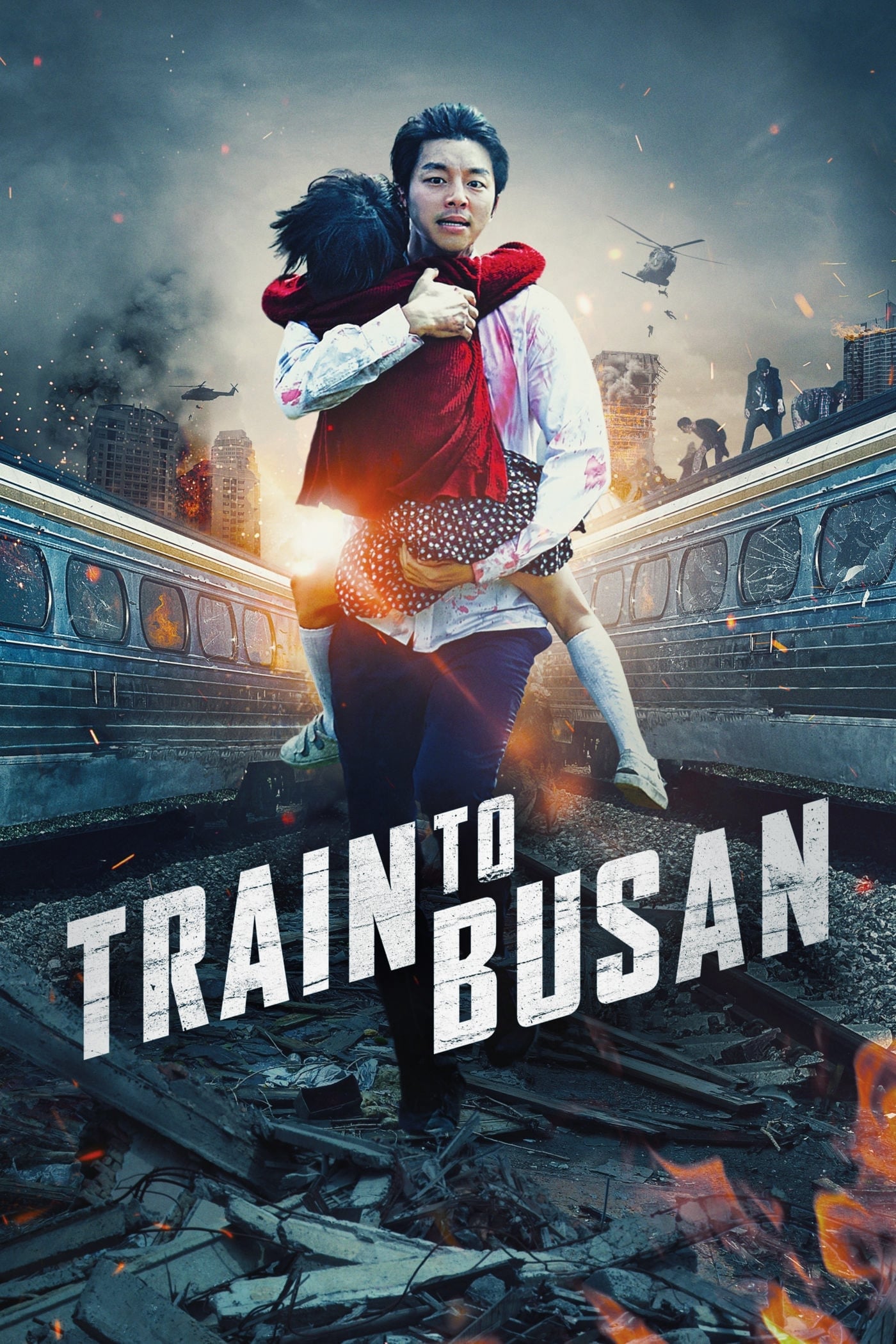
A moving survival scenario would mix car defense, passenger management, and resource sharing. Players would barricade compartments, plan stops, and coordinate escorts between stations. Noise and light systems would control crowd behavior. Decisions about who to save would affect access to skills and items later.
‘The Descent’ (2005)
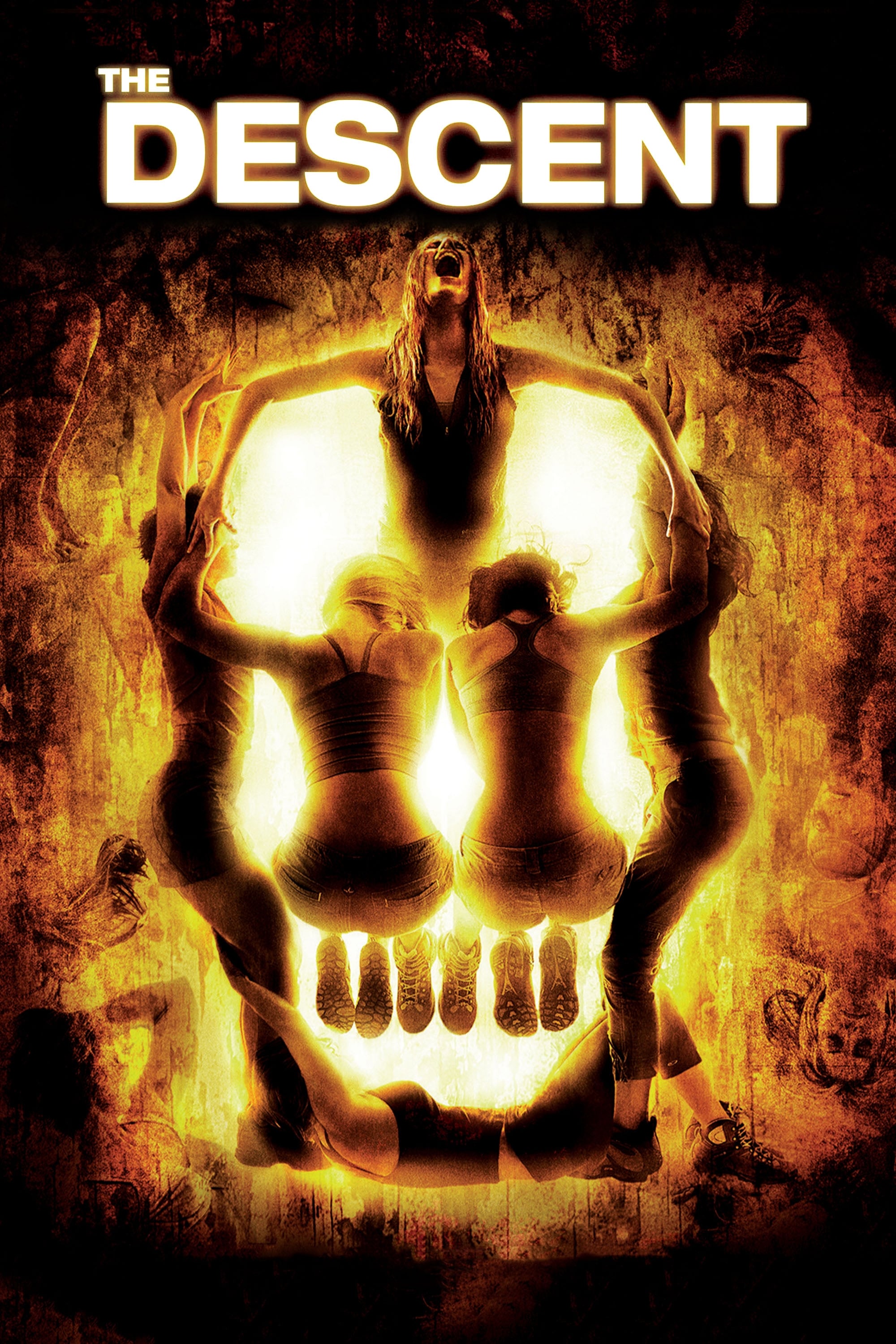
Cave systems make for claustrophobic navigation with rope work, squeezes, and light management. Players would use mapping tools, flares, and climbing gear that degrade with use. Creatures would track sound and scent, forcing careful movement and teamwork. Limited exits would turn the map itself into a core puzzle.
‘Sicario’ (2015)
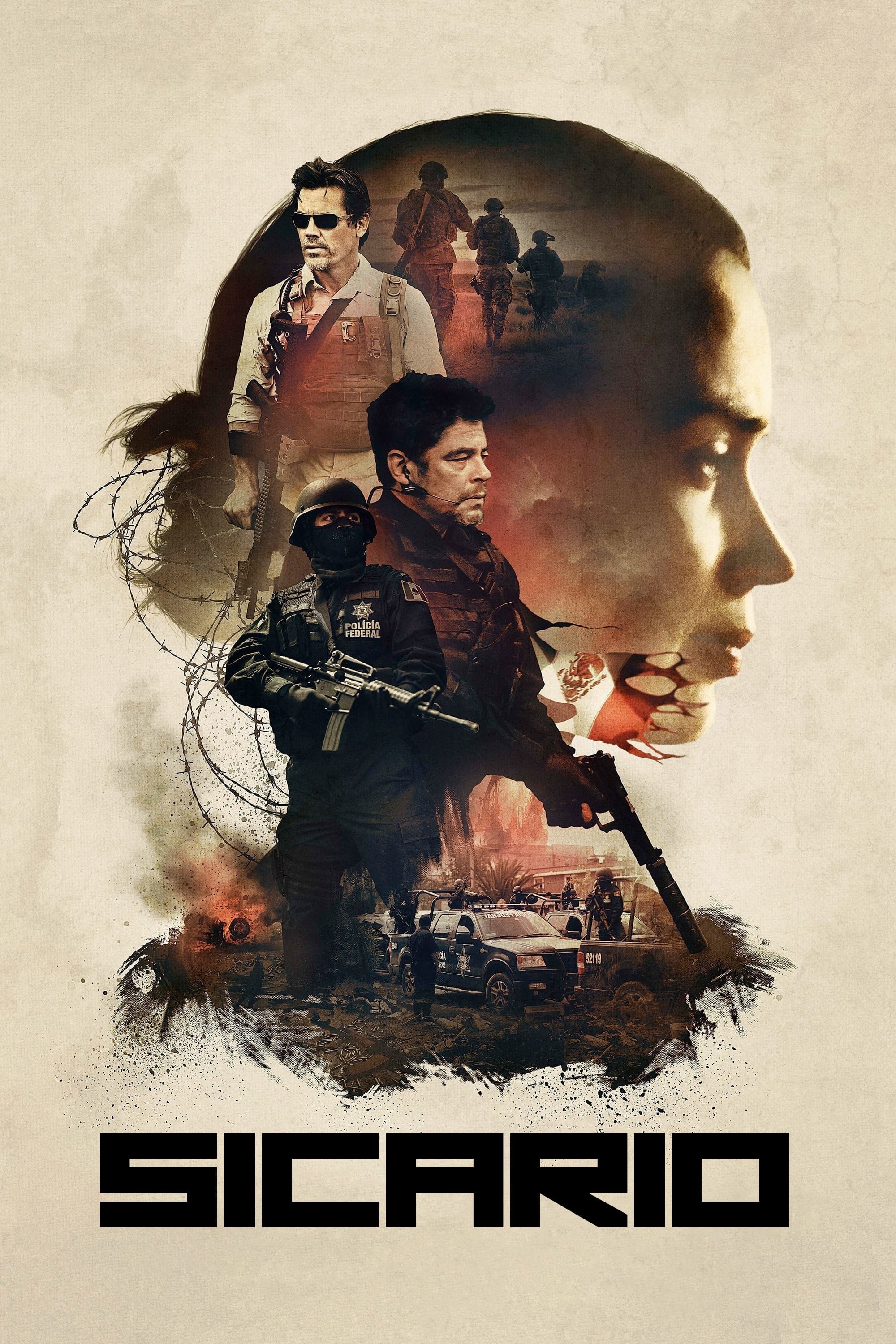
Tactical missions would include border interdictions, convoy escorts, and raids with strict rules of engagement. Players would juggle intel sources, drone feeds, and chain of command directives. Reputation with agencies would unlock assets like safehouses and legal cover. Mistakes would escalate political pressure and reduce operational freedom.
‘Source Code’ (2011)
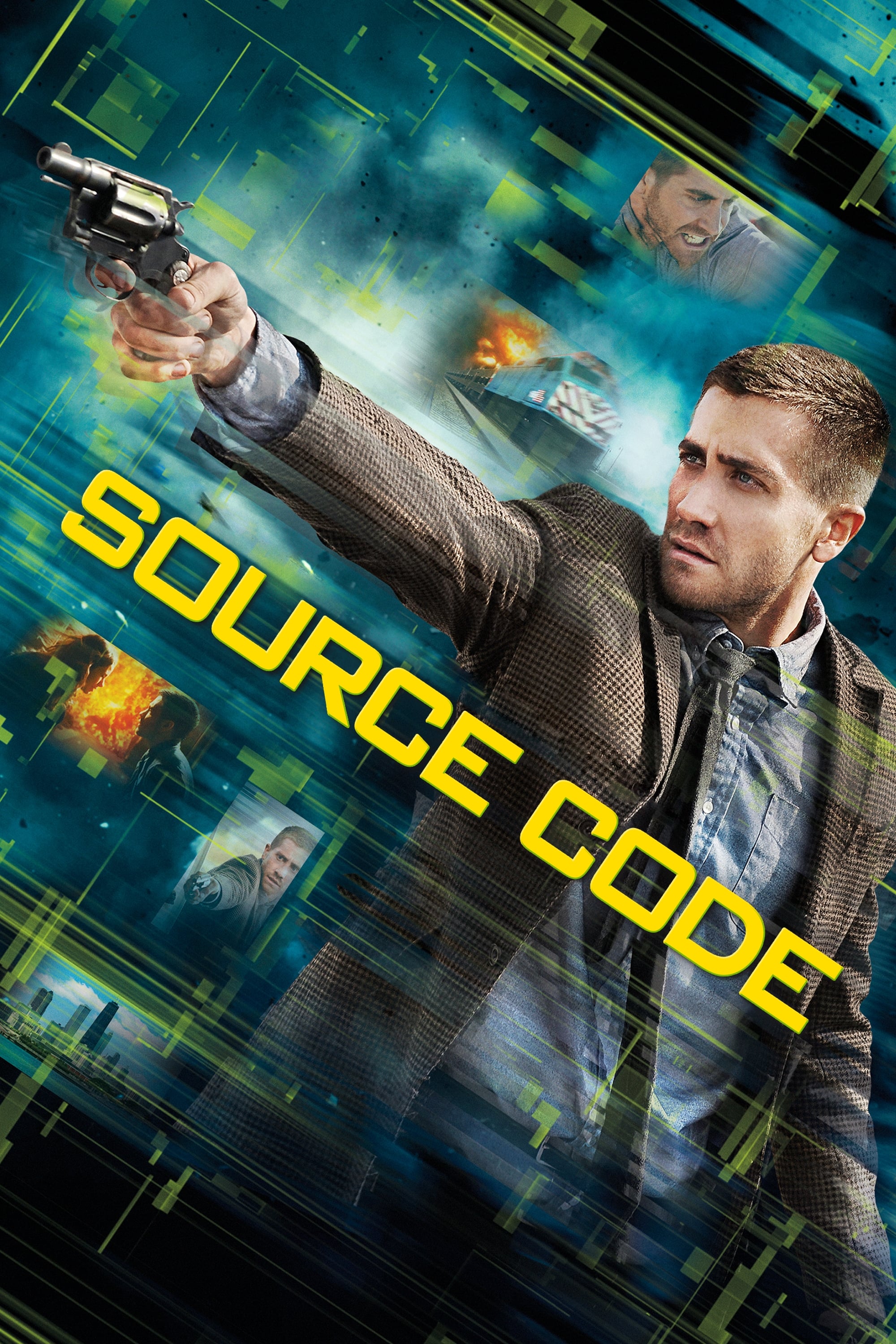
An eight minute loop per run would encourage testing different choices to find the bomber. Clue persistence would carry forward even when the loop resets. A case board would track suspects, device locations, and passenger routines. Difficulty would scale by adding decoys, false flags, and alternate triggers.
‘Upgrade’ (2018)
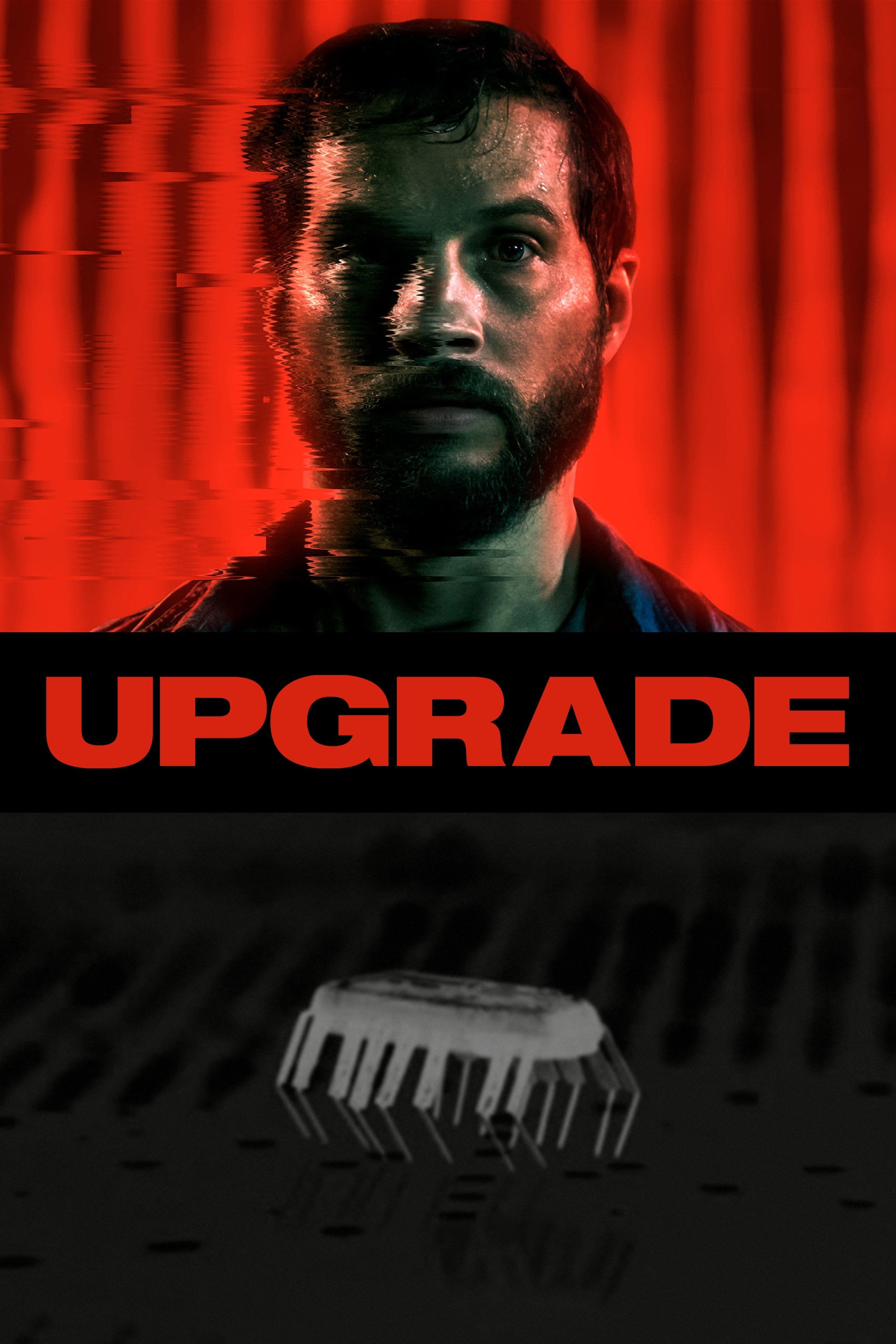
A body augment system would let players switch between manual control and AI assisted combat. Skill trees would split into hacking, mobility, and close quarters execution. Evidence obfuscation would be required after engagements to avoid detection. Encounters would reward chaining scans, counters, and environmental takedowns.
‘National Treasure’ (2004)
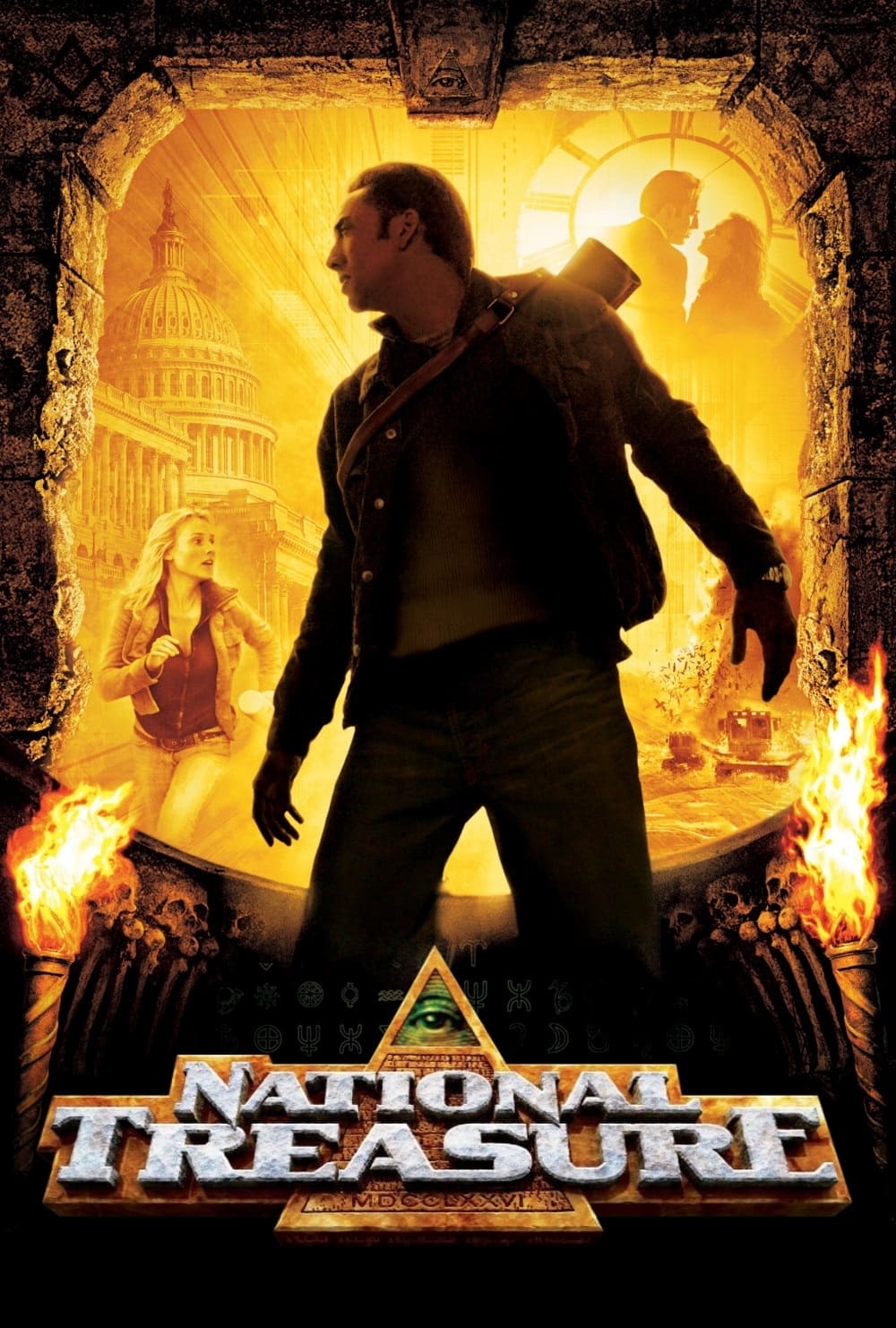
This would be a globe trotting puzzle adventure with ciphers, artifacts, and historical sites. Players would alternate between clue analysis, stealth museum entries, and trap navigation. A codex system would collect symbols and references that unlock new paths. Rival hunters would race for the same items and change map access.
‘Kingsman: The Secret Service’ (2014)
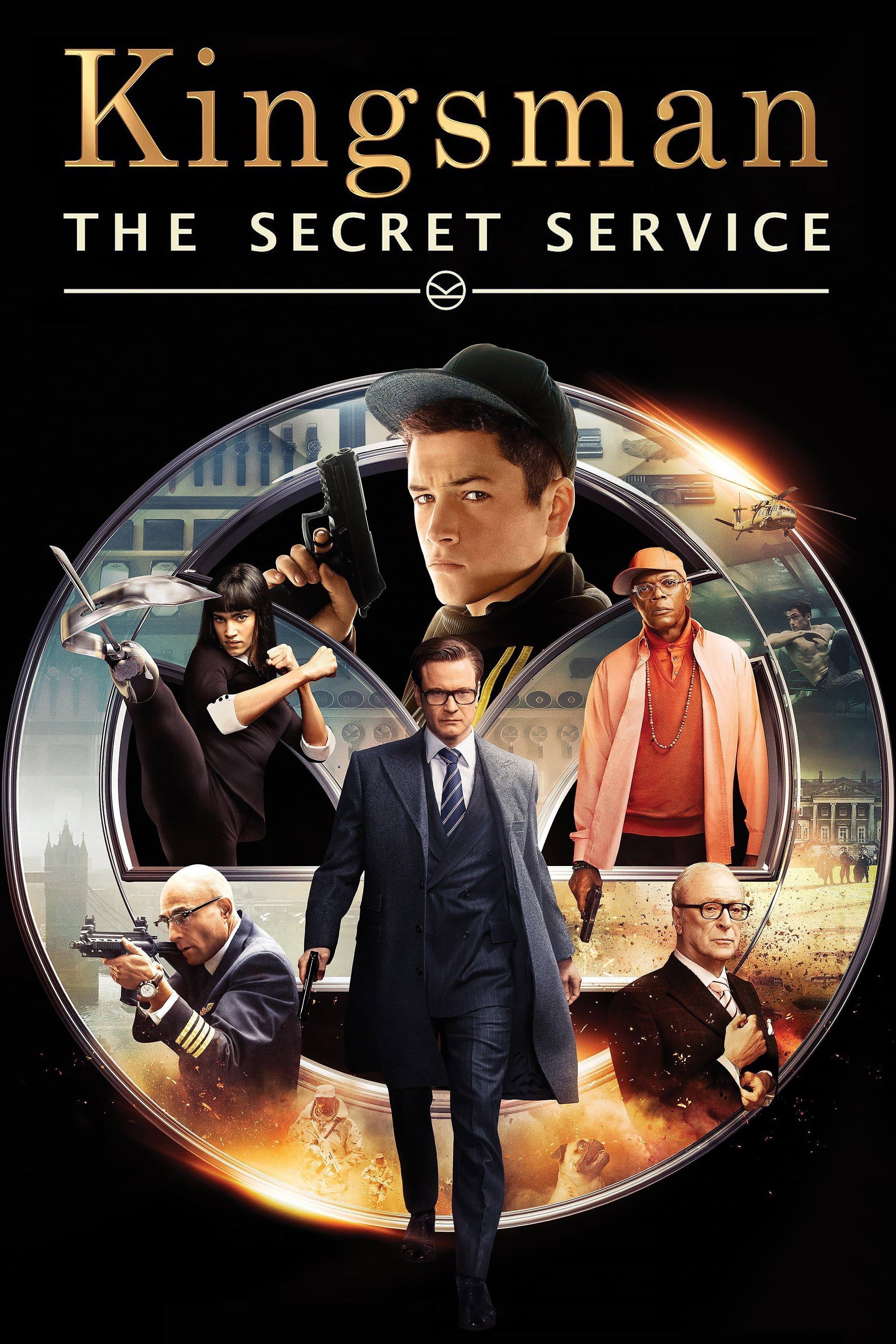
A spy academy framework supports training arenas, gadgets, and social infiltration tests. Missions would combine tailored suits, cover identities, and non lethal options. Gadget crafting would open new traversal and combat choices. Multiplayer trials would rank recruits on style, efficiency, and collateral control.
Share the one you would play first in the comments and tell us what gameplay hook would seal the deal.