TV Moments That Took Things Too Far


Some TV episodes pushed storylines and imagery to the edge and sparked real world debate about what belongs on the small screen. These moments drew complaints, content warnings, edits, or sweeping policy changes behind the scenes. Here are memorable examples where creators crossed lines for shock, intensity, or commentary and left networks facing tough calls about standards. Each entry notes the show, the specific scene, and where it aired so you can place the moment in context.
The Red Wedding in ‘Game of Thrones’ (2011–2019)

The episode ‘The Rains of Castamere’ staged the Red Wedding at the Twins and showed the ambush that wiped out key members of House Stark along with their bannermen. Viewers watched the betrayal unfold during a marriage feast as the Freys and Boltons attacked without warning. HBO aired the episode with content warnings and it became one of the series’ most reported on events due to its scale and brutality. The fallout reshaped the power map of Westeros and drove the next phase of the war.
Negan’s debut in ‘The Walking Dead’ (2010–2022)

The season seven opener ‘The Day Will Come When You Won’t Be’ depicted Negan killing Abraham and Glenn with a barbed wire bat named Lucille. AMC presented the episode uncut in its initial broadcast with strong viewer discretion advisories due to extended graphic violence. The sequence mirrored key beats from the comics while expanding the on screen impact with long takes and reactions from the group. The event established a new hierarchy of fear and dictated the show’s arc for the season.
The original suicide scene in ’13 Reasons Why’ (2017–2020)

The season one finale showed Hannah Baker’s death in a bathroom sequence that sparked widespread concern among educators and mental health professionals. Netflix added advisories and later edited the episode to remove the on screen depiction while keeping the narrative consequences. The change was accompanied by new resources and pre episode guidance for viewers. The storyline remained central to the show’s structure through the recorded tapes and legal fallout.
Censorship of ‘South Park’ episodes ‘200’ and ‘201’ in ‘South Park’ (1997–present)

The two part event included references to depicting the Prophet Muhammad and led to threats that prompted additional censorship. Comedy Central aired versions with expanded audio bleeps and visual blocks that obscured dialogue and images. The network also limited streaming availability for years compared with other episodes. The controversy documented how security concerns can alter creative choices even in a show known for testing boundaries.
The school shooting storyline in ‘Sons of Anarchy’ (2008–2014)

The season six premiere tied a school shooting to guns that traced back to the club’s supply chain. FX preceded the episode with a disclaimer and the production made a charitable donation related to victims of violence. The plotline pivoted the season’s focus to accountability and legal pressure on the gun running operation. Scenes and dialogue referenced investigative procedures and policy responses within the show’s California setting.
Lexa’s death in ‘The 100’ (2014–2020)

The episode ‘Thirteen’ ended with Commander Lexa killed by a stray bullet shortly after a long awaited reunion. The CW aired the installment as a mythology heavy hour that also explored the origin of the AI central to the series. The death triggered significant viewer feedback and industry discussion about patterns in LGBTQ character outcomes. Subsequent episodes addressed succession, political repercussions, and the fate of the AI chip.
The lockdown episode in ‘Glee’ (2009–2015)

‘Shooting Star’ depicted a campus lockdown with students hiding in the choir room after reported gunshots. Fox presented the episode with advisories and followed it with resources for viewers. The plot later revealed an accidental discharge, but much of the hour focused on procedure and fear inside the school. The production used found footage style moments to convey the timeline and communications during the incident.
The train heist ending in ‘Breaking Bad’ (2008–2013)

In ‘Dead Freight’ a successful methylamine theft closed with the unexpected shooting of a young witness named Drew Sharp. AMC’s broadcast emphasized the shock by cutting from celebration to the act without score or extended dialogue. The scene redirected audience perception of key characters and triggered an internal debate among the crew in subsequent episodes. It also intensified law enforcement attention inside the story and narrowed the protagonists’ options.
The opening shock in ‘The Boys’ (2019–present)

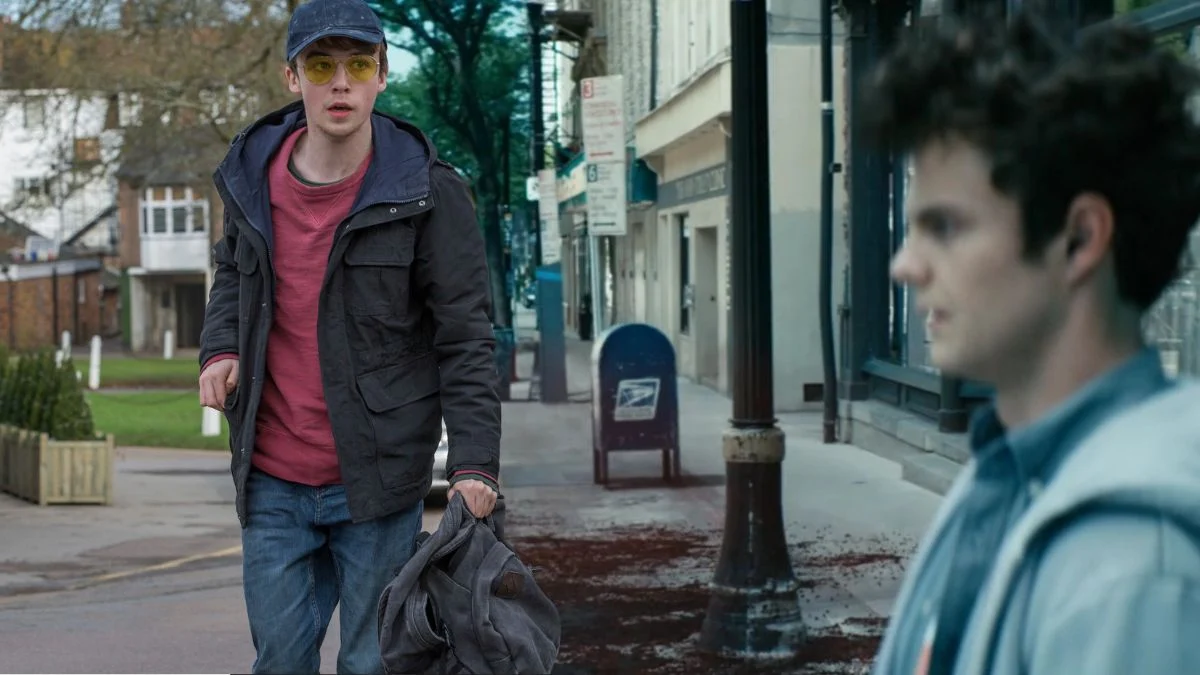
The pilot ‘The Name of the Game’ introduced A Train by having him run through Robin at street level during a casual date. Prime Video released the episode with a mature content label and quickly established the show’s tone through this incident. The death launched Hughie’s involvement with Butcher and set up the larger conspiracy around corporate managed superheroes. Later episodes returned to the event as evidence and leverage in conflicts with Vought.
The attempted stoning in ‘The Handmaid’s Tale’ (2017–present)

The season one finale placed the handmaids in a ritual designed to execute Janine in a public square. Hulu presented the scene with the show’s standard viewer advisories and used it to underline control mechanisms in Gilead. The narrative turned when the handmaids refused to carry out the punishment, creating a coordinated act of defiance. The fallout led to reprisals, relocations, and intensified surveillance in the early part of the next season.
The pilot’s locker room sequence in ‘Euphoria’ (2019–present)

The series premiere included an extended locker room scene with explicit nudity and frank conversations about sex and body image. HBO aired the episode with strong content warnings and positioned the show within its late night programming block. The pilot also laid out Rue’s substance use patterns and medical risks through narration and hospital imagery. Subsequent episodes built from these themes with school discipline, family dynamics, and legal stakes.
The hospital shooting in ‘Grey’s Anatomy’ (2005–present)

The two part season six finale showed a gunman moving through Seattle Grace while surgeons attempted lifesaving procedures under lockdown. ABC provided advisories and aired the episodes as an event night to manage viewer expectations. The storyline changed the staffing chart, introduced new security policies, and altered multiple character arcs. Follow up episodes documented recovery timelines, trauma responses, and administrative reviews.
The twist in ‘Black Mirror’ episode ‘Shut Up and Dance’ in ‘Black Mirror’ (2011–present)

The episode followed a teenager blackmailed into criminal acts by anonymous online figures. Netflix released it globally with the anthology’s standard mature rating and no weekly delay. The final reveal reframed earlier scenes by clarifying what the hackers had discovered on the boy’s computer. The outcome connected to other vignettes in the episode and used real time text prompts to escalate tasks.
Rita’s fate in ‘Dexter’ (2006–2013)

The season four finale ‘The Getaway’ ended with Dexter discovering Rita murdered in a bathtub while their infant son sat nearby on the floor. Showtime aired the episode as a major cliffhanger that reset the series going into the next year. The case file from the Trinity Killer extended into new investigative complications for Miami Metro. The image echoed the show’s pilot and changed Dexter’s approach to secrecy and family.
The emergency birth in ‘House of the Dragon’ (2022–present)

The series premiere depicted King Viserys choosing a risky procedure for Queen Aemma during a stalled labor. HBO broadcast the scene with content warnings and used intercutting to parallel a tourney with the medical decision. The moment established the high stakes around succession and medical practice in the setting’s era. It also framed political alliances and resentment that continued to influence council decisions in later episodes.
Share the TV moment you think crossed the line the most in the comments and tell us where you first saw it.