Iconic Performances That Turned Actors Into Legends

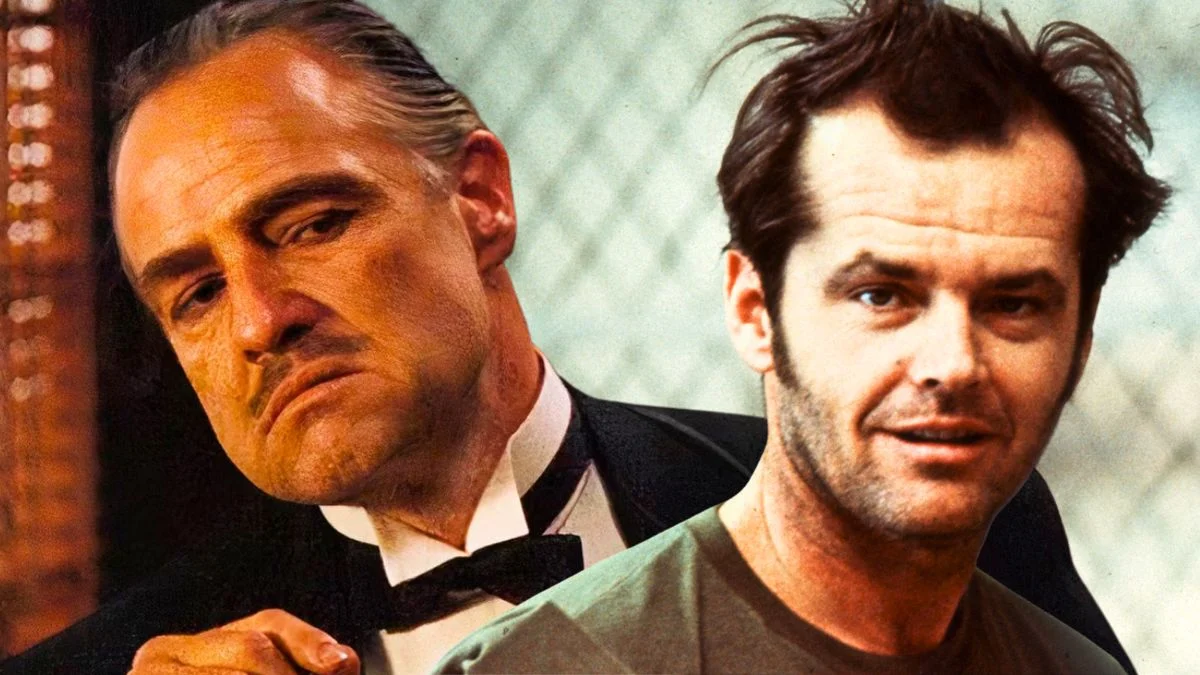

Some performances do more than win trophies or sell tickets. They become turning points that redefine an actor’s career and influence the way future roles are written and played. The entries below focus on the concrete details that made these roles historic, from awards and preparation to measurable impact on the industry.
Marlon Brando – ‘The Godfather’ (1972)
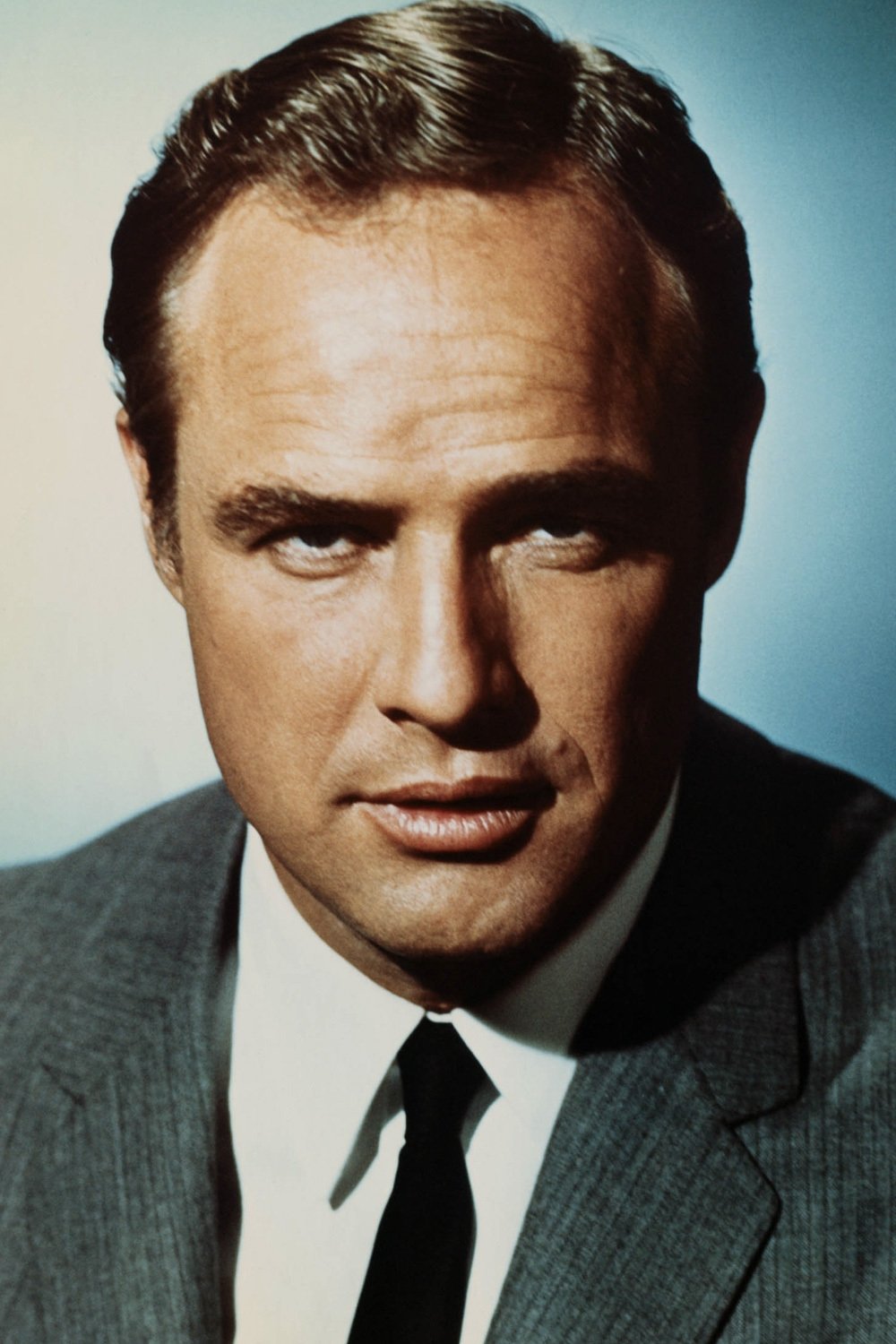
Brando crafted Vito Corleone’s gravelly voice using dental appliances that altered his jawline and cadence. He received the Academy Award for Best Actor for the role. The film’s success revived his standing with studios and led to a surge of prestige crime dramas. The character’s gestures and phrasing entered popular culture and changed expectations for screen naturalism.
Robert De Niro – ‘Raging Bull’ (1980)
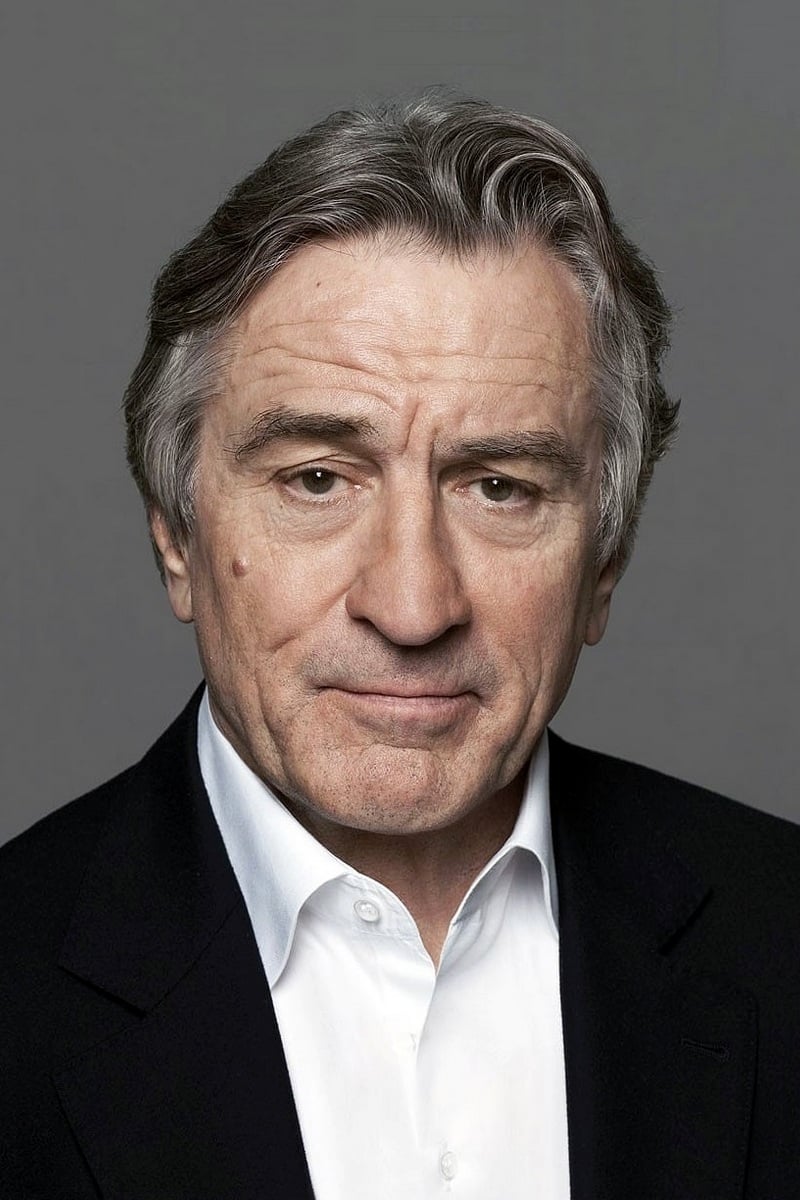
De Niro trained as a boxer with professionals and later gained significant weight to portray the character’s decline. He won the Academy Award for Best Actor for the performance. Fight scenes were choreographed and shot to mirror different eras of the sport. The role became a benchmark for physical transformation and character study in biographical films.
Jack Nicholson – ‘One Flew Over the Cuckoo’s Nest’ (1975)
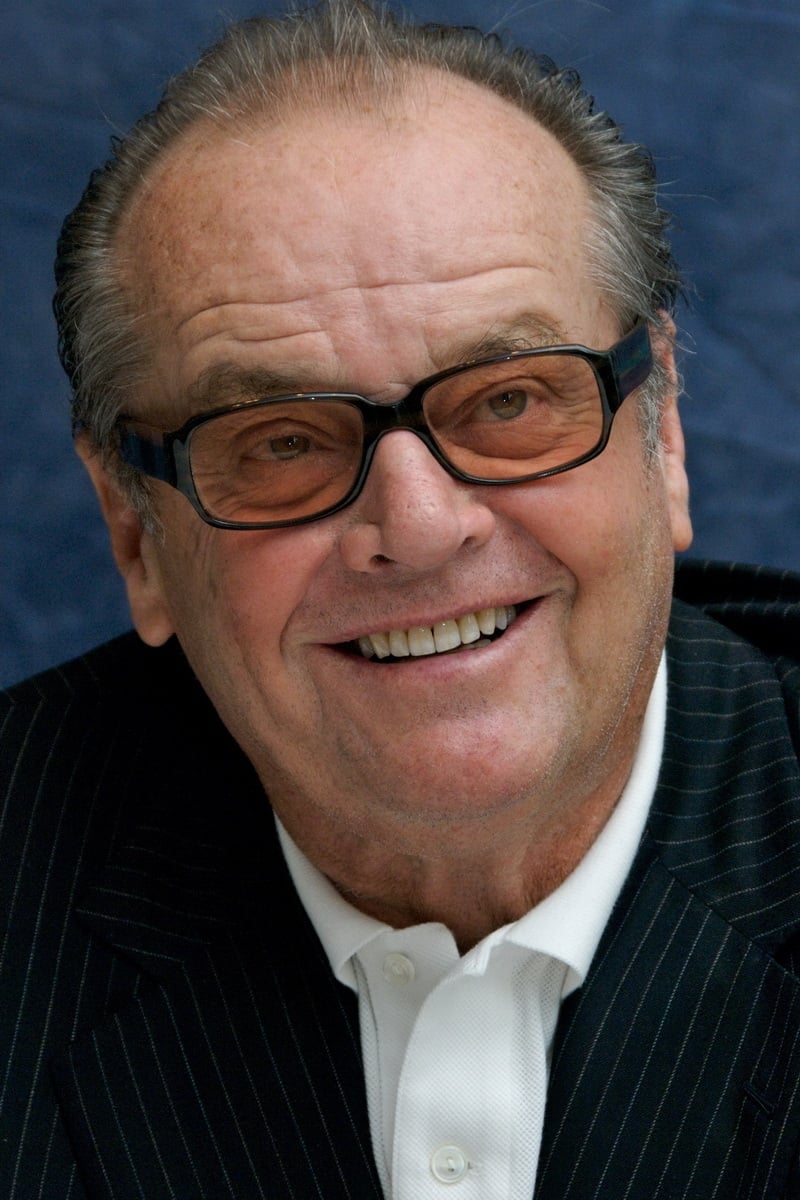
Nicholson’s Randle McMurphy anchored a production that swept major Academy Awards including Best Picture and Best Actor. The ensemble was built from actors who rehearsed on location to capture institutional routines. The film’s success expanded the audience for character driven dramas set in confined spaces. The performance opened access to a wider range of antihero leads in studio projects.
Daniel Day-Lewis – ‘There Will Be Blood’ (2007)
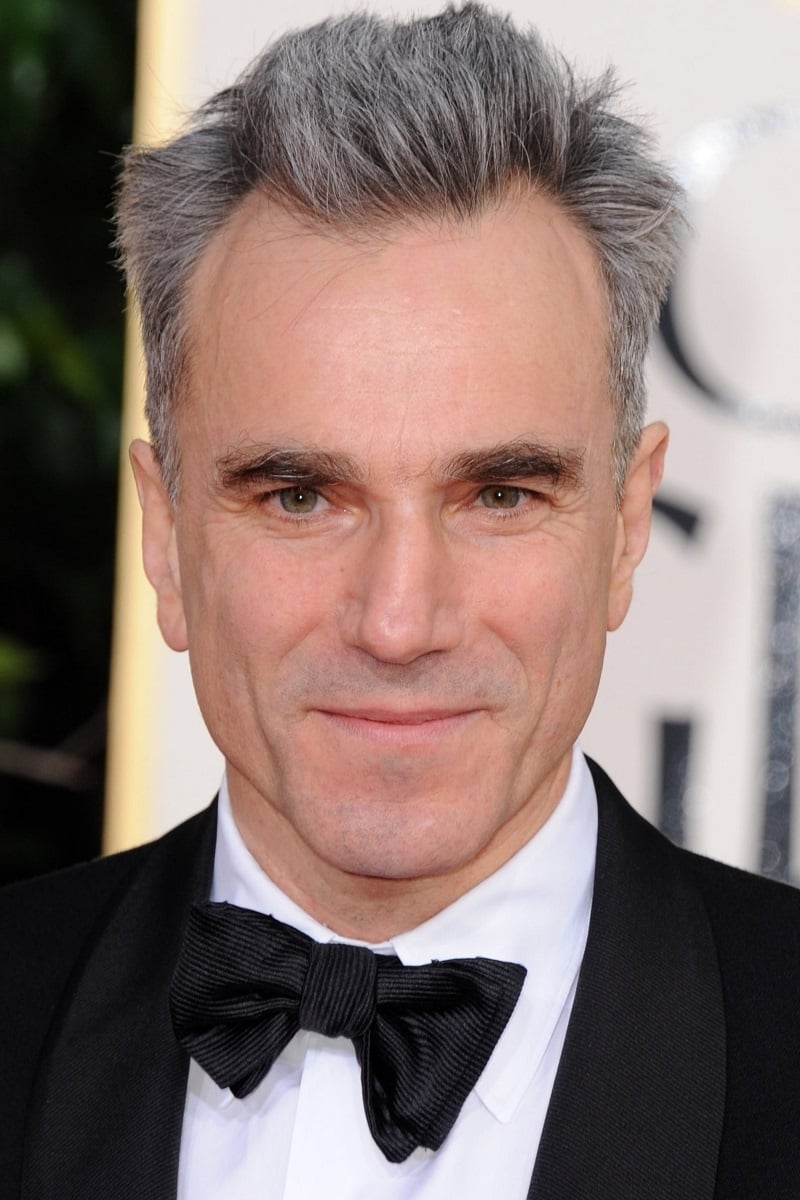
Day-Lewis developed Daniel Plainview’s voice after researching period recordings from American entrepreneurs and preachers. He earned the Academy Award for Best Actor for the role. Long takes and location sound highlighted his delivery without heavy cutting. The character’s arc influenced later films about ambition and resource extraction industries.
Heath Ledger – ‘The Dark Knight’ (2008)
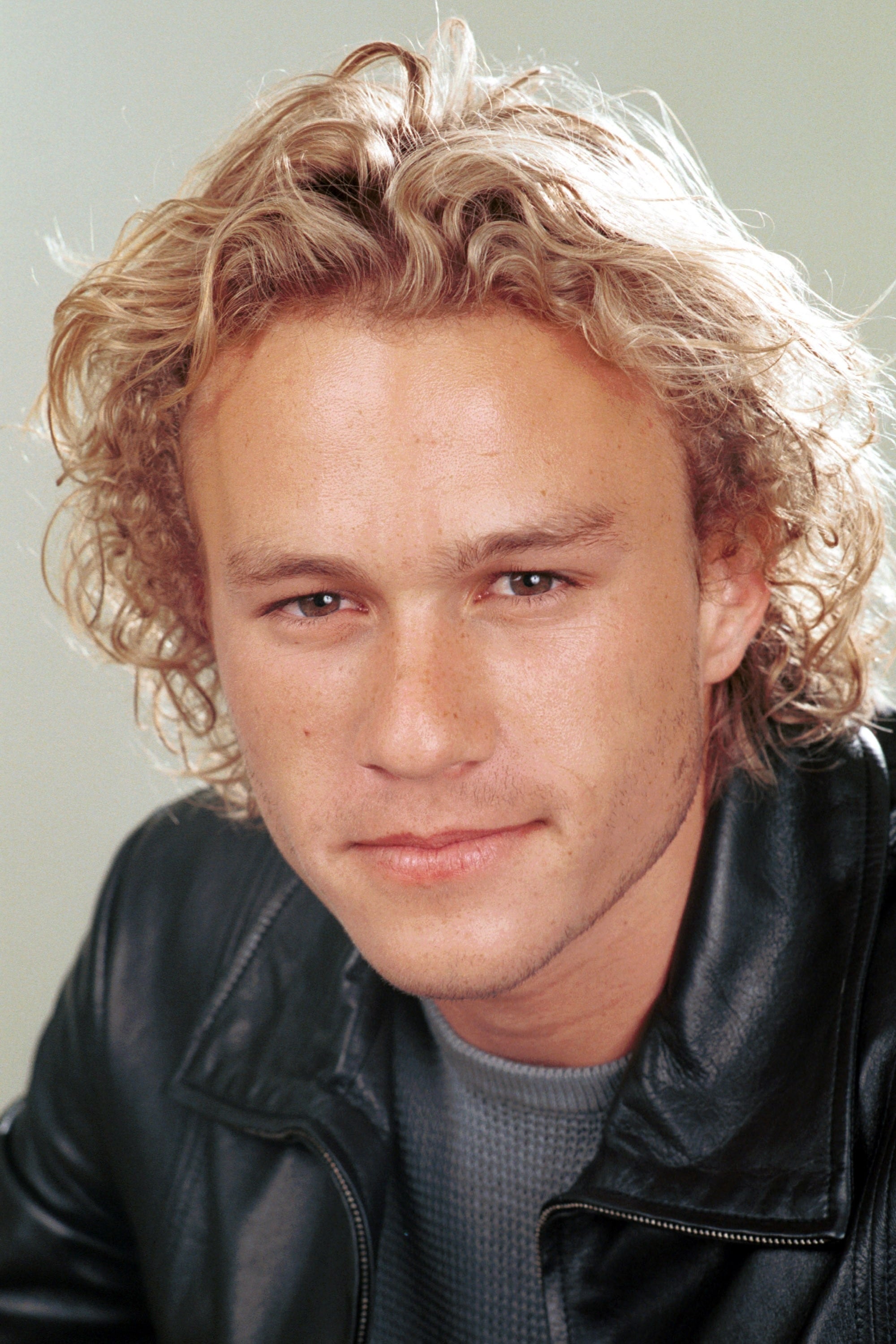
Ledger prepared by compiling notebooks of mannerisms, sketches, and lines to shape the Joker’s behavior. He received the Academy Award for Best Supporting Actor posthumously. The film’s global reach reset studio expectations for grounded comic book storytelling. His vocal inflections and physical tics became reference points for portrayals of cinematic villains.
Peter Finch – ‘Network’ (1976)
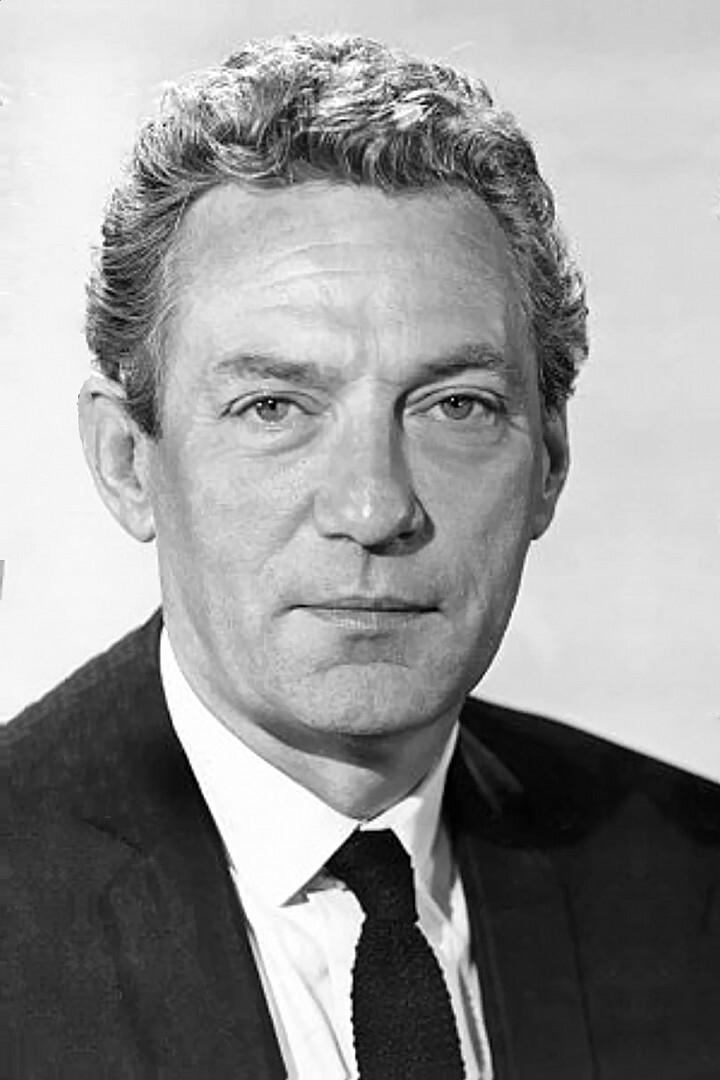
Finch’s Howard Beale featured extended on air monologues that were recorded with live studio style setups. He was awarded the Academy Award for Best Actor posthumously. The film sparked public conversation about television ratings practices and sensationalism. Its catchphrases entered news coverage and media studies coursework.
Sylvester Stallone – ‘Rocky’ (1976)
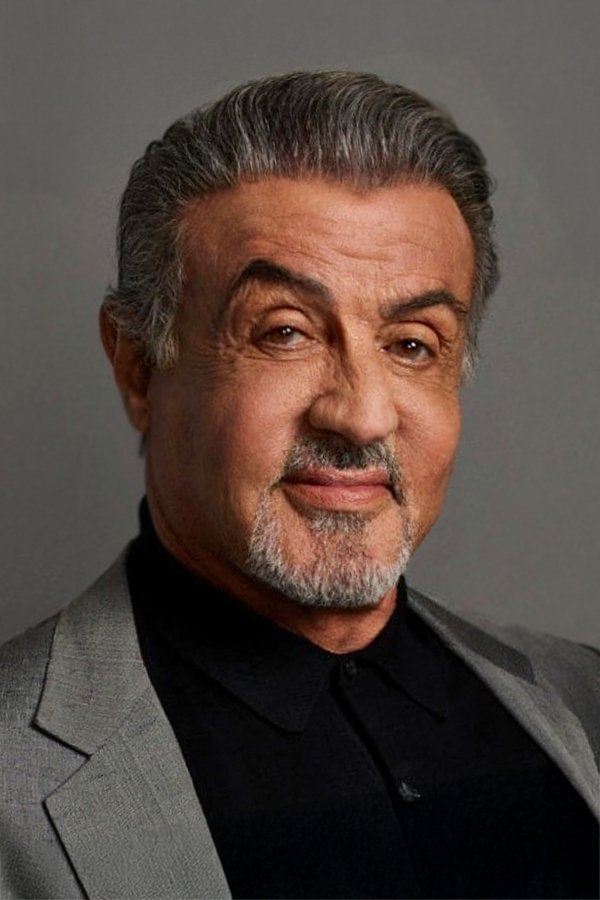
Stallone wrote the script and negotiated to star, keeping the budget modest while securing creative control. The film won Best Picture and earned him nominations for acting and writing. Training montages were cut to music cues that became part of sports broadcasting. The role launched a long running franchise and expanded his opportunities as a leading man.
Anthony Hopkins – ‘The Silence of the Lambs’ (1991)
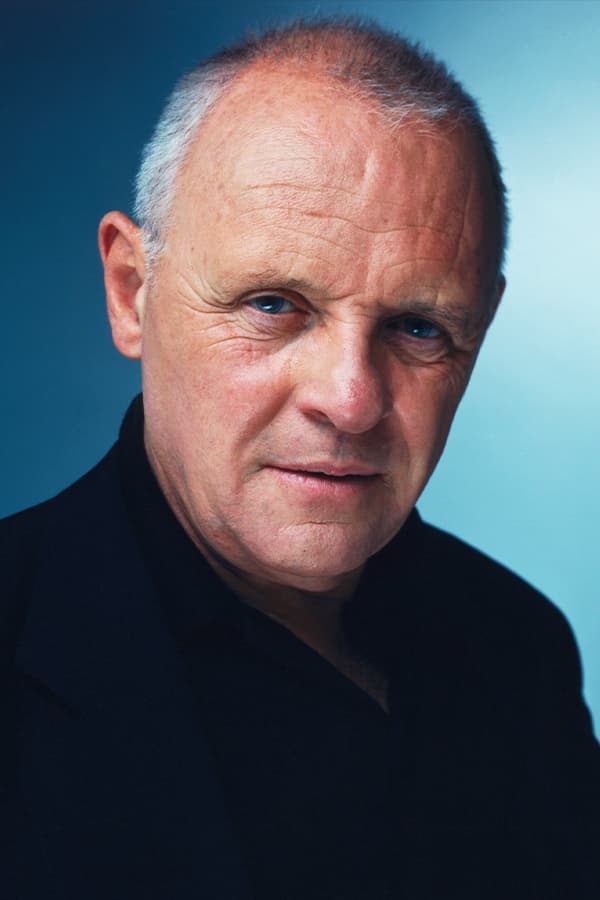
Hopkins used minimal blinking and precise diction to create a controlled presence in limited screen time. He won the Academy Award for Best Actor. The production designed sets and sound to amplify quiet scenes, which enhanced tension. The character returned in later projects and influenced depictions of forensic investigations on television.
Javier Bardem – ‘No Country for Old Men’ (2007)
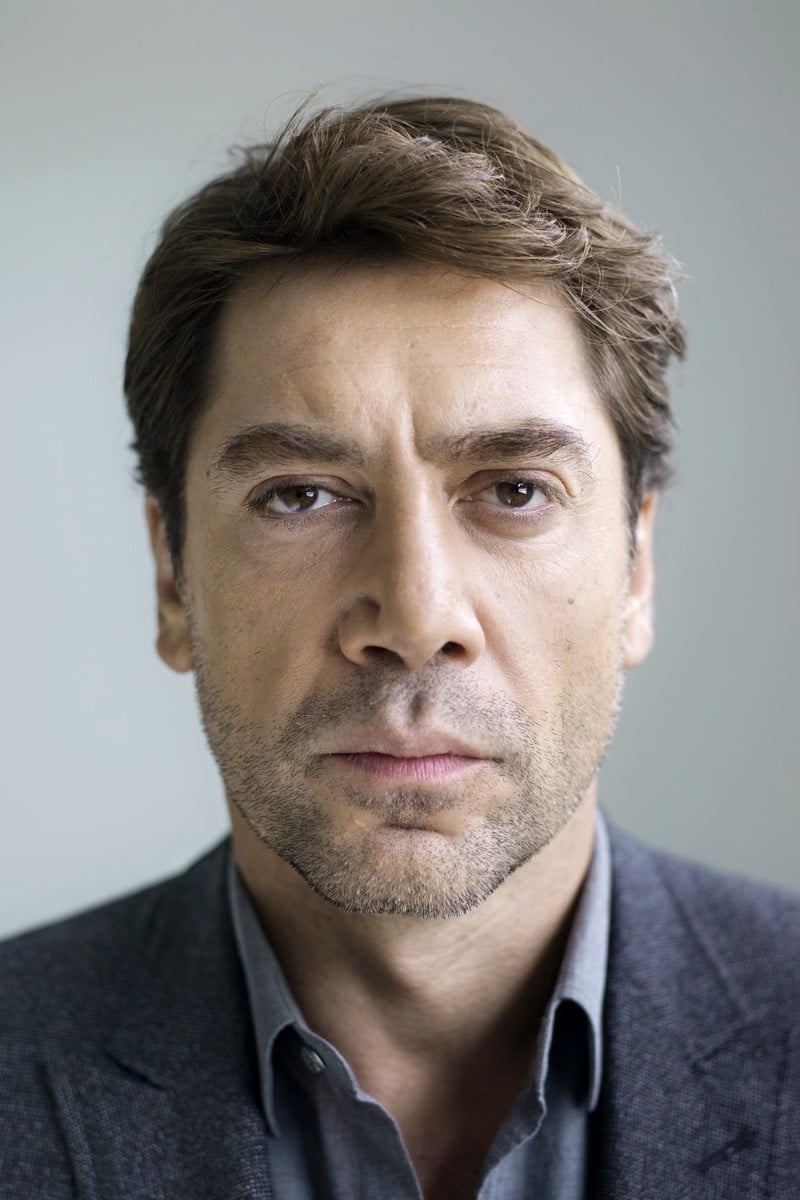
Bardem worked with the Coen brothers to calibrate stillness and deliberate pacing for Anton Chigurh’s movements. He earned the Academy Award for Best Supporting Actor. The role’s distinctive weapon and haircut became instantly recognizable elements of the film’s identity. International casting in American thrillers expanded following the performance’s success.
Adrien Brody – ‘The Pianist’ (2002)
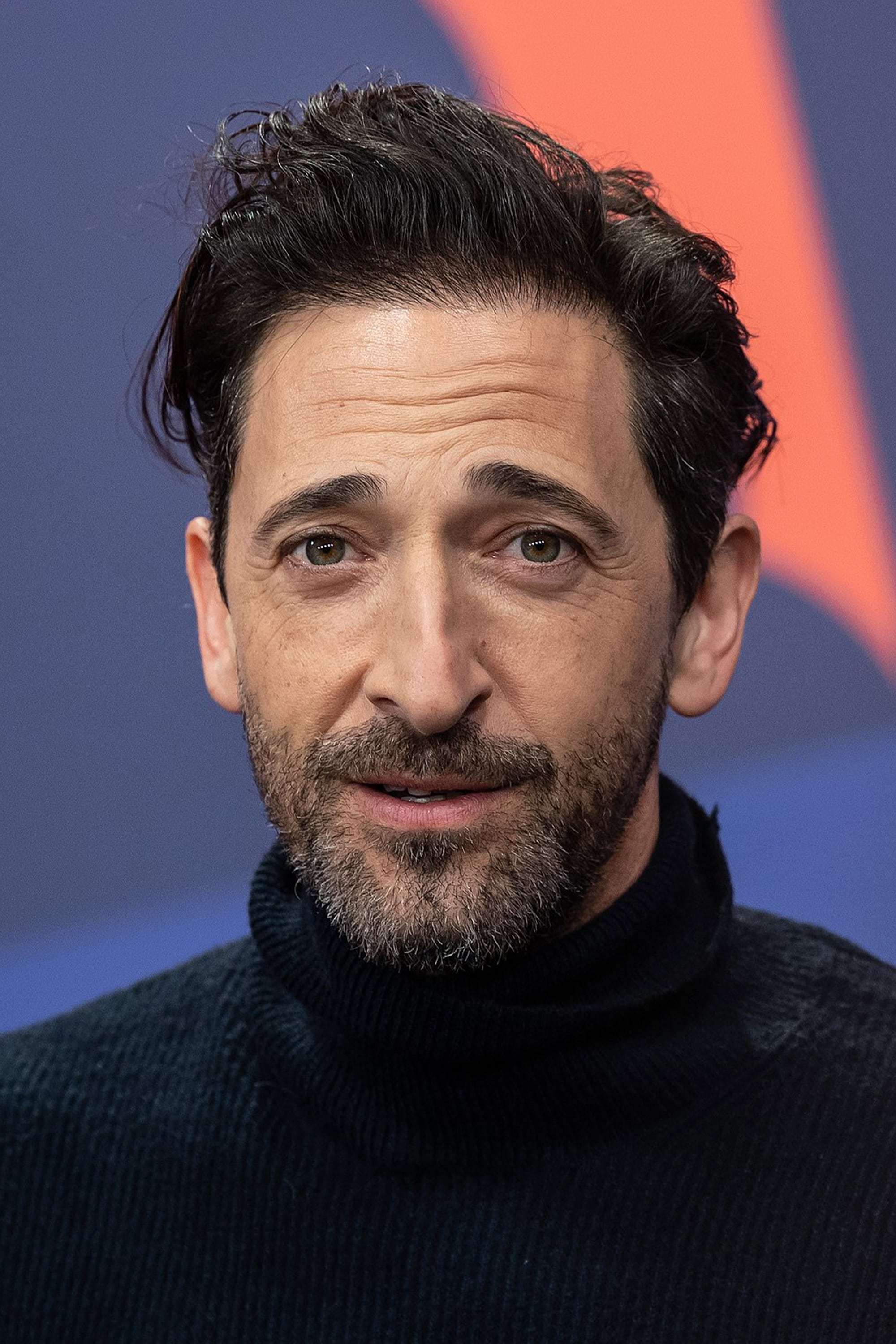
Brody trained extensively on piano passages and reduced his body weight to reflect prolonged deprivation. He won the Academy Award for Best Actor and became the youngest recipient of that award. The filmmaking emphasized practical locations and period accurate set dressing. The role led to more serious dramatic offers and festival headliners.
Ben Kingsley – ‘Gandhi’ (1982)
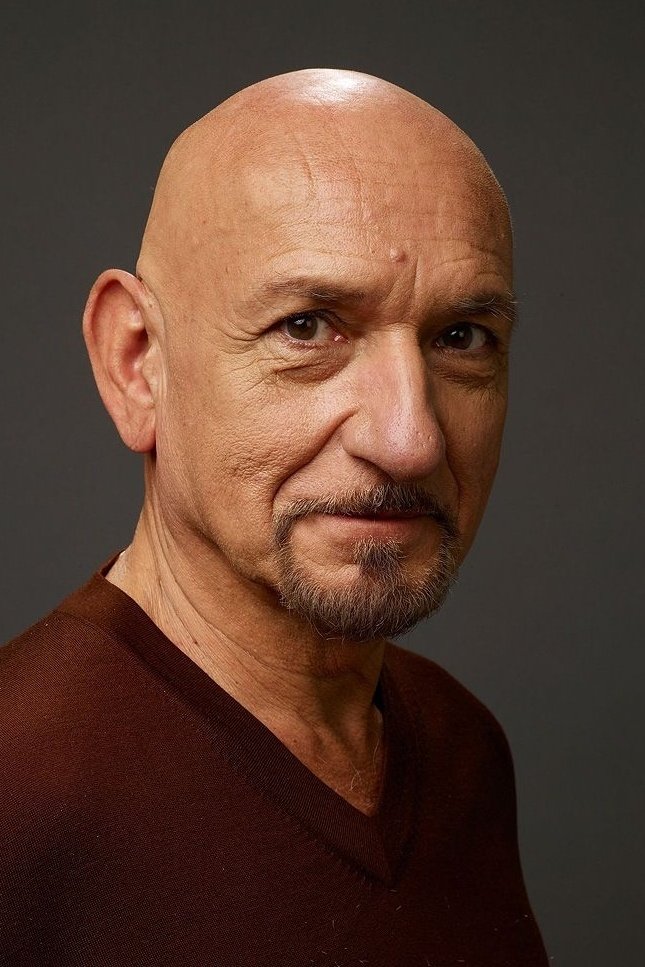
Kingsley studied archival footage to match posture, gait, and public speaking rhythms. He received the Academy Award for Best Actor. Large crowd scenes were coordinated with thousands of extras across multiple cities. The production achieved wide international distribution and shaped historical biopic standards.
Russell Crowe – ‘Gladiator’ (2000)
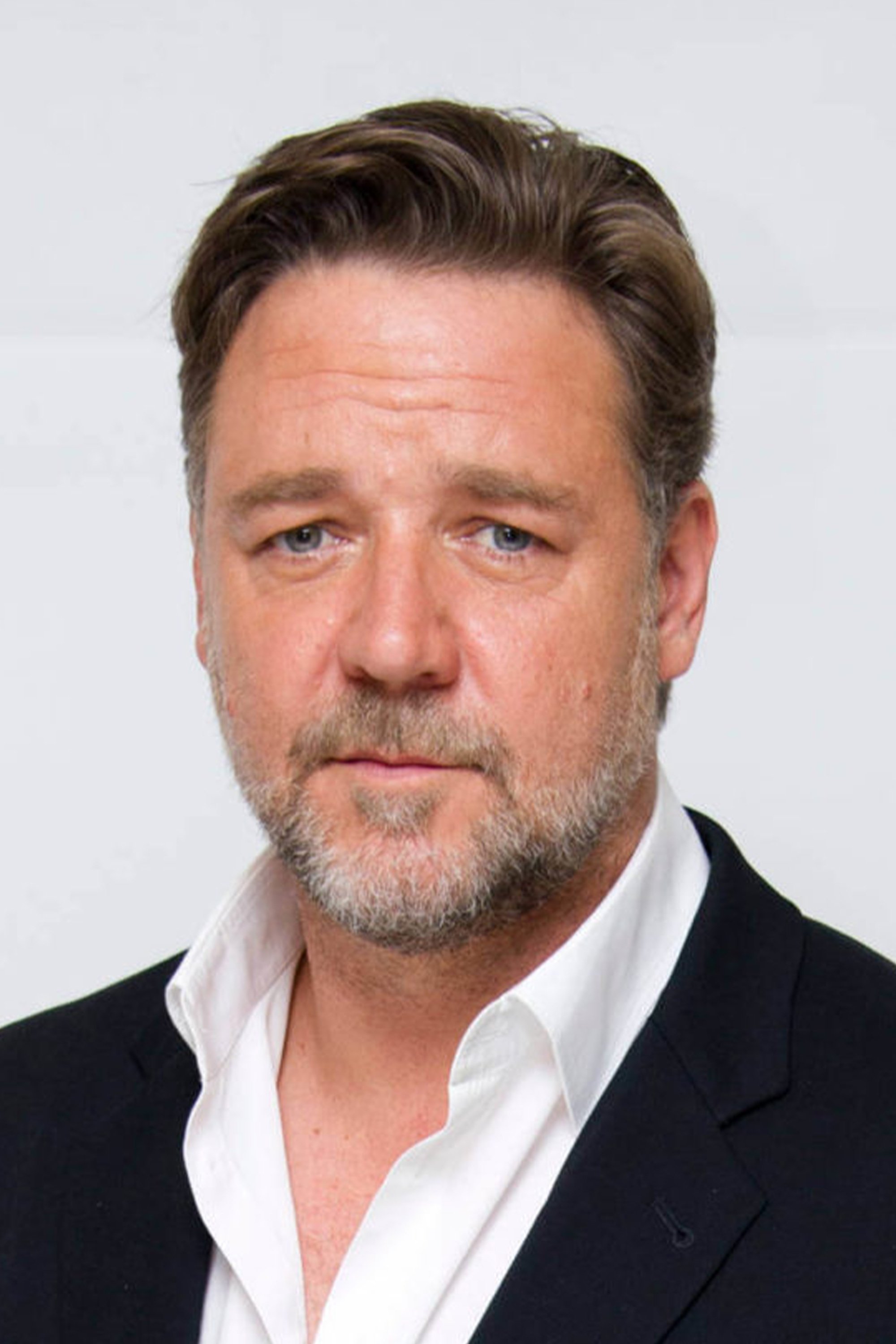
Crowe trained with stunt teams to perform many of the fight sequences inside practical sets. He was awarded the Academy Award for Best Actor. Visual effects blended with real arenas and props to rebuild ancient environments. The film revived interest in historical epics and boosted Crowe’s standing as a global lead.
Denzel Washington – ‘Training Day’ (2001)

Washington worked with law enforcement advisers to refine procedures and dialogue for undercover operations. He won the Academy Award for Best Actor. The story’s single day structure intensified scene by scene escalation through city locations. The success accelerated a wave of gritty urban crime thrillers.
Tom Hanks – ‘Philadelphia’ (1993)
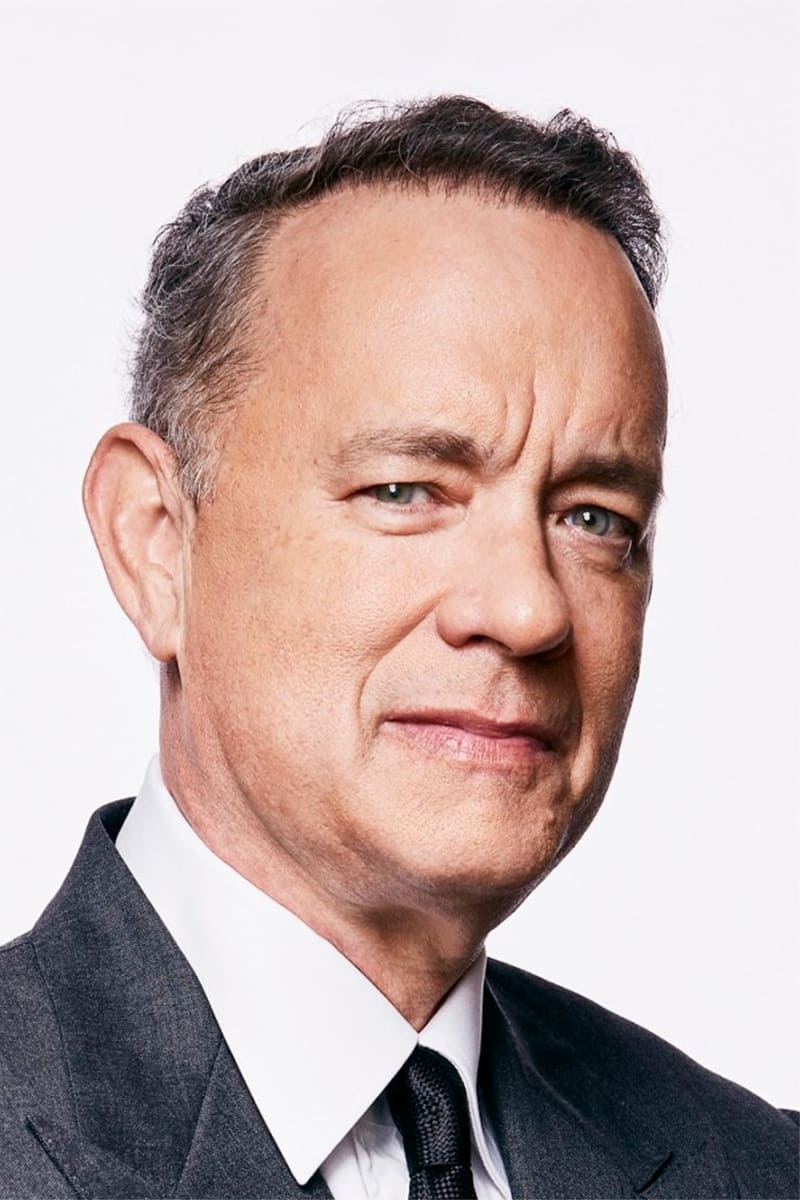
Hanks collaborated with medical and legal experts to represent treatment protocols and courtroom strategy. He received the Academy Award for Best Actor. The soundtrack and careful use of popular music supported key narrative beats. The film broadened mainstream coverage of workplace discrimination and health policy.
Philip Seymour Hoffman – ‘Capote’ (2005)
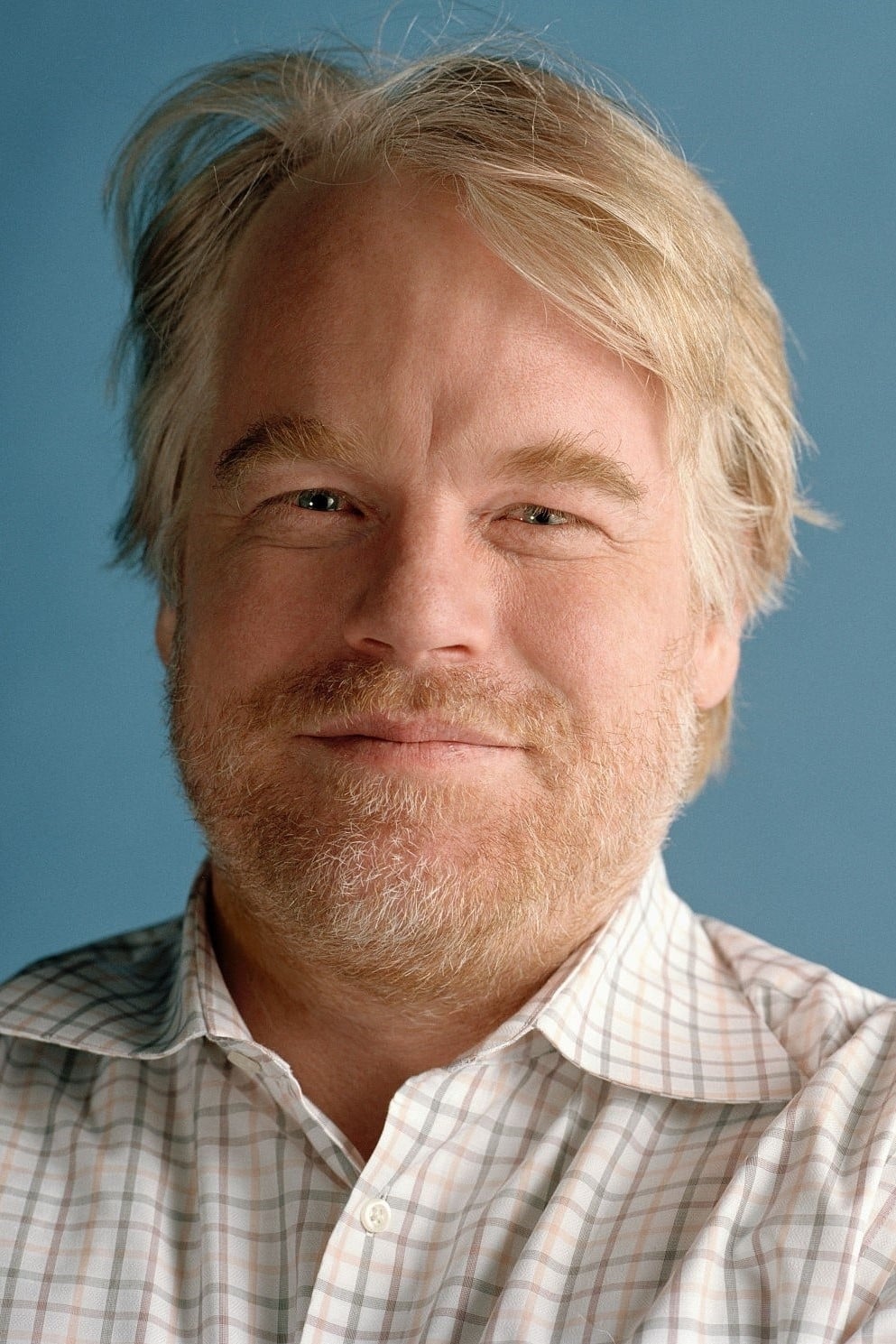
Hoffman matched vocal pitch and cadence after detailed review of interviews and television appearances. He won the Academy Award for Best Actor. The production recreated research trips and writing sessions with period specific props. The performance expanded his access to leading roles across prestige dramas.
Leonardo DiCaprio – ‘The Revenant’ (2015)
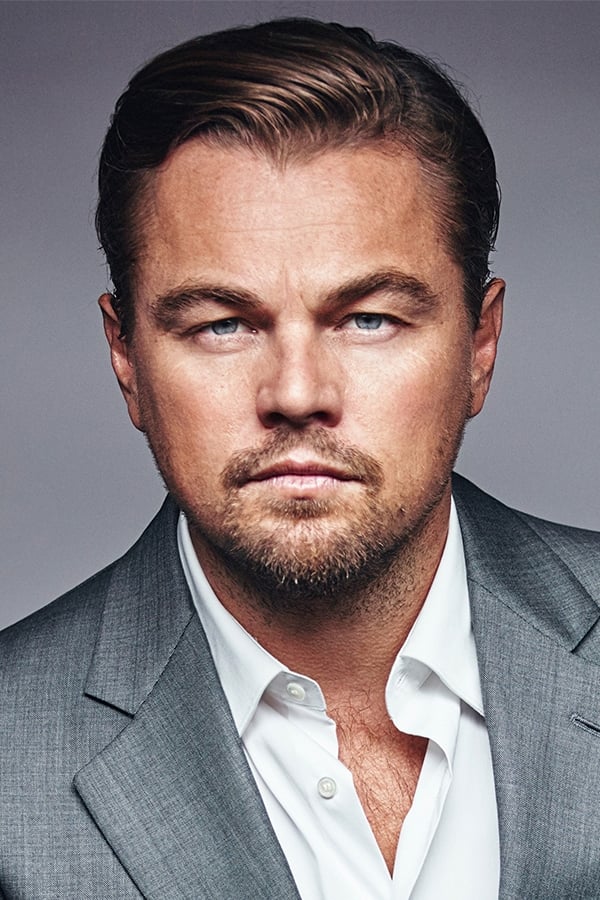
DiCaprio filmed in harsh outdoor conditions and delivered long passages with little dialogue. He earned the Academy Award for Best Actor. Natural light cinematography required strict scheduling to capture specific times of day. The project drew attention to immersive location shooting and endurance based character work.
Christopher Walken – ‘The Deer Hunter’ (1978)
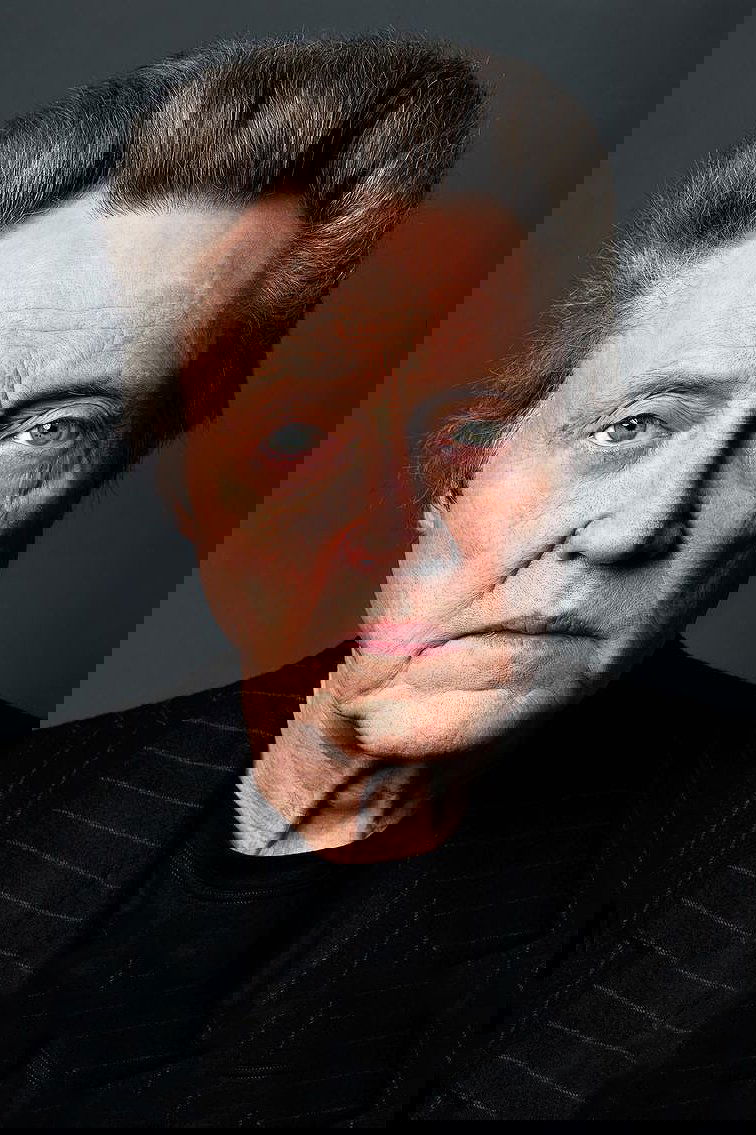
Walken’s portrayal of trauma included carefully staged scenes of risk that were rehearsed with strict safety protocols. He won the Academy Award for Best Supporting Actor. The film’s structure balanced small town sequences with overseas conflict to track psychological change. The role became a model for impactful supporting performances.
Liam Neeson – ‘Schindler’s List’ (1993)
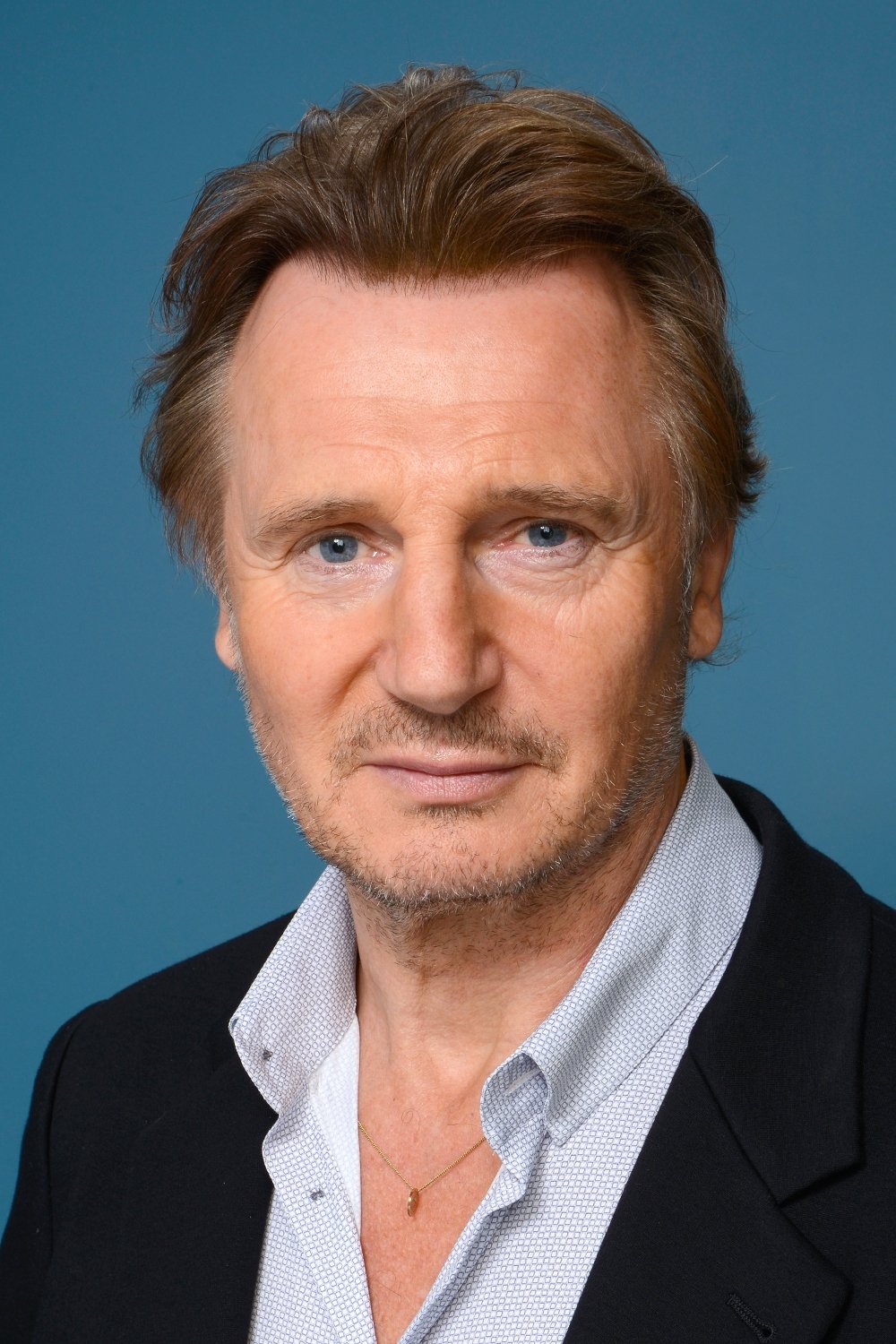
Neeson studied business records and survivor testimony to map the character’s evolving decisions. He received an Academy Award nomination for Best Actor. Black and white cinematography and handheld camera work supported a documentary feel. The film’s outreach programs brought the story into classrooms and museums worldwide.
Bruce Willis – ‘Die Hard’ (1988)
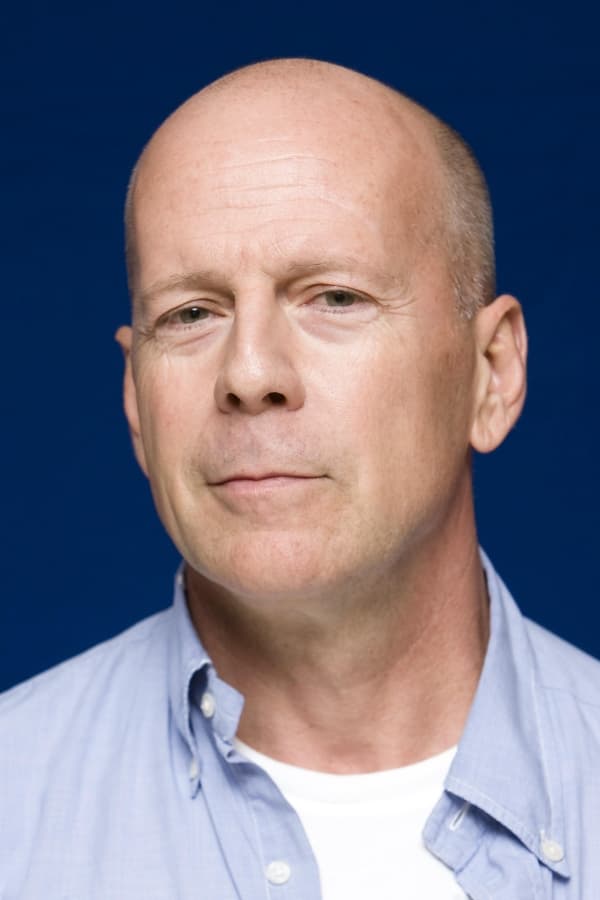
Willis transitioned from television comedy to action lead and performed many scenes within a single skyscraper location. The production designed practical stunts that emphasized improvisation under pressure. The film’s holiday setting and confined timeline became templates for later action scripts. The role repositioned him for a run of major box office releases.
Kevin Spacey – ‘The Usual Suspects’ (1995)
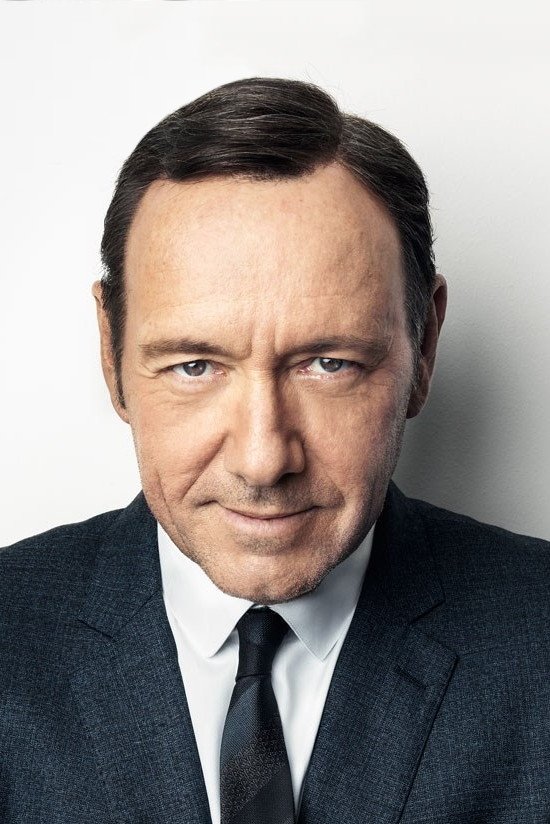
Spacey’s performance as a key witness relied on controlled physicality and careful shifts in storytelling tone. He won the Academy Award for Best Supporting Actor. Nonlinear editing and interrogation room scenes framed his delivery for maximum narrative effect. The film’s twist ending entered screenwriting case studies and genre retrospectives.
Share the performance that made you sit up and take notice in the comments and tell us which role you think deserves a spot here.