20 Best TV Shows Featuring All-White Casts You Should See



These series span comedy, drama, and period pieces, and they reflect eras and settings where the principal ensembles were entirely white. Each show below includes a quick snapshot of its premise, where it aired, notable accolades, and why it remains part of the broader TV conversation. The focus is on the core casts as credited during their main runs, even if occasional guest stars varied. Use this as a starting point to explore how different genres and networks shaped television across decades.
‘Friends’ (1994–2004)
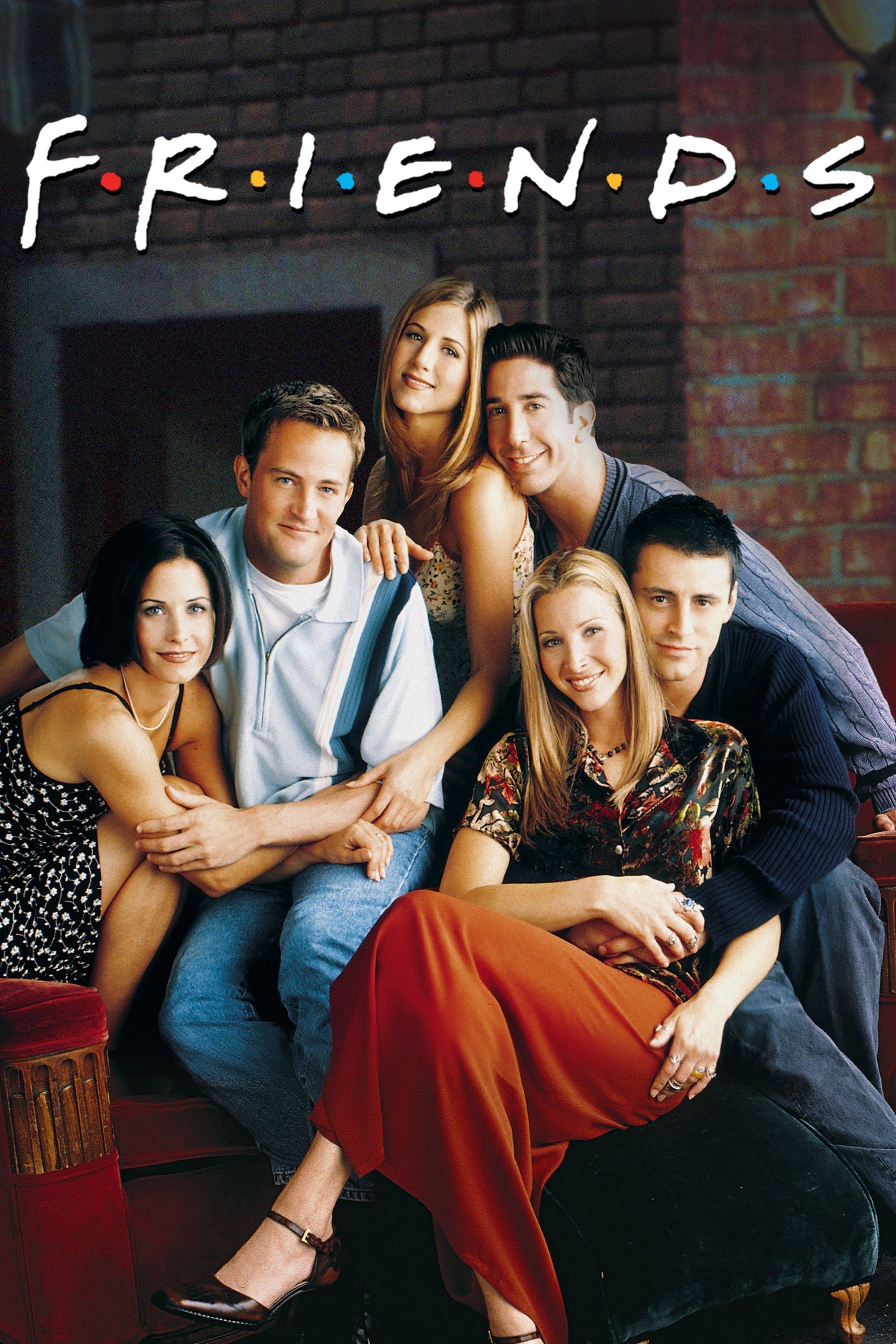
This NBC sitcom follows six friends navigating work, relationships, and life in Manhattan. It ran for ten seasons and became one of the most-watched comedies in syndication. The ensemble won multiple major awards as a group and individually across acting and comedy categories. Iconic sets like the Central Perk café and the purple apartment became pop-culture landmarks.
‘Seinfeld’ (1989–1998)
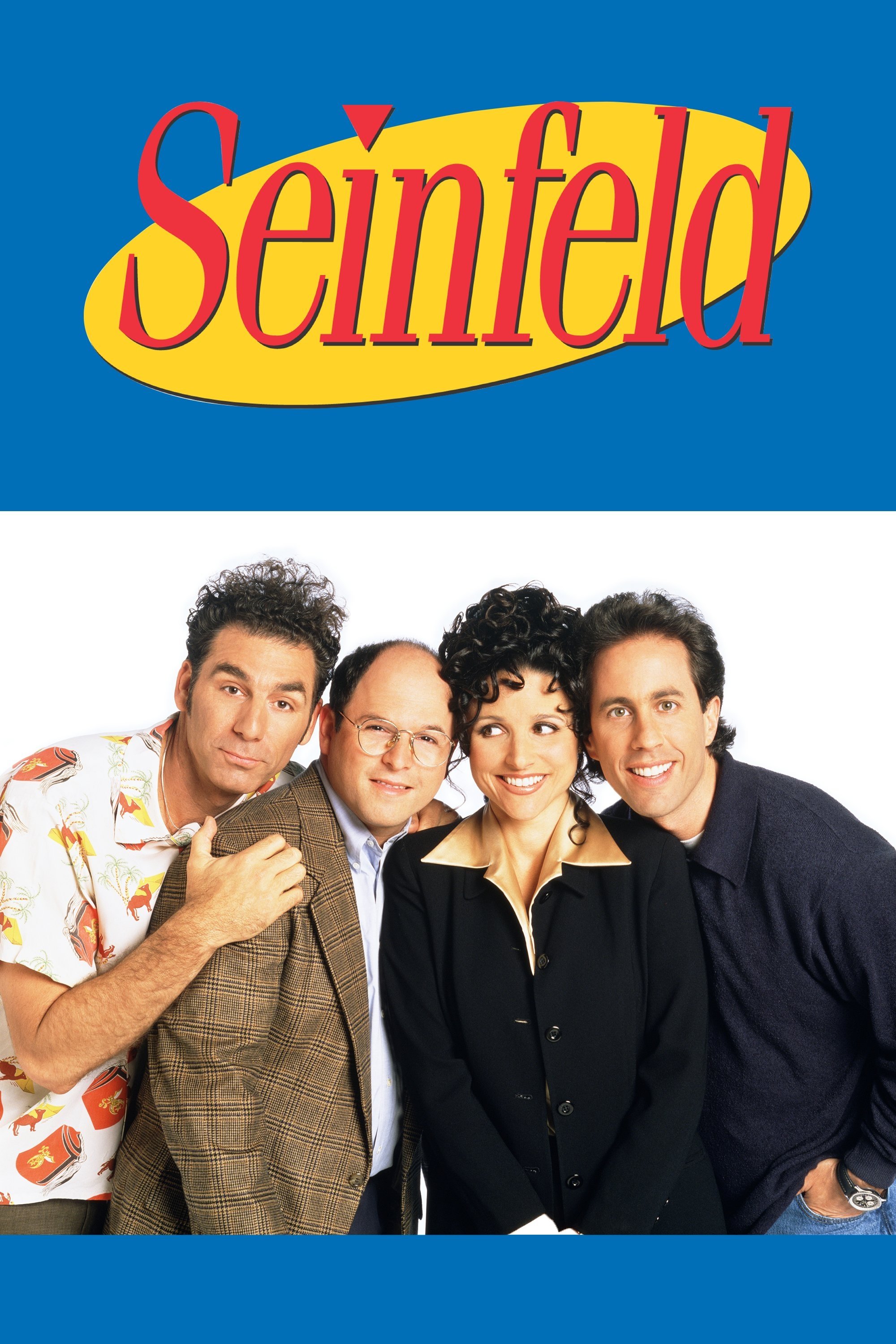
Set in New York, this NBC comedy centers on a stand-up comedian and his three close companions dealing with everyday absurdities. It popularized catchphrases and bottle episodes that influenced later sitcom structure. The show received numerous honors for writing and comedy series excellence. Its finale drew one of the largest audiences for a scripted program of its era.
‘Frasier’ (1993–2004)
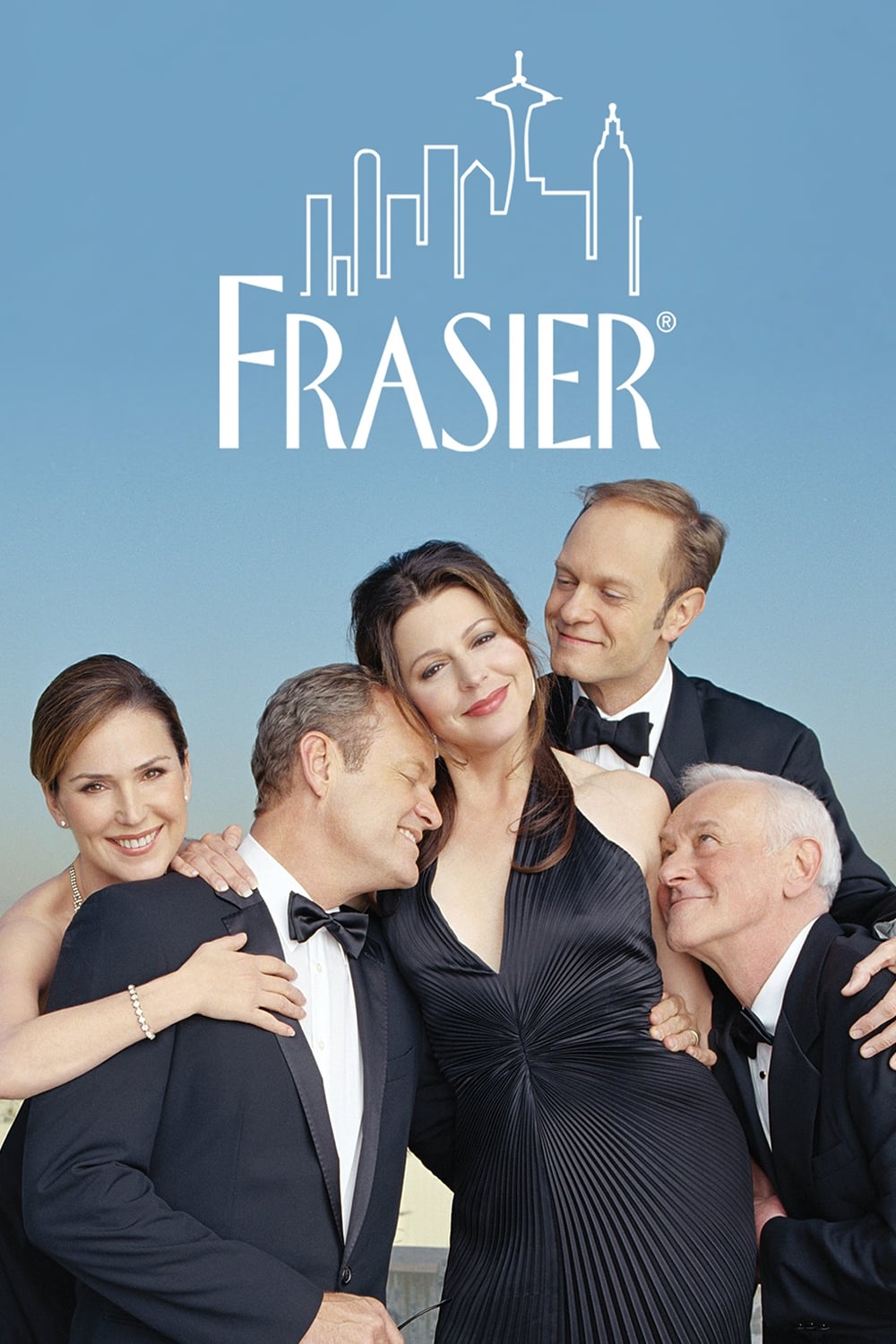
This NBC spinoff follows a Seattle radio psychiatrist, his brother, and their family and friends. It became a critical darling for its wordplay and farce structure. The series collected a record-setting haul of major comedy awards during its run. Its combination of upscale humor and character-driven plots helped define the network’s prestige sitcom identity.
‘The Sopranos’ (1999–2007)
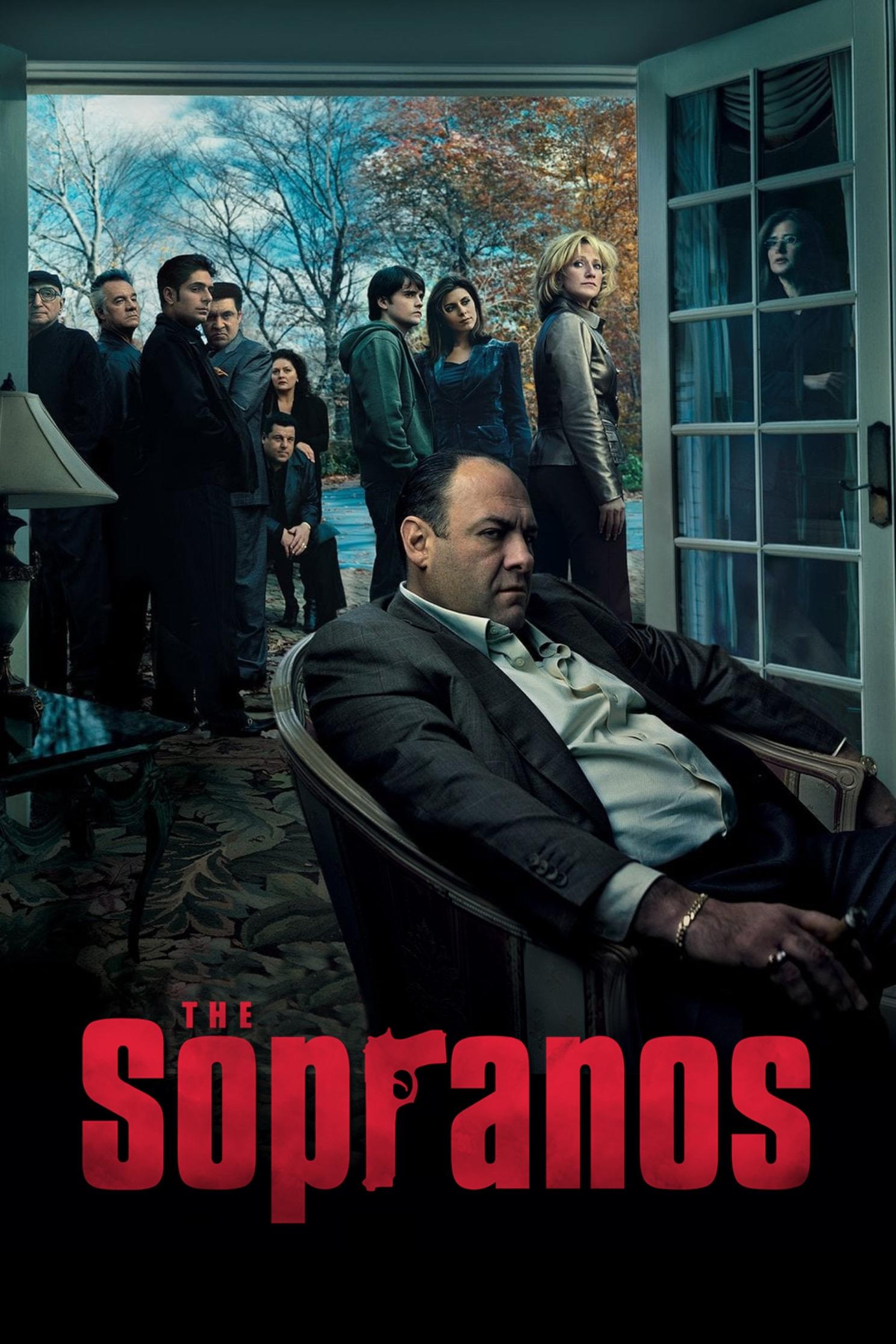
This HBO drama explores a New Jersey crime boss balancing family life with organized crime. It’s recognized for pioneering premium-cable storytelling with complex antiheroes. The show won many top drama awards and acting prizes across its ensemble. Its finale sparked wide debate and remains one of television’s most analyzed endings.
‘Breaking Bad’ (2008–2013)
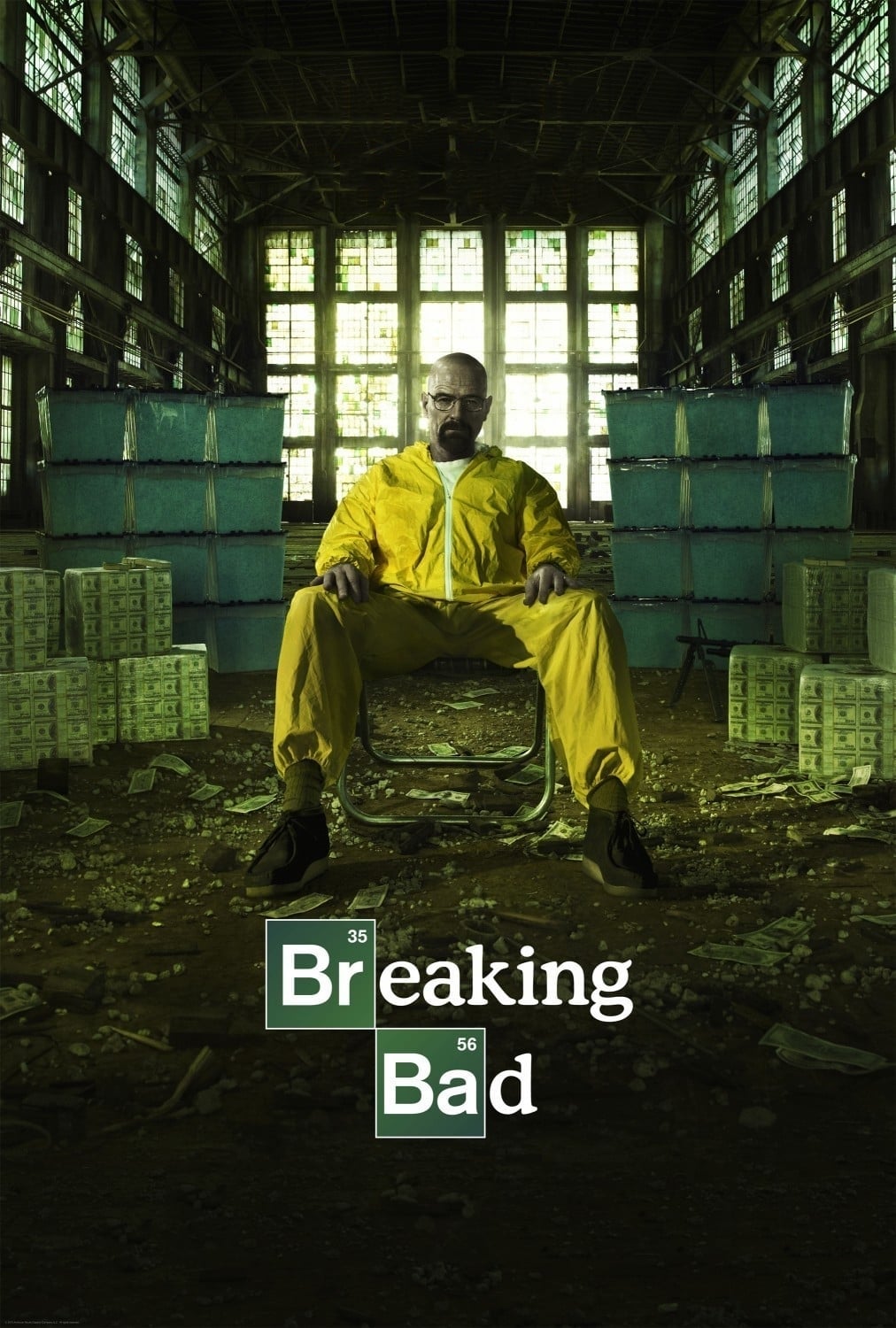
AMC’s crime drama follows a chemistry teacher who builds a drug empire to provide for his family. It escalates from small-time operations to cartel-level stakes with meticulous plotting. The series earned major awards for drama series, lead acting, and supporting roles. Its companion prequel expanded the universe and sustained critical acclaim.
‘Mad Men’ (2007–2015)
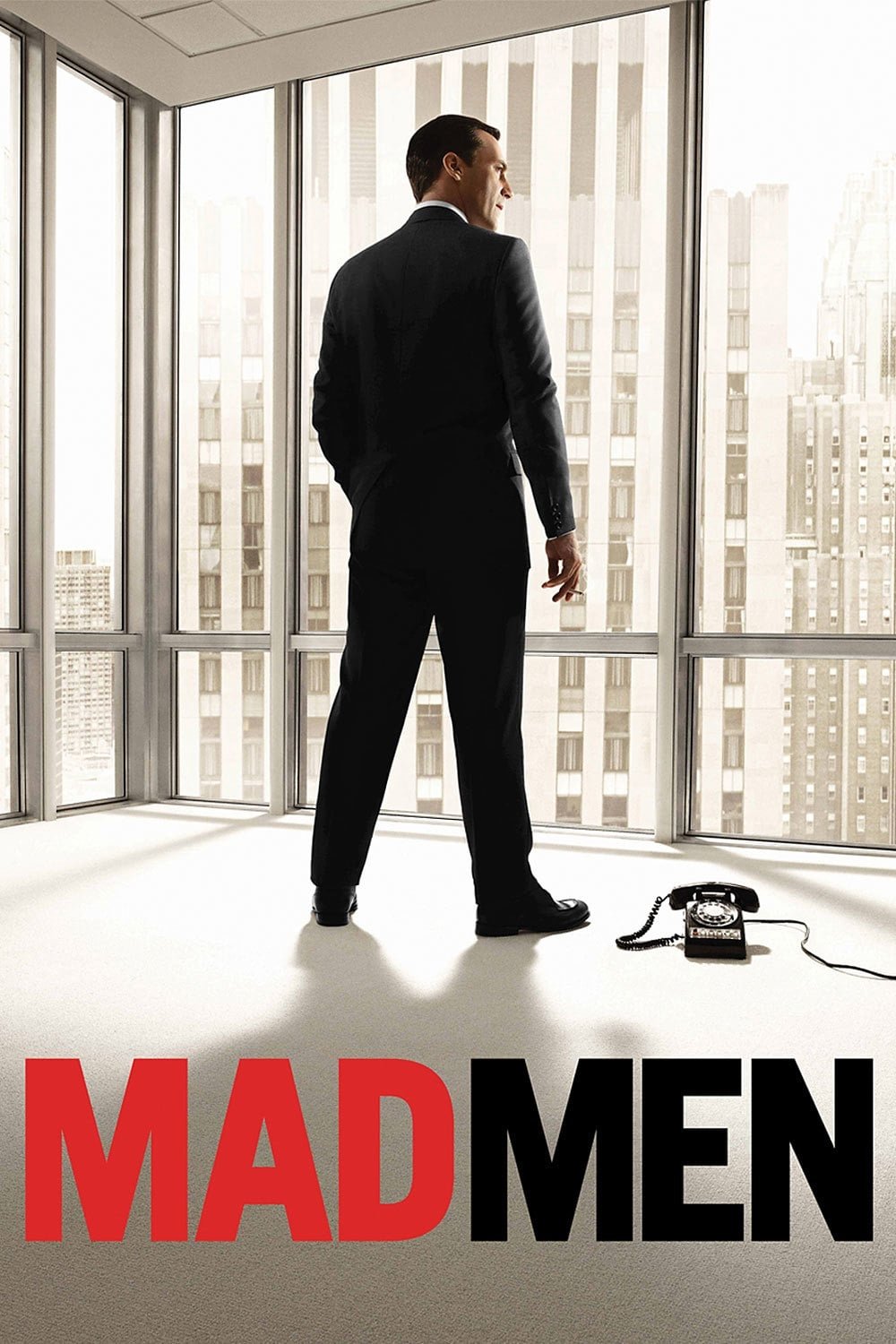
Set in the world of Madison Avenue advertising, this AMC drama examines identity, ambition, and social change through a mid-century lens. It became known for production design, costume detail, and nuanced character arcs. The show received repeated honors for drama series and writing. Its influence can be seen in later period dramas and brand-driven storytelling.
‘Downton Abbey’ (2010–2015)
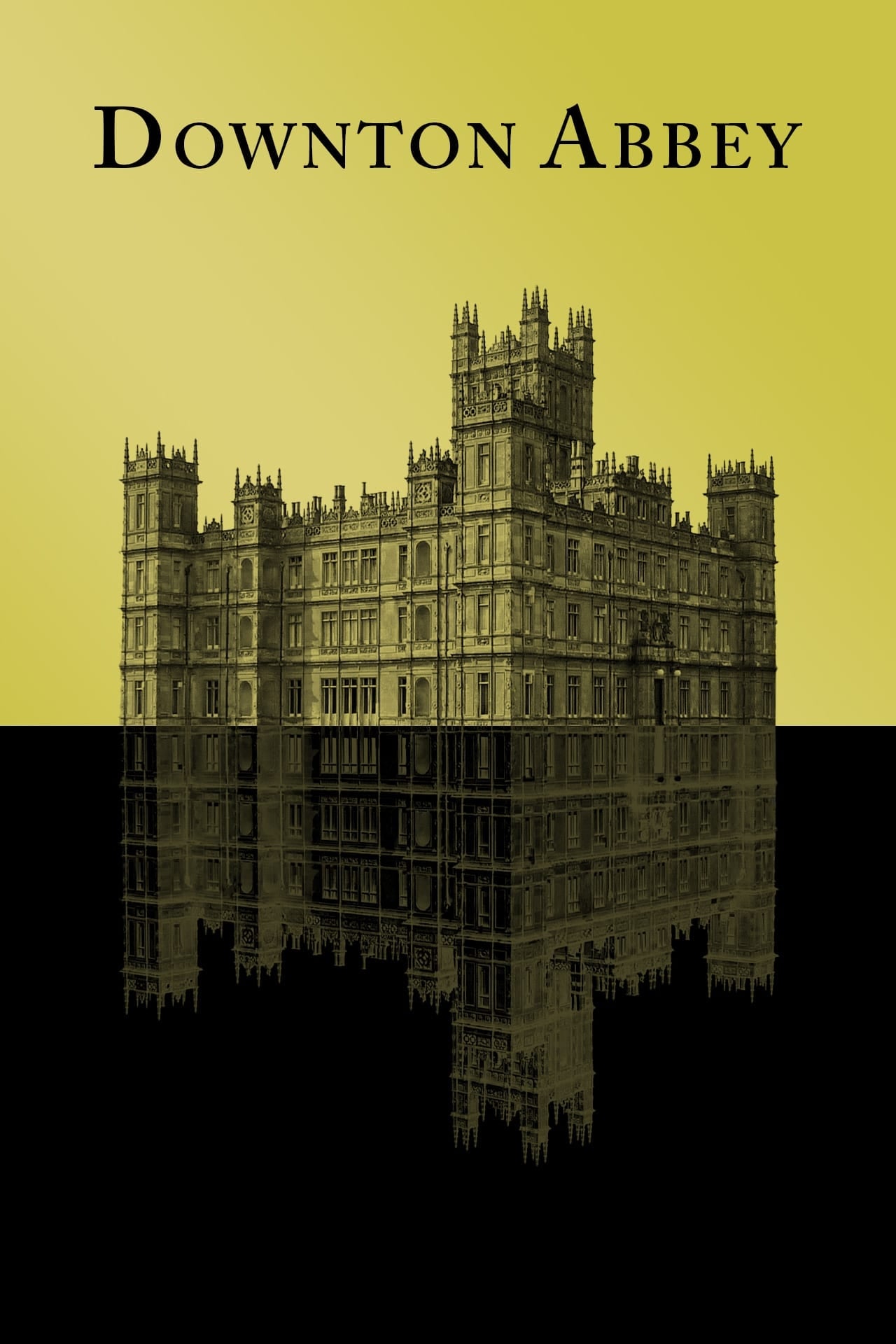
ITV and PBS presented this upstairs-downstairs period drama about an aristocratic family and their servants. It blended estate intrigue with historical events that reshape the household. The series collected international awards for ensemble performance, costumes, and production design. It later expanded into successful feature-film continuations.
‘The Crown’ (2016–2023)

This Netflix drama chronicles the reign of a British monarch and the pressures of public duty. It became known for lavish sets, rotating leads across eras, and episode-length character studies. The show gathered numerous awards across drama, acting, and craft categories. Its anthology-like structure allows each season to focus on distinct political and personal crises.
‘The Golden Girls’ (1985–1992)
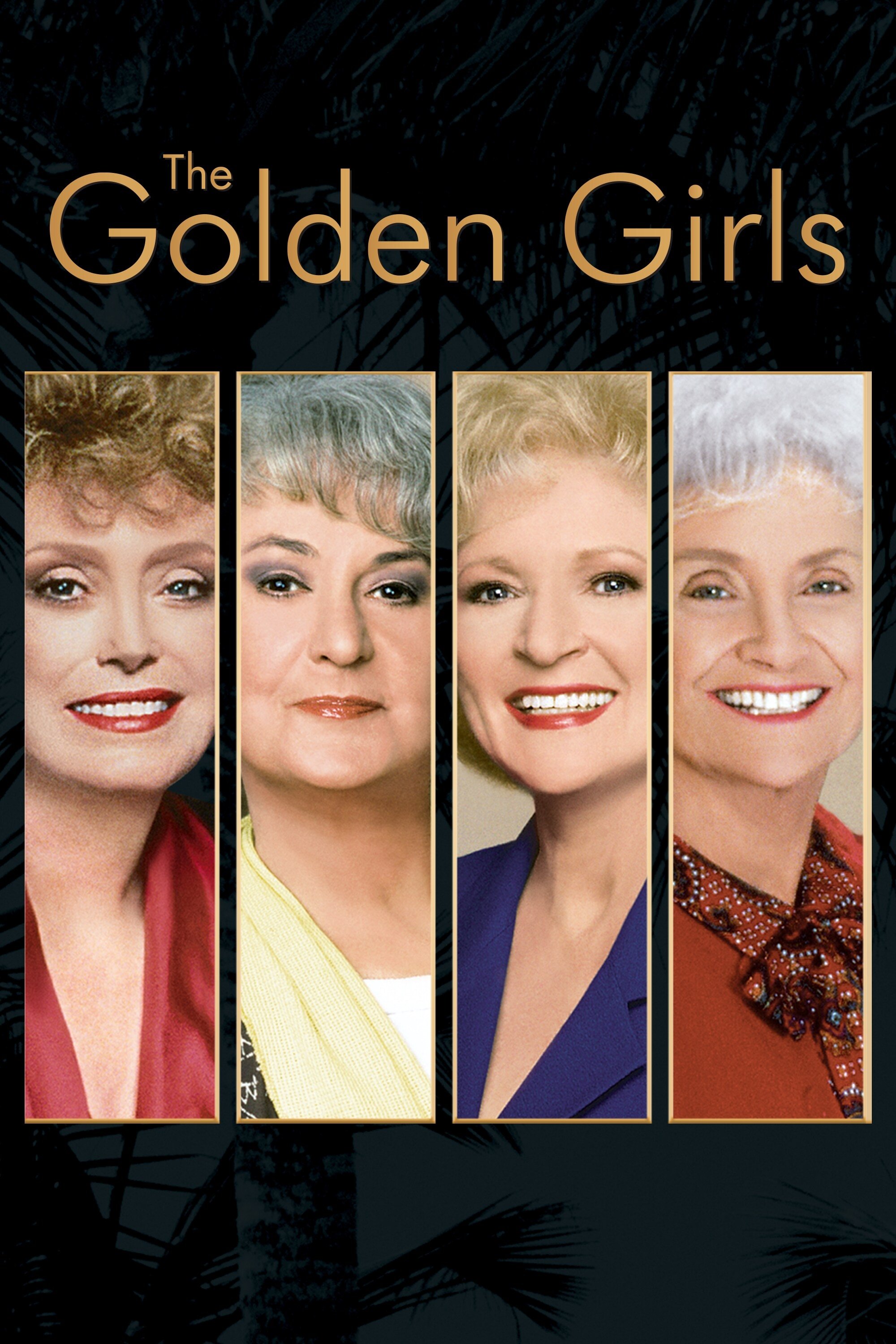
Set in Miami, this NBC sitcom follows four housemates whose friendships drive humorous and heartfelt stories. It addressed aging, independence, and dating with sharp one-liners. The series earned top comedy awards and acting trophies for multiple cast members. Its syndication run introduced new generations to multi-camera ensemble comedy.
‘Cheers’ (1982–1993)
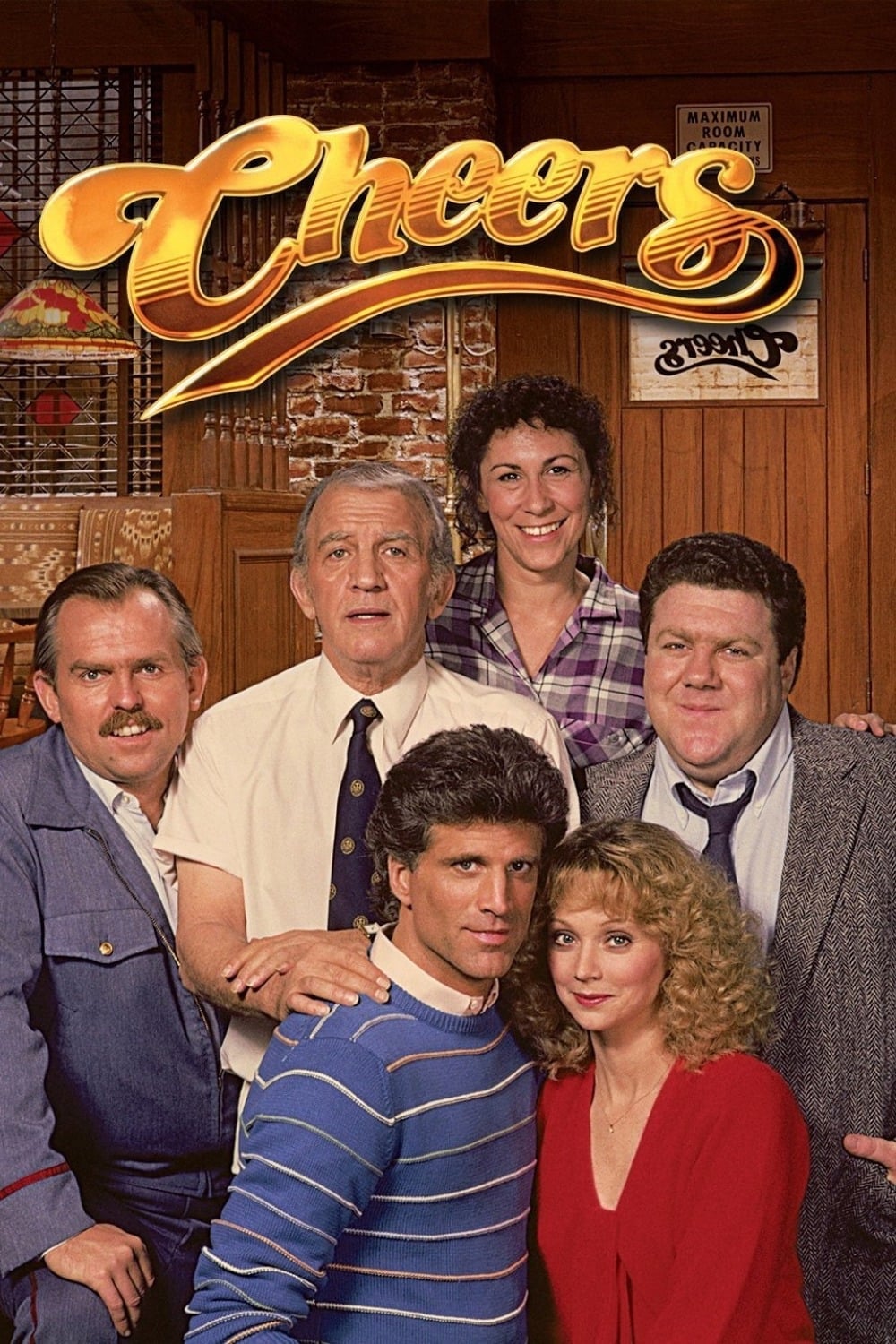
Taking place in a Boston bar, this NBC sitcom revolves around staff and regular patrons forming a surrogate family. It became a ratings powerhouse after an initially modest start. The show accumulated dozens of nominations and wins for comedy series, acting, and writing. Its theme song and closing-time setting remain instantly recognizable.
‘Full House’ (1987–1995)
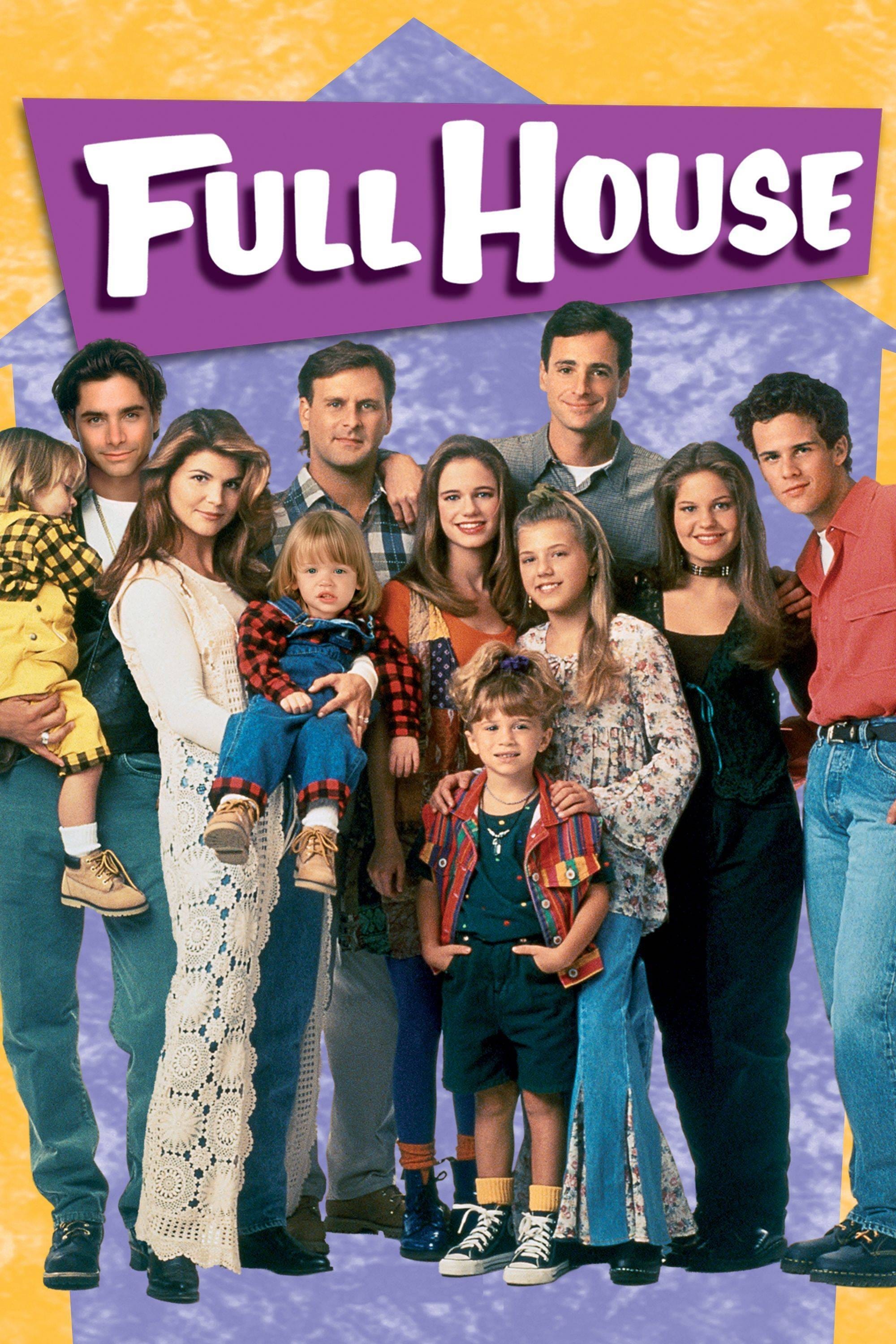
This ABC family sitcom centers on a widowed father raising daughters with help from relatives and a friend. It popularized wholesome family humor and catchphrases. The show became a staple of after-school and weekend syndication blocks. A sequel series revisited the family and continued its multigenerational focus.
‘The Brady Bunch’ (1969–1974)
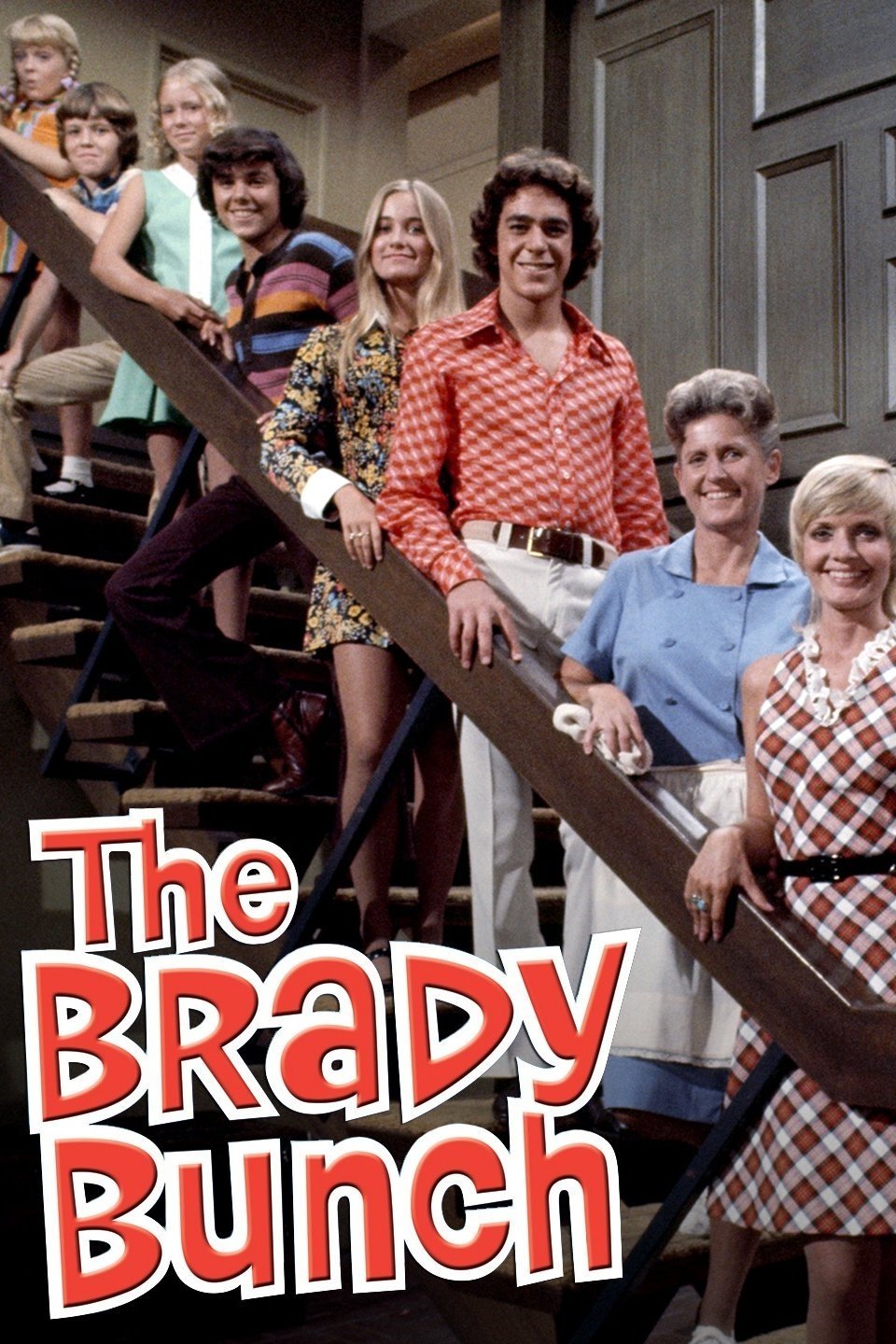
This ABC family comedy follows a blended household learning to live under one roof. Episodes typically resolve with lessons about cooperation and sibling dynamics. The series inspired TV movies, a variety show, and a self-aware theatrical parody. Its suburban iconography and theme song remain part of pop culture.
‘Gilmore Girls’ (2000–2007)
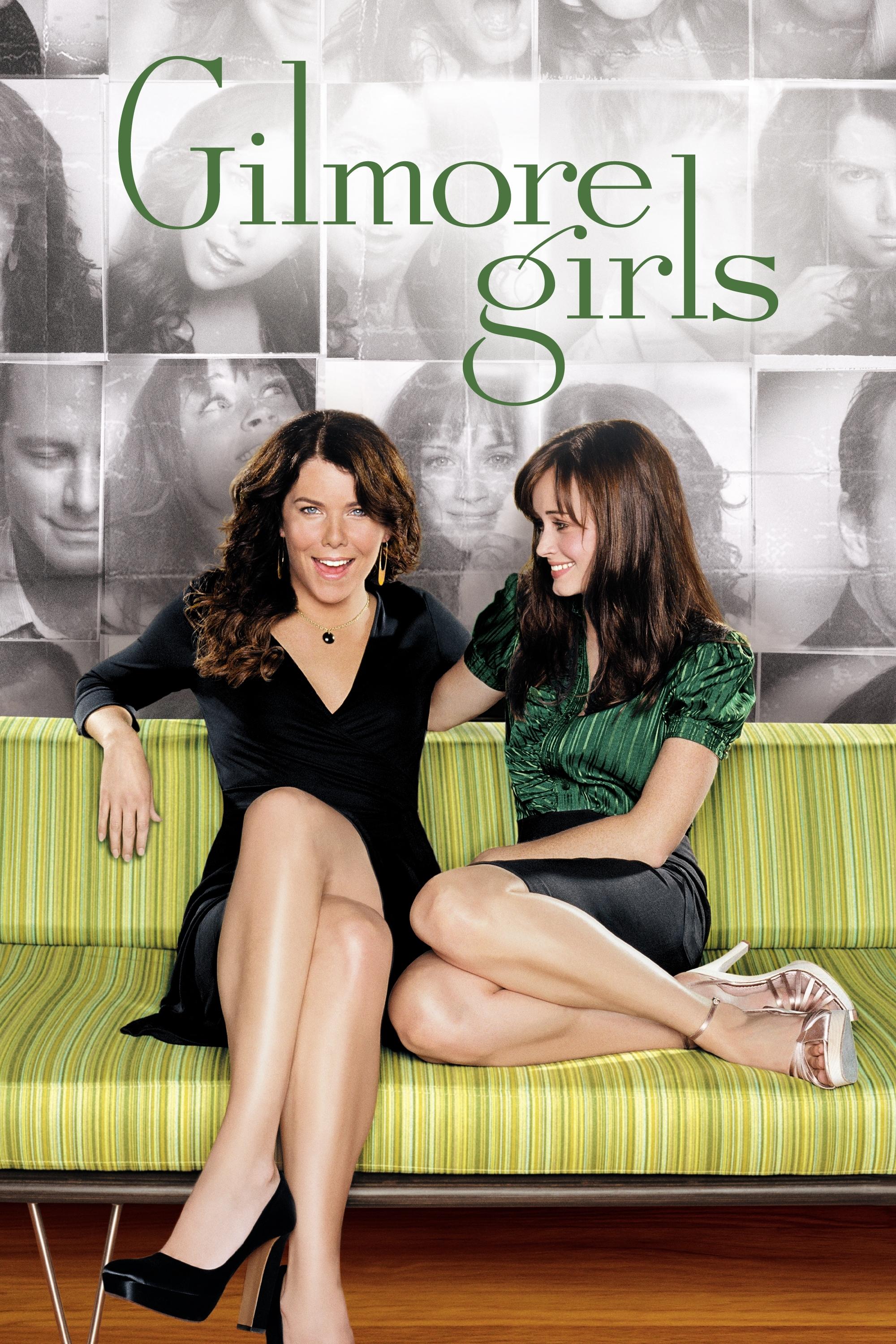
This WB and later CW dramedy tracks a fast-talking mother and daughter in a quirky Connecticut town. It’s noted for dialogue speed, references, and a strong supporting community. The show developed a passionate fan base and sustained long-term streaming popularity. A short revival returned to key characters and unresolved arcs.
‘Twin Peaks’ (1990–1991)

This ABC mystery drama follows an investigation into a young woman’s death in a small lumber town. It blends crime procedural elements with surreal imagery and dream logic. The series became a cult phenomenon and influenced later prestige mysteries. A continuation revisited the story with experimental storytelling on a premium platform.
‘Sex and the City’ (1998–2004)

HBO’s comedy-drama follows four friends navigating careers, dating, and friendship in Manhattan. The show is known for frank discussions of relationships and fashion-forward costuming. It secured awards for comedy series and lead performances. Films and follow-up series extended its characters’ lives into new phases.
‘Everybody Loves Raymond’ (1996–2005)
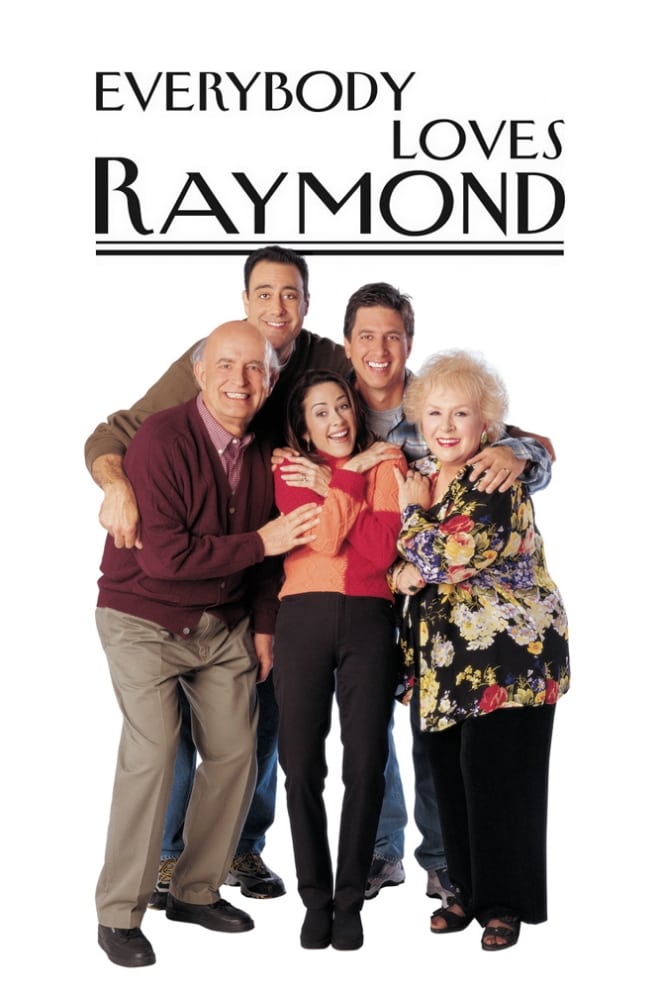
This CBS sitcom centers on a sportswriter, his wife, and his intrusive parents across the street. It emphasizes domestic misunderstandings and family negotiations. The show won top comedy honors for series and acting. Its finale drew a large audience and capped a consistent ratings run.
‘Two and a Half Men’ (2003–2015)
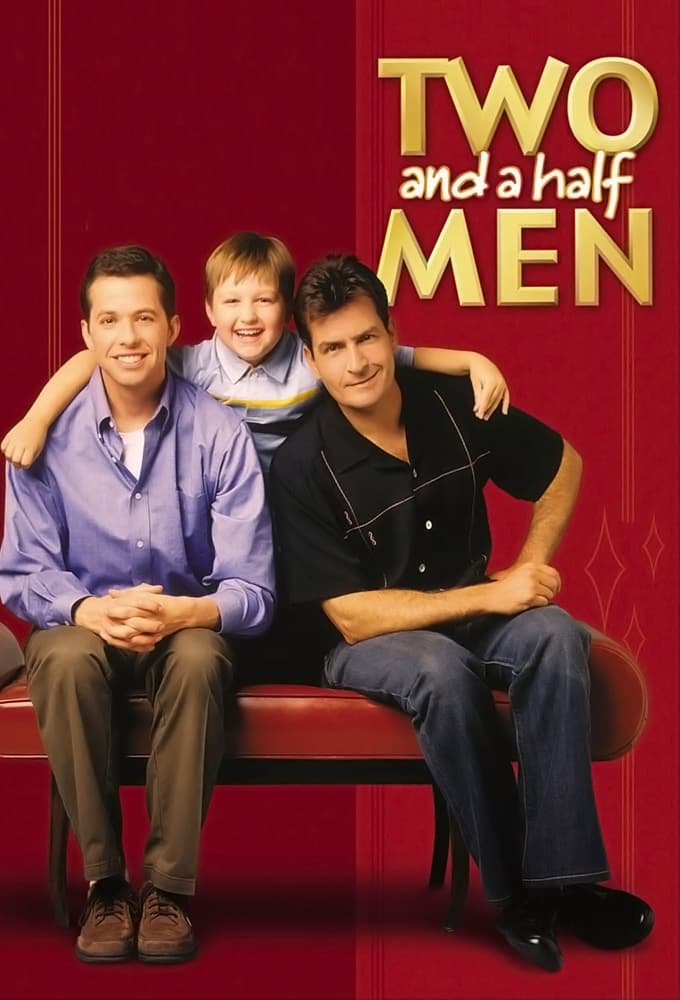
This CBS sitcom follows a jingle writer whose bachelor lifestyle shifts when family moves in. It became a major ratings success for the network’s comedy lineup. The series weathered cast changes while maintaining its core premise. Syndication and international adaptations broadened its reach.
‘Little House on the Prairie’ (1974–1983)
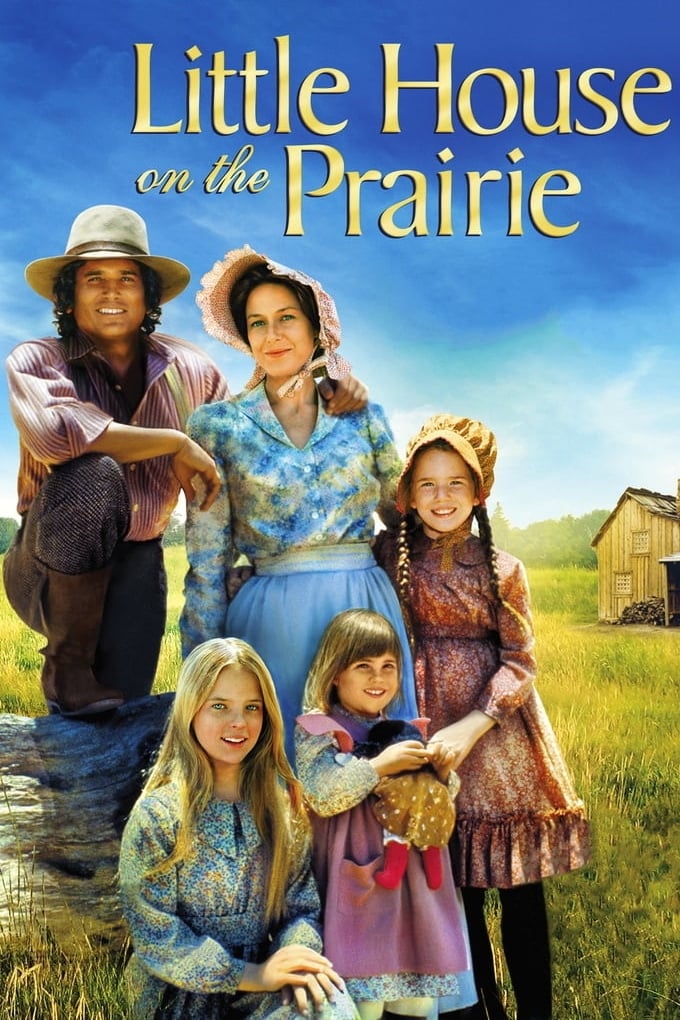
Based on a series of novels, this NBC drama portrays a pioneer family in the American Midwest. It blends frontier challenges with community-focused storytelling. The show became a fixture of family viewing and daytime reruns. Its rural setting and moral lessons resonated across generations.
‘The Waltons’ (1972–1981)

This CBS family drama follows a large household in the Blue Ridge Mountains during economic hardship. It emphasizes intergenerational bonds, home industry, and community support. The series earned major awards for drama and family programming. Its closing narration and sign-off lines became part of television lore.
‘MAS*H’ (1972–1983)
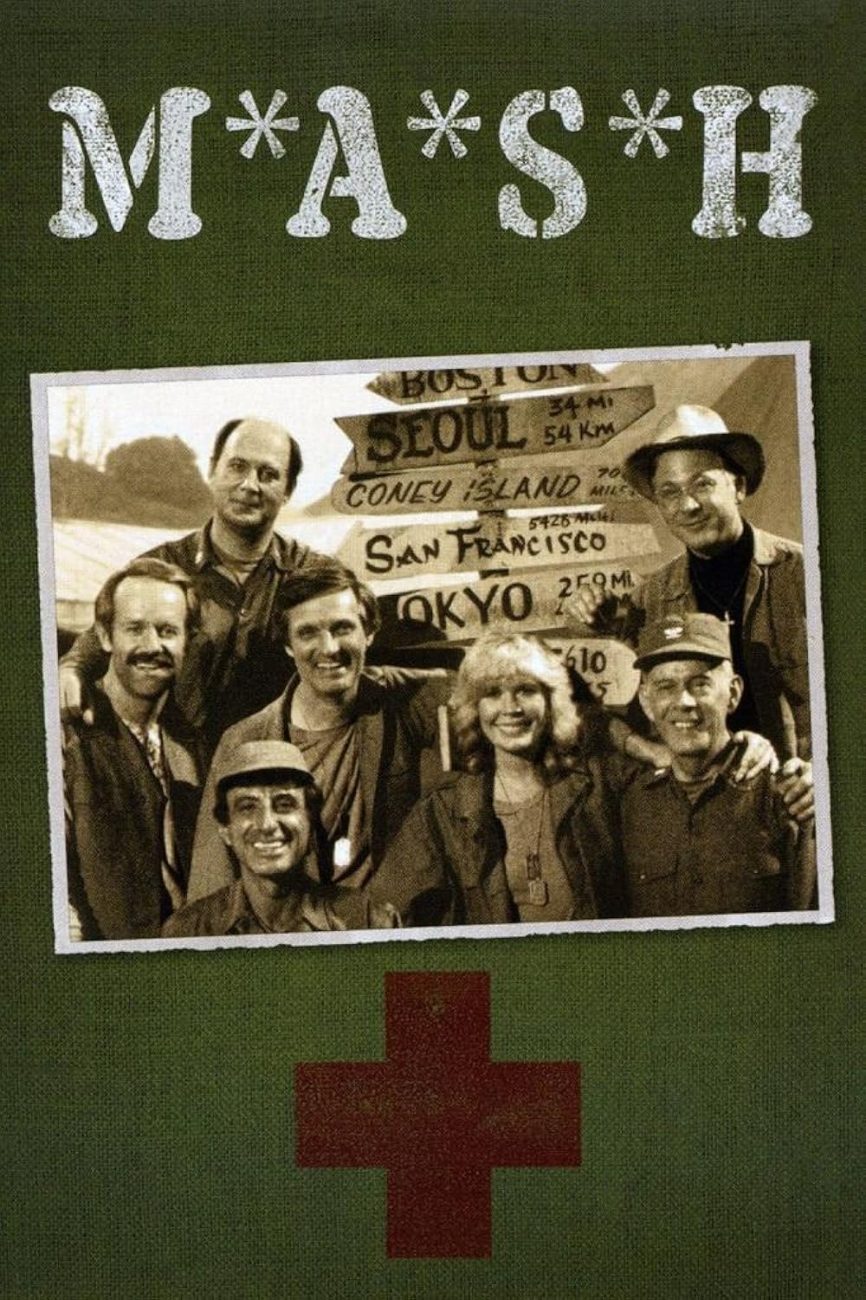
Set in a mobile army surgical hospital, this CBS dramedy balances gallows humor with battlefield medicine. It evolved from laugh-track comedy to character-driven storytelling with topical themes. The series won extensive awards for comedy and drama categories across its run. Its finale remains one of the most-watched single episodes in television history.
Share your own picks and what we missed in the comments.