Top 25 Worst Anime Of The Century (So Far)

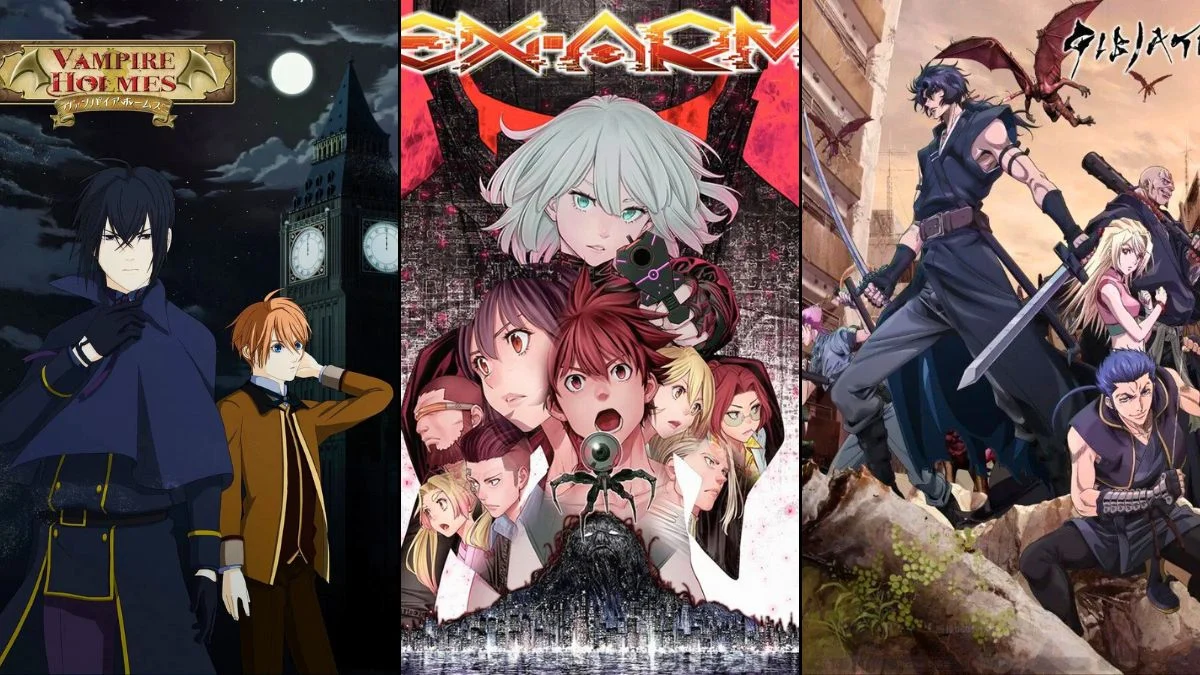

Here is a tour of anime that drew attention for all the wrong reasons, from troubled productions to adaptations that missed the mark. Each entry includes what it is about, who made it, and notable release or production details that help explain how things ended up on screen. You will find short series, OVAs, and TV runs that struggled with direction, animation, or scripting. Consider this a quick reference to what went awry and why these titles are often brought up as cautionary examples.
‘Mars of Destruction’ (2005)
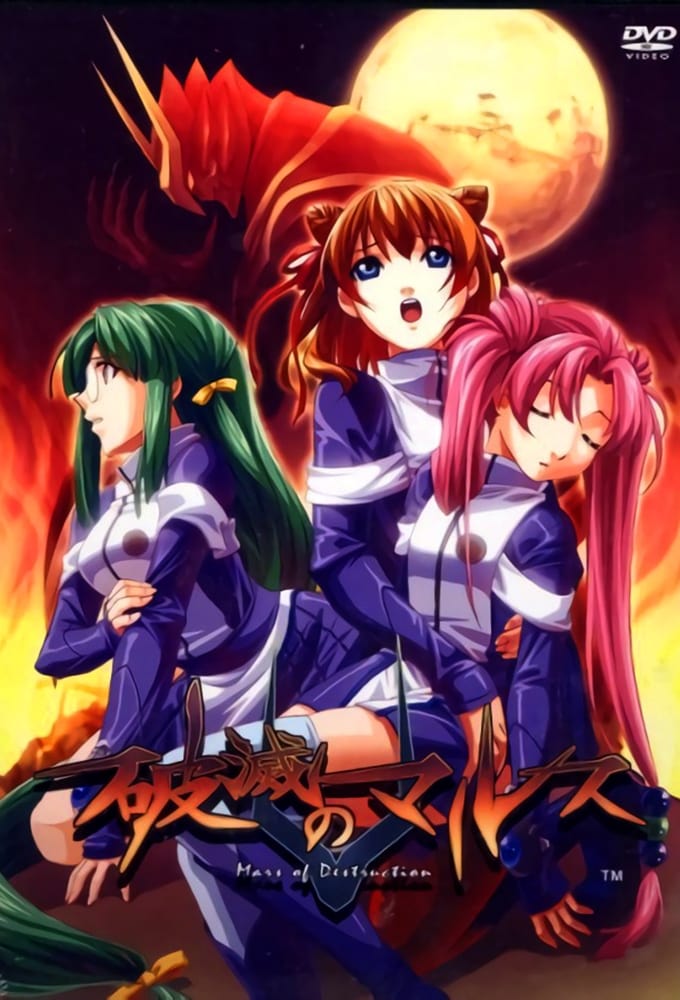
This one-shot OVA follows a team fighting alien lifeforms in a devastated Tokyo. It was produced by studio Planet and runs for about twenty minutes. The project used limited animation and reused cuts to complete its action scenes. Its release on home video circulated widely through budget compilations, which kept it in circulation despite its short length.
‘Skelter+Heaven’ (2004)
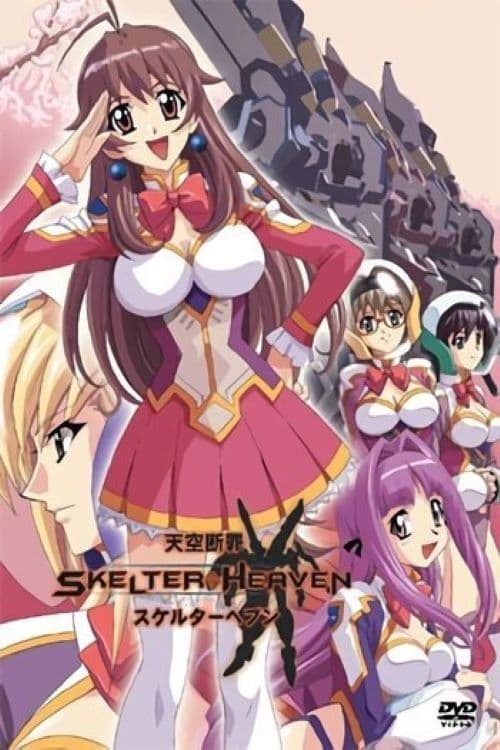
This OVA features a paramilitary group of young pilots operating mechs against mysterious invaders. It was produced by Idea Factory with early 3D elements that tried to blend with 2D character art. The runtime sits under an hour, making it a quick watch. Distribution arrived mainly through DVD, where the technical execution became a major talking point.
‘Pupa’ (2013)
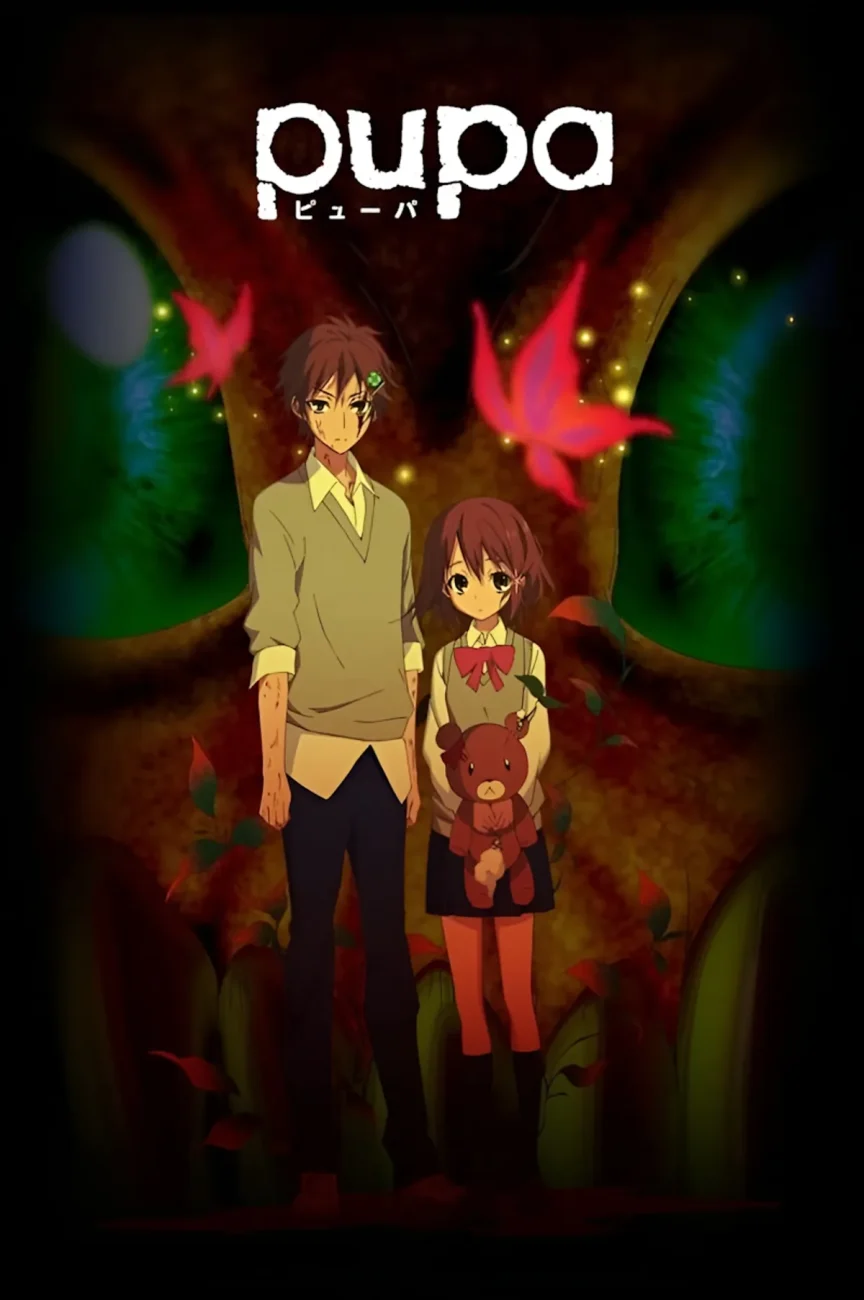
Based on a horror manga, this series follows siblings dealing with grotesque transformations and survival. Studio DEEN produced the adaptation as a series of micro episodes just a few minutes each. The short format cut most of the source plot and character beats. Broadcast standards led to extensive censorship in early airings, which obscured already brief scenes.
‘Vampire Holmes’ (2015)
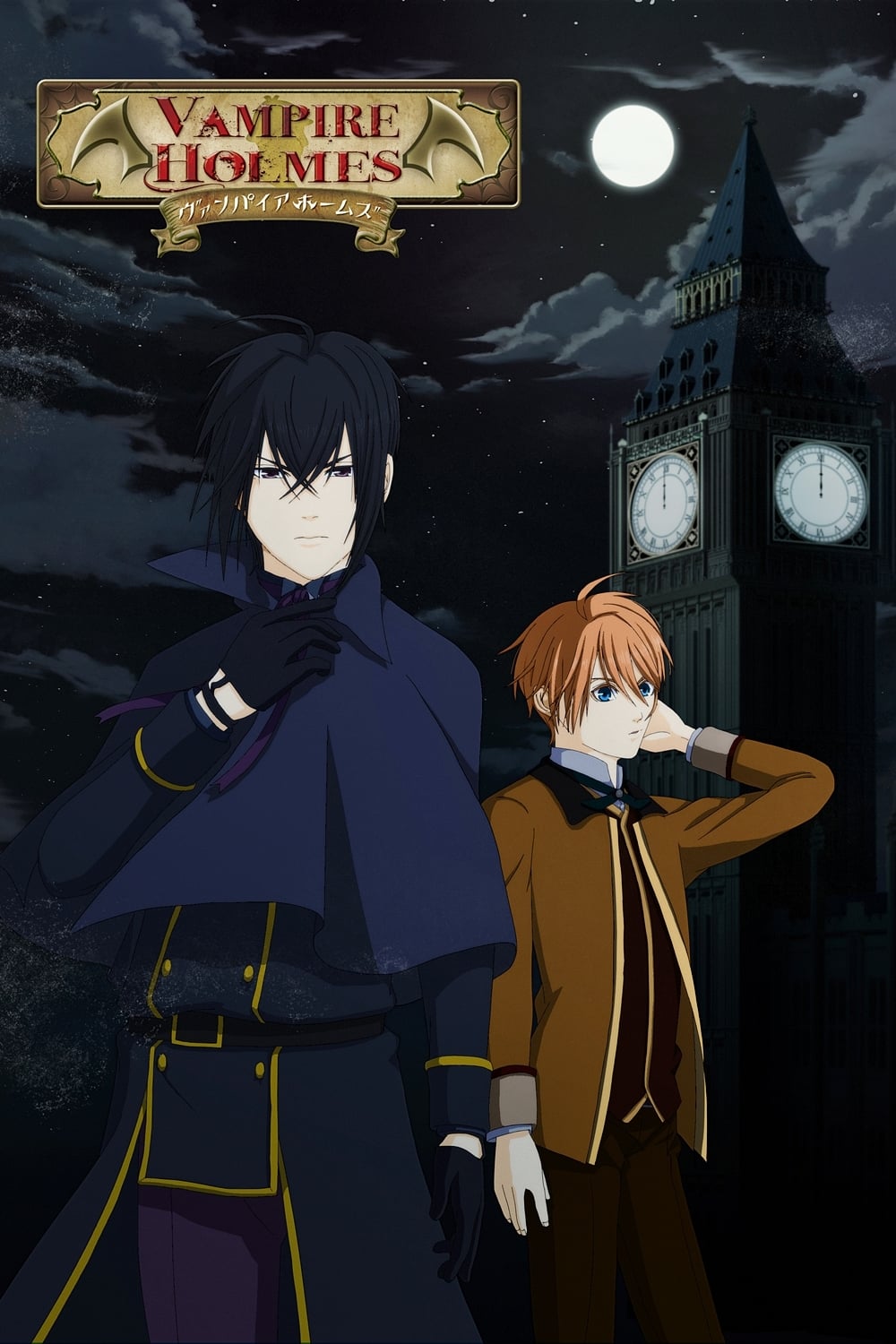
Set in London, this short series centers on a detective who is rumored to be a vampire yet solves cases with very little actual deduction. Studio Studio! Cucuri delivered extremely short episodes designed for mobile viewing. Static shots and minimal movement define its presentation. The show ran in a late night slot and was bundled with an app tie in.
‘Ex-Arm’ (2021)
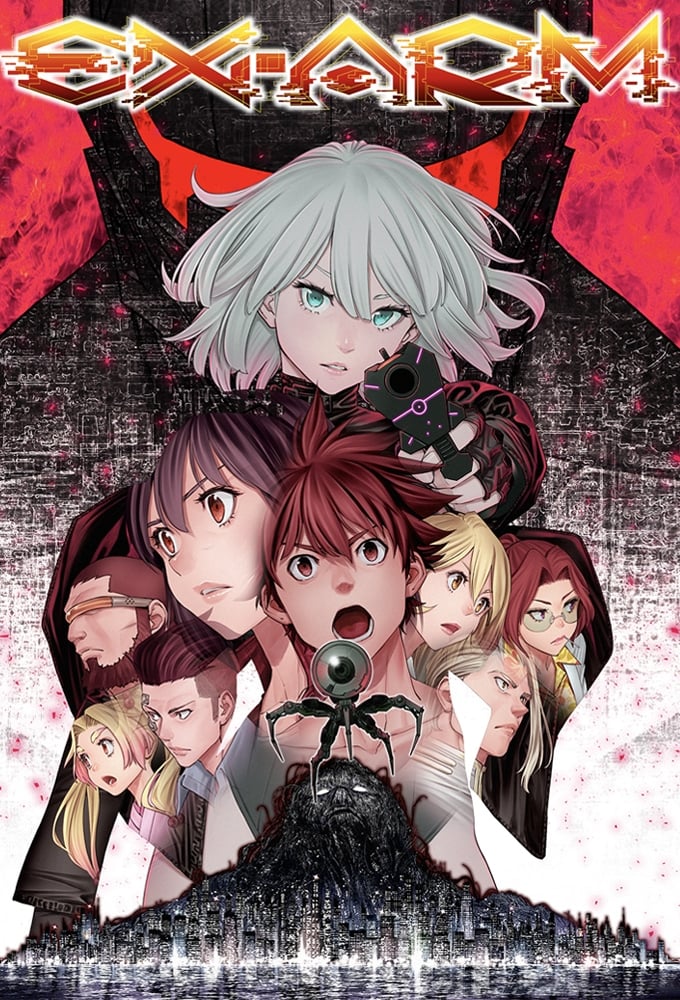
This sci fi action series adapts a manga about human minds and advanced weapons in a near future setting. Visual Flight attempted a full 3D pipeline that mixed CGI characters with 2D assets. The workflow produced severe compositing mismatches and awkward camera moves. Simulcast streams highlighted production issues from the first episode onward.
‘Hand Shakers’ (2017)
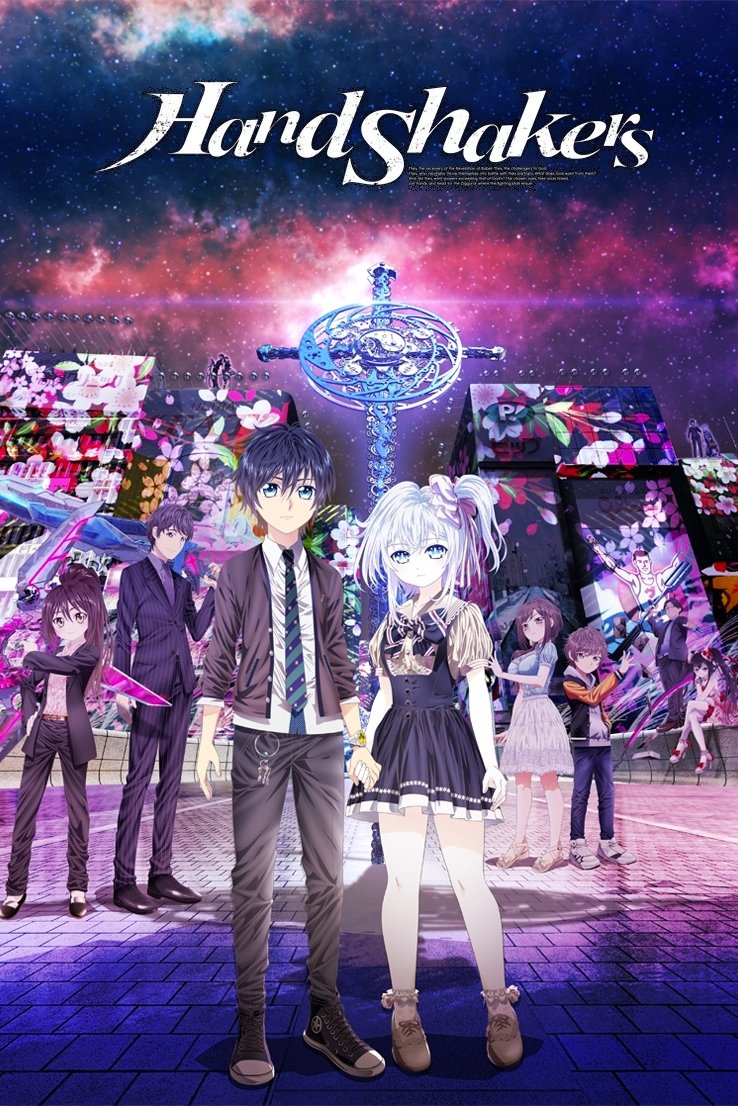
This original project from GoHands follows pairs who battle in a parallel arena to have a wish granted. The show is known for constant camera motion and heavy digital effects over photographed backgrounds. Characters fight with gear themed abilities while relationship drama unfolds at school. A follow up series later used the same setting with new leads.
‘Gibiate’ (2020)
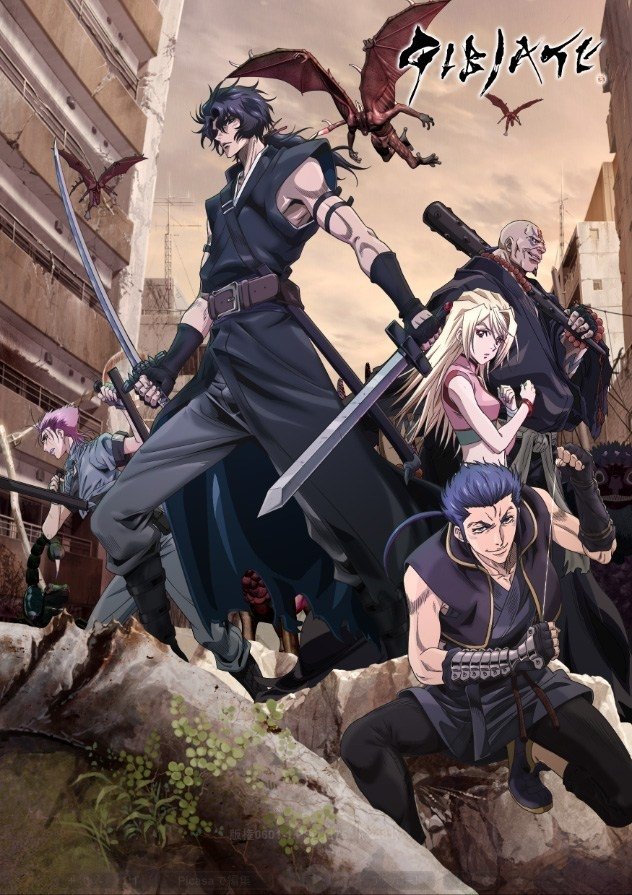
An original anime set during a pandemic features Edo era warriors transported to a near future Japan overrun by mutants. The project assembled a cross media team that included veteran designer Yoshitaka Amano for concept art. Broadcast coincided with real world disruptions that complicated production. The final episodes combined hand drawn cuts with quickly assembled creature shots.
‘Ousama Game The Animation’ (2017)
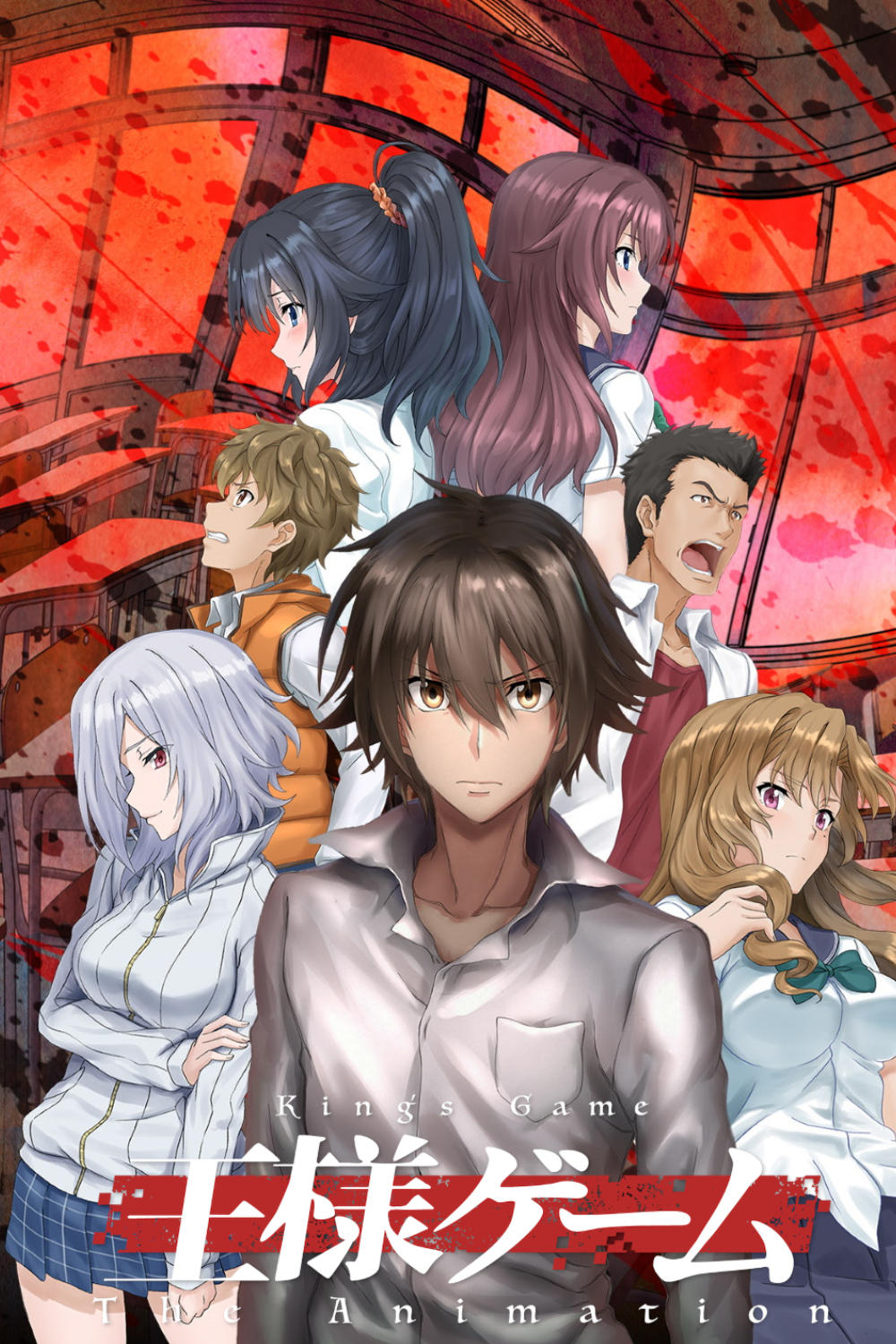
Adapted from a mobile novel series, this show depicts a class forced into deadly dares by mysterious texts. It compresses multiple arcs into a single cour while using flashbacks to a previous incident. The rapid pacing leaves little space for investigation elements central to the premise. Character attrition happens quickly as each round escalates.
‘Big Order’ (2016)
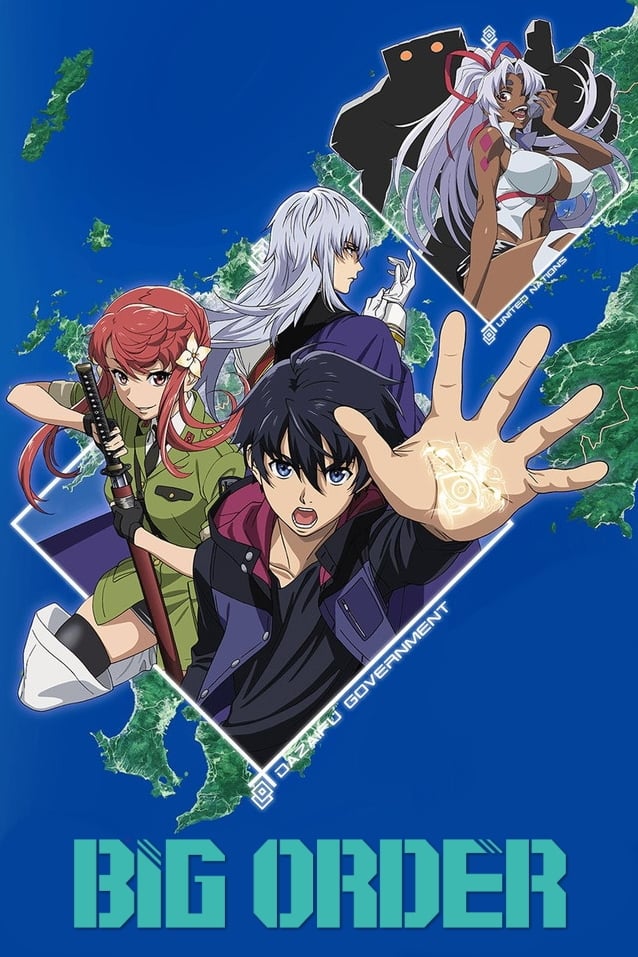
From the creator of ‘Future Diary’, this adaptation focuses on users who manifest powers shaped by their wishes. Asread handled production with a TV run that reworked an earlier OVA pilot. The narrative jumps through time skips and large plot reveals in quick succession. Action scenes rely on stylized stills and effects to convey large scale battles.
‘Taboo Tattoo’ (2016)
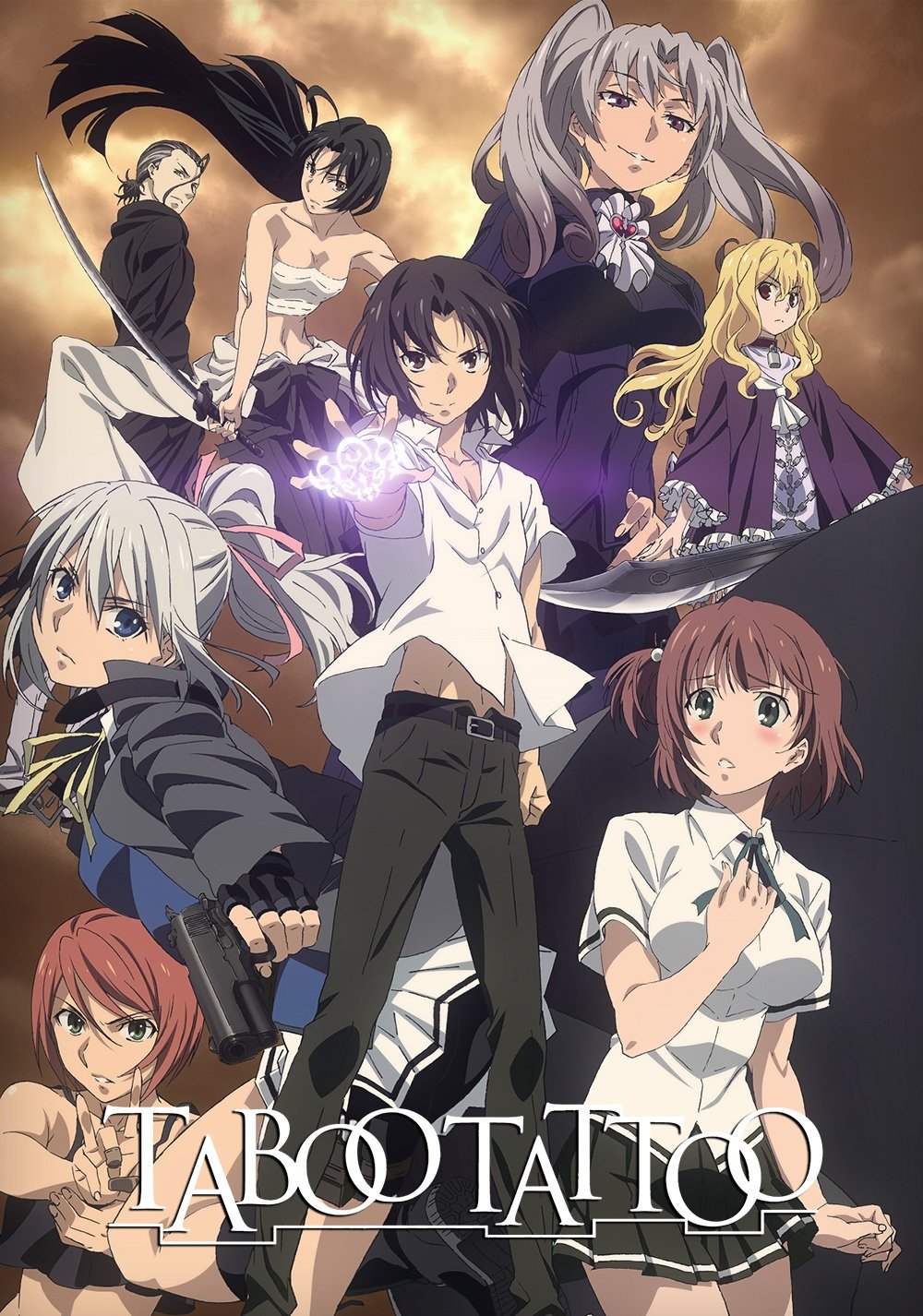
This action series follows a martial artist who gains a cursed mark granting supernatural abilities. J C Staff adapted the manga with an emphasis on modern military tech meeting magic systems. The show alternates between high school scenes and international conspiracies. Battles frequently cut between hand to hand choreography and energy beam clashes.
‘Dies Irae’ (2017–2018)
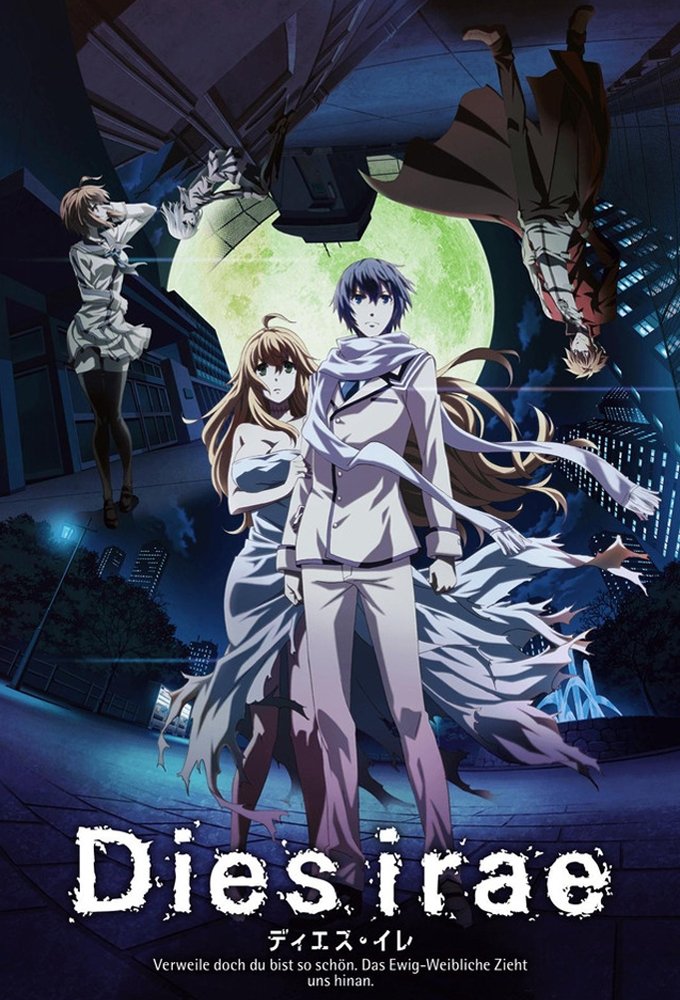
Based on a long visual novel, this series portrays supernatural conflicts tied to occult relics and World War II mythology. The TV broadcast covered a fraction of the route content, with additional episodes released online to finish the story. Character introductions arrive rapidly due to the size of the cast. Viewers without knowledge of the game found navigation of the plot challenging.
‘Wizard Barristers’ (2014)
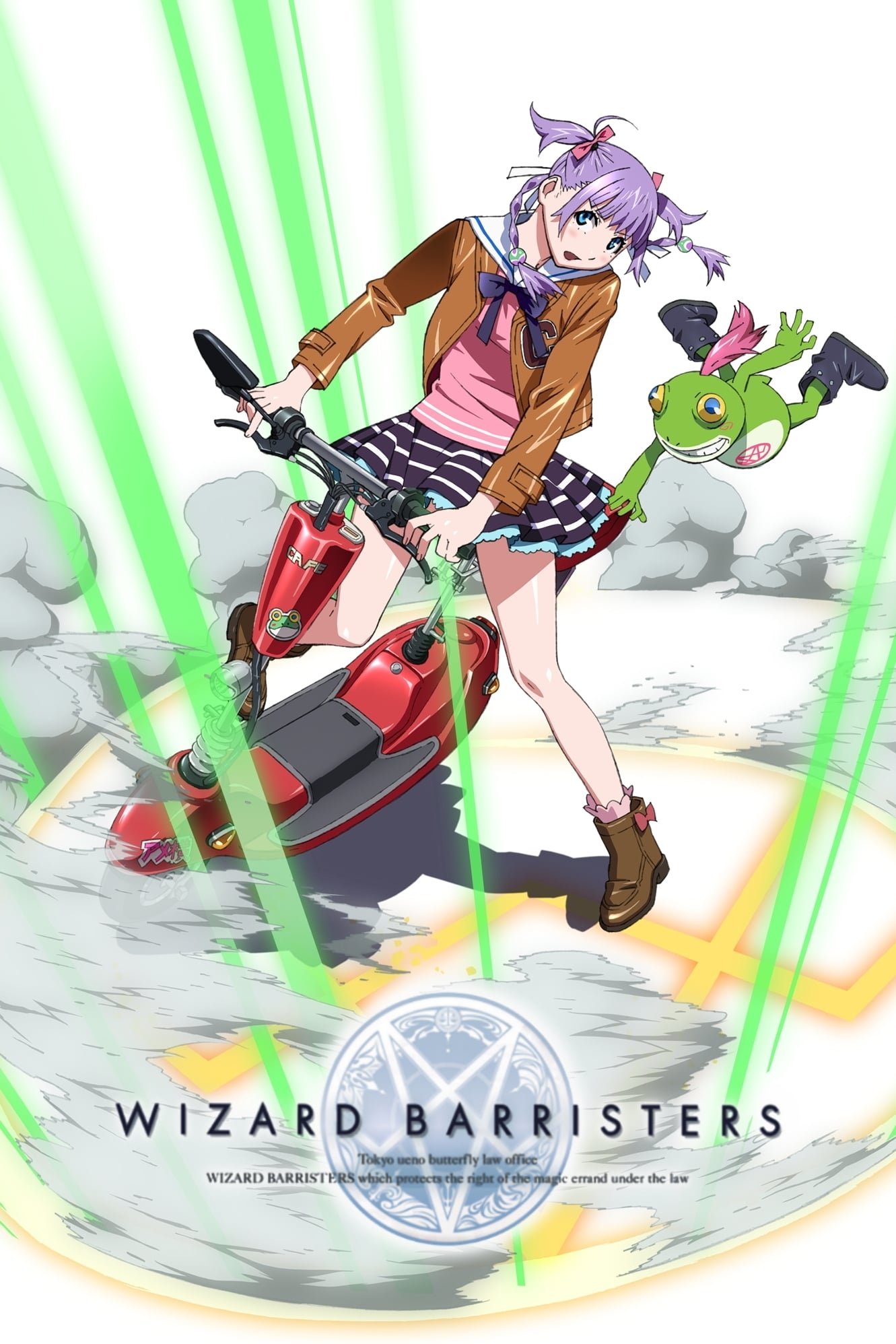
This original series from studio Arms presents a legal system where mages stand trial in special courts. The show combines courtroom drama with mecha style familiar spirits used in action scenes. Production delays affected the late episodes, including a recap inserted near the end. The finale reused earlier footage to bridge incomplete cuts.
‘Conception’ (2018)
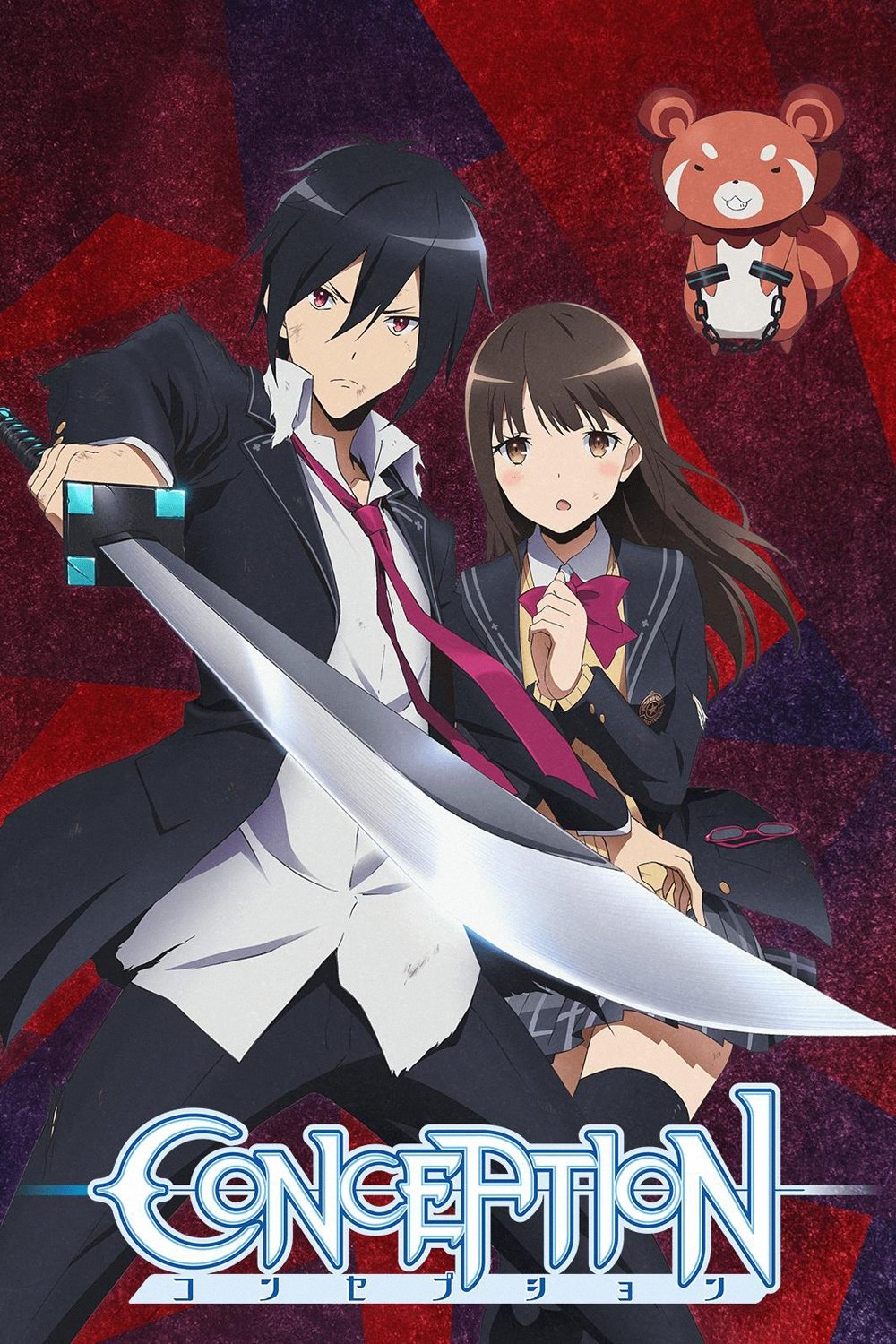
Adapted from a dating sim RPG, this series follows a protagonist who must form bonds with twelve maidens to save a fantasy world. The premise leans on game mechanics such as dungeon runs and partner selection. The anime uses skits and meta jokes to fill out episodes between brief battles. A late twist reframes earlier antics as a staged show within the story.
‘My Sister, My Writer’ (2018)

This romantic comedy adapts a light novel about a supposed literary prodigy and his sibling who ghostwrites his work. The broadcast featured frequent on screen corrections and revised cuts between TV and disc. Character models shift noticeably within scenes. The series emphasizes industry parody while relying on standard club room setups.
‘Blade and Soul’ (2014)
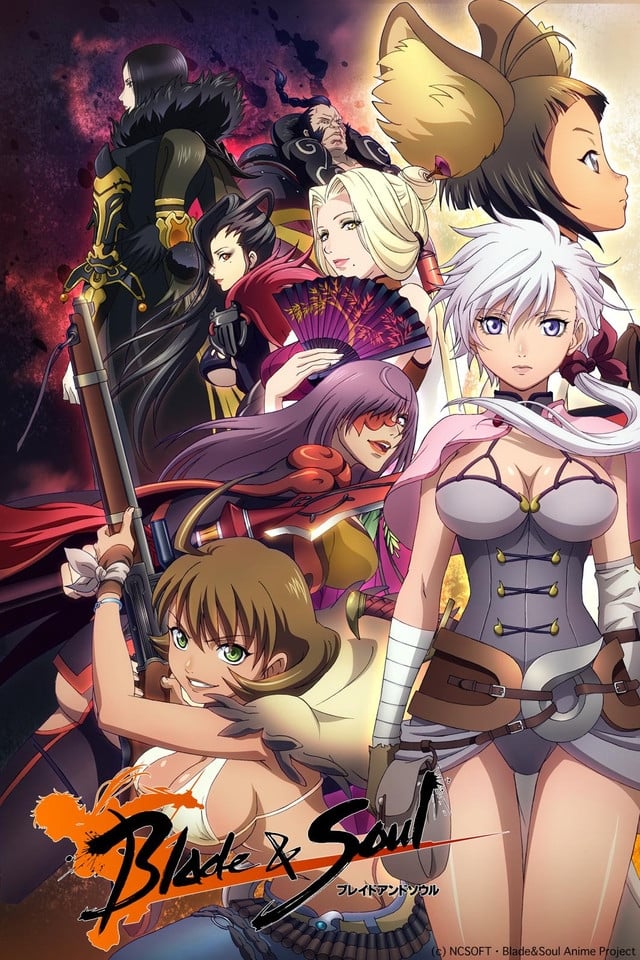
Inspired by an online game, the show follows an assassin seeking answers about her past while traveling through contested regions. Studio Gonzo produced the adaptation with rotating quest style arcs. The structure mirrors game progression with episode specific antagonists. Weapon techniques and energy effects carry over from the source’s skill visuals.
‘Magical Warfare’ (2014)
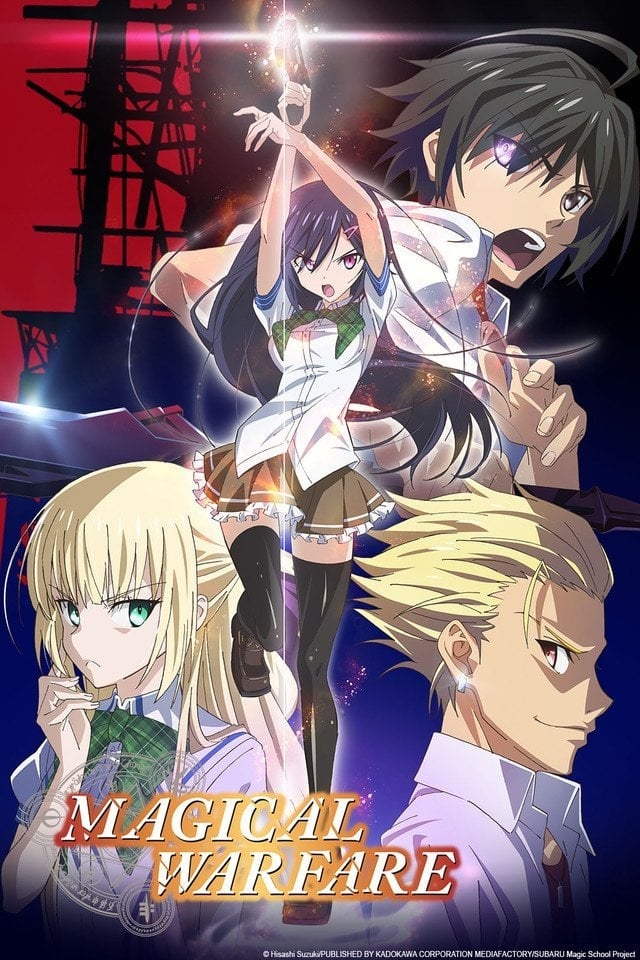
This school fantasy introduces a hidden world of magicians alongside ordinary society. Madhouse delivered the adaptation with parallel factions and a focus on training battles. The story accelerates quickly into time travel and alternate world stakes. The final episode ends on open plot threads that were not continued in anime form.
‘Valkyrie Drive: Mermaid’ (2015)
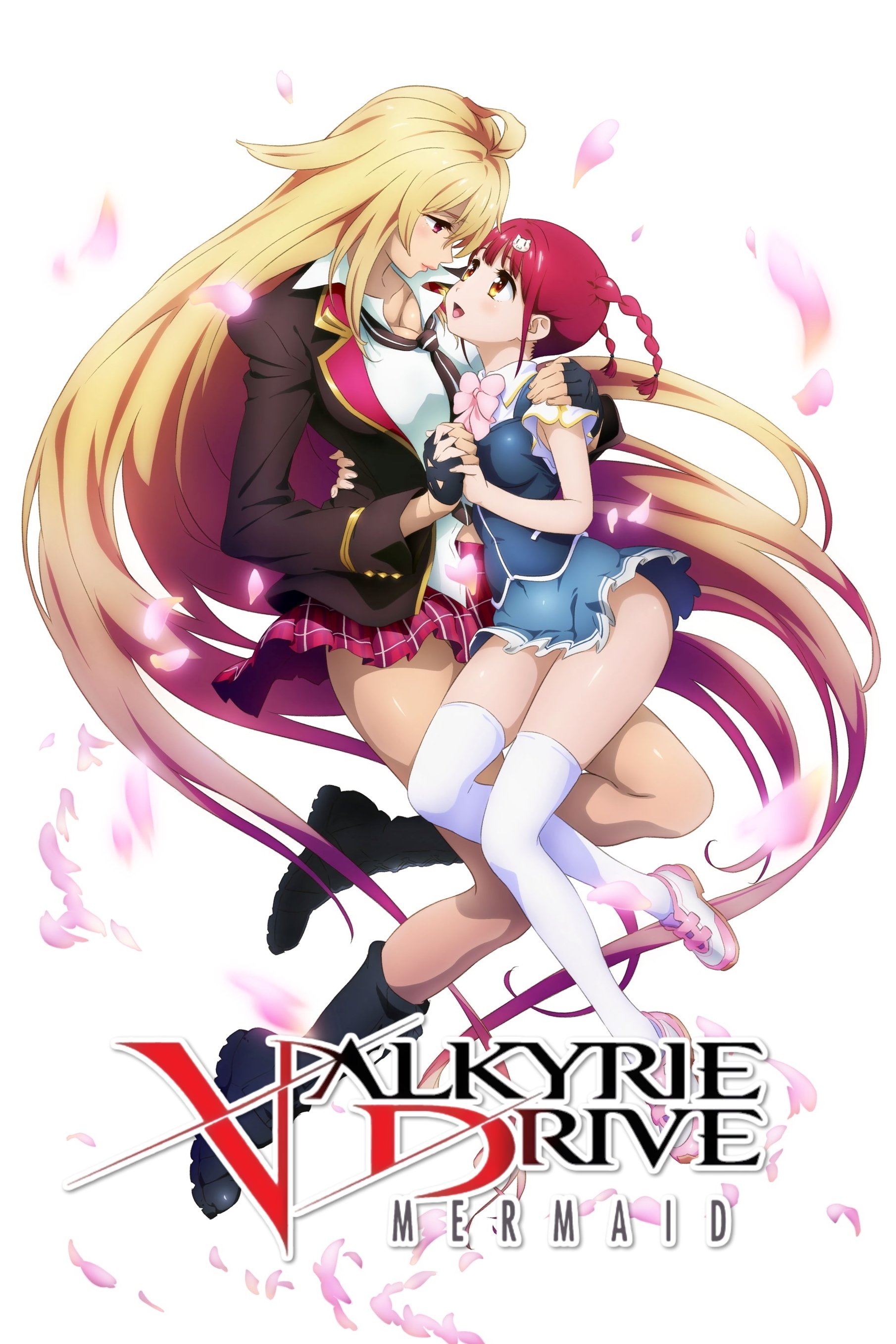
Set on an island where certain girls transform into weapons when partnered, this series expands a multimedia franchise. Arms produced the anime with a focus on flashy combat abilities tied to emotional bonds. The show mixes tournament brackets with faction politics. Visual motifs and attacks were designed to echo the associated game entries.
‘Berserk’ (2016–2017)
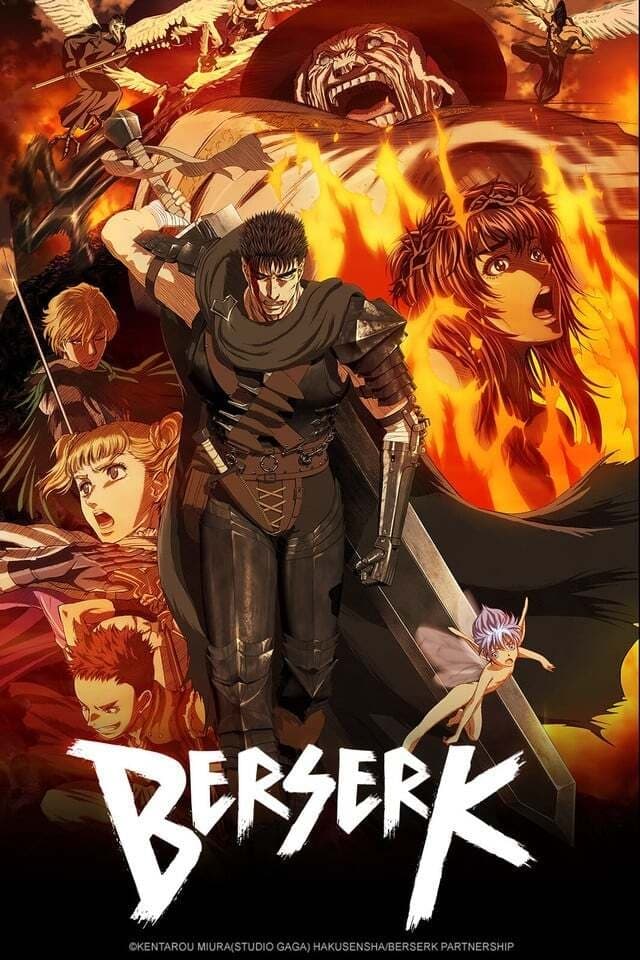
This continuation of the classic saga covers the Conviction and Falcon of the Millennium Empire material with a heavy CGI approach. Millepensee and GEMBA built 3D character rigs over sparse line art filters. The direction adopted frequent camera pans to simulate movement. Disc releases later adjusted some scenes but kept the core pipeline intact.
‘Nobunaga the Fool’ (2014)
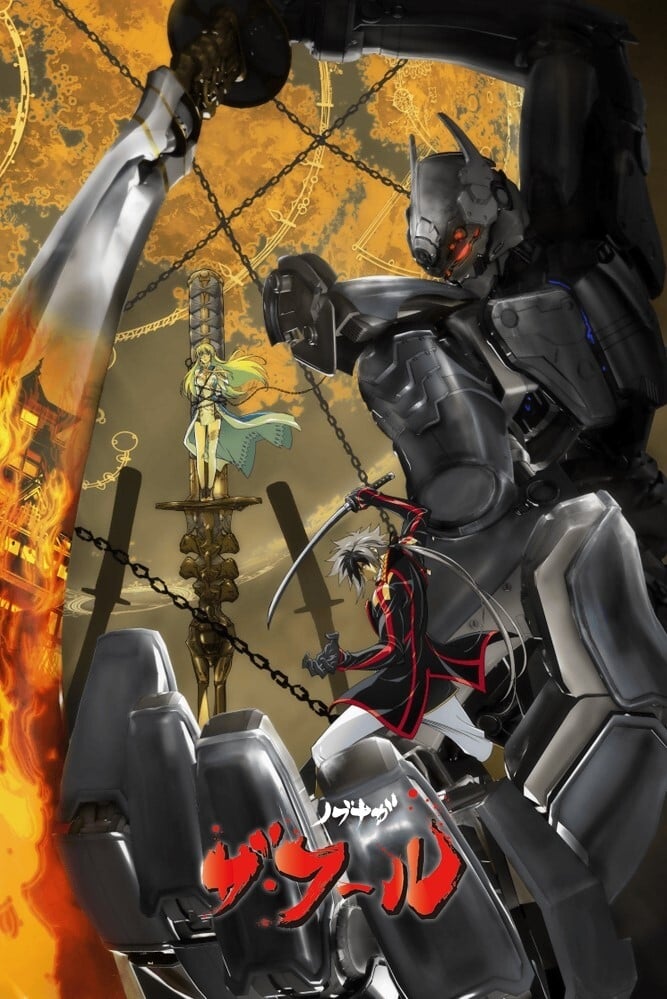
An original mecha project from Satelight merges Sengoku figures with Western legends on distant worlds. The series uses tarot themes to organize factions and battles. Historical names appear with altered roles to support a space opera plot. Merchandising emphasized mecha designs while the show balanced strategy talk with stage like confrontations.
‘Glasslip’ (2014)
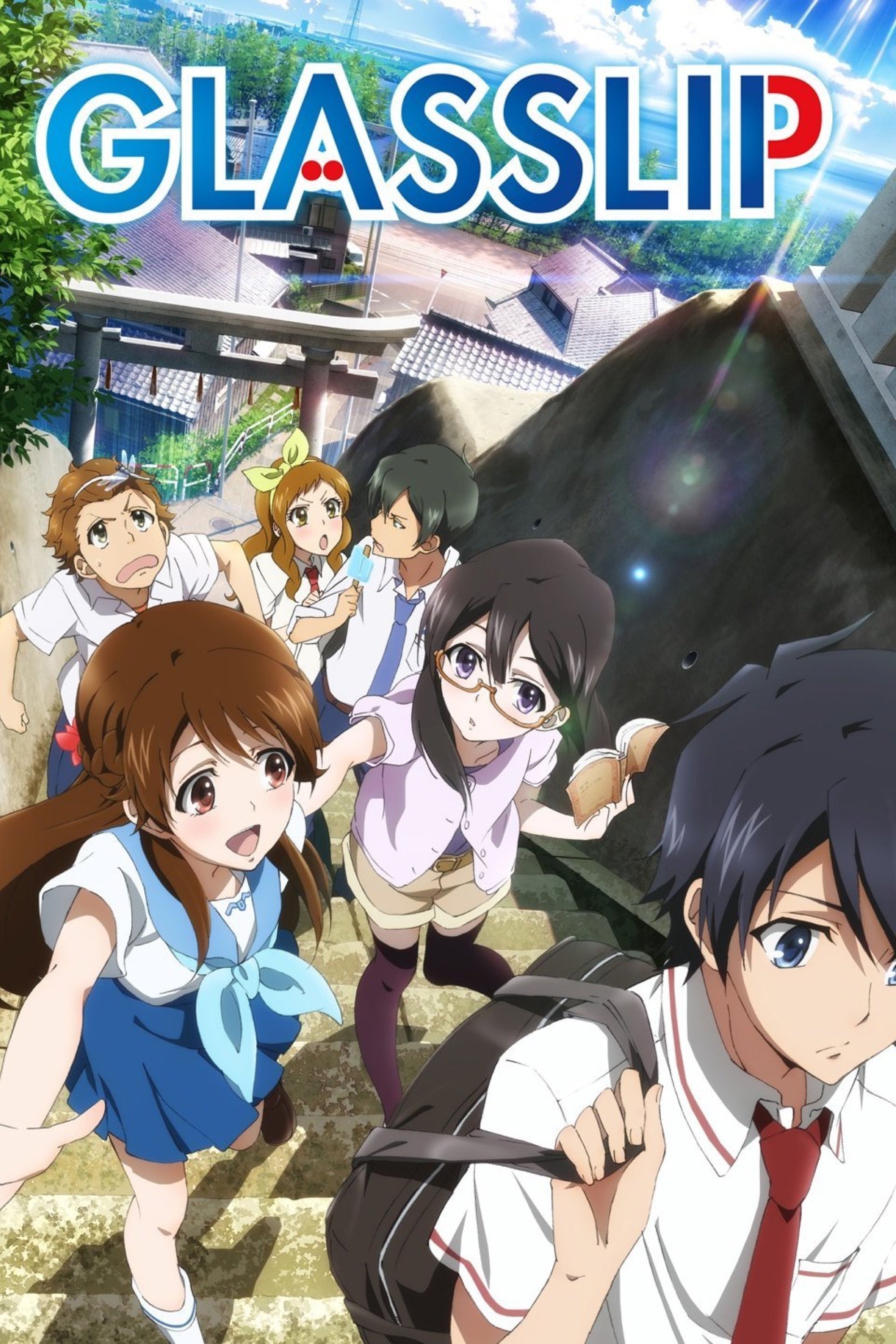
P A Works set this coming of age drama in a coastal town with glassblowing as a motif. The plot introduces a new transfer student whose visions influence the friend group. Conversations circle around future possibilities more than concrete choices. Scenic backgrounds and daily life details dominate the presentation.
‘Coppelion’ (2013)
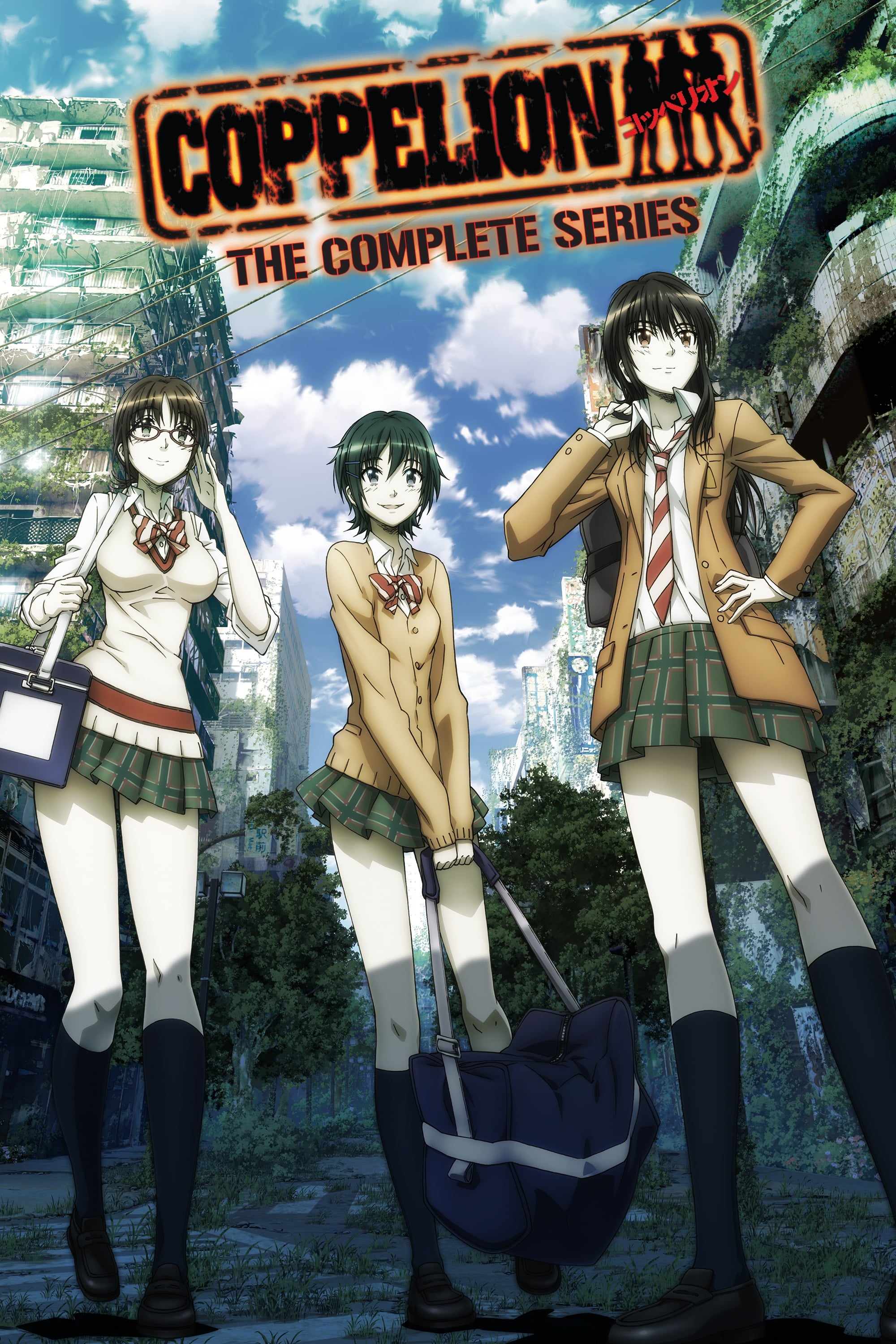
This action drama follows genetically engineered girls immune to radiation as they search for survivors in a deserted Tokyo. The production employed bright outlines over desaturated cityscapes to emphasize emptiness. The broadcast faced sensitivity concerns due to its disaster themed setting. Military logistics and rescue operations frame much of the story.
‘Galileidonna’ (2013)
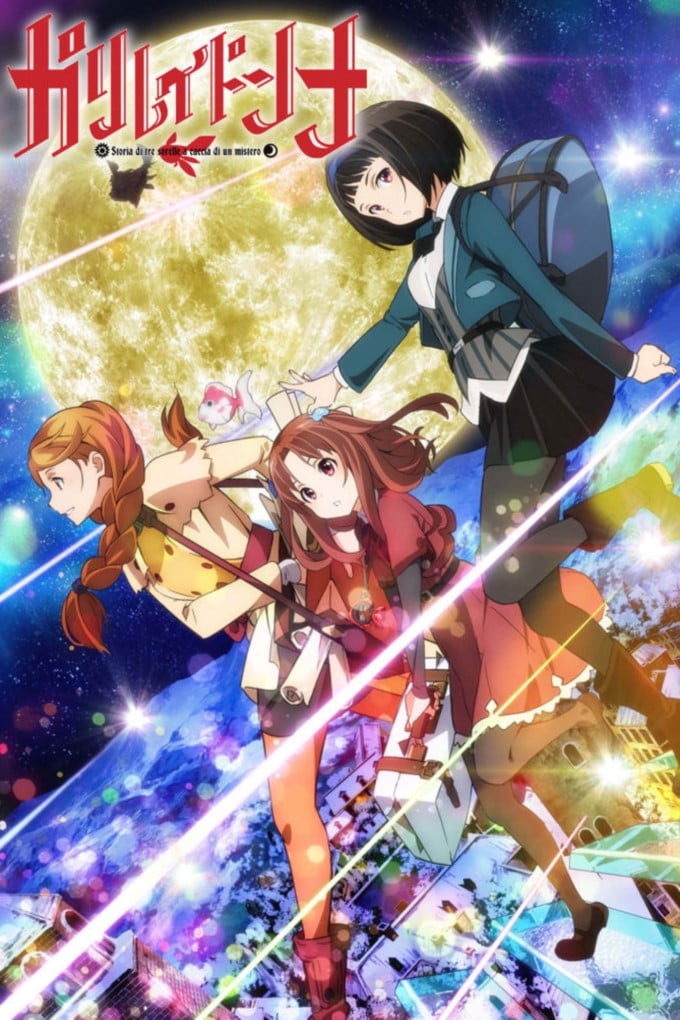
An original adventure show from A 1 Pictures sends three descendants of Galileo on a treasure hunt across Europe. The series blends family dynamics with heist elements and corporate pursuit. Episode locations change quickly to maintain a travel rhythm. A late pivot to a larger conspiracy compresses key revelations into a short span.
‘Ninja Slayer From Animation’ (2015)
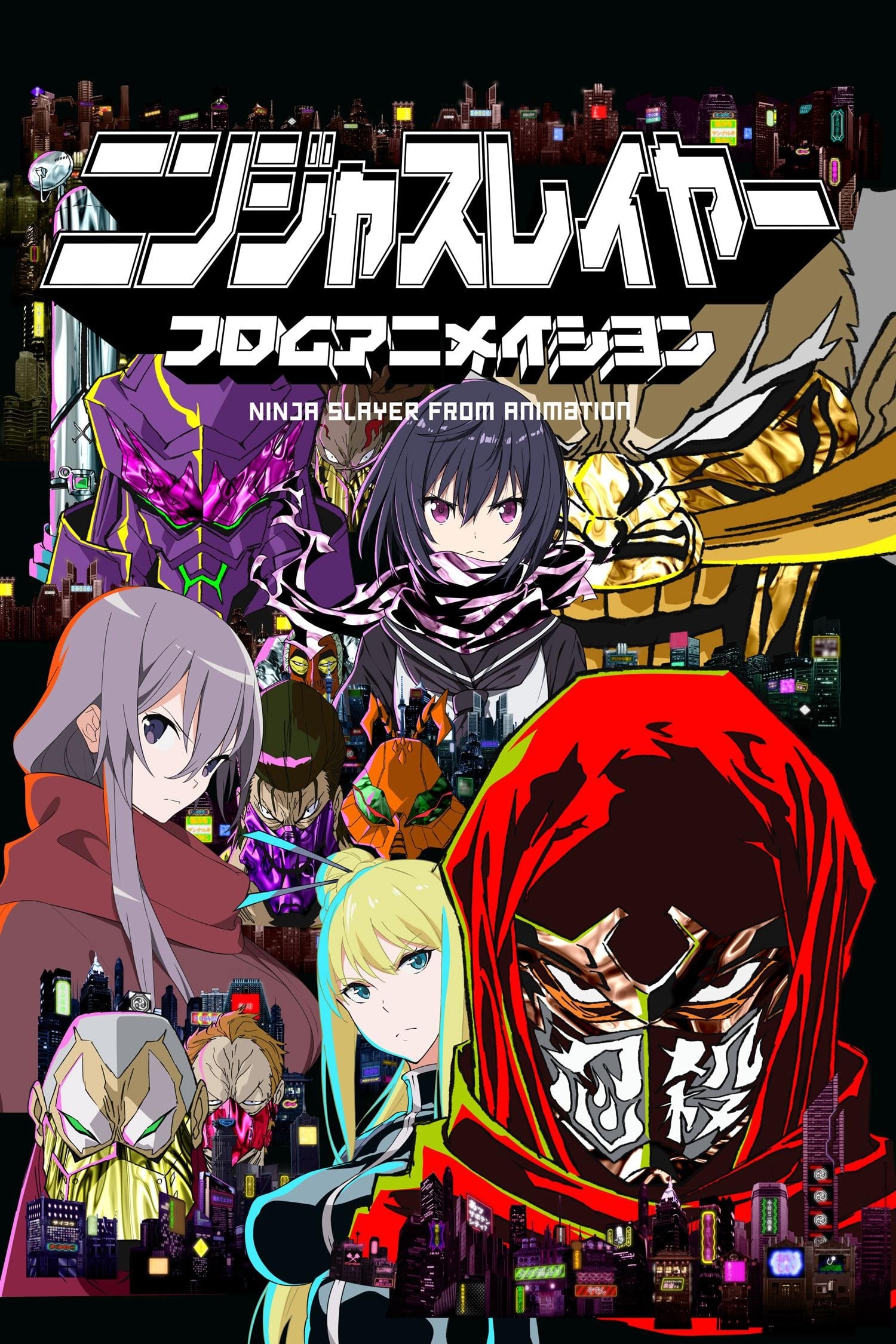
Trigger adapted a parody cyberpunk novel series using a deliberately crude Flash like aesthetic. The show alternates between short gag episodes and longer arcs. Fight scenes hinge on exaggerated sound effects and abrupt cuts. English phrases and meme ready inserts appear throughout as part of the humor style.
‘Tesla Note’ (2021)
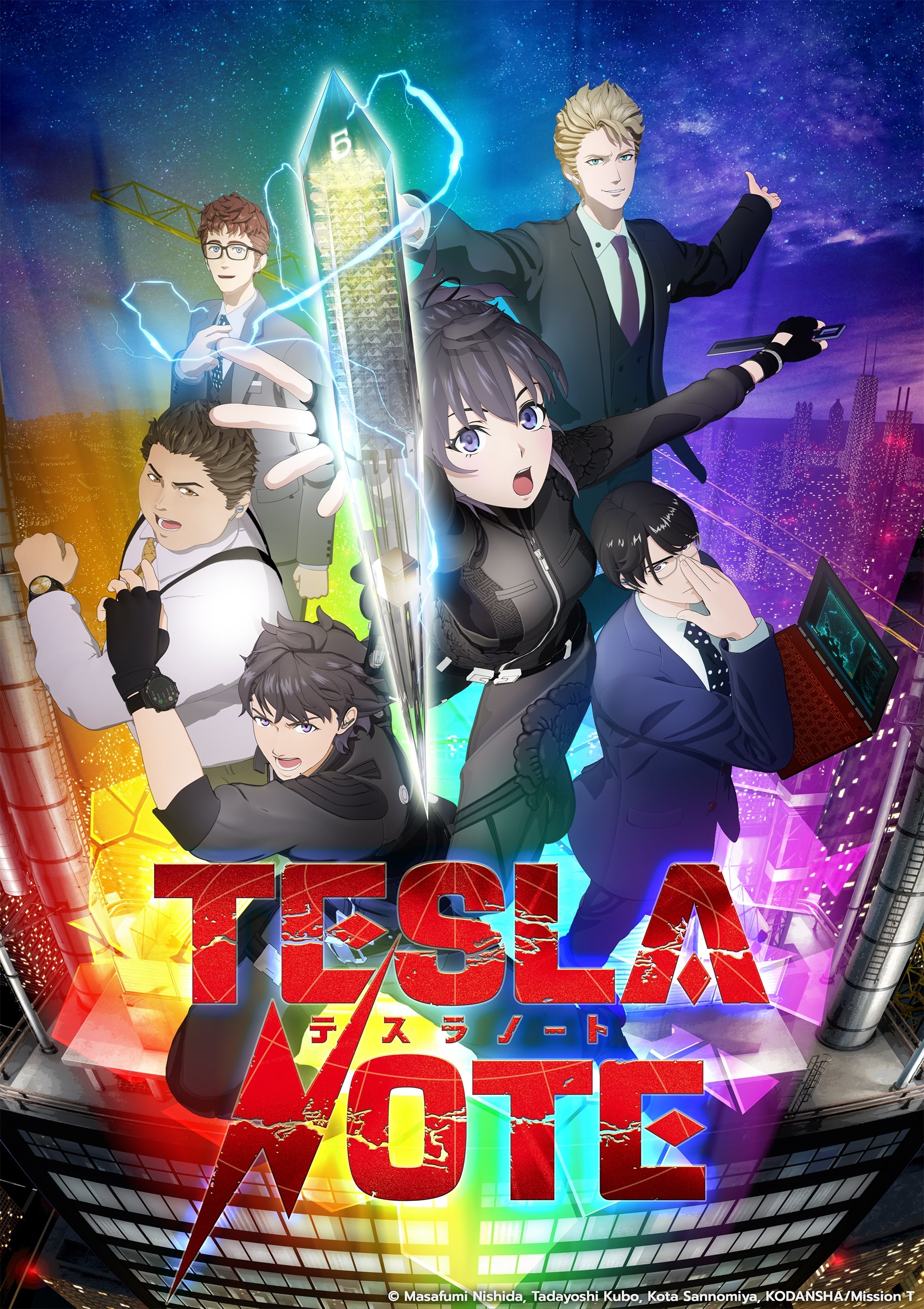
This spy action series adapts a manga where operatives collect shards tied to Nikola Tesla’s legacy. Studio Gambit used 3D character models with a toon shader approach. Mouth shapes and facial rigs often move out of sync with dialogue. The story mixes field missions with classroom scenes to track the main duo.
‘Wanna Be the Strongest in the World’ (2013)
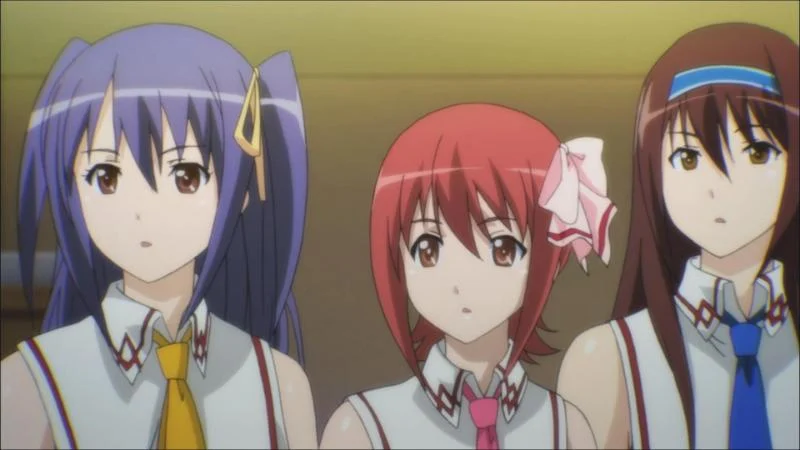
This sports drama follows an idol who switches careers to become a professional wrestler. The show recreates submission holds and ring psychology from real promotions. Training arcs focus on conditioning and technique acquisition. The season structures bouts around regional events and title challenges.
Share your picks in the comments and tell us which titles you would add to the list.