‘Naruto: Shippuden’ Mistakes You’ll Never Be Able to Unsee

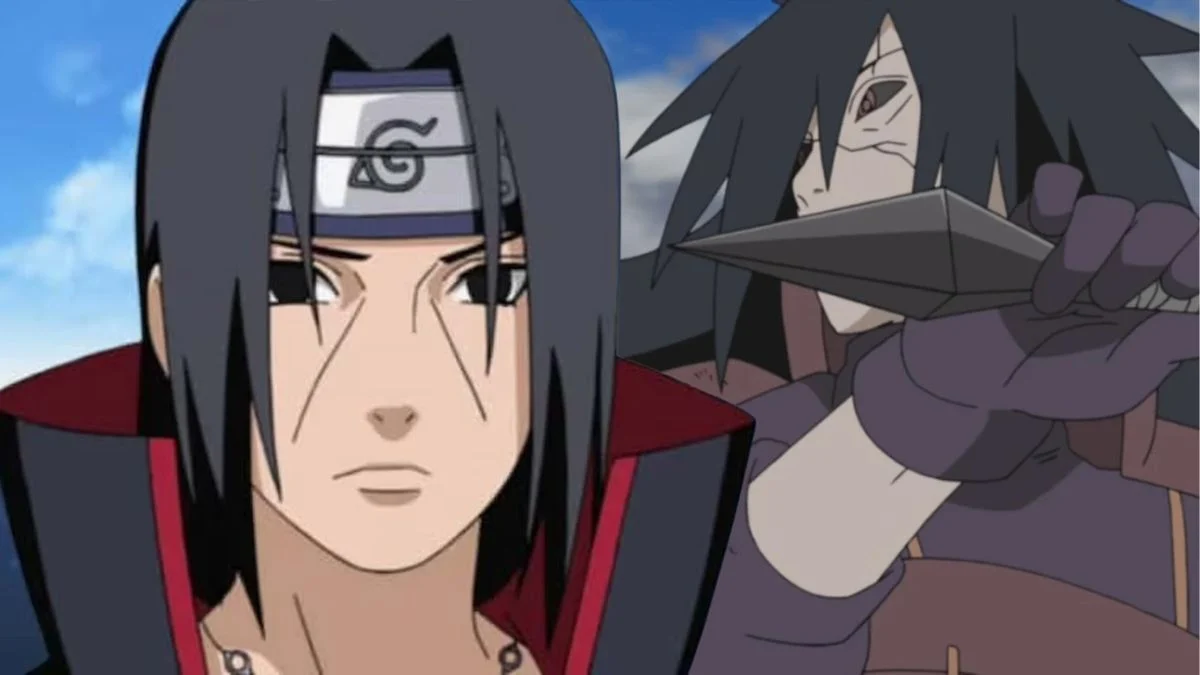

It is packed with unforgettable battles and heartfelt moments, but even a long running hit like ‘Naruto: Shippuden’ slips up here and there. Sharp eyed fans have spotted animation quirks, continuity gaps, and prop mix ups that jump out once you notice them. Some are tiny blink and you miss it glitches while others last across entire scenes. Once you see these goofs, you will spot them again and again on a rewatch.
Gaara’s sand armor disappears between cuts
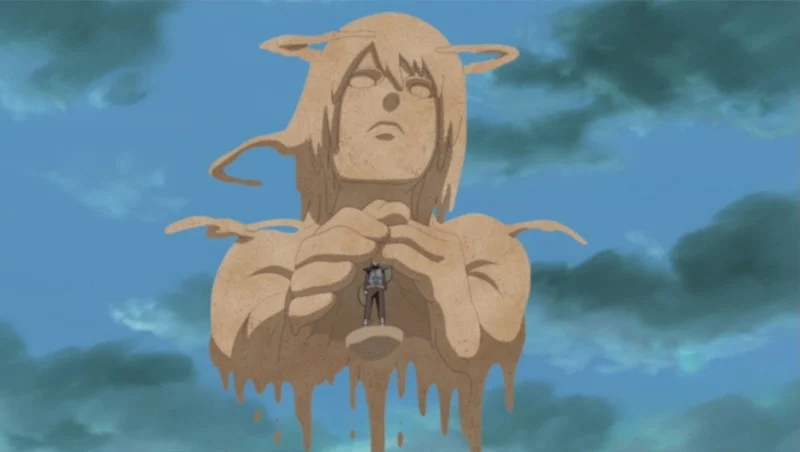
In several scenes Gaara’s protective sand layer fades out in one shot and then returns in the next without any trigger. The animators sometimes show sand covering his face or shoulders and then cut to a clean model a moment later. This happens during fast exchanges where the camera jumps angles quickly. The effect makes it look like his defense turns off and on for no reason.
Akatsuki rings switch hands
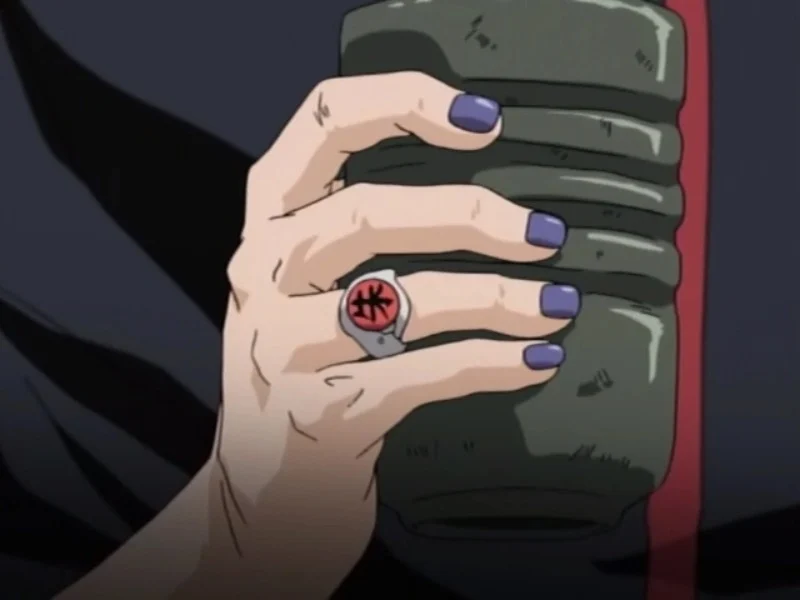
The Akatsuki are known for their distinctive rings, yet the jewelry does not always stay on the assigned fingers. In some cuts a ring appears on the opposite hand or a different finger than the character is supposed to wear. Quick edits and mirrored shots make the placement inconsistent. The result is a small but noticeable wardrobe error for a group defined by their uniform look.
Sharingan tomoe counts change mid fight
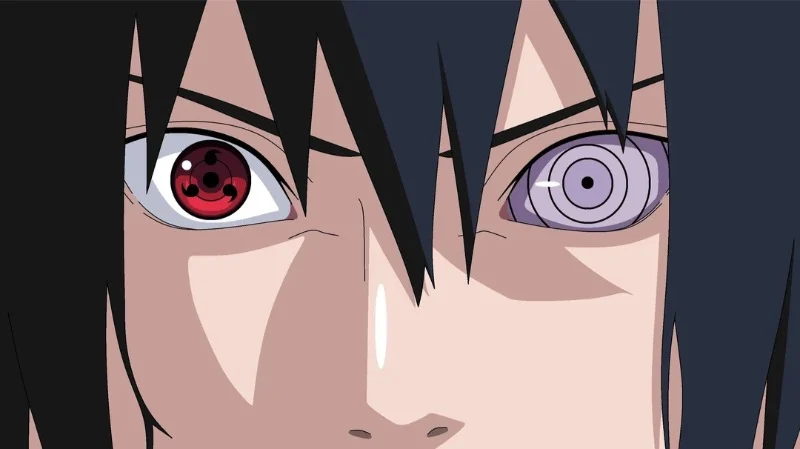
Close shots of the Sharingan sometimes show the wrong number of tomoe for the user at that point in the story. A character can be drawn with fewer or more marks than they should have when the angle changes. This usually occurs in rapid fight animation where frames are reused or corrected later. It briefly alters the power level the eye should represent.
Cloak tears vanish after scene changes

Battle damage on jackets and cloaks does not always carry over between shots. Rips and scorch marks can be clear in one moment and gone after a cut to a new angle. When the camera returns, the damage reappears as if nothing happened. These resets break the continuity of long fights where clothing should stay consistently worn.
Kunai and shuriken appear and disappear

Thrown weapons are sometimes missing from the ground or a wall in the very next frame. A kunai that sticks in a surface can be gone when the view widens, then back when the camera moves again. The same thing happens with shuriken lodged in trees or stone. It turns high pressure exchanges into small games of spot the prop.
Headband scratches swap sides

Headbands with unique scratches or marks can flip sides between close ups and wide shots. Mirrored frames are often the cause, which reverses the symbol and any distinctive damage. For viewers who track these details, the sudden swap is jarring. It makes the signature village plate look incorrectly crafted for a moment.
Character heights shift between shots

Relative height lines do not always stay consistent across scenes. A character who stands slightly shorter than another in one angle can appear almost the same height or even taller in the next. Changes like camera placement explain some of it, but entire cuts reuse models at different scales. It creates odd visual jumps during dialogue or face offs.
Eye scars and facial marks move around

Small details like scars, whisker like cheek lines, and eye creases can drift or change thickness between frames. In fast sequences a mark may ride higher on the cheek or switch proximity to the eye. Cleanup passes do not always catch these shifts when schedules are tight. The moving features stand out during still moments and reaction shots.
Jutsu hand seals do not match the technique

Characters sometimes form a sequence of hand signs that does not match the technique that follows. The camera will show a brief set of seals, then the jutsu effect appears despite the mismatch. This likely comes from reused animation cuts to save time. For fans who memorize seal orders, the error is easy to spot.
Timeline ages and mission dates do not add up
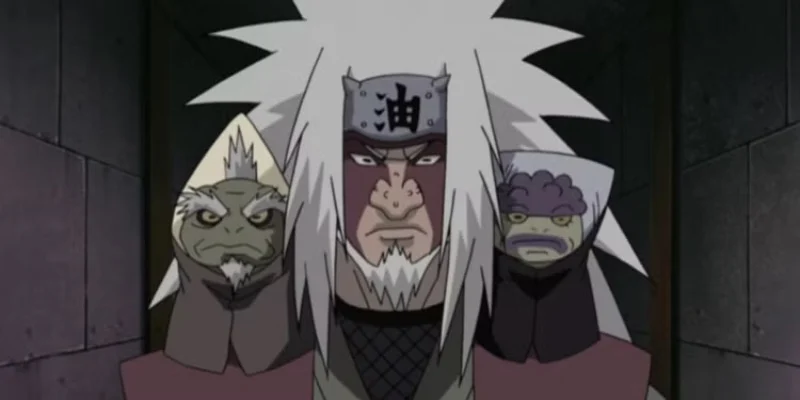
Dialogue about ages, training time, or the gap between key events does not always line up with later lines. A character may reference months of recovery in one arc and different timing in another. Flashbacks sometimes compress or stretch the sequence of major incidents. These timeline wobbles create confusion when you map the story beat by beat across ‘Naruto’ and ‘Naruto: Shippuden’.
What other little goofs have you noticed in ‘Naruto: Shippuden’ that always catch your eye, share your finds in the comments.