15 Deadliest Monsters in Folklore That Still Haunt Us



Across cultures and centuries, people have told cautionary tales about beings that stalk forests, rivers, and even the night skies—stories designed to explain the unexplainable and warn against reckless choices. These monsters aren’t just jump-scares; they encode local taboos, survival lessons, and histories that still echo in modern life. From shape-shifters that prey on travelers to spirits born from injustice, their legends persist in festivals, place names, and everyday sayings. Even today, new retellings—alongside references in books, games, and shows—keep these figures alive in the collective imagination.
Wendigo

Rooted in Algonquian traditions of the northern woodlands, the Wendigo is a cannibalistic spirit associated with winter, famine, and insatiable hunger. Many accounts describe it as a malevolent force that possesses humans, driving them to consume human flesh and break sacred social bonds. The legend functions as a stark warning against greed and taboo hunger in harsh environments where communities depend on mutual restraint. Reported sightings and cautionary stories have clustered around remote forests, reinforcing community rules about survival and respect.
Nuckelavee
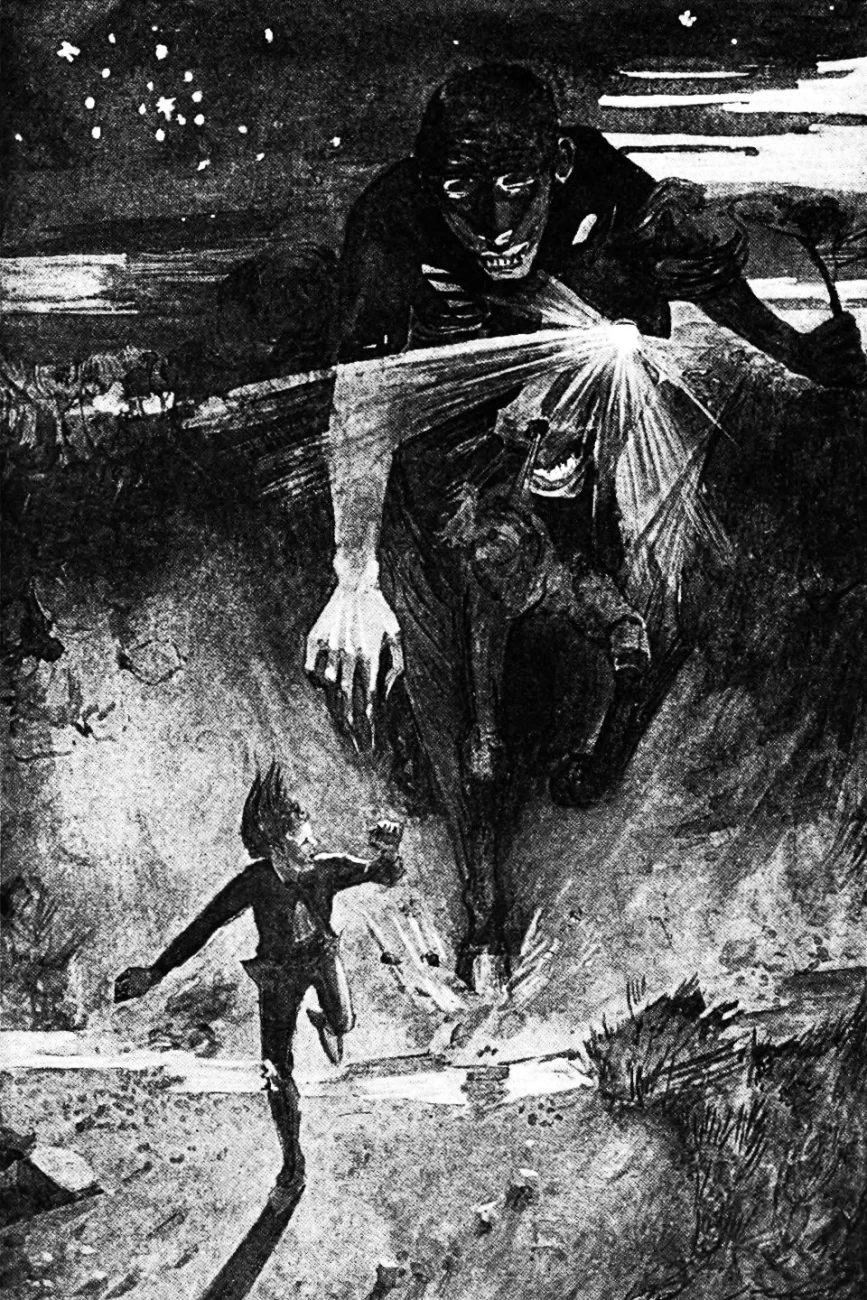
From the Orkney Islands, the Nuckelavee is a skinless, horse-like demon fused with a rider’s torso, infamous for bringing disease and drought. It is said to breathe out blight that withers crops and sickens livestock, binding the creature to agricultural fear. Folklore holds that it can’t cross fresh running water, giving islanders a practical escape in a landscape crisscrossed by burns. Its legend likely crystallized coastal anxieties about storms, failed harvests, and epidemic outbreaks.
Pontianak

In Malay and Indonesian folklore, the Pontianak is the vengeful spirit of a woman who died during pregnancy or childbirth. She appears as a beautiful woman with long hair and a floral scent that turns foul as she closes in on victims. Traditional stories say she targets men and can be repelled or delayed by nails driven into certain parts of her body, which temporarily humanize her. Nighttime banana groves and isolated roads are classic settings for Pontianak encounters, underlining the danger of traveling alone.
Aswang
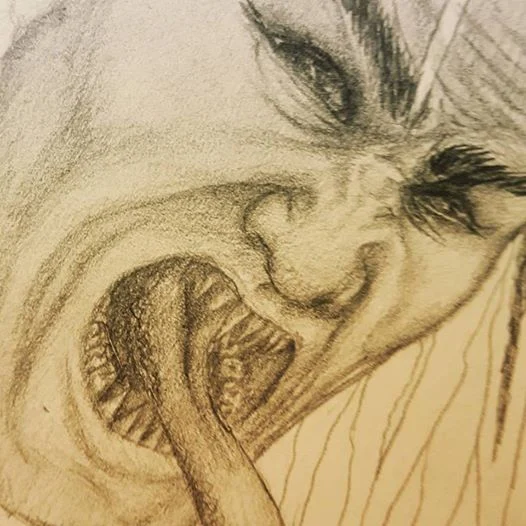
The Aswang is a broad Filipino category of shape-shifting predators that includes ghouls, vampires, and were-beasts. Regional variations describe long, proboscis-like tongues for extracting blood or viscera, as well as human doubles that blend into villages by day. Folklore emphasizes protective measures such as placing garlic, salt, or specific herbs around doors and windows, especially near expectant mothers. Stories often frame the Aswang as both an external threat and a moral lesson about vigilance and community solidarity.
Penanggalan

Common in Malay and some Indonesian tales, the Penanggalan is a detached female head that flies at night with trailing viscera, seeking the blood of postpartum women and infants. It allegedly slips into homes through gaps in walls or roofs, making woven protections and thorny vines practical deterrents in traditional accounts. By day, the creature reattaches to a hidden body; villagers supposedly could expose it by salting or hiding the torso. The myth reflects community concerns around childbirth, sanitation, and postpartum vulnerability.
Dullahan

Irish folklore’s Dullahan is a headless rider who carries his own head and wields a spine as a whip, appearing where death is near. He is said to call out a person’s name, sealing their fate, while closed gates and locks offer no barrier to his passage. Legends place him on a black horse or a death-coach drawn by dark steeds with flaming eyes. The Dullahan’s rounds served as a grim reminder of mortality and the inevitability of fate.
La Llorona

La Llorona, “the Weeping Woman,” is a spectral figure from Mexican and broader Latin American folklore who wanders waterways mourning lost children. Many versions say she drowned her children—sometimes under duress or despair—and now lures the living toward rivers, lakes, or canals. Parents use her tale to warn children away from dangerous currents and nighttime wandering. Annual retellings and regional variations keep the focus on grief, accountability, and the risks of heedlessness.
Baba Yaga
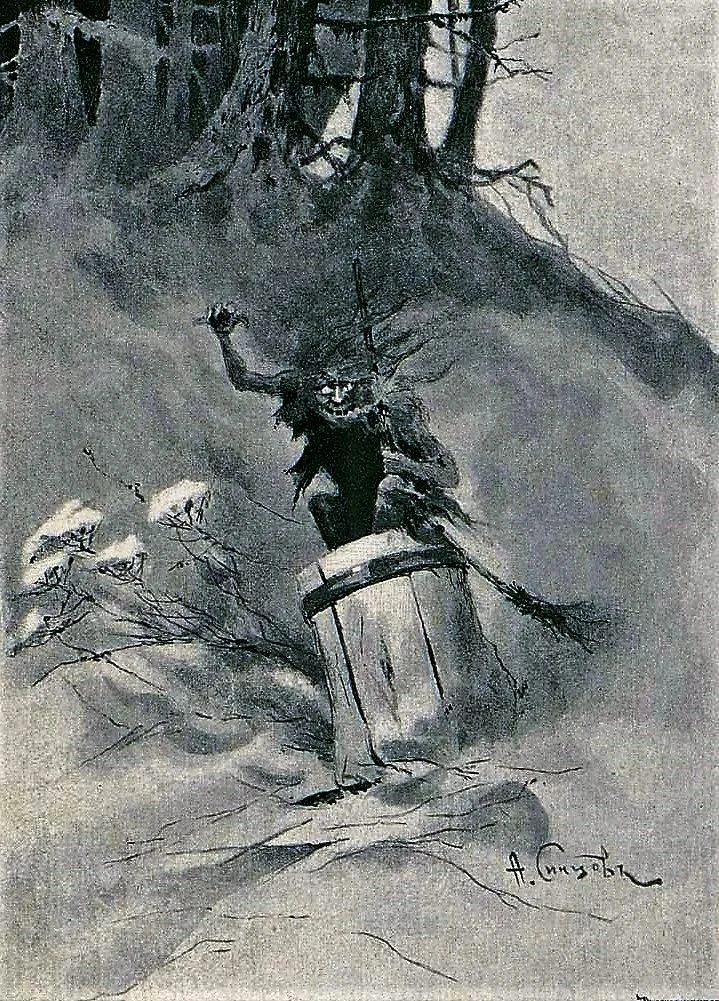
Baba Yaga is a formidable figure in Slavic folklore, a witch who lives in a hut that stands on chicken legs and flies in a mortar wielding a pestle. While she can aid or harm, many tales emphasize her ferocity, iron teeth, and tests that punish the careless or impolite. Travelers who meet her often face riddles, impossible chores, or bargains that demand courage and cunning. Her stories transmit rules about hospitality, respect for elders, and the dangers of straying from prescribed paths.
Jiangshi

The Jiangshi, often called a “hopping vampire,” is a reanimated corpse in Chinese folklore that moves with stiff limbs and drains vital energy (qi) from the living. Taoist priests in stories use talismans, ritual bells, and peach-wood implements to repel or control them. Traditional explanations connect Jiangshi appearances to improper burials, disrupted feng shui, or souls unable to find rest. The myth encodes concerns about funerary rites, filial duty, and the orderly return of the dead to their ancestors.
Rakshasa

In South Asian lore and classical Sanskrit literature, Rakshasas are powerful shape-shifting beings known for deception, man-eating habits, and magical prowess. They can assume human form to infiltrate communities, using illusions and sorcery to mislead or overpower opponents. Texts and folktales describe protective mantras, consecrated weapons, and dharmic conduct as counters to their predation. Their stories highlight moral clarity and discipline as defenses against chaos and cruelty.
Kumiho

The Korean Kumiho is a nine-tailed fox spirit that transforms into a human—often an alluring woman—to ensnare victims. Many accounts say it consumes human livers or hearts, while others allow a path to benevolence if it cultivates virtue over a long period. Fox-repelling talismans, vigilant elders, and strict social norms appear as safeguards in older tales. The Kumiho narrative underscores caution around appearances and the ethical weight of long-term self-transformation.
Jorōgumo

In Japanese folklore, Jorōgumo is a spider yōkai that disguises itself as a beautiful woman to lure travelers into secluded places. She lives near waterfalls or abandoned houses and traps victims in silk before feeding. Musicians and solitary wanderers feature frequently as targets, reflecting real-world dangers of isolated travel. Legends advise companions, wayfinding care, and attention to uncanny beauty as practical protections.
Draugr

Norse sagas describe the Draugr as an undead guardian of burial mounds, retaining superhuman strength, size, and a rancid aura. It protects grave goods, attacks intruders, and can shapeshift or swell to monstrous proportions in some accounts. Heroes combat it with decapitation, burning, or sea burials to prevent a return. These stories reinforce the sanctity of graves and the peril of disturbing the dead for treasure.
Adze

Among the Ewe people of Ghana and Togo, the Adze is a vampiric entity that can take the form of a firefly to slip into homes at night. In human form it is blamed for illness, sudden wasting, and social discord, especially where envy or unresolved conflicts exist. Protective practices include community scrutiny, ritual specialists, and attention to cleanliness and boundaries. The legend links personal misfortune to broader social health and ethical conduct.
Bunyip
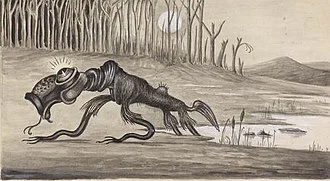
Australian Aboriginal stories describe the Bunyip as a dangerous water-dwelling creature inhabiting billabongs, creeks, and swamps. Its appearance varies by region, but it is consistently tied to drowning hazards and the sanctity of restricted waterholes. Many accounts warn children and travelers to avoid certain waters at night or during particular seasons. The Bunyip’s lore maps cultural respect for waterways and the real risks hidden beneath calm surfaces.
Share your favorite folklore terror—or the one from your region that we missed—in the comments!