15 Most Mysterious Real-Life Vampire Cases

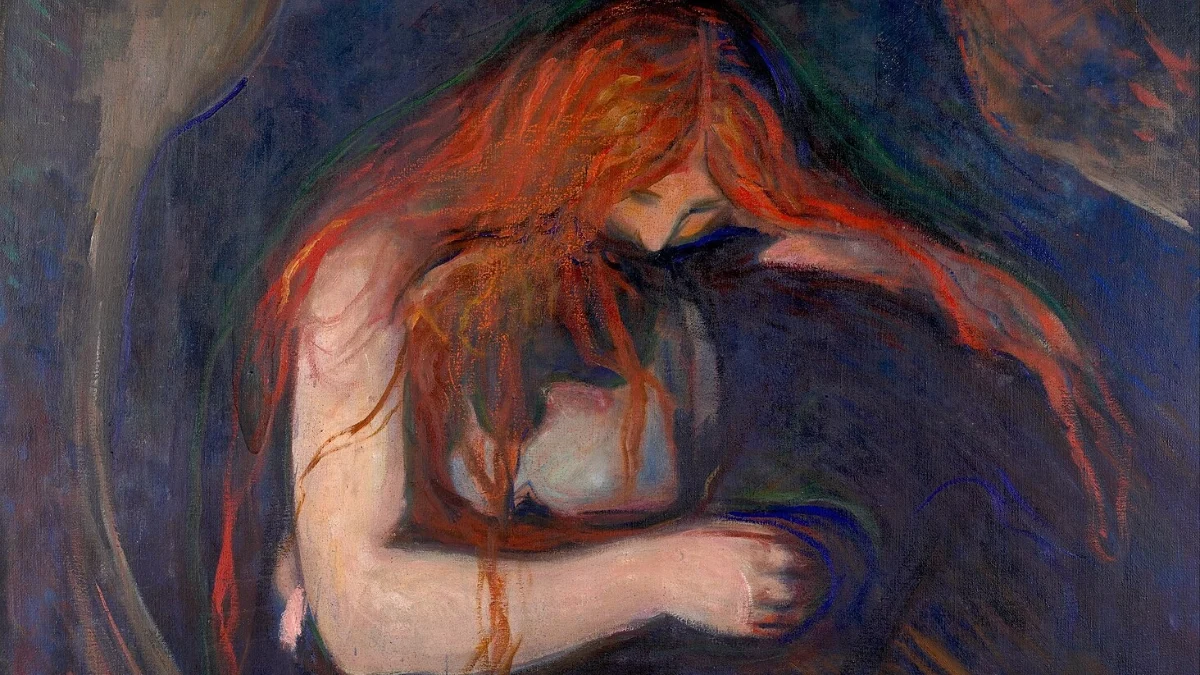

From early modern exhumations to 20th-century crime scenes, the idea of “real” vampires has surfaced in police files, court transcripts, travelogues, and archaeological digs. The cases below span centuries and continents, tying together outbreaks of disease, folk beliefs, and a few grim murders with details that made witnesses and officials reach for the language of vampirism. Here are fifteen of the most cited episodes, presented with the names, places, documents, and findings historians and investigators still discuss.
Jure Grando of Istria
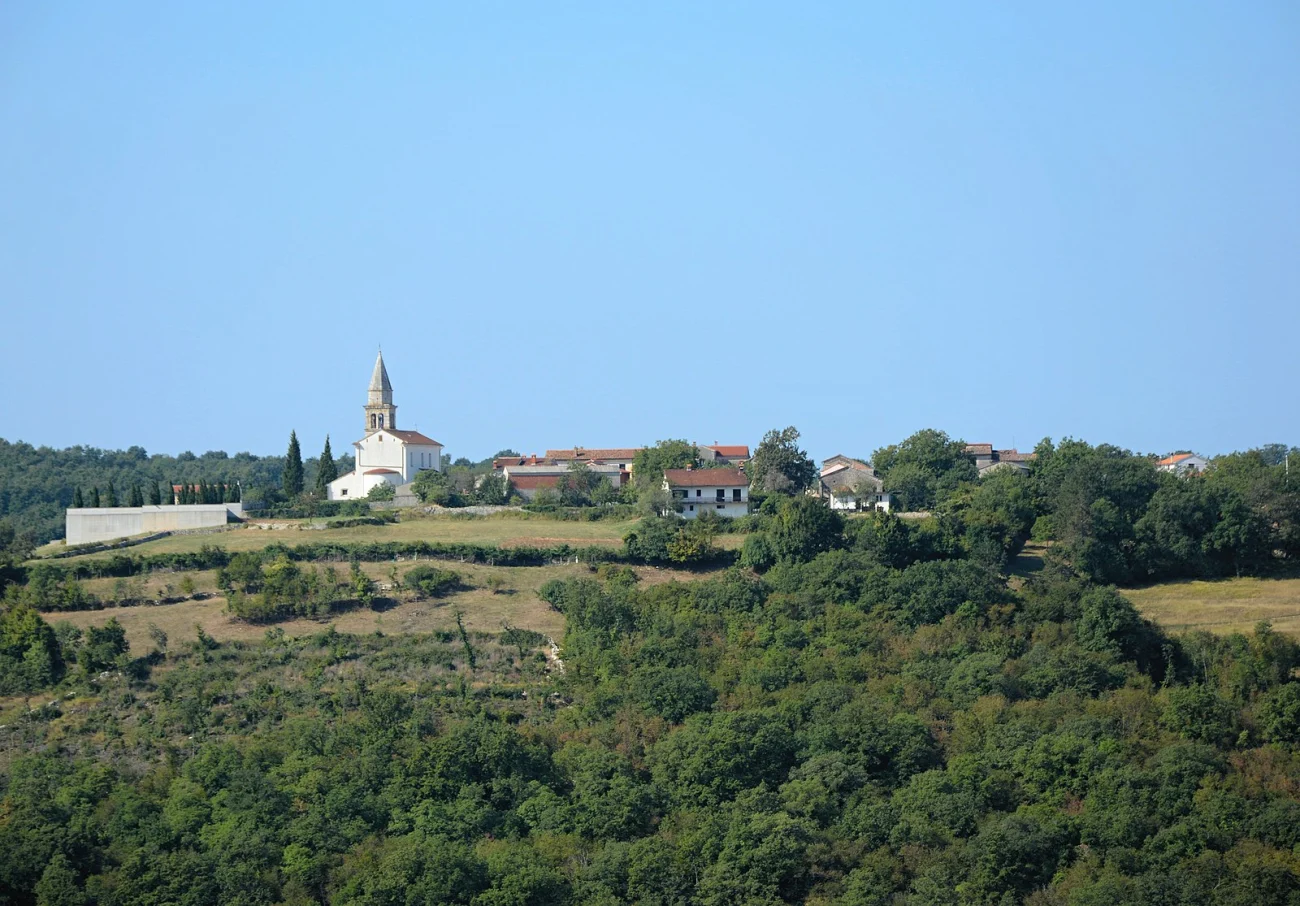
The 17th-century account of Jure Grando from Kringa, Istria (now Croatia) is one of Europe’s earliest written “vampire” reports. Johann Weikhard von Valvasor described in 1689 how villagers exhumed Grando’s body years after his death, claiming disturbances ended only after they staked and decapitated the corpse. The case appears in regional chronicles rather than court records, but it is unusually detailed for the era. Its procedures—staking, decapitation, and reburial—match anti-vampire practices documented across the Balkans.
Petar Blagojević of Kisiljevo
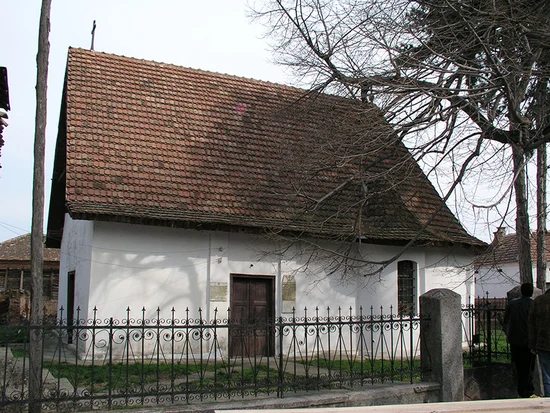
In 1725, Austrian imperial officials in Kisiljevo (today in Serbia) recorded testimony that Petar Blagojević’s corpse seemed “fresh” and that several villagers died after reporting nighttime visitations. The local administrator and a military surgeon documented an exhumation in which they observed liquid blood and growth of hair and nails, signs then interpreted as vampirism. The report was circulated in Viennese newspapers, spreading the term “vampyr” across Western Europe. Modern pathology explains the observations as normal decomposition, but the record is a primary source for early vampire lore.
Arnold Paole of Medveđa
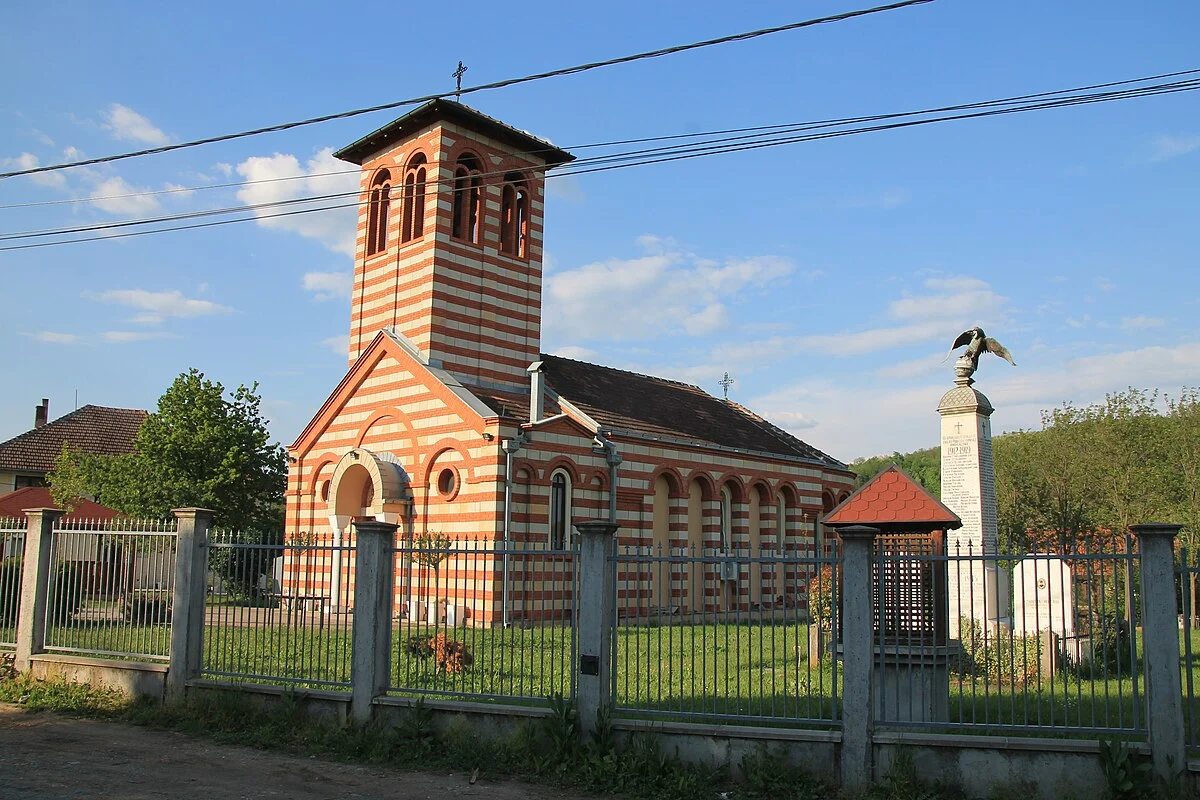
Between 1726 and 1731, Medveđa (Serbia) witnessed multiple deaths following claims that the soldier Arnold Paole had become a vampire after his own earlier “cure” for vampirism. Austrian army physician Johann Flückinger compiled the 1732 “Visum et Repertum,” describing exhumations, physical findings, and reinterment measures. The memorandum listed names, dates, and procedures, making it one of the most cited official documents on the subject. Its circulation influenced medical, military, and ecclesiastical responses to suspected vampirism across the Habsburg frontier.
Elizabeth Báthory
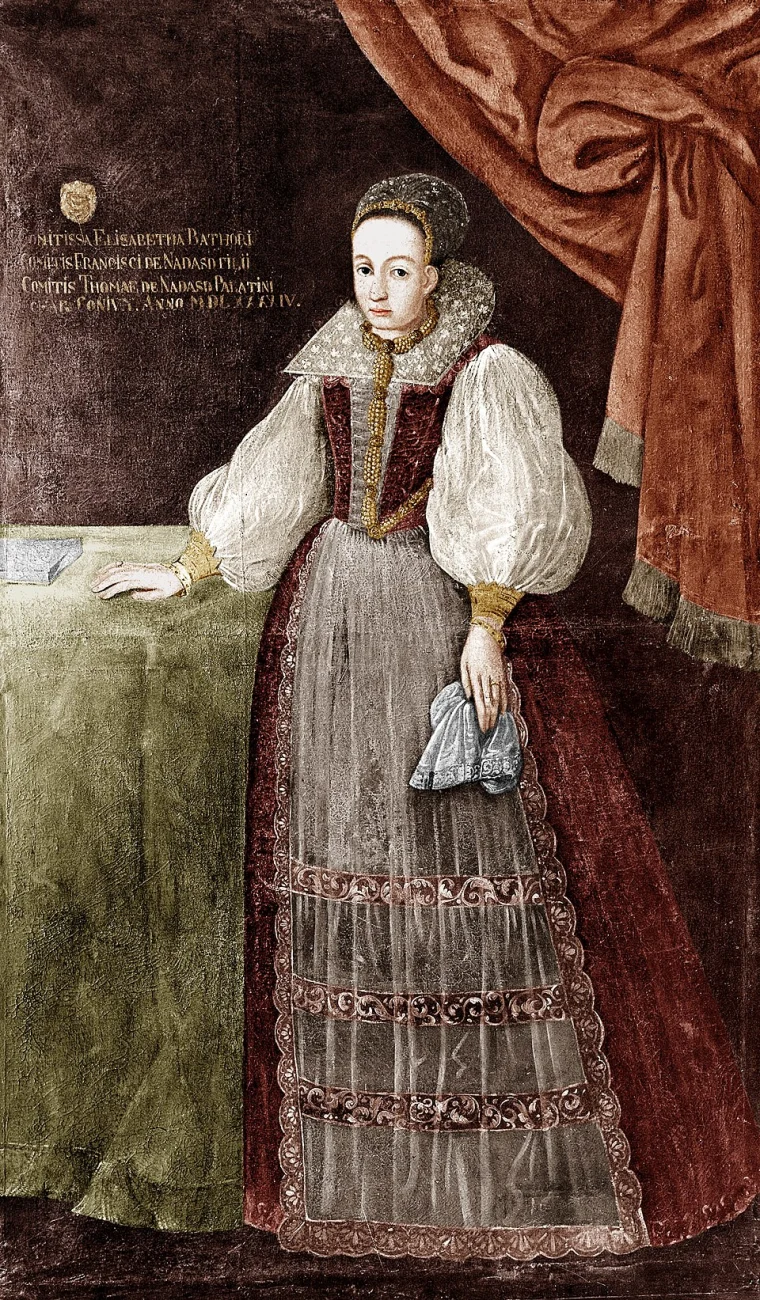
Countess Elizabeth Báthory was tried in 1610–1611 in the Kingdom of Hungary, accused of torturing and murdering numerous young women. Later legends claimed she bathed in blood to preserve youth, a detail absent from the trial records but persistent in subsequent retellings. Contemporary documents reference confinement, testimony from servants, and the seizure of her estates, not ritual blood-use. The gap between court evidence and later embellishment illustrates how criminal cases became attached to vampiric or blood-centric folklore.
Mercy Brown of Rhode Island
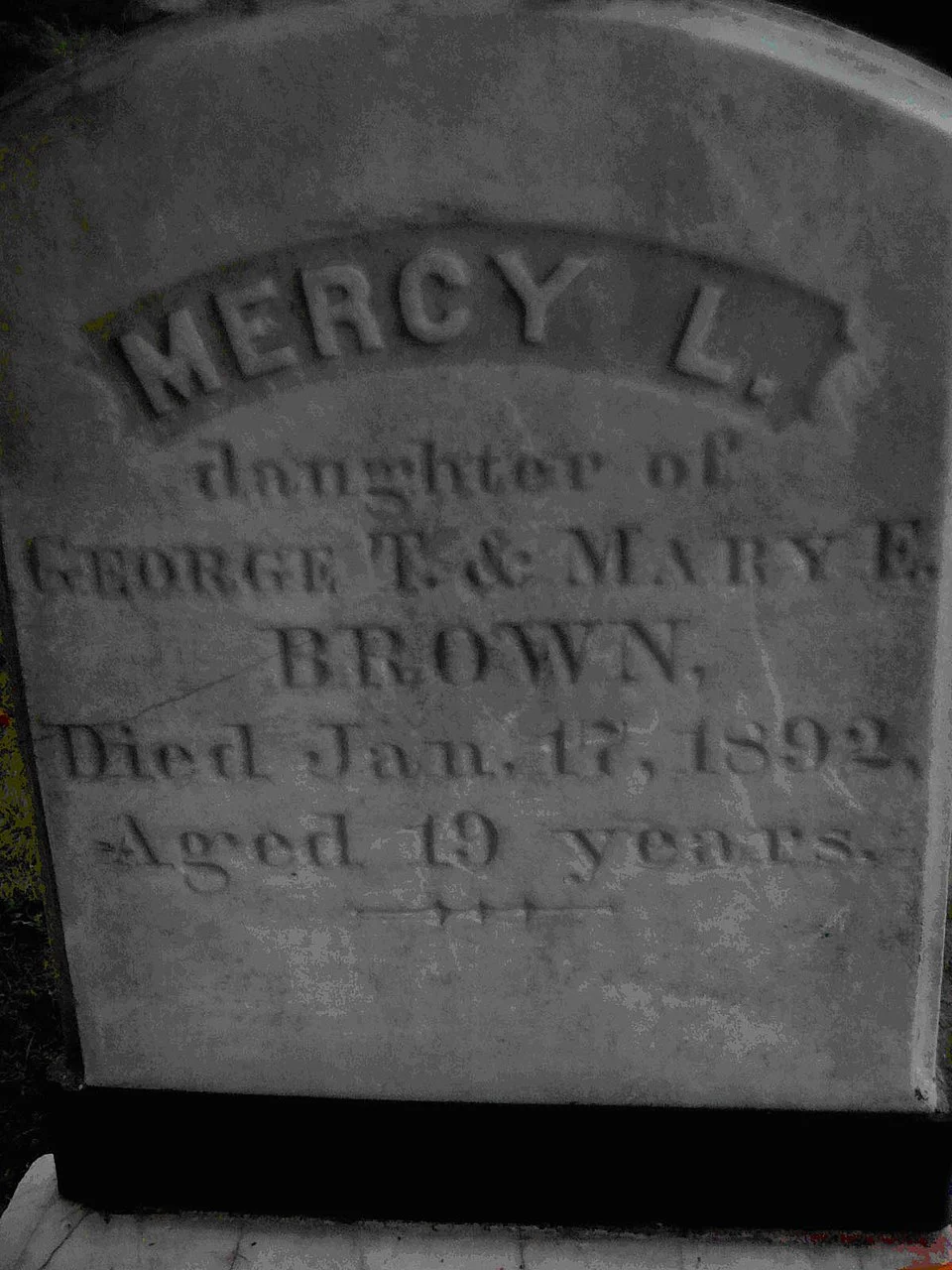
In 1892, the family of Mercy Brown in Exeter, Rhode Island, exhumed her body amid a tuberculosis outbreak. A local physician present at the exhumation recorded that her organs showed signs consistent with natural preservation during winter, but the heart was removed and burned per community belief. Her brother, Edwin, consumed the ashes mixed in a remedy, a practice aimed at stopping the “life drain.” Newspaper coverage made the incident a defining episode of New England’s late-19th-century “vampire” scares.
The New England Vampire Panic
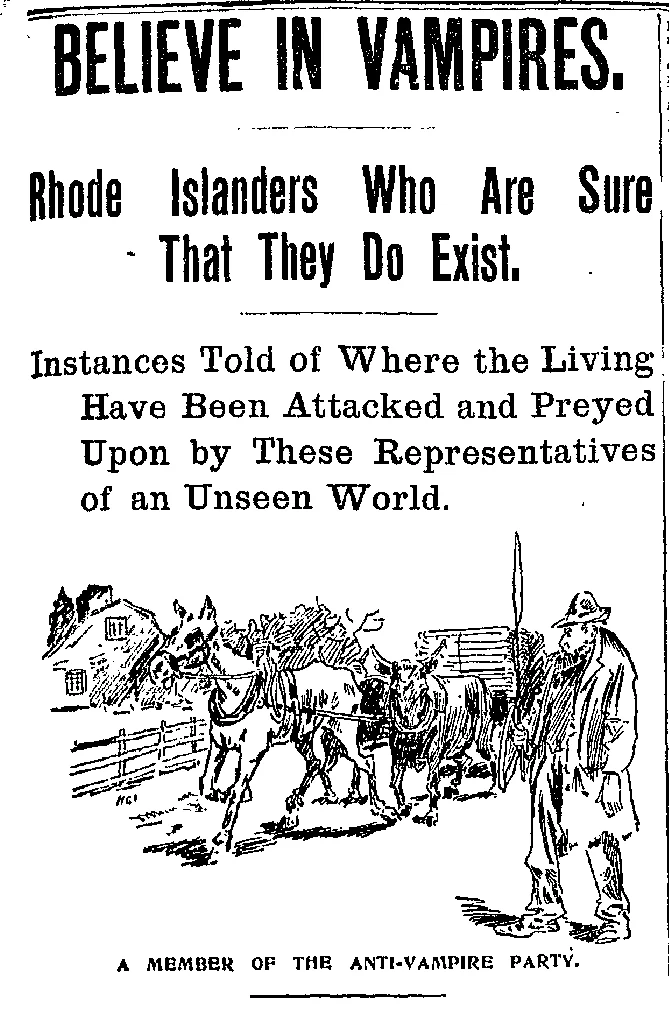
From the late 1700s to the 1890s, rural New England communities occasionally exhumed tuberculosis victims, interpreting the wasting disease as vampiric predation. Families sometimes removed and burned hearts or lungs of the deceased, with clergy or physicians sometimes observing. Town records and regional newspapers preserve dozens of such references across Rhode Island, Connecticut, and Vermont. The tradition faded as germ theory and public health measures reframed consumption as an infectious illness rather than a supernatural threat.
The Highgate Cemetery Vampire

In late 1960s and early 1970 London, reports of a tall, spectral figure in Highgate Cemetery led to highly publicized night watches and unauthorized exhumations. Competing self-styled investigators drew crowds, and police intervened over vandalism and grave tampering. Contemporary newspapers and court proceedings document the disturbances rather than verifying any supernatural entity. The episode remains a case study in how media attention and urban legend can escalate into real-world cemetery incidents.
Peter Kürten, the “Vampire of Düsseldorf”
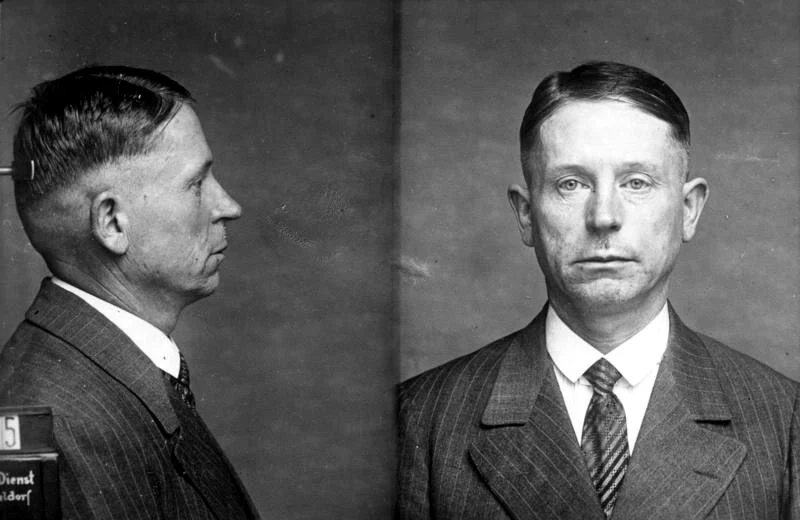
German serial offender Peter Kürten committed assaults and murders in 1929–1930, with forensic files indicating that he sometimes drank victims’ blood. His arrest, psychiatric evaluations, and trial transcripts detail methods, timelines, and statements given to investigators. The press adopted the “vampire” moniker because of blood-drinking, not folklore or exhumation. Execution records confirm his death by guillotine in 1931 following conviction.
Richard Chase, the “Vampire of Sacramento”
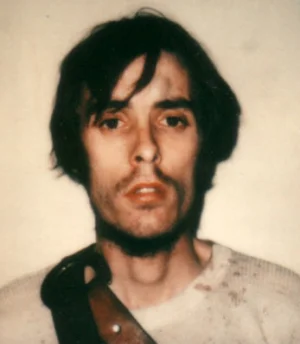
In California during 1977–1978, Richard Chase killed multiple victims and engaged in post-mortem blood-related acts documented in autopsy and case files. He was apprehended through witness descriptions and forensic evidence linking him to the scenes. Court proceedings established severe mental illness, and he was later found dead in prison. The case is frequently cited in criminology analyses of offenders exhibiting clinical vampirism behaviors.
The Atlas Vampire of Stockholm
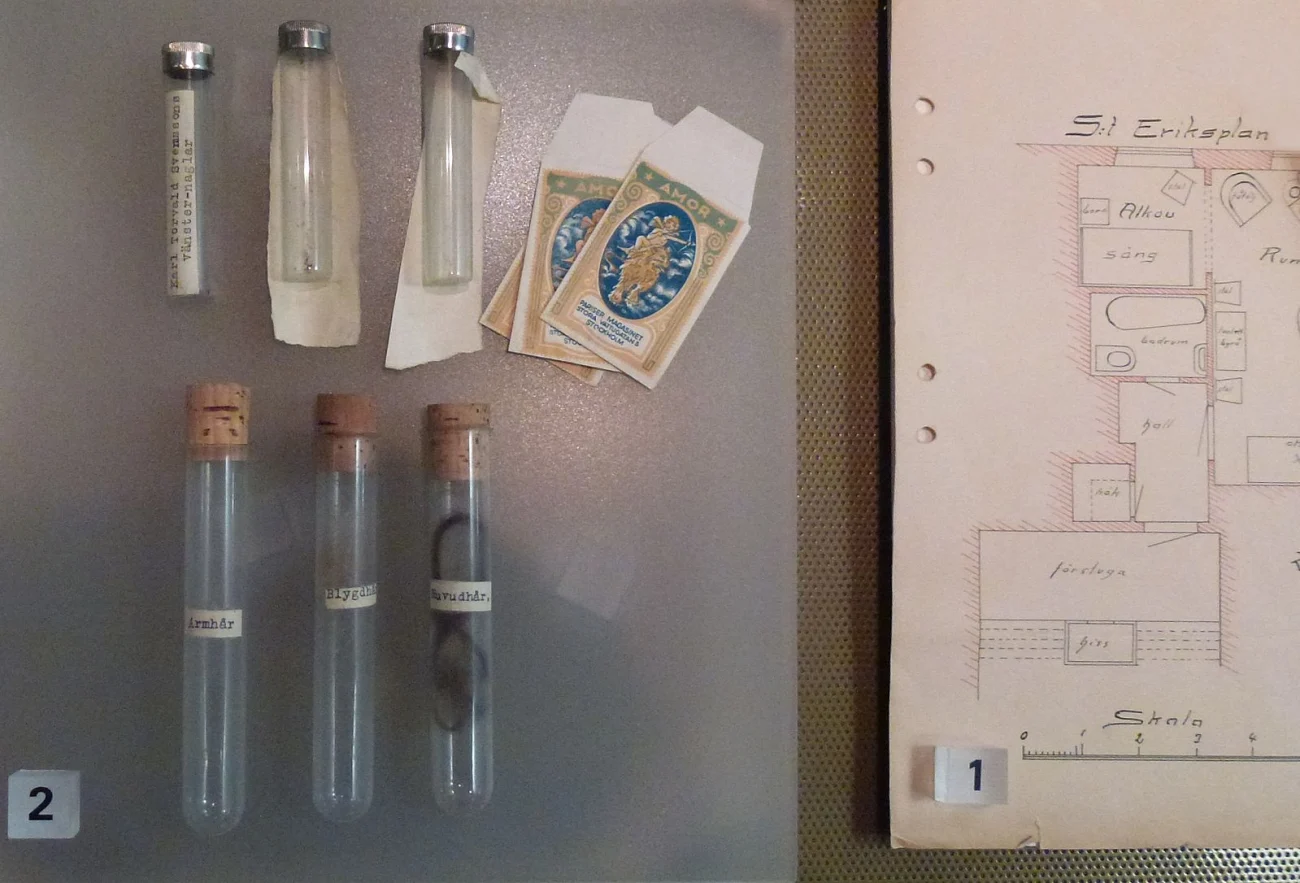
In 1932, Stockholm police investigated the murder of Lilly Lindeström, discovered with evidence suggesting blood had been extracted. The scene included a ladle and a condom, and the case file’s forensic notes prompted the “Atlas Vampire” nickname, derived from the district where she lived. Despite extensive questioning of acquaintances, the case remains unsolved. Police archives and contemporary Swedish newspapers preserve the primary details known today.
The Vampire of Ropraz
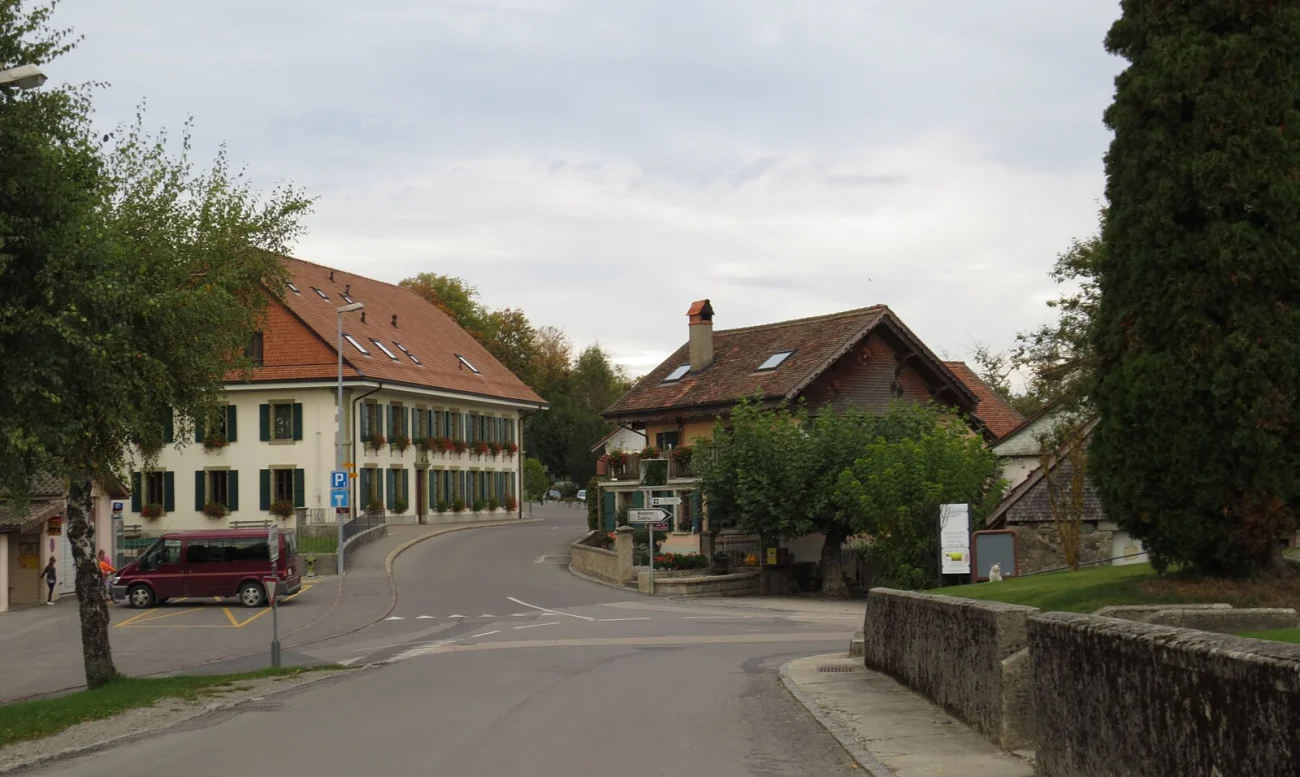
In 1903, grave desecrations in Ropraz, Switzerland, involved exhumed bodies with reports of mutilation interpreted as vampiric. Authorities arrested a local farmhand, Félicien R., whose mental health and circumstances were debated in court and later commentary. Records note limited physical evidence tying him to all incidents, leaving aspects of attribution contested. The case remains a touchpoint in Swiss criminological history for how superstition and sensationalism intersected with early forensic practice.
“Vampire” Burials at Drawsko, Poland
Archaeologists excavating 17th–18th-century graves at Drawsko documented interments with sickles across the throat or abdomen and padlocked jaws. These placements are interpreted as anti-vampire or anti-revenant measures used by local communities during plague periods. Osteological and isotopic analyses have been published, identifying demographic profiles and possible origins of the individuals. The site provides material culture evidence for beliefs about preventing post-mortem malevolence.
Sozopol’s Staked Skeletons
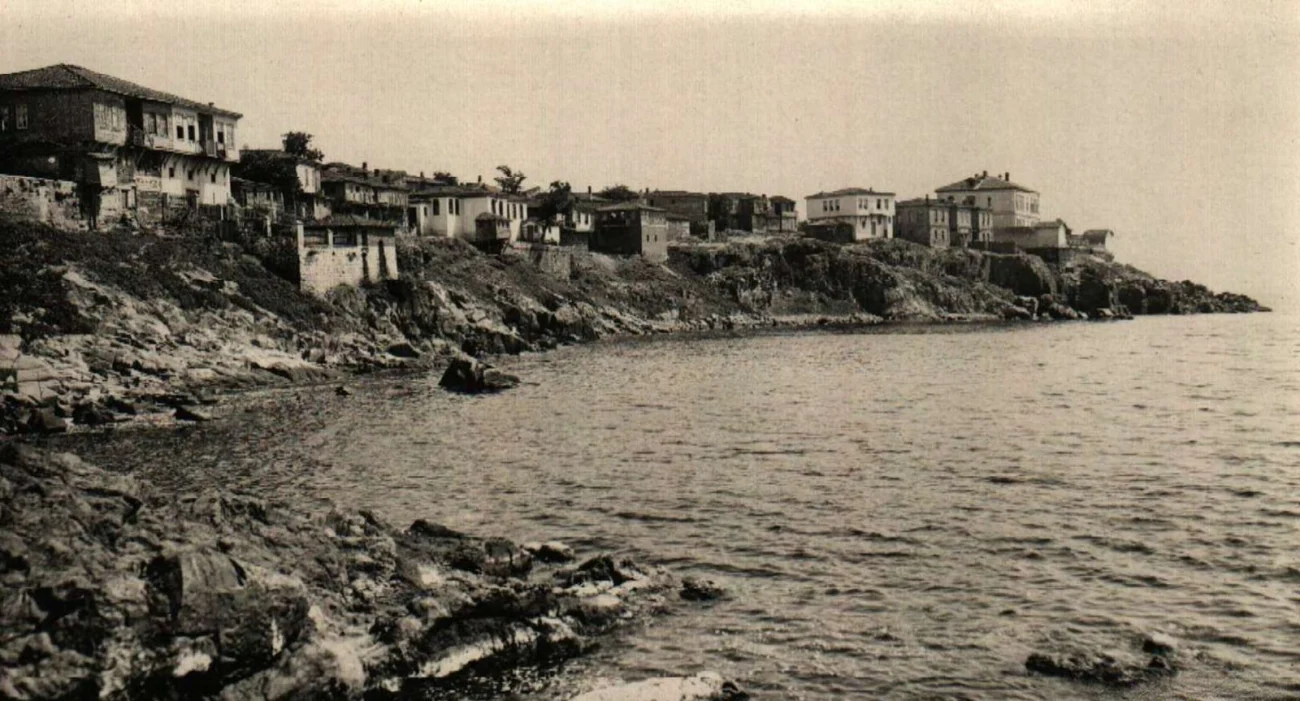
In Sozopol, Bulgaria, medieval burials were uncovered with iron rods driven through the chest area, a practice linked locally to stopping “vampires.” Bulgarian archaeologists reported comparable finds at other Black Sea sites, suggesting a regional mortuary tradition. The interments date to the Middle Ages and align with documented Balkan anti-revenant customs. Museum exhibitions and field reports have presented the artifacts and context to the public.
The Čelákovice “Vampire” Graves
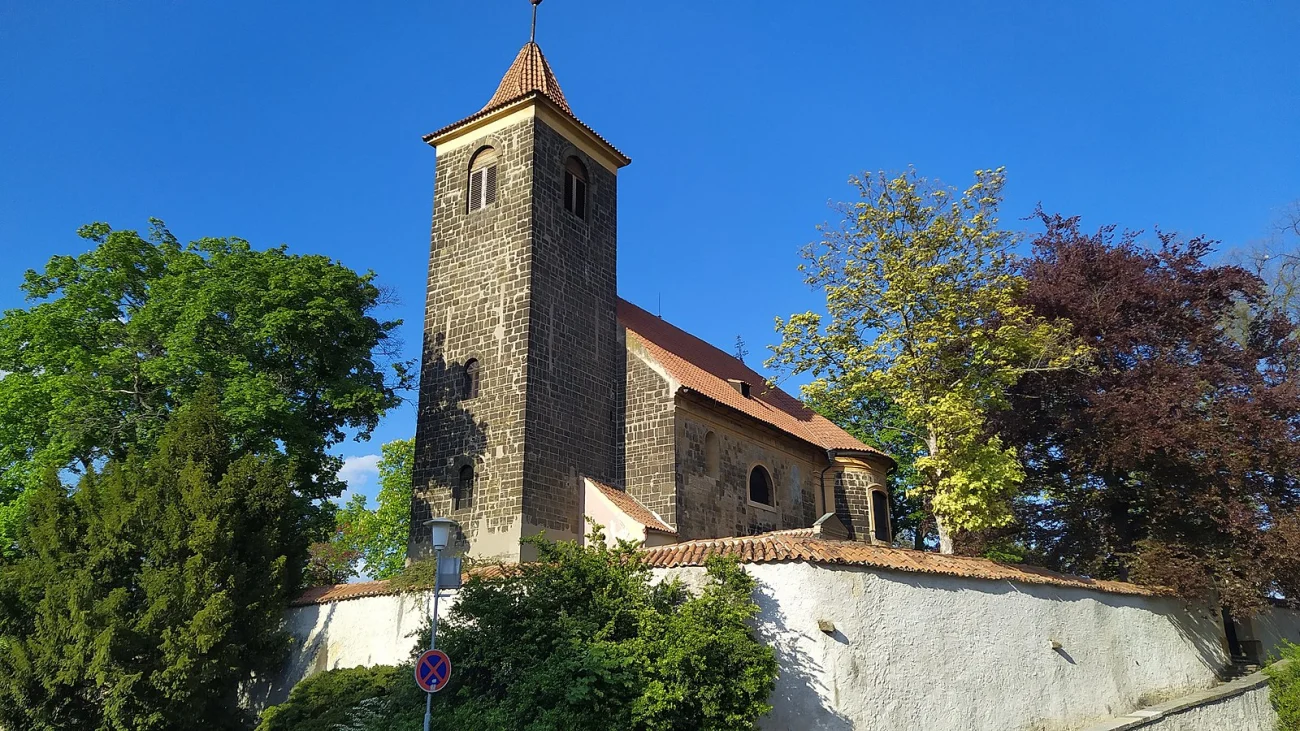
Discovered in the 1960s near Prague, the Čelákovice cemetery yielded early medieval burials with decapitations and stones placed on necks and legs. Archaeologists interpret the manipulations as apotropaic measures against revenants rather than evidence of crime. The graves’ orientation, artifacts, and cut marks have been studied to reconstruct ritual sequence. The site is frequently cited in surveys of anti-vampire mortuary practices in Central Europe.
Sava Savanović of Zarožje
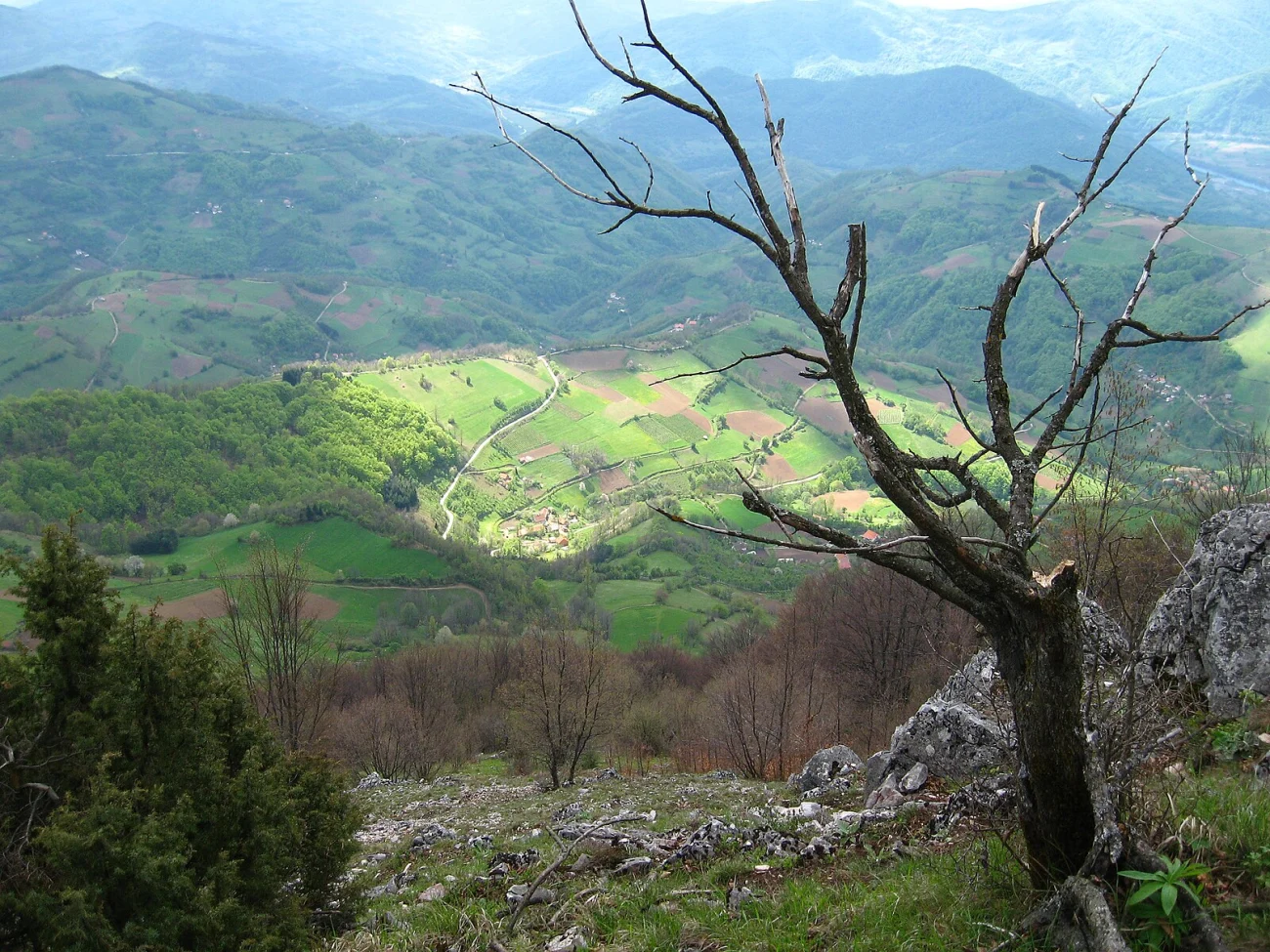
Serbian folklore situates the vampire Sava Savanović at a mill near the village of Zarožje, with documented mentions in 19th-century literature and ethnographic notes. The legend resurfaced in municipal notices in the 2010s warning residents after the mill’s collapse, reflecting living tradition rather than a police-verified event. Local tourism materials, place-names, and oral histories preserve details of the supposed attacks and protective rituals. The case illustrates how a folkloric vampire remains embedded in community records and public communications.
Share your take on which case surprised you most—and tell us in the comments if there’s another documented vampire story we should add.