Top 10 Coolest Things About Jason Statham

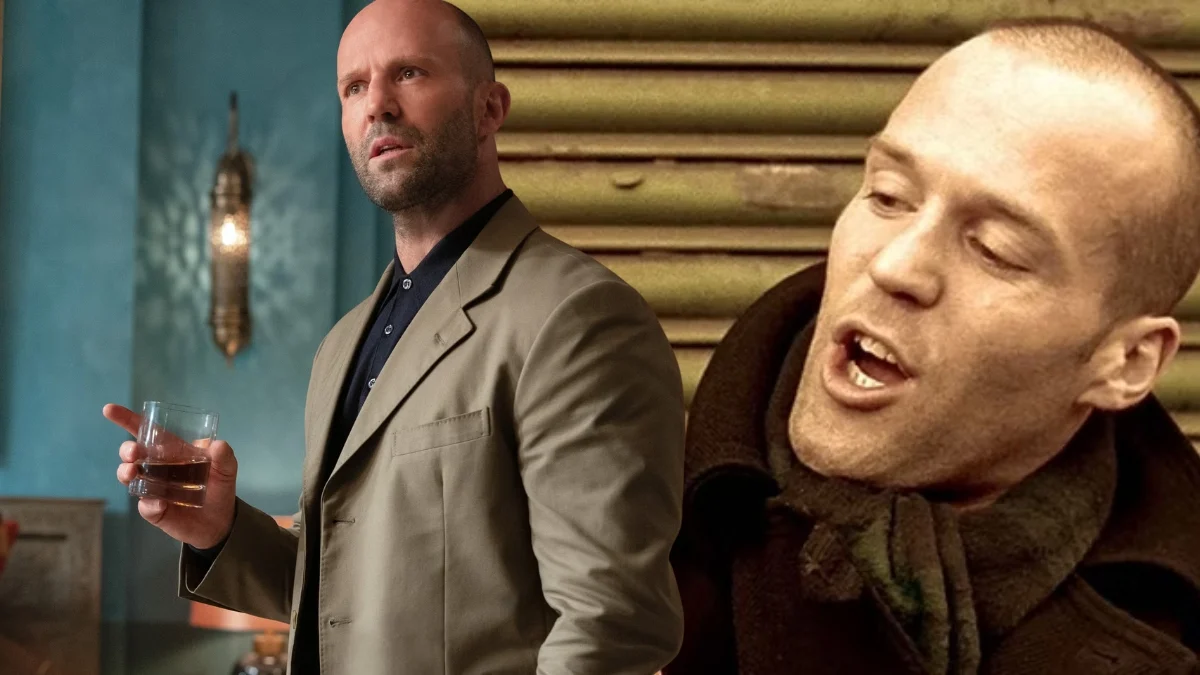

Jason Statham built a rare lane in modern action cinema: a leading man who blends precision fight work, deadpan timing, and a grounded, everyman edge. He moved from British indie crime capers to globe-spanning franchises without losing the practical, hands-on style that audiences recognize on sight. Along the way he’s worked with distinctive directors, performed difficult stunt beats, and even flipped expectations with sharp comedy. Here are ten factual highlights—film first, then the background—that show how he became a fixture of big-screen action.
‘Lock, Stock and Two Smoking Barrels’ (1998) – the street-market find who became a film natural

Guy Ritchie cast Statham after seeing his quick, persuasive patter from real street-market hustling, and the result was an authentic debut performance. He played Bacon, anchoring the film’s rapid-fire exchanges with steady, confident delivery. The role introduced his cool-under-pressure screen presence in a gritty, low-budget setting. It also kicked off a long-running collaboration with Ritchie that would resurface across multiple projects.
‘Snatch’ (2000) – the dry, fast-talking narrator who kept the chaos on track
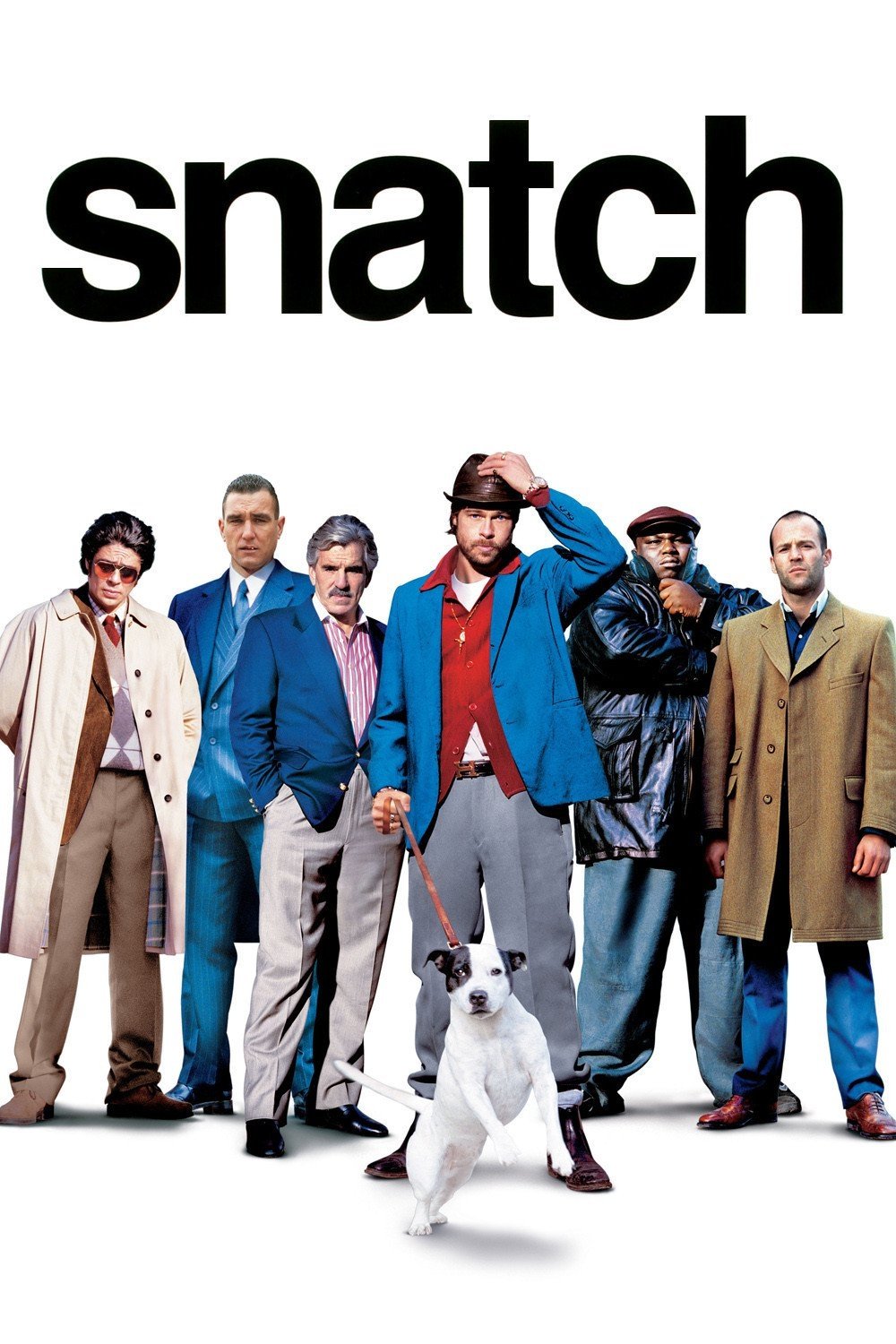
As Turkish, Statham served as both participant and narrator, guiding viewers through intersecting scams and brawls. The part showcased his clipped comic rhythm and ability to carry exposition without slowing momentum. His chemistry with an ensemble of larger-than-life characters helped the film’s pace feel nimble rather than crowded. The turn cemented him as a reliable center for intricate, multi-plot crime stories.
‘The Transporter’ (2002) – fight choreography and precision driving as a signature
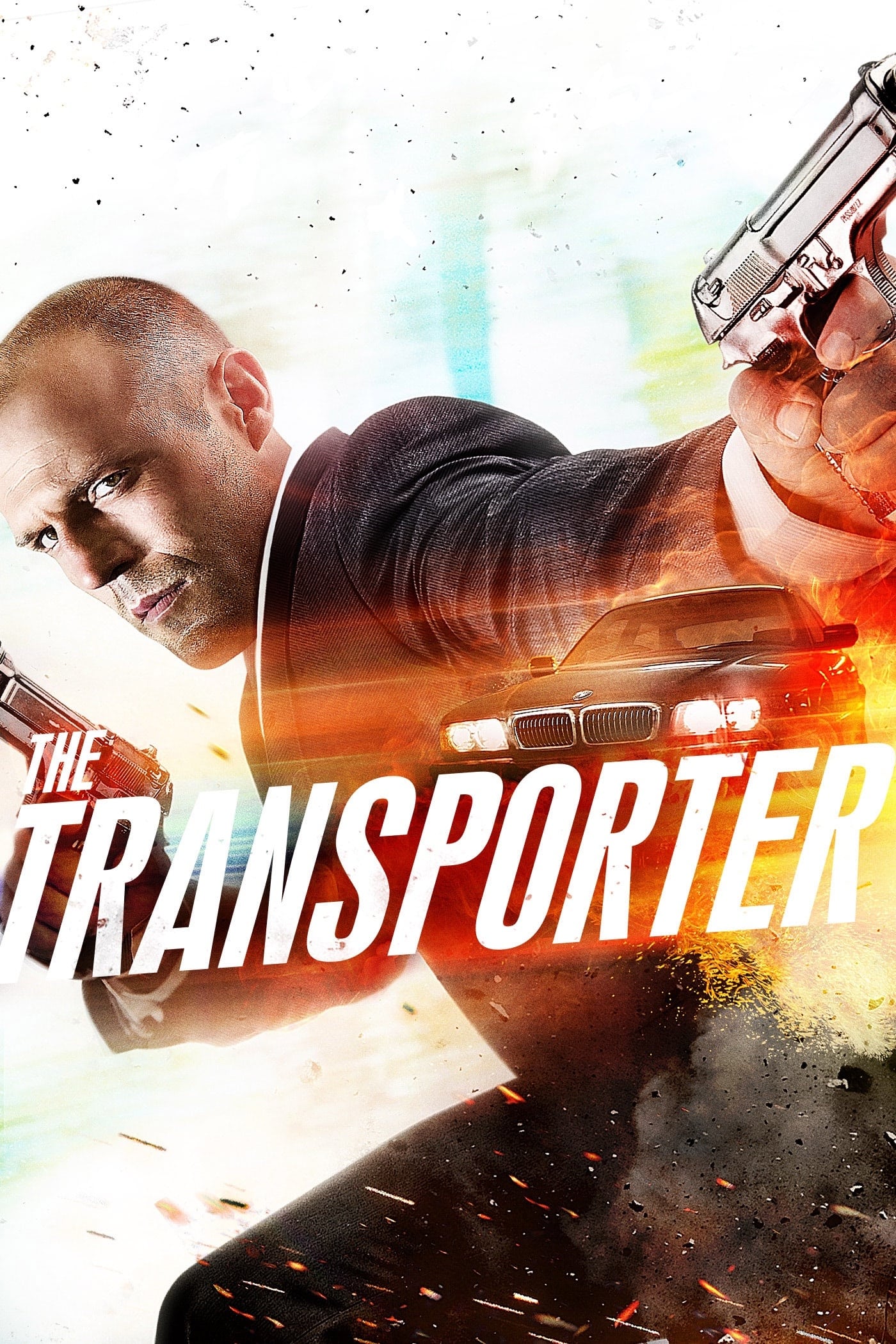
Statham’s Frank Martin blended martial-arts choreography, acrobatic grappling, and stylized car work into a sleek package. The film emphasized clean geography in action scenes, letting audiences follow every strike, throw, and gear change. It positioned him as a lead who could sell technically demanding sequences without excessive cutting. The character’s code and minimalist cool became a template for later roles.
‘Crank’ (2006) – experimental, high-energy action that pushed physical performance
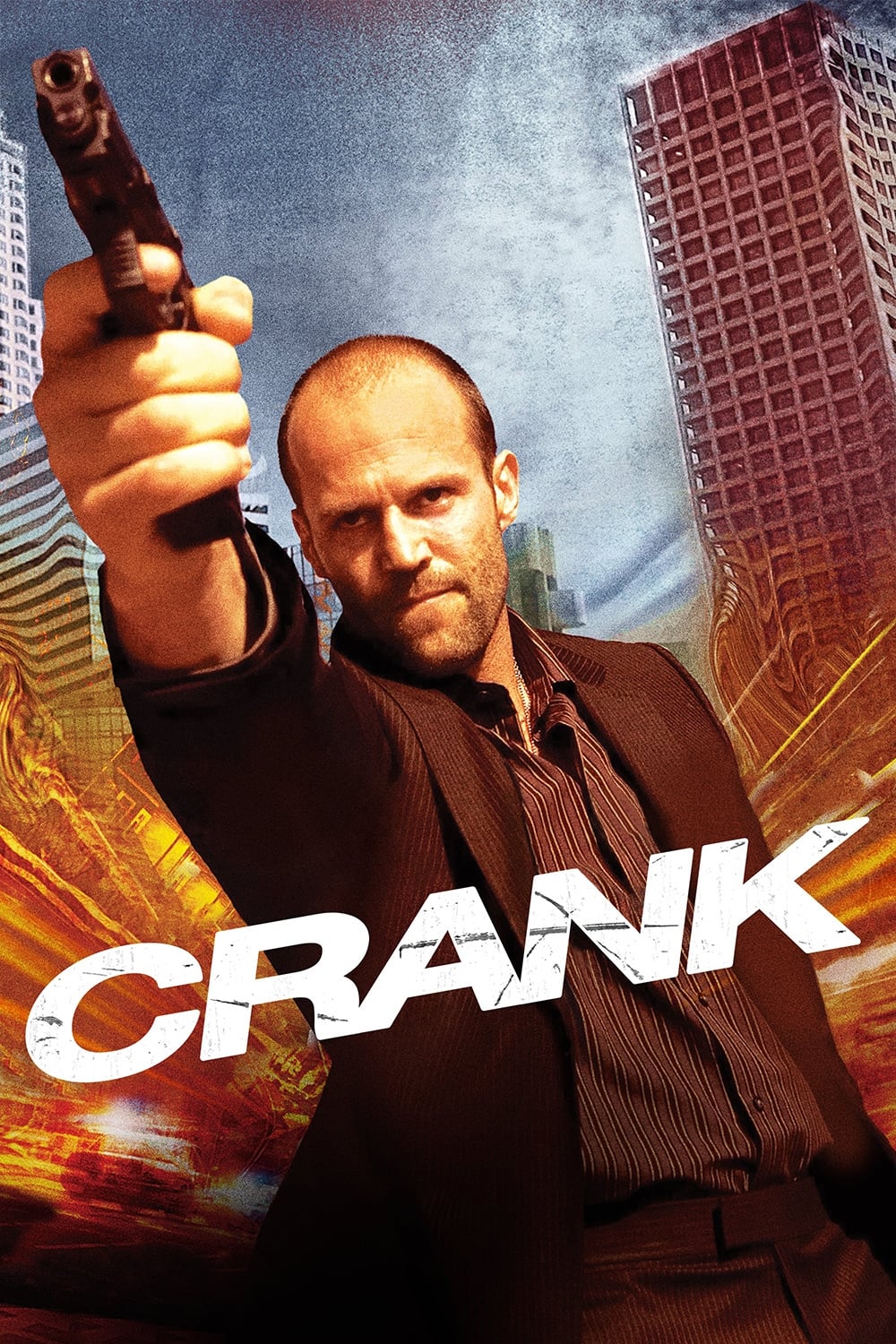
Working with the directing duo Neveldine/Taylor, Statham leaned into a kinetic style built on handheld cameras, wild blocking, and in-camera gags. He maintained character clarity even as the film’s premise demanded constant motion and escalating set pieces. The production relied heavily on practical, close-quarters beats that favored his athletic timing. It broadened his action toolbox beyond sleek professionalism into chaotic, blackly comic territory.
‘Furious 7’ (2015) – a franchise jolt as Deckard Shaw
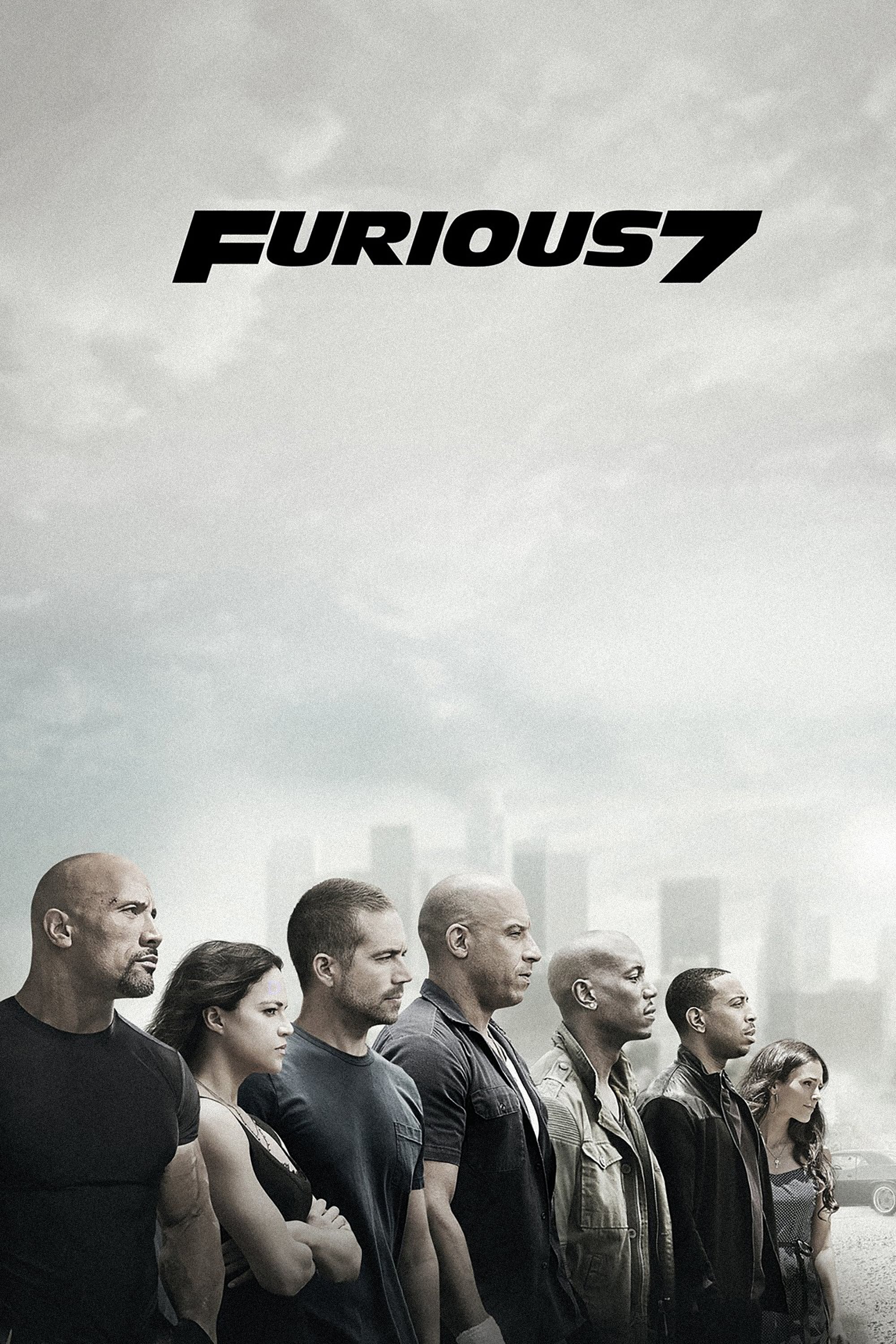
Statham’s arrival as Deckard Shaw shifted the series by adding a calculating, solo-operator foil to an ensemble built on family bonds. He delivered marquee fights, including a brutal hospital sequence and heavyweight showdowns with franchise leads. The character’s competence and code later supported team-ups and a gradual pivot toward antihero status. His inclusion helped bridge grounded hand-to-hand combat with the saga’s large-scale spectacle.
‘The Meg’ (2018) – leading a modern shark blockbuster
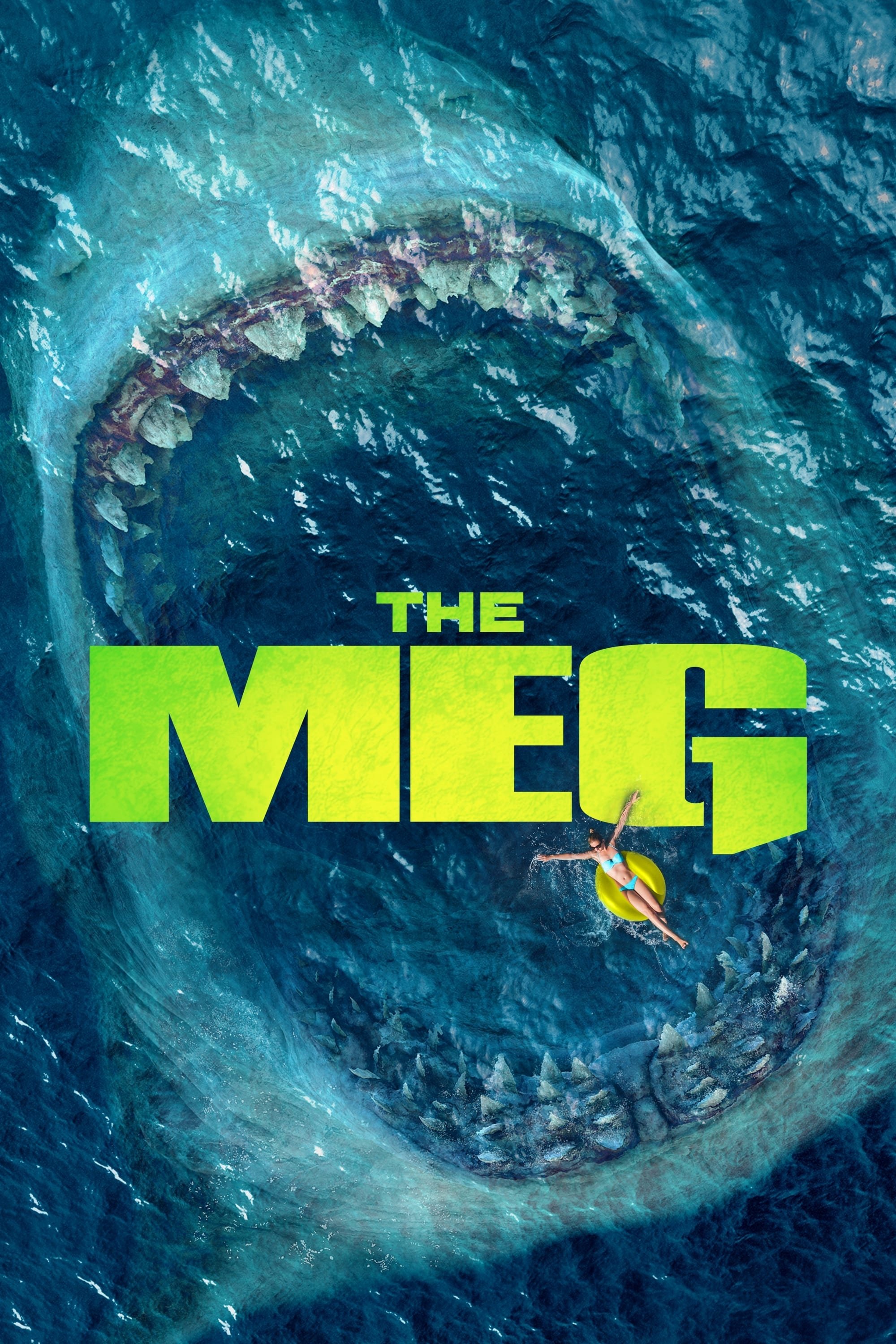
Statham headlined a creature feature that paired deep-sea tech with brisk, readable action staging. The film drew on Steve Alten’s novel while tailoring set pieces around confined spaces and water-based stunt work. His performance emphasized problem-solving under pressure, keeping the threat credible amid big visual effects. The success led to a continuing monster-shark run that expanded his tentpole résumé.
‘Spy’ (2015) – self-parody that proved sharp comedy chops
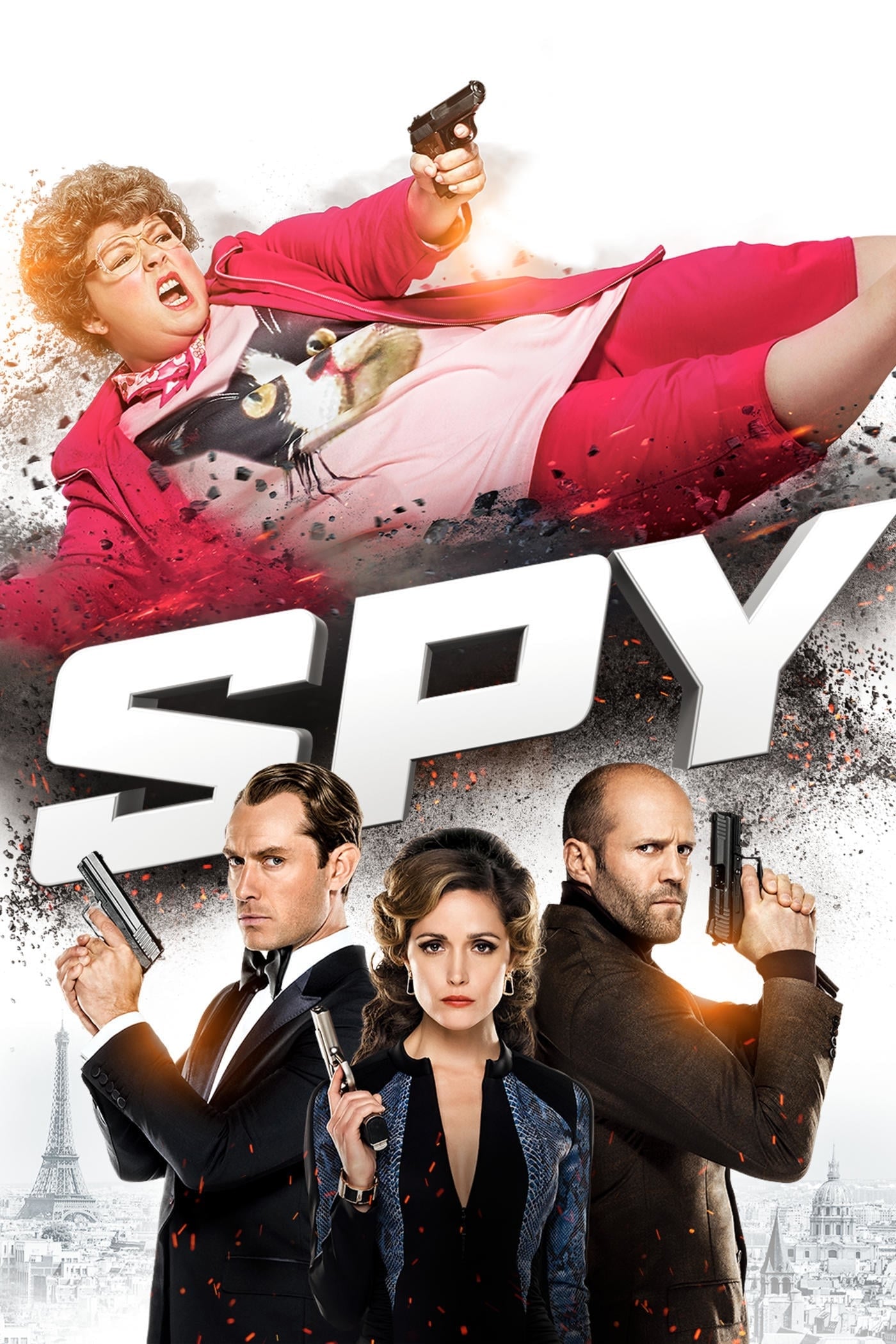
Playing Rick Ford, he sent up the indestructible action persona with a straight-faced barrage of improbable boasts. The role worked because he treated the absurdity with total seriousness, amplifying the jokes without mugging. He matched pace with seasoned comics while landing physical beats that felt perfectly timed. The film demonstrated range that opened doors for lighter, self-aware parts alongside his core action work.
Elite competitive diver turned action star
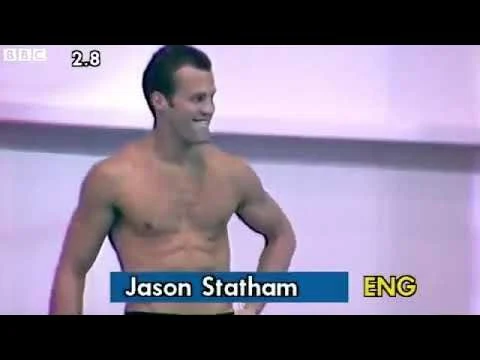
Before acting, Statham competed internationally for England’s diving team, specializing in springboard and platform events. That background built body control, breath discipline, and spatial awareness that translate directly to stunt performance. The athletic base helps with wire work, breakfalls, and long takes that demand precise landings. It also underpins the calm, economical movement that distinguishes his on-screen fights.
Performs many of his own stunts with fight-sport training

Statham is known for handling a significant share of his action, within safety protocols and with expert stunt teams. He has trained across disciplines associated with kickboxing and karate while adapting techniques for camera. Collaboration with coordinators ensures the choreography reads cleanly and protects partners during complex exchanges. The result is action that looks tactile, with impacts and reactions that feel earned rather than simulated.
Guy Ritchie collaborator who helped export Brit-crime style globally

Statham’s repeated team-ups with Ritchie—beginning with early crime films and later with titles like ‘Wrath of Man’ and ‘Operation Fortune: Ruse de Guerre’—show a durable director-actor shorthand. These projects favor crisp visual storytelling, hard-edged humor, and tight, character-driven set pieces. His presence links the indie roots of that style to mainstream audiences without smoothing away its attitude. The partnership demonstrates how a consistent creative pairing can evolve while keeping a distinct identity.
Enjoyed this rundown? Share your favorite Jason Statham moment in the comments!